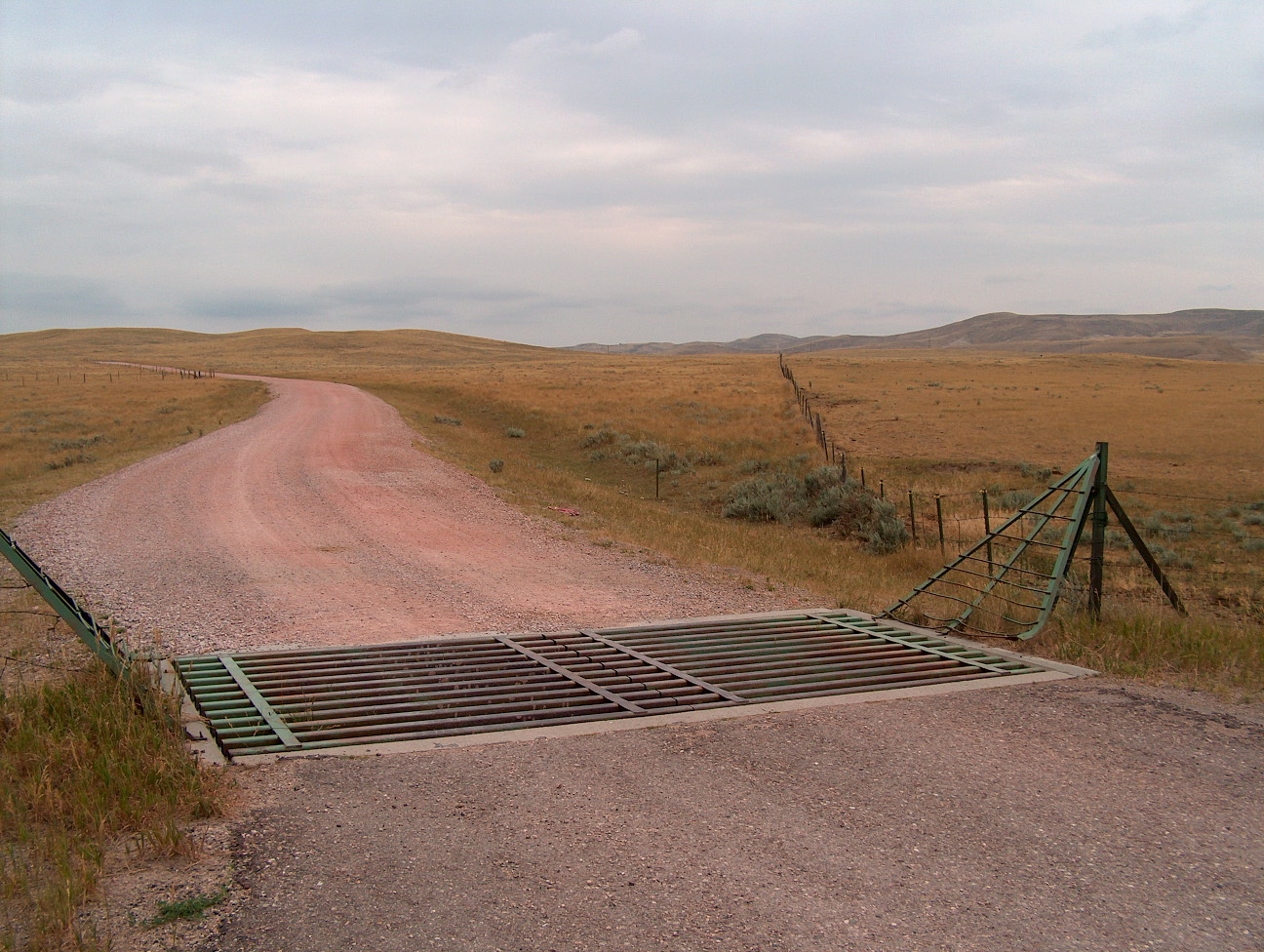
A hole in the road with bars across it, and the cows will not cross.
A fence stops an animal and also stops a vehicle. A gate stops neither, unless somebody closes it – and that last step is the one that fails, because a gate depends on every person closing it every time. The cattle guard is the only arrangement that stops livestock and passes vehicles with no moving parts and nobody’s attention required.
It works on footing rather than fear. A large animal that depends on its feet will not put weight on broken ground, and bars with visible space beneath read as unsafe. The bar spacing is the entire engineering problem: wide enough to deny a hoof, narrow enough for tyres. And it needs a real pit underneath, because bars on solid ground are just a rough road. Here are fifteen things every farm kid knew.
1. It Was a Gap in the Road That Cattle Would Not Cross
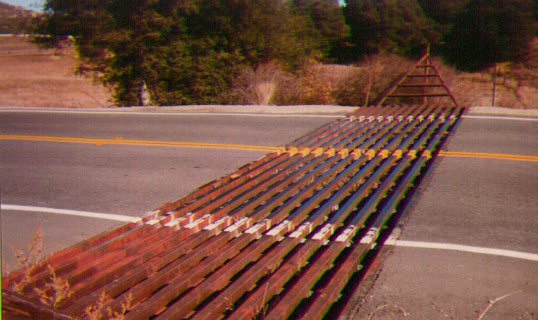
A shallow pit spanned by spaced bars or rails sat in the roadway at a fence line, letting vehicles drive over while stopping livestock from walking across.
Still in wide use on ranches, on public land roads and at property entrances, in steel and concrete versions.
The whole device is one idea and it is worth stating cleanly at the start. A fence stops an animal and also stops a vehicle; a gate stops neither unless somebody closes it. This is the only arrangement that stops one and not the other with no moving parts and nobody’s attention required.
Like our content? Follow us for more.
2. The Gate Was the Problem It Solved
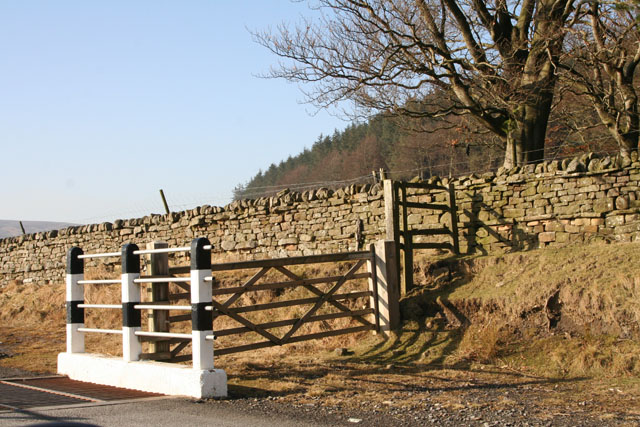
Before it, every fence crossing on a road needed a gate that somebody had to get out, open, drive through and close – and the last of those steps was the one that failed.
Still true wherever a gate is used.
The failure mode is human and completely predictable. A gate depends on every single person closing it every single time, including people in a hurry, people who did not know it mattered and people who were not coming back – and one omission puts livestock on the road.
3. It Worked on the Animal’s Footing, Not on Fear
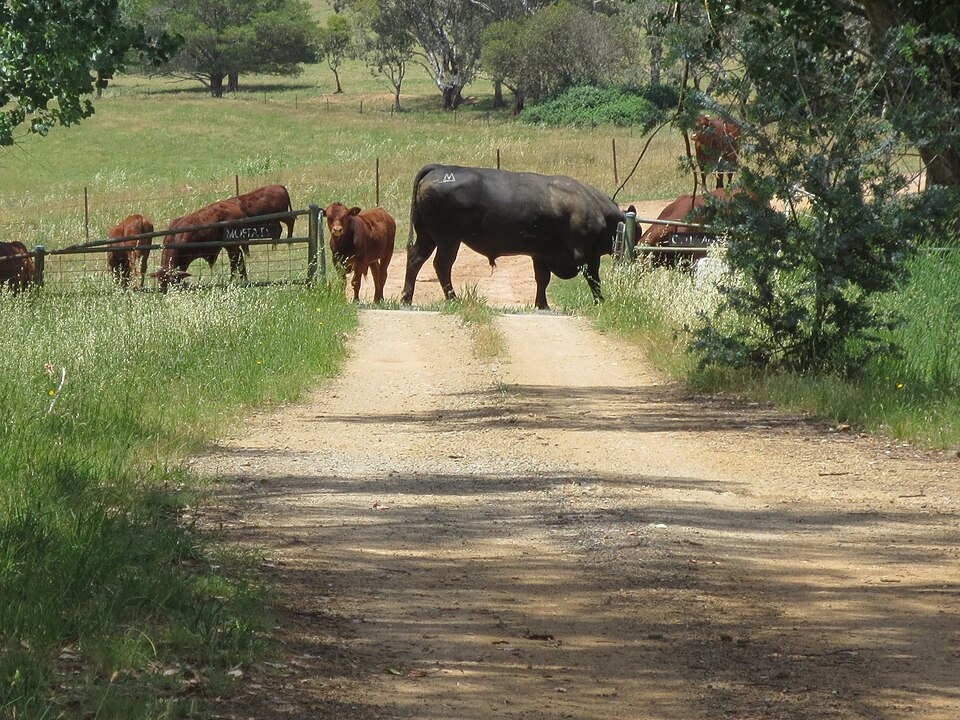
Cattle avoid crossing because they will not place a foot where the footing is broken and the ground is not continuous underneath.
Unchanged.
This is the mechanism and it is a genuinely interesting piece of animal behaviour. A large animal that depends on its feet is highly conservative about footing, and a surface of bars with gaps and visible space beneath reads as unsafe ground – so the animal declines rather than being frightened or hurt.
4. The Spacing Was the Whole Design
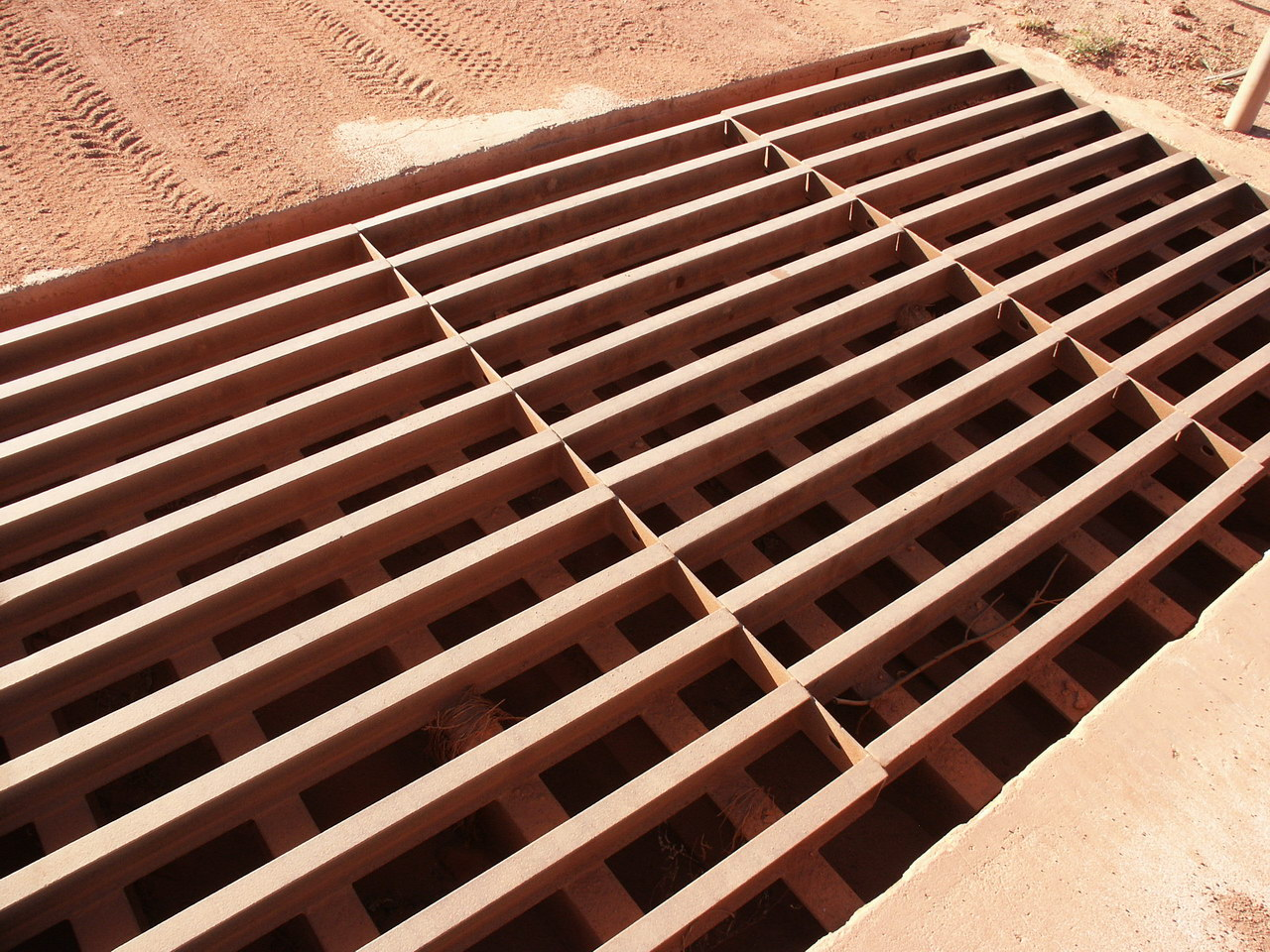
The gap between bars had to be wide enough that a hoof would not find secure footing and narrow enough that a vehicle’s tyres rode across smoothly.
Unchanged, with the dimensions now standardised.
Everything in the device comes down to that one measurement. Too narrow and an animal walks over it; too wide and the vehicles suffer – and the usable range between those two failures is the entire engineering problem, solved once and then copied everywhere.
5. A Pit Had to Be Dug Underneath
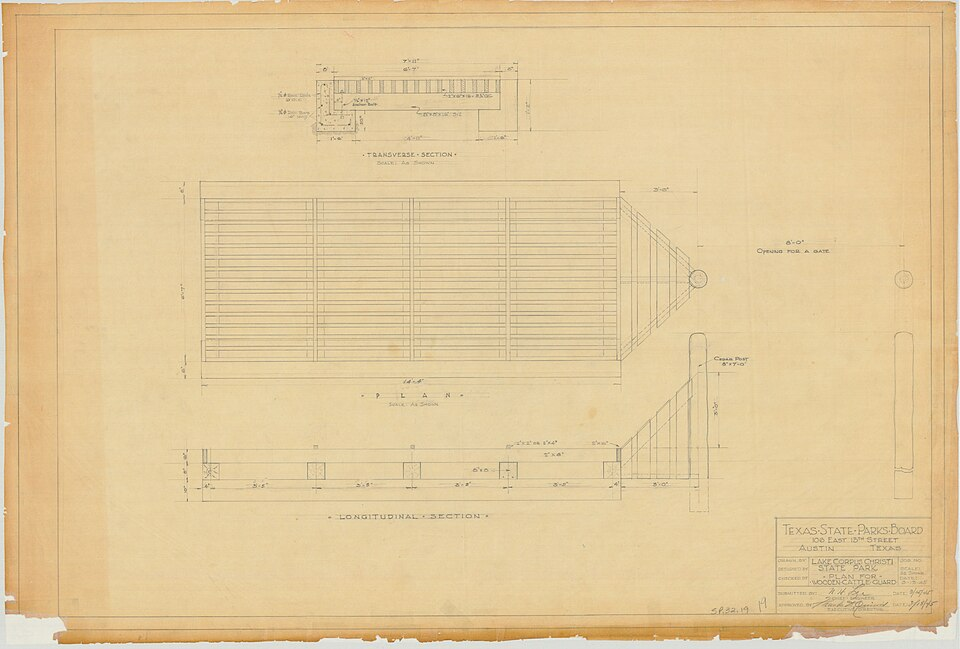
The bars spanned an excavated space, because the gap effect depends on there being nothing solid under the bars for a hoof to reach.
Unchanged.
The pit is the part people forget and it is essential. Bars laid on solid ground are just a rough road surface – the animal’s refusal depends on there being visible depth below, which means the installation is an excavation and not merely a cover.
6. Then It Filled Up With Dirt
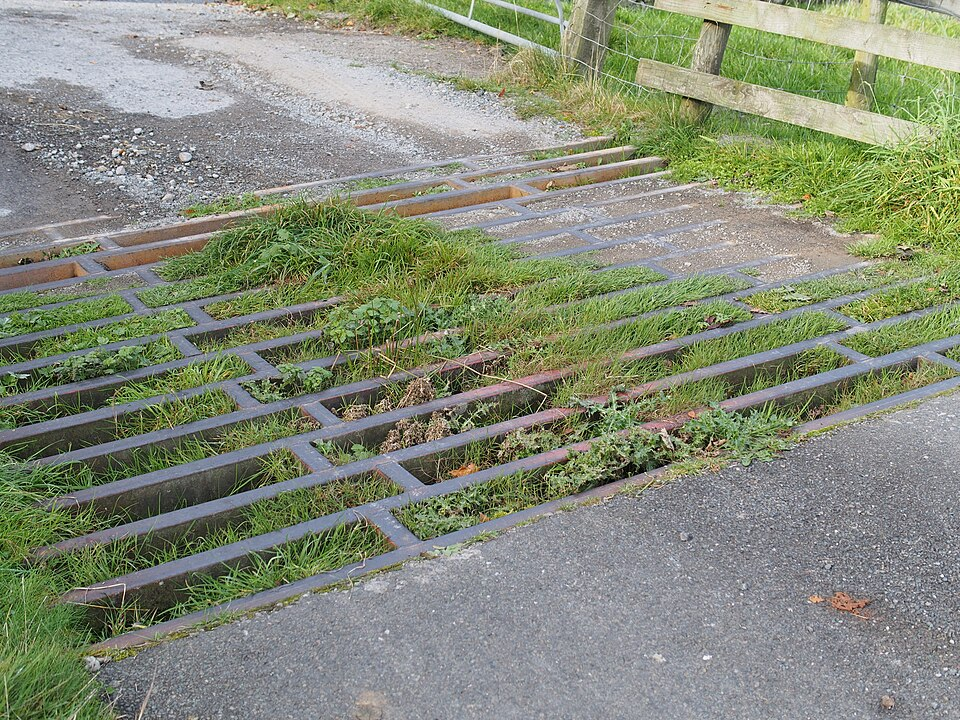
Soil, gravel, manure and debris washed and dropped into the pit, and once it filled level with the bars the device stopped working.
Still the primary maintenance problem.
This is the practical weakness and it accounts for most of the failures. A pit in a roadway collects everything the road carries, and the moment the fill reaches the underside of the bars the gaps stop reading as gaps – so the thing needs cleaning out or it quietly becomes a road surface.
7. The Animals Tested It
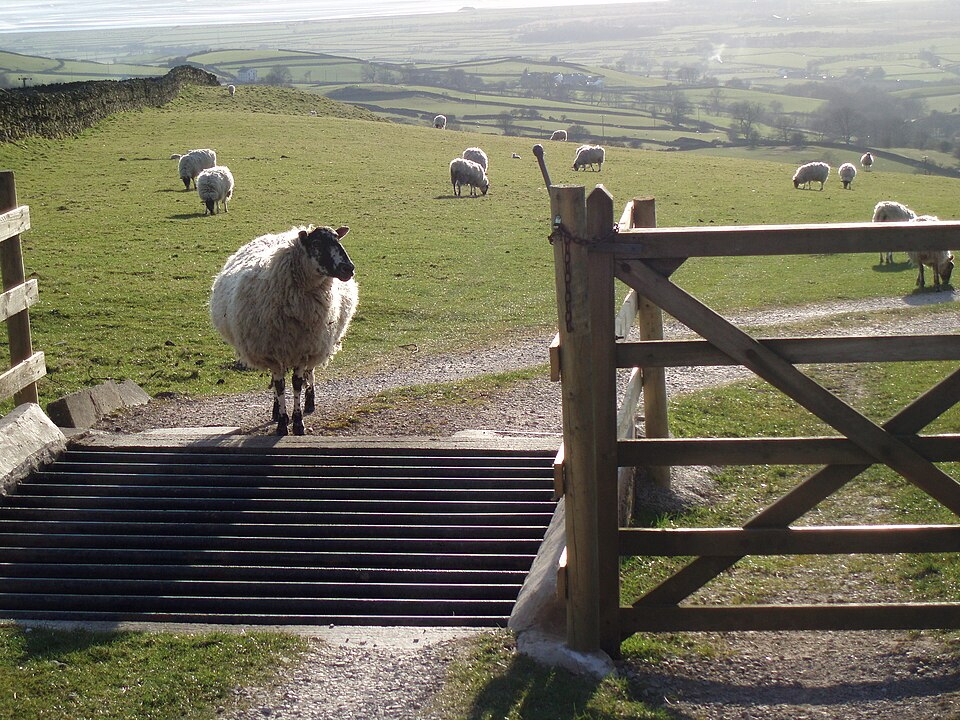
Livestock examined the crossing, put a foot to it, and on occasion an individual animal worked out that it could be crossed.
Still true.
Individual variation is the honest qualification on the whole device and nobody who used one would deny it. Most animals refuse, some test it repeatedly, and a determined or unusually bold one sometimes gets across – which is why a crossing is a very good barrier rather than a perfect one.
8. Painted Stripes Were Tried
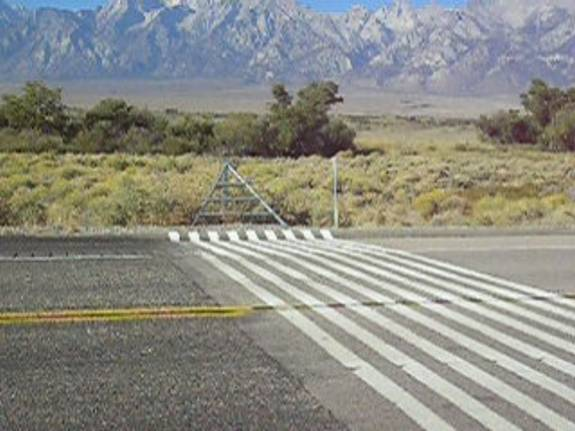
Bars or stripes painted across a solid road surface were used in some places, on the theory that the appearance alone would stop the animal.
Occasionally seen, with mixed results and no reliance placed on it.
The painted version is a nice test of what the real device is doing. It works at first on animals that have learned to avoid the genuine article, and it stops working once one animal walks over it and the others watch – which confirms that the refusal is about footing and learning rather than about pattern.
9. Vehicles Hit Them Hard
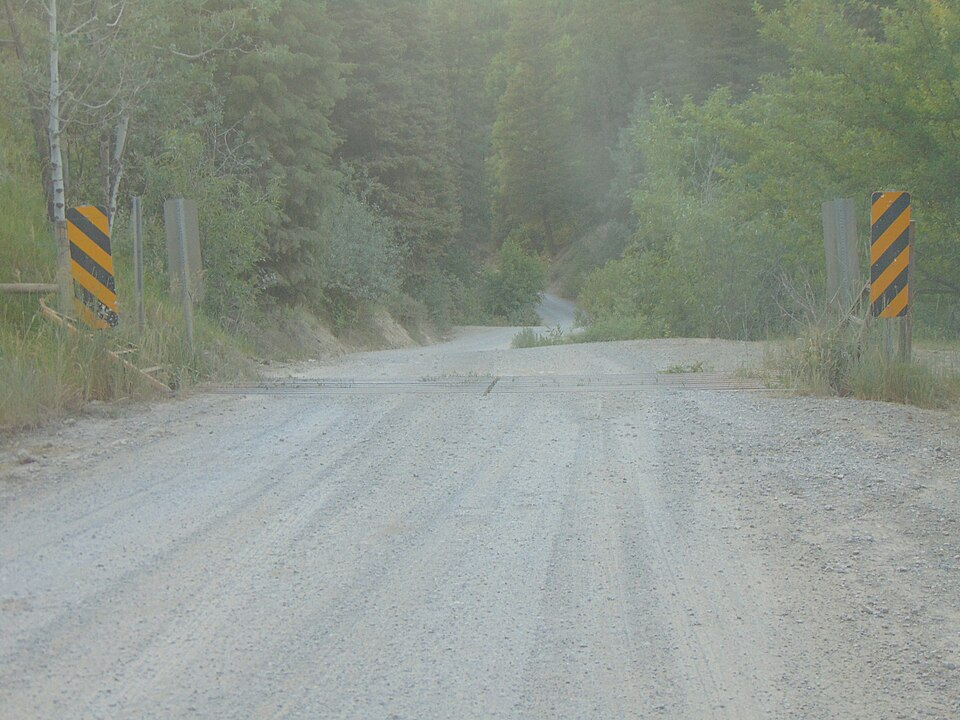
Driving over one produced a distinct rattle and jolt, and taking it fast was rough on a vehicle and on anything loaded in it.
Unchanged.
The noise is what everybody who grew up with these remembers, and it served as a signal. A particular rattle meant you had reached the property line or left the pasture, which made the crossing an audible landmark as much as a barrier.
10. They Were Dangerous to Walk Across
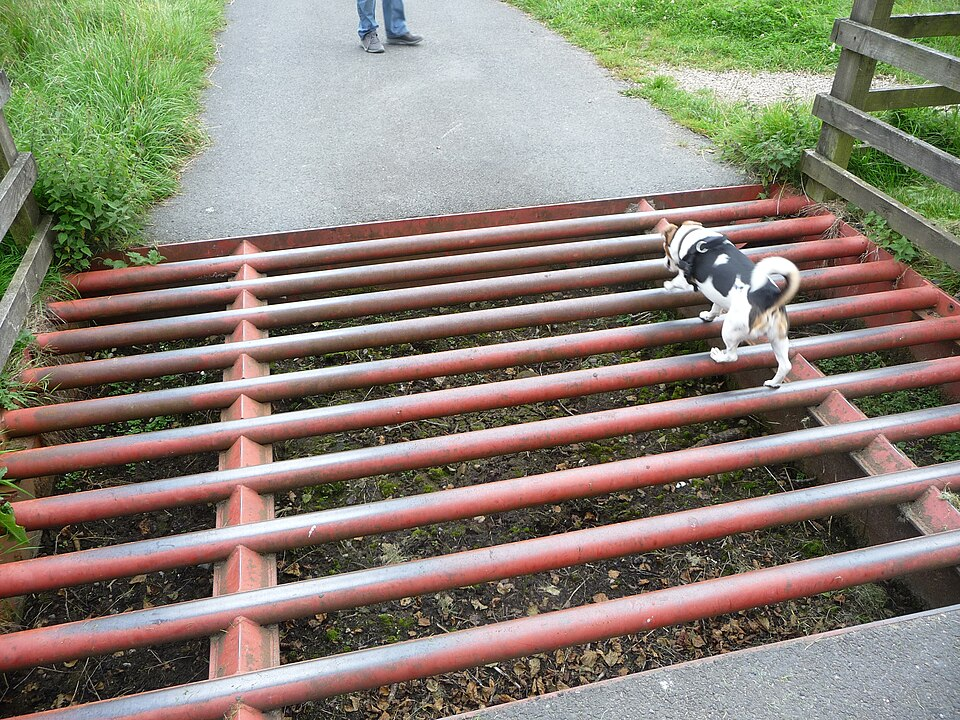
A person on foot crossing on the bars risked a foot slipping into a gap, and this was a real source of injury, particularly for children and at night.
Unchanged, which is why pedestrian routes are provided alongside.
The hazard is the same property that makes the device work, which is worth being clear about. A gap sized to deny a hoof secure footing will also take a boot, and a slip there happens at the exact moment a leg is bearing weight – so these were things you walked around rather than over.
11. A Walk Gate Went In Beside Them
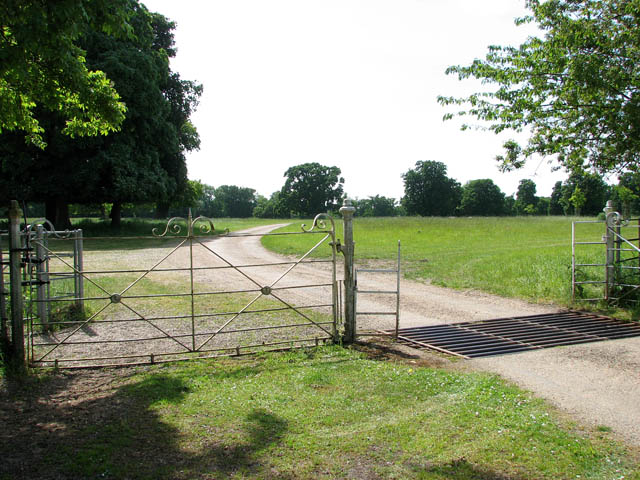
A small gate or a gap in the fence next to the crossing let people and dogs through on foot without using the bars.
Standard practice.
The side gate is the sensible answer to the hazard and it shows the design thinking. The crossing handles vehicles and blocks livestock; it was never meant for feet, so a separate pedestrian route beside it costs almost nothing and removes the problem.
12. Horses Were a Different Question
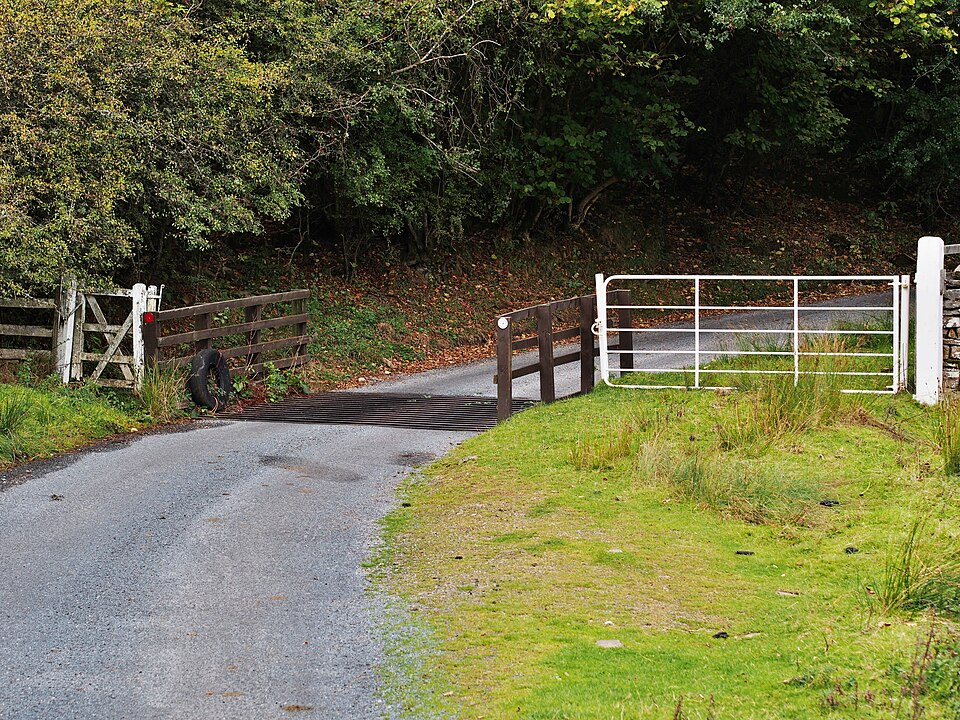
A ridden or driven horse presented a different problem from loose cattle, and crossings on roads that horses used required thought.
Still a consideration where riding and stock routes coexist.
The horse case is where the device’s logic gets complicated. The same footing refusal that is useful in a pasture animal is an obstacle in an animal you want to take somewhere – which means a crossing on a riding route needs an alternative beside it rather than being an unqualified improvement.
13. Wildlife Crossed or Did Not
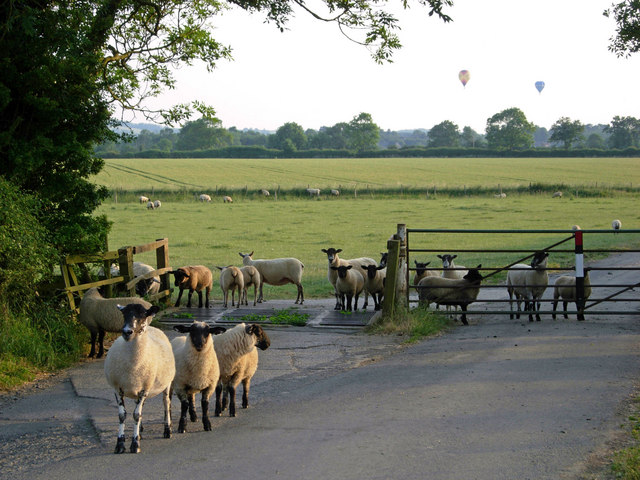
Wild animals responded variably – some crossed readily, some refused, and the device was never a general-purpose barrier to everything with legs.
Still variable, and a factor in land management.
The variable response matters for understanding what the thing actually is. It was built for one kind of animal with one kind of caution about footing, and the fact that other animals treat it differently shows how specific the mechanism is rather than being a defect.
14. The Automatic Version Never Caught On Widely
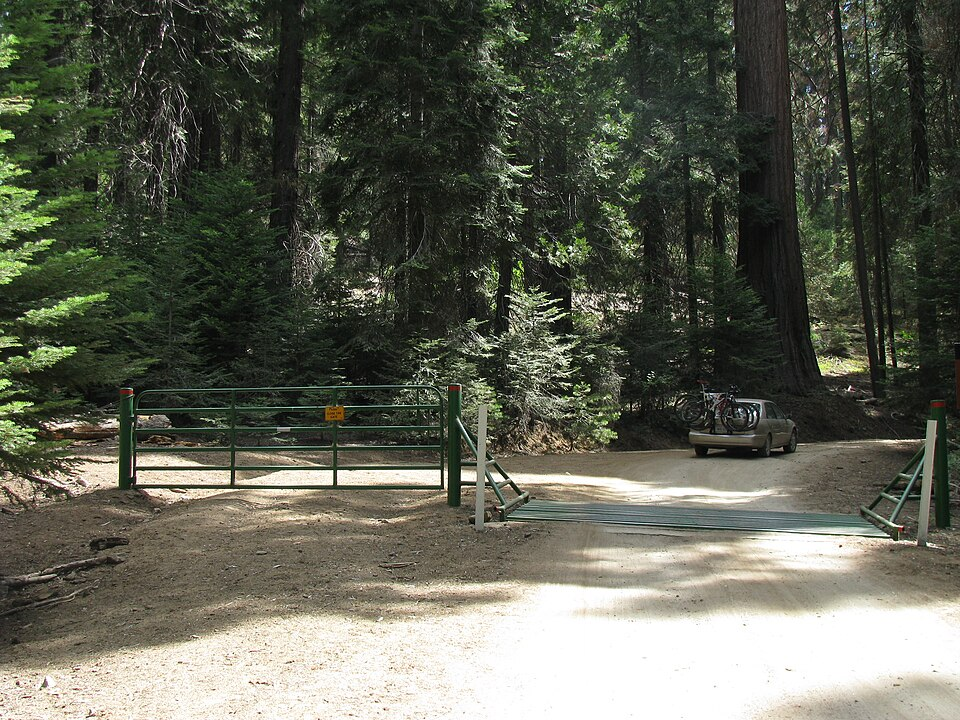
Gates that opened on approach and closed afterwards were built in various forms, and most places kept the pit and bars instead.
Automated gates are now common at some entrances, with the simple crossing still predominant on rangeland.
The persistence of the simple version is the real verdict on it. Anything with a mechanism has something to break, needs power or maintenance, and fails in a way that leaves the fence open – while a hole with bars over it has nothing to go wrong except filling up, which is a problem a shovel fixes.
15. And by the 1970s It Had Outlasted Almost Everything Around It
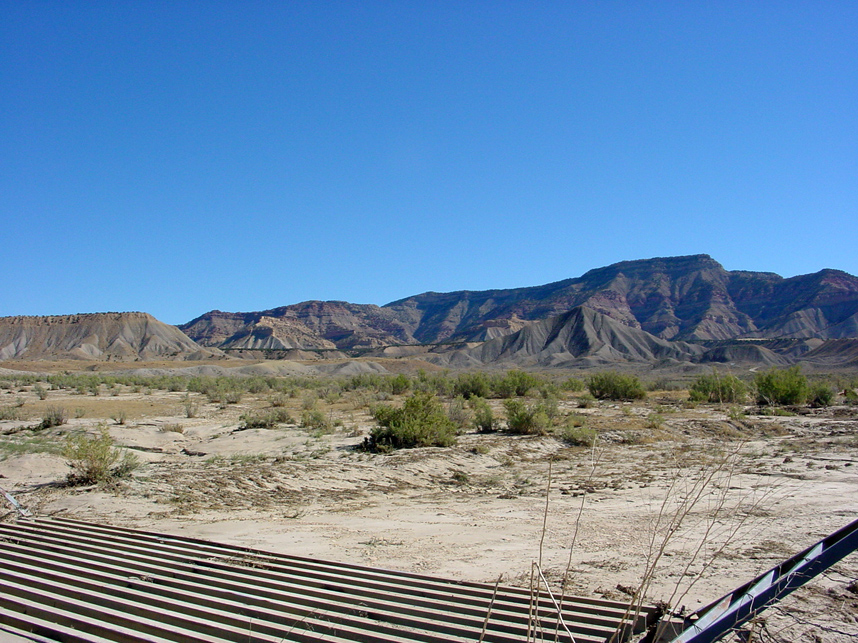
The crossings installed decades earlier were still in place and still working, on roads where the vehicles, the fencing and the farming had all changed completely.
Still being installed new, in essentially the original form.
And what deserves the last word is how rare this kind of success is. Almost everything in these files was replaced, outgrown or made obsolete, and this one thing was not – because it solved a problem that has not changed by exploiting a fact about animals that has not changed either. A large animal will not put its weight on broken footing. Dig a hole, lay bars across it at the right spacing, and you have a barrier that is open to every vehicle, closed to every reasonable cow, requires nobody’s attention, has no moving parts, and keeps working for fifty years provided somebody cleans the dirt out of it. That is a complete solution reached without a single mechanism, and the measure of it is that nobody has improved on it. The gate it replaced depended on people remembering. This one does not depend on anybody at all.
Nobody Has Improved on It in a Century
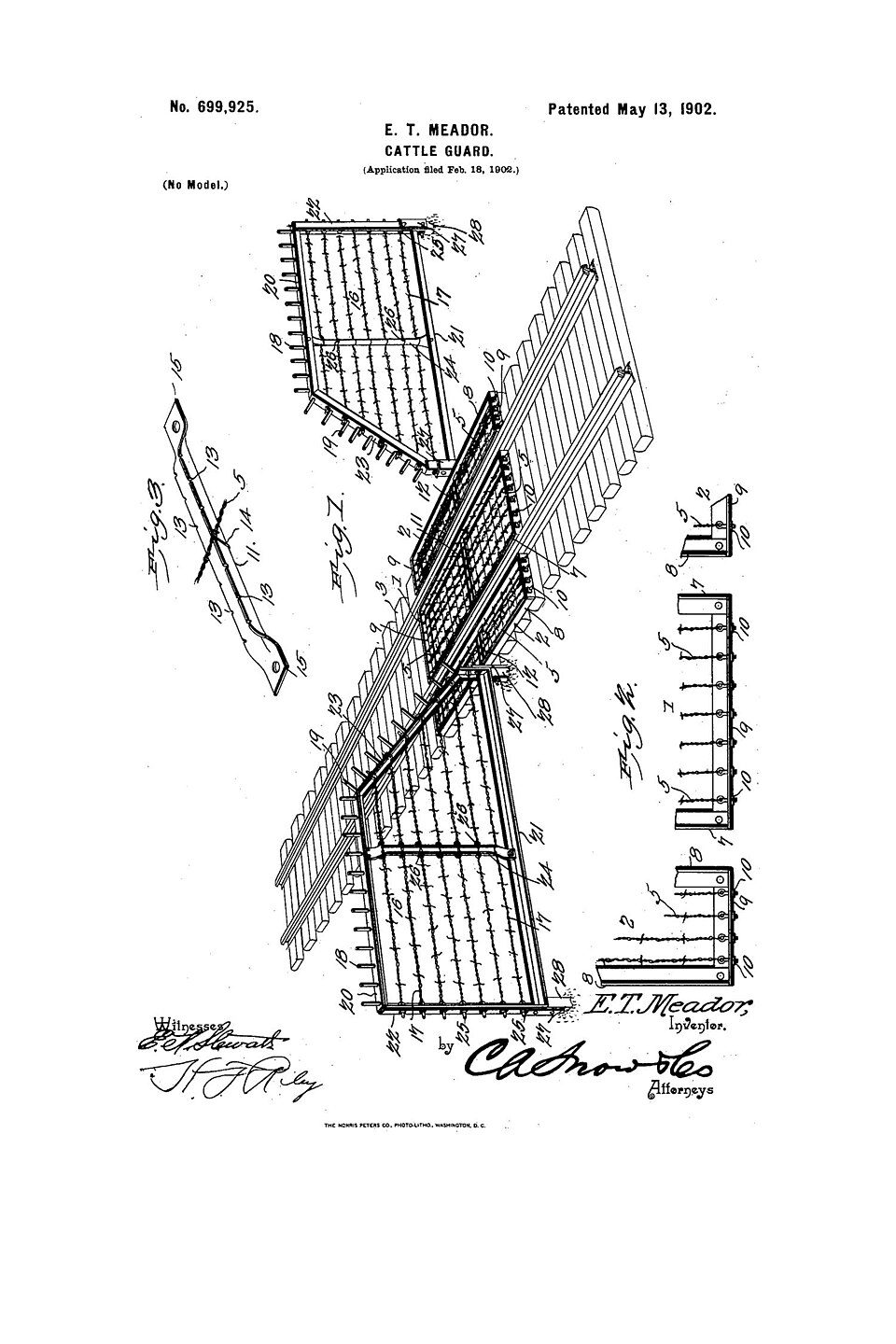
The cattle guard is one of the very few things in these files that was never replaced, and the reason is that it was right the first time.
The problem it solved was the gate. Every road crossing a fence line needed one, and a gate requires somebody to stop, get out, open it, drive through and close it – and the last step is the one that fails. Not occasionally, but predictably, because a gate depends on every single person closing it every single time, including people in a hurry, people who did not know it mattered, and people who were not coming back. One omission puts livestock on the road.
The solution is a shallow pit in the roadway spanned by spaced bars. Vehicles drive across; cattle will not.
And the mechanism is the interesting part, because it is not fear and it is not pain.
A large animal that depends entirely on its feet is extremely conservative about footing. A surface of bars with gaps, and visible depth underneath, reads to that animal as ground that is not continuous – and it declines to put weight on it. The animal is not startled or hurt. It simply judges the footing and refuses.
Everything in the design follows from that.
The bar spacing is the whole engineering problem: wide enough that a hoof finds no secure footing, narrow enough that tyres ride across. The usable range between those two failures is narrow, and once it was found it was copied everywhere.
The pit underneath is essential and is the part people forget. Bars laid on solid ground are just a rough road surface – the refusal depends on visible space below, so the installation is an excavation rather than a cover.
Which gives the device its one real weakness: the pit fills up. Soil, gravel, manure and debris wash and drop in, and once the fill reaches the underside of the bars the gaps stop reading as gaps. Most failures are that failure, and the fix is a shovel.
The honest qualifications are worth stating.
Animals test it. Most refuse, some examine it repeatedly, and an occasional determined individual works out that it can be done – which makes it a very good barrier rather than a perfect one. Painted stripes on solid pavement were tried, and they work briefly on animals that have learned to avoid the real thing, then stop working the moment one animal walks across and the others watch. That is a neat confirmation that the refusal is about footing and learning, not pattern.
And it was dangerous on foot. The same gap that denies a hoof secure footing will take a boot, and a slip happens exactly when a leg is bearing weight – a real source of injury, especially for children and at night. Which is why a small walk gate or a gap in the fence went in beside it: the crossing was built for vehicles and against livestock, and was never meant for feet.
Horses complicate the logic, because the footing refusal that is useful in a pasture animal is an obstacle in an animal you want to take somewhere, so a crossing on a riding route needs an alternative beside it. Wild animals respond variably – some cross readily, some refuse – which shows how specific the mechanism is rather than revealing a defect.
Automatic gates that open on approach were built in various forms and mostly did not displace it. Anything with a mechanism has something to break, needs power or maintenance, and fails in a way that leaves the fence open. A hole with bars over it has nothing to go wrong except filling up.
So by the 1970s the crossings installed decades earlier were still in place and still working, on roads where the vehicles, the fencing and the farming had all changed completely. They are still being installed new, in essentially the original form.
Almost everything else in these files was replaced, outgrown, or made obsolete. This was not – because it solved a problem that has not changed by exploiting a fact about animals that has not changed either.
The gate it replaced depended on people remembering. This one does not depend on anybody at all.
If you grew up rural, you can still hear the rattle.
And you knew exactly where you were when you heard it.
Like our content? Follow us for more.