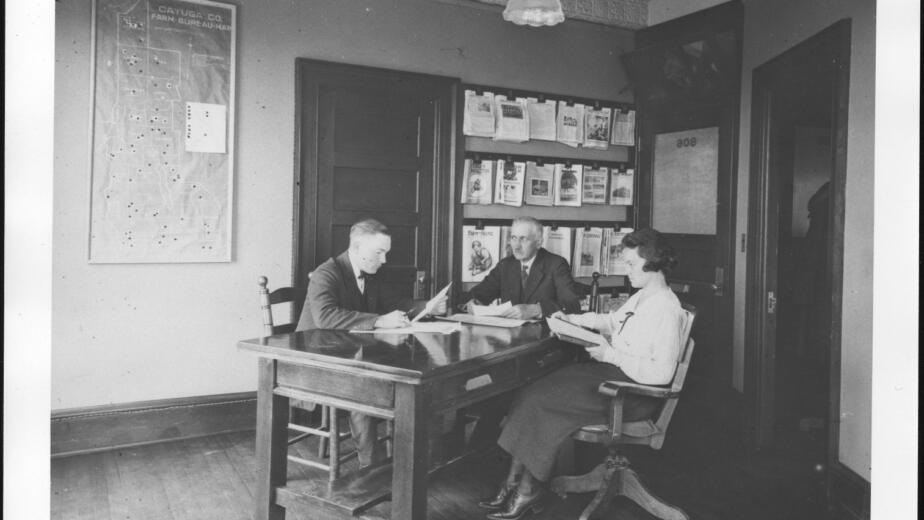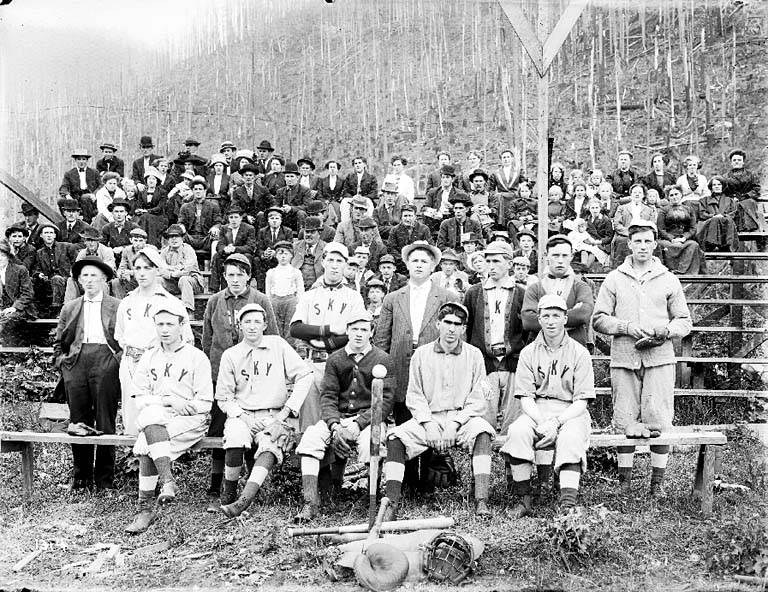
Small towns fielded their own adult baseball teams, and the team carried the town’s name in a literal sense – a result against the next town over was a matter of standing, and people who never went to a game cared how it came out.
The players had day jobs. The pitcher worked at the elevator, the catcher farmed, and whoever played shortstop had been up since five. The diamond was laid out on donated ground and graded by volunteer labour in the evenings. Equipment and travel were paid for by merchants’ subscriptions and by a hat passed round the crowd.
Games were on Sunday afternoon, because that was the one afternoon anybody was free – which is also why the practice ran into Sunday observance in a good many places. Here are fifteen things every small town knew.
1. Every Town Had a Team and It Represented the Town
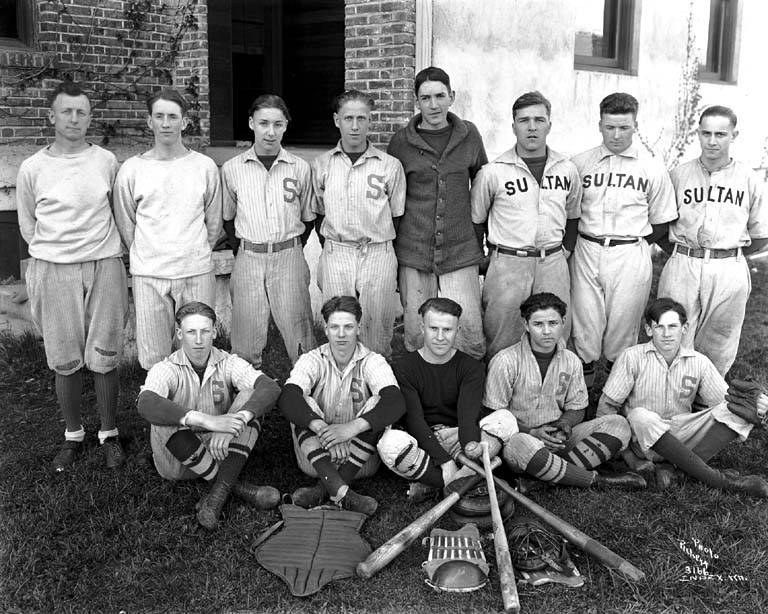
Small towns fielded adult baseball teams that played other towns on Sunday afternoons, carrying the town’s name and its reputation.
Organised youth leagues, school athletics and professional sport watched on a screen.
The representation is the part that has no modern equivalent. These were not recreational sides but the town’s team in a literal sense – a result against the next town over was a matter of standing, and people who never attended a game cared how it came out.
Like our content? Follow us for more.
2. The Players Had Day Jobs
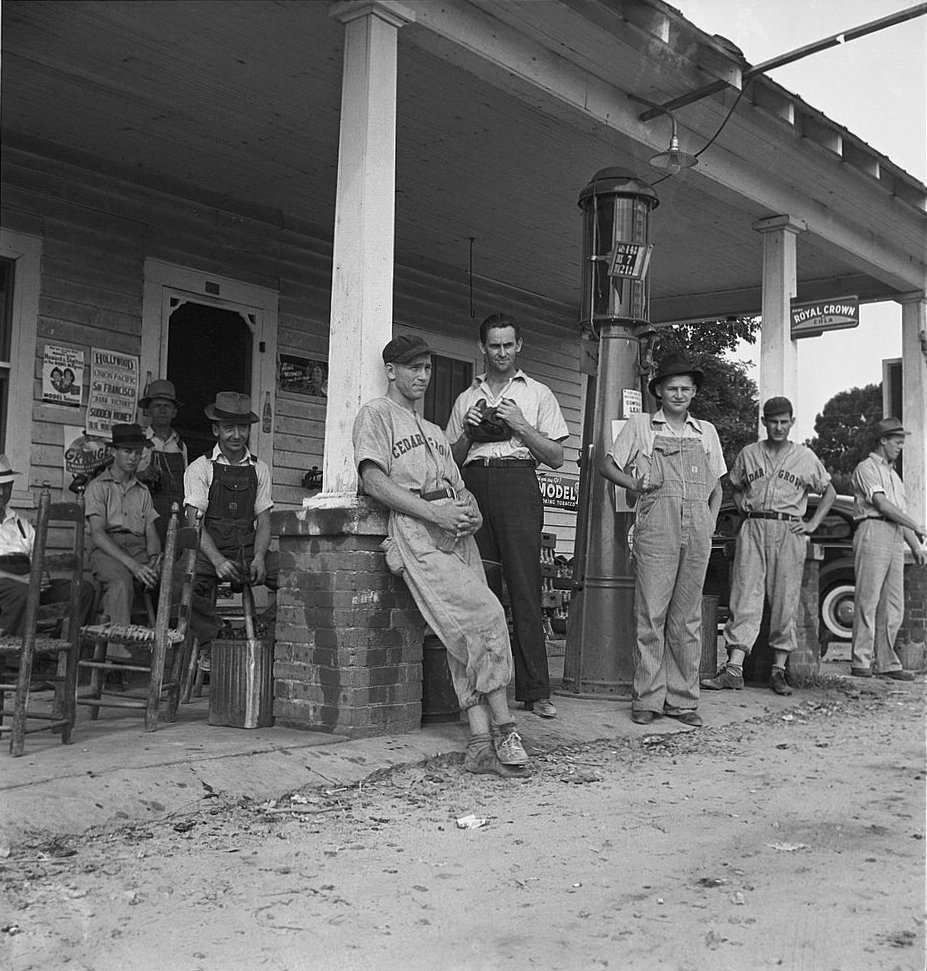
The team was made up of men who worked in the town and on the surrounding farms, and who played on their one afternoon off.
Not applicable. Adult competitive sport is either professional or recreational, with nothing in between carrying civic weight.
Amateur in the plain sense of the word is the thing to hold onto. The pitcher worked at the elevator, the catcher farmed, and whoever played shortstop had been up since five – which means the standard of play varied enormously and nobody minded much.
3. The Diamond Was Built by the Town
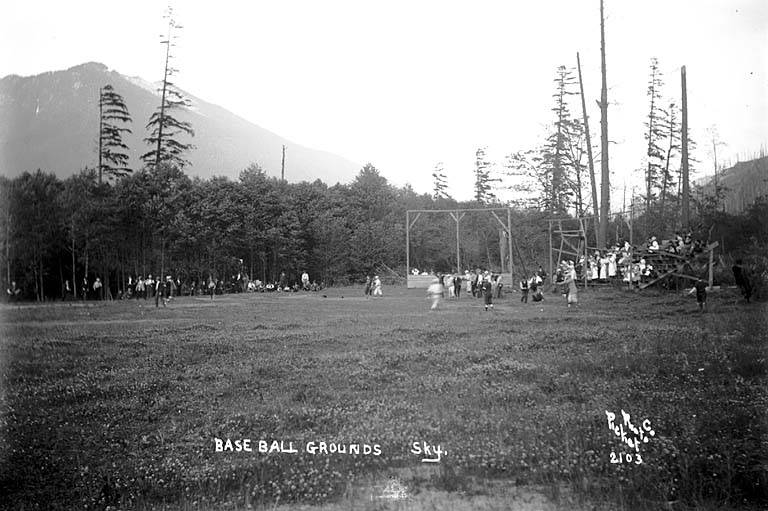
Fields were laid out on donated or borrowed ground, graded, fenced and furnished with a backstop and sometimes bleachers, by volunteer labour.
Municipal and school facilities, built and maintained by institutions.
Building your own field is the detail that shows what the team meant. Men who worked all week spent their evenings grading a diamond, which is a substantial amount of unpaid labour invested in something with no purpose beyond playing a game well enough to beat the next town.
4. Local Business Paid for It
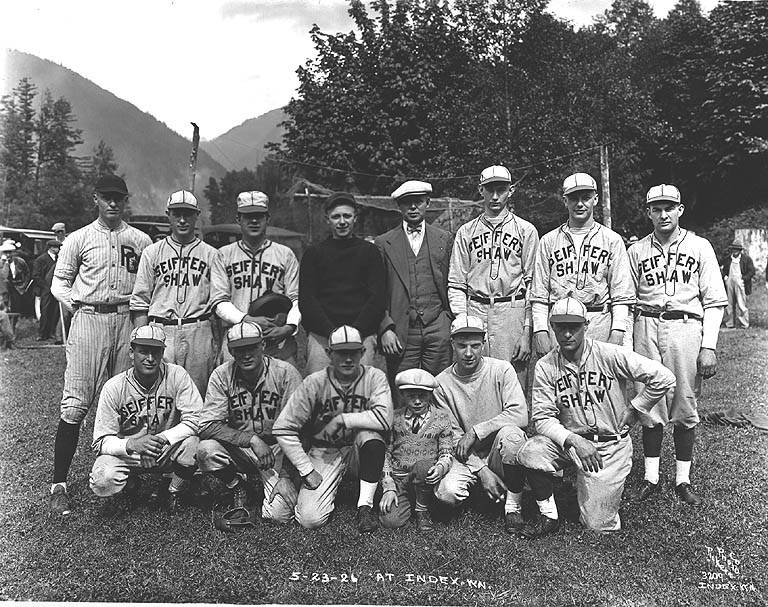
Equipment, uniforms and travel were funded by subscription from merchants, by passing a hat at games, and by local fundraising.
Sponsorship exists, but on a commercial rather than a civic basis.
Funding by subscription made the team genuinely communal property. A merchant who put in five dollars had a stake, and the hat going round the crowd meant the people watching were paying for what they watched – which is a direct relationship between a team and its town that no modern arrangement reproduces.
5. Sunday Afternoon Was the Only Possible Time
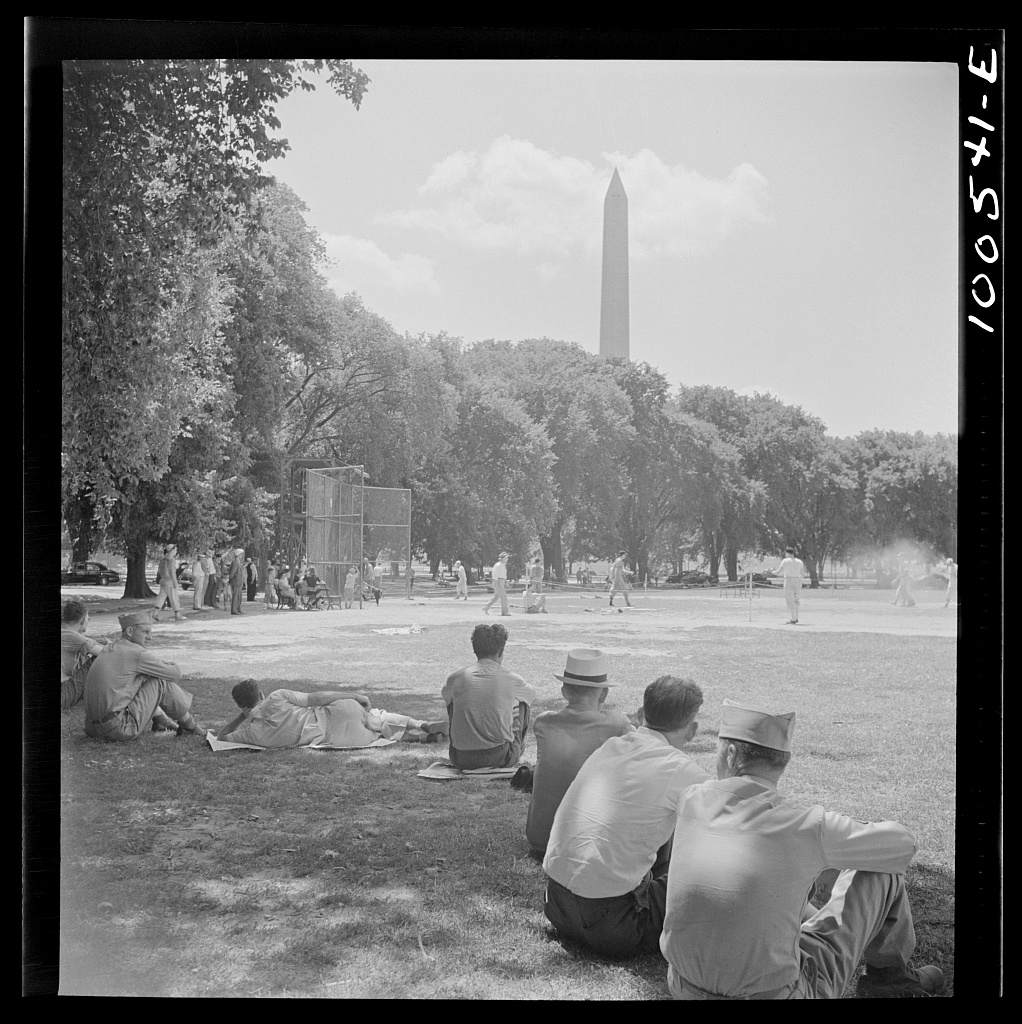
Games were played on Sunday because it was the one afternoon when farmers and working men were free, which also meant navigating objections in places where Sunday play was frowned on.
Sport is scheduled around broadcasting and around leisure time that exists throughout the week.
The scheduling was determined entirely by agricultural labour. Six days of work meant one available afternoon, and the whole institution of town baseball sits in that single window – which is also why it conflicted with Sunday observance and why that argument was had in a great many places.
6. The Whole Town Went
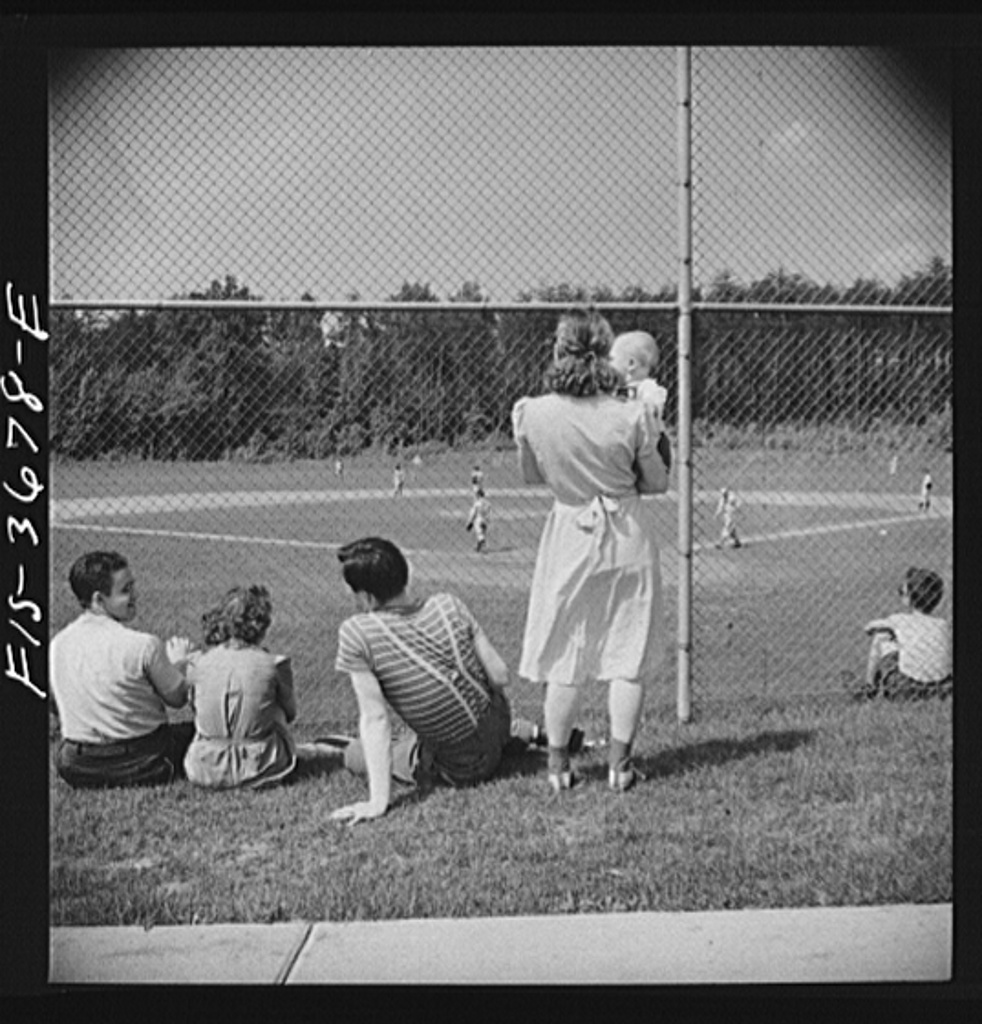
Games drew substantial crowds relative to the population – families, children, old men with opinions – and attending was a social event rather than merely watching sport.
Not applicable at that scale or that proportion.
Proportion is what makes this different from modern attendance. A crowd of three hundred in a town of eight hundred is most of the town, which means the game was where the community assembled – and a great deal of non-baseball business got done in the crowd.
7. Some Towns Paid a Ringer
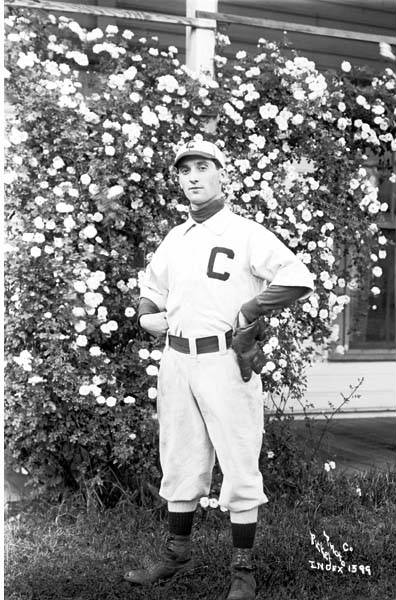
Competitive towns quietly recruited good players, found them a job locally, or simply paid them to appear, which was an open secret and a recurring source of argument.
Not applicable in that form.
The ringer is the honest complication in every account of this and it tells you how seriously it was taken. Towns cheated. They imported a pitcher, gave him nominal employment, and everybody knew – which is only worth doing if the result genuinely matters to somebody.
8. Rivalries Were Specific and Long-Running
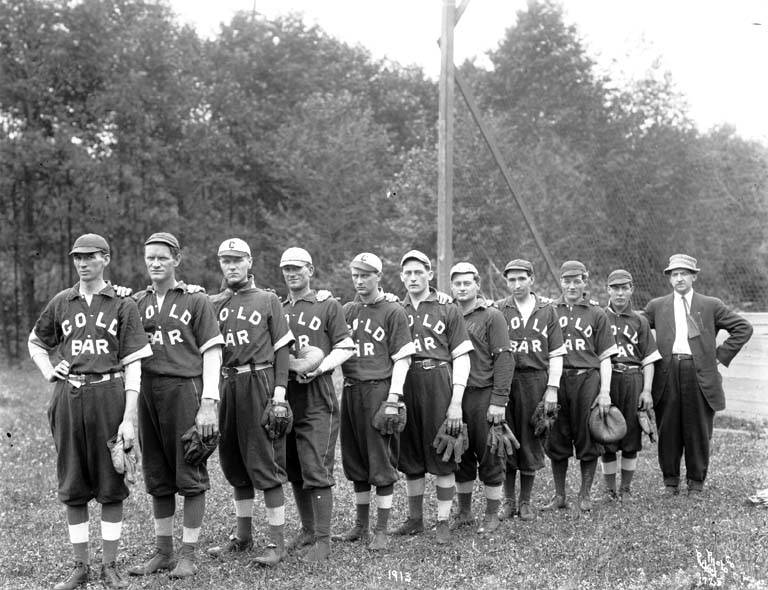
Particular towns played each other for decades, and the feeling between them was real, inherited and occasionally unpleasant.
School rivalries persist in a similar form.
Inherited rivalry is a genuine social structure. Men played against the sons of men their fathers had played against, on the same ground, which produces a depth of feeling that a league schedule cannot manufacture – and occasionally produced trouble that nobody is nostalgic about.
9. Umpires Had a Hard Afternoon
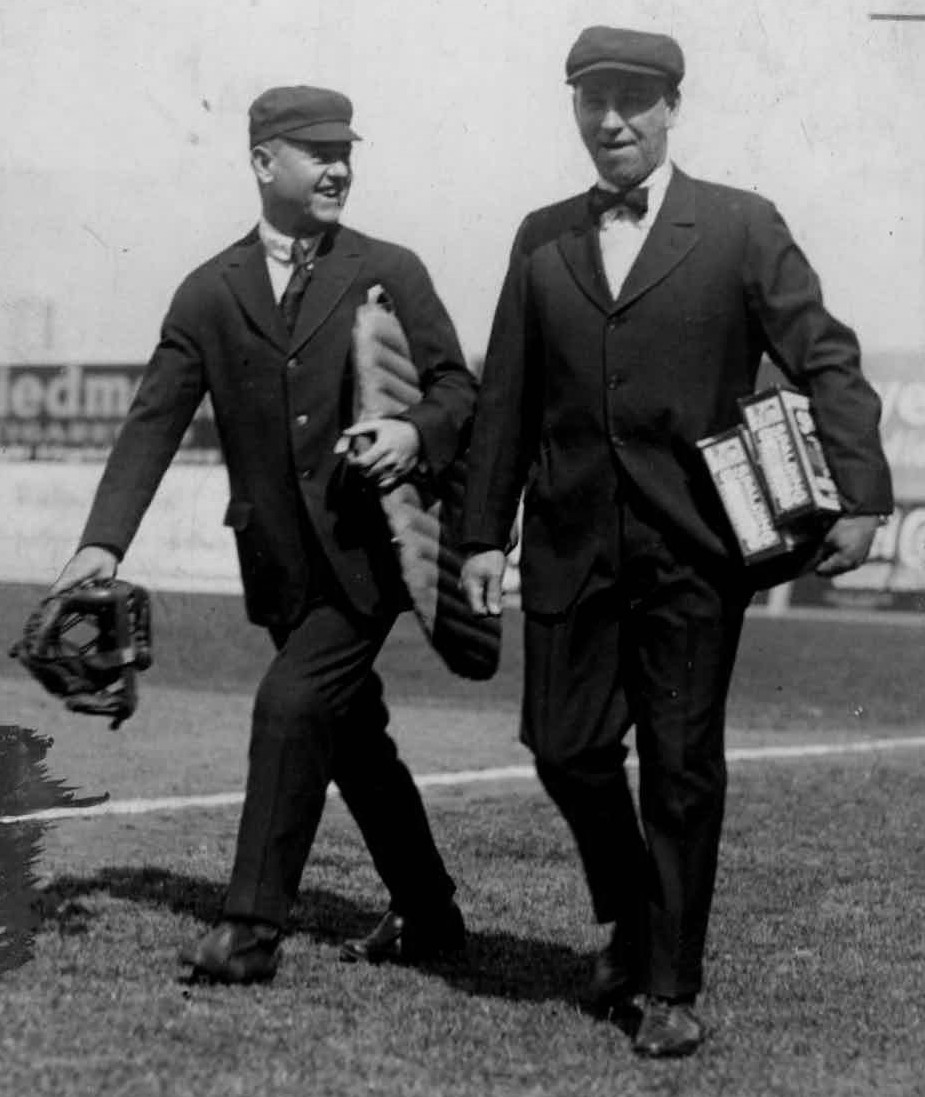
Games were umpired by whoever could be found, frequently a local man with no protection and no authority beyond what the crowd allowed him.
Trained officials with institutional backing.
An unprotected amateur official in front of a partisan crowd of his own neighbours is an unenviable position, and the accounts of how umpires were treated at these games are not uniformly charming.
10. The Equipment Was Shared and Worn Out
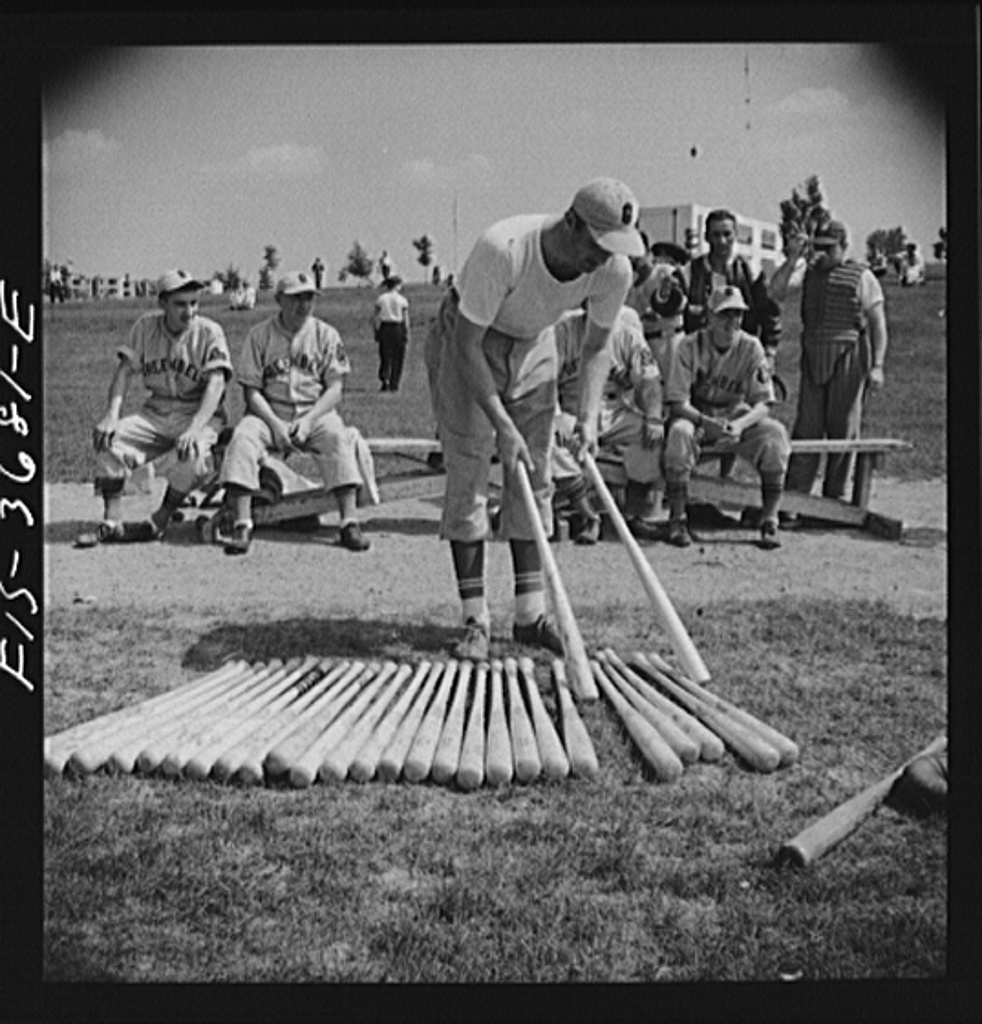
A team owned a few bats, a limited number of balls, and some gloves, and played until the equipment failed.
Individual equipment, replaced as a matter of course.
Scarcity shaped the game itself. A ball played until it came apart behaves differently from a new one, teams played on with damaged bats, and the physical condition of the equipment was a real factor in how the game went.
11. Nobody Kept Records Properly
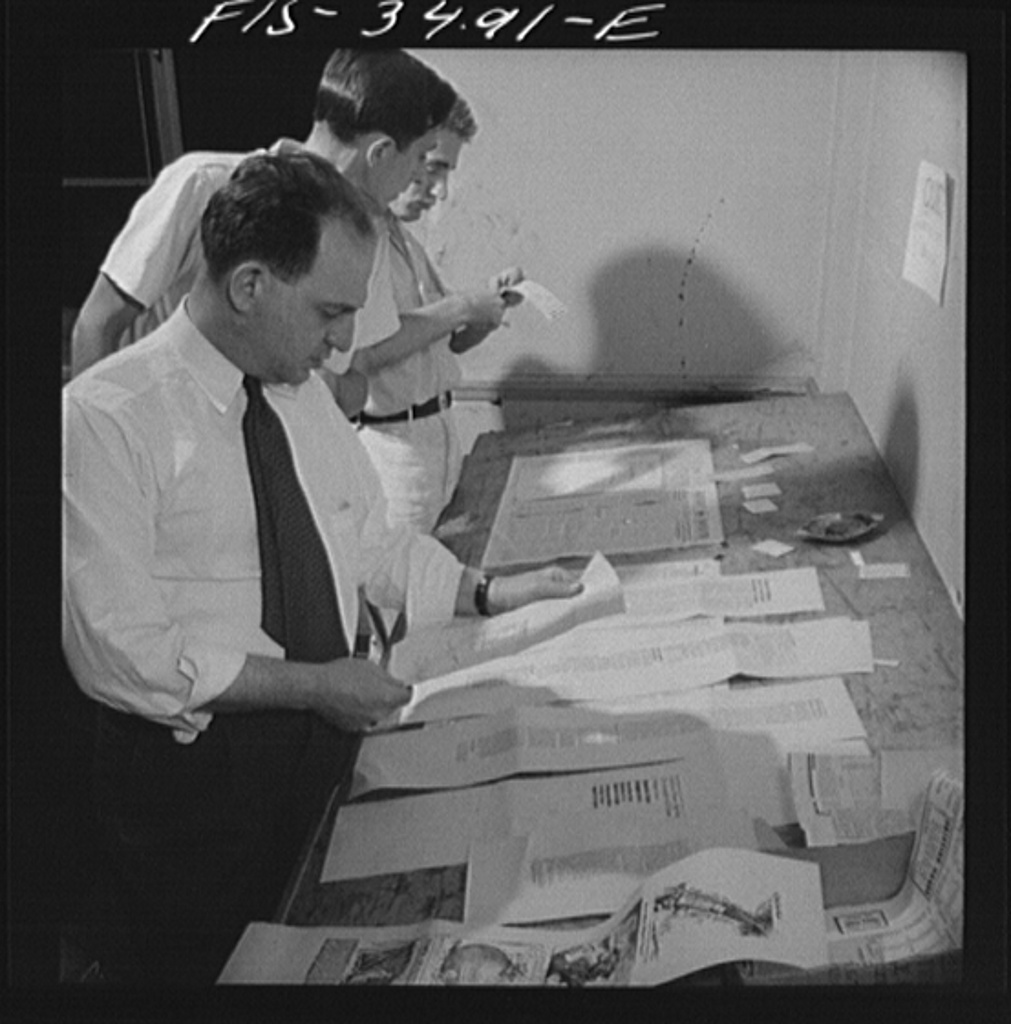
Scores and results were reported in local papers and remembered, but statistics, standings and formal records were patchy or nonexistent.
Everything measured, recorded and searchable.
The absence of records is why this period is so hard to write about and so easy to romanticise. What survives is newspaper mentions and family memory, which means the great local players are known by reputation rather than by any measurable achievement – and reputations grow.
12. Then the Car Let People Go Elsewhere
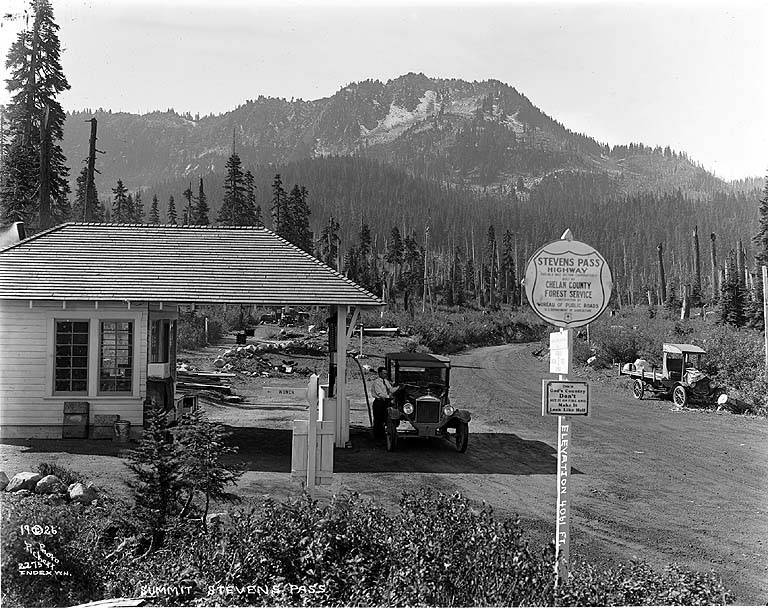
Better roads and universal car ownership meant a Sunday afternoon could be spent in a larger town, at a lake, or anywhere else within an hour.
Universal.
Mobility is the first cause and it works the same way it worked on every other local institution. A town team competes for attention against whatever is within driving distance, and once that radius expanded to include a city, the competition was no longer the next town over.
13. Then Television Brought Better Baseball Home
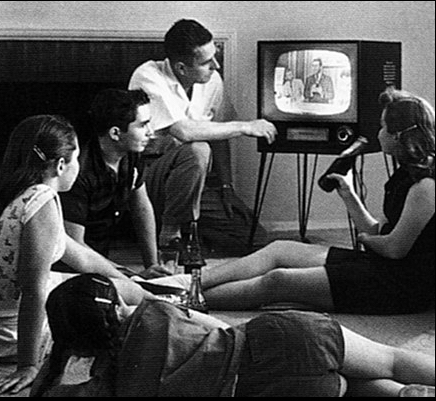
Broadcast games let anybody watch professional play, which made a Sunday afternoon of amateur baseball a harder proposition.
The dominant way sport is consumed.
Television is the decisive blow and the comparison is unkind. The town team’s appeal was partly that it was the baseball available, and once the best in the world was available in a living room for nothing, a game between two men who had been working since five in the morning was competing on different terms entirely.
14. Then the Young Men Left
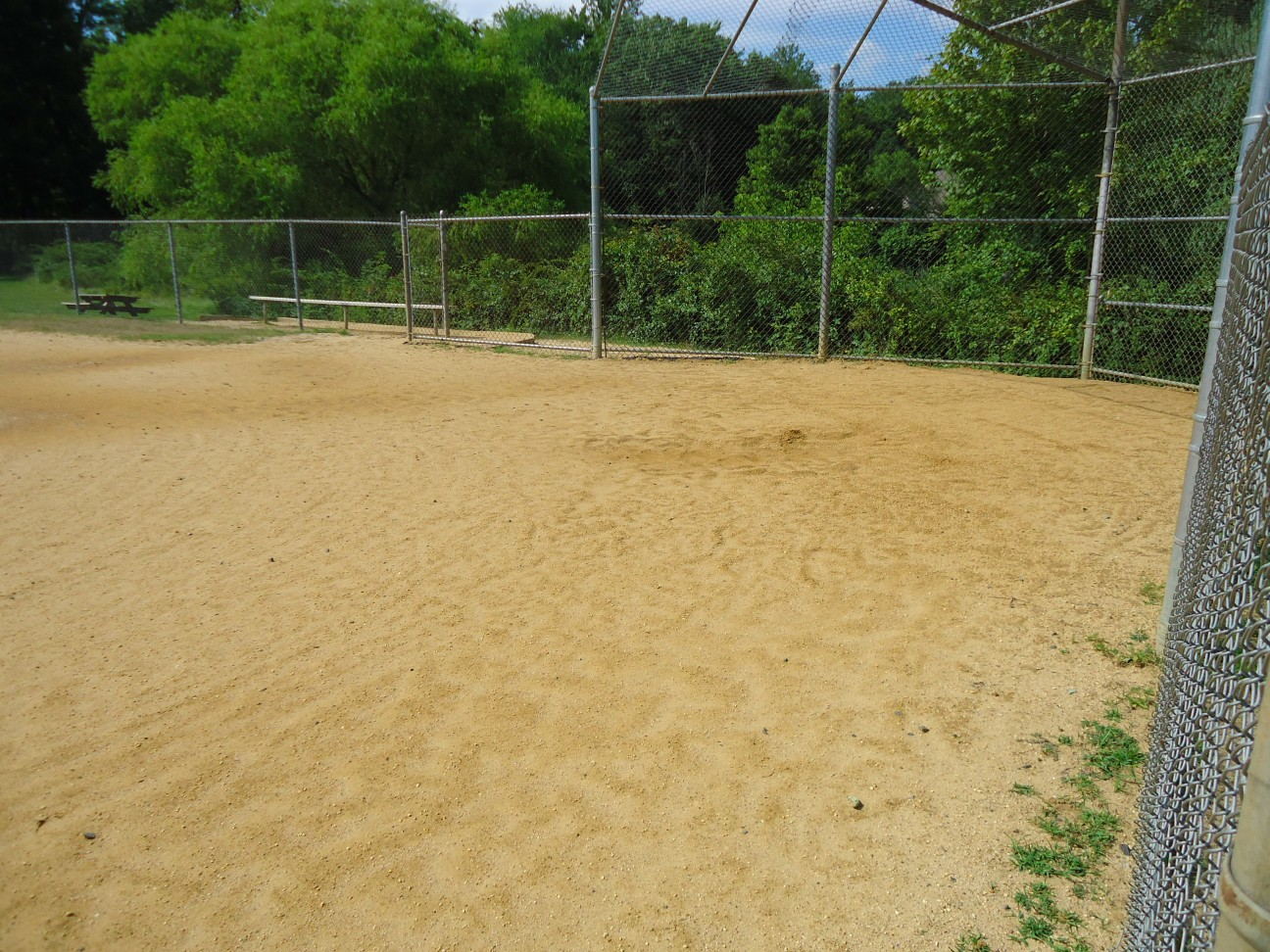
Farm consolidation and rural population decline removed the pool of working-age men a town team needed, and schools consolidated their athletics away as well.
Standard across rural America.
Demography finished it and there is no answer to that. A team needs a dozen or more available men in a district, and a district that has lost half its households cannot field one – which is why so many diamonds went to grass at the same time as the schools closed.
15. Then the Backstop Was the Last Thing Standing
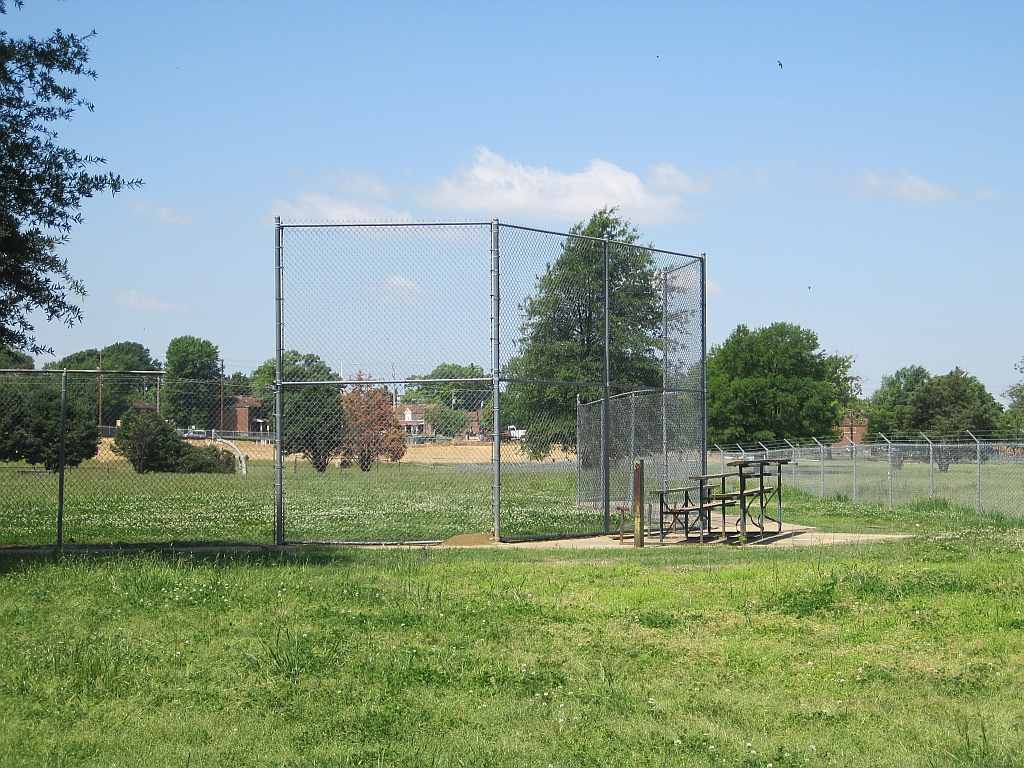
In 1964 town team baseball was in clear decline though far from gone, with some leagues still running and a great many diamonds already reverting to pasture.
Rural ball fields are mostly school facilities or gone, and the surviving town leagues are a minority interest.
And the clearest way to see what has been lost is to look at what the town put in. Men who worked six days a week graded a field by hand in the evenings. Merchants subscribed money. A hat went round the crowd. Somebody’s land was donated or lent. And all of it was spent on being able to play well enough to beat the next town over on a Sunday afternoon, in front of most of the people who lived there. That is a very large investment of labour, money and feeling in something with no practical return at all – which is exactly what makes it worth noticing, because the return was the town having a thing that was its own and that other towns had to reckon with. Then the roads got better and Sunday could be spent in a city, television brought the best baseball in the world into the front room for nothing, and the young men who made up the team moved away. If you drive rural roads and see a rusted backstop standing in a field of grass with no diamond around it any more, that is what it is. Somebody built that by hand, after work.
Look at What the Town Put In
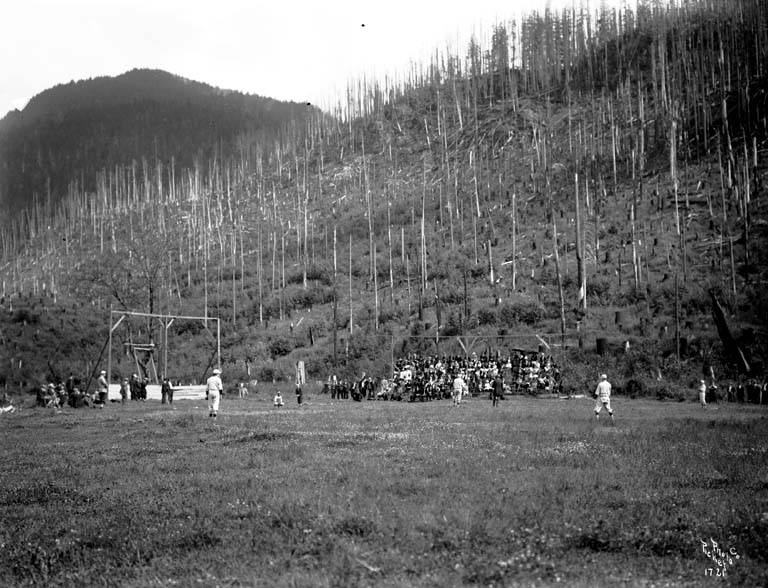
The way to understand town team baseball is not to think about the games. It is to count what a town invested in being able to play them.
Somebody’s land was donated or lent. Men who worked six days a week spent their evenings grading a field, building a backstop, putting up a fence and knocking together bleachers. Merchants subscribed money for equipment and uniforms. A hat went round the crowd at every game, so the people watching were paying for what they watched.
And the entire return on all of that was being able to beat the next town over on a Sunday afternoon in front of most of the people who lived there.
That is a very large investment of labour, money and feeling in something with no practical use whatsoever – which is precisely why it is worth noticing. The return was that the town had a thing of its own that other towns had to reckon with.
The structure of it followed from farm labour. Six days of work meant one free afternoon, so games were on Sunday, which is also why the institution collided with Sunday observance and why that argument was had in a great many places. The players were amateurs in the plain sense: working men whose standard of play varied enormously and whose Sunday followed a week in a field or behind a counter.
Crowds were large in proportion rather than in number. Three hundred people in a town of eight hundred is most of the town, which made the game the place where the community assembled – and a great deal of non-baseball business was transacted along the fence line.
Three things in the picture deserve honest treatment rather than fondness.
Towns cheated. Competitive places quietly recruited good players, found them nominal local employment, or simply paid them to turn up. It was an open secret and a recurring argument, and it is only worth doing if the result genuinely matters.
Umpires had a bad time. Games were officiated by whoever could be found, usually a local man with no protection and no authority beyond what a partisan crowd of his own neighbours would grant him, and the accounts of how umpires were treated are not uniformly charming.
And the rivalries, which were real, inherited and ran for decades, occasionally produced trouble that nobody is nostalgic about.
It is also worth saying that almost nothing was recorded. Scores appeared in local papers and in memory, but statistics and standings were patchy or absent – which means the great local players survive as reputation rather than as any measurable achievement, and reputations grow. That absence of records is why this period is simultaneously hard to write about accurately and very easy to romanticise.
Then three things ended it, in order.
The car and better roads let a Sunday afternoon be spent in a larger town, at a lake, or anywhere within an hour. A town team competes against whatever is inside driving distance, and that radius had just expanded to include a city.
Television brought the best baseball in the world into a front room for nothing. The town team’s appeal was partly that it was the baseball available, and once it was not, a game between two men who had been up since five was competing on entirely different terms.
And then the young men left. Farm consolidation and rural population decline removed the pool of working-age men a team requires, and a district that has lost half its households cannot field one – which is why the diamonds went to grass at the same time as the schools closed.
Drive rural roads and you will see a rusted backstop standing in a field with no diamond around it any more.
Somebody built that by hand, after work.
If your town had a team, somebody in your family played for it or watched every game.
And the backstop may well still be out there.
Like our content? Follow us for more.