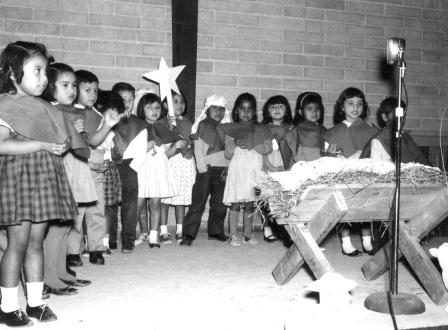
In 1964 the school Christmas programme was the largest indoor gathering of the year in a great many American communities – bigger than any meeting, filling the gymnasium with more people than the building held comfortably.
Every single child was in it. Not a selected cast: every pupil had a line, a verse, a song or a place on the risers, because that was the only way to guarantee that every family came. The costumes were bathrobes and towels pinned at home. The backdrop was butcher paper and tempera paint, made by the older classes on the gymnasium floor.
And a good share of the audience had no child in the school at all. Here are sixteen things every kid knew.
1. It Was the Biggest Thing the School Did All Year
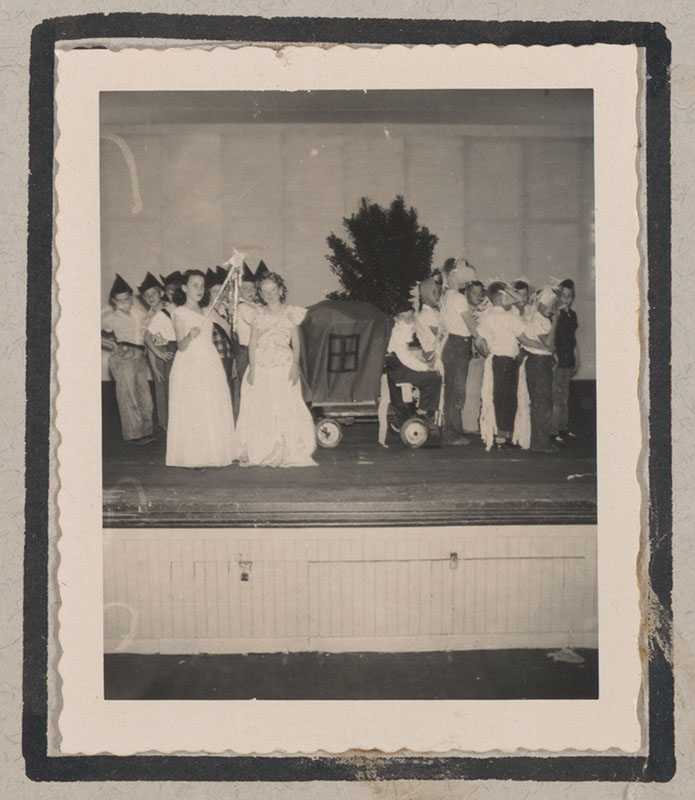
Rehearsals started weeks ahead, class time was given over to it, the whole building was involved, and the evening itself filled the gymnasium or the auditorium with more people than any other event on the calendar.
Winter concerts and holiday programmes still happen in American schools, generally shorter, with smaller audiences, and competing with a great deal else on everybody’s December.
The scale is the part that is hard to convey now. In a small community the school programme was the largest indoor gathering of the year, bigger than any meeting, and the only occasion on which essentially the entire population assembled in one room for several hours.
Like our content? Follow us for more.
2. Every Single Child Was In It
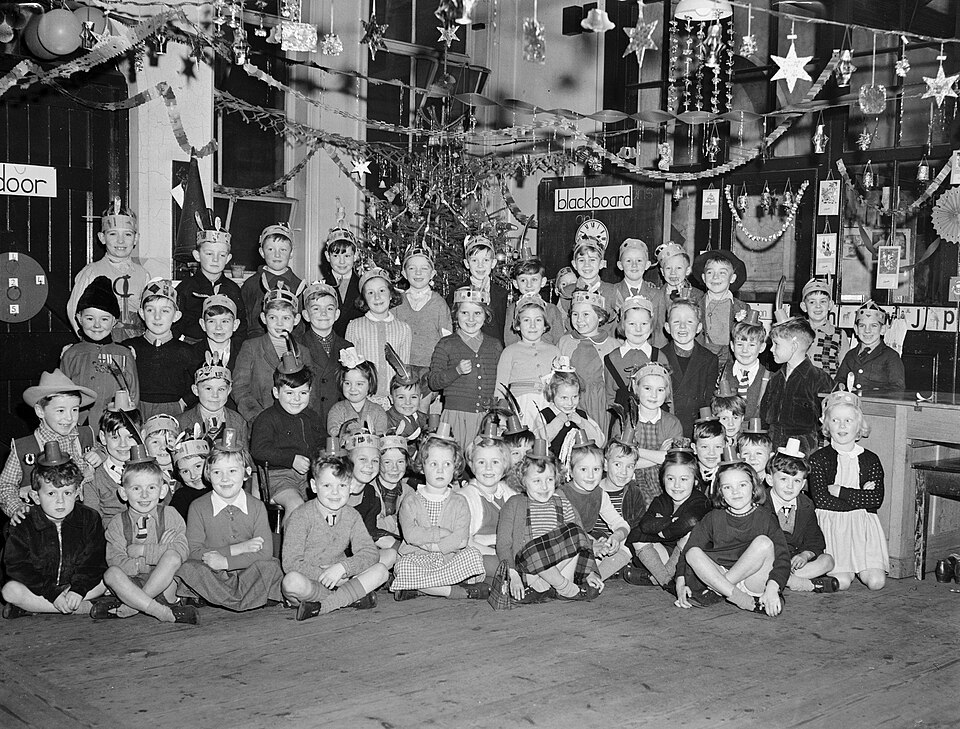
Not a selected cast. Every pupil in the school had something – a line, a verse, a song with their class, a part in a tableau, a place on the risers – because the point was that every family had somebody to come and watch.
Participation varied, with concerts frequently built around particular grades, choirs, bands or selected performers.
Universal participation was the design principle and it was not about fairness. It was about attendance. A programme in which every child appears guarantees that every family comes, and a programme that guarantees every family comes is the only reliable way a school ever got the whole community into the building.
3. The Costumes Came Out of Closets
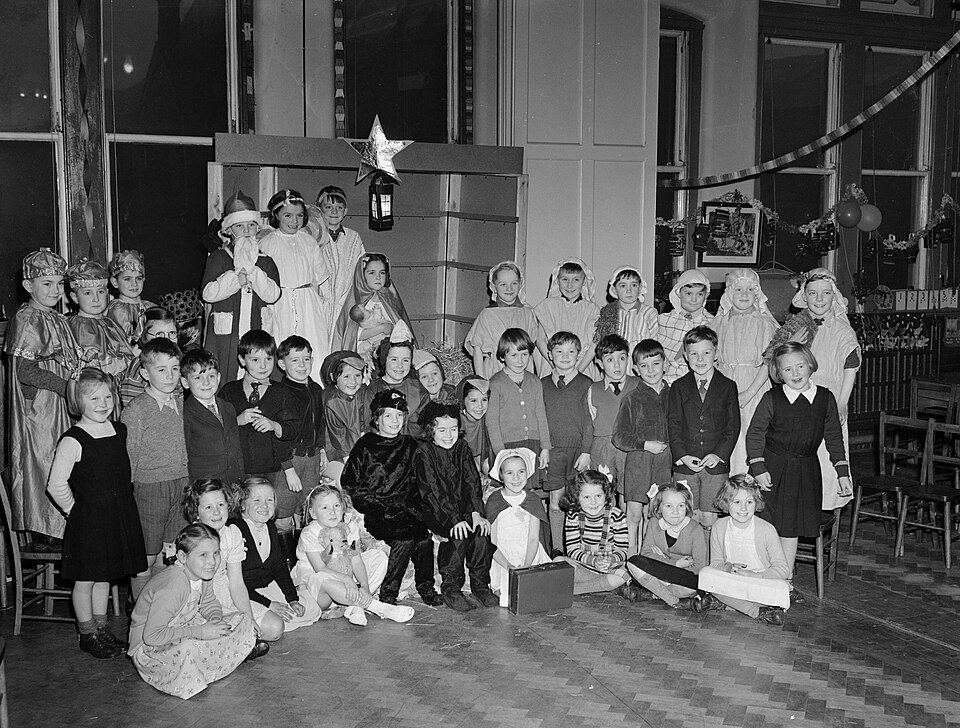
Bathrobes, towels fastened with safety pins, a sheet, a length of tinsel, cardboard wings, a paper crown, something borrowed from a grandmother – assembled at home from whatever the household had, with no budget involved.
Purchased costumes, printed sets and rented backdrops in many districts, alongside schools that still improvise.
The home-assembled costume was doing more work than it appeared. It put a parent into the production days before the performance, with needle and pins at the kitchen table, which meant the family had already invested effort in the programme before anybody sat down to watch it.
4. The Religious Content Was Explicit and Routine
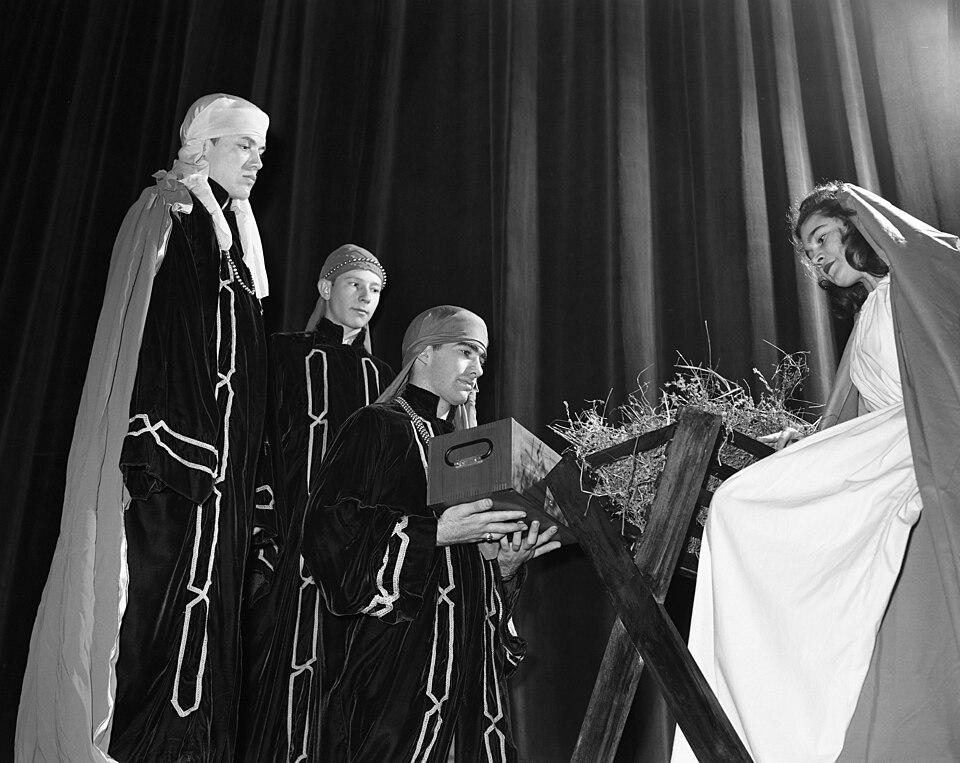
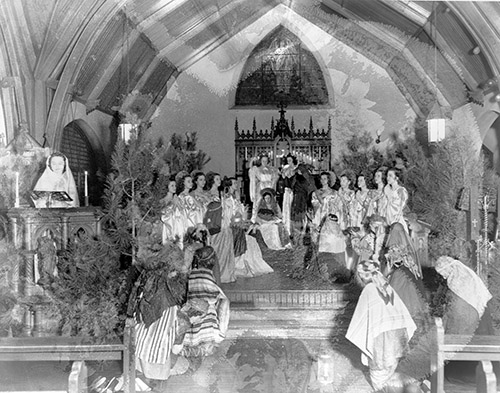
The programme in a great many American public schools in 1964 included overtly religious material – a nativity tableau, sacred carols, scripture read aloud – presented as a normal part of the school year without controversy.
Public school winter programmes generally draw on seasonal, secular and multiple traditions, reflecting a settled legal position in the United States about religious observance in public schools.
This piece records the change and takes no position on it. It names no case, no ruling, no statute and no party, because the constitutional question is a live political matter and a nostalgia article is the wrong place to argue it – and it is worth noting that the change in American public schools did not eliminate the programme, which continues in secular form.
5. Recitation Was Taken Seriously
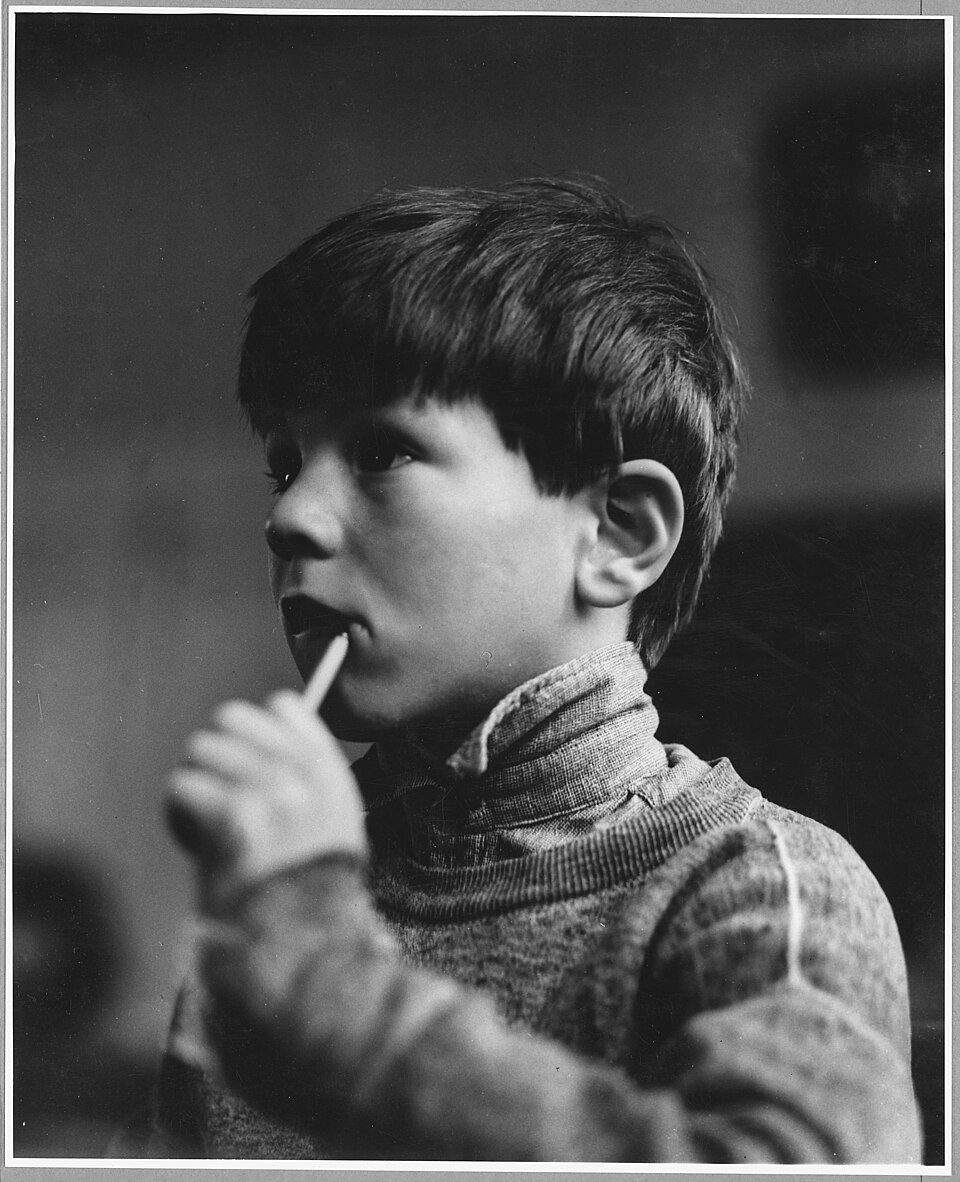
Children memorised verses, speeches and whole passages, delivered them standing alone in front of hundreds of people, and were expected to project loudly enough to be heard at the back without any amplification.
Far less memorisation and far less solo speaking, with microphones available where speaking happens.
Standing up alone in front of a packed room at seven years old is a serious thing to ask of a child, and it was asked of every child, every year. Whatever else that did, it produced a generation that had done public speaking before the age of ten, badly, in front of everybody they knew.
6. The Risers Were Wooden and Everybody Fell Off Them
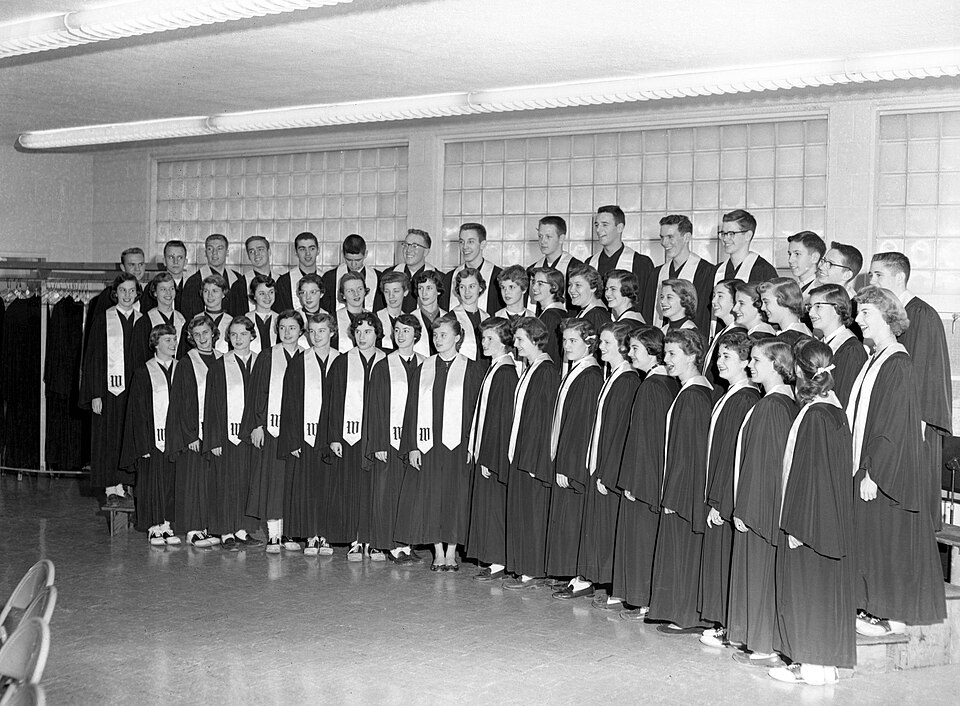
Tiered wooden platforms were set up across the stage so the back rows could be seen, and they wobbled, creaked, pinched fingers and reliably produced at least one child stepping backward into empty air.
Standardised portable staging with proper rails and non-slip surfaces.
The riser mishap is one of the most universally reported memories of these evenings, and it is reported with affection rather than horror. Somebody always went off the back, somebody always fainted under the lights, and the audience always made the same noise.
7. The Backdrop Was Crepe Paper and Tempera Paint
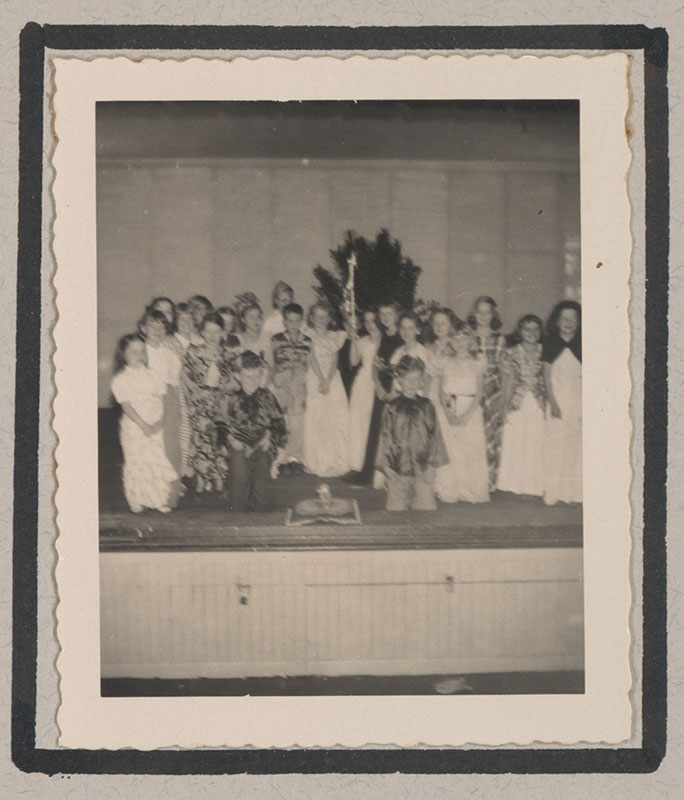
Scenery was made by the older classes from butcher paper, poster board, crepe paper, tempera paint and an enormous amount of staples – a painted stable, a winter scene, a star hung on fishing line.
Printed vinyl backdrops, projected images and purchased sets in many places.
Making the scenery was its own event and it belonged to the children. A class that spent two weeks painting a backdrop on the gymnasium floor had a stake in the evening that no purchased set can create, and the imperfections in it were the point rather than a shortcoming.
8. Parents Sat on Folding Chairs for Two Hours
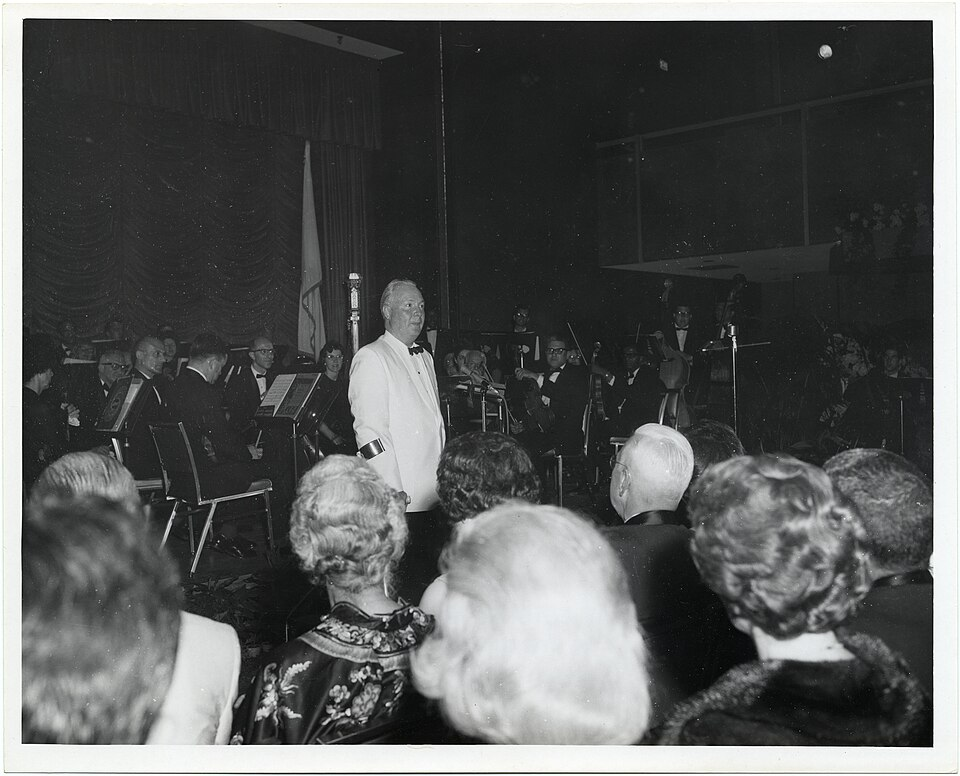
Wooden or metal folding chairs in rows on a gymnasium floor, with latecomers standing along the walls, in a room that was either too cold or far too hot, for a programme that ran considerably longer than anybody had promised.
Shorter programmes in better-designed spaces, frequently with streaming for anybody who cannot attend.
Sitting through it was the price of admission to the one part everybody had come for, which was two minutes of their own child. Everybody understood the arrangement and nobody complained about it out loud.
9. Somebody Always Forgot Their Line
A child froze, went blank, had to be prompted from the wings in a stage whisper everybody could hear, or delivered a line in entirely the wrong place – and the room responded warmly.
The same thing, in a smaller room, with the difference that it is now recorded on fifty telephones.
The generosity of those audiences is worth noting because it was reliable. A room full of people who all knew the child and had all been that child produced an entirely different response from a room of strangers, and that is a form of safety that is hard to construct deliberately.
10. One Teacher Ran the Whole Thing
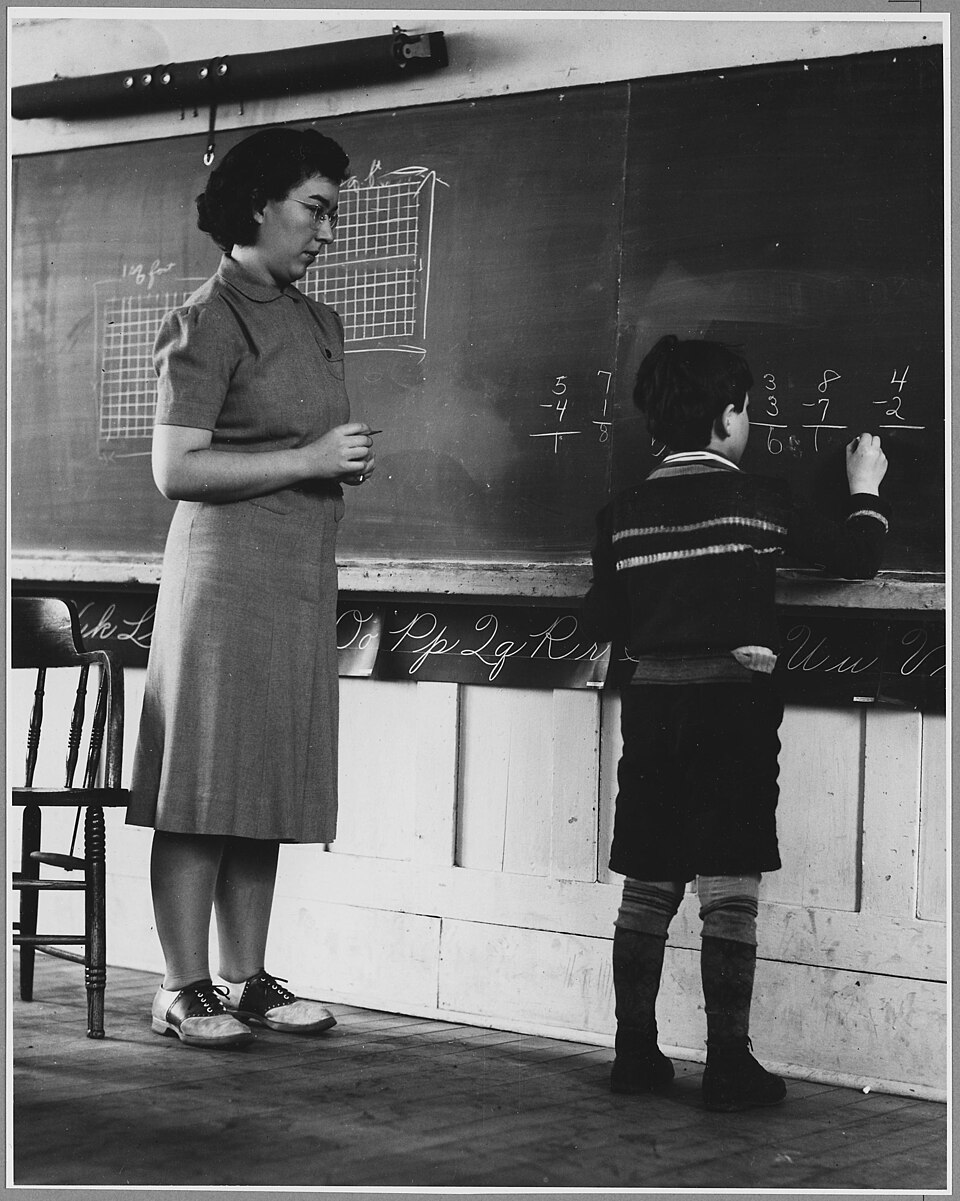
The programme was organised, cast, rehearsed, staged, costumed and directed by a teacher – usually the same one every year, frequently the music teacher, working far outside anything resembling her job description.
Distributed among music staff, classroom teachers and parent volunteers, with more structure and considerably more documentation.
Those teachers were running a full theatrical production with a cast of two hundred children, no budget and no technical staff, on top of teaching. A great many American adults can still name the one who did it at their school, which is the clearest possible evidence of what it cost her.
11. There Was a Gift Exchange With a Strict Price Limit
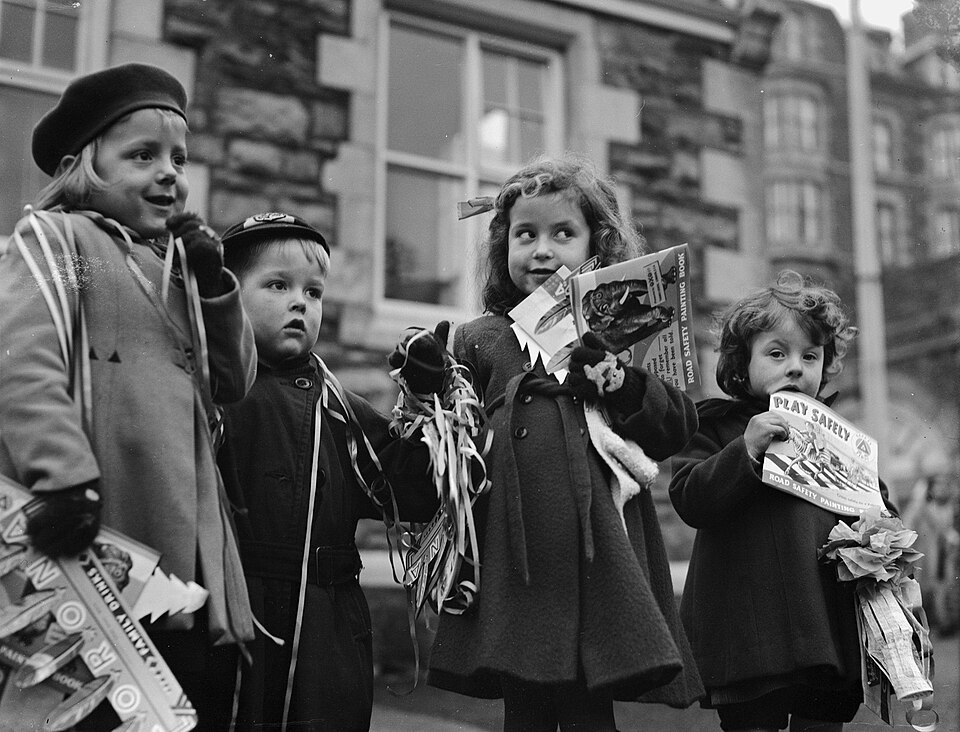
Names were drawn in each classroom, a maximum amount was set, and every child brought one wrapped present for one other child – opened on the last day before vacation.
Varies widely, with many schools having dropped it over cost, fairness and inclusion concerns.
The price limit was the whole mechanism and it was there for a reason everybody understood. A set maximum meant a child from a household with no money brought the same thing as everybody else, which protected the one thing a gift exchange in a school can easily destroy.
12. Every Child Went Home With a Sack
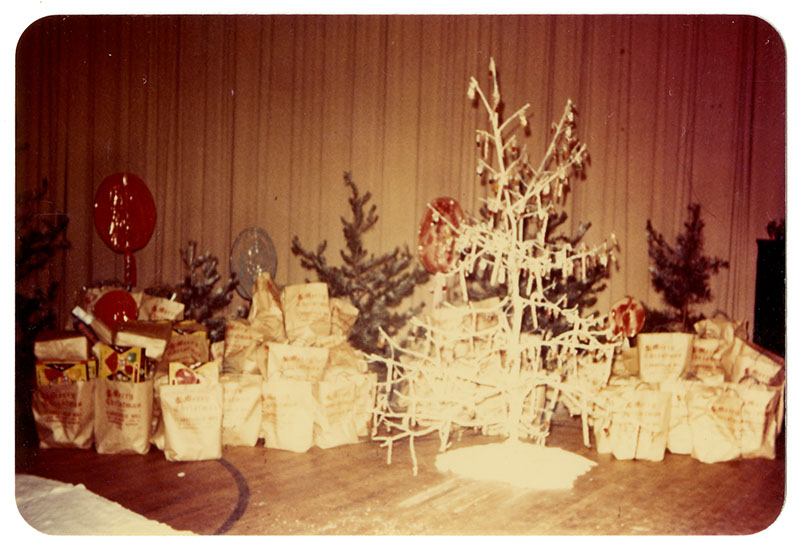
On the last day, each pupil was given a paper bag containing hard candy, peanuts in the shell, a few chocolates and – almost universally across the United States – one orange.
Gone in most places, with occasional revivals as a deliberate tradition.
The orange is the detail everybody remembers and it was once genuinely significant. Fresh citrus in the middle of an American winter was a real thing to receive in a great many households, and the sack persisted as a tradition long after the orange stopped being remarkable.
13. The Last Day Was Half a Day and Nothing Happened
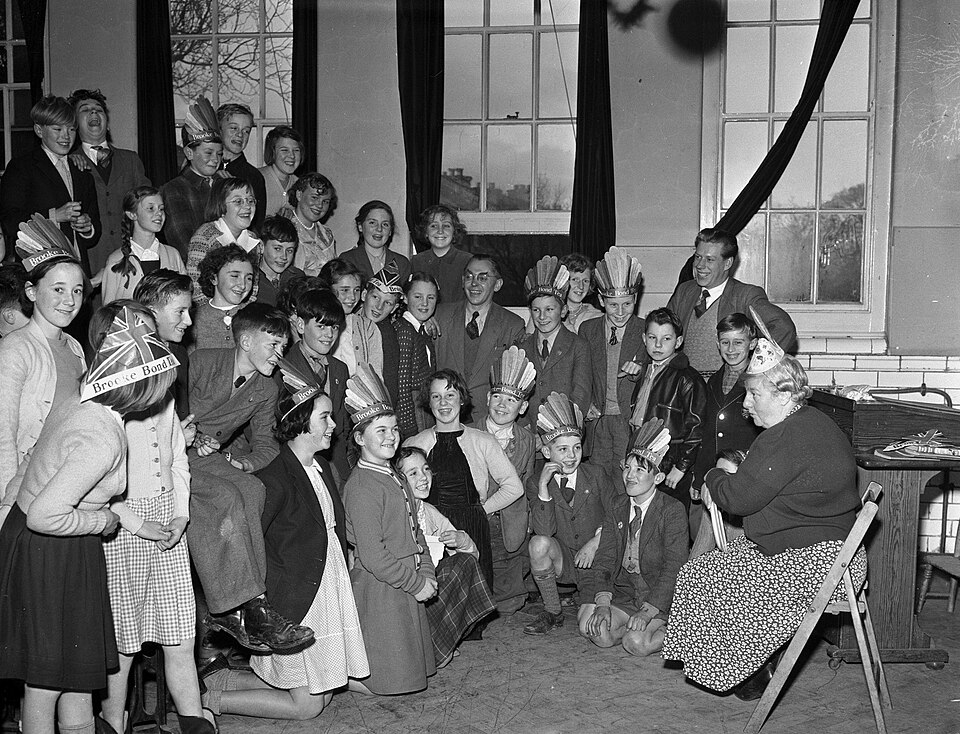
The final school day before the holiday involved almost no teaching – the party, the exchange, the sacks, a film if the school had a projector, and an early dismissal into the cold.
Broadly similar, with the party smaller and the early release less universal.
That day worked because the adults had visibly given up, which children found deeply satisfying. A school that abandons its own routine for an afternoon is making a gesture, and every pupil in the building understood exactly what it meant.
14. The Programme Was the Only Time Many Parents Came Inside
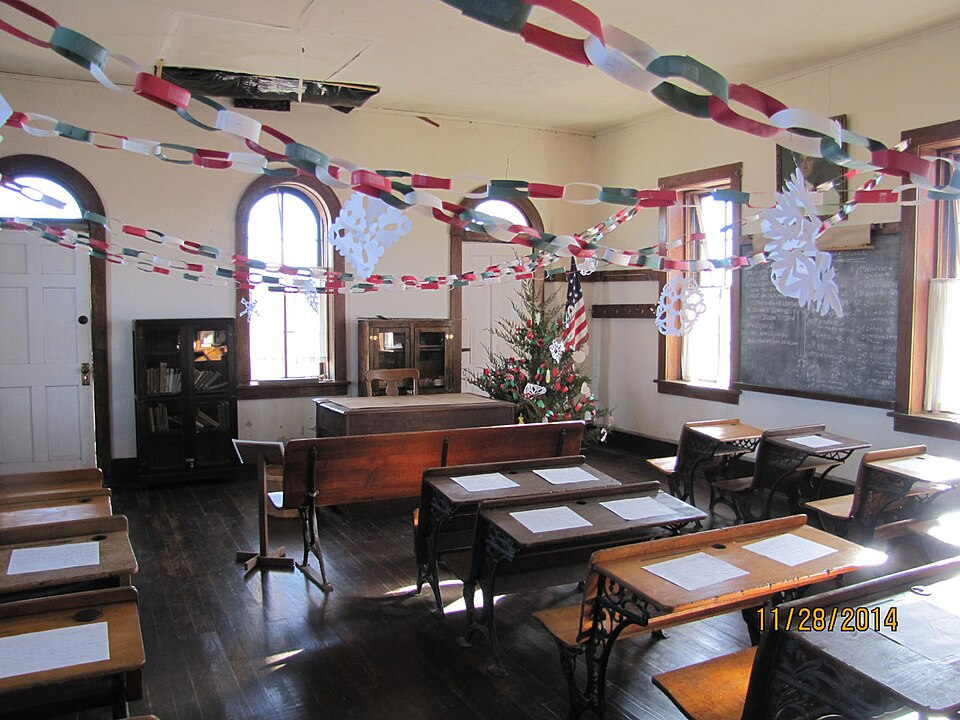
For a significant number of families, the Christmas programme was the single occasion in the year on which a parent entered the school building, met the teachers and saw the room their child sat in.
Conferences, open evenings, online portals, email and continuous digital reporting, which deliver far more information and far less presence.
That one annual visit was carrying a great deal of weight. It was how a school was seen, how teachers became people with faces, and how parents who would never attend a meeting ended up standing in the same room as their child’s education – which is a relationship no portal replicates.
15. The Whole Community Came, Including People With No Children There
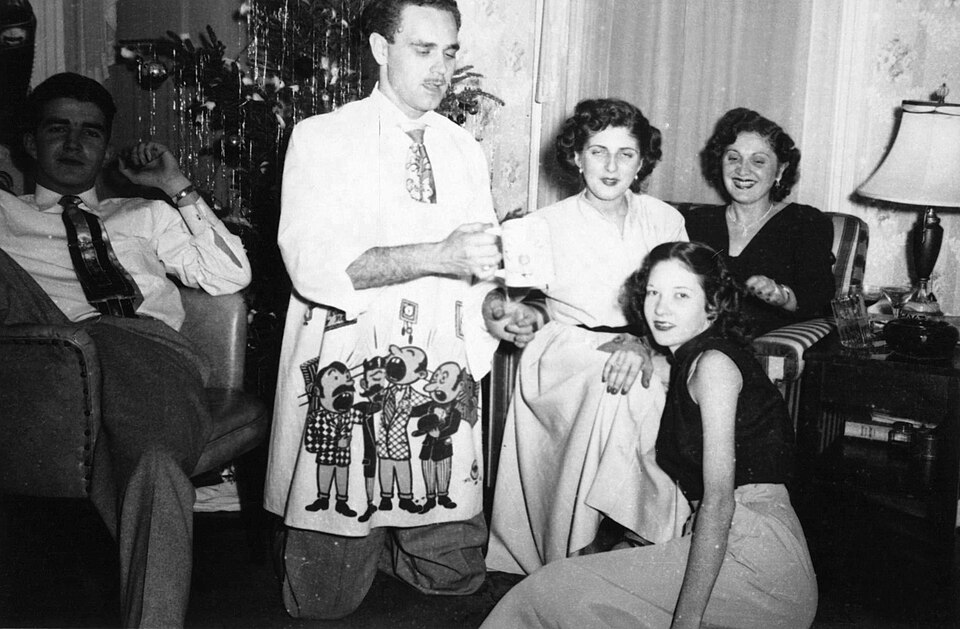
Grandparents, aunts, neighbours, retired teachers, the childless, and people who simply attended because it was the event – the audience was the community rather than merely the parents.
Audiences are now overwhelmingly immediate family, and attendance by people with no child in the school is rare.
This is the quietest and largest change. A school programme attended by everybody in a township is a community institution; the same programme attended only by parents is a family obligation – and those are different things even when the content is identical.
16. Then the Audience Came Apart
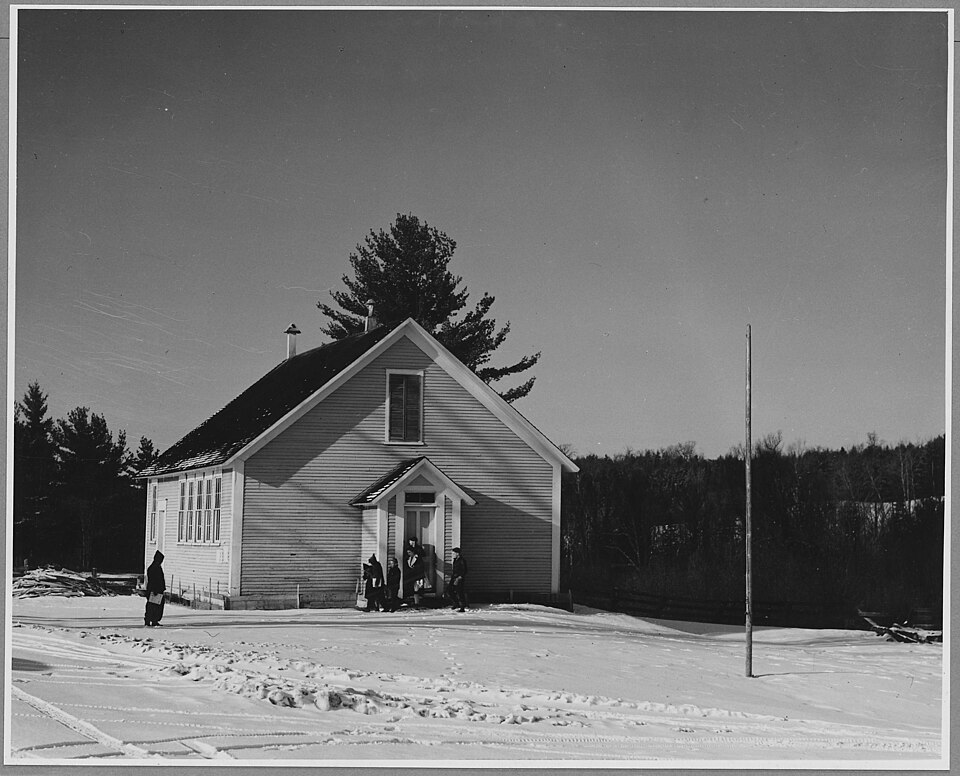
In 1964 a school Christmas programme assembled an entire American community in one room, with every child in it, every family present, and a sizeable number of attendees who had no child in the school at all.
Winter programmes continue, and are frequently better produced, better staged and more inclusive than anything in 1964 – attended by immediate family, for a shorter evening, in a district far too large to constitute a community.
And the thing that changed is not the programme and not the content, which is where this is usually blamed. School consolidation did most of it: districts that once served one township now serve many, so the building a family drives to is not in their neighbourhood and the other families in the room are strangers. Two working parents did a great deal more, because a weeknight evening performance assumes somebody can leave work early and be in a gymnasium at seven, which is a substantially harder assumption now than it was. Longer commutes, more scheduled children’s activities and more competing December obligations finished the job. The legal change about religious content in American public schools is real and it altered what is performed, but it did not empty the room – schools held programmes before and hold them now. What emptied the room was that the room stopped containing a community. A gymnasium full of people who all know each other, watching children they can all name, is doing something that cannot be reproduced by the same gymnasium holding the same number of people who happen to have children in the same consolidated district. The performance survived. The audience is what went.
The Programme Survived. The Audience Did Not.
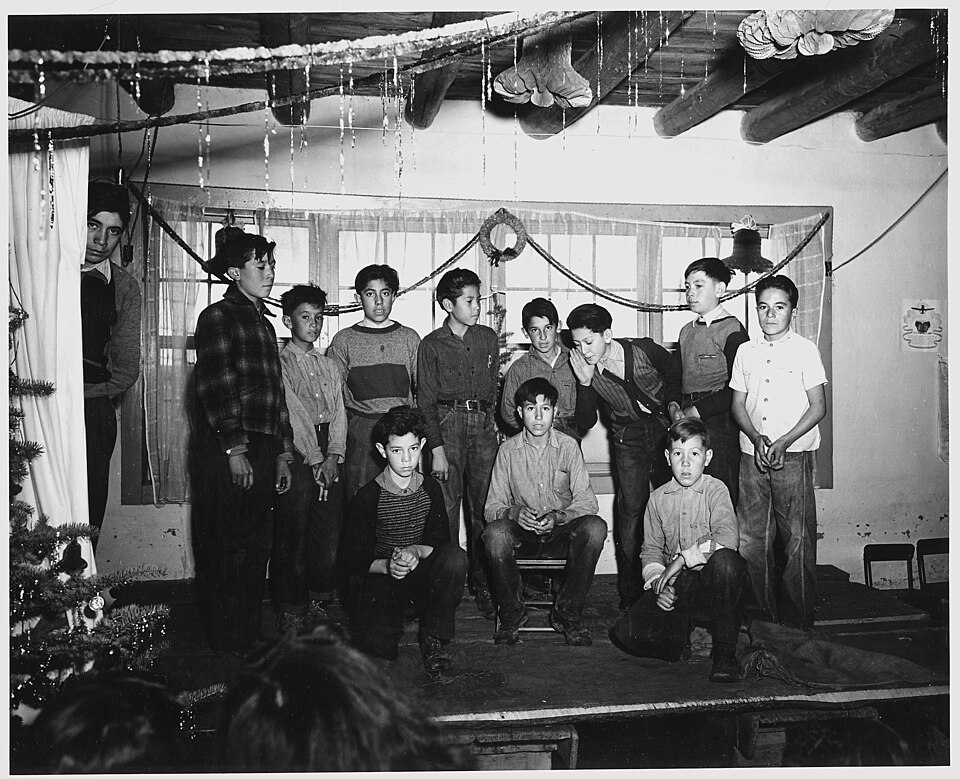
The school Christmas programme is usually discussed as a casualty of the argument about religion in American public schools, and that is not what happened to it.
Something did change there, and it was real. In 1964 a public school programme in a great many American districts included a nativity tableau, sacred carols and scripture read aloud, presented as an unremarkable part of the school year. That is no longer how public school winter programmes are built, and the shift reflects a settled legal position about religious observance in public institutions. This piece takes no position on that question, names no case and names no party, because it is a live political matter and a nostalgia article has no business arguing it.
But notice what the religious change did not do. It did not end the programme. American schools held winter programmes before the change and hold them now, frequently better staged, better produced and more carefully built to include every child in a diverse student body than anything managed in 1964.
So if the programme is still happening, what exactly is it that people miss?
It is the room.
In 1964, in a great many American places, the school Christmas programme was the single largest assembly of a community in a calendar year. Everyone was there. Parents, obviously – but also grandparents, aunts, uncles, neighbours, retired teachers, the childless couple down the road, and people who simply came because it was the event and there was nothing else like it. The audience was the community, not the parent body.
That has gone, and three things took it.
School consolidation did the most. Districts that once served a township now serve several, and the small schools closed. So the gymnasium a family drives twenty minutes to reach is not in their neighbourhood, and the other families sitting on the folding chairs are not their neighbours. You cannot assemble a community in a building that does not correspond to one, however good the programme is.
Two working parents did a great deal of the rest. An evening performance on a Tuesday in December assumes that somebody in the household can leave work in time to be sitting in a gymnasium at seven o’clock. That was a straightforward assumption in 1964 in most American households and it is a genuinely difficult one now – and the schools know it, which is why attendance has become something to be worked at rather than taken for granted.
And the general thickening of everybody’s December finished it. More scheduled activities for children, more commitments for adults, longer commutes, more competing events.
Which leaves the honest accounting. Every child being in the programme was not a charming inclusive instinct; it was an attendance strategy, and a very effective one – guarantee that every family has two minutes of their own child to watch, and every family will come and sit through the other two hours. The home-made costume put a parent at the kitchen table with pins before the performance even started, so the household had already invested in it. The backdrop belonged to the children who painted it. The one teacher who ran the whole thing was producing a two-hundred-child theatrical production with no budget and no staff on top of her actual job, and a remarkable number of American adults can still name her.
All of that machinery was pointed at one outcome: getting an entire community into a school building once a year, to look at its own children.
The programme still exists. The community that used to fill it does not, and no amount of better staging fixes that.
If you were in one of these, you remember the risers creaking and exactly which line you had.
And you remember the orange in the paper sack, and that for some reason it mattered.
Like our content? Follow us for more.