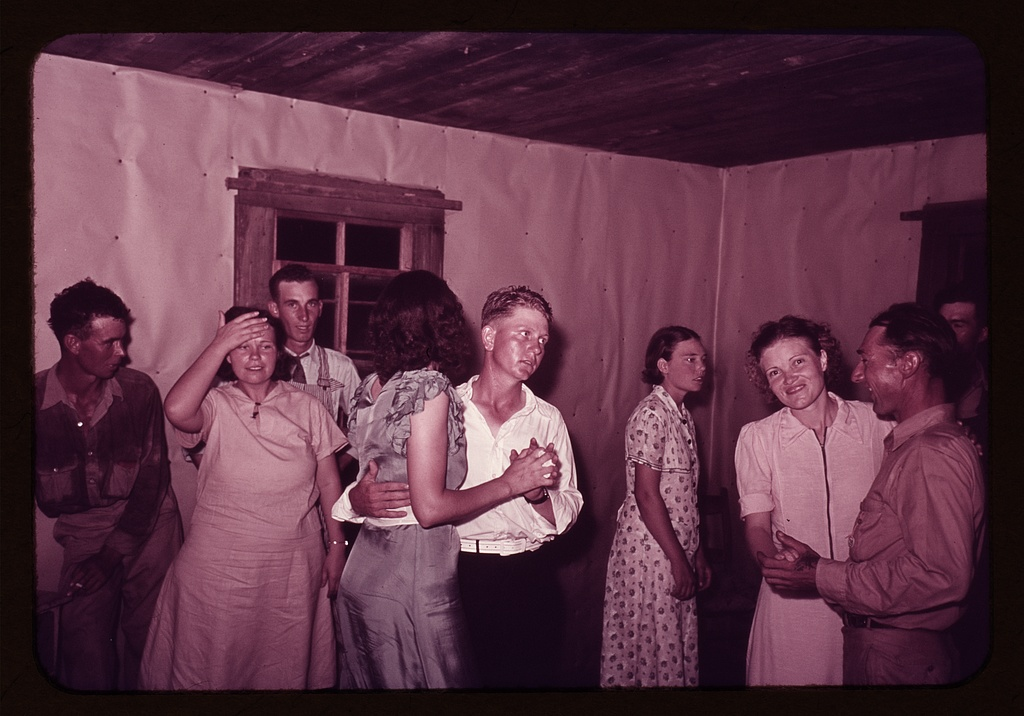
In 1964 holding a dance in a house meant emptying a room completely. Beds dismantled and carried outside. Table and chairs onto the porch. The rug rolled up and taken out. Several hours of heavy work before, and the same again the following day.
The room’s dimensions decided how many couples could dance and therefore what got danced. The floor had to be bare wood, which a farmhouse front room was. The musicians were neighbours playing for food, a small collection or nothing. Word went round at the store and whoever heard came.
Children were put to sleep crosswise on a bed in the back, five or six of them, in their coats. Here are sixteen things every family knew.
1. The Furniture Went Outside
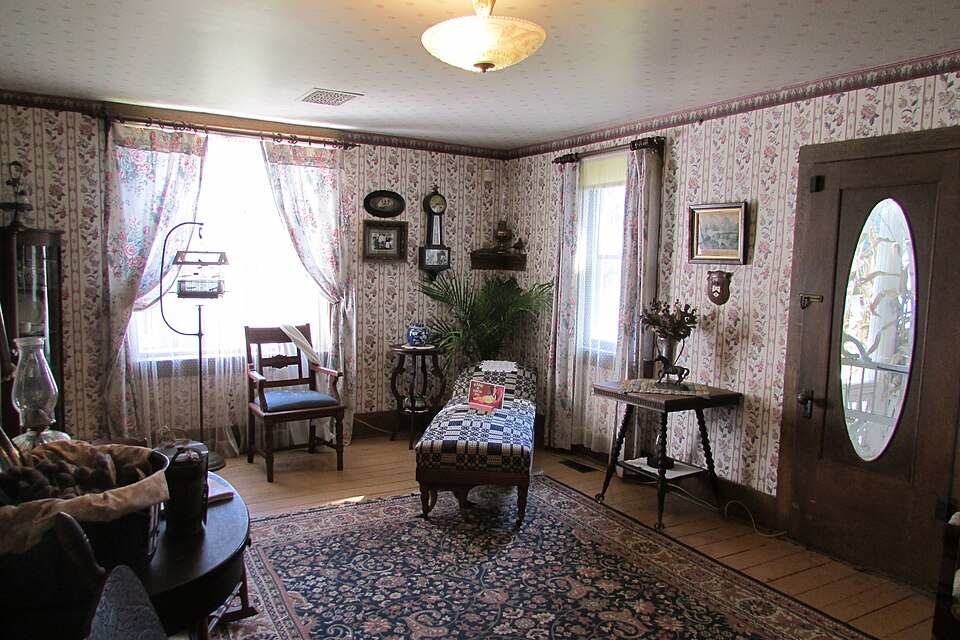
Holding a dance in a house meant emptying a room completely – beds dismantled and carried out, a table and chairs onto the porch, a sofa into another room, the rug rolled up and taken out, everything movable gone.
No equivalent. A modern living room cannot be emptied, and nobody would attempt it.
That clearing is the single most important fact about a house dance and it determined everything else. An evening of dancing required several hours of heavy work before and after, performed by the host household, which means offering to hold one was a substantial commitment rather than a casual invitation.
Like our content? Follow us for more.
2. The Room Decided What Was Danced
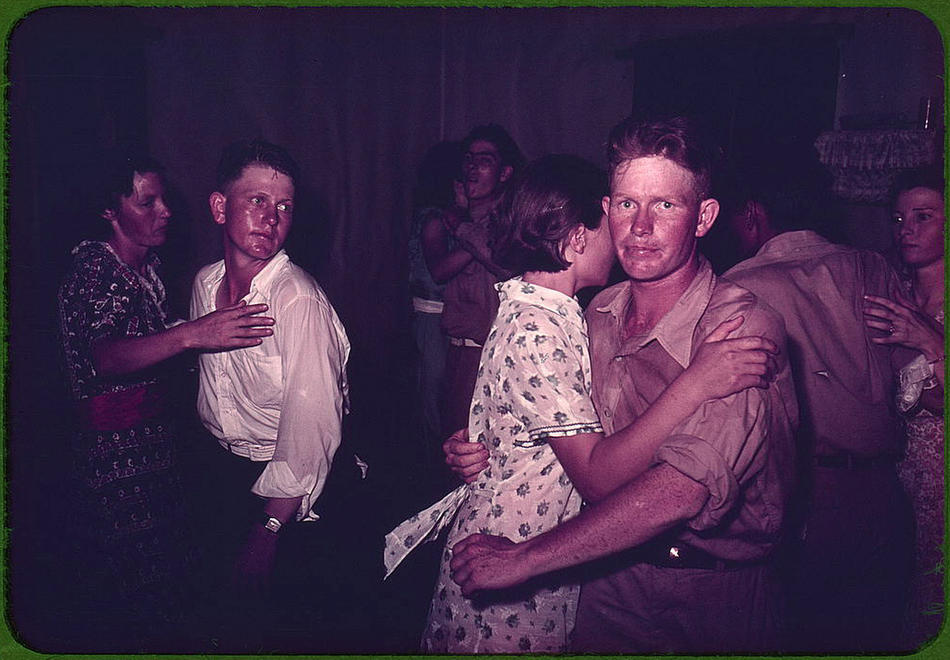
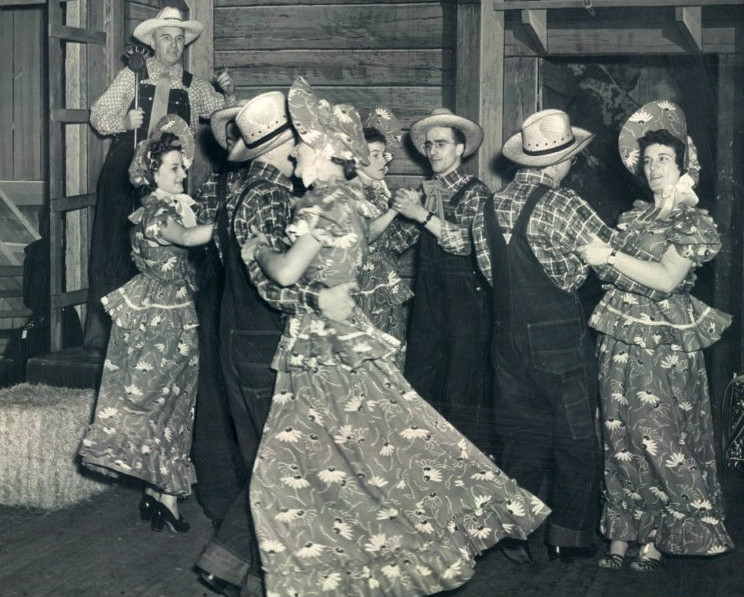
The dimensions of the cleared room set the number of couples, which set the form – two sets in a large room, one in a small one, and in a very small one nothing that required a set at all.
Not applicable, since the venue is no longer a house.
People adapted to the room rather than the reverse, and the music and the figures followed. A house with a large front room acquired a reputation as a dancing house and got asked repeatedly, which is a form of local standing that depended entirely on the floor plan.
3. A Bare Wood Floor Was Essential
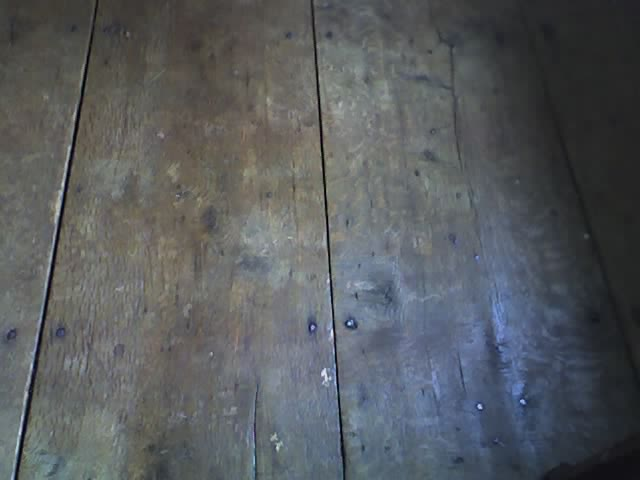
The floor had to be hard, flat, smooth and uncovered, which a 1964 farmhouse front room frequently was – plank or strip wood, with a rug on it that came up for the occasion.
Fitted carpet, which makes dancing physically impossible and which spread through American houses in exactly the decades these dances ended.
The floor is the detail that quietly killed the whole practice. You cannot dance on carpet. A house with wall-to-wall carpet has no dance floor anywhere in it, and the carpet is not coming up – which removed the venue from ordinary American homes without anybody deciding anything.
4. Somebody Local Supplied the Music
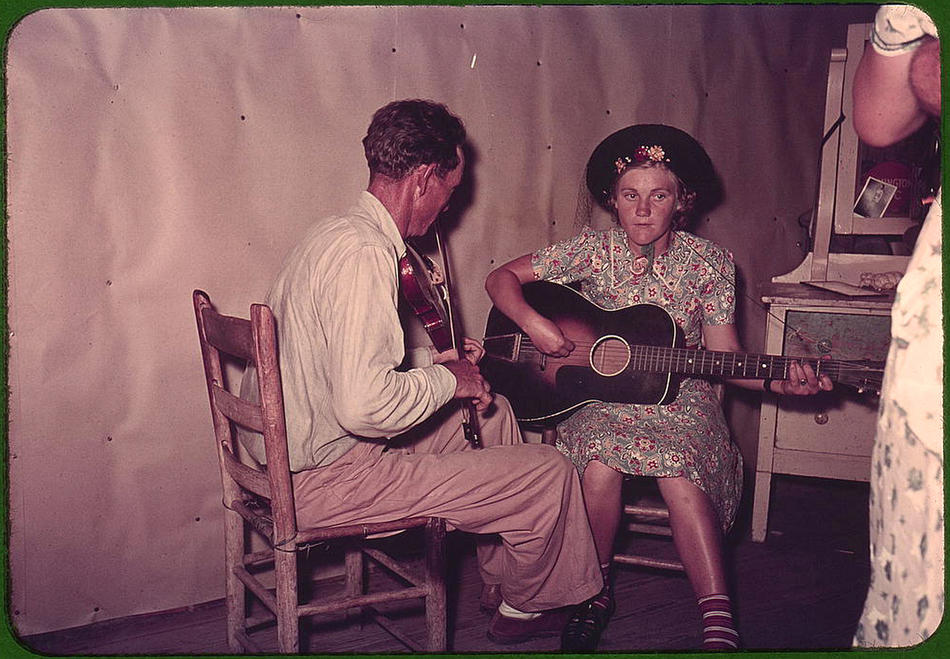
The musicians were neighbours – a fiddle, a guitar, a banjo, a mandolin, an accordion, somebody on a piano or a pump organ if the house had one – playing for the evening for food, drink, a small collection or nothing at all.
Recorded music, which is better in every technical respect and which eliminated the social position of being the person who plays for dances.
Having to supply your own music is the constraint that made the event local. A neighbourhood could only hold dances if it contained people who could play, which meant the musicians were known, requested, relied upon and in some demand – and a neighbourhood that lost its players lost its dances.
5. Word Went Round and There Were No Invitations
Nobody was invited in writing and nobody was formally excluded. Word passed at church, at the store, at school and over the fence, and whoever heard and wanted to come came.
Invitations, guest lists, event pages and attendance that is known in advance.
The informality was functional and it had a hard edge. An open event in a small community means everybody knows who came and who did not, and a household that was not told has been told something – so the absence of a formal guest list did not mean the absence of a social boundary.
6. The Host Fed Everybody at Midnight
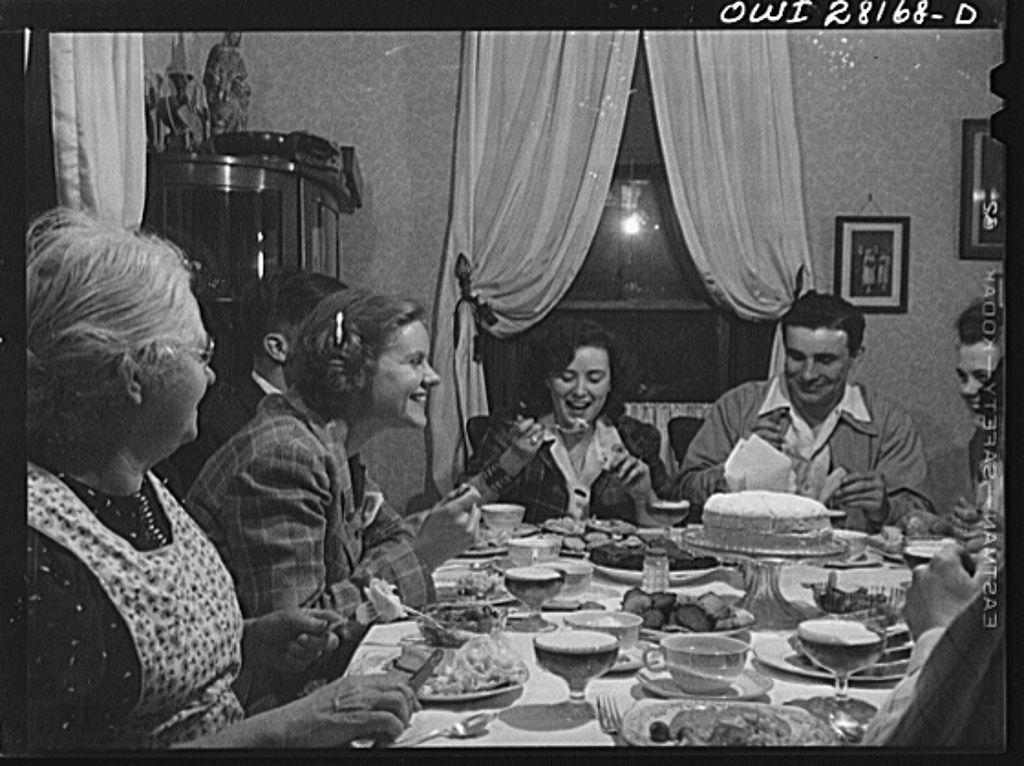
Somewhere around the middle of the night the dancing stopped and the host household produced food – sandwiches, cake, pie, coffee – prepared in advance by the women of the house on top of everything else.
Not applicable.
That meal was the host’s real contribution and it is the part that gets omitted. A household offering its front room was also offering to feed thirty or forty people in the small hours, having already moved all its furniture outdoors, and would be putting it all back the following day.
7. The Babies Slept in the Back Bedroom
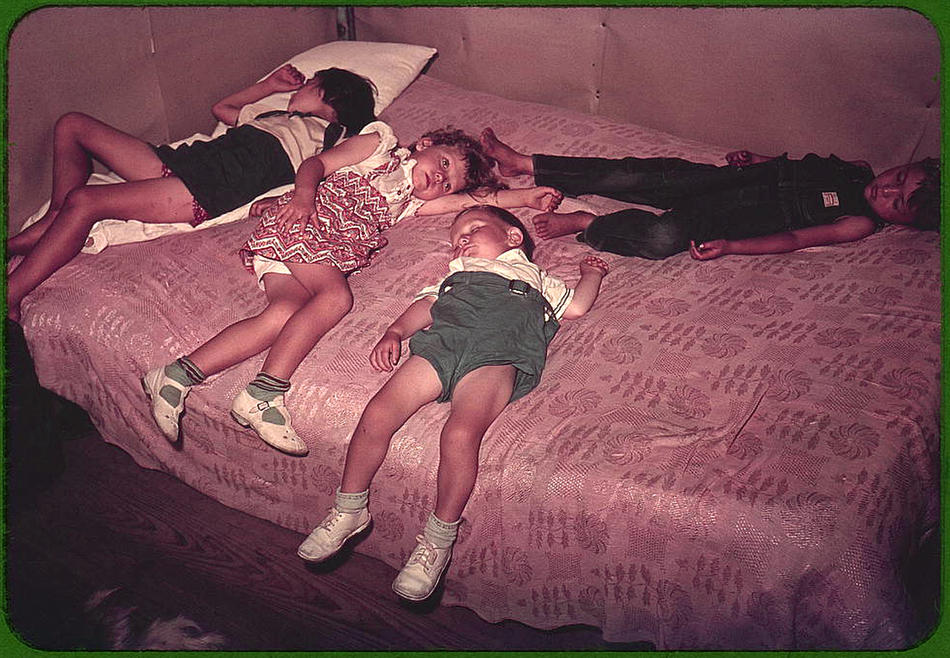
Families came with their children, and the small ones were put to sleep crosswise on a bed in whichever room had not been cleared – sometimes five or six of them on one bed, in coats, while the dancing went on.
Not applicable. Children do not attend adult social evenings and would not be put to sleep in a stranger’s bedroom.
This arrangement is remembered with great consistency and it is the reason whole families could attend. No childcare existed and none was needed, because the children came along and were laid down at the back of the house – which made the event accessible to exactly the people a modern evening event excludes.
8. Alcohol Was Present or Absolutely Not, Depending
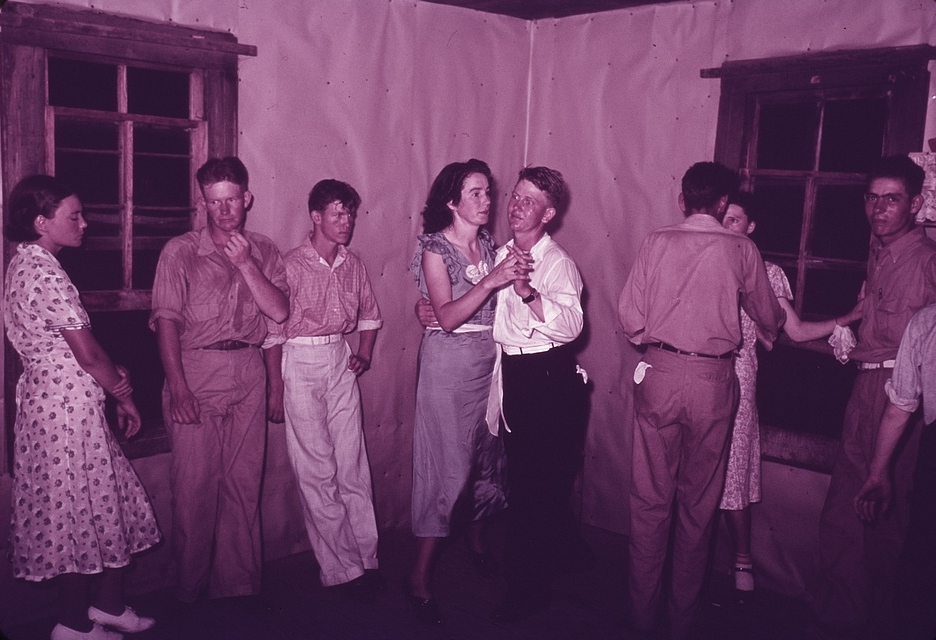
Some house dances were dry by firm intention and some were not, and which kind a particular house held was known in advance by everybody and determined who attended.
Not applicable, and the question is now a matter of licensing wherever it arises publicly.
That division ran through American rural social life and it mattered. A household that held dry dances drew a different crowd from one that did not, families chose accordingly, and the reputation of a house on this point was established and durable.
9. In Some Communities Dancing Itself Was the Problem
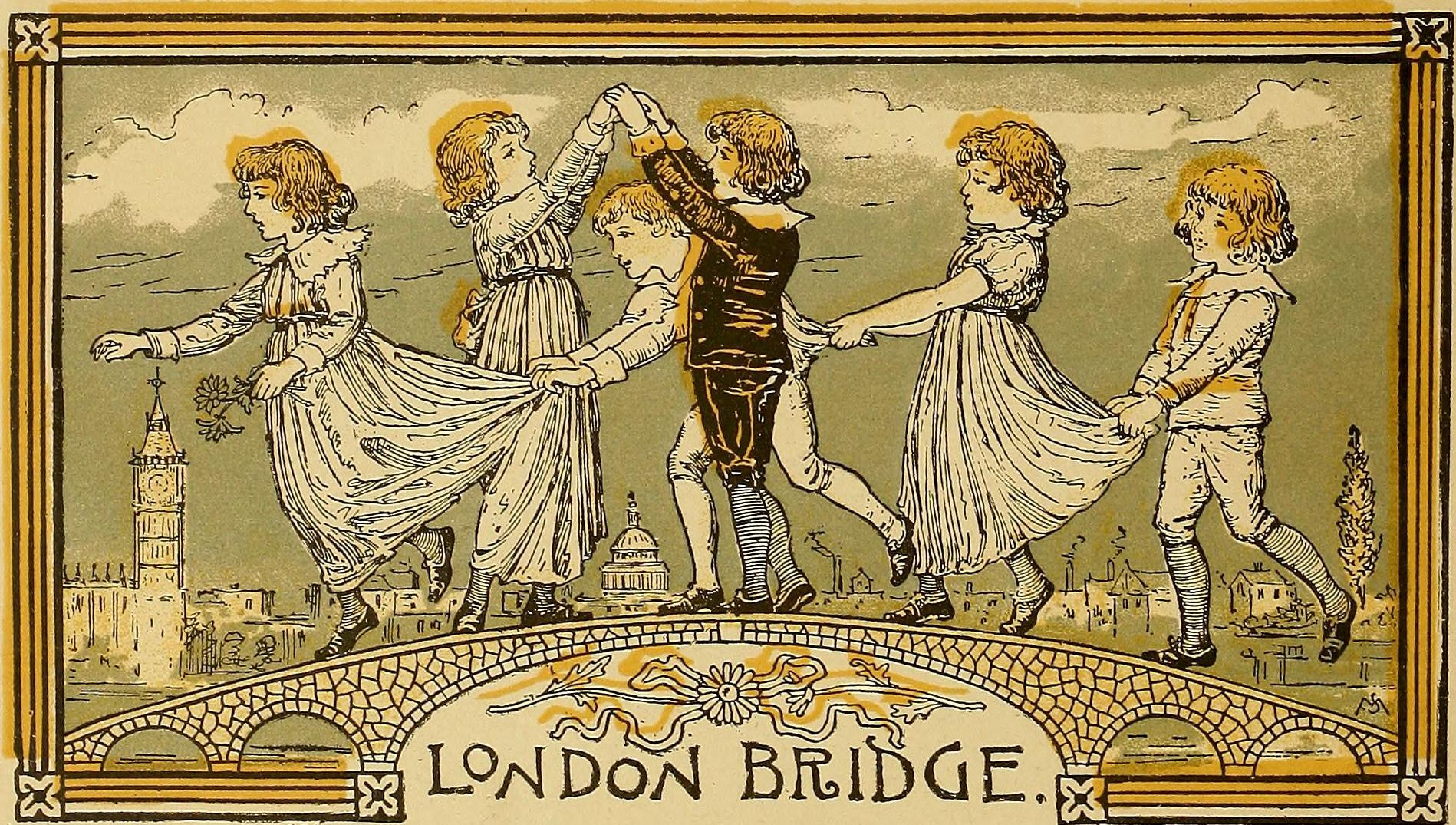
Where dancing was disapproved of on religious grounds, the same social function was performed by play parties – singing games with no instruments, in which the participants moved in figures to their own voices rather than to music.
Essentially extinct, surviving in documented collections and in deliberate revival.
The play party is one of the most ingenious workarounds in American folk culture and it is almost unknown now. By removing the instruments and calling the activity a game rather than a dance, a community that forbade dancing could do something nearly identical – and everybody involved understood exactly what was happening.
10. It Went All Night and Everybody Knew the Finish
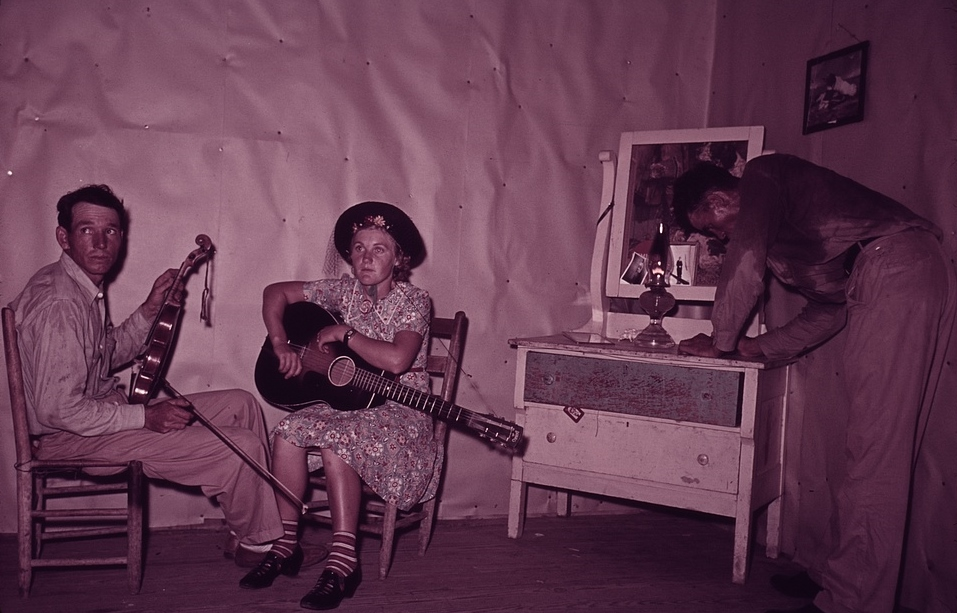
Dances ran until very late and in a great many cases until daylight, because people had travelled some distance and because stopping early was not the point.
Events with a stated finishing time, frequently early, in venues that close.
The all-night finish was possible because of what came next, which was nothing. Nobody had to be anywhere at eight the following morning except the stock, which somebody would do regardless, and the day after a dance was understood to be a slow one.
11. Getting Home Was Part of It
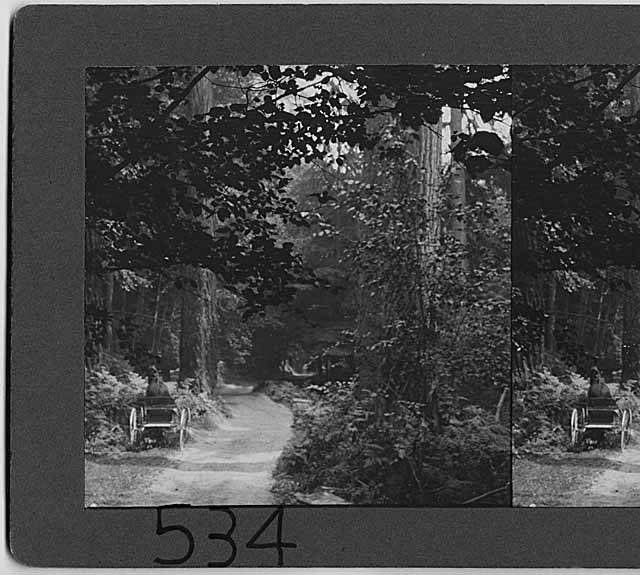
People walked, rode, or came in a wagon or a car over poor roads, which meant the journey home in the dark was a recognised stage of the evening and in many accounts the part people remember best.
Driving home from an organised venue, alone or as a couple, with no shared journey.
The walk home is where the actual courting happened in a great many accounts, which is worth noting because the dance itself was observed by everybody present. A dark road and a couple of miles is privacy of a kind that a supervised front room cannot supply.
12. The Same Houses Did It Year After Year
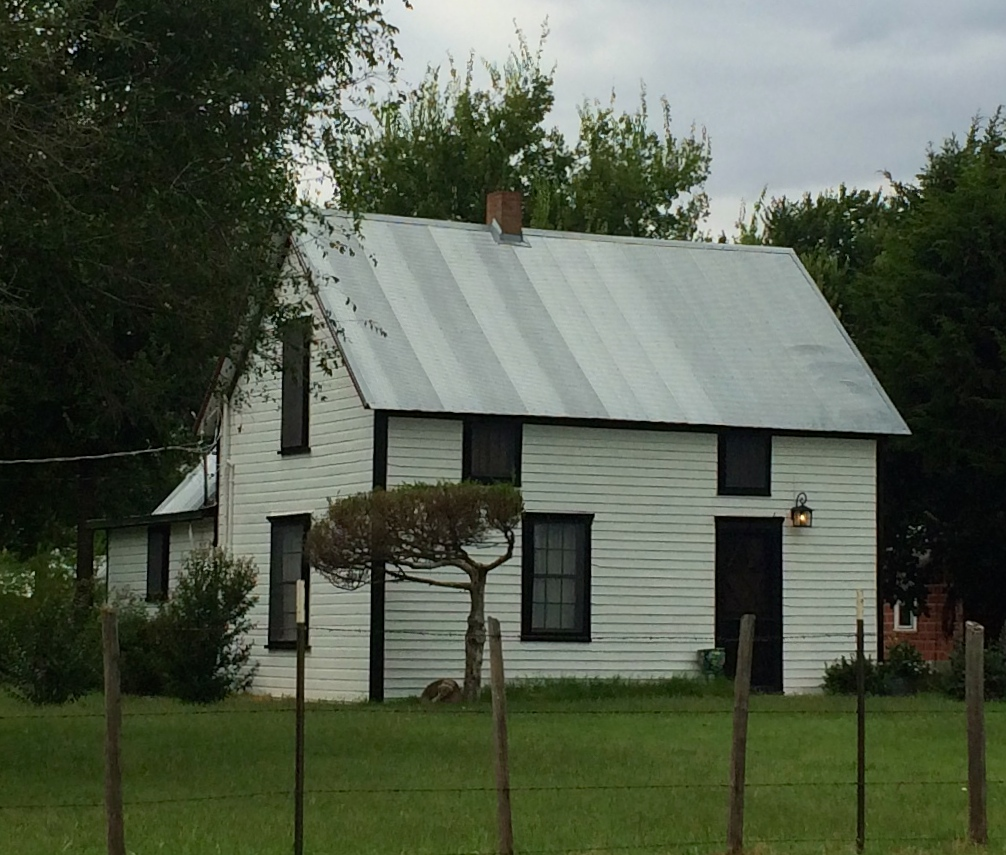
Hosting rotated among a handful of households in a neighbourhood – the ones with the room, the floor, the willingness and the standing – and the same names recur in accounts across decades.
Not applicable.
The rotation is what made it sustainable, because no single household could carry the cost repeatedly. Spreading the hosting across several houses turned a prohibitively heavy obligation into one that came round every year or two, which is the same logic as every other labour exchange in rural life.
13. Commercial Halls Were Already Taking It Over
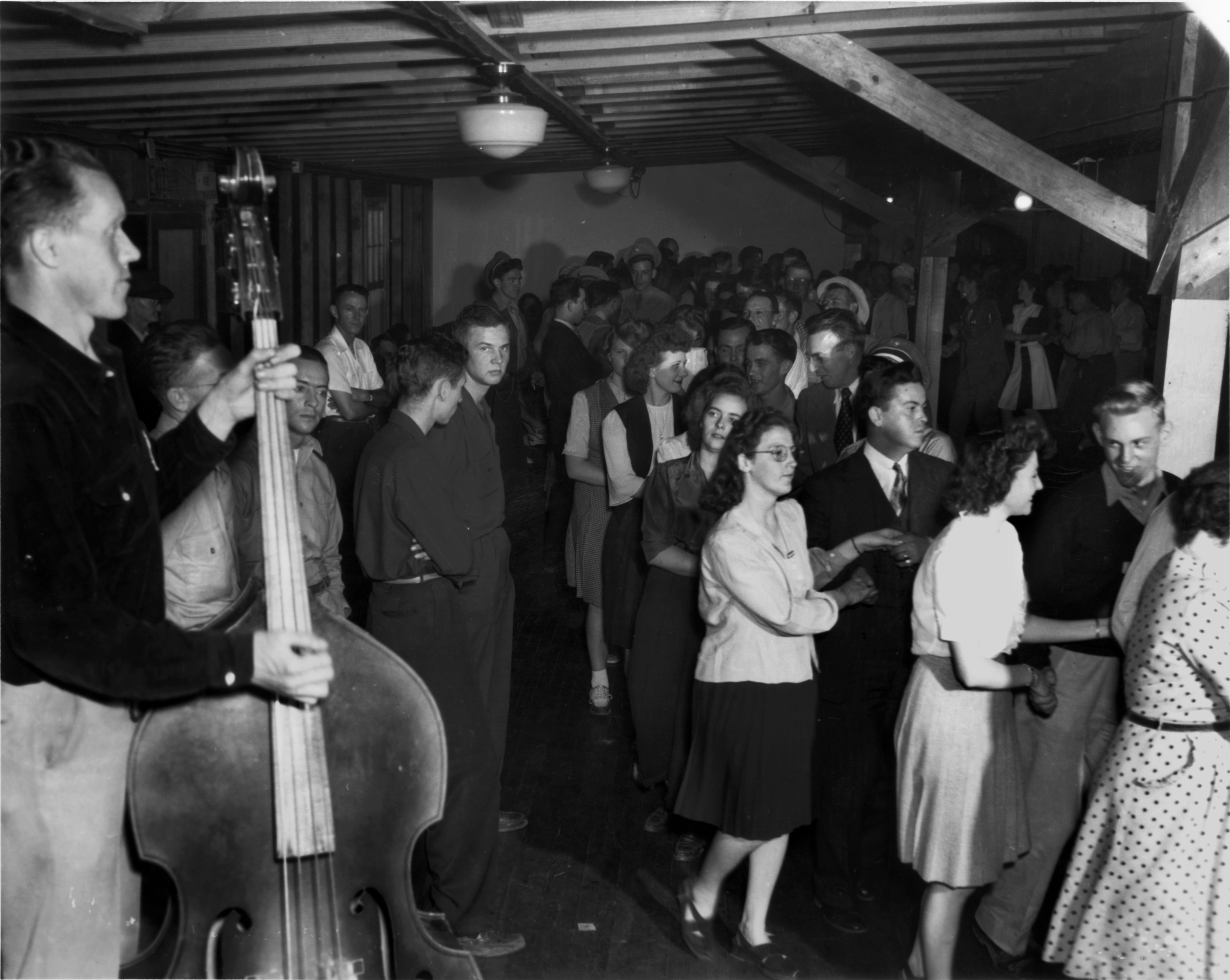
By 1964 the house dance was being replaced by dances in rented halls, lodge rooms, school gymnasiums and commercial venues – with a floor, a stage, chairs, lighting, parking and a hired band.
The dominant form, now itself much reduced.
A hall is better at almost everything and that is why it won. Nobody has to move a bed, the floor is built for the purpose, more people fit, the musicians are paid properly and the host household does not spend two days on it – and the trade is that the event stops happening in anybody’s home.
14. The Car Made Distance Irrelevant
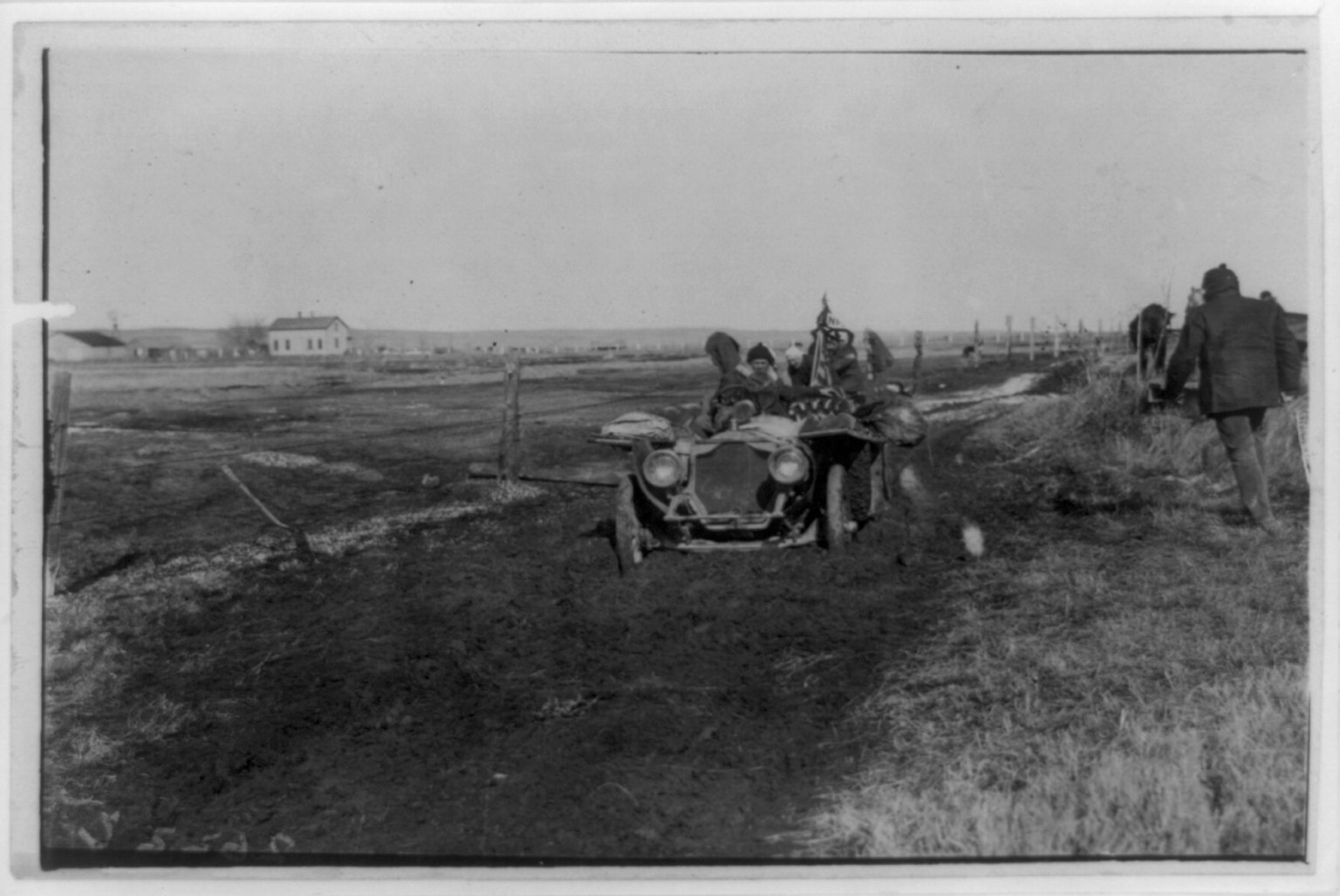
Once a family could drive twenty miles in half an hour, the dance nearest home stopped being the only option, and people went where the music or the crowd was better.
Complete, with entertainment chosen from an enormous radius and no reason to attend anything local.
The car dissolved the neighbourhood as a social unit, which is the single largest cause here. A house dance works because the people within walking or wagon distance constitute everybody you know; it stops working when those same people can be somewhere better in twenty minutes.
15. Television Occupied the Room
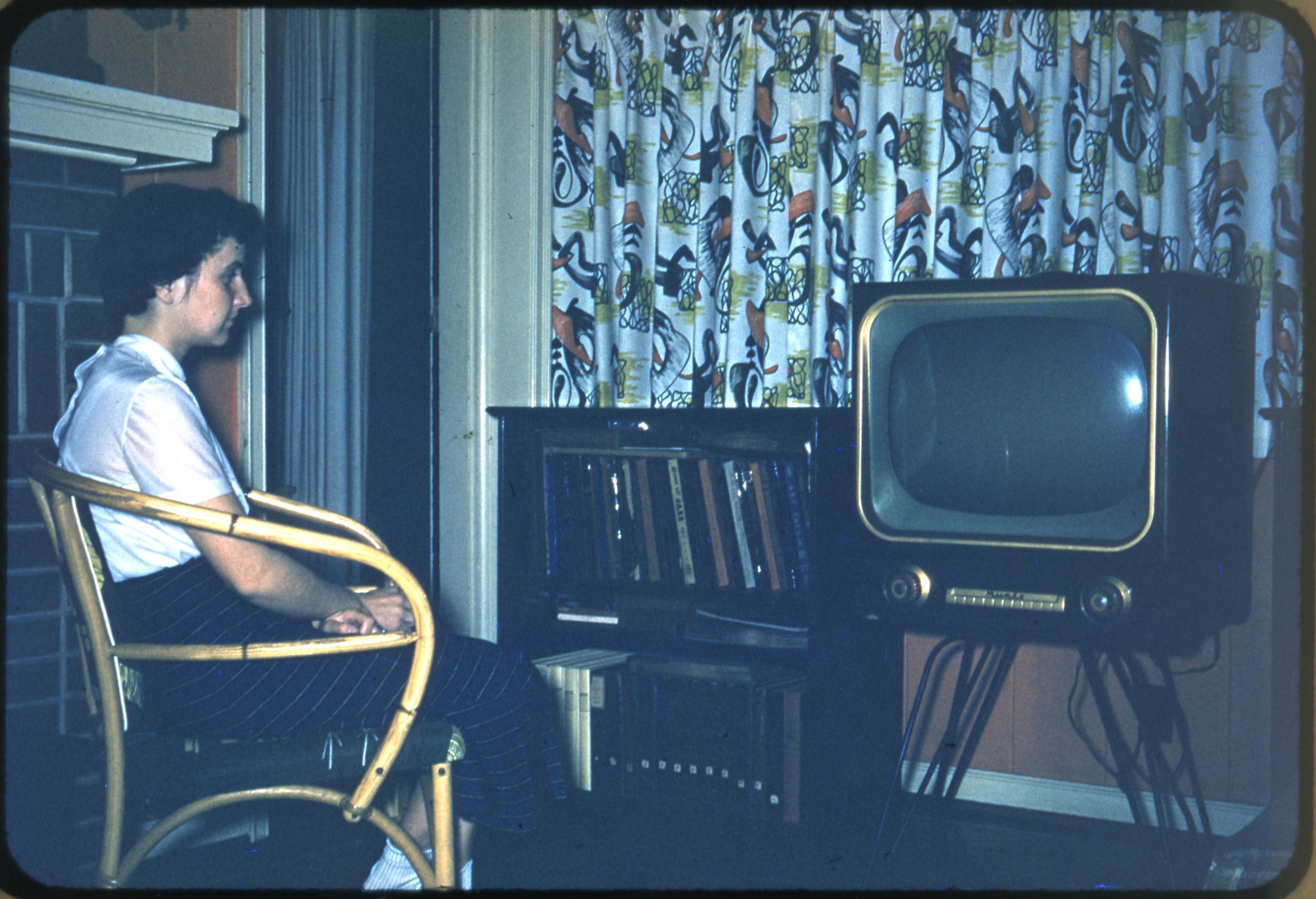
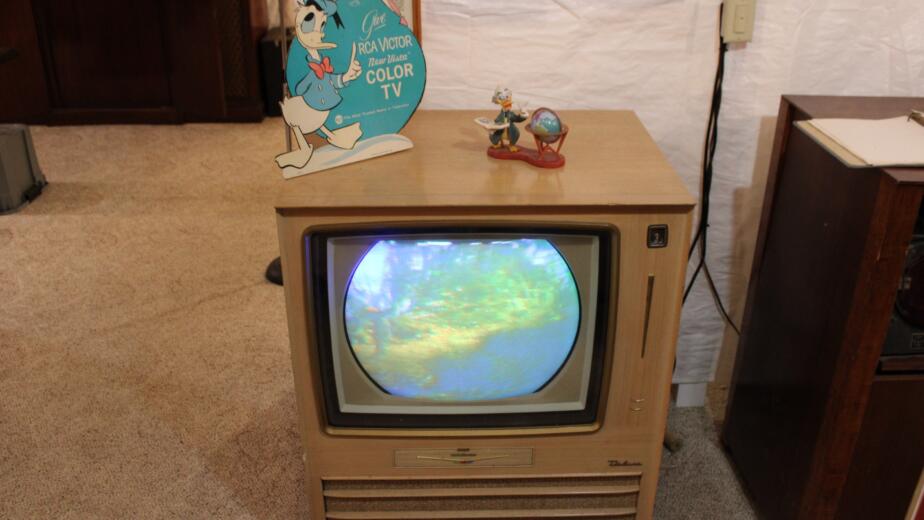
The front room acquired a television, which is a piece of furniture that is not moved, pointed at by all the other furniture, and used every evening.
Universal, with the main room of an American house organised around a screen.
That reorganisation is not incidental to this story. The room that had been a flexible space cleared for occasions became a room with a fixed focal point and a permanent arrangement – and a room arranged around a screen is not a room anybody empties for a dance.
16. Then the House Itself Stopped Being Able to Do It
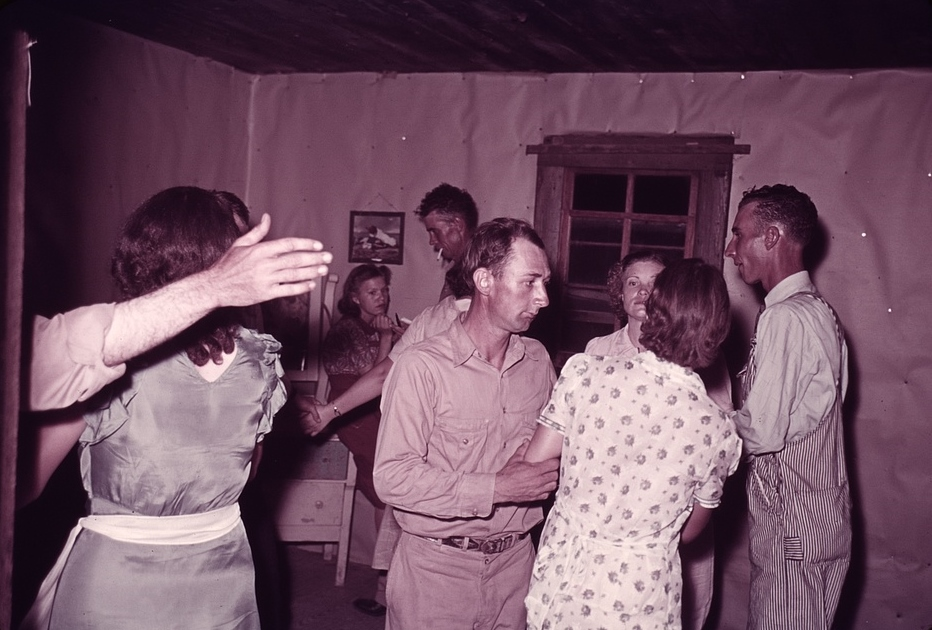
In 1964 a house dance meant a neighbourhood household emptying its front room, neighbours supplying the music, word passing at the store, children asleep across a bed at the back, food at midnight and a walk home at daylight.
Nothing comparable exists, and the reason is not that people stopped wanting to dance in each other’s houses – it is that American houses can no longer physically accommodate it.
And that is the part worth sitting with, because it is a case of a social practice ended by architecture rather than by preference. Work through what a house dance actually requires of a building. A room large enough for at least one set of dancers, which means an open rectangle of a certain minimum dimension. A hard, flat, uncovered floor. Furniture that can all be carried out, which means freestanding pieces rather than built-ins and a house with somewhere to put them. Another room that can be left uncleared to hold the sleeping children. A kitchen capable of feeding forty people. And no permanent focal point in the main room, because the middle of the floor has to be empty. A 1964 farmhouse front room met every one of those conditions, by accident, because it had been built before any of them were design considerations. A house built after about 1970 meets almost none. Fitted carpet covers the floor, which ends the matter by itself. Rooms are frequently smaller and more divided, or open-plan in a way that places a kitchen and seating in the same space with no clear floor. Furniture is heavier, larger and in part built in. The main room is organised around a television that does not move. And nobody has anywhere to put a dismantled bed. So the practice did not decline because dancing went out of fashion, or because the music got worse, or because people became less sociable – all of which are the usual explanations and none of which is the main one. It declined because the venue was somebody’s front room, and front rooms changed.
The Practice Was Ended by Architecture, Not Preference
The usual explanations for the disappearance of the house dance are that tastes changed, or that people became less sociable, or that recorded music displaced live playing. All three happened and none of them is the main reason.
The main reason is that American houses stopped being able to hold one.
Work through what a house dance actually demands of a building, because the list is longer than anybody expects.
It needs a room large enough for at least one set of dancers – which means an open rectangle above a certain minimum dimension, not a collection of circulation space and corners.
It needs a hard, flat, smooth, uncovered floor. This one is decisive on its own. You cannot dance on carpet. A house with wall-to-wall carpet has no dance floor in it anywhere, and the carpet is not coming up for the evening.
It needs furniture that can be carried out. All of it. Which means freestanding pieces rather than built-ins, and it means the household must have somewhere else to put a dismantled bed, a table, six chairs and a sofa for twelve hours.
It needs a second room that stays uncleared, because that is where the children sleep – which is what made the whole thing accessible to families with small children, since no childcare existed and none was required.
It needs a kitchen that can feed thirty or forty people in the middle of the night.
And it needs a main room with no permanent focal point, because the centre of the floor has to be empty.
A 1964 farmhouse front room satisfied every one of those conditions, entirely by accident, because it had been built before any of them were things anybody designed for. Bare plank or strip floor with a rug that came up. Freestanding furniture. A big open rectangle. Bedrooms off it. A kitchen built for feeding crews.
A house built after about 1970 satisfies almost none of them.
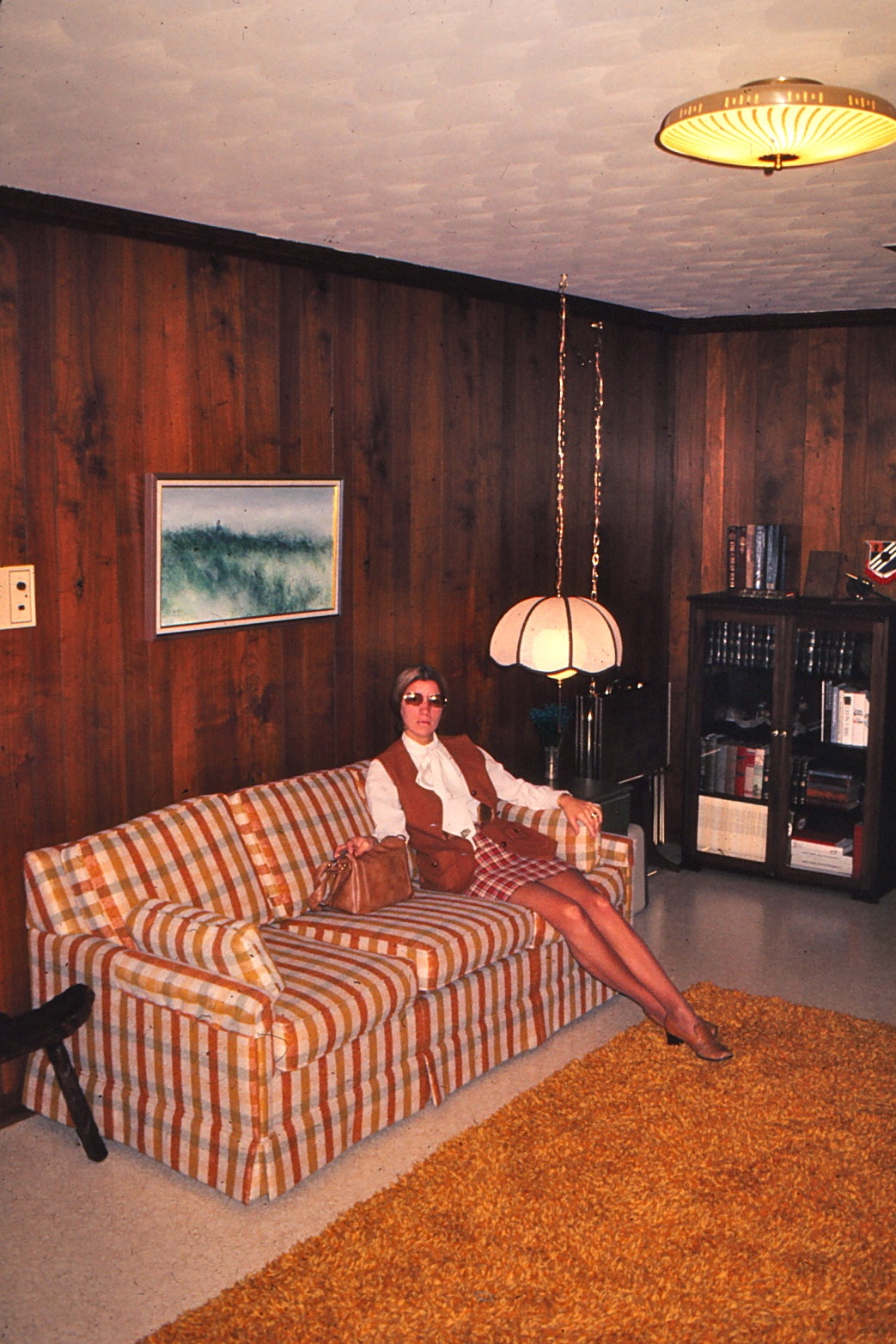
The floor is carpeted, which settles it. Rooms are frequently smaller and more divided, or else open-plan in a way that puts a kitchen and a seating arrangement into the same space with no clear expanse of floor anywhere. Furniture is heavier, bigger and partly built in. There is nowhere to put the contents of a room. And the main room is organised around a television – a large object that does not move, that every other piece of furniture points at, and that is used every single evening.
That last one matters more than it looks. The front room of 1964 was a flexible space that got cleared for occasions. The front room of 1975 had a fixed focal point and a permanent arrangement. A room arranged around a screen is not a room anybody empties.
Then the car finished what the architecture started. Once a family could drive twenty miles in half an hour, the dance nearest home stopped being the only one available, and a commercial hall with a built floor, a stage, chairs, lighting, parking and a hired band is better at almost everything – nobody moves a bed, more people fit, the musicians get paid, and no household loses two days to it.
So the trade was made, sensibly, in a thousand places at once. A hall is a better venue than a front room in every measurable respect.
The only thing it cannot be is somebody’s house.
If your family hosted one of these, somebody in your family moved a bed outside and remembers doing it.
And if you were small, you were asleep across the foot of a bed in your coat with four other children while it was going on.
Like our content? Follow us for more.