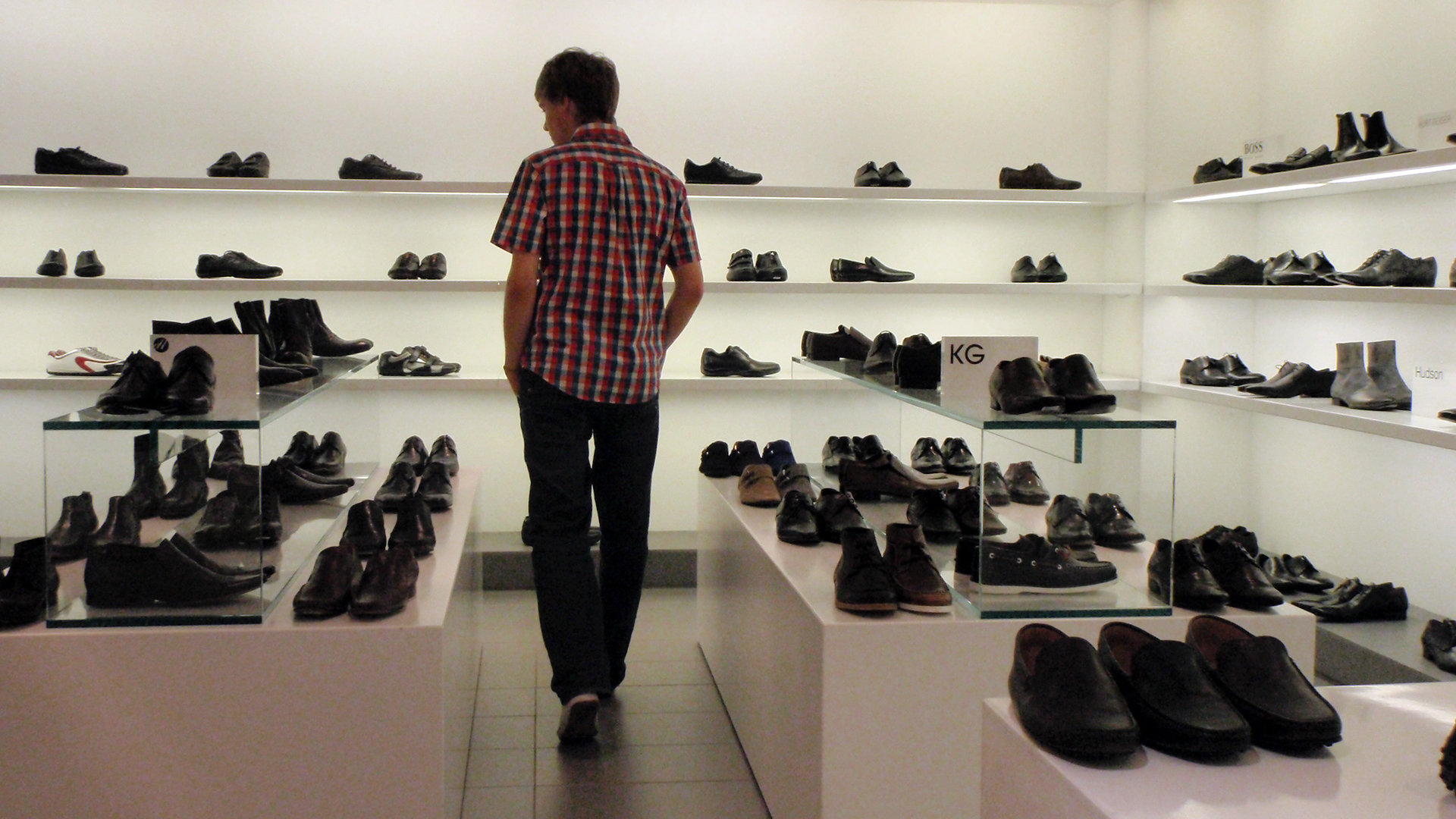
For decades, buying a pair of shoes was a personal, service-oriented experience at the local shoe store, a world of attentive salesmen, careful measuring, and boxes stacked to the rafters. The old shoe store had a character and a set of customs that have largely vanished in the age of self-service and online shopping, including a few features, like the once-common shoe-fitting X-ray machine, that would be unthinkable today. Looking back, the classic shoe store captures a fascinating slice of retail history. Here are thirteen things every old shoe store had that you’d never see today, counted down one by one.
1. A Personal Shoe Salesman
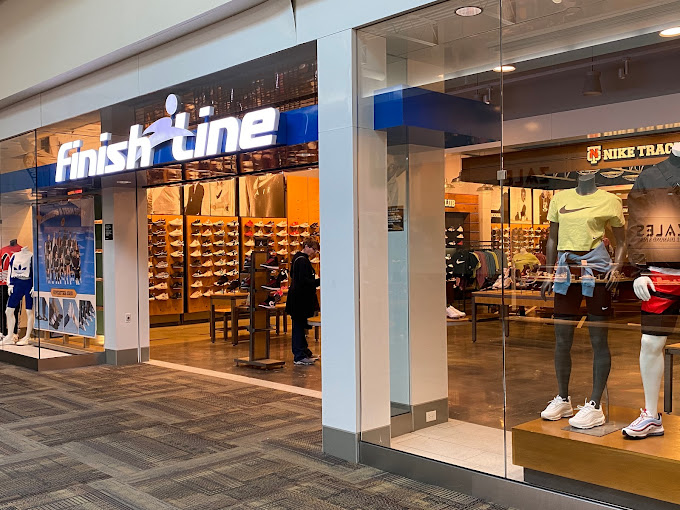
A salesman attended to you personally. Service was the heart of the store.
The old shoe store revolved around the personal shoe salesman, an attentive professional who greeted you, asked what you needed, and guided you through the whole process from measuring to fitting. The personalized, one-on-one service was the heart of the experience, a far cry from today’s self-service stores. The salesman knew his stock. A personal shoe salesman is a defining feature of the old shoe store, the attentive professional who personally guided customers through measuring and fitting, a level of one-on-one service that has largely vanished in the age of self-service and is something you’d rarely see today.
Like our content? Follow us for more.
2. The Metal Foot-Measuring Device
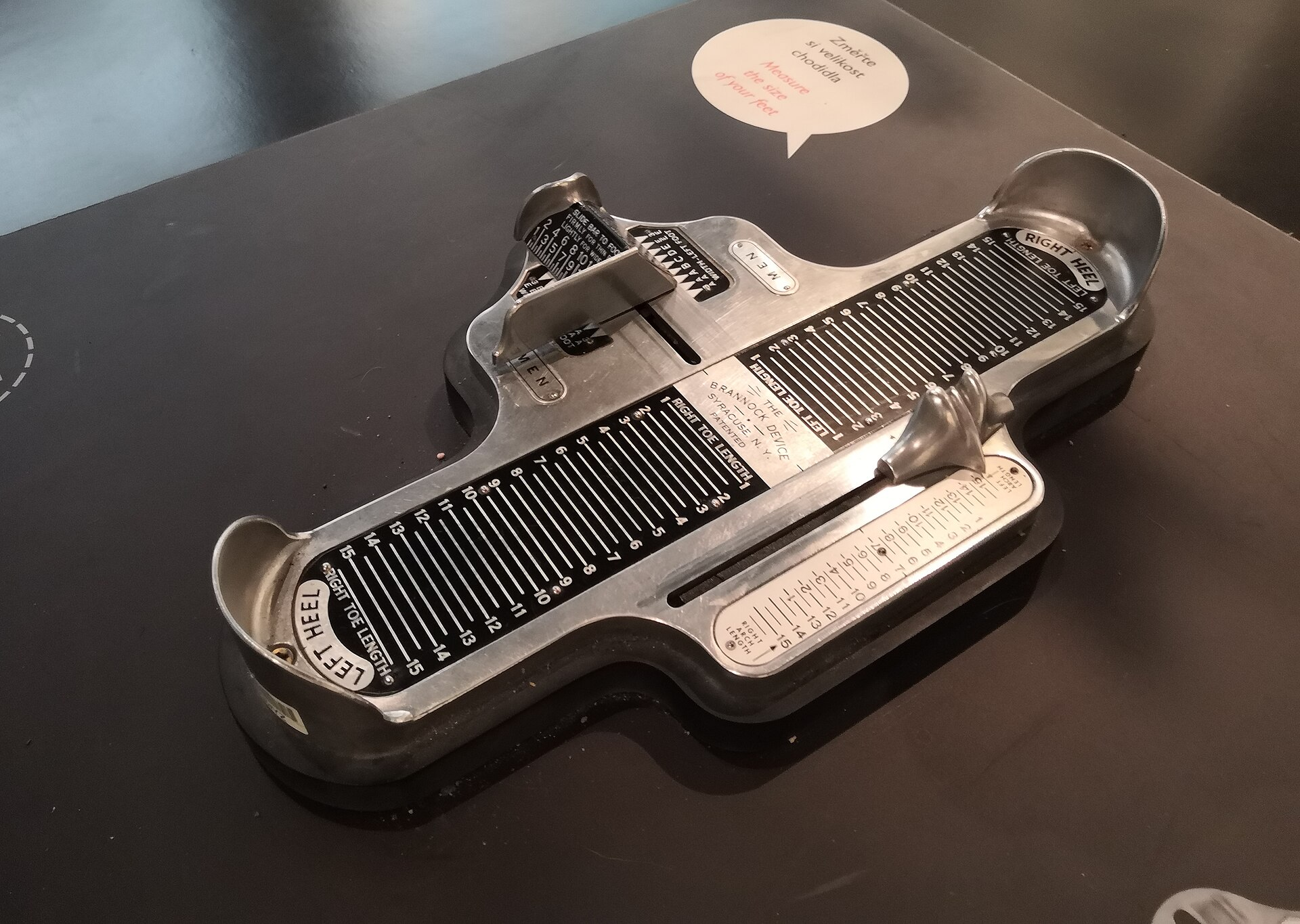
A metal device measured your foot precisely. It slid to find your exact size.
A fixture of the shoe store was the metal foot-measuring device, the sliding instrument the salesman used to measure the length and width of your foot for a precise fit. Placing your foot on the cold metal device and watching the salesman adjust the sliders was part of every visit. It ensured the right size. The metal foot-measuring device is a classic shoe-store feature, the sliding instrument used to measure feet precisely for a proper fit, a hands-on tool of the attentive fitting process that, while still occasionally seen, harks back to the personalized service of the old shoe store.
3. A Shoe-Fitting X-Ray Machine
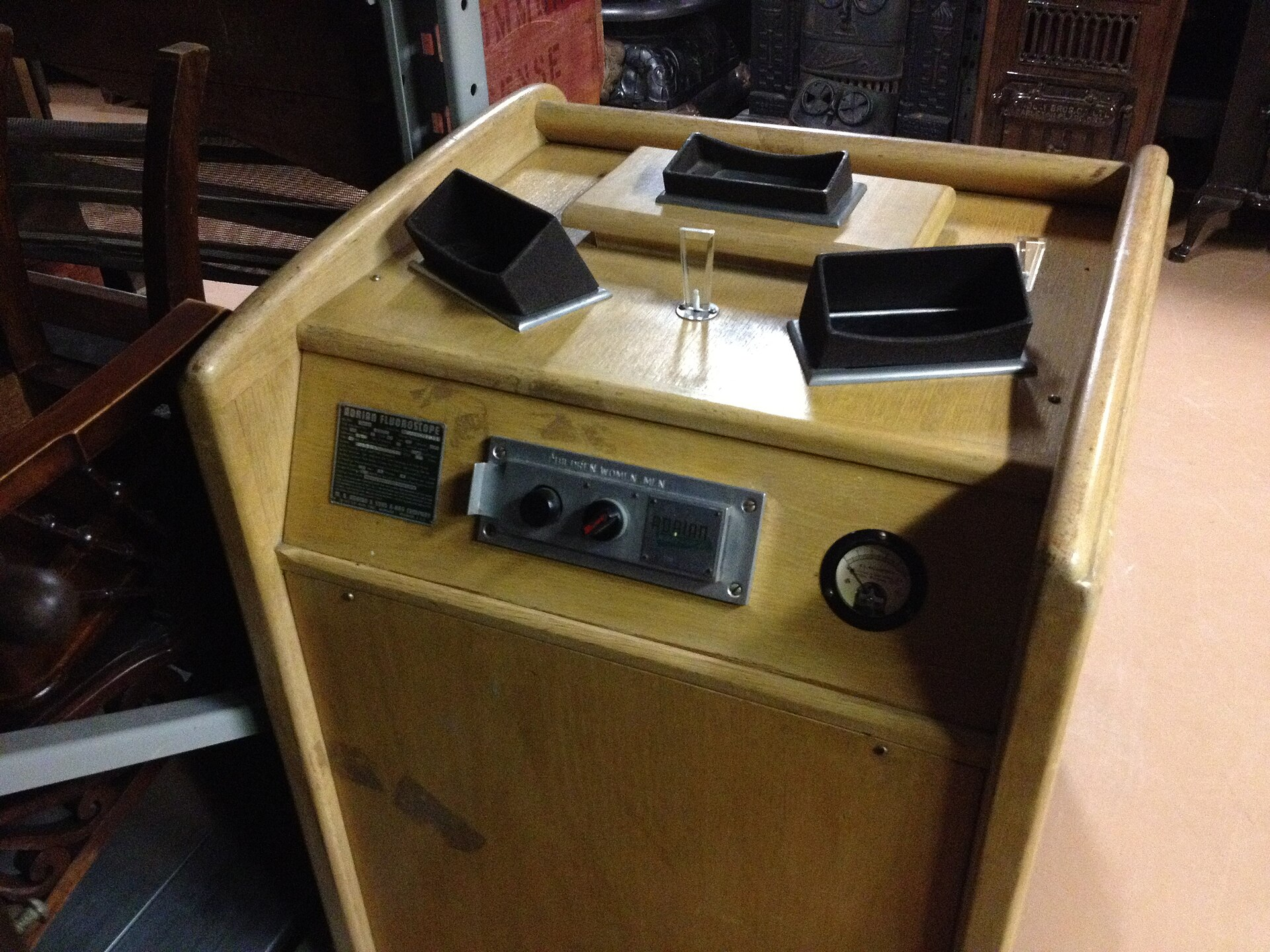
Some stores had an X-ray machine to view your feet in shoes. It was later banned for safety.
In one of retail history’s most surprising features, many mid-century shoe stores had a shoe-fitting X-ray machine, a fluoroscope you’d step up to and look through to see the bones of your feet inside the shoes. Marketed as a way to check the fit, these machines were later recognized as a radiation hazard and were banned. Today, this is purely a historical curiosity. A shoe-fitting X-ray machine is the most startling old shoe-store feature, the fluoroscope that let customers view their feet inside their shoes and was eventually banned over radiation-safety concerns, included here strictly as a historical illustration of how dramatically attitudes toward safety have changed, something you would never see today.
4. Boxes Stacked to the Ceiling
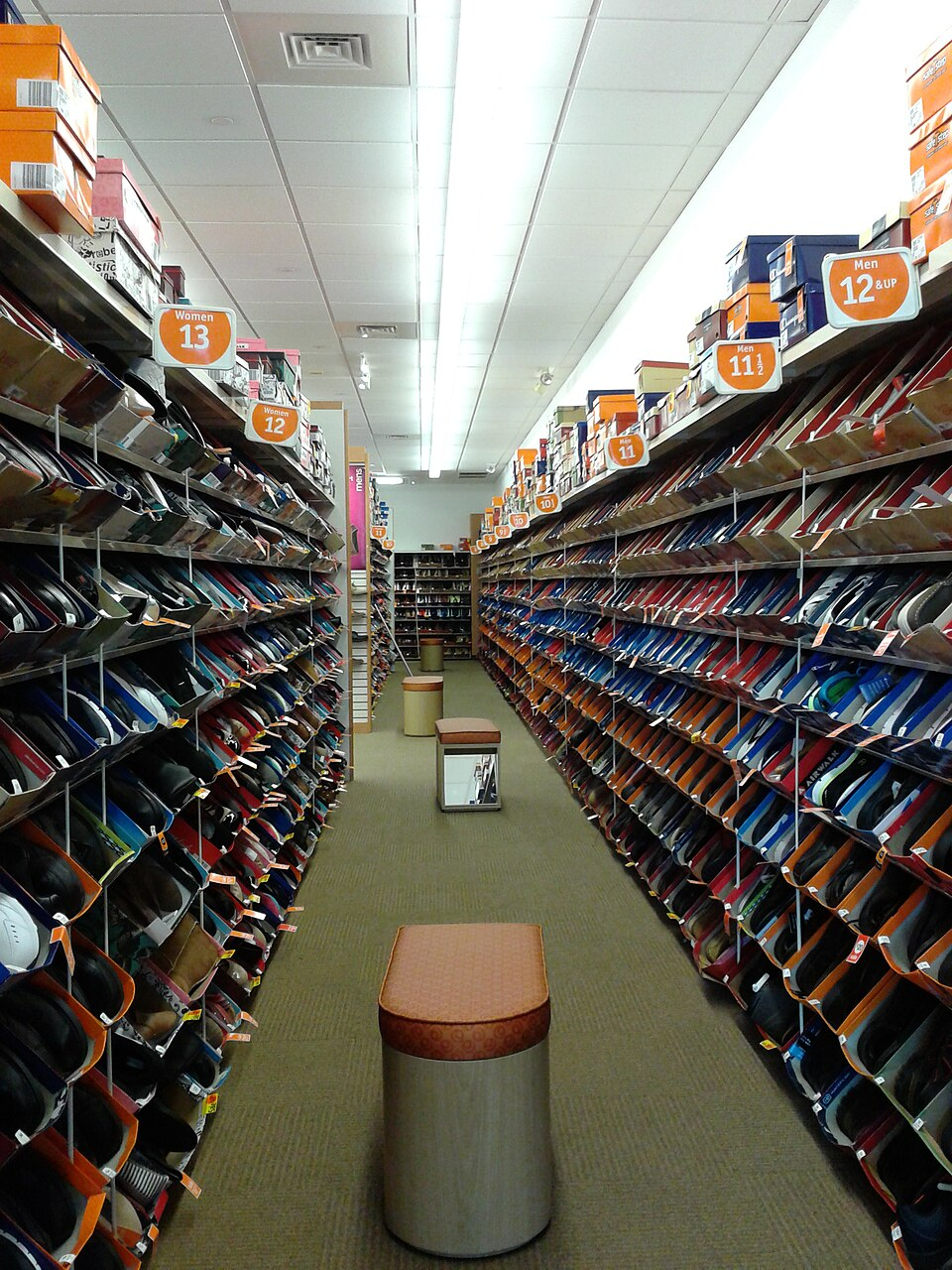
Shoe boxes were stacked high on the walls. The back room held endless inventory.
The old shoe store was lined with shoe boxes stacked to the ceiling, the walls and back room filled with inventory in every size and style. The salesman would disappear into the back and return with several boxes to try. The towering stacks of boxes were a signature sight. Boxes stacked to the ceiling are a classic shoe-store feature, the walls and stockrooms lined with shoe boxes in every size that the salesman fetched for customers to try, a signature image of the inventory-rich old shoe store that the streamlined displays of today have largely replaced.
5. A Little Fitting Stool and Slanted Mirror
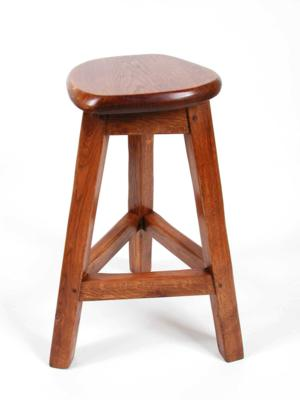
A low stool and angled floor mirror aided fittings. You checked your feet in the mirror.
Shoe stores had the distinctive low fitting stool where the salesman sat to help you try on shoes, along with a slanted floor-level mirror so you could see how the shoes looked on your feet. Sitting while the salesman knelt to fit your shoes was part of the ritual. The angled mirror gave the crucial view. A little fitting stool and slanted mirror are classic shoe-store features, the low stool the salesman used while fitting your shoes and the floor-level angled mirror for checking the look, fixtures of the attentive fitting ritual that reflect the personalized service of the old shoe store.
6. A Shoe Horn at the Ready
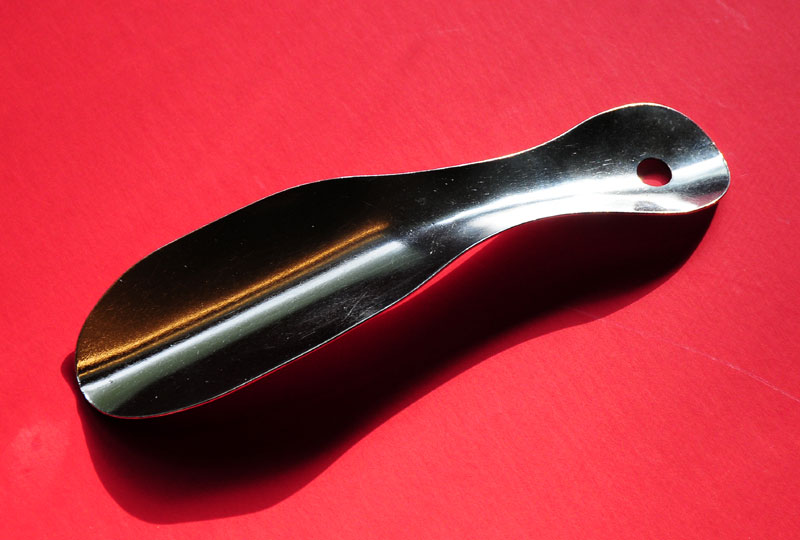
Salesmen used a shoe horn to ease shoes on. It was an essential tool.
The salesman always had a shoe horn at the ready, the curved tool slipped behind the heel to ease your foot smoothly into a snug new shoe without crushing the back. Using the shoe horn was a small courtesy of the professional fitting. It made trying on shoes easier. A shoe horn at the ready is a familiar shoe-store feature, the curved tool the salesman used to ease feet smoothly into new shoes, a small but characteristic courtesy of the attentive fitting process that reflected the care and professionalism of the old shoe store’s service.
7. Nylon Footies and Stockings to Try Shoes
Stores provided footies to try on shoes. They kept things hygienic.
To try on shoes hygienically, especially without socks, stores provided thin nylon footies or peds to slip over your feet. These disposable or shared footies let customers try shoes comfortably and cleanly. They were a thoughtful provision of the fitting process. Nylon footies to try shoes are a practical old shoe-store feature, the thin coverings provided so customers could try on shoes hygienically, a small courtesy of the fitting experience that reflected the service-oriented nature of the old shoe store and is rarely seen in today’s self-service shopping.
8. Shoe Stretchers and Repair Services
Stores stretched shoes and offered repairs. They helped shoes last.
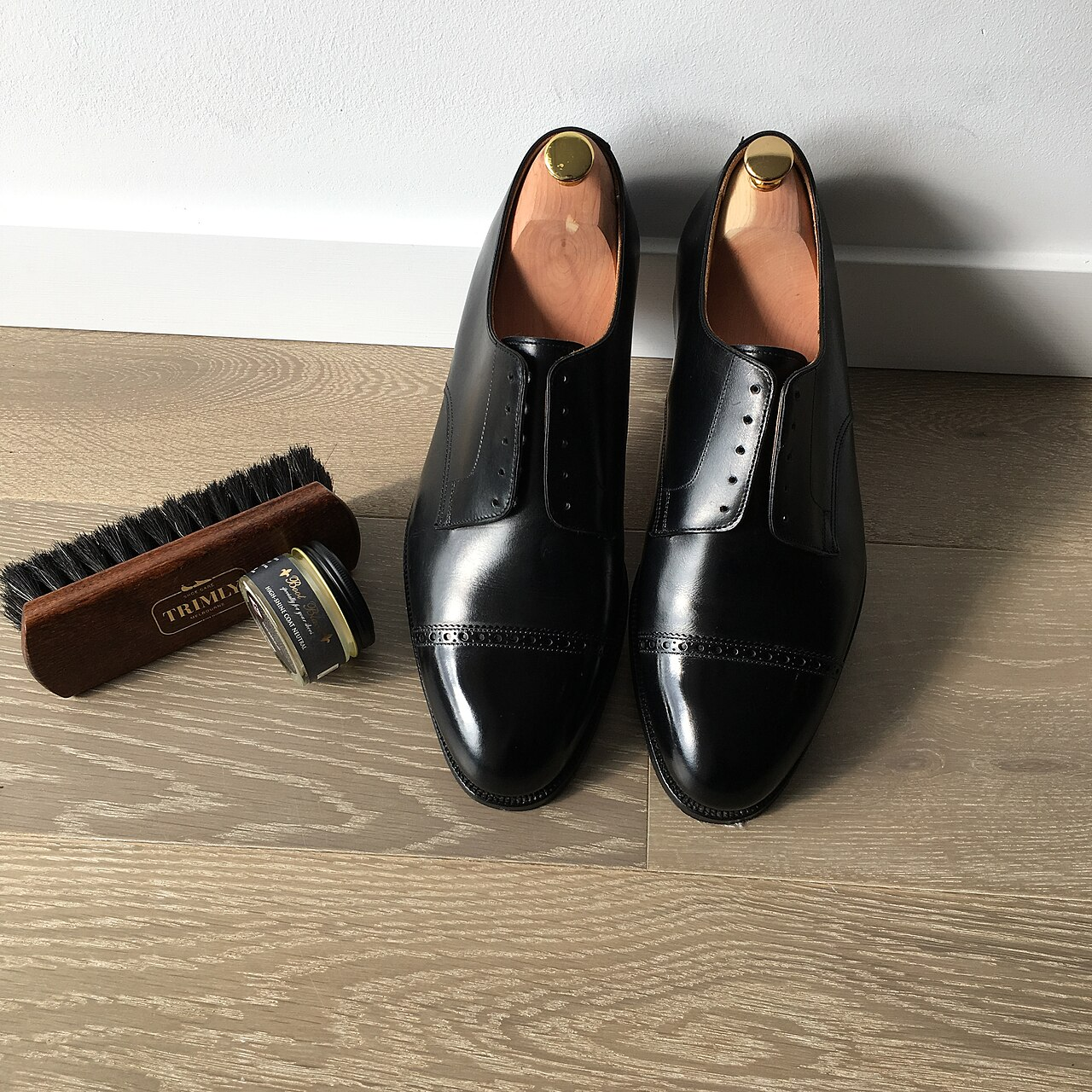
The old shoe store often offered services beyond selling, using shoe stretchers to ease a tight fit and providing or referring repair services to keep shoes in good shape. The focus on making shoes fit well and last reflected an era when shoes were an investment. Repair and adjustment were expected. Shoe stretchers and repair services are a characteristic old shoe-store feature, the stretching tools and repair offerings that helped shoes fit better and last longer, reflecting an era when footwear was an investment to be maintained rather than quickly replaced, a service-minded approach rarely seen today.
9. Quality Leather Shoes Built to Last
Shoes were sturdy, quality leather goods. They were made to endure.
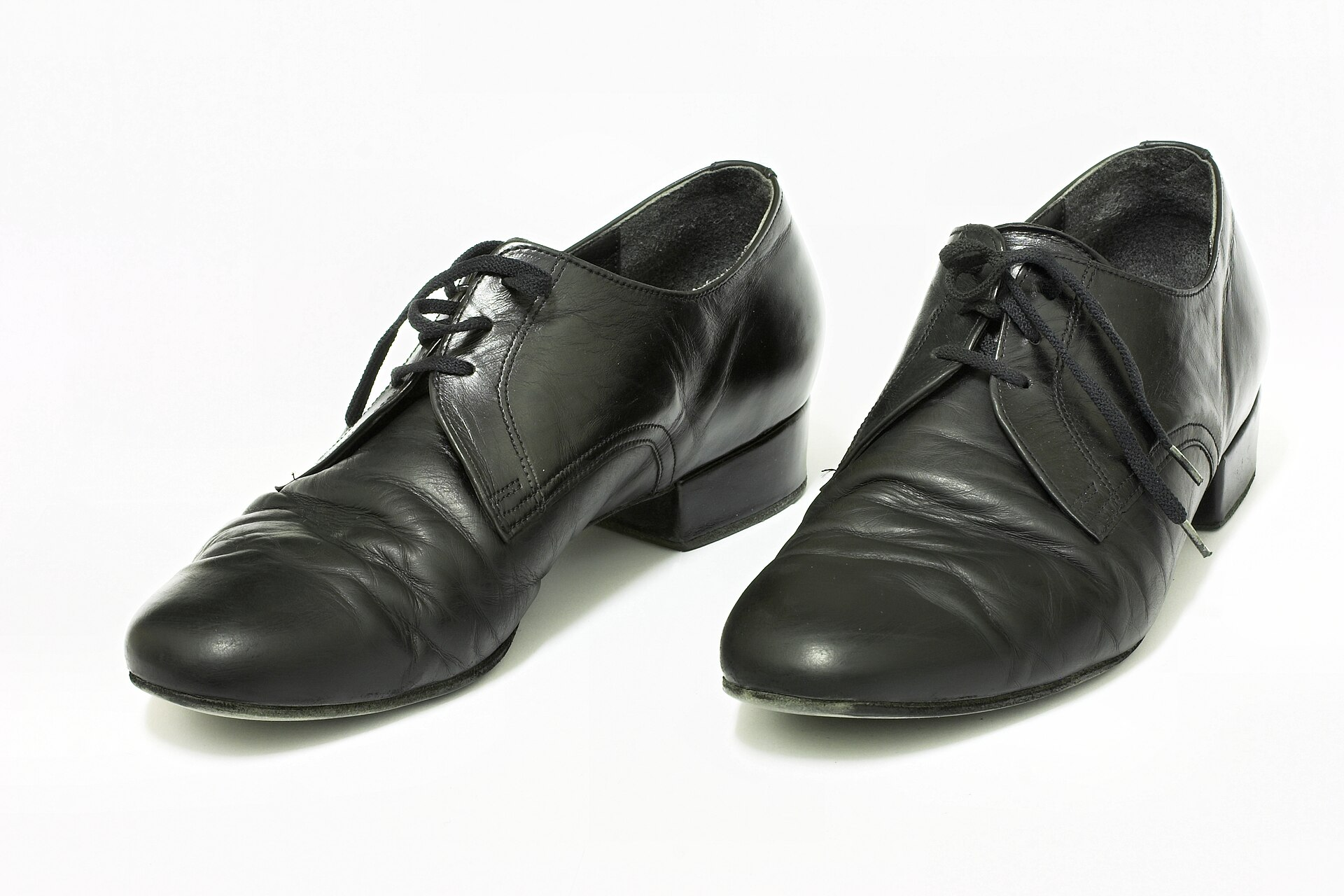
The shoes themselves were often sturdy, well-made leather goods built to last for years, resoled and cared for rather than discarded. The emphasis on quality and durability meant a good pair of shoes was a lasting purchase. Craftsmanship was valued. Quality leather shoes built to last are a hallmark of the old shoe store, the sturdy, well-crafted footwear made to endure for years that customers maintained and repaired, reflecting an era that valued durability and craftsmanship over the disposable, fast-fashion approach to footwear common today.
10. A Polishing and Buffing Station
Stores had a station for shining shoes. A fresh shine completed the purchase.
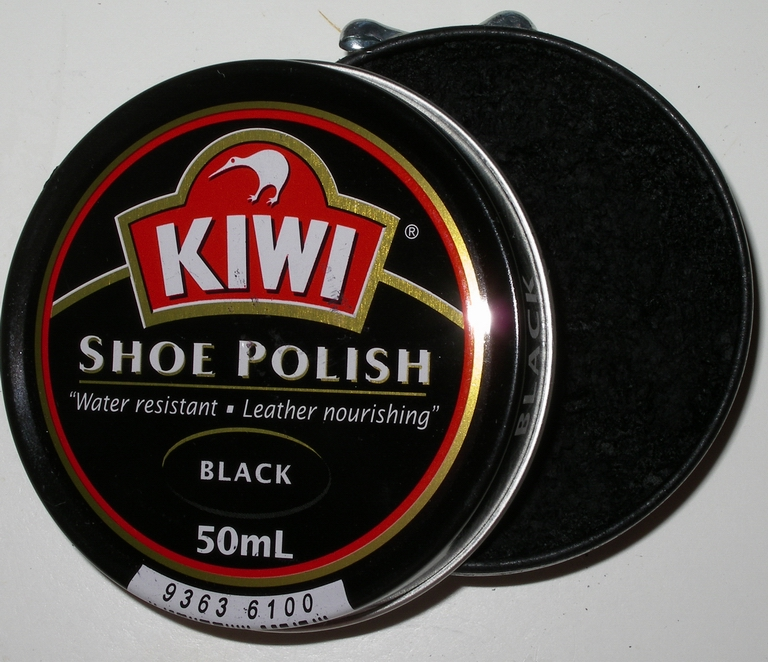
Many shoe stores had a polishing and buffing station, with brushes, polish, and cloths to give shoes a fresh shine, and they often sold shoe-care supplies for home upkeep. A buffed, gleaming pair of new shoes was the finishing touch. Shoe care was part of the culture. A polishing and buffing station is a classic shoe-store feature, the setup for shining shoes and the shoe-care supplies sold alongside, reflecting a culture that prized well-maintained footwear, a finishing touch and an upkeep ethos that have faded with the rise of disposable shoes.
11. Personal Knowledge of Regular Customers
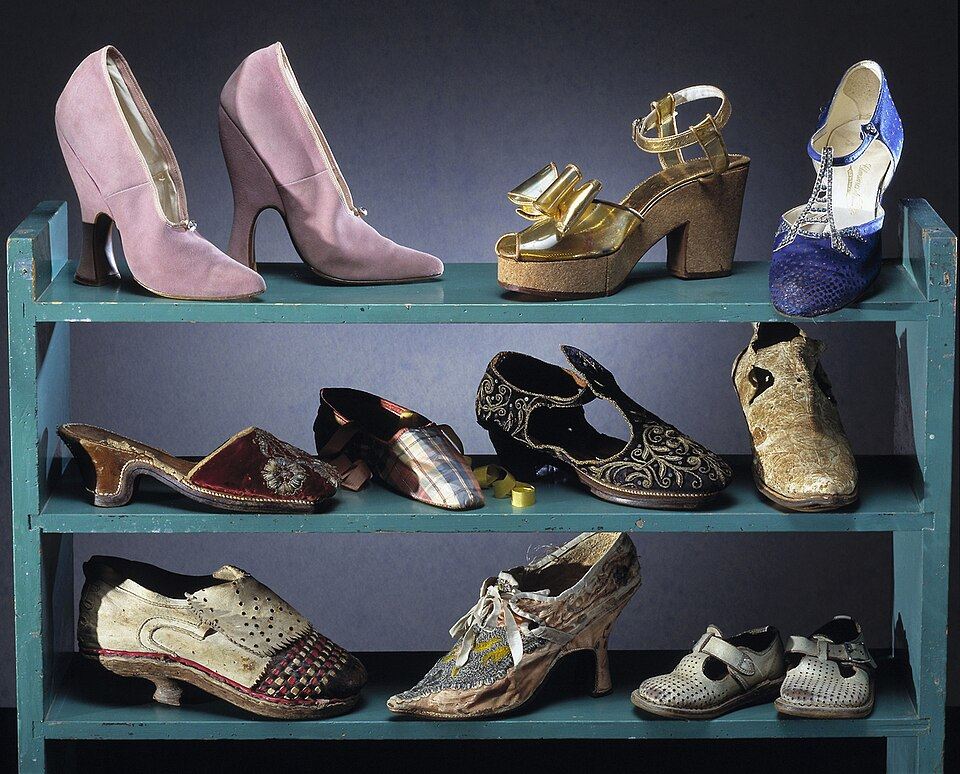
Salesmen knew their regular customers. Service was personal and familiar.
The old shoe store fostered relationships, with salesmen who knew their regular customers by name, remembered their sizes and preferences, and offered familiar, personalized service. This personal connection made the shoe store a friendly, trusted neighborhood business. Regulars were valued and known. Personal knowledge of regular customers is a warm old shoe-store feature, the familiar relationships salesmen had with their regulars, knowing their names, sizes, and preferences, a personal, trusted connection that reflected the community role of the neighborhood shoe store and has been lost in the anonymity of modern shopping.
12. Free Balloons or Treats for Kids

Stores gave kids balloons or treats. It made shoe shopping fun.
To make shoe shopping pleasant for families, many stores gave kids a free balloon, a lollipop, or a small treat, turning a routine errand into a happy outing. The little perk made kids look forward to getting new shoes. It was a thoughtful touch. Free balloons or treats for kids are a charming old shoe-store feature, the small perks like balloons and lollipops that stores gave young customers to make shoe shopping fun, a thoughtful, family-friendly touch that turned buying new shoes into a happy outing and reflected the customer-focused spirit of the era.
13. A Service-First Shopping Experience

Above all, the store offered attentive, full service. Shopping was a personal experience.
More than any single feature, the old shoe store offered a service-first shopping experience, attentive, personal, and unhurried, where a knowledgeable salesman took care of your every need. This emphasis on service made shoe shopping a pleasant, personal affair rather than a self-service transaction. The customer came first. A service-first shopping experience is the essence of the old shoe store, the attentive, personal, and unhurried service that defined the experience and made shoe shopping a pleasant affair, an approach centered on the customer that stands in stark contrast to the self-service and online shopping of today.
A Vanished Way of Shopping
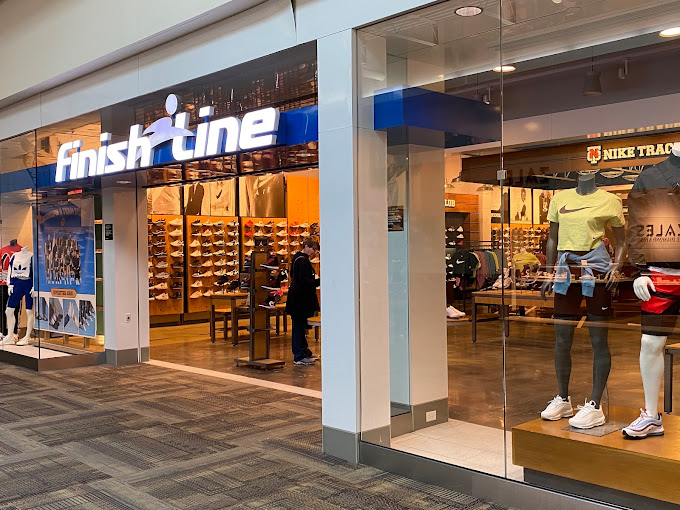
Taken together, these thirteen things capture the world of the old shoe store, from the personal salesman and the foot-measuring device to the boxes stacked to the ceiling, the shoe horn, and even the now-banned X-ray machine. It was a service-first, personal way of shopping that has largely vanished, and that anyone who remembers it recalls with fondness.
The rise of self-service stores, big-box retailers, and online shopping has transformed how we buy shoes, sweeping away much of the personal service, careful fitting, and craftsmanship of the old shoe store, along with curiosities like the X-ray machine that safety concerns rightly retired. The changes reflect broader shifts in retail and technology. Yet there’s real charm in remembering the attentive, personal experience of the classic shoe store. For those who recall it, these details bring it back: the salesman, the stool, the stacks of boxes. Looking back at the old shoe store is a nostalgic tribute to a vanished way of shopping, when buying a pair of shoes was a personal, service-filled affair.
Like our content? Follow us for more.