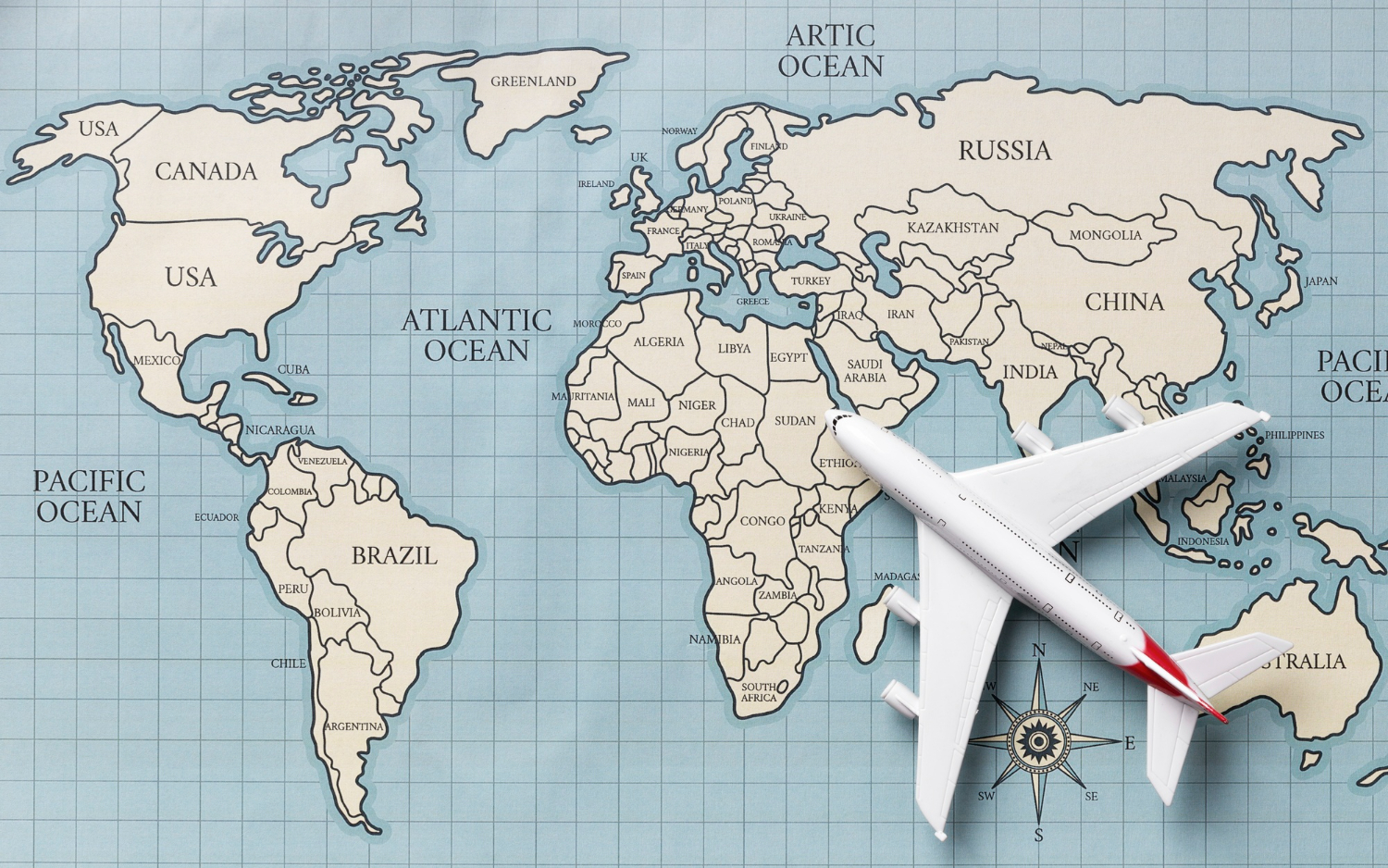
A passport’s “power” is measured by how many destinations its holder can enter without arranging a visa in advance, and in 2026 the rankings tell a striking story. According to the Henley Passport Index, which draws on global air-transport data, Asian and European passports dominate the top, while the once-mighty U.S. passport has slipped to the edge of the top 10. Here is a countdown of the ten most powerful passports in 2026, and where the U.S. lands, counted down one by one. (The index updates through the year; these figures reflect a 2026 Henley update and the exact tiers shift over time.)
10. United States (and Iceland)

The U.S. passport ranks 10th in 2026. It offers visa-free access to about 179 destinations.
The United States passport sits at No. 10 in the 2026 Henley ranking, tied with Iceland, with visa-free or visa-on-arrival access to roughly 179 destinations. That marks a modest rebound after the U.S. briefly fell out of the top 10 in late 2025, though it reflects a long-term decline from the top spot it held over a decade ago, as some countries ended visa-free entry for Americans. The U.S. ranking 10th is a notable headline, the reflection of a gradual erosion in American passport strength that, while still leaving travelers with broad access, places the U.S. well behind the global leaders and behind much of Western Europe.
Like our content? Follow us for more.
9. Liechtenstein and Lithuania
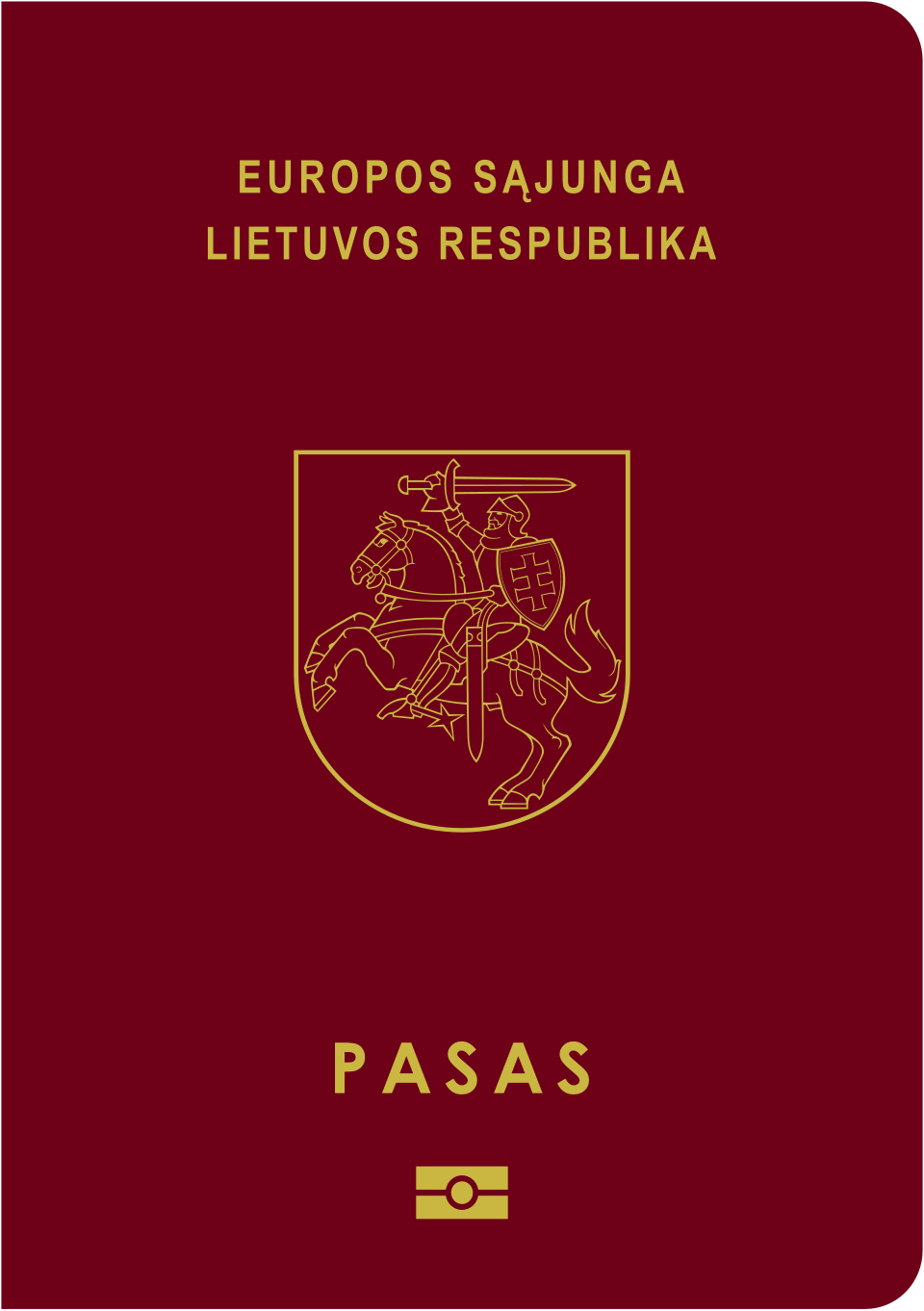
These two share ninth place. They reach about 180 destinations.
Just ahead of the U.S., Liechtenstein and Lithuania share ninth place in the 2026 ranking, with visa-free access to around 180 destinations. Their position reflects the broad strength of European passports, which cluster near the top of the index thanks to extensive visa-free agreements. Liechtenstein and Lithuania sharing ninth place illustrates Europe’s dominance, the way even smaller European nations enjoy expansive global mobility, edging out the United States and underscoring how strong diplomatic ties and reciprocal visa arrangements translate into top-tier passport power.
8. Canada, Iceland, and Others
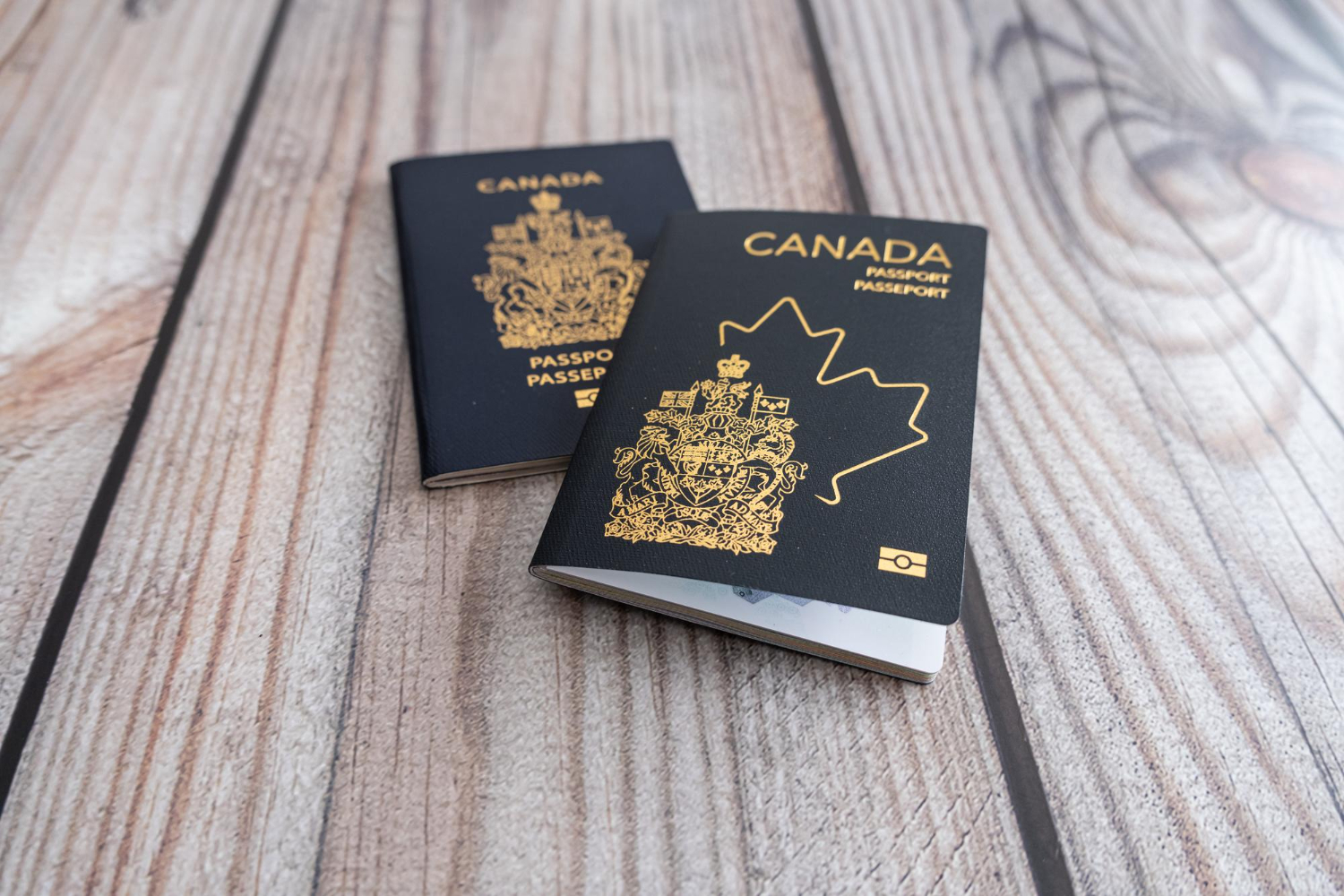
Canada anchors eighth place. The tier reaches roughly 181 destinations.
Around eighth place sit Canada and a small group of peers, including Iceland in some updates, with access to roughly 181 destinations. Canada’s strong showing reflects its wide network of visa-free agreements, keeping it among the world’s most mobile passports. Canada anchoring eighth place rounds out the upper tier of non-leading nations, the reminder that North America’s other major passport remains comfortably ahead of the United States in global access, sitting among a cluster of nations whose holders can travel widely with minimal advance paperwork.
7. Australia, the UK, and Peers
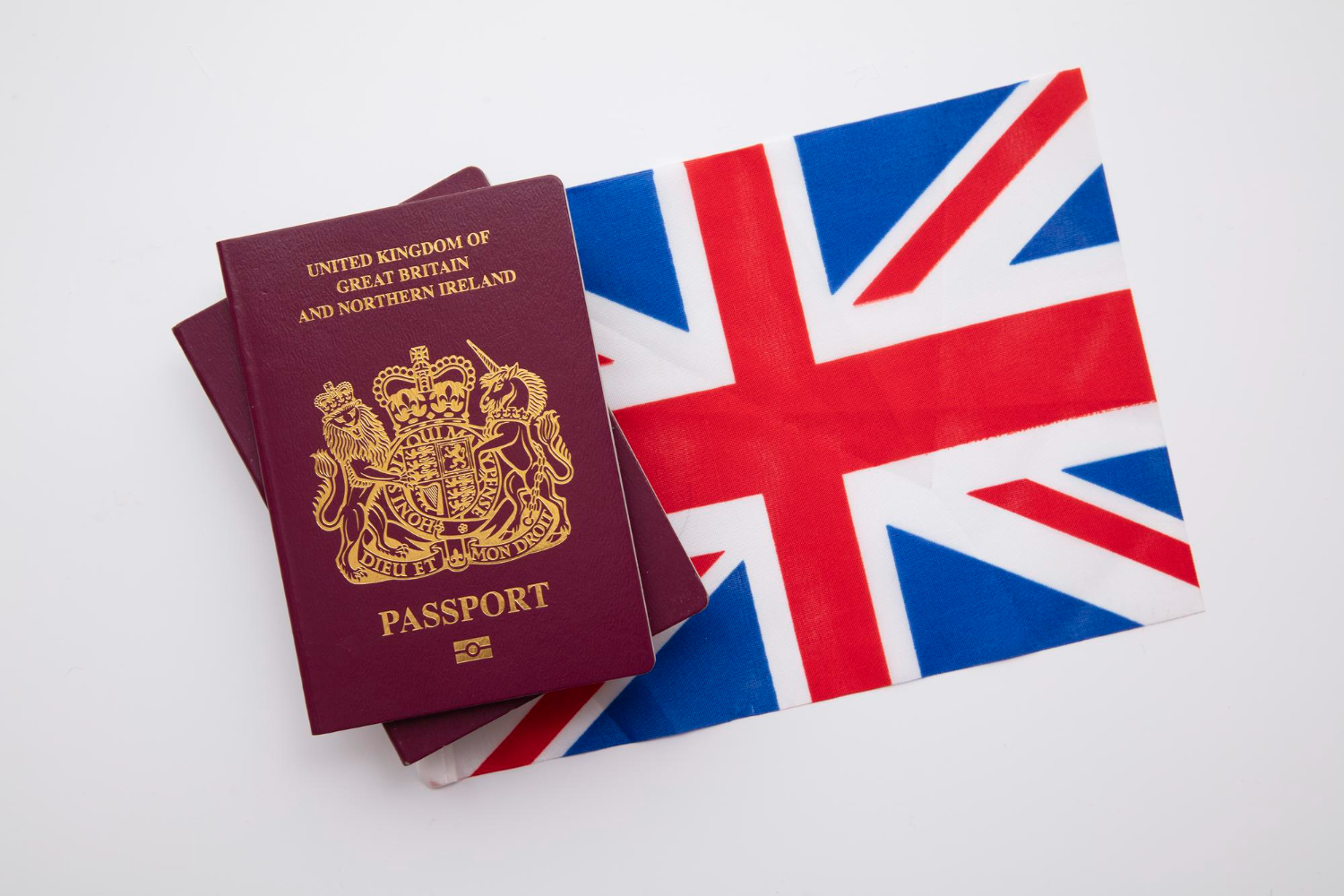
The UK and Australia share seventh. They reach about 182 destinations.
Seventh place is shared by a group including Australia, the United Kingdom, Latvia, and Liechtenstein in various updates, with access to about 182 destinations. Notably, the UK has slipped in recent years, posting some of the steepest declines on the index. Australia, the UK, and peers sharing seventh place captures a tier of historically strong passports, including one, the UK, that has lost ground recently, a trend that, alongside the U.S. decline, the index’s authors link to shifting diplomatic relationships and global dynamics.
6. A Cluster of European Nations

Several European countries tie at sixth. They reach around 183 destinations.
Sixth place is occupied by a cluster of European nations, including Croatia, the Czech Republic, Estonia, Malta, Poland, and New Zealand in 2026 updates, with access to around 183 destinations. The tight grouping reflects how many European passports deliver near-identical, expansive access. A cluster of European nations at sixth place underscores the continent’s collective strength, the way membership in a web of visa-free arrangements gives a broad swath of European countries, plus New Zealand, remarkably similar and extensive global mobility near the very top of the ranking.
5. More European Passports (and the UAE)

Fifth place blends Europe with a rising UAE. The tier reaches about 184 destinations.
Fifth place in 2026 includes more European passports alongside the United Arab Emirates, with access to about 184 destinations. The UAE’s presence is remarkable: it has been the index’s biggest long-term climber, adding scores of visa-free destinations over two decades through aggressive diplomacy. Fifth place blending Europe with a rising UAE highlights a standout story, the dramatic ascent of the Emirati passport, which has surged up the rankings to join Europe’s strongest, a striking example of how sustained diplomatic engagement can transform a country’s global mobility.
4. Western Europe’s Powerhouses
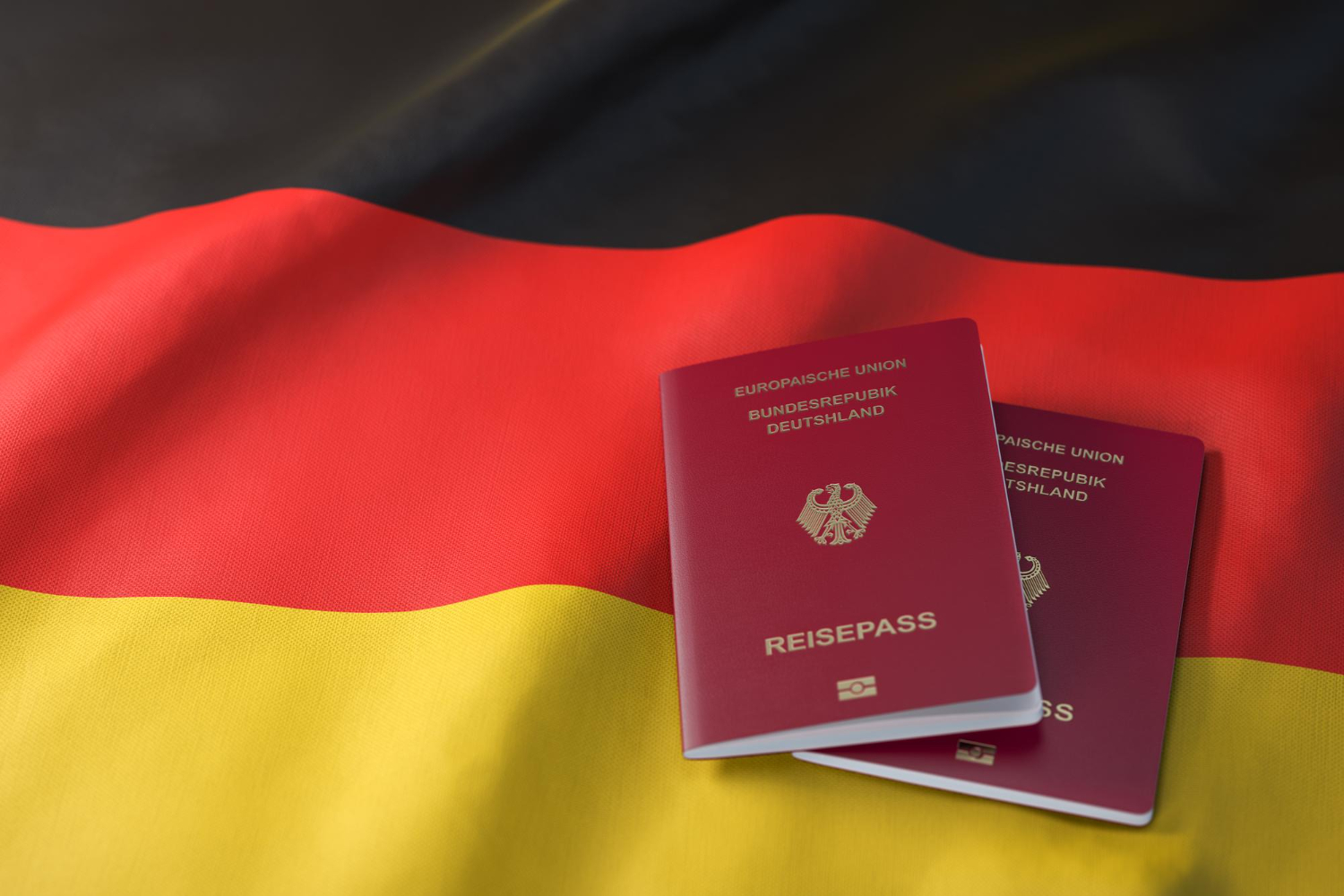
A broad European tier sits at fourth. They reach roughly 185 destinations.
Fourth place is held by a broad group of Western European powerhouses, including the likes of Austria, Belgium, Finland, France, Germany, Greece, Ireland, Italy, Norway, and the Netherlands, with access to roughly 185 destinations. This tier represents the deep, consistent strength of the EU’s core passports. Western Europe’s powerhouses at fourth place reflect the engine of the index, the large group of major European nations whose passports deliver near-universal access, sitting just behind the very top and comfortably ahead of the United States and United Kingdom in global mobility.
3. Europe’s Top Tier
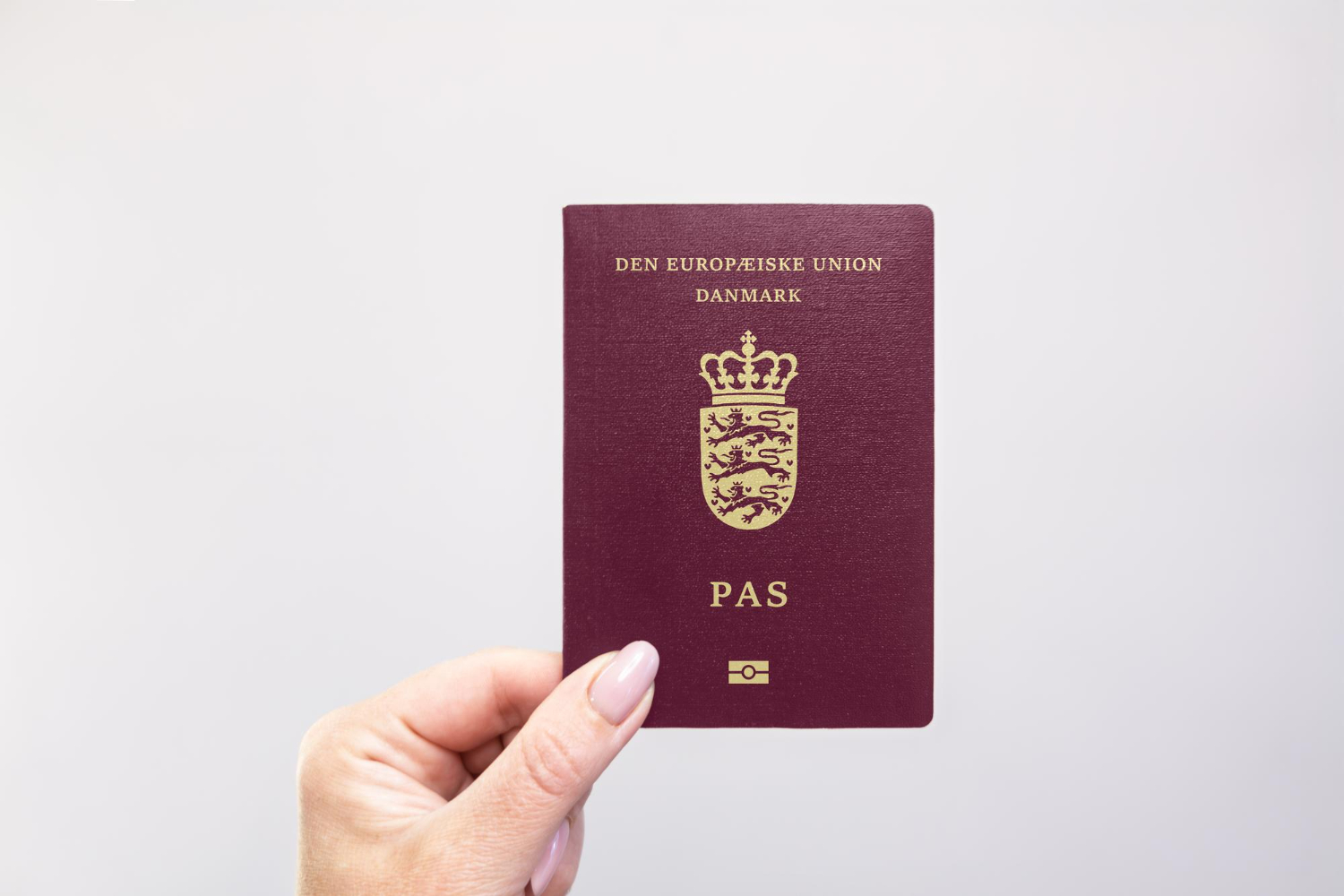
Third place goes to a strong European group. They reach about 185 to 186 destinations.
Third place is occupied by another strong European grouping, with several nations such as Denmark, Luxembourg, Spain, Sweden, and Switzerland appearing near the top across 2026 updates, with access in the neighborhood of 185 to 186 destinations. The exact composition shifts month to month. Europe’s top tier at third place reinforces the continent’s grip on the rankings, the reality that the podium positions just below the leaders are essentially a contest among European nations, whose dense network of visa-free agreements keeps them perennially among the world’s most powerful passports.
2. Japan, South Korea, and the UAE

These three share second place. They reach about 187 destinations.
Second place in the 2026 ranking is shared by Japan, South Korea, and the surging United Arab Emirates, with visa-free access to around 187 destinations. Japan and South Korea have long been fixtures near the top, while the UAE’s rise to join them is one of the decade’s biggest mobility stories. Japan, South Korea, and the UAE sharing second place captures the strength of Asia and the Gulf, the trio of non-European passports that sit just below the global leader, reflecting how a mix of long-standing and newly built diplomatic networks can deliver elite global access.
1. Singapore
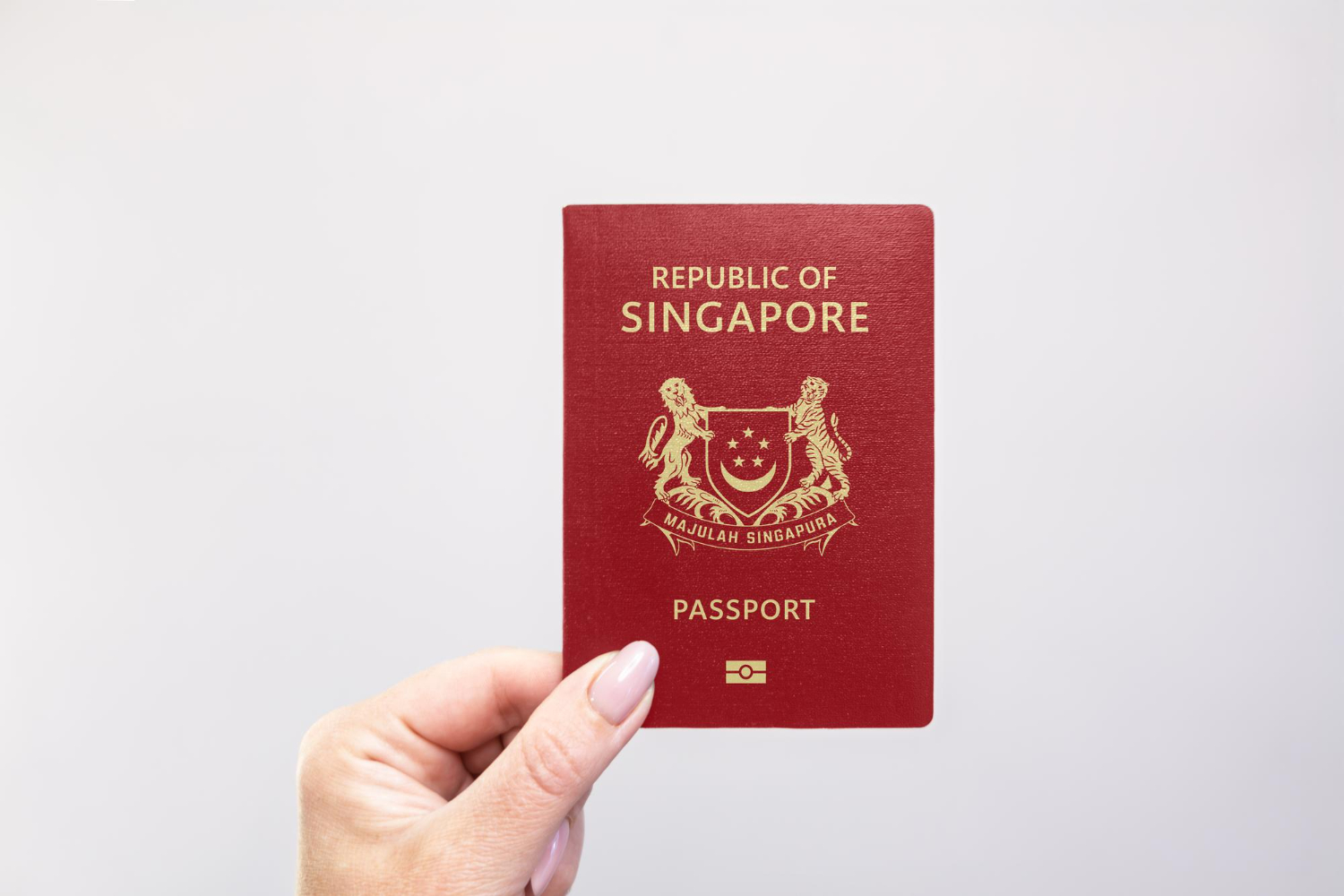
Singapore holds the world’s most powerful passport. It reaches about 192 destinations.
Topping the 2026 Henley Passport Index is Singapore, whose passport grants visa-free or visa-on-arrival access to around 192 destinations, the most in the world. Singapore has held the top spot for several years running, a reflection of its extensive global diplomatic ties and reciprocal visa arrangements. Singapore holding the world’s most powerful passport is the headline of the 2026 index, the city-state’s continued reign at No. 1 with access to nearly every destination on earth, a position that underscores how a small nation’s global connectivity can translate into unmatched travel freedom for its citizens.
A Shifting Global Map
Taken together, the 2026 passport rankings reveal a shifting global map of mobility: Singapore on top, Asia and the Gulf rising, Europe dominating the upper tiers, and the United States slipping to the edge of the top 10. For travelers, the takeaway is that passport power reflects diplomacy as much as geography, and that even strong passports can rise or fall over time.
For most American travelers, the U.S. passport still opens the door to the vast majority of popular destinations without an advance visa, so the ranking is less an immediate practical worry than a longer-term signal. But the index’s authors note that the decline reflects real shifts, as a handful of countries have ended visa-free access for Americans amid changing global dynamics. Whatever your passport, the rankings are a useful reminder to check entry requirements for each destination, since even “visa-free” countries increasingly require quick online travel authorizations before you go.
Like our content? Follow us for more.