

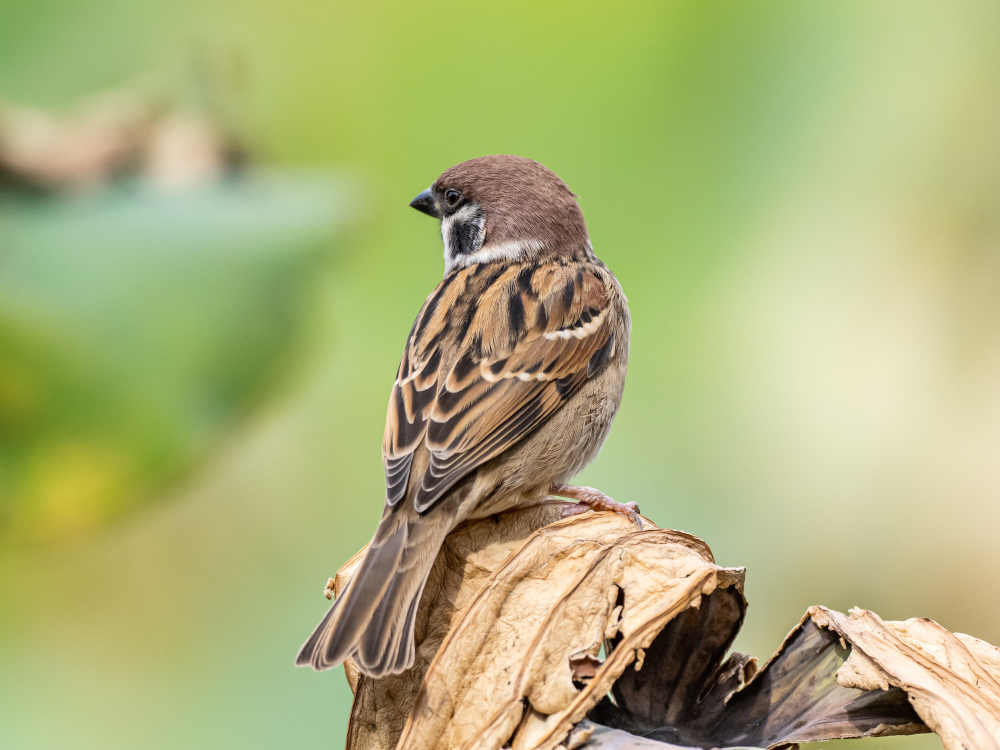
It was everywhere, then it was not, and nobody has settled why. Here are ten.
1. It Was So Common That Nobody Ever Looked at One
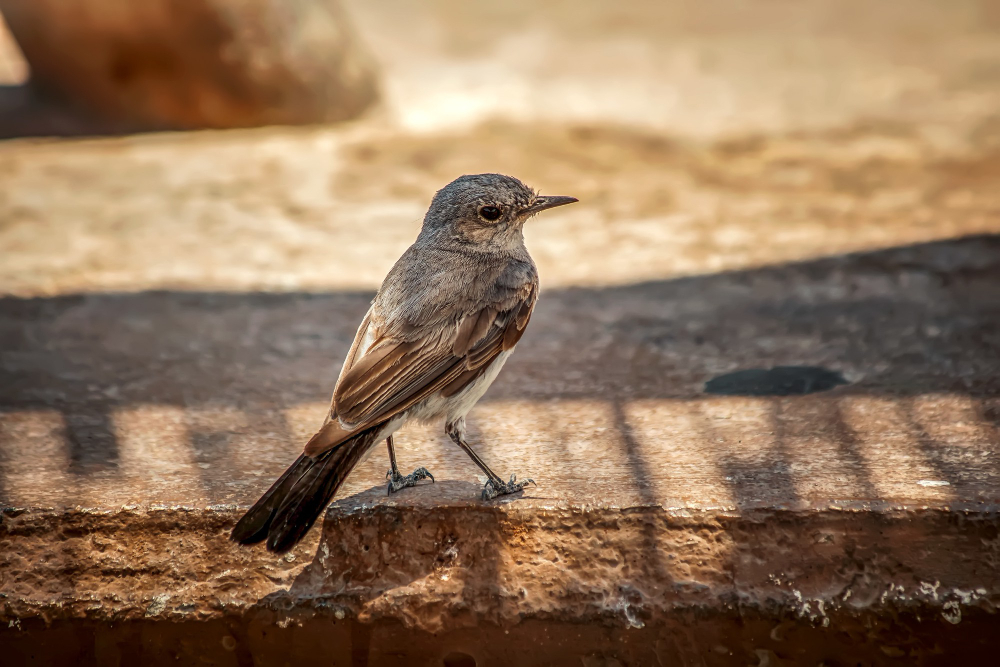
For most of recorded history this was the default bird. It lived in the walls of houses, fed on spilled grain in every street and farmyard, and existed in numbers that made it beneath notice.
Which is why so little was known about it. Nobody studies the obvious, and the species that appear in the earliest detailed records tend to be the rare and the spectacular. A bird that was on every roof in every town went largely unexamined, and that turned out to matter a great deal later.
Like our content? Follow us for more.
2. Then It Disappeared From City Centres, and Nobody Has Settled Why
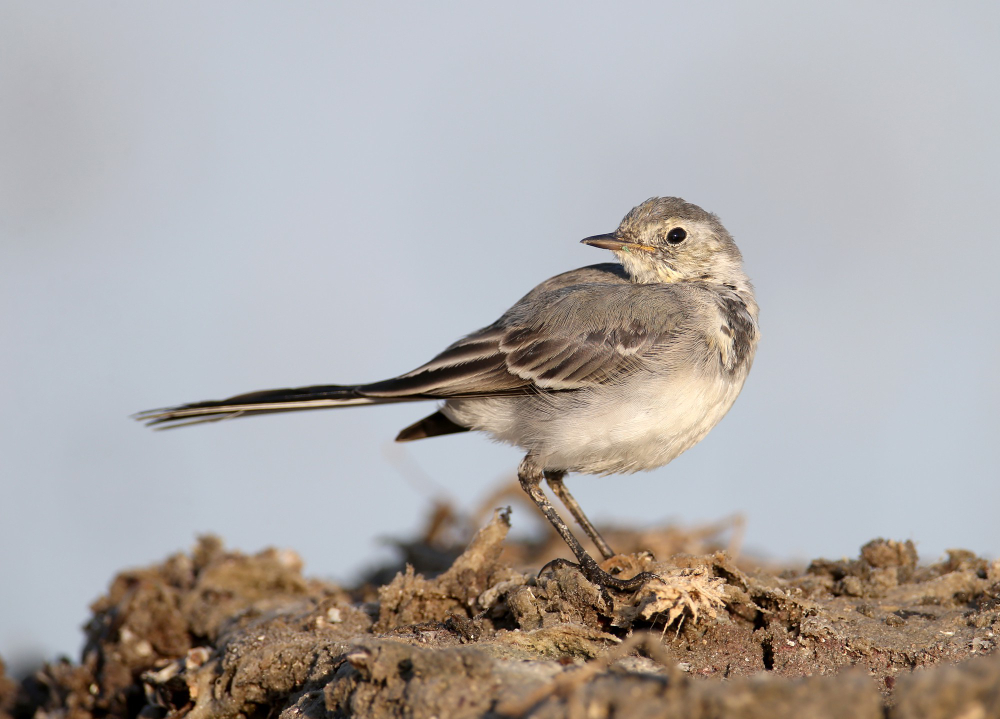
Over roughly the last third of the twentieth century and into this one, numbers fell steeply across much of the species’ long-established range, and in the centres of several large cities the collapse was close to total – from flocks on every street to effectively none.
This is a documented and substantial decline in one of the most familiar animals there is, and the cause remains unresolved. There are at least half a dozen serious candidates, the evidence points in several directions at once, and the current position is that more than one of them is probably operating together.
3. The Leading Explanation Is About What the Chicks Eat for Four Days
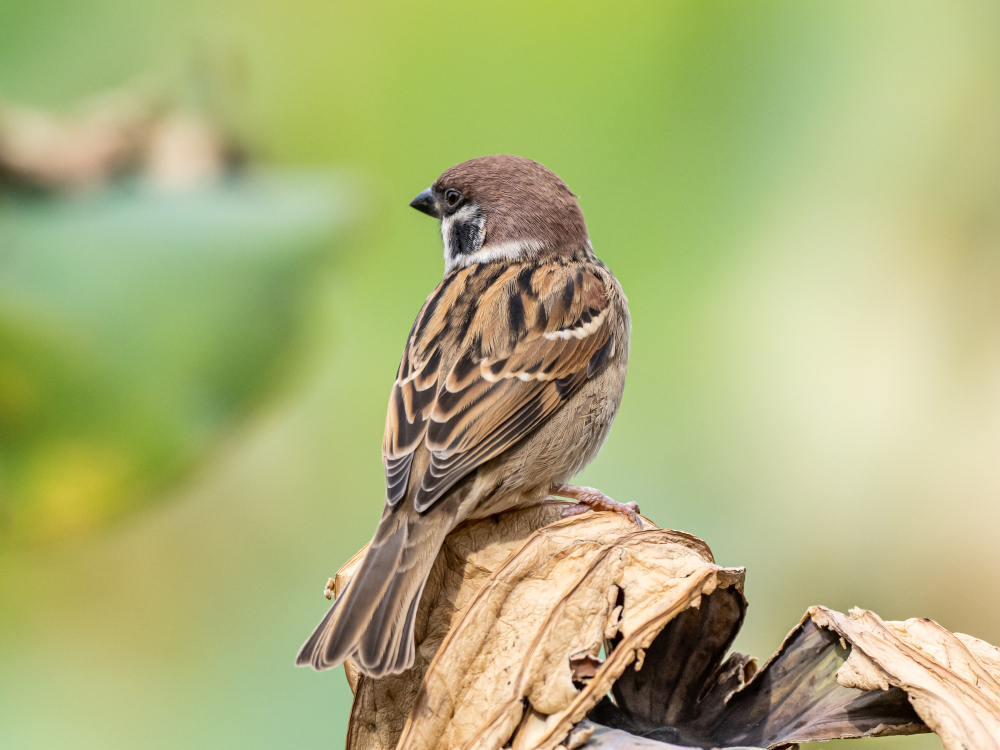
Here is the detail that makes the puzzle tractable, and it is a good one. An adult house sparrow eats seed. Its chicks cannot: for the first few days out of the egg they require small invertebrates and nothing else will do.
So a pair needs two completely different food supplies in the same small area at the same time of year – seed for themselves and a dense local supply of insects and spiders for the few days that decide whether the brood survives. The leading account of the urban collapse is that the second supply failed. Tidier, harder, more sealed city surfaces carry far fewer invertebrates, and a bird that can feed itself perfectly well in a city street may still be unable to feed anything it hatches.
4. It Does Not Go Anywhere, Which Is Why the Losses Stick
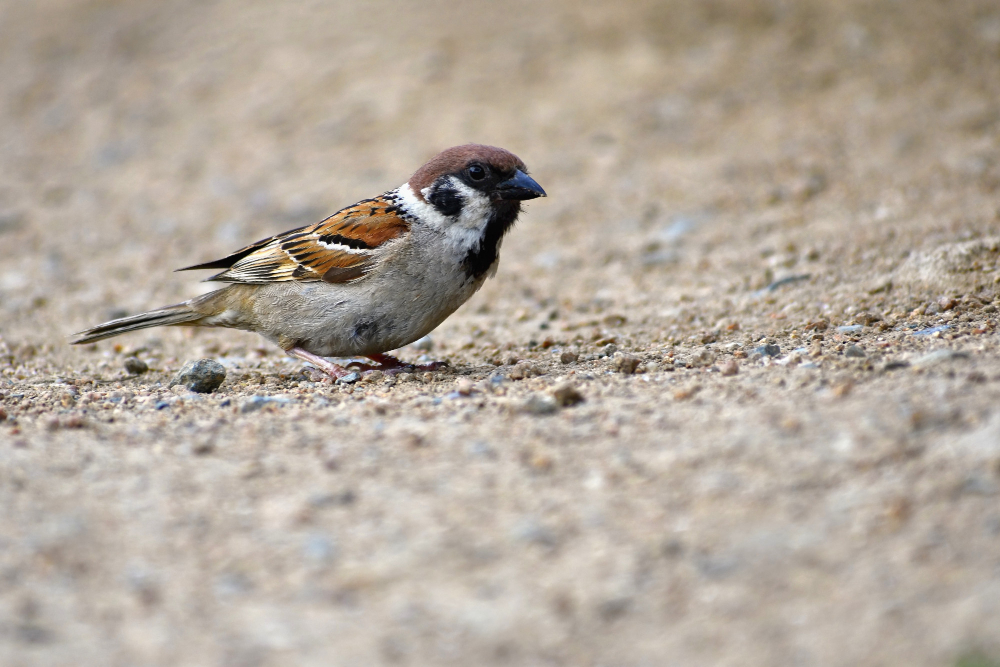
This bird is remarkably sedentary. A great many individuals spend their entire lives within a few hundred metres of where they hatched, and it does not migrate at all.
Which has a severe consequence. When a colony is lost from a particular street or district, there is no reservoir of wandering birds to refill it, because there are no wandering birds. Nothing arrives to recolonise. A local disappearance therefore tends to be permanent, and the map of the decline is a map of gaps that do not close.
5. It Lives in Colonies, Which Is Why a Single Pair Never Turns Up
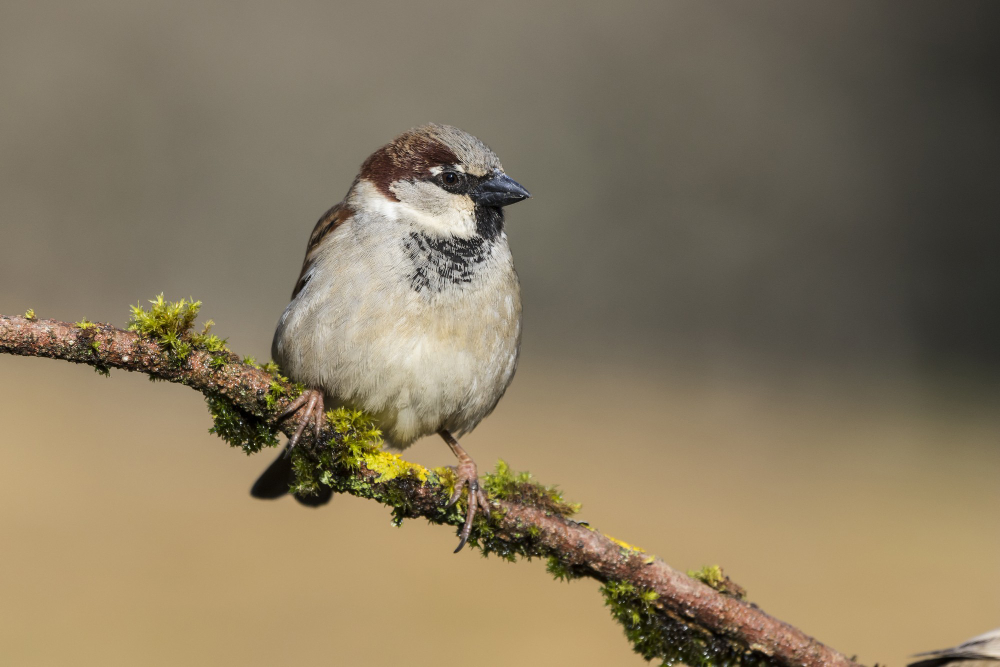
It is not a solitary nester. House sparrows breed in loose colonies, feed together, roost together in dense noisy groups and do very badly on their own.
So the unit that survives or fails is the colony rather than the pair, and below a certain size a colony stops working – there are too few birds to find food efficiently, to detect danger, or to breed successfully. This produces a cliff rather than a slope: a group declines gradually and then goes entirely, which is exactly the pattern people describe when they say the sparrows simply stopped being there one year.
6. It Nests in Buildings, Not in Trees
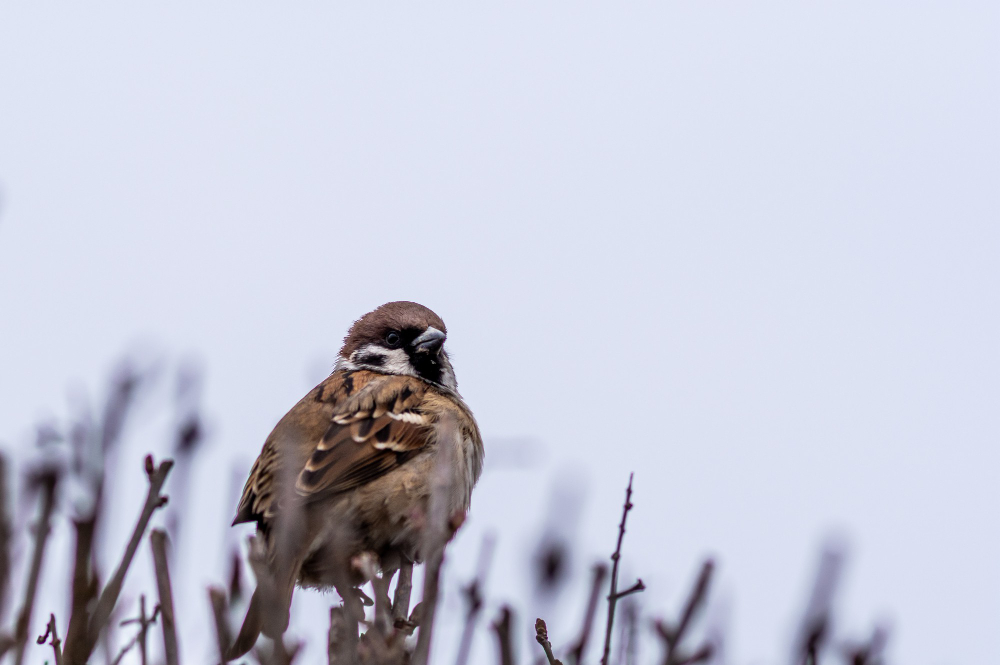
The clue is in the name and almost nobody takes it literally. This is a bird that nests in holes in human structures: under eaves, in gaps behind fascia boards, in ventilation openings, in cavities in brickwork, in roof voids and in the spaces around old wooden window frames.
It is not using trees as a fallback and it did not choose buildings recently. The association is ancient, going back to the earliest permanent settlements and granaries, and the species’ spread across the world tracks the spread of agriculture and of the kind of building that has holes in it.
7. So Its Housing Was Modernised Out of Existence
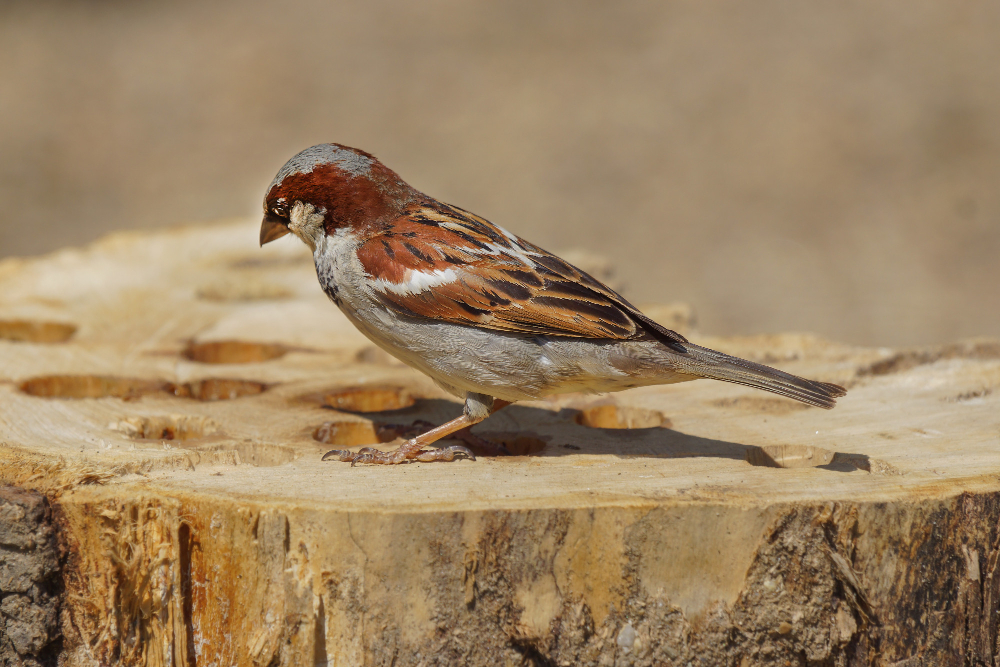
Follow that and one of the other candidate explanations becomes obvious. Over the same decades, the cavities disappeared.
Older buildings had gaps everywhere: wooden soffits that rotted and opened up, loose tiles, air bricks, unsealed roof spaces, mortar that failed. Renovation closes all of it, and new construction never has it – sealed plastic trim, insulated and membrane-lined roofs, mortar that stays put. None of this was done with birds in mind in either direction. An entire category of accommodation was removed as a by-product of building better houses.
8. The Black Bib Is a Rank Badge, and It Is Readable
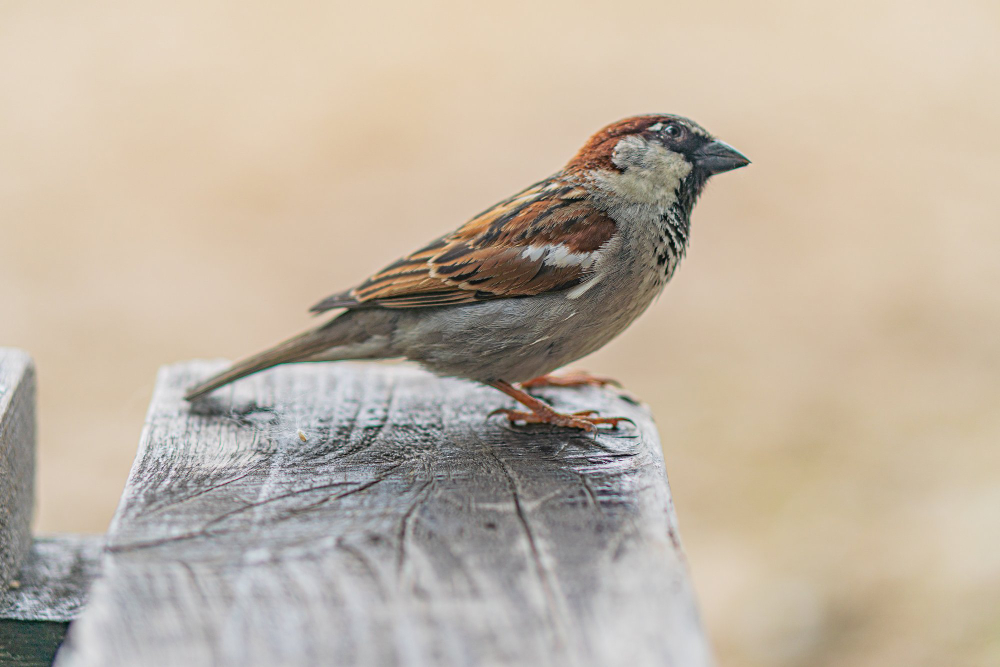
Male house sparrows have a black patch running from the throat down the chest, and it is not a fixed marking. Its size varies considerably between individuals, and the variation means something.
Larger badges are associated with older, more dominant birds that win more disputes and hold better positions. It functions as a visible declaration of status, which saves a great deal of fighting, because two birds can settle a question by looking at each other. Once you know this, a group of sparrows on a wall stops being a group of identical brown birds and becomes a legible hierarchy.
9. It Bathes in Dust, on Purpose
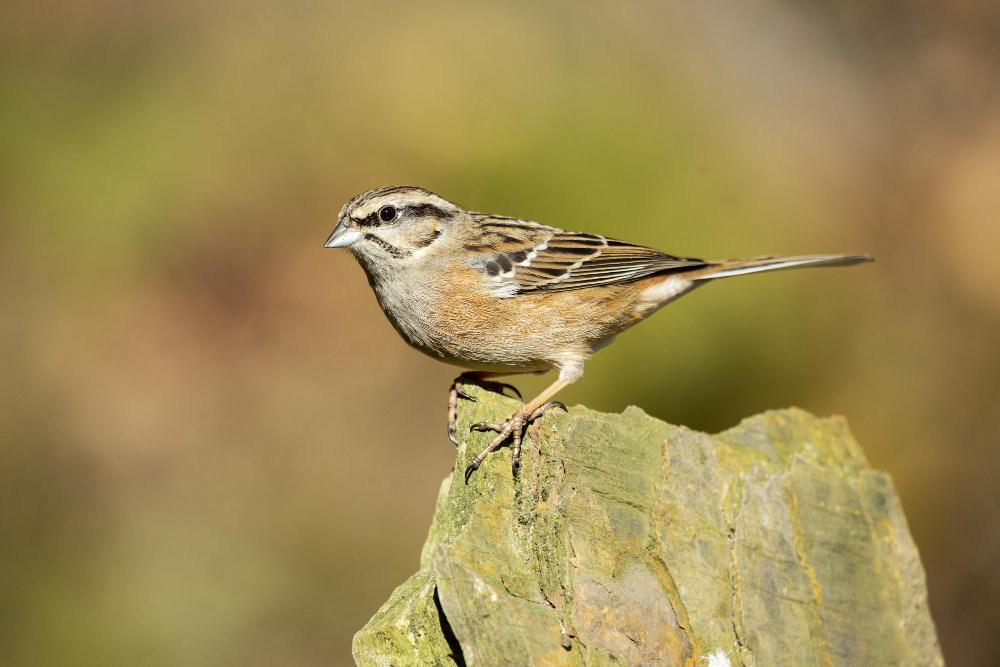
House sparrows scrape a shallow hollow in dry dust or fine dry soil, settle into it and throw the dust up through their plumage with their wings, frequently several at once in adjacent hollows.
It is not confusion about water and it is not play. Dry particulate material absorbs excess oil, dislodges debris and makes life harder for the parasites living in the plumage, and it does so without the costs of getting wet. They bathe in water too, and they do both, because the two do different jobs.
10. It Is One of the Most Widespread Birds on Earth and in Trouble Where It Started
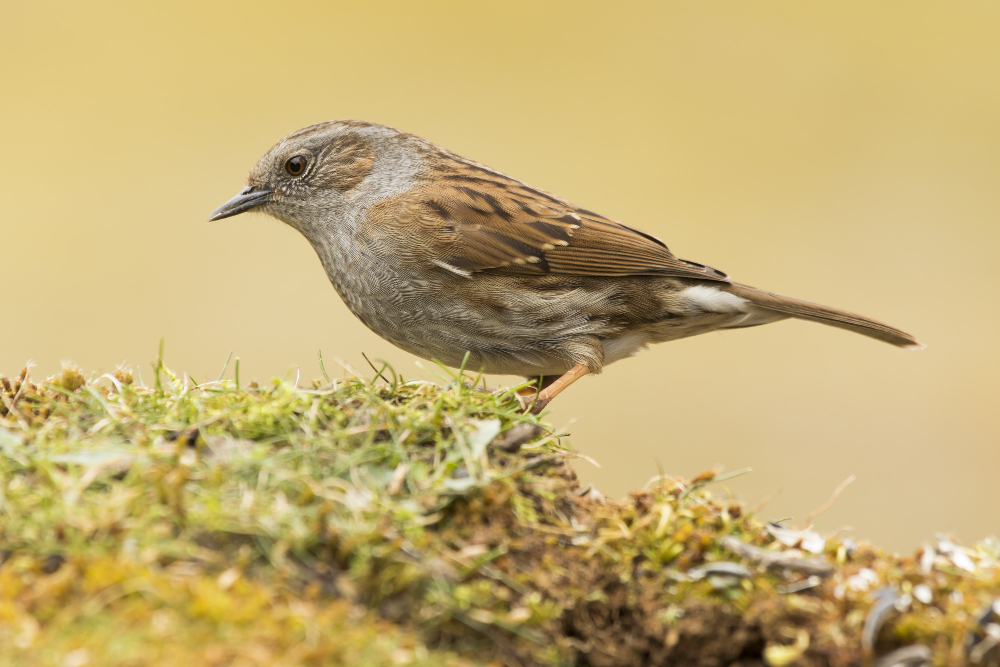
This is the paradox that makes the whole story strange. The house sparrow is native to Europe, North Africa and much of Asia, and from the nineteenth century it was carried deliberately to the Americas, Australia, New Zealand and southern Africa, where it established itself comprehensively and is in several places regarded as an invasive nuisance.
So the same species is simultaneously one of the most successful and widely distributed wild birds in the world and the subject of serious concern across large parts of its original range. A bird that followed people out of Eurasia and around the entire planet is vanishing from the places it had lived alongside them the longest, and the most likely reason is that the cities it was built for stopped producing enough insects to raise a chick in.
A Bird Nobody Studied Until It Started Going
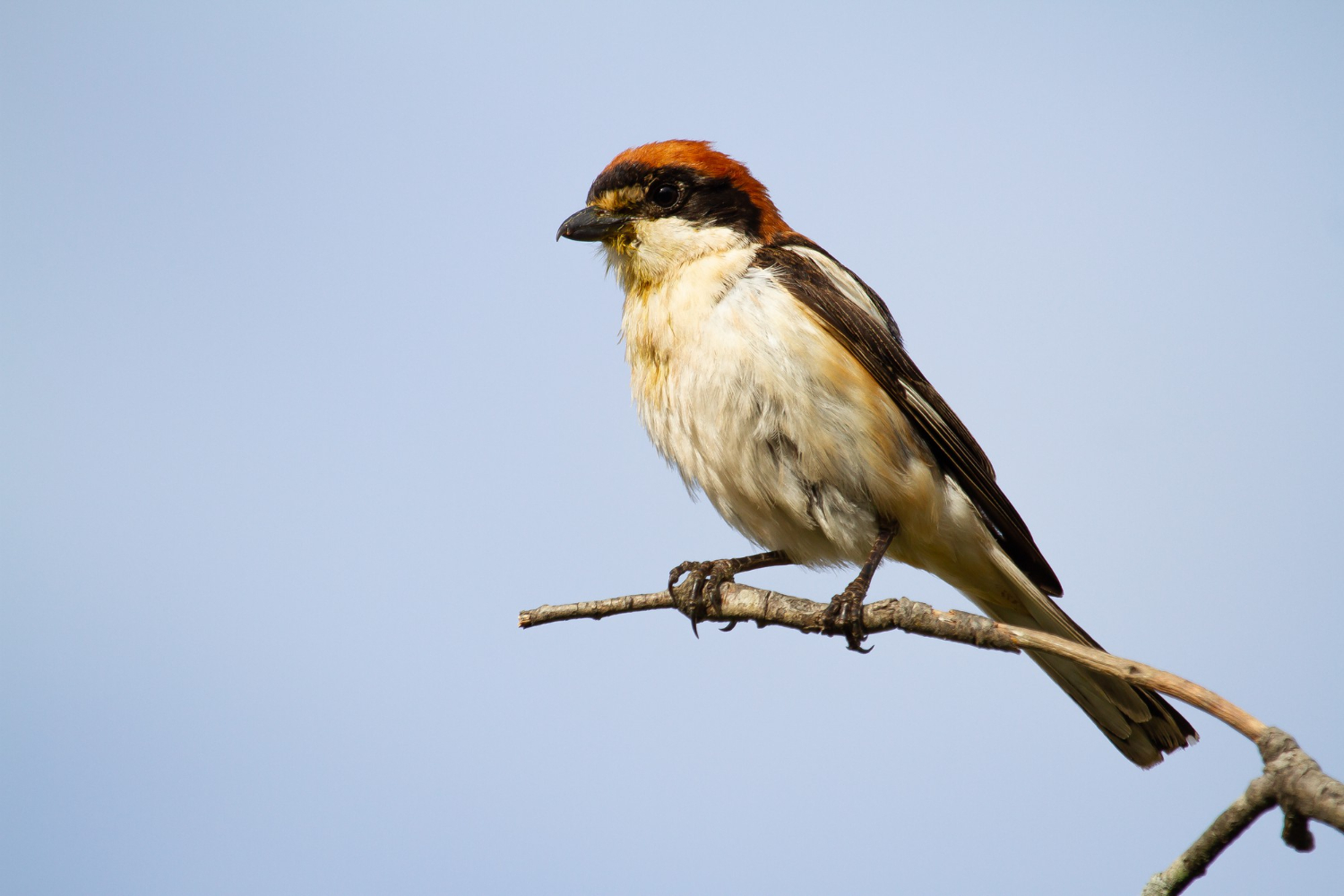
The default bird of every street, gone from city centres inside a few decades for reasons still being argued over, needing seed for itself and insects for its chicks, too sedentary for anything to refill the gaps, colonial enough to fail all at once, housed in cavities that renovation removed, and ranked by the size of a black bib.
The third item is the one that reframes the whole question. An adult house sparrow is a seed-eater and its chicks are not – for the first few days out of the egg they have to have small invertebrates, and nothing else will substitute. So a breeding pair needs two unrelated food supplies within a very short distance at the same moment, and the leading explanation for the urban collapse is simply that the second one ran out. The adults were fine. They just could not feed anything they hatched.
Like our content? Follow us for more.
