

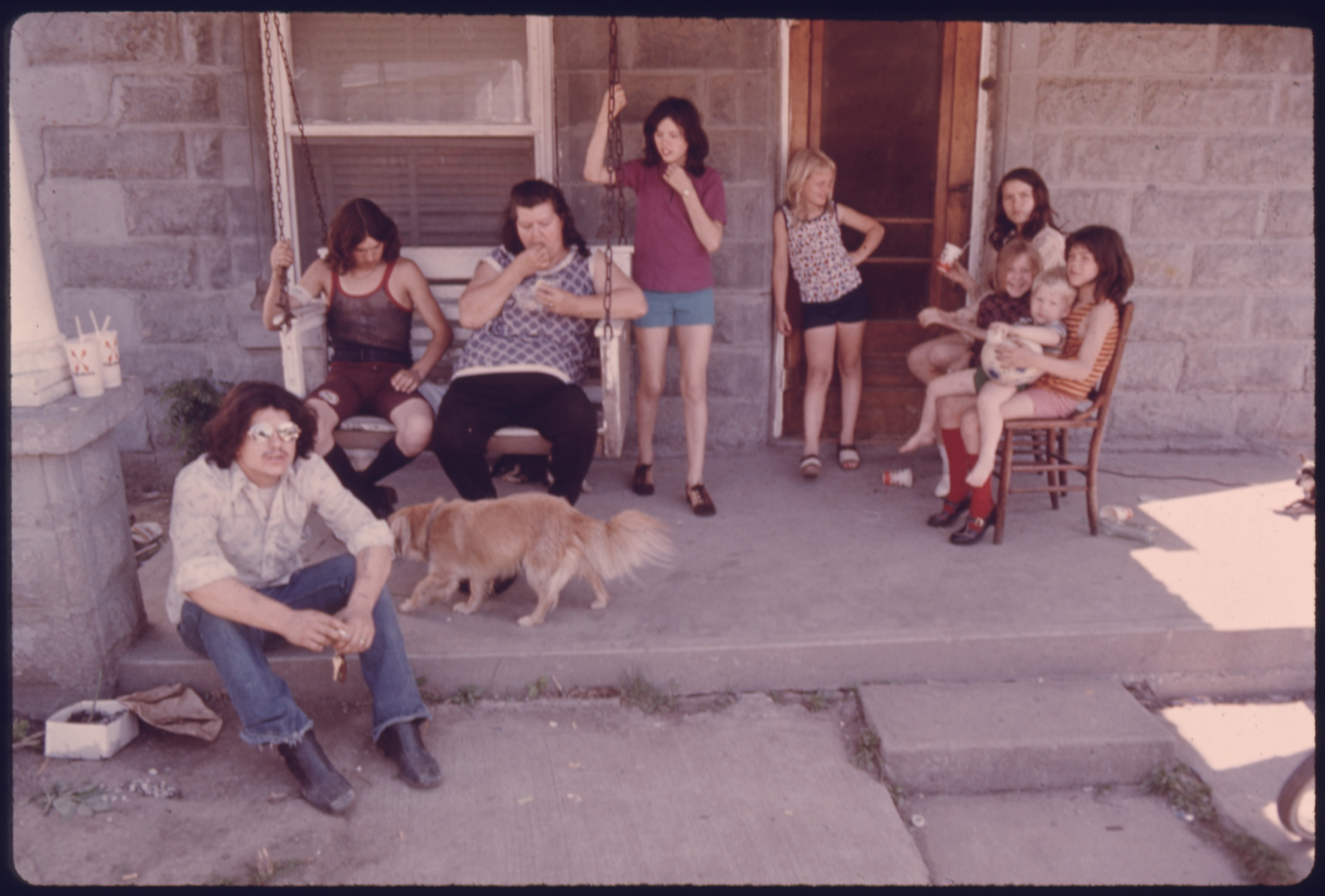
In 1962 a garden row arrived all at once and had to be dealt with within a couple of days, which meant that several times every summer an entire household sat down together in the shade with two bowls each and worked through it. The task required no skill, no tools and no attention, which is precisely what made the afternoon what it was. Almost nothing anybody remembers about it has anything to do with the vegetables. What people remember is the circle: who sat where, what the bowls sounded like, which relative was fastest, and what got said in the second hour that would never have been said anywhere else in the house. The task was the occasion for all of it, and the occasion only existed because a row in a garden ripens on its own schedule and gives a household about forty-eight hours to deal with the consequences. Here are sixteen things every family did on those afternoons in 1962, and why the vegetables are the part nobody mentions.
1. The Work Came in All at Once and Would Not Wait

A garden row does not ripen gradually; it arrives over a few days and has to be dealt with before it goes past.
The compression is the reason the whole household got involved. A quantity that one person could manage over a fortnight has to be handled in two afternoons, which means everybody who can sit down and use their hands is recruited whether they want to be or not.
It also explains why the memory is so specific. An activity that happens on four or five afternoons a year, always in the same weeks, always in the same place, lodges far more firmly than something done a little at a time all year round.
Like our content? Follow us for more.
2. It Happened Wherever the Shade Was
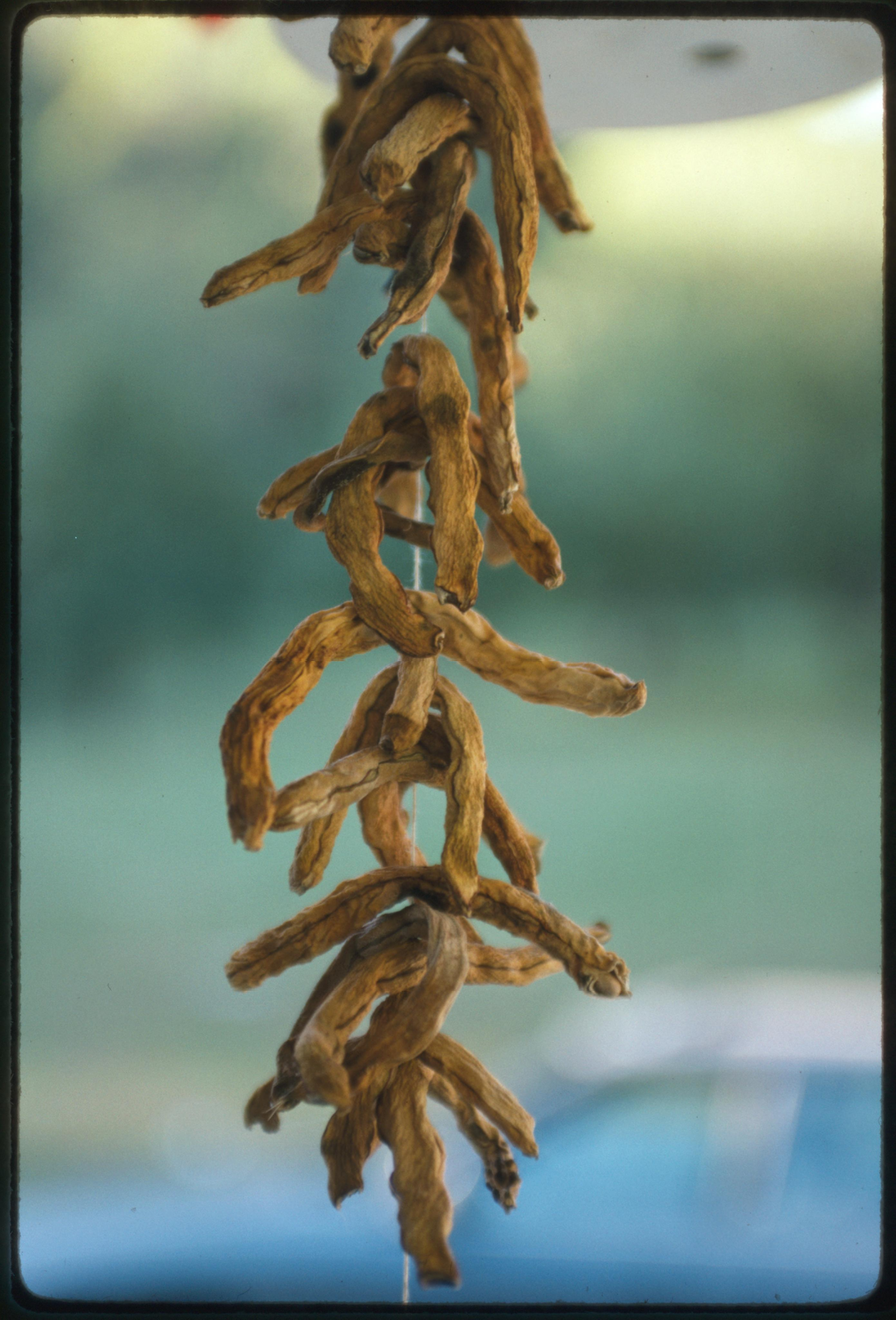
A porch, a back step, under a tree or by an open door – the work moved to wherever it was coolest and the light was good.
The location was never fixed and always outdoors if possible. Indoor work in a kitchen in high summer was avoided where there was any alternative, and the pods and ends had to go somewhere that was not a kitchen floor.
That put the whole thing in public view. A household working on a porch is visible from the road, which meant passers-by stopped, neighbours joined in and the work became a social occasion simply because of where it had to happen.
3. Two Bowls Were the Entire Equipment
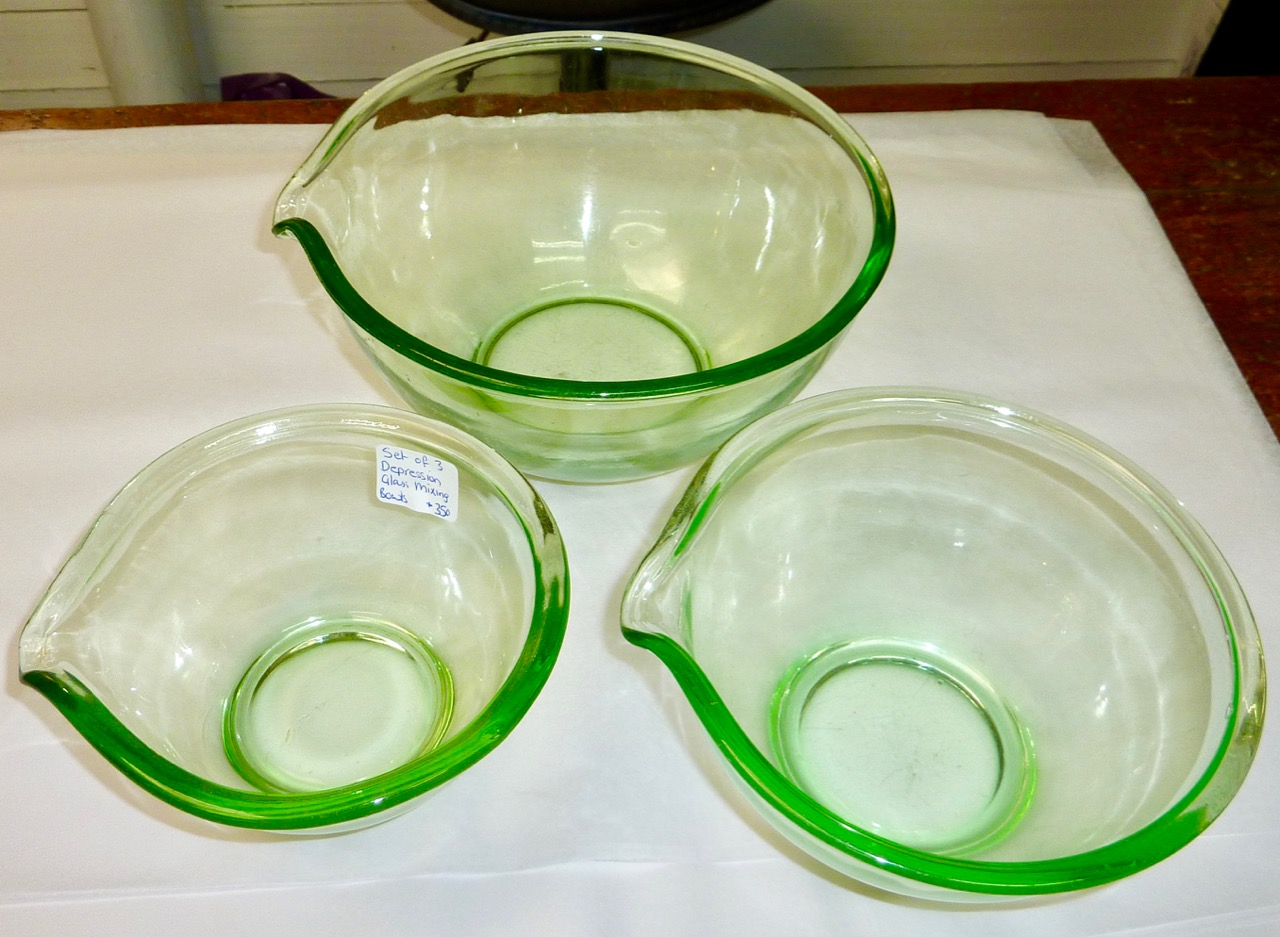
One for what you were keeping and one for what you were discarding, and nothing else was required at all.
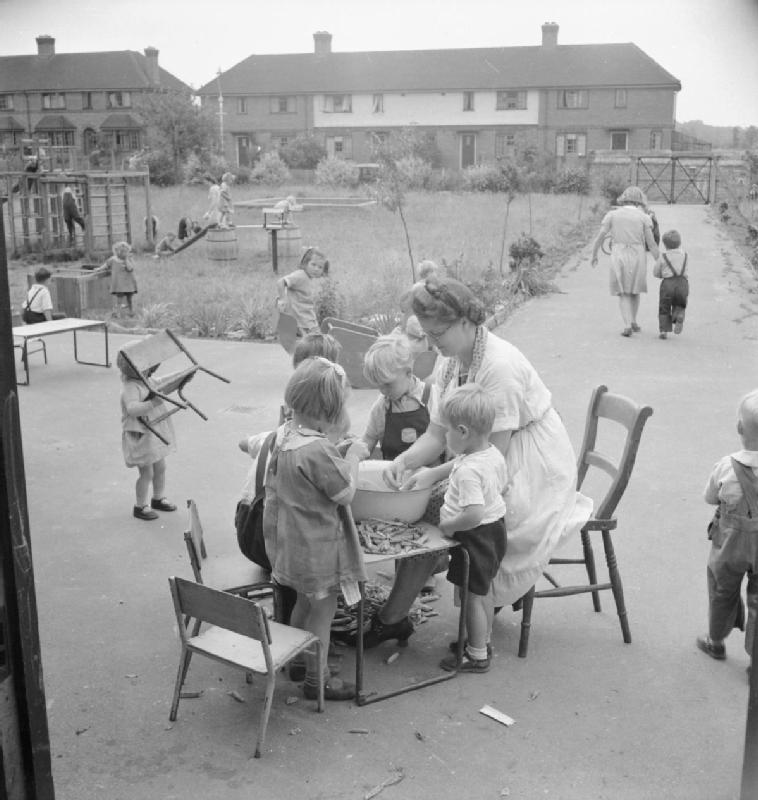
The simplicity is what made it universal. An activity requiring no tool, no skill, no instruction and no equipment beyond two containers can include anybody from four years old to ninety, and that is exactly who ended up doing it.
It also made the work portable. Two bowls and a lap can go anywhere, which is why the same task is remembered happening on steps, in chairs, on the back of a truck and once a year in somebody else’s kitchen.
4. Children Were Put On It as Soon as They Could Sit Still
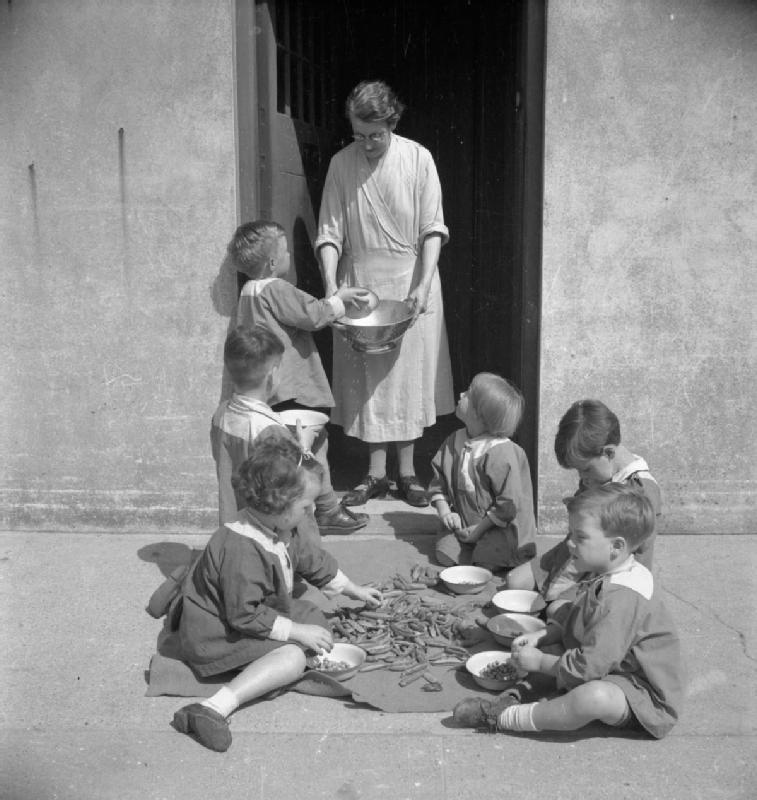
It was one of the first genuinely useful jobs a small child could do, and the age of entry was remarkably low.
The suitability is obvious once you look at it. There is nothing sharp, nothing hot, nothing that can be damaged, nothing that requires judgement and no way to get hurt, which eliminates every objection anybody could raise to handing it to a four-year-old.
The quality of the work was secondary. A child producing half the output of an adult and contributing a certain amount of error was still a net gain, and the inclusion mattered more to everybody than the efficiency did.
5. The Sound Was the Thing Everybody Remembers
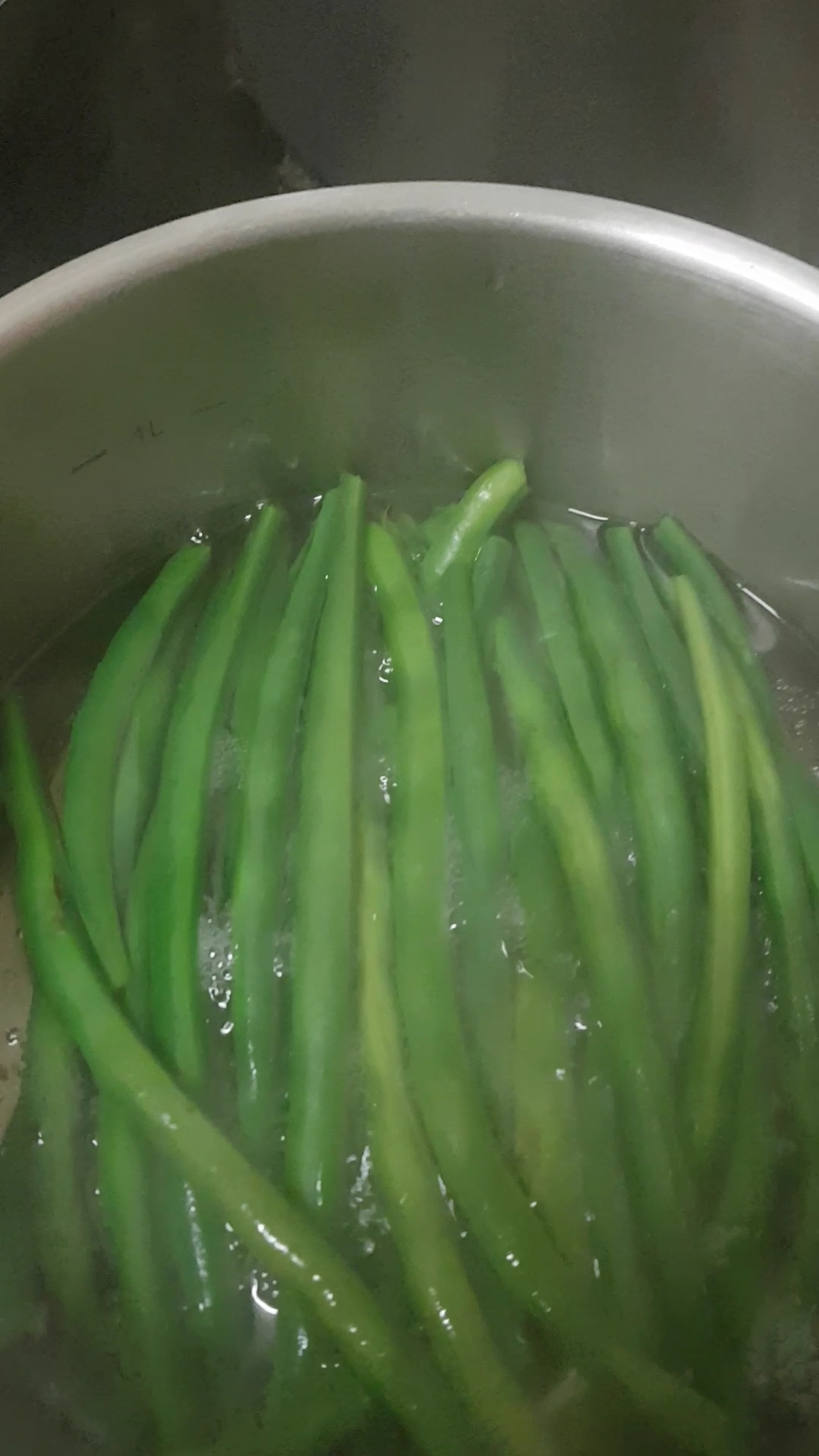
A snapped end, a split pod and the noise of something dropping into a metal bowl, repeated for hours.
The acoustic memory is reported far more often than any visual one. A rhythmic, repetitive, soft sound produced by several people working at slightly different speeds is unusually easy to recall decades later.
It also regulated the pace. People working within earshot of each other unconsciously match rhythm, which meant a group settled into a shared speed within about ten minutes without anybody suggesting it.
6. Your Hands Learned It and Your Head Went Elsewhere
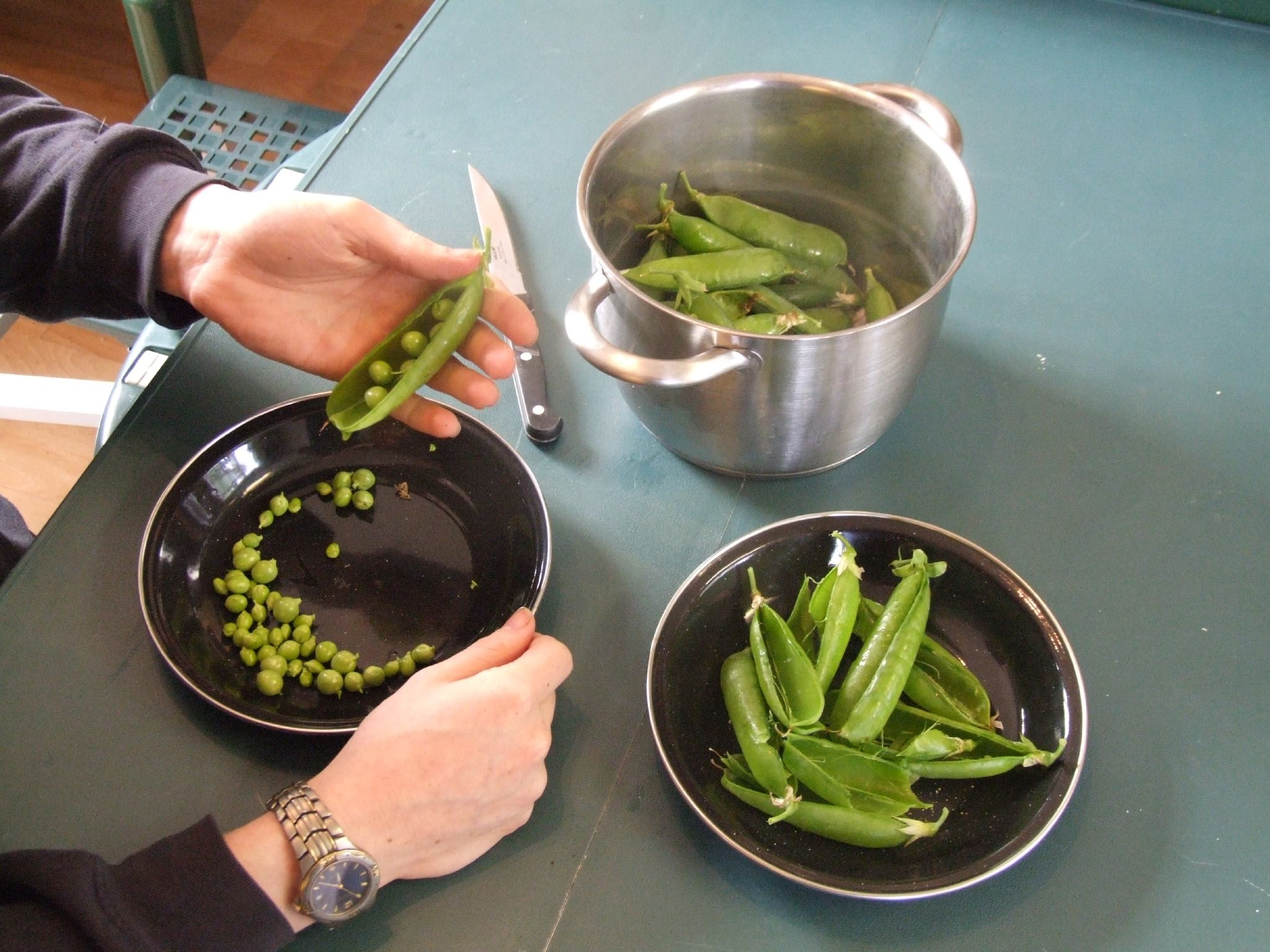
After a short period the task required no attention at all, which is what made the afternoon what it was.
That is the whole social mechanism, stated plainly. An activity that occupies the hands completely and the mind not at all is the ideal condition for conversation, and almost everything remembered about these afternoons is something somebody said.
It is also why the work was never resented in the way other chores were. Nobody minds a task that lets them think about something else while doing it, and a job that produces conversation is a job people will volunteer for.
7. The Talk Was the Actual Point
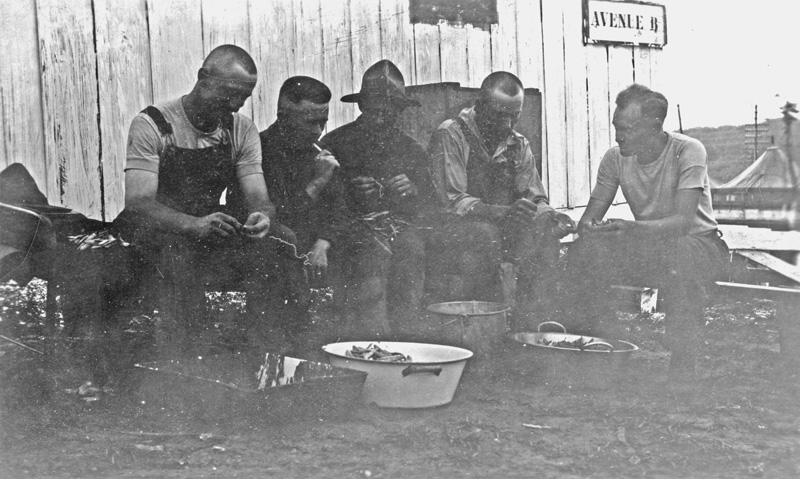
Family history, local news, old arguments and stories nobody told at any other time all came out over a bowl.
The conditions were close to perfect for it. Several people, seated, facing roughly the same direction, with their hands busy, nothing to look at and nowhere to be, for two hours, is a setting almost perfectly designed for the kind of talking people do not do across a table.
Children heard things they were not really meant to hear. A conversation between adults who have forgotten a seven-year-old is present is how an enormous proportion of family history actually travelled between generations.
8. Nobody Was Looking at Anybody
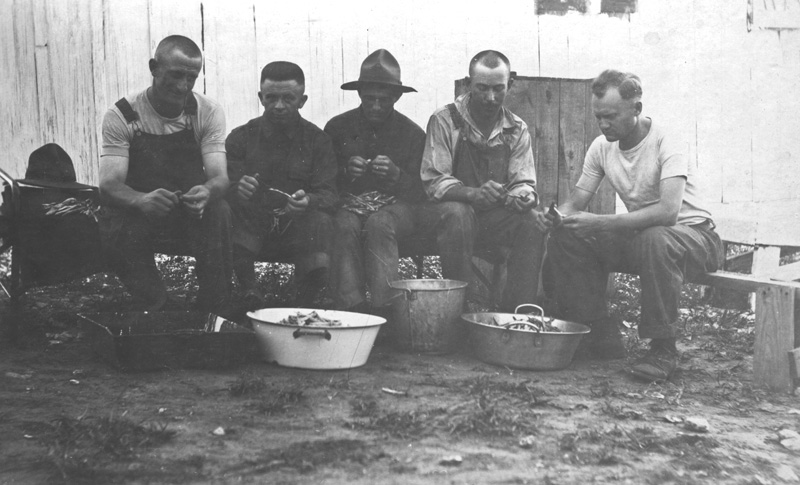
Everyone’s eyes were on their own hands, which changed what people were willing to say.
The absence of eye contact is the detail that makes this different from a meal or a conversation in a sitting room. Difficult things are easier to say to somebody who is not looking at you, and plenty were said over a bowl that would not have been said across a table.
The same applies to children. A child asking an awkward question while apparently concentrating on a pod is in a much stronger position than one asking it directly, and a fair number of important conversations happened exactly that way.
9. The Older Generation Was Fastest and Said So
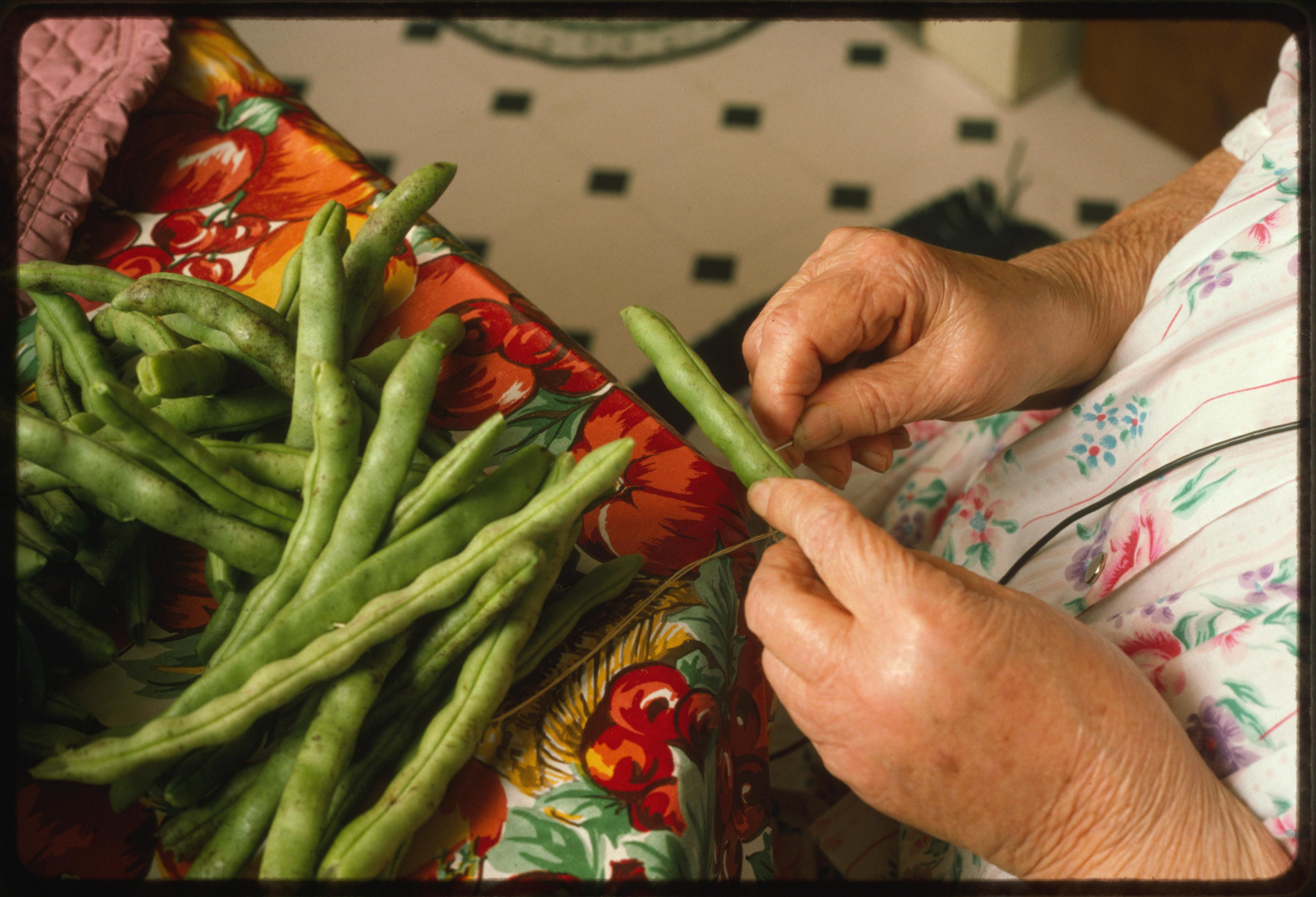
Somebody who had done this every summer for sixty years was several times quicker than anybody else present and made the comparison regularly.
The speed difference was real and worth noticing. A completely unskilled task still rewards decades of repetition, and the gap between a practised pair of hands and an inexperienced one was obvious to everybody in the circle.
It was also the one setting where that generation held the advantage. Somebody who could not keep up with a household in any other respect was unquestionably the most productive person present for two hours, and everybody knew it.
10. Quality Control Was Continuous and Public
Anything done badly was visible in the bowl, and there was always somebody prepared to point it out.
The oversight was constant and mostly good-natured. A shared bowl means shared standards, and a child learning the task got immediate correction from several directions at once.
It was the correction that taught it. Nobody explained the job in advance; a child was handed a bowl and told what they were doing wrong as they did it, which is how almost everything in a household was actually passed on.
11. The Discards Went Somewhere and Nothing Was Wasted
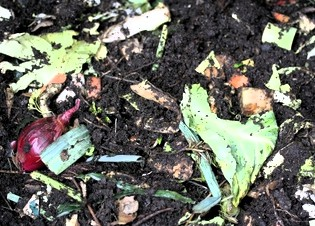
Pods, ends and everything else went to a heap, a bucket or an animal, and the question of throwing it away did not really arise.
The circularity was unremarkable at the time and is the part that looks most unusual now. A household producing a bucket of green waste per afternoon had an established destination for it that required no thought and no collection.
It also kept the work tidy. A second bucket with a known purpose at the end of the afternoon is a much better system than a bin, and it meant the whole operation left nothing behind.
12. Everything Had to Be Dealt With the Same Day
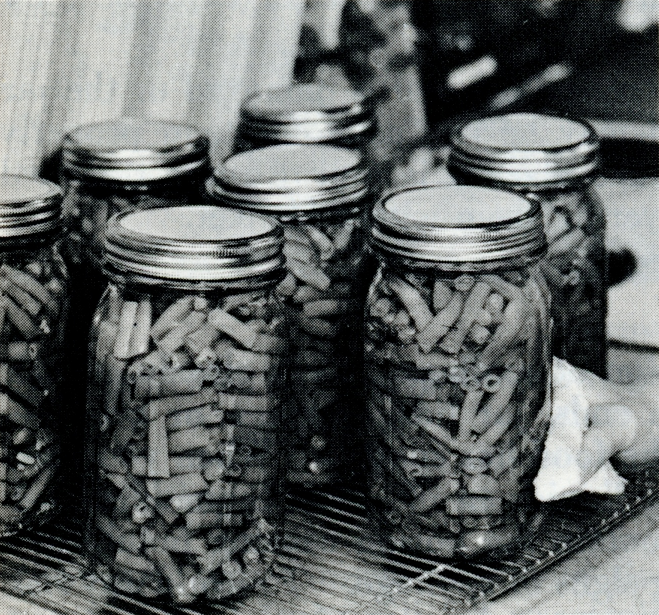
What was shelled in the afternoon had to be cooked, preserved or put away by evening, which made the work a deadline rather than a task.
The urgency explains the intensity. There was no refrigeration capacity to speak of for a quantity like this, so an afternoon’s work created an evening’s work, and the household’s whole day was organised around the row in the garden.
It also meant the job could not be abandoned. A half-finished bowl was not a job to be resumed tomorrow; it was a quantity that would be worse tomorrow, which is a much stronger incentive than any instruction.
13. Neighbours Appeared With Their Own Surplus

A household with too much of one thing and not enough of another sorted it out over the same afternoon.
The exchange was informal and constant. Gardens do not produce evenly, and a street in which four households each have a glut of something different is a street with a functioning distribution system and no money involved in it.
The visit was half the purpose. Somebody arriving with a bag and leaving two hours later having sat down and worked through it with you was not really delivering vegetables, and both parties understood that.
14. The Radio Was Usually On

A set carried outside or audible through an open door supplied the background to the entire afternoon.
The pairing was natural and practically universal. A task requiring no concentration leaves exactly enough attention for listening, and the afternoon was long enough to take in whatever was being broadcast in full.
It also dated the memory precisely. People who remember these afternoons frequently remember what was on, which fixes the whole scene to a particular summer in a way that nothing else about it does.
15. It Was the Last Household Task Done Together
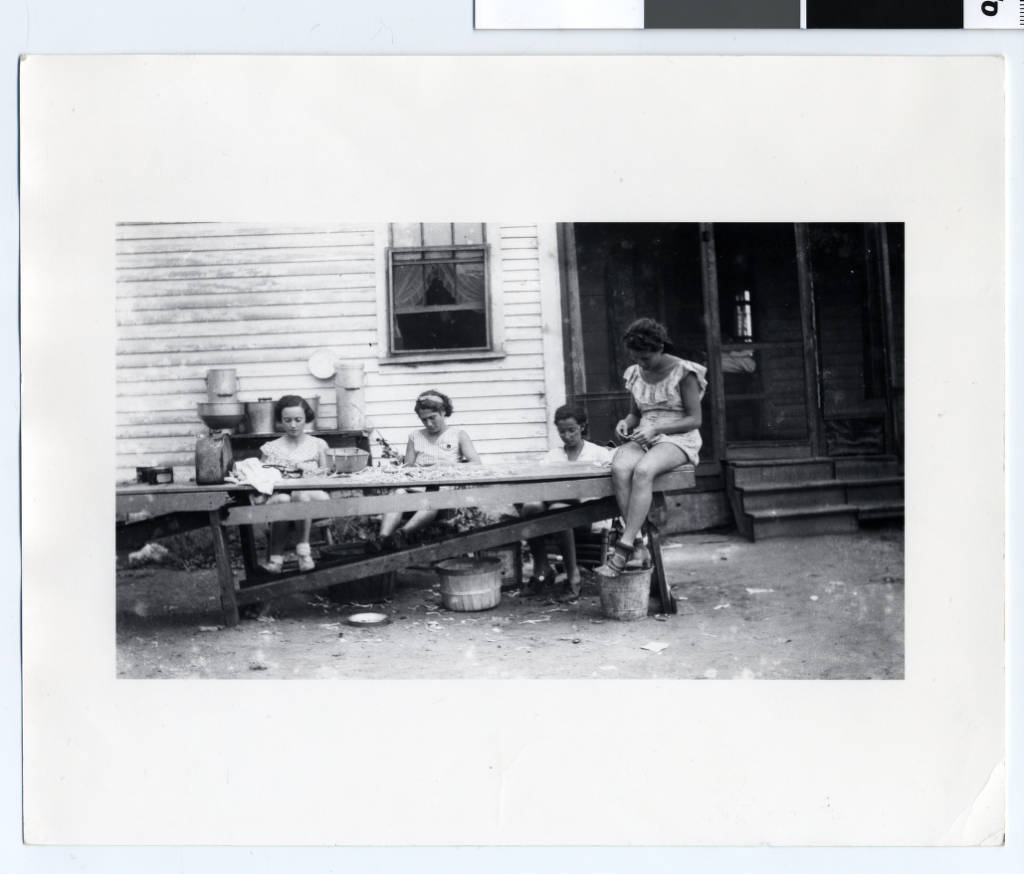
Almost every other job in a house was done by one person alone; this was done by everybody at once.
The distinction is worth drawing clearly. Cooking, cleaning, washing and mending were all largely solitary, and a job that requires no coordination but benefits from company is a genuinely rare shape for domestic work to take.
That is probably why it survives in memory out of all proportion to its importance. Nobody remembers an afternoon of washing up; everybody who did this remembers the circle, the bowls and who was sitting where.
16. Then the Garden Stopped Being Necessary

Frozen, tinned and year-round fresh supply removed both the glut and the urgency, and the afternoon had nothing left to be about.
The convenience was overwhelming and nobody who had done the work argued with it. Several hours of labour replaced by a bag from a shop is not a trade anybody turns down, and the row in the garden became a choice rather than a requirement.
What went was the circumstance rather than the vegetables. The shade, the two bowls, the four-year-old included because there was nothing in it that could hurt them, the oldest person present outworking everybody, the conversation that happened because nobody was looking at anybody, and the radio on through an open door.
Why Nobody Remembers the Vegetables
Read in order, the sixteen describe a social occasion that happened to produce food. Every feature of the task – no tools, no skill, no danger, no concentration required, several people seated facing the same way for two hours with their hands busy and their eyes on their own work – is a condition for talking rather than a condition for working. The result was the one regular setting in which three generations sat together with nothing else to do, nobody looking at anybody, and a deadline that kept everybody in place until it was finished. Family history travelled through it, children were included from four years old, and the oldest person present was for once the most useful. It is worth being clear about what the deadline contributed, because it is the part that cannot be reproduced. Nobody sat on that porch because they had chosen to spend an afternoon together; they sat there because a quantity of food would be worse tomorrow and there was no refrigeration capacity to postpone the question with. Company that is compulsory and company that is voluntary produce very different afternoons, and the compulsory kind keeps everybody in place long past the point where a voluntary gathering would have broken up. Two hours is roughly when the useful conversation starts.
It ended because the premise did. A glut only exists where the supply is seasonal and local, and the moment a bag could be bought in any week of the year the whole arrangement lost its reason to happen. Nobody who had spent those afternoons argued with the trade. What went with the work was the circumstance around it: the shade, the two bowls, the four-year-old included because there was nothing in it that could hurt them, the neighbour who arrived with a surplus and stayed two hours, and the conversation that only happened because everybody in the circle was looking at their own hands.
Like our content? Follow us for more.

