From the diet soda that outsold Diet Coke to the snack bar that went to the Moon with Neil Armstrong, these were household names in their time. Here’s what happened to each of them.
There are products that disappear from grocery shelves quietly, and there are products that disappear and leave devoted fans organizing online communities to bring them back. The 1970s produced a remarkable number of the second kind. Some were victims of changing food regulations. Some lost out to better-marketed competitors. A few simply outlived the cultural moment that created them. Here are seven that defined the decade for millions of Americans and are now gone — with the actual stories of how each one ended.
1. TaB
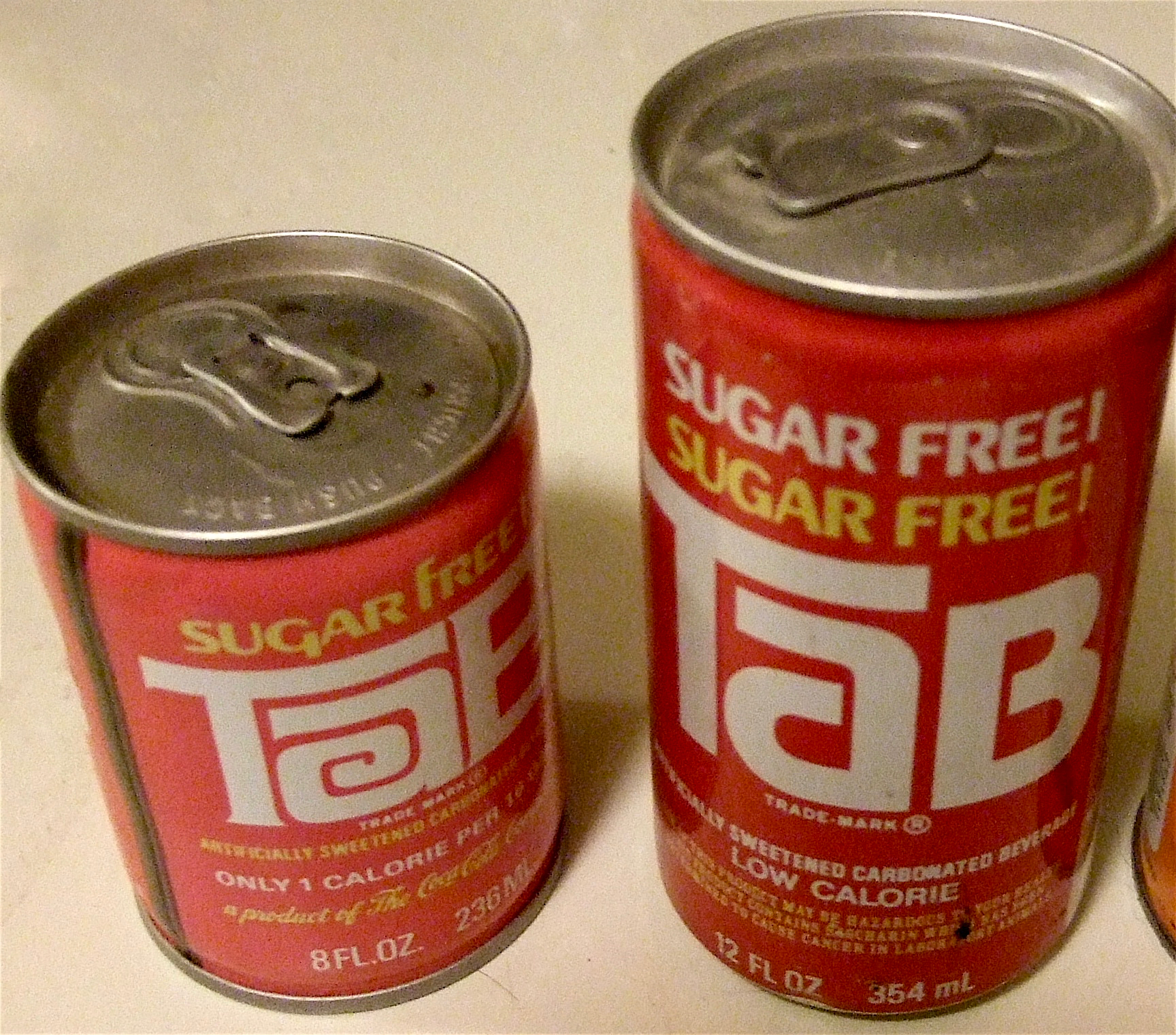
TaB cola, introduced by Coca-Cola in 1963 as the company’s first diet drink, became the best-selling diet soda in America by 1982 — peaking at 5.6% market share among all sodas in the United States, according to data from Beverage Digest. Then, in 1982, Coca-Cola itself launched Diet Coke, which used aspartame instead of TaB’s saccharin sweetener and was marketed under the company’s flagship brand. Diet Coke cannibalized TaB’s sales over the following decades.
TaB also faced regulatory headwinds. In 1969, the FDA banned cyclamate, one of TaB’s original sweeteners, after lab studies linked it to bladder cancer in animals. The reformulated saccharin-only version was then required by the FDA to carry a cancer warning label after a 1977 ruling — a label that was eventually removed when human studies failed to replicate the rat findings. Saccharin was officially delisted as a possible carcinogen in 2000.
By 2020, TaB held a tiny but devoted following — about 3 million cases sold per year, mostly to longtime fans who preferred its less-sweet taste profile. In October 2020, Coca-Cola announced TaB’s discontinuation as part of a broader portfolio streamlining during the pandemic. The last cans shipped in late 2020. Devoted fans have lobbied unsuccessfully since for the brand’s return.
2. Pillsbury Space Food Sticks
In the late 1960s, Pillsbury’s chief food technologist Howard Bauman developed a rod-shaped energy bar under contract with NASA. The original requirement was that the snack had to fit through the small airtight opening in an astronaut’s space helmet. According to General Mills’ archives, the sticks accompanied Neil Armstrong and Buzz Aldrin to the Moon on Apollo 11 in July 1969 as a “contingency” food, and were eaten in modified form by astronauts on Skylab 3 in 1973.
Capitalizing on the public’s fascination with the space program, Pillsbury released a consumer version in 1970 called Space Food Sticks. They came in flavors like chocolate, peanut butter, caramel, and chewy orange — 14 individually wrapped sticks per box, about 44 calories each, marketed as “the energy food developed by Pillsbury in support of the U.S. aerospace program.”
The product was a forerunner to the modern energy bar — which didn’t exist as a category at the time. Sales peaked in the early 1970s, then declined alongside the country’s interest in the space program after the end of the Apollo missions and the start of the 1973 oil crisis. Pillsbury dropped “Space” from the name in 1971, then renamed the product simply “Food Sticks” — and eventually discontinued it in the 1980s. A small revival under Retrofuture Products began in 2006, but the original formulation is gone.
3. Hi-C Ecto Cooler
Hi-C Ecto Cooler — the green, citrus-flavored juice drink tied to the Ghostbusters franchise — launched in 1987 as a six-month tie-in with the animated series The Real Ghostbusters. Despite its origins as a short-term promotion, it became one of Hi-C’s best-selling flavors throughout the late 1980s and 1990s, surviving the franchise’s commercial decline by more than a decade. Coca-Cola (Hi-C’s parent company) finally discontinued it in 2007.
A brief 2016 revival tied to the Ghostbusters reboot brought Ecto Cooler back for several months before it disappeared again. Devoted fans have repeatedly petitioned Coca-Cola for a permanent return; the company has not committed to one.
While technically a 1980s product, Ecto Cooler is part of the broader story of Hi-C drinks that defined American childhood lunchboxes in the 1970s. Multiple Hi-C flavors (Florida Punch, Wild Berry, Double Fruit Cooler) have been quietly discontinued over the decades.
4. Carnation Breakfast Bars
Through the 1970s, Carnation Breakfast Bars — chocolate, peanut butter, or chocolate-chip flavored — were one of the most heavily marketed convenience breakfast products in America. The bars were positioned as a meal replacement, particularly for working parents, with advertising emphasizing their vitamin content. They competed directly with the original Pop-Tart line and with Carnation’s own Instant Breakfast drink mix.
Carnation Breakfast Bars were discontinued by Nestlé (which acquired Carnation in 1985) in the early 2000s, victims of changing breakfast preferences and competition from a rapidly expanding granola bar and protein bar category. The Carnation Breakfast Essentials brand still exists for the drink mixes, but the original chewy bars are gone.
5. Original Hydrox Cookies
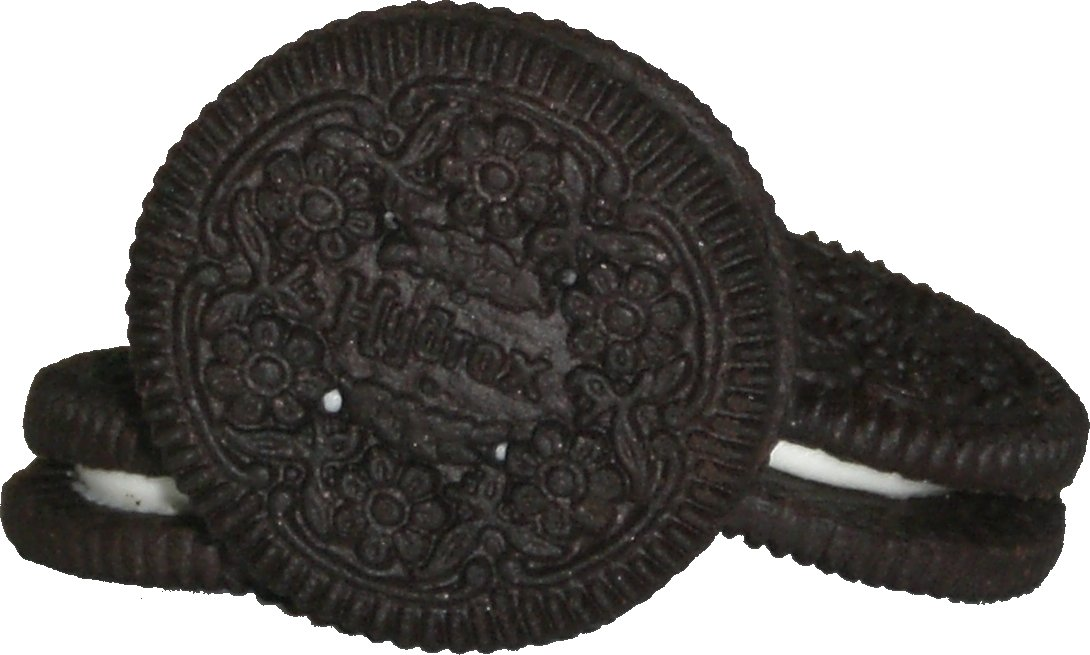
Hydrox cookies — the chocolate sandwich cookies often misidentified as Oreo knockoffs — actually predate Oreos. Sunshine Biscuits introduced Hydrox in 1908. Nabisco’s Oreo didn’t appear until 1912. For the first half of the 20th century, Hydrox was the original; Oreo was the copy. By the 1970s, however, Oreo had decisively overtaken Hydrox in market share, helped by Nabisco’s larger distribution network and marketing budget.
Sunshine Biscuits was acquired by Keebler in 1996, and Keebler discontinued Hydrox in 1999. Leaf Brands acquired the rights and briefly relaunched Hydrox in 2008 and again in 2015, but distribution has remained limited and the cookies are difficult to find at major grocery chains. The original Sunshine formulation is gone; the modern Leaf Brands version is a reformulation.
6. Aspen Apple Soda
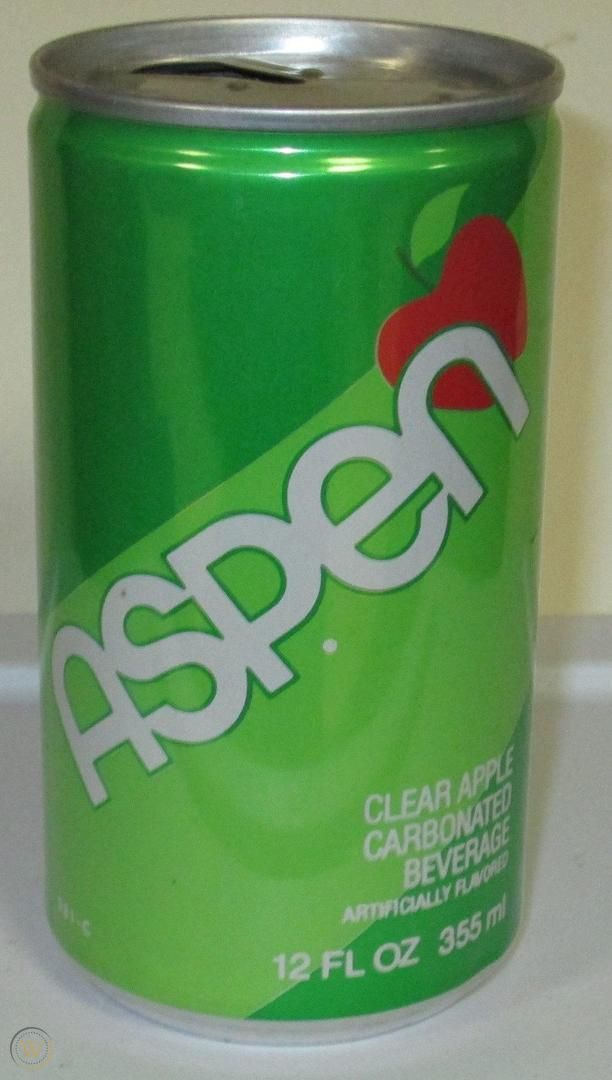
Aspen — a clear, lightly carbonated apple-flavored soda — was launched by PepsiCo in 1978, hoping to capitalize on the early-1970s health-food trend. The brand’s marketing emphasized natural ingredients and a “cleaner” alternative to colas. Aspen had moderate success in test markets but was discontinued by 1982 after broader rollout failed to gain traction against established sodas.
Aspen has acquired a devoted retro following — partly because almost no other apple-flavored sodas reached its scale at the time, and partly because the brand’s “natural” positioning became, in retrospect, ahead of the larger 1990s shift toward natural-ingredient marketing. Multiple online petitions for its return have circulated over the years; PepsiCo has not revived it.
7. Lipton Side Dishes — Original Stroganoff and Beef Flavored Rice
Lipton’s “Side Dish” line of seasoned rice and noodle mixes — particularly Lipton Stroganoff Noodles and Lipton Beef Flavored Rice — were 1970s pantry staples in millions of American homes. The brand’s distinctive blue and orange packaging was as recognizable as Hamburger Helper or Rice-A-Roni. The dishes were marketed heavily through commercials featuring family dinner scenes and the slogan “Lipton — get into it.”
Unilever (which acquired Lipton from Best Foods in 2000) gradually discontinued the original Lipton Side Dish line through the 2000s and 2010s as the brand was repositioned toward tea. The Knorr brand, also owned by Unilever, took over much of the side-dish category. Modern Knorr Pasta Sides and Rice Sides occupy the supermarket space the Lipton line once dominated, but the original Lipton formulations are gone.
What this kind of nostalgia actually is
Discontinued food brands are interesting partly because they’re a kind of accidental time capsule. The food companies that designed them were trying to predict what Americans would eat in 1975 or 1985, and they made specific bets — bets on space-program enthusiasm, on diet sodas, on apple-flavored sodas, on quick breakfast bars. Some of those bets paid off for decades. Some lost out to better-funded competitors. A few were killed by regulatory changes that didn’t exist when the product was launched.
What remains is a layer of lost products that millions of people have specific memories of — the taste of a particular kind of childhood lunchbox, an after-school snack, a parent’s grocery store routine. Devoted fans of TaB still organize annual events. Hi-C Ecto Cooler petitions still circulate. The Space Food Sticks Preservation Society maintains a website specifically dedicated to keeping the brand’s memory alive.
A handful of products have been revived (Hydrox, Space Food Sticks). Most haven’t. For the rest, the only place to find them now is eBay listings of vintage unopened cans and packaging from collectors — sometimes selling for hundreds of dollars per item, bought by people who may never open them, just to own a piece of what was once on every grocery shelf in America.