

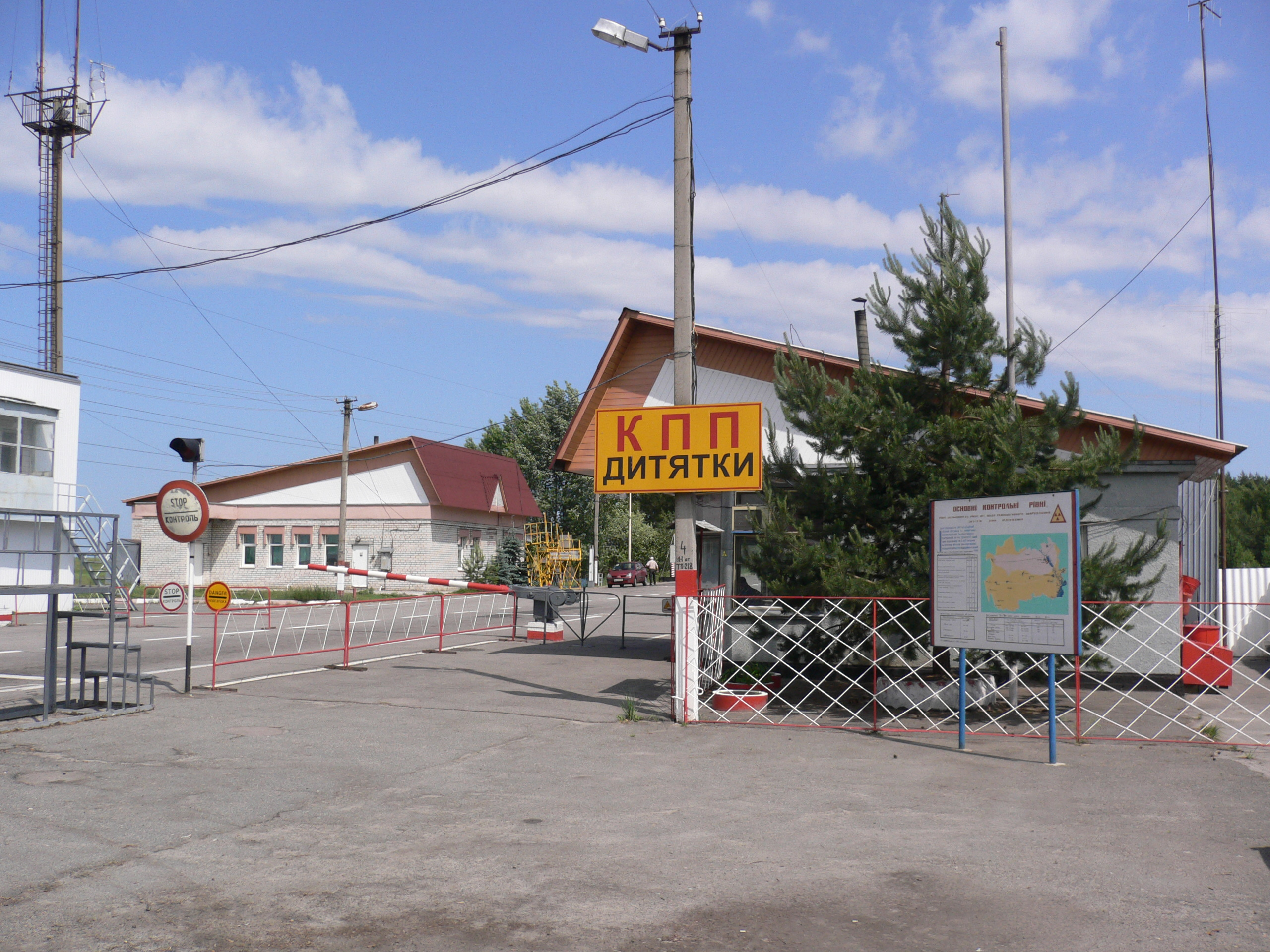
When Soviet authorities evacuated 100,000 people from the area around Chernobyl in 1986, a small number of mostly elderly residents simply walked back to their homes. They’ve been living inside the exclusion zone ever since.
In the days after the April 26, 1986 reactor explosion at the Chernobyl Nuclear Power Plant, Soviet authorities evacuated approximately 100,000 people from a 30-kilometer zone around the plant. They were told they would be gone for three days. Most of them never went home again.
But not all of them.
In the months and years that followed, somewhere between 1,200 and 1,600 people quietly walked back into the exclusion zone — back to their farms, their family villages, the wooden houses where they had been born. They knew the area was dangerously contaminated. They had been told. The Ukrainian and Belarusian governments tried, repeatedly, to stop them. But they came anyway, and they stayed. They are called the samosely — the “self-settlers” — and 39 years after the disaster, a few hundred are still there.
Why people came back
The samosely are mostly people who were already old in 1986, and they returned for reasons that aren’t really about radiation at all. They returned because the apartments the Soviet government built for them on the outskirts of Kyiv were small concrete units stacked five and six stories high, where they couldn’t keep chickens, couldn’t grow their own potatoes, didn’t speak the same dialect as their new neighbors, and in some cases — Maria, whose story has been told in multiple oral history projects — found that their new homes were built on land where their relatives had died during the Holodomor, Stalin’s 1932-33 forced famine that killed approximately 4 million Ukrainians.
In an interview documented by the Ukrainian cultural project Ukraïner, an 82-year-old samosely named Yevhen described his decision to return: “Did we survive? We did! Did anyone get sick? No one! Did anyone die of radiation? No one. You have to make some conclusions.”
Another samosely, Maria Urupa from the village of Parishiv, told visiting journalists: “We wanted to return although we know that this radiation will kill us sooner or later, but this is our home and our life.”
The samosely live, by and large, on subsistence farming. They grow potatoes, onions, tomatoes, and beets in soil that radiation researchers consider contaminated. They raise chickens and the occasional pig. They pick mushrooms and berries from the forest, the most radioactive activity available to them, since fungi accumulate cesium-137 at unusually high concentrations. They have electricity. Most have telephones. None have running water. A mobile shop visits the villages once or twice a month with bread and basic supplies. Doctors visit occasionally.
How many are left now
The samosely population has declined steadily, almost entirely through old age rather than radiation-related death. According to research published in 2025 by the Ukraïner cultural project and the Ukrainian Wikipedia entry, the trajectory looks like this:
- 1986 (immediately after evacuation): approximately 1,200 returned
- 1999: 612 in Ukraine alone
- 2007: 314 (last official samosely census)
- 2009: 271
- 2012: 197 in Ukraine
- 2016: about 180
- 2017: 135
- Recent estimates: roughly 100-150, mostly women, average age over 70
The Ukrainian government formally acknowledged the samosely a few years after independence. In 2012, the local administration unofficially granted permission for the elderly samosely to remain — though it ordered all younger inhabitants to move out. As of recent reporting, there are still approximately 162 villages technically within the exclusion zone, though most have one or two living residents at most. The largest concentration of samosely is in the town of Chernobyl itself.
A remarkable detail from the official records: between 1986 and the early 2010s, the Chernobyl Exclusion Zone recorded more than 900 deaths and exactly one birth. The single birth was on August 25, 1999, when 46-year-old Lydia Sovenko gave birth to a healthy daughter — believed to be the only child born inside the zone since the disaster.
What the radiation actually did to them
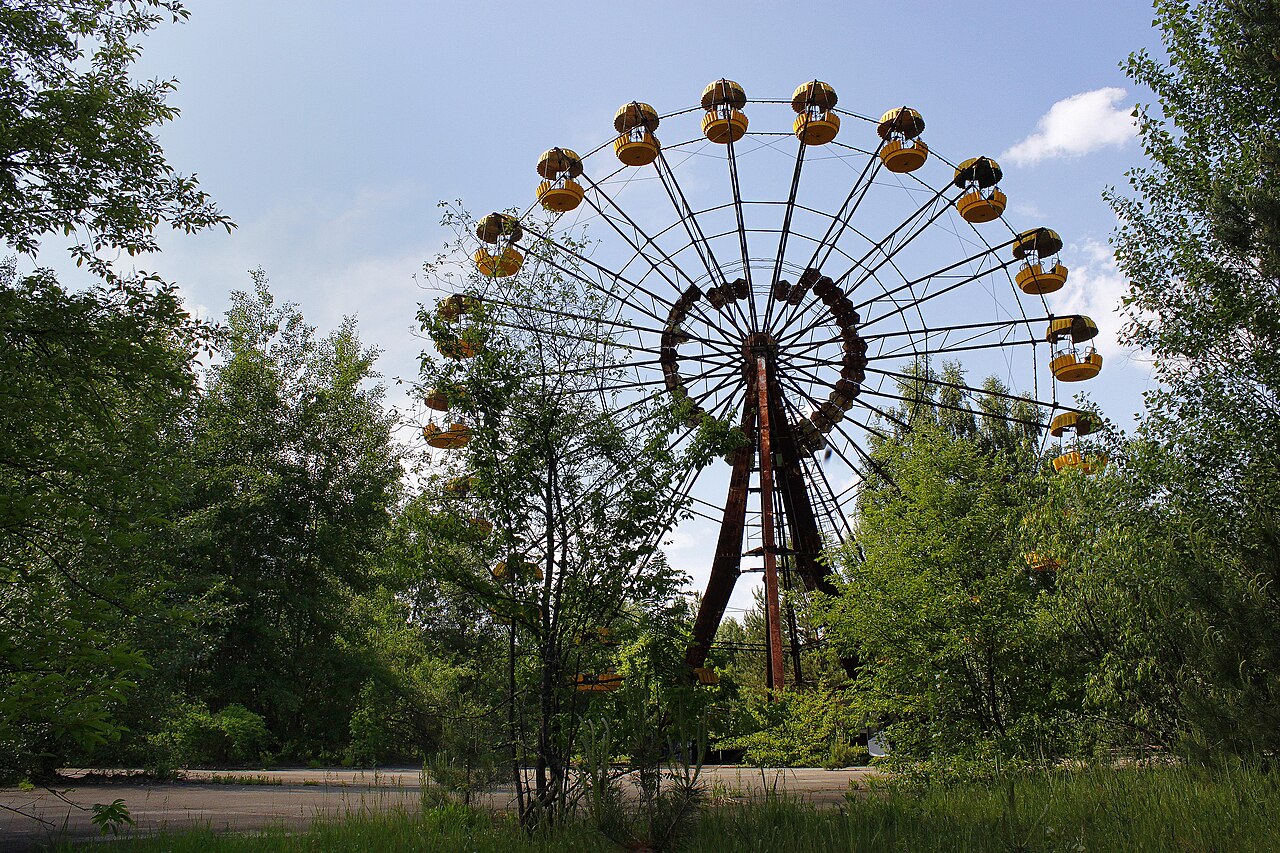
This is the question journalists ask the samosely most often, and the answer is genuinely surprising: it appears to have done less than expected.
Multiple long-term health studies have followed the samosely population, including ongoing work by the Ukrainian Ministry of Health and several international research teams. The dominant finding is that samosely as a group have not had dramatically elevated rates of radiation-attributable cancer or shortened lifespans compared to evacuated populations who relocated to clean areas. The samosely population is aging out through normal causes — heart disease, dementia, and other age-related illnesses.
Several factors appear to explain this. First, the elderly samosely had already lived through their most radiation-sensitive years before the accident; the cancer risks of radiation exposure are highest for people exposed in childhood and youth. Second, the Chernobyl Exclusion Zone is large and uneven in contamination — some villages received far less fallout than the worst-affected areas, and the samosely are concentrated in the relatively less-contaminated outer reaches. Third, several studies have suggested that the psychological stress of forced relocation may have been more damaging to the evacuated population’s long-term health than the radiation exposure was to the samosely’s.
This isn’t an argument that the radiation was harmless. The thyroid cancer rate among children in Belarus and Ukraine after Chernobyl is well-documented and substantial. Cleanup workers (the “liquidators”) who were exposed to extreme radiation in the immediate aftermath had elevated cancer rates. The exclusion zone is genuinely contaminated and will be for centuries. The samosely’s relative health is partly a function of who they are (already elderly, in less-contaminated areas, eating contaminated but not extremely so food) — not evidence that anyone could safely live there.
What life there is like now
The most recent on-the-ground reporting on the samosely was complicated significantly by the 2022 Russian invasion of Ukraine. The exclusion zone fell under Russian military control during the early weeks of the war. Russian troops dug trenches in the contaminated soil of the Red Forest — the most radioactive area within the zone — and were widely reported to have suffered radiation sickness as a result. Several of the elderly samosely were caught in the occupation. After Russian forces withdrew in late March 2022, journalists who reached the area reported that some samosely had survived; others had died, mostly of age-related causes during the difficult occupation conditions.
In peacetime, before the invasion, the exclusion zone had been gradually opening to limited tourism. About 3,000 workers commuted into the zone every day for plant maintenance and decommissioning, working on rotating shifts (typically 15 days inside the zone, 15 days outside) to limit cumulative radiation exposure. Tour operators ran day trips from Kyiv. The samosely, used to journalists by then, would sometimes share tea and stories with visitors.
The single image that captures what’s strange about the samosely’s situation: they have legally lived for nearly 40 years inside an “exclusion zone” — a category that, by definition, exists because no one is supposed to live there. The Ukrainian government acknowledged this contradiction by quietly granting them informal permission. Their houses appear on no current maps. The villages they live in are, in official Ukrainian classification, nezhyl — “uninhabited.”
What their staying actually means
The samosely have become subjects of multiple documentary films, journalism projects, and academic studies over the decades, often framed as a story about defiance or about the meaning of home. They have generally pushed back on those framings.
In the Ukraïner project’s interviews, several samosely emphasized that they don’t see themselves as defying anything. They see themselves as people who returned to where they lived. Lina Kostenko, the Ukrainian poet, has even argued that the term samosely (literally “self-settlers”) is offensive — the implication being that they’re squatters or trespassers, when in fact they’re returning home to land their families had farmed for generations. Kostenko has suggested the term povertantsi — “returners” — instead.
What the samosely’s existence has demonstrated, as much as anything, is how unstable the line between “uninhabitable” and “uninhabited” really is. The exclusion zone was created as a permanent boundary in 1986. It’s still there in 2026. The samosely are still there too. And whatever happens next — to the zone, to the surrounding region, to Ukraine — the existence of these few hundred elderly people, growing potatoes in radioactive soil because that’s where their gardens have always been, is a quiet reminder that “home” sometimes turns out to be more powerful than even the worst nuclear disaster in history.
