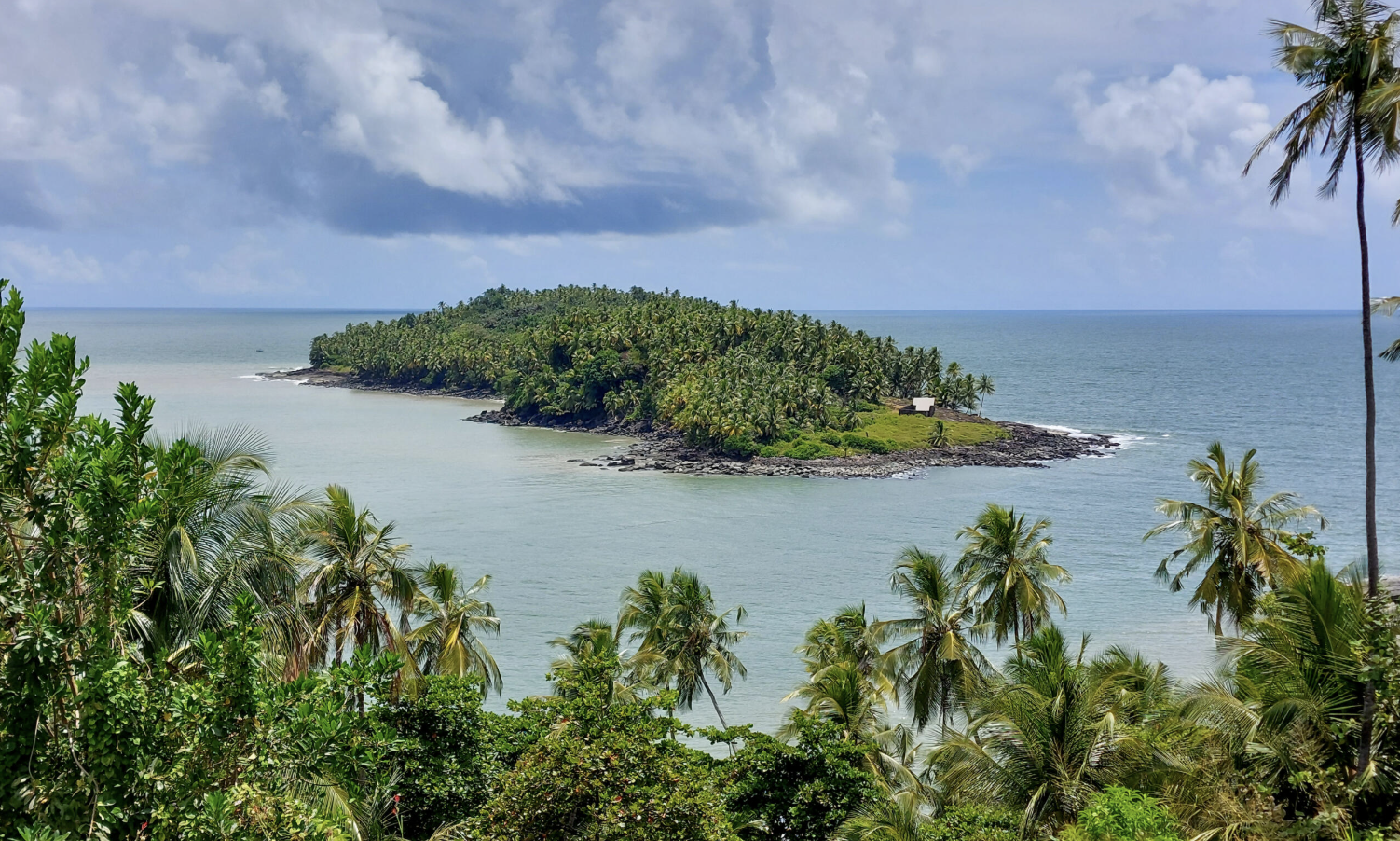
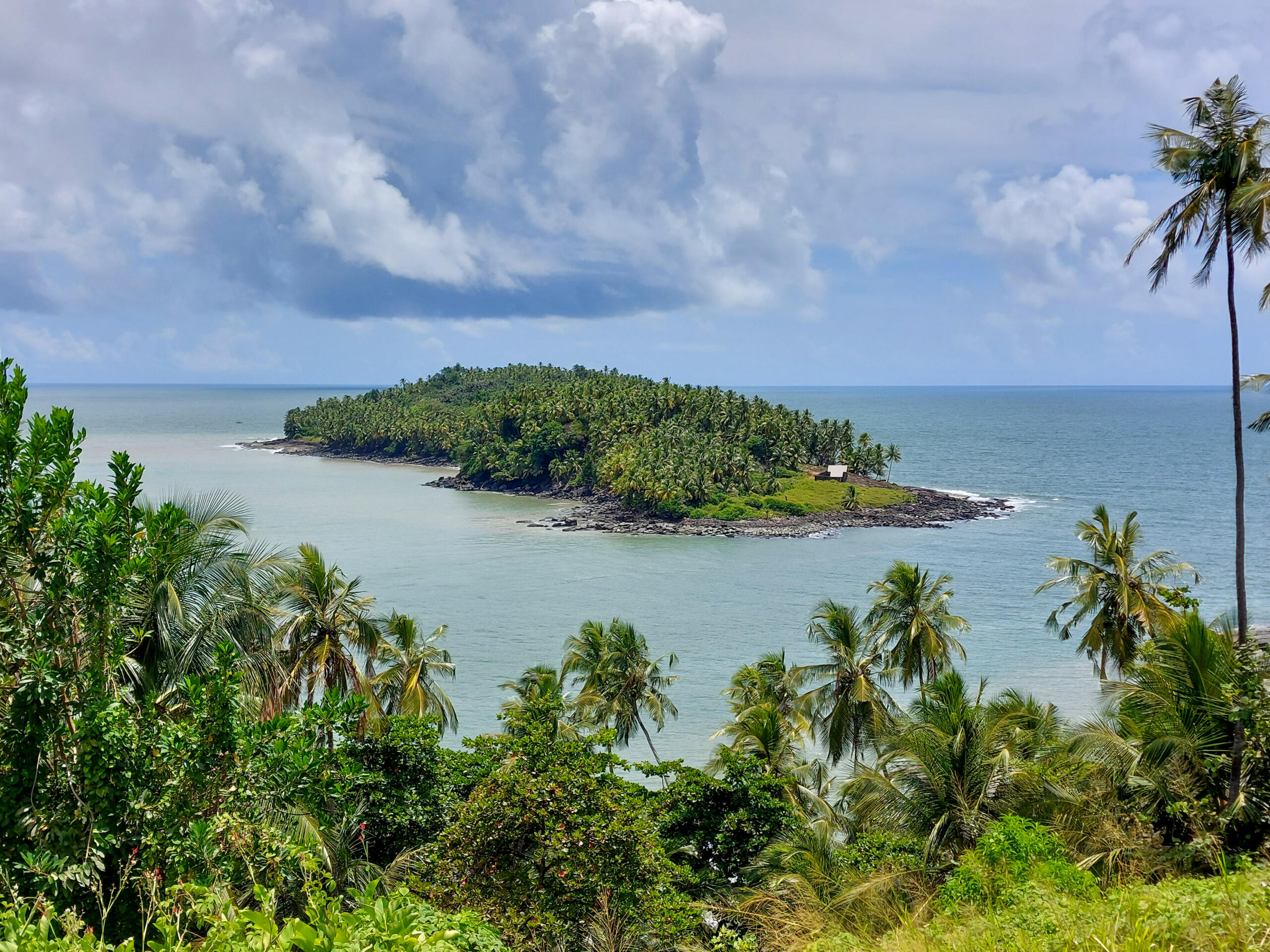
Devil’s Island in French Guiana operated from 1852 to 1953 as a place where French prisoners were sent to die. The death rate reached 75% at its worst. Today, the abandoned prison ruins sit near the European Space Agency’s primary spaceport.
In 1852, Emperor Napoleon III of France faced what his advisors considered a problem of national logistics: France had too many prisoners and not enough places to put them. The British solution — sending convicts to Australia — was unavailable, and the French had been trying without success since 1604 to colonize French Guiana, the small territory on the northern coast of South America.
The system that emerged was the French Guiana penal colony — a network of prisons spread across the mainland and three offshore islands. Over the next 101 years, between 1852 and 1953, approximately 80,000 prisoners would be sent there. Only about 2,000 would survive to return.
1: A 75% death rate
The death toll on Devil’s Island and the broader French Guiana penal system was extraordinary. Approximately 40% of prisoners died within their first year of arrival. The combination of tropical diseases (malaria, yellow fever, dysentery) and the brutal labor regime overwhelmed most prisoners’ physical reserves quickly. The overall mortality rate reached 75% at the system’s worst periods. Of the 80,000 prisoners sent over the system’s century of operation, only about 2,000 — roughly 2.5% — eventually returned to France.
2: How Napoleon III set it up
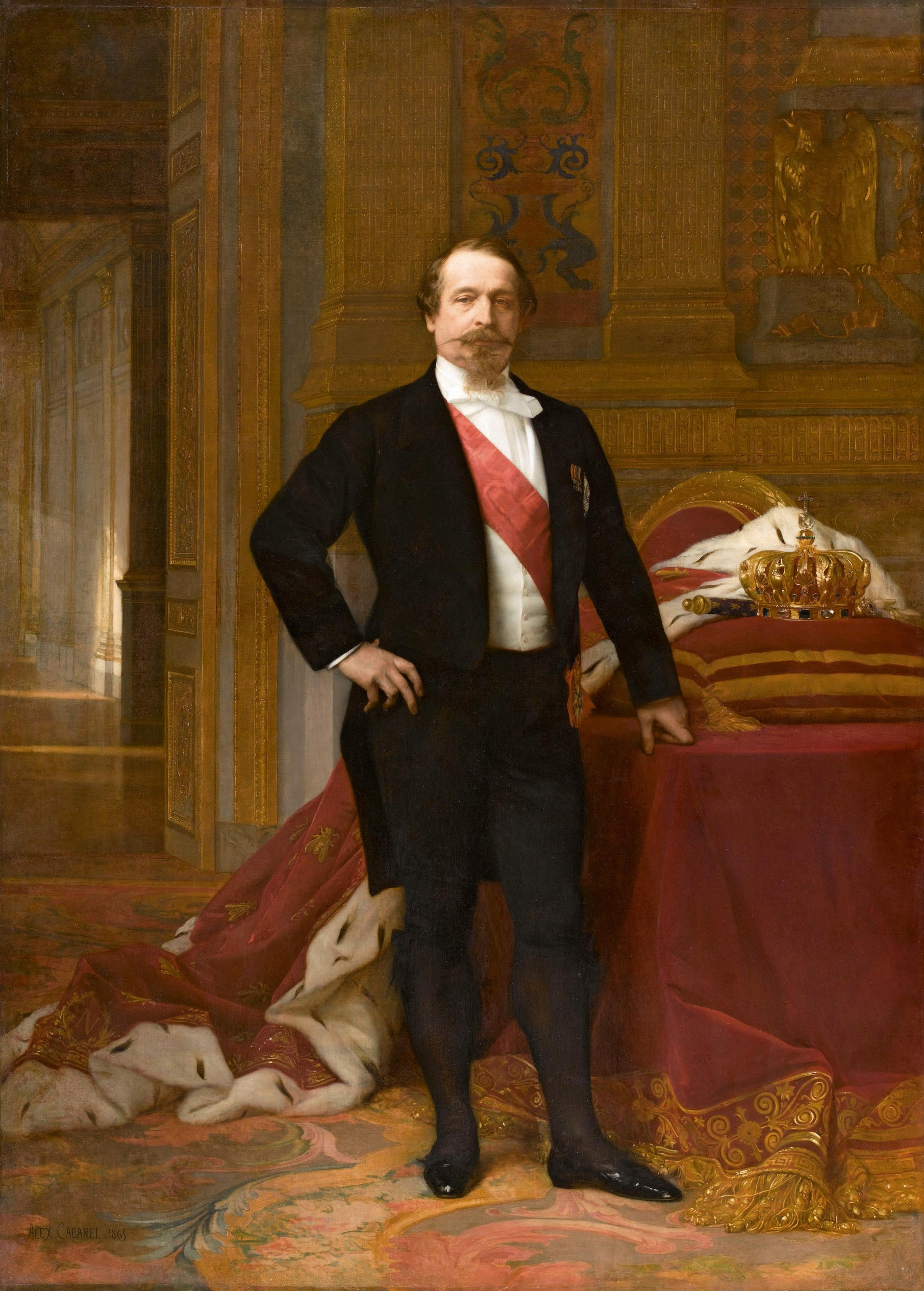
Napoleon III’s solution combined two problems: send the prisoners to French Guiana as forced colonists. If they survived, they would help develop the colony. If they didn’t survive, France would be rid of them either way. Some 75% of the previous 12,000 colonists France had sent to Guiana over the previous two centuries had died in their first year, mostly from tropical diseases. The new penal system, established in 1852, would simply institutionalize that pattern at industrial scale.
3: The three islands
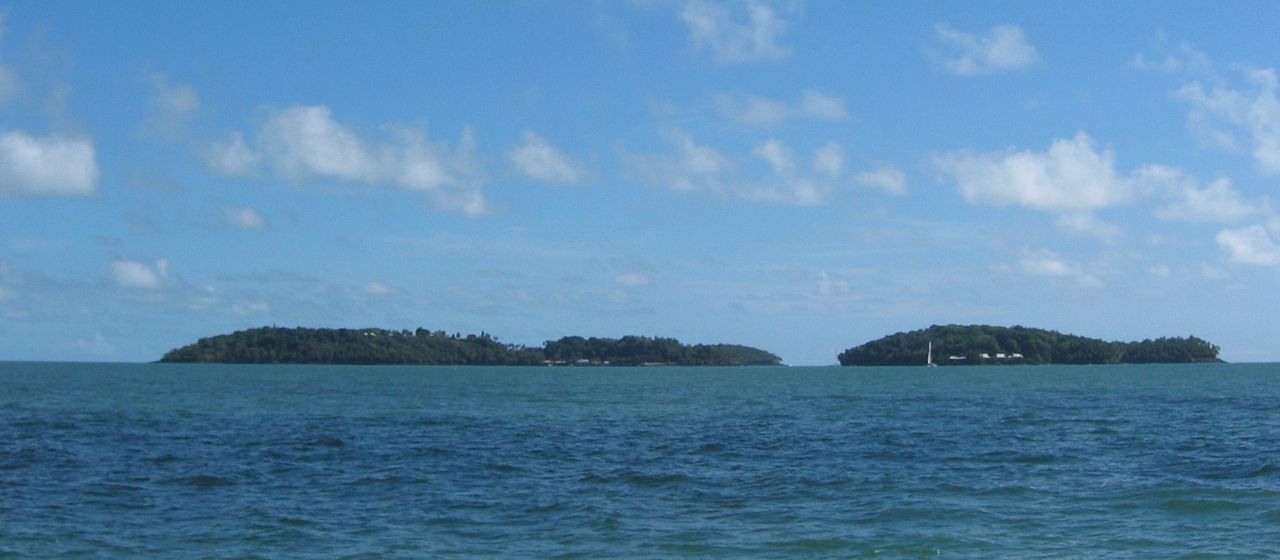
The Salvation Islands offshore (Îles du Salut) consisted of three small islands. Île Royale was the administrative center and reception facility — typically housing about 2,000 prisoners. Île Saint-Joseph was the “Reclusion” — used for solitary confinement of prisoners who had attempted to escape or committed offenses within the colony. Inmates were held in silence and near-darkness, sometimes for up to five years. The island was nicknamed “the devourer of men” because of how many prisoners lost their sanity in the isolation cells. Île du Diable (Devil’s Island itself) was the smallest of the three islands — only about 1,200 meters long by 400 meters wide — used specifically for political prisoners.
4: The “doublage” rule
The rules were brutal even before considering conditions. Under the French doublage system, any prisoner sentenced to less than 8 years was required to remain in French Guiana for an additional period equal to their original sentence after their official release. Prisoners with sentences of 8 years or longer were exiled to French Guiana for life — even if they survived their original sentence, they could not return to France. This effectively meant that almost no prisoner ever made it home regardless of their original crime.
5: The “dry guillotine”
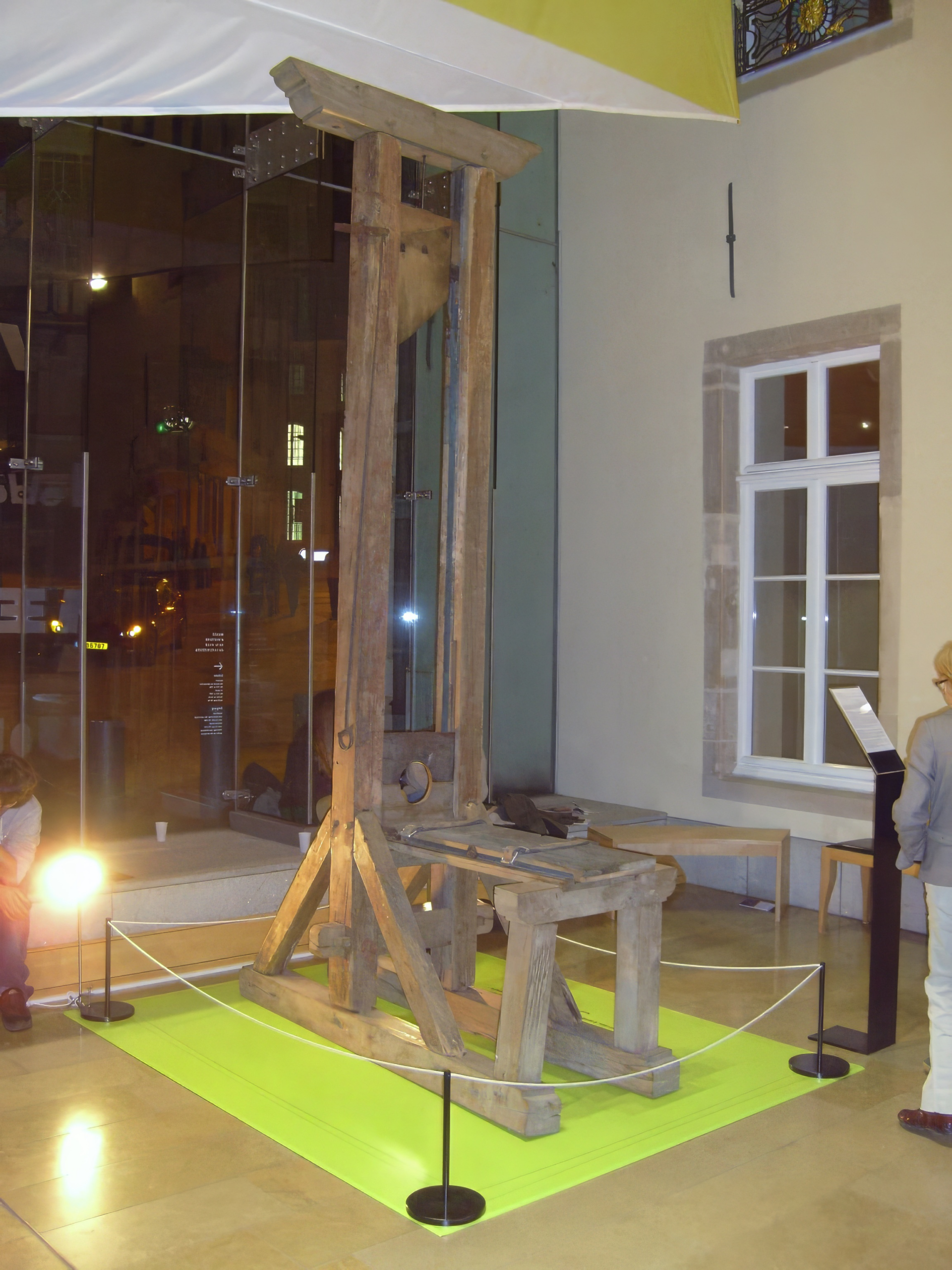
René Belbenoît, who was sentenced to Devil’s Island for 8 years in 1920 but didn’t manage to leave until 1934 (after multiple unsuccessful escape attempts that extended his sentence), titled his 1938 memoir of the experience Dry Guillotine — a phrase that captured how prisoners viewed the system. The “dry” execution wasn’t sudden death by guillotine, but slow death by tropical disease, starvation, exhaustion, or madness. The prison guards were notoriously sadistic. Talking to a guard could result in severe punishment. Prisoners were forbidden from sitting down during work hours, regardless of weather or physical condition.
6: Alfred Dreyfus changed everything
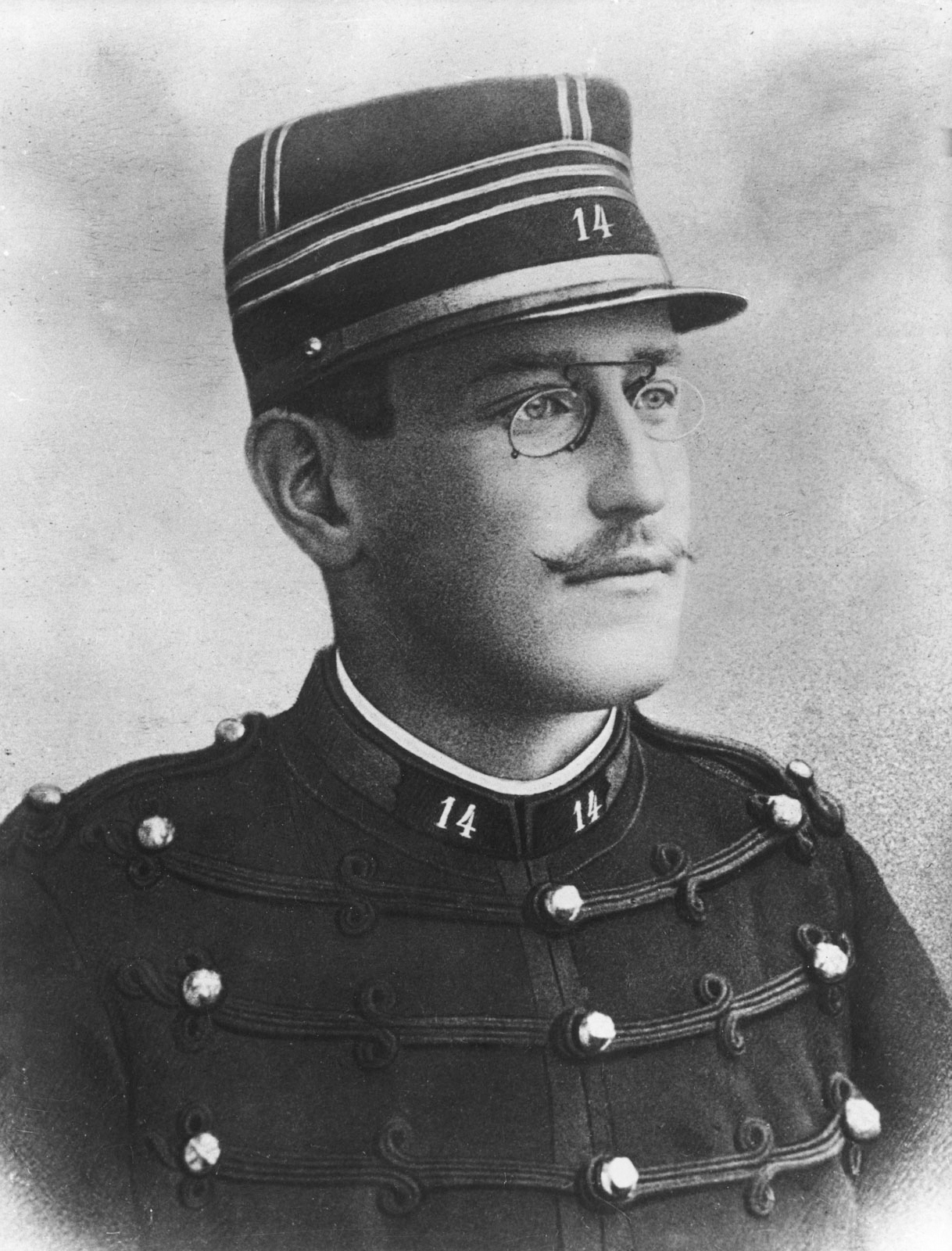
The most famous prisoner sent to Devil’s Island was French Army Captain Alfred Dreyfus, a Jewish officer unjustly convicted of treason in 1894. Dreyfus arrived on Devil’s Island on April 13, 1895, and was held there in extreme isolation. He was the only prisoner on the island for portions of his stay. Guards were forbidden from speaking to him. He was kept in irons at night. He wrote a journal and over 1,000 letters during his captivity, providing the most detailed contemporaneous account of the prison conditions to ever reach the public. Dreyfus was eventually pardoned in 1899 and formally exonerated in 1906.
7: How the Dreyfus Affair exposed the conditions
The “Dreyfus Affair” became one of the defining political crises in modern French history. As evidence emerged that Dreyfus had been wrongly convicted, French society split into two camps. The novelist Émile Zola published his famous open letter “J’accuse…!” in 1898, accusing the French government of antisemitism and judicial cover-up. The international attention on Dreyfus’s imprisonment had a lasting effect. The conditions at the penal colony became internationally infamous. Future escape attempts by other prisoners, when they reached foreign jurisdictions, were often viewed sympathetically — courts in Britain and the Netherlands repeatedly refused to extradite escapees back to France based on the publicly known conditions.
8: Papillon and the escape stories
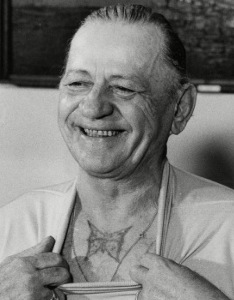
The most famous prisoner-author was Henri “Papillon” Charrière, who arrived in 1931 after being convicted of murder (a charge he denied). His 1969 memoir Papillon (named after his butterfly tattoo) became a worldwide bestseller and was made into the 1973 film starring Steve McQueen and Dustin Hoffman, and remade in 2017 with Charlie Hunnam and Rami Malek. Charrière’s book describes 14 years of imprisonment, multiple escape attempts, recaptures, periods in solitary confinement, and his eventual successful escape from Devil’s Island by jumping from a cliff into the sea with a coconut sack as a flotation device. He landed in Venezuela and eventually became a citizen.
9: Only two confirmed escapes ever
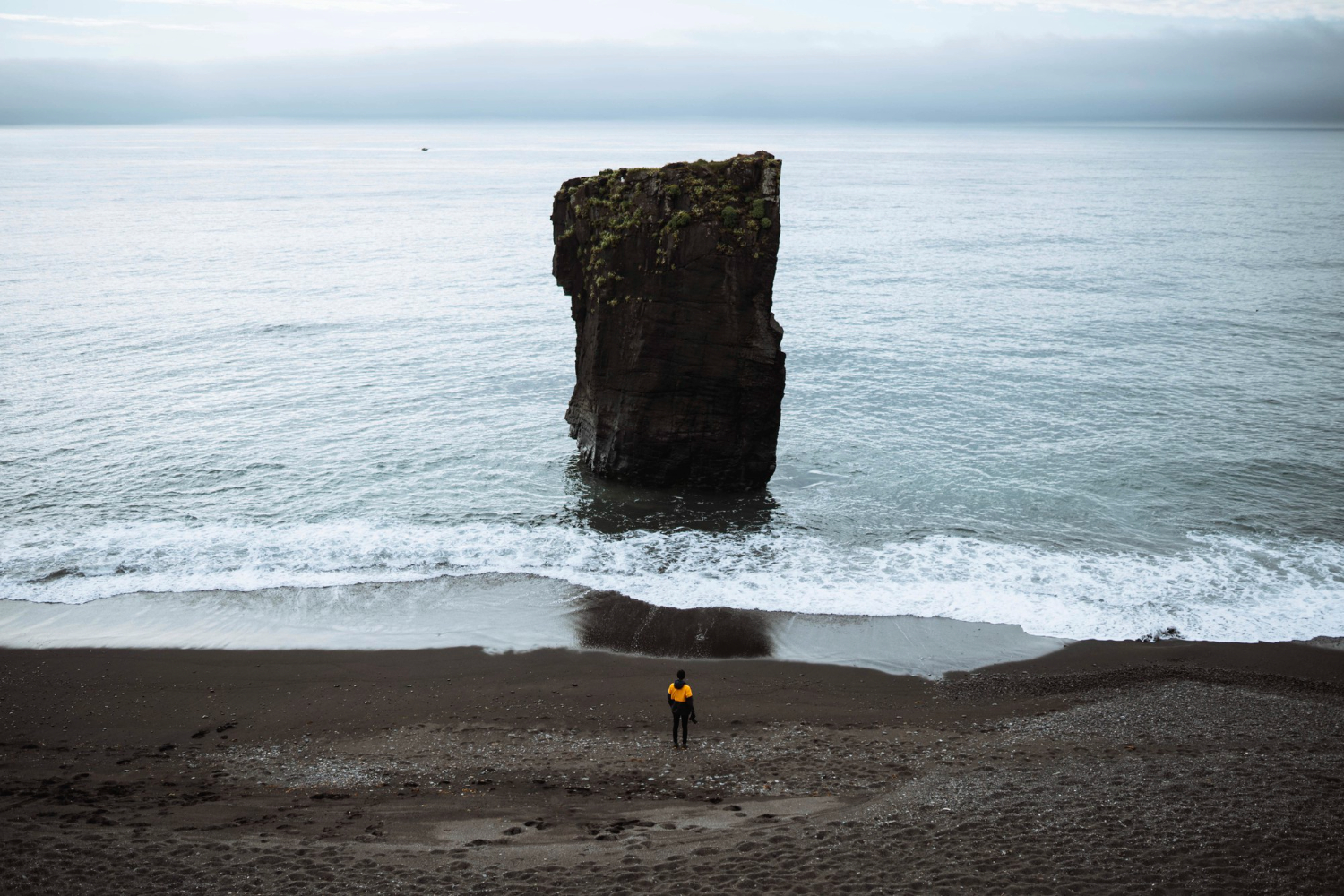
Successful escapes from Devil’s Island were extraordinarily rare. According to historical records, only two confirmed successful escapes occurred over the prison’s entire 101-year history: Clément Duval, a French anarchist who in 1901 made his way to Dutch Guiana in a fragile canoe with an improvised sail after 20 previous attempts; and Henri Charrière. The escape difficulty was extreme by design. Devil’s Island has sheer cliffs, currents that make swimming nearly impossible, and shark-infested waters. The other Salvation Islands are separated from Devil’s Island by 200 meters of dangerous tidal current. The mainland is 13 kilometers away.
10: The system finally ends
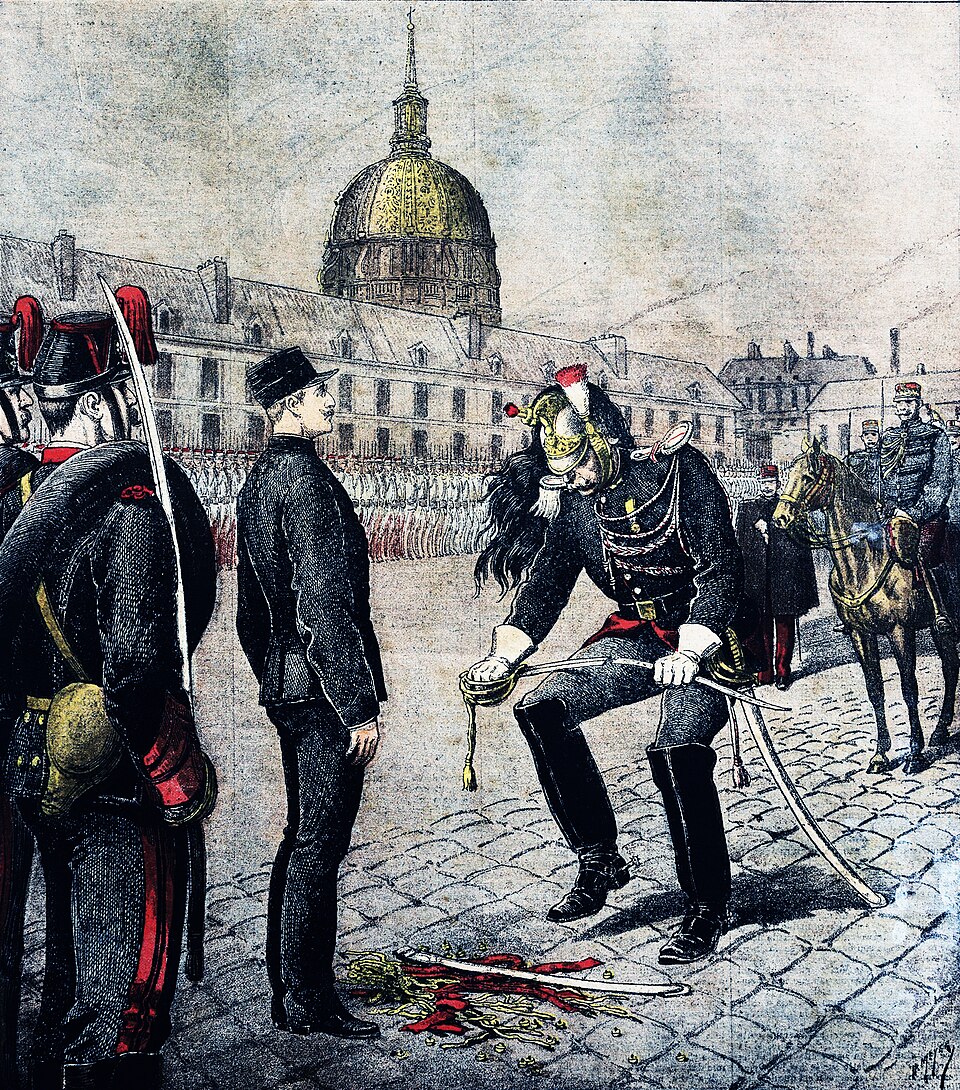
The Dreyfus Affair created sustained international pressure on France about the conditions in Guiana. Belbenoît’s Dry Guillotine in 1938 generated additional public outrage. The French government announced plans to close the penal colony shortly after the book’s release, but World War II interrupted the closure process. Transportation of new prisoners to French Guiana was formally abolished by a decree of June 17, 1938. But the existing prisoners weren’t immediately returned to France. The penal colony continued operating throughout the war, gradually winding down. The last prisoners didn’t leave Devil’s Island until the late 1940s. The penal colony was permanently and formally closed in 1953.
11: The space center next door
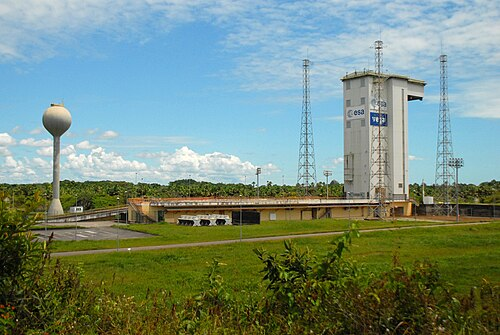
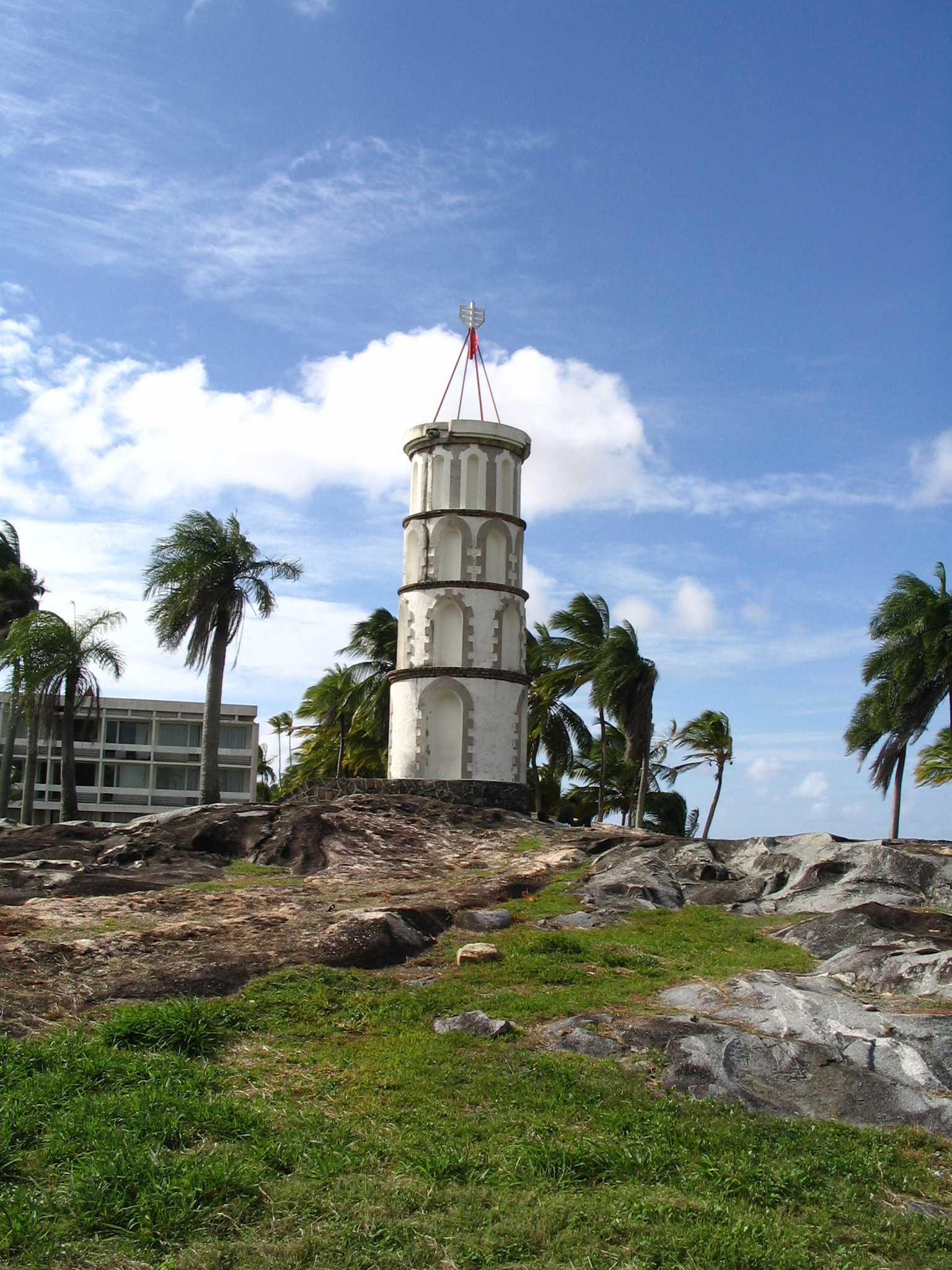
In 1968, France opened the Guiana Space Centre (Centre Spatial Guyanais) in Kourou, on the mainland just across from the Salvation Islands — directly on the site of the former Kourou penal facility. The space center was chosen for its location near the equator (which provides launch advantages for geostationary orbit insertion), the open ocean to the east (allowing safe rocket disposal), and the relatively low population density. Today, the space center is the primary spaceport of the European Space Agency. Ariane rockets, Vega rockets, and Soyuz rockets have all been launched from the facility.
12: The juxtaposition
The same coast where 80,000 prisoners died — where Dreyfus was unjustly held, where Papillon staged his escapes, where the brutality of 19th-century French colonial justice played out at industrial scale — is now where Europe launches its most advanced spacecraft. Some of the structures built by prisoner labor are still incorporated into the space center’s infrastructure. Major satellite launches happen multiple times per year on the same ground that, just decades earlier, prisoners had been forced to clear by hand.
13: What you can visit today
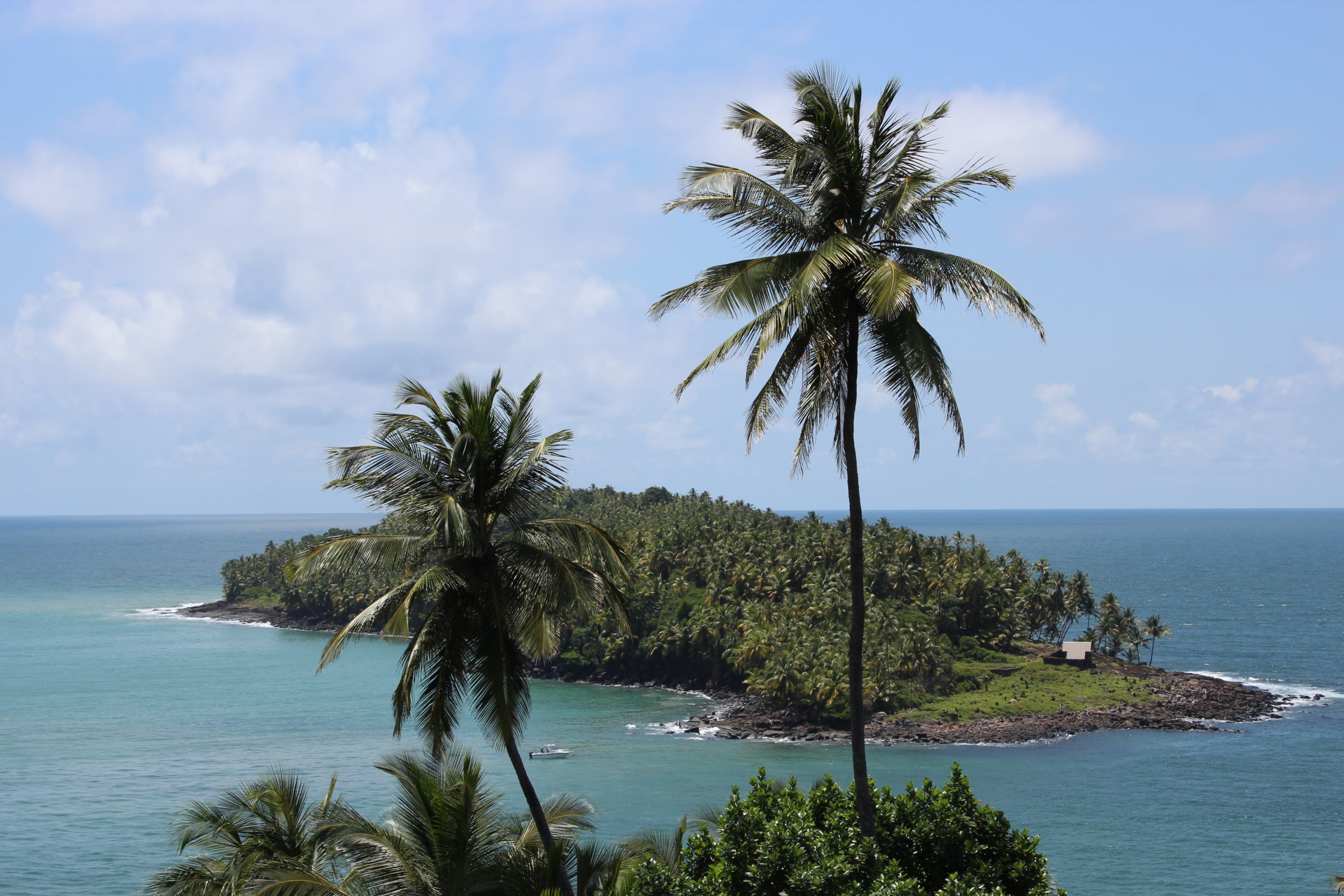
For tourists, the Salvation Islands are accessible by boat from Kourou, with multiple tour operators running day trips. Île Royale is the most-visited; the former warden’s mansion has been converted into a museum, and the barracks, hospital, chapel, and prisoner cemetery can all be explored. Île Saint-Joseph allows limited visitor access to the infamous Reclusion solitary cells. Île du Diable itself remains officially closed to visitors — the currents around the island are too dangerous for boats to safely approach. Visitors can see Devil’s Island from Île Royale or from boats passing nearby, but actual landing is not permitted. The visit is described by most travelers as somber and reflective rather than entertaining.