Anatahan, a small volcanic island in the Northern Marianas, is the site of one of the strangest WWII holdout stories ever recorded. After 30 Japanese soldiers refused to believe the war had ended in 1945, they spent six years on the island fighting and dying over its single female resident. Eleven of them died before the rest finally surrendered in 1951.
The Pacific War officially ended on September 2, 1945, with the formal surrender ceremony aboard the USS Missouri in Tokyo Bay. Most Japanese forces around the world laid down their arms. A small number of soldiers refused to believe the war had ended.
But there’s a holdout story even stranger than Lieutenant Hiroo Onoda, the soldier who held out until 1974. On the volcanic island of Anatahan, in what’s now the Northern Mariana Islands, approximately 30 Japanese sailors and soldiers refused to surrender for nearly six years after the war ended. During that time, eleven of them died — most from violence — fighting over the island’s single female resident.
1: The remote volcanic island
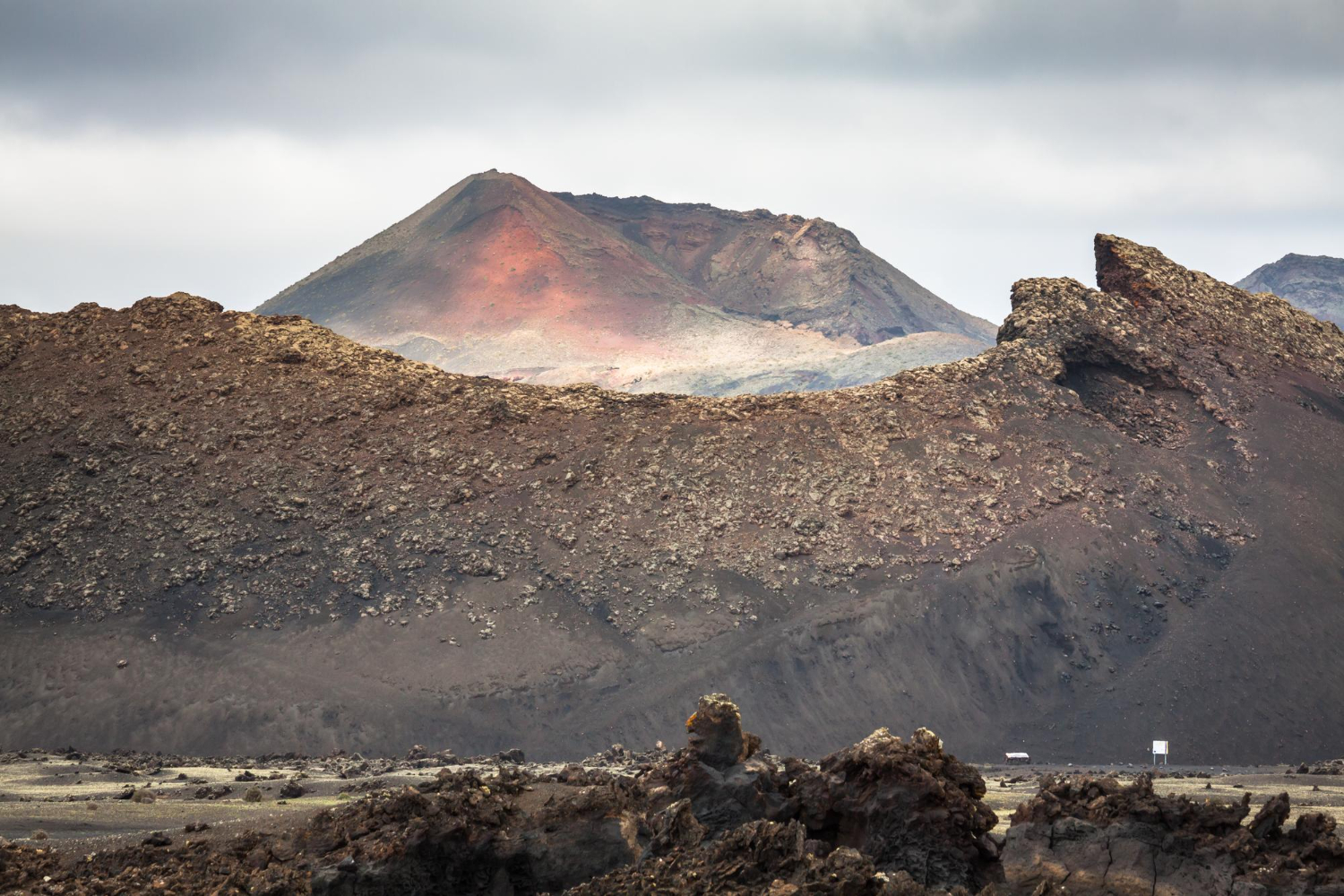
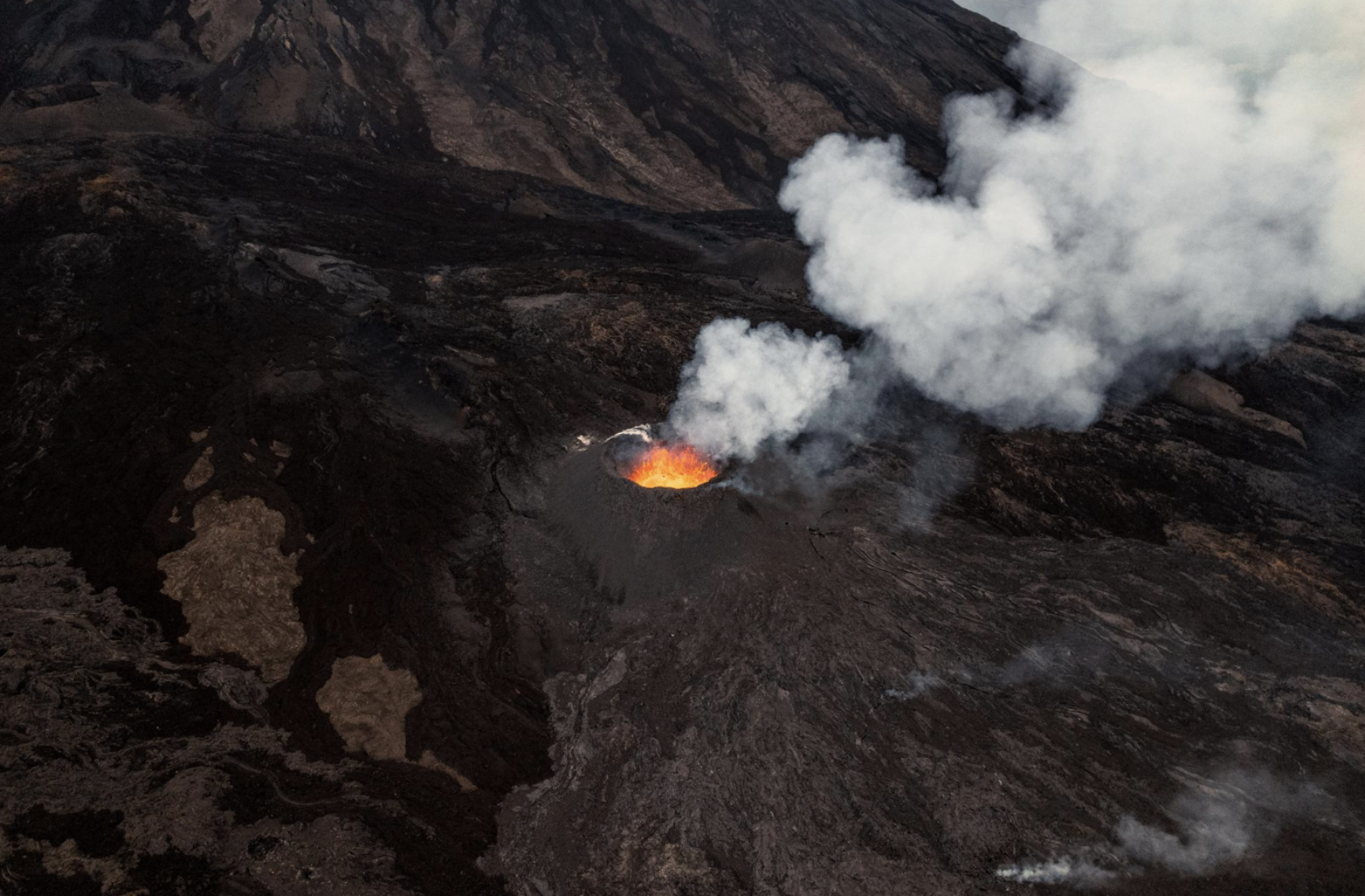
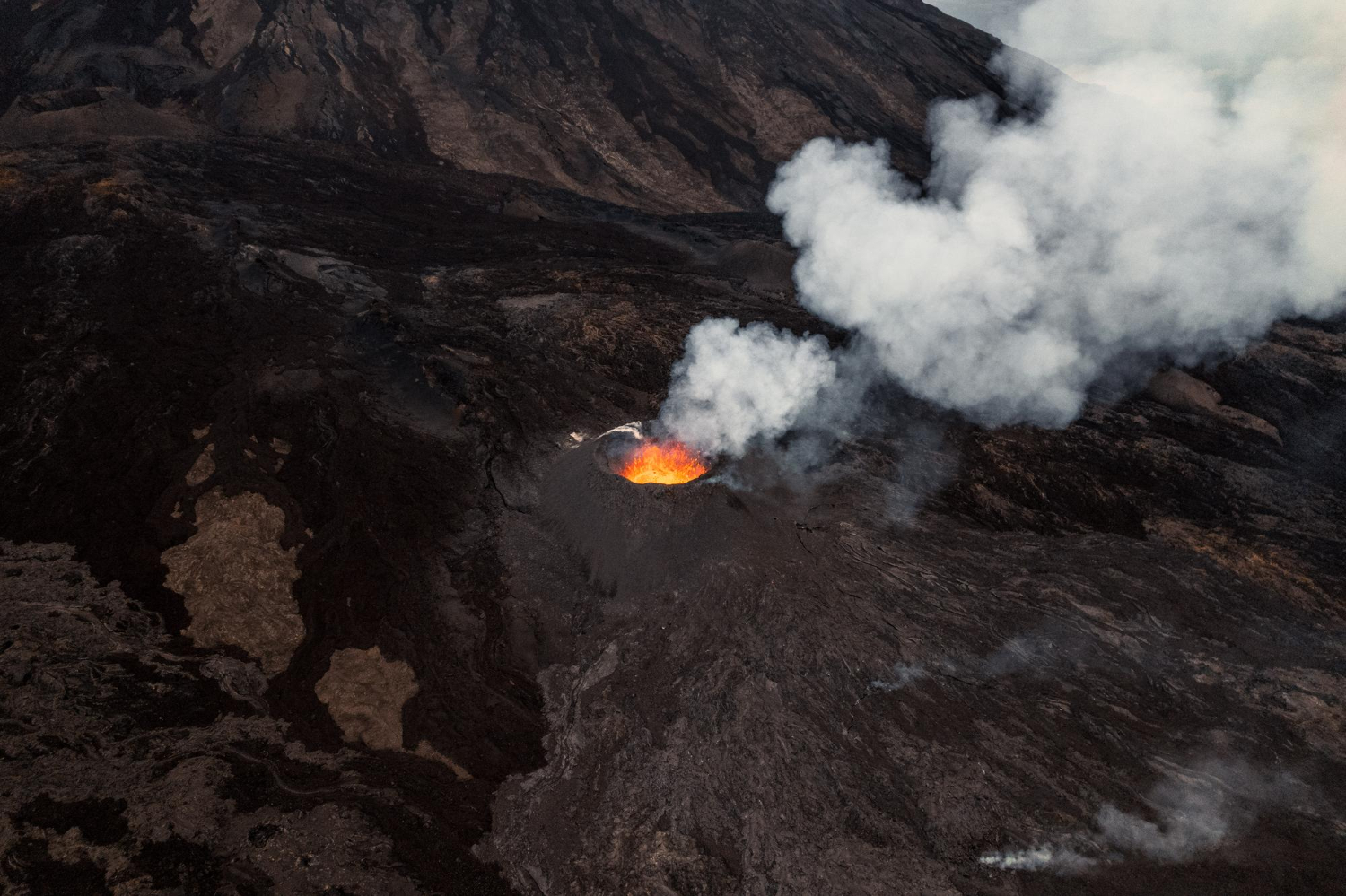
Anatahan is a small volcanic island in the Northern Mariana chain, approximately 75 nautical miles north of Saipan. It measures roughly 9 kilometers by 4 kilometers (about 13 square miles total) and consists primarily of a volcanic cone reaching 790 meters above sea level. The island has steep cliffs, deep ravines, and grass-covered slopes — generally inhospitable terrain. By WWII, the island was administered as part of the Japanese South Seas Mandate. A coconut plantation overseer named Kikuichiro Higa managed about 45 Chamorro workers there.
2: How they ended up stranded

In June 1944, three Japanese supply ships traveling between Japan and New Guinea were attacked by American aircraft. Most of the crews drowned. Approximately 31 survivors — some Imperial Japanese Navy sailors, some merchant fishermen drafted into wartime service — managed to swim to Anatahan, where they were welcomed by Kikuichiro Higa and his “wife” Kazuko Higa. (Kazuko’s actual husband, Shoichi Higa, had left the island earlier in the war to find his sister on Saipan and had never returned. Kazuko had subsequently entered into a relationship with Kikuichiro.) The newly stranded sailors settled in.
3: The B-29 wreckage
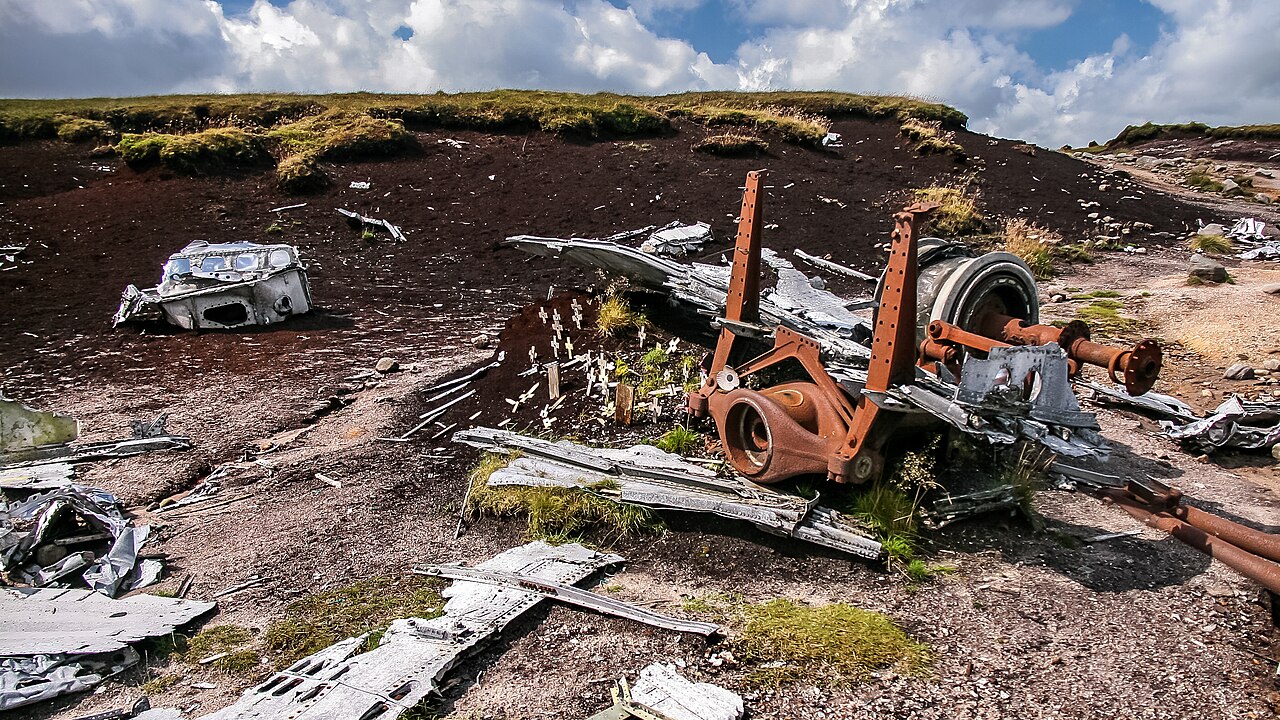
In January 1945, an additional element entered the story. A B-29 Superfortress from the 498th Bomb Group, returning from a bombing mission over Nagoya, developed engine trouble and crashed on Anatahan, killing the entire crew. The Japanese castaways salvaged the wreckage extensively — they used the aircraft’s metal to make knives, cooking pots, and roofing for their huts. They also recovered several pistols from the wreckage, which would later become a critical detail.
4: The first refusal to surrender
In February 1945, several Chamorro residents from Saipan were sent by the U.S. military to Anatahan to recover the bodies of the B-29 crew and to evacuate the remaining Japanese plantation workers. They returned with a report: 32 Japanese men and one woman were living on the island. When Japan formally surrendered in August 1945, American aircraft dropped leaflets announcing the end of the war. The holdouts, now armed with the pistols recovered from the B-29 wreckage, dismissed the announcement as American propaganda or a trick. Japanese military propaganda had emphasized that surrender was both shameful and dangerous.
5: The deaths begin
Trouble on the island began in 1946 when Kikuichiro Higa died. With Kikuichiro dead, Kazuko was the only woman among approximately 30 men on a small isolated island. The competition for her affection — and the broader social dynamics of the group — became the central problem. Captain Ishida, the highest-ranking military officer, tried to maintain order by formally “marrying” Kazuko to one specific man (Riichiro Yanagibashi). Yanagibashi drowned shortly afterward. Kazuko was then “married” to another man. He died. Then another. Then another.
6: Eleven dead, six from violence
According to U.S. Navy records compiled after the surrender, eleven of the original 30+ holdouts died on the island during the holdout period. Six of those eleven deaths were determined to be the result of violence. One man’s body displayed thirteen knife wounds. Multiple “drowning while fishing” deaths were considered suspicious. Kazuko, by her later own account, had limited control over the situation. As the only woman on the island, she became the focal point of competition that she could not stop. The men, viewing her as a possession to be won, killed each other.
7: Kazuko’s escape
By 1950, the dynamics had become genuinely dangerous for Kazuko herself. The remaining men had begun discussing whether eliminating Kazuko would solve the problem — if there was no woman to compete over, the survivors could finally focus on rebuilding social order. When Kazuko learned about these discussions, she went into hiding within the island’s dense vegetation. In June 1950, a U.S. Navy vessel passed close enough to Anatahan that Kazuko was able to flag it down from the beach. She asked to be removed from the island. The landing party brought her aboard the Miss Susie and took her to Saipan.
8: The letters that ended it

When she arrived in Saipan, Kazuko told American officials that the Japanese soldiers on the island still didn’t believe the war was over. The Japanese government became interested. Officials asked the U.S. Navy for cooperation in resolving what one document described as the case of “the doomed and living Robinson Crusoes who were living a primitive life on an uninhabited island.” The U.S. Navy intensified its efforts. Aircraft dropped Japanese newspapers, photographs of post-war Japan, and personal letters from the soldiers’ relatives — letters specifically written to confirm that the war was over. The personal letters were what finally broke the resistance.
9: Operation Removal
On June 26, 1951, after specific letters from family members were dropped on the island, the holdouts began discussing surrender. A few days later, they raised a white flag on the beach. On June 30, 1951 — five years and ten months after the war’s official end — the USS Cocopa, a U.S. Navy tug, arrived at Anatahan. Lieutenant Commander James B. Johnson, the ship’s commander, and an interpreter named Ken Akatani went ashore in a rubber boat to formally accept the surrender. The remaining 19 Japanese men gathered with their meager belongings wrapped in cloth, were taken aboard the tug, transported to Guam, and flown to Japan. The U.S. Navy formally named the operation “Operation Removal.”
10: The reunion that nobody expected

Kazuko Higa returned to Japan in 1950 and briefly became a celebrity. Newspapers across Japan ran features about “The Queen of Anatahan.” When Kazuko returned to her home in Okinawa, she discovered something extraordinary: her first husband, Shoichi Higa, who had left Anatahan in early 1944 to find his sister and never returned, had not died as Kazuko had assumed. He had survived the war and made his way home. Kazuko and Shoichi remarried. After her brief celebrity period, Kazuko faded into private life. She died in the early 1970s.
11: The Sternberg film
The remaining surviving holdouts also returned to private life in Japan, though they faced significant social difficulties. One of the survivors, Michiro Maruyama, wrote a memoir of his experience that became the basis for Josef von Sternberg’s 1953 Japanese-language film The Saga of Anatahan — Sternberg’s final film as a director. Special effects on the film were created by Eiji Tsuburaya, who would soon become world-famous as the special effects director on the Godzilla series. Japanese society in the early 1950s was rapidly trying to move past the war, and the lurid stories about the Anatahan deaths made the survivors uncomfortable returning to ordinary life.
12: The volcano takes back the island
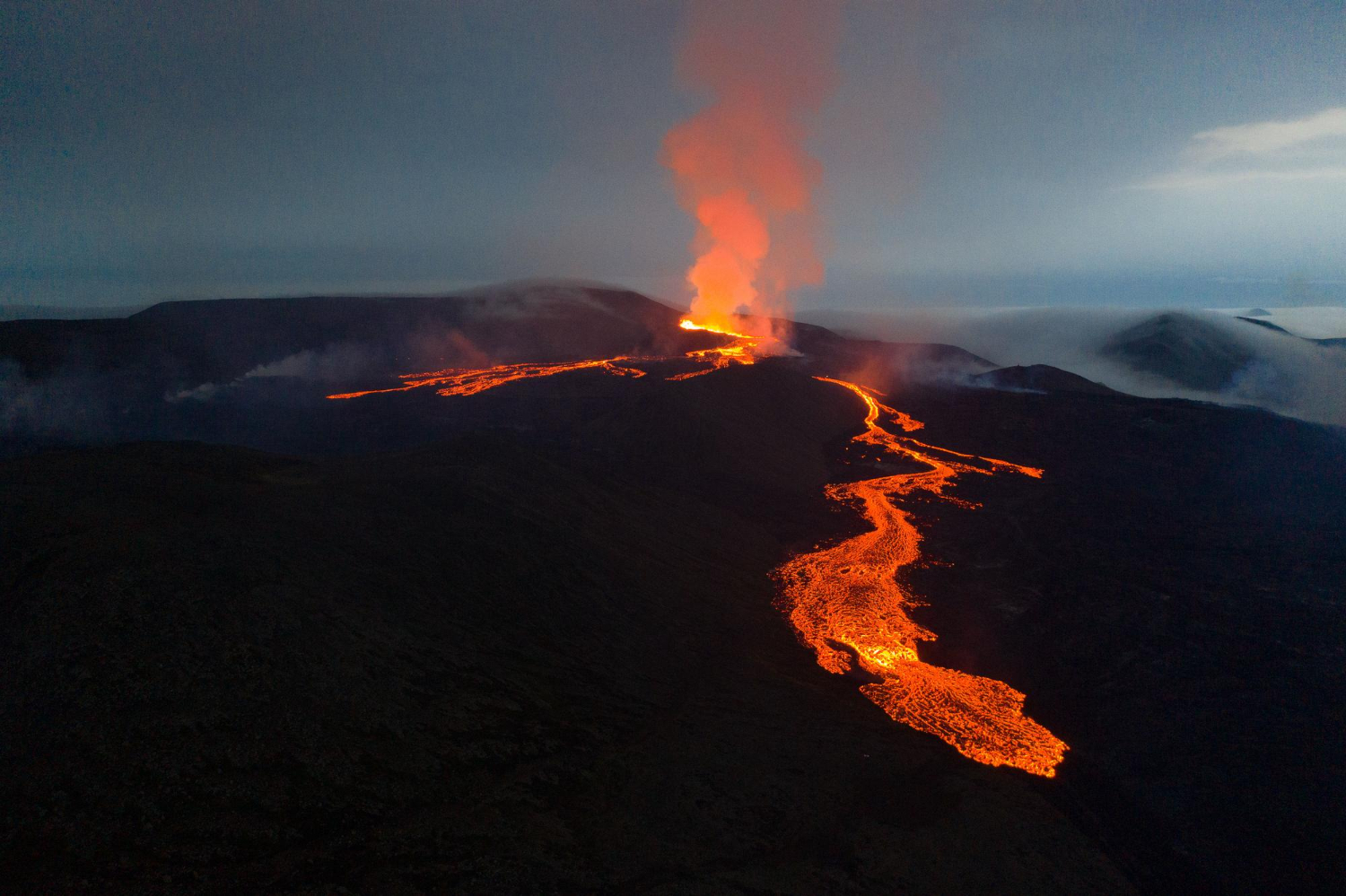
Anatahan continued to be inhabited at low population levels through the 1980s. As of 1980, the entire island population consisted of one family. The volcanic activity that had created the island in the first place eventually forced the final evacuation: in April 1990, earthquake swarms and active fumaroles led the U.S. authorities to evacuate the western coast. The island’s first historical eruption finally occurred in May 2003, with a major explosive event that registered Volcanic Explosivity Index 4. Subsequent eruptions in 2005 and 2008 deposited volcanic ash across nearby populated islands. Anatahan remains uninhabited today, with no plans for resettlement given the active volcanic risk.
13: What remains
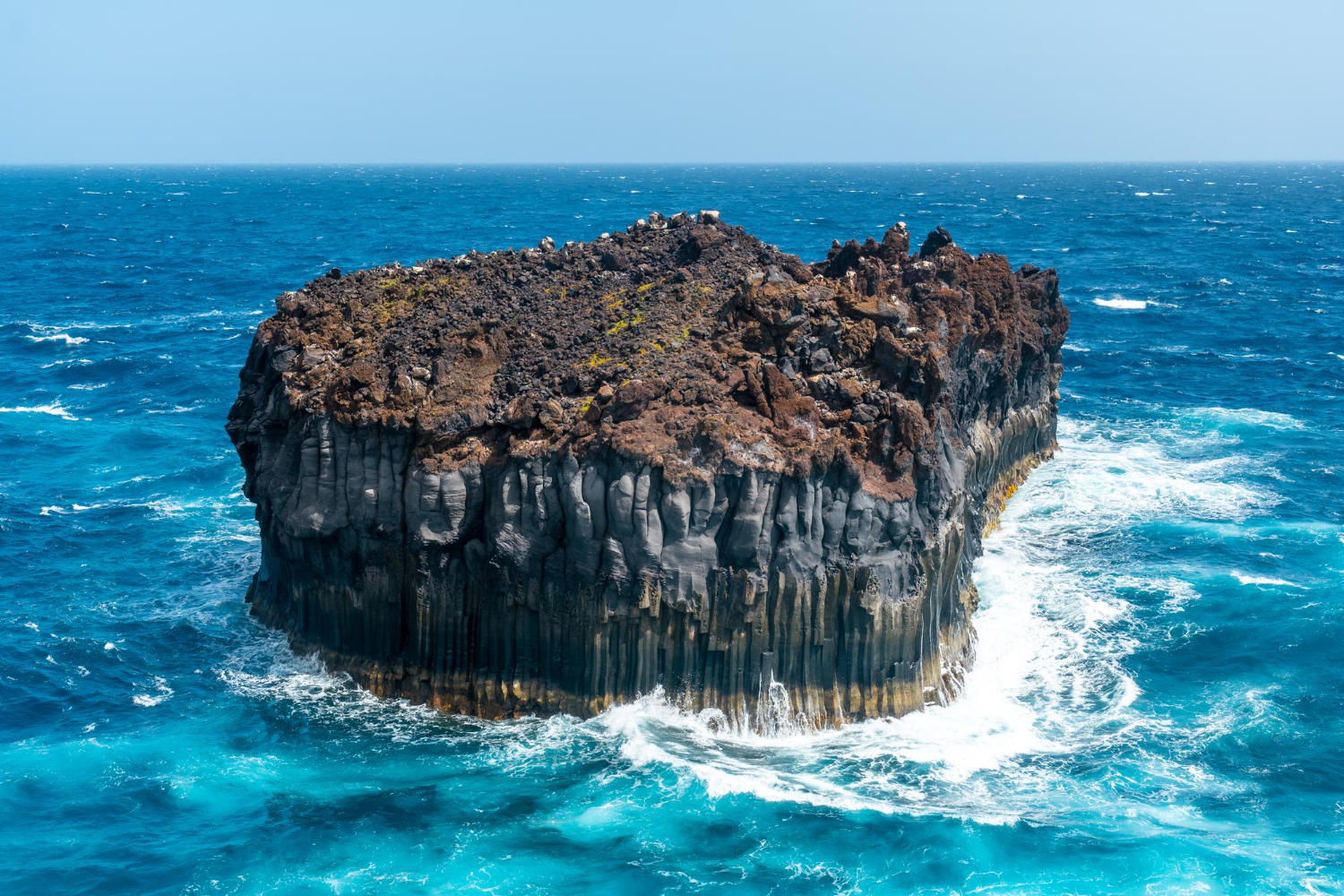
For visitors, Anatahan is essentially inaccessible. The Northern Mariana Islands have very limited tourism infrastructure outside of Saipan, and Anatahan is not on any standard tour itinerary. Occasional research expeditions visit to monitor volcanic activity. What remains is the story — preserved in U.S. Navy records, in Japanese government archives, in Maruyama’s memoir, in Sternberg’s film, and in the journalism that emerged in 1951 after the surrender. The graves of those who died on Anatahan, mostly unmarked, remain on the island somewhere — incorporated into the soil that the volcano periodically covers with new layers of ash.