The phrase I kept hearing from older relatives was that they had slept on straw, and I took it as a figure of speech about being poor. It is not a figure of speech. The mattress was a sewn cloth bag with an opening along one side, and once a year somebody filled it with fresh straw and sewed it shut again. The reason the bed was comfortable in October and a board by March is the whole subject.
The Bag Was the Permanent Part
Start with the distinction that makes everything else clear.
A modern mattress is a single manufactured object with its filling sealed inside permanently. A tick was two separate things: a reusable fabric case, and a filling that was a crop.
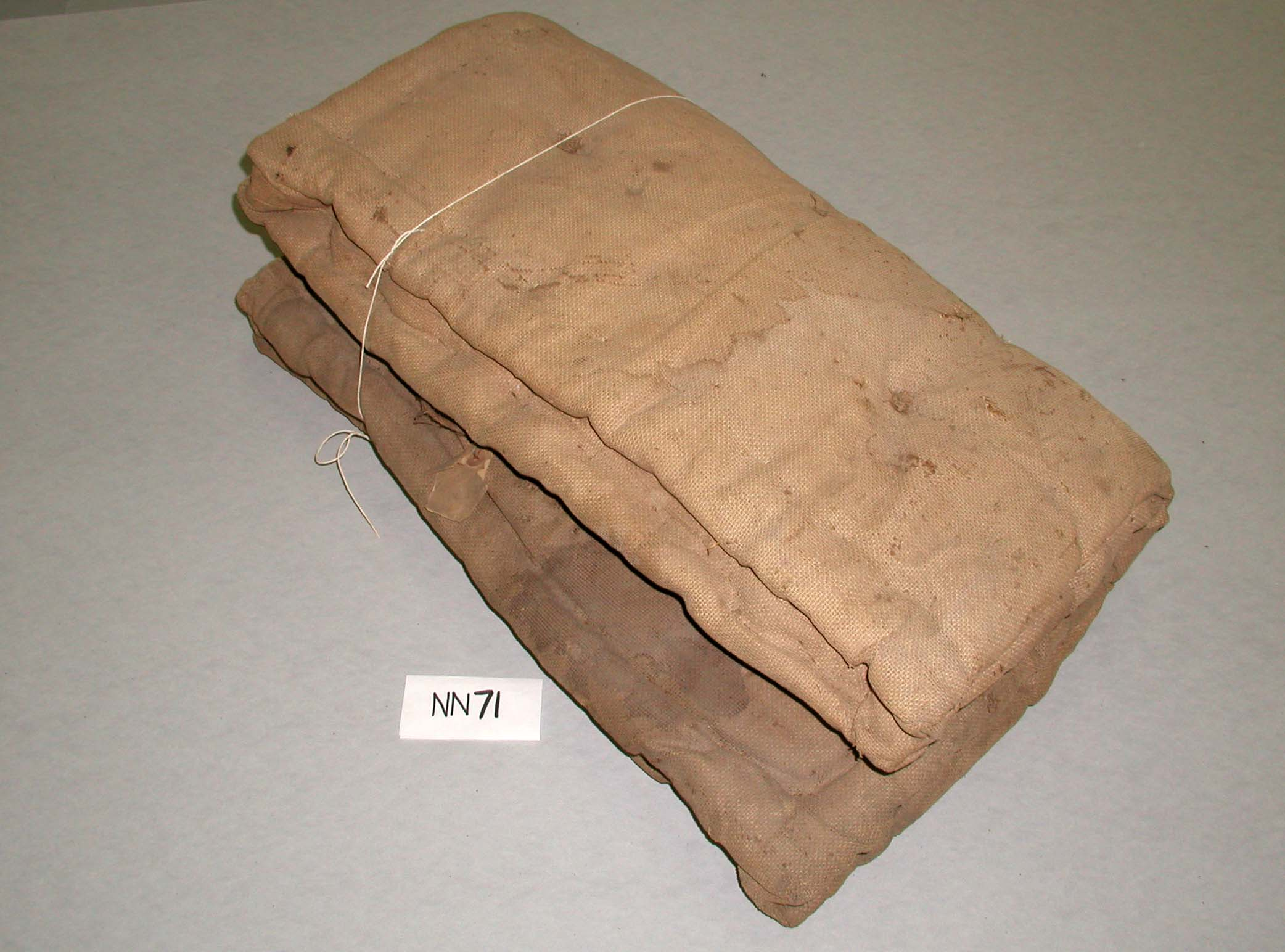
The case was made of ticking – a dense closely woven cotton, usually striped, chosen because the weave was tight enough to stop stalks and dust working through and strong enough to take years of use. A household might have the same ticks for decades. What changed was what went inside them.
So the right comparison is not to a mattress. It is to a pillowcase, or a sack.
Like our content? Follow us for more.
The Filling Was Whatever Was Available
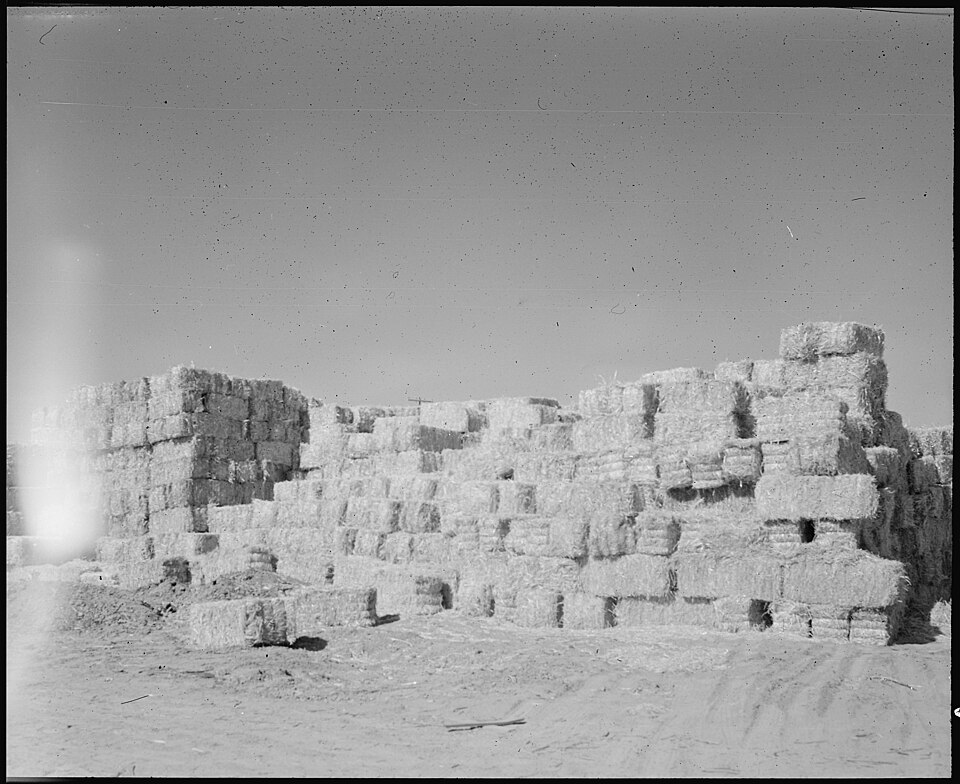
Straw was the standard because it was a by-product of grain that every farm had in quantity and that cost nothing.
Oat straw was generally preferred as softer and more springy, wheat straw was coarser, and plenty of households used whatever had been threshed that year. Corn husks were used too, and were longer-lasting and noisier. Hay was avoided where possible because it packs down harder and holds damp.
The point is that the filling was agricultural material, and the quality of a household’s beds therefore varied with the harvest. A bad year produced bad bedding, which is a connection between farming and comfort that is completely invisible now.
Filling It Was an Annual Job
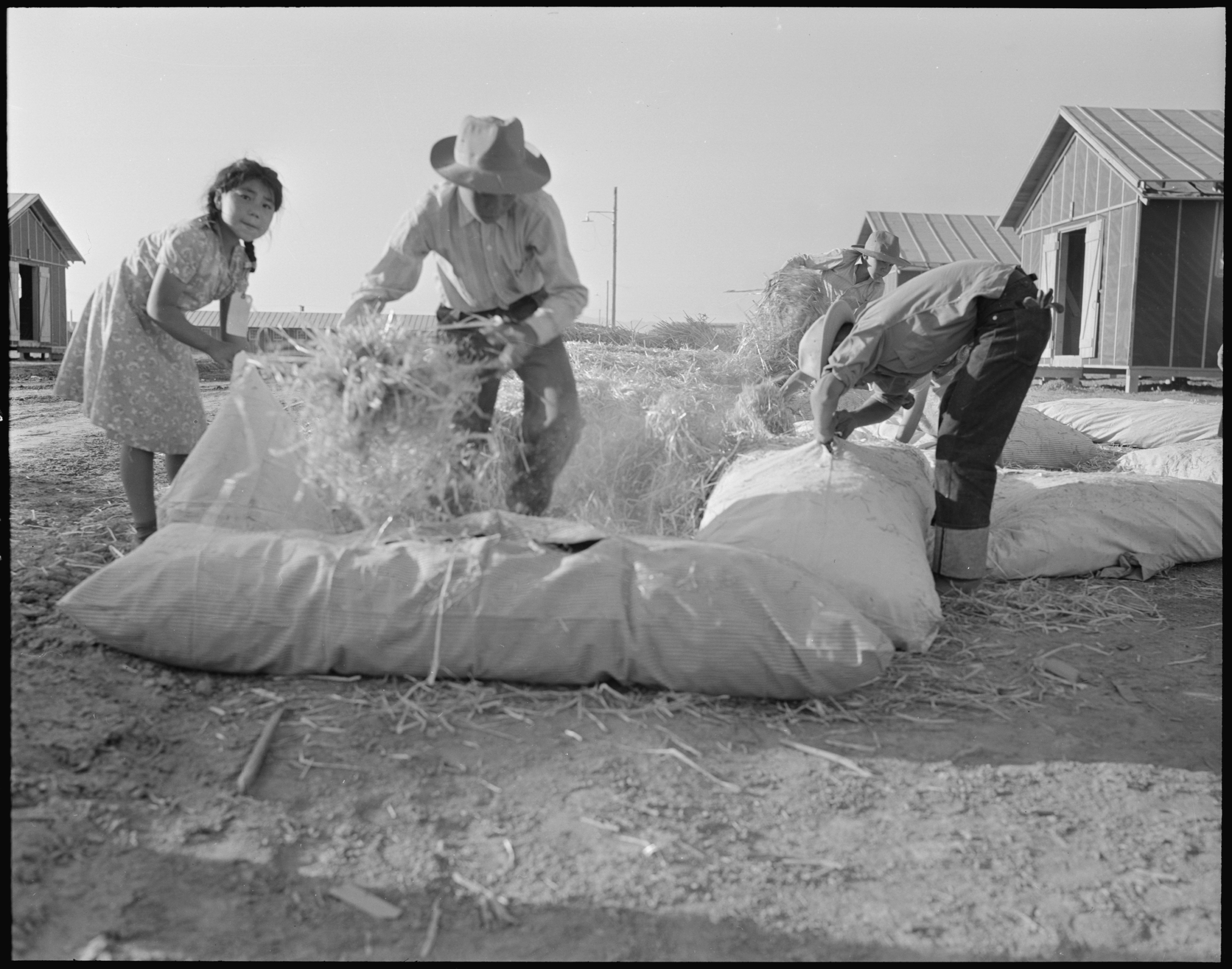
The changing of the ticks happened after threshing, when fresh clean straw was available.
The old filling came out and went to the stock as bedding or onto the garden. The tick was washed and dried. Then it was filled, which was done by hand, with somebody working the straw into the corners and shaking it level, and it was always overfilled – because a tick stuffed to bursting in October will have settled by Christmas.
A newly filled bed was so high that children had to climb into it, and it rustled enormously. Every account mentions both of those things, and both are symptoms of the same fact: there is a great deal of loose springy material in there and it has not yet been crushed.
Then It Packed Down and Kept Packing Down
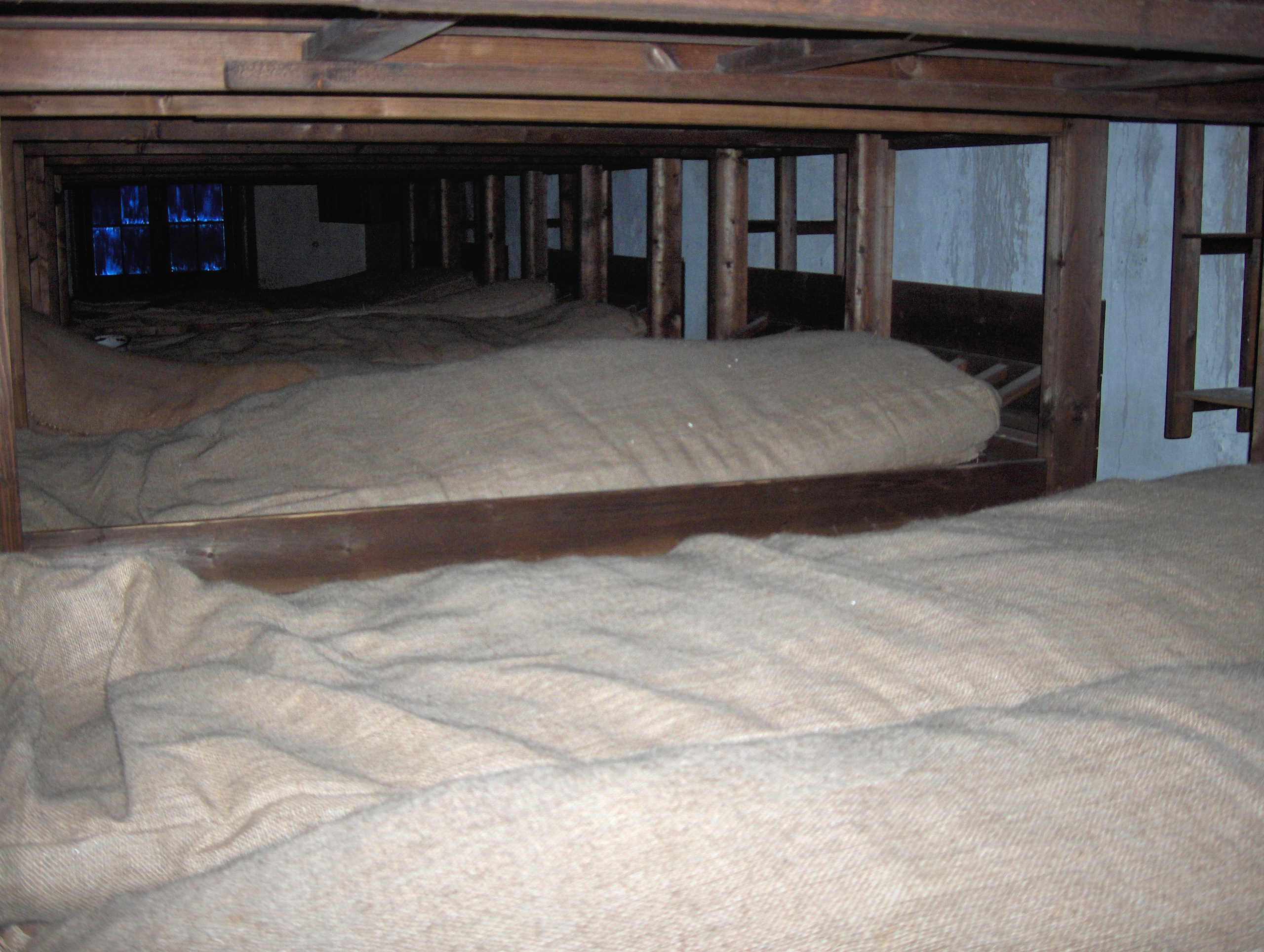
This is the mechanism, and it is simply what happens to loose stalks under load.
Straw gets its spring from hollow stems that resist bending. Under a person’s weight those stems bend, and after enough cycles they break. Broken straw cannot spring back, so it packs tighter, and the tighter it packs the less of the load each stem carries and the faster the rest fail.
The result is a bed that is high and springy when new, comfortable for a few months, noticeably flat by midwinter, and by spring a thin compressed mat with a hollow where the sleeper lies. Nothing is wrong with it. It is doing exactly what loose plant material does.
Which is why people turned, shook and redistributed their ticks constantly. You cannot restore broken straw, but you can move the unbroken straw back into the hollow.
The Feather Bed Went On Top
Now the second half of the system, because the two were used together.
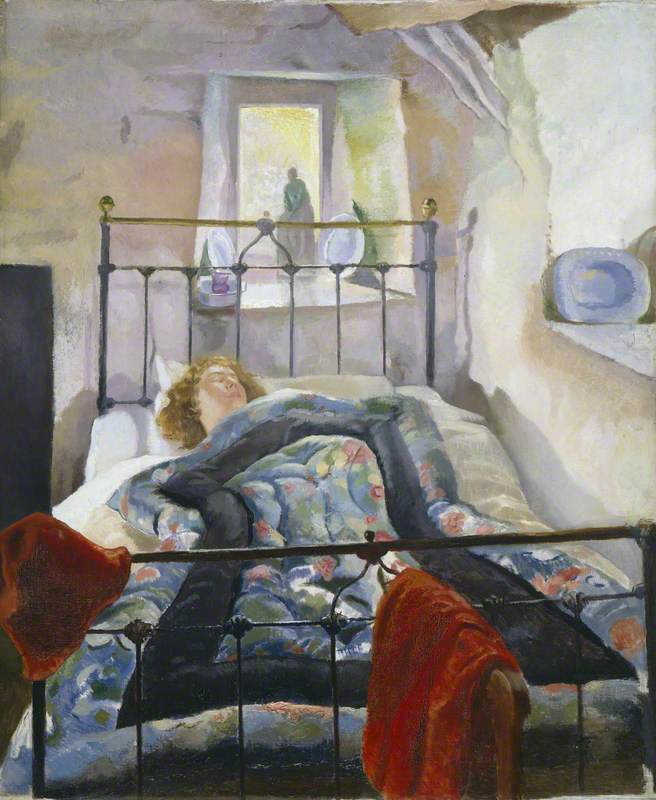
A feather bed is a much thicker and softer tick filled with feathers and down, and in a household that had one it did not replace the straw tick – it sat on top of it. The straw provided the base and the height, the feathers provided the softness.
The reason for the order is mechanical. Feathers alone compress almost completely under a concentrated load and give no support at all; straw alone supports but is hard and prickly. Put the compressible layer above the supportive one and you get something like a modern mattress and topper, assembled from two agricultural products.
In summer the feather bed came off, because it is far too warm, and the straw tick was slept on alone with a quilt.
A Feather Bed Was Capital
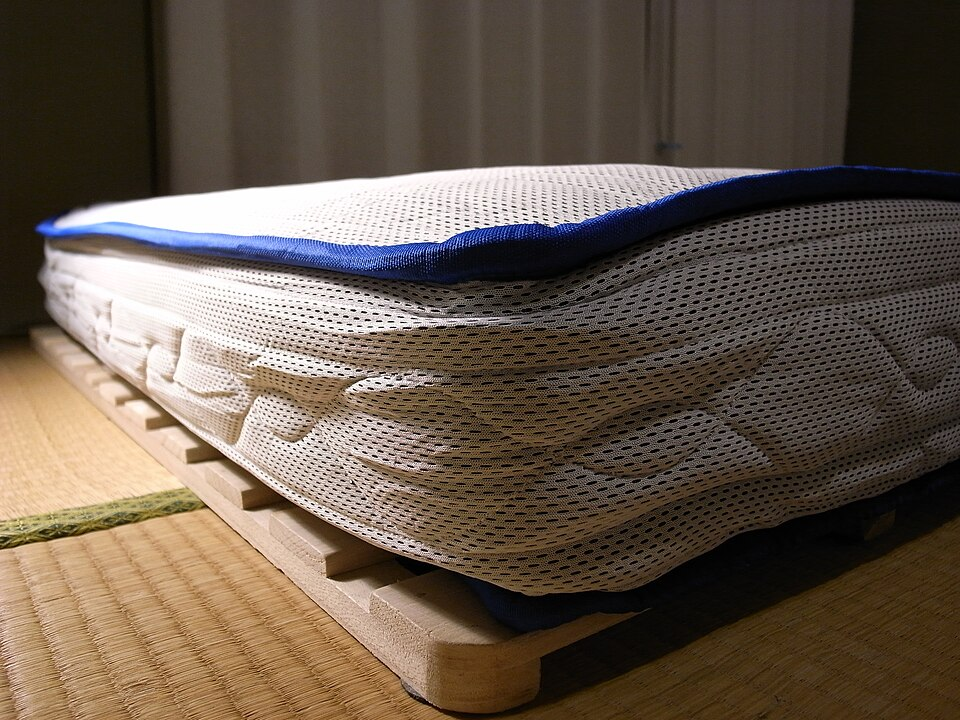
And the feather bed was not a minor furnishing.
Feathers accumulate slowly. A household saved them from its own geese and ducks over years, and a full feather bed represented an enormous number of birds and a long period of patience. They were accordingly valuable, they were listed in wills and inventories, and they were given to daughters setting up households.
So the bed on top of the straw was frequently the single most valuable object in the room, it had been assembled by somebody over a decade, and it was expected to outlast her. Feathers do not break down the way straw does; they can be washed, aired and re-ticked more or less indefinitely.
Both of Them Had to Be Aired

The maintenance regime was constant and it was not optional.
Both kinds of tick were pulled off the bed and put out in the sun and air whenever the weather allowed. Sun and moving air dry out the moisture that a sleeping body puts into bedding every night, and a tick that never dries out goes musty and worse.
This is the part of the practice that strikes me as the most laborious. A feather bed is heavy and awkward, it had to be got out of a window or down a stair, beaten, turned, brought back in and remade – and this was a routine rather than a spring-cleaning event.
Insects Were the Real Problem
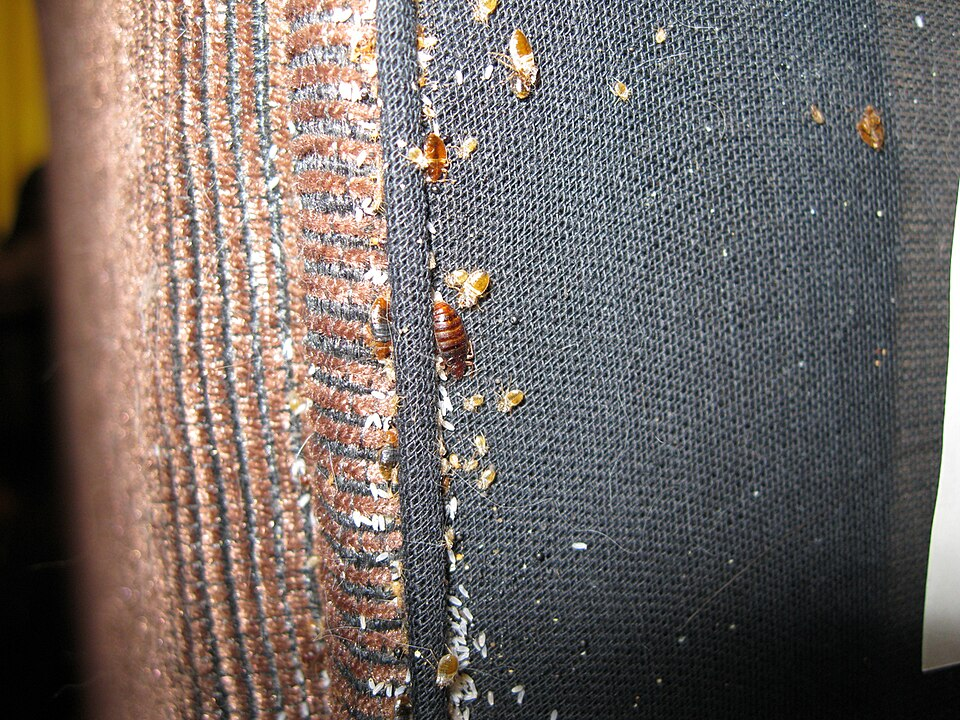
I am going to state this plainly rather than tiptoe round it, because it is the reason the whole system was replaced.
A cloth bag full of plant material in a wooden bedstead is a habitat. Households knew this perfectly well, which is why the ticks were changed annually, aired constantly, and washed when emptied, and why bedsteads were taken apart and scalded. The practice was a response to a known problem rather than ignorance of it.
But the problem could not be eliminated, only managed, because the materials themselves provided the harbourage. That is a structural limitation of straw in a bag and no amount of diligence removes it.
The Rope Bed Underneath Made It Worse or Better
One more layer, because the frame mattered.
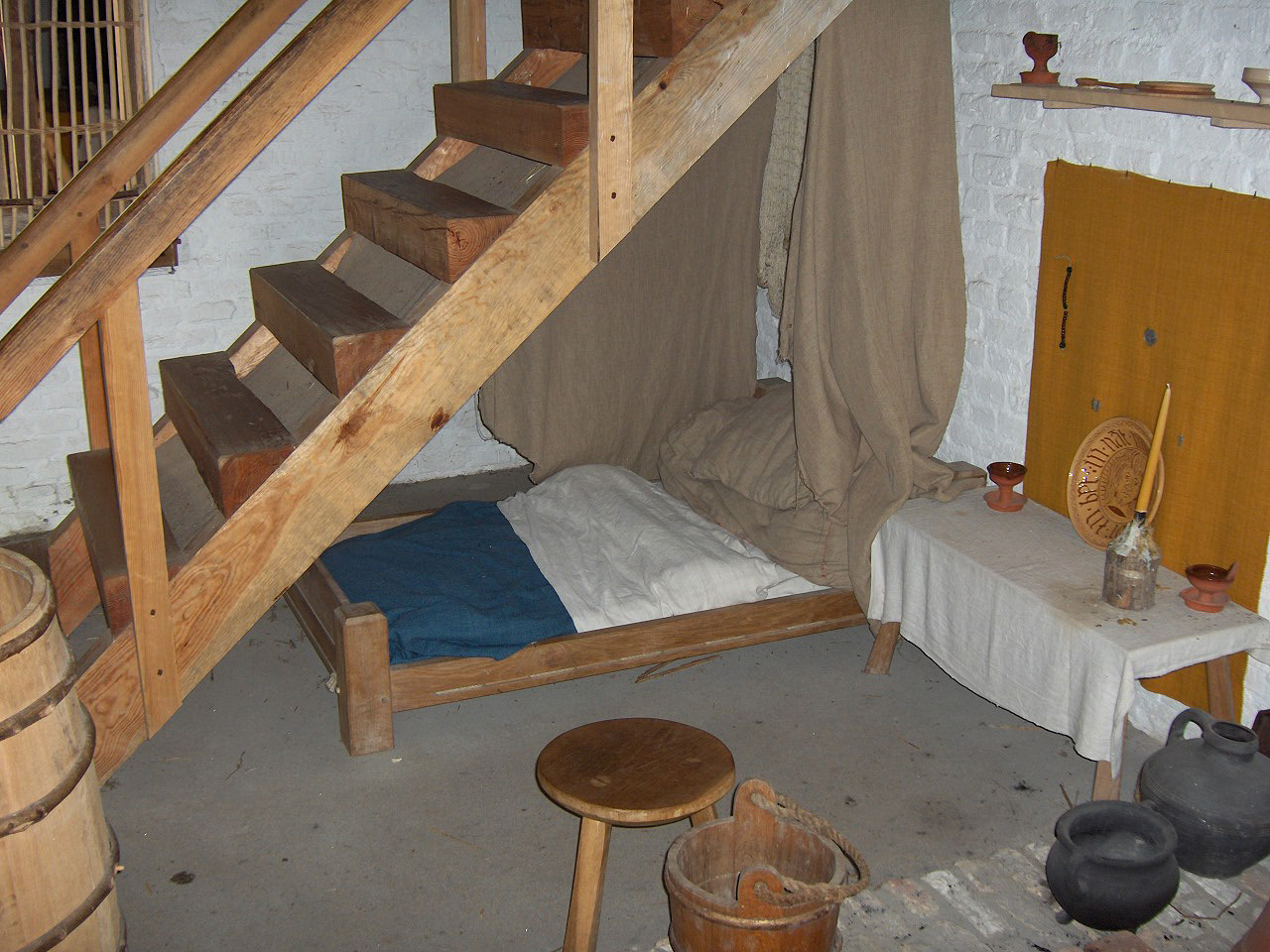
Older bedsteads had no solid base. Rope was laced through holes or pegs in the side rails in a grid, and the tick lay on that. Rope stretches, so the bed sagged in use and had to be tightened periodically with a wooden key – which is where the expression about sleeping tight comes from, and it is one of the few such sayings that appears to be straightforwardly true.
A tight rope grid gives a springy supportive base and keeps air moving under the tick. A slack one lets everything sag into a hammock. So the condition of the bed depended on three separate things being right at once: the rope tension, the straw, and the feathers.
Then the Innerspring Mattress Did All of It at Once
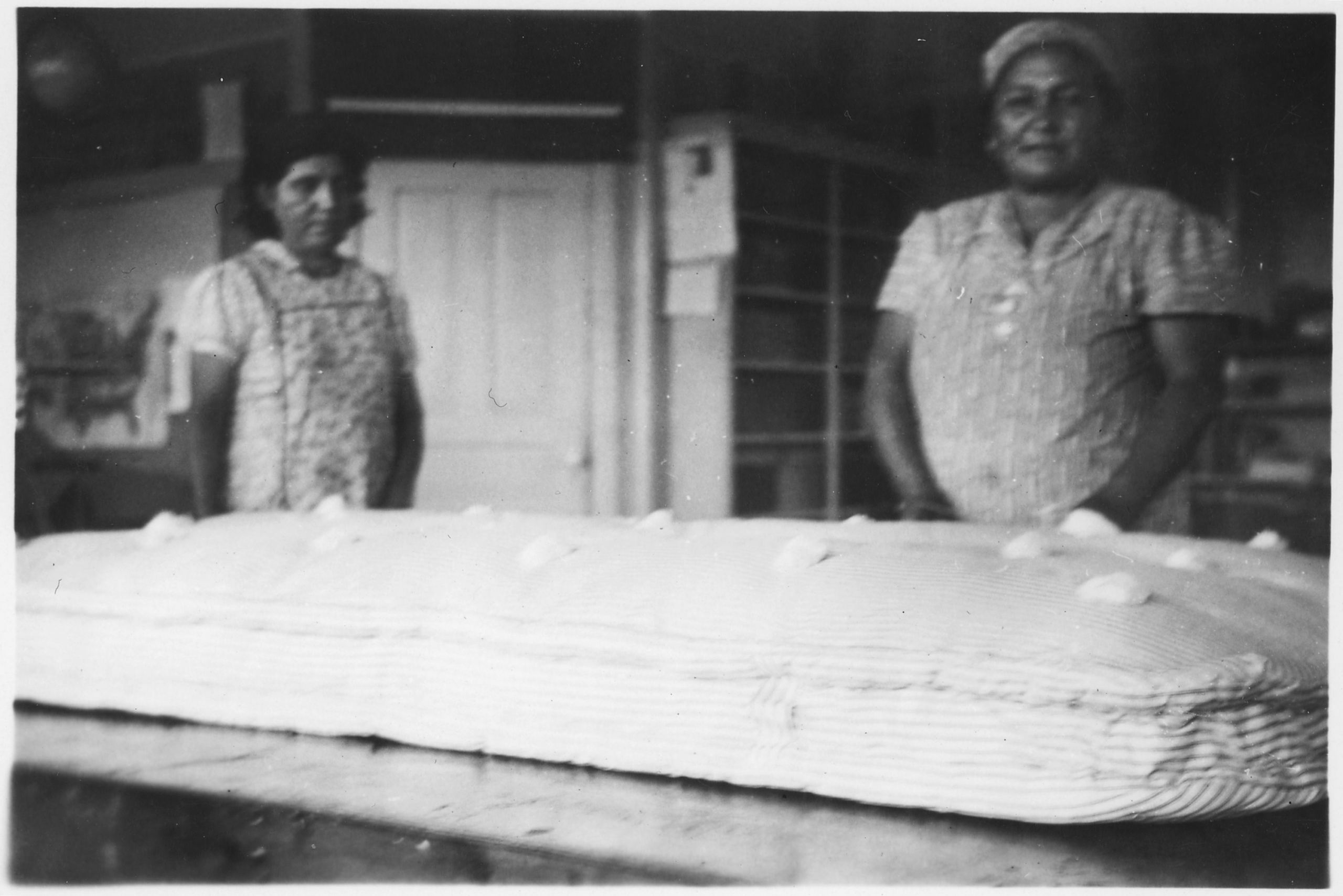
The replacement is the clearest case of a single product absorbing an entire system.
A manufactured mattress with steel springs inside gives support that does not degrade on a timescale of months, softness that does not need a second layer, a sealed cover that cannot be entered as easily, and a frame requiring no tightening. It needs no annual refilling, no crop, no threshing, no sewing and no airing in the sun.
Set against that, a straw tick has one advantage: it costs nothing. Which mattered enormously for as long as households had no money and plenty of straw, and stopped mattering the moment a mattress could be bought on credit from a catalogue.
The feather beds lasted longer, because feathers are genuinely good bedding and the ones in existence had already been paid for. A great many of them were eventually cut open and remade into pillows and comforters, which is why so many families have a comforter whose filling came off birds nobody alive remembers.
What the Bed Was
What I find difficult to hold in my head is how recent this is.
People now living slept, as children, on a bag of plant stalks that their family refilled once a year from their own fields, under a layer of feathers plucked from their own birds over a decade, on a grid of rope that had to be tightened with a key. Three separate agricultural products and a piece of carpentry, assembled into a bed.
Nobody involved thought of this as hardship. It was simply what a bed was, and a newly filled tick in October was a genuine pleasure – which is the detail that persuades me the accounts are honest, because nobody inventing a hard childhood would include the bit where the bed was so high and so good that you had to climb into it.
Like our content? Follow us for more.