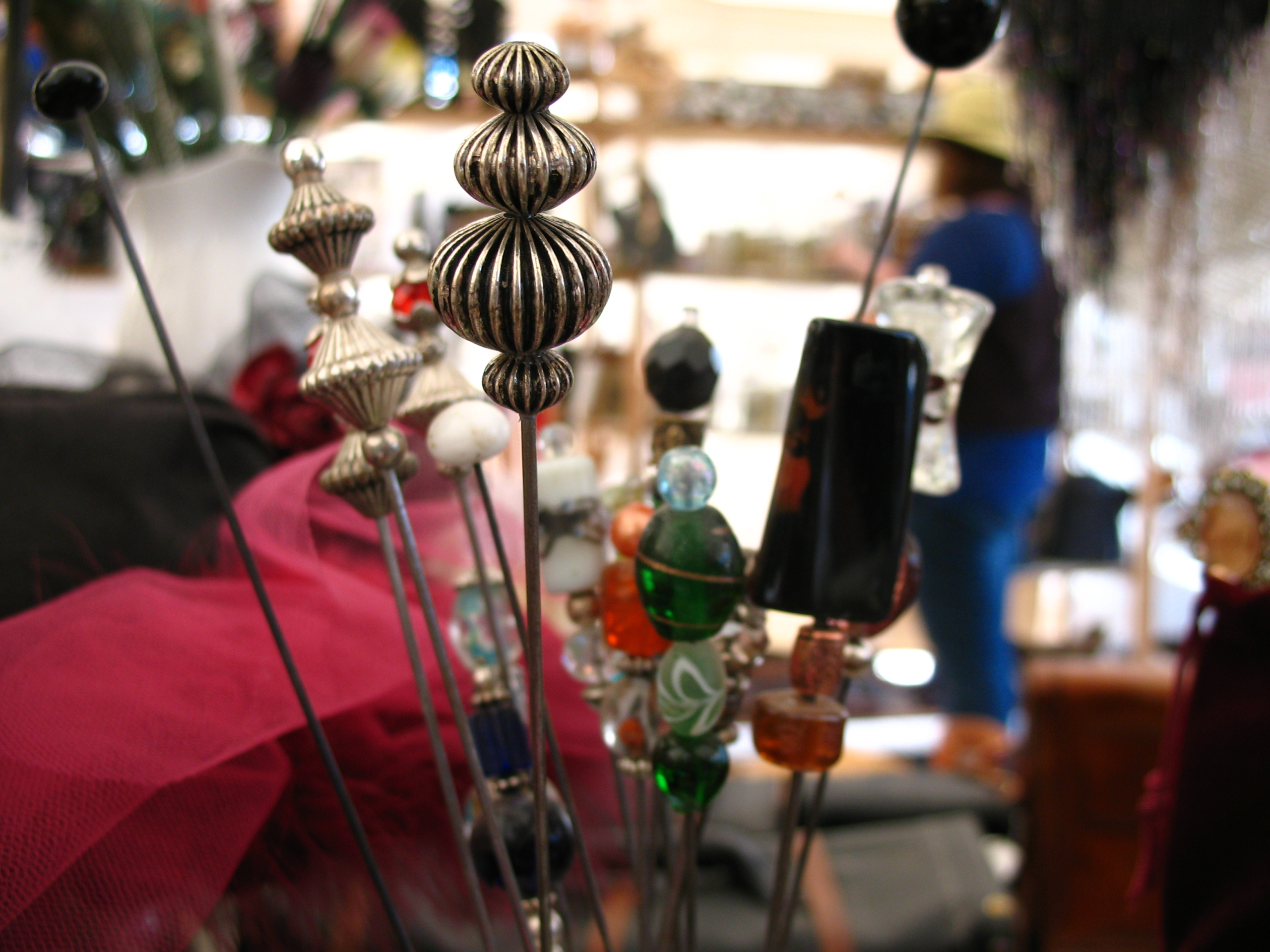
There is a small glass dish on a shelf at my grandmother’s with four hat pins in it, and the first time I picked one up I put it straight back down. They are eight or nine inches long and they are not blunt. I had assumed a hat pin was something like a brooch pin. It is not. It is a skewer, and understanding why requires understanding what was underneath the hat.
The Hat Did Not Sit on the Head
Start with the hair, because the pin is a consequence of it.
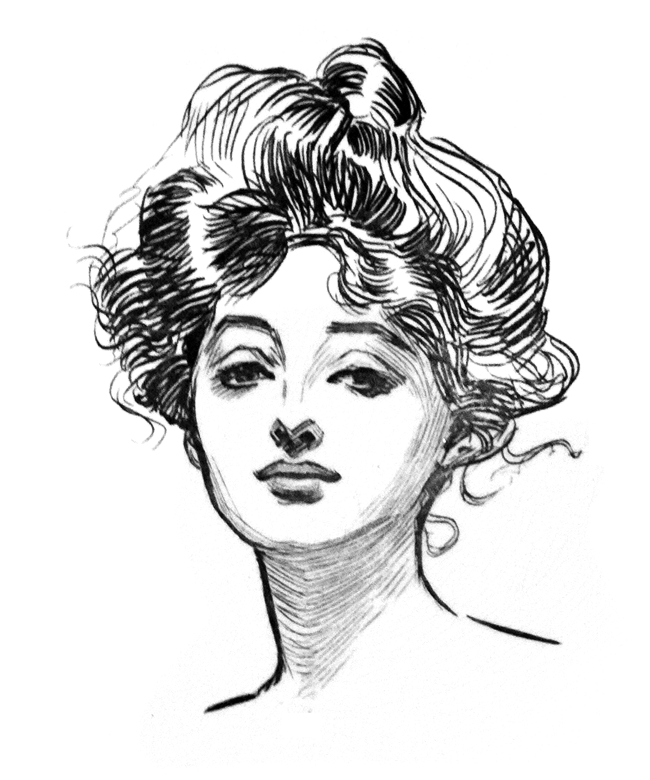
Adult women of that period did not cut their hair. It was long, it was dressed every morning, and it was arranged on top of or at the back of the head in a mass – pinned, rolled, sometimes built over a pad to give it bulk. That structure was the actual foundation of everything worn above it.
A hat was then placed on that mass, not on the skull. It might be tilted, perched forward, or balanced on top, and in many cases it made no contact with the head at all. Which means there was nothing to clamp to and no band gripping anything.
The hat had to be fastened to the hair.
Like our content? Follow us for more.
Which Is Why the Pin Was Long

Now the length makes sense.
To hold a hat to a mass of hair, a pin has to enter the hat’s crown or brim, pass right through the hair, and emerge on the far side, where the point is either left exposed or pushed back into the hair again. The distance it must cover is the width of the hairstyle, not the thickness of a fabric.
As hats got larger and hairstyles got bulkier, the pins got longer. At the extreme they were a foot long or more. That is not fashion for its own sake; it is a measurement dictated by what was being pinned through.
Two pins were usual, crossed, because one pin lets the hat pivot around it and two fix it in place. Anybody who has pinned anything knows this.
The Head of the Pin Was the Jewellery
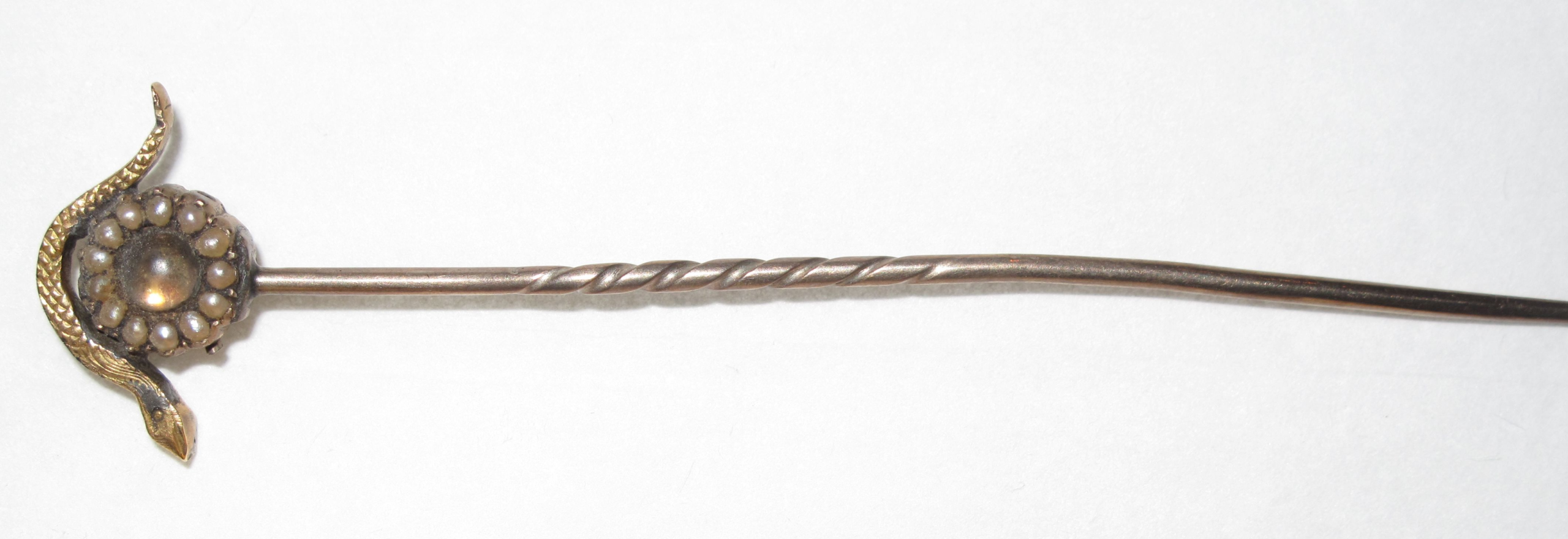
The shaft was plain steel and did the work. The head was the part people looked at.
Heads were made in glass, jet, enamel, cut steel, celluloid, carved shell and every other decorative material available, in every size from a bead to something the size of a walnut. A woman owned a set, chose them to suit a hat and an occasion, and kept them where they could be seen.
So the pin occupies an odd dual position: a piece of structural hardware that was also an item of display. The only visible portion is the ornament, and the entire functional part is hidden inside the hair – which is a neat description of a lot of that period’s clothing.
They Were Stored Point Down
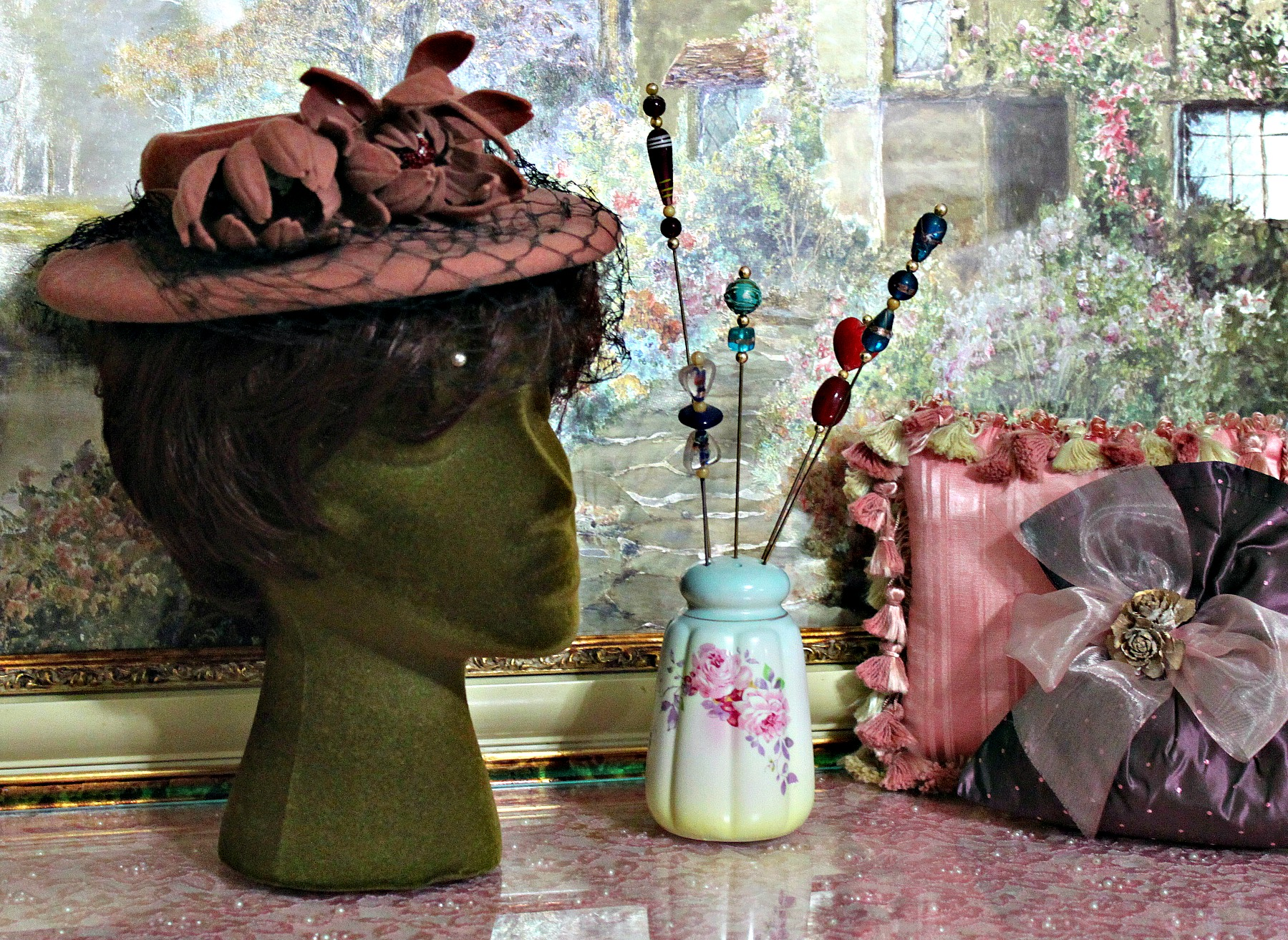
The holder is a piece of domestic design worth noticing.
A hat pin holder is a tall narrow vessel, usually with a pierced lid, into which the pins are dropped point first so that the decorated heads stand up in a cluster. It solves three problems at once: the points are enclosed, the ornaments are displayed, and nothing has to be laid flat on a surface where it would roll off and be lost.
The alternative, which plenty of households used, was a pincushion – but a cushion does not display the heads and does not stop a nine-inch pin from working its way out. The pierced holder is the better answer and the reason so many survive.
Putting One In Took Practice
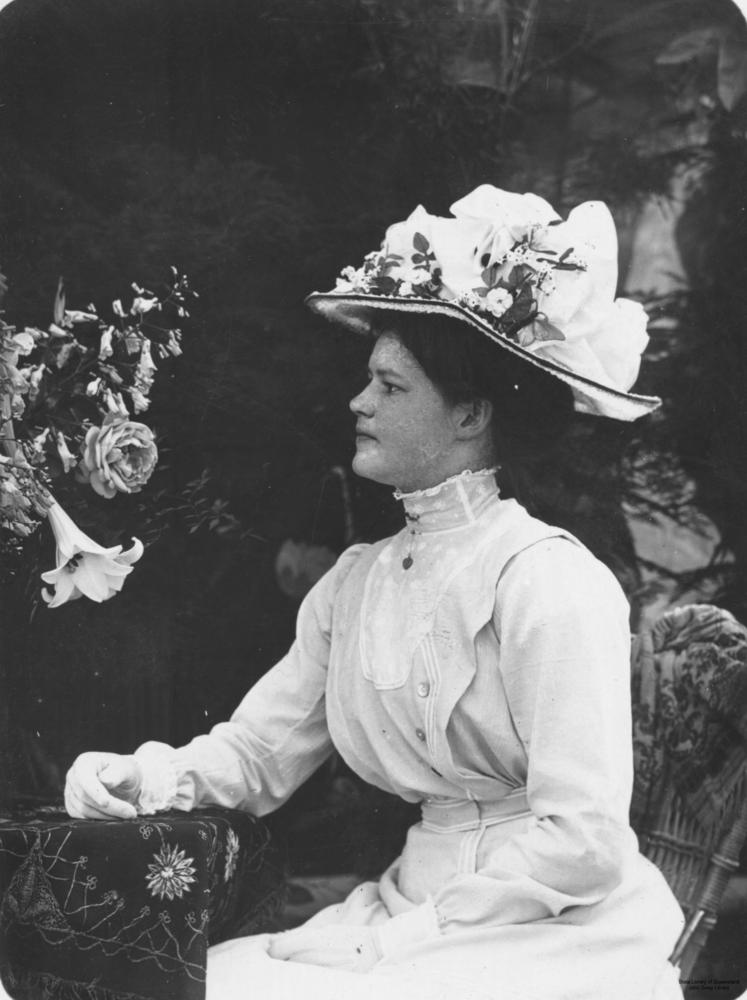
This was a learned skill and it was done without looking.
The hat goes on and is positioned by feel and by mirror. The pin enters the crown at an angle, finds the mass of hair, is pushed through until it meets resistance on the other side, and is then angled back in. The whole action happens behind the head and above eye level, with two hands and a mirror that shows it in reverse.
Girls learned it by watching and then by doing it badly. Pricking yourself was ordinary. And a pin set wrongly either worked loose over the course of an afternoon, which was a nuisance, or found scalp rather than hair, which was worse.
The Point Had to Go Somewhere
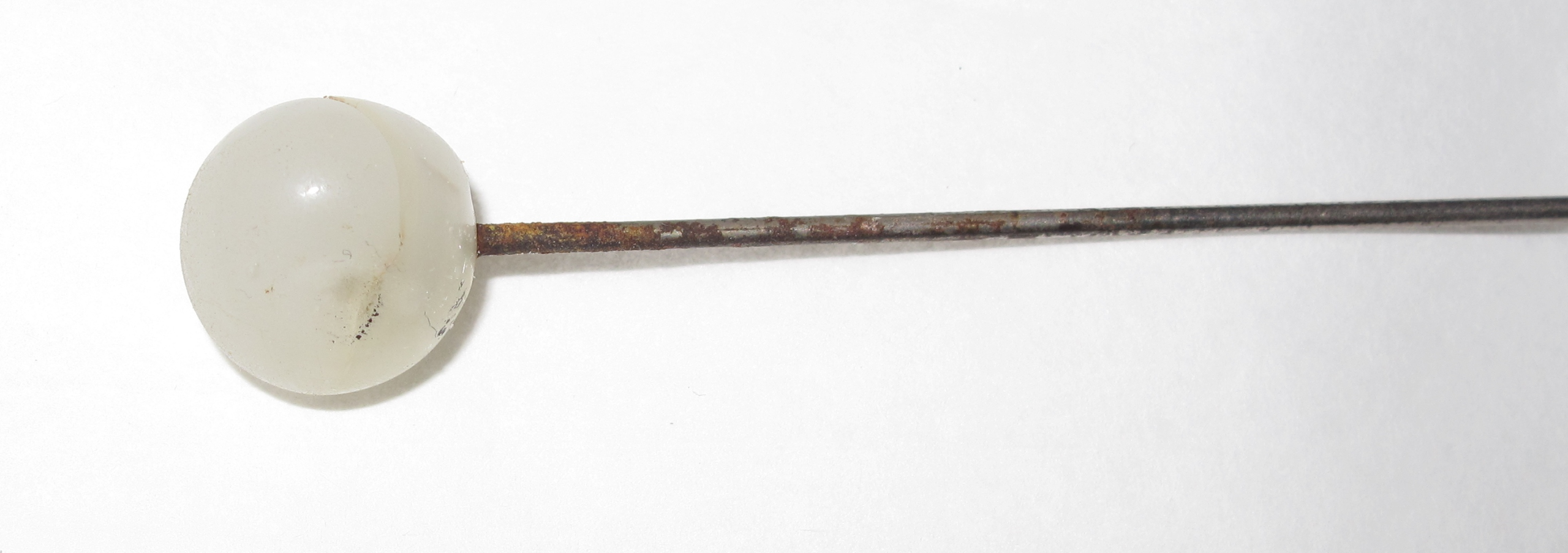
Here is the practical problem that produced a small industry.
A pin long enough to cross a hairstyle emerges on the far side with two or three inches of exposed steel sticking out of a woman’s hat at roughly the eye level of anybody shorter or anybody standing close. On a crowded street, in a streetcar, in a theatre row, that is a genuine hazard rather than a theoretical one.
So guards were made: small caps, corks, and screw-on knobs that covered the emerging point. They were sold by the pair and they were constantly lost. The more effective answer was simply to push the point back into the hair, which plenty of women did and which required a pin long enough to do it – another reason for the length.
Cities Legislated About Them
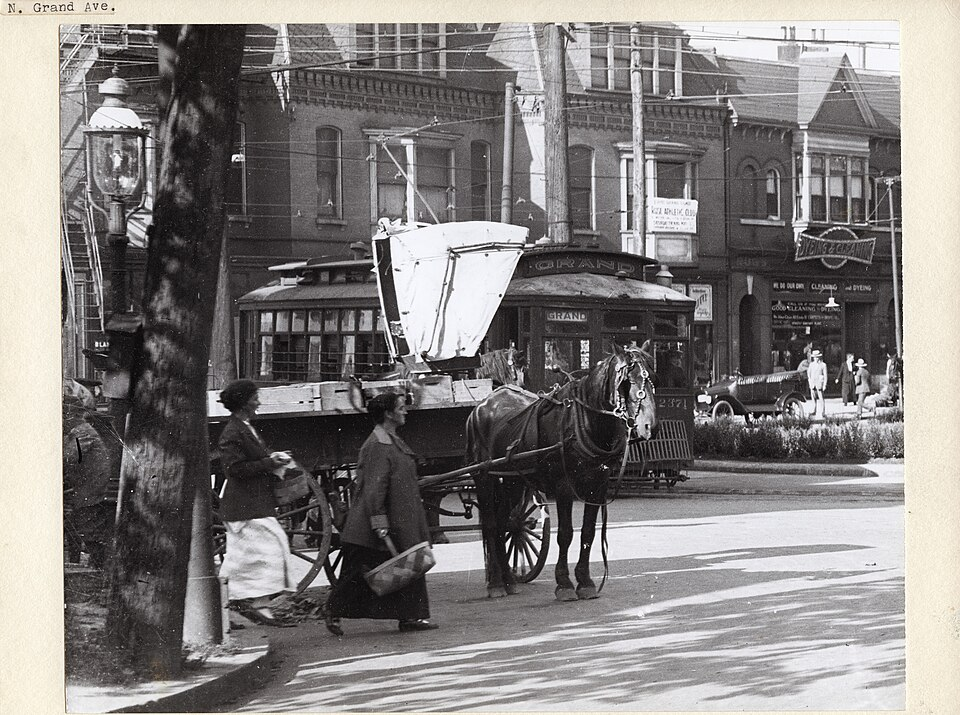
This is the part people find hard to believe, and it happened.
Municipalities passed ordinances limiting how far a pin could project beyond a hat, or requiring that points be covered, with penalties attached. Transport companies posted notices. There were arguments in newspapers about whether the regulation was a sensible public safety measure or an intrusion into what women were permitted to wear.
I am not going to adjudicate that, partly because the arguments were tangled up with a great deal else that was being said about women in public at the time. What I will say is that the hazard was real and the resentment was also real, and both can be true.
A Pin Was Also a Weapon
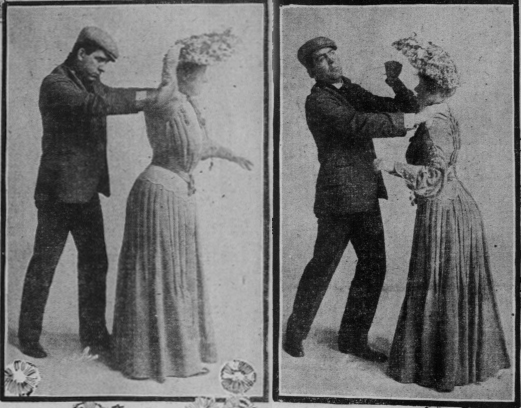
And there is a second side to the same object that deserves stating plainly.
A woman carrying a long steel pin in her hat was carrying the one sharp object she could have on her person without comment, and the record shows that women used them to defend themselves against men who grabbed at them in public. It was discussed openly at the time, including in the arguments about regulation.
That is a genuinely uncomfortable fact to sit next to the decorative glass heads, and I think it belongs in any honest account of the object. The same pin that held a hat on was also, for some women, the only thing within reach.
The Pin Had to Be Stiff and Could Not Be Thick

There is a materials problem buried in the object that I had not thought about until I bent one.
A pin nine inches long is an extremely slender column, and a slender column under any sideways load wants to bow. If it bows while it is being pushed through a hairstyle, it will not go where it is aimed, and if it bows while the hat is being worn, the hat moves. So the shaft has to be stiff along its whole length.
But it also has to be thin. A thick pin parts the hair visibly, makes a hole in the hat that shows, and is harder to push through. So the requirement is maximum stiffness at minimum diameter, which in that period meant hardened and tempered steel drawn to a fine wire – the same material science as a needle, in a much longer piece.
That combination is why they are unnerving to pick up now. The surviving pins are springy rather than floppy, they hold a point, and a great many of them are still perfectly straight after a century in a dish, because the only thing that would have bent them permanently is somebody standing on one.
Men’s Hats Needed Nothing Like This
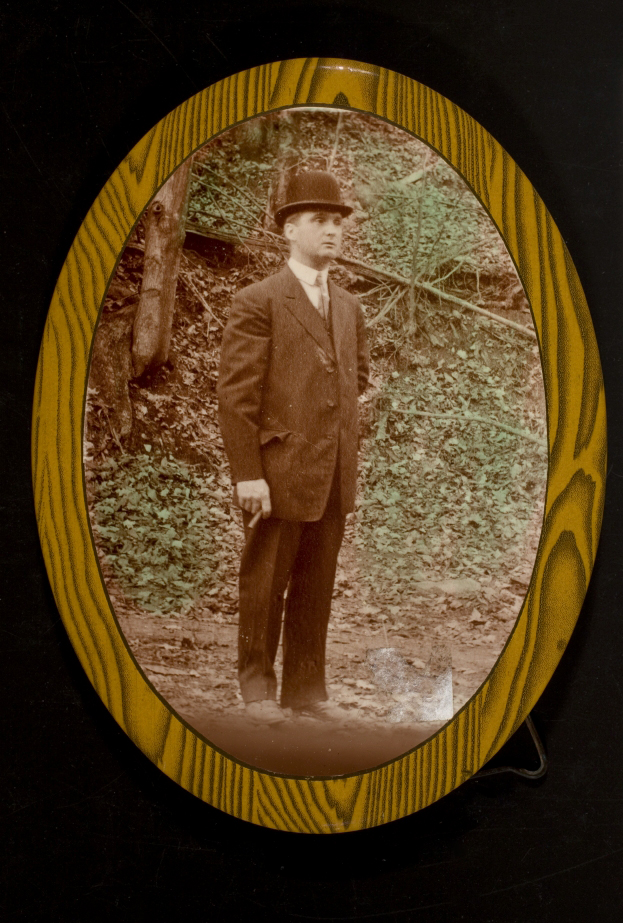
It is worth noting the comparison, because it shows how specific the problem was.
A man’s hat of the same period was made to fit the head. It had a band sized to a measurement, it gripped, and the only hazard was wind – for which some men used a thin cord to a coat buttonhole, and most used nothing.
So two people walking down the same street had hats attached by completely different principles: his by friction against a measured circumference, hers by a steel rod passed through a mass of hair. The difference is entirely a consequence of the hair, and it is the clearest illustration I know of how much of what looks like fashion is actually engineering around a given set of conditions.
Then the Hair Was Cut Off
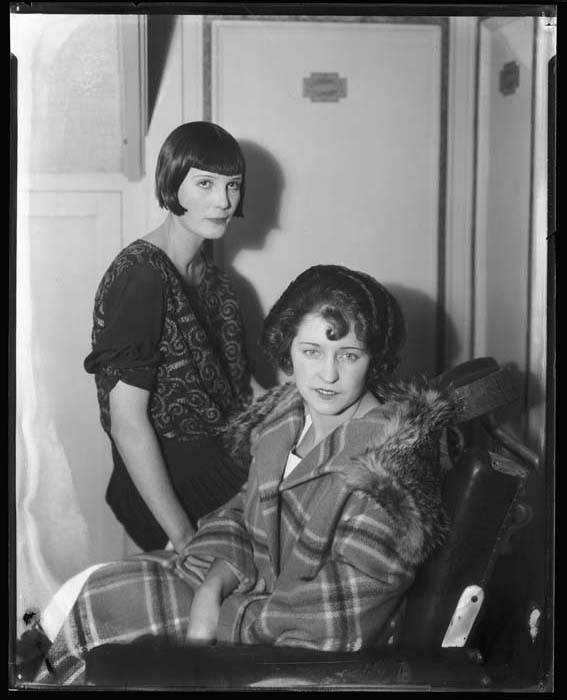
The hat pin did not go out of fashion. Its foundation was removed.
When women began cutting their hair short, the mass that the pin had been anchoring into simply ceased to exist. There was nothing left to pass through. At the same moment hats became smaller and closer-fitting, which meant they gripped the head directly and needed no fastening at all.
So the whole system collapsed at once: no hair to pin into, and no hat that required pinning. A long pin became useless within a very few years, and the only parts worth keeping were the ornamental heads.
Which is exactly what happened to them. They were kept in dishes, mounted into brooches, given to children to play with, and lost.
What the Object Tells You
I keep coming back to the dish on my grandmother’s shelf.
Four objects, obviously decorative, obviously valued, and obviously dangerous, which exist in that form for one reason: the women who owned them had hair down to their waists arranged on top of their heads every single morning, and anything worn above it had to be fastened to it rather than to them.
Change the hair and the pin makes no sense. That is the thing about clothing of any period – almost nothing in it is arbitrary, and the parts that look strangest are usually solving a problem that no longer exists. A nine-inch steel skewer with a glass head on it is not an eccentricity. It is a measurement of how much hair a woman had.
Like our content? Follow us for more.