
In 1960 almost every town had a watchmaker, and he was the person who kept the most precise machine most households owned in working order.
He stripped watches completely to clean them, cut replacement parts on a lathe when none could be bought, worked with a single eyeglass under a north-facing window, and also repaired the clocks, the jewellery and the spectacles.
Within twenty years the product he serviced had been replaced by one that did not need servicing, and the trade very nearly disappeared.
Here are ten things the town watchmaker did in 1960, and what became of each.
1. He Made the Replacement Part Rather Than Ordering It
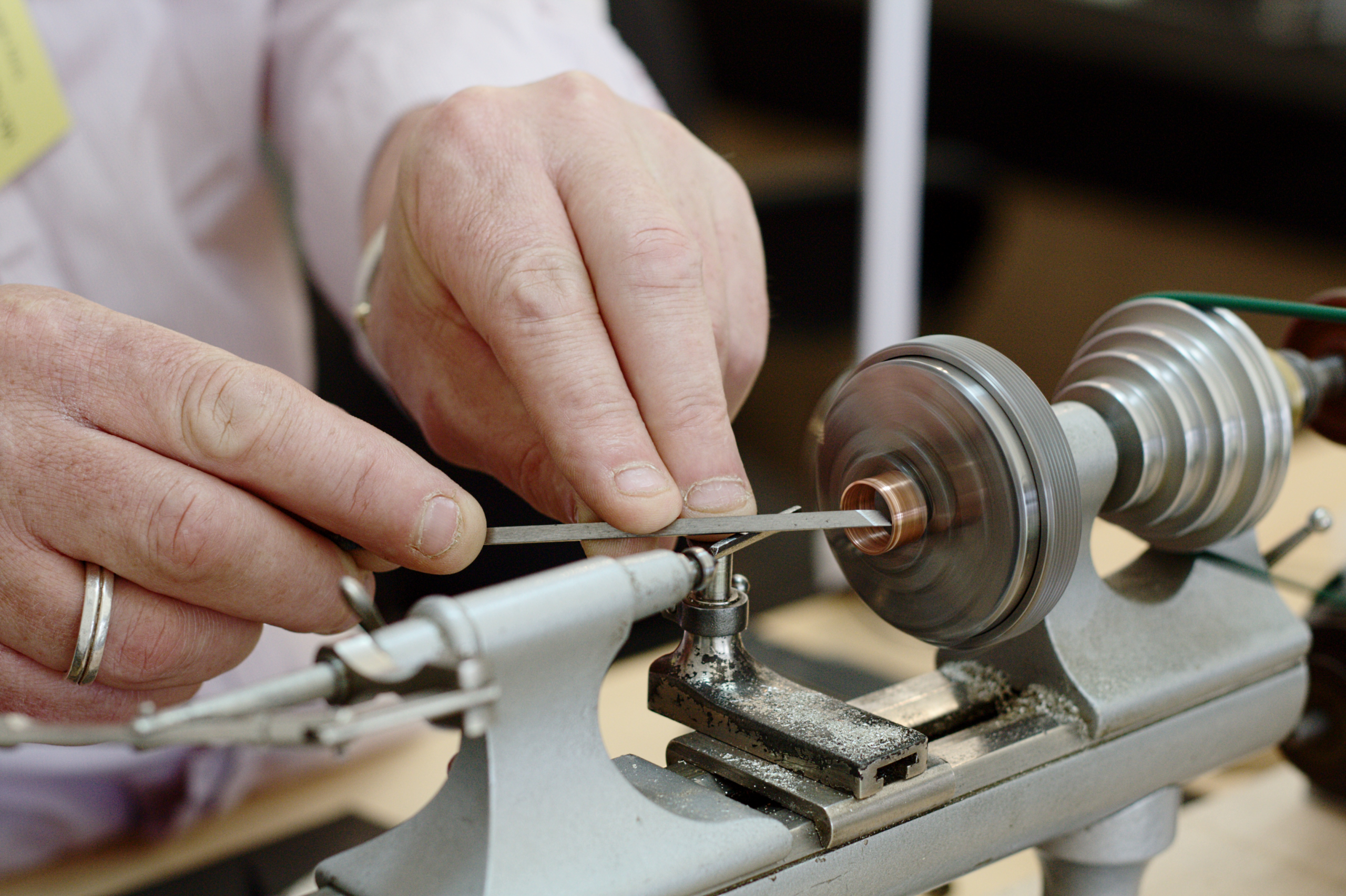
A watchmaker with a lathe could cut a new staff, a new stem, a new winding pinion or a replacement wheel from raw brass and steel at the bench, to fit one particular movement. Spare parts existed but supply was slow and incomplete, and a competent man did not wait for a post.
This is the skill that defined the trade and the first one to go. Manufacturers restricted parts supply to authorised service centres, movements became more standardised and then disposable, and the economics collapsed – a new quartz movement costs less than an hour of skilled labour. Making a part by hand survives in high-end restoration and in horology schools, where it is taught as the test of a watchmaker rather than as a daily task.
Like our content? Follow us for more.
2. Every Watch Was Taken Completely to Pieces to Be Cleaned
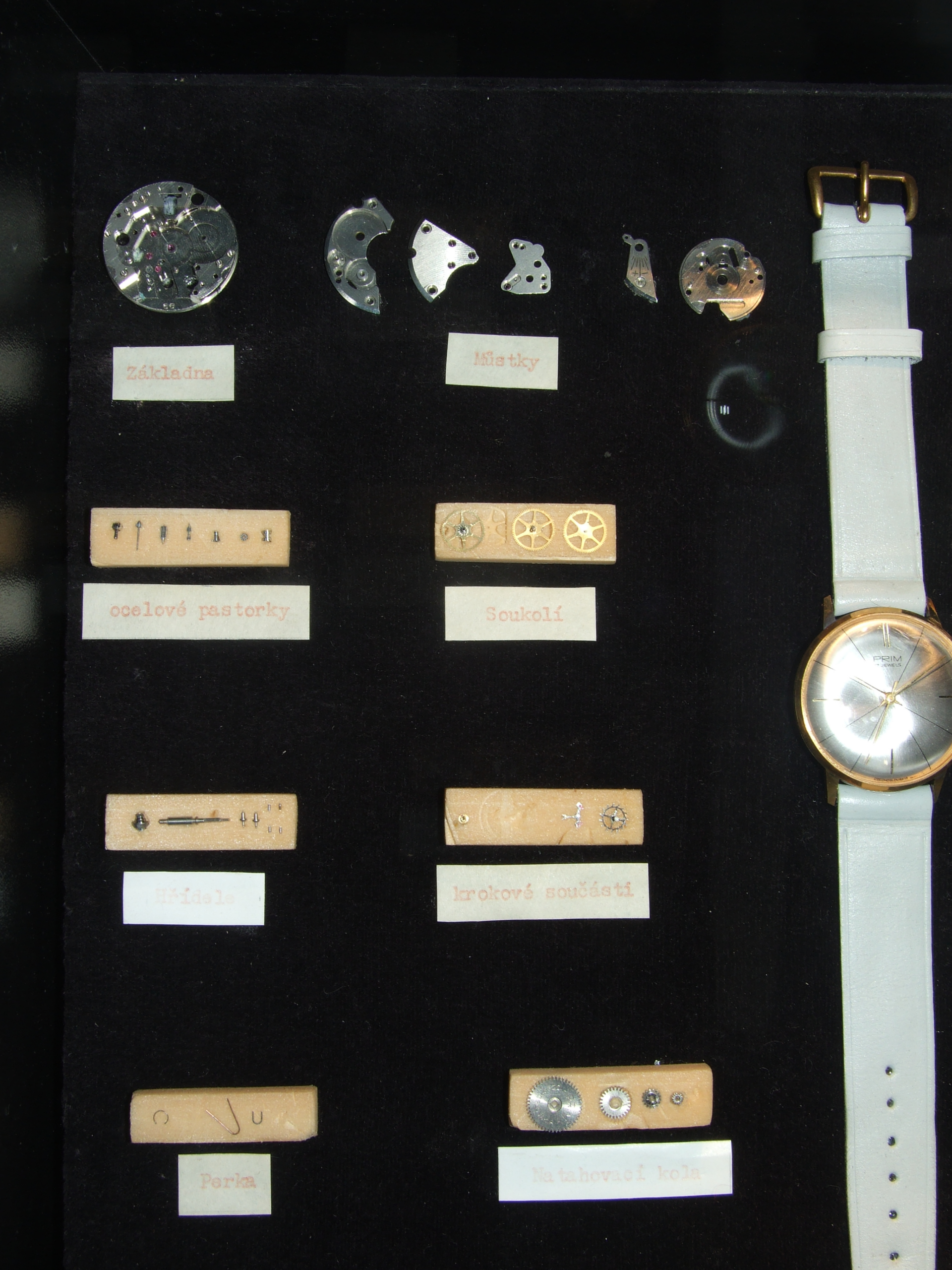
A service meant full disassembly down to the last screw, cleaning each component, inspecting pivots and jewels under magnification, oiling with several different oils at specified points, and reassembly and regulation. It took hours and was done every few years as routine maintenance.
Mechanical watches still need exactly this and it is still done exactly this way, which makes it one of the few genuinely unchanged processes on any of these lists. What changed is that almost nobody owns a watch that requires it. A quartz watch needs a battery and a seal, and the service culture that supported thousands of workshops disappeared with the mechanisms that needed servicing.
3. The Work Was Done With a Loupe in the Eye Socket and No Magnification Beyond It
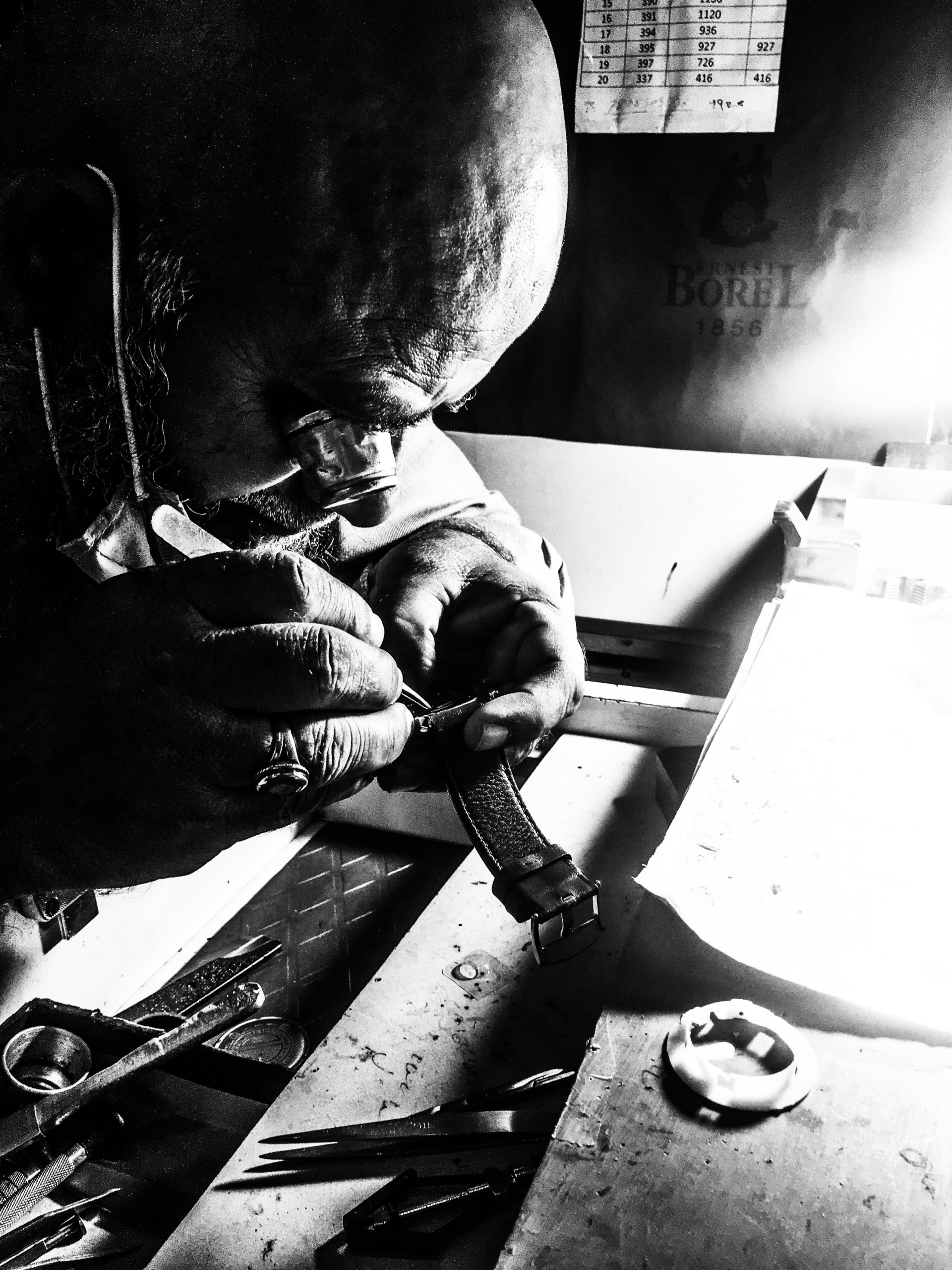
A single eyeglass held in place by the muscles of the eye socket, a bench at a particular height, daylight from a north-facing window supplemented by a single lamp. No stereo microscope, no digital imaging, and tolerances measured in hundredths of a millimetre.
Bench microscopes are now standard in professional workshops and have genuinely improved what can be seen and therefore what can be repaired. The loupe survives for routine work and is still how every apprentice starts. The north window is not nostalgia either – consistent indirect daylight remains the best light for the work, and modern benches are specified around lighting quality.
4. Radium Dials Were Handled, Repainted and Scraped at the Bench
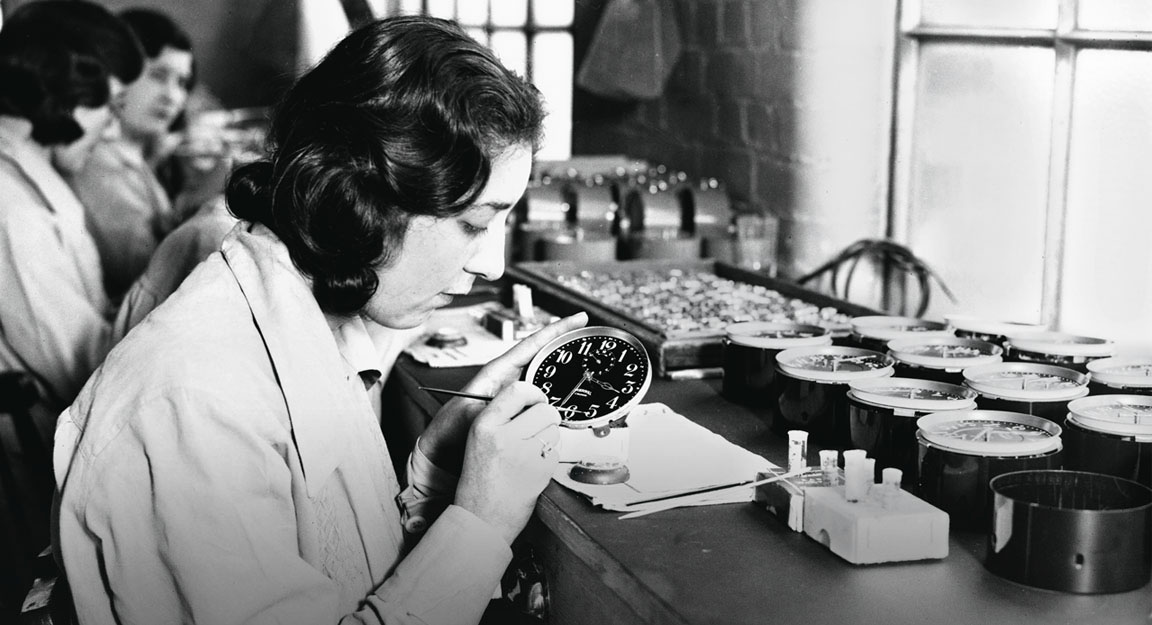
Luminous dials and hands from the first half of the century were painted with radium compounds. Watchmakers handled them, removed old luminous material, and in some cases repainted dials and hands themselves using purchased compounds.
This is included as occupational history. The hazard of radium luminising was established following the well-documented illnesses of the women who painted dials industrially in the 1920s, and radium was progressively replaced in watchmaking from the 1960s, first by tritium and later by non-radioactive photoluminescent compounds. Vintage radium dials are handled today under specific precautions by people trained for it. Anybody who worked with these materials, or who owns such a watch, should seek proper advice rather than taking anything from an article.
5. Cleaning Fluids Were Benzene, Carbon Tetrachloride and Whatever Worked
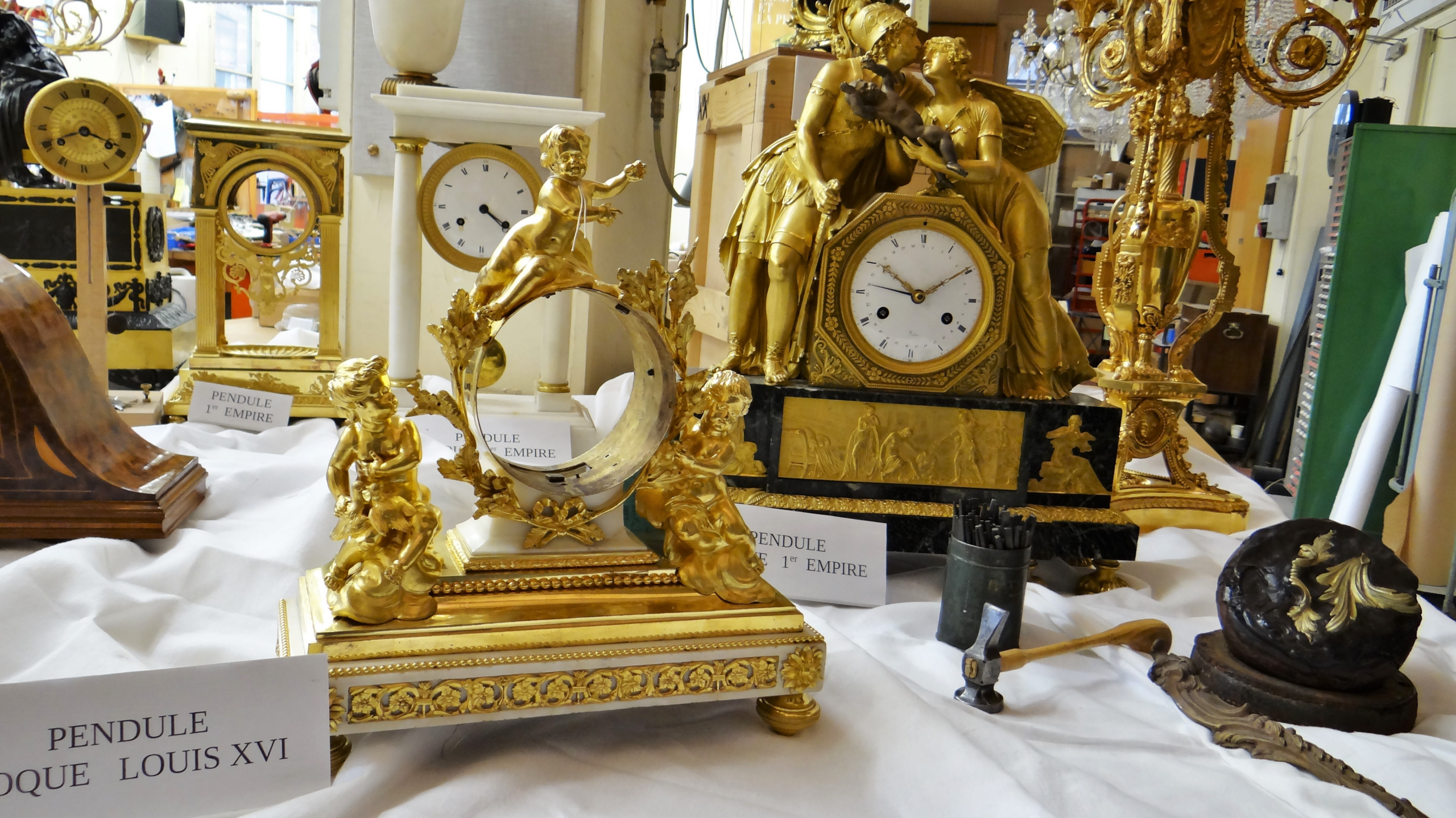
Parts were cleaned in solvents chosen for how well they shifted old oil, in open jars on an open bench, in a small room with a window for ventilation. Ultrasonic cleaning machines existed and were spreading, using the same solvents.
Several of the solvents in general workshop use in that period were later identified as seriously harmful and were withdrawn or restricted. Modern workshops use far safer formulated cleaning solutions in enclosed ultrasonic machines with appropriate ventilation. This is noted as industrial history and not as advice; anybody with an exposure history should raise it with a doctor.
6. The Apprenticeship Was Years Long and the Entry Test Was Your Hands
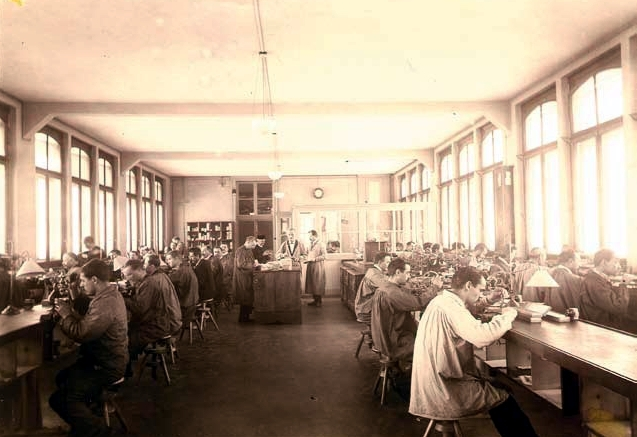
Training ran for several years under one master, and the selection criterion was manual steadiness and patience assessed by watching a candidate work. A great many people who wanted the trade were told their hands were not suited to it, and that was the end of the matter.
Formal horology schools with structured curricula, assessment and recognised qualifications now provide most training, and the trade is explicitly recruiting rather than filtering – there is a well-documented shortage of qualified watchmakers in several countries. The entry test by hands alone has gone, which is a fairer system and has also stopped excluding people who would have improved with teaching.
7. The Shop Repaired Clocks, Jewellery, Spectacles and Anything Small
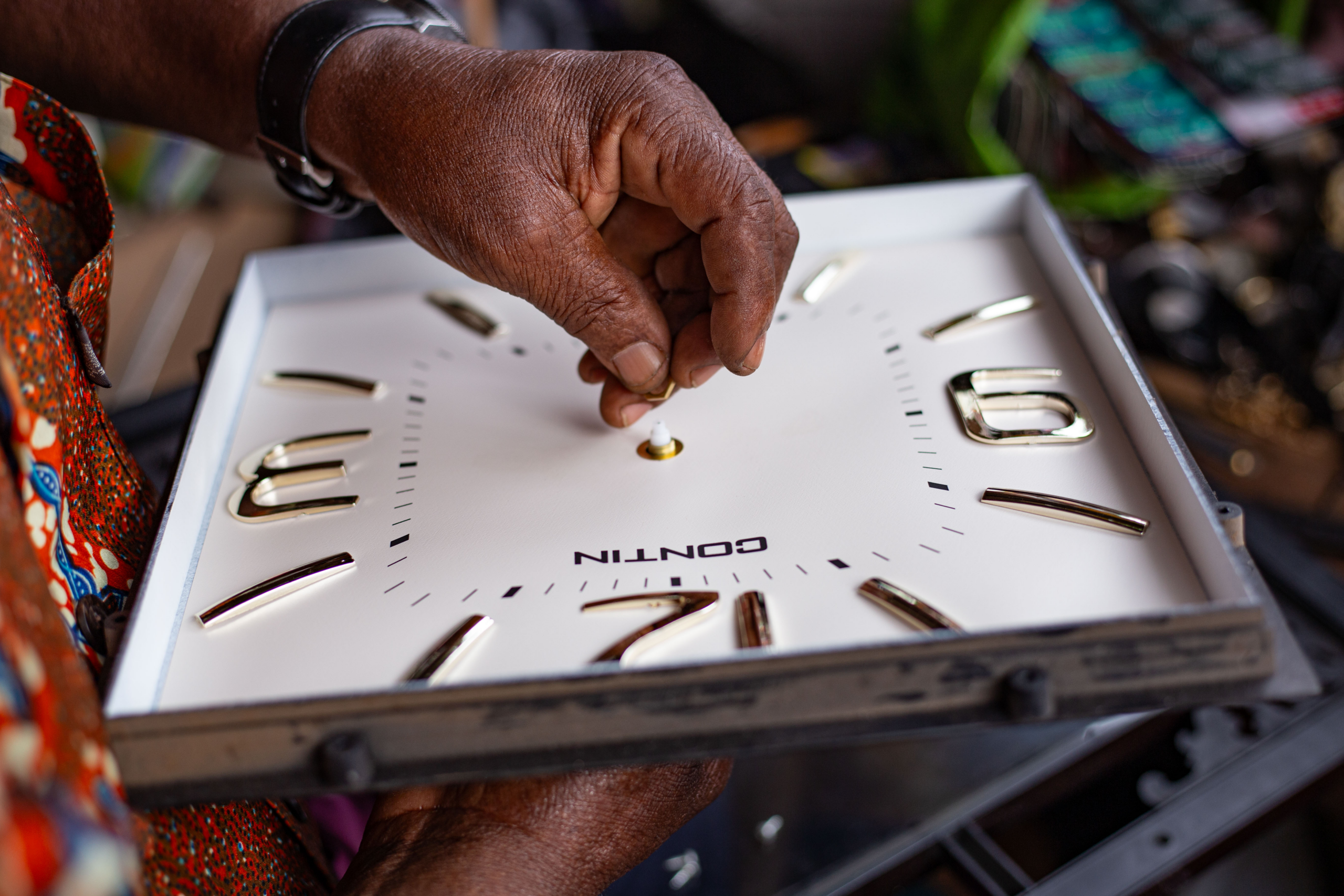
The same bench handled a longcase clock movement, a resized ring, a soldered chain, a broken spectacle hinge and a music box. A town jeweller was a general repairer of small precise things, and that breadth was how the business paid.
Specialisation separated all of it. Optical dispensing became a regulated profession of its own, jewellery repair concentrated into trade workshops serving many retailers, and clock and watch work split apart. The single bench that would attempt anything small has largely gone, and with it the convenience of a shop that could fix most of what a household broke.
8. Quartz Arrived at the End of the Decade and Ended the Argument
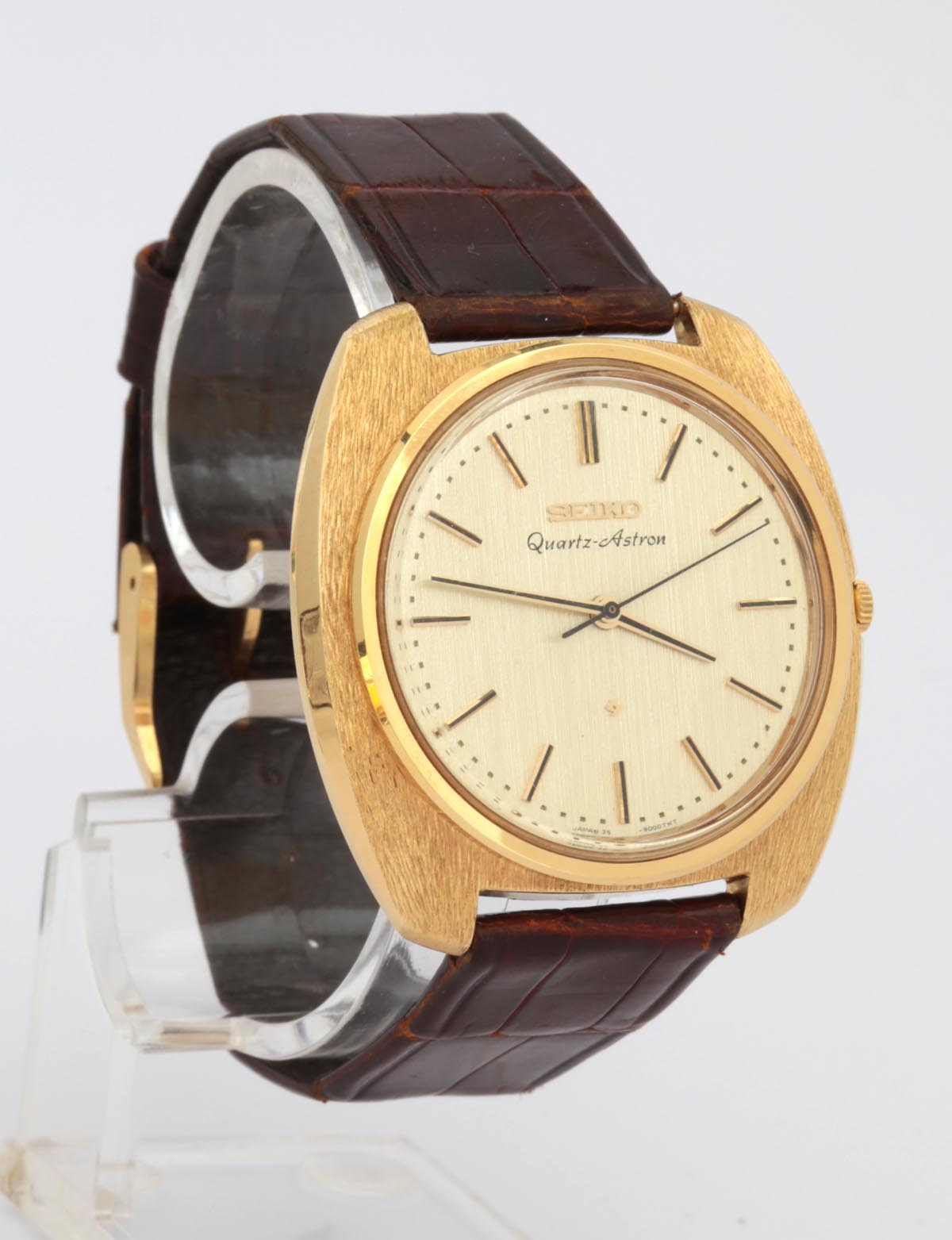
In 1960 the mechanical watch was the only watch. The first commercial quartz wristwatch appeared in 1969, and within about a decade quartz movements were cheaper, enormously more accurate, and required no service beyond a battery.
The disruption that followed is one of the sharpest in any manufacturing industry, and it devastated the traditional mechanical watch industry over roughly fifteen years, with employment in the established watchmaking regions falling by a very large proportion. It also destroyed the repair trade’s customer base, because the product it had serviced was replaced by one that did not need servicing and was cheaper to replace than to fix.
9. Nobody Expected Mechanical Watches to Come Back Either
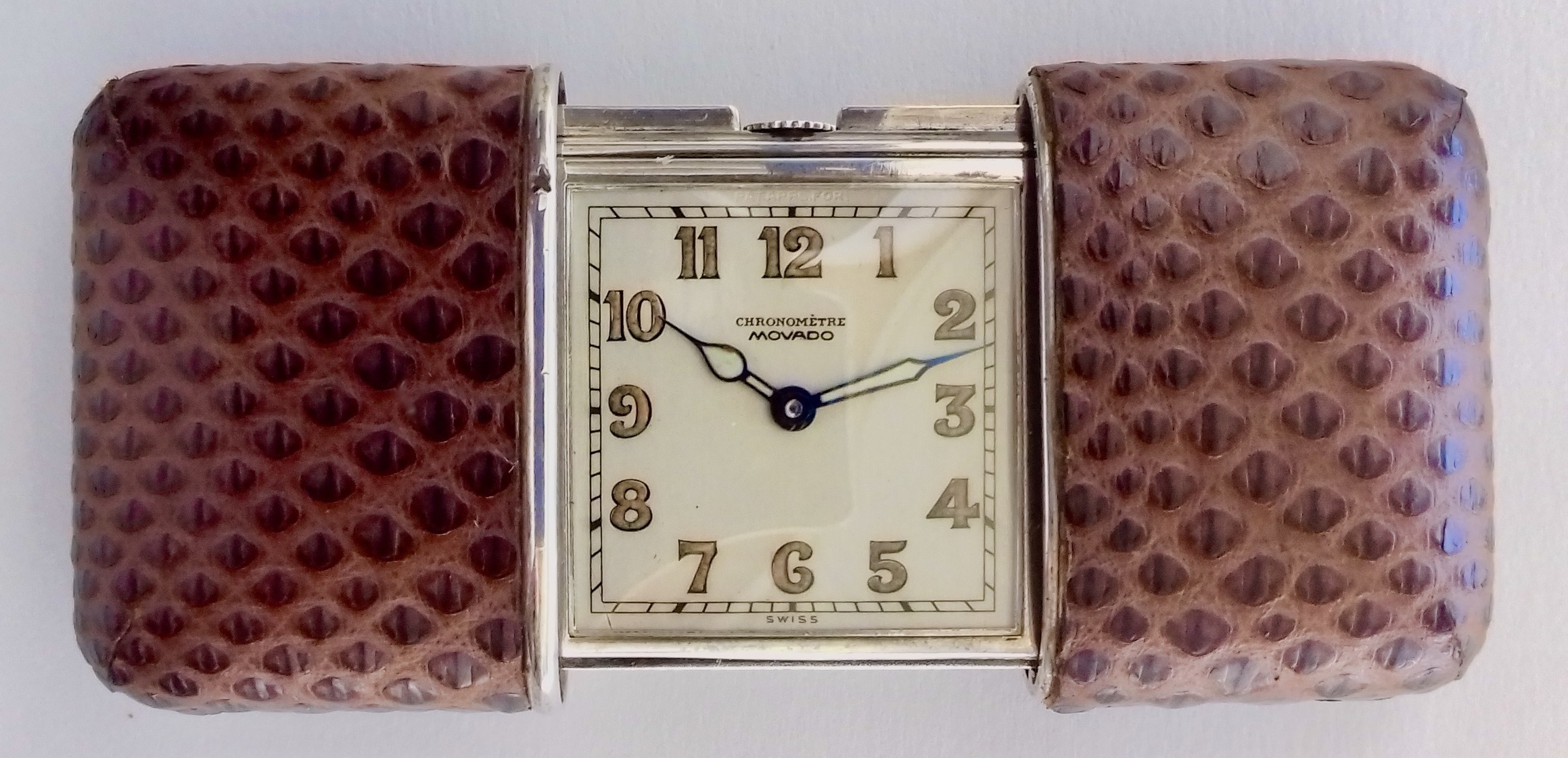
By the late 1970s the mechanical watch looked finished – technically obsolete, more expensive, less accurate, and sustained only by sentiment. Workshops closed, apprenticeships stopped, and the knowledge came close to being lost in several countries.
Mechanical watches returned from the 1980s as luxury and enthusiast objects, deliberately repositioned around craft, heritage and the appeal of a machine that works without electricity. The industry recovered substantially by value while remaining a fraction of the unit volume. It is the same reversal as the microbrewery, driven by the same mechanism: once a thing stops being the ordinary option, it becomes available as a chosen one.
10. The Watchmaker Knew Every Watch in the Town
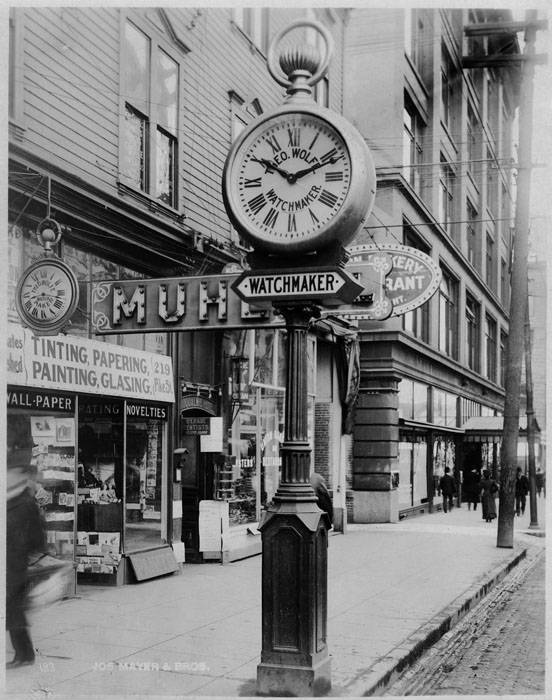
He had serviced the same watches for decades, knew which family owned which piece, had repaired a grandfather’s watch and then the grandson’s, and kept records by name. A watch was an heirloom that passed down and came back to the same bench.
Service now runs through manufacturer networks and specialist workshops that may be in another country, with the watch posted away and returned. The relationship between one craftsman and one town’s watches has gone almost entirely. What survives is the object itself – a serviced mechanical watch genuinely will run for a century, which is why the ones he worked on are still arriving on somebody’s bench, and why the shortage of people who can do it matters.
What Quartz Did, and What Came After
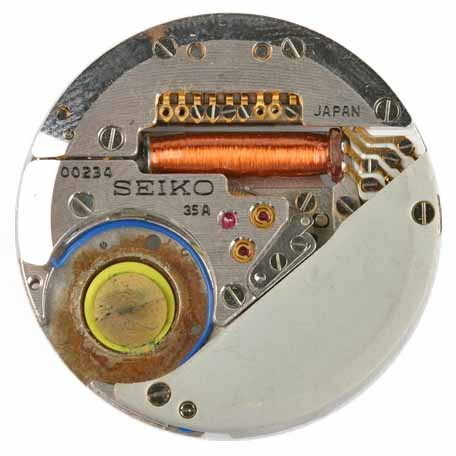
The quartz watch is the cleanest example in industrial history of a better product destroying an entire skilled trade in about fifteen years.
A quartz movement keeps time to within seconds a month where a good mechanical watch manages seconds a day. It costs a fraction as much to produce. It requires no service beyond a battery and a seal. By every measure a customer could reasonably apply, it won, and the traditional industry’s response – that the mechanical watch was better craft – was true and commercially irrelevant.
The repair trade went with it, and faster, because the new product was cheaper to replace than to fix. Workshops closed, apprentices stopped being taken on, and in several countries the chain of transmission from master to apprentice was broken for a generation.
What came back is not the trade. It is a much smaller, much more specialised version of it, serving an object that is now a luxury rather than an instrument. Horology schools are full, the qualified people are in demand, and the shortage is real – there are more mechanical watches in circulation needing service than there are people trained to service them.
Which is an odd outcome: a trade that was killed by obsolescence and is now constrained by a shortage of labour, servicing machines whose owners chose them specifically because they are obsolete.
If there was a watchmaker’s window in your town, you probably remember the clocks in it all showing slightly different times.
What was the shop, and is there still a watch in the family that came out of it?
Like our content? Follow us for more.