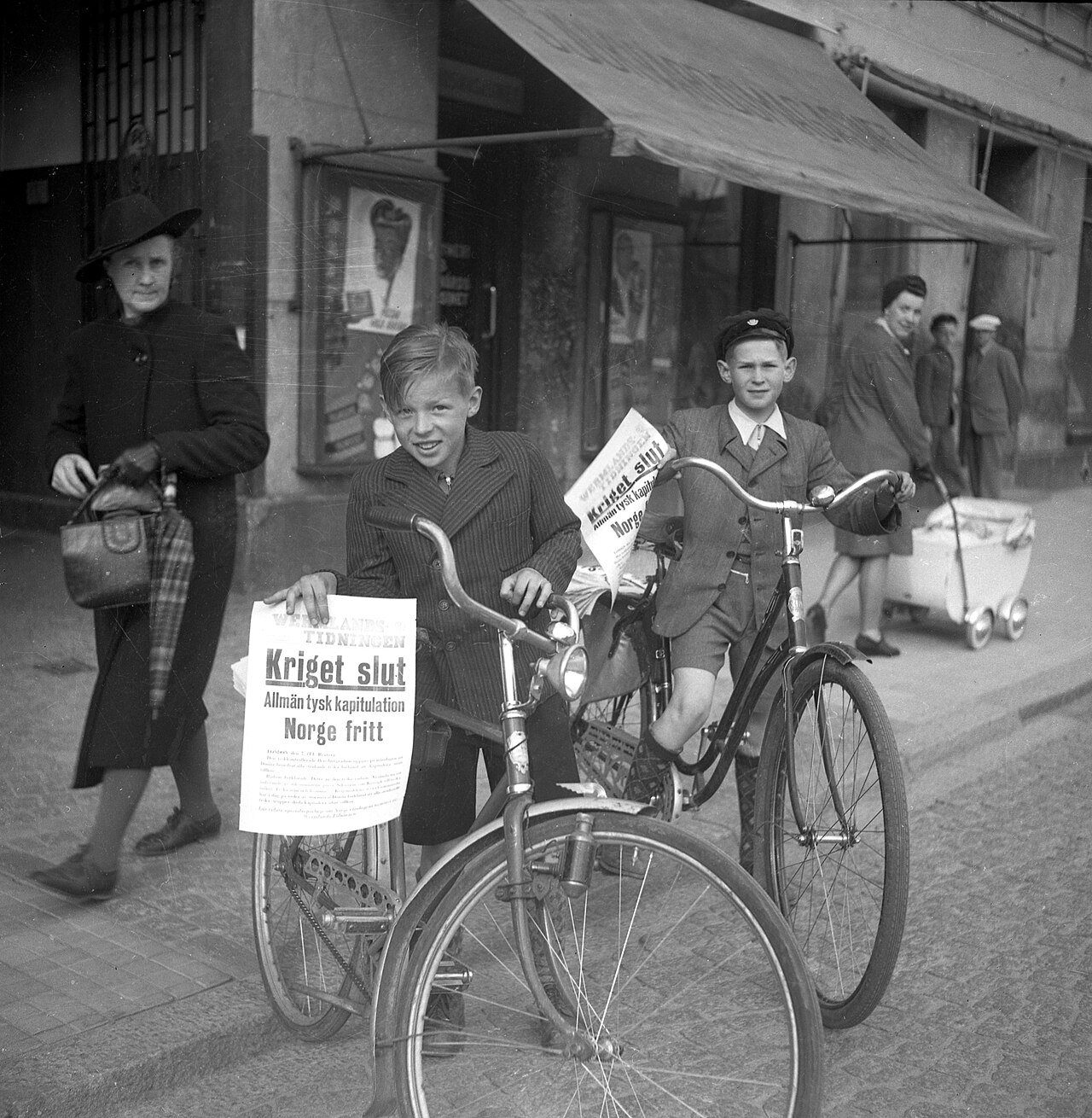
For generations of American kids, the paper route was a rite of passage, often a first real job that taught responsibility, hard work, and the value of a dollar earned. Rising early, loading up a bag of newspapers, and delivering them rain or shine, by bike or on foot, the young carrier learned lessons that lasted a lifetime. It was a job built on reliability, customer relations, and the satisfaction of money earned on your own. As newspaper delivery changed, the kid’s paper route faded, making it a fond source of nostalgia. Looking back at it brings the early-morning rounds to life. Here are eleven things everyone remembers about having a paper route, counted down one by one.
1. Getting Up Before Dawn
Morning routes meant rising while it was still dark. The early wake-up was the hardest part.
For carriers with a morning route, the day began before dawn, dragging yourself out of bed while it was still dark and quiet to get the papers delivered before breakfast. The early wake-up, especially on cold or rainy mornings, was the hardest part of the job and a real test of discipline for a young person. But the quiet morning had its own charm. Getting up before dawn is a defining memory of the paper route, the early wake-up that demanded real discipline from a kid and taught the responsibility of showing up, no matter how dark, cold, or tired you were.
Like our content? Follow us for more.
2. The Bundle of Papers Dropped Off
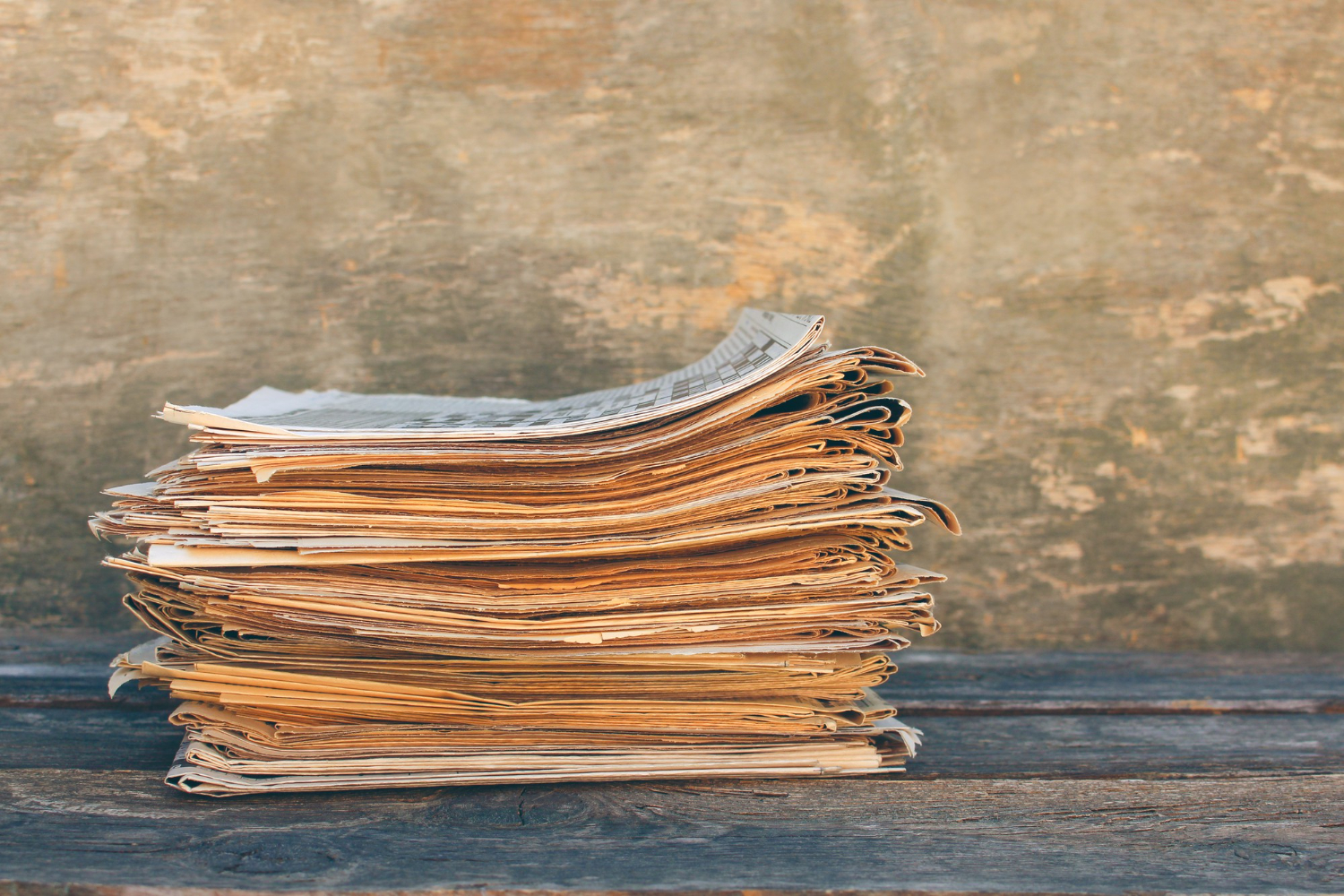
A stack of papers was dropped at your house or corner. You had to count and prep them.
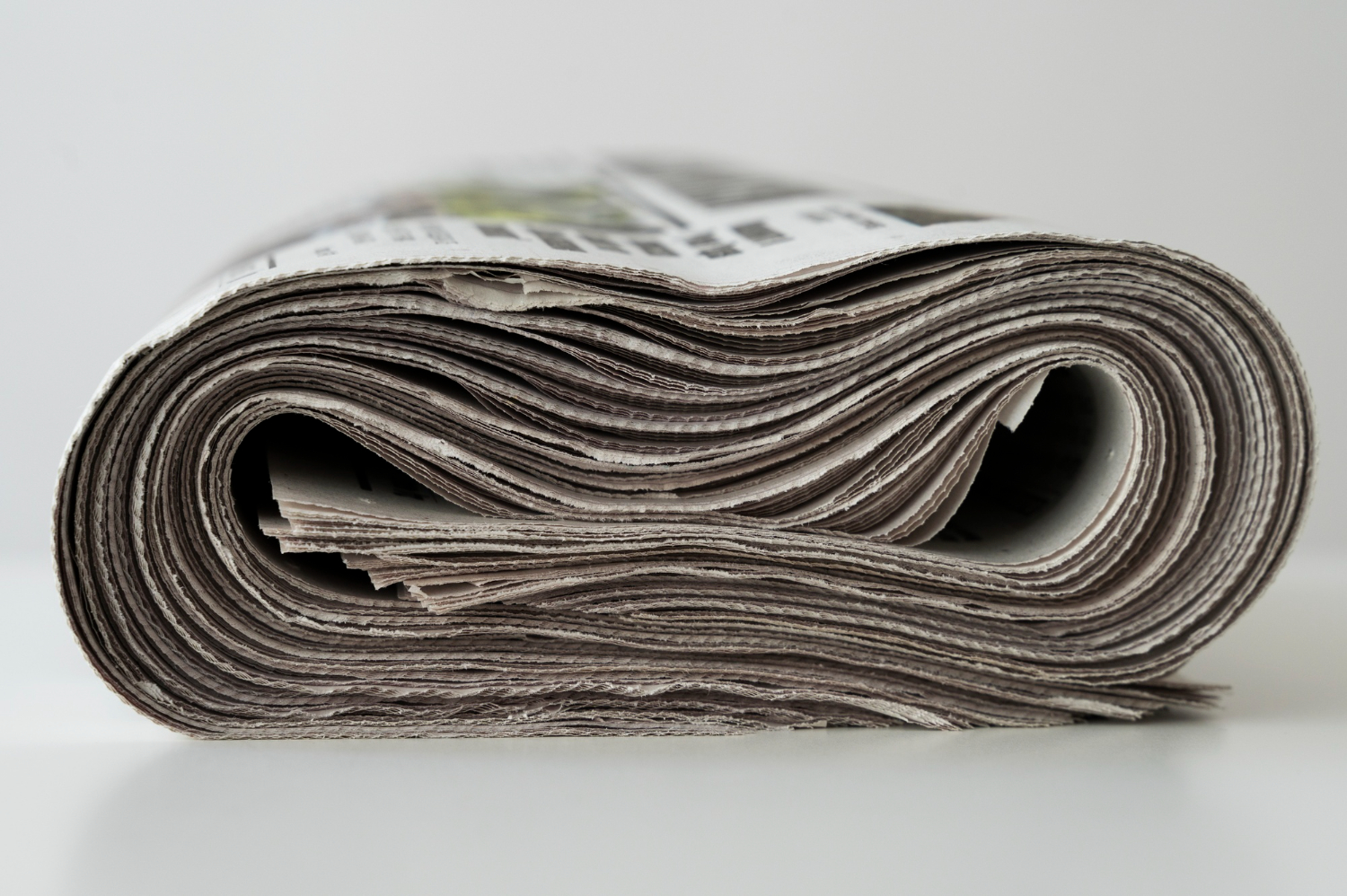
The route began with a bundle of newspapers, dropped off by a delivery truck at your house or a nearby corner, bound with wire or twine. You’d haul the heavy stack inside, count the papers to make sure you had enough for your customers, and get ready to prep them for delivery. The thud of the bundle landing was the start of the workday. The bundle of papers dropped off is the starting point of every paper route, the heavy stack of newspapers that arrived to be counted, folded, and delivered, the raw material of a job that began before most people were even awake.
3. Folding and Rubber-Banding the Papers
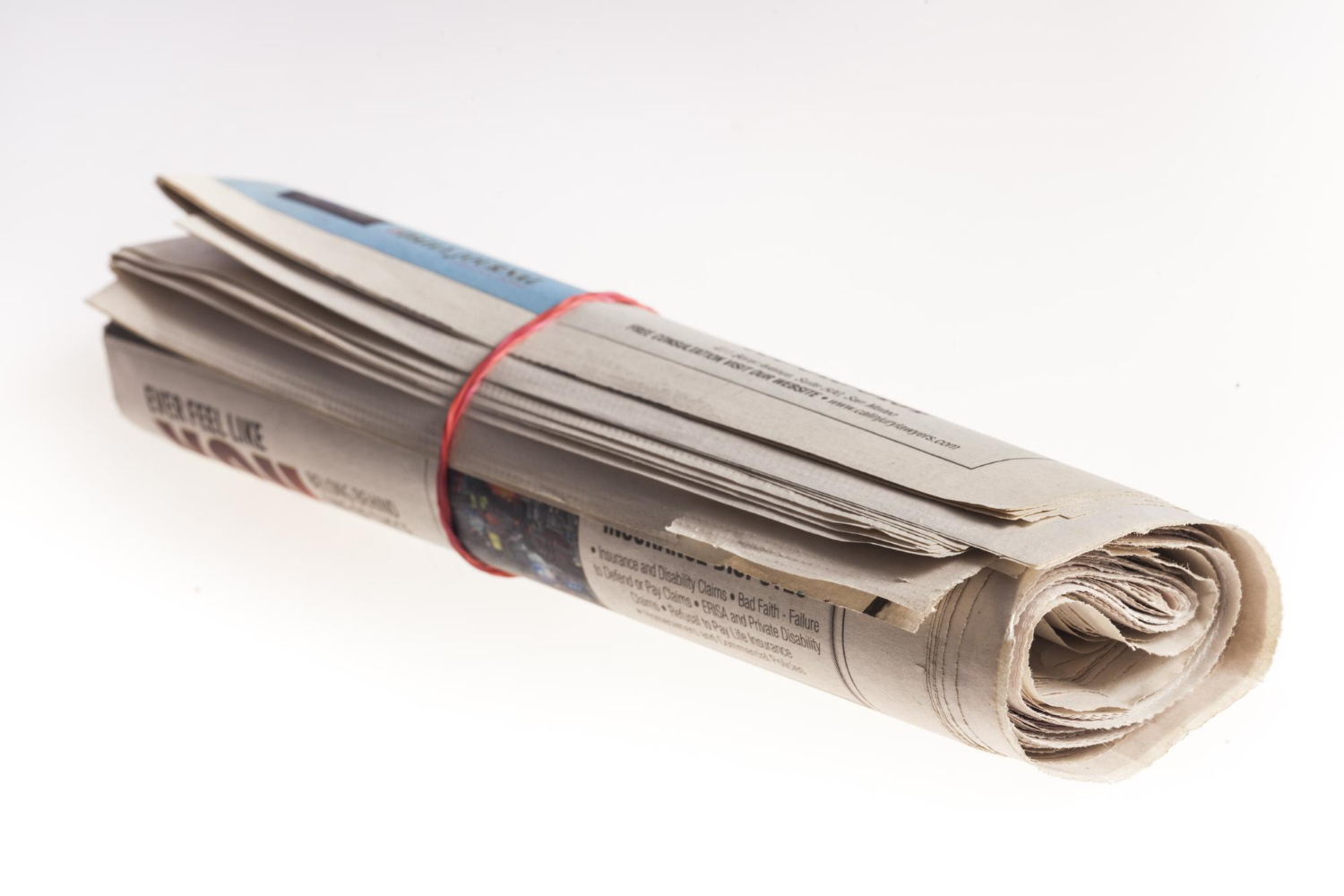
Papers were folded or banded for easy throwing. It became second nature with practice.
Before delivery, the carrier folded each paper, often into a tight square or tri-fold, or secured it with a rubber band so it could be thrown accurately and wouldn’t come apart in flight. On rainy days, papers were slipped into plastic bags. Folding a whole stack became a fast, practiced routine. The fold made the throw possible. Folding and rubber-banding the papers is a classic part of the paper route, the prep work that turned a floppy newspaper into a throwable bundle and became a quick, second-nature skill that every carrier mastered through daily repetition.
4. Learning to Throw onto the Porch
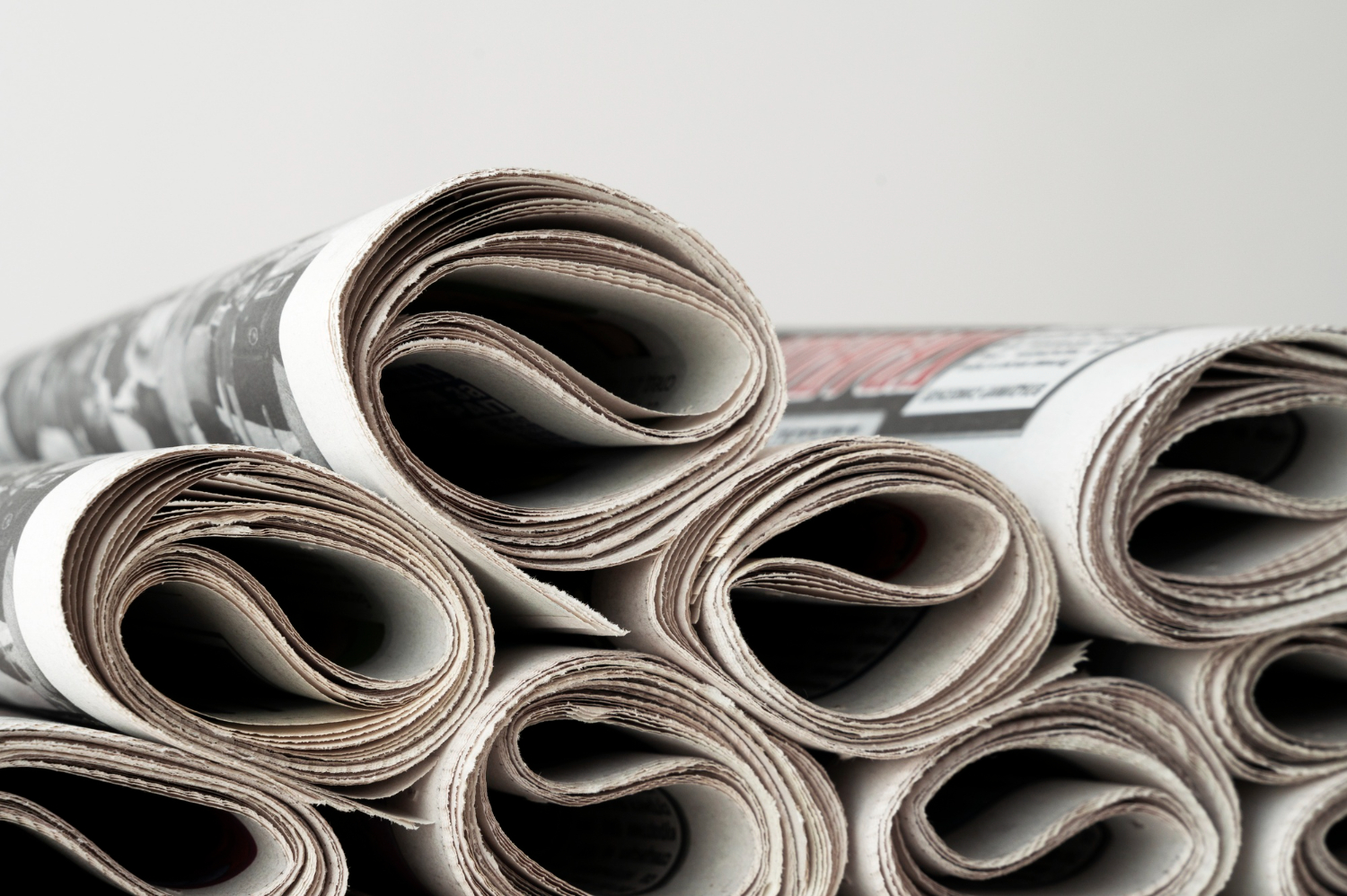
Carriers practiced landing the paper on the porch. A good throw was a point of pride.
A real skill of the paper route was the throw, learning to fling the folded paper from your bike or the sidewalk so it landed squarely on the customer’s porch or doorstep, not in the bushes, the gutter, or on the roof. A carrier who could consistently nail the porch took pride in it, while a bad throw meant going back to fetch it. Accuracy mattered. Learning to throw onto the porch is a beloved skill of the paper route, the art of landing the paper right where the customer wanted it that carriers practiced and perfected, taking real pride in a route delivered with a string of perfect throws.
5. The Canvas Delivery Bag
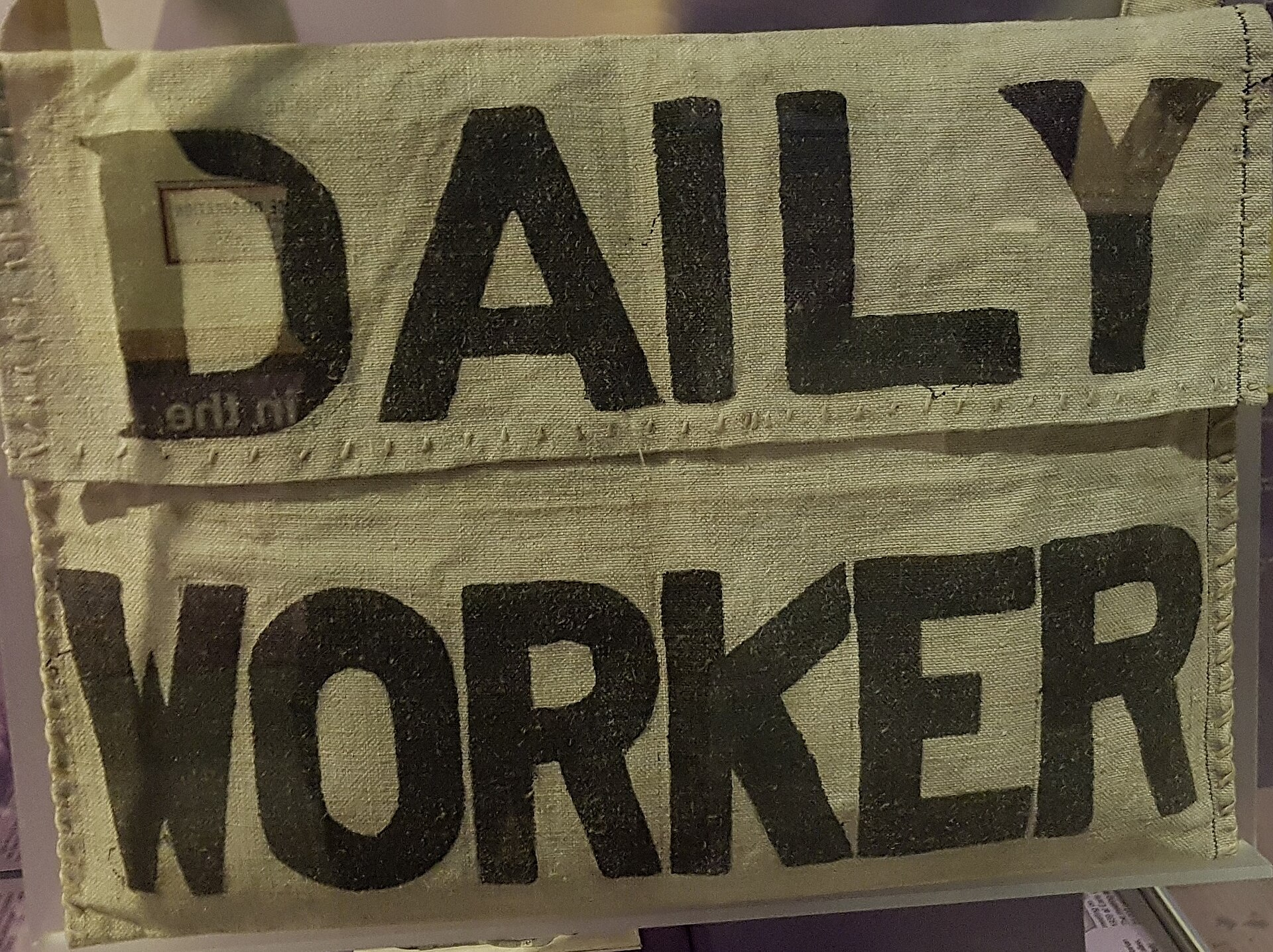
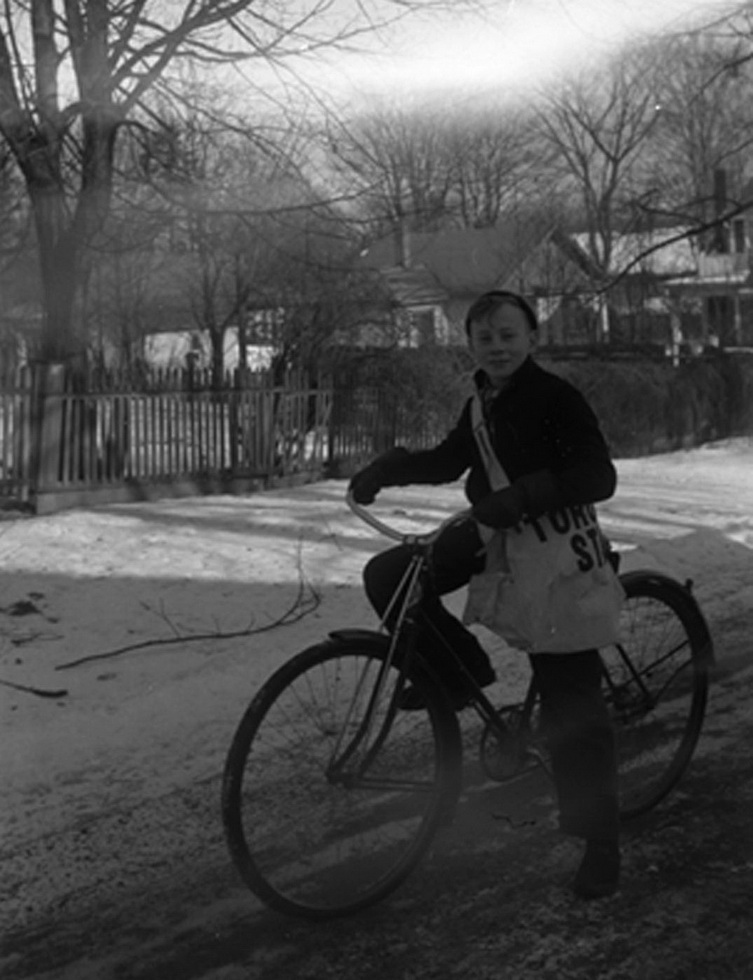
A canvas bag carried the papers on the route. Slung over the shoulder or the handlebars, it held the load.
The carrier’s essential gear was the canvas delivery bag, often emblazoned with the newspaper’s name, slung over the shoulder or draped over the bike’s handlebars to hold the day’s papers. As the route progressed and the bag emptied, the load grew lighter. The sturdy bag was the carrier’s trademark and constant companion. The canvas delivery bag is an iconic feature of the paper route, the sturdy sack that carried the papers and marked the young carrier on the job, a piece of gear that, slung over the shoulder, came to symbolize the classic kid’s newspaper route.
6. Delivering by Bike or on Foot
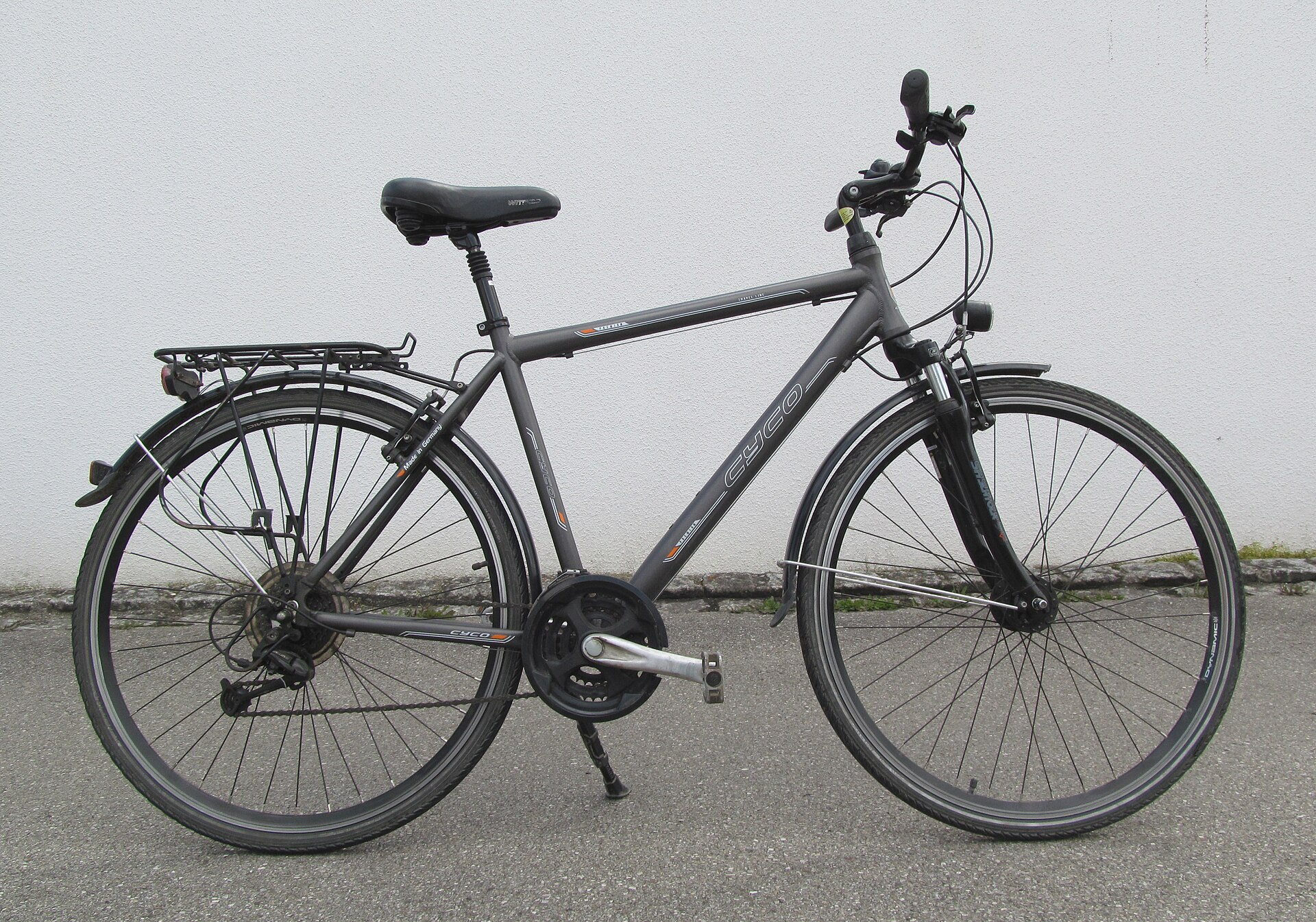
Carriers covered their route by bicycle or walking. The route became deeply familiar.
The route itself was covered by bicycle, the classic image of the paperboy pedaling down the street, or on foot for tighter, closer routes. Day after day, the carrier came to know every house, every dog, and every shortcut on the route by heart. The daily rounds, in all weather, built familiarity with the whole neighborhood. The route became second nature. Delivering by bike or on foot is the essence of the paper route, the daily rounds through the neighborhood that the carrier came to know intimately and the enduring image of the paperboy pedaling along, tossing papers onto porch after porch.
7. Dealing with Dogs and Weather
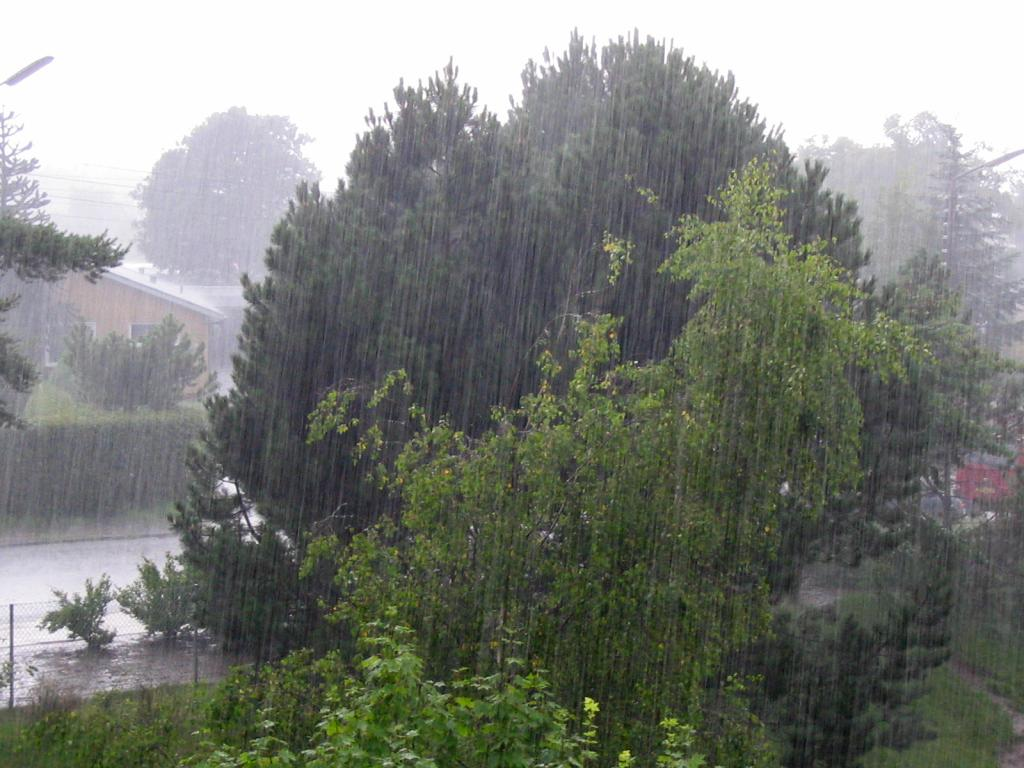
Carriers braved bad weather and the occasional dog. The job went on rain, snow, or shine.
The paper route had to be done in all conditions, rain, snow, sleet, and bitter cold, testing a young carrier’s grit. And nearly every route had its hazards, especially the neighborhood dogs that gave chase or guarded their yards. Bundling up against the weather and outpacing a barking dog were part of the job. The route waited for no one. Dealing with dogs and weather is a memorable challenge of the paper route, the rough conditions and the occasional pursuing dog that tested the young carrier’s determination and made delivering the papers, rain or shine, a genuine lesson in perseverance.
8. Collecting from Customers
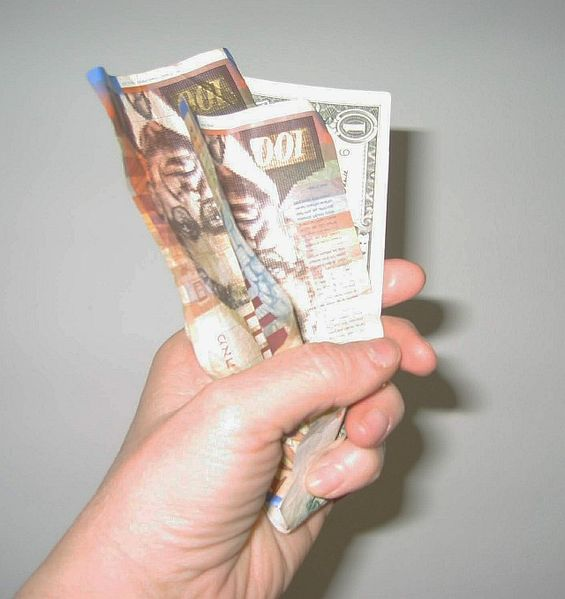
Carriers went door to door to collect payment. It was the trickiest part of the job.
A key, and often nerve-wracking, part of the job was collecting, going door to door at the end of the week or month to collect payment from each customer, marking it off in a collection book, and making change. Some customers paid promptly with a tip, while others were never home or slow to pay. Collecting taught real-world money skills. Collecting from customers is a defining part of the paper route, the door-to-door payment rounds that taught young carriers about money, record-keeping, and dealing with people, often the trickiest and most grown-up aspect of the whole job.
9. The Tips and the Earnings
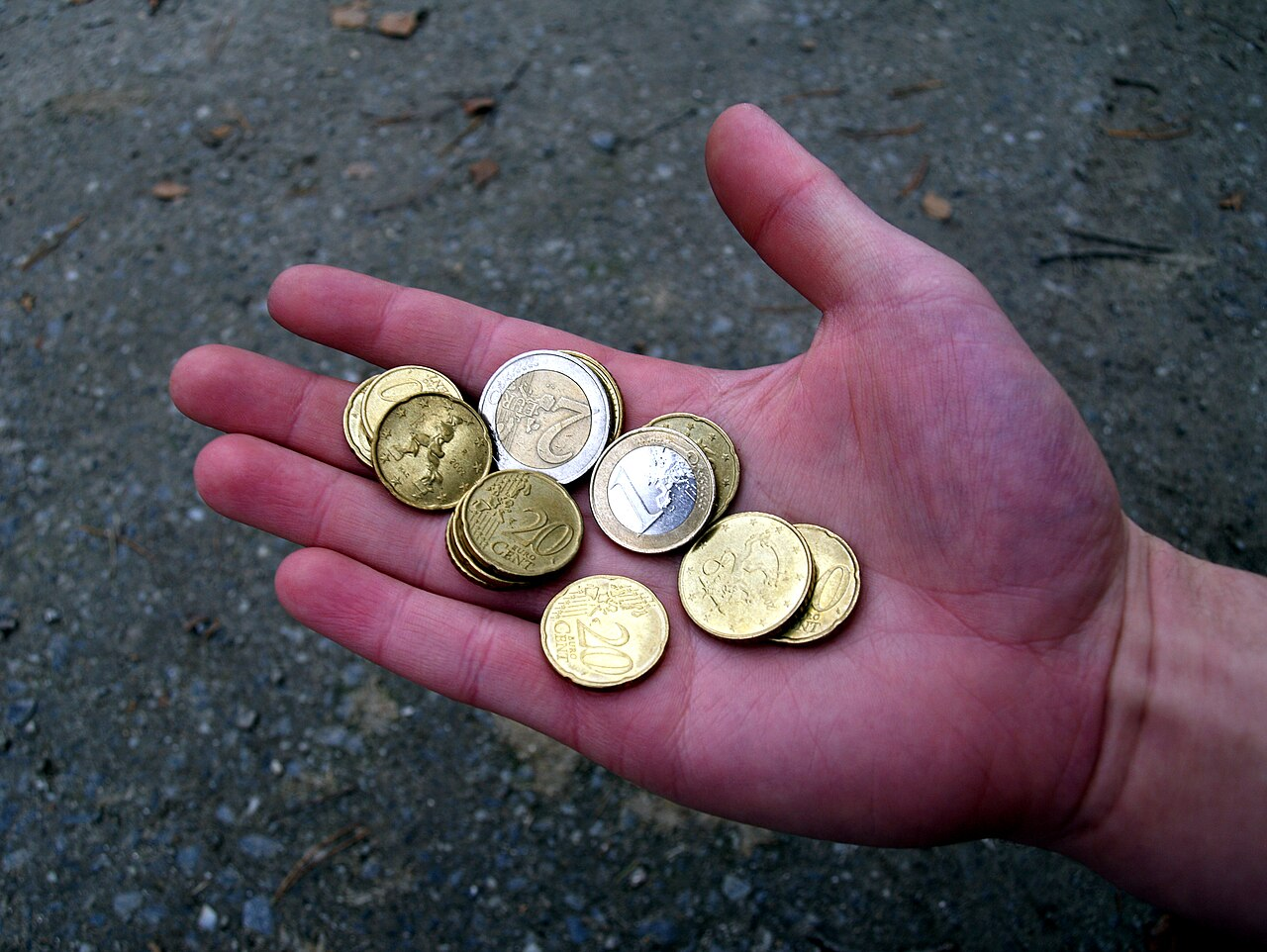
The route paid real money, plus tips from customers. Earning your own cash was a thrill.
The reward for all the early mornings and hard work was the earnings, real money the carrier kept, plus tips from happy customers, especially around the holidays, when a well-served route could yield generous bonuses. Earning your own cash, perhaps for the first time, was a genuine thrill and a lesson in the value of work. The money felt hard-won and sweet. The tips and earnings are the rewarding payoff of the paper route, the real money a kid earned through honest work, plus the customer tips that made good service worthwhile and gave many young people their first taste of financial independence.
10. The Responsibility and Independence
The route taught reliability and independence. It was many kids’ first taste of real work.
Beyond the money, the paper route taught responsibility and independence, the carrier was accountable for getting the papers delivered correctly and on time, every single day, rain or shine, without anyone reminding them. It was many kids’ first real job and a formative lesson in dependability and self-reliance. The route made you grow up a little. The responsibility and independence are the most valuable rewards of the paper route, the real-world lessons in reliability and self-reliance that the job instilled and that many former carriers credit with shaping their work ethic for the rest of their lives.
11. Knowing the Whole Neighborhood
The carrier came to know everyone on the route. The job connected kids to their community.
Delivering and collecting day after day, the carrier came to know the whole neighborhood, the customers, their houses, their routines, and their families. Friendly greetings, regular chats, and familiar faces made the route a way of belonging to the community. The carrier was a known and trusted part of the street. Knowing the whole neighborhood is a warm aspect of the paper route, the community connection the job fostered as the carrier became a familiar, dependable presence on the street, linking a young person to the neighbors they served every day.
A Classic First Job

Taken together, these eleven things capture the experience of having a paper route, from the pre-dawn wake-up and the canvas bag to learning to throw onto the porch, collecting from customers, and the responsibility it taught. It was a classic first job, a rite of passage that gave generations of kids their first earnings, their first lessons in hard work, and a real place in the neighborhood.
Changes in the newspaper business, with adult carriers in cars and the decline of print, brought the era of the kid’s paper route largely to a close, ending a classic first job that had shaped generations. Yet the memory remains strong for those who did it, the early mornings, the perfect porch throws, the hard-won earnings, and the lessons learned. For former carriers, these details bring it all back. Looking back at having a paper route is a fond tribute to a classic first job, where a kid with a bag of papers learned responsibility, earned their own money, and became a part of the neighborhood, one early morning at a time.
Like our content? Follow us for more.