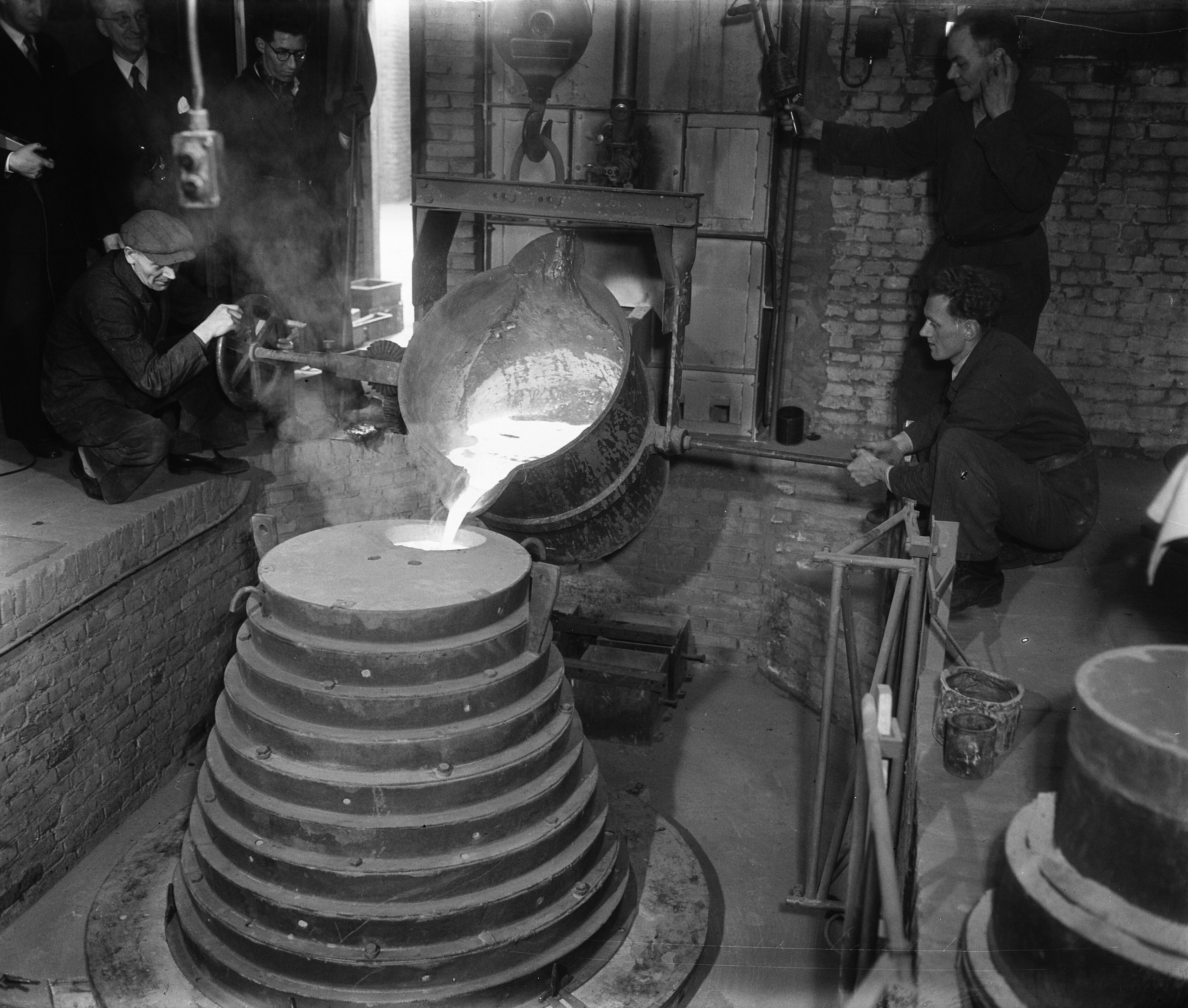
In 1960 a bell mould was built from loam – clay, sand, animal dung and hair – swept into shape by rotating a profiled board around a spindle, so that the entire three-dimensional object came from one two-dimensional curve.
The metal was a bronze whose composition had not meaningfully changed in centuries. The pour was a single irreversible operation lasting seconds. And the tuning was done by machining metal off the inside, a cut at a time, where every cut moved several notes at once.
Here are twelve things that were ordinary in a bell foundry in 1960, and what became of each one.
1. The Mould Was Made of Loam, Horse Manure and Goat Hair
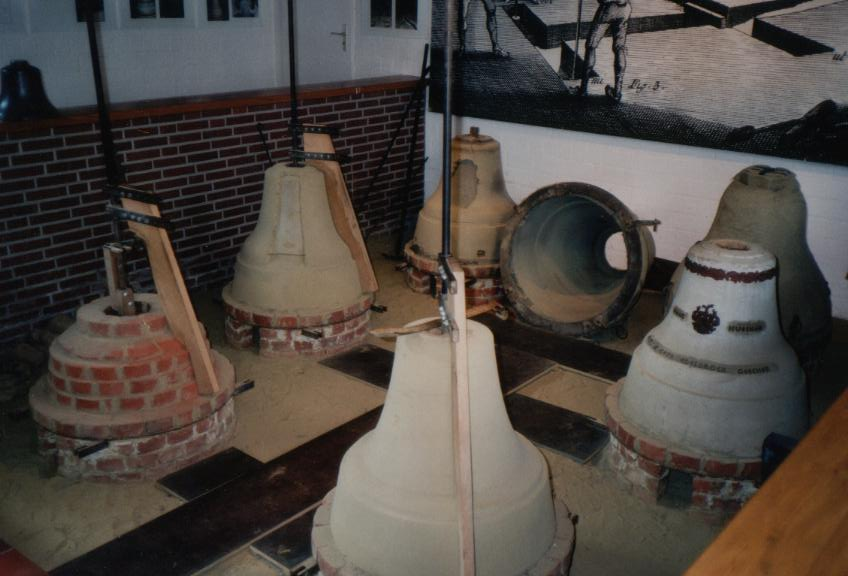
Bell moulds were built up from loam – a mixture of clay, sand, animal dung and hair – applied in layers over a brick core and shaped by sweeping a profiled board around a central spindle.
Resin-bonded sand and modern moulding materials are used for much production, and loam moulding survives at foundries casting traditional bells. The organic content is not folklore: the hair reinforces the mixture against cracking and the dung provides fibre and burns out during firing to leave the mould porous enough to let gases escape, which is exactly what a casting needs.
Like our content? Follow us for more.
2. The Shape Was Drawn as a Profile and Swept, Not Modelled
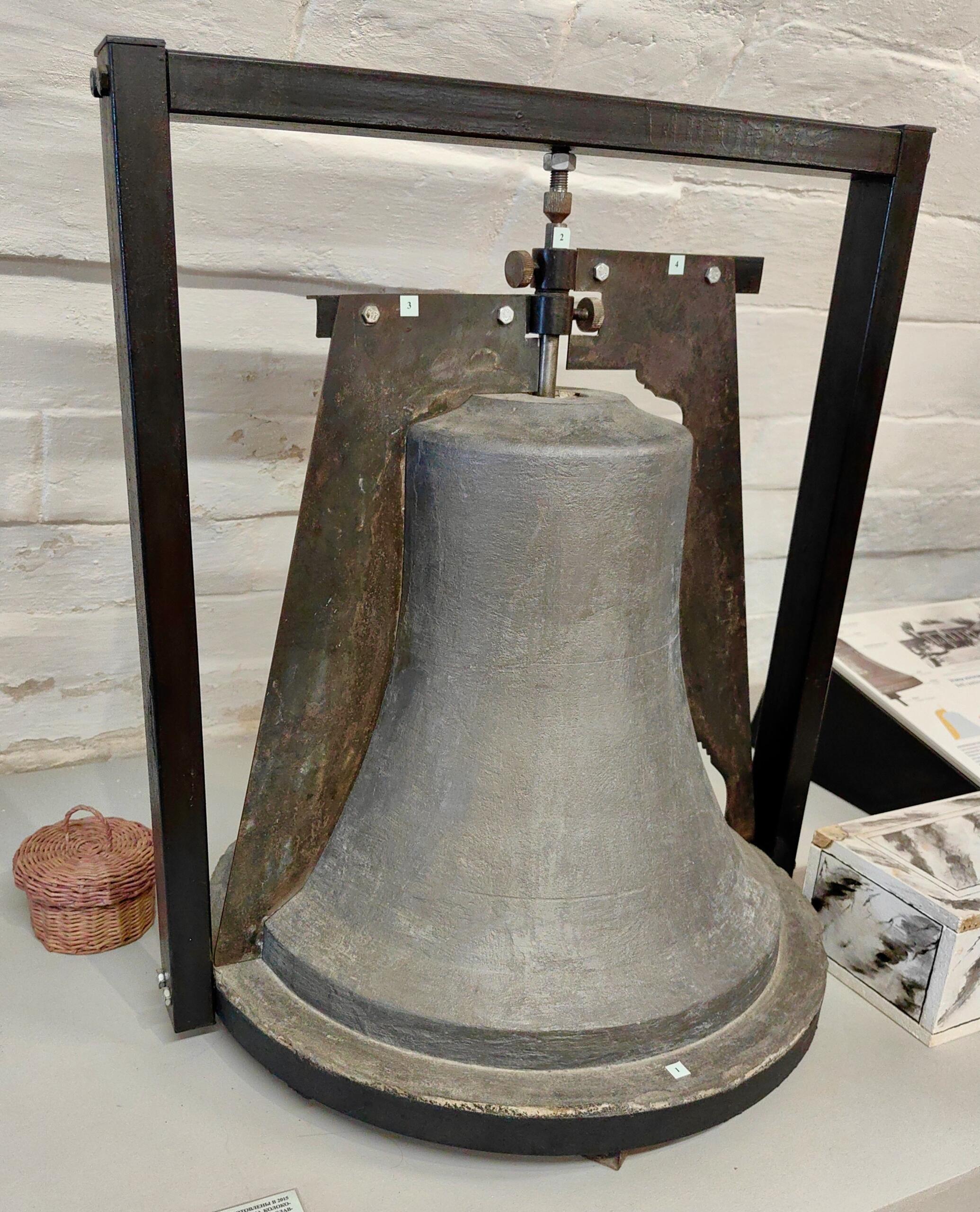
The bell’s form was defined by a flat board cut to the outline of its cross-section, rotated around the axis to sweep the shape into the loam – so the entire three-dimensional object came from one two-dimensional curve.
Computer modelling and machining produce the profile now, and the sweeping method is still used. That profile is everything: it determines every note the bell will produce, it is the accumulated result of centuries of adjustment, and foundries guarded theirs closely.
3. A Bell Produces Several Notes at Once and They Have to Agree
A bell does not have a pitch, it has a set of partials – distinct frequencies produced by different vibration modes of the same object – and a good bell is one in which those partials sit in specific relationships to each other.
Unchanged in principle, now measured instrumentally rather than by ear alone. This is the thing that makes bellfounding difficult and that almost nobody realises: you are tuning several notes simultaneously in a single piece of metal, and the relationships between them are what make a bell sound like a bell rather than like a lump of bronze.
4. Tuning Meant Cutting Metal Off the Inside on a Lathe
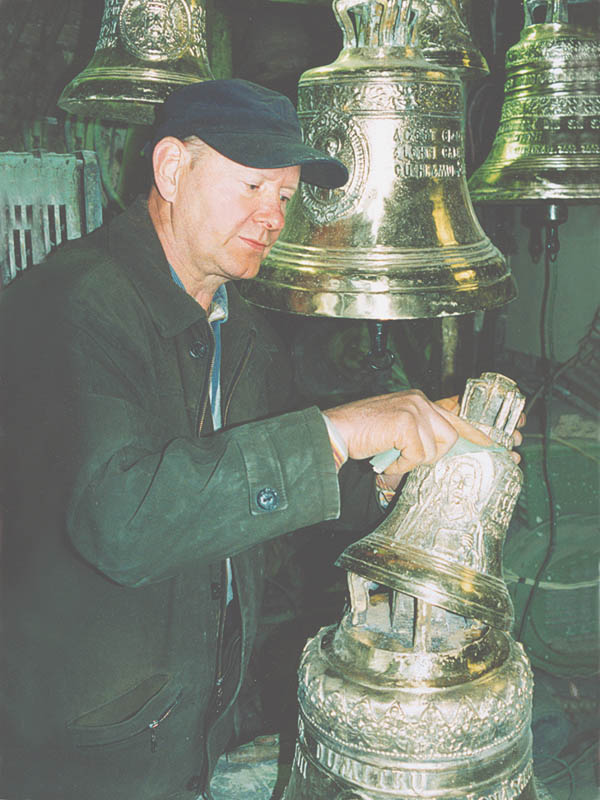
After casting, the bell was mounted on a vertical lathe and metal was machined from specific zones of the inside surface, each zone affecting a different partial, with the tuner taking cuts and retesting between them.
Still exactly how it is done, with electronic frequency measurement replacing tuning forks. It is irreversible – metal removed cannot be put back – and the tuner is adjusting several interdependent frequencies at once, where a cut to correct one will move the others.
5. The Metal Was Bronze and the Recipe Had Not Changed in Centuries
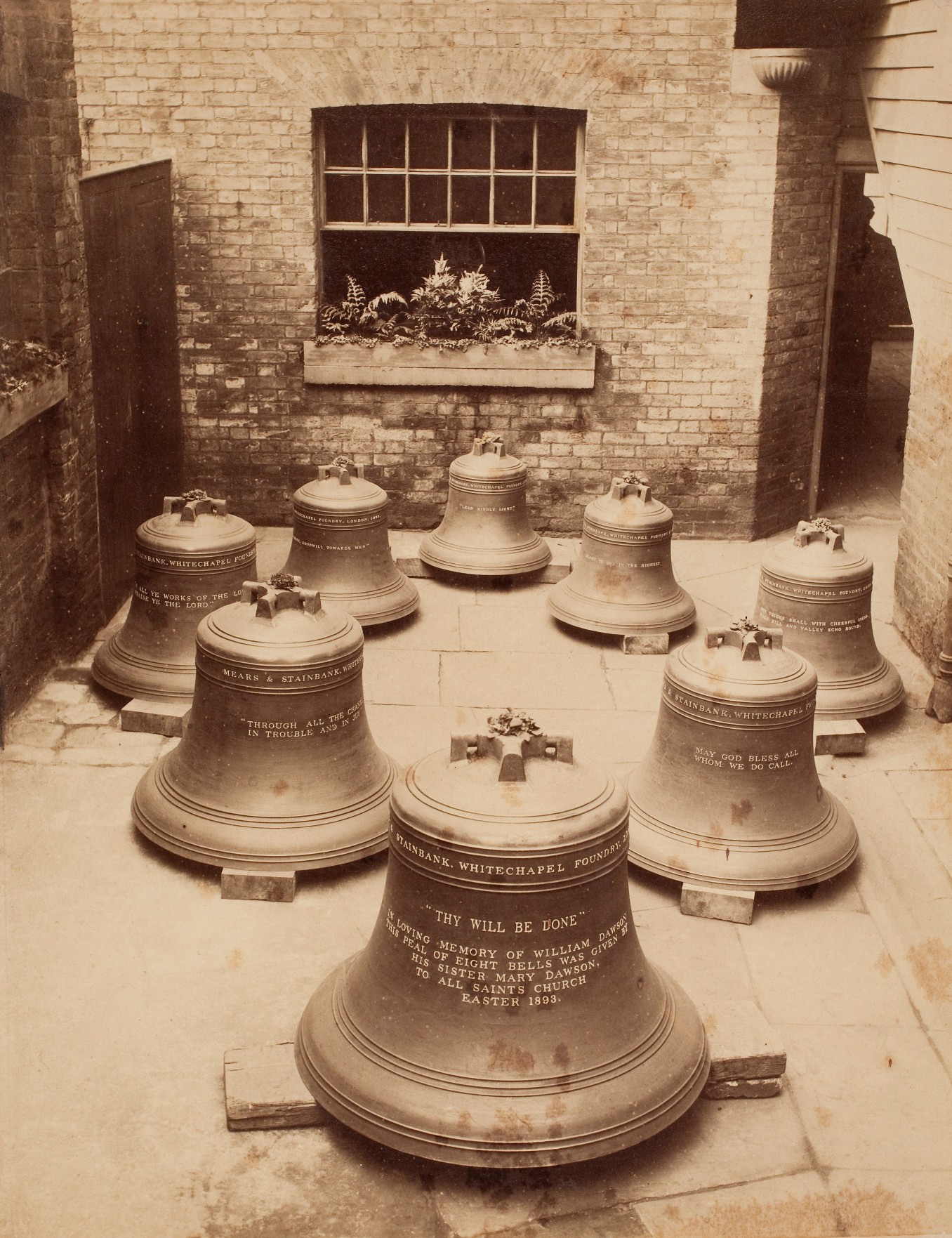
Bell metal is a high-tin bronze, with a composition that has been essentially stable for a very long time because it is close to optimal – hard enough to ring, not so brittle that it shatters.
Unchanged. Attempts to substitute cheaper or tougher alloys produce bells that sound wrong, and the reason is that the acoustic properties follow from the composition. It is another case in this series of a traditional specification surviving scrutiny because it was already right.
6. The Pour Was One Attempt and Everybody Watched
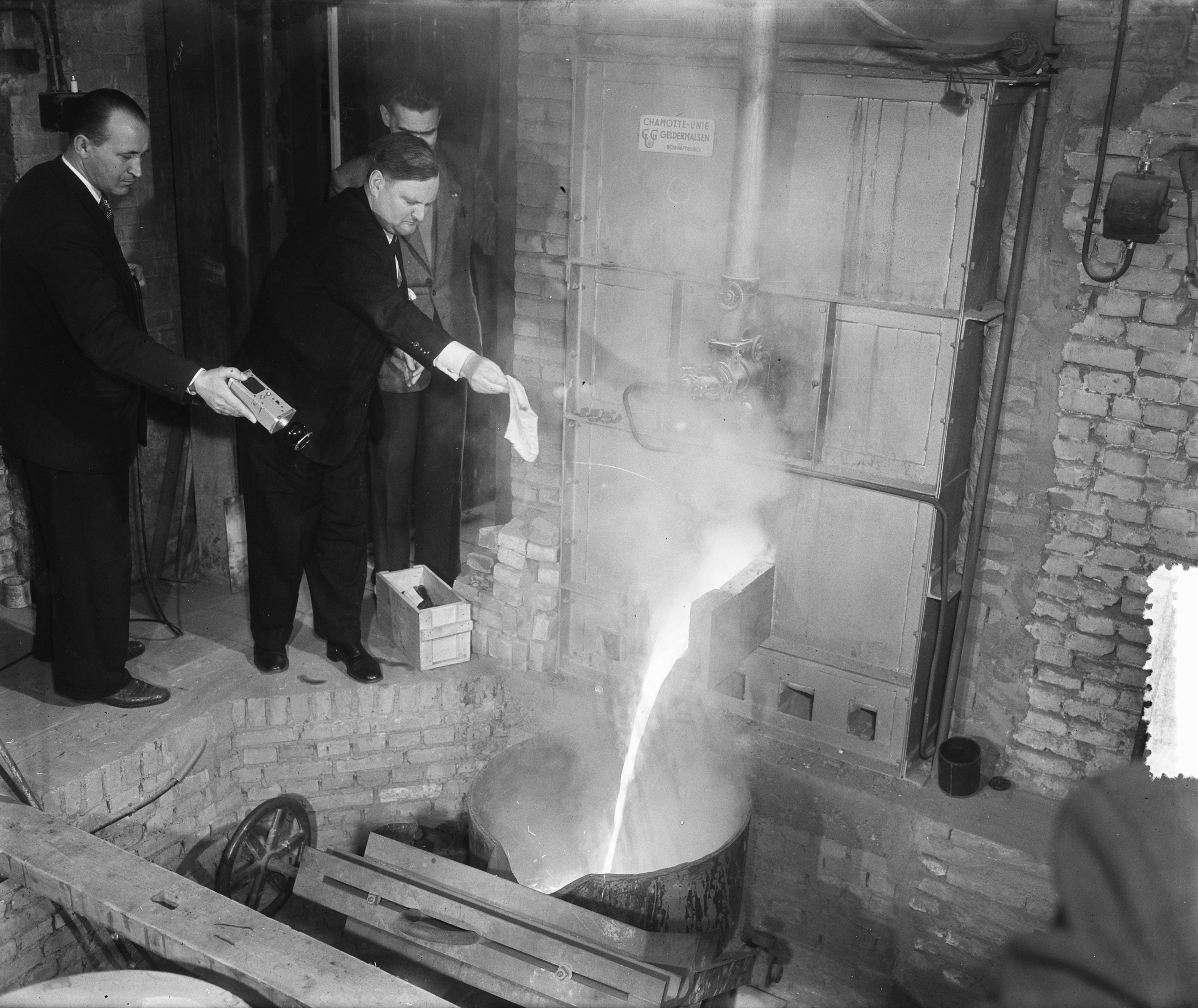
Molten metal was poured into the mould in a single continuous operation lasting seconds, and the casting either succeeded or did not. A failure meant breaking everything up and starting again with weeks of work lost.
Still a single irreversible operation, with better temperature control and metal handling. The pour is the moment the whole process turns on, it is attended by everybody in the building, and the outcome is not fully known until the mould is broken open days later when the metal has cooled.
7. The Fittings Were a Separate Craft Entirely
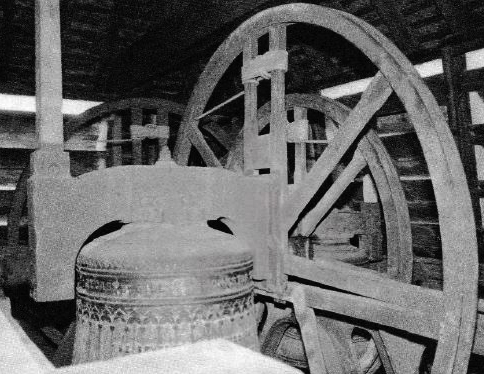
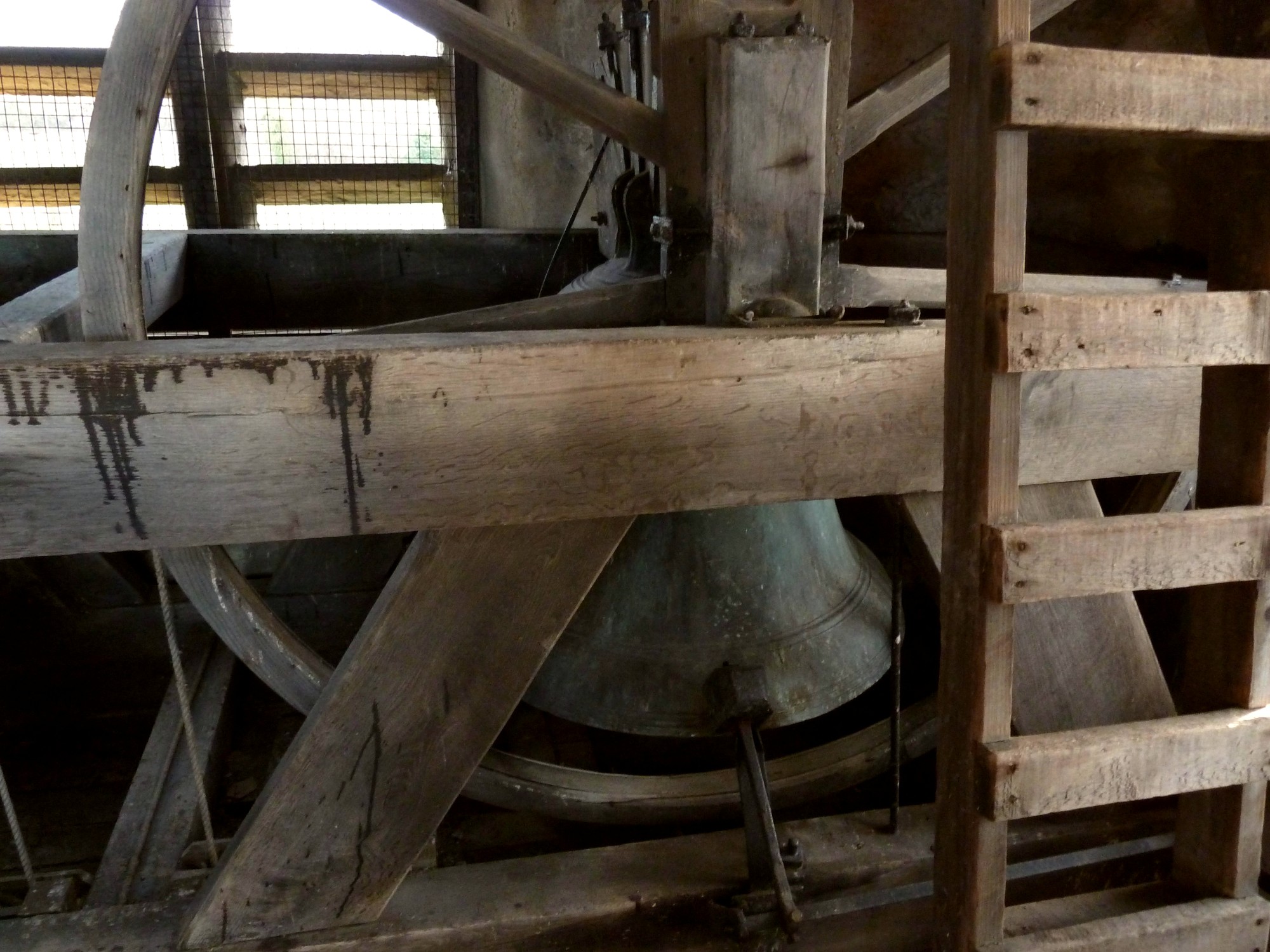
A bell needs a headstock, wheel, stay, slider, clapper and bearings, traditionally in oak and iron, made and fitted by specialists who installed them in towers.
Cast iron and steel fittings with modern bearings are common and oak headstocks are still made for restoration. Installing bells is work done at height in confined medieval towers with equipment that has to be got up there, and it remains one of the more awkward installation jobs anywhere.
8. Inscriptions Were Formed in Wax and Pressed Into the Mould
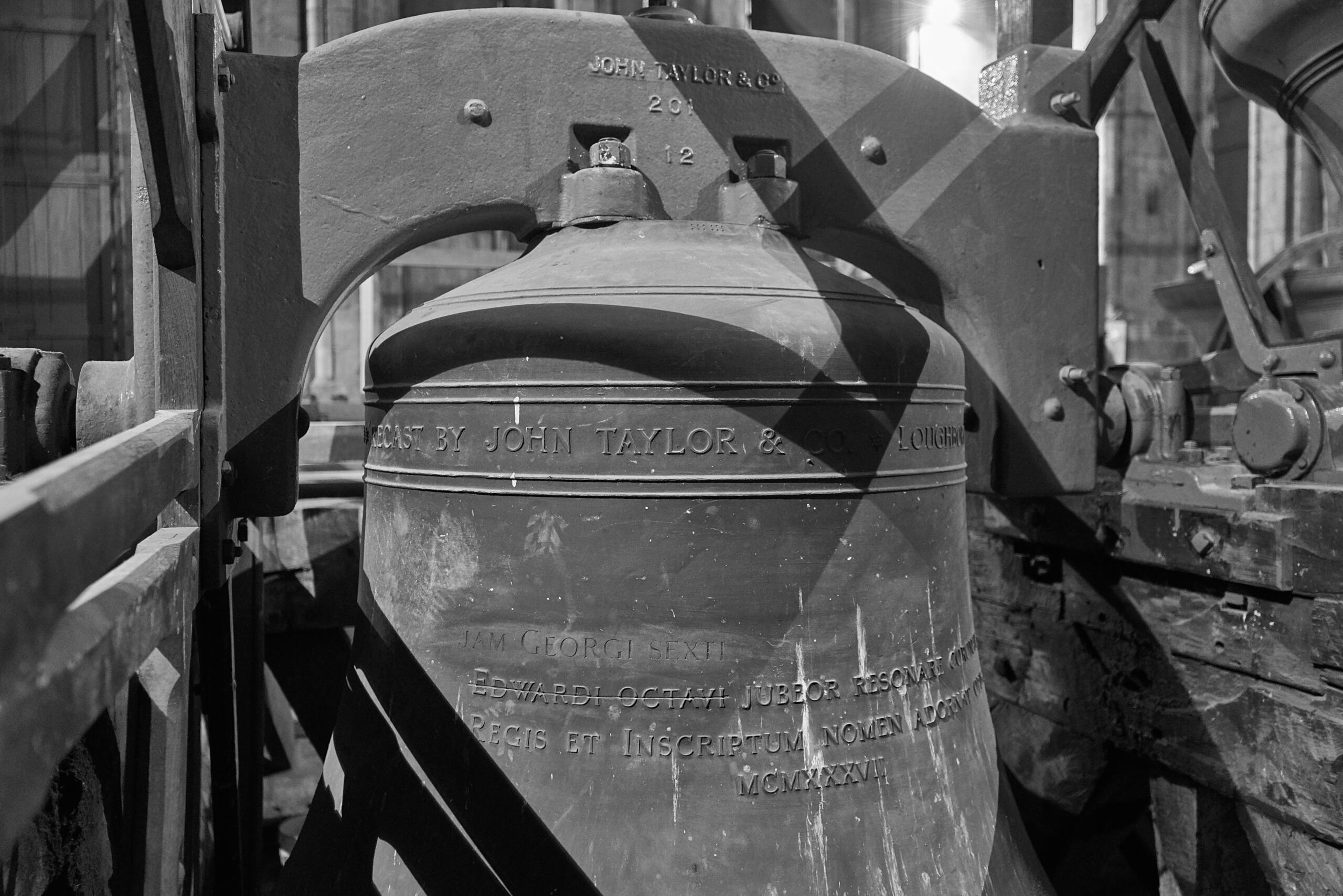
Lettering and decoration were made as wax or clay positives, applied to the mould surface, and burnt out or lifted away to leave an impression that the metal filled.
The method is still used and digital pattern-making has been added. The inscriptions are the reason bells are such useful historical objects – a bell frequently carries its founder, its date and its donor cast into the metal, which makes it a dated signed artefact that has hung in a known location ever since.
9. The Furnaces, the Molten Metal and the Pit Were All Exactly as Dangerous as They Sound
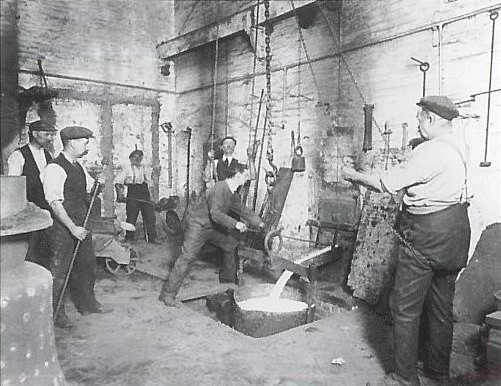
Casting involved furnaces, crucibles and the movement of molten bronze into a mould set in a pit, in a workshop with minimal guarding, protection or extraction.
Protective equipment, controlled pouring systems, extraction, defined exclusion zones and fume monitoring now govern it. Stated here as occupational history only. Anybody with that work history should raise it with their own doctor rather than with an article.
10. The Order Book Was Centuries Long and Then It Was Not
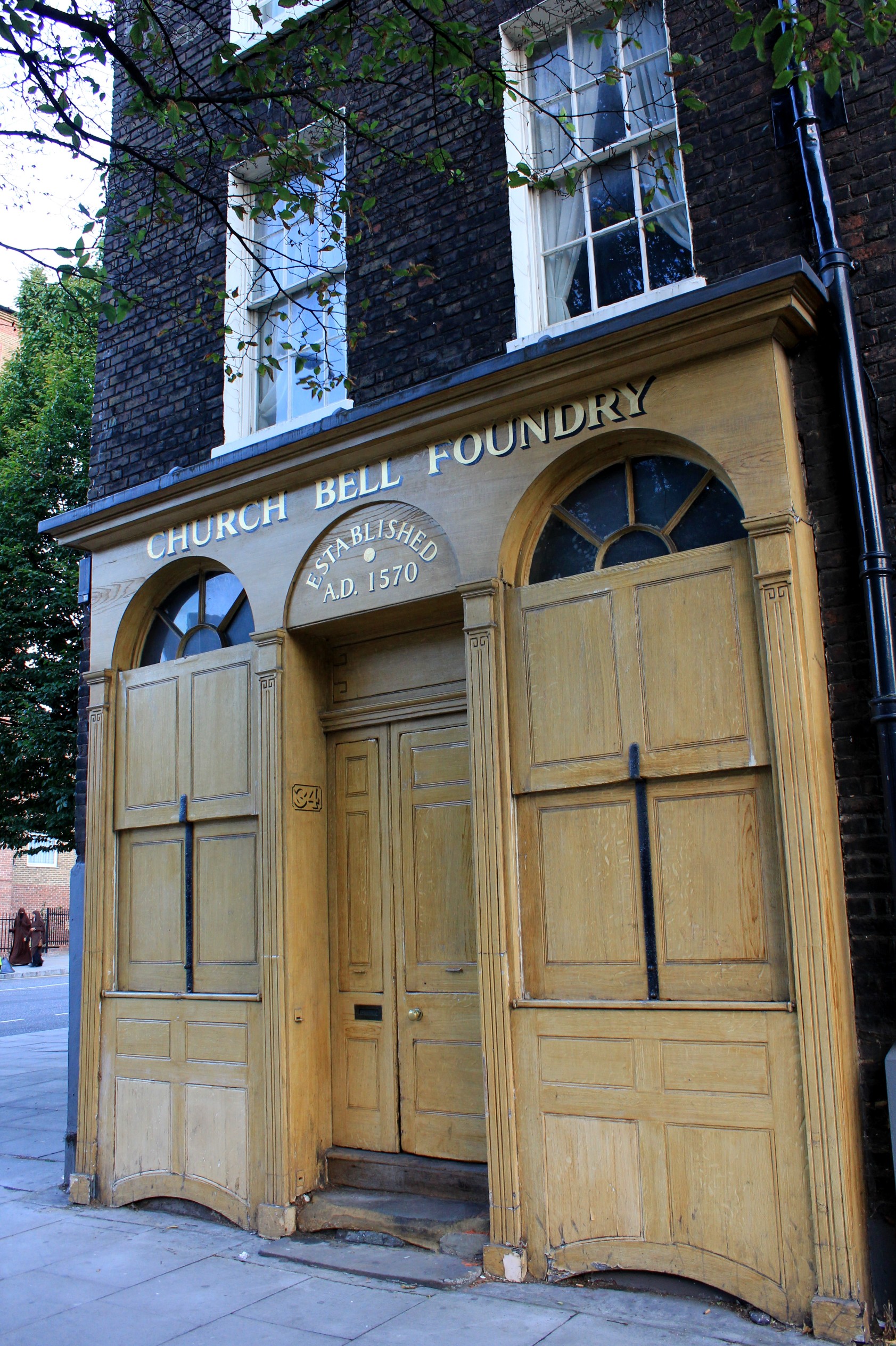
Foundries worked on churches, civic buildings and institutions, and firms existed continuously for hundreds of years with the same families and the same premises.
Declining church building, fewer new installations, competition and the sheer cost of a bell reduced the market severely, and several of the most historic foundries have closed in recent decades. Restoration and retuning of existing bells is now a large part of the surviving work, which is a sustainable business and a smaller one than making new bells for new buildings.
11. Nobody Thought the Hardest Part Would Be Finding Anybody to Ring Them
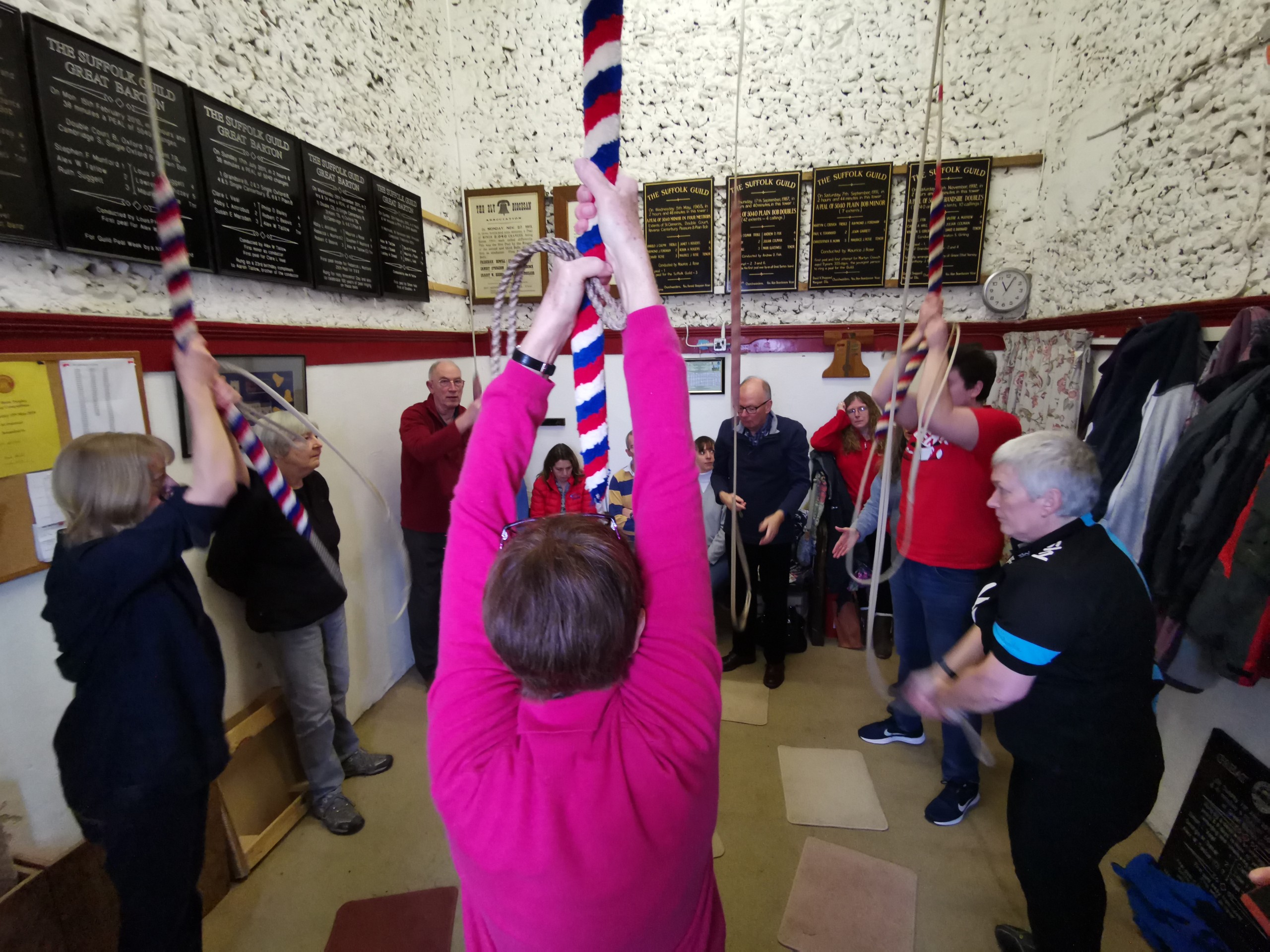
In 1960 bells were cast for towers where teams of ringers existed as a matter of course.
Recruitment of ringers is now a widely discussed difficulty, and a tower with bells and nobody to ring them is a real and common situation. The foundry’s problem turned out not to be making the instrument but the disappearance of the people who play it – which is a constraint almost no other manufacturer faces.
12. The Product Outlasts Everything Including the Foundry
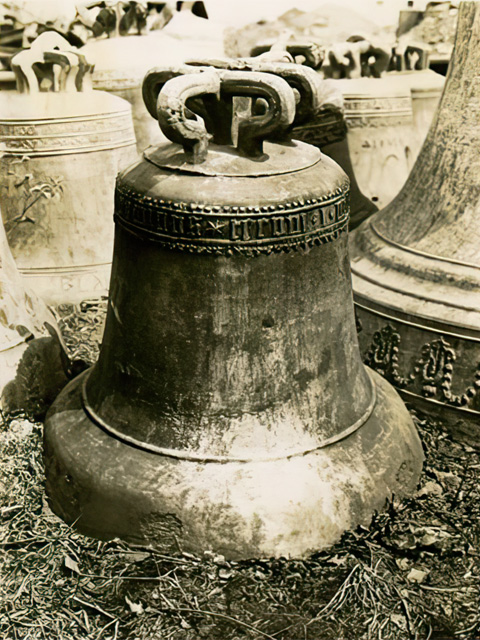
A bell properly cast and hung will sound for several centuries with maintenance, and bells from the medieval period are still in regular use.
Which is the fundamental commercial difficulty. A foundry’s output accumulates in towers and never wears out, so every bell made is a sale that will not be repeated for four hundred years. Firms that have closed are survived by thousands of their products, still working, still signed and dated, in buildings all over the country – which is a strange kind of afterlife for a business.
Everything It Makes Is Still Working
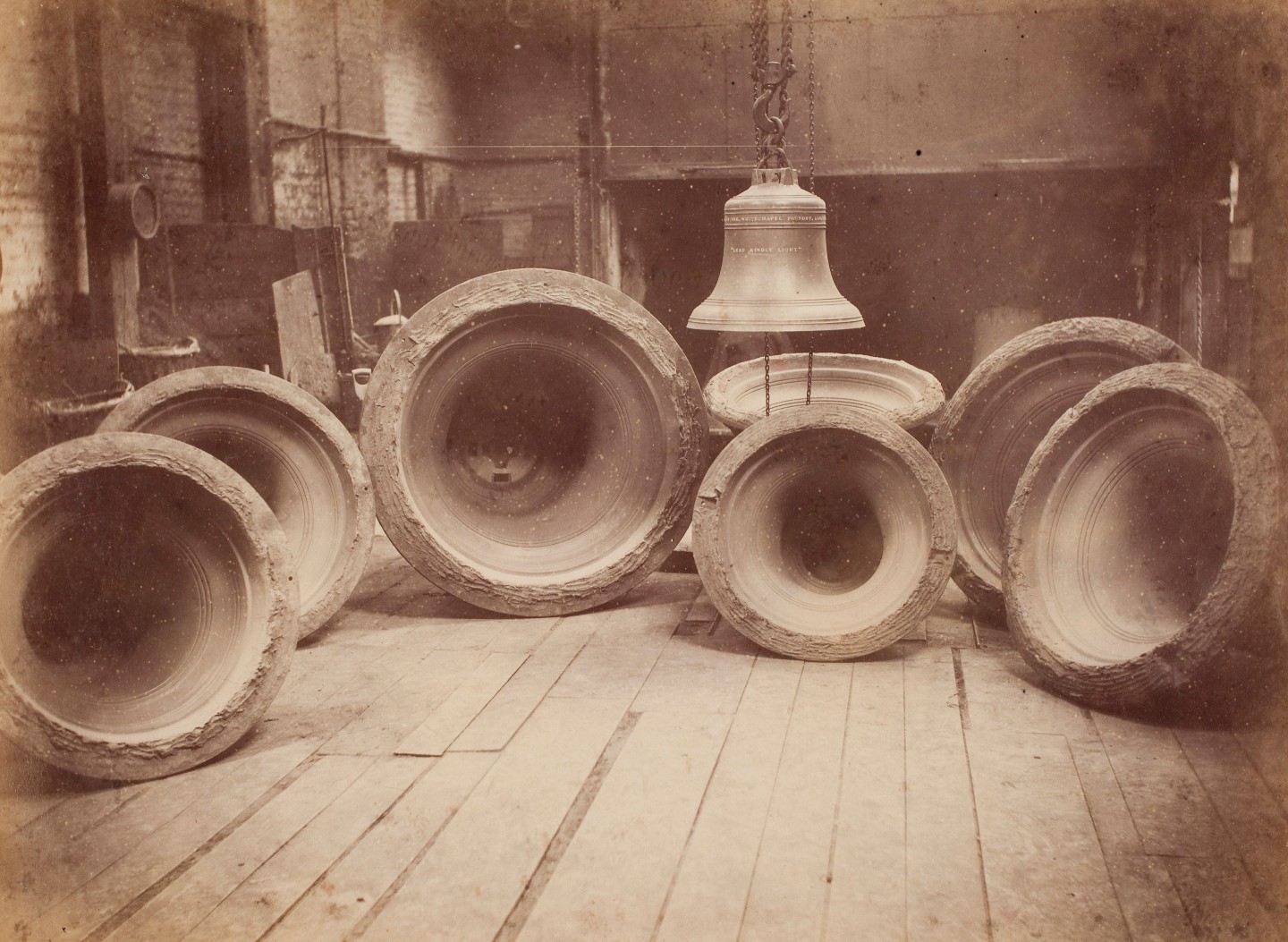
The problem with bellfounding, commercially, is the thing that makes it remarkable.
A bell is close to permanent. Cast properly in bell bronze, hung on sound fittings and maintained, it will ring for several hundred years. There are bells in regular weekly use that were cast before the buildings around them, before the countries they stand in took their current shape, by founders whose names are on them and about whom nothing else is known.
Which means every bell a foundry has ever made is still out there, still in service, and still not needing to be replaced.
No other manufacturer operates like this. A foundry’s entire historical output is simultaneously its monument and its competition – the accumulated stock of working bells in towers is enormous, and the only reasons to cast a new one are a new building, an expansion of an existing ring, or a casting that failed in some way.
So the market was always going to be small and was always going to depend on new construction. When church building declined, the new-bell market declined with it, and the surviving work moved towards restoration, rehanging and retuning the stock that already exists – looking after a four-hundred-year inventory that your predecessors sold once.
It is a strange position and it produces a strange kind of legacy. Several of the great foundries have now closed. Their buildings have been sold, their moulds dispersed, their trades scattered. And their products are ringing, this morning, in thousands of towers, carrying the foundry’s name and the date cast into the metal, and will go on doing so for centuries after everybody who remembers the firm has gone.
Not many businesses get an afterlife like that, and almost none of them wanted one.
If you have ever stood in a ringing chamber, everything above you was made this way.
And if your local tower has bells, go and look at the inscriptions – the founder and the date are cast into the metal.
Like our content? Follow us for more.