In 1974 the want ads were the labour market, the rental market and the used car market, in agate type, in columns too tight to track by eye.
You paid by the line, so everything was abbreviated – and everybody could read the abbreviations. Rentals had no photographs at all. A lot of employers would not tell you their name. You circled things with a pen, and whoever got through on the telephone first usually won.
Here are fifteen things every American found in the newspaper want ads in 1974, and what happened to each of them.
1. Everything Was Abbreviated Because You Paid by the Line
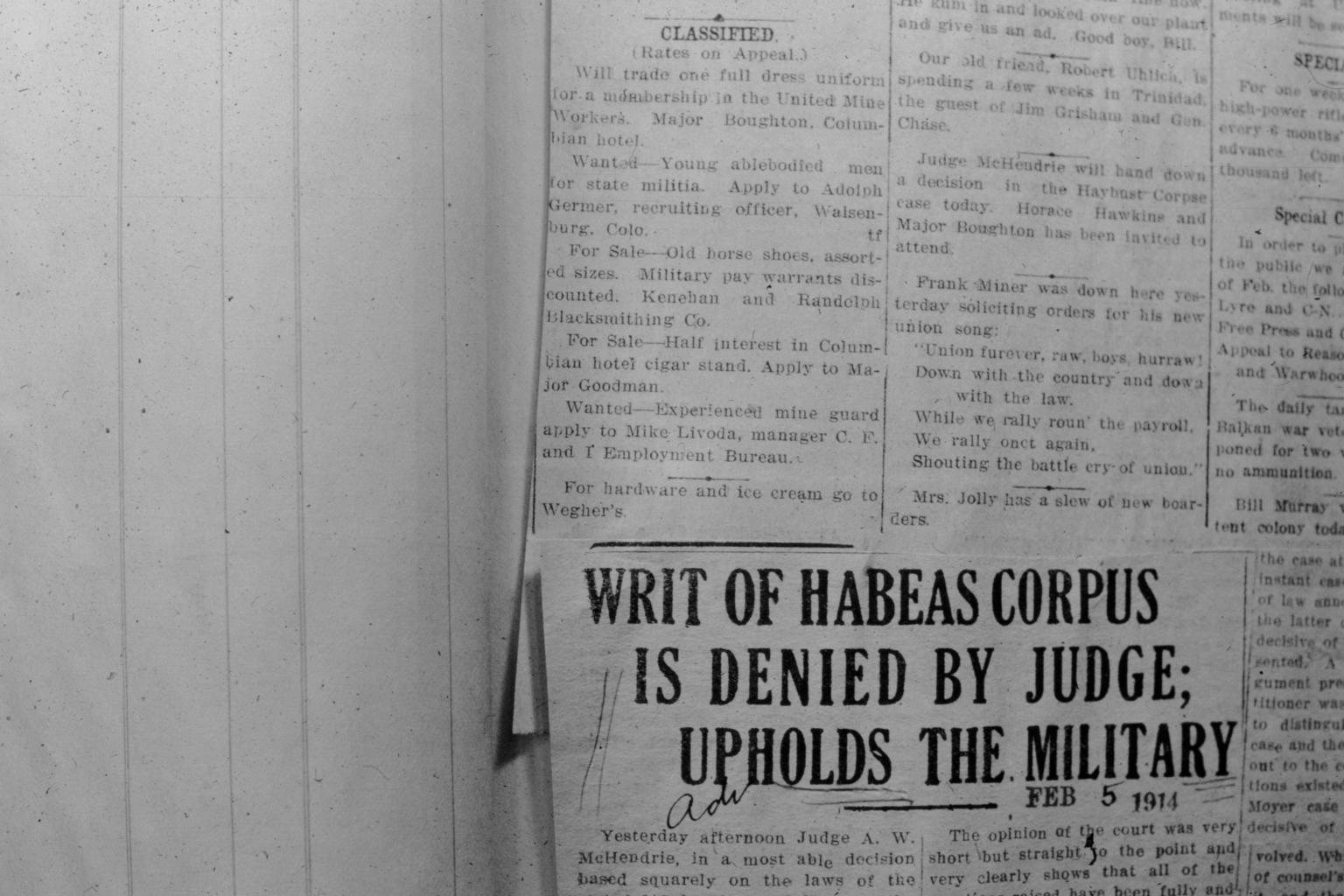
Advertisements were charged by the line or by the word, so people compressed ruthlessly: 2BR 1BA, gar, w/d hkup, EIK, nr schls, no pets, refs req, OBO, pp.
Unlimited free text, photographs, filters and structured fields. The abbreviations were not jargon invented for insiders – they were cost control, and everybody could read them because everybody was paying the same rate.
It produced a genuine shared literacy that has vanished. A household could decode a sixty-character line into a complete picture of a property – rooms, bathrooms, parking, laundry, kitchen, location, restrictions and whether the price was negotiable – and nobody was taught any of it formally.
Like our content? Follow us for more.
2. The Sunday Paper Was the Entire Job Market
Help wanted ran all week and expanded enormously on Sunday, which carried the bulk of the week’s openings – so the Sunday classified section was, for most people, the whole labour market in their area.
Continuous online posting across job boards, company sites and professional networks, available at any hour from anywhere. The weekly cycle concentrated job searching into a single morning.
The rhythm shaped how people looked for work. You bought the paper early on Sunday, read the columns at the kitchen table, and the whole week’s opportunities were visible at once and then stale by Wednesday – and somebody out of work organised their entire week around a newspaper delivery.
3. The Columns Had Been Split by Sex Until the Law Ended It
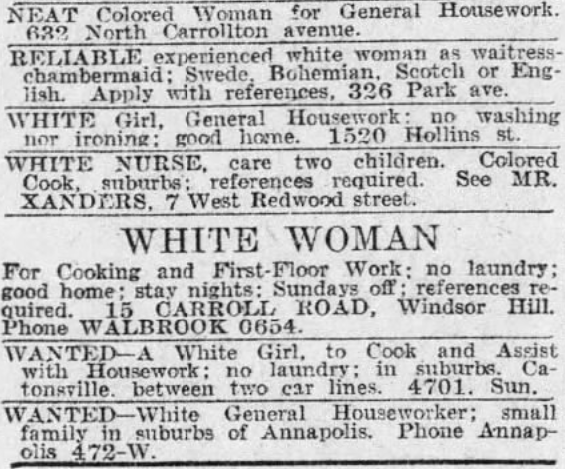
For decades American help wanted sections ran separate columns headed for men and for women, which sorted occupations and pay before any applicant saw them.
Advertising that cannot lawfully specify sex for a job, with narrow stated exceptions. The separate columns were ended through civil rights enforcement in the later 1960s and early 1970s, and by 1974 the practice had largely gone.
It is worth recording plainly, because it explains what the page was doing. A classified column is not a neutral list – it is a sorting mechanism, and for as long as it was printed in two halves the sorting happened before anyone read a word. The columns that merged were carrying decades of accumulated assumptions about who could apply for what.
4. A Lot of Employers Would Not Tell You Who They Were
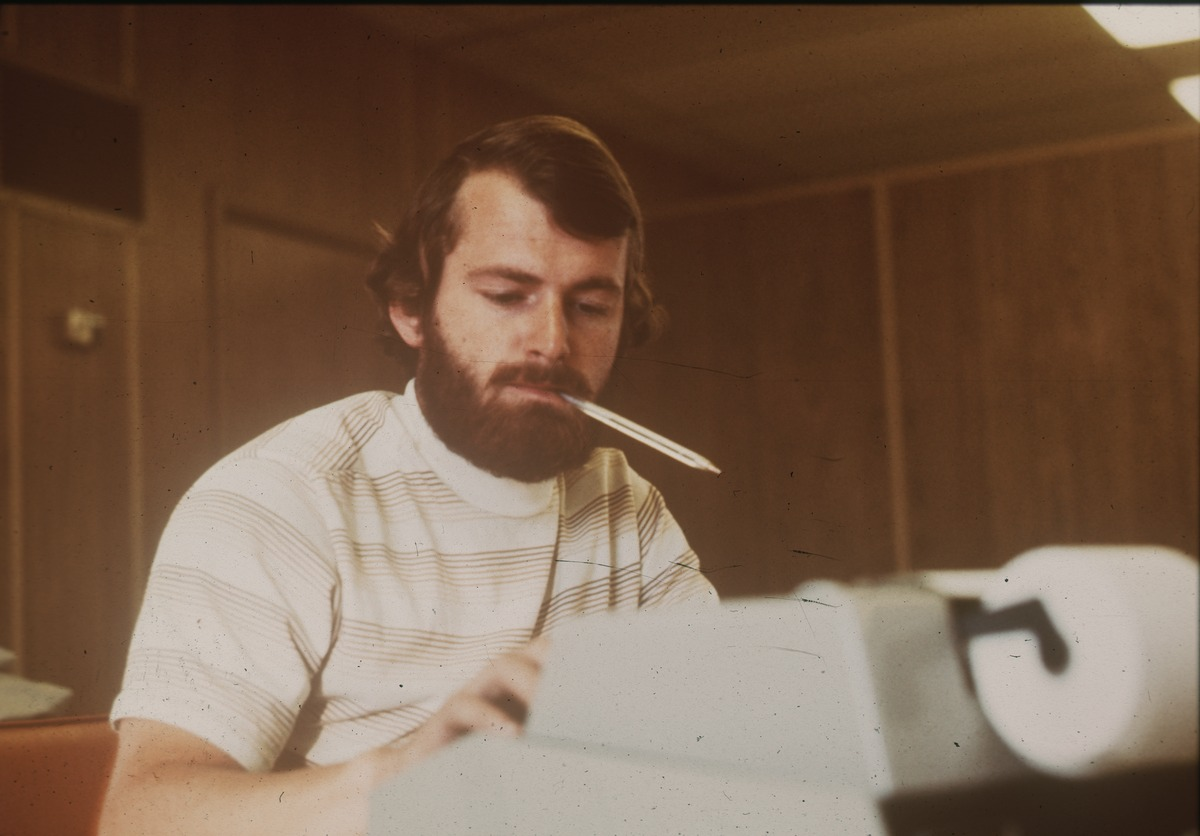
Blind advertisements gave no company name. Applicants replied in writing to a box number at the newspaper, and the paper forwarded the letters to a client it did not identify.
Named employers with public profiles, reviews and salary data. The blind box let an employer collect applications while staying anonymous, for reasons good and bad.
Both motives were real. A firm replacing somebody who did not yet know they were being replaced needed discretion, and so did one that did not want its current staff to see the salary. But it also meant an applicant wrote a letter about their working life, posted it to a box, and never found out who read it.
5. The Ad Told You Exactly How to Apply and You Did It That Way
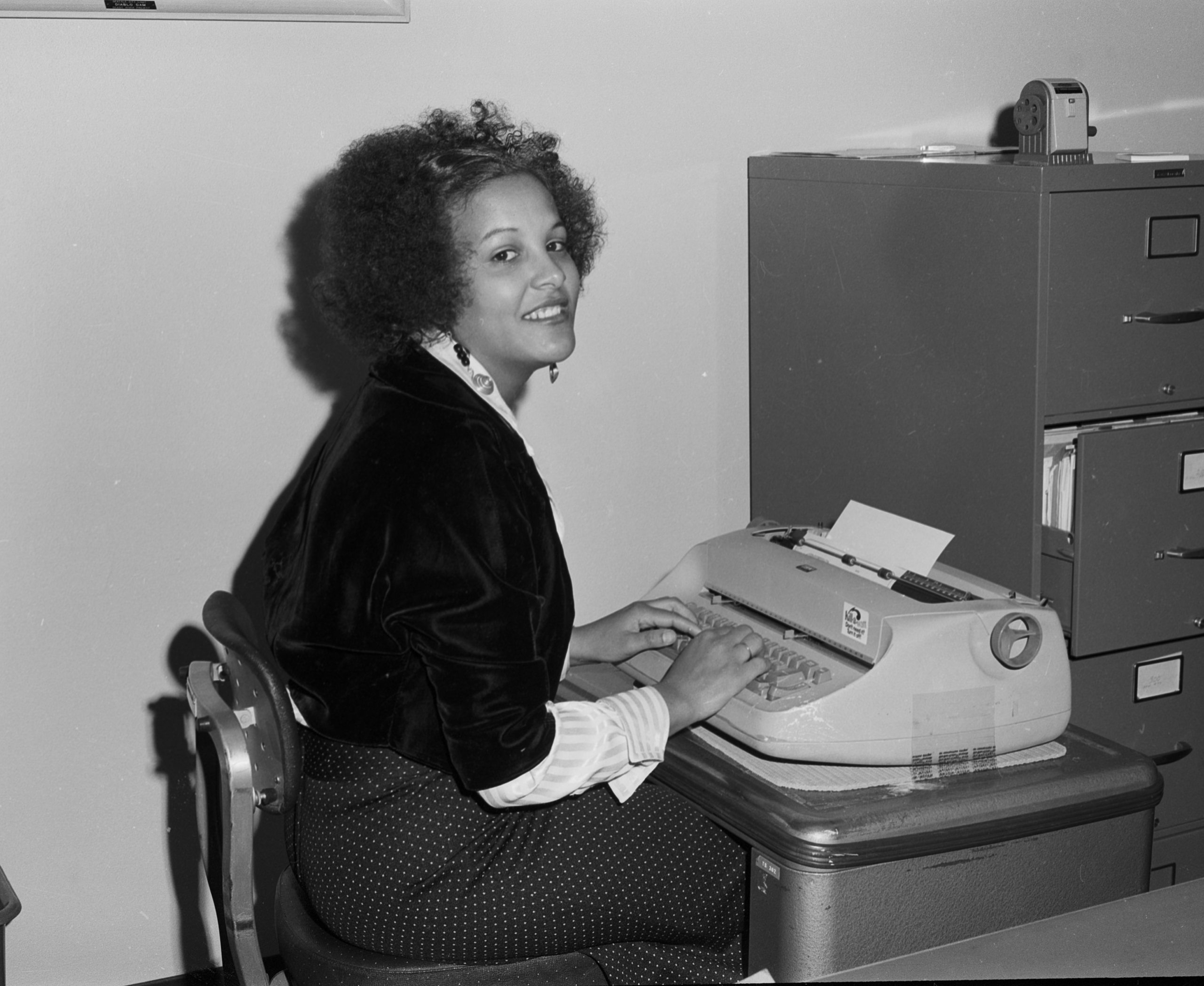
Instructions were explicit and binding: apply in person, send resume and salary history, write only, and – very commonly – no phone calls.
Application portals that accept one standardised submission. The stated method was a filter, and ignoring it was understood to end your candidacy immediately.
Which made the first instruction the first test. Apply in person meant turning up at a counter in a jacket on a weekday morning. No phone calls meant a typed letter and a stamp and two weeks of silence. People followed these rules precisely, because the rule was the only piece of information they had about the employer.
6. Apartments Were Advertised With No Pictures of Any Kind
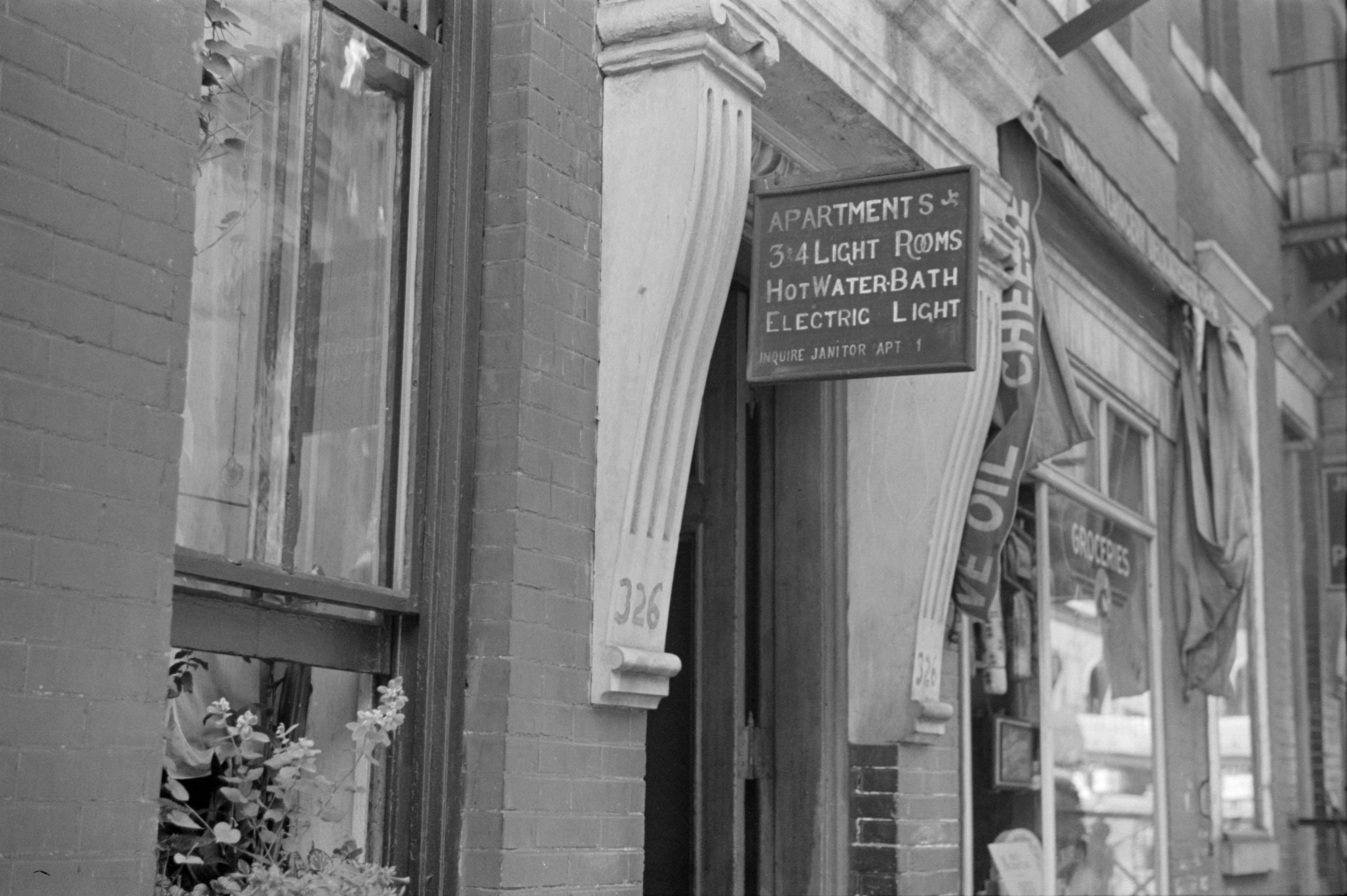
A rental listing was three or four lines of abbreviated text and a telephone number. There were no photographs, no floor plans and no map.
Photographs, video walkthroughs, floor plans, satellite views and street-level imagery before anybody makes a call. The absence of imagery was total.
So viewing was the only way to find out anything, and people did a great deal of it. A household looking for somewhere to live made a list from the paper, drove to six addresses in an afternoon, and discovered on arrival which ones were on a main road, above a bar, or not as described – which is work that is now done entirely before leaving the house.
7. Private Sellers Advertised Cars With a Price and a Phone Number
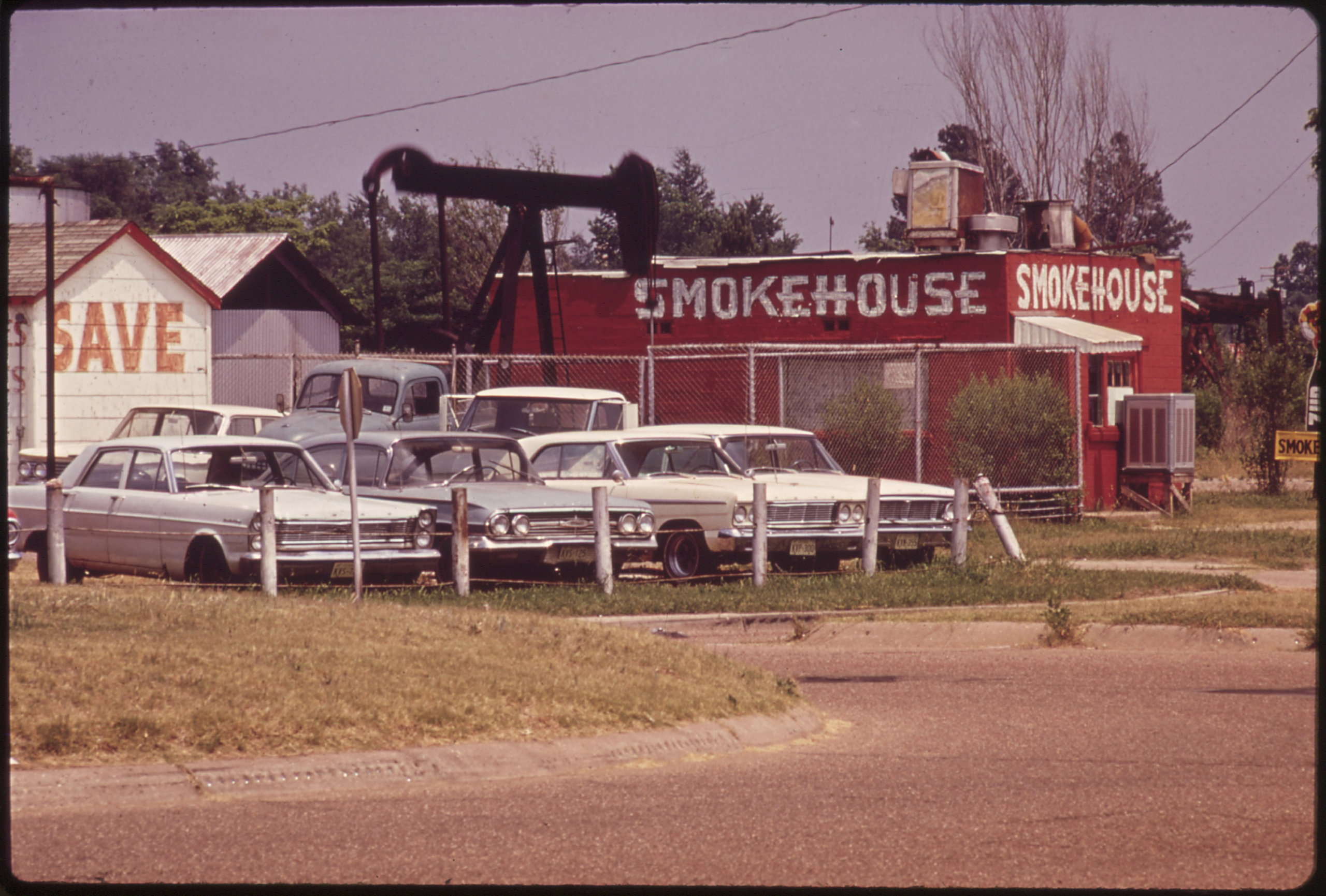
A used car ad gave year, make, model, mileage, a few abbreviations about condition, a price and a home telephone number – and that was the complete body of available information.
Listings with dozens of photographs, history reports, inspection records and verified mileage. In 1974 the buyer’s only sources were the seller’s description and their own eyes.
The information asymmetry was enormous and ran entirely one way. A buyer drove across town on four lines of text, looked at a car in somebody’s driveway, and made a decision worth several months of wages with no history, no record and no recourse – which is why advice about buying privately in that era was mostly about reading the seller.
8. The Type Was So Small You Read It With a Finger

Classifieds were set in agate – a very small type size used specifically to fit maximum lines per column – in dense unbroken columns running page after page.
Searchable, sortable, resizable text. Agate existed because newsprint cost money and the section’s profitability depended on lines per page.
Everybody read it the same way, which is the detail that dates the whole practice. You ran a finger down the column to hold your place, because the lines were too close together to track by eye – and people who did this for years describe losing their place as the main frustration of looking for work.
9. The Entire Workflow Was a Pen and a Circle
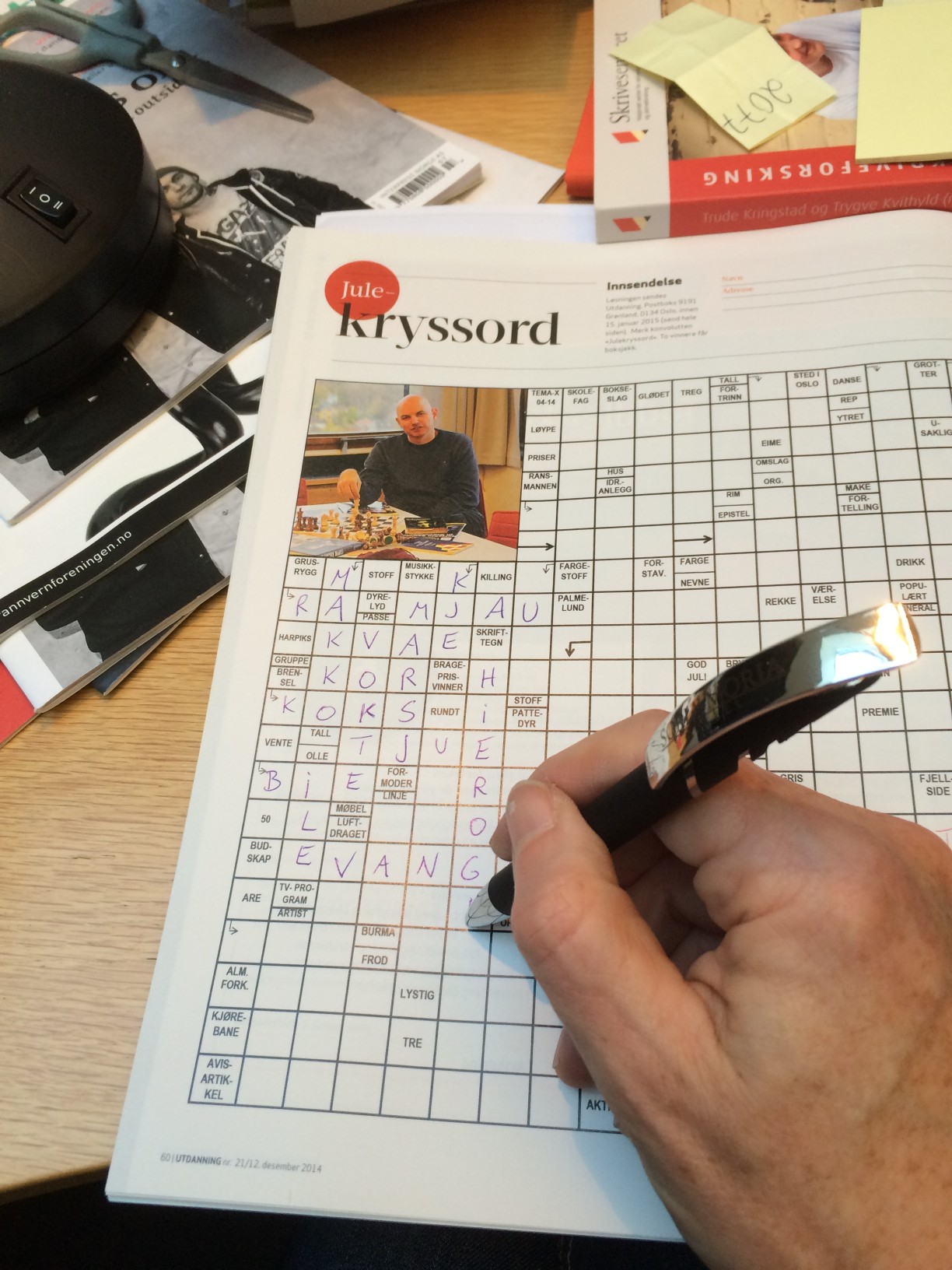
You read the columns, circled what you wanted with a pen or a marker, tore the page out or folded it, and worked through the circles one at a time.
Saved searches, email alerts, bookmarks and application tracking. The pen was the only tool and the circled page was the only record of what you had found.
And the circles were a document in their own right. A folded classified page with eleven circles on it, four crossed out, represented somebody’s week – and anybody who looked for work in that period remembers the specific physical object, carried around, getting soft at the folds.
10. Being the First Caller Was Most of the Outcome

Everybody read the same page at the same time, so a good listing drew a rush of calls within the first hours, and whoever got through first was frequently the only one properly considered.
Continuous posting over days or weeks, with applications reviewed in batches. The simultaneous release created a genuine race with a real advantage to speed.
Which is why people were on the phone at seven in the morning. A desirable apartment or a good job was effectively gone by ten, the paper was useless by Tuesday, and the skill being rewarded was not suitability but having got up early and had a telephone free – which is a remarkably arbitrary basis for allocating work and housing, and everybody knew it.
11. You Made the Calls From a Pay Phone With a Pocket of Change
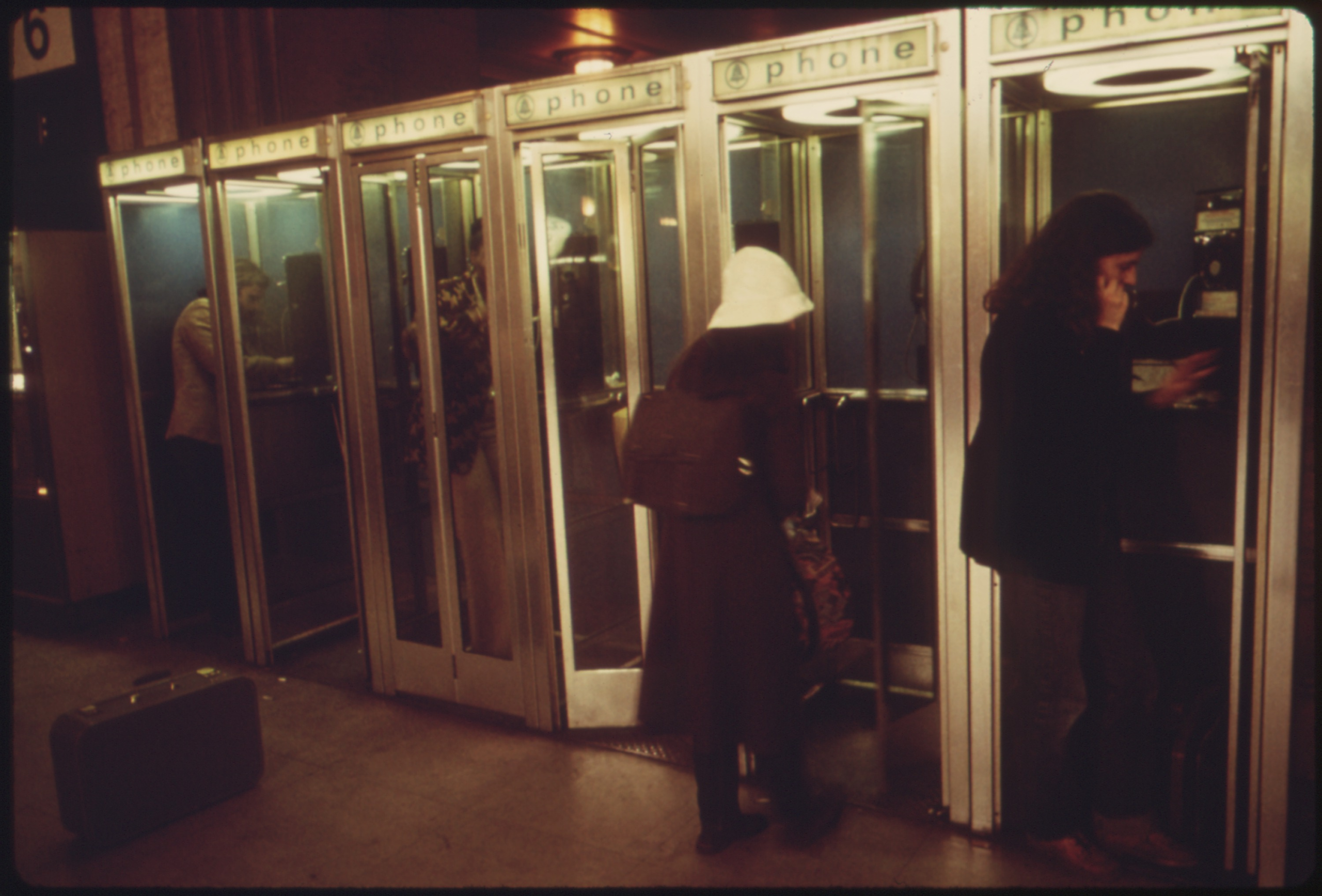
A household without a telephone, or somebody calling from outside the home, worked through the circled list at a coin box, with a stack of coins, standing up.
A phone in every pocket with included calls. The pay phone added friction at exactly the point in the process where speed mattered most.
It also meant the call could not be returned. You gave a number that was not yours, or arranged to call back, or simply lost the opportunity – and the people most likely to be searching from a coin box were the people least able to absorb that disadvantage.
12. The Lost and Found Column Was How Things Got Returned

Lost pets, keys, wallets, rings, cameras and bicycles were advertised in a dedicated column, frequently free of charge for the person who had lost the item.
Neighbourhood apps, social media groups and community pages, which do the same job faster and across a smaller radius. The column was the only general-purpose public notice available.
The free rate is the part worth noticing. Newspapers carried lost notices at no cost as a civic function, because a lost-dog notice was understood to be a service to the community rather than a transaction – which is a view of a newspaper’s role that went with the revenue.
13. The Personal Column Was Doing Several Jobs at Once
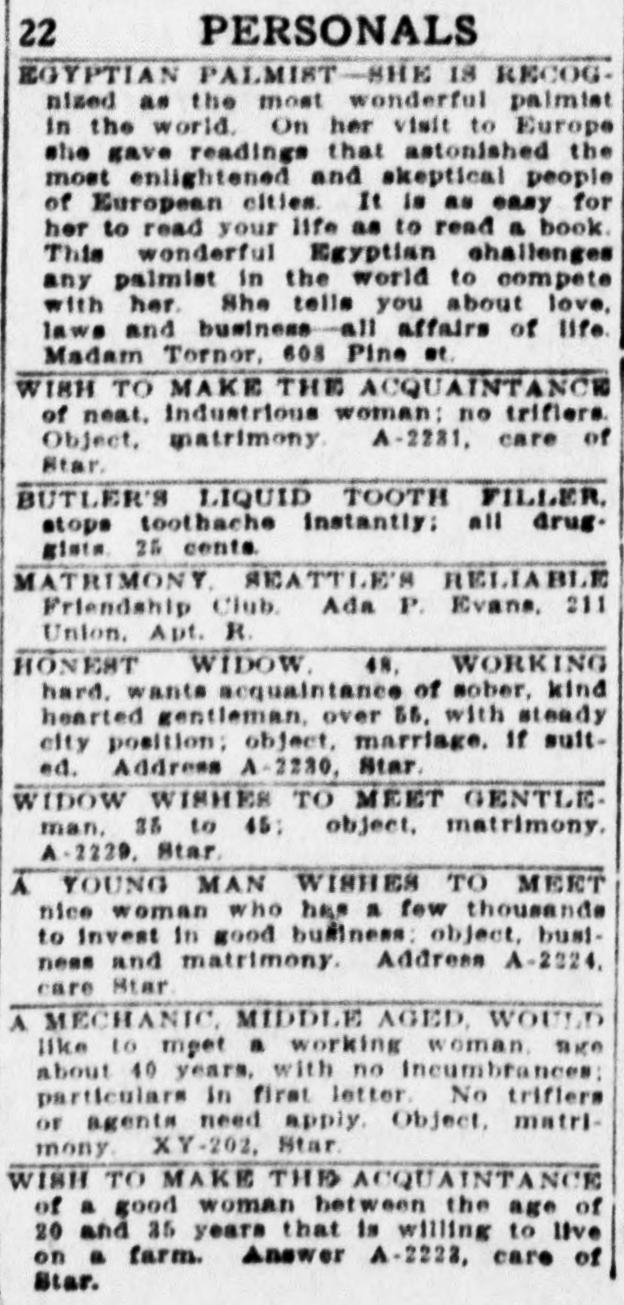
Personals carried messages of every kind – people seeking company, people seeking each other after losing touch, public thanks, legal notices, cryptic messages between two parties, and a certain amount of coded advertising.
Dedicated applications for each of those functions, almost none of which involve a newspaper. The personal column was a general-purpose channel for anything that did not fit elsewhere.
Its oddness came from that generality. A single column might run a notice of a found ring, somebody looking for a cousin, a message to a person who would recognise themselves, and a legal advertisement – and reading it was the closest thing available to looking at a cross-section of what a town needed to say in public.
14. Placing One Meant a Clerk, a Deadline and a Word Count
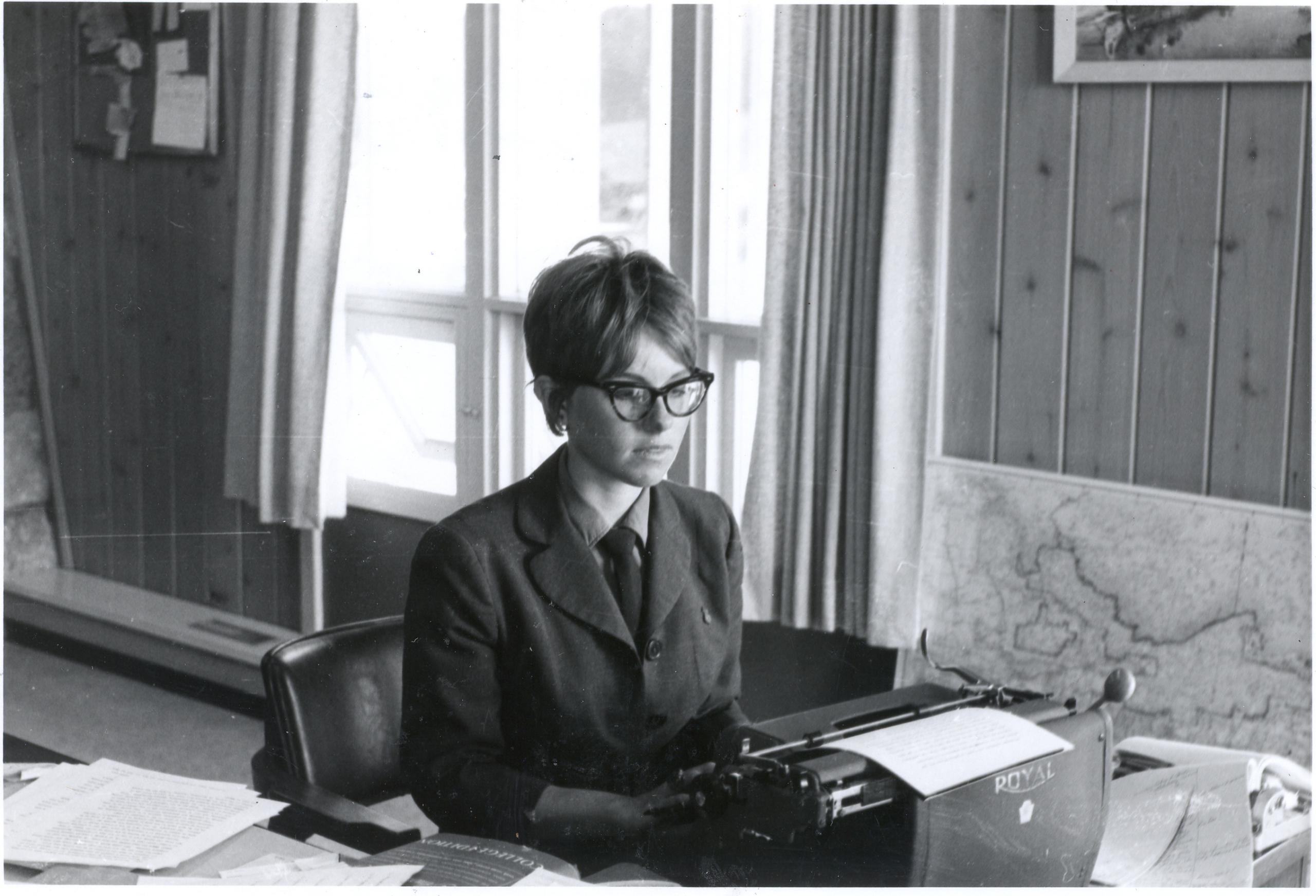
You telephoned the classified desk or went in person, read the wording to a clerk who typed it and counted it, agreed the number of days, paid in advance, and met a deadline hours before the edition.
Self-service posting that is live in seconds and editable afterwards. The clerk was a required intermediary and the deadline was absolute.
And the wording was negotiated out loud, which produced the abbreviations. The clerk knew which contractions the paper used and would compress your sentence for you to save a line – so the standard vocabulary of American classified advertising was built by thousands of telephone conversations between sellers and newspaper clerks trying to get a message under a price break.
15. Then Online Classifieds Took the Revenue the Newsroom Ran On

The whole arrangement rested on classified advertising being the only practical way to reach local buyers, renters, employers and applicants – and that section was among the most profitable things a newspaper did.
Free and low-cost online listings from the later 1990s, which offered unlimited text, photographs, searching and immediate posting at no charge, and took the classified business almost entirely within about a decade.
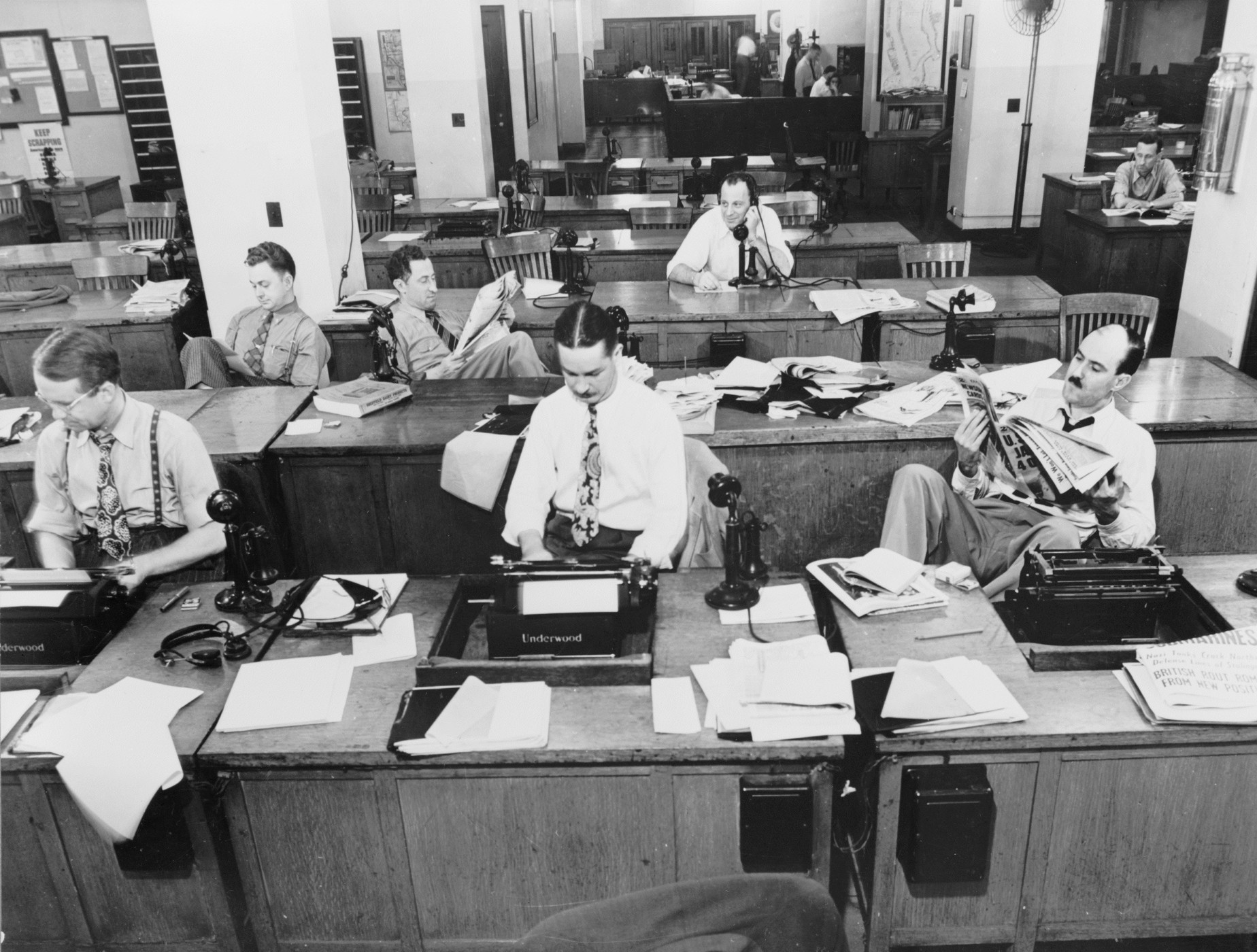
The consequence reached far past the page, and this is the part that matters. Classified advertising was a central pillar of local newspaper revenue, and it did not decline – it collapsed. The money that paid for city hall reporters, court reporters and local coverage was tied to a service that something else did better for nothing, and when it went there was no replacement for it. Readers got vastly better listings. A great many American towns lost the only organisation that was watching their local government, and that was not a trade anybody was offered the chance to vote on.
The Listings Got Better and the Reporting Went With the Money
Nobody should want the want ads back. The improvement is not close.
You can now see a rental before you drive to it, with photographs, a floor plan and a view of the street. You can read a used car’s history instead of a seller’s adjectives. Job postings stay open for weeks rather than being gone by ten on Sunday morning, so the person who got up earliest no longer beats the person better suited. You can search instead of running a finger down a column of agate. And nothing is sorted into separate columns before you are allowed to read it.
Every one of those is a real gain, and several of them are gains in fairness rather than convenience.
But there is a consequence that was invisible at the time and is the most important thing on this list.
Classified advertising was not a sideline. It was one of the central revenue pillars of the American local newspaper – a high-margin service that worked because the paper had a near-monopoly on reaching local buyers, renters, employers and applicants. The agate type existed to maximise lines per page because those lines were extremely profitable.
That money did not pay for the classified section. It paid for the newsroom. The reporter who sat through school board meetings, the one who read the court docket, the one who noticed that a contract had been awarded to a council member’s brother – those posts were funded by people selling sofas and advertising apartments.
Then free online listings arrived and did the job better at no charge. The classified business did not decline gradually; it collapsed, and there was never any question of competing with free.
So the trade was this: readers got dramatically better listings, and a great many American towns lost the only organisation paying somebody to watch their local government full time. Those two things are connected by nothing except a shared revenue line, which is exactly why nobody saw it coming and why nobody was offered a say in it.
It is the clearest example there is of a thing people loved being paid for by a thing nobody noticed.
The want ads were tedious, unfair and unsearchable. They were also, accidentally, how a country paid for its local news.
If you looked for work this way, you had a folded page in your pocket with circles on it.
And you remember calling at seven in the morning, because by ten it was over.
Like our content? Follow us for more.