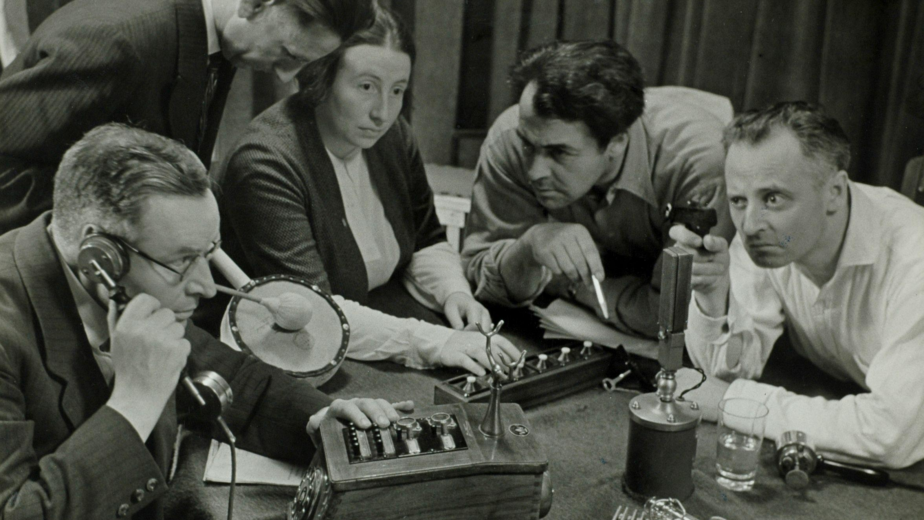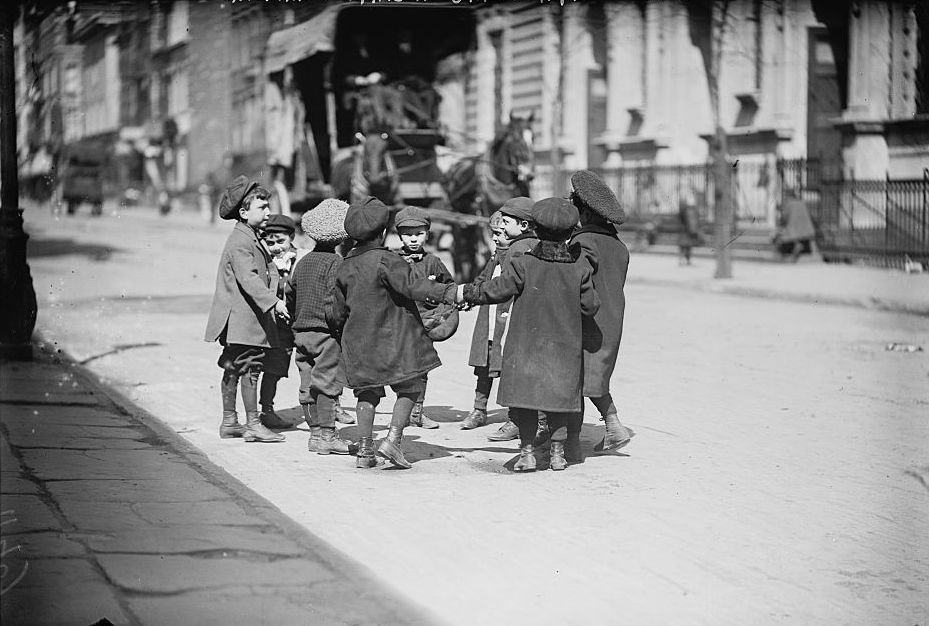
Playing out was a system rather than an activity. It had a way of starting, a way of forming groups, a set of boundaries and a way of ending, and none of it was written down anywhere. Here are twelve.
1. Nothing Was Arranged
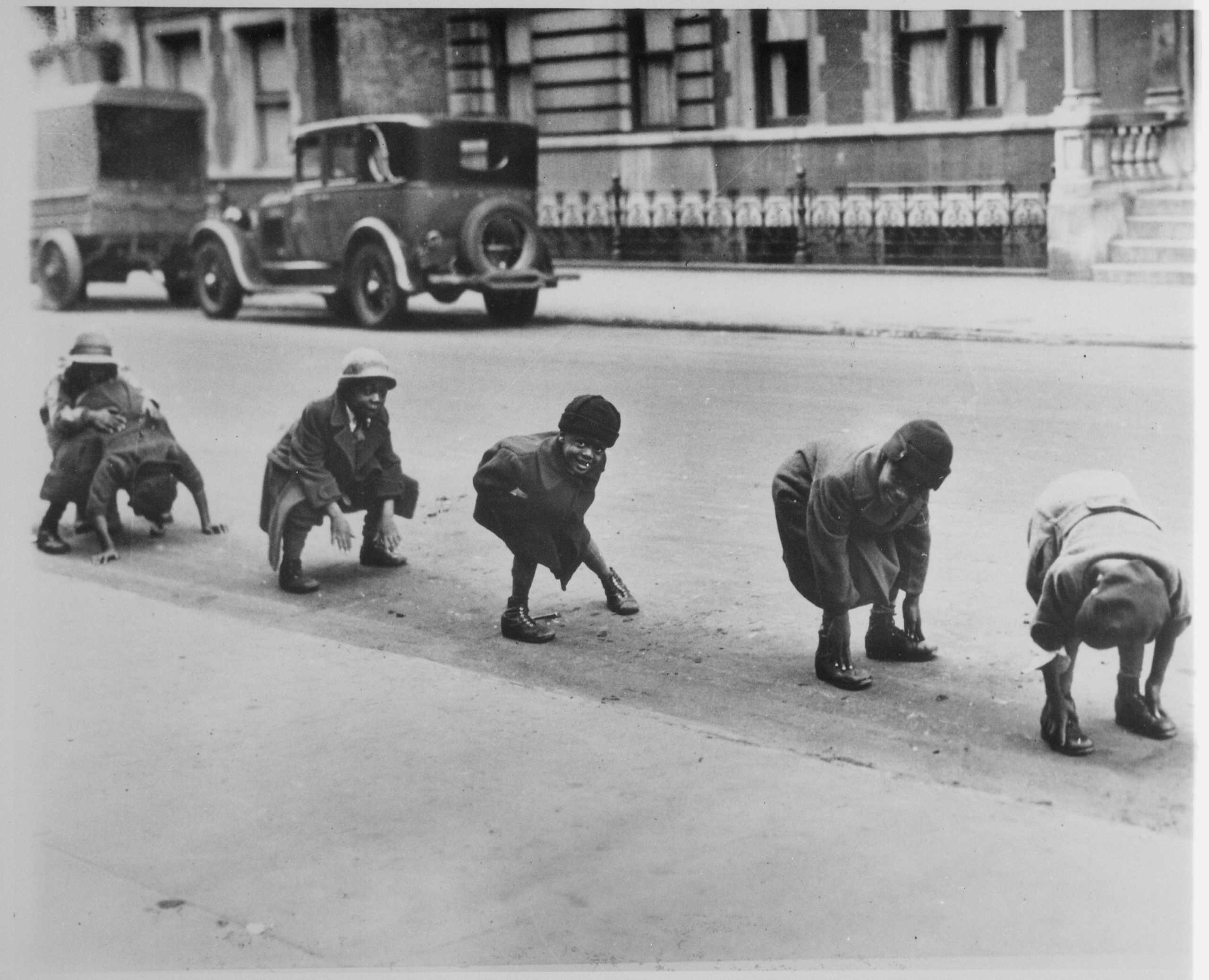
Nobody phoned anybody. You went out and either found people or did not, and the whole thing operated on the probability that somebody else had done the same.
It worked because everybody did it. Unarranged assembly is the mechanism the entire system ran on.
Like our content? Follow us for more.
2. Calling for Somebody
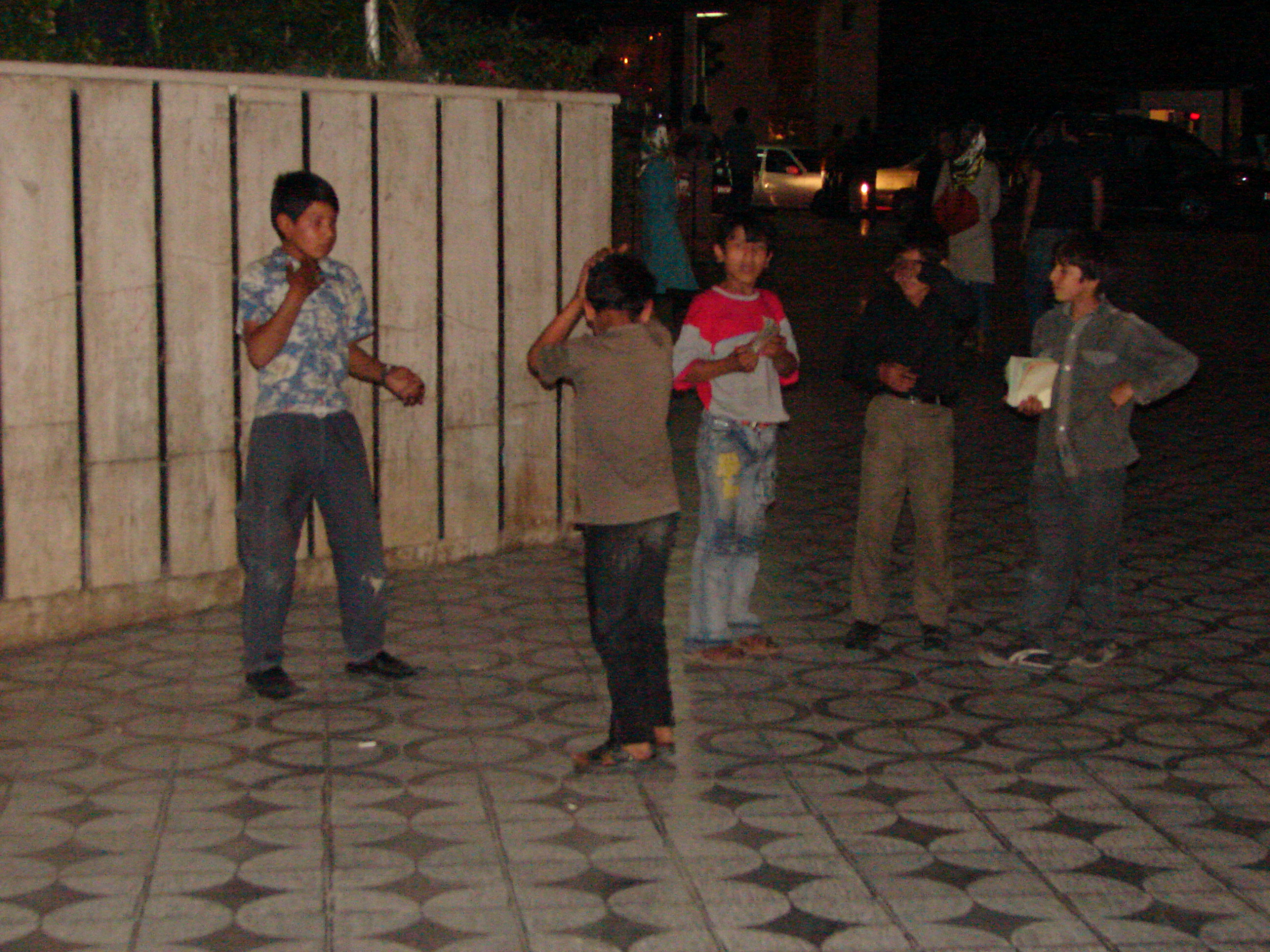
Knocking on a door and asking whether somebody was coming out was the standard procedure, conducted with a parent answering and a verdict delivered on the doorstep.
The answer was frequently no. Calling for people is the ritual that started most afternoons.
3. The Group Being Whoever Was There
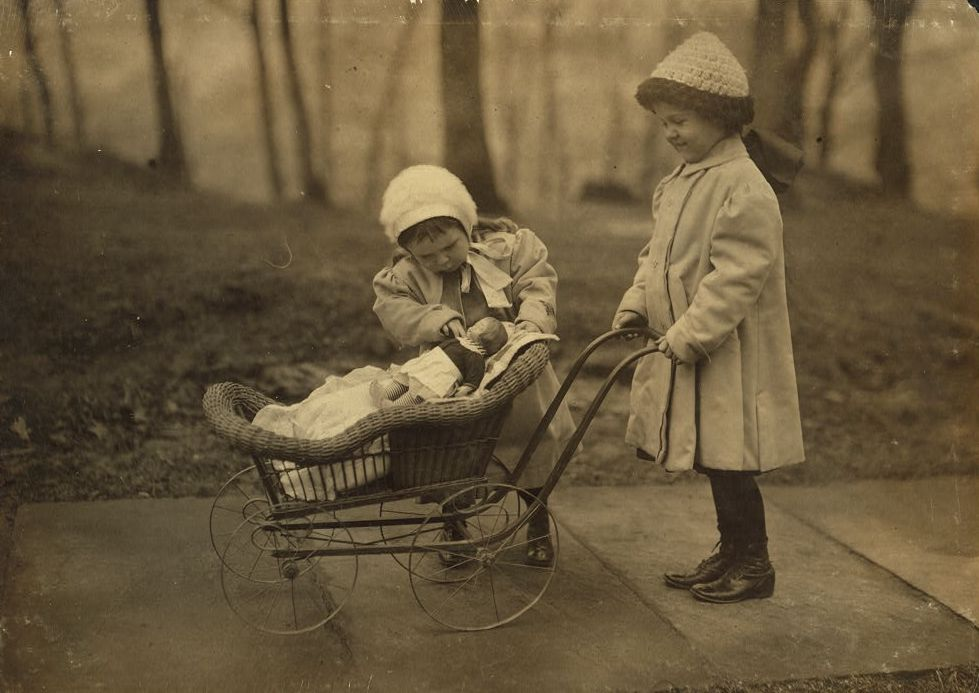
Composition was determined by availability rather than by choice, which meant playing regularly with people you would not have selected and getting on with them.
Age ranges were wide. The available group is the social arrangement that availability produced.
4. The Boundary You Were Given
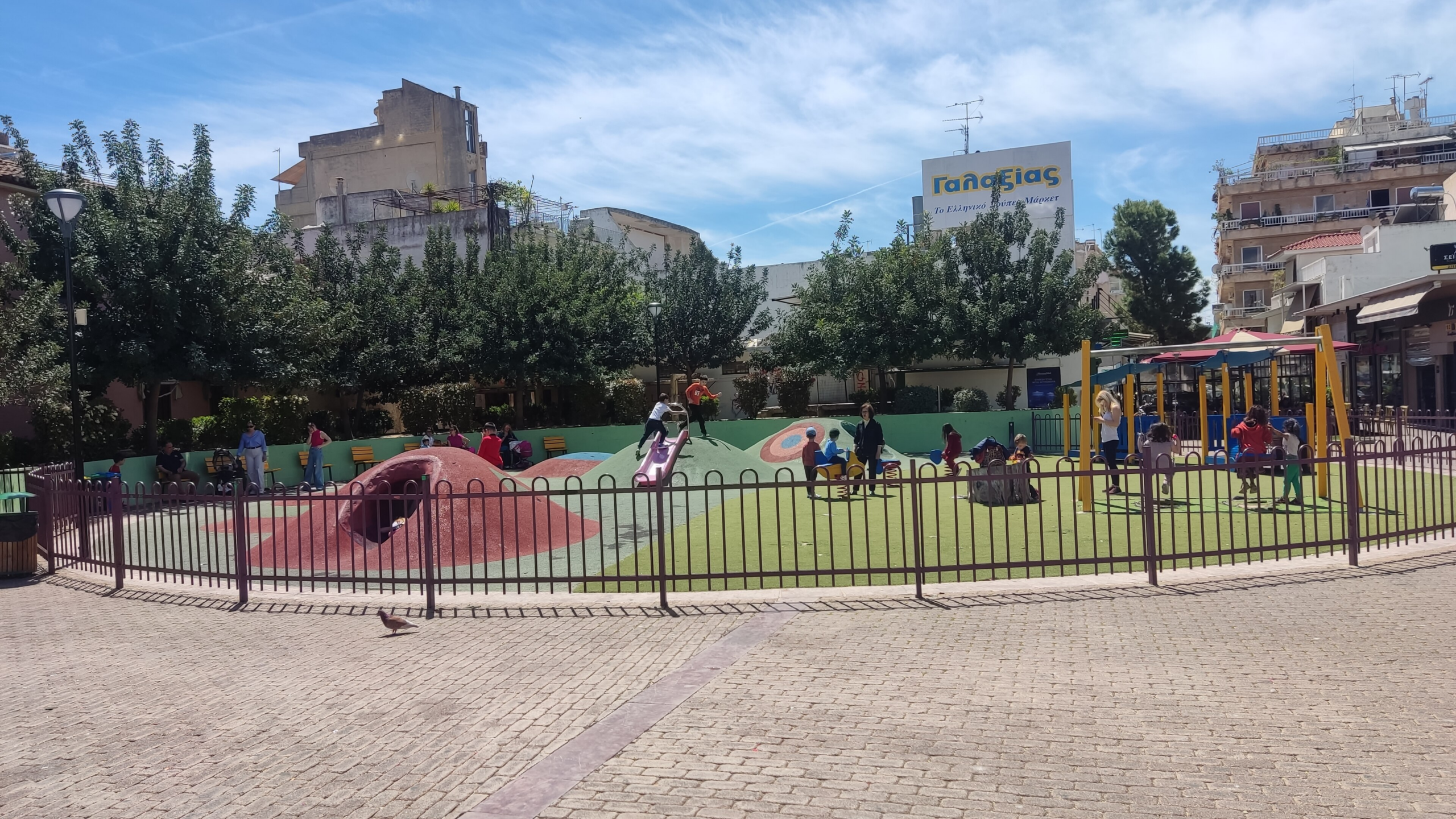
Permission came with a defined area – a road, a corner, a landmark – and everybody knew their own limit, which differed from the limits everybody else had.
The boundaries were respected more than adults realised. The permitted area is the constraint that defined the whole territory.
5. Games That Used the Street Itself
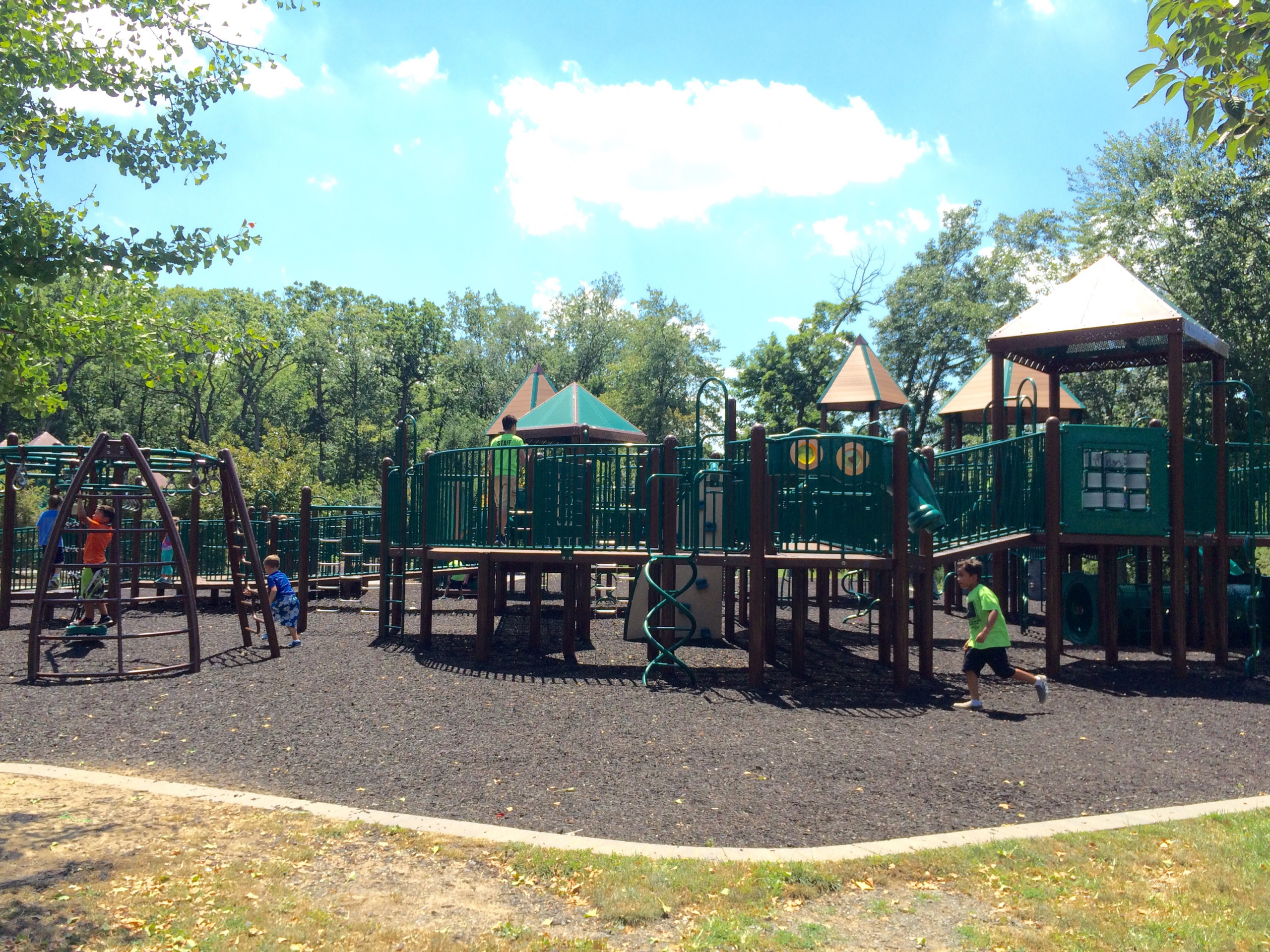
Kerbs, walls, lampposts, drains, gateposts and painted lines all became equipment, and the specific geography of a street determined what was played on it.
Different streets played differently. Improvised equipment is the reason the games were local.
6. The Ball and the Wall
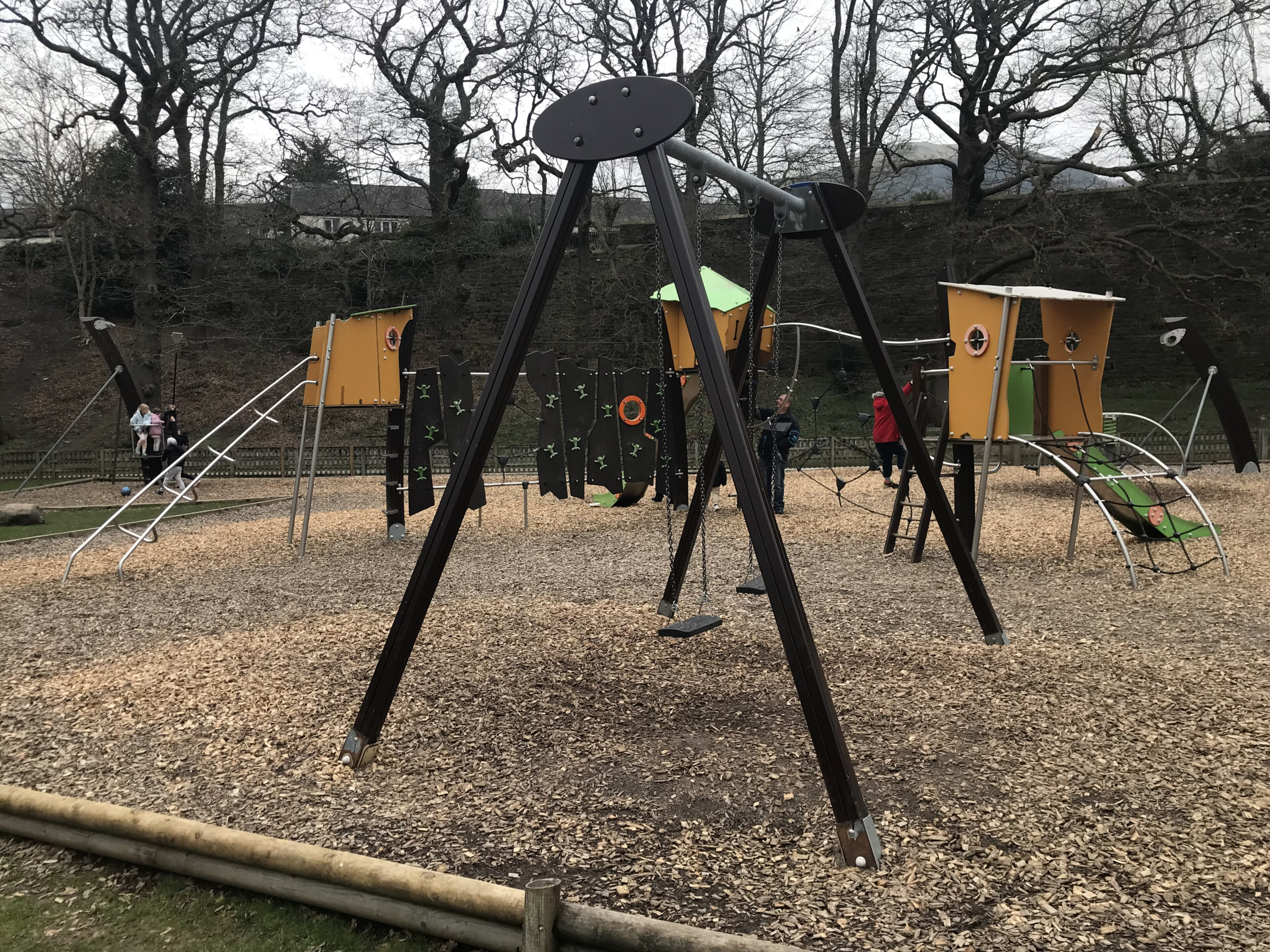
A wall of any size supported a game, and one house on every street had the wall everybody used, whether or not the occupants were pleased about it.
That house was known to everybody. The chosen wall is the piece of infrastructure nobody provided.
7. Somebody Coming Out to Complain
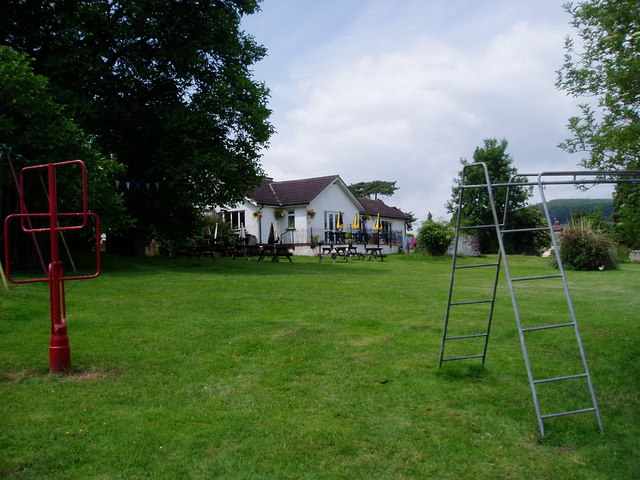
At intervals an adult emerged to object to noise, to a ball, or to proximity, and the group relocated a short distance and continued.
It was a recognised part of the afternoon. The complaint is the interruption everybody expected.
8. Being Called In
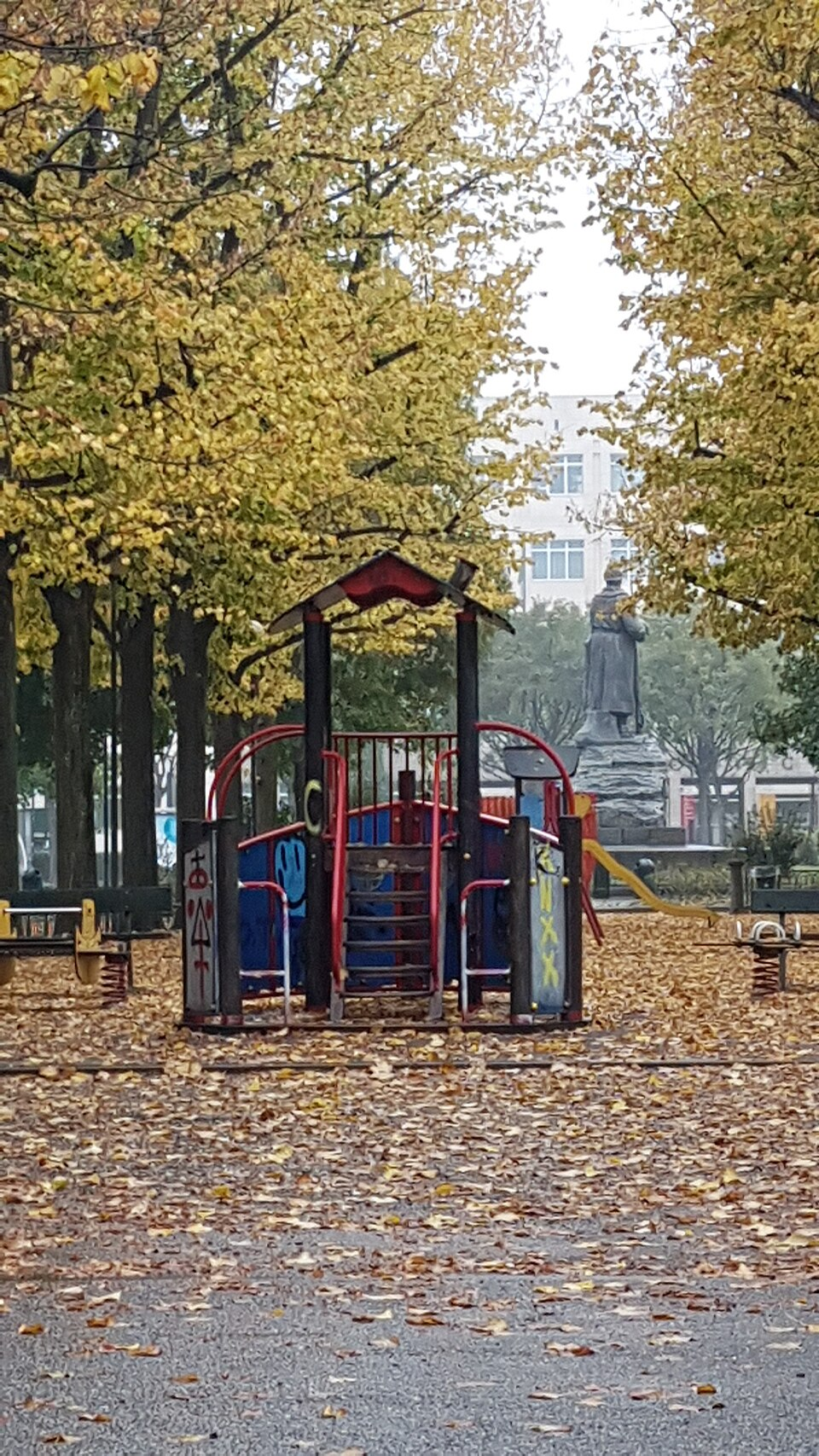
The end was announced from a doorstep by name, in a particular carrying tone that everybody in the area could hear and identify.
Each household had its own call. Being called in is the sound that ended play for one person at a time.
9. Negotiating Five More Minutes
Every departure involved an appeal for additional time, which was granted or refused according to a logic nobody could predict, and the extension was never five minutes.
The attempt was made regardless. The negotiation is the final stage of every session.
10. Losing Track of the Time Entirely
Without a watch or any reason to check, hours passed unmeasured, and the actual duration was consistently a surprise on being told it.
Light levels were the only clock. Time blindness is the condition that made the afternoons feel endless.
11. Coming In Filthy
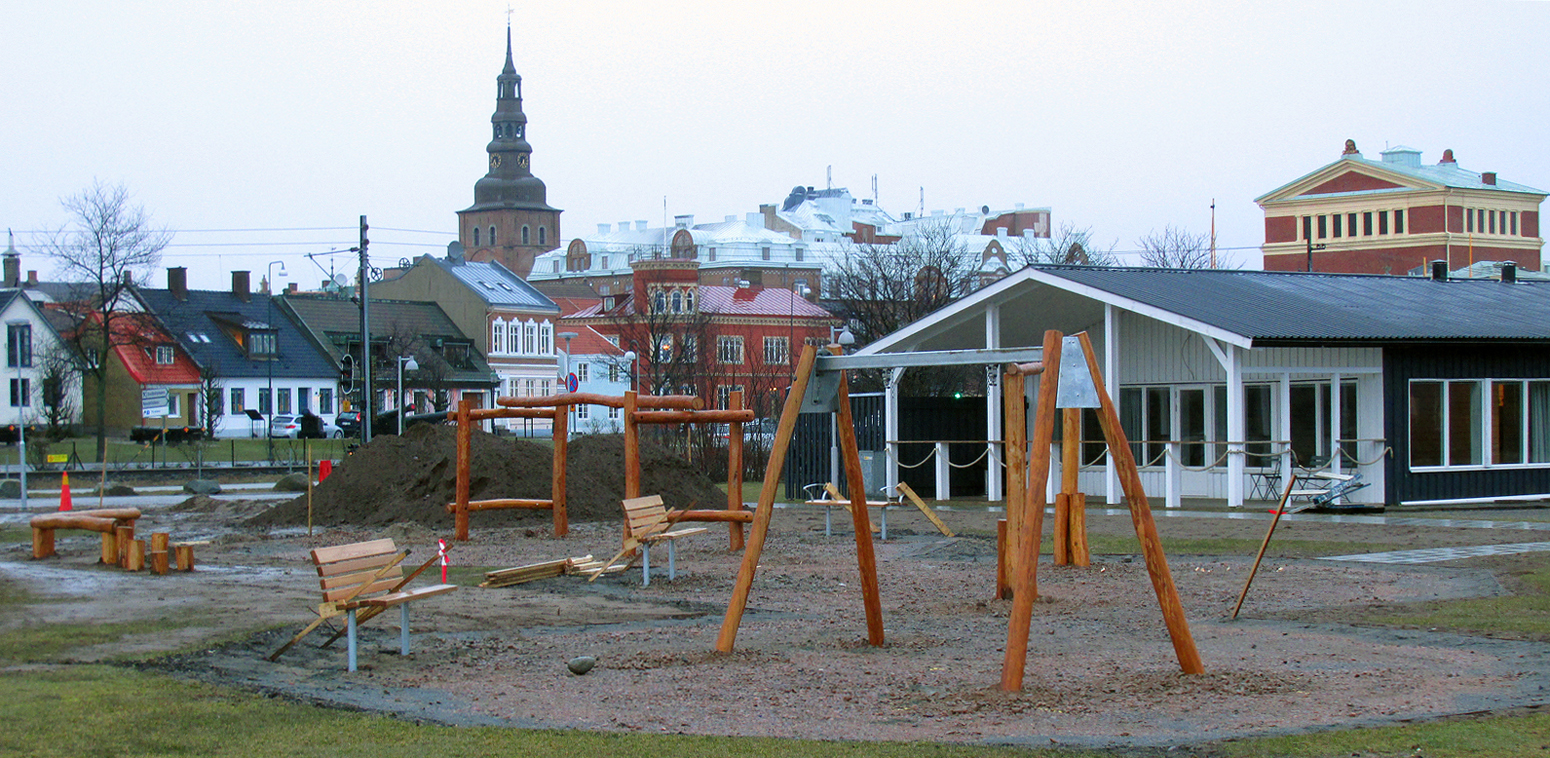
Return involved a state of dirt, damage or wetness that had to be accounted for at the door, and the explanation was rarely complete.
Knees were the standard casualty. Arriving home filthy is the evidence the afternoon had gone well.
A System Nobody Organised
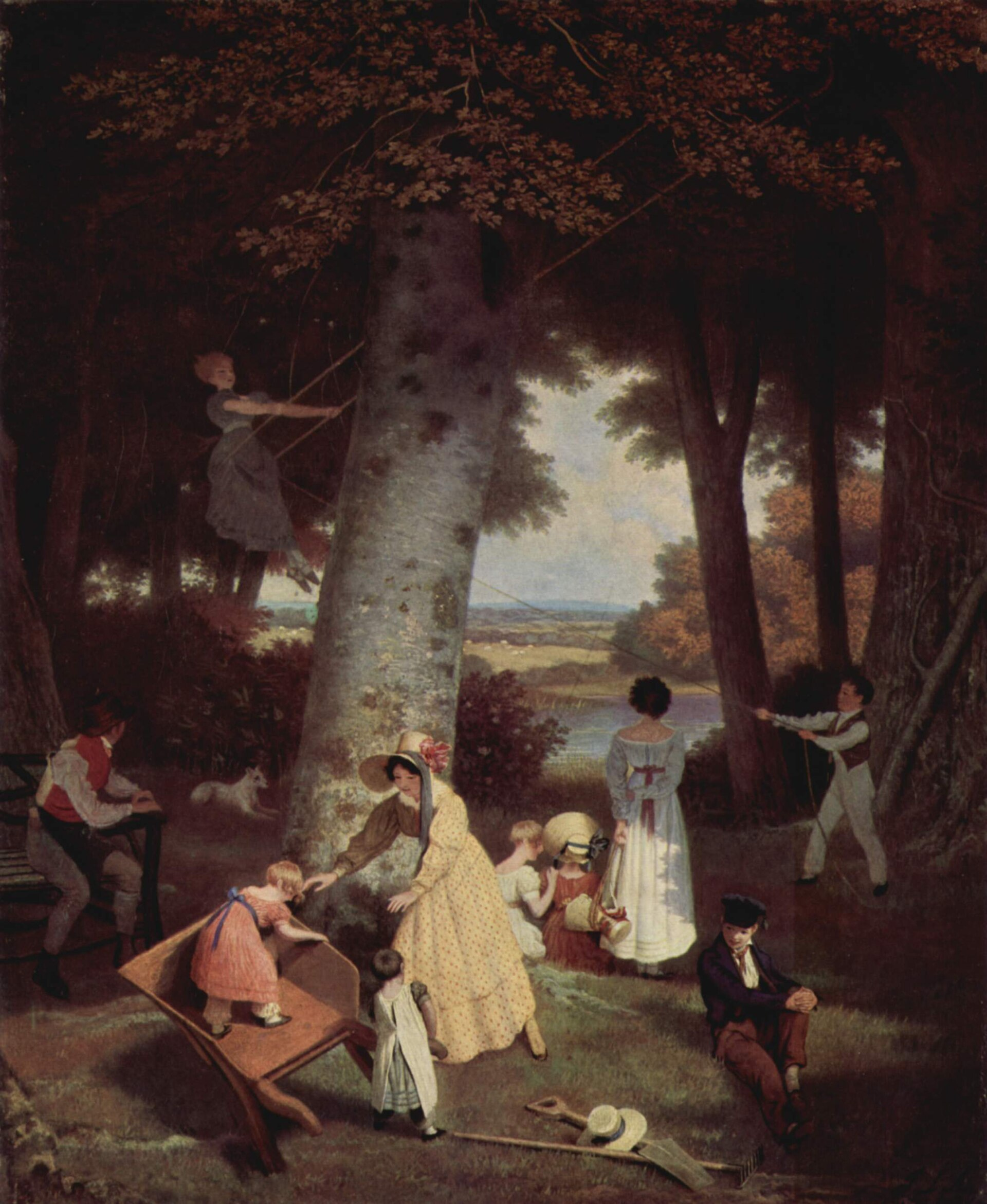
No arrangement, no equipment, no supervision and no schedule – and it produced a functioning social world every afternoon that ran on availability, geography and a set of boundaries nobody wrote down.
The last item is the one people find striking. Everybody has a first day of playing out and nobody has a last one, because it thinned out gradually rather than ending – which means most people cannot identify the afternoon when a system that had structured years of their life steadily stopped operating.
Like our content? Follow us for more.