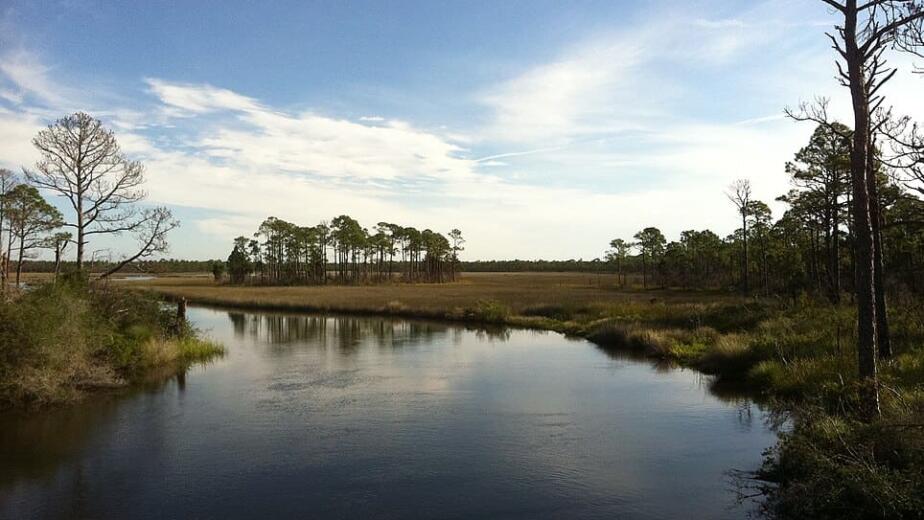
The useful question about any remote place is not how far it is but what specifically makes it hard to reach, because distance, terrain, water and season each produce completely different consequences. Here are seventeen.
1. Supply Arrives in Consignments
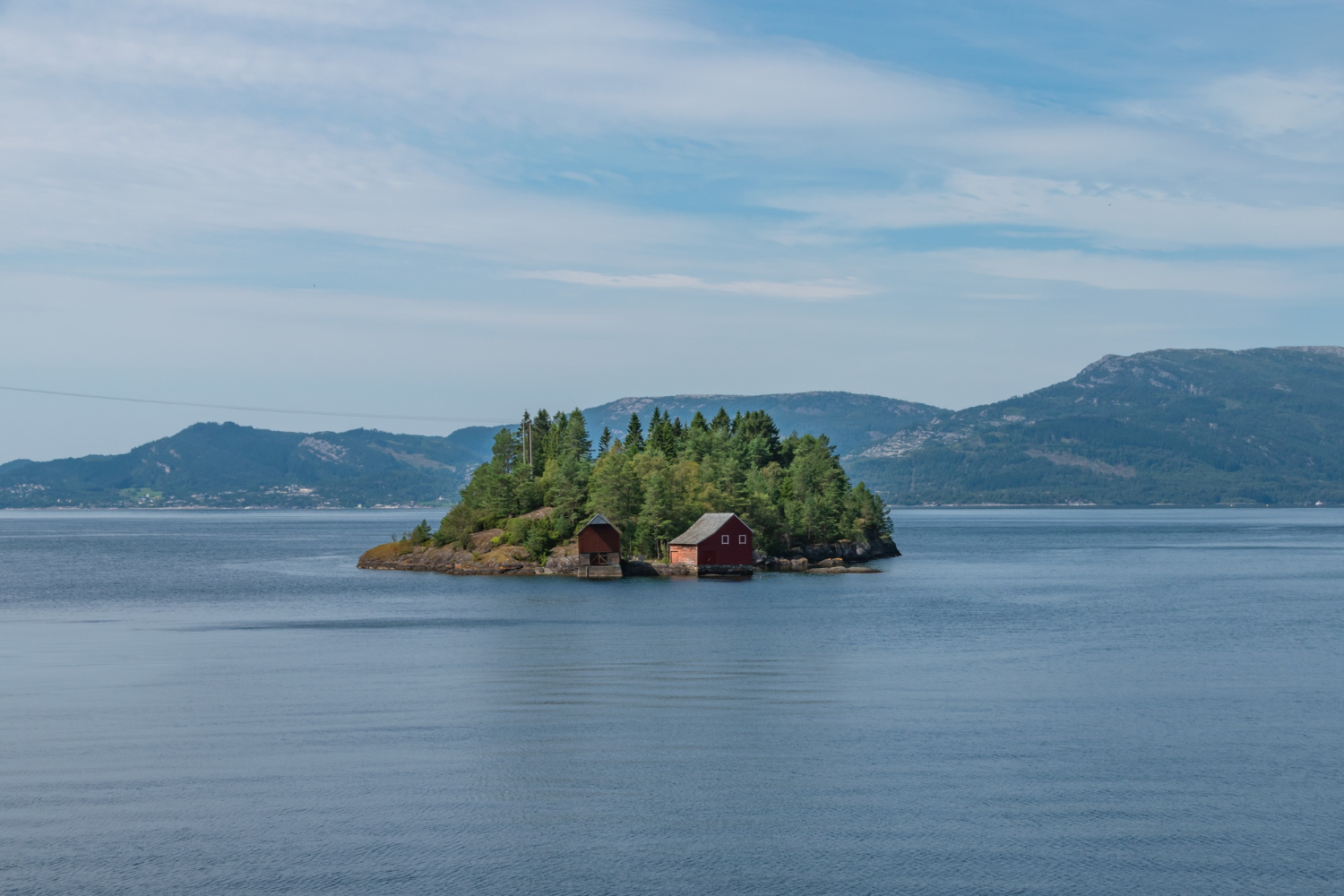
Where transport is periodic rather than continuous, goods arrive in large deliveries at intervals, which means households and shops buy in quantity and plan around the schedule.
Running out is a real category of problem. Consignment supply is the arrangement that reorganises how everybody shops.
Like our content? Follow us for more.
2. Which Means Everybody Knows the Schedule
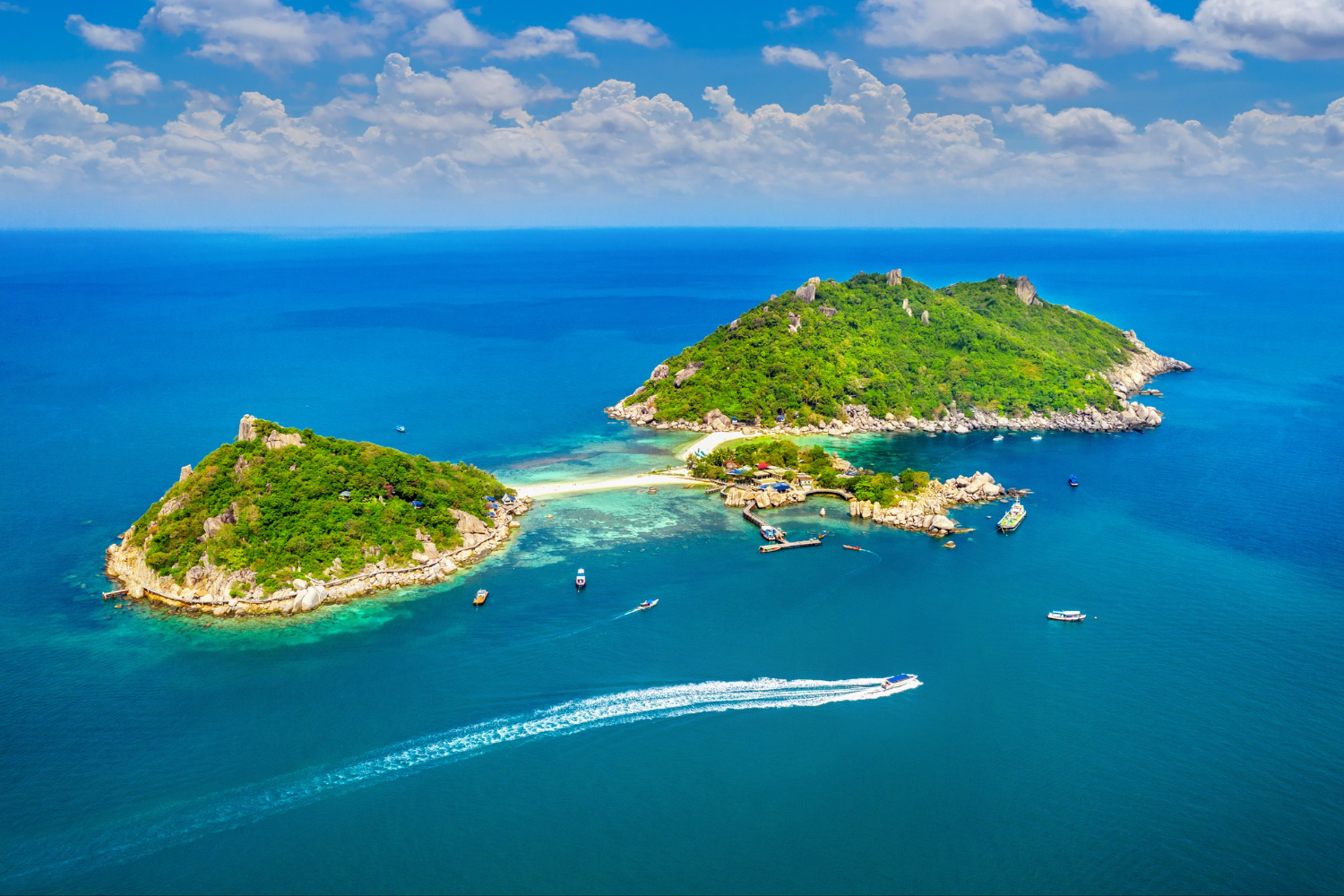
Delivery day is public knowledge and structures the week, with shops restocked and people timing purchases around it.
It functions as a fixed point in the calendar. The delivery schedule is the timetable a whole community runs on.
3. Everything Costs More
Transport is a fixed cost added to everything that arrives, so prices are systematically higher for goods identical to those sold cheaply elsewhere.
It applies to fuel, food, materials and services alike. Transport cost is the multiplier attached to being far away.
4. One Route Means Total Dependence
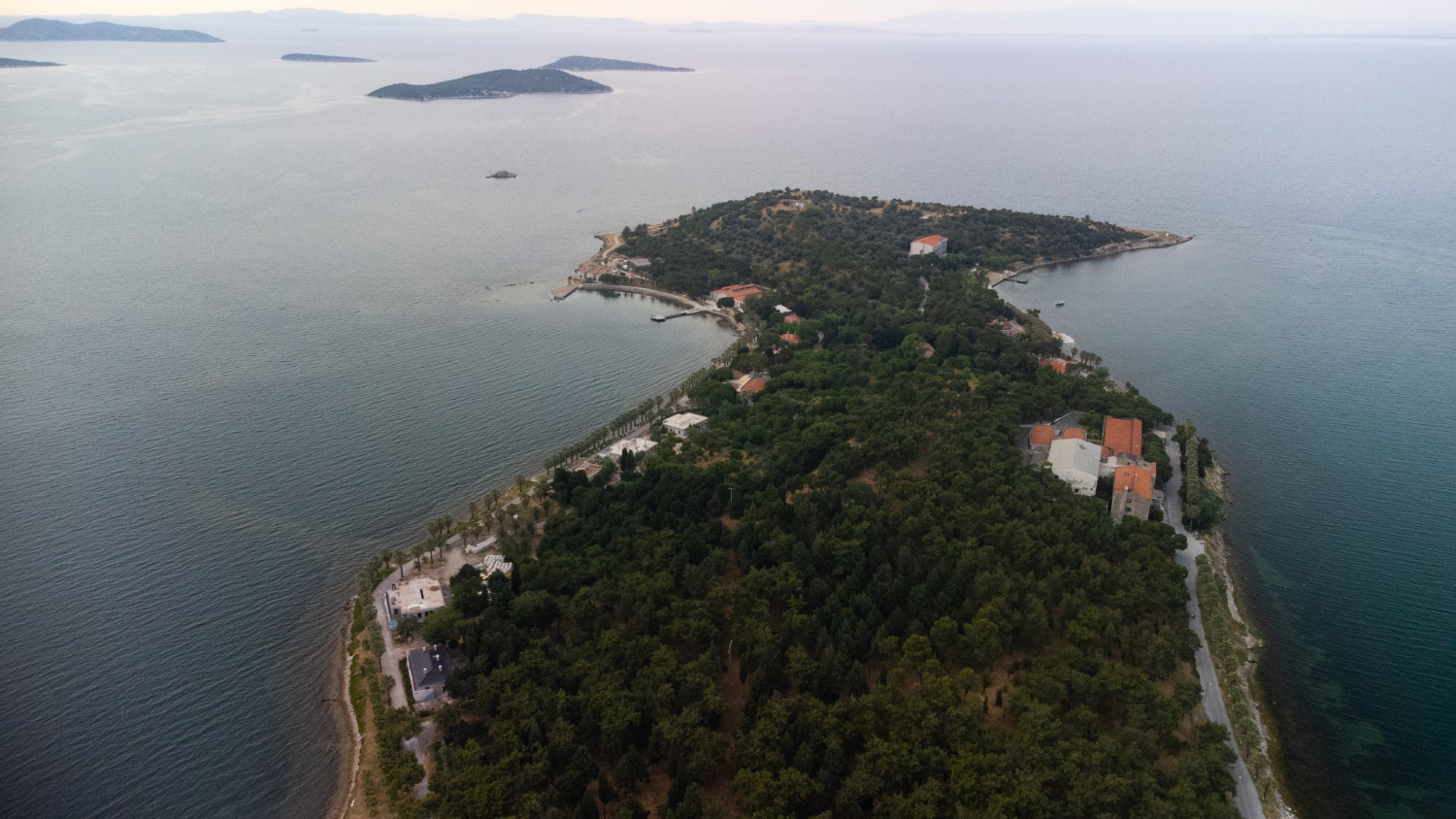
Where access runs along a single road, ferry or track, that route becoming unusable does not reduce access – it removes it entirely.
Redundancy is what remote places generally lack. Single-route dependence is the vulnerability that distance alone does not create.
5. Weather Becomes Infrastructure
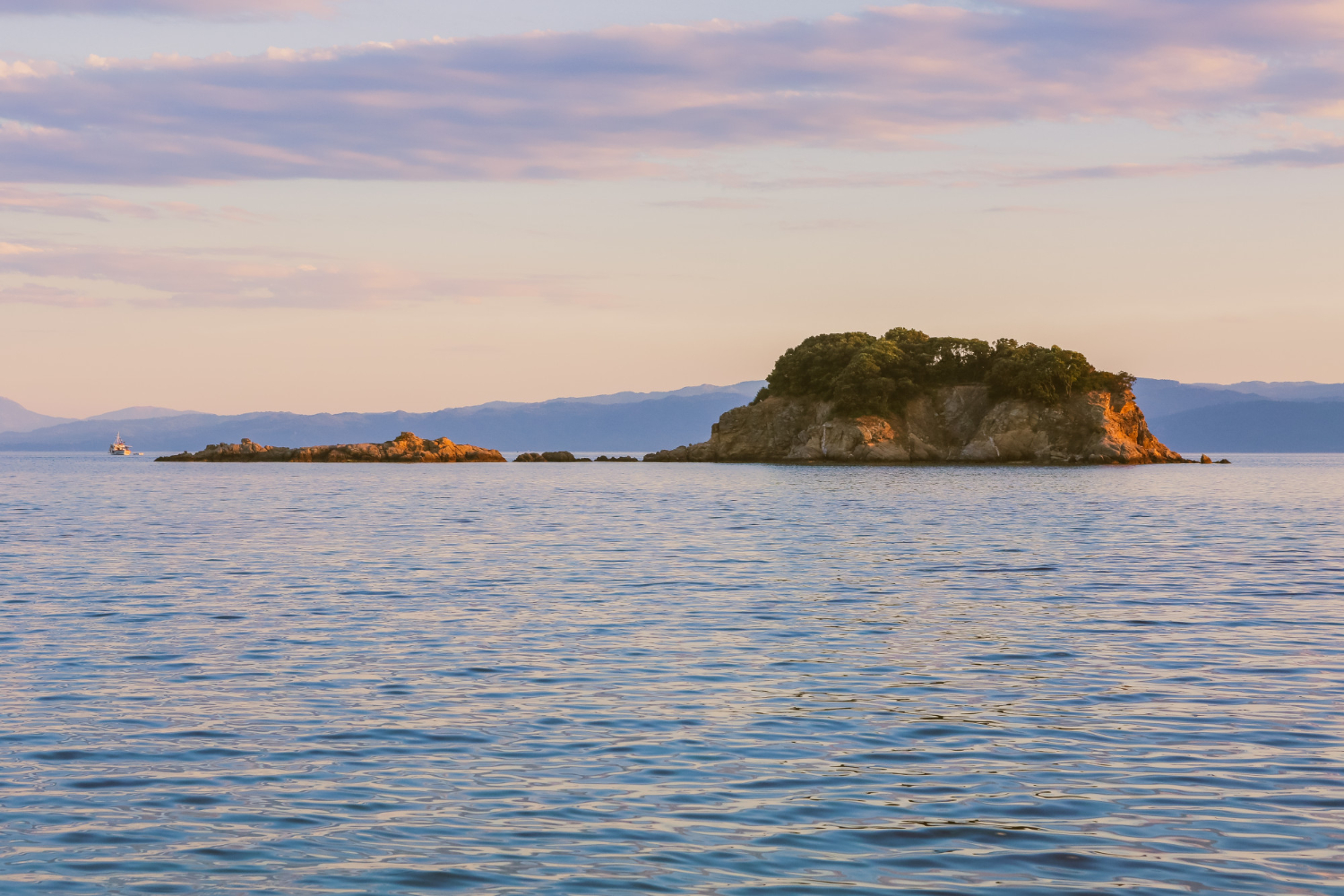
Where access depends on conditions, the forecast determines whether supply arrives, whether people can travel and whether anybody can leave.
It is an operational matter rather than a comfort one. Weather dependence is the factor that governs the functioning of the place.
6. The Season Divides the Year

Some places are accessible for part of the year and not for the rest, which produces two distinct modes of life and a great deal of preparation before the change.
Everything needed must be in place beforehand. Seasonal access is the constraint that makes the year two years.
7. Small Populations Cannot Support Specialists

A community below a certain size cannot sustain a full-time anything, so people hold several roles and services are shared, part-time or visiting.
One person may cover functions that elsewhere occupy four. Role multiplication is the direct arithmetic of a small population.
8. Services Arrive Rather Than Existing

Where provision cannot be permanent, it visits – on a rota, a circuit or a schedule – which means access to many things is a matter of timing rather than availability.
Missing the visit means waiting. Visiting services are the model that replaces local provision.
9. Schools Teach Mixed Ages Together

Very small schools combine year groups in one room, which produces a completely different teaching arrangement and, in several respects, an effective one.
Older children routinely help younger ones. Mixed-age teaching is the adaptation small numbers require.
10. Medical Provision Is About Transfer

Where specialist care cannot be local, arrangements centre on getting somebody to it – which makes transport, communication and timing the critical components rather than facilities.
Those arrangements are planned rather than improvised. Transfer dependence is the structure of remote provision.
11. Everybody Is Known
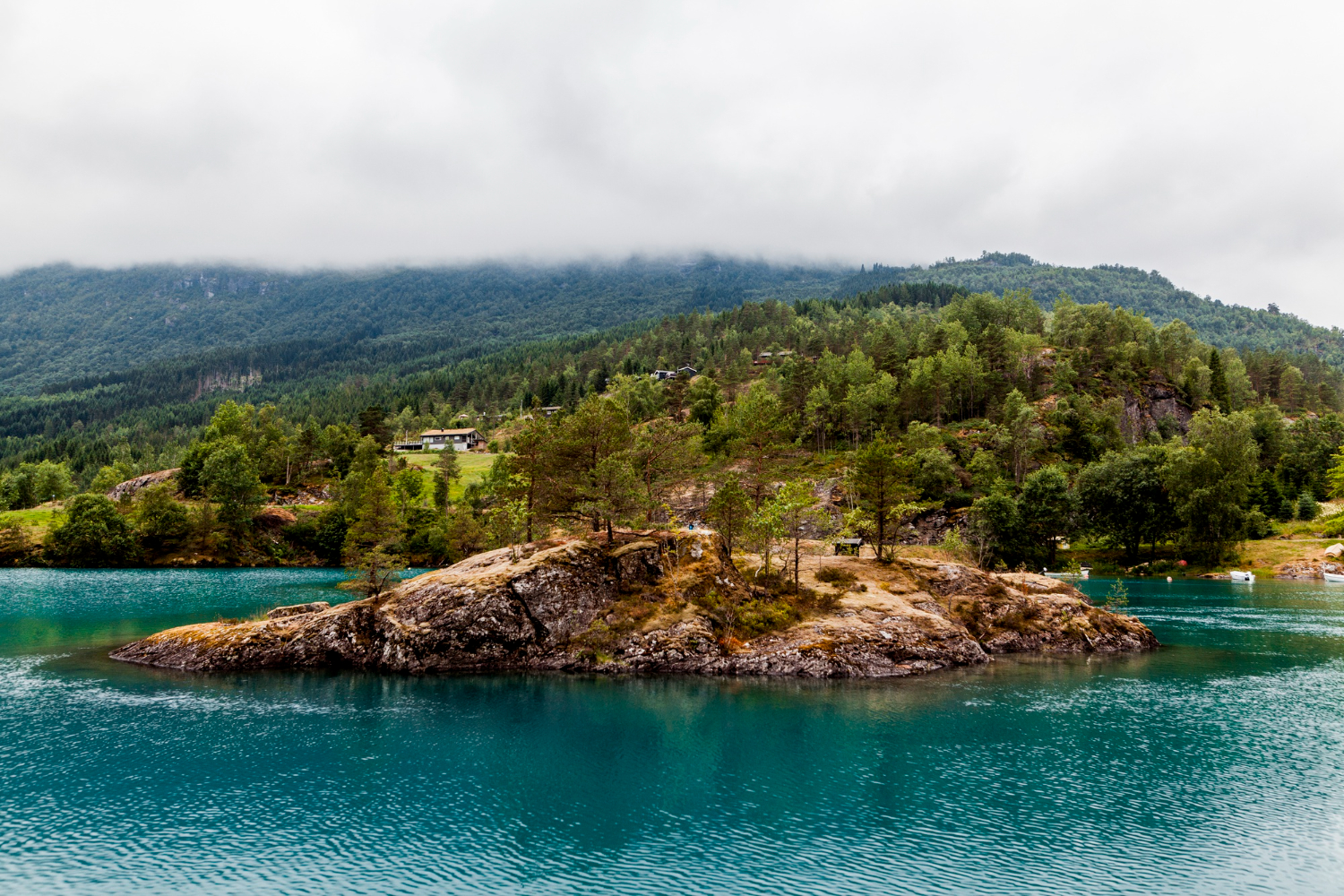
In a small population, anonymity is unavailable, which has both obvious advantages and a cost that people who move from cities consistently underestimate.
Both effects are real. Universal acquaintance is the social condition small numbers produce.
12. Mutual Obligation Is Not Optional
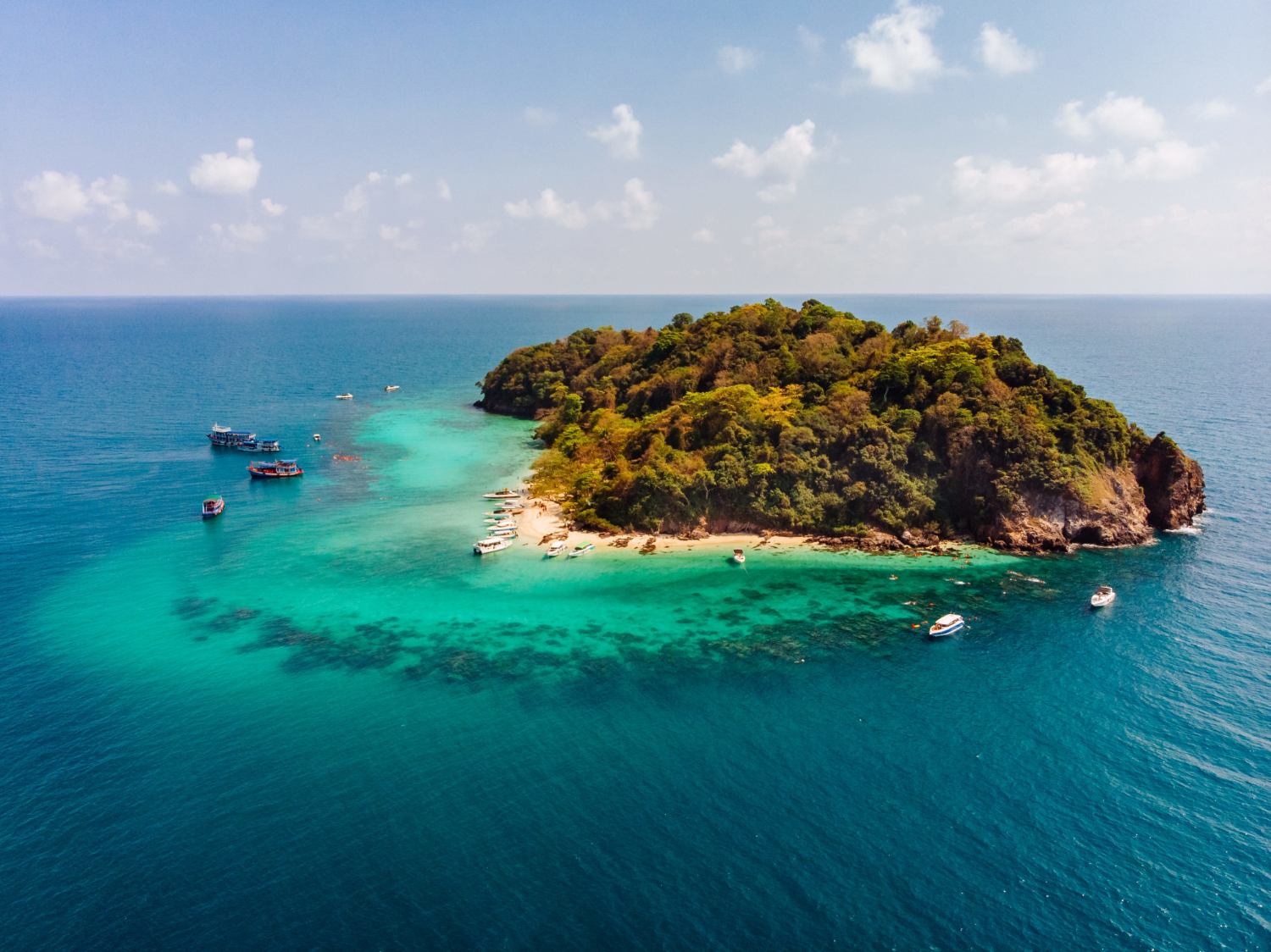
Because outside assistance cannot arrive quickly, communities develop strong reciprocal expectations, and participation is closer to a requirement than a courtesy.
Refusing help is noticed. Reciprocal obligation is the system that substitutes for external services.
13. Skills Are Retained Longer

Where a specialist cannot be summoned, people maintain practical capabilities – repair, construction, maintenance – that have disappeared where services are available.
Necessity preserves the skills. Retained competence is what happens when calling somebody is not an option.
14. Communication Matters More Than It Looks

Reliable contact with the outside is not a convenience but the basis of supply, medical arrangements, work and education, which is why connectivity is such a live issue in these places.
A failure has consequences beyond inconvenience. Communication dependence is the modern version of the single route.
15. There Is a Population Threshold
Below a certain number, a school, a shop or a service closes, which makes the place less viable, which reduces the population further.
It is a feedback rather than a decline. Threshold effects are the arithmetic that makes small communities fragile.
16. Some Exist for a Reason That Has Gone

A great many remote settlements were established for a specific purpose – an industry, a route, a function – that no longer operates, leaving a community in a location nobody would now choose.
The buildings record the original reason. Obsolete purpose is the situation a large number of remote places are in.
17. Leaving and Returning Are Different There
Because moving away is a substantial step and coming back is harder, migration patterns are more decisive than in well-connected places, and people who return generally do so deliberately.
The choices are less reversible. Migration asymmetry is the demographic consequence of being hard to reach.
What Exactly Makes It Hard to Reach

Distance, terrain, water, a single route or a season – and each produces different arrangements in supply, services, skills and obligation that are invisible to anybody who arrives for an afternoon.
The item worth carrying is the fourth. Remoteness measured in distance is far less consequential than remoteness measured in routes, and a place two hours away with one road can be substantially more isolated than somewhere twice as far with three – which is not obvious from any map.
Like our content? Follow us for more.