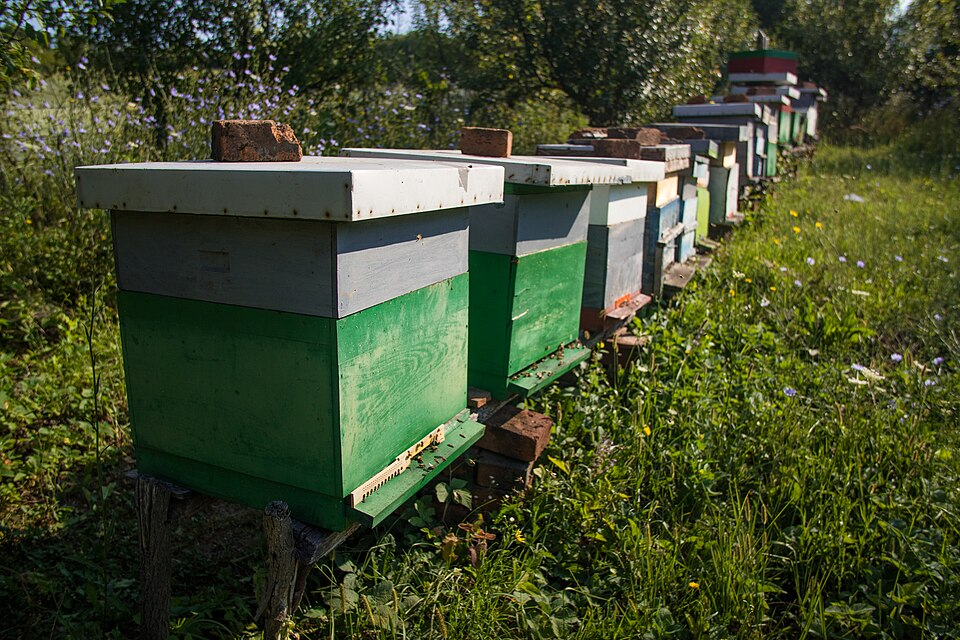
In 1974 an American household that kept bees had four white boxes on concrete blocks along a fencerow, facing southeast, with a windbreak behind them.
The equipment was already a century old and has barely changed since: vertical frames that lift out individually, spaced to one exact dimension that is wide enough for bees to pass and too narrow for them to build across. A metal smoker packed with burlap. A veil, and in a great many cases no gloves. A hand-cranked extractor spun in the kitchen, which coated everything within reach.
And the colonies could be left largely alone and would still be there in the spring. Here are fifteen things every beekeeper knew.
1. The Hives Stood in a Row at the Edge of the Garden
Two, four or six white wooden boxes sat on stands or concrete blocks along a fencerow, at the back of the orchard or at the edge of the garden – facing roughly southeast, with a windbreak behind them and water nearby.
The same equipment in the same places, kept by a considerably smaller number of households alongside a much larger commercial sector operating thousands of hives on migratory routes.
The siting rules were practical and everybody followed them. Morning sun gets the colony flying early, a windbreak stops the entrance being chilled, and water within reach means the bees are not visiting the neighbour’s stock tank or swimming pool – which is the fastest way to turn a beekeeper into a problem.
Like our content? Follow us for more.
2. The Frames Came Out, and That Is the Whole Of Modern Beekeeping
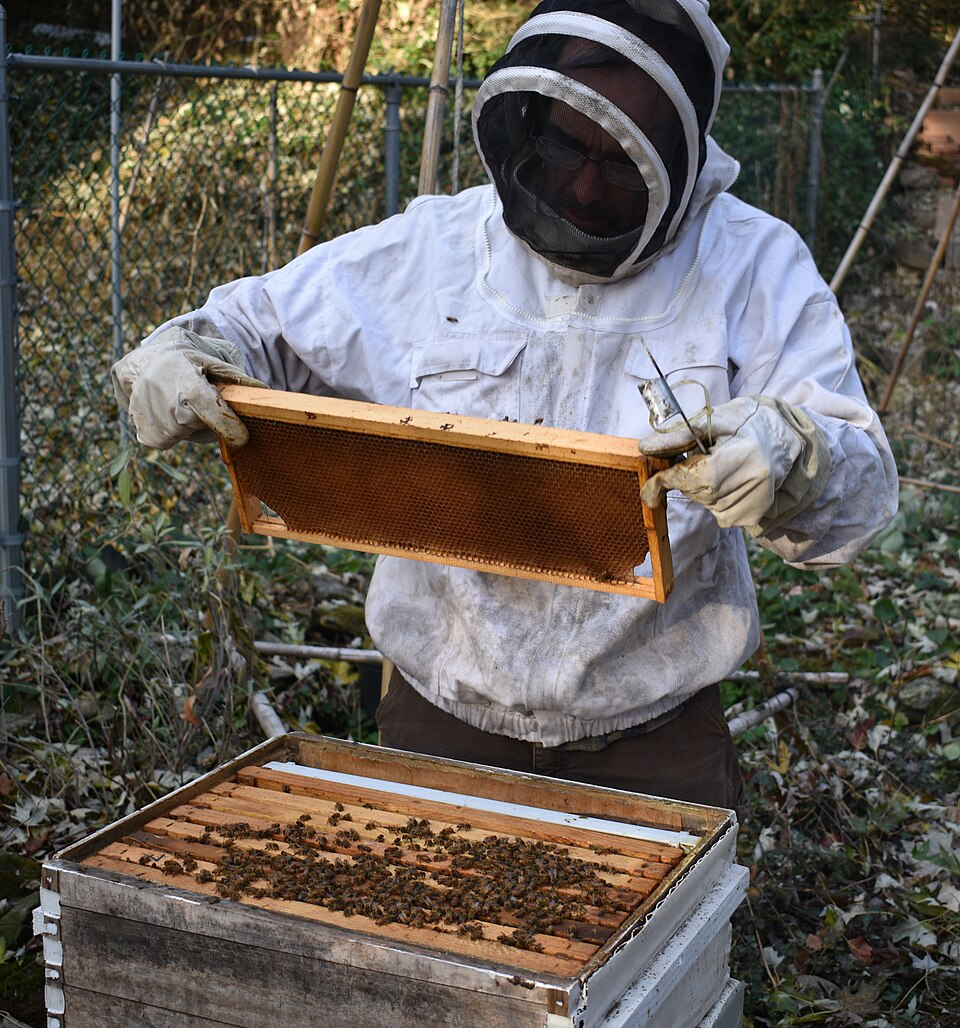
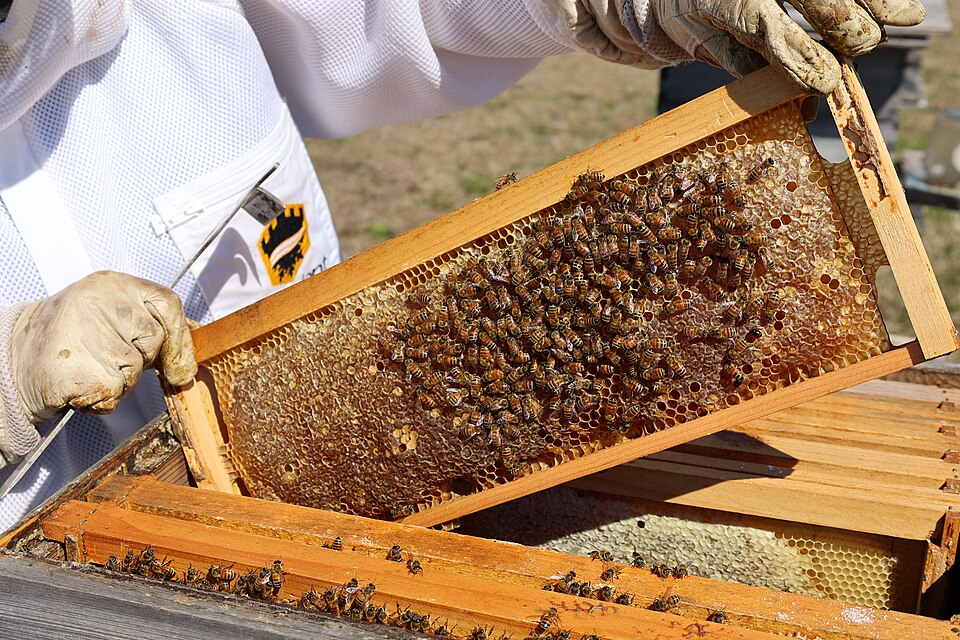
The hive was a stack of boxes holding vertical wooden frames that lifted out individually – so a keeper could inspect any part of the colony, move brood, add space and take honey without destroying anything.
Identical equipment, essentially unchanged in its principles for well over a century, and the basis of every managed hive in the world.
This is the single most important thing in the subject and it is easy to walk past. Before removable frames, taking honey meant destroying the colony or cutting the comb out; afterwards it meant lifting a frame. The whole of managed beekeeping – inspection, swarm control, requeening, disease work, honey production – depends on the fact that the inside of the hive can be taken apart and put back together.
3. The Spacing Between Everything Was Exact
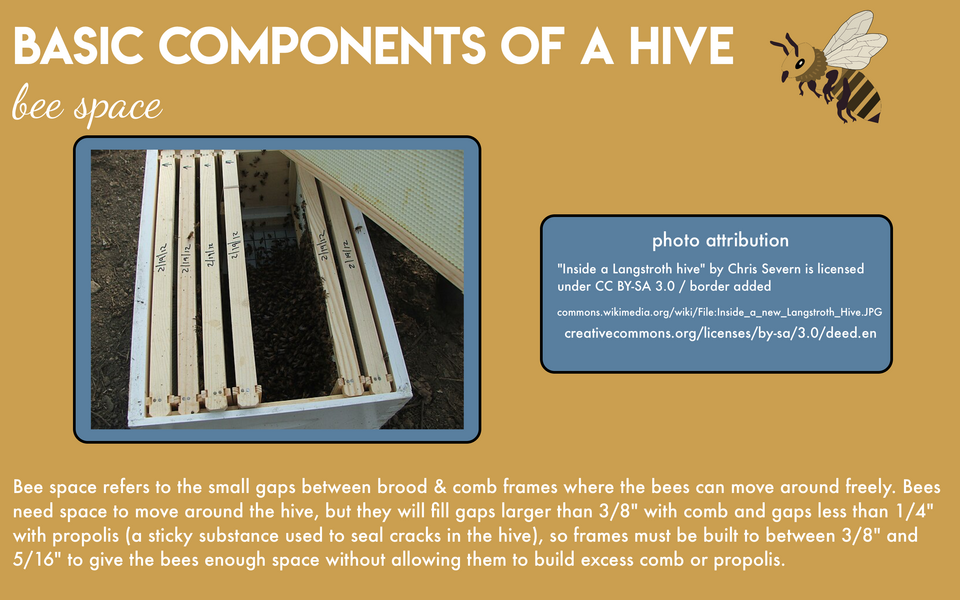
The gaps inside a hive were not arbitrary. The space between frames, between frames and walls, and between boxes was built to a specific dimension – wide enough for bees to pass and work, narrow enough that they will not build comb across it.
The identical dimension, still standard, still the reason a hive can be opened at all.
Get that gap wrong and the hive glues itself shut. Too wide and the bees fill it with comb; too narrow and they seal it with propolis – and either way the frames stop lifting out, which removes every advantage the design was built for. The whole system rests on one measurement discovered in the nineteenth century.
4. The Smoker Was the Only Tool That Mattered
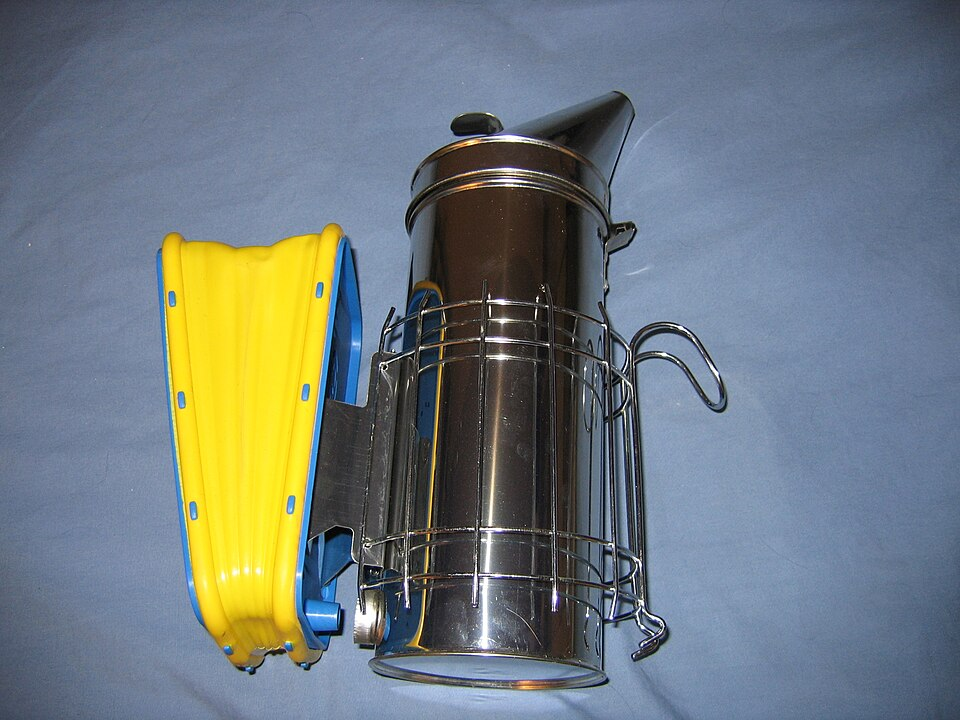
A metal canister with a bellows attached, packed with smouldering burlap, pine needles, wood shavings, cardboard or dried grass, puffed at the entrance and over the frames before and during any work.
Exactly the same tool, in the same form, with the same fuels – one of the least changed implements in any agricultural activity.
Smoke works for reasons that are better understood now than then, and the practical effect was always obvious: a smoked colony becomes markedly less defensive and the bees occupy themselves rather than attending to the intruder. A keeper without a lit smoker was not going to open anything, and lighting it reliably was the first skill anybody learned.
5. The Veil Was Essential and the Gloves Were Optional
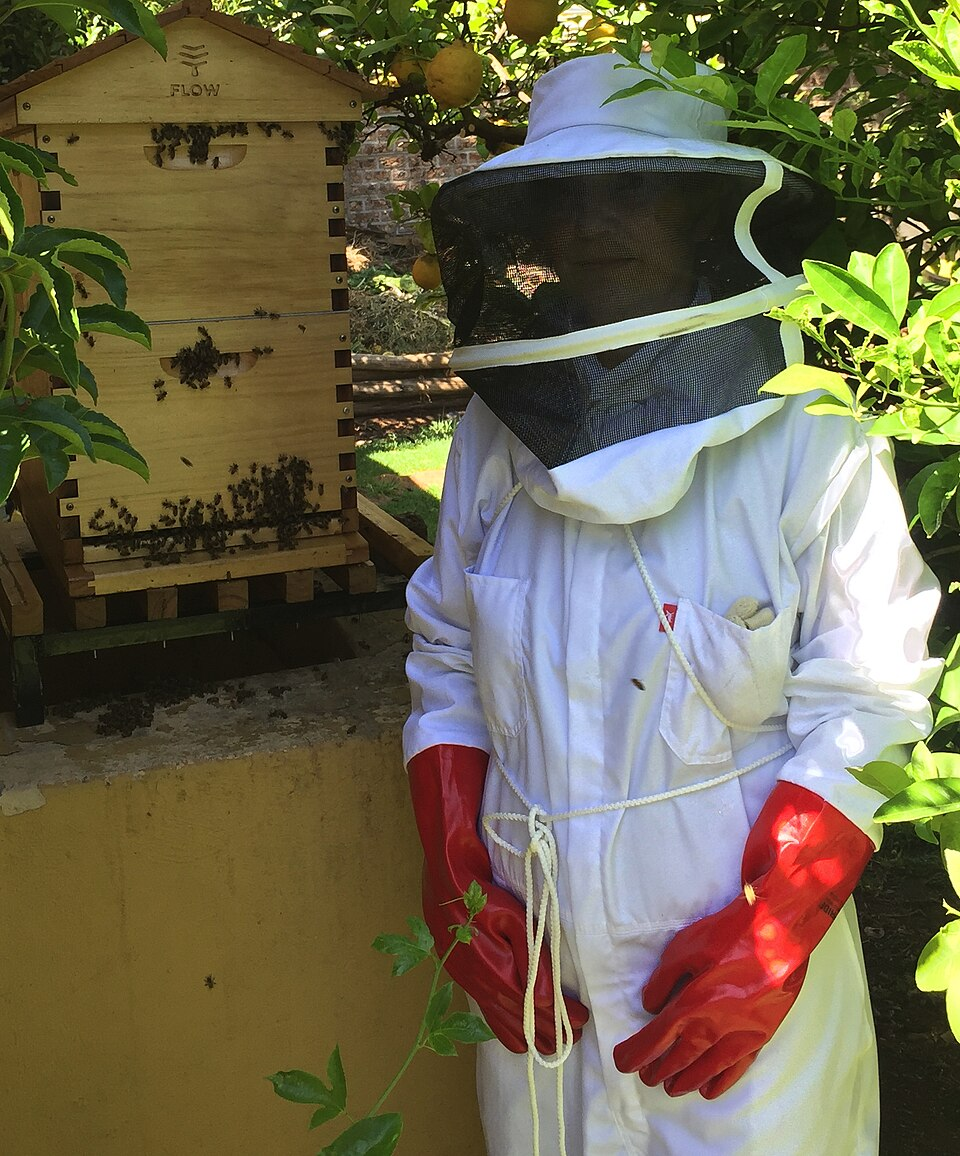
A broad-brimmed hat with netting, or a hooded jacket, protected the face and neck – and a great many keepers worked bare-handed, on the grounds that gloves make fingers clumsy and a clumsy keeper crushes bees and provokes the colony.
The same range of practice, with better-designed suits and ventilated jackets widely available and the same argument about gloves still running between keepers.
The reasoning behind bare hands is genuinely sound rather than bravado. Rolling a bee between a glove and a frame releases alarm scent and produces exactly the response the keeper is trying to avoid – so a careful bare-handed keeper is frequently stung less than a clumsy gloved one. This piece records the practice and gives no advice to anybody about how to approach a colony.
6. Supers Went On When the Flow Started
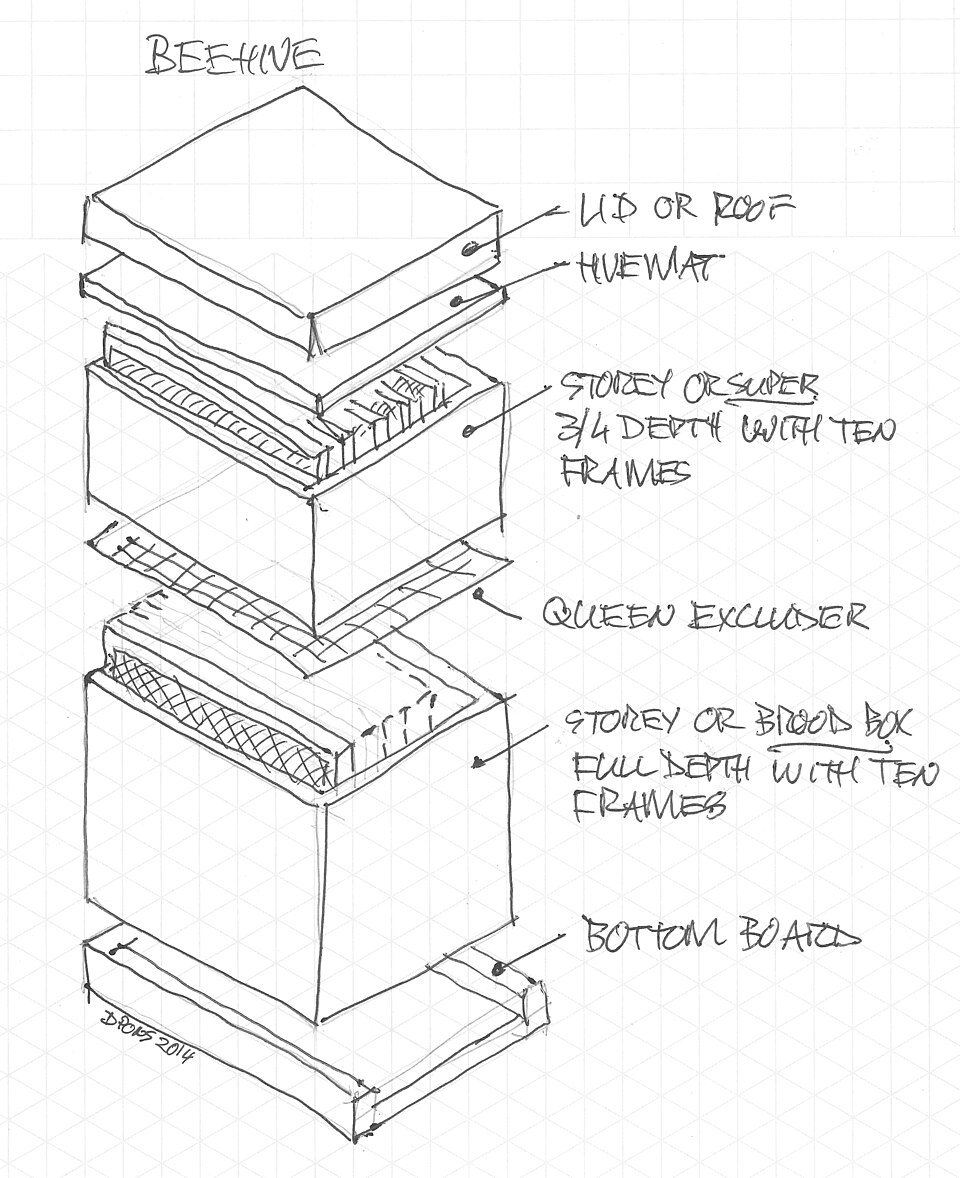
Additional boxes – supers – were added above the brood chamber when the nectar flow began, giving the colony space to store honey, with more added as they filled and taken off when the flow ended.
The same practice on the same principles, with more boxes, better timing information and considerably more attention paid to local flow timing.
Timing the supers is the judgement that separates a good keeper from an indifferent one, and it is a judgement about plants rather than about bees. A colony given space too late swarms; given space too early it has too much volume to defend and warm – so the whole question is reading when the local bloom will produce, which is knowledge about a specific few square miles.
7. A Queen Excluder Kept the Brood Out of the Honey
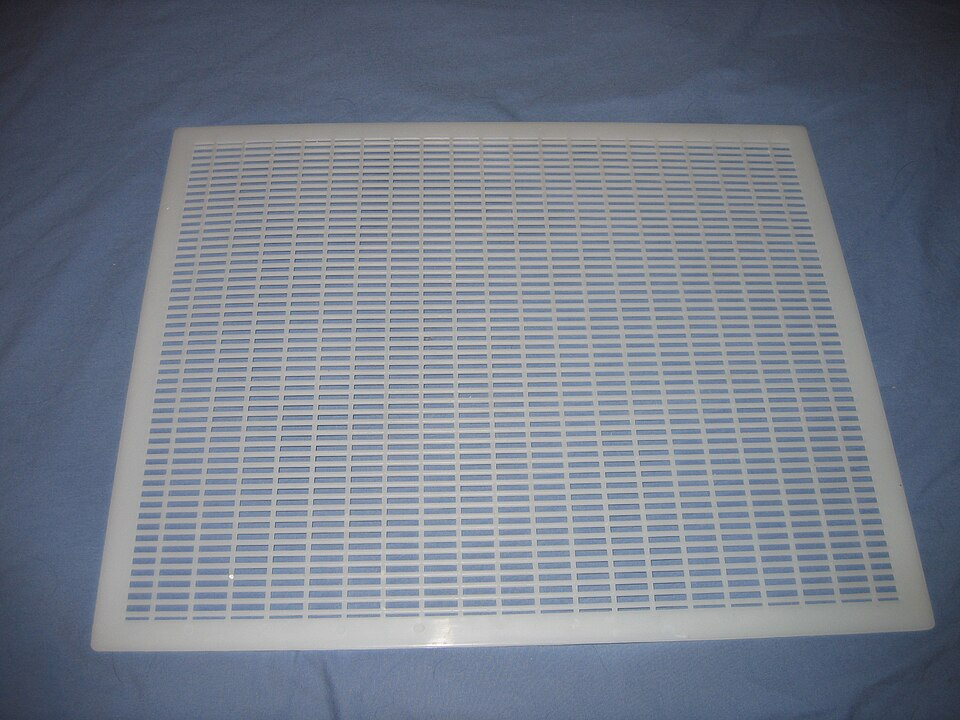
A flat grid of wire or slotted metal was laid between the brood chamber and the supers, with gaps wide enough for workers and too narrow for the larger queen – so she could not lay above it and the honey stayed free of brood.
The same device, still used and still argued about, with a substantial number of keepers working without one on the grounds that it slows the bees down.
It is one of the oldest disagreements in the subject and both sides have a point. An excluder guarantees clean honey supers and makes extraction simpler; it also places a barrier in the colony’s main traffic route, which measurably reduces how quickly the bees move nectar upward.
8. The Extractor Was a Hand-Cranked Drum in the Kitchen
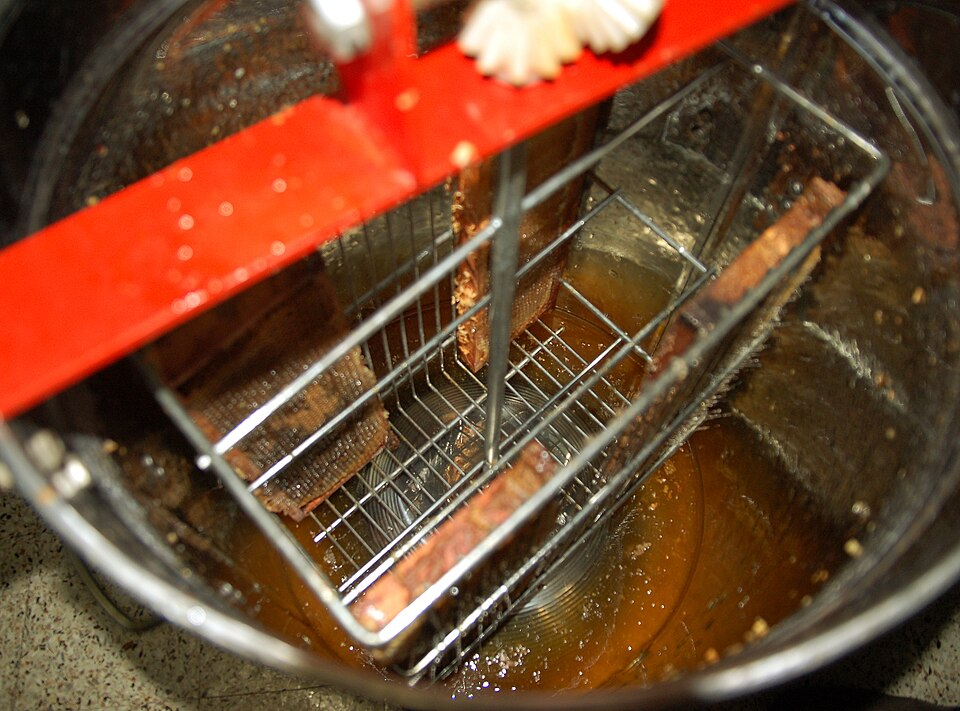
Honey was taken by slicing the wax caps off both faces of a frame with a heated knife, standing the frames in a cylindrical drum and spinning them by hand so that centrifugal force threw the honey out against the walls to run down to a tap at the bottom.
The same machine, powered, in stainless steel, in a far more hygienic room – and the hand-cranked extractor still sold and still used by small keepers.
Extraction in a household kitchen is the part that has changed most and had to. Honey is enormously sticky, the operation coats everything within reach, the room fills with escaped bees coming to the smell, and doing it in the same space where the family cooks is a food-handling arrangement that modern rules would not permit.
9. Comb Honey Was a Separate Product With Its Own Market
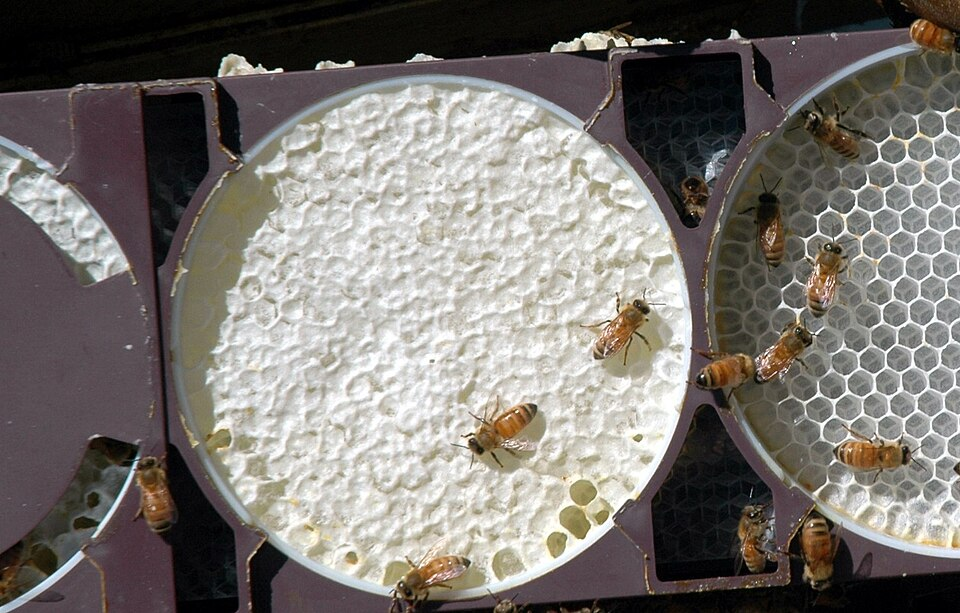
Alongside extracted honey, keepers produced comb honey – honey left in the wax, cut into squares or produced in small wooden sections – which sold for considerably more and was what a great many customers actually wanted.
A small premium product, produced by a limited number of keepers, now unfamiliar to most buyers who have only ever encountered honey in a jar.
Comb honey is the older product and extracted honey is the innovation, which is the reverse of how people assume it went. Before extractors, all honey was comb honey – and the market for it persisted for decades afterwards because a square of comb is visibly and unarguably unadulterated, which a jar is not.
10. Swarming Was the Main Problem and Catching One Was a Skill
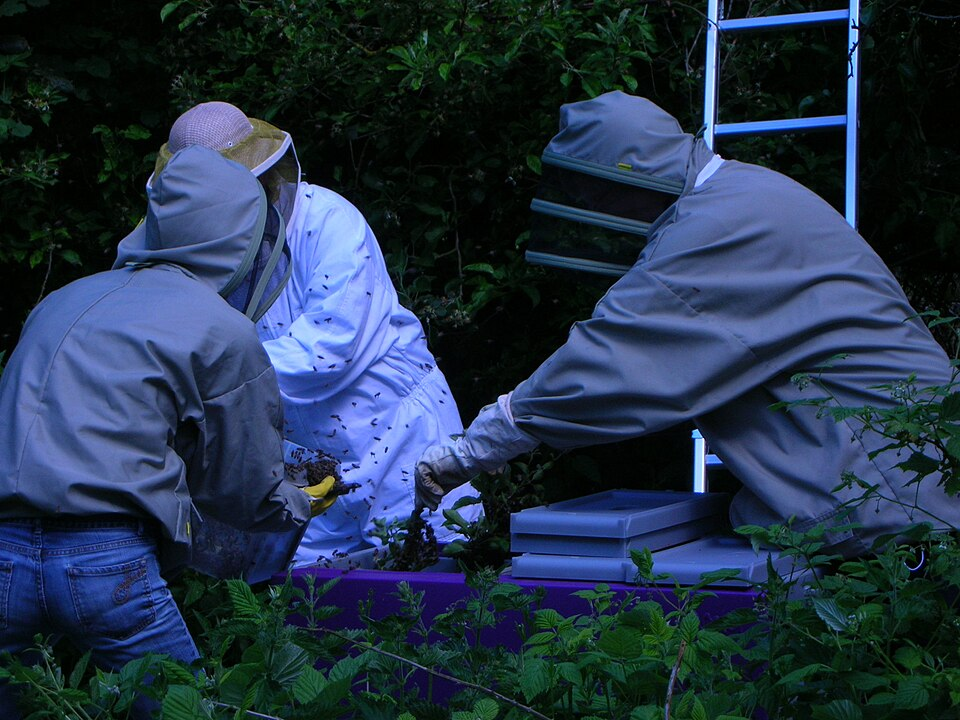
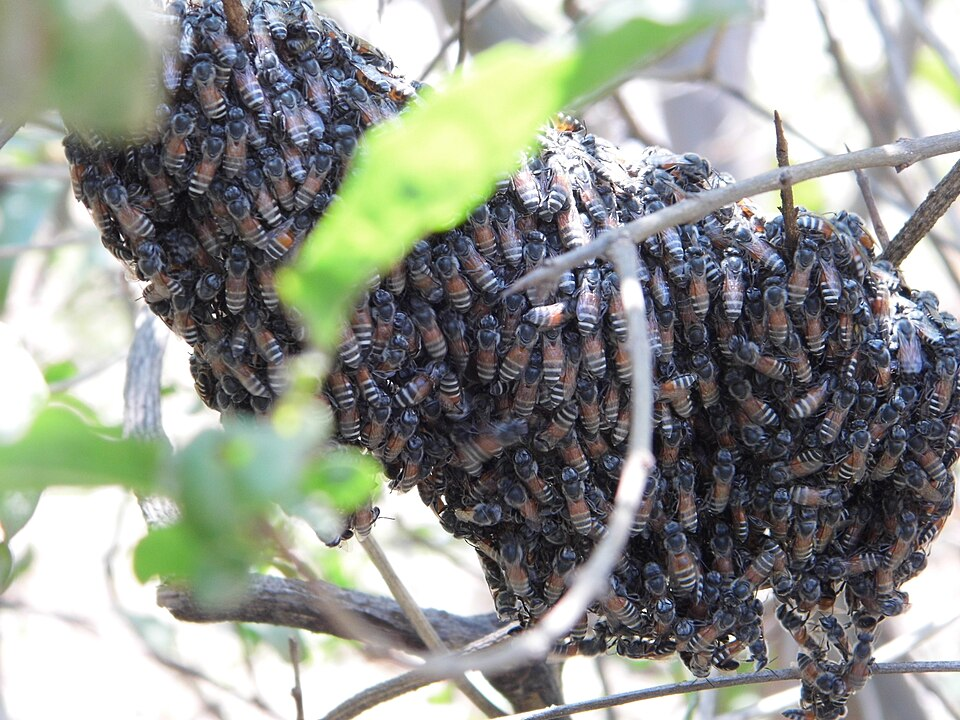
A colony preparing to swarm would be managed by giving space, splitting or destroying queen cells – and when one went anyway, the keeper followed it, found the cluster hanging in a tree, and got it into a box.
The same problem and the same responses, with much better understanding of the triggers – and the enormous difference that losing a swarm now means losing a colony you have paid to keep alive.
Catching swarms was also how a great many keepers acquired bees in the first place. A clustered swarm is docile and can be gathered, so a beekeeper with an empty hive, a box and a willingness to climb a ladder could add a colony for nothing – and being the person in the county who came when somebody found bees in their yard was a recognised local role.
11. The Winter Test Was Lifting the Back of the Hive
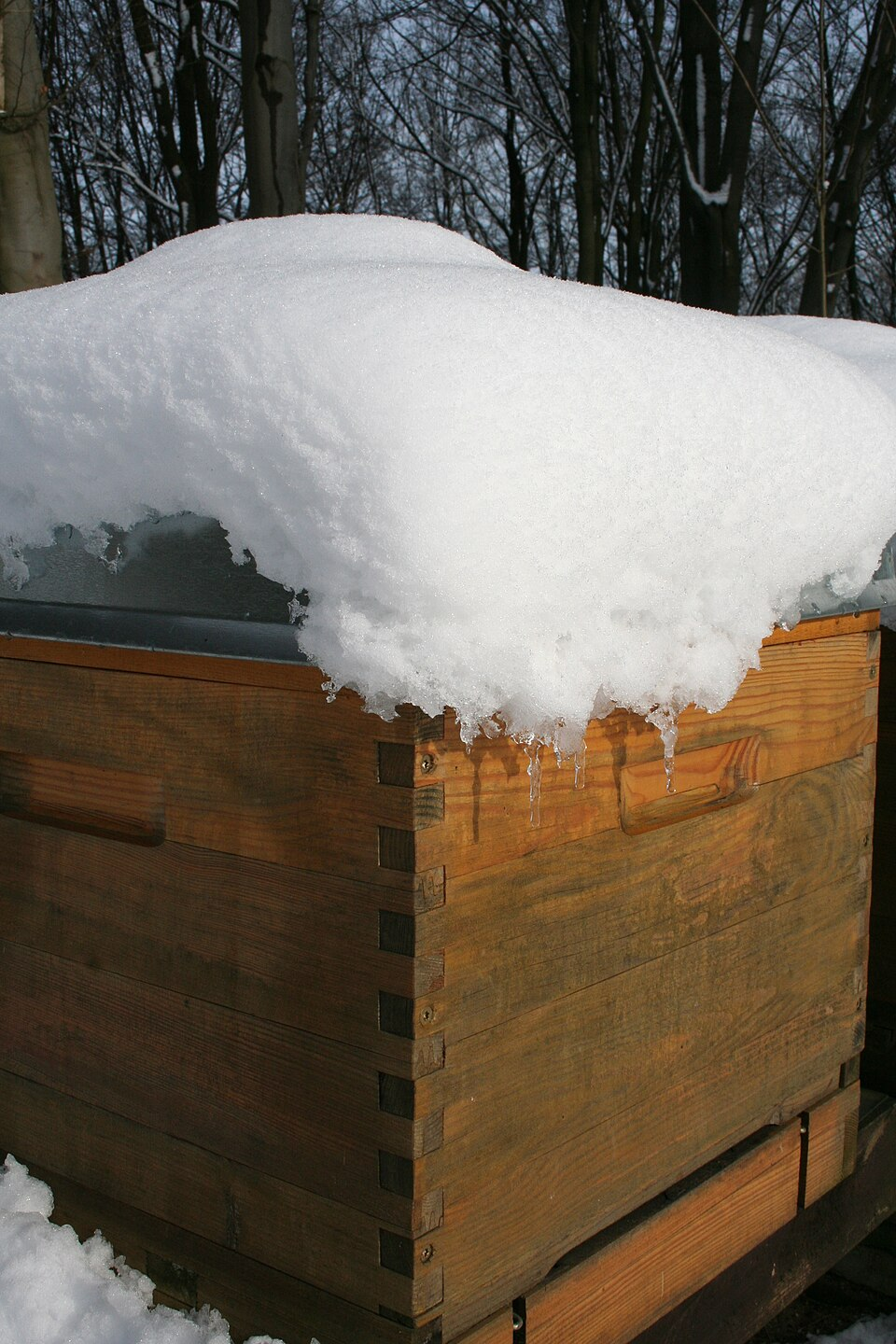
Going into winter, a keeper judged whether a colony had enough stored honey by tipping the hive back and feeling the weight – and fed sugar syrup or candy if it was light.
Hive scales, some of them reporting continuously to a telephone, alongside the same hefting by hand, which remains the quickest field assessment anybody has.
The heft is a genuinely good measurement and it survives for that reason. A keeper who has lifted a hundred hives knows what adequate stores feel like to within a few pounds, the test takes four seconds, and it requires nothing – which is why it is still taught alongside the instruments.
12. Beeswax Was a Second Crop and It Was Traded
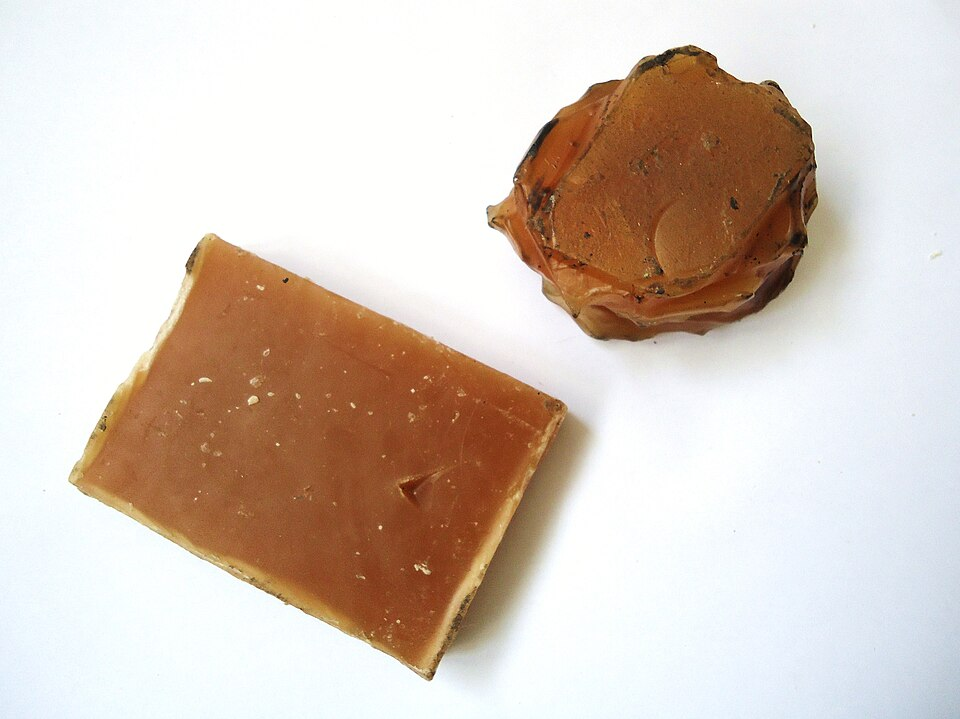
The wax cappings and old comb were rendered down into blocks and either used at home – for polish, for thread, for candles, for sealing – or traded to the equipment supplier against new foundation and hive parts.
A substantial commercial wax market supplying cosmetics and other industries, with keepers still trading wax against foundation.
Trading wax for foundation is a closed loop that pleased everybody involved. The keeper’s surplus wax came back as the sheets of embossed wax that start new comb, which means the colony’s own output supplied its own equipment – and that exchange relationship with a supply house was a standing part of a beekeeper’s year.
13. Honey Was Sold at the Gate in Whatever Jars Came to Hand
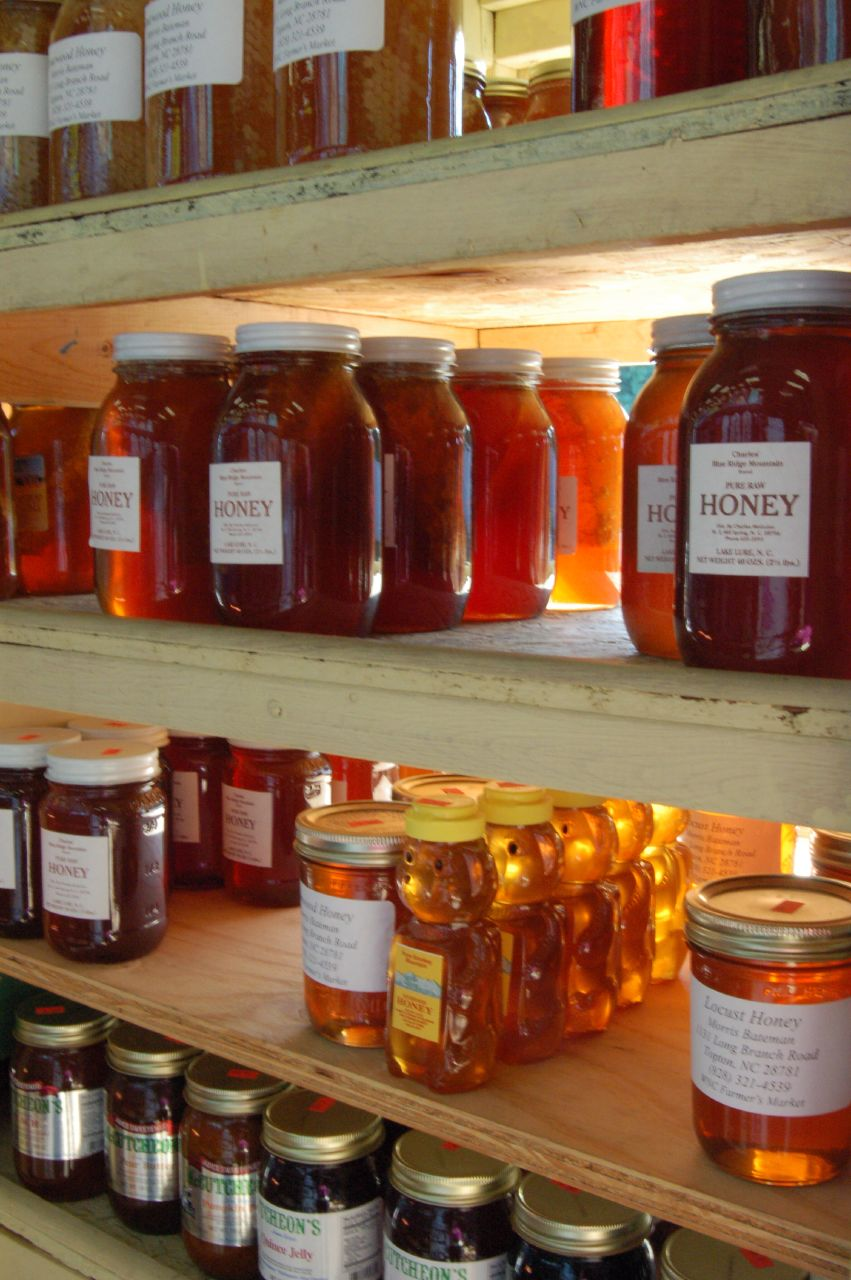
Sideline keepers sold direct – from the house, at the roadside, at a stand, to neighbours and to a few stores – in reused jars, with a hand-written label or none at all, at a price set by what everybody else was charging.
Direct sales still the backbone of small-scale beekeeping, now under labelling rules, with jars bought new and the price substantially higher in real terms.
Selling direct was always the sideline keeper’s advantage and still is. Honey from a known local person, in a jar they filled, at a gate, commands a premium that no commercial supply can touch – and that single fact is why small American beekeeping survived the collapse of its commercial economics.
14. Pollination Was Something That Happened by Itself

The bees pollinated the orchard, the garden and the neighbours’ crops as a side effect, unpaid, unarranged and barely discussed – and the point of keeping them was honey.
An enormous commercial pollination industry in which hives are trucked thousands of miles on contract, and in which pollination fees now exceed honey as the principal revenue in American beekeeping.
That inversion is the biggest single change in the economics and it happened for a specific reason. As American agriculture concentrated into very large single-crop plantings, the wild and resident pollinators in those areas could not service the bloom – so the pollination has to be imported, by truck, on a schedule, which is now the business.
15. Then the Hives Got Sick
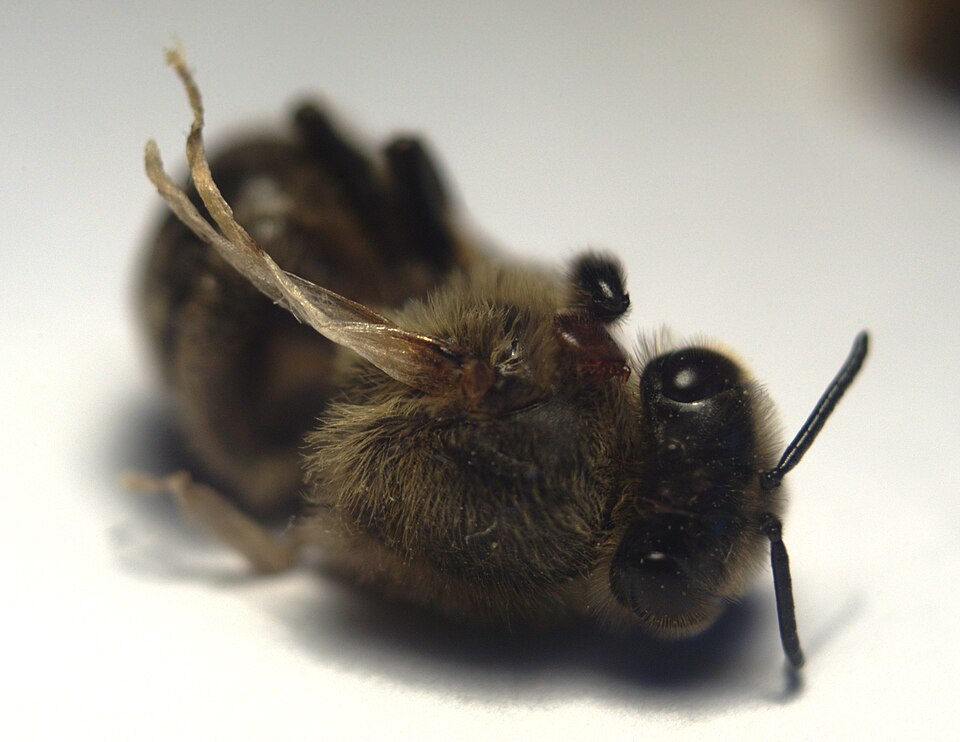
Keeping bees in 1974 meant managing weather, swarming, space, stores and the occasional bad winter – and a colony that was left substantially alone in a reasonable location stood a good chance of surviving indefinitely.
A disease-management discipline. The parasitic mite complex that arrived in American hives in the late 1980s, and the viruses it carries, mean that in most of the country an untreated colony will not survive – so beekeeping now runs on a monitoring and intervention calendar.
And that is the change that actually ended the hives at the edge of the garden, rather than any loss of interest. A 1974 sideline keeper could put four hives on a fencerow, open them a few times a year, take honey in August and heft them in October, and expect them to be there next spring. That is simply no longer true in most of the United States. The arrival of the mites, together with the viral diseases they transmit, converted a low-maintenance sideline into an activity requiring regular monitoring, decisions about intervention, and a willingness to lose colonies anyway – which is why the attrition rate among new hobby beekeepers in their first two years is as high as it is. The equipment has barely changed in a century: the same boxes, the same frames, the same exact spacing, the same smoker, the same hand-cranked extractor. What changed is that the animal inside it stopped being hardy. This piece names no treatment, no product and no schedule, because disease management is properly a matter for current authoritative guidance and for the local beekeeping association – which is, incidentally, the one part of the old arrangement that has become more important rather than less.
The Equipment Did Not Change. The Animal Did.
Put a 1974 American beekeeper in front of a modern hive and almost nothing would surprise them.
The boxes are the same. The frames lift out the same way. The gap between everything is the identical exact dimension, for the identical reason. The smoker is the same tool with the same fuels. The queen excluder is the same grid and keepers are still arguing about whether to use one. The hand-cranked extractor is still sold. The winter assessment is still done by tipping the hive back and feeling the weight. Wax still goes back to the supplier in exchange for foundation. Honey still sells best at a gate, in a jar, from somebody the buyer knows.
That is a remarkable degree of continuity for any technology, and it exists because the nineteenth-century design was essentially correct. Once you can take the inside of a hive apart and put it back, everything else follows – and nobody has improved on it.
So the thing that emptied the fencerows was not the equipment and it was not a loss of interest.
It was that the bees stopped being hardy.
Through the late 1980s a parasitic mite complex arrived in American hives and spread across the country. The mites feed on bees and, more seriously, transmit a set of viral diseases, and the combination is devastating to an untreated colony. The practical consequence is stark and it is not disputed by anybody who keeps bees: across most of the United States, a colony left alone will now die, usually within a year or two.
Which inverted the entire character of the activity.
A 1974 sideline keeper could place four hives on a fencerow, open them a few times through the season, add supers when the flow came, take honey in August, heft them in October and feed if they were light – and reasonably expect to find them alive in March. The work was weather, space, swarming and stores. The failure modes were a bad winter or a lost swarm.
A keeper today is running a monitoring and intervention programme. There is a calendar. There are decisions to make several times a year about whether and when to act. There is measurement involved. And there is a real probability of losing colonies regardless of doing everything correctly, which is a demoralising thing to discover in your second spring.
That is the reason the attrition among new hobby beekeepers is as high as it is, and it is the reason the hives at the edge of the vegetable garden largely went. Not because people stopped wanting bees – interest in keeping them is arguably higher now than it was in 1974 – but because the activity changed from a low-maintenance sideline into something closer to animal health management, and a great many people who would happily have kept four hives on the old terms will not keep them on the new ones.
The second inversion is economic and it runs the same way. In 1974 pollination was a side effect nobody was paid for and honey was the point. Now pollination fees exceed honey as the principal revenue in American beekeeping, because very large single-crop plantings cannot be serviced by whatever pollinators happen to live there – so the bees are trucked in, thousands of miles, on contract, to a schedule.
The white boxes on the fencerow are the same boxes. They are just no longer a thing a household can put up and leave.
If your family kept bees, you remember the smoker and the smell of burning burlap before you remember anything else.
And somebody in your house spun the extractor in the kitchen, and the whole room was sticky for a week.
Like our content? Follow us for more.