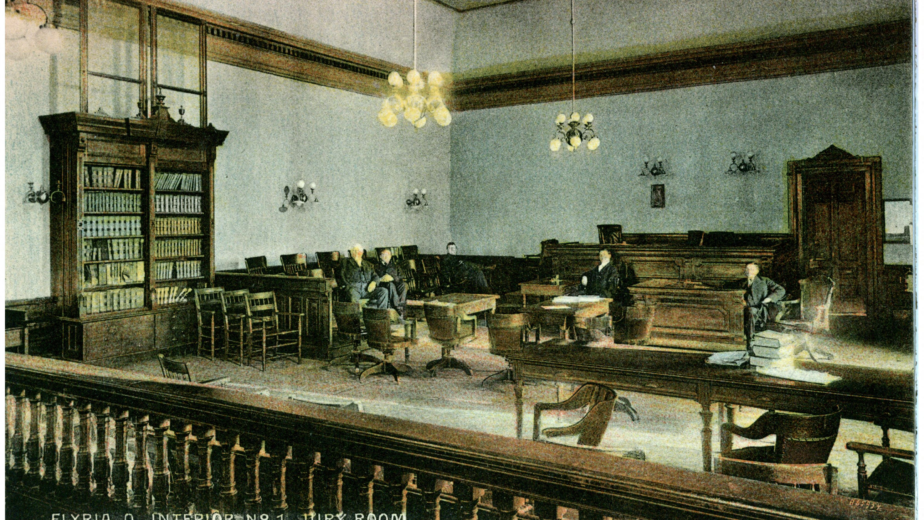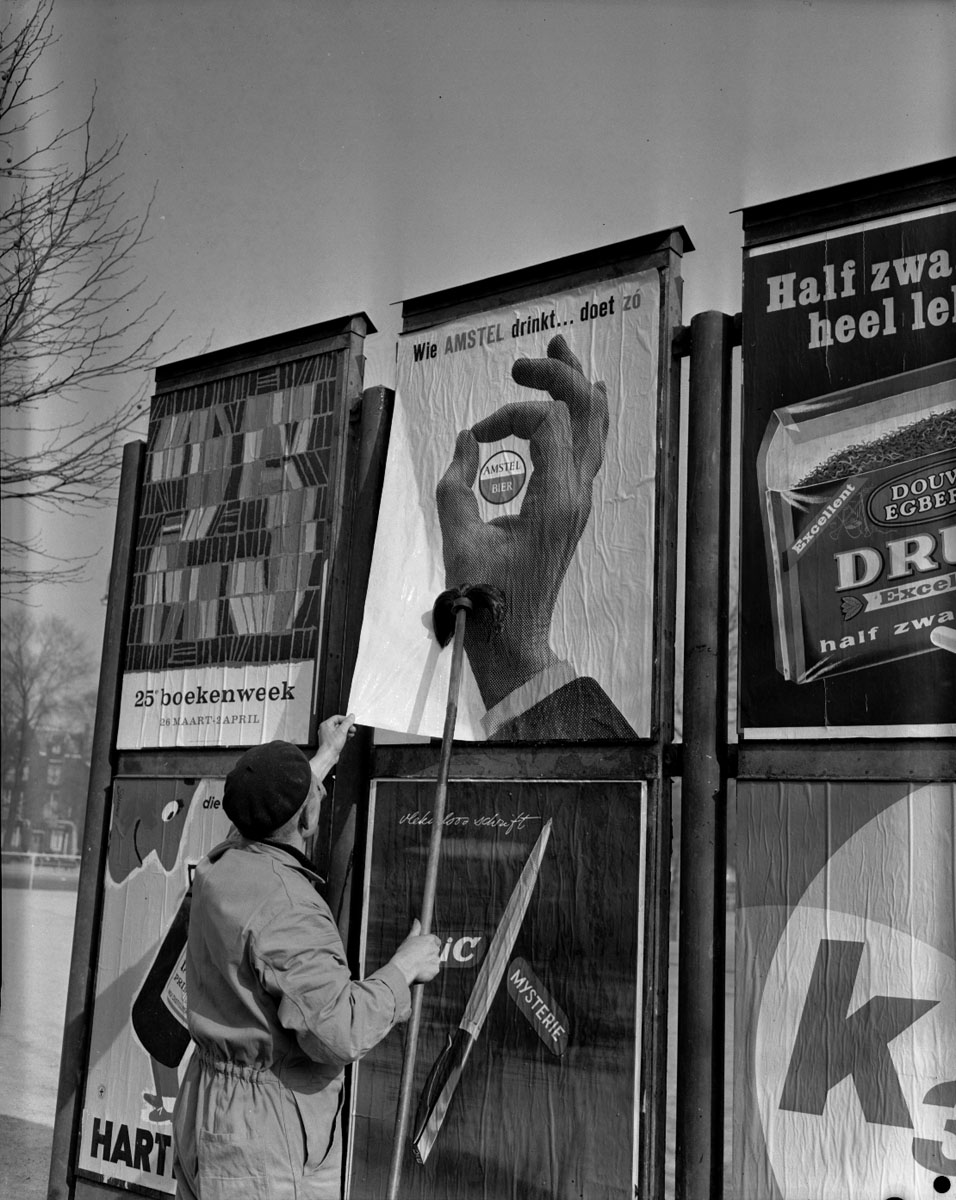
A 1960 billposter mixed his own paste in a bucket, assembled a poster from dozens of numbered sheets on the wall, and reached the top of a hoarding by whatever means the site allowed. Here are sixteen things about that trade.
1. A poster arrived as separate sheets and was assembled on the wall
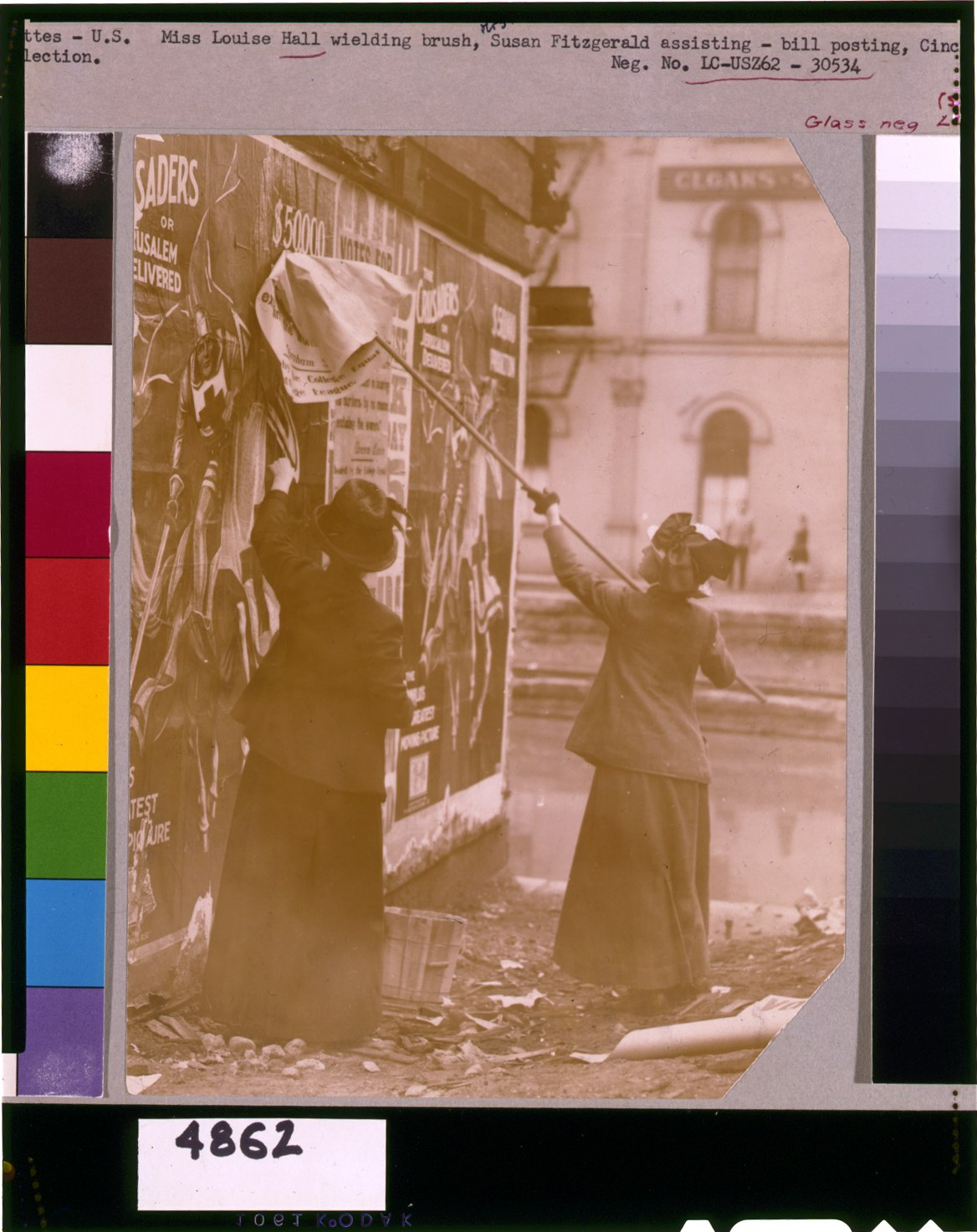
A large hoarding poster in 1960 was not one piece of paper. It was printed as a set of sheets, numbered, which the billposter pasted up in sequence so that the image joined across the joins.
Getting a forty-eight sheet poster to line up meant hanging each sheet to its neighbours while the paste was still wet enough to slide, working to a datum line struck on the hoarding.
Large-format digital printing now produces posters in far fewer, much larger pieces, and a great many sites use a single printed vinyl or paper panel. The sheet-by-sheet assembly that gave the trade its units of measurement has largely gone. The joins were the whole problem. A poster assembled a quarter of an inch out across six sheets shows as a visible step through the middle of a face, and there is no fixing it once the paste has grabbed.
Like our content? Follow us for more.
2. The trade measured everything in sheets, and still does
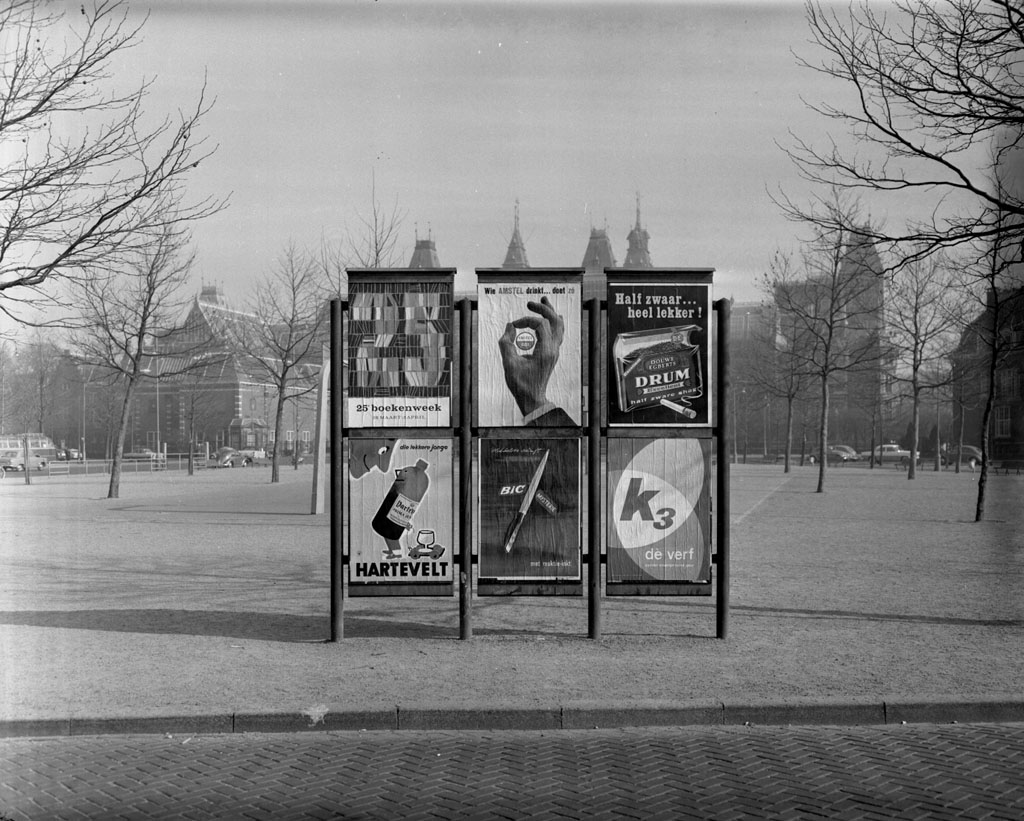
Poster sizes were expressed as a number of sheets — four sheet, sixteen sheet, forty-eight sheet — which referred to the number of printed sheets of a standard size that made up the whole.
That was a practical unit for a trade that handled individual sheets, and it defined site sizes, rate cards and the whole commercial vocabulary of outdoor advertising.
The terminology survives in the industry long after the physical sheets did, which is one of the clearest cases in advertising of a working practice outliving itself as a word. Sites are still described in sheets that nobody counts. It is a useful reminder that commercial vocabulary is usually a fossil of a working practice rather than a description of anything current.
3. Paste was mixed on site in a bucket
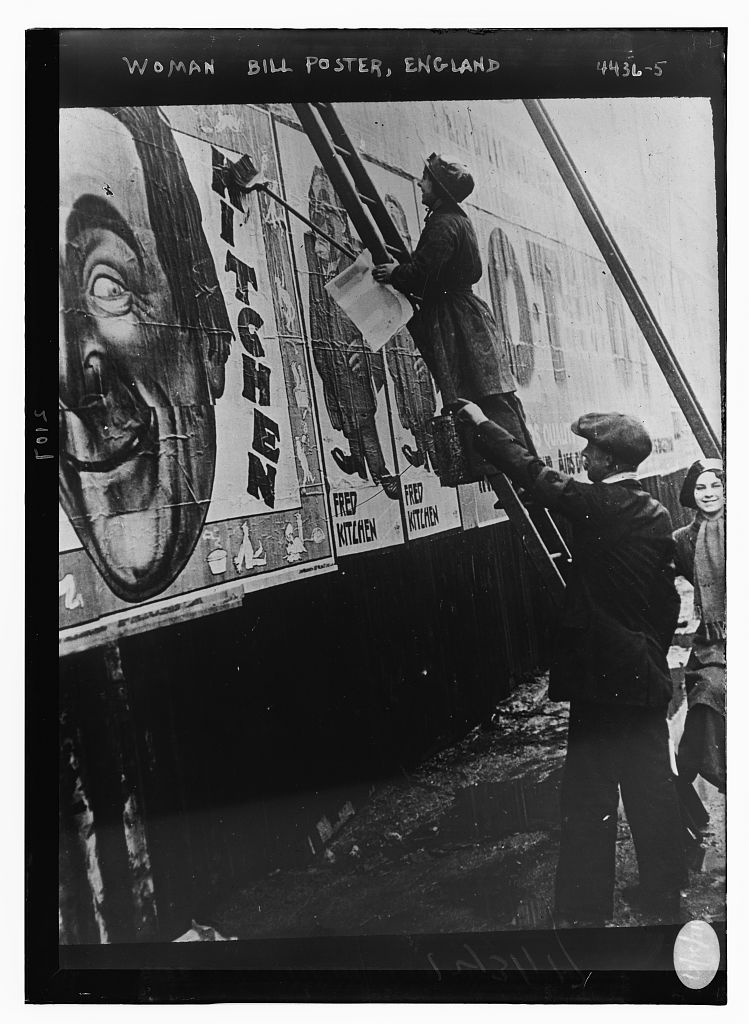
The adhesive was a flour or starch paste, mixed with water on site in a bucket to a consistency the billposter judged by stirring, and applied with a long-handled brush.
Consistency mattered: too thin and the paper slid and tore, too thick and it would not let the sheet move for adjustment.
Modern practice uses manufactured adhesives supplied to specification, with consistent performance and known behaviour in different weather. Mixing by eye in a bucket has gone the way of most things judged by eye. Paste also had to be made fresh, because a flour paste left overnight in warm weather does not improve, which set the rhythm of a working day.
4. Work went ahead in almost any weather
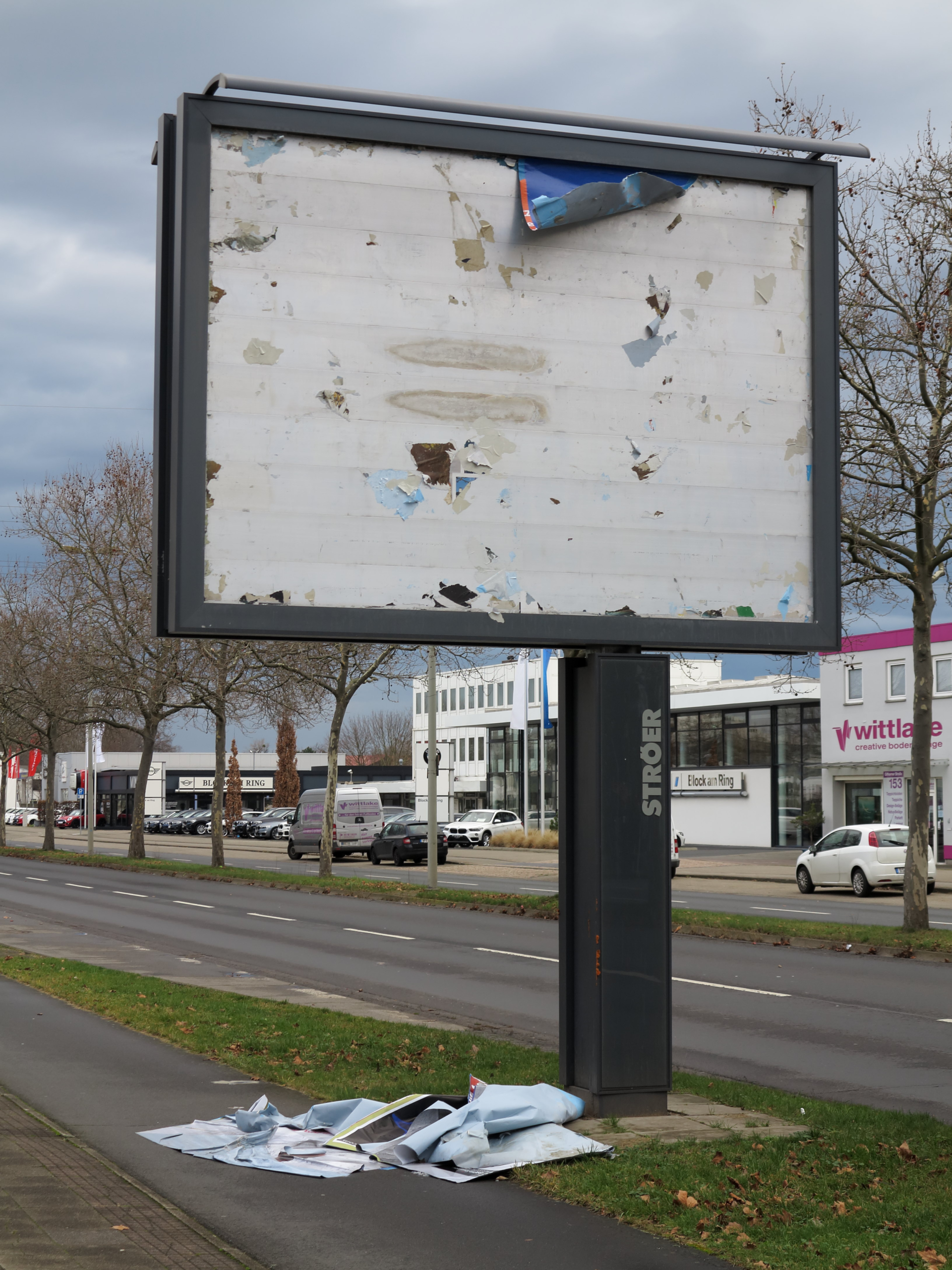
Billposting is outdoor work on a schedule, with campaigns booked to start on a particular day, and that meant working in rain, wind and cold because the poster had to be up.
Wet weather is actively bad for pasting and wind is worse, since a large wet sheet in a breeze is unmanageable, and the trade simply dealt with it.
Planning now allows for weather, sites are specified for the conditions and work in high wind at height is subject to assessment and may simply be stopped. The campaign start date is still the campaign start date, but it is no longer the only consideration. Posters booked to appear on a Monday had to be up on the Monday, which is the pressure that produced most of the improvisation on this list.
5. Access to high sites was improvised
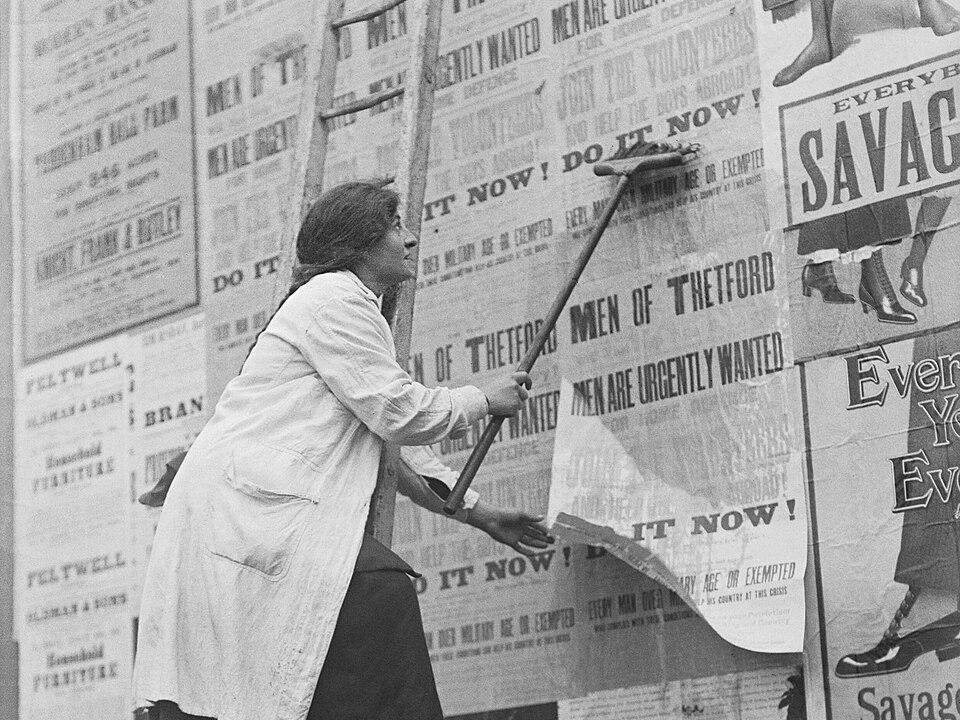
Reaching the top of a large hoarding in 1960 meant a ladder against the structure, a plank between two points, or a platform built from whatever was available on site.
Some hoardings had permanent catwalks and many did not, and the arrangements varied enormously between sites and owners.
Work at height is now one of the most heavily regulated activities in any trade, with specified equipment, inspection, training, edge protection and prohibitions on improvised access. Nothing described here should be attempted and no modern operator would be permitted to. The variation between sites is the part that reads worst now, because it meant every job started with a judgement about what would hold a person’s weight.
6. The posting itself was precise work done quickly
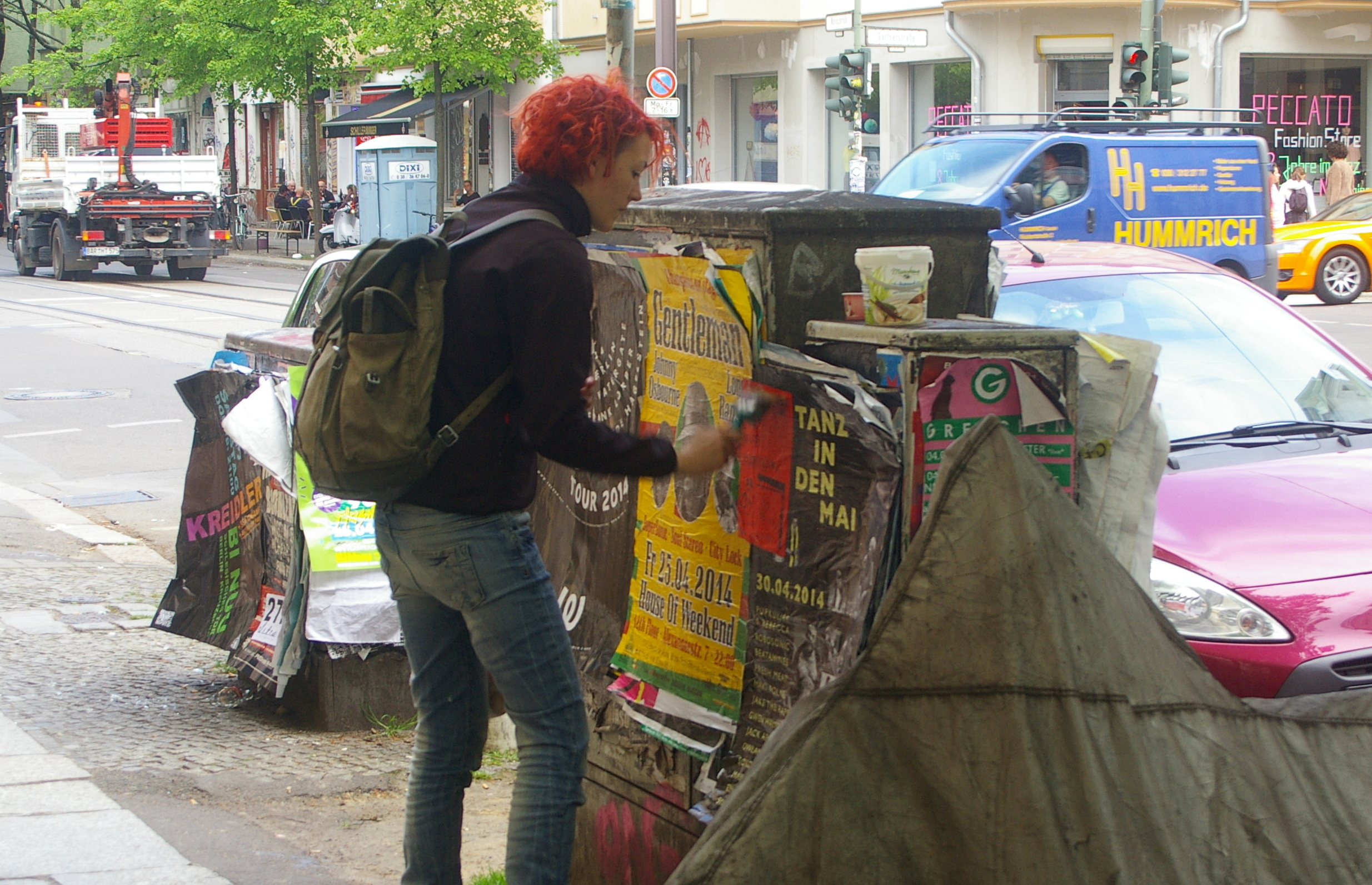
A billposter brushed paste onto the hoarding, offered the sheet up, positioned it, brushed it down from the centre outward to expel air, and matched it to its neighbour before the paste grabbed.
That had to be done in order, at speed, across a very large area, with the whole image invisible until near the end.
Single-panel posters and mechanised drum and scrolling sites removed most of the technique. Where paper posting survives it is done much as it always was, with better access equipment and a manufactured paste. Brushing from the centre outward is the one piece of technique that has survived unchanged into every form of large-format application, including vinyl.
7. A good billposter could read a wall
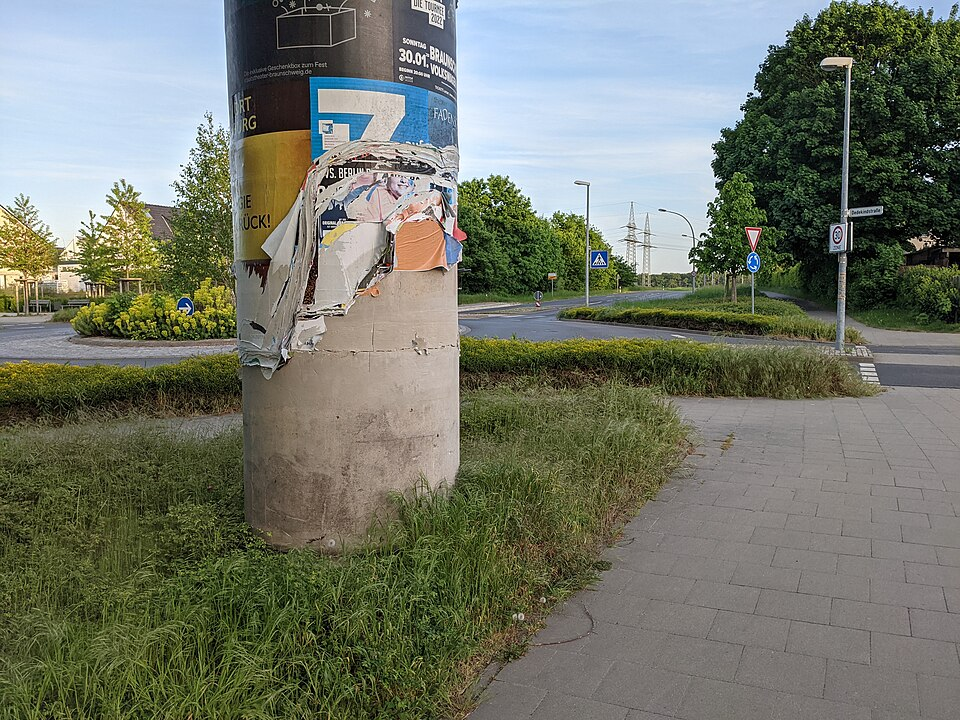
Sites varied: brick, boarding, painted surfaces, old paper left on, damp patches, sun exposure, and each affected whether a poster would stick and how long it would last.
Judging that and preparing the surface accordingly was the skill that separated a poster lasting a fortnight from one lasting a day.
Site condition is now specified and maintained as part of a site’s commercial value, with substrates designed for the purpose and surveyed on a schedule. Reading a wall has become inspecting an asset. Old paper left on a wall was the commonest problem, since a new sheet pasted over loose layers takes the loose layers with it when the wind gets behind it.
8. Fly-posting and legitimate posting were different trades doing the same thing
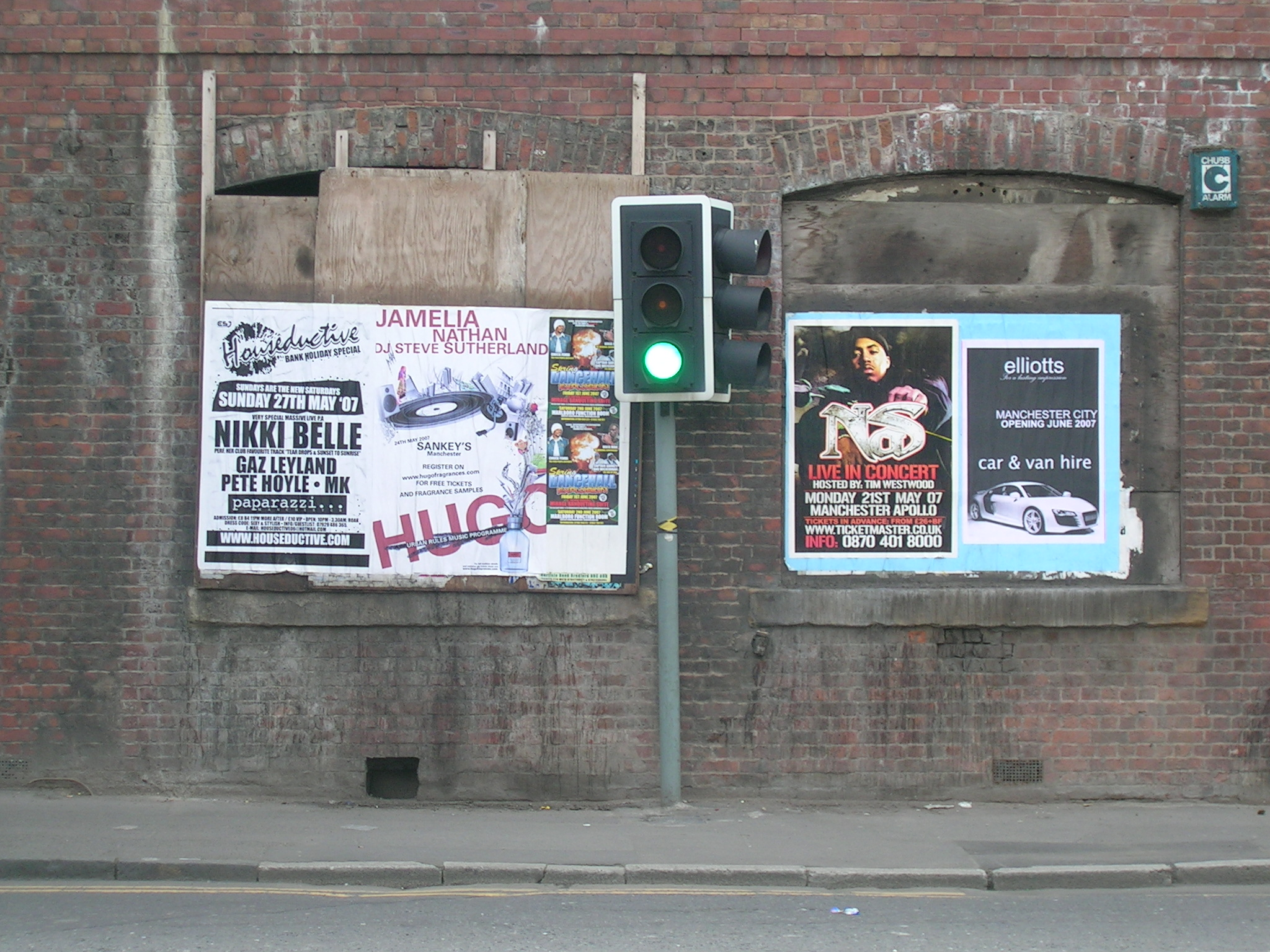
Alongside the contracted outdoor advertising industry there was a substantial informal trade in posting on any available surface without permission, for concerts, meetings, films and political campaigns.
The two were technically similar and legally very different, and the line between them was not always as clear as the contractors would have liked.
Unauthorised posting is now an enforcement matter with penalties for the advertiser as well as the poster, and the legitimate industry is built on owned and leased sites with planning consent. The informal trade has largely been priced and policed out of existence. The contractors were not disinterested parties in that, since every unauthorised site was a site they were not being paid for.
9. Why American outdoor advertising scaled differently
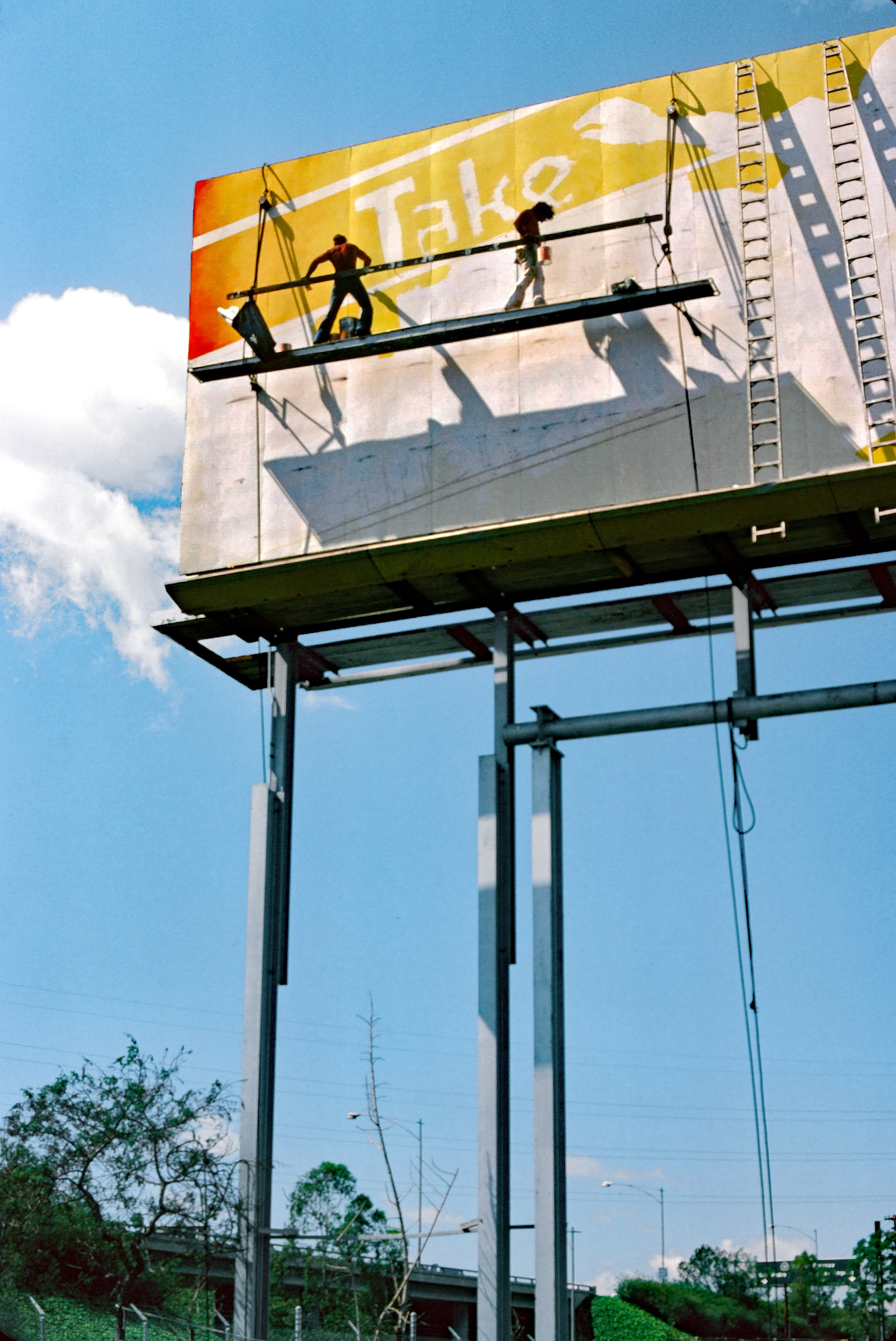
American billboard advertising grew around the highway rather than the high street, with very large sites designed to be read at speed from a moving vehicle rather than by a pedestrian.
That favoured painted bulletins — images painted directly onto the board by hand by sign painters — alongside pasted posters, and it created a distinct American trade of billboard painters working at scale.
Painted bulletins were replaced by printed vinyl from the 1980s onward, and the hand-painting trade almost entirely disappeared. American outdoor is now dominated by printed and digital displays on the same highway sites. The highway orientation also changed the design, because a poster read at speed from a distance needs a different scale of everything.
10. Everything was carried by hand to the site
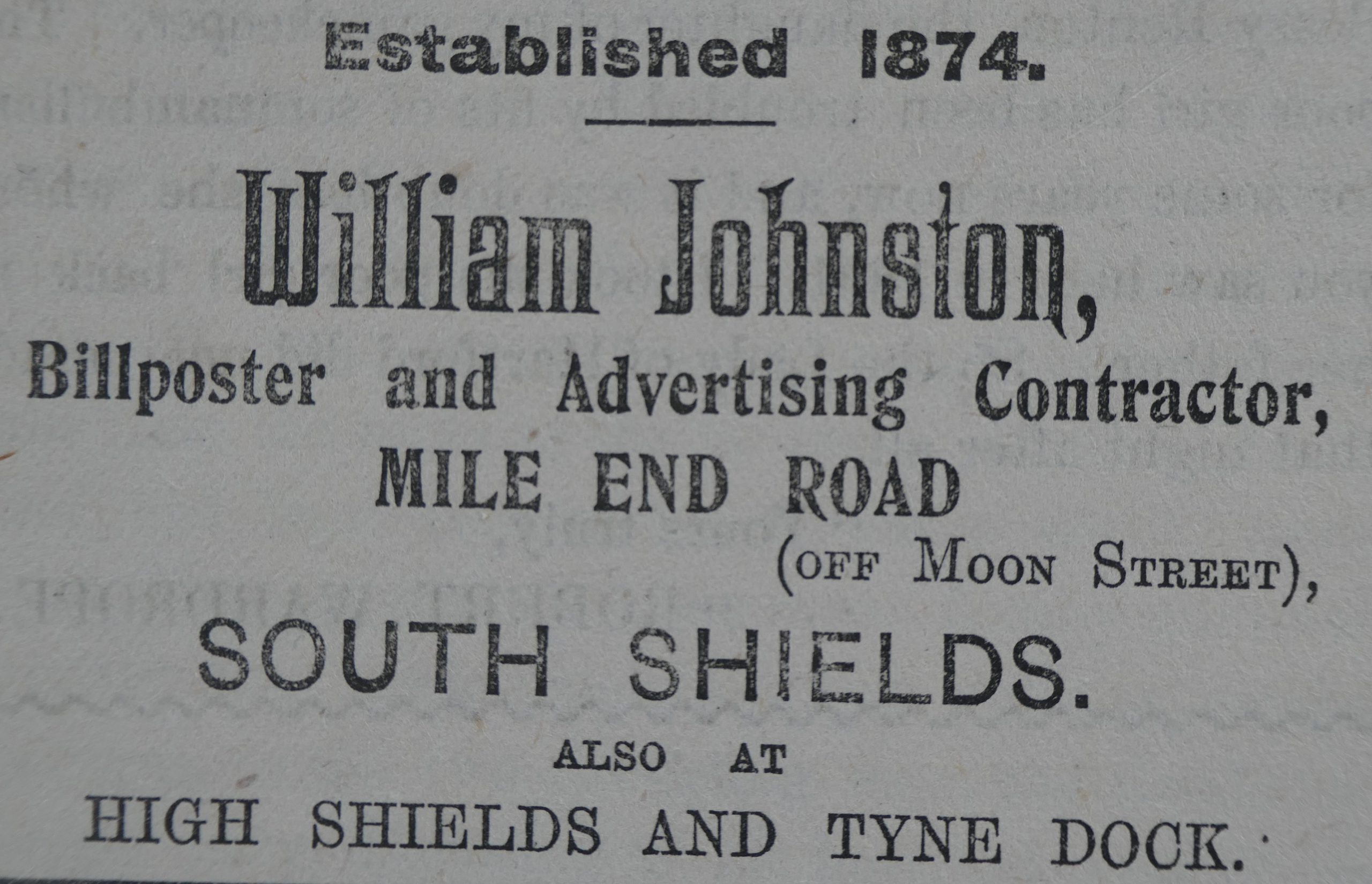
A billposter arrived with a bundle of sheets, a bucket, a brush, a ladder and a knife, on foot, on a bicycle or in a small van, and worked several sites in a round.
That round was learned, timed and worked to, and a poster knew his sites individually — which were awkward, which were exposed, which had a difficult neighbour.
Modern posting crews work with vehicles, powered access and scheduled routes, and site data is held centrally. The individual knowledge of a round has become a database. Billposters knew which sites were awkward in a way no record captured, including which ones came with an argument attached.
11. Campaigns were checked by somebody driving round and looking
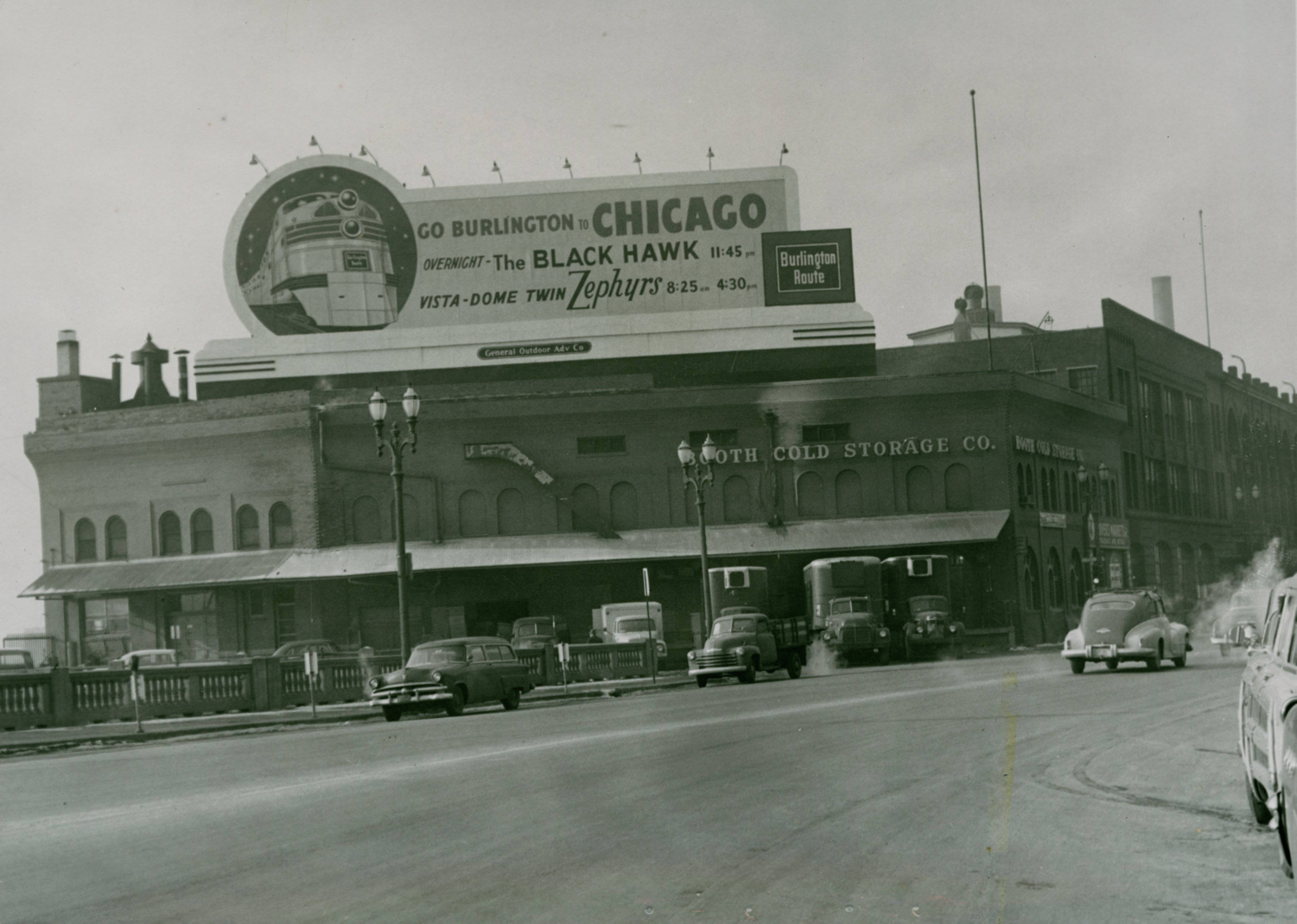
Whether a poster had actually gone up, in the right place, in the right condition, was verified by an inspector physically visiting sites and reporting back.
That was slow, partial and the only method available, and the advertiser largely took the contractor’s word for it.
Proof of posting is now photographic, geotagged, timestamped and delivered to the advertiser as a matter of routine. Verification went from a man in a car to a file on a server. The old arrangement relied on trust that was mostly justified, which is not the same as being verifiable.
12. Posters were expected to be overposted, not removed
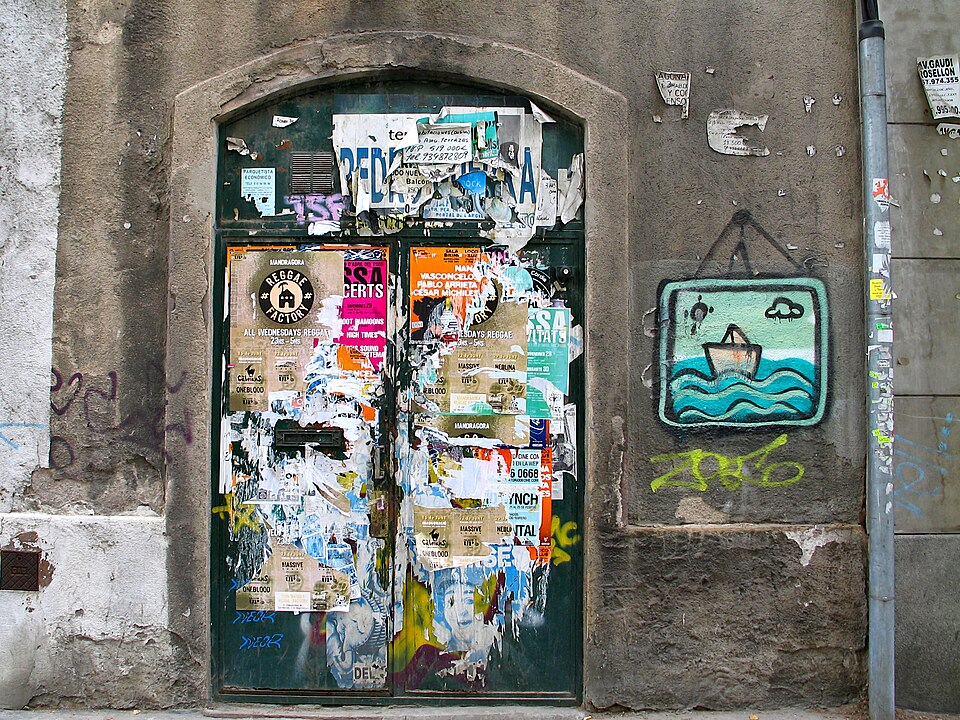
The normal practice was to paste the new campaign straight over the old one, with layers building up on a hoarding over years until the accumulated paper had to be stripped.
That accumulation is now a minor archaeological resource, since stripping an old site can reveal a stratigraphy of campaigns going back decades.
Current practice strips and recycles, partly for surface quality and partly because waste paper is a cost and a regulated stream. The layers have stopped accumulating, which is a loss to nobody except historians. Stripped layers do occasionally turn up in archives and exhibitions, and they are among the better records of what ordinary streets actually looked like.
13. The copy was short because the reader was moving
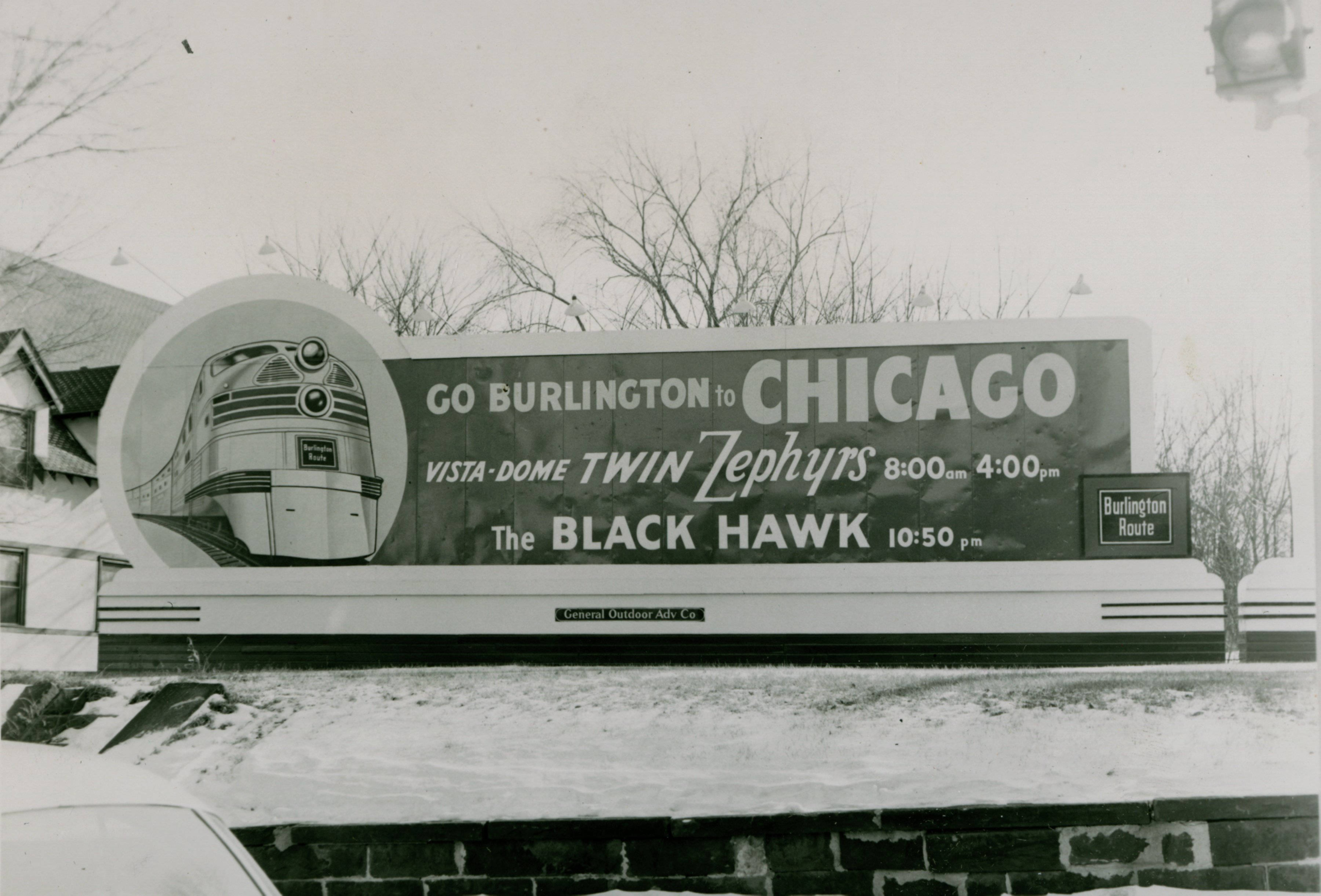
Outdoor advertising in 1960 already understood that a poster has a few seconds, and the best of it used very few words and one image, with the brand unmissable.
That discipline produced some of the most economical commercial design of the century, and the constraint was the reason for the quality.
The constraint is unchanged and the understanding of it is now formalised in research about dwell time and recall. Digital sites have added motion and rotation, which is the first genuinely new variable the medium has acquired. The best 1960 posters would still work on a digital site unchanged, which is not something that can be said of much advertising of that period.
14. Site rental was negotiated with whoever owned the wall
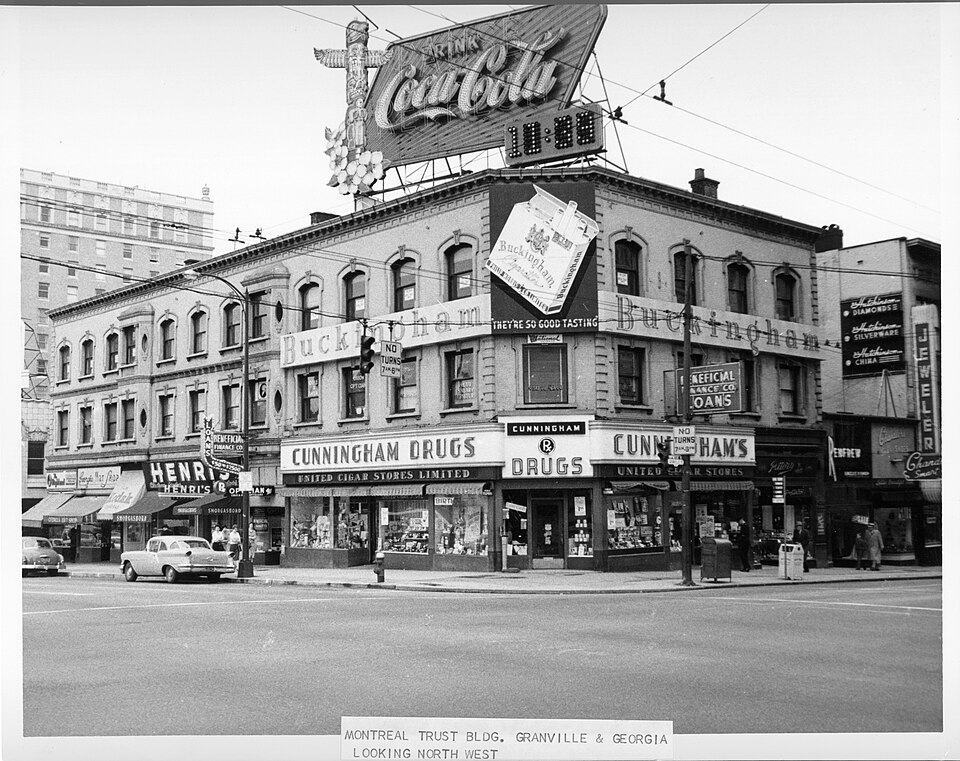
An outdoor contractor’s business was a portfolio of agreements with property owners, many of them small, informal and long-standing, covering gable ends, yard walls, fences and gaps between buildings.
That meant the industry’s real asset was a filing cabinet of leases and relationships rather than anything physical.
It is still true, and the portfolios are now large, professionally managed and valued as property assets, with planning consent a central constraint. The gable end has largely gone, because planning policy stopped replacing them. A painted or pasted gable end was once one of the most characteristic sights in any industrial town, and their disappearance has changed the look of those streets considerably.
15. Nobody measured who saw a poster
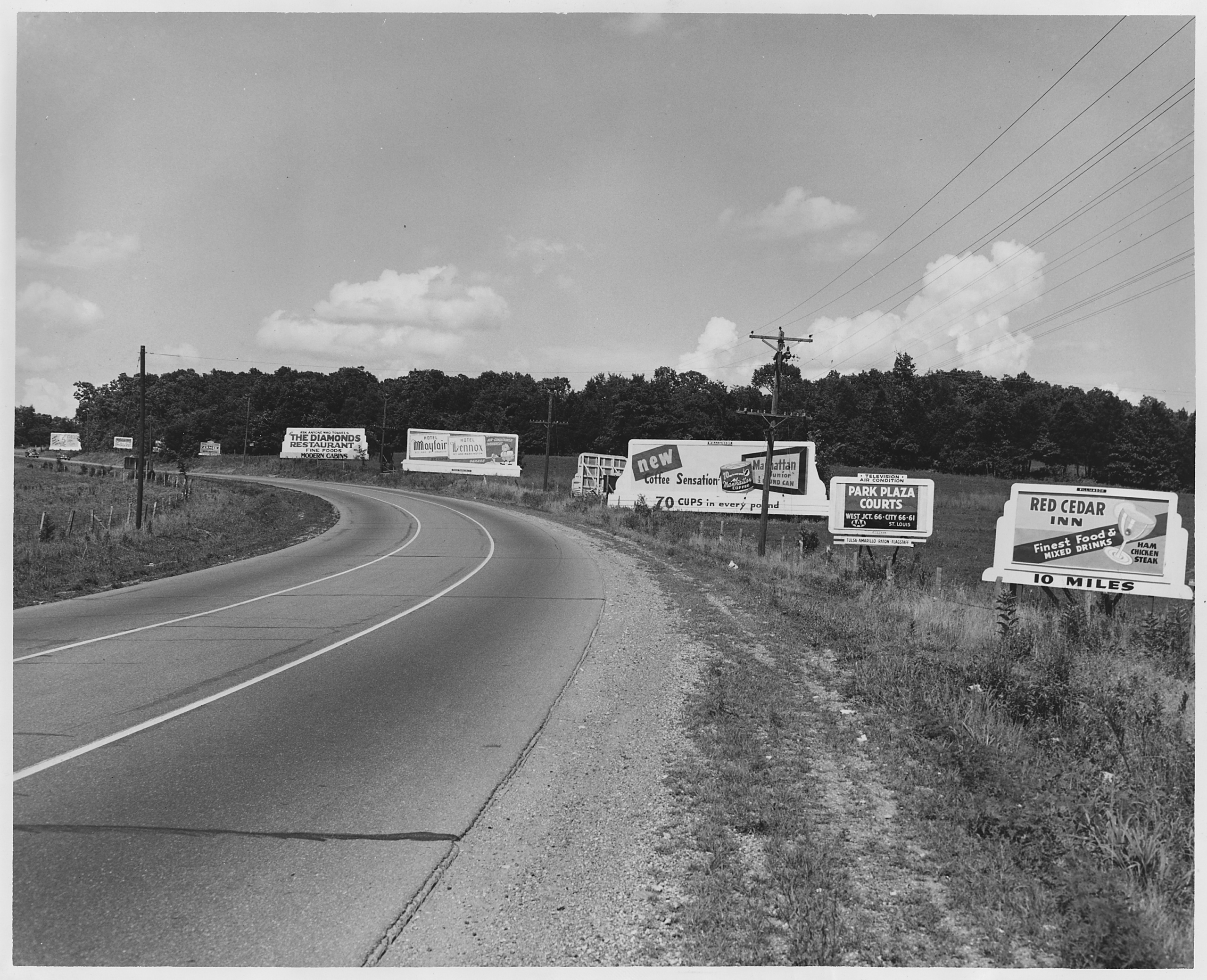
Audience for an outdoor site in 1960 was estimated from traffic counts, local knowledge and the contractor’s assertion, and the advertiser had very little independent basis for comparing one site with another.
That made outdoor advertising cheap, unaccountable and frequently extremely effective, which is an awkward combination to argue about.
Outdoor audience is now measured with vehicle and pedestrian data, eye-tracking research, mobile location data and industry-standard currencies that allow sites to be traded on comparable numbers. It is the change that made the medium respectable to media buyers. It also made it more expensive, which is the usual consequence of being able to prove what you are selling.
16. The whole trade was a physical craft serving an invisible industry
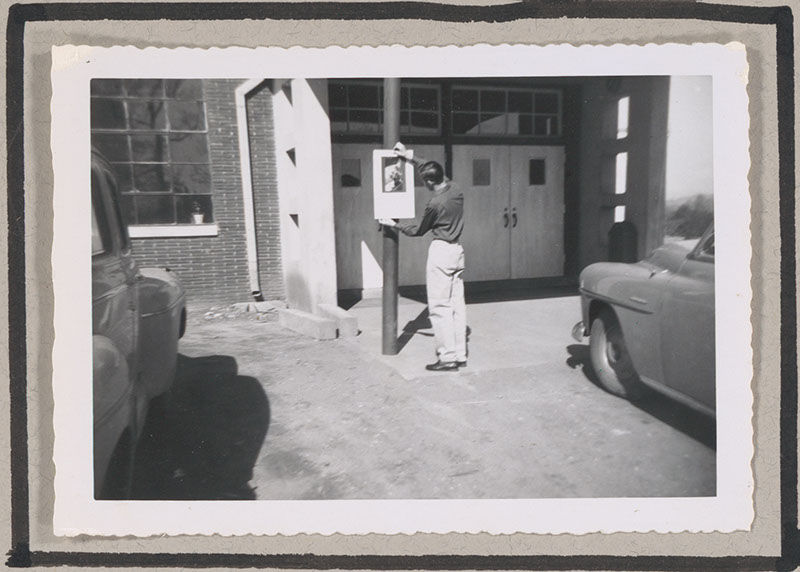
Billposters were the people who actually put advertising into the street, and almost nothing written about advertising in that period mentions them at all.
The credit went to agencies and designers, and the trade that executed it was treated as labour rather than as part of the creative process.
That has not entirely changed, although outdoor installation is now a specified, measured and documented service with professional standards attached. The person pasting the sheet is still the last and least-credited link in a very expensive chain. Anybody who has seen a forty-eight sheet poster go up properly in a wind will have a different view of where the skill in advertising sits.
What the trade really was
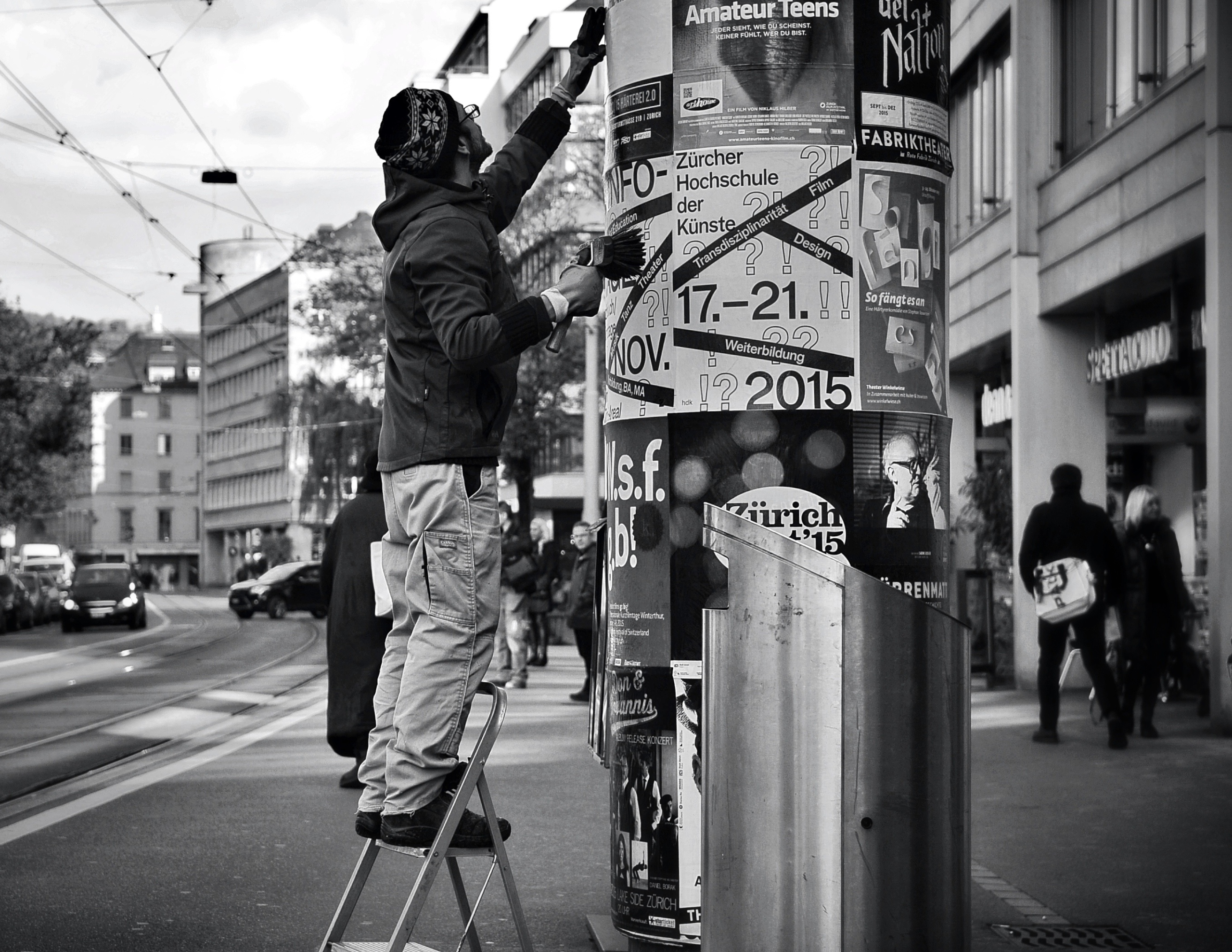
A delivery system for something that only existed once it was on a wall. Everything on this list — the numbered sheets, the sheet as a unit of measurement, the paste mixed by eye, the improvised access, the round of sites, the inspector in a car — was the physical means of getting an image into a street before any of it could be printed in one piece, held in a database or verified from a phone. The constraint that produced great poster design, that a reader has a few seconds, is the one thing that has not changed at all.
Nobody wrote about billposters and everybody saw their work. It is a reasonable definition of a trade.
Like our content? Follow us for more.