Silver service meant transferring food onto the plate at the table, carving and flambeing on a trolley beside the guest, and running a dining room as a brigade with ranks. Here are sixteen things about that job that restaurants have stopped doing.
1. Food was served from a dish at the table, not plated in the kitchen
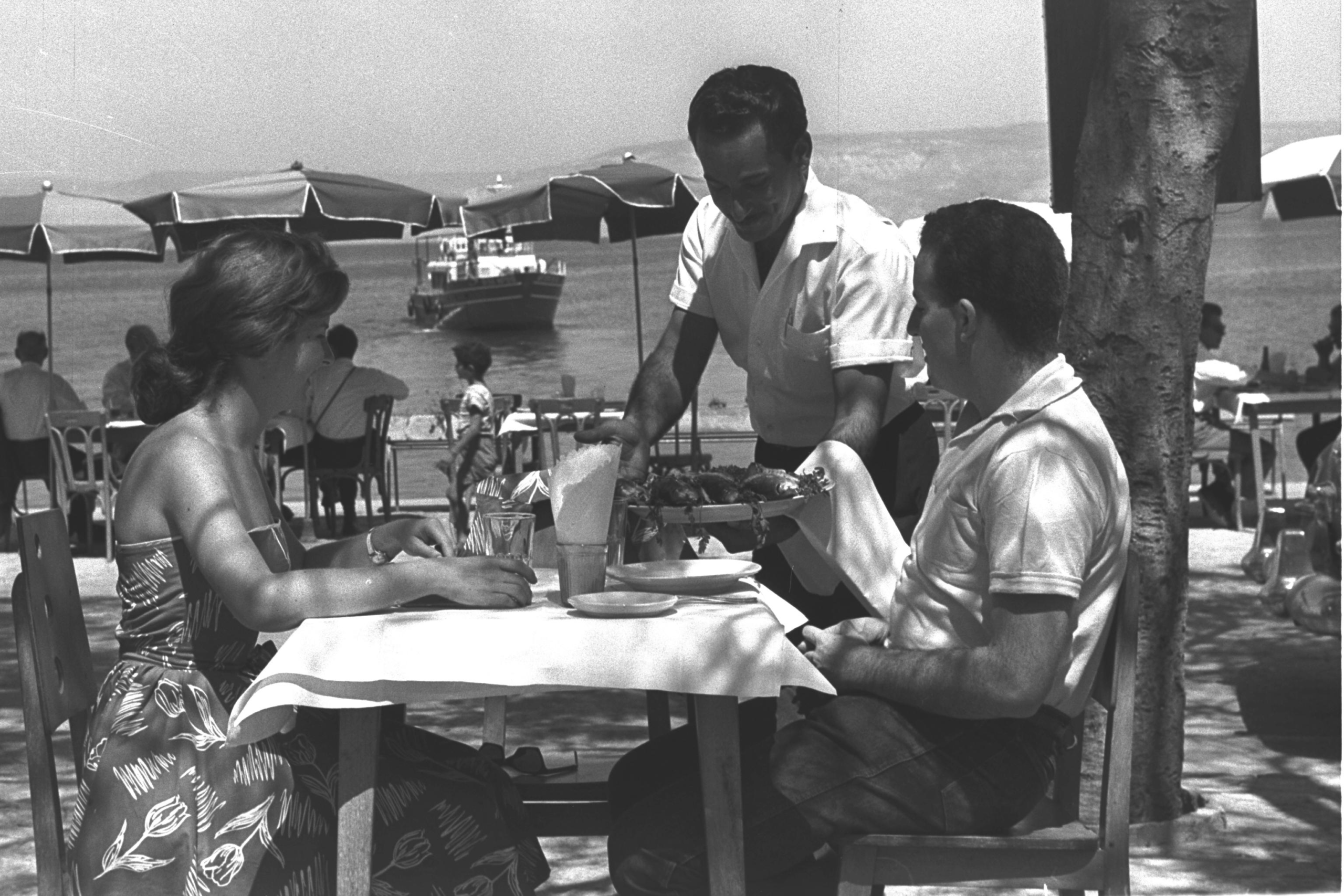
Silver service means the food arrives at the table on a serving dish and is transferred onto the guest’s plate by the waiter, from the left, with a spoon and fork held in one hand.
That single arrangement determines everything else about the job: the equipment, the training, the staffing levels and the pace of a dining room.
Almost all restaurant service today is plated in the kitchen, which gives the chef control of how the dish looks and removes the skill from the dining room entirely. Silver service survives in a small number of hotels, in private and ceremonial dining and in competitive training. The economics are straightforward: plated service needs fewer people in the room and less training for each of them. A dining room running full silver service needs roughly twice the floor staff of one serving plates.
Like our content? Follow us for more.
2. The spoon and fork were held in one hand and worked as a tool
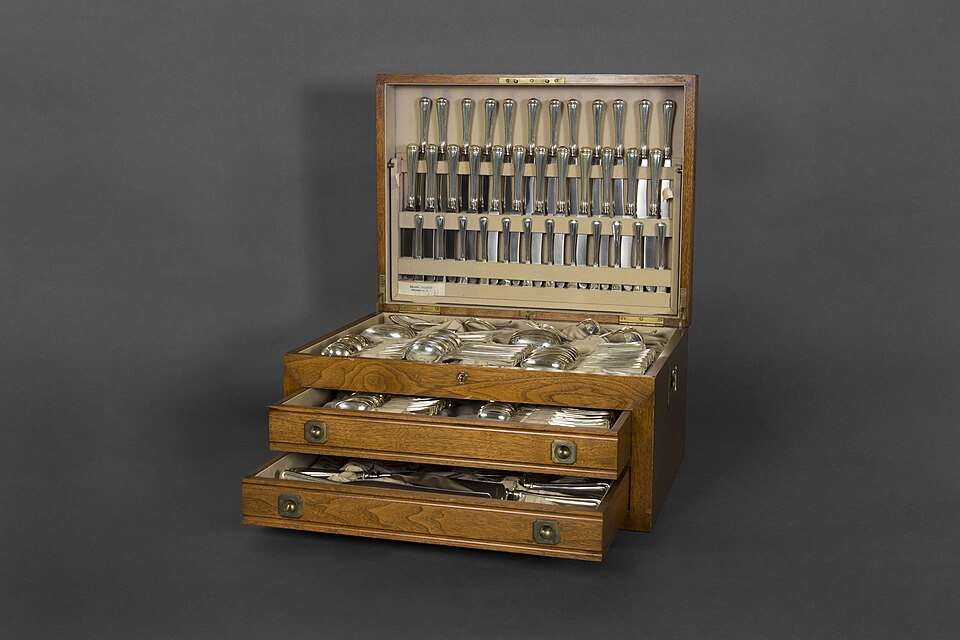
The service spoon and fork are held together in the right hand, pivoted against each other, and used to lift and place food with one hand while the other holds the dish.
It takes a long time to learn and a long time to lose, and the difficulty varies enormously with what is being served: a portion of peas and a whole fish are different problems entirely.
Serving tongs, plated presentation and family-style serving dishes replaced it in almost all commercial settings. Where it is taught now it is taught as a specialist skill and demonstrated at competition level, which tells you how it is regarded. Waiters who learned it young describe the hand remembering it decades later, which is the usual sign of a motor skill drilled properly.
3. Everything was served from the left and cleared from the right
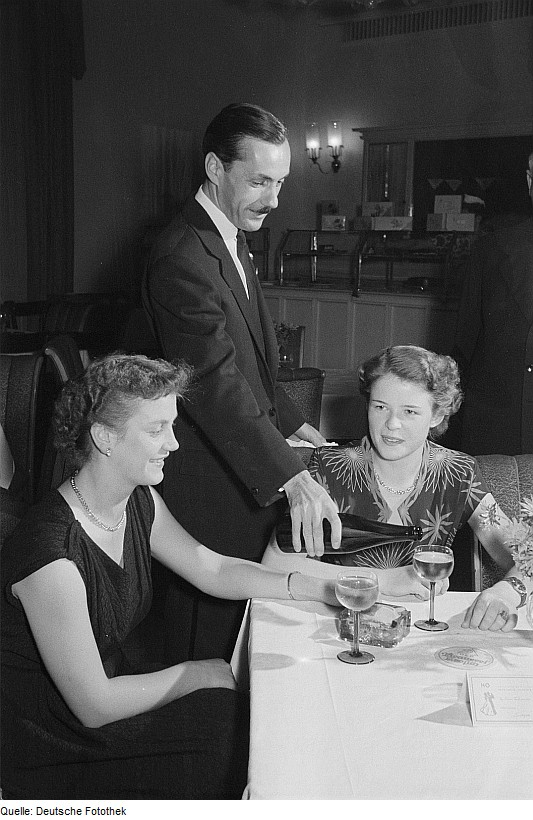
The conventions of which side you serve, which side you clear, which direction you move round a table and who is served first were fixed, learned and followed without variation.
They exist for practical reasons — a waiter’s working arm, the guest’s line of sight, not reaching across anybody — and once a room is working to them, a brigade of waiters can move around each other without collision.
Modern service is far less formal and the conventions are applied loosely or not at all. The practical logic of them is still correct, which is why good restaurants still broadly follow it even when nobody could state the rule. The collision-avoidance point is the one nobody expects. A busy room full of people carrying hot things works only if everybody moves the same way.
4. The dining room was run as a brigade with ranks
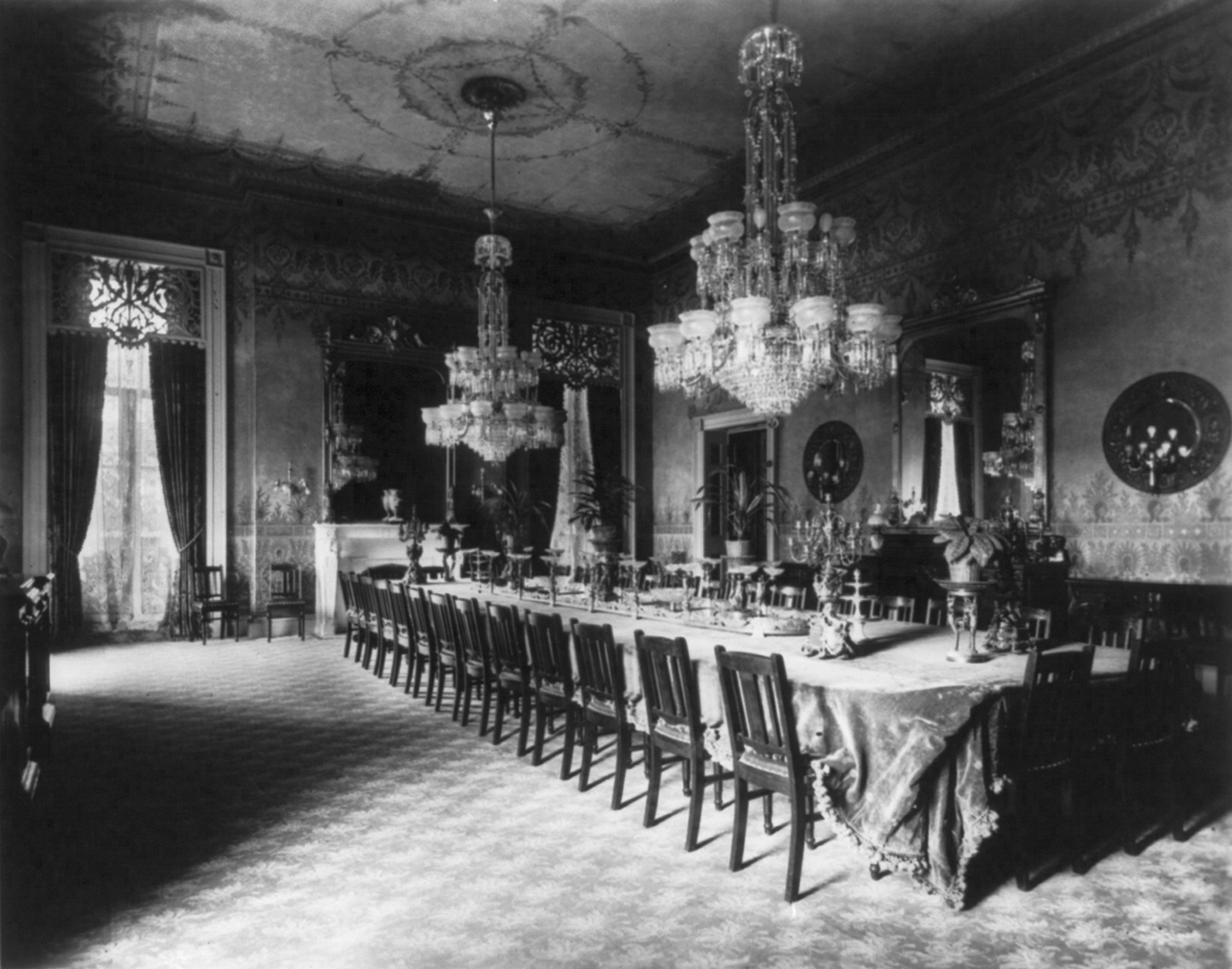
A 1960 hotel dining room had a head waiter, station head waiters, chefs de rang, commis waiters and apprentices, each with defined responsibilities and a defined place in the sequence of service.
Progression through those ranks took years and each level had its own competences, which is a structure borrowed directly from the kitchen.
Most restaurants now run a flatter structure with servers, a supervisor and a manager. The brigade survives in hotels and fine dining, substantially reduced, and the career ladder it represented has largely gone. That ladder was the main reason the job held people, because a commis waiter could see where he might be in fifteen years.
5. Gueridon work meant cooking and carving in the room
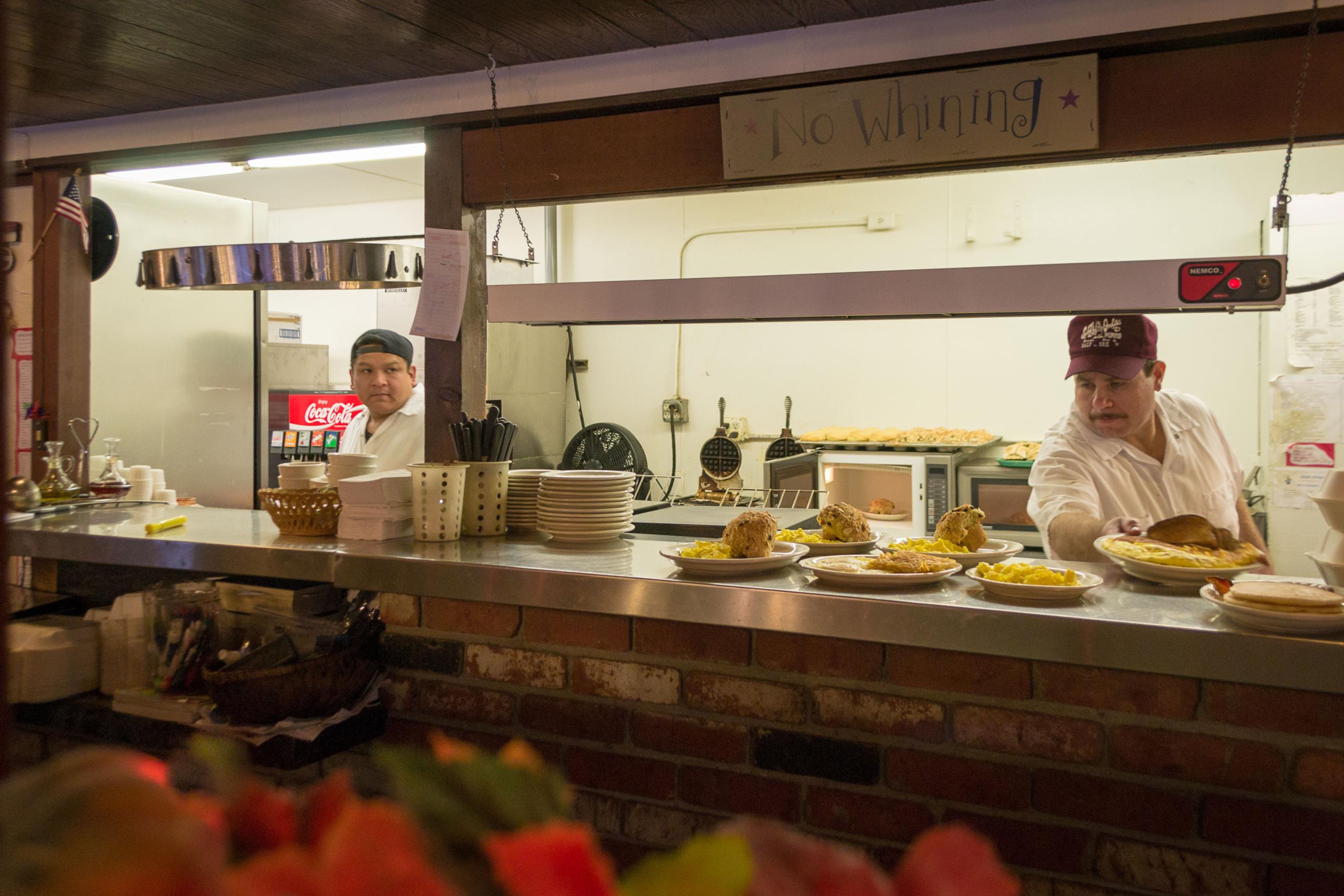
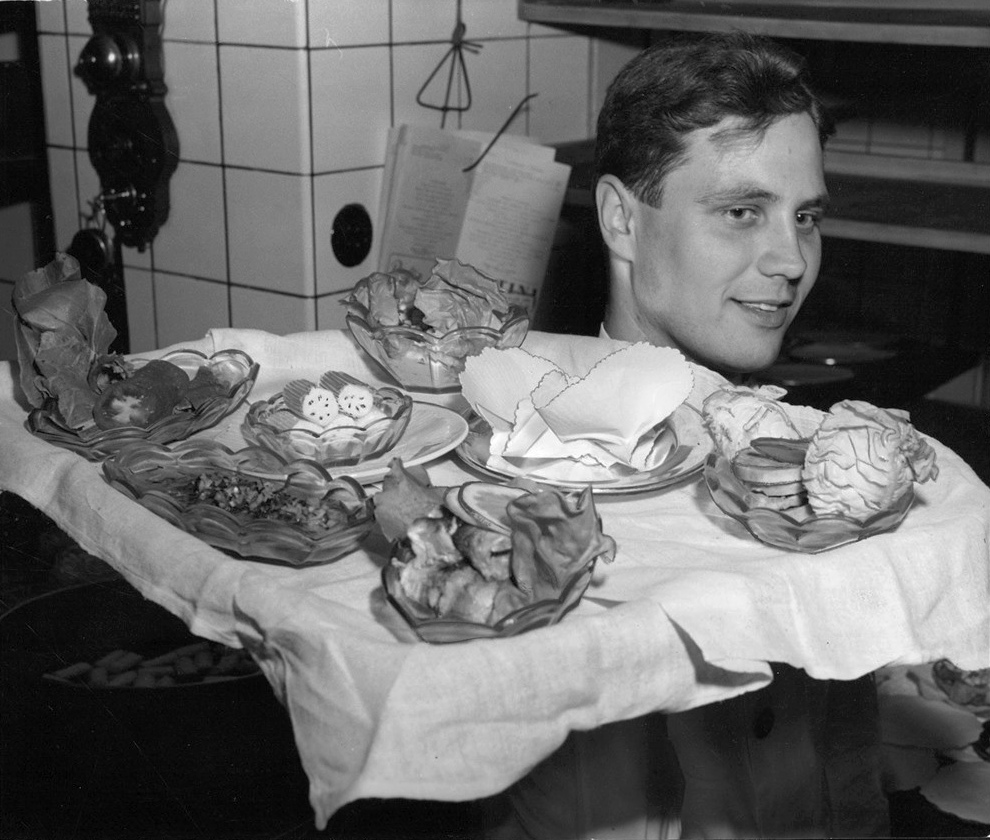
A great deal of 1960 service happened on a trolley beside the table: carving, filleting, flambeing, dressing salads, finishing sauces and preparing dishes in front of the guest.
That required the waiter to have real culinary competence as well as service skill, and a station head waiter was expected to carve and to finish a dish correctly.
Tableside preparation is now a deliberate theatrical feature of a small number of restaurants rather than a routine part of service. The competence it required has moved entirely into the kitchen. It also moved the credit. A dish finished at the table is partly the waiter’s work, and a dish plated in the kitchen is entirely the chef’s.
6. Flambe work at the table involved open flame and nobody thought twice
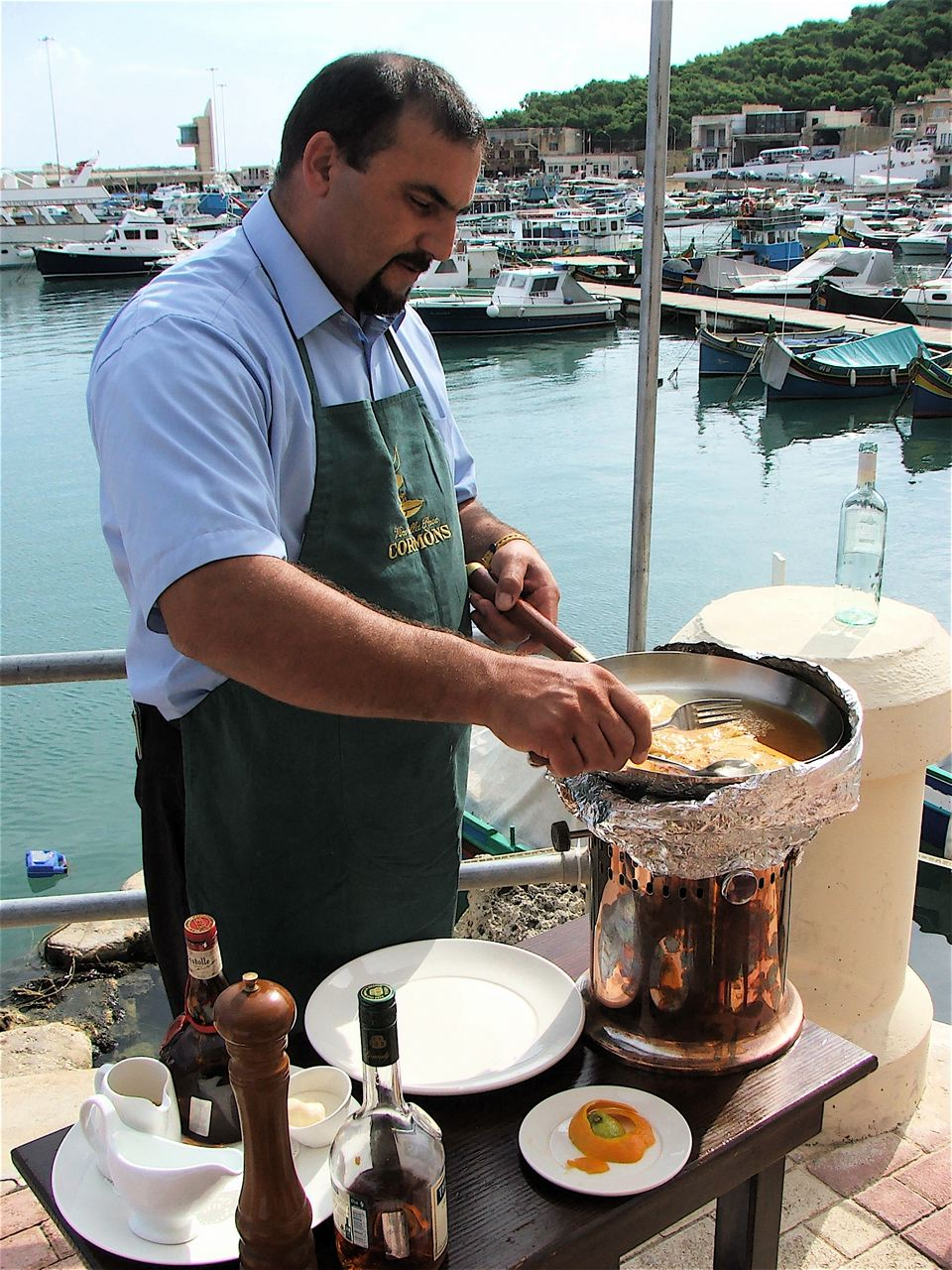
Dishes were finished with spirits ignited on a trolley, in a crowded dining room, beside seated guests and table linen, as an ordinary part of an evening’s work.
It was done by trained people with the right equipment and a practised routine, and it was regarded as a normal service operation rather than a hazard requiring special arrangements.
Tableside flame work is now subject to risk assessment, specific controls, staff competence requirements and in many venues is simply not permitted by the insurer or the lease. Where it happens it is a managed exception, not a routine. The insurance point is the practical one, and it has done more to end the practice than any regulation.
7. The waiter carried everything, including very large trays
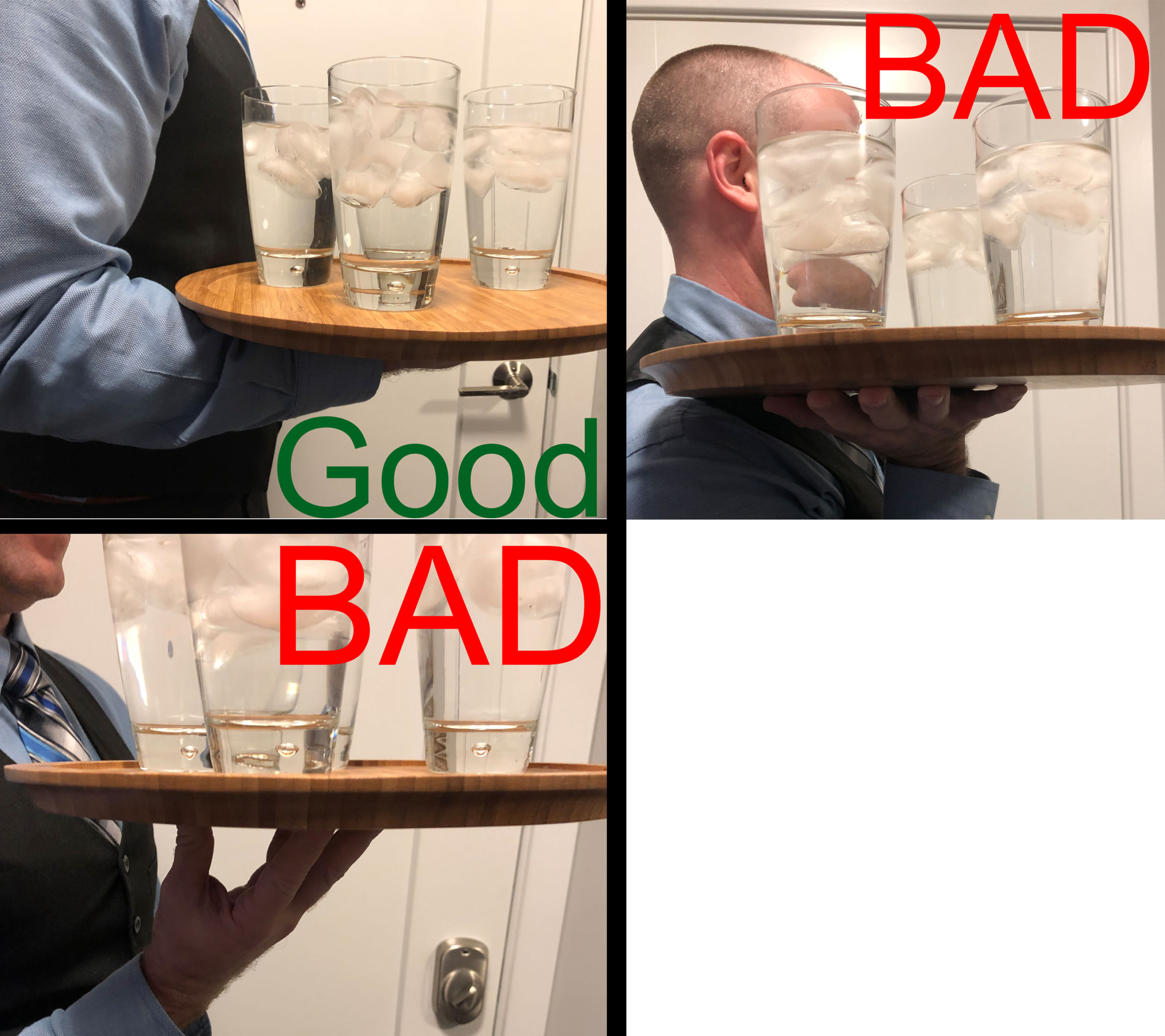
Service meant carrying heavy oval trays of silver dishes at shoulder height across a long dining room, repeatedly, through a full shift, up and down steps and through swing doors.
That was accepted as simply the physical nature of the job, and the technique for carrying a loaded tray one-handed was part of the training.
Manual handling is now an assessed matter with trolleys, smaller loads, trained technique and limits on what anybody is expected to carry. The one-handed shoulder tray survives, but it is no longer the only option available. The technique is genuinely clever, since a loaded tray balanced on the fingertips above the shoulder is easier to carry than the same weight held low.
8. Hot plates and hot dishes were handled with a cloth
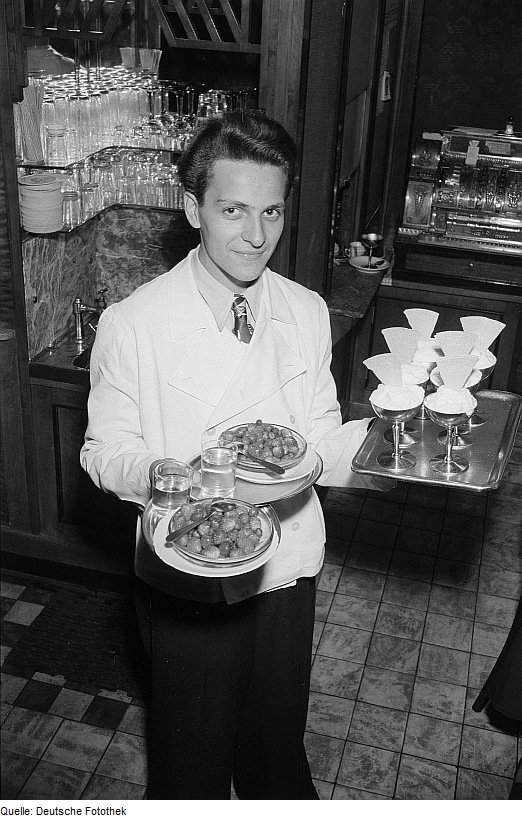
Silver dishes came out of a hot cupboard at temperatures that could not be held bare-handed, and a service cloth over the hand was the whole of the protection.
The cloth was also a tool for presenting a bottle, wiping a rim and covering a hand on a plate, and a waiter’s cloth was part of his uniform.
Heat-protective equipment, lower holding temperatures and plated service have largely removed the problem. The service cloth survives as a piece of professional equipment and no longer as a heat barrier. It is also the single most recognisable object in the trade, and its placement over the arm was itself a matter of correctness.
9. Why American service went a different way
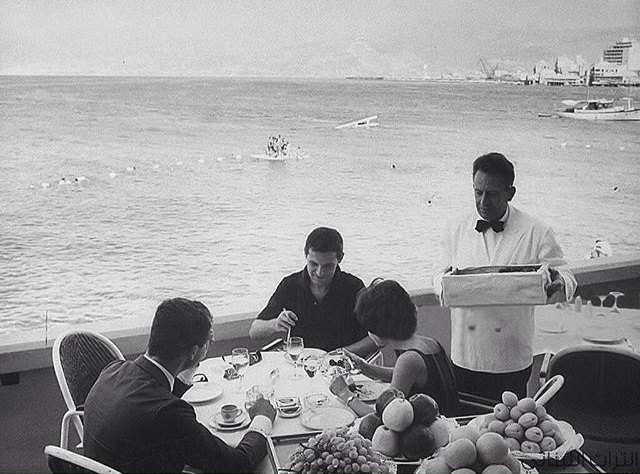
American restaurant service moved to plated service earlier and more completely, driven by higher labour costs, a different tipping structure and a market that valued speed and informality over formal ceremony.
That pushed the American trade towards the server as an individual responsible for a section, with faster turnover, far less hierarchy and much less formal training in service technique.
Silver service in the United States became almost entirely confined to hotels, clubs and formal banqueting. The brigade structure, where it survives there, survives mainly in hotel banqueting departments. Banqueting is where the technique makes most sense, because serving two hundred people the same dish from dishes is faster than plating it.
10. Tipping and the division of it followed strict internal rules

Gratuities in a 1960 brigade were pooled and divided according to rank and station, in a system known and policed internally, and it formed a substantial part of everybody’s income.
That made the brigade economically as well as professionally hierarchical, and a station’s allocation mattered a great deal to the people working it.
Service charges, pooled tips, declared income and in many countries legislation about how gratuities are distributed have formalised all of it. The internal, informal division of money by rank has gone, and the record-keeping has arrived. The old system was transparent to the people inside it and entirely opaque to anybody else, which is usually how such arrangements end.
11. Hours were extremely long and split across the day
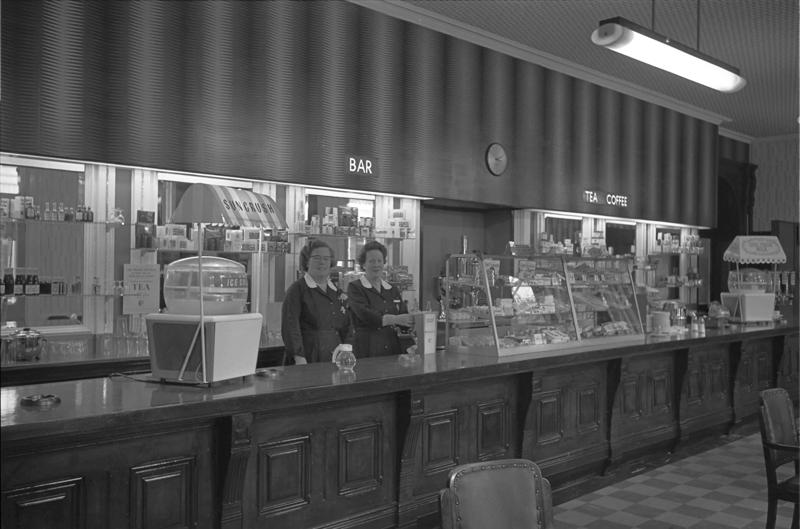
A waiter worked a split shift — lunch service, a break, dinner service — which meant a working day stretching from late morning to late at night, six days a week, with the break too short to go home.
Staff lived in or lived close, and the pattern of the job shaped the whole of a person’s life around it.
Working time regulation, rest break requirements and record-keeping now limit the shape of a shift, and split shifts of that kind are far less common. It is one of the changes that most altered who was willing to do the job. Living in was part of what made the pattern possible, and when that arrangement ended the hours became much harder to staff.
12. Uniform was formal, owned by the hotel and strictly enforced
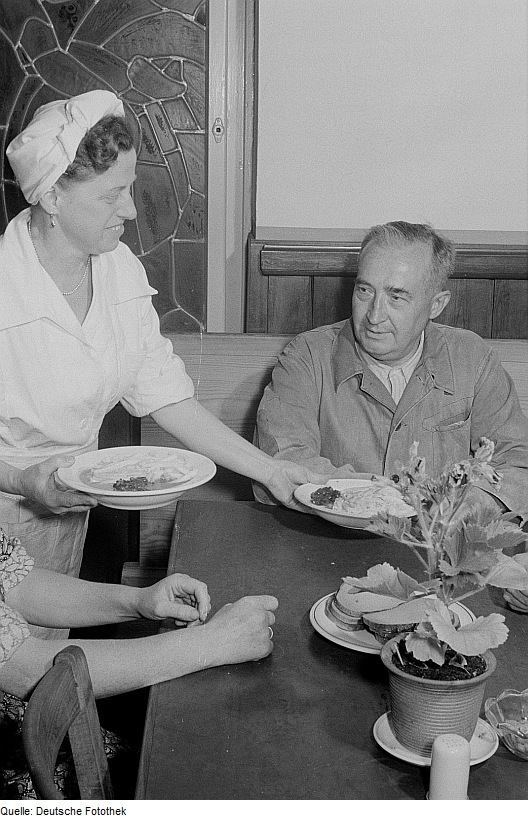
Dress was tails or a dinner jacket depending on the service, with a precise standard of linen, shoes and grooming inspected before service by the head waiter.
The formality signalled the standard of the establishment and was enforced as part of the discipline of the room.
Dress codes are now much less formal in most settings and uniform policy is a matter of brand and practicality. Formal uniform survives in hotels and fine dining and is one of the clearest visual markers of the style of service on offer. The pre-service inspection is the part that has gone most completely, and former waiters describe it with a mixture of resentment and pride.
13. The wine list and its service were a separate craft
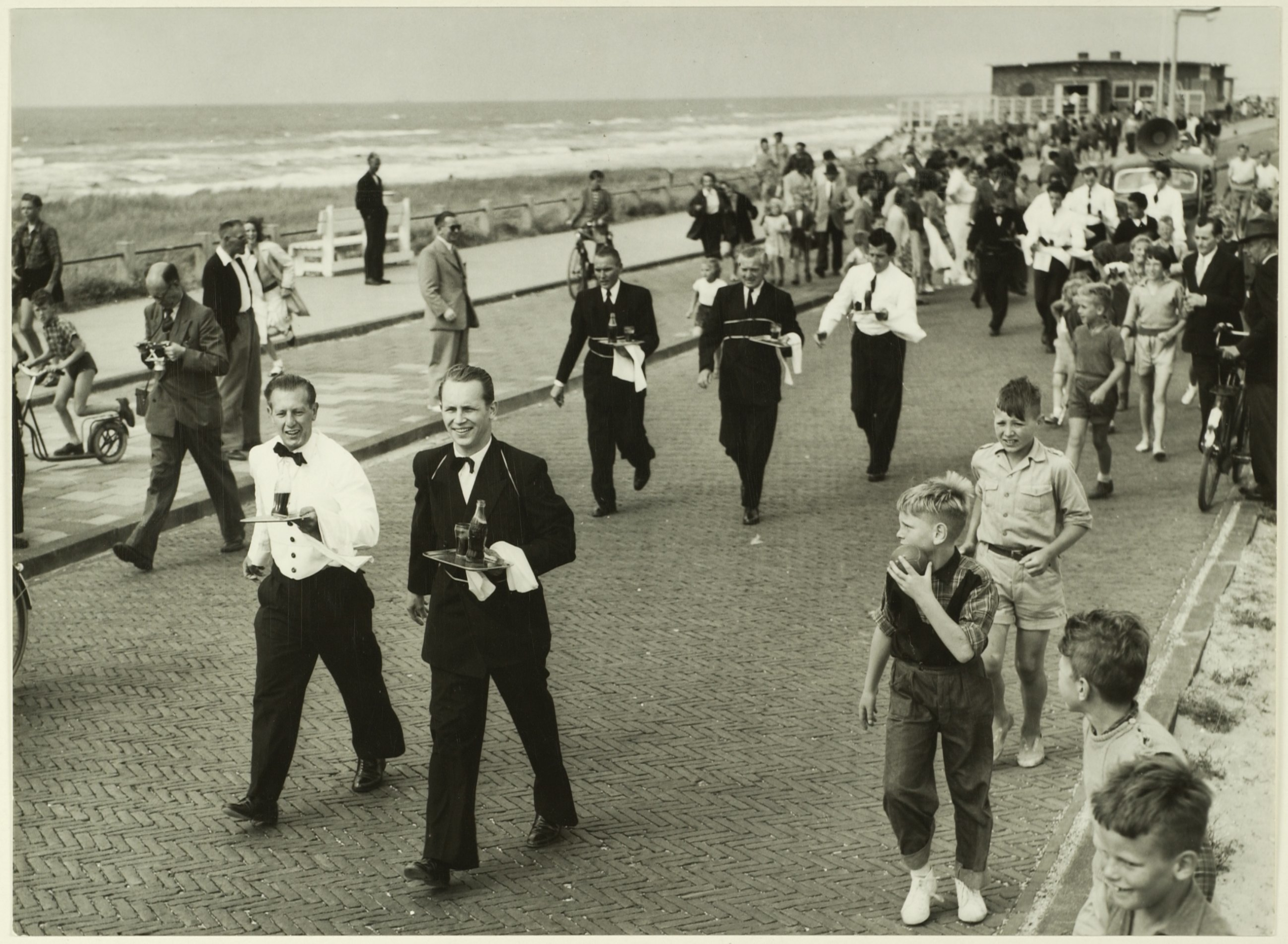
Wine service in a 1960 dining room meant decanting, cradling, temperature management and a set of presentation rituals carried out by a wine waiter who had learned them specifically.
Much of it was practical, some of it was theatre and the distinction between the two was not always clear even to the people performing it.
Modern wine service retains the practical elements, has dropped most of the ritual and is supported by far better training and far better information. The sommelier is a more knowledgeable and considerably less ceremonious figure than the 1960 wine waiter. Dropping the ritual was a gain for the guest, since most of it existed to signal expertise rather than to demonstrate it.
14. Allergies and dietary requirements were not systematically handled

In 1960 a guest’s dietary requirement was dealt with by the waiter asking the kitchen and relying on the chef’s knowledge, with no written information about what a dish contained.
That worked when it worked and had no mechanism for when it did not, and the whole arrangement rested on individual recall.
Allergen information is now a legal requirement with specified disclosure, written records, staff training and documented procedures for handling a request. It is the single most important change in restaurant service and it is not a matter of style at all. It is also the one item on this list where the 1960 arrangement cannot be defended on any grounds whatever.
15. Everything was written down by hand and shouted
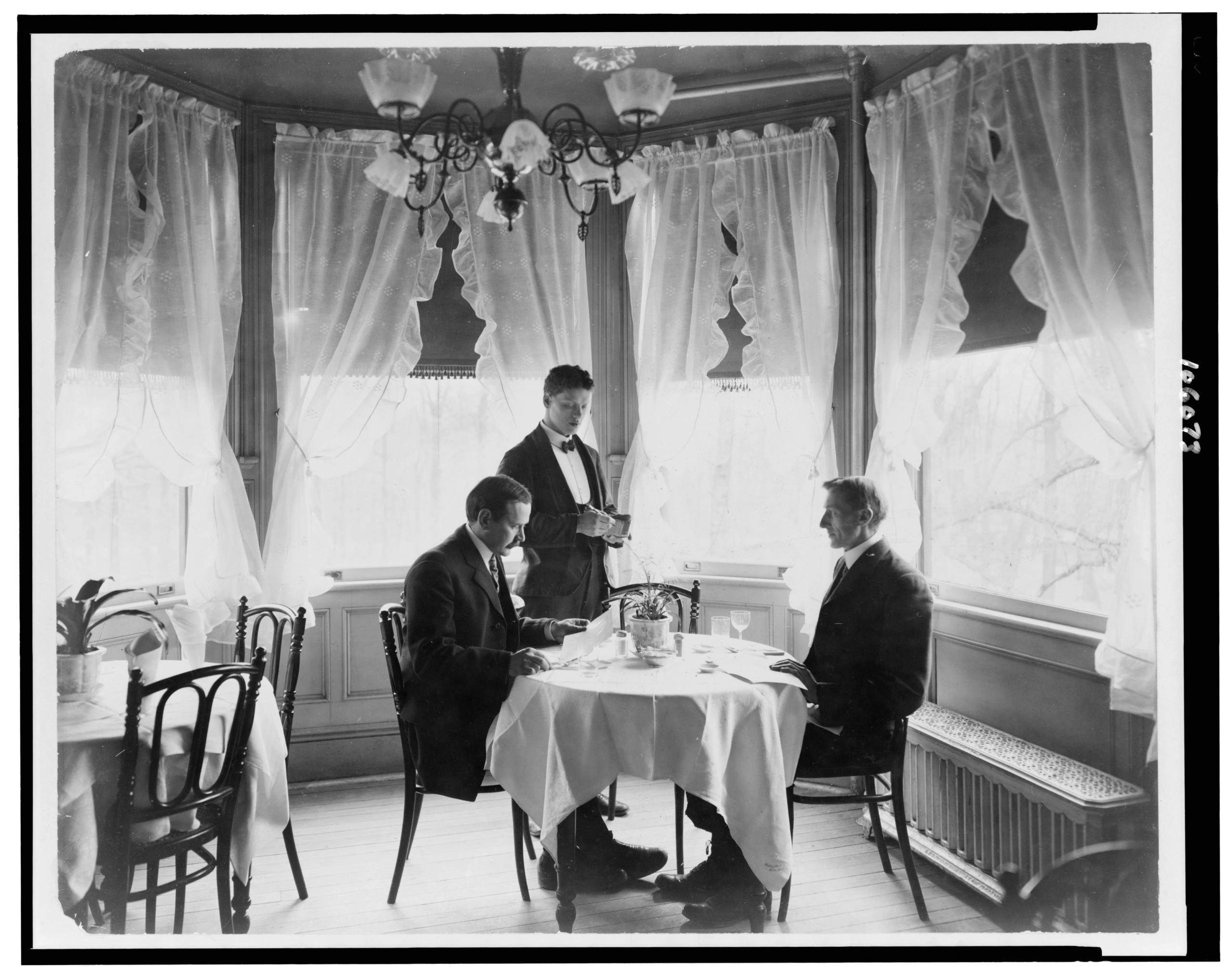
Orders were taken on a pad, written in an abbreviated shorthand everybody in the building understood, carried to the kitchen and called by the head waiter or the chef.
That system depended entirely on legibility, memory and a shared vocabulary, and it broke down under pressure in predictable ways.
Orders now go from a handheld device to a kitchen screen with timing, allergen flags and modification recorded. The shouted kitchen pass survives as theatre and no longer as an information system. Order shorthand was house-specific, which meant a waiter moving to a new hotel had to learn a new language in his first week.
16. The job was a profession with a recognised training route
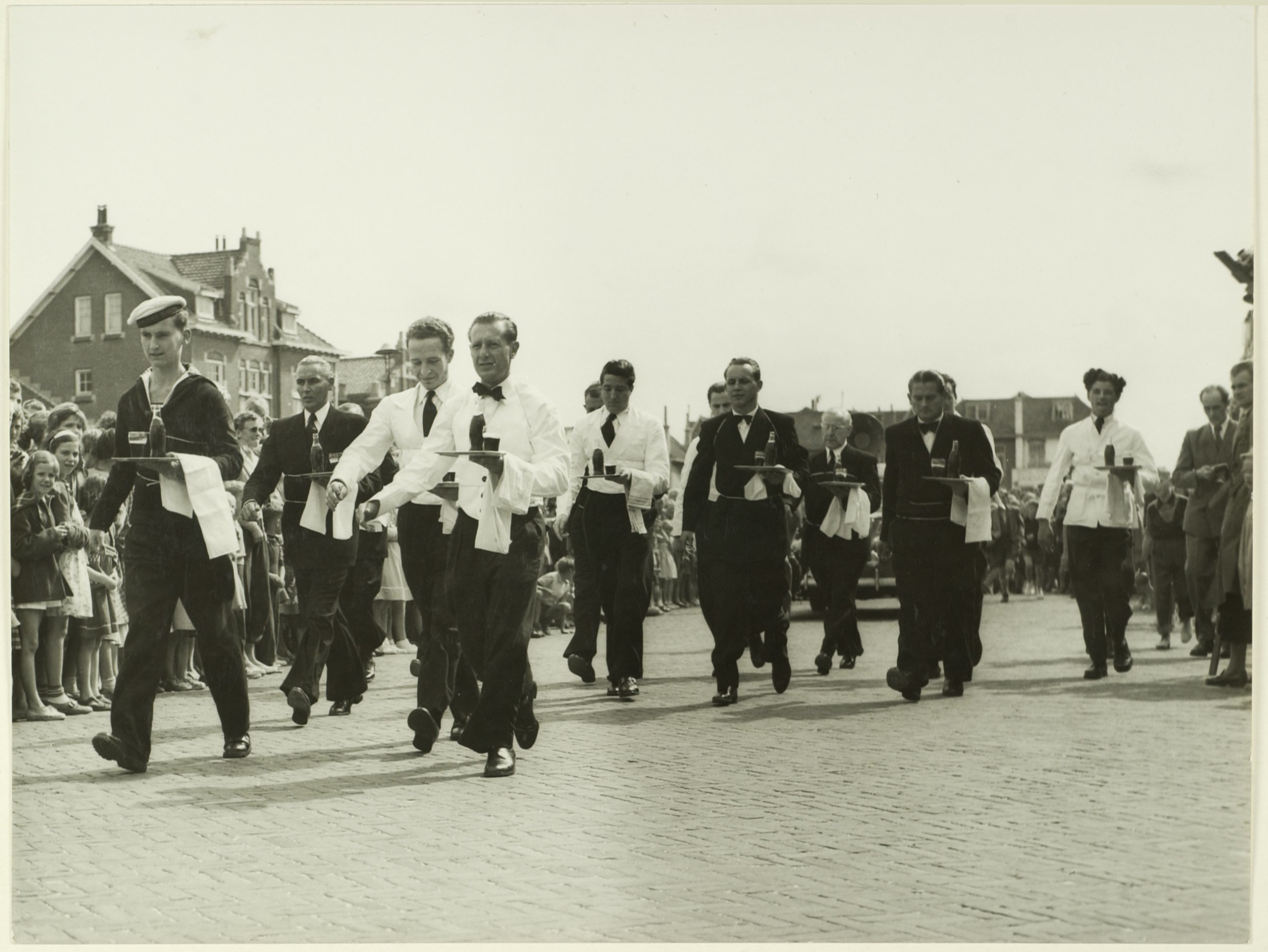
Service in 1960 was a career entered through apprenticeship or a hotel school, with examinations, recognised qualifications and an expectation of lifelong progression within it.
That is the fact most at odds with how the job is now regarded, and it was true across most of Europe.
Hospitality service is now largely a job rather than a profession in public perception, with high turnover and informal training, although formal qualifications and career routes do still exist. The change in status, rather than any change in technique, is what people in the trade talk about. They also point out that the technique and the status went together, since a skill that takes years to learn is hard to treat as casual work.
What actually ended it
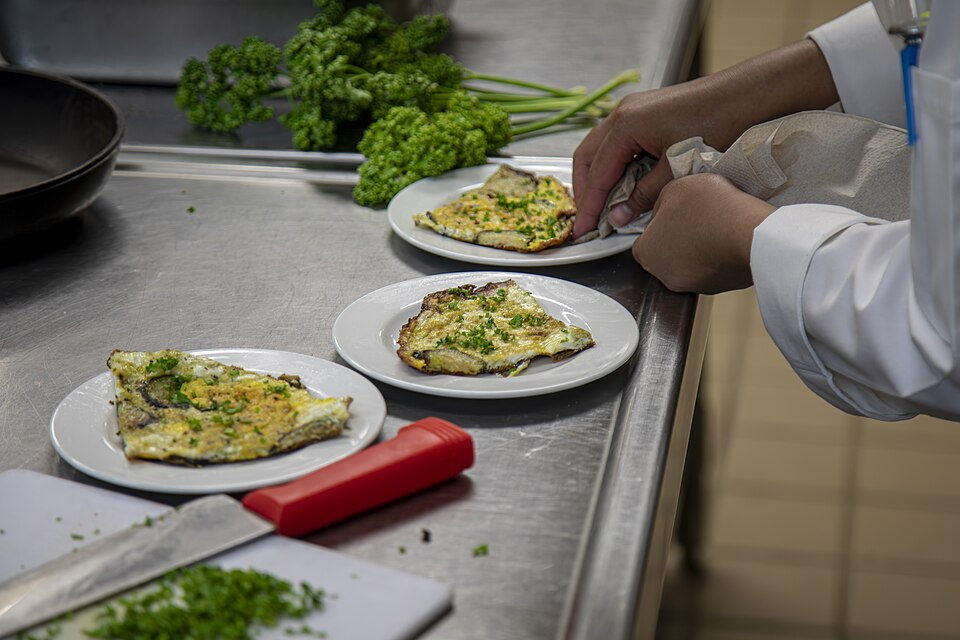
Plated service. Once the kitchen sends out a finished plate, the dining room no longer needs a spoon and fork technique, a gueridon trolley, a culinary competence or a brigade with ranks to supervise it, and the chef gains control of how every dish looks. Labour cost pushed in the same direction and informality finished the job. What replaced the craft is not worse service, it is a different division of labour — and the one change that is simply better is allergen disclosure, which 1960 had no mechanism for at all.
Nobody is going back to transferring peas with a spoon and fork. But a trade that took years to learn and offered a career for life has become a job people leave, and the people who did it notice that more than they notice the cutlery.
Like our content? Follow us for more.