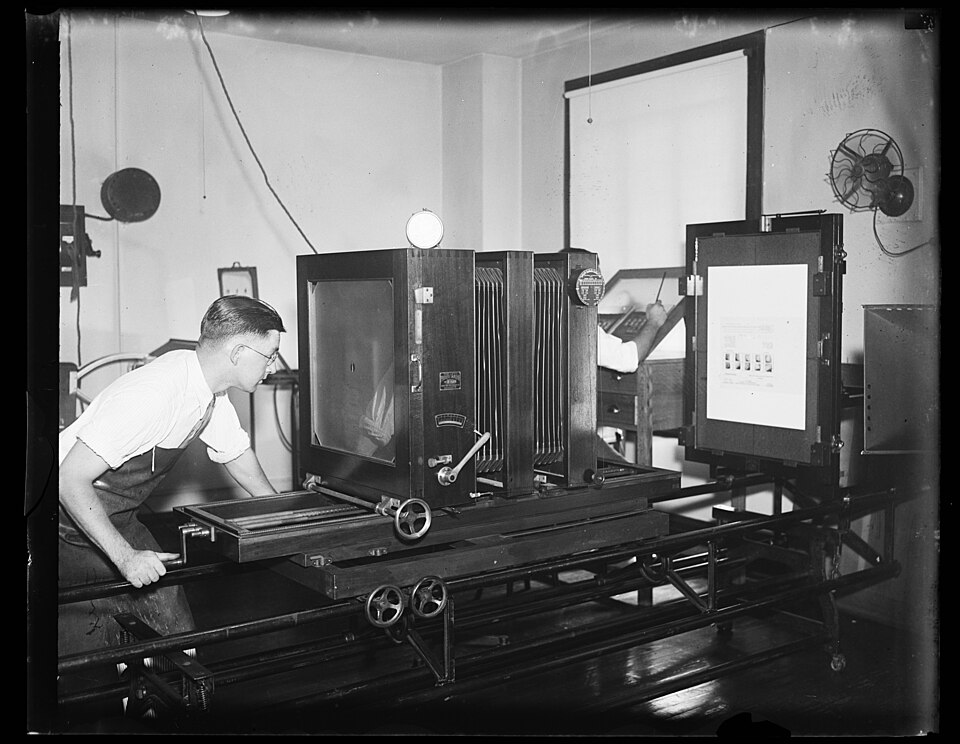
Before software, turning a photograph into something a press could print meant a camera, a ruled glass screen, four colour filters, an acid bath and a metal plate corrected by hand. Here are sixteen things about that trade, which vanished in about fifteen years.
1. A photograph had to be turned into dots before it could be printed

Ink either goes on the paper or it does not: a printing press cannot lay down a grey. A photograph was therefore converted into a pattern of dots of varying size, which the eye reads as tones at normal viewing distance.
The process engraver’s job was to make that conversion and then to put the resulting dot pattern onto a metal plate that would carry ink.
The principle is unchanged and every printed photograph you have ever seen is a halftone. What has changed completely is that the conversion is now done by software in a fraction of a second rather than by a person with a camera, a screen and a plate. The dot is also the reason printed images look different from screen images at close range. Hold a magazine photograph close enough and the illusion falls apart into a grid, which is precisely what the trade spent a century learning to control.
Like our content? Follow us for more.
2. The screen was a physical thing held in front of the film
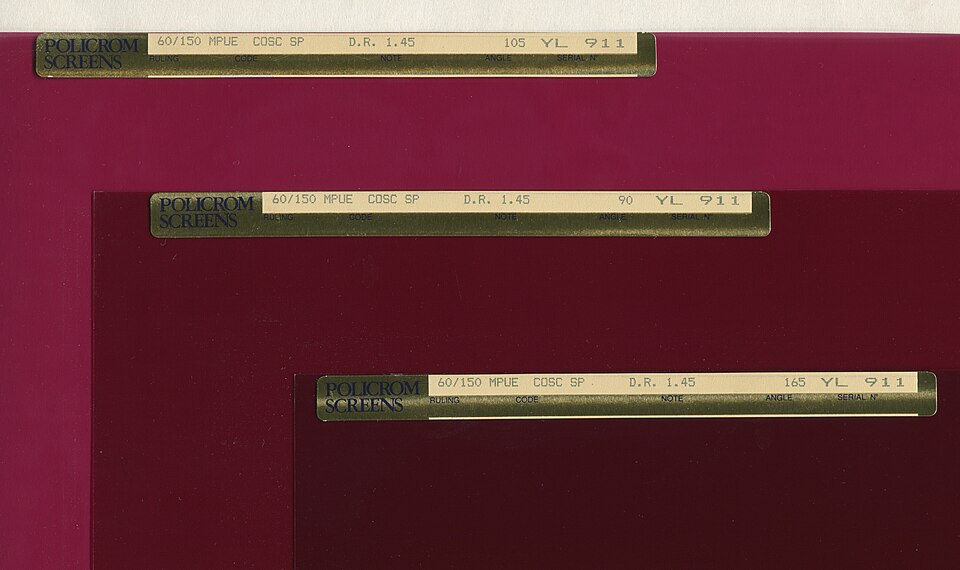
The dots were produced by photographing the original through a halftone screen, which was two sheets of glass ruled with fine lines at right angles and cemented together, or later a contact screen on film.
A glass screen was an expensive precision object, held at a calculated distance from the film, and the size of the dots was controlled by the aperture and the exposure.
Screening is now a mathematical operation performed on an image file, with the dot shape, angle and frequency chosen as settings. The physical screens are collectors’ items and the vocabulary survives: printers still specify a screen ruling in lines per inch. A finer ruling gives a better image and demands better paper and better press work, which is why newspapers and art books look so different.
3. Colour work meant four separate photographs through four filters
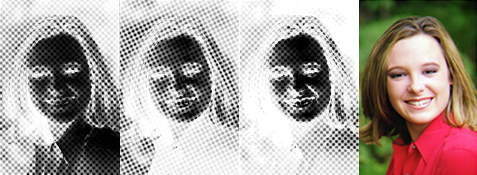
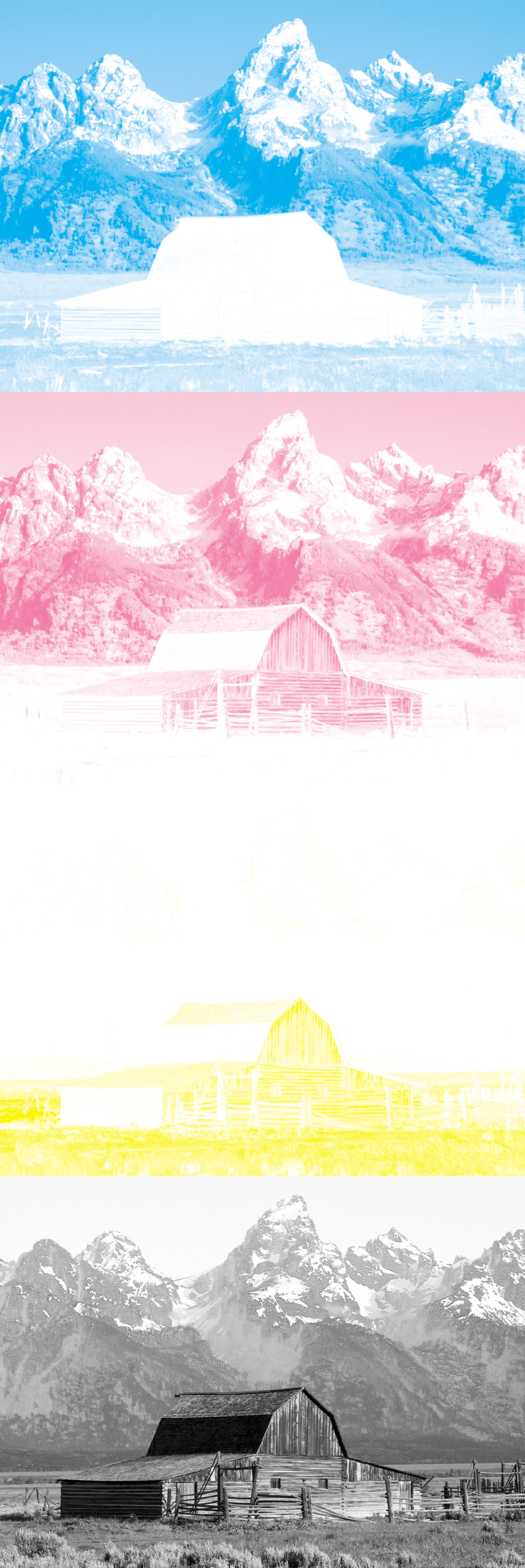
A full-colour reproduction required the original to be photographed four times through different colour filters, producing one separation for each of the printing inks.
Each separation then had to be screened at a different angle, because dots at the same angle in four colours produce a visible pattern that ruins the image.
Separation is now done computationally, with the angles, dot shapes and ink behaviour handled by a colour management system. The four-colour principle is identical and the labour has gone from days to minutes. The pattern that appears when angles are wrong has a name, moire, and avoiding it is one of the few parts of the old craft that survives as an explicit setting.
4. Correcting a separation meant physically altering the plate
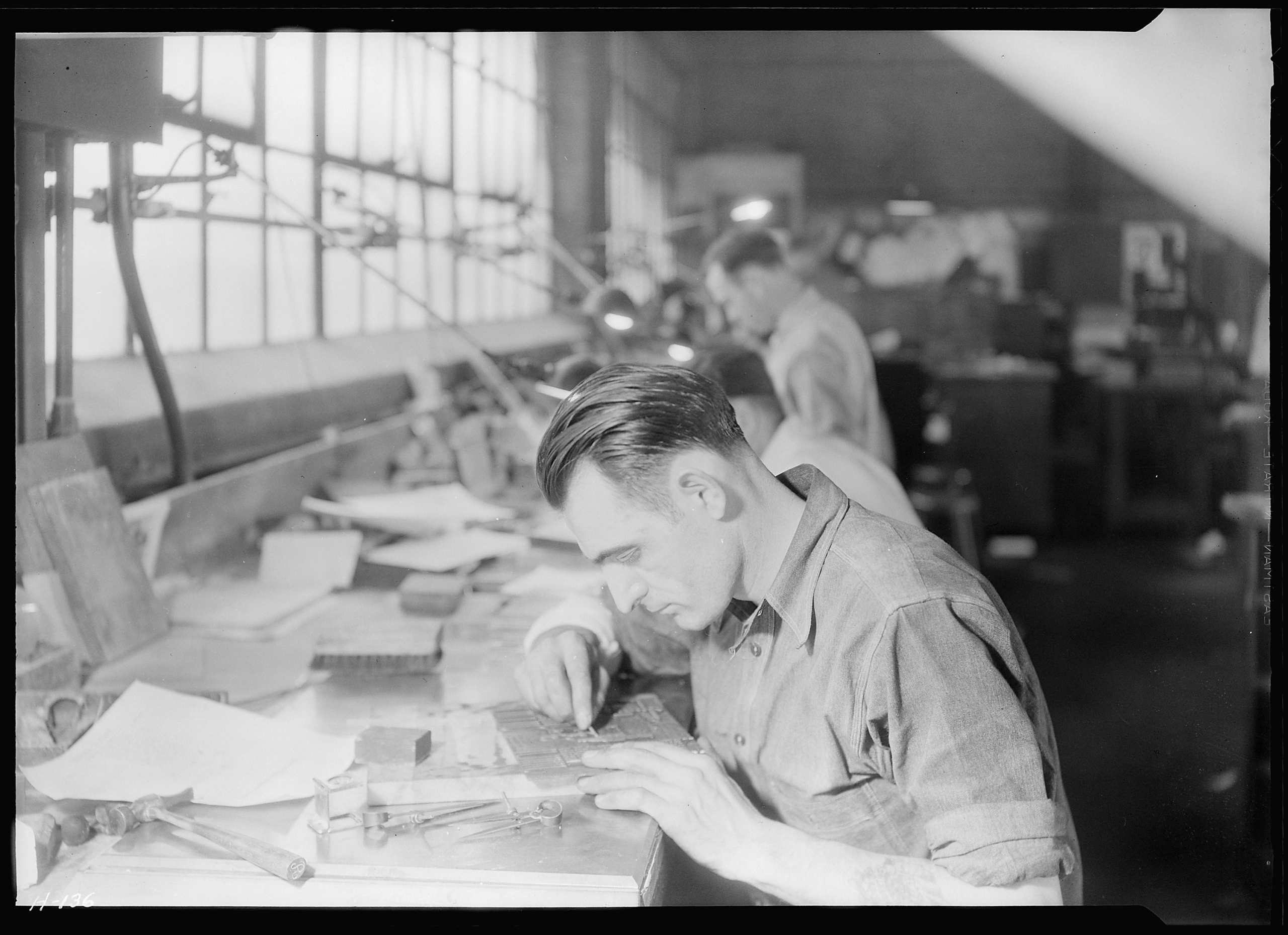
Separations never came out right first time, and the engraver corrected them by working on the metal: etching areas deeper, burnishing dots smaller, staging out regions with acid-resistant varnish and re-etching.
That is hand work on a finished plate, done with judgement about what the press would do with it, and it was the heart of the trade.
Correction is now a matter of adjusting curves and values in a file before anything physical exists. Nothing is altered on a plate at all, and the skill of reading a plate and knowing what it will print has no modern equivalent. Reading a plate meant looking at a sheet of metal and seeing a printed page, which is a trained act of imagination rather than an inspection.
5. Etching used acid, and the file will not describe it
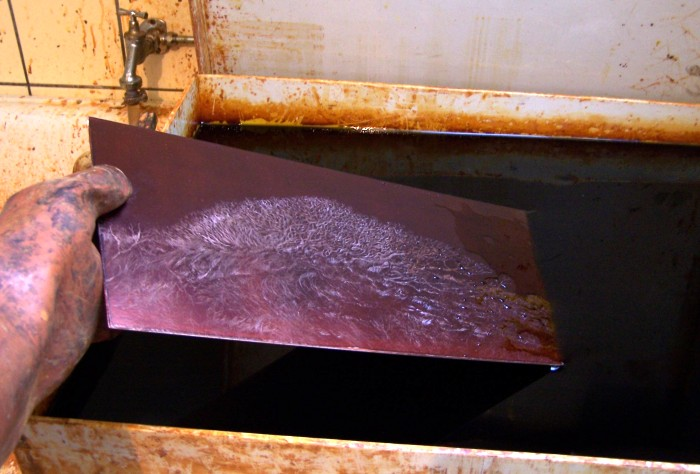
Plate-making involved etching metal with acid, in open trays and baths, in a workshop, by people who had learned the work by doing it.
The acids used are hazardous and the quantities were not small, and an article about the past is not the place for any detail about which, how strong or in what sequence.
Industrial acids are now subject to detailed regulation covering storage, labelling, incompatibility, ventilation, spill containment, protective equipment and emergency arrangements, and plate-making itself has largely moved to processes that do not involve them. Anybody with a professional reason to know should be working from current regulation and competent advice. The move away from acid-based plate-making was driven as much by waste disposal cost as by safety, which is usually how these changes actually happen.
6. The dark room was the engraver’s main workplace
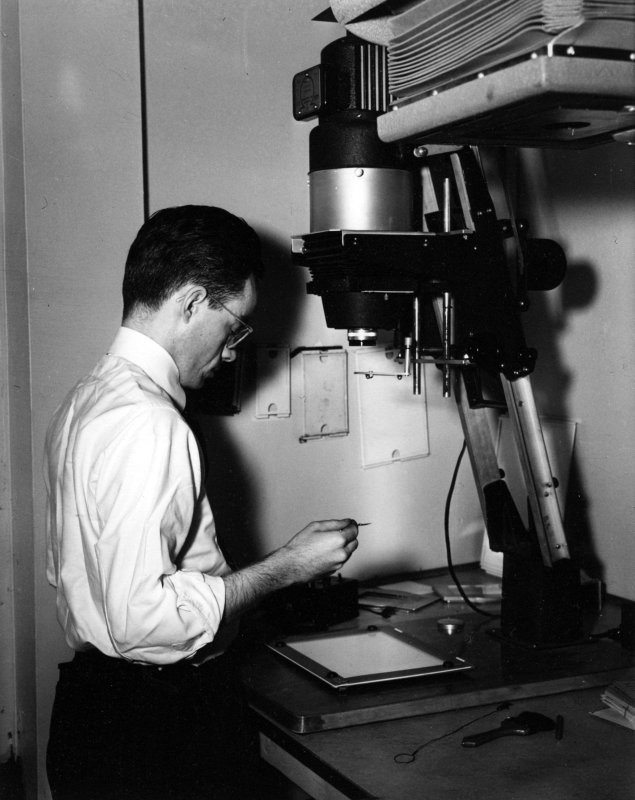
A great deal of the work happened in darkness or under safelight: loading plates, making exposures, developing, inspecting wet negatives on a light box.
That meant a working day spent partly in the dark, partly in chemistry, with the judgement of a negative’s density made by holding it up to a lamp.
Prepress is now done at a screen in an ordinary lit room, with density and tone as numbers on a display. The dark room has gone from commercial printing entirely, taking with it a whole physical vocabulary of handling. Working in the dark also made the trade unusually quiet and unusually solitary, and former engravers mention both.
7. A proof took hours and told you whether the week had worked
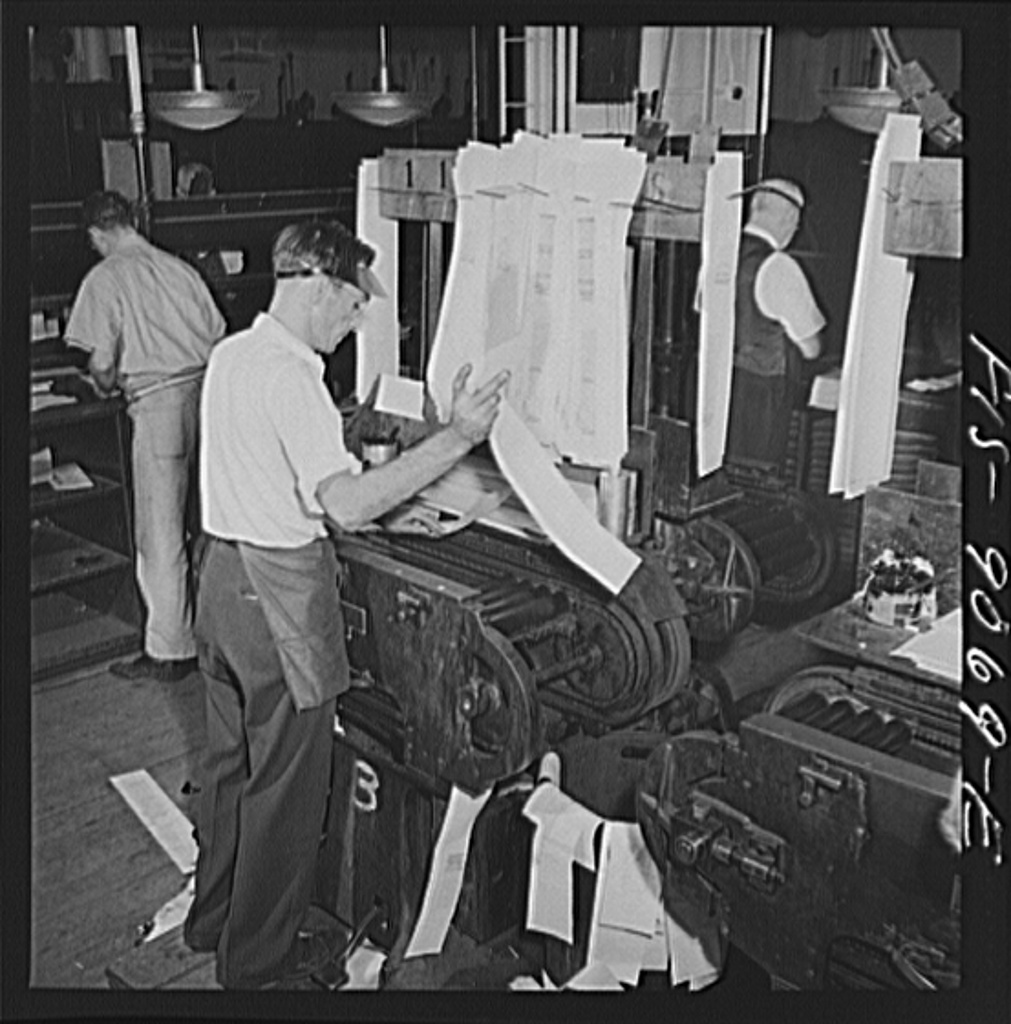
Before anything went to press, the engraver pulled a proof, which meant inking the plate and printing it to see what the dots actually did on paper.
Until that moment the result was a judgement, and a proof that came back wrong meant going back to the plate.
Soft proofing on a calibrated screen, plus digital proofing printers, now shows the result before any plate exists. The plate is made once and the proofing cycle has shortened from days to minutes. A wet proof on the actual paper remains the most reliable test there is, which is why high-end work still occasionally pulls one.
8. Why American process engraving industrialised faster
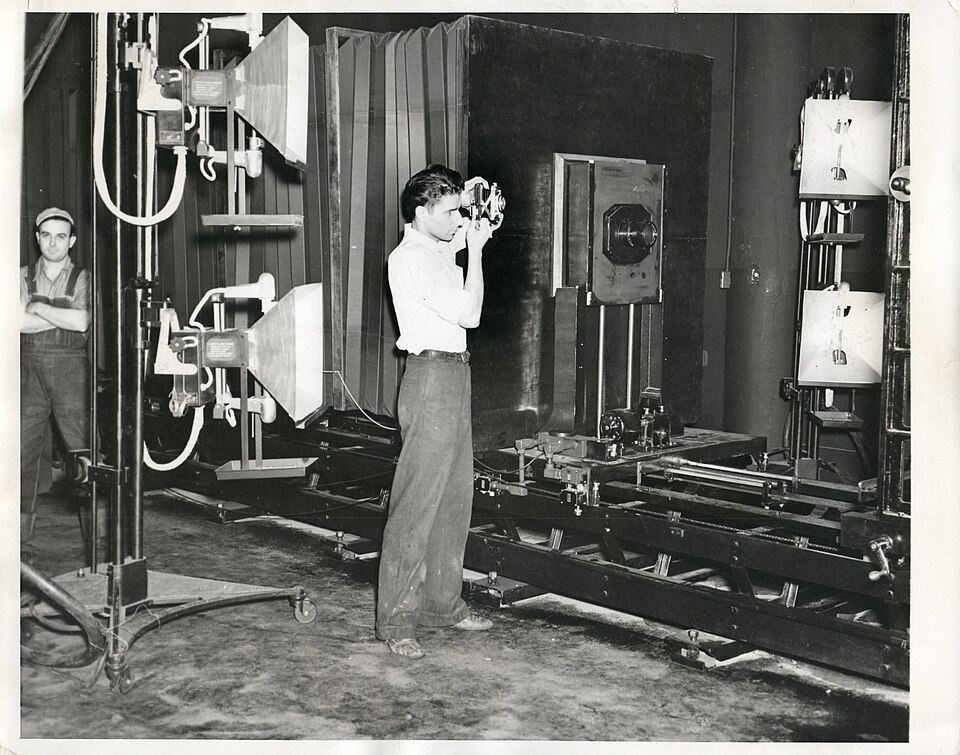
American commercial printing ran at larger volumes with more colour work earlier, driven by a bigger advertising market and national magazines, which supported large dedicated engraving houses rather than small departments.
That scale funded earlier mechanisation — powered etching machines, electronic scanning and colour correction equipment from the late 1950s onward — and made the American trade an early adopter rather than a conserver.
That same scale meant the American trade was also hit earliest and hardest by digital prepress. The large engraving houses closed within a remarkably short period and the work moved into design studios and printers. Scale cuts both ways in every industrial transition, and this is one of the clearest illustrations of it anywhere in printing.
9. Retouching was done with a brush, a knife and a pencil
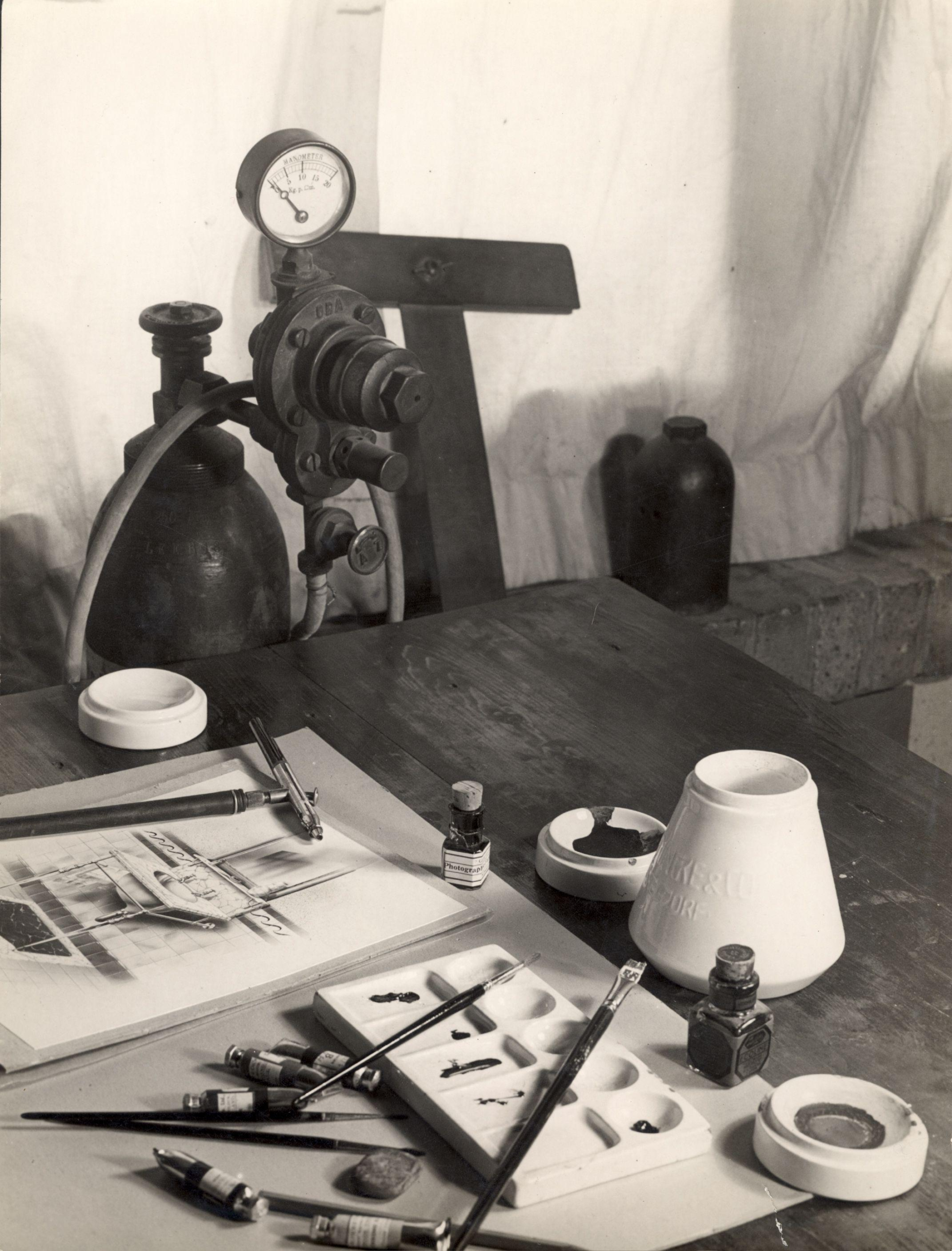
Images were improved by hand before and during separation: airbrushing on the print, scraping and pencilling on the negative, dyes and bleaches applied to transparencies.
Retouchers were highly skilled specialists, and a good one could remove, add or alter anything in a photograph in a way the printed result would not reveal.
All of it is now done in image editing software, faster, reversibly and by far more people. The capability has not changed; the difficulty and the scarcity of it have. That shift in scarcity, rather than any new capability, is what changed the public conversation about altered images.
10. Type and pictures were assembled separately and married up
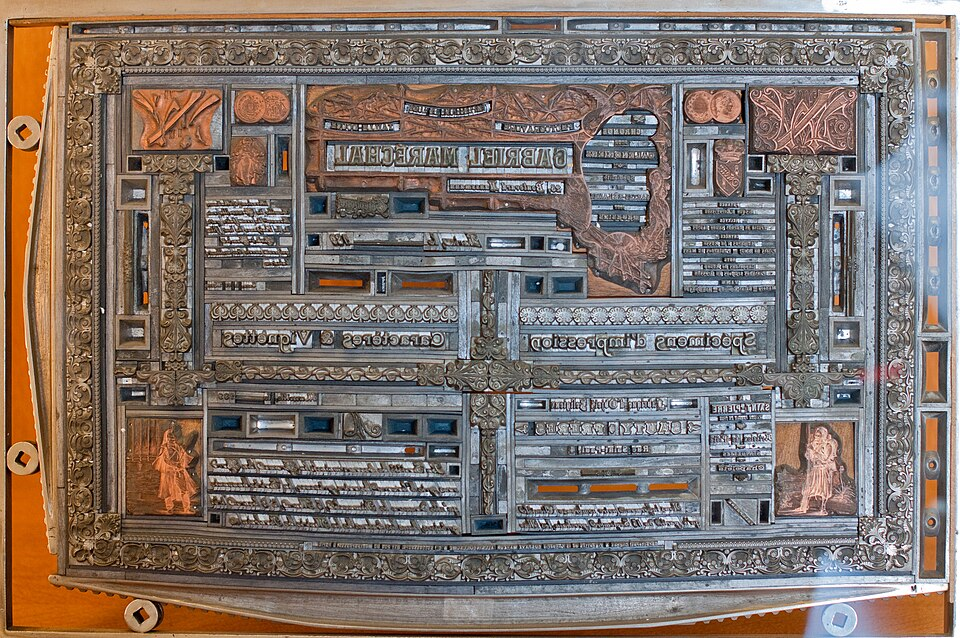
A page in 1960 was not a single object. Text was set in metal or on film by a different trade, pictures were made into blocks or plates by the engraver, and the two were brought together in the printing form.
That separation defined the structure of the whole industry, with distinct trades, distinct unions and distinct premises for type and for pictures.
Page makeup is now a single operation producing one file containing everything. The disappearance of the boundary between type and image is the structural change that ended several trades at once. It also ended a great deal of argument, since the handover between trades was historically where blame for a bad page was allocated.
11. Everything was measured in pica, points and lines per inch

The trade ran on its own units — points and picas for type and spacing, lines per inch for screens, and a set of conventions about sizes and reductions that everybody in it knew.
An engraver scaling an image to fit a space did the arithmetic with a scaling rule or a slide rule and specified the result in those units.
Most of those units survive in software, which is one of the quieter continuities in printing. What has gone is the arithmetic, since scaling is now dragging a corner. Scaling rules turn up regularly in second-hand shops and almost nobody under sixty can explain what they are for.
12. The plates themselves were valuable and were kept
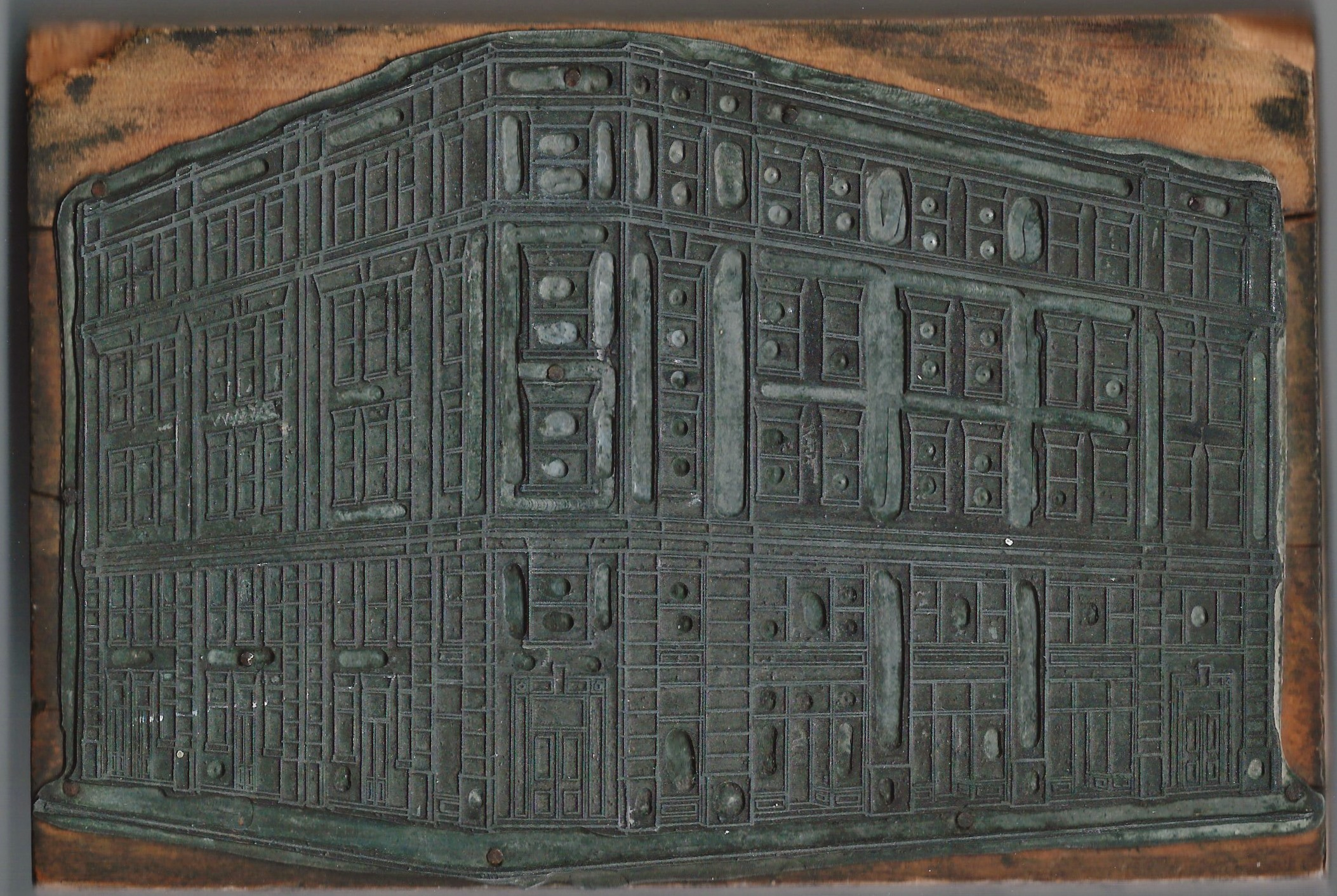
A set of colour plates represented days of skilled work, and publishers kept them for reprints, stored and catalogued, sometimes for decades.
That made a plate store a real asset and plate handling, cleaning and storage a real job, with its own racks and records.
Nothing physical is kept now. A job is archived as files, and reprinting means outputting new plates from the same data, which is both cheaper and considerably less secure as a long-term archive. Publishers who have tried to reprint something from twenty-year-old files tend to discover this the hard way.
13. Quality was judged against the press it was going to
An engraver made a plate for a particular press, paper and ink, because dot gain — the spreading of a dot as ink hits paper — differs between them and has to be anticipated in the plate.
That knowledge was specific, local and held by individuals who knew the presses their work went to.
Dot gain is now characterised numerically for each press and paper combination and compensated automatically in the workflow. The engraver’s knowledge became a profile in a colour management system. Which is, in fairness, exactly where it belongs, since it is a property of a press rather than of a person.
14. The trade was closed, apprenticed and tightly organised
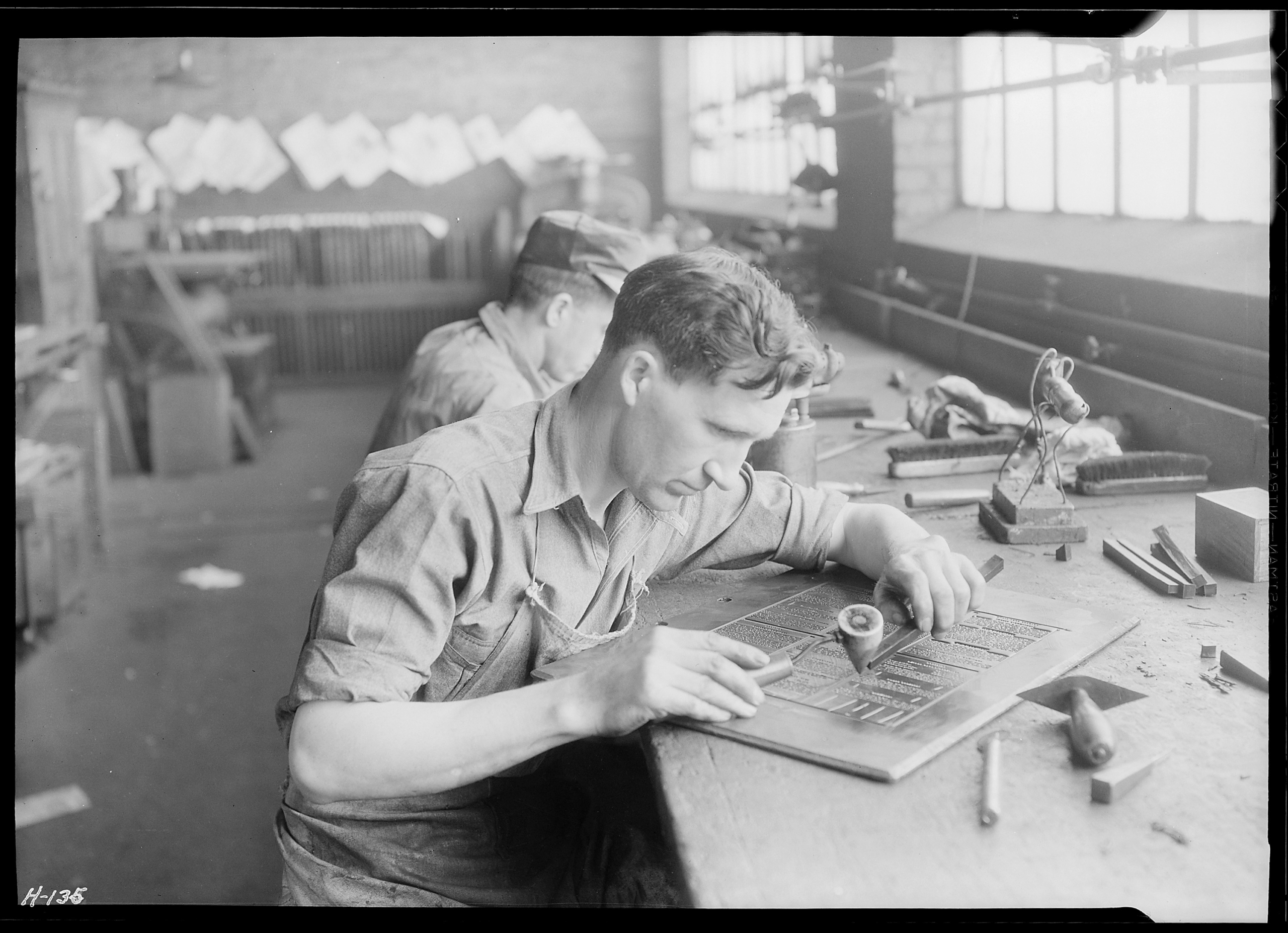
Process engraving was a time-served trade with a long apprenticeship, strong craft unions and controlled entry, and the skills were protected both professionally and industrially.
That produced very high standards and a trade that was difficult to enter, and it made the industry’s structure stable for decades.
Digital prepress opened the work to anybody with software and training, and the formal craft structures around it disappeared. It is the clearest example in printing of a skill losing not its usefulness but its scarcity. The craft structures had also made the industry extremely slow to change, which is part of why the change, when it came, was so abrupt.
15. The whole trade vanished inside about fifteen years
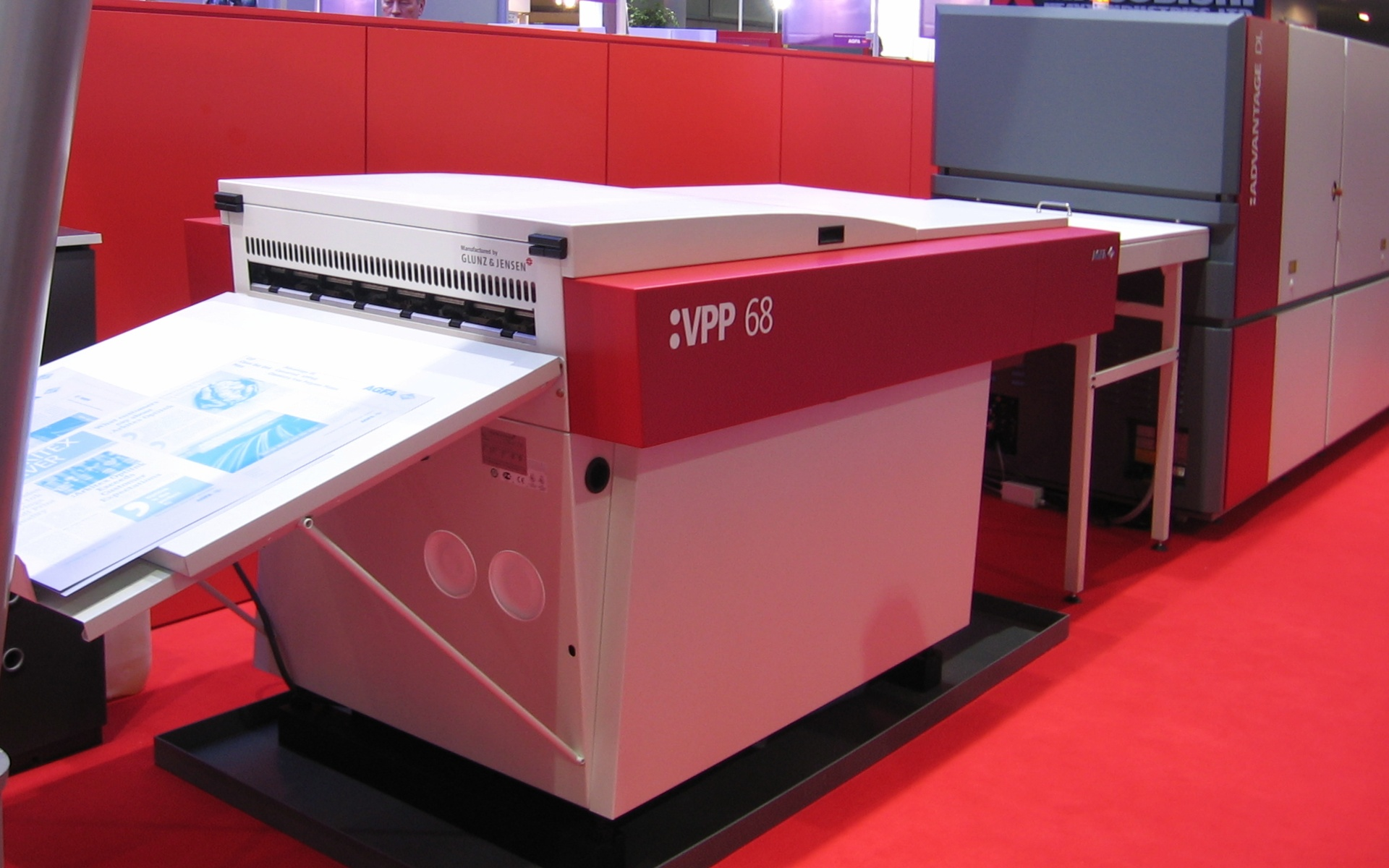
Electronic scanning, then desktop publishing, then digital imposition and computer-to-plate output removed every stage the process engraver performed, between roughly the late 1970s and the early 1990s.
That is an extremely fast disappearance for a skilled trade and it happened to people in the middle of their working lives.
The functions all still exist and are performed by designers, prepress operators and software. The job title has gone and the trade it described has no successor with the same boundaries. Engravers who retrained into digital prepress were often the best operators in the room, because they understood what the software was approximating.
16. What survived is the thing nobody notices
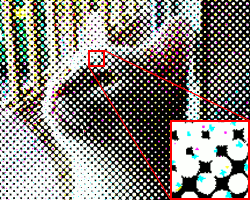
The halftone principle, the four-colour separation, the screen angles that stop a pattern forming, the compensation for dot gain — all of it is still in use in every printed image produced anywhere.
The engravers worked out how to make these things look right, and the rules they arrived at were encoded into the software that replaced them.
That is the most complete form of obsolescence available: the knowledge was so thoroughly correct that it became invisible. Every printed photograph is still doing exactly what a 1960 engraver would have told you it should.
Why this trade disappeared so completely
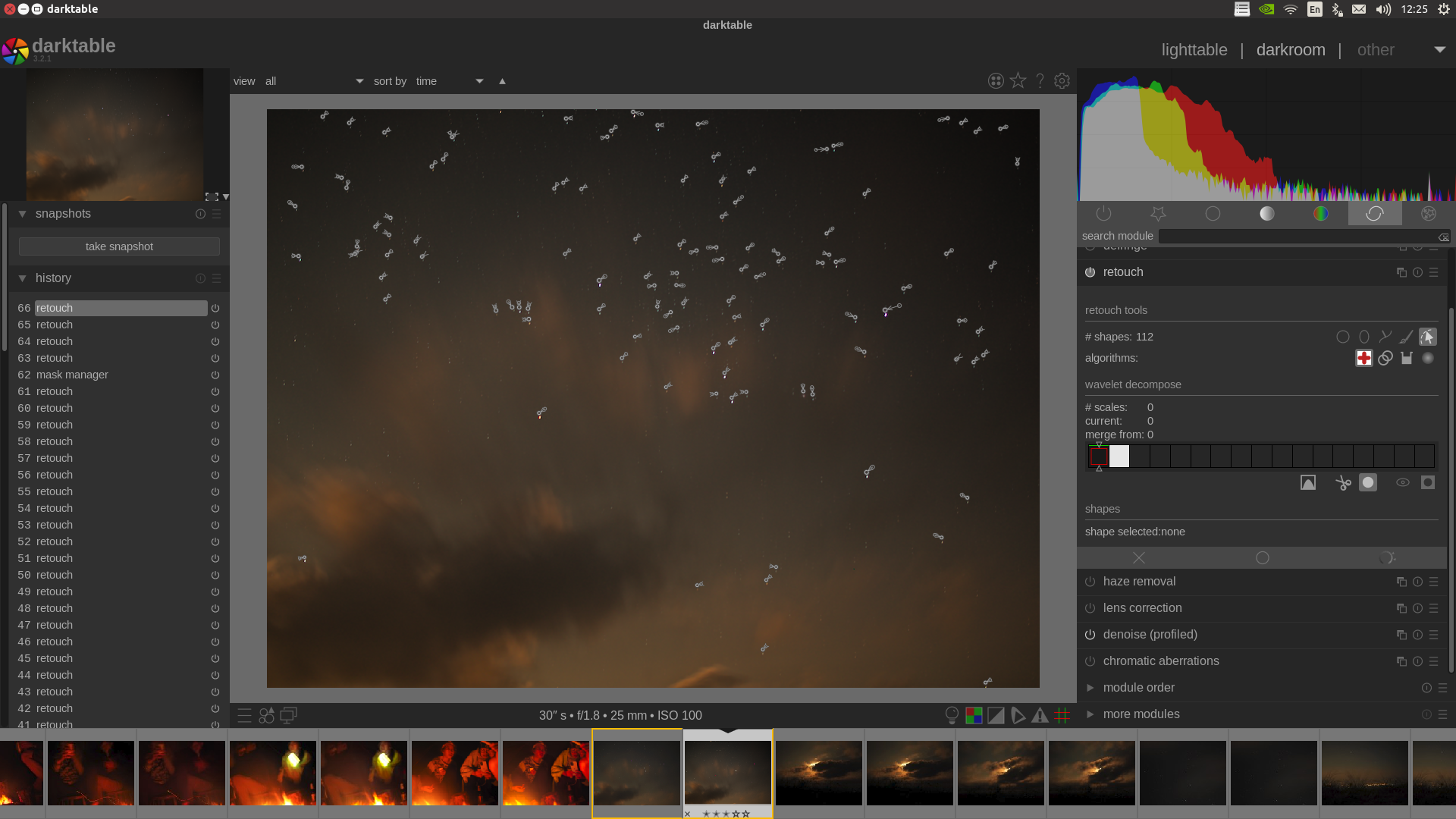
Because every single stage of it was a physical workaround for a calculation nobody could yet do fast enough. Screening, separation, correction, proofing and scaling were all operations on objects — glass, film, metal, acid — performed because there was no other way to arrive at the numbers. Once the numbers could be computed, the objects had no reason to exist, and the trade went with them inside fifteen years. The knowledge did not die; it was written into the software.
Every printed photograph still works exactly the way the engravers worked out that it should. That is a strange kind of immortality for a trade almost nobody remembers.
Like our content? Follow us for more.