
Posting something home or sending a parcel across a border puts it through two countries’ rules at once, and the declaration is what both of them read. Here are fifteen things that decide whether it arrives.
1. The customs declaration is the document the whole thing turns on

Anything posted across a border travels with a declaration describing the contents, their value and whether they are goods, a gift, a sample or returned items.
That declaration is a legal statement, it is what the destination’s customs authority assesses, and it is the single thing most likely to go wrong, because people fill it in vaguely to be helpful.
A specific, honest description with an accurate value clears customs; a vague one invites inspection, delay and a request for information from the recipient. The declaration is completed at the counter or online with the operator, and the operator will tell you which form applies to the destination and the value.
Like our content? Follow us for more.
2. Declaring a low value to help the recipient usually hurts them

People routinely understate a value, or mark goods as a gift when they are not, in the belief that it saves the recipient money.
It is a false declaration, and the consequences fall on the recipient: the parcel can be held, reassessed, penalised or refused, and the recipient is the person who has to deal with it.
Gift relief is real in many countries but it has conditions — it generally applies between private individuals, below a threshold, and not to commercial goods — and the conditions are checked. The honest value, with a receipt inside, is the arrangement that actually gets a parcel delivered.
3. The recipient pays the import charges, not the sender

In most systems import duty, tax and a handling fee are charged to the person receiving the parcel, who must pay before it is released.
That means a present can arrive as a bill, which is a genuinely unpleasant surprise and the most common complaint about posting things internationally.
Some couriers offer a delivered-duty-paid arrangement where the sender pays everything up front, which costs more and is worth it when the recipient should not be asked to pay anything. Where that is not available, telling the recipient what to expect is the minimum courtesy. Where that is not available, telling the recipient what to expect is the minimum courtesy. It also avoids the situation in which a parcel is refused at the door because nobody warned the person that money would be wanted, after which it goes back into the system and may be returned across the world at the sender’s expense.
4. The threshold below which nothing is charged varies enormously

Most countries have a value below which small consignments attract no duty, or no tax, or neither, and those thresholds differ between countries and have been reduced in a number of places.
They also frequently differ for duty and for sales tax, so a parcel can be duty-free and still attract tax plus a handling charge.
The handling charge is the part that surprises people, because it is levied by the carrier for processing the customs entry and can exceed the tax itself on a low-value item. The destination’s customs authority publishes the current thresholds, and they change, so they are worth checking rather than remembering.
5. What may be posted is a different list from what may be carried

The postal and courier prohibited-items lists are not the same as airline cabin or hold restrictions, and something you flew in with may not be postable.
The lists typically cover batteries and devices containing them, aerosols and flammables, perfumes and alcohol, certain foods, plant and animal material, and a long tail of items specific to the destination.
Both the origin’s postal operator and the destination’s import rules apply, so an item can be legal to post from one country and prohibited to import into another. The operator publishes both lists by destination, and that is the authoritative place to check. This file does not reproduce any list, because the lists change and only the current one is any use.
6. Food, plants and anything organic are the most common refusals

Agricultural and biosecurity controls are strict almost everywhere, and food, seeds, plants, wooden items, soil and anything of animal origin are heavily restricted or prohibited.
These rules exist to keep pests and disease out of agricultural systems and they are enforced regardless of quantity or intent, so a small food gift is treated as an import.
Parcels containing such items are commonly seized and destroyed without compensation, and in some jurisdictions a penalty applies. The destination country’s agriculture or biosecurity authority is the body whose rules apply, and checking before sending is the only way to avoid losing the contents.
7. Protected materials are a separate and much more serious category

Items made from protected species or containing protected materials, and antiquities or cultural property, are controlled by international agreements and by national law in both the sending and receiving country.
This catches souvenirs that were sold openly where they were bought, because the point of sale says nothing about whether the item may cross a border.
Sending such an item without the required permit can mean seizure and can be an offence, and the paperwork, where it exists at all, has to be obtained before sending. Anybody with an item that might fall into this category needs a specialist and the relevant national authority before posting it. This file names no species, no material and no identification test, and offers no view on any individual item.
8. Postal operators and couriers are different systems with different rules

A national postal operator moves parcels through an inter-governmental postal network with its own declaration forms, size and weight limits and compensation rules.
A commercial courier runs its own network, handles the customs entry itself, usually offers better tracking and faster transit, and charges considerably more.
The customs treatment can differ too, because couriers often clear parcels commercially and add a brokerage fee, which the postal route may not. Neither is simply better: the postal route is cheaper and slower with less visibility, and the courier route is faster and more traceable at a price that includes fees people do not expect.
9. Compensation is limited, conditional and much lower than people assume
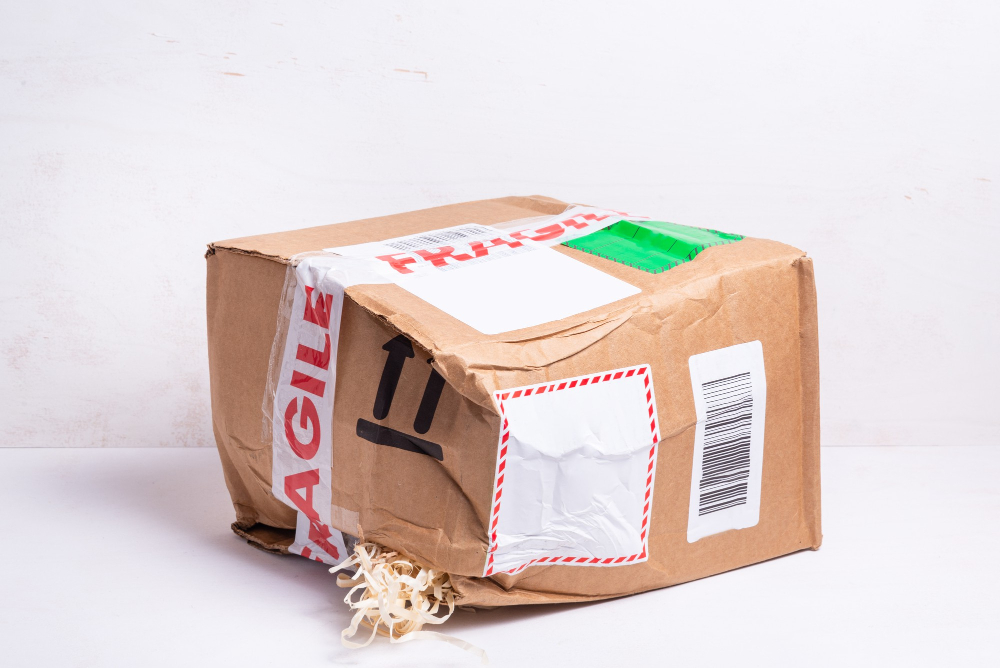
Standard postal compensation for a lost or damaged international parcel is capped at a modest amount, often well below the value of what people send, and insurance beyond it must be bought at the counter.
Compensation is also conditional: it typically requires proof of posting, proof of value, and that the item was not on the excluded list, and many categories — cash, jewellery, documents, fragile items — are excluded or capped separately.
Damage claims usually require the packaging to be retained, which recipients routinely throw away before realising a claim is needed. So the practical rule is to insure to the real value if the contents matter, and to tell the recipient to keep the packaging until the contents are checked.
10. Tracking frequently stops at a border and that does not mean it is lost
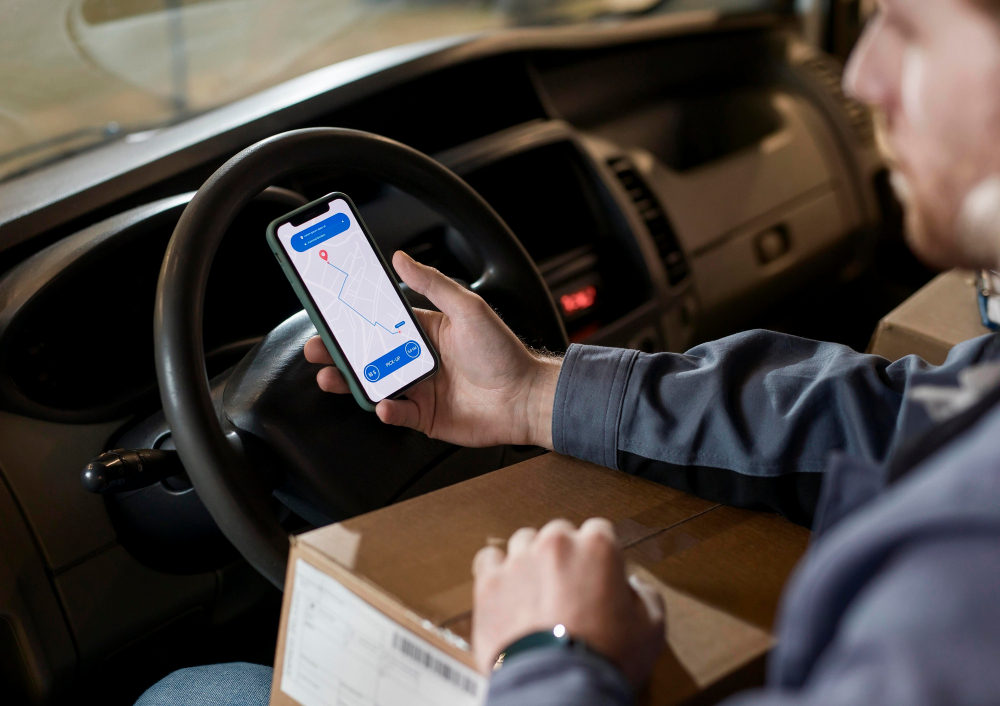
On postal routes, tracking is often detailed in the origin country, then goes quiet for days or weeks while the parcel moves through international transit and the destination’s customs, and resumes on local delivery.
That silence is normal and is the single largest cause of people reporting a parcel lost when it is simply in a queue.
Fully tracked services exist and are worth buying when somebody will be anxious, because the information is the thing being purchased as much as the speed. Claims have deadlines, and most operators specify a minimum waiting period before a parcel can be declared missing at all. Claims have deadlines, and most operators specify a minimum waiting period before a parcel can be declared missing at all. Those two numbers work against each other, so the sensible approach is to note the posting date, find out the waiting period and the claim window at the counter, and put both in the calendar rather than discovering later that the window closed while the parcel was still officially in transit.
11. Surface mail still exists and it is measured in months
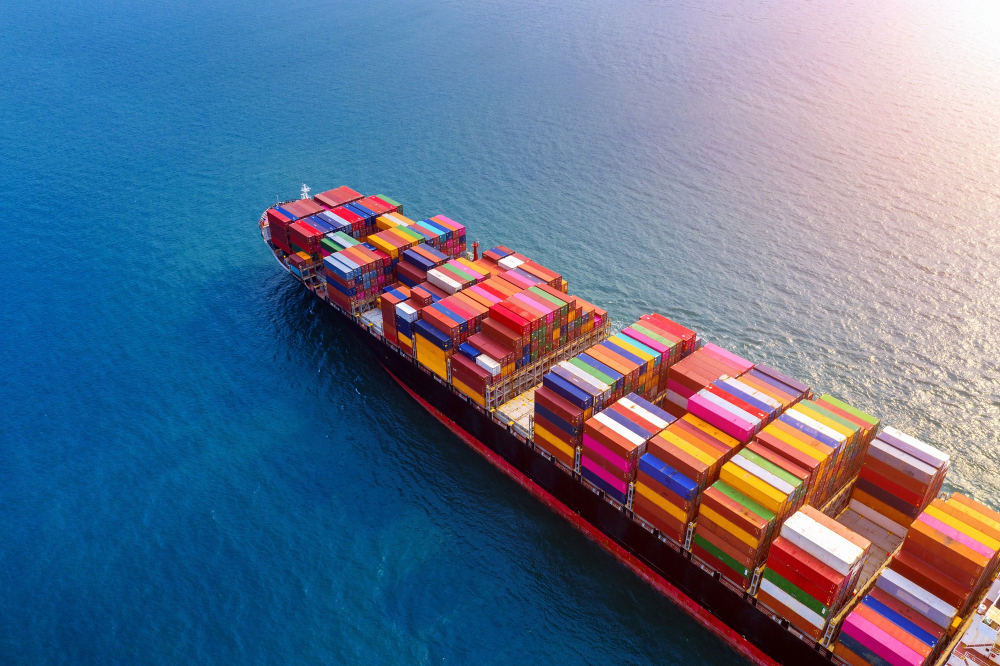
Where it is still offered, surface or economy international mail travels by sea or road and takes weeks to months rather than days, at a fraction of the airmail price.
It is genuinely useful for heavy, non-urgent things — books, household goods, anything being sent ahead — and genuinely useless for anything with a date attached.
Availability has shrunk considerably and varies by origin country and destination, so it has to be asked about rather than assumed. The transit time quoted for these services is an estimate with very wide limits, and no compensation attaches to it being slow.
12. Size, weight and shape limits differ by destination, not just by service
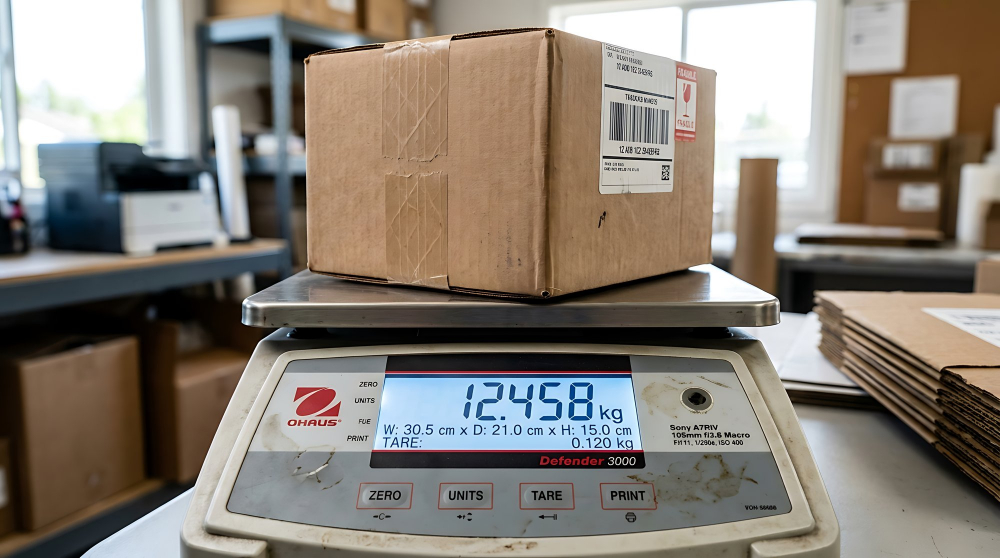
International parcel limits are set per destination as well as per service, so the maximum weight and dimensions for a parcel to one country may be different from another on the same service.
Long items, rolls and unusual shapes attract their own limits and surcharges, and some destinations will not accept certain shapes at all.
Exceeding a limit does not usually produce a polite refusal at the counter: it produces an accepted parcel that is returned later, at the sender’s cost. The operator’s destination-specific table is the thing to check, and counter staff will check it if asked.
13. Addressing has to suit the destination, not the sender
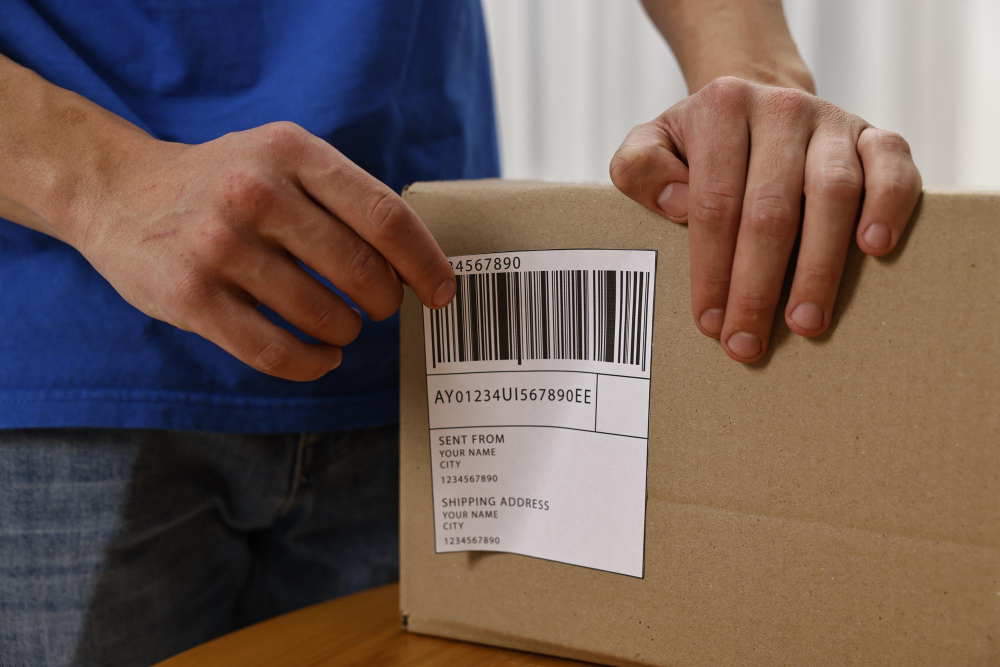
Address formats differ substantially — the position of the house number, the postcode, the district, the order of lines — and a parcel addressed in the sender’s own national format can be misrouted or delayed.
The country name should be in the sender’s language or in English, in capitals, on the last line, because that is the line that decides which country the parcel leaves for.
A recipient telephone number is required by many couriers and is useful on postal items, because a delivery problem is resolved by a phone call far more often than by a card through a door. Where the destination uses a non-Latin script, the local-script address is helpful for final delivery, with the country in Latin script for the international leg.
14. Packing is the sender’s responsibility and it is assessed against handling
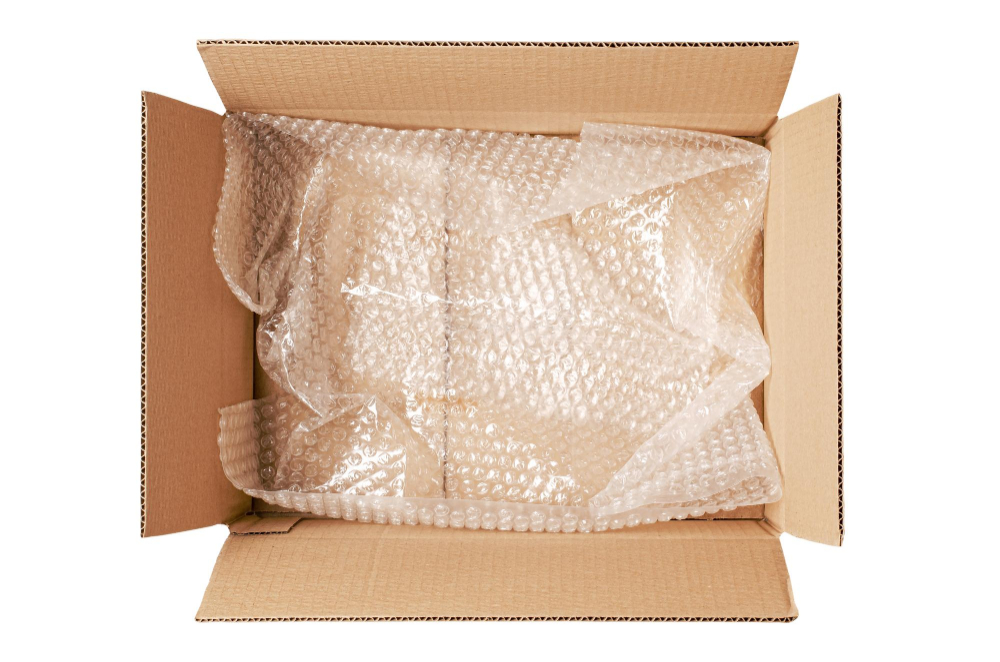
Postal and courier networks are mechanised and parcels are sorted by machine, dropped, stacked and conveyed, and packaging is expected to survive that rather than a careful journey.
Compensation for damage is routinely refused on the ground that packaging was inadequate, which is a judgement made by the carrier against its own published guidance.
That guidance exists, is specific about cushioning, void fill, internal movement and sealing, and is worth reading once if you send anything regularly. Reused boxes with old labels and old barcodes are a particular and avoidable cause of misrouting. Reused boxes with old labels and old barcodes are a particular and avoidable cause of misrouting. A sorting machine reads whichever barcode it finds, so an old one on the underside of a box can send a parcel to the address it went to last time, and removing or completely obscuring every previous label is a thirty-second job that prevents it.
15. Sending documents and anything irreplaceable is a different problem

Passports, certificates, deeds and original documents are excluded from compensation by most operators, which means the practical loss is total if they go missing.
Where an original document genuinely has to travel, a tracked courier service with a signature and, where offered, a document-specific product is the appropriate route, and some documents cannot lawfully be sent at all.
Certified copies, scans and electronic submission have replaced much of this, and are worth exhausting before posting an original. The summary: the declaration is the document everything turns on and an honest, specific one with a receipt inside is what gets a parcel delivered; understating a value or marking goods as a gift penalises the recipient, who is the person charged import duty, tax and a handling fee; thresholds, prohibited lists and biosecurity rules are set by the destination and change, so only the current published list is any use; protected species materials and cultural property need a specialist and a permit before sending; compensation is capped low, conditional on proof and on retained packaging, and excludes whole categories; and tracking going quiet at a border is normal rather than a loss.
Two countries’ rules apply to one box
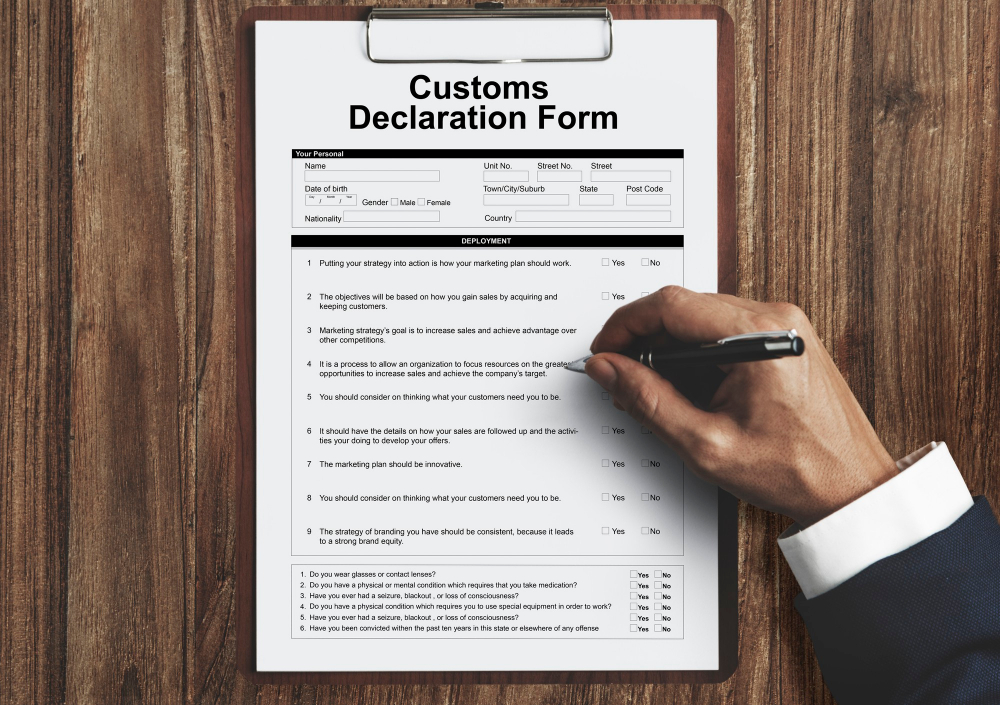
Everything difficult about posting internationally comes from the same fact: the origin country’s postal rules and the destination country’s import rules both apply, and they are not the same list. What may be posted is not what may be carried, what is duty-free in one country is taxed in another, and the thresholds move. The declaration is the one document both authorities read, so an honest, specific description with an accurate value and a receipt inside is the single most effective thing a sender can do, and the operator’s destination-specific guidance is the only authoritative place to check the rest.
Tell the recipient what to expect. A present that arrives as a bill is the most common complaint about international post, and a delivered-duty-paid service exists precisely to avoid it.
Like our content? Follow us for more.