
Here are twelve rules on moving a pet to live in another country. This is an import governed by animal health law rather than a journey with a pet in it, and the single most common failure is the one in the third item: the microchip has to come before the vaccination. Everything here is general information dated 2026, it is not veterinary or legal advice, and it contains no interval or waiting period for anything.
1. This is an import, and it is regulated as one

Moving an animal to live in another country is not a journey with a pet in it. It is the importation of a live animal, governed by that country’s animal health law, administered by its agriculture or veterinary authority rather than by its immigration service. Nobody at passport control has any part in it.
That framing explains everything else on this list: why the paperwork is issued by official veterinarians rather than by your own vet alone, why the timings are rigid, and why a document that is a day out of sequence can stop the whole movement.
Start from the destination’s own veterinary authority rather than from an airline page or a relocation company’s summary. This file is general information dated 2026, it is not veterinary or legal advice, and requirements differ by country and species and change. A relocation company is a useful service and is not the authority on the rules.
Like our content? Follow us for more.
2. The destination sets the rules, and they differ by species

Requirements are set by where the animal is going, not where it is coming from, and they are written per species. Dogs, cats and ferrets are commonly grouped together under one regime, while birds, rabbits, rodents, reptiles, fish and horses each have their own, frequently much more restrictive.
Some species cannot be imported at all into some countries, some require import permits issued in advance, and some are subject to wildlife trade controls on top of animal health rules. Those controls apply to the animal regardless of how long you have owned it.
Establish the regime for your specific species and the specific country before you commit to anything, including before you accept a job or sign a lease. For some species and some destinations the honest answer is that the animal cannot come.
3. The order of the first two steps is not negotiable
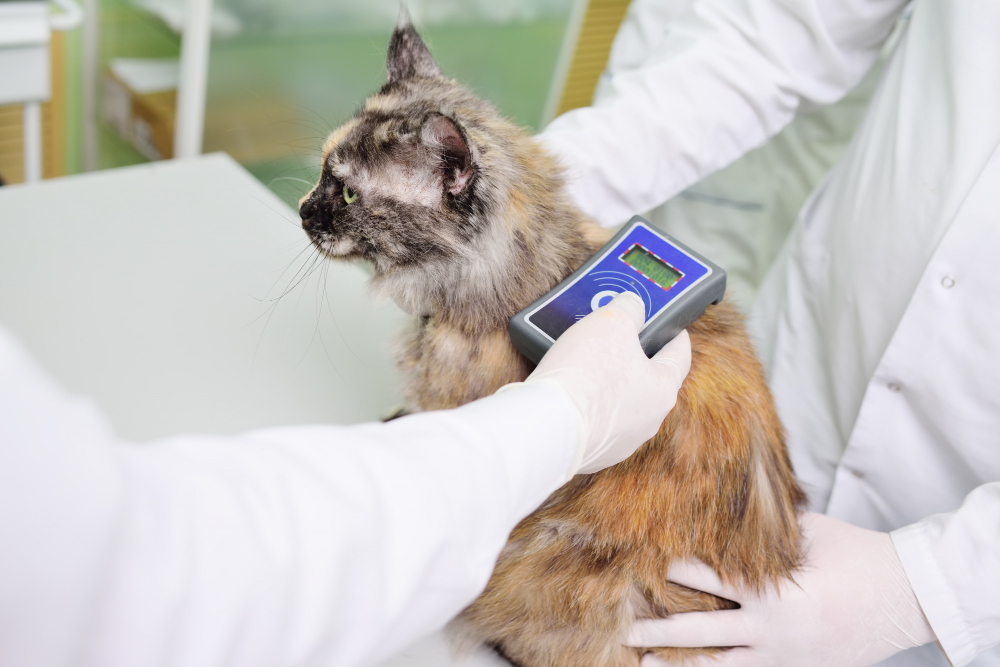
An animal must be microchipped before it is vaccinated against rabies, because the certificate links the vaccination to the chip number and a vaccination given to an unchipped animal cannot be certified for travel.
Owners discover this when a vet reads a vaccination history, finds the chip was implanted afterwards, and explains that the vaccination has to be repeated and the waiting period started again from the new date. It is a conversation that routinely costs a family three months.
Check the dates on your animal’s existing records against each other before assuming anything is usable. If the chip came second, the sequence restarts. That single check, done early, saves more failed movements than anything else on this list.
4. Rabies vaccination carries a waiting period before travel
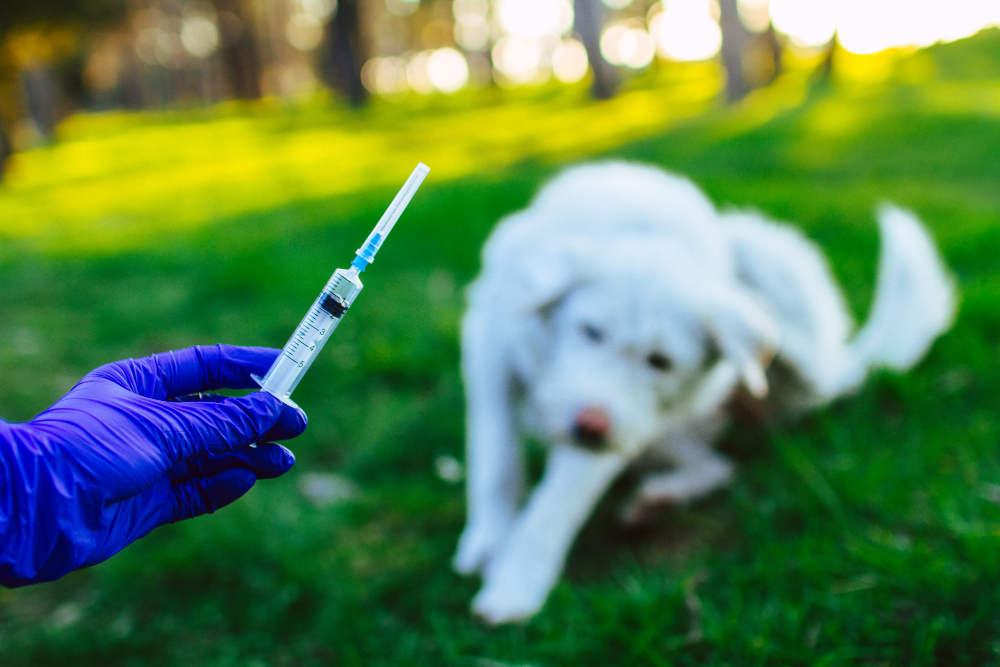
Nearly every regime requires a rabies vaccination administered after the microchip, followed by a waiting period before the animal may be moved, and the animal must be old enough at vaccination for it to count. A puppy or kitten vaccinated too young has not been vaccinated for these purposes at all.
The waiting period, the minimum age and the validity of the vaccination all differ between countries and between products, and no figure is given here because getting one wrong is the single most common cause of a failed movement.
Get the specific periods from the destination’s authority and have your vet work to those dates rather than to general guidance. Everything downstream is scheduled from the vaccination date. Which is why the vaccination date is the most important number in the whole file.
5. Some countries require a blood test, and it has its own clock
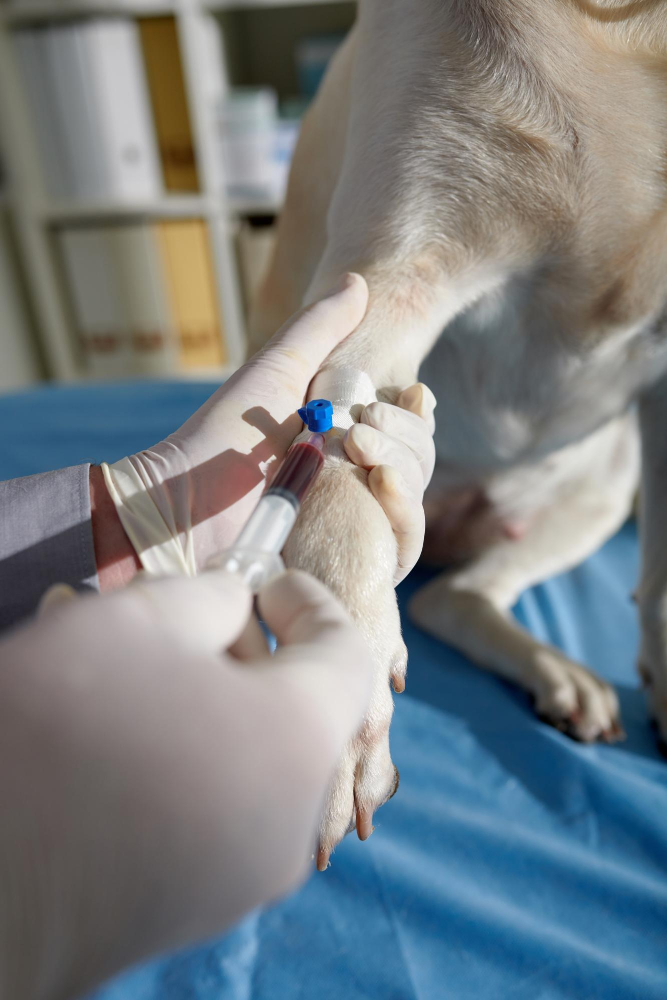
A number of destinations, particularly rabies-free countries and islands, require a blood sample taken a specified interval after vaccination, tested at an approved laboratory, with a further waiting period after a satisfactory result before the animal may enter.
The combined effect is a timeline measured in months rather than weeks, and a test taken too soon after vaccination or analysed by a laboratory that is not on the approved list is simply void. There is no appeal and no discretion; the sample is retaken and the clock restarts.
If your destination requires this, the trip is a several-month project. Confirm which laboratories are approved, confirm the interval, and keep the original result. Originals, because a copy is routinely not accepted at the border.
6. The health certificate is an official document, not a letter from your vet

The movement document is generally issued by an official or government-authorised veterinarian, within a short window before travel, and in many cases requires endorsement by a government department after the vet has completed it.
Your usual vet may or may not be authorised to issue it, and finding out that they are not, a week before a flight, is a common and avoidable crisis. Ask the question at the first appointment, not the last.
Identify an authorised vet early, book the appointment for the correct window rather than for convenience, and build in time for any endorsement step, which can take days and is not expedited for holidays. A certificate stuck in endorsement over a public holiday has stranded a great many moves.
7. Parasite treatments have windows measured in hours
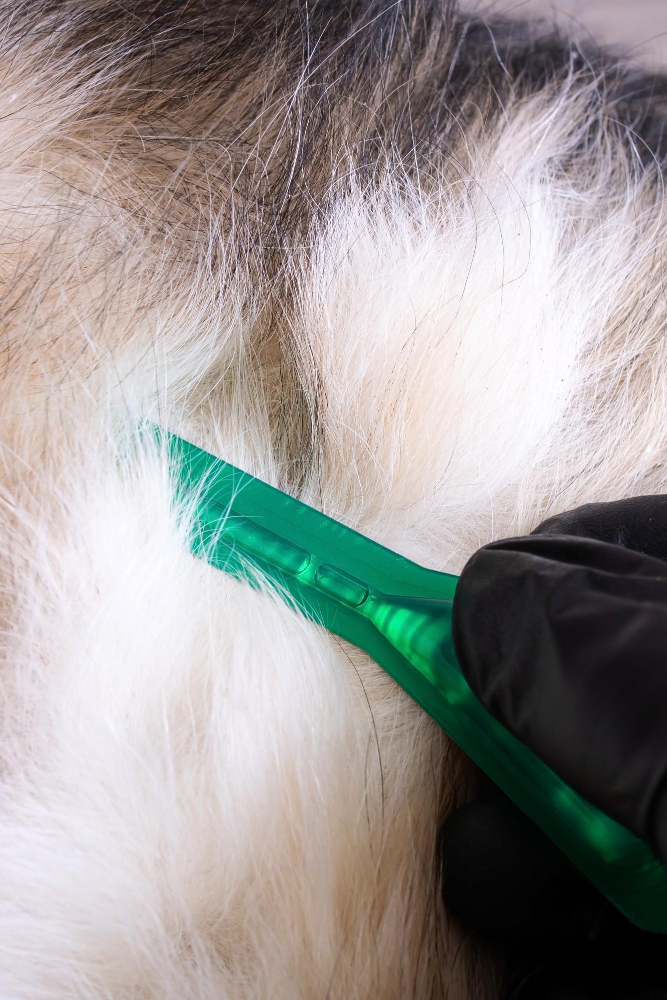
Several destinations require treatment against tapeworm or ticks within a defined window before arrival — not before departure — recorded on the certificate with the date and time, and administered by a vet rather than by the owner.
A window specified in hours before arrival means the appointment has to be scheduled against the flight, and a delayed or rebooked flight can push the animal outside it. Arrival time, not departure time, which catches people on long routings.
Book the treatment appointment against the actual arrival time, keep the certificate entry legible, and if the flight moves, speak to the vet immediately rather than hoping the window still holds. A rebooked flight is a rebooked veterinary appointment, every time.
8. You may only arrive by approved routes and at approved points

Many countries require animals to arrive by designated routes, with designated carriers, at designated ports of entry with veterinary inspection facilities. An otherwise perfect set of documents is useless on an unapproved routing.
Arrival as accompanied baggage, as manifested cargo or in the cabin are also treated as distinct categories with different rules, and some countries will not accept an animal in the cabin at all. Even a small animal, even on a short flight.
Confirm the approved routes and entry points first and build the itinerary around them, because this constraint eliminates most of the cheap and convenient options before you start. It is the first thing to check and most people check it last.
9. Quarantine still exists where the paperwork does not substitute for it

Where a country’s requirements cannot be satisfied in advance, or for animals from certain origins, a period in approved quarantine kennels at the owner’s expense is the alternative, and in some destinations it is unavoidable regardless of documentation. Island nations with rabies-free status are the usual case.
Places are booked in advance and can be scarce, the cost is substantial and is charged by the day, and the booking is frequently a prerequisite for the import permit rather than something arranged on arrival.
Find out early whether quarantine applies to your route and species, and if it does, book the place before the flight, not after. A flight without a quarantine booking is a flight the animal cannot take.
10. The airline has its own rules on top of all of this

Carriers set their own requirements: an approved container of specified construction and size relative to the animal, limits on how many animals and which species, restrictions during hot or cold weather, and in some cases refusal of particular breeds on welfare grounds.
Temperature embargoes are the constraint most likely to disrupt a plan, because they are applied by season and by route and can close a routing entirely for months. An embargo is not a preference and cannot be waived for a booked passenger.
Book the animal’s carriage at the same time as the flight, buy the container early and let the animal get used to it, and check the carrier’s seasonal restrictions before fixing a moving date. Summer and midwinter are both closed seasons on some routes.
11. Sedation is generally advised against, and the vet decides

Veterinary guidance generally advises against sedating an animal for air travel, and a number of carriers will not accept a sedated animal. This surprises owners who assume sedation is the kind thing to do. The instinct is understandable and it is the wrong one.
The reasons are clinical and are a matter for a veterinary surgeon who knows the animal. This file gives no clinical guidance of any kind and nothing in it should be acted on in place of a vet’s advice.
Raise it at the veterinary appointment, early enough for a considered answer, and follow what the vet says rather than what a forum says. This is the one item on the list where the owner’s instinct is most often wrong.
12. And the timeline, worked backwards

Start from the intended arrival date. The parasite treatment sits in a window of hours before it. The health certificate sits in a short window before travel, plus any endorsement time. If a blood test is required, it sits a specified interval after vaccination with a further waiting period after the result. The rabies vaccination sits before all of that, and the microchip before the vaccination.
Run those backwards and a destination requiring a blood test is commonly a project of several months, while a straightforward one is still weeks. There is no version of this that can be arranged in a fortnight. Add the approved-route constraint, the carrier booking, the container, any quarantine place and any import permit, and the answer is always to start earlier than feels necessary. Six months ahead is not excessive for a destination that requires a blood test.
Everything here is general information dated 2026 and is not veterinary or legal advice. It contains no interval, dose, age or waiting period for anything, because those differ by country, species and product and a wrong one voids the movement. The destination’s veterinary authority and an authorised vet are the only reliable sources.
Why the order matters more than the documents

Every requirement in this subject is a date, and the dates depend on each other in a fixed sequence. The microchip has to precede the rabies vaccination, because the certificate ties one to the other. The vaccination starts a waiting period. Where a blood test is required it has to be taken a specified interval after the vaccination and followed by a further wait after the result. The health certificate is issued in a short window before travel and may then need government endorsement. The parasite treatment sits in a window measured in hours before arrival.
Get any one of those out of order or outside its window and the movement fails, regardless of how complete the paperwork looks. That is why a relocation that seems like a form-filling exercise is actually a scheduling exercise, and why the answer to almost every question in this subject is to start earlier.
The second thing worth internalising is that the approved-route constraint comes first in practice. Many countries accept animals only by designated routes, carriers and ports of entry, and that eliminates most cheap and convenient itineraries before any other planning begins. There is no point choosing a flight and then checking whether the animal can come on it.
Two practical things that cost nothing. Buy the container early and leave it open at home so the animal is used to it long before the day. And check the carrier’s seasonal temperature restrictions before you fix a moving date, because an embargo can close a routing for months and is the constraint most likely to move your whole timetable.
Like our content? Follow us for more.