Here are twelve things the demolition gang did by hand in 1960. The trade’s central hazard is the opposite of construction’s — the structure gets weaker as the work proceeds — and in 1960 the entire safety case for managing that was held in one foreman’s head. The method itself was sound; everything arranged around it was not.
1. Took buildings down from the top with picks, bars and a wheelbarrow
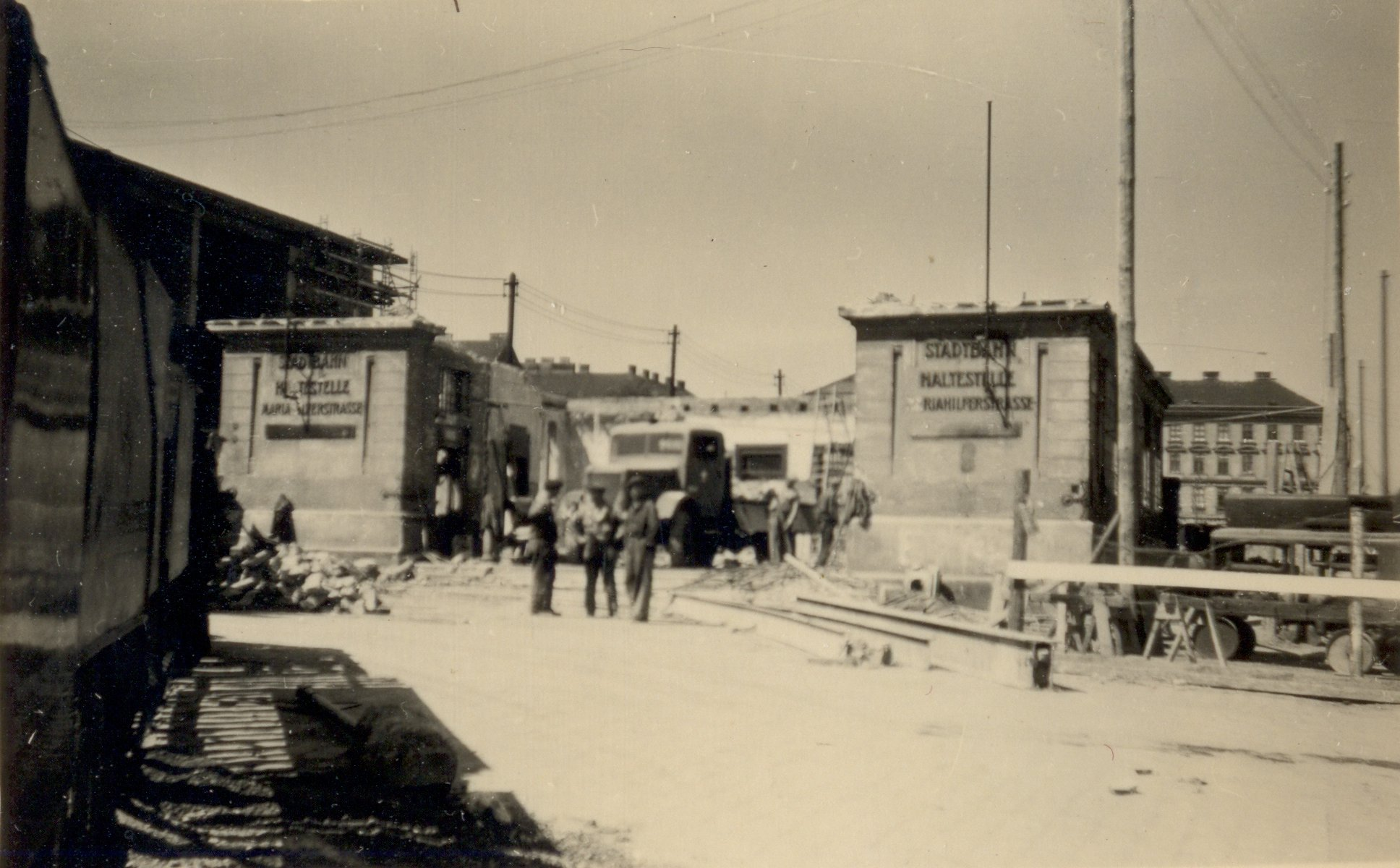
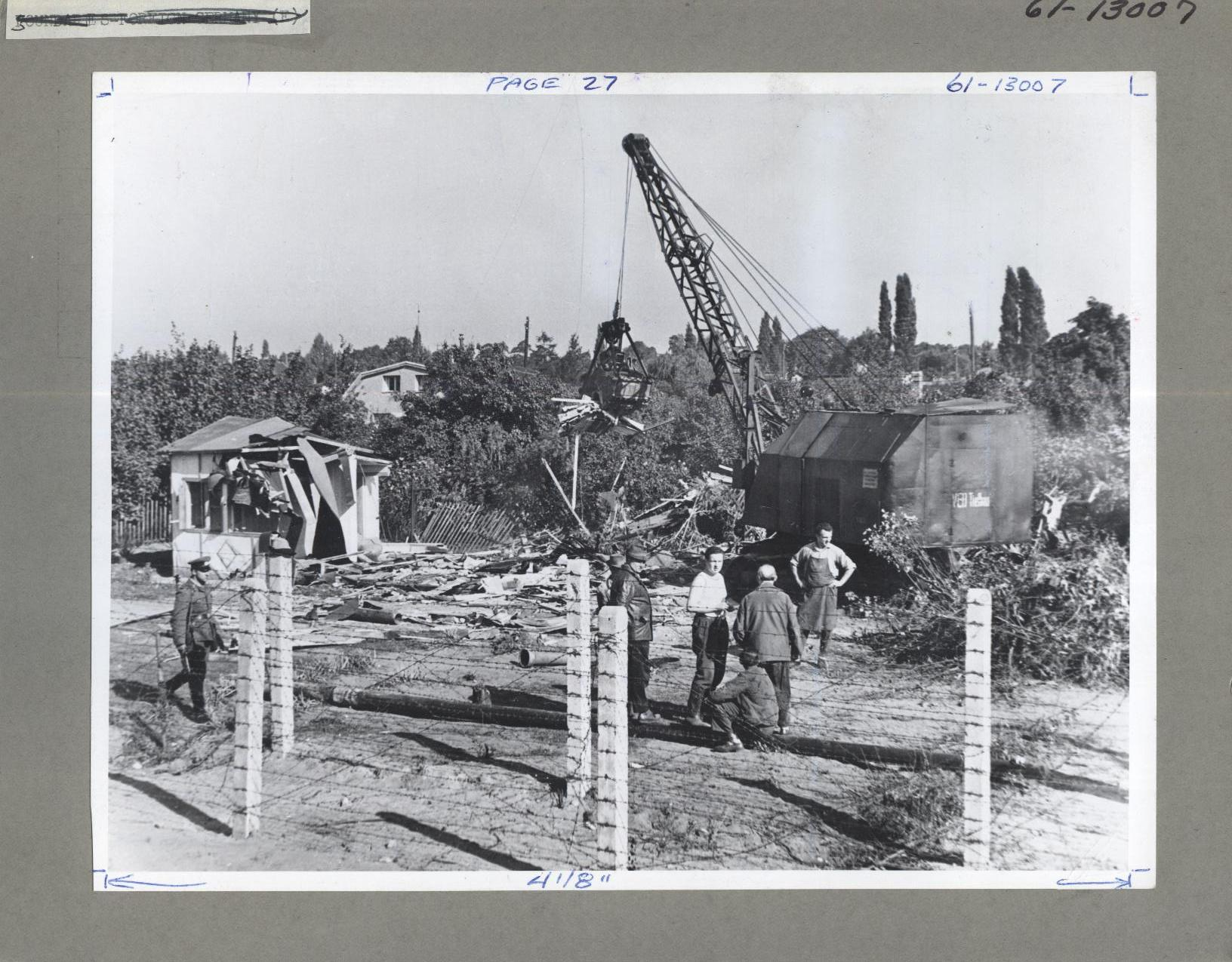
The standard method in 1960 was hand demolition working downward: men on the structure itself, removing roof covering, then timbers, then the top course of brickwork, then the next, throwing the material down into the shell of the building or into a chute. On a terrace it was done one house at a time with the neighbours still living next door.
It is slower than machine demolition and in some situations it is still the right method, which is why it survives for sensitive work. What has changed completely is how the men on the structure are protected and how the material comes down.
A modern top-down demolition uses edge protection, netting, designed chutes, exclusion zones below and a method statement written before anybody climbs anything. In 1960 it used experience and the assumption that nobody would do anything stupid. The method is the same and everything surrounding it has been replaced.
Like our content? Follow us for more.
2. Worked on a structure that was being progressively weakened
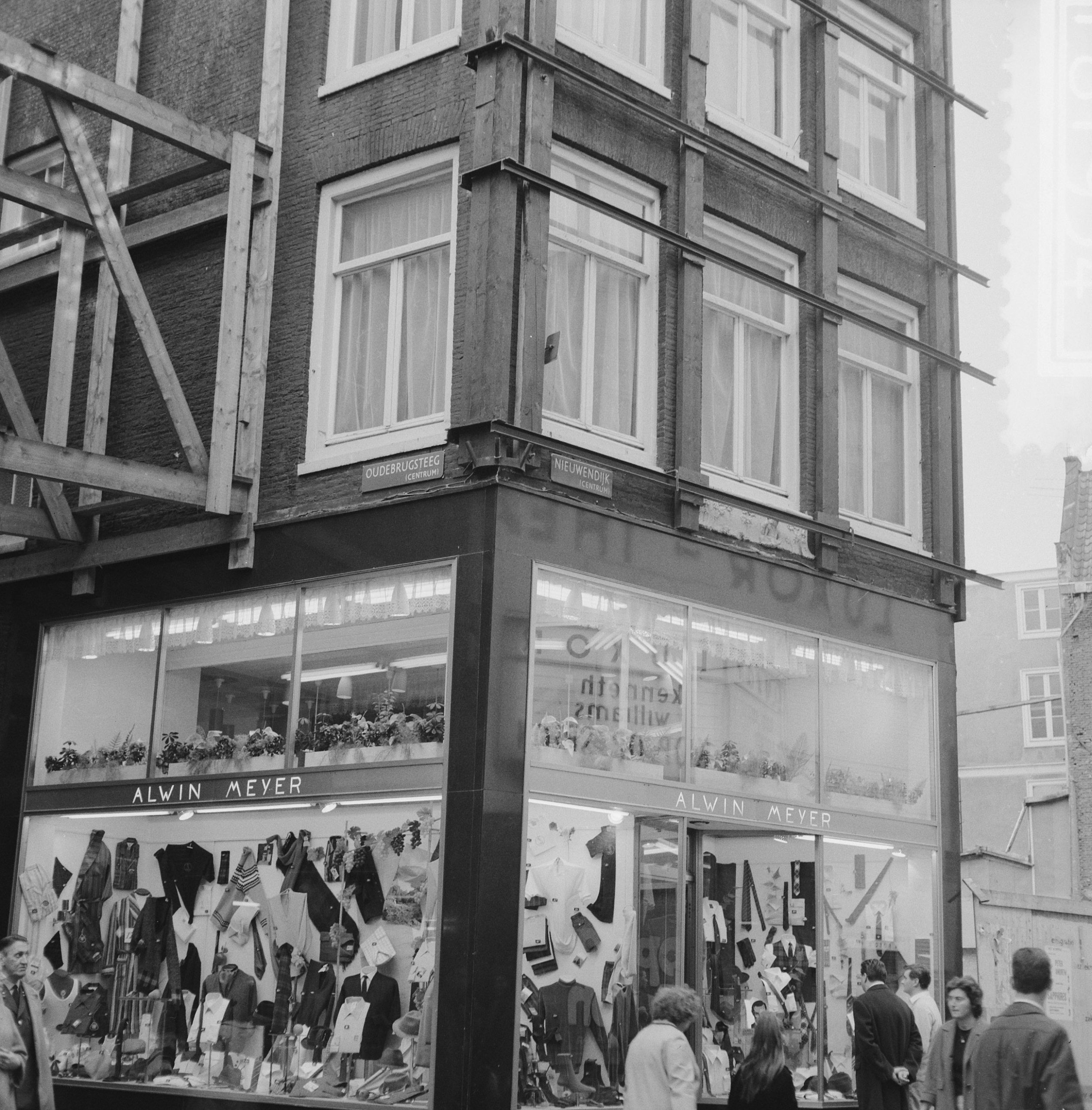
This is the defining hazard of the trade and it is different in kind from a construction hazard. A building under construction gets stronger as the work proceeds; a building under demolition gets weaker, and the men are standing on the part that has not been removed yet.
Floors, beams and walls lose their support as the elements around them go, and a structure can reach a condition where it is holding itself up in a way nobody designed and nobody has calculated. There is no drawing for a half-demolished building.
Modern practice addresses this with a structural survey, a demolition method statement specifying the sequence, temporary support and shoring where the sequence requires it, and a competent person monitoring the structure as the work proceeds. A 1960 gang worked out the order as they went. Which worked, until the day it did not, and the margin was entirely in one man’s head.
3. Relied on a foreman who had learned it by doing it
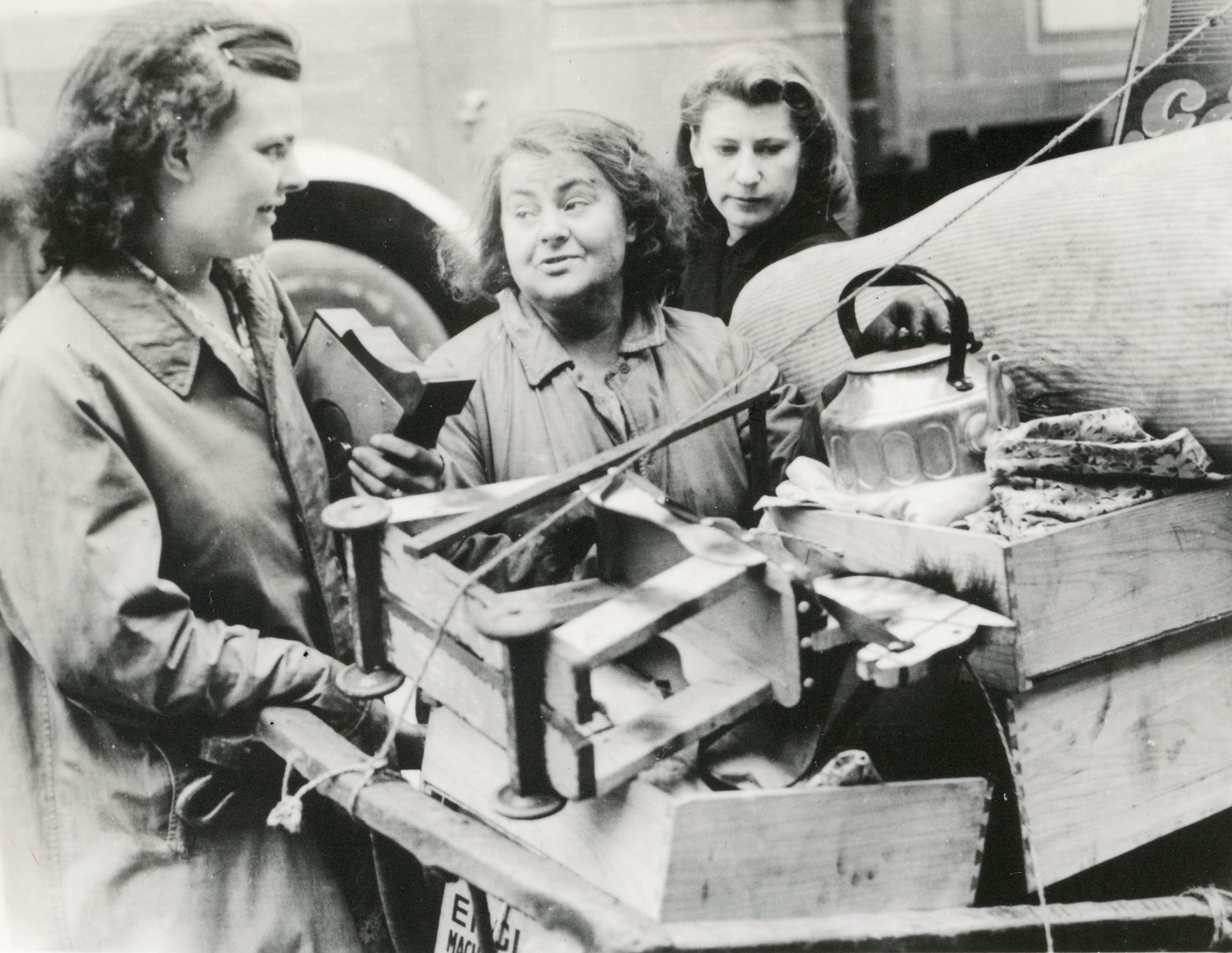
The sequence of a demolition is the whole safety case, and in 1960 it was held in the head of a ganger or foreman with decades of experience and no formal qualification. Some of them were extremely good at it. Men who could look at a wall and tell you which way it wanted to go were genuinely valuable.
The difficulty is not that the knowledge was unreal. It is that it was unverifiable, untransferable and varied enormously between individuals, and that nobody could tell in advance whether a particular man’s judgment was sound.
Demolition is now a specialism with formal competence requirements, published guidance, structural engineering input and a written plan that can be checked by somebody other than its author. That is the substantive change: the knowledge was made external. A plan that only its author understands is not a plan, however good the author.
4. Brought walls down with a wire rope and a lorry
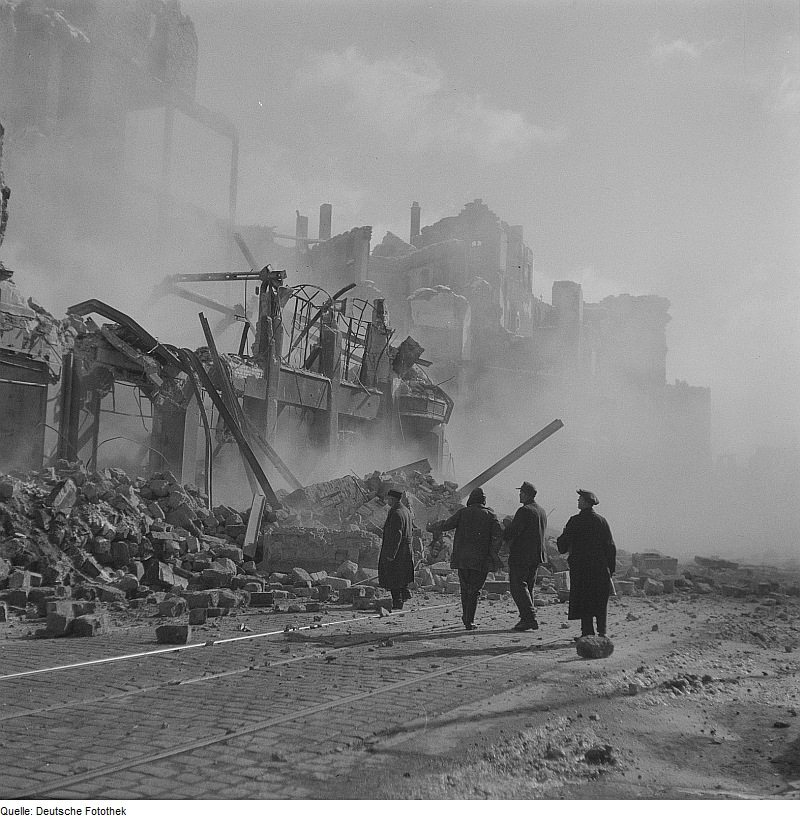
Where a structure could be pulled rather than picked apart, a wire rope was passed round it and the other end attached to a lorry or a winch, and the wall was pulled over. It is quick, it is cheap and it is extremely difficult to predict.
The problems are that the rope can fail under load and whip, that the structure can come down in a direction nobody expected, and that the vehicle can be inside the collapse zone when it happens. All three happen in the same second or not at all.
Pulling is still used and is now engineered: calculated rope length and angles, exclusion zones based on structure height, rated and inspected rigging, and plant positioned outside the collapse zone with the operator protected. The principle survived and the improvisation did not. Pulling a wall over with a borrowed lorry is now simply unlawful.
5. Burned, dumped and buried whatever was left
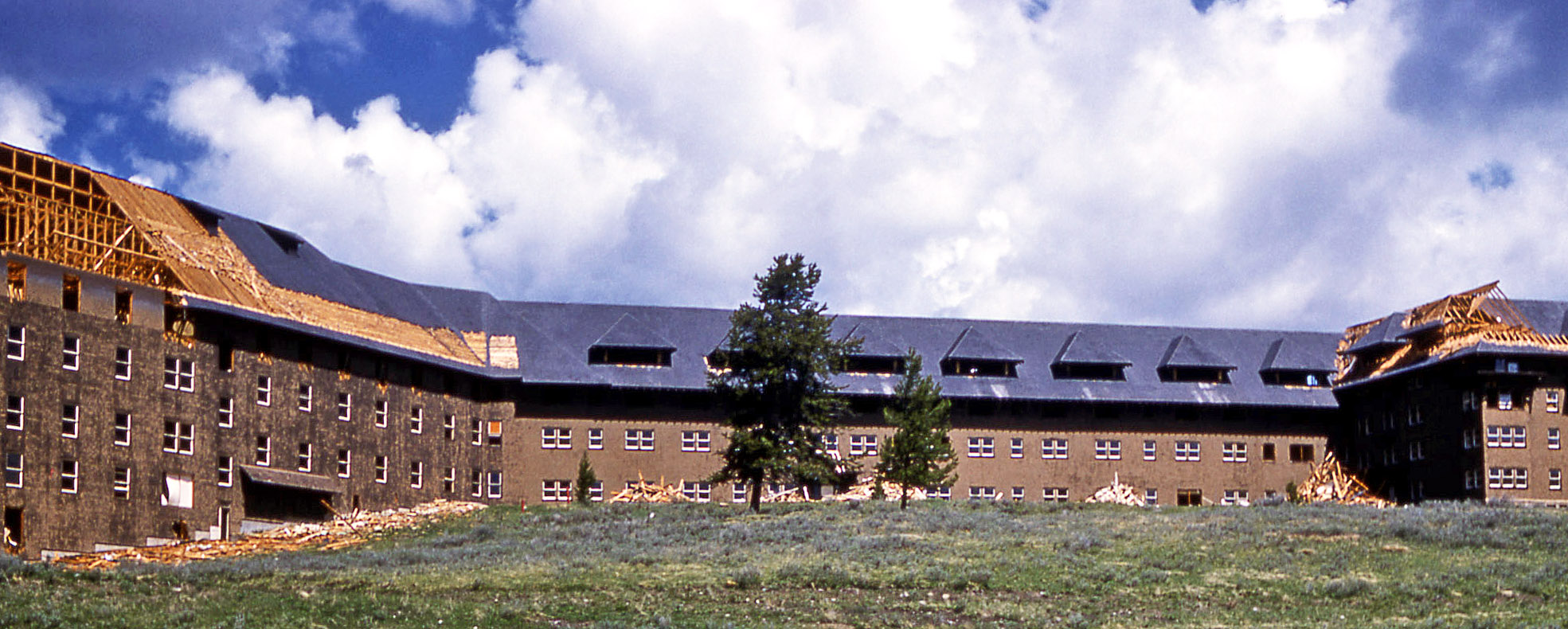
Material that had no resale value was commonly burned on site or buried in the footprint, including timber, plaster, paper, fittings and whatever had been left in the building. Smoke from a demolition site was ordinary.
Nobody characterised the waste, nobody recorded where it went and nobody considered what was in the ground afterwards, which is a problem that surfaced decades later when sites came to be redeveloped. What went into the ground in 1960 is somebody else’s ground investigation now.
Demolition waste is now characterised, segregated, recorded and taken to licensed facilities, with hazardous material handled under its own regime. Site investigation before redevelopment exists largely because of what earlier generations left in the ground. A great many brownfield remediation bills are 1960 demolition bills arriving late.
6. Knew nothing about what was in the building
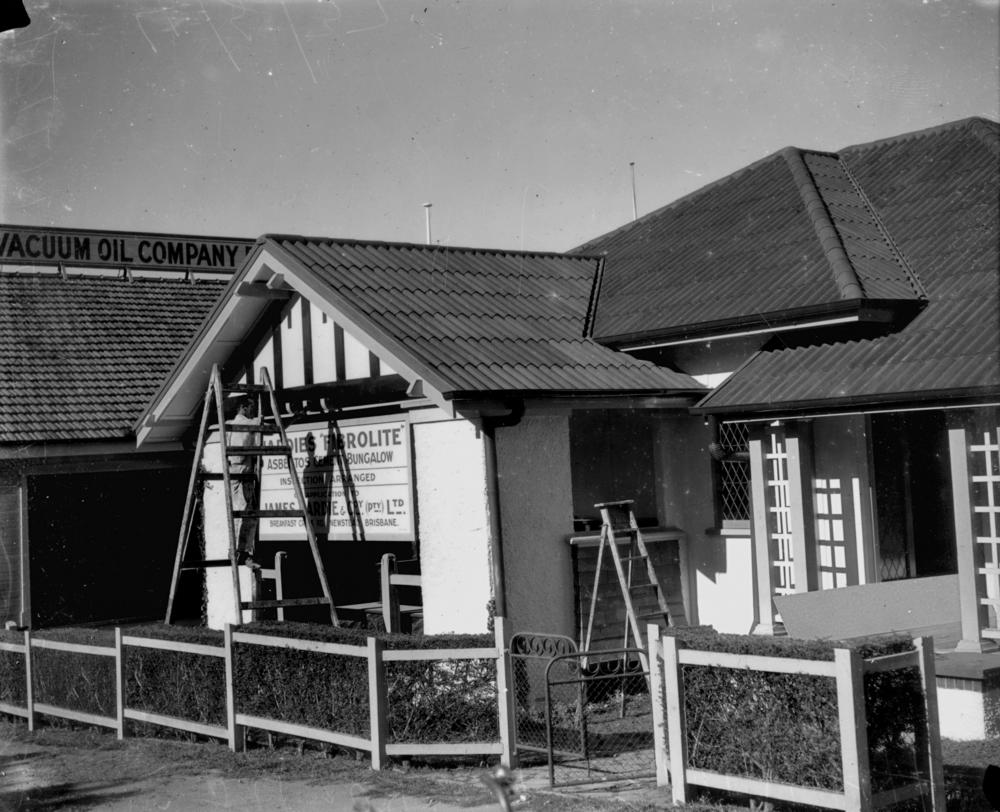
A 1960 gang went into a building without a survey of its materials. Asbestos insulation, asbestos board, asbestos cement sheet, lead paint and lead pipework were all present in buildings of that period and were all broken up without identification or control.
The asbestos subject in particular is covered in detail elsewhere in this series and is not restated here. The relevant point for demolition is that breaking a material up is the activity most likely to release whatever is in it. Demolition is the single highest-release activity for almost any building material.
A refurbishment and demolition survey is now carried out before work begins, identifying hazardous materials so they can be removed under the appropriate regime first. That survey is the single largest procedural difference between then and now. Everything hazardous comes out under its own regime before the structure is touched.
7. Salvaged by hand, which was most of the business
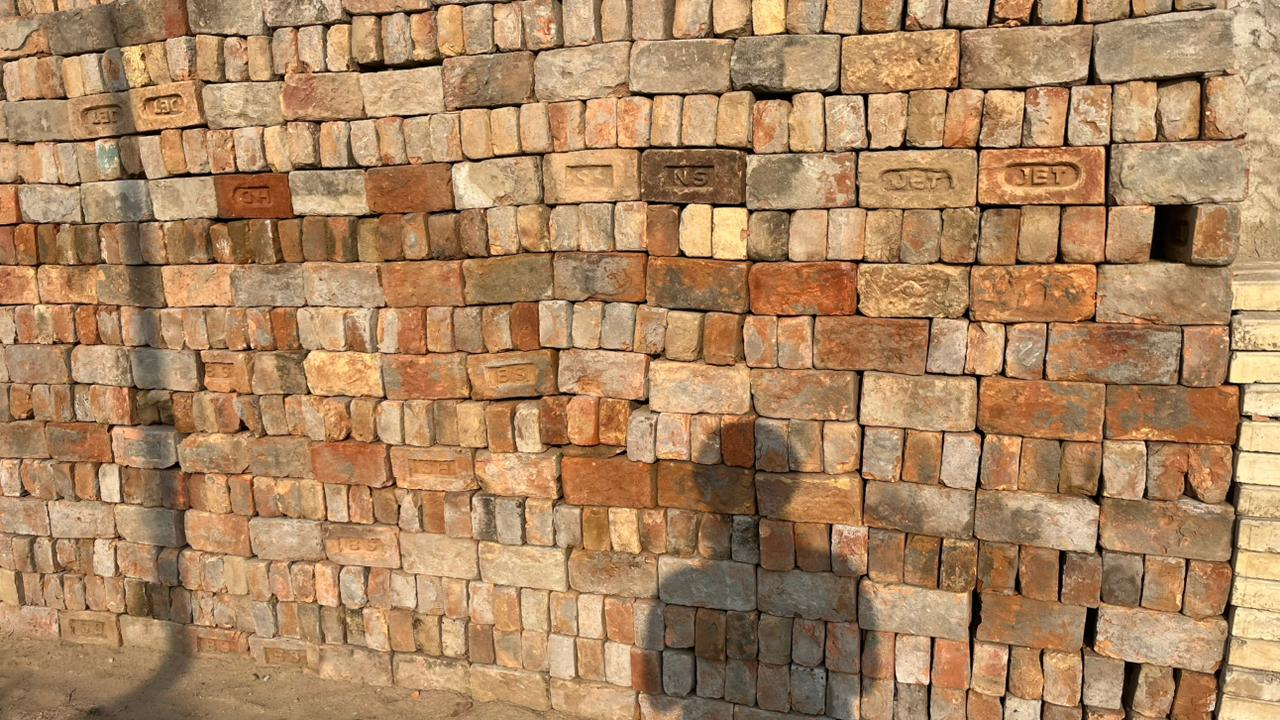
The economics of demolition in 1960 rested on reclaim. Bricks were cleaned and stacked, timber was de-nailed and sorted, slates, lead, copper, cast iron, fireplaces, doors, sanitary ware and architectural stone were all recovered and sold.
That is why hand demolition made commercial sense: a machine destroys the resale value of everything it touches, and a gang working downward recovers it. Reclaim yards were a substantial trade in their own right. A good demolition contractor was half a dealer in second-hand building materials.
Reclaim is now a specialist high-value business rather than the default, and most material is recycled as aggregate instead. The irony is that the 1960 method was far better for material reuse than anything that replaced it, for entirely commercial reasons. Nobody involved thought of it as anything other than money on the ground.
8. Dropped material into the street and trusted a shout
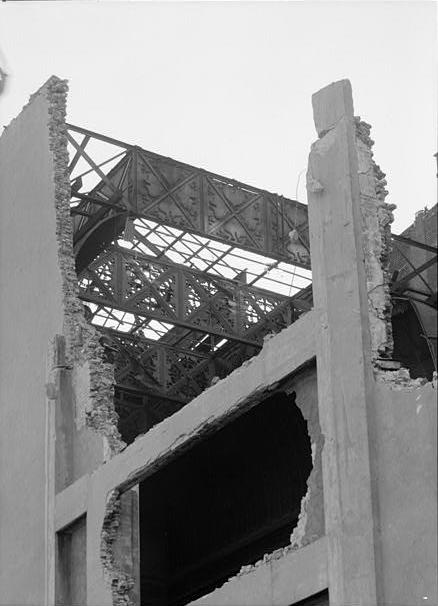
Debris was thrown down from height into the shell of the building, into a skip or onto the ground, and the control was a shouted warning and a man at the bottom who was supposed to be watching. Public footpaths adjoining sites were frequently open.
The hazard is not only to the gang: demolition in a town centre in 1960 put the public within range of falling material with very little between them and it. A pavement closed with two cones was an ordinary arrangement.
Modern practice requires designed debris chutes, netting and sheeting, fans and catch platforms, hoardings and footpath closures, exclusion zones monitored by a person with authority to stop work, and sequencing so nobody is below live demolition. The shouted warning survives as a habit and no longer as a control.
9. Worked in dust with nothing over anybody’s face
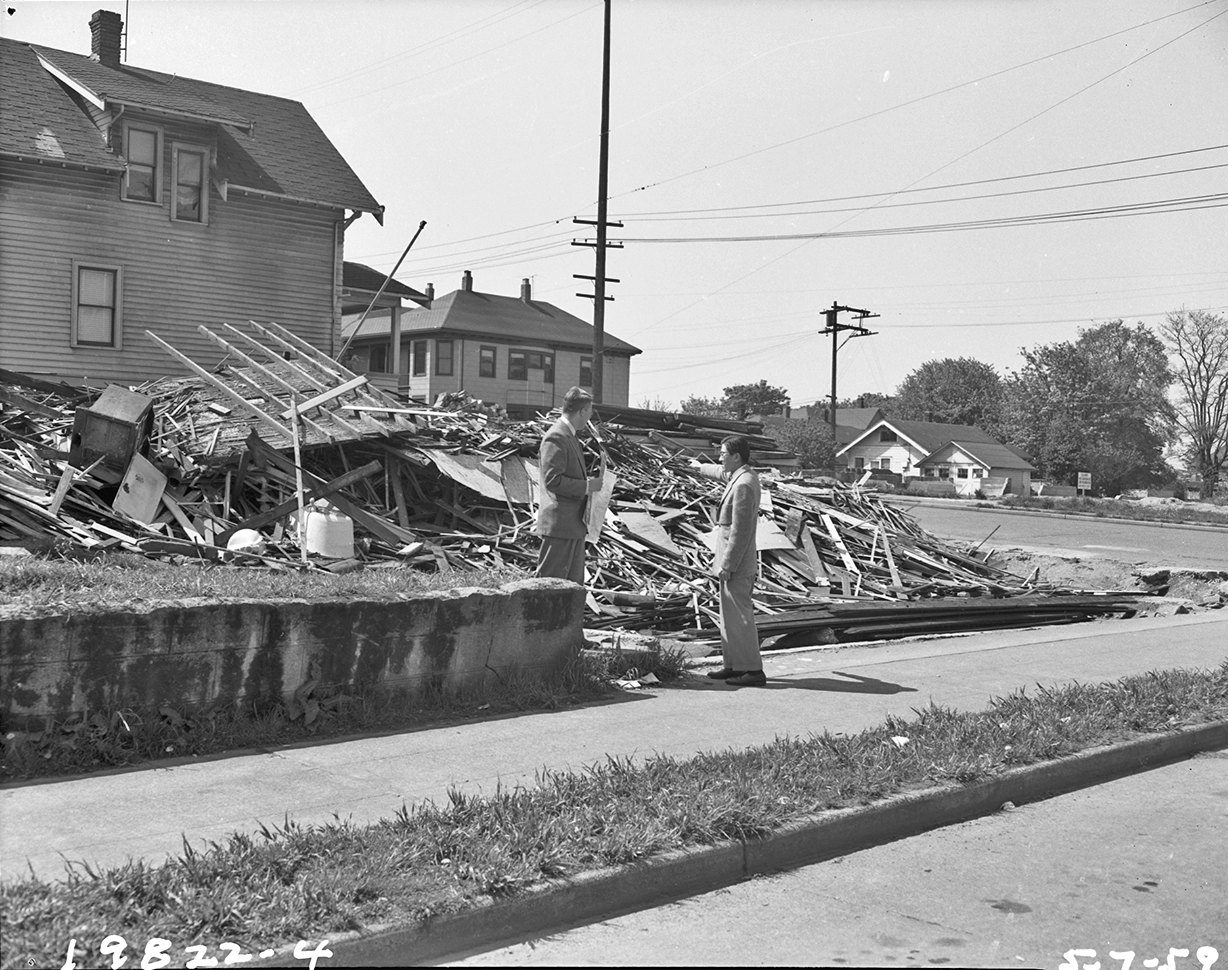
Breaking masonry, plaster and concrete generates large quantities of dust, including respirable crystalline silica from brick, mortar, concrete and stone, and a 1960 site generated it continuously with no suppression and no respiratory protection.
Silica is covered in the series’ files on the plastering and roofing trades and is not restated here. For demolition the relevant point is scale: no other activity produces as much of it as quickly. A single day of breaking out generates more than a week of cutting.
Water suppression on tools and on the structure, on-tool extraction, enclosure where practicable, respiratory protection matched to the task and health surveillance for exposed workers are all now standard, and dust is monitored rather than tolerated. A visible cloud over a demolition site is now a compliance failure rather than a sign of progress.
10. Made the decision to go in before anything was isolated
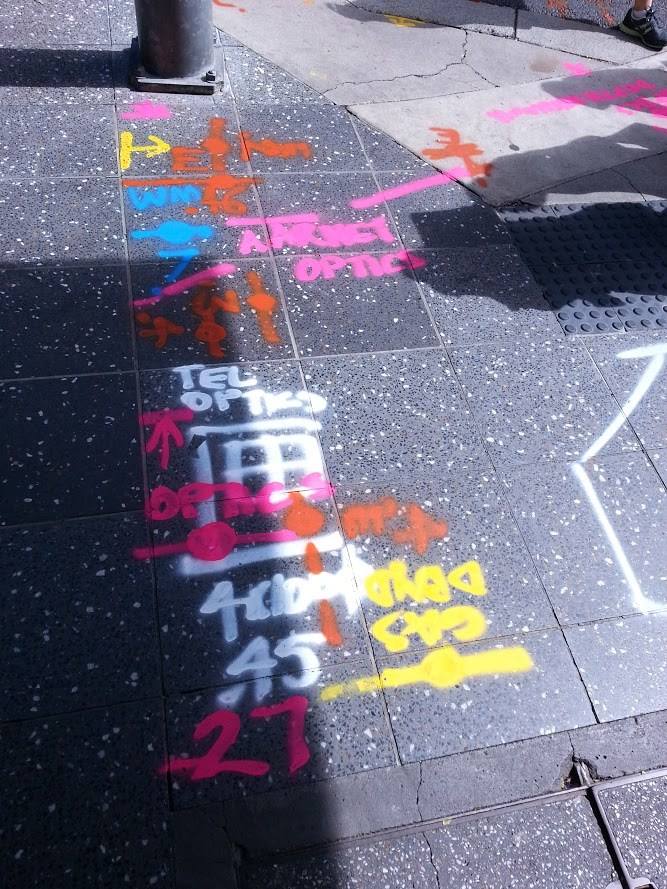
Gas, water and electricity services were not reliably disconnected before work started. A gang could be breaking out a wall containing a live service, and the records of what was buried where were frequently wrong or absent.
Underground services on a site being cleared are the same problem and were handled the same way, which is to say by digging and finding out. The first indication was frequently the sound.
Formal service isolation with written confirmation from each utility, service drawings, detection surveys and permits to break ground are now prerequisites. This is another case where the control is a piece of paper obtained before anybody picks up a tool. The paper is slow, and it is faster than finding a live cable with a pick.
11. Was paid by the job, which set the pace of everything
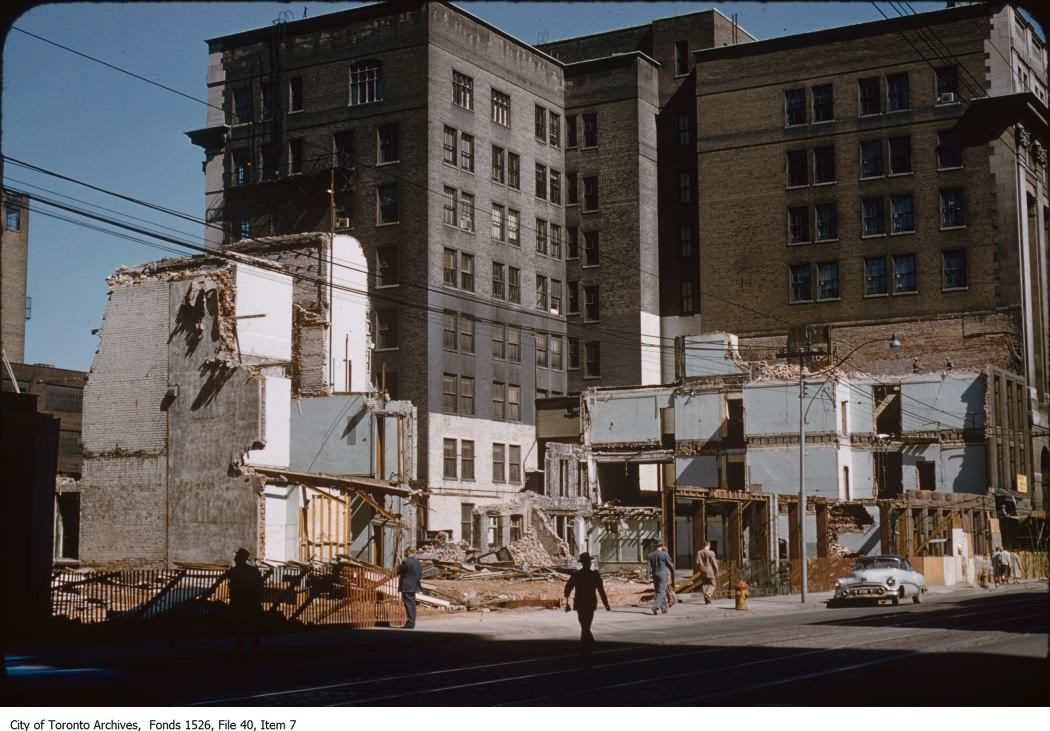
Demolition was frequently contracted on price, sometimes with the value of the salvage forming part of the deal, which gave a gang a direct financial interest in working fast and in recovering as much saleable material as possible.
A payment structure that rewards speed on a structure that is being progressively weakened is a structural problem rather than a question of individual care, and it is the single factor most likely to override a foreman’s judgment. Nobody overrules the price.
Modern contracts, programme management and the requirement for a written method statement that cannot be departed from without agreement have changed the relationship between pace and method, though commercial pressure in construction has not gone anywhere. It is managed rather than removed, which is the honest position.
12. And the change that did the most
The written plan. The requirement that a demolition be preceded by a structural survey, a hazardous materials survey, a service isolation confirmation and a method statement specifying the sequence of removal and the temporary support it requires, prepared by a competent person and capable of being checked by somebody else.
Every item above is answered by that package. The sequence stops being one man’s judgment, the materials stop being a surprise, the services stop being live, the debris route is designed and the public is excluded by arrangement rather than by shouting.
The honest summary is that the 1960 method was a genuine craft practised by men who understood structures better than their qualifications suggested, under a payment system that rewarded haste, in materials nobody had identified, with nothing protecting the street. The craft was worth keeping and everything around it was not. Both halves of that sentence matter.
Why hand demolition was better at one thing than anything since
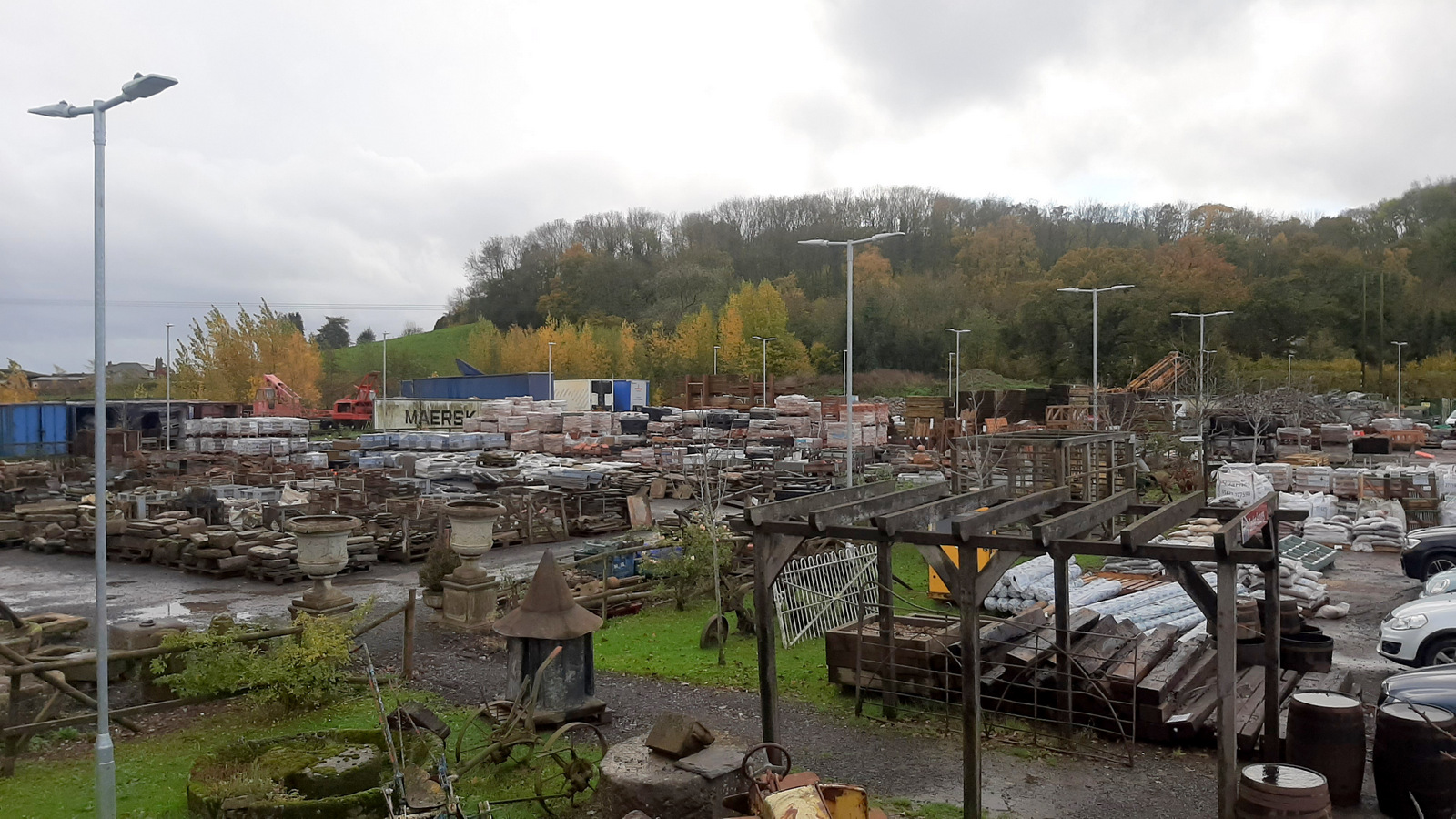
The commercial logic of the 1960 method was reclaim. A gang working downward by hand recovers bricks, timber, slate, lead, copper, cast iron, fireplaces, doors, sanitary ware and stone in saleable condition, and the value of that material was frequently part of the contract. A machine destroys the resale value of nearly everything it touches.
So the period with the worst working conditions in this list also had by far the best material recovery rate, for reasons that had nothing to do with environmental concern and everything to do with the price of second-hand bricks. Most demolition material today is crushed for aggregate, which is recycling of a much lower grade, and architectural salvage has become a specialist high-value trade rather than the default.
That is worth stating because it cuts against the direction of every other item here. The modern regime is better in every respect that concerns the people doing the work and the public walking past, and it is worse at the one thing a hand gang did almost perfectly.
The single document that answers nearly every item on this list is the method statement, prepared from a structural survey and a hazardous materials survey, with service isolations confirmed in writing. The craft knowledge is still in it — somebody still has to decide the sequence — but it is now written down, checkable by another person, and binding.
Like our content? Follow us for more.