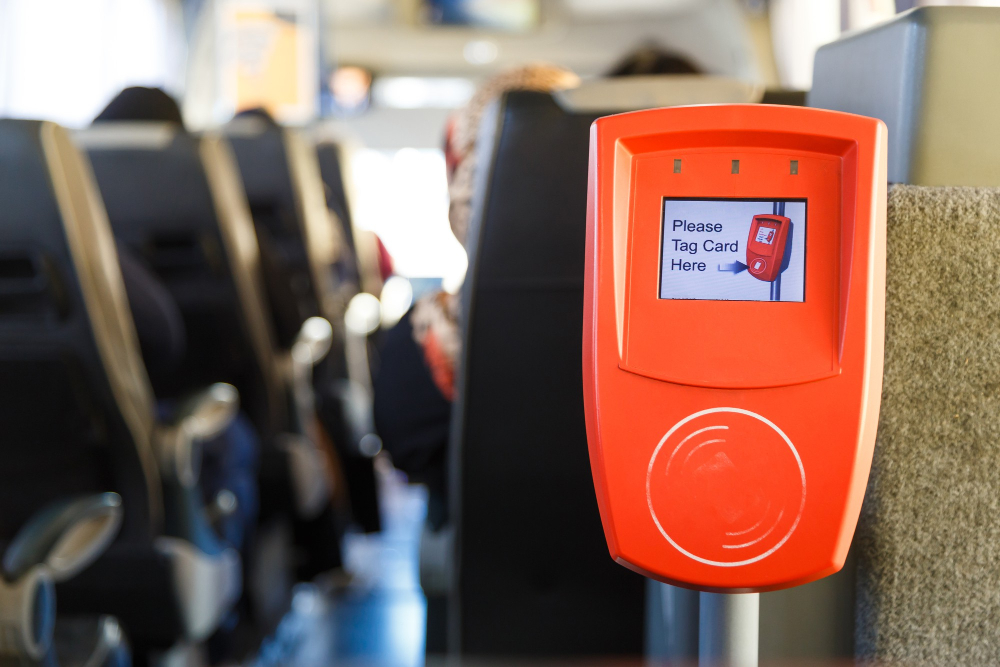
On an open transport network nothing stops you boarding, the checking happens afterwards and the penalty is larger. Here are fifteen ways visitors end up fined, starting with the one that catches almost everybody.
1. Buying a ticket and activating it are two separate acts
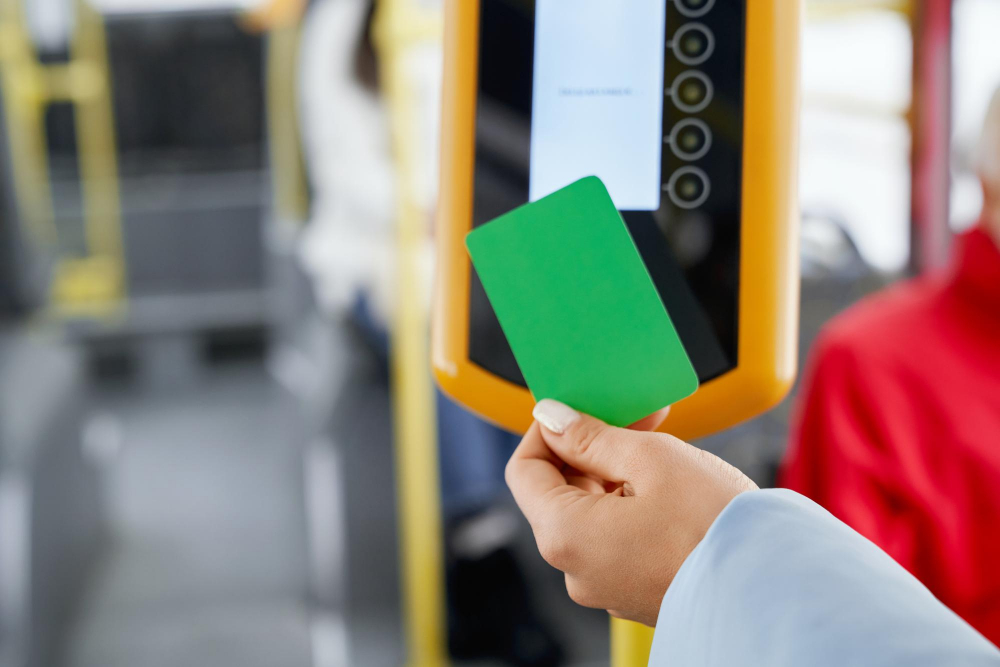
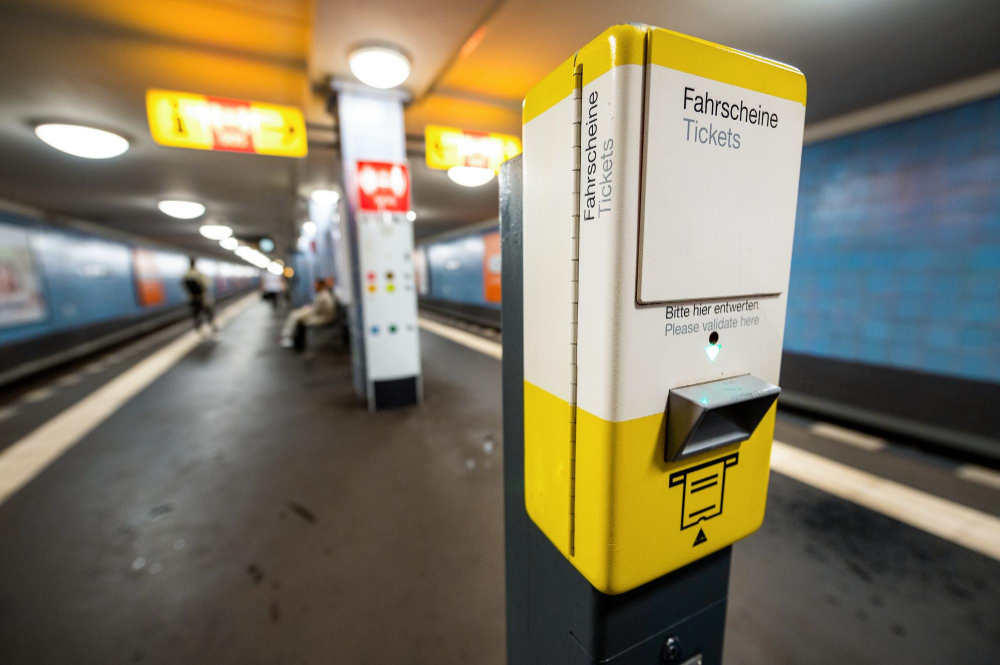
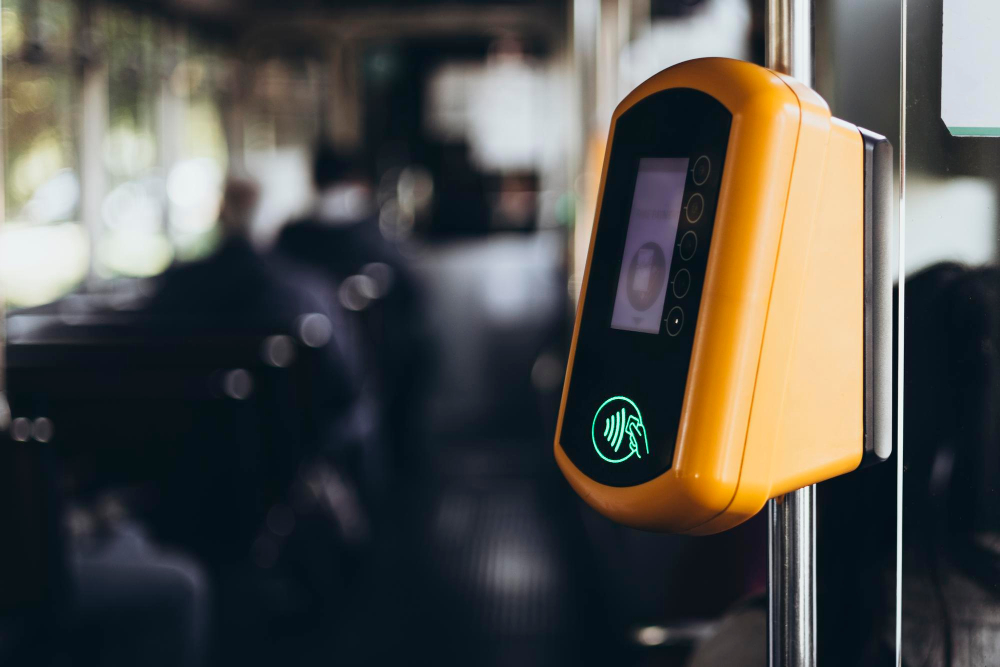
On a great many city transport systems a ticket is sold inert and becomes valid only when it is validated — stamped, punched, scanned or tapped at a machine on the platform or inside the vehicle.
A traveller holding a ticket they have paid for, which they have not validated, is travelling without a valid ticket for enforcement purposes, and the fact that it is unused is not a defence.
That is the single most common way visitors are fined on public transport anywhere in the world. In systems with gates the validation happens automatically; in open systems it is entirely the passenger’s responsibility and nothing reminds them. The machines themselves are also easy to miss. They are often small, mounted at waist height just inside a door or on a post at the edge of a platform, unlabelled in any language a visitor reads, and surrounded by people who already know where they are.
Like our content? Follow us for more.
2. Open systems have no gates and are still enforced

Many tram, bus and suburban rail networks operate on proof of payment rather than physical barriers: anybody can board, and inspectors check tickets at random on board or at the exit.
The absence of a barrier reads to a visitor as the absence of a system, particularly to anybody used to networks where a gate physically stops you.
The practical rule is that a network with no gates is a network where the checking happens later and the penalty is larger. Boarding without validating because nothing prevented you is the mistake the whole system is designed to catch. Open networks are cheaper to run and faster to board, which is why cities use them, and the enforcement is the price of both.
3. The fine is usually issued on the spot and in cash

A penalty for travelling without a valid ticket is commonly levied immediately by the inspector, at a fixed amount, payable there and then, with a reduced figure for immediate payment and a larger one if it goes to an office.
Inspectors frequently have the authority to require identification and in some systems to involve the police if a passenger refuses to identify themselves.
That is a matter of transport law rather than a commercial dispute, which is why arguing is unproductive. Paying the reduced on-the-spot amount and then taking it up afterwards, if you believe it was wrong, is the sequence that works. Asking for a written notice is worth doing in any case, because an appeal needs the reference on it.
4. A validated ticket is usually valid for a period, not a journey
Many systems sell time-based tickets — valid for a stated number of minutes from validation, across any number of vehicles and changes — rather than tickets for a single trip.
That is better value than visitors expect and it also means a ticket can expire mid-journey, which is a thing inspectors encounter constantly.
Understanding whether a ticket is time-based or journey-based before buying is a one-question job at a counter or on a website. It changes how many you need and when you validate them. A time-based ticket also means you should not validate it until you are actually travelling, which is the opposite of the instinct to get it done at the counter.
5. Zones decide the price and visitors habitually underpay

Urban networks are frequently divided into fare zones, and a ticket bought for the central zone is not valid for a journey that crosses into another, including the airport in a great many cities.
The airport is the specific trap: it is often outside the standard zone and requires a supplement or a different ticket, bought by somebody who has just arrived and does not know the system.
Checking the zone position of the airport and of your accommodation before the first journey prevents the commonest arrival-day fine there is. The zone map is published and is usually the first thing on the operator’s site. Accommodation listings almost never mention the zone, which is why the map is worth looking at before booking rather than after arriving.
6. Why American travellers are caught disproportionately
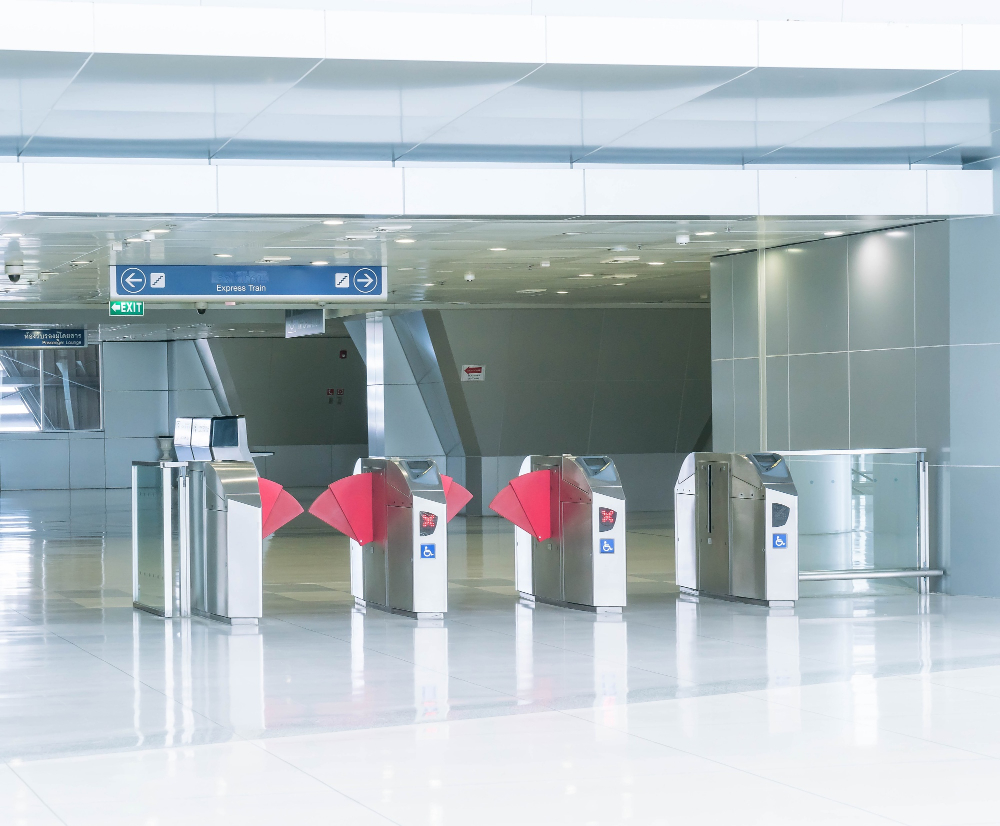
Most large American transit systems use gated entry with a tap or a swipe that physically admits you, and the fare is taken at the point of entry, which trains a traveller to expect the system to stop them if something is wrong.
European, Australian and much of Asian and South American practice includes large open networks where nothing stops you and the check happens afterwards, and the mental model simply does not transfer.
The habit worth unlearning is the assumption that being able to board means being entitled to travel. On an open network, nothing about boarding tells you anything at all. American travellers also tend to assume a driver will intervene, and on a tram or a multi-door bus there is frequently no interaction with a driver at all.
7. Contactless bank cards work on some systems and not others

A number of networks now accept a contactless bank card or a phone directly as a ticket, calculating the fare and any daily cap automatically, which removes the whole validation problem.
Others accept only their own card or ticket, and a few accept contactless at some gates and not others, or on some modes and not others within one city.
Where contactless is accepted, using the same card or device for every tap is usually required for capping to work. Tapping in with a phone and out with the physical card is a common and expensive error. Two people travelling together each need their own card or device for the same reason, since one card tapped twice is usually read as one journey.
8. Tapping out matters as much as tapping in

On distance-based systems the fare depends on where you leave, so failing to tap out at the end produces a maximum fare, an incomplete journey charge or a penalty depending on the network.
That catches people leaving through an open gate, following a crowd out of a side exit or getting off a bus by a door with no reader.
The rule is to find the reader on the way out even where nothing is stopping you. Where a journey is genuinely untappable, the operator’s own appeal process is the route and it generally works. Readers at bus doors are the commonest omission, and on some networks the exit reader is on the platform rather than at a gate.
9. Children, seniors and visitor concessions are rarely automatic

Reduced fares for children, older passengers and students exist almost everywhere and almost always require either a specific ticket type bought at the outset or a card issued in advance, often only to residents.
A visiting family that assumes a child travels free, or at a reduced rate, without buying the appropriate ticket is travelling without a valid ticket for that child.
The age thresholds also differ sharply between systems and between modes within one system. Asking at a counter on the first day is faster than reading three pages of fare policy. A child who travels free in one city may need a ticket in the next one along the same railway, which is a distinction no visitor expects.
10. Visitor travel cards are sold by several parties and not all are useful

Cities commonly offer a tourist travel pass, sometimes combined with museum entry, sold both by the transport operator and by third parties at a markup.
Whether one is worth buying depends entirely on how much travelling you will actually do, and the breakeven point is usually higher than the marketing suggests.
The operator’s own ordinary multi-day ticket is frequently cheaper than the visitor product and covers the same network. Comparing the two takes a few minutes on the operator’s site and is almost always worth doing. The combined museum passes are a separate calculation again, and they are worth it only if you were going to visit the museums anyway.
11. Night services, trams and regional trains may be a different system

A city ticket frequently does not cover night buses, airport express services, tourist tram routes or regional trains operated by a different company on the same tracks.
The vehicles look like part of the network, they stop at the same stops and they take a different ticket.
That is why the question to ask is not whether a ticket covers the city but whether it covers the specific service you are about to board. On a platform shared by two operators, the destination board is the only thing that tells you. Airport express services are the clearest case, since they usually run from the same platform as the ordinary service at several times the fare.
12. Paper tickets still exist and still have to be kept

Where a validated paper ticket is the proof of payment, it has to be produced on demand for the whole journey and often for a period afterwards in systems where the exit is checked.
A ticket pushed into a pocket, lost, soaked or thrown away at the point of boarding is the same as no ticket.
Keeping it accessible and legible until you have left the station is the whole of the discipline. Photographing a validated ticket is not generally accepted as a substitute for the ticket itself. Where a ticket has to be shown at the exit, keeping it in a hand rather than a bag saves a search at a barrier with people behind you.
13. Apps often require a local payment method or a data connection
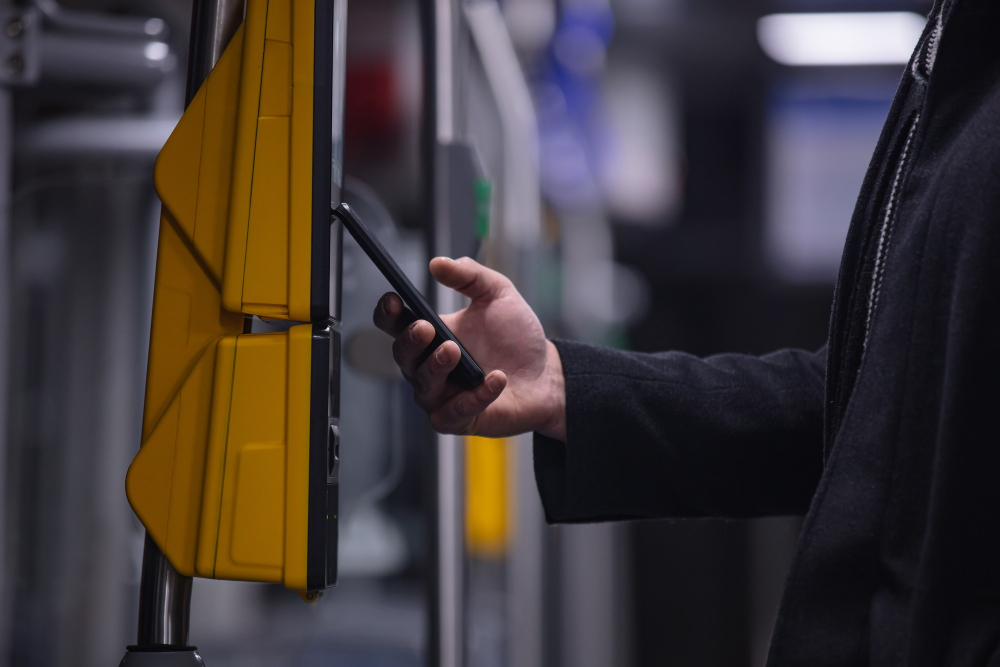
Many operators now sell tickets through their own app, which is frequently the cheapest route and sometimes the only way to buy certain fares.
The obstacles are specific: an app that requires a local card or payment service, an account tied to a local address, a verification code to a local number, or activation that needs a data connection at the moment of boarding.
Testing the app before you need it, ideally before leaving home, is the preparation. An app that will not take your card at a tram stop in the rain is worse than useless. Downloading the app and completing the account at home, where there is time and a working connection, turns it into the cheapest option rather than the most frustrating one.
14. Enforcement records can follow you
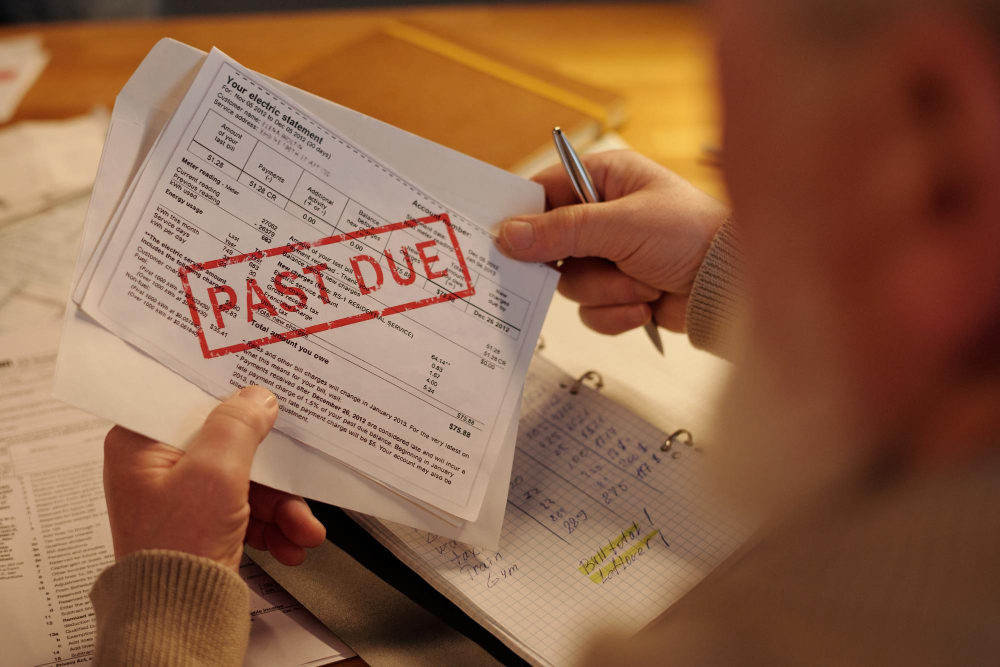
An unpaid penalty for fare evasion is a debt and in some jurisdictions a matter of record, pursued through collection agencies across borders and occasionally raised at a later encounter with authorities.
Ignoring a notice issued to a foreign address is therefore a worse strategy than it appears, and the amounts increase with time.
Paying and, where appropriate, appealing through the operator’s published process is the only sensible course. The appeal processes exist, they are used successfully, and they require the notice rather than a recollection of it. Photographing the notice when it is issued is therefore worth doing before it goes into a pocket.
15. Ten minutes on the operator’s site answers all of it

Every system publishes its fares, zones, validation requirements, concession rules and penalty amounts on its own website, generally in English, and the information is accurate because the operator is the one enforcing it.
What visitors use instead is a guidebook, an aggregator or a recollection of a different city, all of which are frequently out of date and none of which is the enforcing authority.
Reading the operator’s own page before the first journey is the single step that prevents everything on this list. It is also the step that reliably saves money, because the cheapest ticket for what you are actually doing is almost never the one sold at the airport. Airport ticket desks sell the ticket that is easiest to explain, which is rarely the one that suits a week of travelling around a city.
The habit worth unlearning
That being able to board means being entitled to travel. On a gated system the gate tells you something; on an open system nothing does, and the check happens later with a fixed penalty attached. Validation, zones, tapping out, which operator runs the service you are boarding and whether a concession needs a card bought in advance are all published by the operator on its own site, in English, by the organisation that will be enforcing it. Ten minutes there before the first journey prevents every item on this list.
The money at stake is not the fare. It is a fixed penalty several times the price of a ticket, issued for a journey you had already paid for and simply had not activated.
Like our content? Follow us for more.