
That warm greeting at the aircraft door is friendlier than it looks, but it is also a working moment. Flight attendants are trained first and foremost for safety, and the boarding process is their first chance to size up the cabin and the people in it. According to flight attendants who have shared these insights, those brief seconds of eye contact and small talk are surprisingly informative. Most of it has nothing to do with judging you and everything to do with being prepared. Here are ten things flight attendants are commonly said to notice the moment you board, counted down one by one.
1. Whether You Make Eye Contact and Respond

The first thing many flight attendants notice is simply whether you make eye contact and return their greeting. It is a quick, friendly read on your mood and demeanor, and it helps them gauge the general temperature of the boarding passengers.
A returned smile and a hello suggest an easygoing passenger, while someone who seems closed off or agitated may simply be tired, but it is noted. This isn’t about judgment so much as awareness, helping the crew get a feel for the cabin. The greeting is a small social exchange that doubles as a quick assessment. According to flight attendants, that brief moment of connection, or lack of it, is one of the first things they register as you step aboard.
Like our content? Follow us for more.
2. Who Could Help in an Emergency
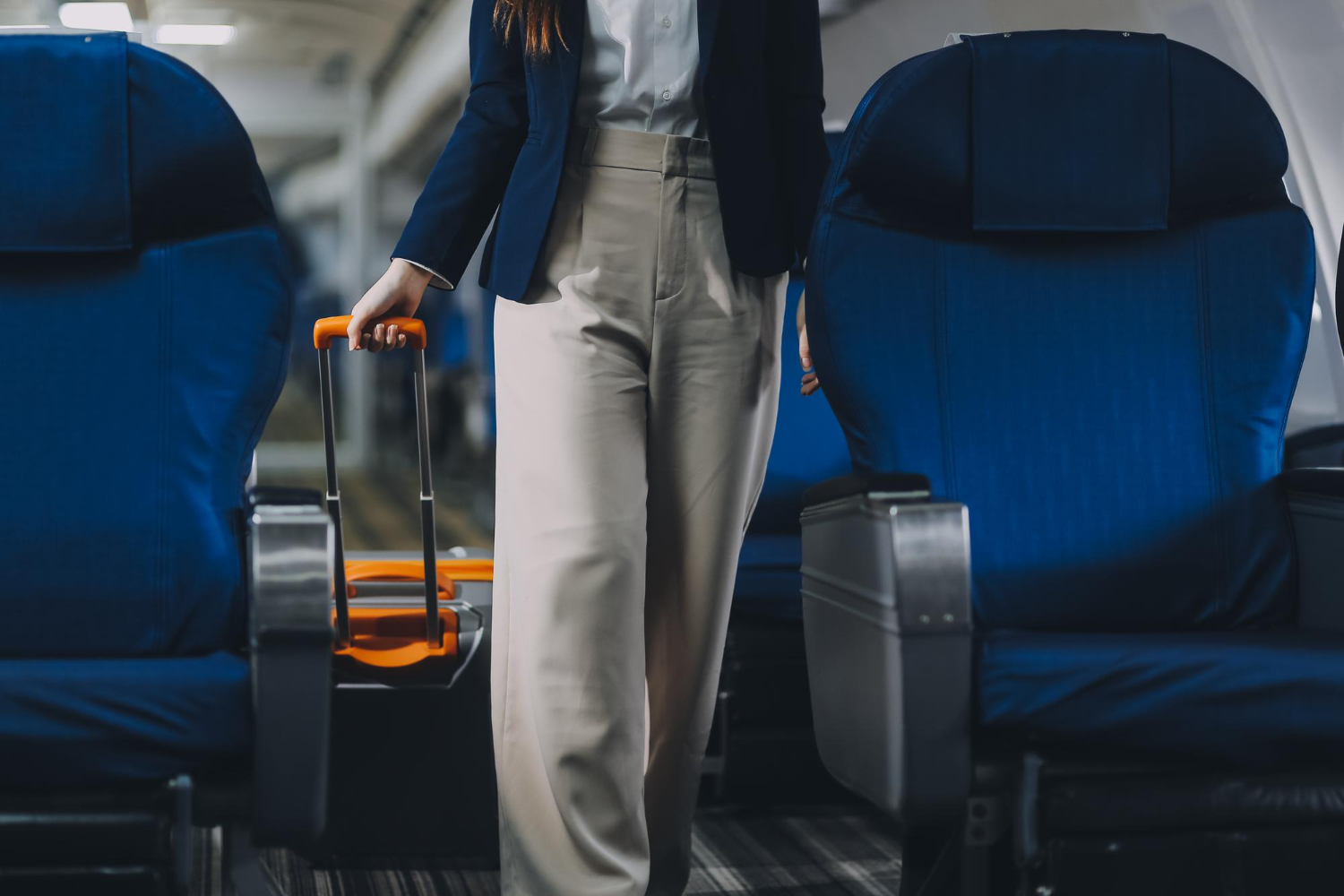
Flight attendants are discreetly scanning for passengers who appear calm, capable, and able-bodied, the kind of people who could assist in an emergency. This is especially true for travelers seated in the exit rows, who have real responsibilities if something goes wrong.
Crew members mentally note who might be a useful ally in a rare emergency, from helping with an exit door to assisting other passengers. Those in exit rows are assessed for their willingness and ability to perform the required tasks. It is a core part of the safety mindset that underlies everything the crew does. According to flight attendants, identifying potential helpers as passengers board is a quiet but important part of preparing for the unlikely event of an emergency.
3. Signs of Intoxication
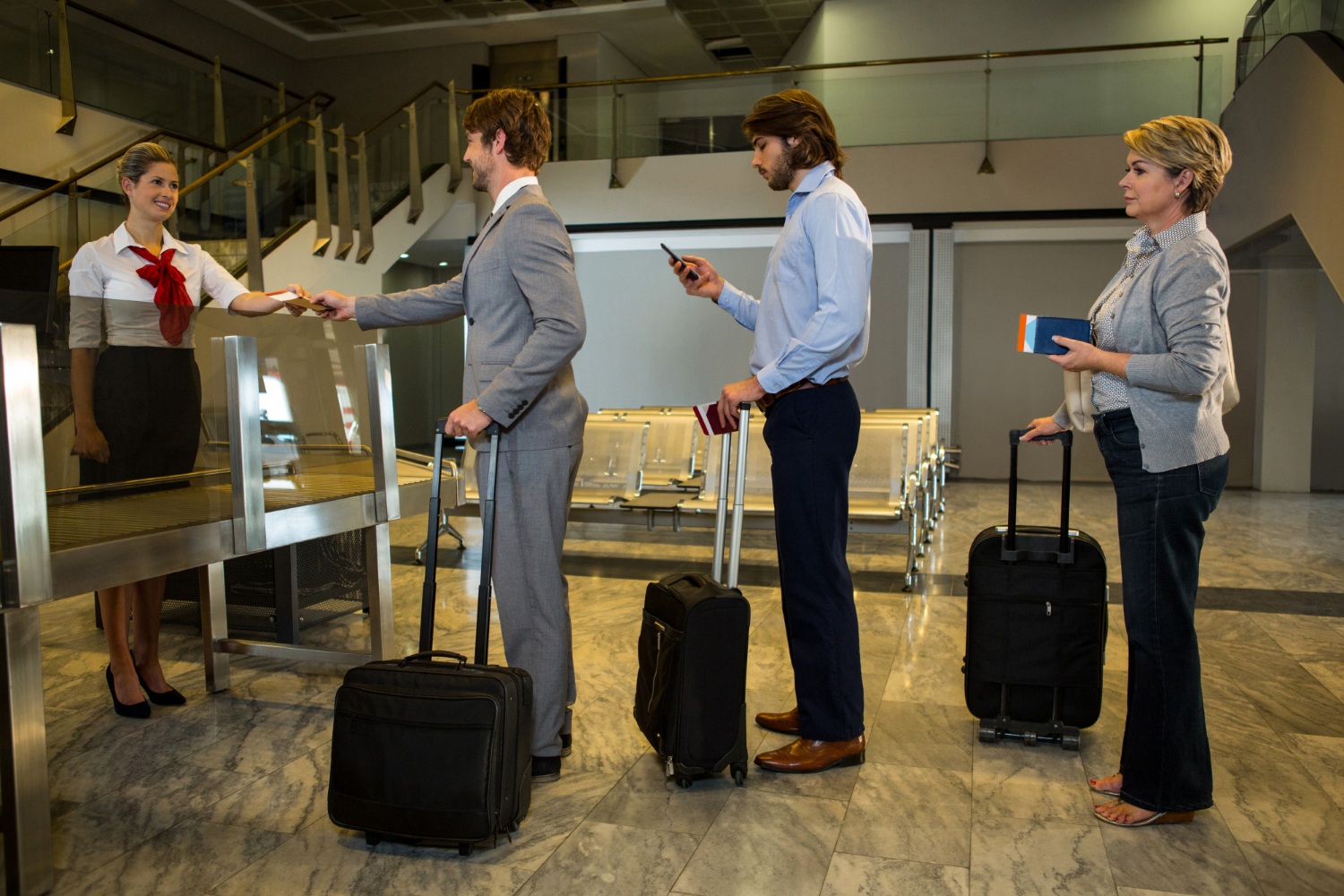
One of the most important things crew members watch for is whether a passenger appears intoxicated. Boarding is the key checkpoint, because regulations generally prevent visibly intoxicated passengers from flying, both for safety and to prevent disruptions in the air.
Flight attendants are trained to spot the signs, and a passenger who seems heavily impaired may be a concern for the entire flight. Catching it at the door is far easier than dealing with a problem at altitude, where there are no easy options. This assessment is squarely about safety and the smooth operation of the flight. According to flight attendants, discreetly checking for signs of intoxication as passengers board is one of their most important responsibilities at the door.
4. Signs of Illness
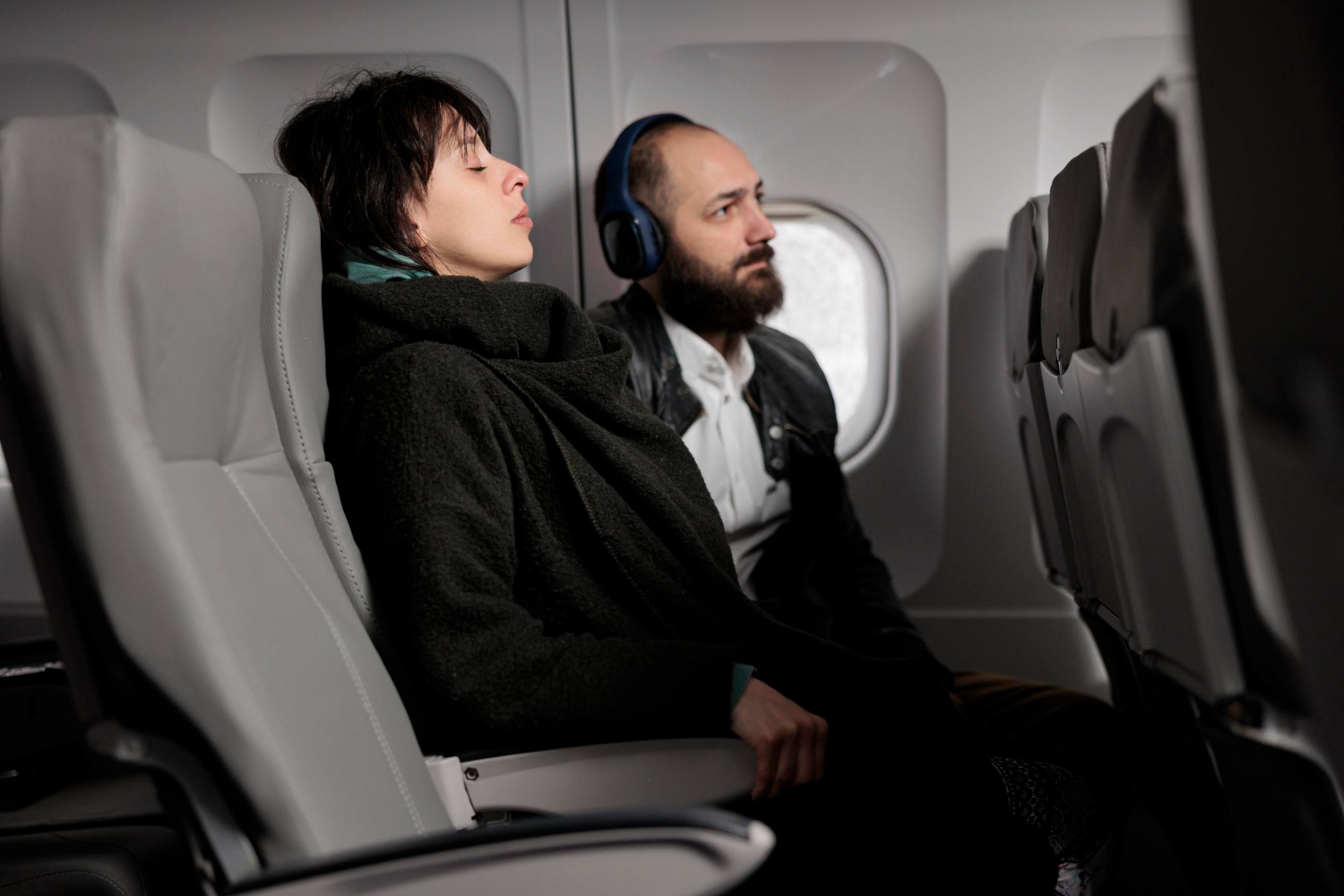
Crew members also keep an eye out for passengers who appear unwell. A flight is a confined space for hours, and a seriously ill passenger can become a mid-air medical situation with limited resources, so noticing illness early helps the crew prepare.
Flight attendants may take note of someone who looks very pale, feverish, or otherwise unwell as they board, simply to be aware. The goal is preparedness, not exclusion, ensuring the crew can respond if a passenger’s condition worsens during the flight. With medical help far away at altitude, early awareness matters. According to flight attendants, discreetly registering signs of illness during boarding is part of being ready for whatever the flight may bring.
5. Your General Attitude and Politeness
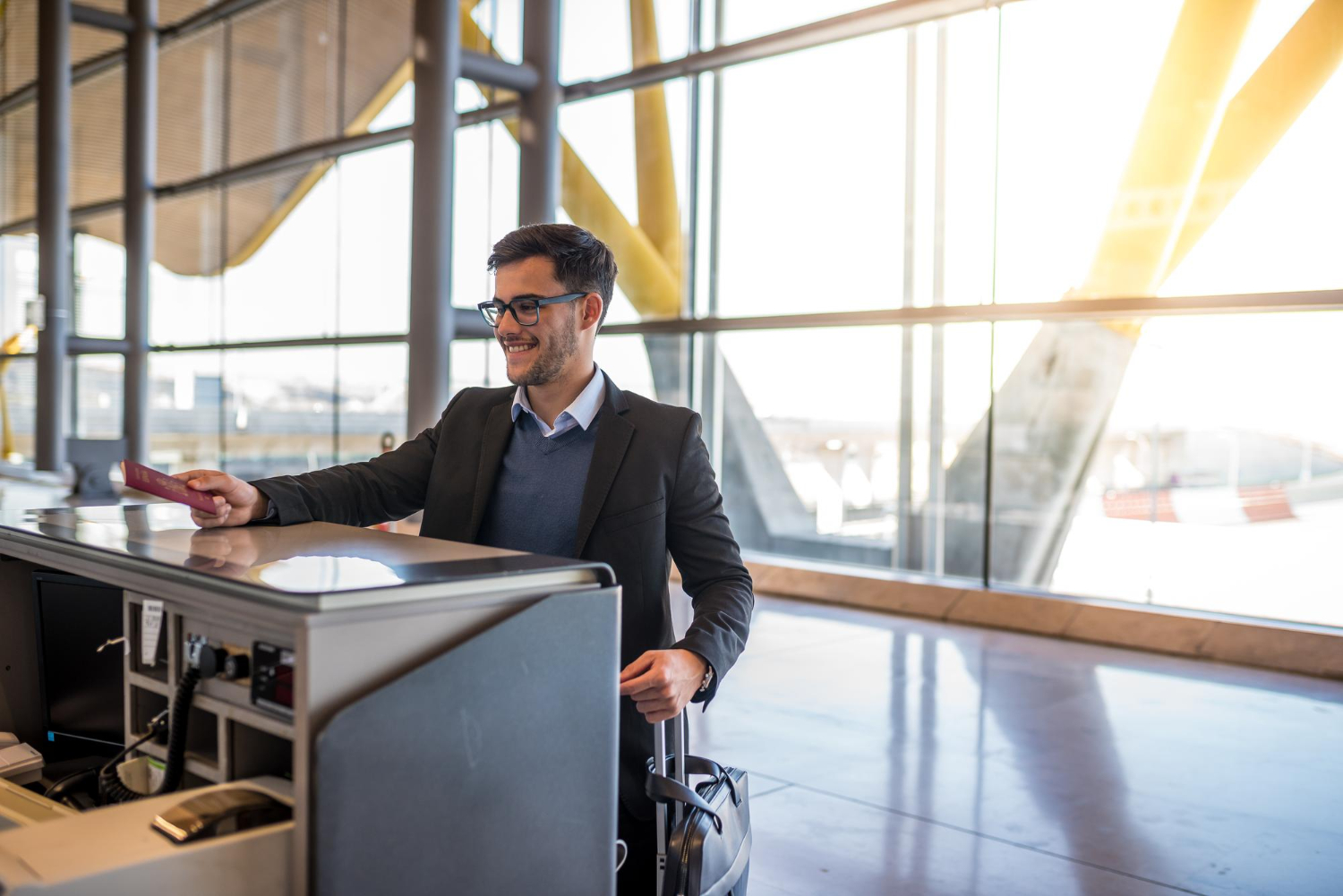
How you treat the crew and those around you during boarding gets noticed. A polite, patient demeanor tends to be remembered favorably, while rudeness or impatience can flag a passenger who might require extra attention during the flight.
Flight attendants interact with hundreds of people a day, and a genuinely courteous passenger stands out. Conversely, someone who is curt or demanding from the outset may signal potential friction later. None of this means treating crew poorly leads to retaliation, but a positive attitude does tend to be appreciated and remembered. According to flight attendants, your general demeanor as you board leaves an impression and helps them anticipate how the flight might go.
6. What You’re Wearing on Your Feet
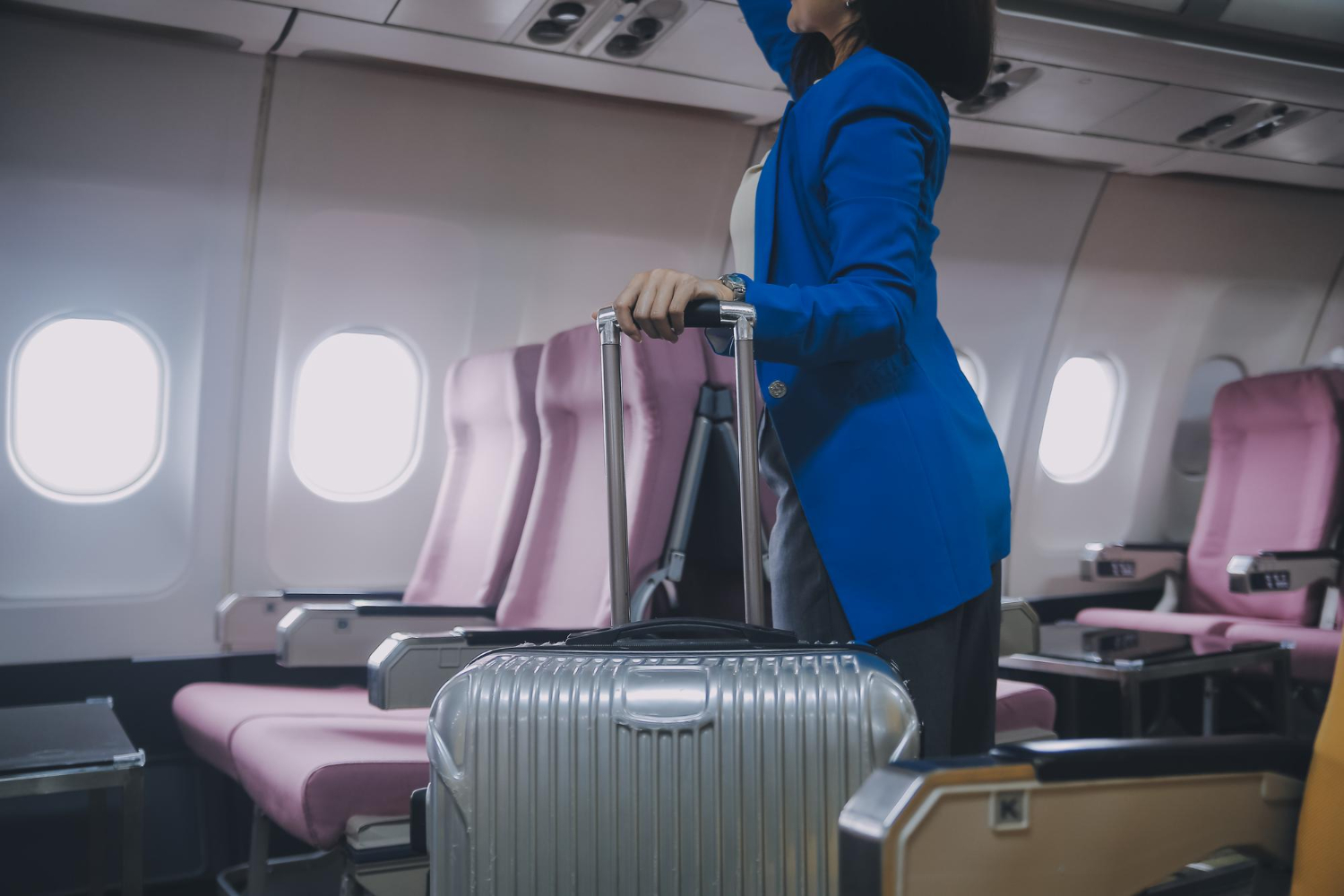
It may sound surprising, but crew members sometimes notice footwear. In a rare emergency evacuation, practical, secure shoes are far safer than flimsy sandals or towering heels, so footwear is a small detail tied to safety.
Experienced travelers and crew alike know that sturdy, closed-toe shoes are wiser for flying, in the unlikely event passengers need to move quickly through a cabin that could contain hazards. While no one is barred for their shoes, the detail is noted from a safety standpoint. It reflects the constant, low-key safety awareness of the crew. According to flight attendants, footwear is one of those small things they may register, a reminder that practical shoes are a smart choice when you fly.
7. Nervous or First-Time Flyers
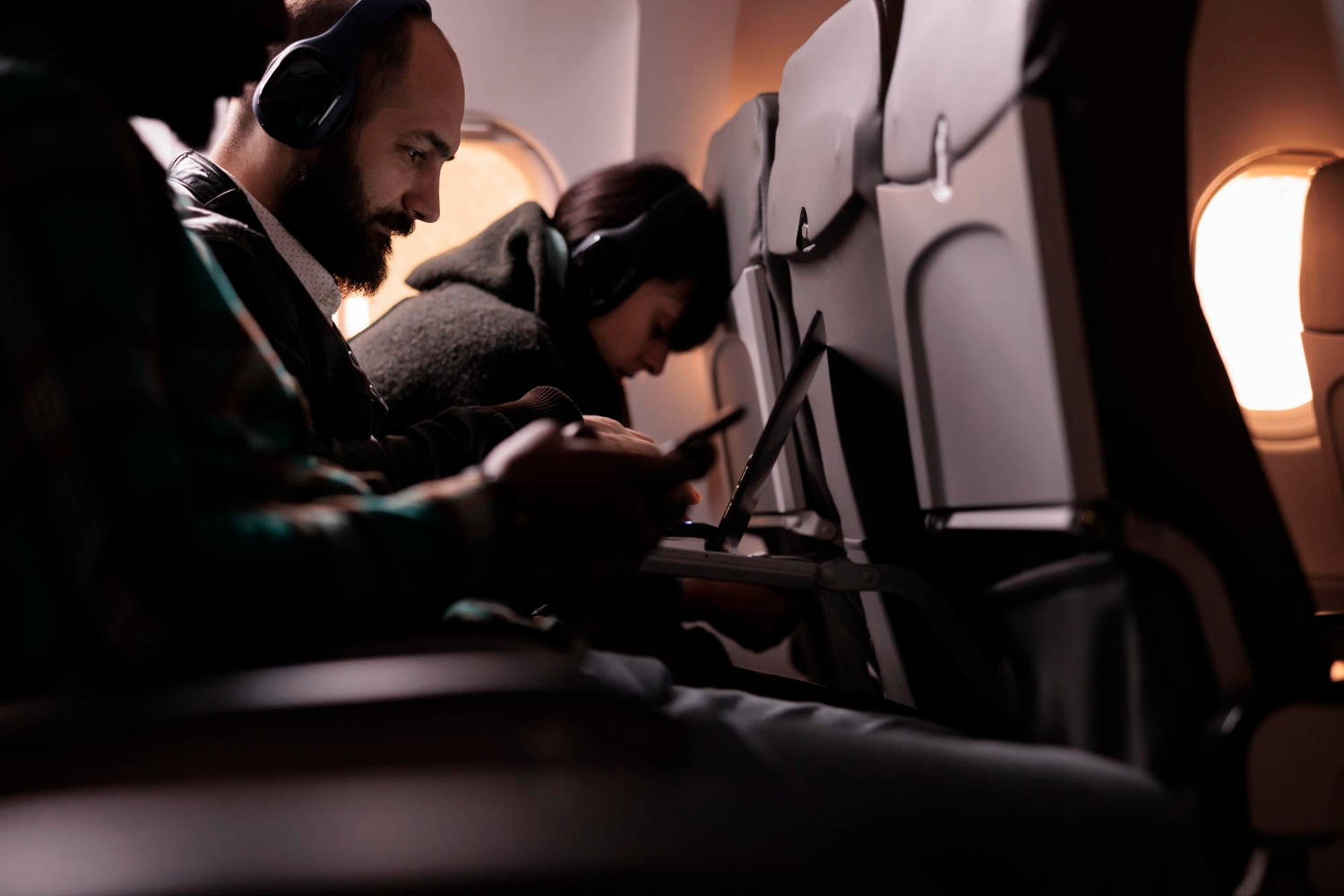
Flight attendants are often skilled at spotting anxious or first-time flyers. A passenger who seems tense, grips the armrest, or watches the safety procedures with unusual intensity may be nervous, and crew members take note so they can offer reassurance.
Recognizing a nervous flyer allows the crew to offer a kind word, a check-in, or extra attention to help ease the anxiety. Many flight attendants take pride in helping uneasy passengers feel more comfortable. Spotting the signs early lets them provide that care throughout the flight. According to flight attendants, identifying nervous or first-time flyers as they board is part of the attentive, reassuring service that can make a real difference to an anxious traveler.
8. Families and Passengers Who May Need Help

Crew members quickly identify passengers who may need extra assistance, such as families with small children, elderly travelers, or those with mobility needs. Knowing who might need a hand helps the crew provide attentive, proactive service.
Flight attendants note where families and passengers needing assistance are seated so they can offer help with luggage, seating, or other needs during the flight. This awareness allows the crew to anticipate rather than react. It reflects the service side of their role, ensuring everyone is comfortable and looked after. According to flight attendants, identifying who may need extra help as they board allows them to deliver the thoughtful, attentive care that smooths the journey for everyone.
9. Anyone Behaving Unusually
As part of their broad safety awareness, flight attendants stay alert to any passenger behaving in an unusual or concerning way during boarding. This general vigilance is simply part of keeping the flight safe and running smoothly for everyone aboard.
Crew members are trained to notice behavior that stands out, not to be suspicious of ordinary passengers, but to maintain situational awareness. The vast majority of boarding goes entirely smoothly. This watchfulness is a routine, professional habit aimed at safety and the comfort of all passengers. According to flight attendants, maintaining a general awareness of the cabin and noticing anything out of the ordinary is simply part of their job, helping ensure a safe and pleasant flight for everyone.
10. Whether You Pay Attention to the Safety Briefing

Once everyone is aboard, flight attendants do notice who pays attention to the safety demonstration. While many passengers tune it out, the briefing carries genuinely useful information, and crew members appreciate, and remember, the travelers who engage with it.
The crew works to deliver the safety information clearly, and a passenger who watches attentively is both respectful and better prepared. Frequent flyers may feel they have heard it all before, but the details can vary by aircraft. Paying attention is a small courtesy that crew members value. According to flight attendants, noticing who engages with the safety briefing rounds out the series of quiet observations they make, all centered on keeping passengers safe and well cared for.
What It All Comes Down To
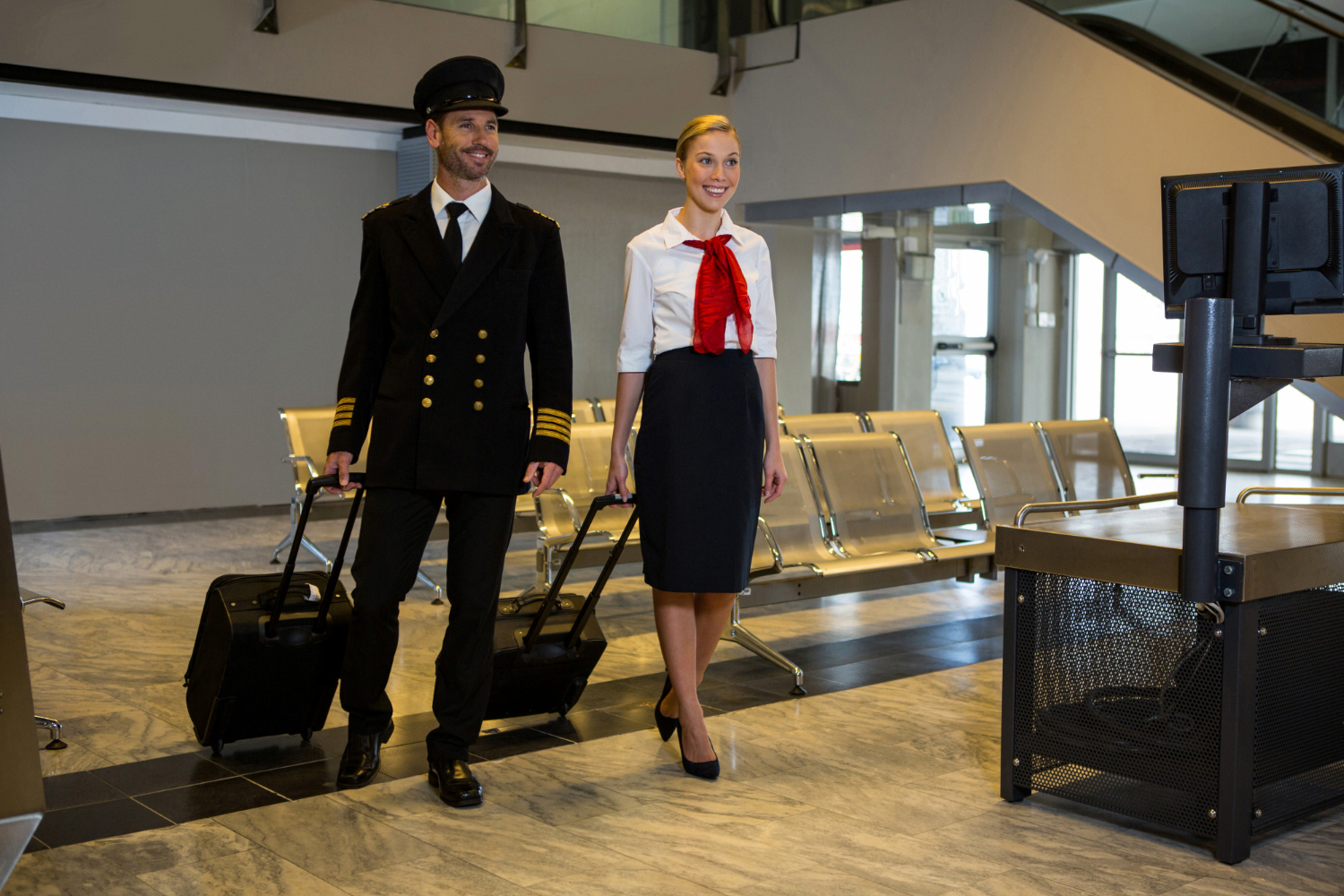
Taken together, these ten observations reveal that a flight attendant’s friendly greeting is part of a thoughtful, safety-focused routine. Far from judging passengers, the crew is calmly preparing, identifying who might need help, who could assist in an emergency, and how to keep the flight running smoothly. Their attentiveness is rooted in training and care.
Understanding what flight attendants notice can make you a more considerate and prepared traveler. Returning a greeting, wearing practical shoes, paying attention to the briefing, and treating the crew with courtesy all contribute to a smoother flight for everyone. These insights, shared by flight attendants themselves, offer a fascinating glimpse into the working mind of the cabin crew, and a reminder of just how much care goes into every flight, beginning the moment you step aboard.
Like our content? Follow us for more.