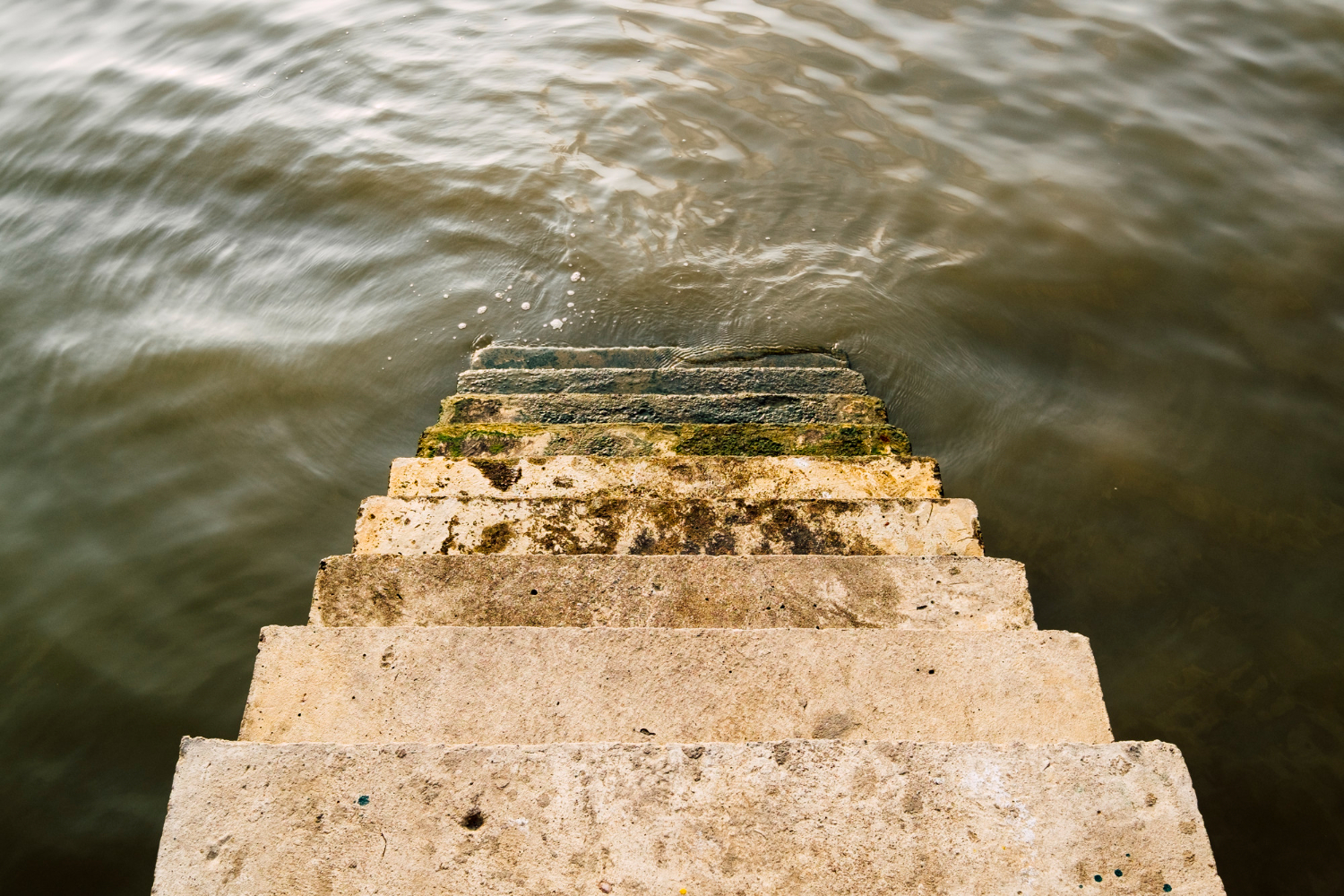
A stepwell solves a practical problem beautifully: the water table falls in the dry season, so the structure must reach down to whatever level the water has retreated to, and the steps have to work at every level. Here are ten.
1. Chand Baori, Abhaneri, India
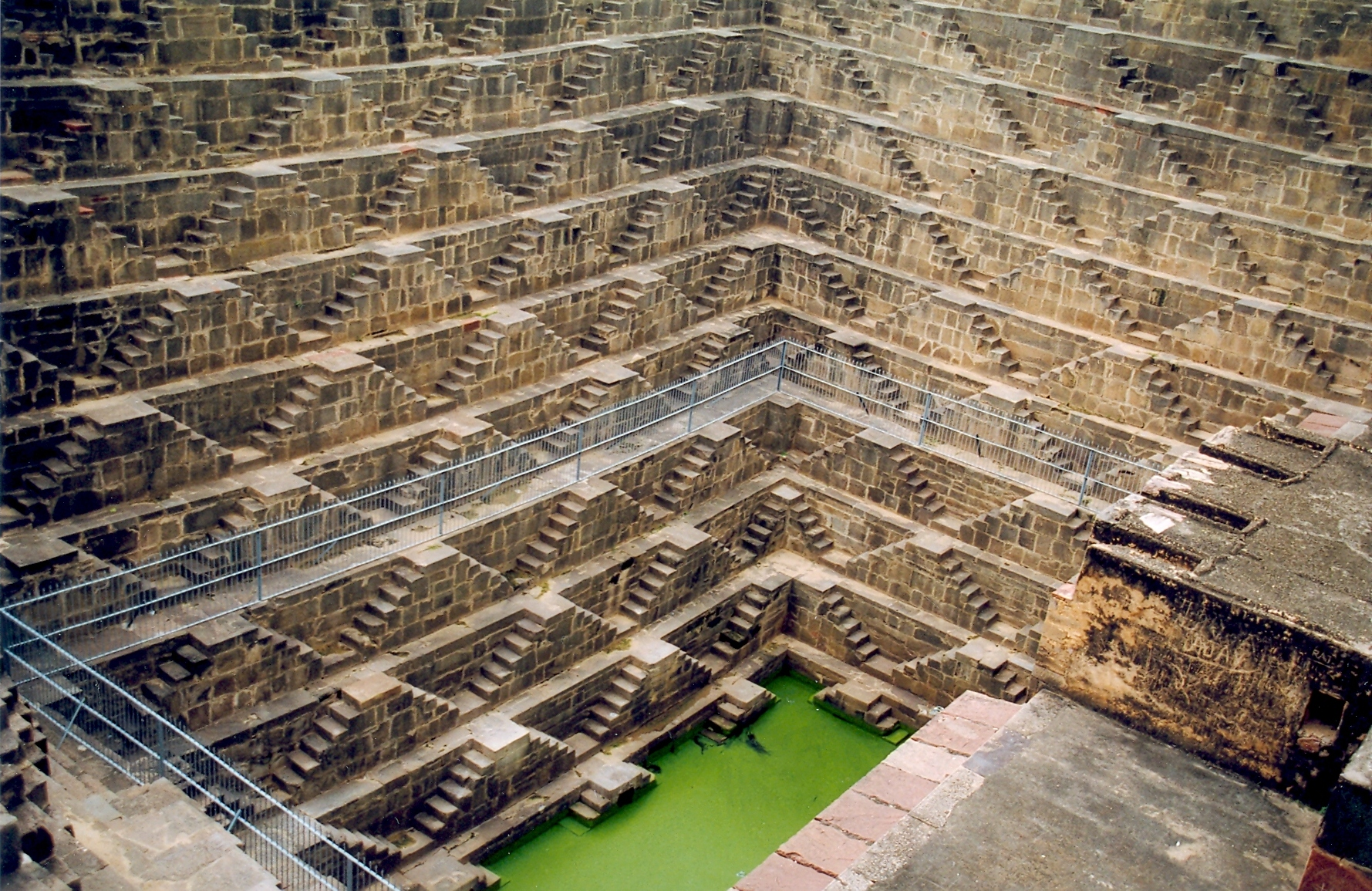
One of the deepest and most geometrically dramatic stepwells, descending many storeys with thousands of steps arranged in a precise repeating pattern across three walls.
The fourth side carries a multi-storey pavilion, which is where anyone of status would have stood. Chand Baori is the stepwell whose photographs look like a computer-generated pattern and are not.
Like our content? Follow us for more.
2. Rani ki Vav, Patan, India
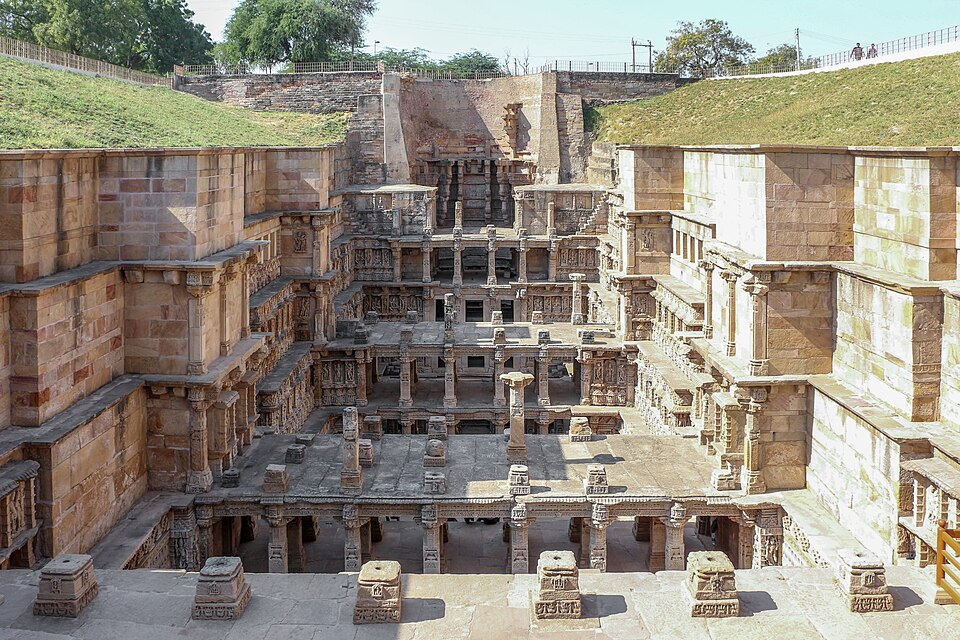
An eleventh-century stepwell built as a memorial, filled with several hundred sculptural panels and over a thousand carved figures descending its walls.
It was silted over for centuries and excavated in the twentieth, which is why the carving survived so well. Rani ki Vav is the stepwell that was preserved by being buried.
3. Adalaj Stepwell, Gujarat, India
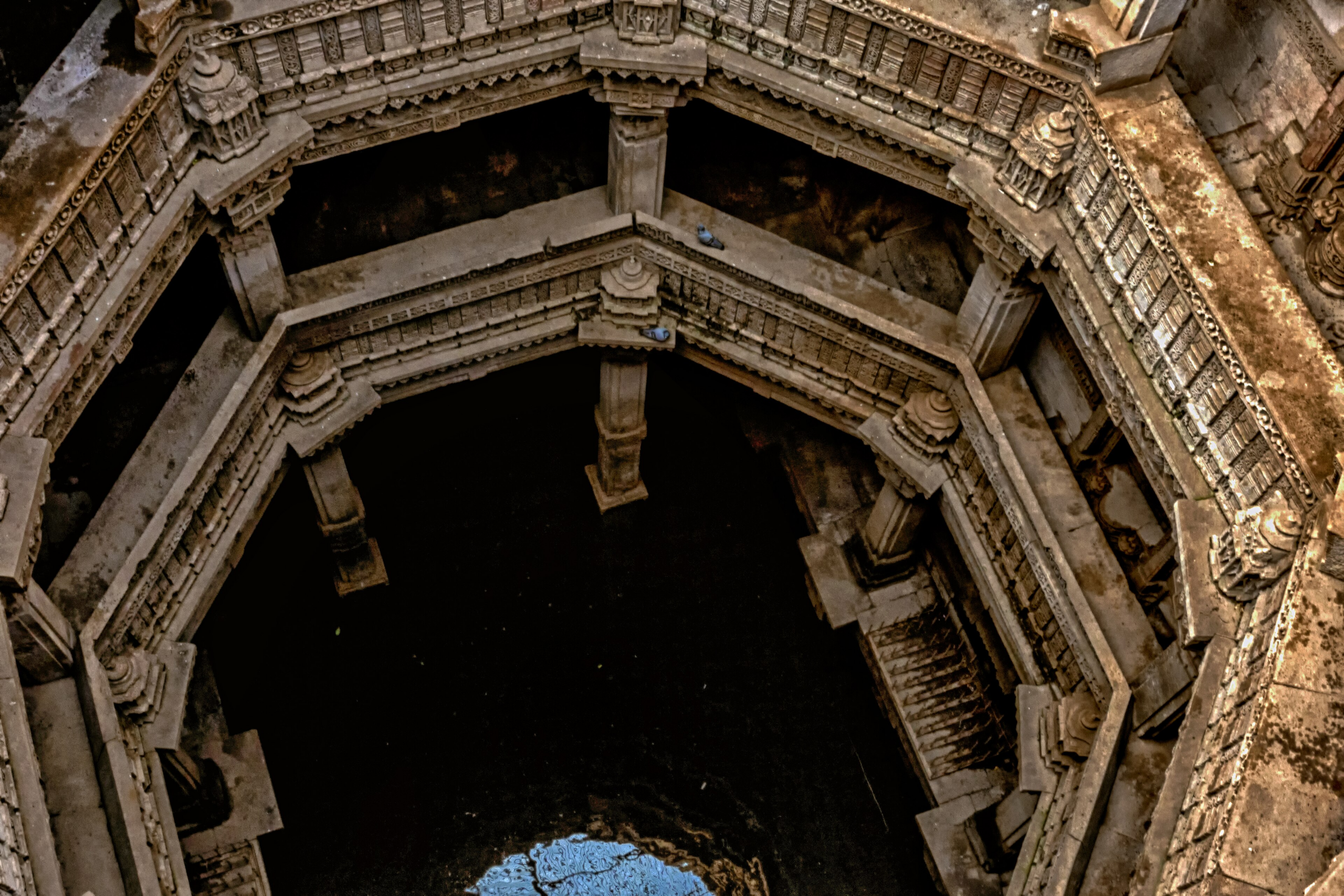
A five-storey structure combining Hindu and Islamic architectural elements, with an octagonal opening that lets light fall through the levels.
The temperature inside is markedly cooler than the surface, which was part of the design rather than a side effect. Adalaj is the stepwell built to be a refuge from heat as much as a water source.
4. Agrasen ki Baoli, Delhi, India
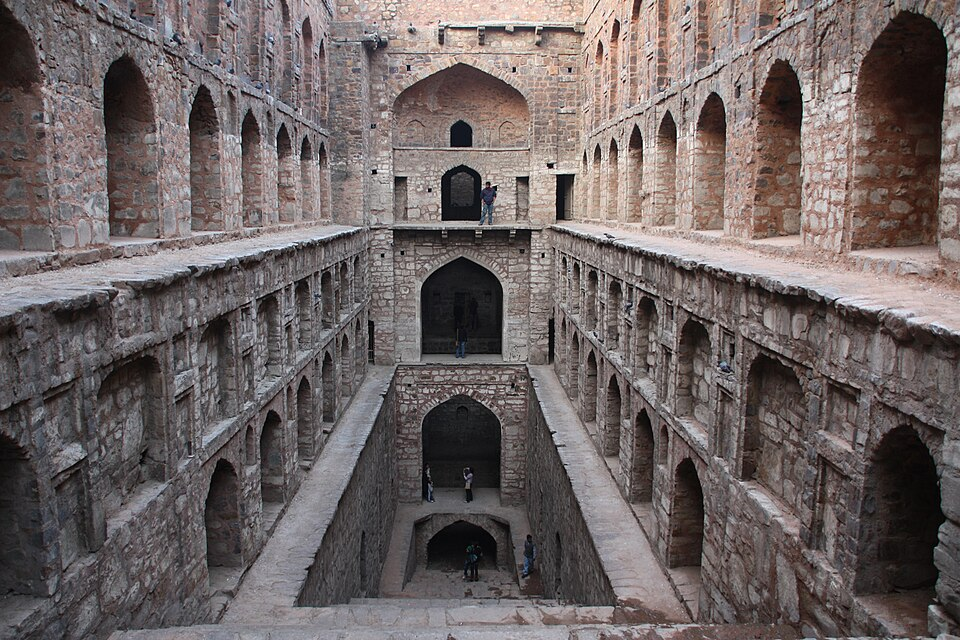
A stepwell in the middle of a modern city, reached through an ordinary street, with a long straight flight descending between high walls.
Its origins are uncertain and it now sits surrounded by office buildings. Agrasen ki Baoli is the stepwell you reach by walking off a busy road.
5. Panna Meena ka Kund, Jaipur, India
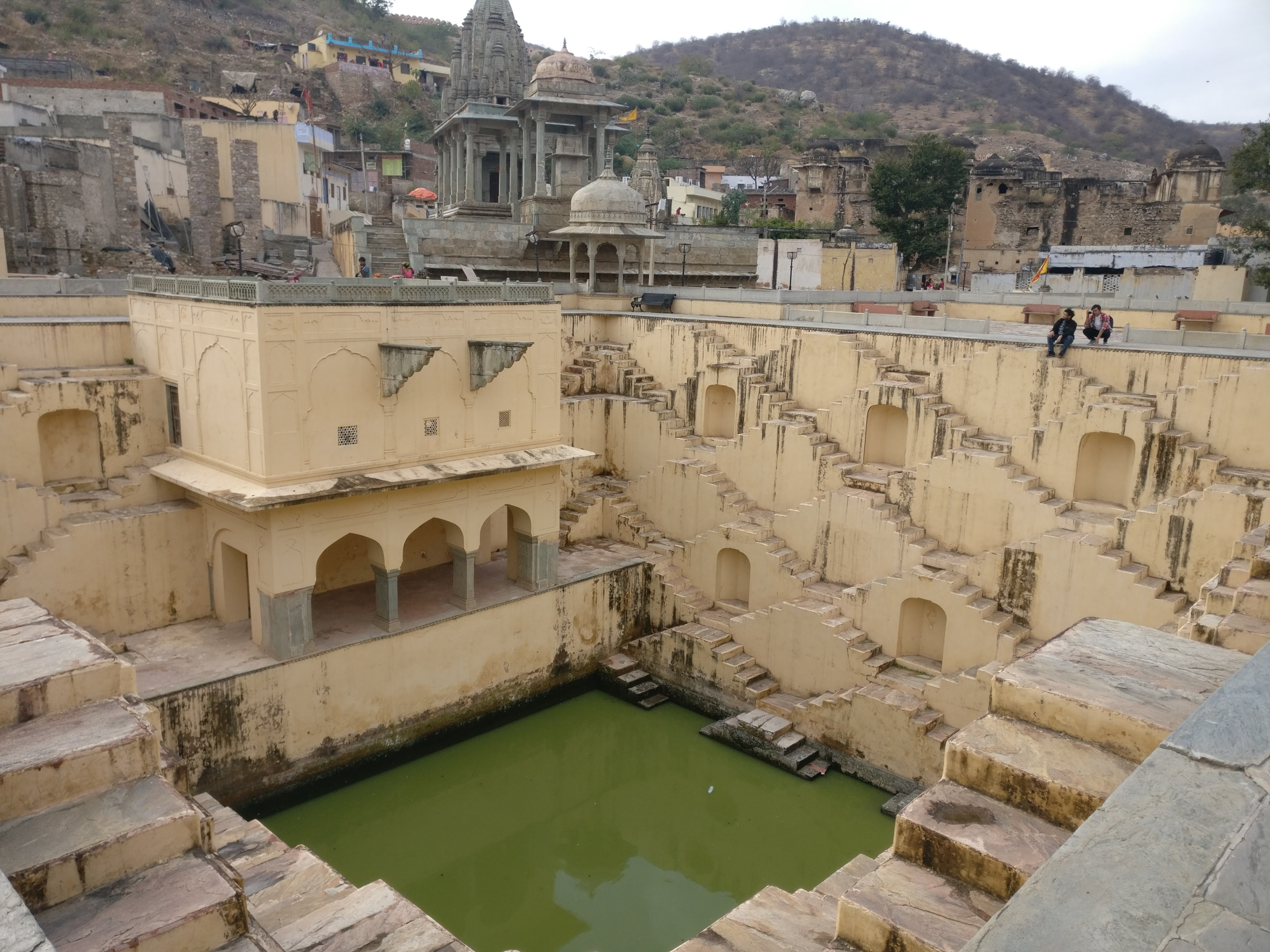
A compact stepwell with criss-crossing staircases on all four sides, forming a lattice that is the most photographed feature of its kind.
Descending is now restricted at many such sites to protect the structure. Panna Meena is the stepwell whose crossing staircases produce the pattern everyone recognises.
6. The Baolis of Rajasthan Generally
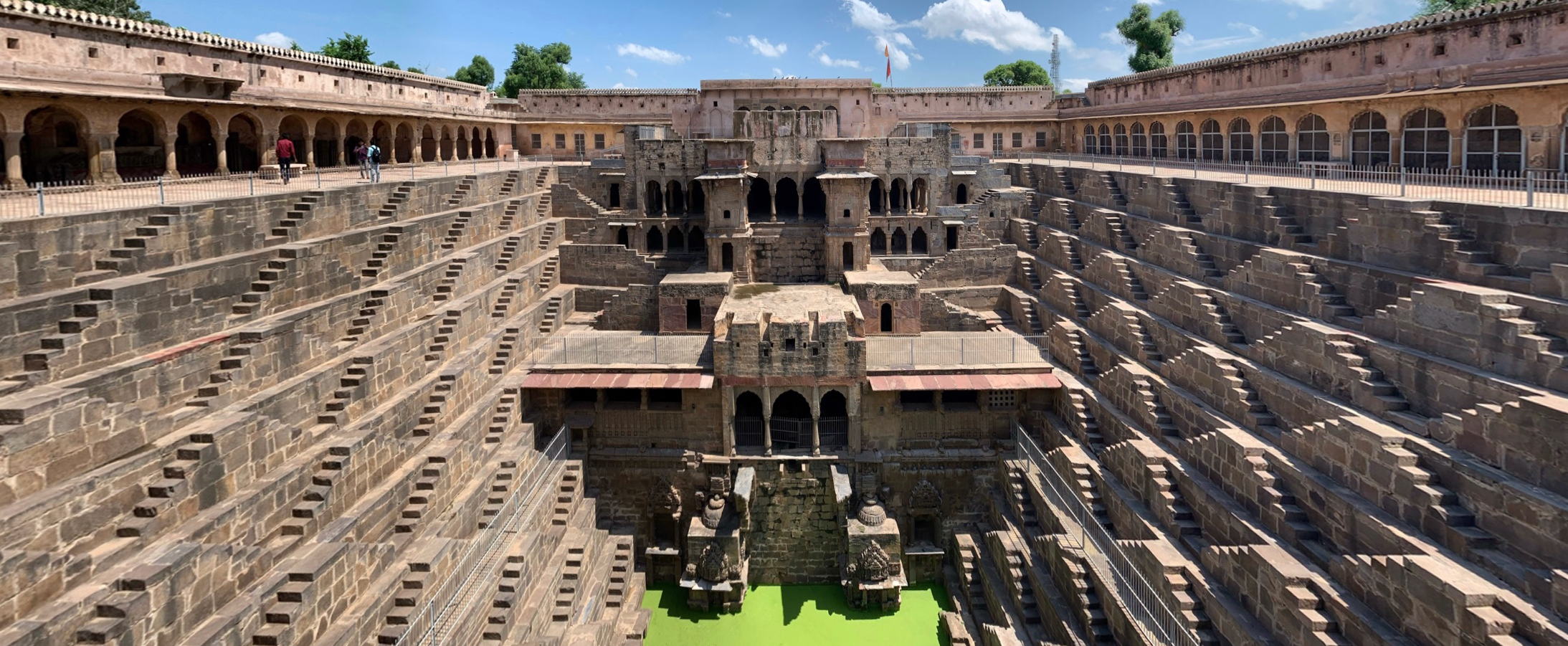
Rajasthan retains a great many stepwells in varying condition, some restored and some derelict, in towns and beside old trade routes.
They were built by rulers, merchants and communities as public works, and many carry inscriptions recording who paid. The Rajasthani baolis are the stepwells that functioned as public infrastructure and monument at once.
7. The Temple Tanks of South India
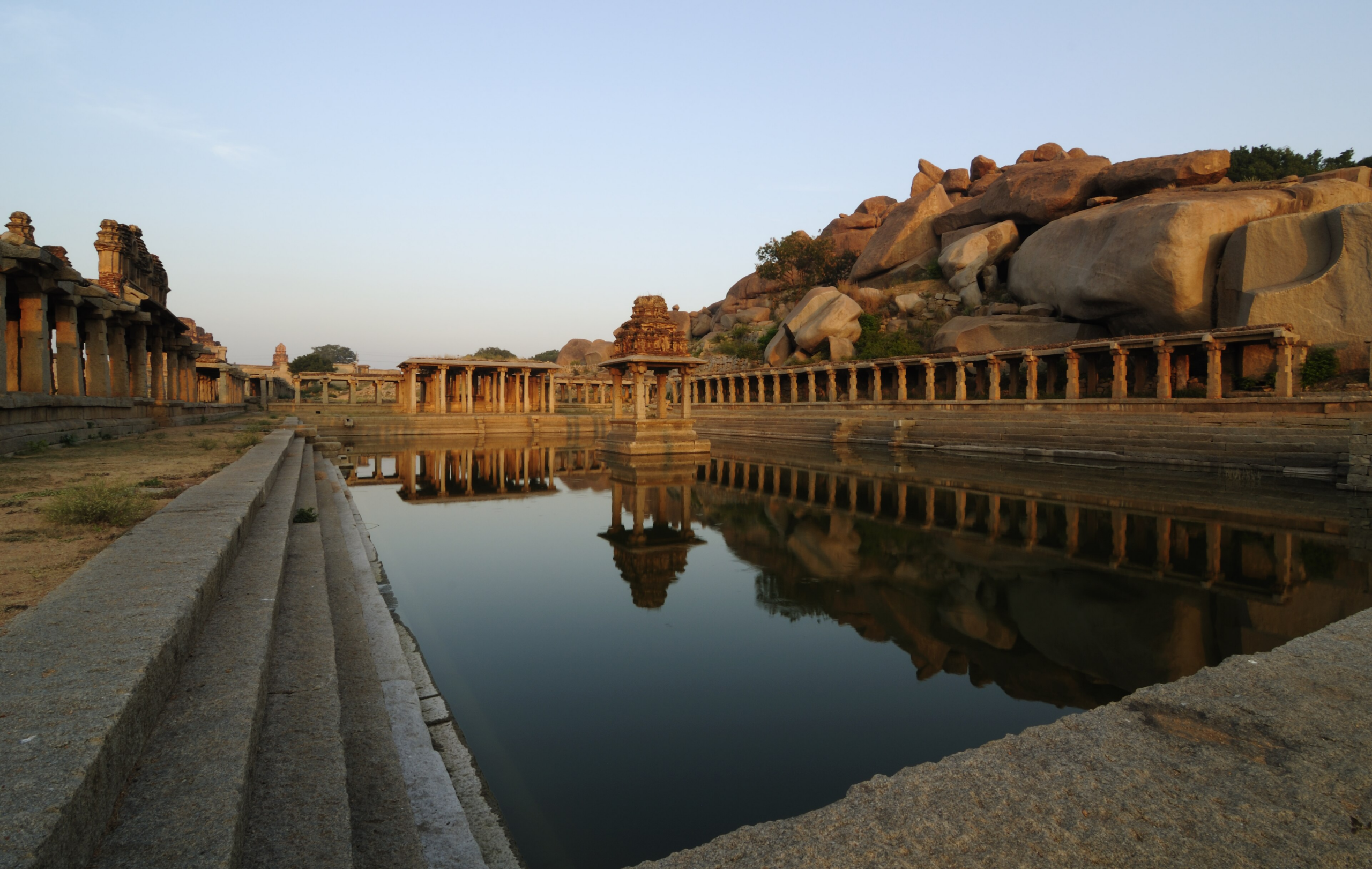
Rectangular stepped reservoirs attached to temple complexes, descending in tiers on all four sides, used for ritual bathing and as a water store for the surrounding settlement.
They are frequently the oldest surviving structure on a temple site, and the tiers double as seating during festivals. The temple tanks are the water structures that function as reservoir, bathing place and grandstand at once.
8. Roman Cisterns and the Underground Reservoirs
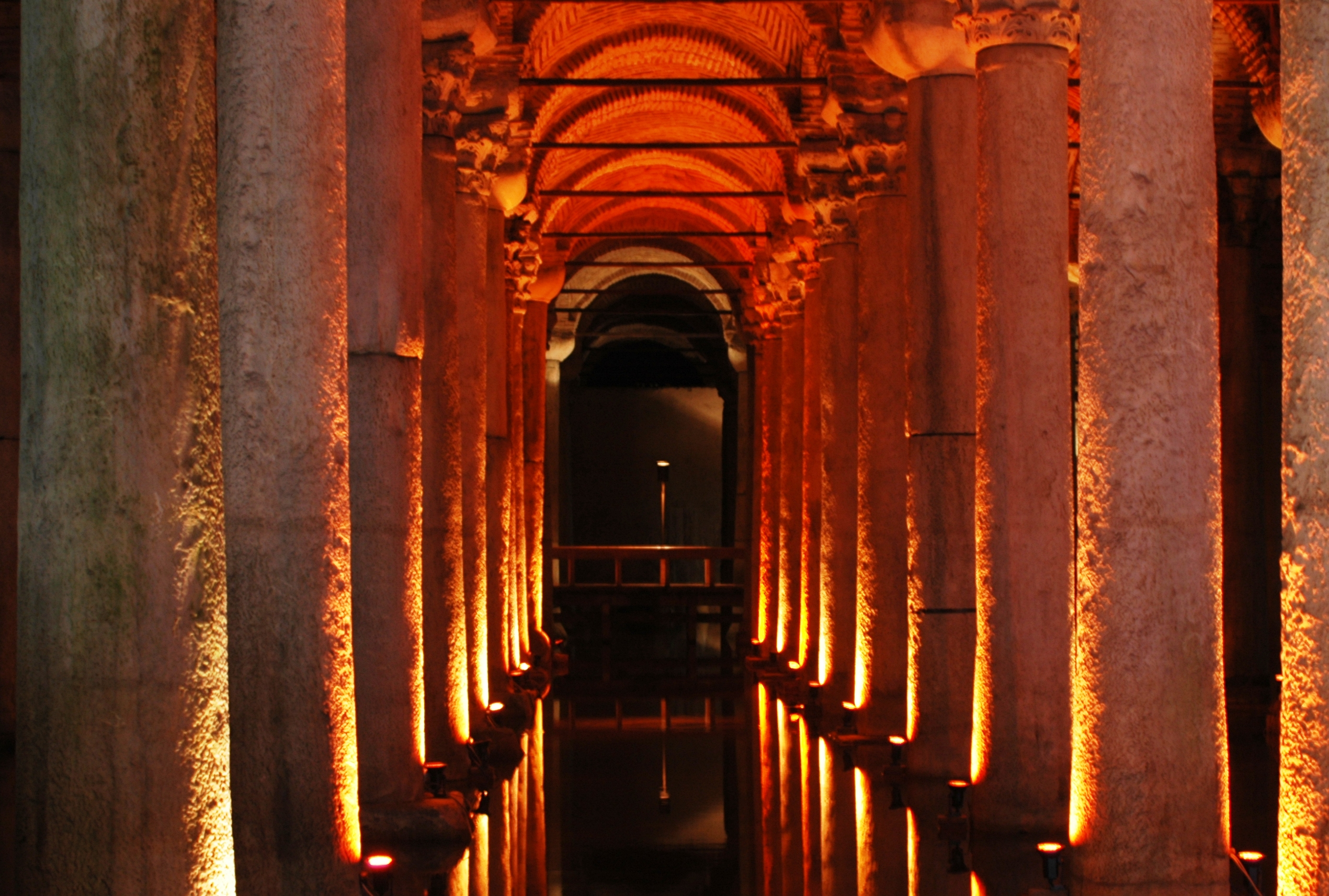
Several Mediterranean cities retain vast columned underground cisterns built to store water, with forests of pillars supporting the roof above still water.
They were built as storage rather than access, and the columns are frequently reused from earlier buildings. The great cisterns are the water structures built as underground halls.
9. The Wells and Water Temples of Bali, Indonesia
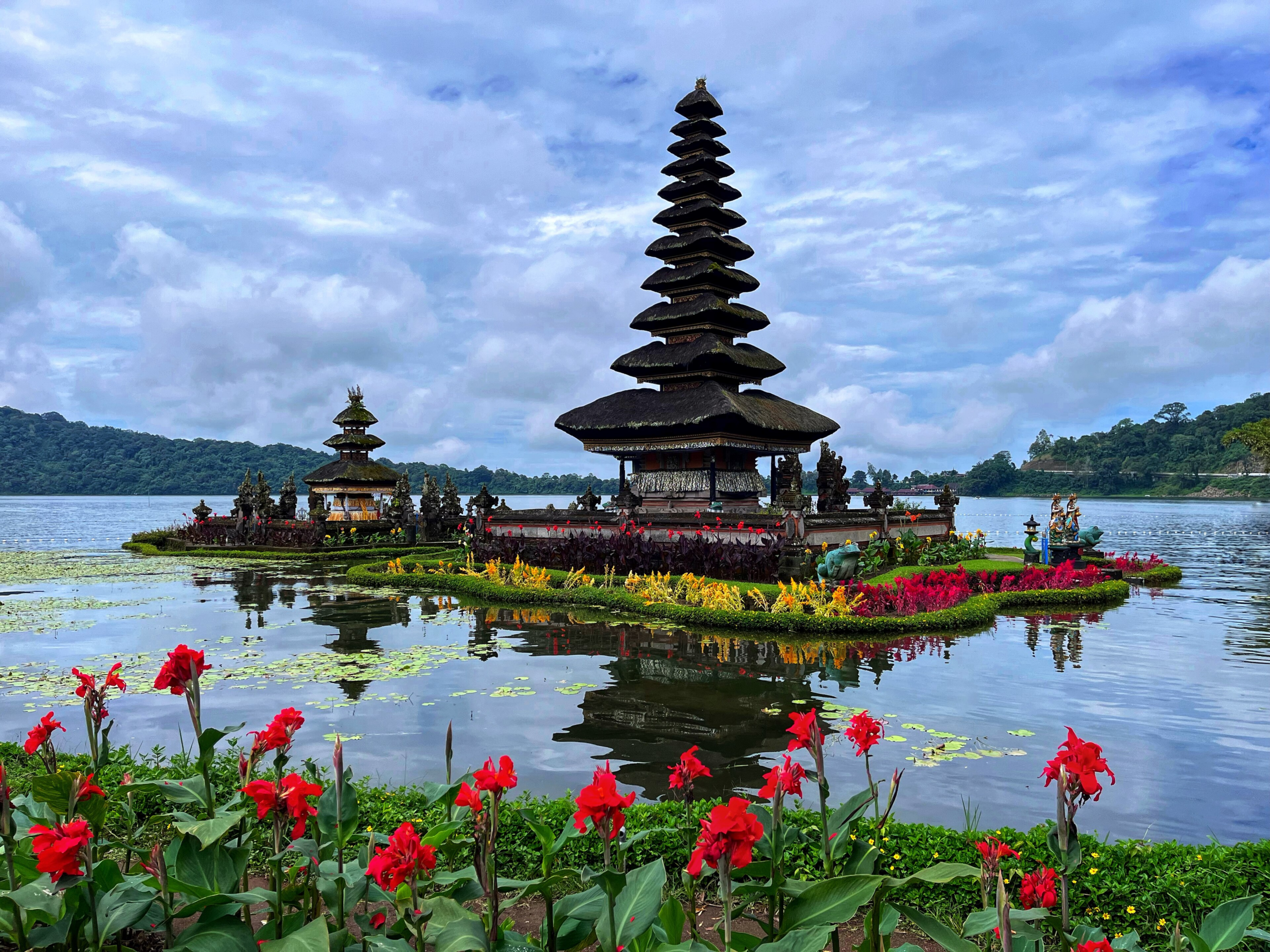
Spring-fed bathing structures and water temples built around natural sources, integrating ritual use with a functioning irrigation system.
The associated irrigation network is a longstanding cooperative arrangement between farming communities. The Balinese water temples are the structures where the plumbing and the religion are the same system.
10. The Sacred Cenote Access Sites of the Yucatan, Mexico
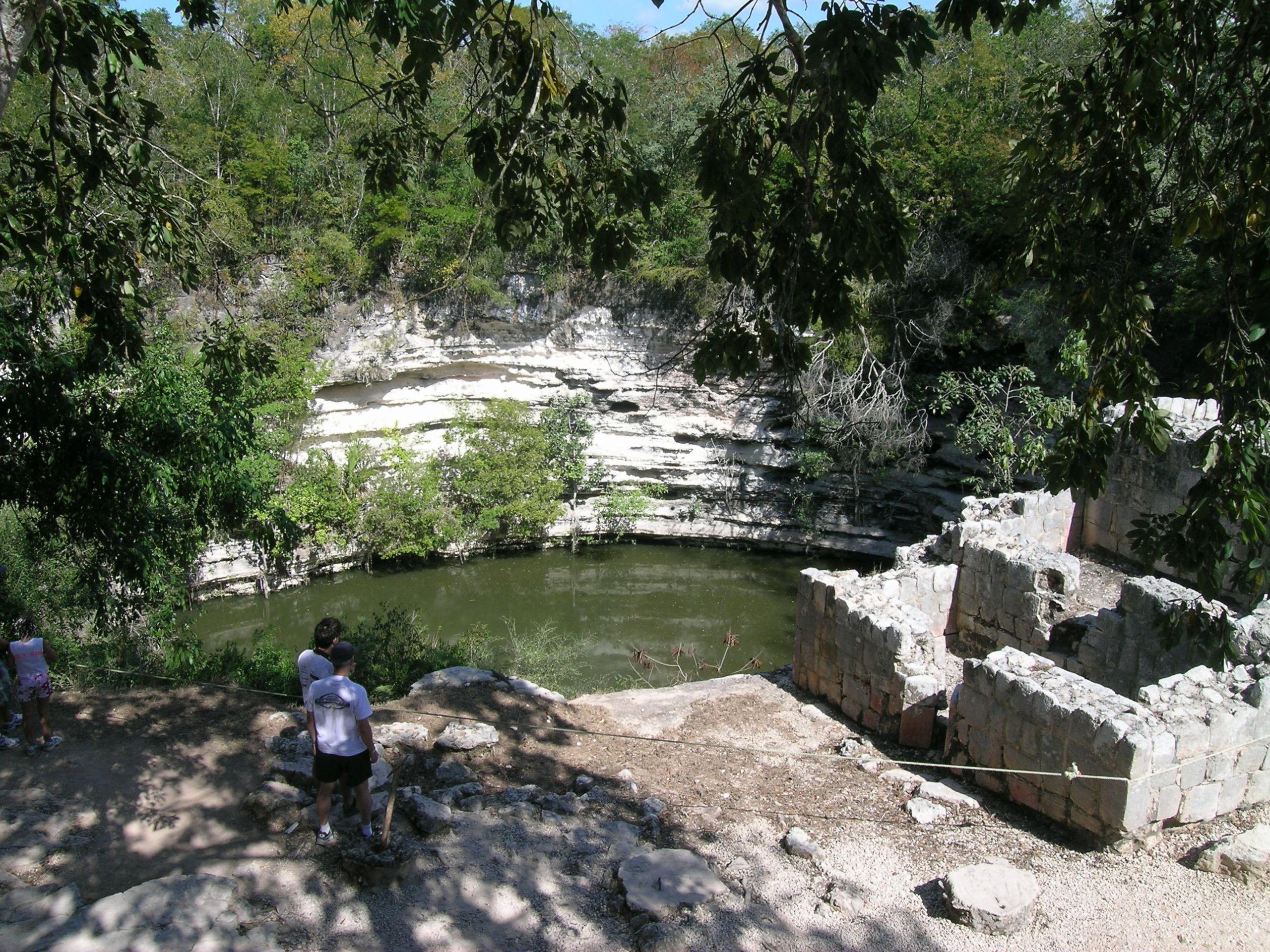
Natural limestone sinkholes reaching groundwater, some with constructed access steps and platforms, which were the region’s only reliable water source.
Settlement patterns across the peninsula follow their distribution directly. The cenotes are the water sources that determined where an entire civilisation could live.
Going Down to the Water
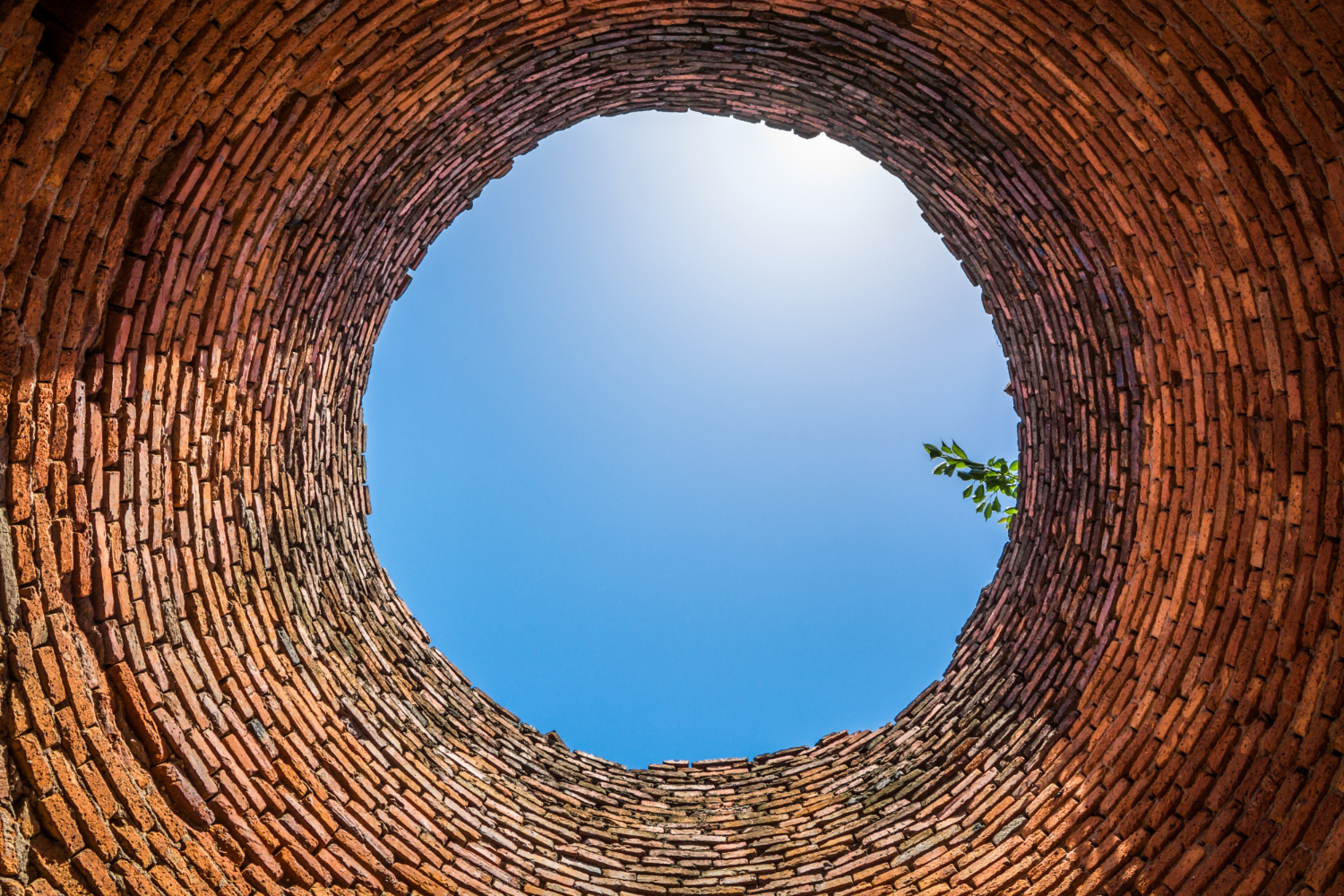
Every structure here answers the same question – the water is below you and it moves – and the answers range from a carved eight-storey staircase to a tunnel nobody can see.
Practical notes: many stepwells restrict descent to protect the stonework, some hold standing water and are slippery, several are unsignposted and reached through ordinary streets, and a number are active religious sites where visitors should follow local practice. Check access before travelling, dress appropriately where required, and do not enter water anywhere.
Like our content? Follow us for more.