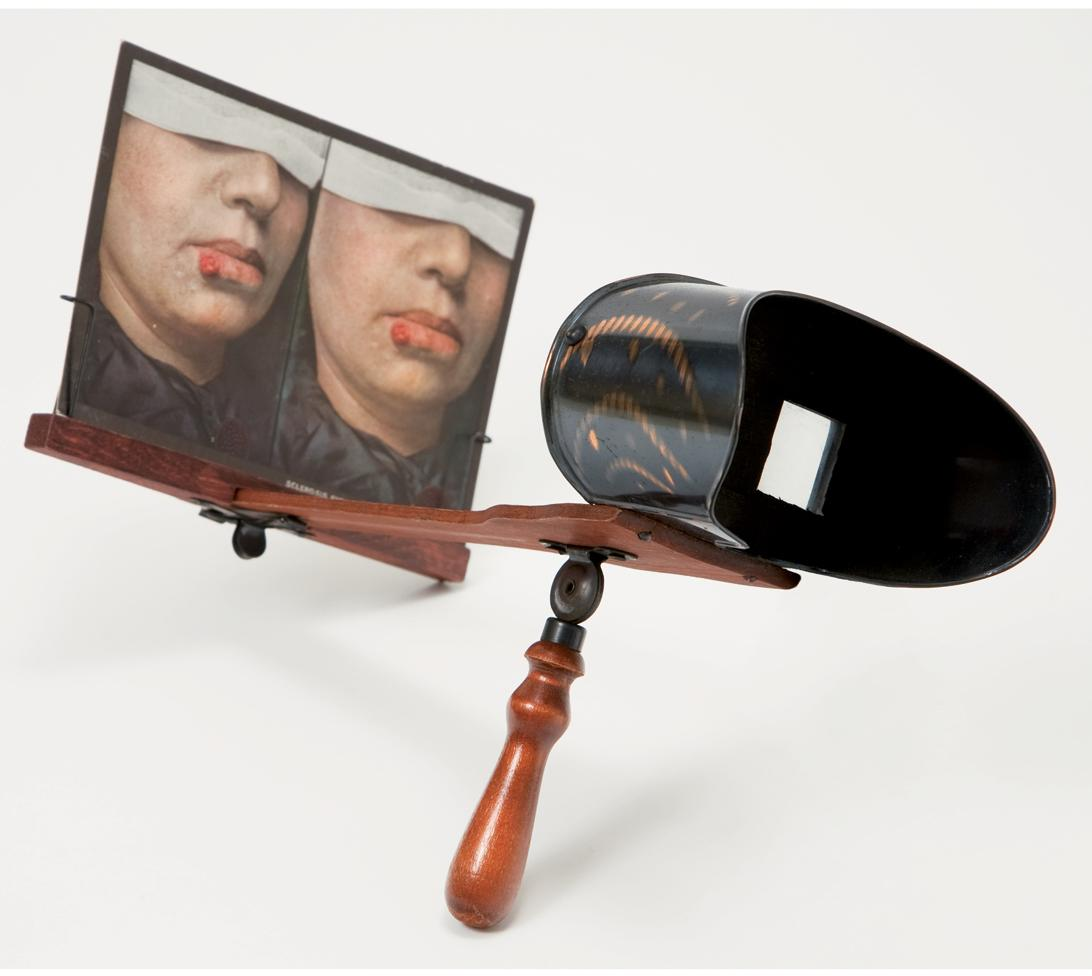
There is one in a box in a lot of American attics: a wooden handle, a hood with two lenses in it, a sliding wire rack out front, and a bundle of stiff cards with two almost identical photographs printed side by side.
People find them and assume they are a toy, or a novelty, or some early failed attempt at something that got done properly later.
They are none of those. A stereoscope is a working three-dimensional viewer that produces a genuine depth effect from real photographs, the principle it uses is the same one every 3D system since has used, and for about sixty years it was the most popular form of visual entertainment in the American home.
The Principle Is Simple and It Is Correct
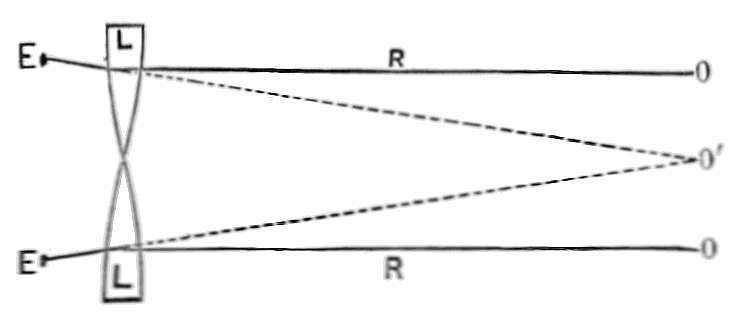
Human depth perception depends partly on the fact that two eyes are in different places. Each eye sees a slightly different view of the same scene, and the brain computes depth from the difference between them.
So to produce an artificial sense of depth you need to show each eye the view it would have had. That means two photographs taken from two positions about as far apart as a pair of eyes – and then a way of making sure each eye sees only its own picture.
A stereoscope does exactly that. The card carries the two prints side by side. The hood holds them at a fixed distance. And the two lenses do two jobs at once: they magnify, and they are prisms as well, bending each image so the eyes can converge comfortably on something only a few inches from the face.
Look into it and the two flat pictures fuse into one scene with real depth in it. Not an illusion of depth created by shading or perspective – actual stereoscopic depth, computed by your own visual system out of genuine parallax.
That is why it still works today on a hundred-year-old card. The physics has not changed and neither have eyes.
Like our content? Follow us for more.
The Cards Were a Publishing Industry
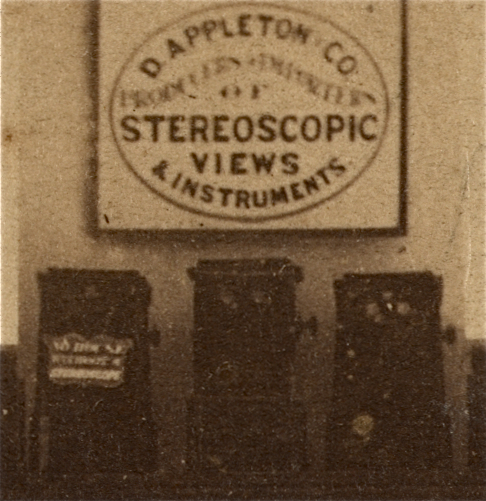
The viewer was cheap. The business was in the cards, and the scale of it is the thing people underestimate.
Stereographs were published in enormous quantities and sold in sets, by subscription, in shops, through catalogues and door to door by agents. Firms employed photographers who travelled the world specifically to produce them, and the catalogues ran to many thousands of titles.
The subject matter is effectively a list of what people wanted to see. Famous landmarks and cities. Mountains, canyons and waterfalls. Foreign countries and their people. Engineering works, bridges and ships. Disasters and their aftermath. News events. Expositions and fairs. Scientific and medical subjects. Comic and sentimental staged scenes with actors. Religious subjects. And a steady trade in mildly risque material that was advertised discreetly.
A household bought these the way a household later bought magazines – continuously, in volume, and on subjects that came in and out of fashion.
It Was the Only Way Most People Saw Anywhere Else
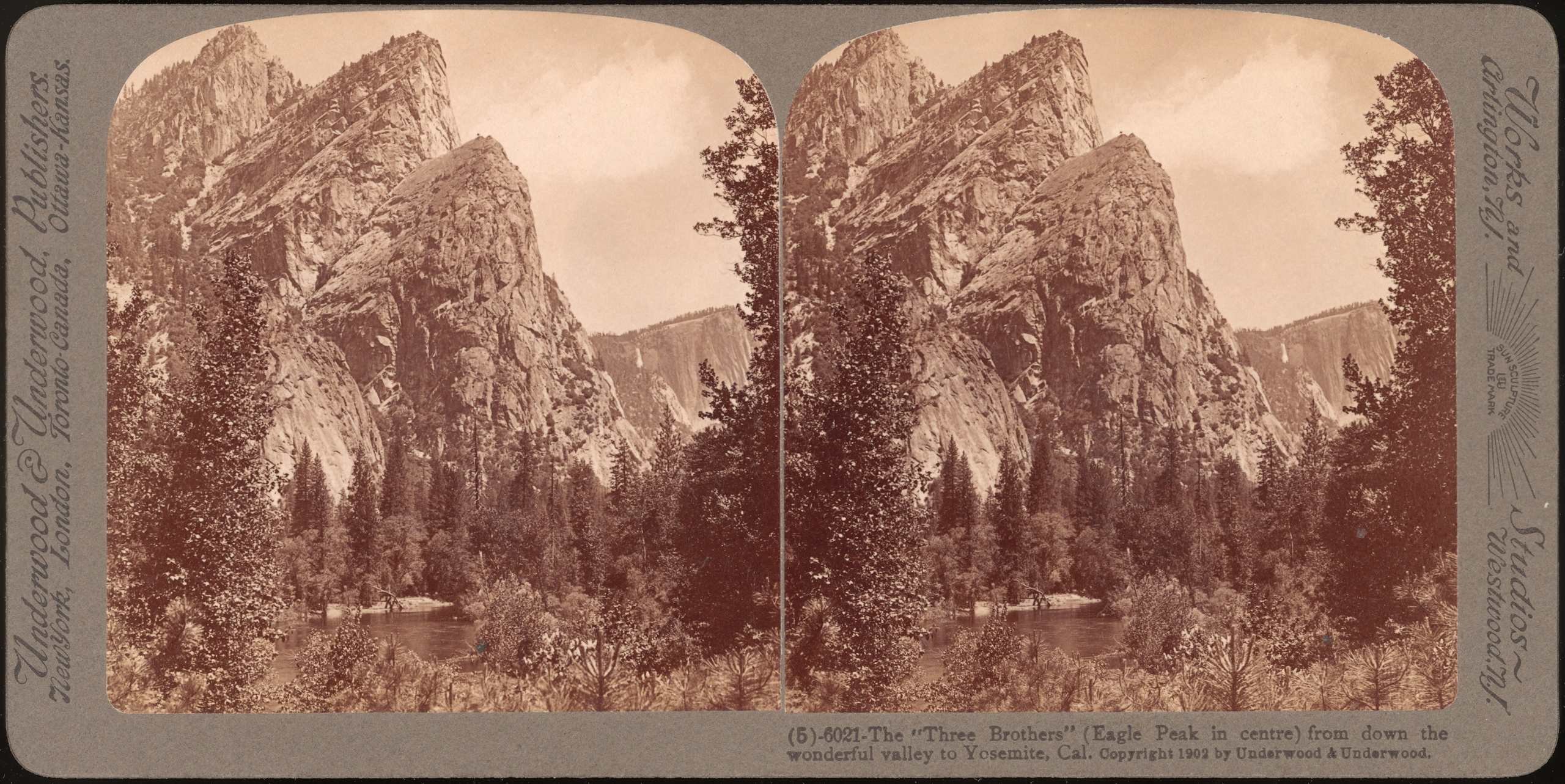
This is the function that has no modern equivalent and it is the reason the thing mattered.
Before cinema, before photographic reproduction in newspapers was any good, and long before television, an American family in a small town had almost no way to see what anywhere else looked like. Engravings in books were drawings. A travelling lecture might bring a few images. Otherwise the world beyond the county was described rather than shown.
A stereograph is a photograph, which means it is evidence rather than interpretation – and in three dimensions it is startlingly convincing. People looking at a card of a canyon or a cathedral were seeing, for the first time in human history, something close to what it would have looked like to stand there.
That is a genuinely large thing, and the enthusiasm the period had for these is completely understandable once you grasp it. It was not a novelty. It was access.
The Viewer in Most Houses Was a Specific Design
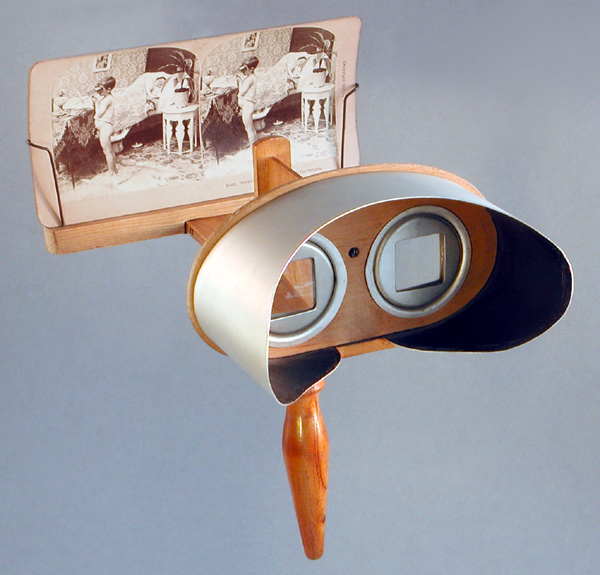
The version everybody finds in the attic is the cheap mass-produced American pattern: a wooden or metal hood, two lenses, a handle underneath, and a sliding card holder on a rail so the distance could be adjusted to the user’s eyes.
That design was deliberately simple, deliberately cheap, and not patented in a way that stopped anybody copying it – which is precisely why it ended up in millions of homes. Earlier and grander instruments existed, including large cabinet viewers holding dozens of cards on a mechanism, and those were furniture. The handheld one was a commodity.
It also folded flat, which matters more than it sounds. A viewer that collapses into a drawer and comes out when there is company is a different kind of household object from a cabinet that occupies floor space permanently.
It Was Something a Room Full of People Did
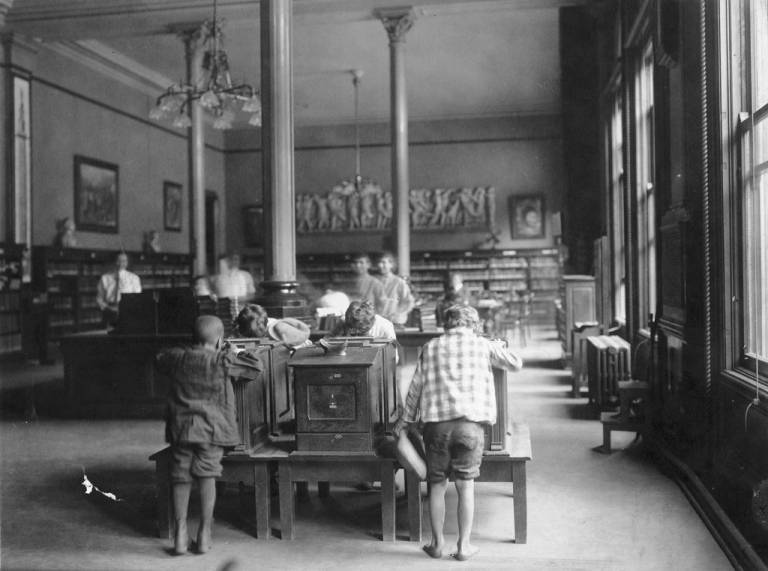
Worth stating, because the object is a single-user device and the activity was social.
A box of cards came out, was passed round, and everybody took a turn – which means the experience was mediated by whoever was handing them over and commenting. Somebody read the caption printed on the back. Somebody who had been somewhere explained what you were looking at. Children were shown the ones they liked.
That is an odd and specific social form: a group activity built around an instrument only one person can use at a time, with the talk between turns being a substantial part of it.
It also made the cards durable as a possession. A household accumulated them over decades, inherited them, and kept them in the box they came in – which is why so many survive in sets rather than as singles.
The Cards Were Made With Two Cameras, or One Camera Twice
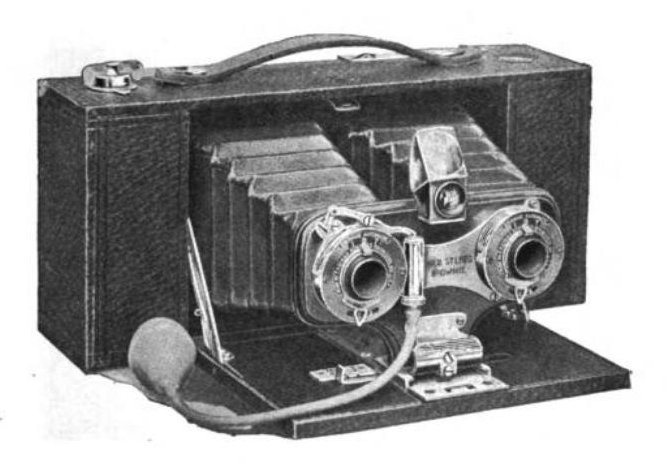
How the pictures were taken is worth a paragraph, because it explains why the good cards are so convincing and the bad ones are not.
The proper method used a single camera body with two lenses set an eye’s width apart, exposing both halves of a plate at the same instant. That matters for anything that moves. A card of a street, a harbour or a crowd has to be taken in one exposure or the two halves will not agree with each other, and the brain refuses to fuse images that disagree.
For a landscape with nothing in it moving, a photographer could get away with one camera moved sideways between two exposures – and a great many were made that way, which is cheaper and needs no special equipment.
The separation between the two viewpoints is the variable that decides how the depth reads. Set it at roughly the distance between human eyes and the scene looks the size it really is. Increase it and distant subjects gain depth they would not have in life, which is why mountain views in particular can look like a model rather than a landscape.
Photographers knew all this and used it deliberately, which is why the better publishers’ cards still read correctly today and the cheap copies frequently do not.
Then Moving Pictures Took the Audience
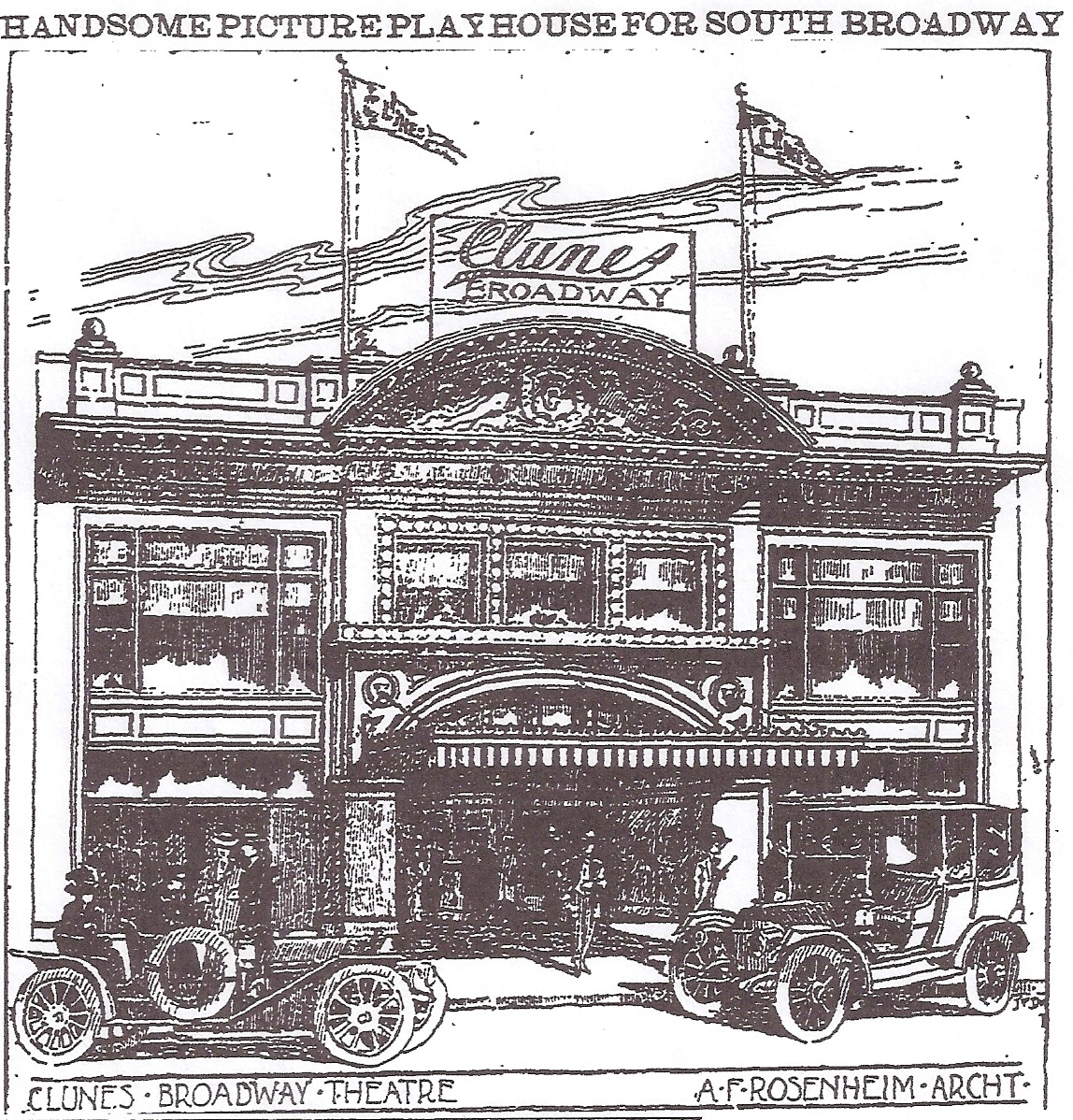
The decline is straightforward and it happened in two stages.
Cinema did most of it. A projected moving picture does something a stereograph cannot do at all, it does it for a whole room at once, it tells a story, and it was cheap to attend. Against movement, depth turned out to be the less compelling trick – which is the finding that has repeated with every 3D revival since.
Then photographic reproduction in print got good. Once newspapers and magazines could print clear photographs cheaply, the ordinary household’s appetite for images of elsewhere was satisfied by publications arriving every week, with text attached and no instrument required.
Radio and then television finished the job by taking the evening entirely. A box of cards on a table cannot compete with a room looking in the same direction at something happening.
The Principle Never Went Away
And this is the part that makes the stereoscope worth more than nostalgia: the idea was never superseded. It was only ever out-competed on convenience.
Every stereoscopic system since works the same way – two images from two viewpoints, delivered one to each eye. Anaglyph glasses with coloured filters do it with colour separation. Polarised cinema glasses do it with light orientation. The mid-century toy viewer with a cardboard reel of transparencies is a stereoscope with better optics and a cheaper feed mechanism. A virtual reality headset is a stereoscope with screens instead of prints.
The hood and the two lenses in your attic is the same device as the headset, arrived at seventy years earlier, working on exactly the same fact about where human eyes are.
So if you find one, clean a lens and look at a card. The depth will come up immediately, and it is a slightly unsettling experience – because what you are seeing is a real place, photographed by a person who stood there, in three dimensions, more than a century ago.
Like our content? Follow us for more.