

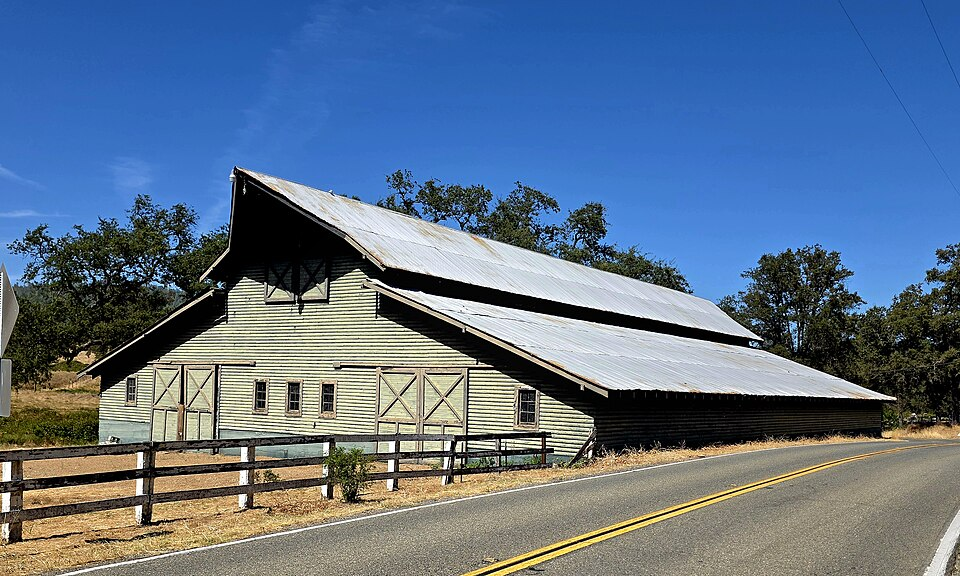
In 1964 the sound of rain on a tin roof was simply the ordinary experience of being inside a cheaply built American building.
It was not tin. It was corrugated galvanised steel – zinc-coated sheet, waves pressed into it to make a thin flexible material rigid enough to span between widely spaced supports. It went straight onto bare wooden purlins with no solid decking, no underlayment, no insulation and frequently no ceiling, which is what made it the cheapest roof available.
And that construction detail is the whole subject, because it is also why the rain was so loud. Here are twelve things every family knew.
1. It Was Never Actually Tin
The roofing everybody calls tin was corrugated galvanised steel – steel sheet coated with zinc to stop it rusting – with genuine tin plate used only on much older and much smaller work.
The same material, still manufactured and still widely used, alongside aluminium, coated steel and standing seam systems in a far greater range of finishes.
The name survived from an earlier material and stuck to its replacement, which happens constantly in building. What people are remembering is a zinc-coated steel sheet, and the zinc is the only reason the roof lasted at all.
Like our content? Follow us for more.
2. The Corrugations Are Structural
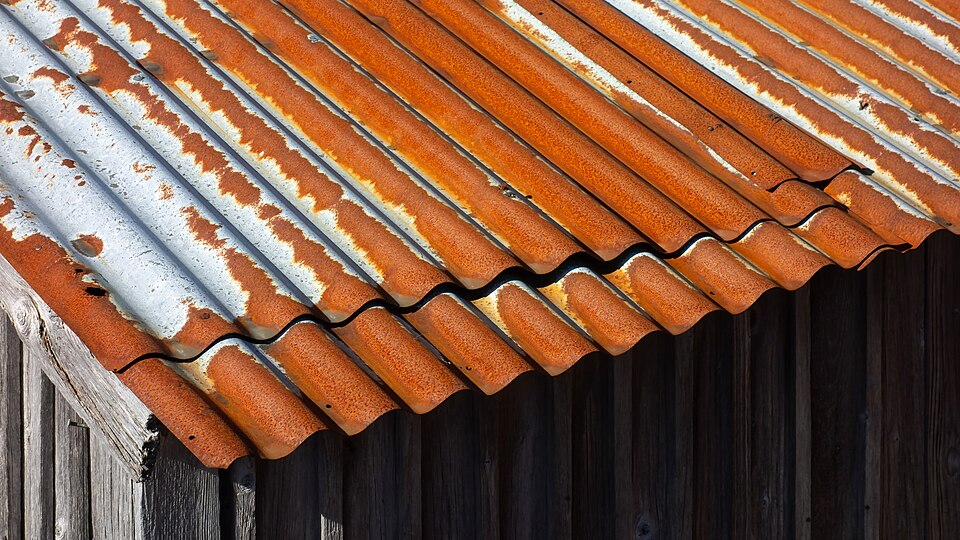
The waves pressed into the sheet are not decoration or drainage – they make a thin flexible sheet rigid enough to span between widely spaced supports without sagging.
The same principle in every profiled metal sheet made, with deeper and more complex profiles spanning further.
Corrugating is one of the most elegant tricks in structural engineering and it costs nothing. A flat sheet of thin steel will bend under its own weight; put waves in it and the same material becomes a beam in one direction, which is why the roof needed only a few purlins underneath.
3. It Went Straight Onto Purlins With Nothing Underneath
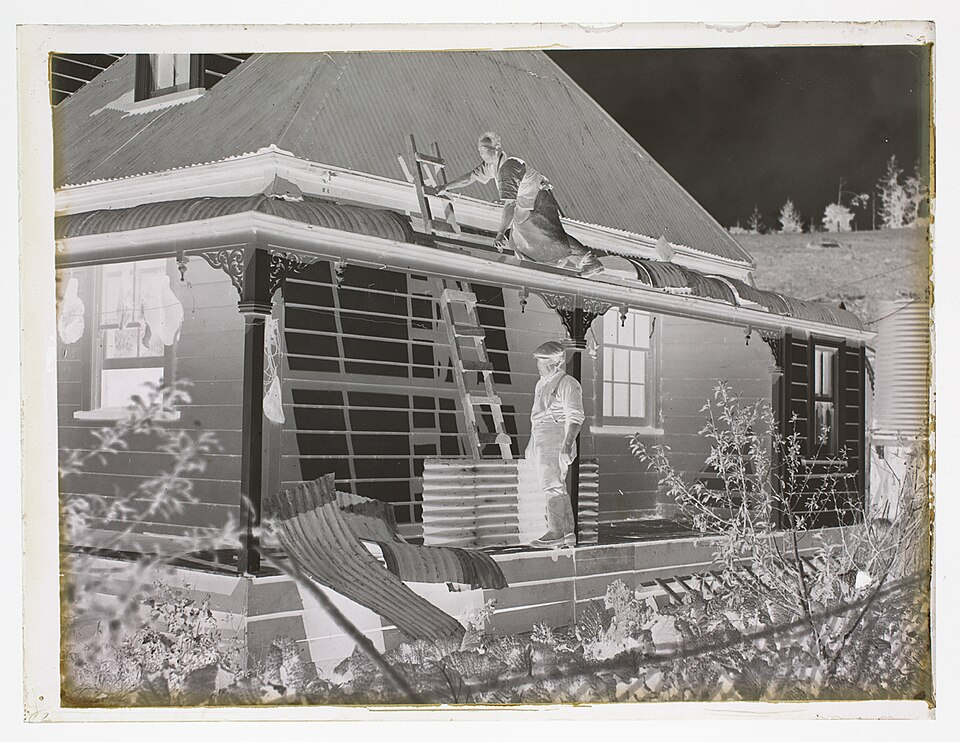
Sheets were screwed or nailed directly to widely spaced wooden purlins – no solid decking, no underlayment, no insulation, no ceiling in a great many buildings – which is what made the roof cheap and fast.
Metal roofing is now generally installed over solid decking with underlayment, and over insulation in any heated building.
This single construction detail is the most important fact in this entire list, and everything people love and everything people complain about follows from it – including the sound.
4. The Nails Had Lead Washers
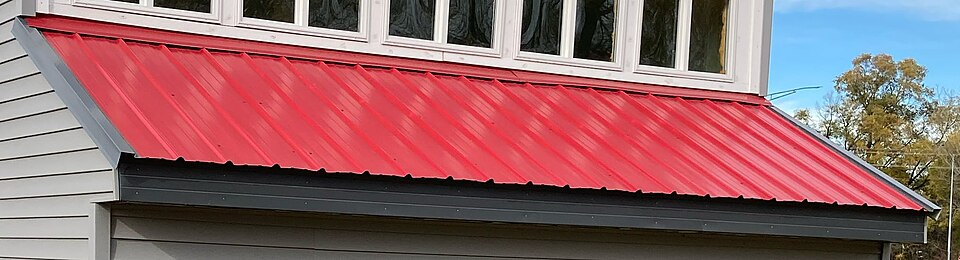
Fasteners went through the high point of the corrugation and carried a soft washer of lead or rubber that deformed under the head to seal the hole.
Screws with bonded rubber or neoprene washers and purpose-made sealing heads, which perform the same job considerably better.
Sealing a hole you have deliberately punched in a roof is the fundamental problem with this material and the washer is the solution. A roof fastened with plain nails leaks at every single fastener, which is a lot of holes.
5. Rust Started at the Edges and the Scratches
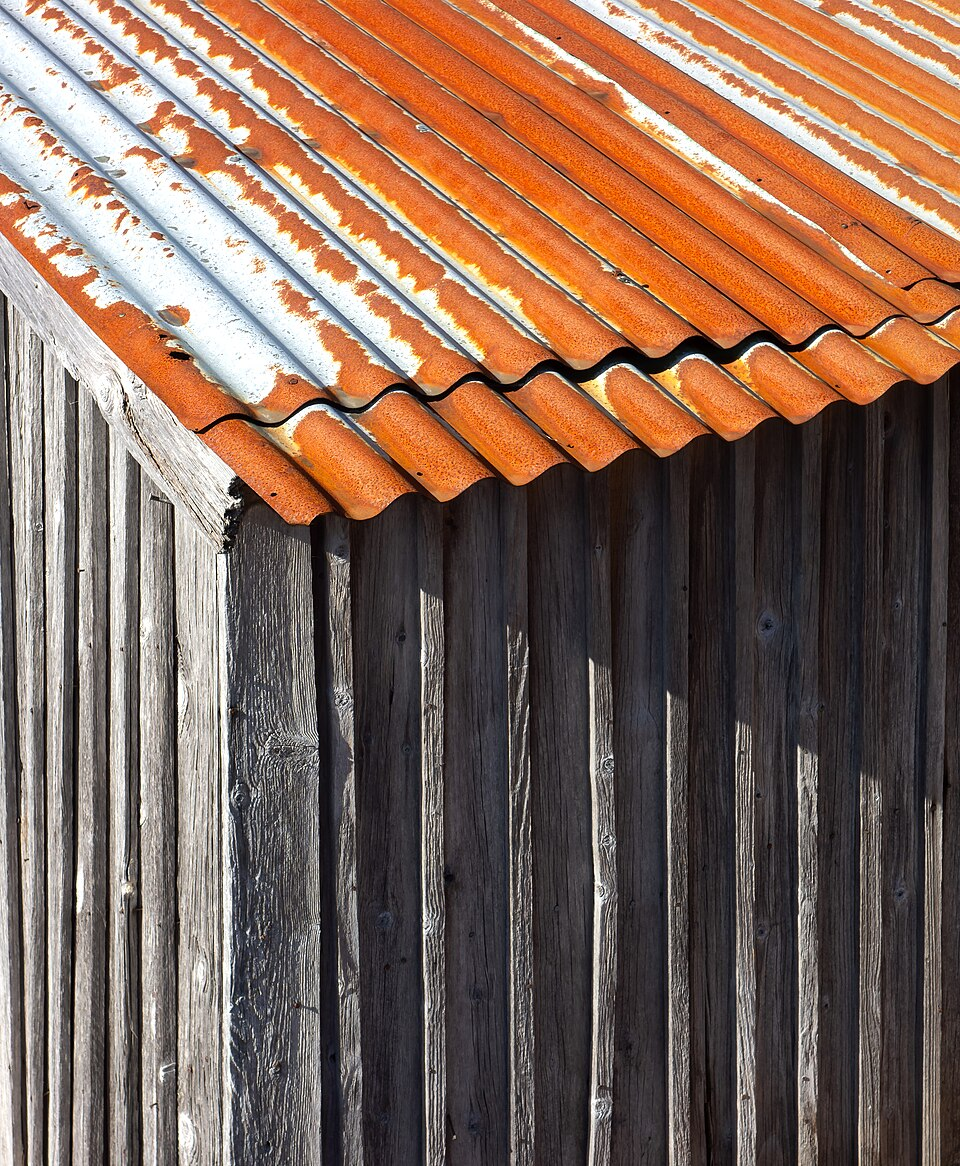
The zinc coating protected the steel as long as it was intact, so corrosion began where the coating had been broken – cut edges, scratches, fastener holes, and anywhere two sheets rubbed.
Far better coatings, factory-applied paint systems and aluminium, giving service lives several times longer.
Understanding where rust starts explains the maintenance cycle. The sheet does not fail evenly; it fails at the damage, which is why an old roof can look sound across the middle and be gone at every edge and every nail.
6. Painting It Was a Recurring Job
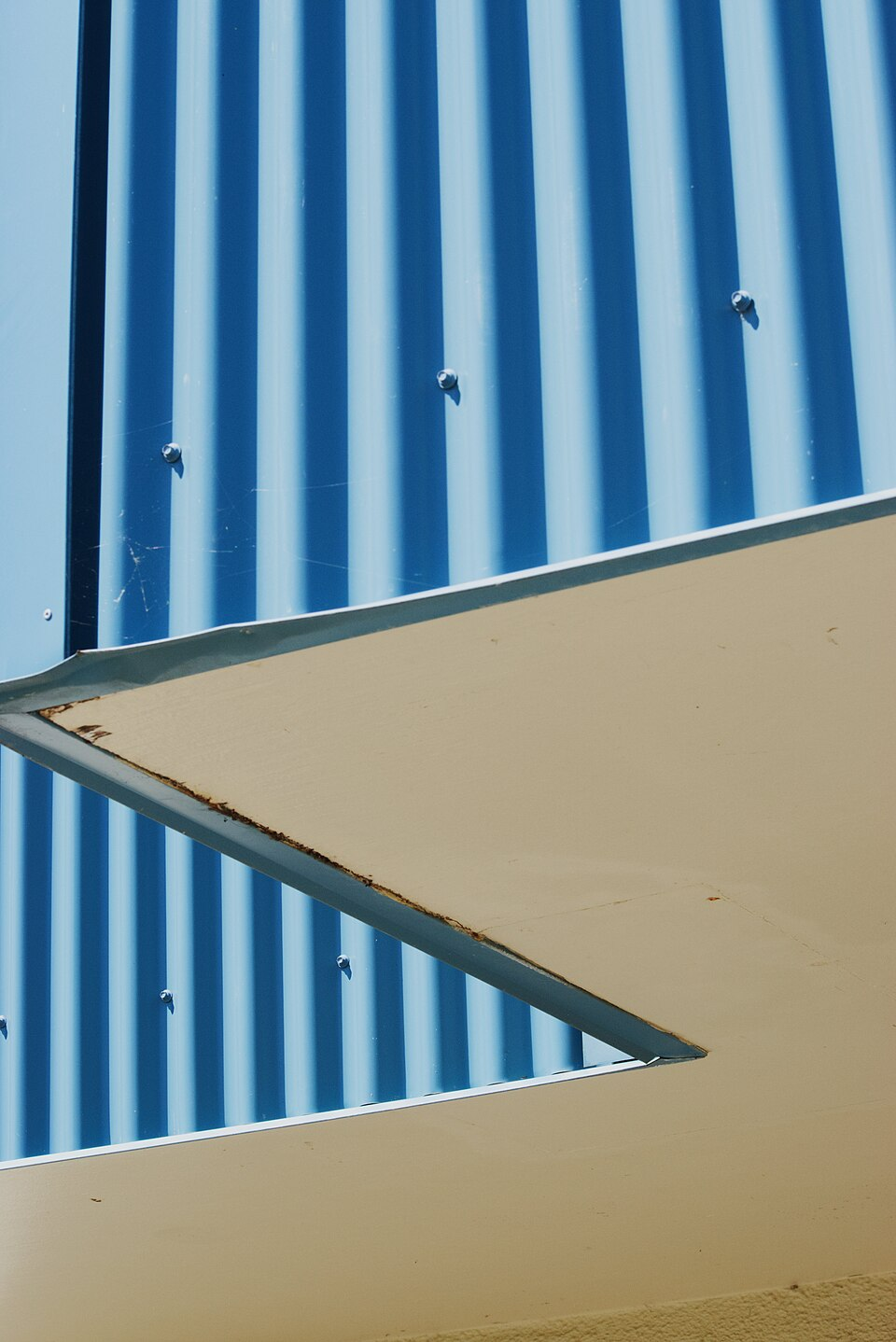
Roofs were painted and repainted – red oxide, aluminium paint, silver, green – partly to slow corrosion and partly because a painted roof reflects heat better than a bare one.
Factory-applied finishes with long warranties, with field painting now a renovation measure rather than routine maintenance.
The painting cycle was a real and unpleasant commitment and it is why so many old roofs are several colours in patches. Getting onto a steep metal roof to paint it is dangerous work, it had to be redone every several years, and it was frequently put off.
7. Snow Came Off It All at Once

Metal is slippery, and a sloped metal roof sheds accumulated snow in a single mass with no warning, which is excellent for the structure and alarming for anybody standing underneath.
The same behaviour, now managed deliberately with snow guards and snow retention systems where a slide would be a problem.
Shedding is a genuine structural advantage and a genuine hazard at the same time. The roof never carries a heavy accumulation, which protects the building – and the consequence is a large quantity of snow arriving at ground level in one instant, which is why retention systems exist.
8. Hail Was Extremely Loud and Mostly Cosmetic
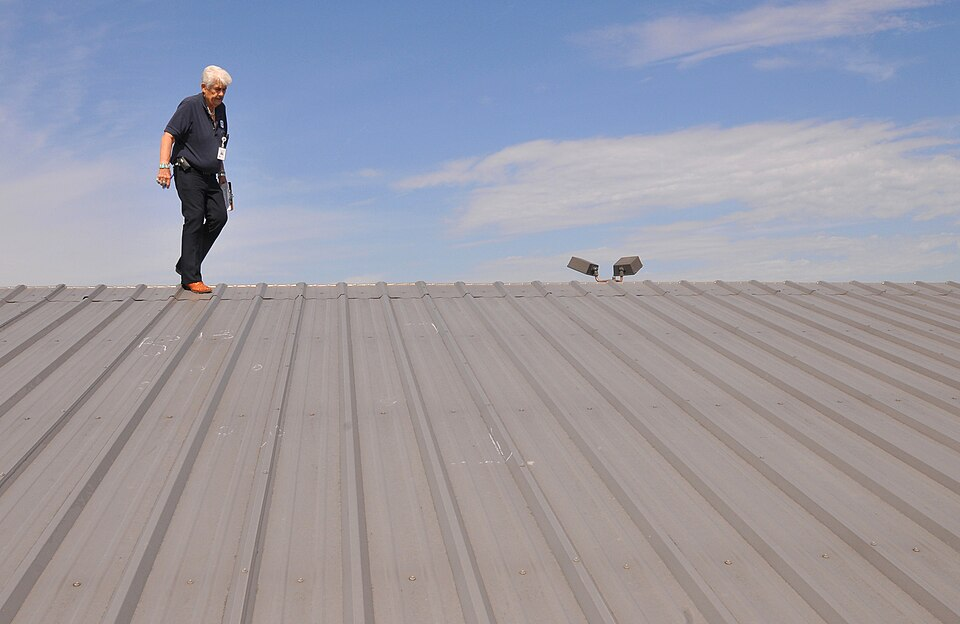
Hail on a corrugated steel roof produced a noise that was genuinely frightening indoors, and generally left dents rather than holes.
The same, with modern panels rated for impact resistance and hail damage treated as an insurance matter.
The gap between how it sounds and what it does is the whole story with hail on metal. A roof that sounds as though it is being destroyed is usually being dented, which is why people who have been through it remember the noise and not the repair.
9. The Lightning Belief Was Wrong
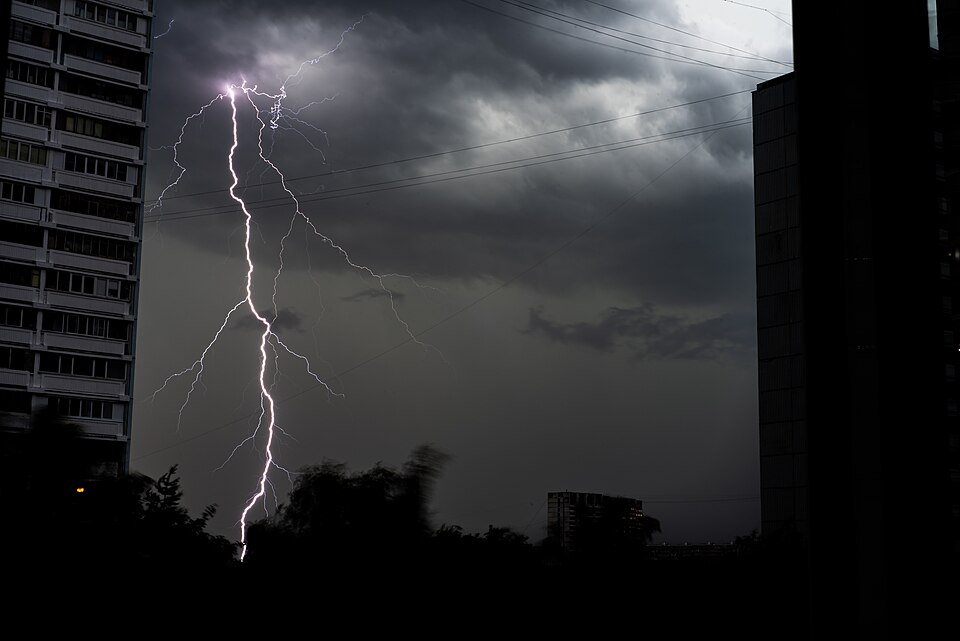
A great many people believed a metal roof attracted lightning and was dangerous in a storm, and avoided these roofs or feared them during one.
Understood to be incorrect. A metal roof does not increase the likelihood of a strike, and because metal is non-combustible it is generally considered to perform better than most roofing materials if one occurs.
This piece states the correction and goes no further, with no electrical, grounding, protection or installation content of any kind, because lightning protection is a specialist matter for current authoritative guidance and qualified installers. The historical point is only that the fear was widespread and was mistaken.
10. The Sound Was the Sound of a Thin Uninsulated Roof
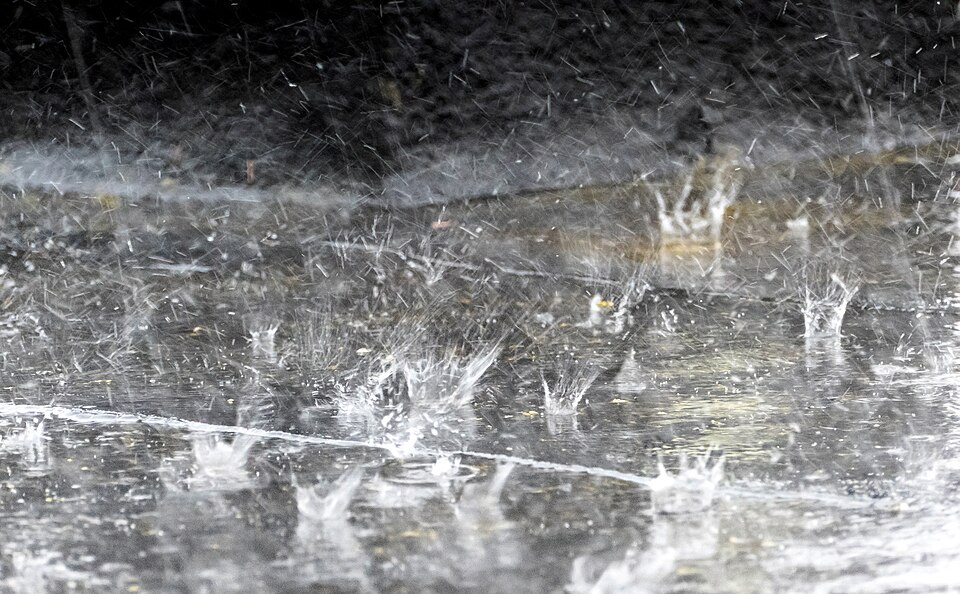
Rain on a metal roof is loud because the sheet is a thin unsupported membrane with an air space behind it and nothing to absorb the noise – which is to say, the sound is produced by the absence of decking, underlayment, insulation and ceiling.
Metal roofing over solid decking, underlayment and insulation is close to silent in rain, which is why people who install one in order to hear the rain are reliably disappointed.
This is the twist in the whole subject and it is worth stating plainly: the sound everybody loves is a symptom of a thermally poor building. The rain was audible because there was nothing between the sheet and the room, and the moment you insulate the roof properly the sound goes away.
11. It Was the Cheapest Possible Roof and That Was the Point
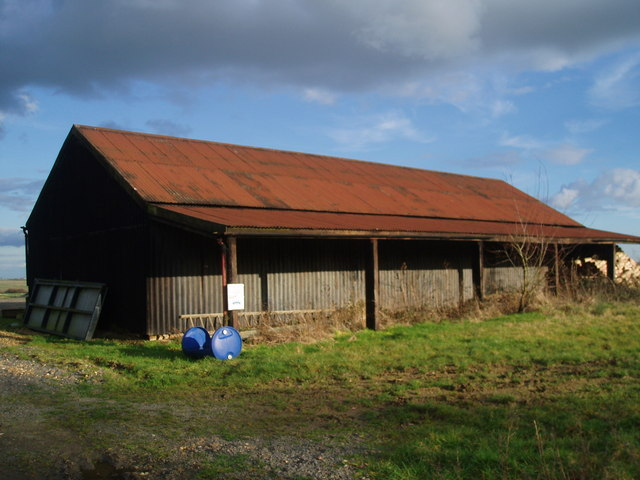
Corrugated steel went onto barns, sheds, porches, chicken houses, outbuildings and a great many houses because it was inexpensive, light, quick to install, available anywhere and repairable sheet by sheet.
Metal roofing has shifted upmarket considerably, with standing seam systems now a premium product, while corrugated sheet remains the cheap option for agricultural and utility buildings.
The social meaning of the material completely inverted and almost nobody notices. A tin roof was once a visible marker of a cheap building, and a standing seam metal roof is now a visible marker of an expensive one – the same metal, read in exactly opposite ways.
12. Then the Roof Got Better and the Sound Went Away
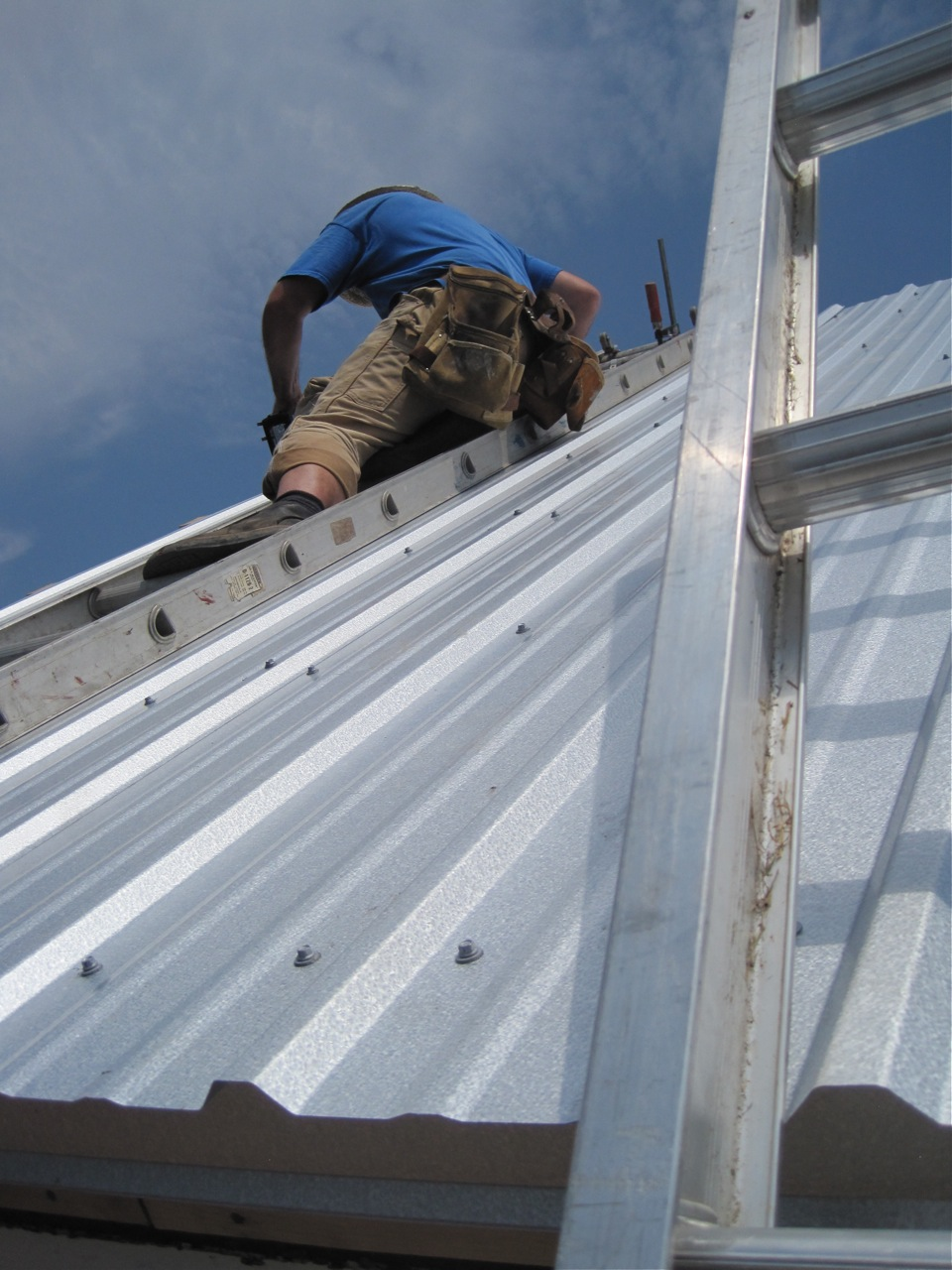
In 1964 the sound of rain on a metal roof was the ordinary experience of being inside a cheaply built American building – thin steel sheet on bare purlins with no decking, no underlayment, no insulation and frequently no ceiling between it and the room.
The same metal, installed properly over decking and insulation, is quiet – and the buildings where the sound could be heard have mostly been insulated, lined, replaced or lost.
And the thing worth sitting with is that this is one of the few nostalgic experiences that cannot be recovered by buying the thing it came from, because the sound was never a property of the material. It was a property of a building with nothing in it. Rain is audible on a corrugated roof precisely because the sheet is a thin flexible membrane, fastened to purlins a long way apart, with an air cavity behind it and no decking, no underlayment, no insulation and no ceiling to absorb anything. Every single one of those absences is a defect. Together they describe a roof that leaks heat in winter, bakes the space beneath it in summer, condenses moisture on its underside and transmits every noise outside directly into the room – which is exactly why nobody builds that way any more. Install the identical metal over solid decking, a proper underlayment and adequate insulation and the roof performs well and is close to silent, which is the correct outcome and is also the end of the sound. People do try. A certain number of metal roofs get installed every year by homeowners who grew up with the noise and want it back, and the reliable result is disappointment – because what they are buying is the material, and what they remember is the absence of everything else. Which makes this a cleaner case than most. The sound of rain on a tin roof was genuinely lovely, and it was the audible signature of a building that was cold, hot, damp and badly made. You can have the roof or you can have the sound, and almost everybody, correctly, chose the roof.
You Can Have the Roof or the Sound, Not Both
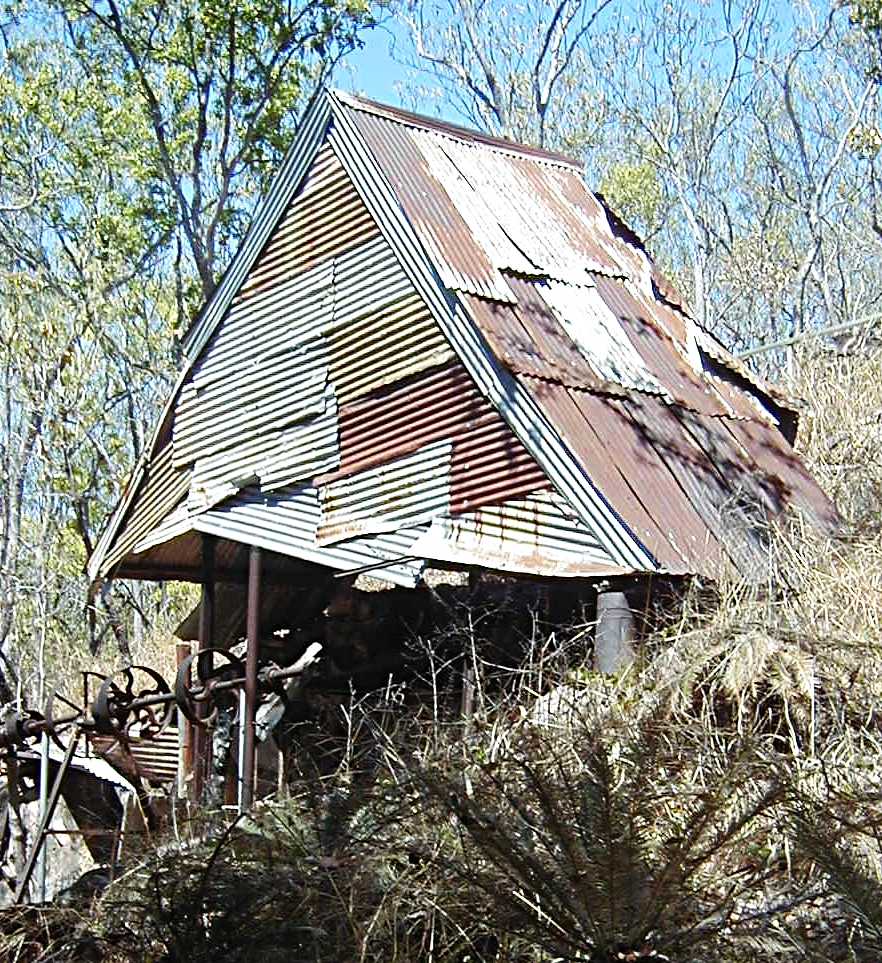
This is a rare case of a nostalgic experience that cannot be bought back, and the reason is precise and slightly deflating.
The sound of rain on a tin roof is not a property of metal. It is a property of a building with nothing in it.
Here is the mechanism. Corrugated sheet is thin, flexible steel, fastened to wooden purlins set a long way apart. Behind it, in the kind of building people are remembering, there is an air cavity and then nothing at all – no solid decking, no underlayment, no insulation and in a great many cases no ceiling between the sheet and the room below. A raindrop striking that sheet makes it vibrate like a drum skin, the cavity behind amplifies it, and the noise arrives in the room unobstructed.
Now notice what that list is. No decking, no underlayment, no insulation, no ceiling. Every single item on it is an absence, and every absence is a defect.
Together they describe a roof that loses heat all winter, bakes the space beneath it all summer, condenses moisture on its underside, and transmits every noise outside directly inside. Which is exactly why nobody builds that way any more, and exactly why the buildings where the sound could be heard were barns, sheds, porches, chicken houses, outbuildings and the cheapest category of house.
Take the identical metal – the same corrugated galvanised steel, or a modern coated equivalent – and install it the way it is now installed, over solid decking with a proper underlayment and adequate insulation beneath, and the result is a roof that performs well, lasts a long time and is close to silent in rain.
That is the correct outcome. It is also the end of the sound.
People do try to get it back. A certain number of metal roofs go onto American houses every year specifically because somebody grew up with the noise and wants it again, and the reliable result is disappointment. They are buying the material. What they actually remember is the absence of everything else, and nobody will sell them that, because it would be a bad roof.
Two smaller corrections belong in the same accounting.
The first is lightning. A great many people believed, and some still do, that a metal roof attracts lightning and is dangerous in a storm. That is wrong. A metal roof does not increase the likelihood of a strike, and because metal does not burn it is generally considered to perform better than most roofing materials if one occurs. This piece says nothing further on it, because lightning protection is a specialist matter for current authoritative guidance and qualified installers.
The second is status, and it is the strangest change in the subject. A tin roof in 1964 was a visible signal of a cheap building – the roof you put on a shed, a barn or a house you could not afford to roof properly. A standing seam metal roof today is a visible signal of an expensive one, specified deliberately, frequently costing several times what asphalt shingles would. The same metal, read in precisely opposite directions, within one lifetime.
So the honest summary is tidier than most of these.
The sound of rain on a tin roof was genuinely lovely, and it was the audible signature of a building that was cold in winter, hot in summer, damp underneath and cheaply made. The two things were the same thing.
You can have the roof or you can have the sound. Almost everybody, correctly, chose the roof.
If you ever slept under one, you remember what a hard rain sounded like and you have never heard it since.
And you remember hail on it, which is a different memory entirely.
Like our content? Follow us for more.
