There is a particular kind of notebook that turns up when an old farm changes hands. Page after page of dates, each with a few figures beside it: high temperature, low temperature, inches of rain, sometimes wind direction, sometimes a line about frost or hail or the first snow.
Fifty years of it. Sometimes longer, in one hand and then in a son’s or a daughter’s hand.
Families usually read these as a personal eccentricity – grandfather was particular about the weather – and set them aside with the rest of the papers.
A great many of them are nothing of the kind. For well over a century the United States has operated a network of volunteer weather observers, ordinary people who took readings at a fixed time every single day from standard instruments and reported them, and that network has produced the longest and most detailed continuous climate record the country has.
Which means the notebook in the attic may be a page of national scientific data, and the man with the rain gauge on his fence post was a cooperating observer in a federal programme.
The Programme Was Deliberately Built on Volunteers
The reasoning behind it is simple and it has held up remarkably well.
Weather and climate vary over short distances. A reading taken in a city tells you about that city, and it does not tell you what happened forty miles away in a river valley or on a ridge. To understand a continent’s climate you need a dense network of stations spread across every kind of terrain, in enormous numbers, maintained for decades.
Paying professional staff to sit at thousands of rural stations taking two readings a day was never remotely affordable. But a great many people – farmers above all, along with teachers, postmasters, millers, lighthouse keepers, pharmacists and anybody else with a fixed address and a steady temperament – were perfectly willing to do it for nothing.
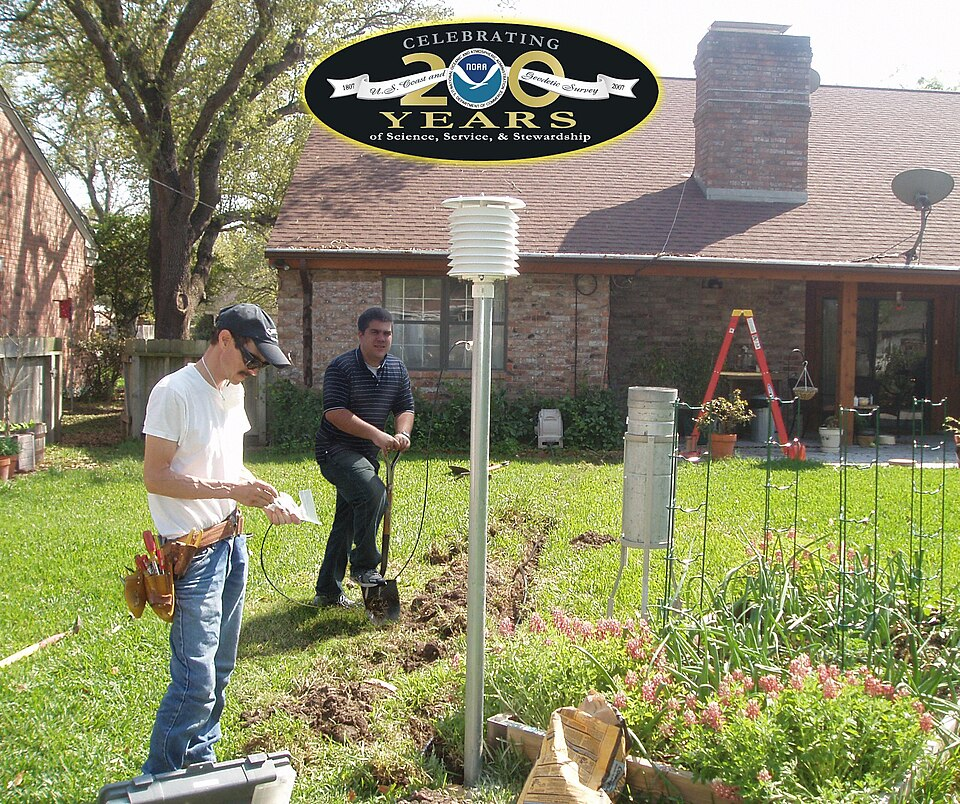
So the arrangement was straightforward. The government supplied the instruments and the forms. The observer supplied the site, the discipline and the daily walk. The readings went in by mail, and later by telephone and eventually electronically.
And it worked for the reason volunteer programmes usually do not: the task was small, completely defined, and the same every day.
Like our content? Follow us for more.
Standardisation Was the Whole Trick
What turns a collection of private notebooks into a dataset is consistency, and the programme was fastidious about it.
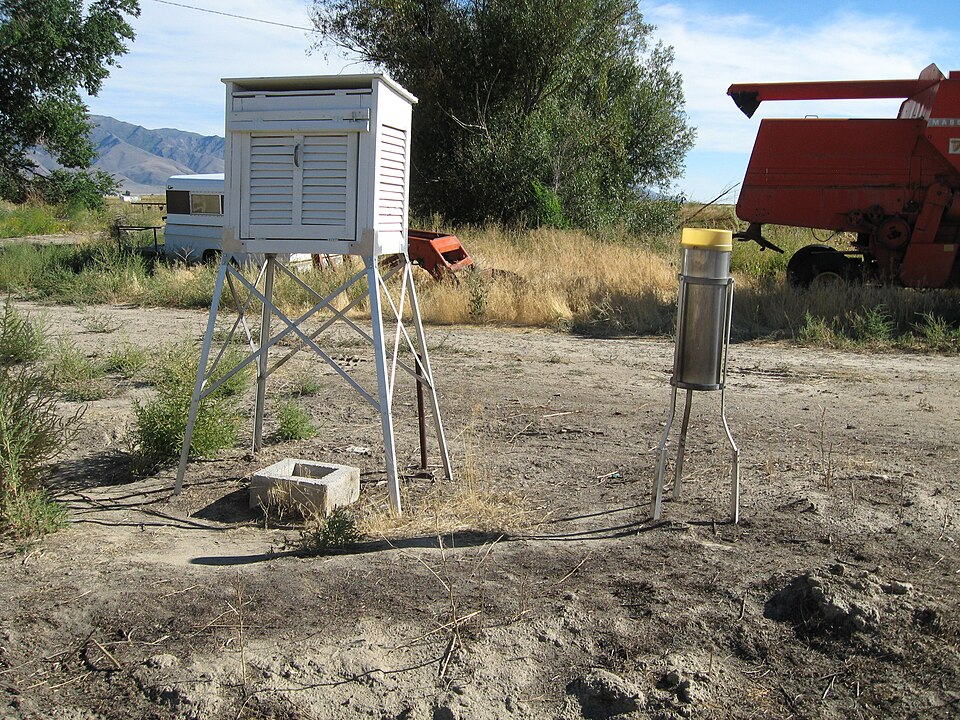
Instruments were supplied rather than bought, so every station used comparable equipment. The thermometers were housed in a standard ventilated white screen – a louvred wooden box on legs, painted white to reflect sunlight, with slats to let air pass and a roof to keep radiation off the bulbs. That shelter is not decoration. A thermometer in direct sun reads far too high, and one in a sheltered corner reads too low, so an air temperature measurement is only meaningful if the instrument is in a standard enclosure at a standard height over a standard surface.
The rain gauge was likewise specified: a cylinder of a fixed diameter, with a funnel directing water into a narrower inner tube so that small amounts could be read precisely, measured with a graduated stick.
Observation time was fixed and the observer was expected to keep to it, because a daily maximum and minimum depend on when you reset the instruments. And the site itself had rules – away from buildings, away from pavement, away from trees that would grow and shade it over time.
That last point is the hardest part of a long record and the one that shows the sophistication of the whole enterprise. A station is only comparable with its own past if nothing around it changes, and over fifty years things change: a shed gets built, a tree grows, a road gets paved, a town spreads outward. Managing that is a permanent problem for anybody who works with long climate records, and the people who maintain these datasets spend a great deal of effort on exactly it.
The Observers Were Extraordinarily Reliable
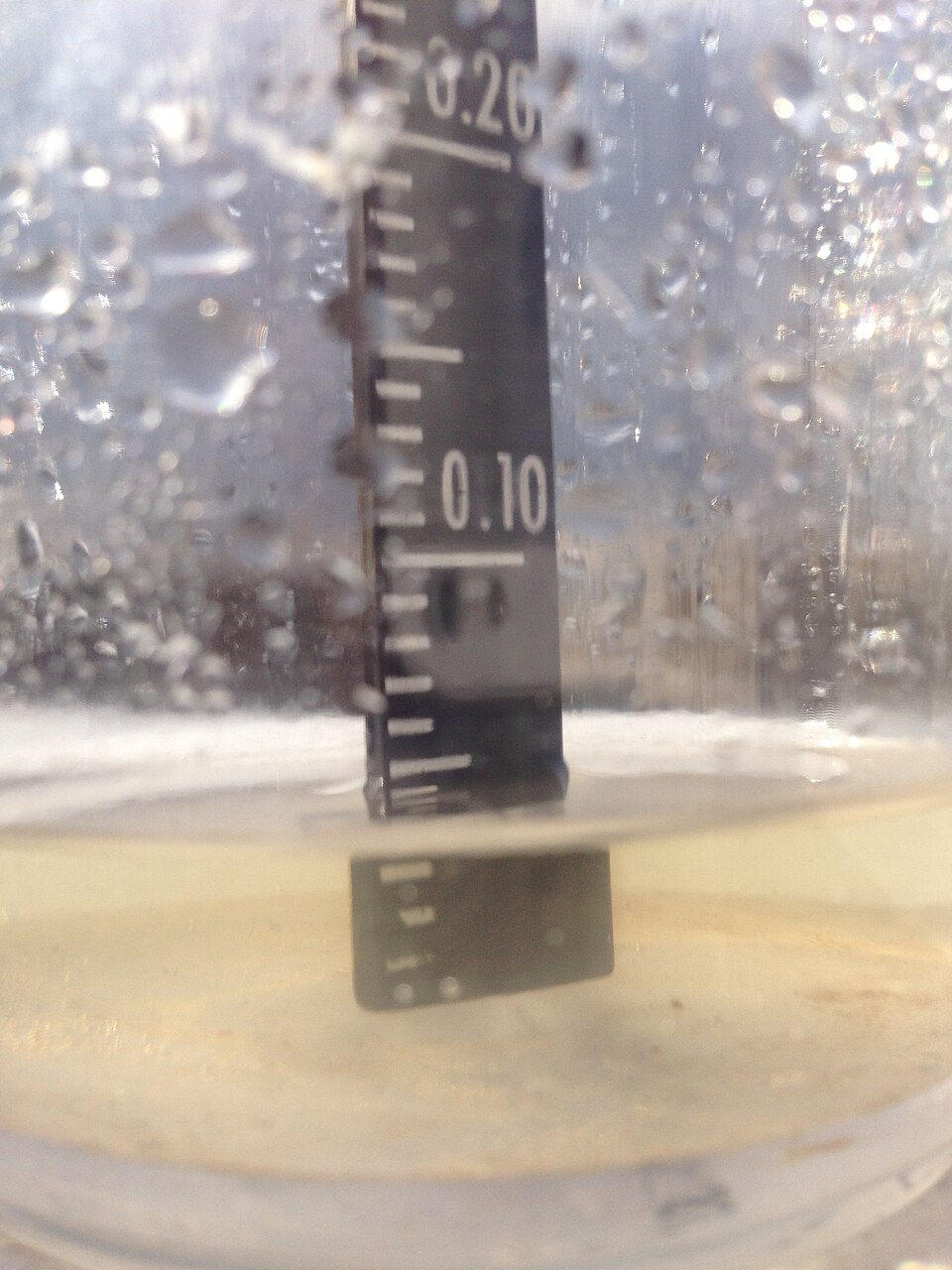
The thing that makes this network scientifically valuable is not the instruments. It is the people.
A daily record with gaps in it is enormously less useful than a complete one, because the gaps fall precisely where something interesting was happening – the blizzard, the flood, the heat wave, the week somebody was ill. So the value of an observer is their consistency, and the consistency achieved by this network is genuinely remarkable.
There are stations in the United States with records running continuously for well over a century, maintained by one family across three or four generations, with the readings taken every day through deaths, births, harvests, storms, wars and whatever else was going on. Observers took readings on the morning of their own weddings. They arranged substitutes before going anywhere. They walked out to the screen in conditions that make the reading itself newsworthy.
Nobody paid them. The programme issued certificates and length-of-service awards, which observers displayed with visible pride, and that appears to have been sufficient. The combination of a small daily duty, an unbroken personal streak and official recognition of the streak turns out to be a powerful motivator, and the programme understood that early.
What the Data Is Actually Used For
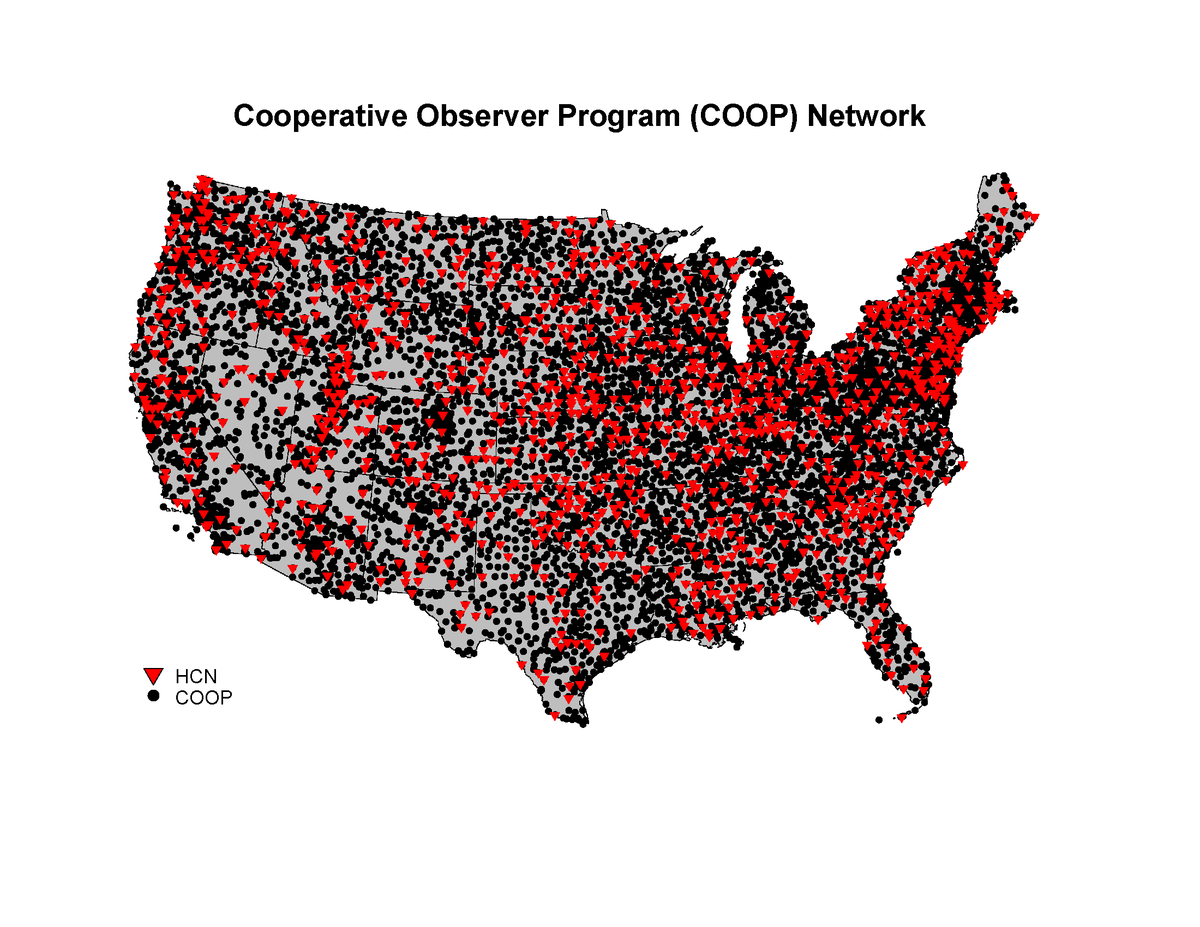
The practical applications are much broader than most people would guess from looking at a notebook.
Flood engineering depends on knowing how much rain has fallen at a place historically and how often extreme amounts occur, which determines how culverts, bridges, storm drains and dams are sized. Agricultural planning depends on frost dates, growing season length and rainfall distribution. Water management depends on long precipitation and snowpack records. Insurance and construction standards depend on documented extremes.
Legal and administrative use is constant: what the weather was on a particular day at a particular place is a question that arises in disputes, claims and investigations all the time, and these records answer it.
And then there is climate research, where the length of the record is everything. Detecting a change in a system that varies enormously year to year requires decades of consistent measurement, and the volunteer network’s long stations are among the few sources that provide it for the period before modern instrumentation existed. That work involves careful correction for the station-change problem described above, which is routine, documented methodology rather than anything mysterious.
This piece makes no claim about what any of that research concludes, which is properly the business of the scientific literature and of current authoritative summaries rather than a nostalgia article.
The Equipment on the Fence Post
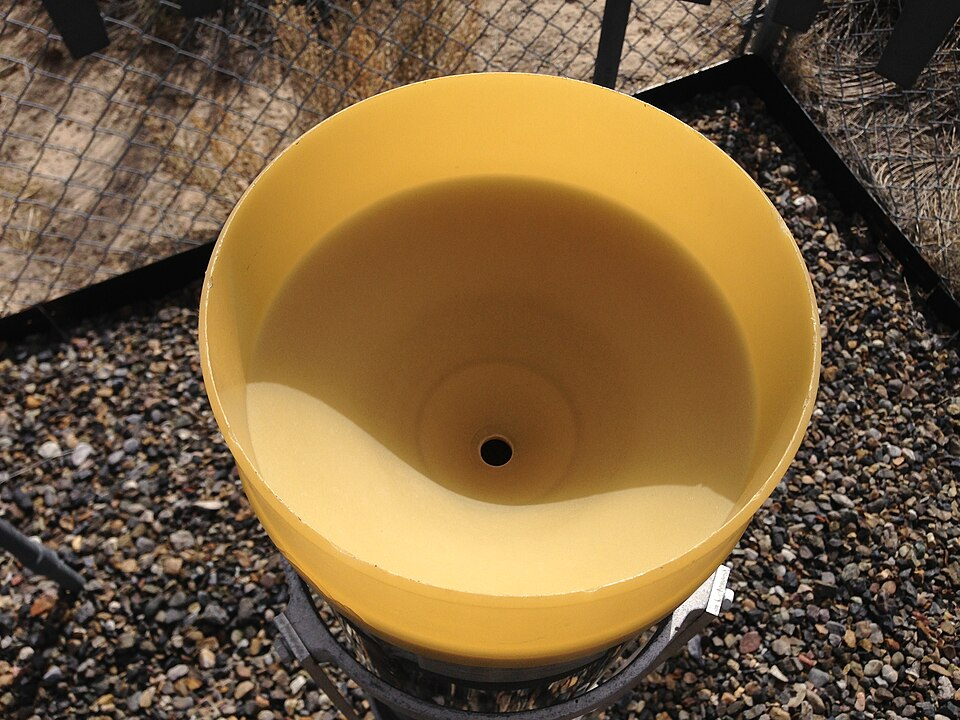
For a household, the visible part of all this was modest.
A white louvred box on a post or a stand, usually in the yard somewhere behind the house, with a door that opened to show two thermometers inside. A rain gauge, a plain metal cylinder, mounted clear of obstructions with its rim level. In snow country, a board and a measuring stick. A notebook or a printed form on a windowsill or a kitchen shelf.
And a walk, at the same hour, every day. That walk is the part former observers and their children describe most often – the regularity of it, the fact that it happened in any weather, and the quiet seriousness with which the figures were written down.
Children in these households frequently learned to read the instruments, which is how a surprising number of Americans acquired an early and entirely practical familiarity with measurement, record-keeping and the idea that observation has to be done the same way every time to mean anything.
Automation Changed the Role Without Ending It
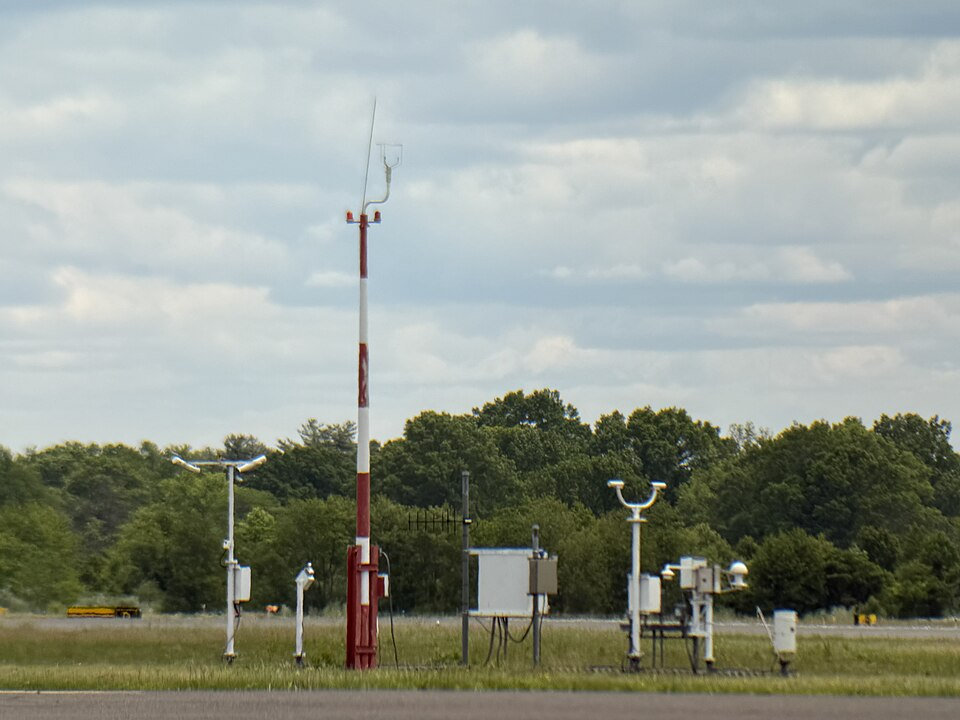
Automated stations now report continuously, by themselves, from thousands of sites – temperature, precipitation, wind, pressure, humidity – with no observer required and far more frequent readings than any human could take.
That has changed what the volunteer network is for rather than making it redundant, and the reasons are specific. The old stations have the long records, and a long record cannot be recreated – so maintaining continuity at a site that has been measured for a century is valuable in a way that no new automated station can match. Human observers also report things instruments handle poorly, snow depth being the standard example, since measuring snow accurately requires judgement about drifting and settling that is genuinely difficult to automate.
So volunteer observation continues, with the network still operating and still recruiting, alongside a much larger automated infrastructure. What has largely gone is the social role: the observer as a recognised local figure whose readings were quoted in the county paper and whose opinion about the weather carried weight because he had the figures.
The Notebook Is Not a Hobby
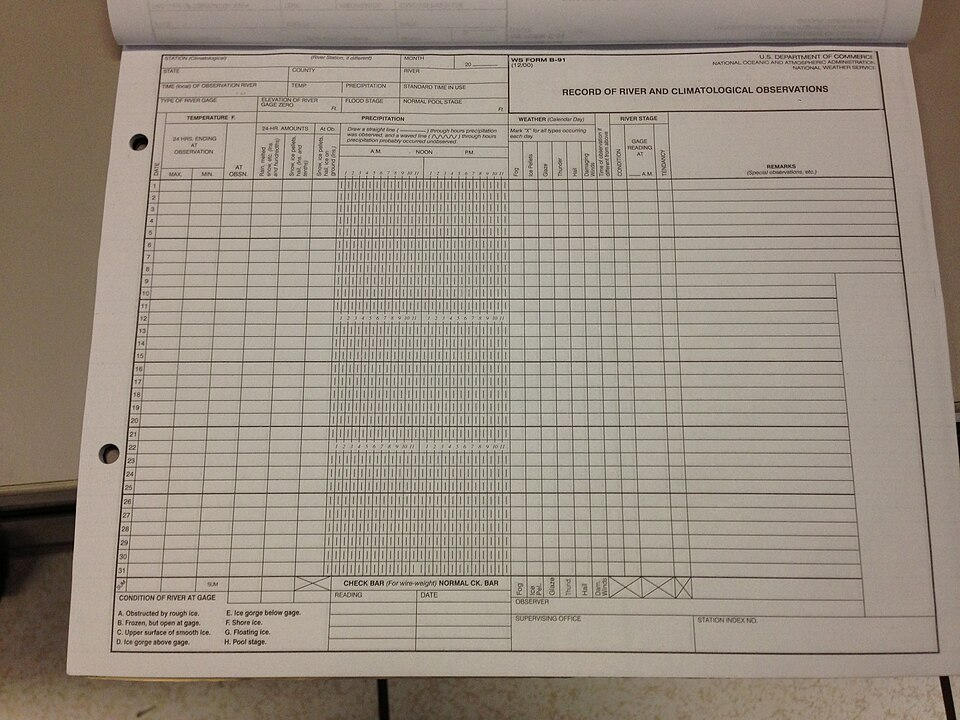
Which brings it back to the attic.
If one of those notebooks turns up in a family’s papers, the thing worth knowing is that it may not be a private curiosity at all. It may be a duplicate of readings that were reported, archived and are still being used – in which case the original programme records exist and the family notebook is a companion to a national dataset.
And even where the record was genuinely private, kept by somebody who simply wanted to know, it is still a half-century of consistent daily measurement at a single point, which is a document of a kind that professional science cannot easily produce.
The man who walked out to the white box every morning at the same hour for forty years was not being eccentric. He was doing the thing that makes measurement into knowledge, which is doing it the same way, every day, for longer than anybody has the patience for.
Which is why the climate record of the United States rests substantially on farmers with notebooks.
Like our content? Follow us for more.