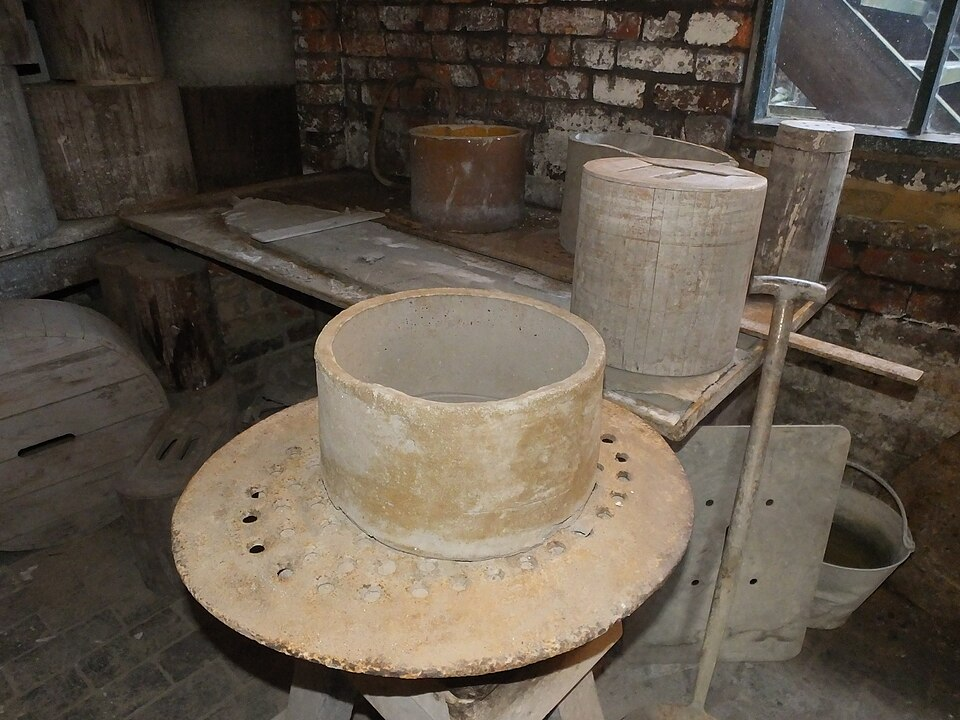
A saggar was a fireclay box built by hand whose whole purpose was to be thrown away, and the trade that made them had the most quoted job title in industrial history. Here are sixteen things about it that the tunnel kiln made unnecessary.
1. A saggar is a fireclay box whose entire purpose is to be thrown away
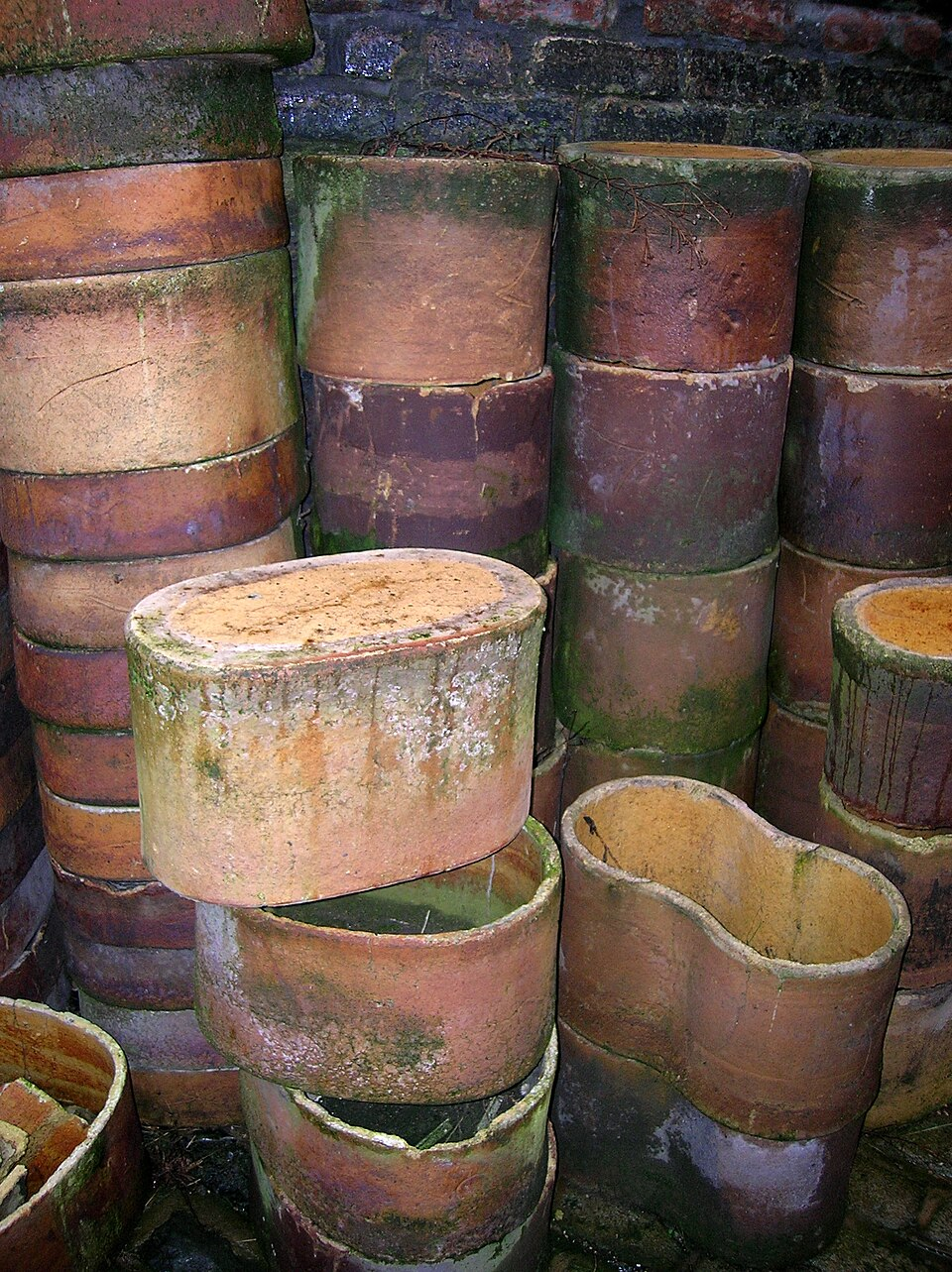
A saggar is a coarse fireclay container that pottery is packed into before it goes in the kiln, to protect the ware from direct flame, from ash and from the atmosphere of the firing.
It is kiln furniture rather than product: nobody buys a saggar, nobody sees one, and it is used a limited number of times before it cracks and is broken up.
So a pottery needed a continuous supply of them, which meant a department making a consumable item nobody outside the works knew existed. Modern kilns fire ware on refractory shelves and setters in a controlled atmosphere, with no saggars at all. The item and the job vanished together and the job title survived as a curiosity.
Like our content? Follow us for more.
2. The famous job title is real and describes exactly what it says
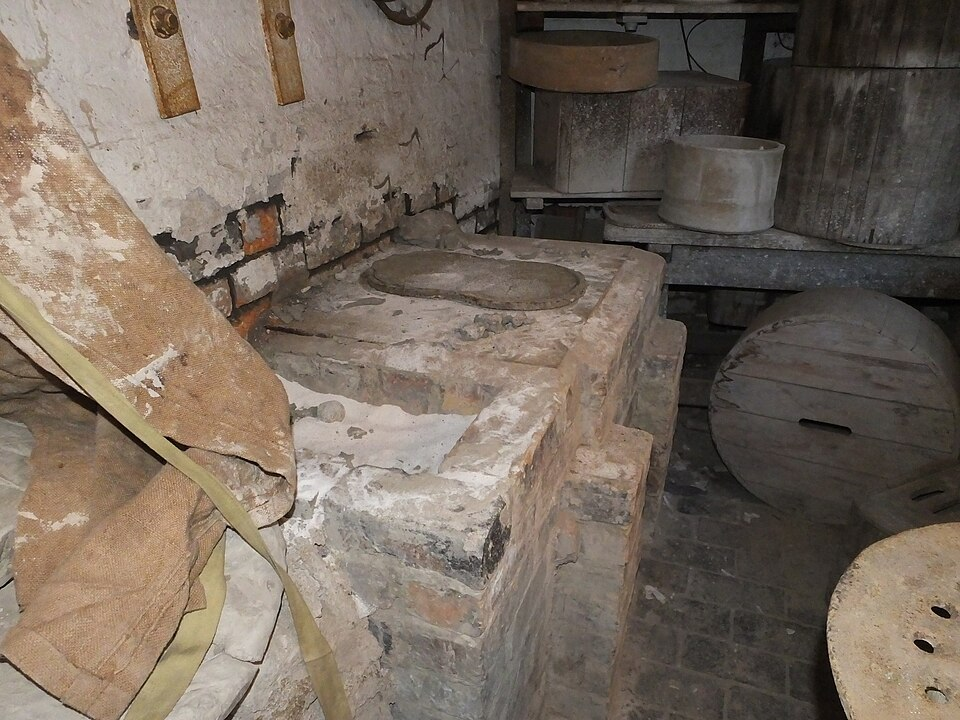
The saggar maker’s bottom knocker is a genuine occupation and the name is literal: the saggar maker made the cylindrical wall of the saggar, and his assistant made the flat bottom by knocking a lump of prepared clay out into a disc in a frame.
It is quoted as an absurdity and it is not absurd at all. Splitting the job that way let the skilled man work continuously on the part that needed skill while the unskilled part was produced alongside him at the same rate.
The bottom knocker was frequently a boy or a young man, and it was an entry point into the pottery trades. The division of labour it represents is exactly what a modern production cell does, with the simple repetitive element automated rather than given to an apprentice. Nothing about the logic has changed.
3. The clay was coarse on purpose and nothing like tableware clay
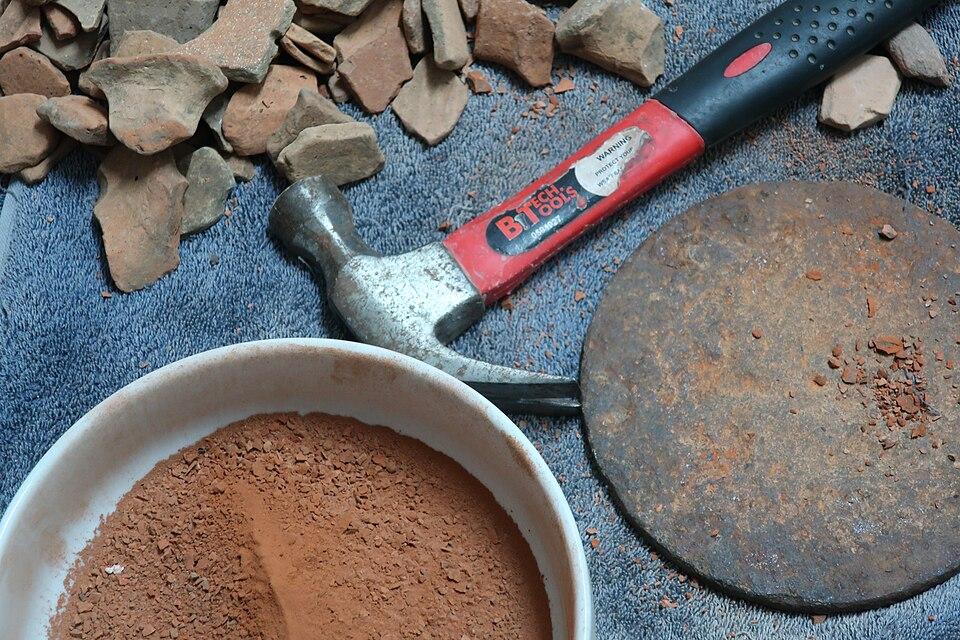
Saggar clay is deliberately rough: a fireclay with a high proportion of grog, which is crushed fired clay added back into the mix.
Grog is what makes it survive repeated heating and cooling. A fine clay body in a kiln expands and contracts as a continuous mass and cracks; a heavily grogged body has thousands of internal interfaces that absorb that movement.
So the saggar department worked a material the rest of the pottery would have rejected, with its own preparation, its own storage and its own handling. Modern refractory kiln furniture is engineered on the same principle with controlled grain size distribution, specified thermal shock resistance and a stated service life. The grog is still grog and it is now measured.
4. Saggars were built by hand around a former
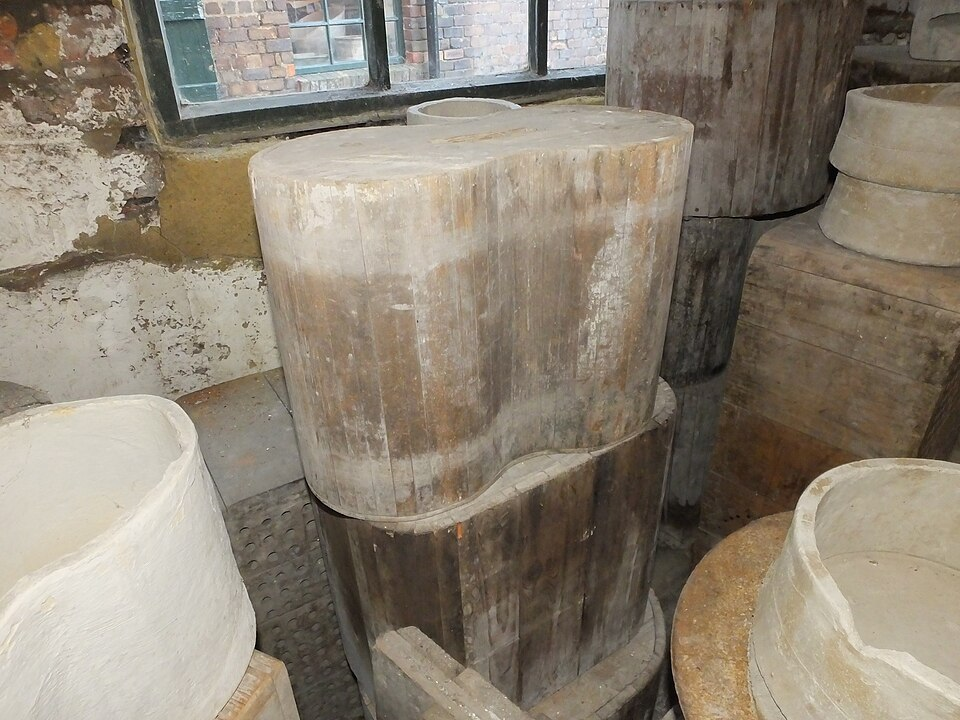
The wall of a saggar was made by beating prepared clay into a flat slab, wrapping it around a wooden or metal former, joining the seam and working the clay until the wall was even.
That is a construction operation rather than a throwing one, and it was done standing, with the whole body, by men who made a great many a day.
The bottom was then luted on and the whole thing dried slowly, because a saggar that dries unevenly cracks before it is ever fired. Refractory shapes are now pressed, cast or extruded to a dimension and fired in a controlled cycle. The hand-built saggar is a museum object and the former is the only part anybody would still recognise.
5. Why the American potteries industrialised this first
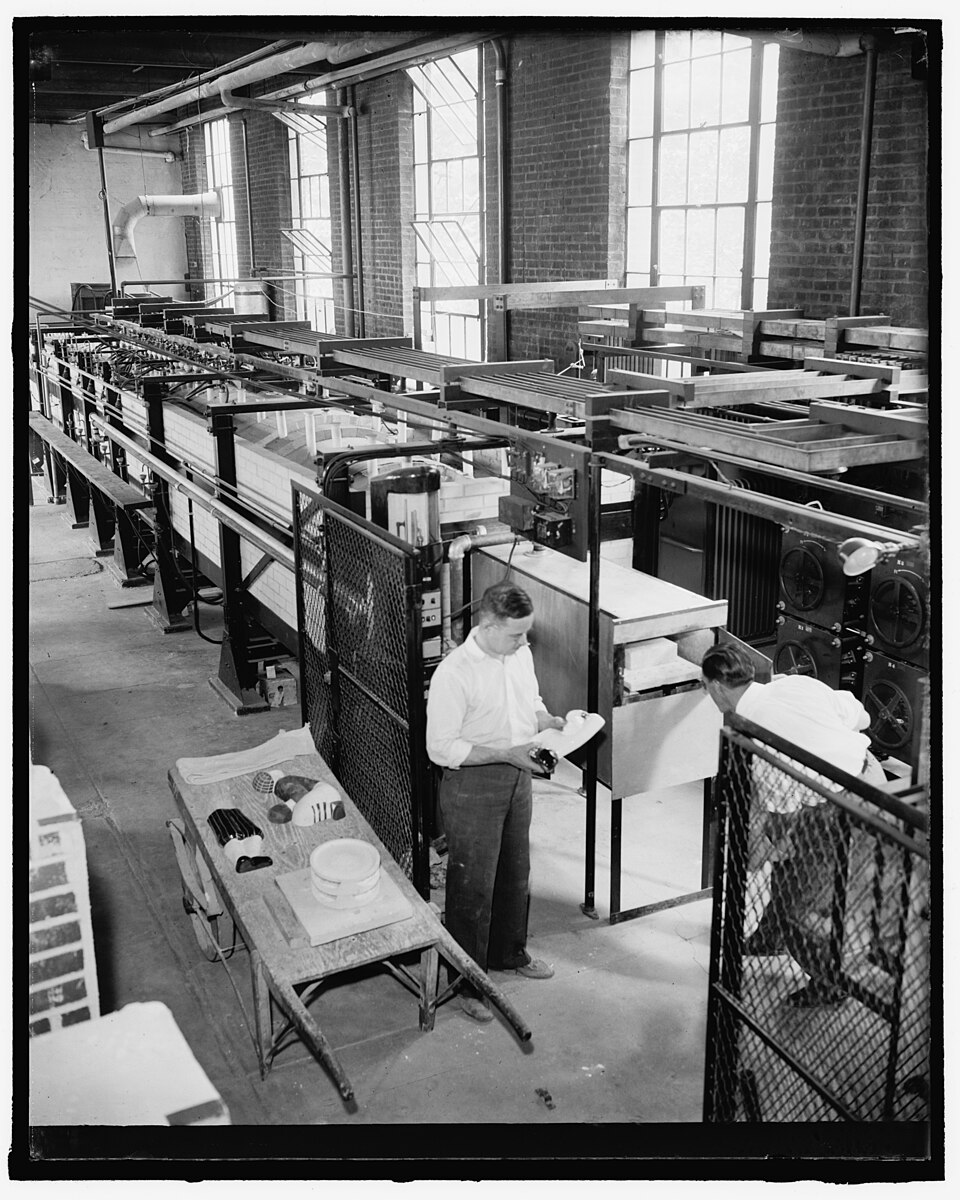
American pottery districts grew fast around a domestic market that wanted large volumes of consistent tableware, and the pressure on cost and consistency hit the kiln first because the kiln was the bottleneck.
That drove early adoption of continuous tunnel kilns, which fire ware on a moving car through a fixed temperature profile instead of batch-firing a bottle oven.
Tunnel kilns changed everything about packing: ware travels on cars, supported by refractory setters and shelves rather than enclosed in boxes, and the firing is clean enough that enclosure is unnecessary. So the American potteries began eliminating saggars earlier and more completely, and by 1960 the saggar trade in the United States was already largely historical while it persisted longer elsewhere.
6. Packing the ware into the saggar was a separate skilled job
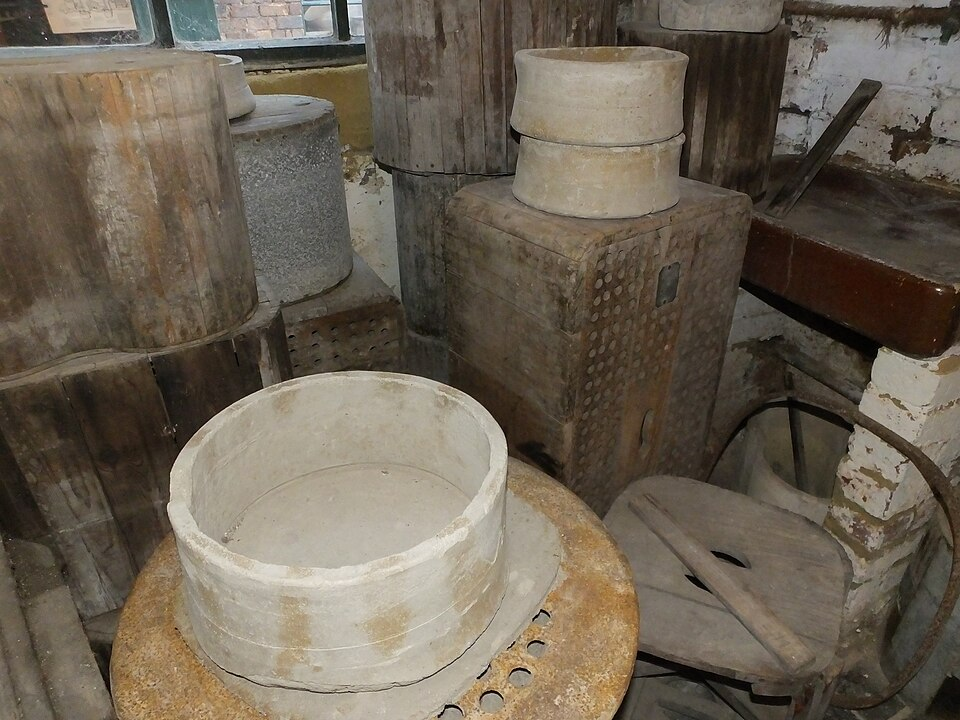
The placer or packer loaded the ware into saggars, supported and separated so that nothing touched, nothing distorted and the glaze did not stick, using refractory props, pins, sand and bedding materials.
That is a three-dimensional puzzle with consequences: a badly packed saggar produces a saggar full of waste, and the waste is discovered only after the firing.
Placing was therefore highly valued, and placers knew which shapes were difficult and how much a kiln could be trusted. Modern setting is designed rather than improvised, with purpose-made setters for each shape, computer-planned kiln loading and modelled heat distribution. The puzzle has become a specification.
7. The saggars were stacked into bungs and the stack was structural
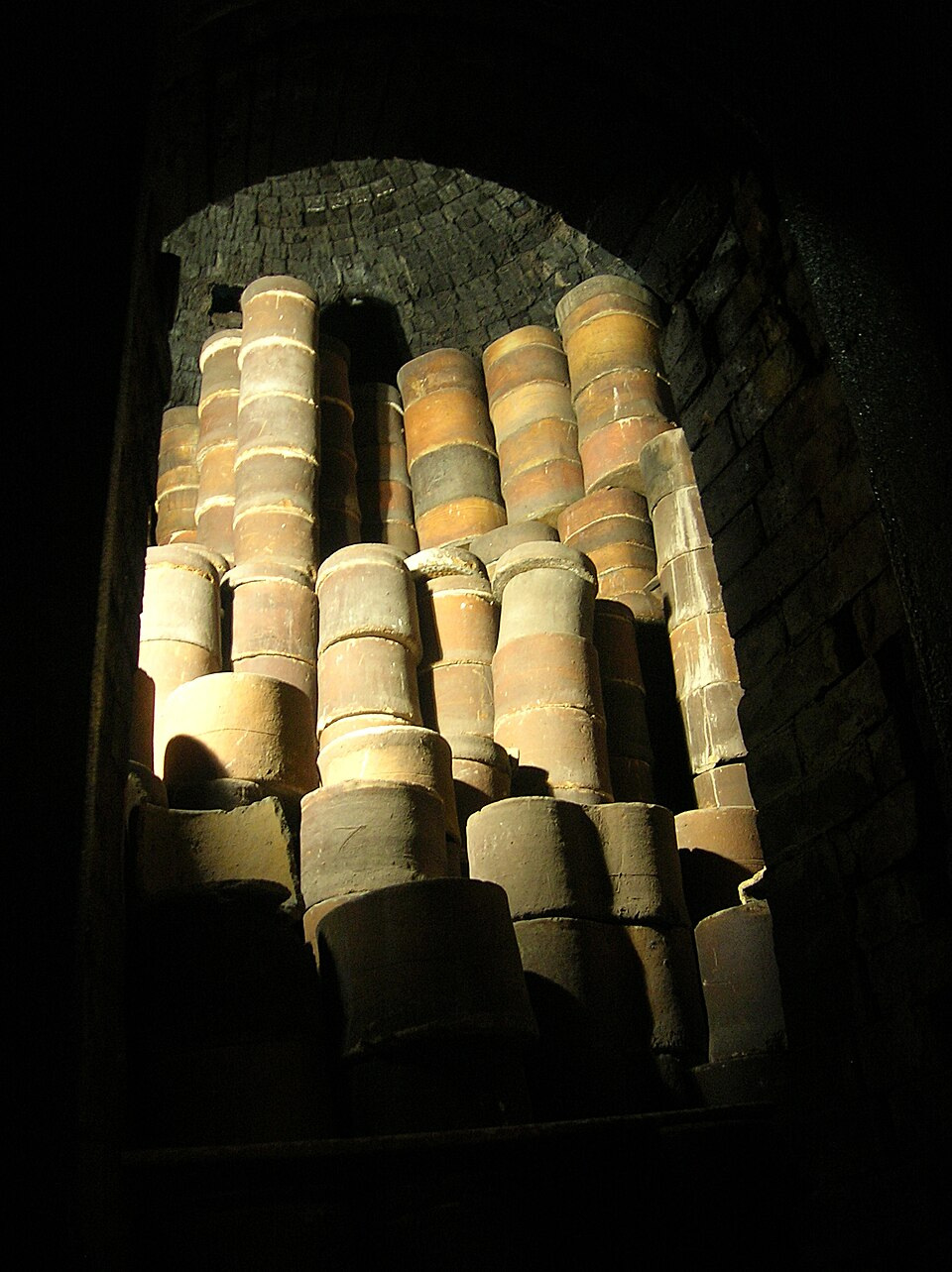
Inside a bottle oven, saggars were stacked one on another in columns called bungs, which filled the oven and supported each other, with the lowest saggars carrying the weight of everything above.
So the saggar was a structural component as well as a container, and a saggar that failed in the stack could bring a column down and destroy a great deal of ware.
That put real weight on knowing which saggars were sound, and old saggars were graded and placed accordingly, with the best at the bottom. Tunnel kiln cars carry ware on engineered setters with calculated loads, and nothing depends on an operator’s judgement of whether a used box will survive another firing.
8. Firing a bottle oven took days and was judged by eye
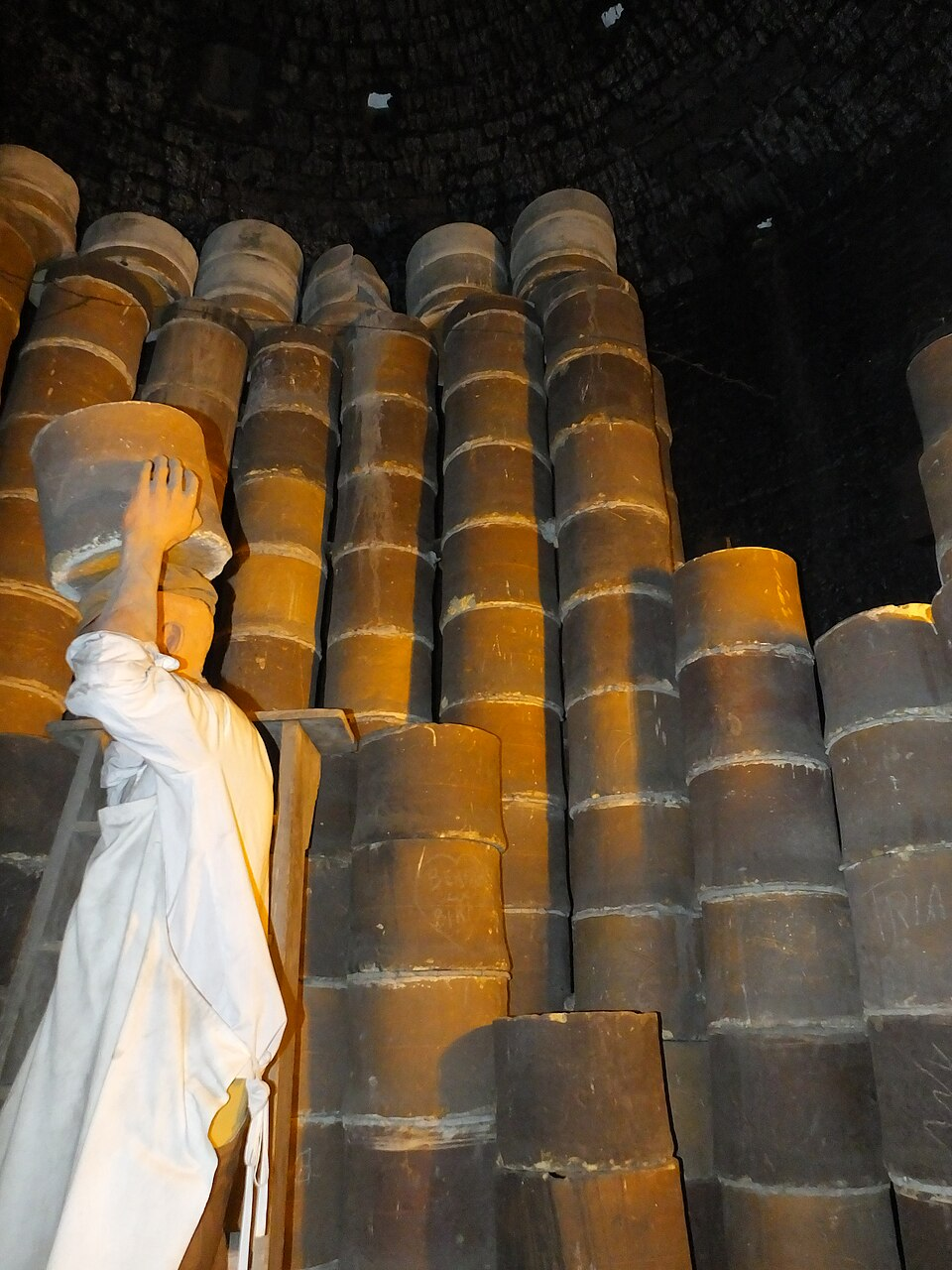
A bottle oven was fired over a long cycle, brought up slowly, held, and cooled slowly, with the whole process taking days and the temperature judged from the colour inside and from test pieces.
The fireman’s judgement determined whether an oven full of ware came out right or came out worthless, which is an enormous amount of value resting on one person’s reading of a colour.
So firemen were senior, well paid and treated with considerable respect. A tunnel kiln runs to a measured and logged temperature profile continuously, with thermocouples throughout, and produces consistent results indefinitely. It is the single largest quality improvement in the history of the industry.
9. Breaking up spent saggars was a job and a dusty one
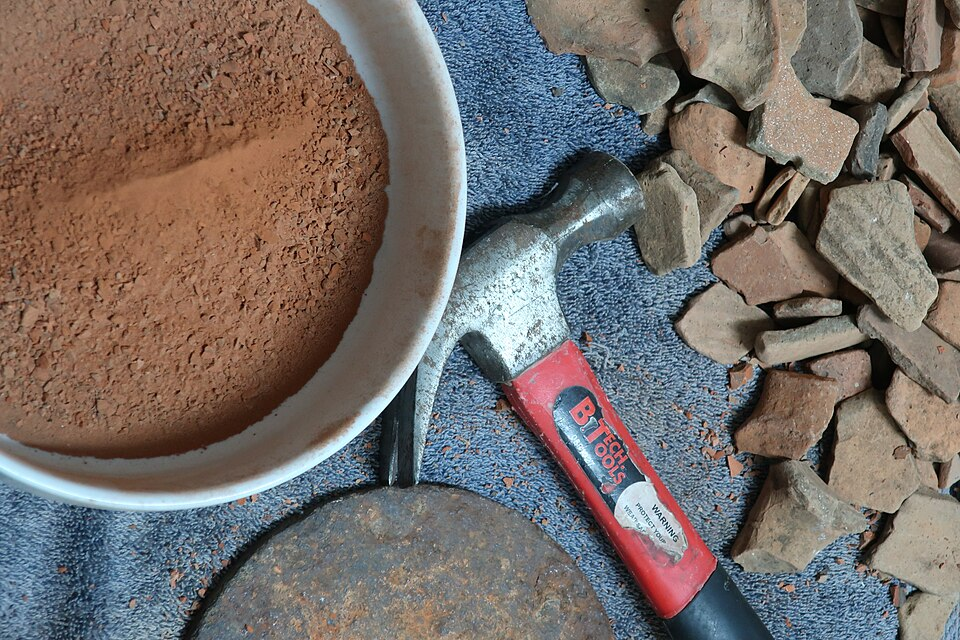
A saggar that had reached the end of its life was broken up, and the pieces were crushed to make the grog that went into new ones, which is a neat closed loop and a very dusty operation.
Fireclay and grog contain crystalline silica, and crushing, screening and mixing them produces exactly the dust that matters.
In 1960 the pottery industry’s dust problem was understood and was the subject of regulation and of ongoing argument about how far control had gone, with the saggar and grog departments among the dustiest parts of a works. That is now a comprehensively regulated occupational exposure with limits, mandatory controls — enclosure, local exhaust ventilation, water suppression and respiratory protection — and health surveillance. This file names no disease, no exposure figure and no condition, and anybody working with these materials is governed by current regulation and competent advice.
10. The whole saggar department was wet, heavy and physical
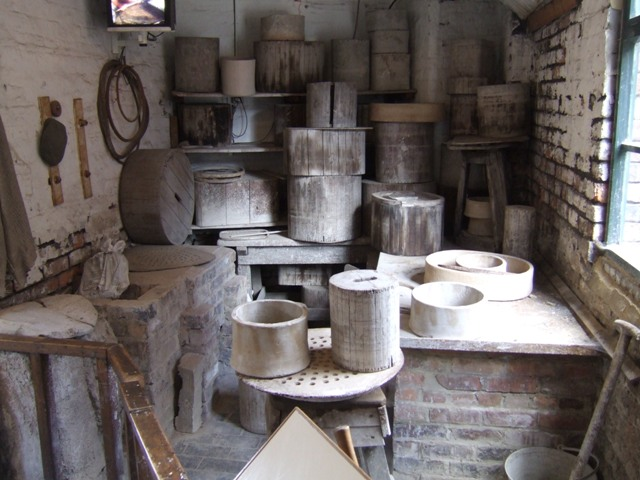
Clay is heavy, saggars are heavy, and a saggar department moved a great deal of both, by hand, all day, on wet floors in a building that was warm because of the kilns.
Saggars were carried to the ovens, in and out, and the empties carried back, which is a continuous materials-handling operation nobody designed.
The work was paid by the piece in most works, which set the pace at whatever the men could sustain. Modern refractory handling uses mechanical aids, kiln cars and conveyors, and manual handling is assessed as a legal requirement. The number of people lifting anything heavy in a modern pottery is a fraction of what it was.
11. A saggar had a limited life and nobody could tell exactly what it was
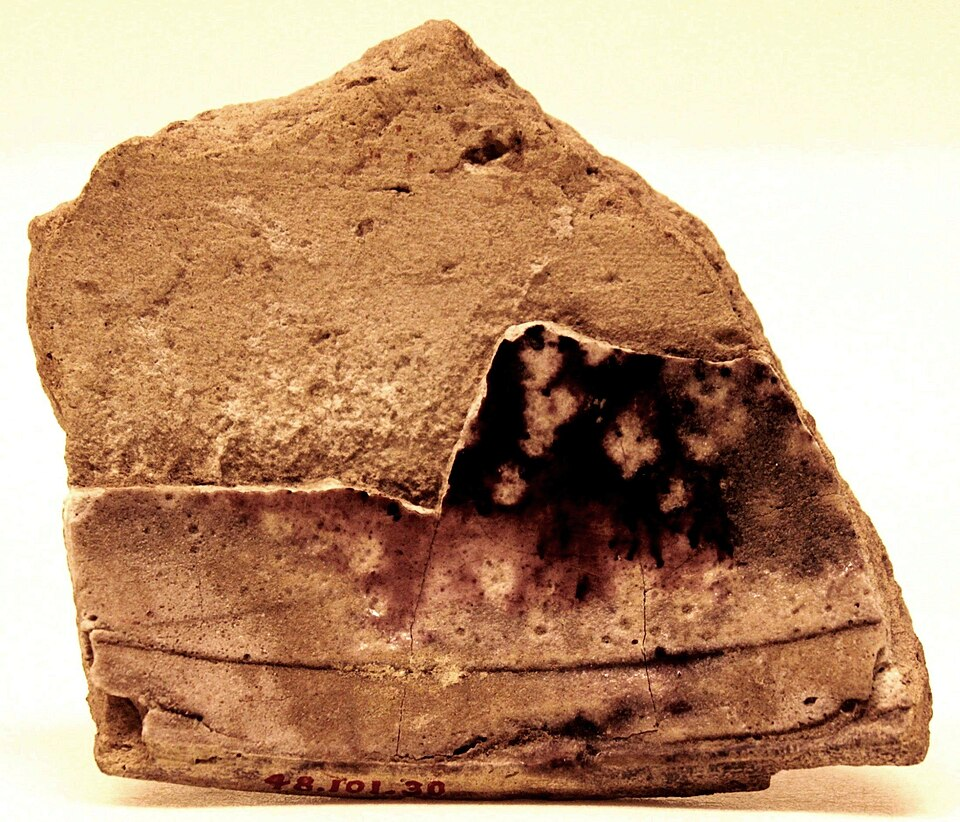
Saggars fail by cracking, spalling and warping, and how many firings one survives depends on the clay, the making, the firing and luck.
That is an awkward kind of consumable: you cannot predict the failure, you discover it when a saggar breaks, and the breakage may take ware with it.
So the practical management was inspection, grading and conservative placement, which is a sensible response to an unpredictable component. Modern refractories are specified with a service life, monitored in use and replaced on a schedule rather than on failure, which is possible because their properties are controlled and measured rather than variable.
12. The saggar protected the ware from the fuel, which was the real problem
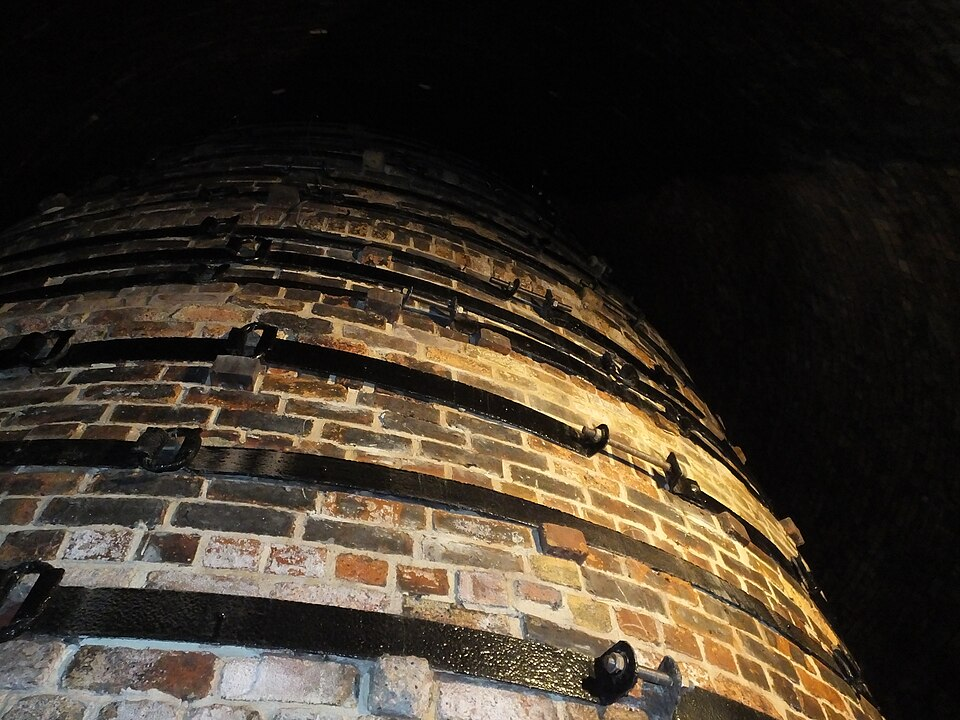
Bottle ovens burned coal, which produces flame, smoke, ash and sulphurous gases, all of which will mark, discolour or ruin glazed ware if they touch it.
That is the entire reason saggars existed: not to hold the ware but to keep the products of combustion away from it.
So the saggar is a consequence of the fuel, and anything that changed the fuel changed the need for the saggar. Gas and electric firing produce a clean atmosphere, and once the ware could be fired in clean heat the box became unnecessary. The saggar was killed by the fuel supply rather than by any development in pottery.
13. The potteries’ smoke went with the saggars
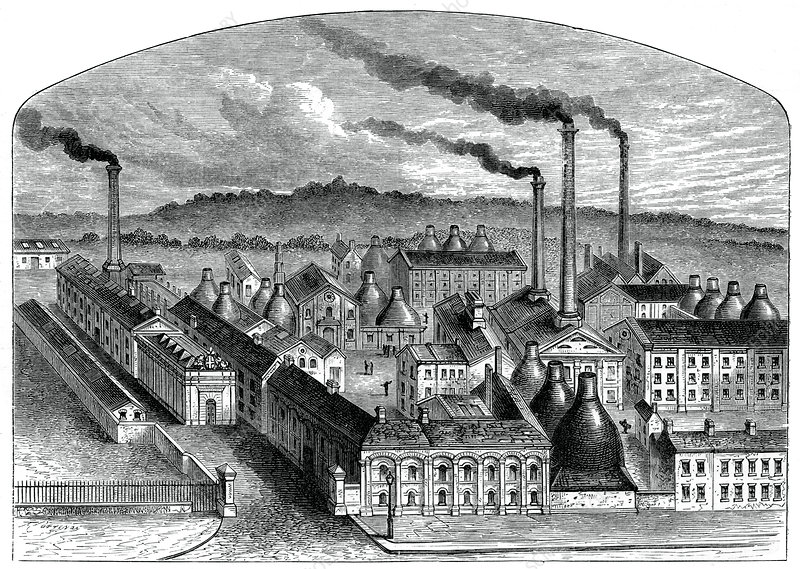
Coal-fired bottle ovens produced a great deal of smoke, and a pottery district firing hundreds of them was one of the most heavily polluted urban environments anywhere.
The conversion to gas and electric firing, driven by economics, by consistency and later by clean air legislation, removed the smoke and the saggars in the same transition.
That is why the bottle ovens were demolished in such numbers in the 1950s and 1960s, and why only a handful survive as preserved monuments. The districts are visibly and measurably different places as a result, and the people who remember the smoke describe the change as the single biggest improvement in local life.
14. The job titles are better documented than the work
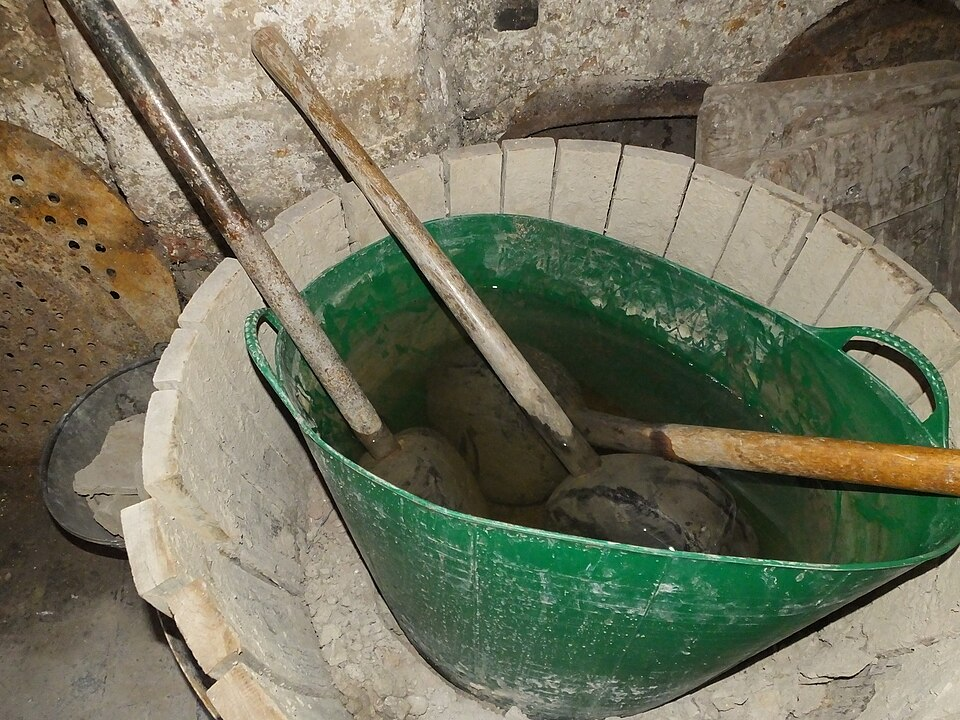
The pottery industry had an extraordinary number of specific job titles — saggar maker, bottom knocker, placer, fireman, dipper, towing-up woman, mould runner — and they are well recorded because they appeared in wage agreements, factory records and census returns.
What is less well recorded is exactly what each job involved day to day, because that was obvious to everybody at the time.
Museums, oral history projects and the industry’s own archives have recovered a great deal of it, in some cases from people who had done the work. The saggar maker’s bottom knocker survives in the public mind as a comic phrase, which is a strange fate for a real job and is better than being forgotten entirely.
15. Tunnel kilns ended the trade in about two decades
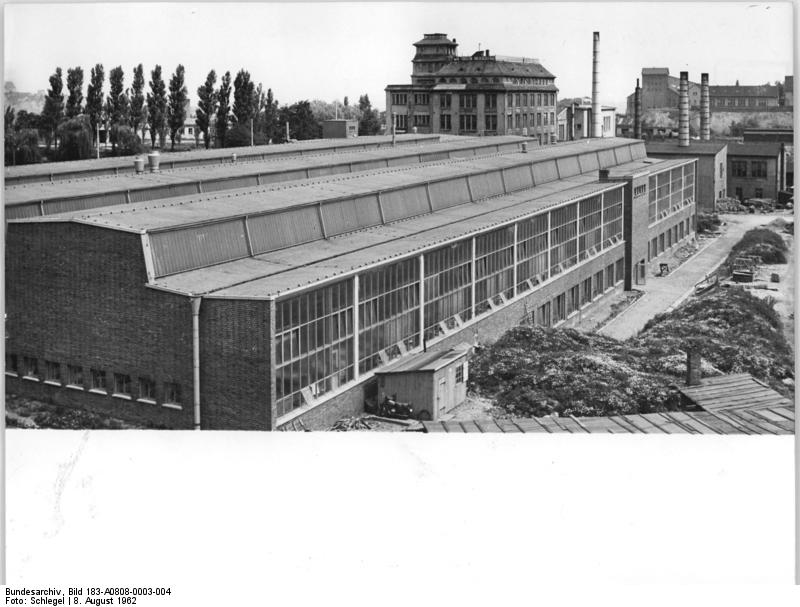
Once a continuous tunnel kiln could fire ware cleanly, consistently and without enclosure, the saggar had no function, and the department that made them had nothing to do.
That conversion happened across the industry over roughly two decades, unevenly, with larger works going first and the smallest and most traditional holding on longest.
There was no transitional role for a saggar maker in a works with no saggars, so the trade did not shrink so much as stop. What replaced it is a refractories industry that supplies engineered kiln furniture to specification, which is a larger business than saggar making ever was and is conducted entirely outside the potteries that use it.
16. The saggars themselves turn up everywhere in the districts
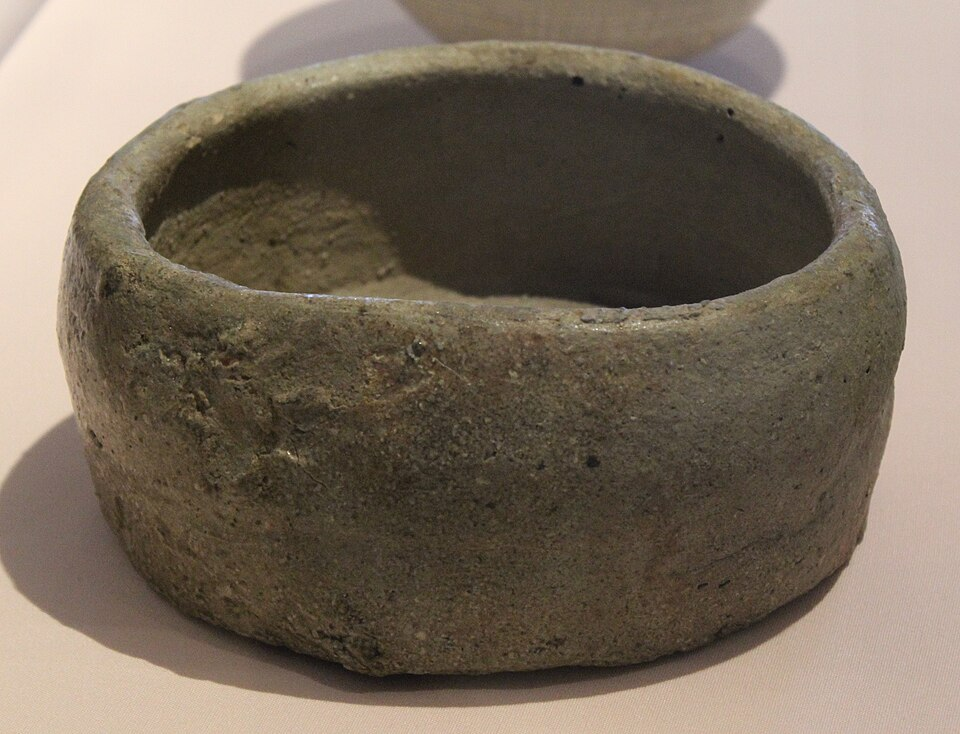
Broken saggars were used as hardcore, as wall material, as garden edging and as fill, in enormous quantities, in every pottery district.
So the trade’s most visible legacy is in the ground and in the walls of the places that had it, recognisable to anybody who knows what they are looking at.
Archaeologists use them to date and interpret industrial sites, and whole saggars survive in museums as the only version most people will ever see. The honest summary: a saggar is a coarse grogged fireclay box that pottery was packed into so the flame, ash and gases of a coal-fired oven could not touch it, and it was a consumable that nobody outside the works ever saw; the saggar maker’s bottom knocker is a real job split so the skilled man could work continuously while the simple part was made alongside him; grog, which is crushed fired clay added back into the mix, is what lets the body survive repeated heating; saggars were stacked into structural columns called bungs with the soundest at the bottom; packing the ware inside them was a separate highly valued skill whose errors appeared only after firing; and clean gas and electric firing removed the reason saggars existed, so the fuel rather than any development in pottery is what ended the trade.
The fuel ended the trade, not the pottery
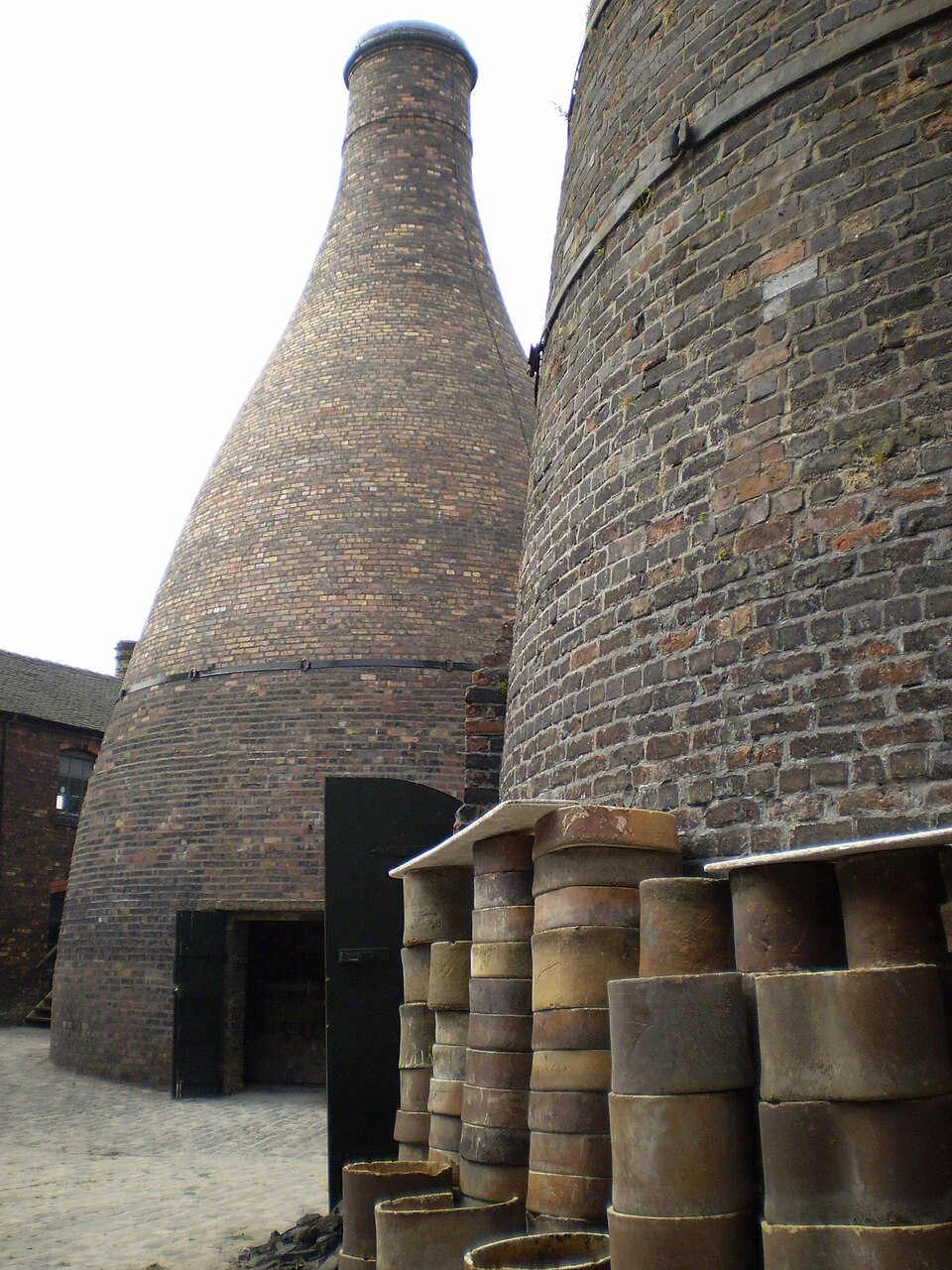
A saggar existed for one reason: a bottle oven burned coal, and flame, smoke, ash and sulphurous gases will mark or ruin glazed ware if they touch it. The box was never about holding the pottery, it was about keeping combustion products away from it. So when gas and electric firing produced a clean atmosphere, and continuous tunnel kilns fired ware on open setters to a measured profile, the saggar had no function at all. The trade was ended by a change in fuel supply rather than by anything that happened in pottery making.
The broken saggars are still there. They went into hardcore, walls, garden edging and fill across every pottery district, which makes the most visible legacy of the trade something that almost nobody walking past it can identify.
Like our content? Follow us for more.