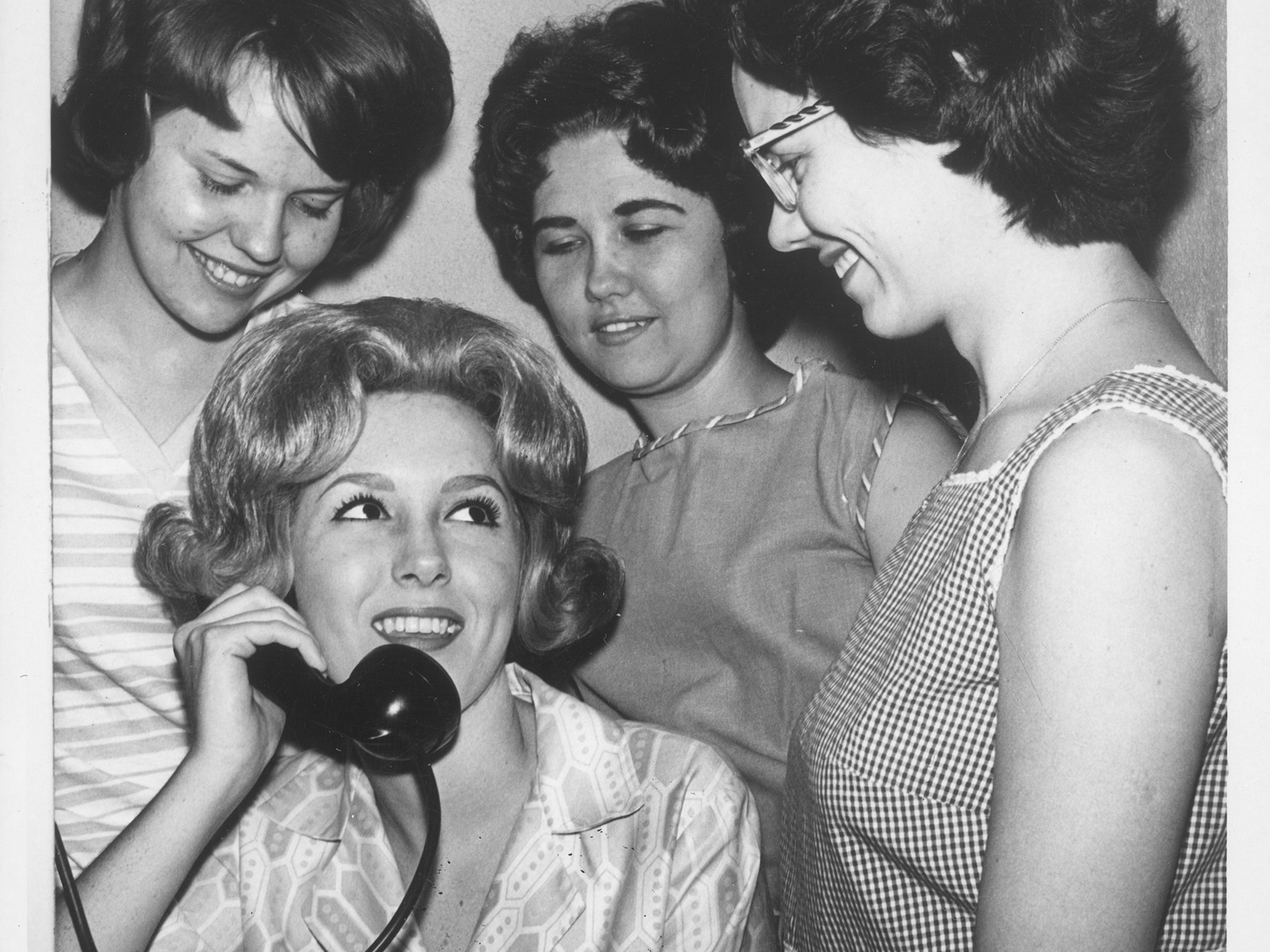
You waited until after a particular hour, everybody in the house stopped what they were doing, and somebody stood in the hall holding the receiver while the whole family took a turn in a strict order. In 1962 a long distance call was not a conversation. It was an event with a budget attached, and almost everything about how it was conducted came from the fact that it was being charged by the minute.
The Cost Was the Governing Fact
Calls over distance were billed by time and by how far the call went, and the amount was visible to the household afterwards on a statement.
Everything follows from that. A conversation with a meter running produces completely different behaviour from one without, and a household that would see the figure in writing at the end of the month had every reason to manage the thing carefully.
Like our content? Follow us for more.
There Was a Cheap Hour and Everybody Knew It
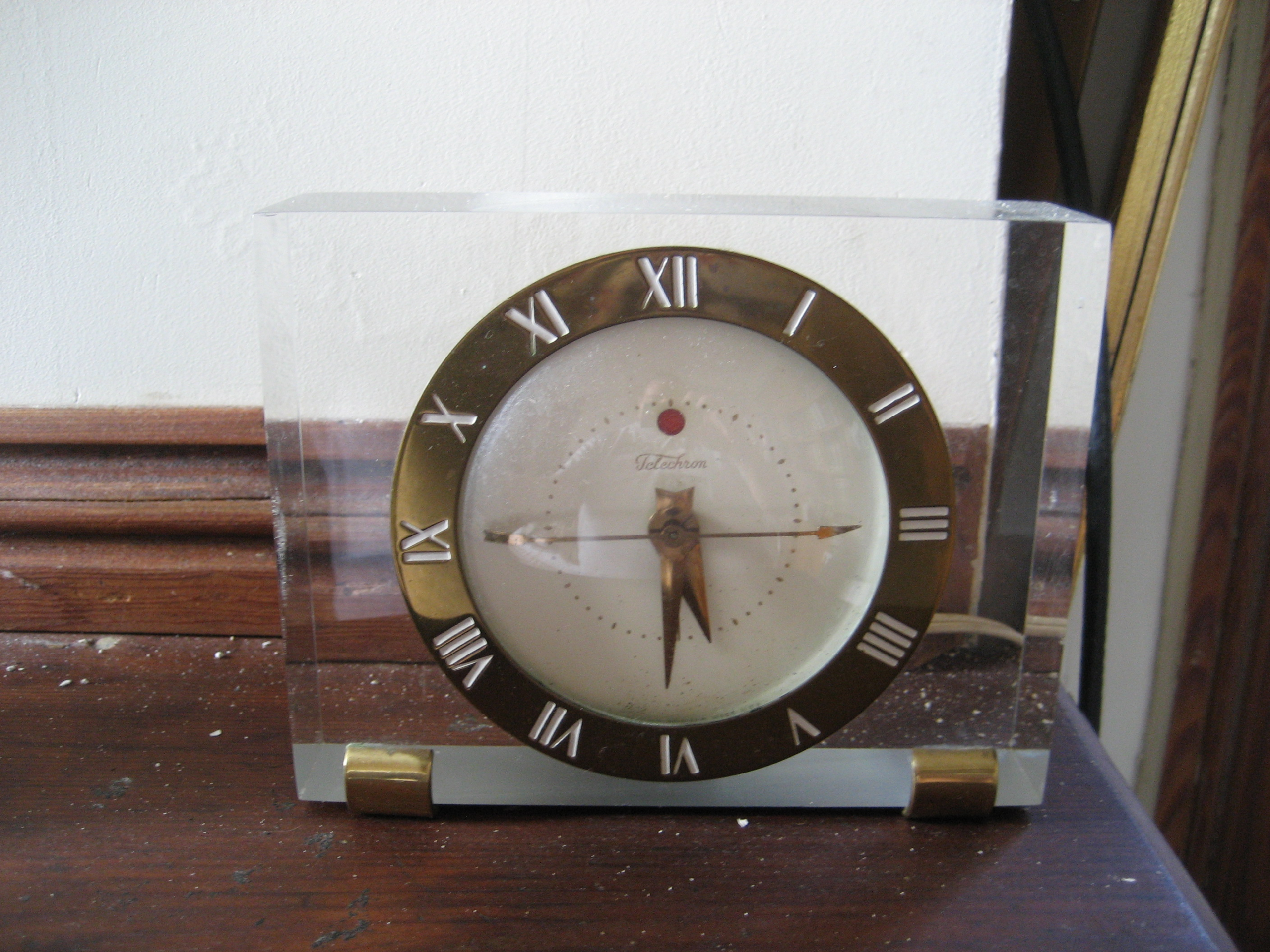
Rates fell at a particular point in the evening and again at weekends, and calls were scheduled around that threshold rather than around anybody’s convenience.
The scheduling is the part that reveals how tight the constraint was. A family that waits an hour and a half to speak to somebody they love, because the price drops at a particular moment, is a family treating the call as a purchase rather than as contact.
The Call Was Arranged in Advance by Letter
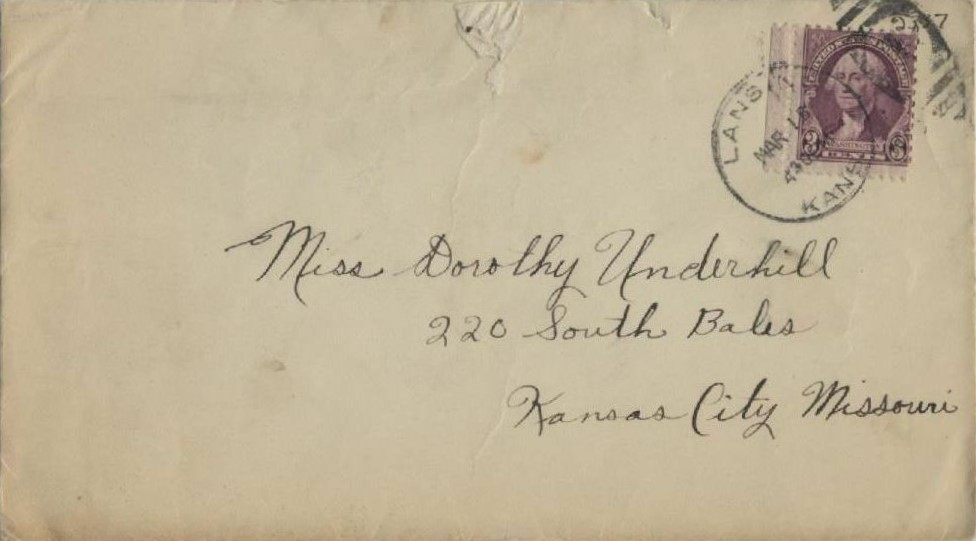
Both ends had to be at their telephones at the same time, which meant the arrangement was made days earlier in writing.
The coordination problem is easy to overlook. A household with one telephone and no way to signal in advance cannot simply ring somebody and expect them to be there, so the call was set for a stated hour and both parties kept the appointment.
Everybody Was Assembled Before It Started
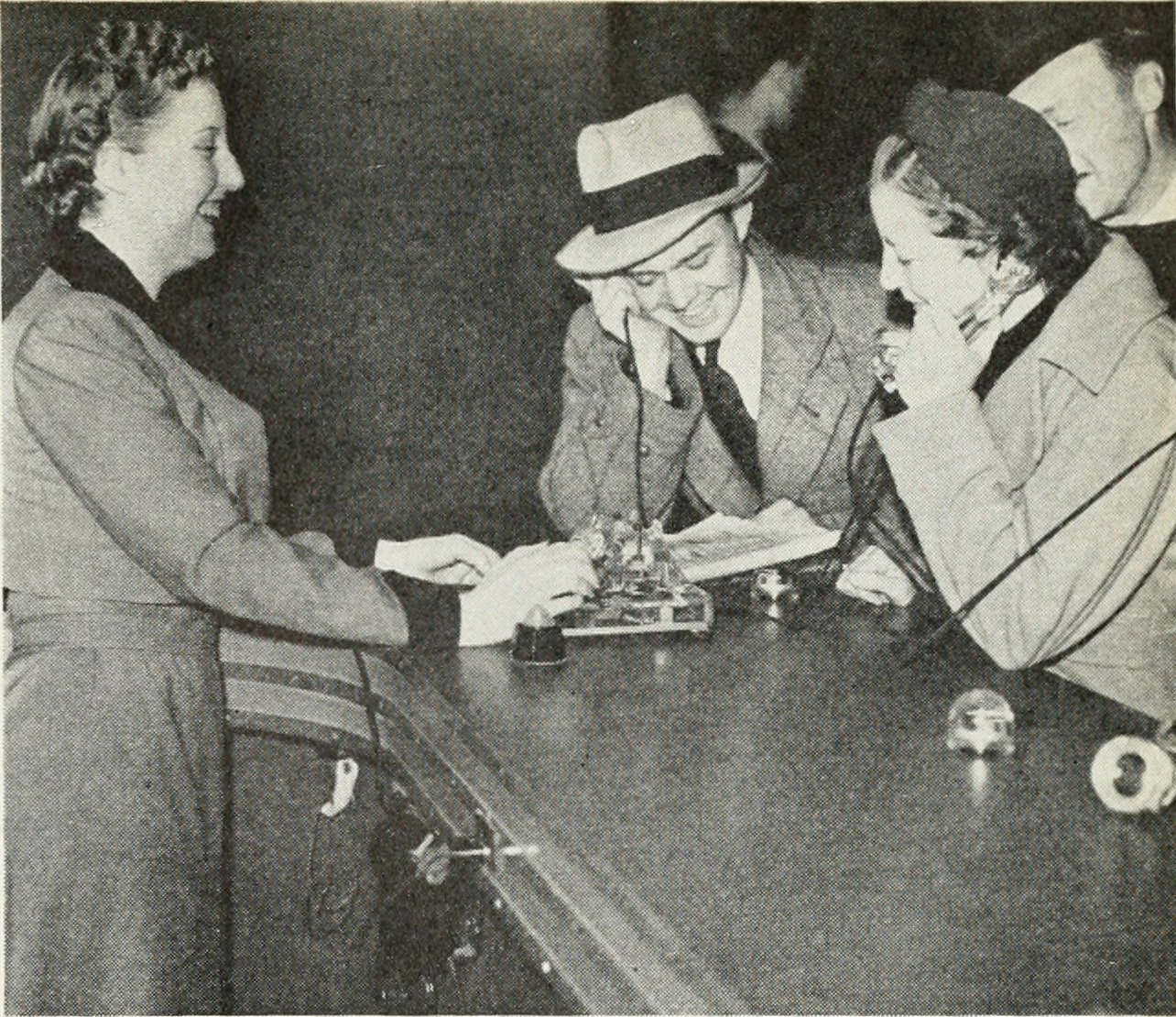
The household gathered in the hall or wherever the instrument was, in advance, because nobody wanted to waste paid seconds fetching anybody.
The assembly is what made it ceremonial. A family standing in a corridor waiting for a telephone to be picked up at the other end is a family treating a call the way they would treat a visitor arriving.
The Order of Speakers Was Fixed and Not Negotiable
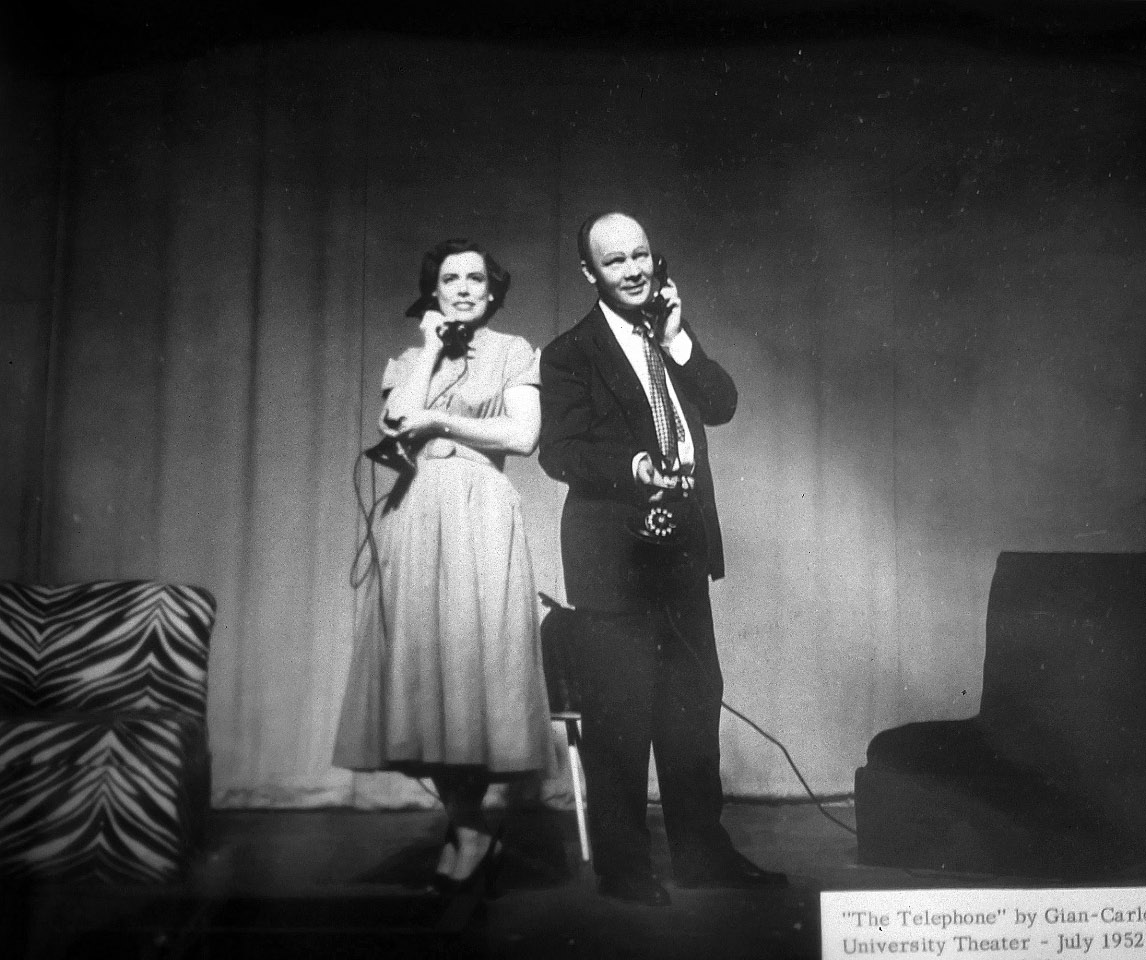
Whoever had placed the call went first, then the adults in a settled sequence, then the children, youngest frequently last.
The hierarchy was never written down and never varied. A household knows its own order of precedence, and a timed call forces that order to be made explicit in a way that everyday life rarely does.
Children Were Coached Beforehand
A child was told what to say and what not to ask, usually in the minutes immediately before the handset reached them.
The coaching was necessary and slightly absurd. A seven-year-old given thirty seconds of an expensive call needs a script, and the script was supplied at speed by an adult standing over them with a hand half over the mouthpiece.
Nobody Said Anything That Was Not Necessary
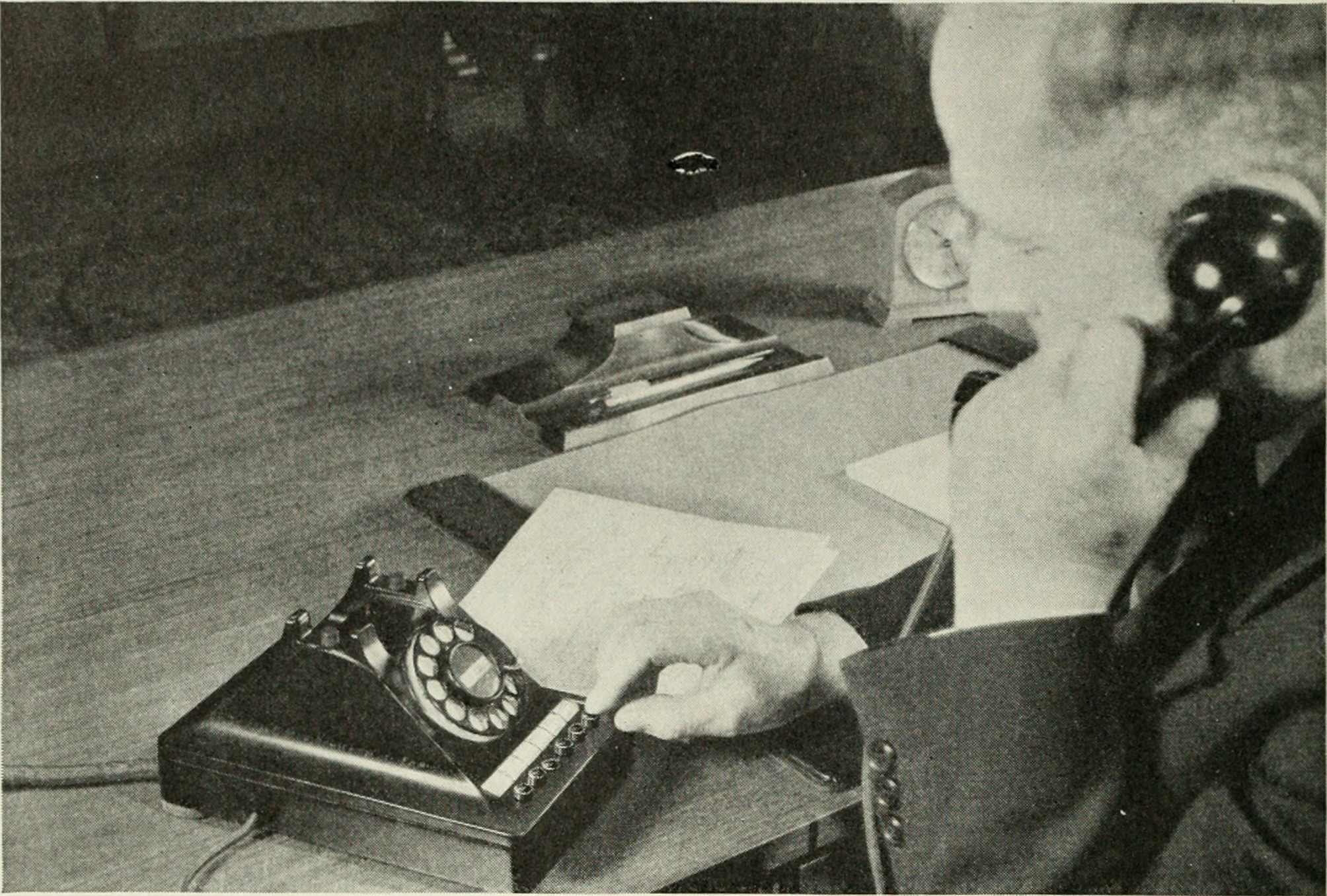
Pleasantries were compressed, pauses were avoided and anything that could wait for a letter did.
The economy of it produced a very particular kind of speech. A conversation in which both parties are aware of a running cost is clipped, slightly loud and conducted at a pace that neither of them would use in a room together.
The Volume Was Always Too High
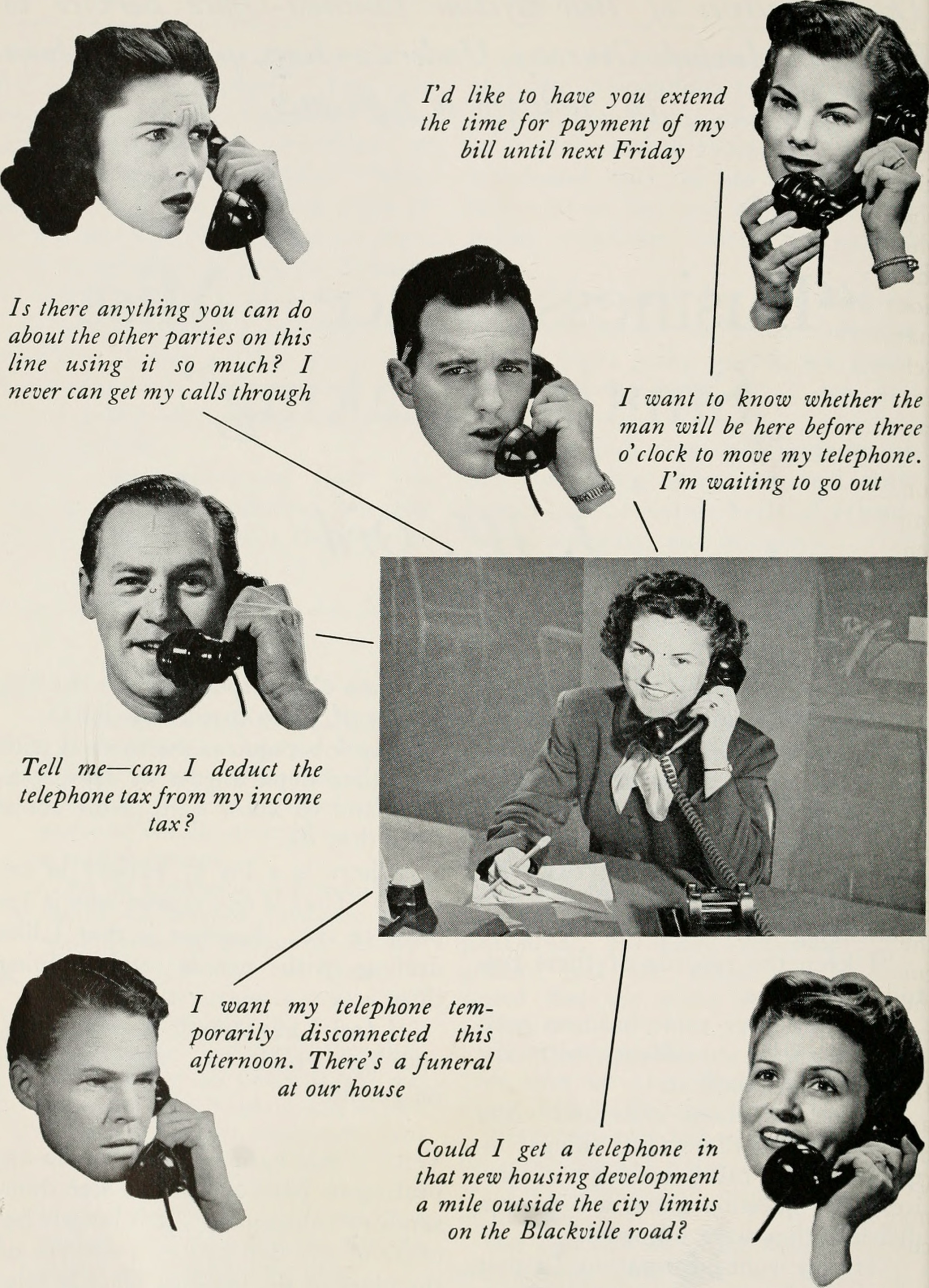
People shouted, partly because of the line and partly because distance felt as though it required it.
The shouting had a technical cause and a psychological one. Long connections of the period were frequently faint, and on top of that there is a persistent human instinct that somebody far away needs to be addressed more loudly.
Somebody Always Announced the Time
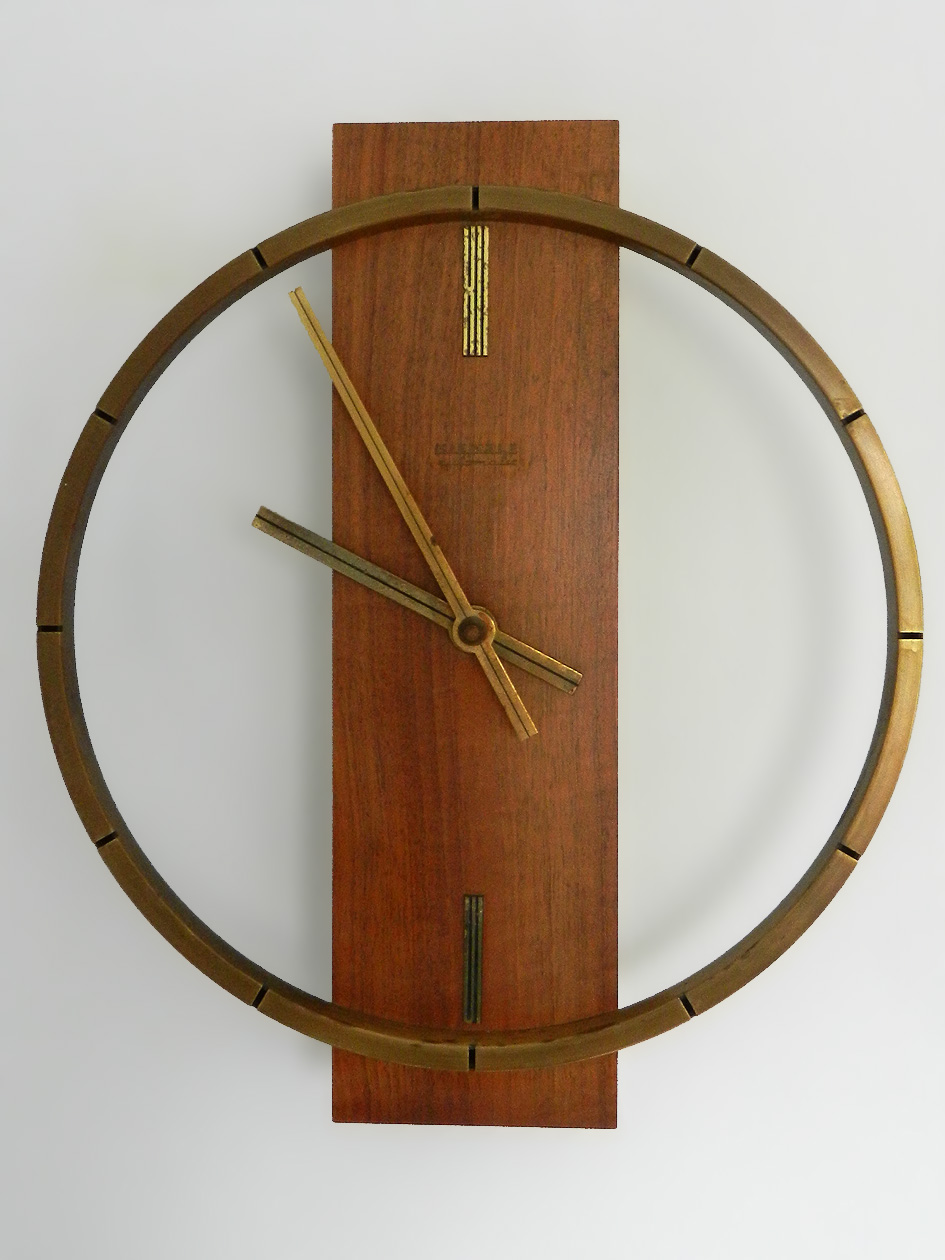
A person stood nearby with a watch and gave warnings, and the warnings were obeyed.
That figure is the detail that most clearly shows what the call was. A conversation with a timekeeper is a conversation with a budget, and the person holding the watch was performing a household financial function rather than an unkind one.
Three Minutes Was the Unit Everybody Thought In
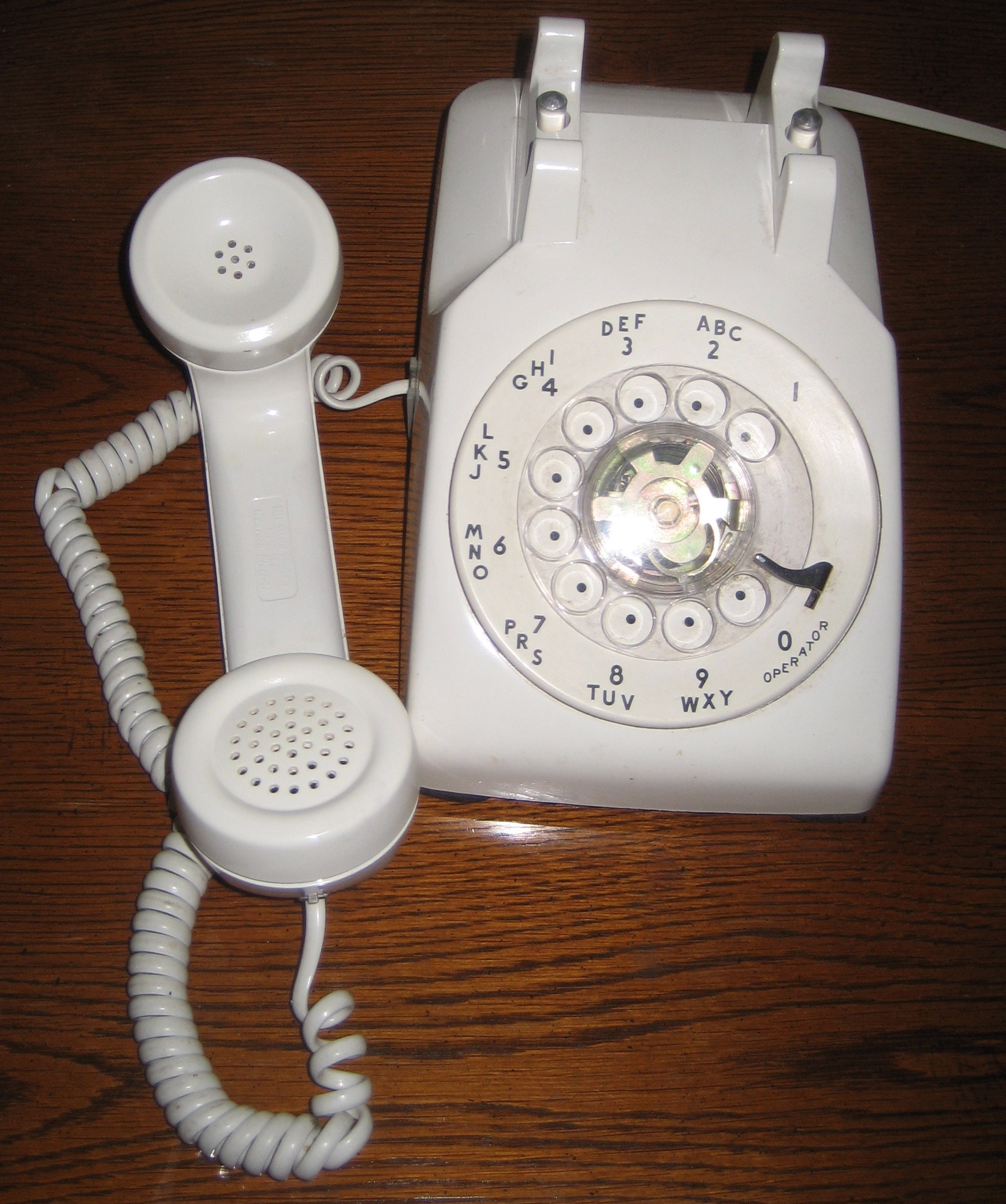
Charging was structured around an initial period with further time billed on top, which fixed a mental unit that every household worked to.
The effect of that structure was to make the conversation a fixed shape rather than an open one. A household aiming to finish inside the first block is a household that has effectively agreed in advance how long it is going to talk, and everybody on both ends knew roughly where the line fell.
The Operator Was Frequently Involved
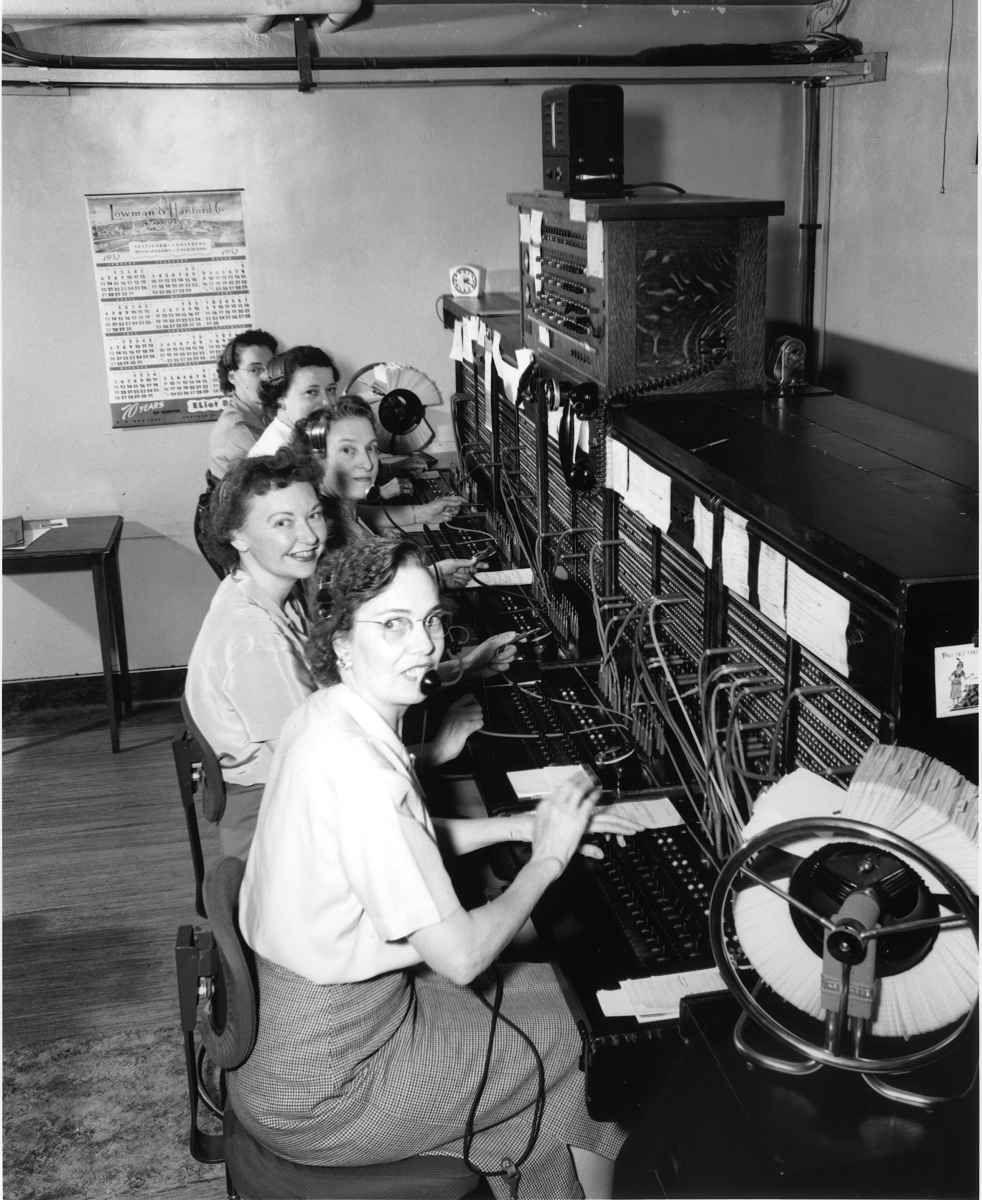
A call over distance often had to be placed through somebody, which meant a third person was present at the start of it.
The intermediary is a feature of the period that has no modern equivalent. A stranger established the connection, confirmed the details and then withdrew, and the household’s conversation began only after somebody else had arranged it.
There Were Two Ways to Pay and the Choice Said Something
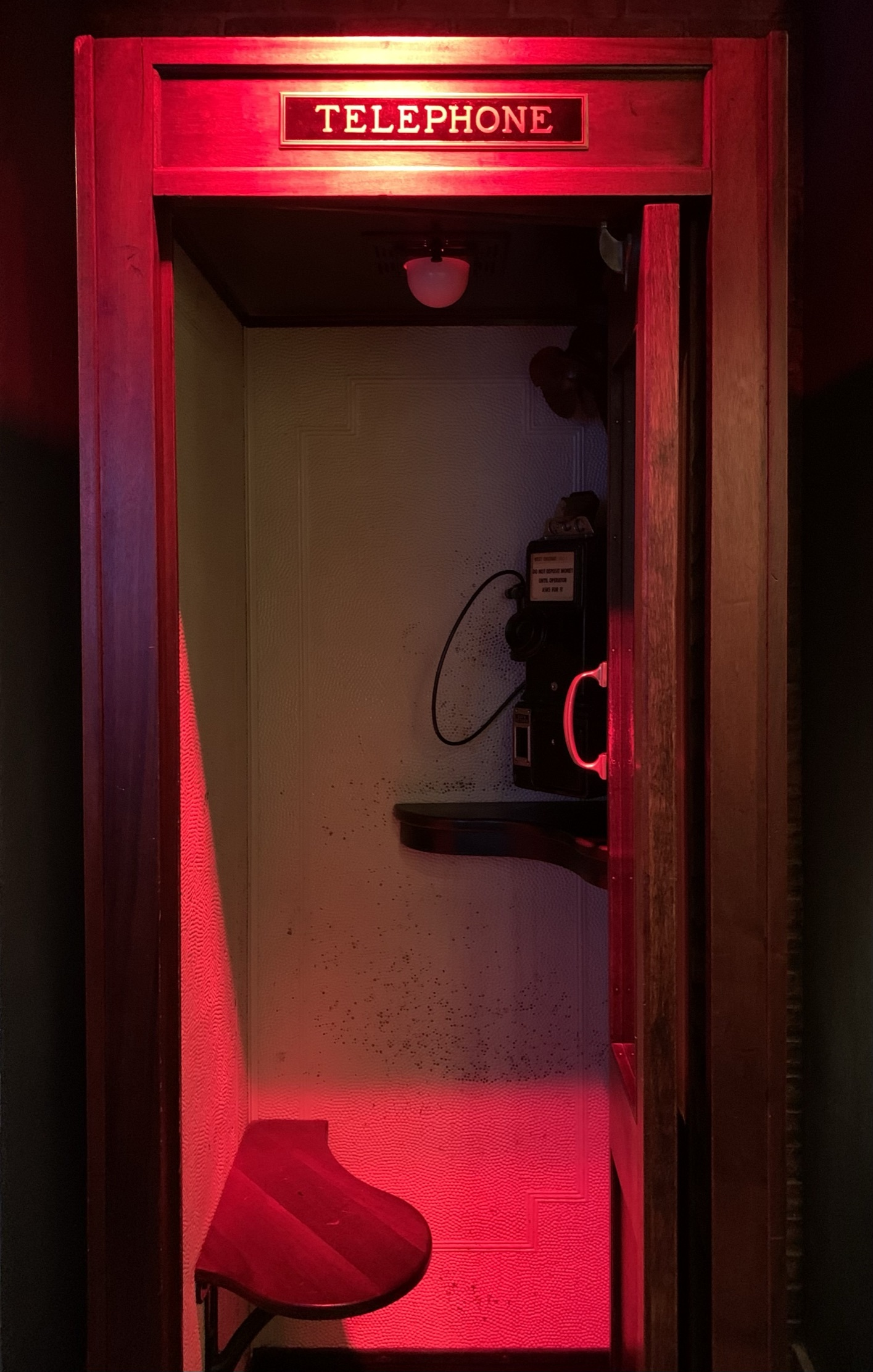
A call could be charged to the caller or, by arrangement, to the person being rung, and which was used depended entirely on the circumstances.
The choice carried meaning and everybody understood it. Asking the other household to bear the cost is a request as much as a connection, and it was made between people whose relationship could carry it and not otherwise.
Bad News Travelled This Way and Everybody Knew It
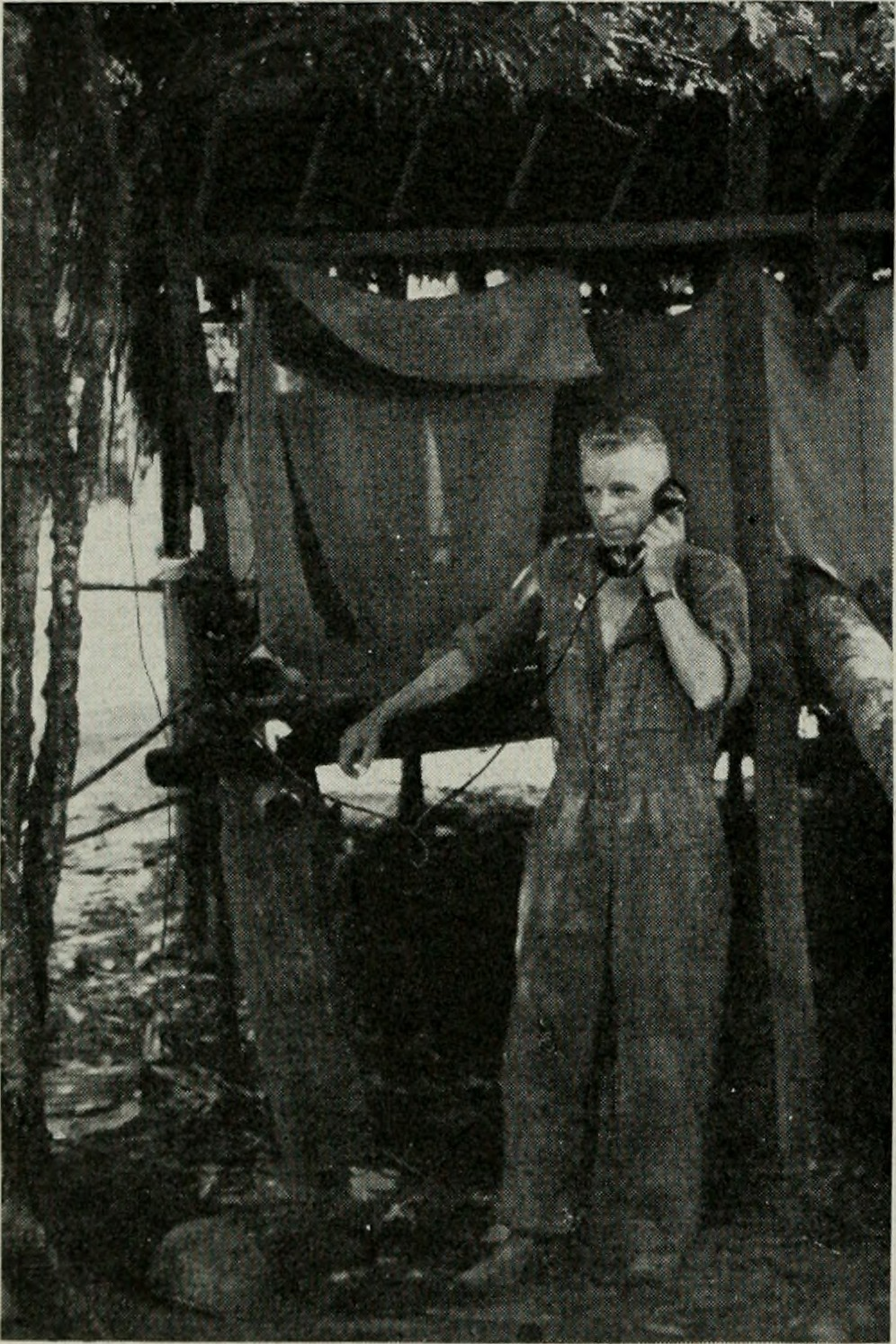
An unexpected call over distance, outside the arranged hour, was assumed to be serious before anybody picked up.
The inference was automatic and usually correct. A form of contact reserved for arrangement and expense is a form of contact that, used unexpectedly, can only mean something has happened, and the household’s reaction began before a word was spoken.
The Statement Arrived Later and Was Examined
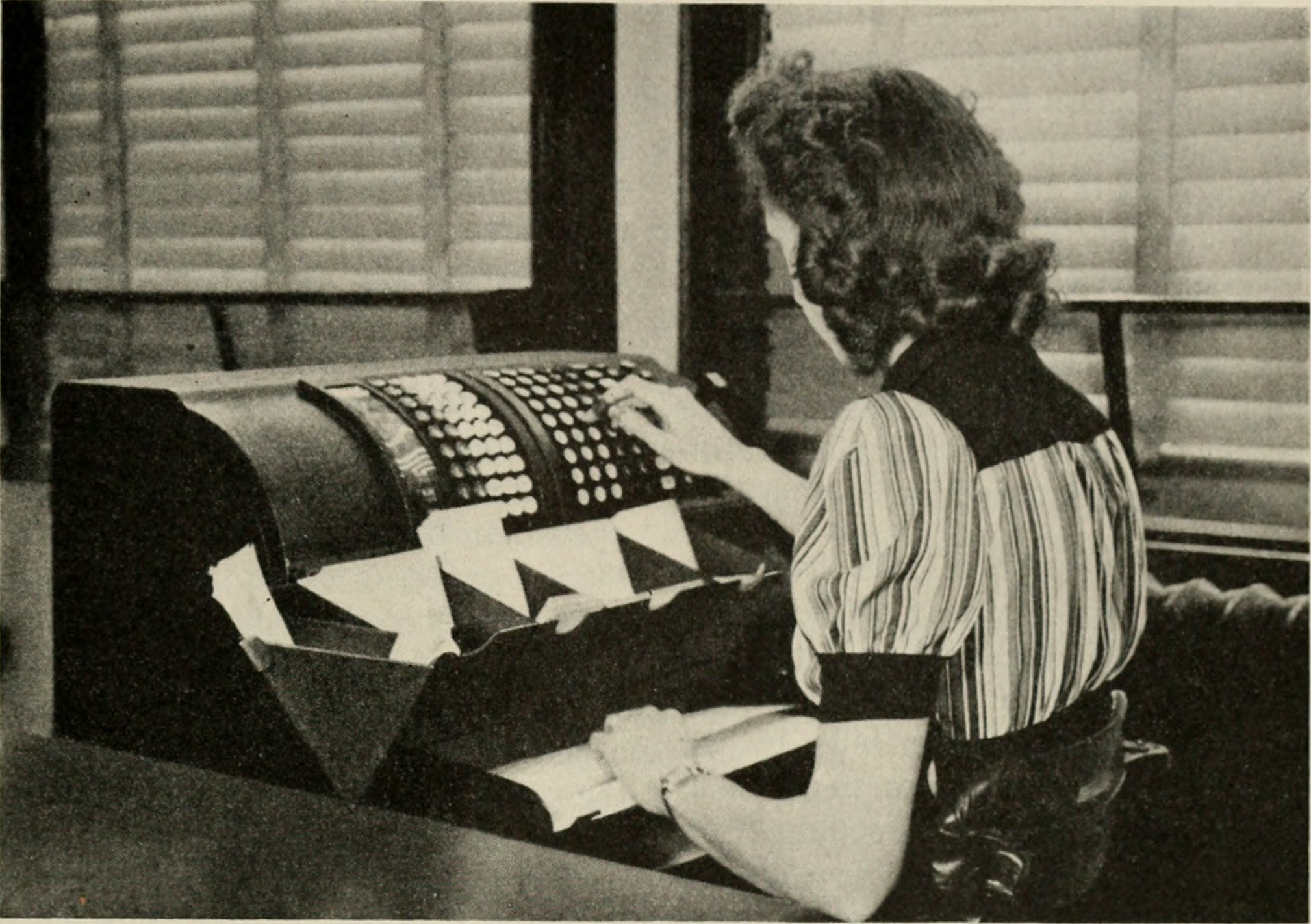
The itemised bill came at the end of the period and was read closely, with particular calls identified and discussed.
The retrospective accounting is the part that closed the loop. A household that reviews a list of its own conversations by duration and cost is a household in which the price of talking to somebody was a visible and recurring fact.
Writing Remained the Normal Channel
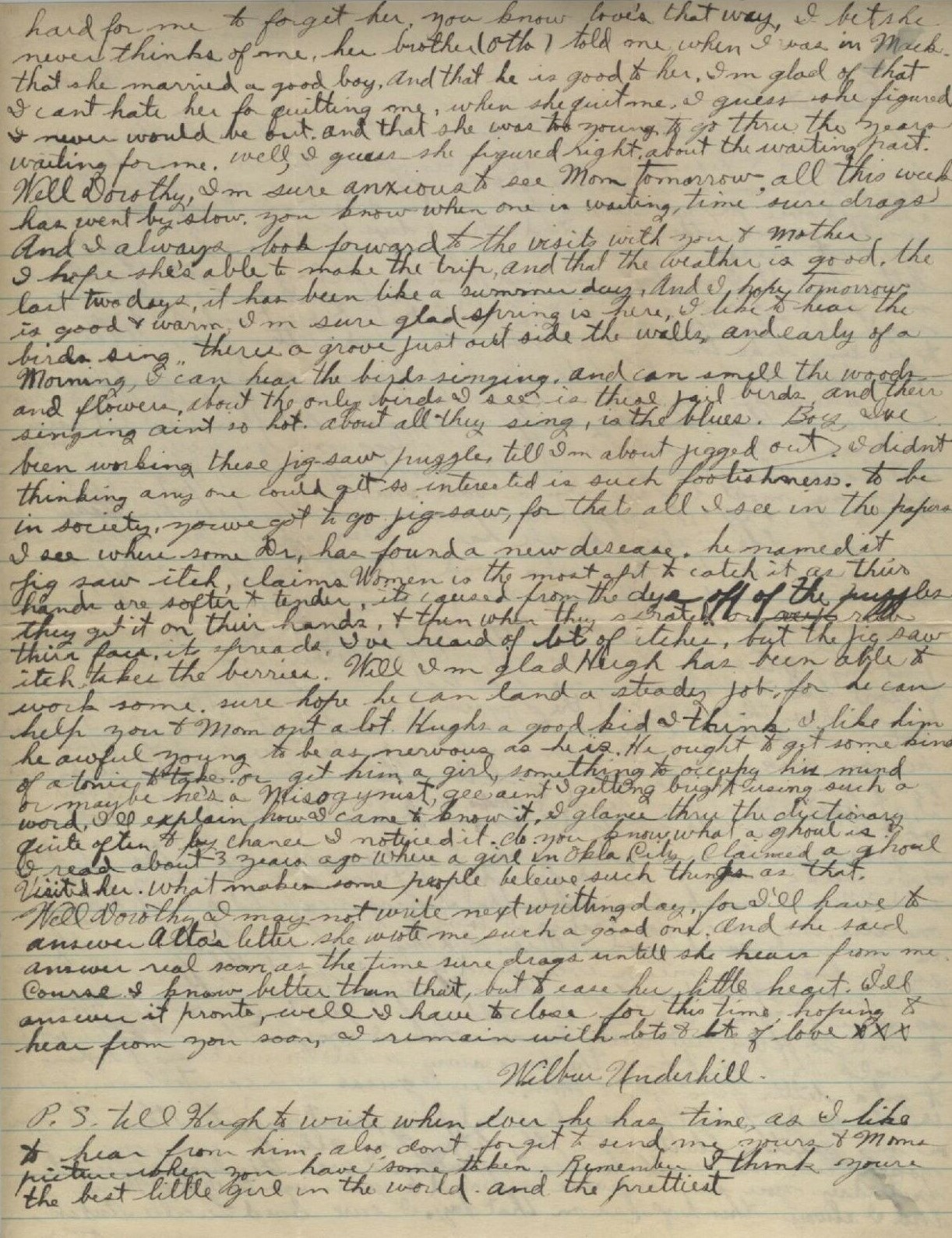
Letters carried the bulk of the relationship and the telephone carried the exceptions.
The division of labour was stable and sensible. A letter costs almost nothing and can be as long as anybody likes, which makes it the right instrument for everything except news that will not keep until Thursday.
Distance Was Priced and Therefore Felt
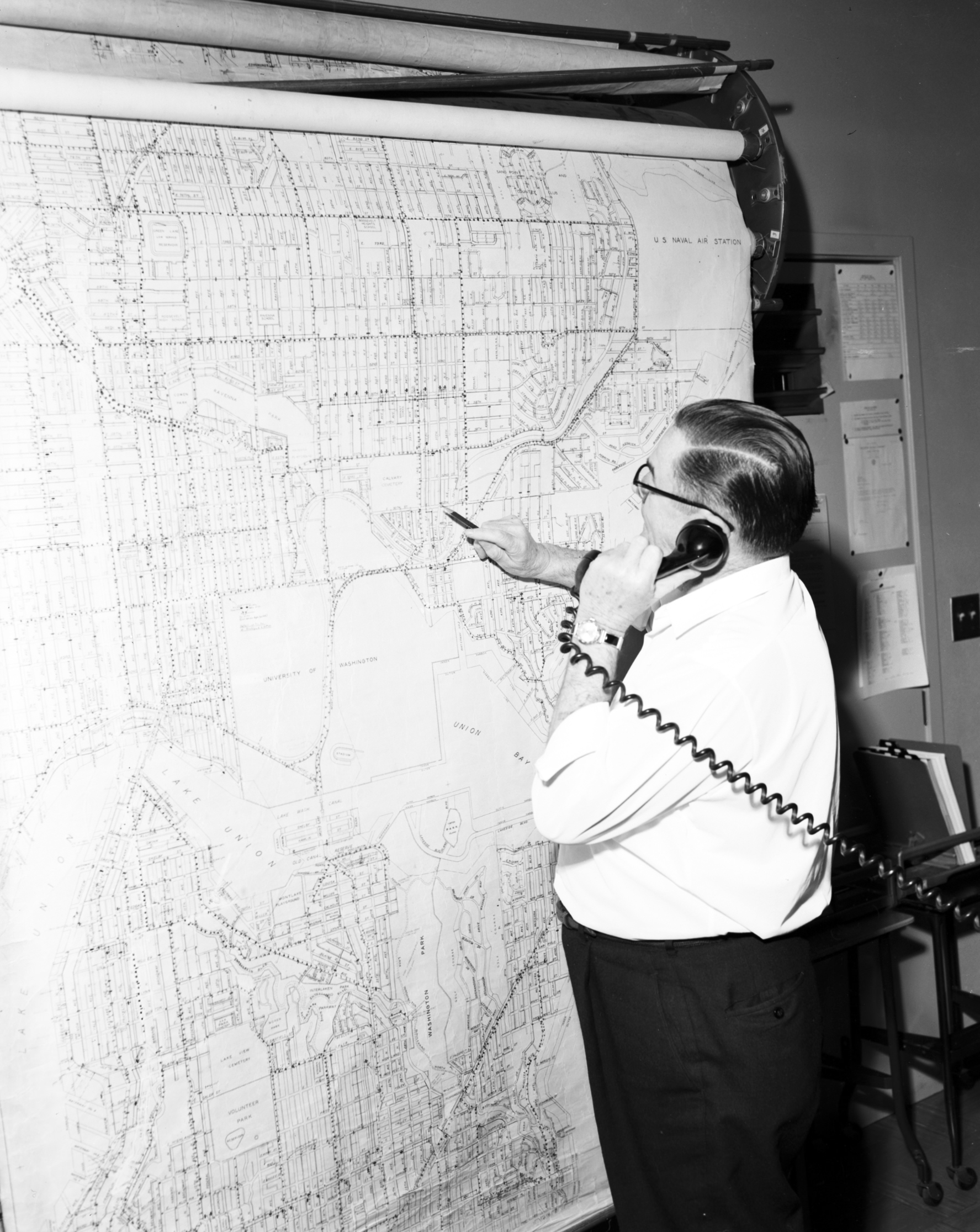
A conversation that cost more the further it travelled made geography a continuous presence in family life.
That is the thing that has genuinely disappeared. When the price of speaking rises with distance, every household with a relative far away is reminded of the distance each time it chooses to cross it, and the family’s shape was something people paid for.
People Who Had Moved Away Were Doubly Gone
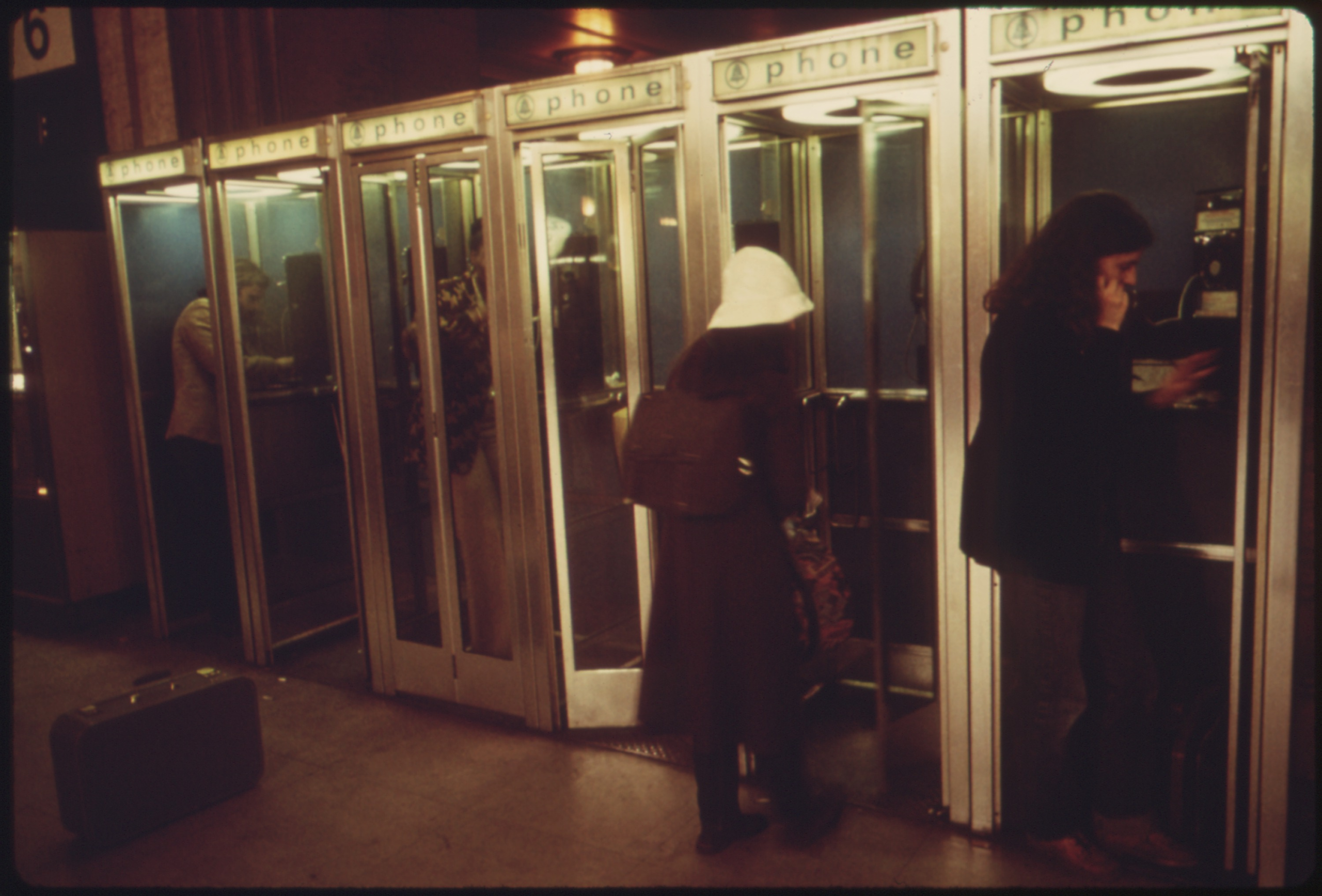
Somebody who left for work or marriage became expensive to speak to as well as absent.
The compounding effect was real. Moving two hundred miles in 1962 meant letters, rare visits and a handful of timed calls a year, which is a different kind of separation from the one that exists when contact is effectively free.
Hearing a Voice Was the Whole Point
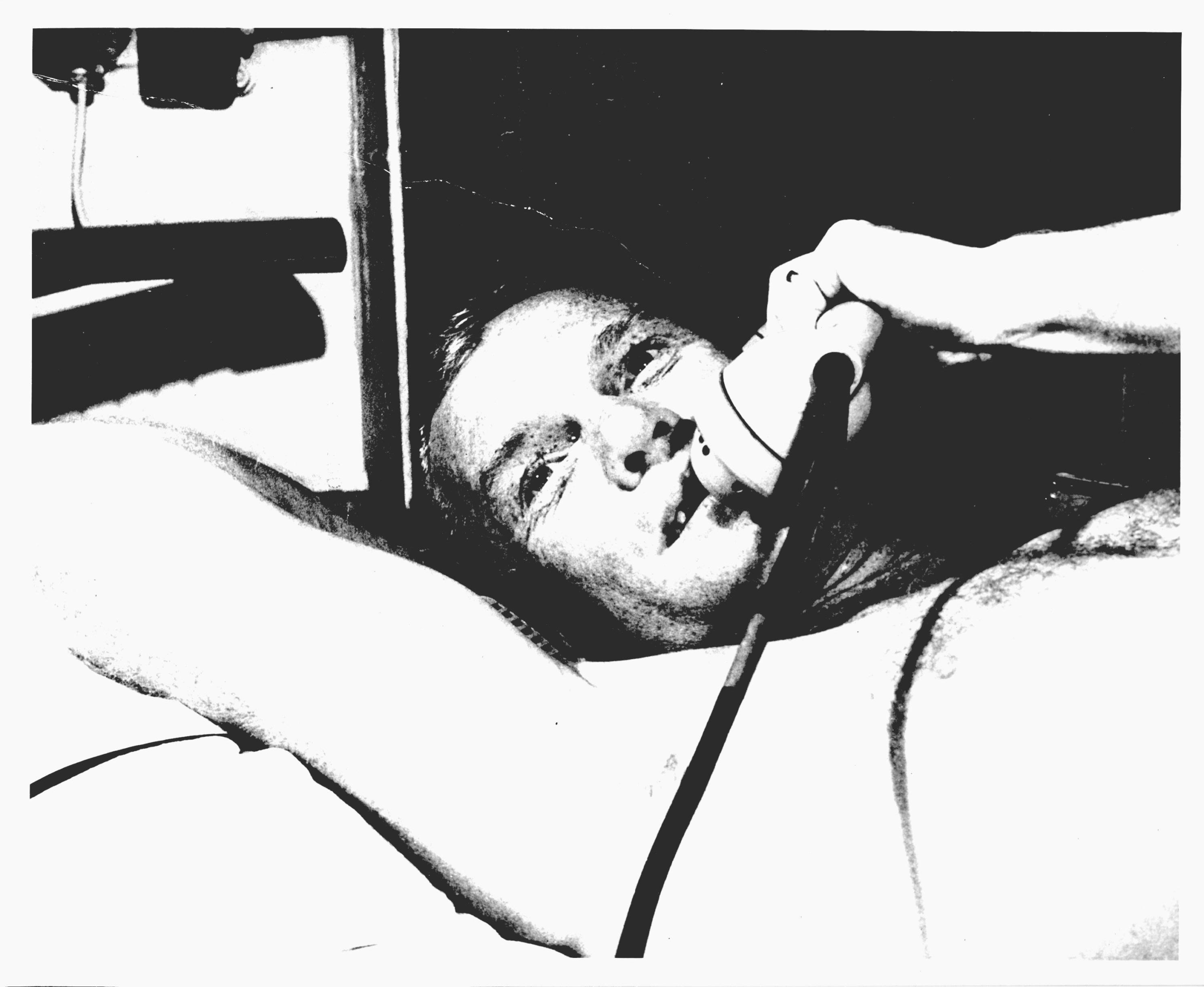
The information could have gone in a letter. What could not was the sound of somebody.
That is why the expense was borne at all. A household paying for three minutes is not buying content, it is buying evidence that a particular person is alive, well and recognisably themselves, which is something no amount of writing supplies.
Children Remember It as Frightening
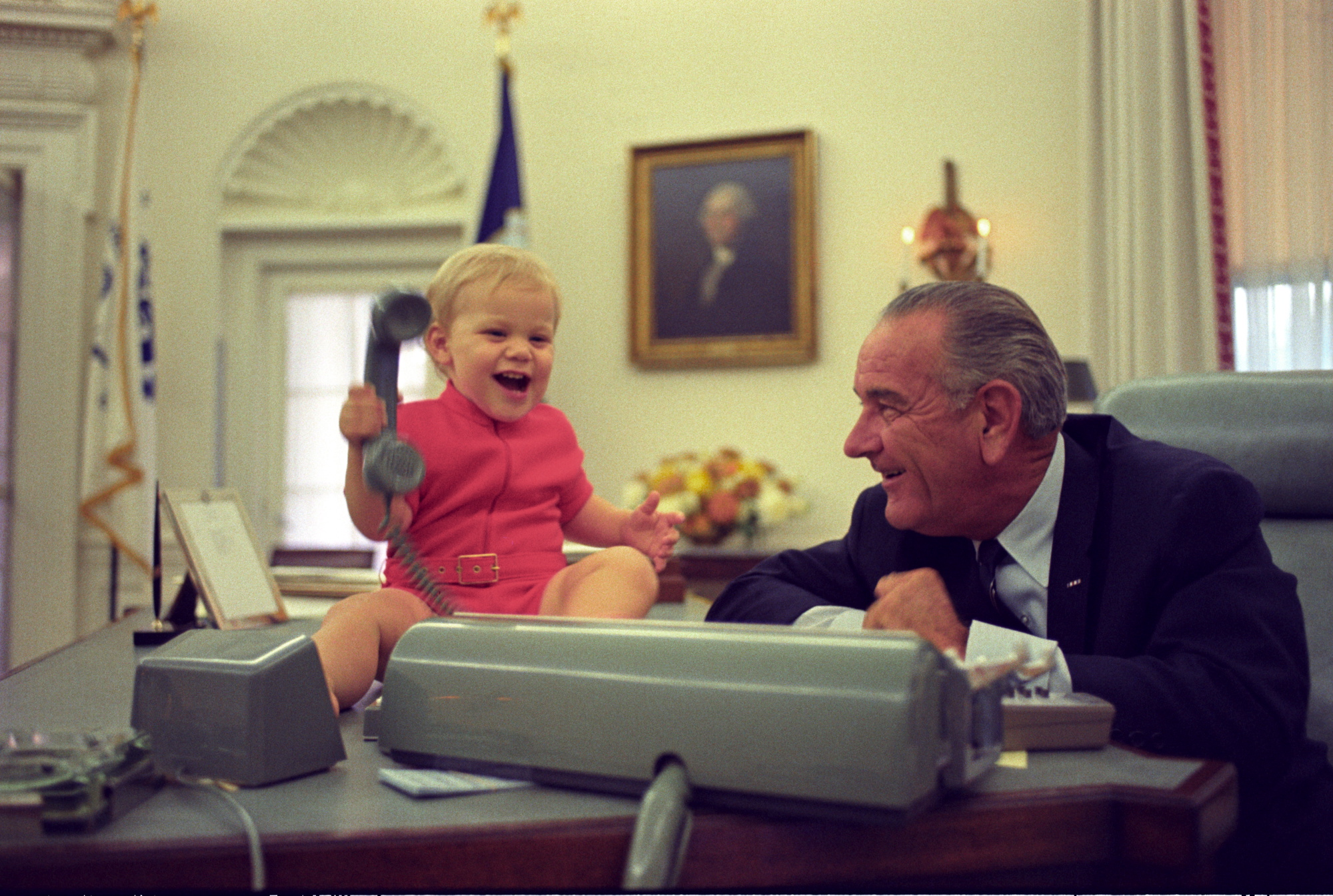
Being handed a receiver, told to speak to somebody they barely knew, with everybody watching and a clock running, was a genuinely difficult experience.
The pressure was considerable and nobody acknowledged it. A small child performing a short scripted exchange in front of their entire family, on an expensive line, to somebody whose face they may not be able to picture, is being asked a great deal.
The Same Call Was Made at the Same Time Every Year
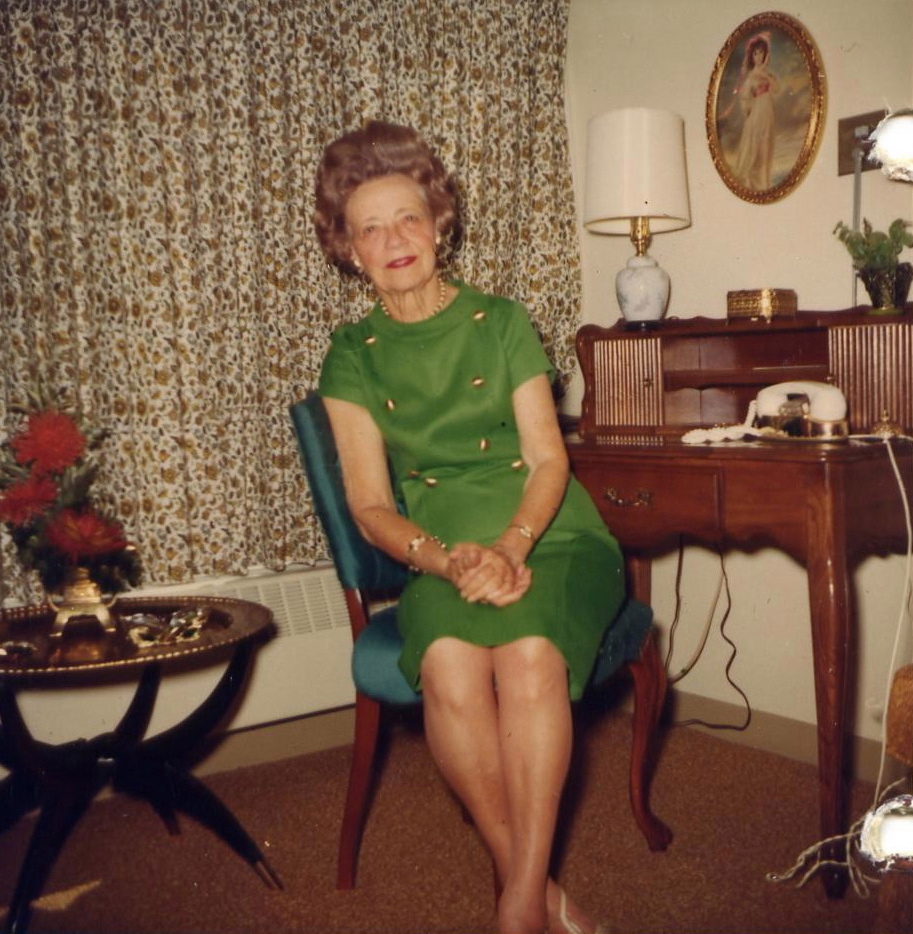
A great many of these were annual or seasonal rather than occasional, fixed to a particular date and repeated for decades.
The regularity is what turned an expensive transaction into a tradition. A call made on the same evening every year, with the same people standing in the same hallway in the same order, acquires a weight entirely separate from anything said during it, and plenty of households kept the appointment long after the price had stopped being a reason to.
Then the Rates Fell and Kept Falling
Competition, better infrastructure and changing pricing steadily eroded the premium on distance until it very nearly vanished.
The economics unwound the ceremony entirely. Every feature of the arrangement existed because of the price, so as the price fell the cheap hour went, then the timekeeper, then the arranged appointment, then the order of speakers.
And Then Distance Stopped Costing Anything at All
Calls that cross a country now cost the same as calls across a town, which is to say effectively nothing.
Which is better in every measurable respect and removed something anyway. What has gone is not the conversation, which happens more often and lasts longer and includes everybody. It is the occasion around it: a household assembled in a hallway at a stated hour, a fixed order of speakers, a child being coached in a whisper, somebody holding a watch, and three minutes of a voice that everybody in the room had been waiting a fortnight to hear.
Like our content? Follow us for more.