

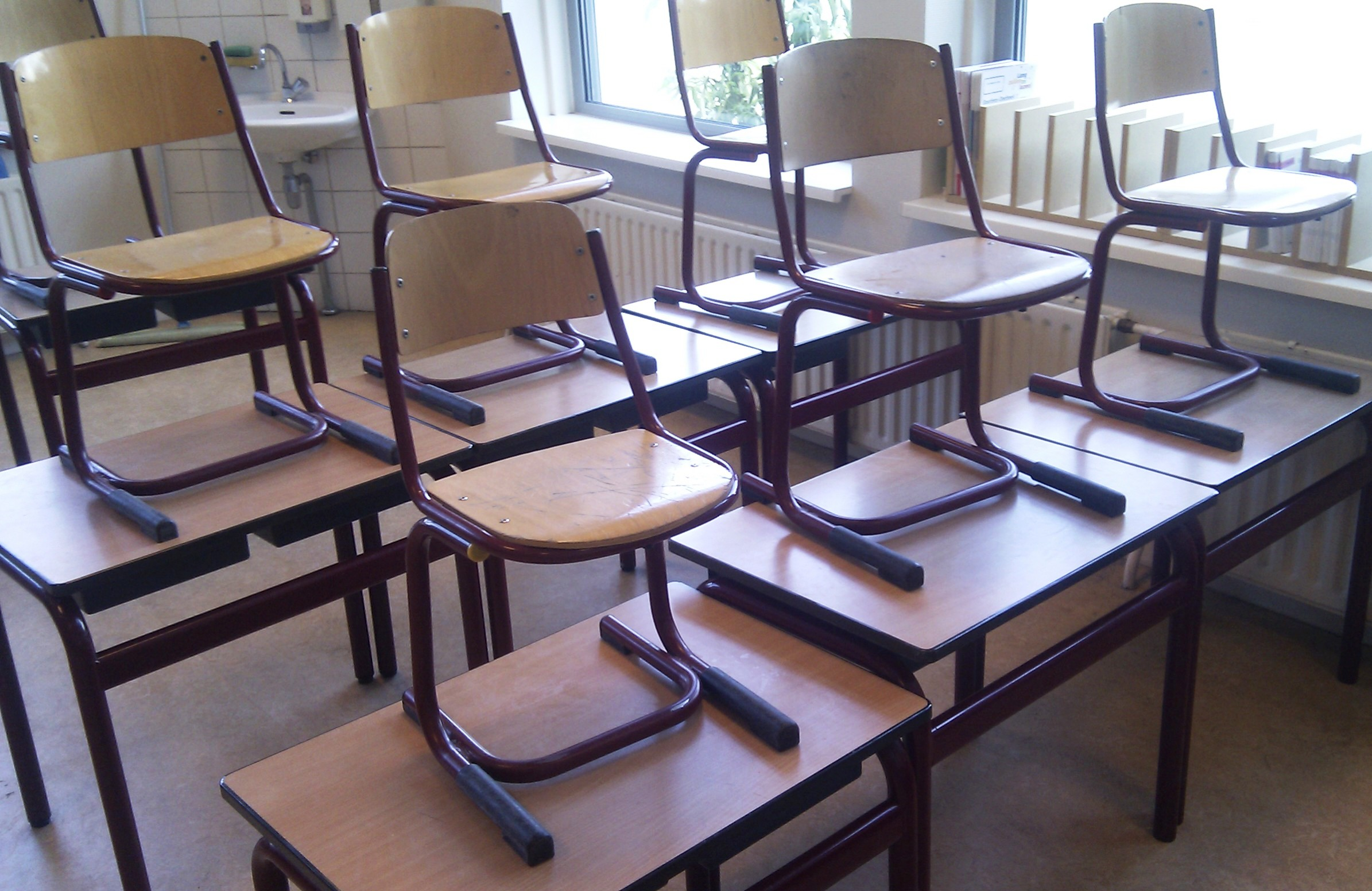
In 1964 a school year ended completely. The walls were stripped, the desks were emptied onto the floor, every issued book was collected and counted, and by the final afternoon the room had been returned to a bare condition for somebody else. The last few days contained almost no teaching, and nearly everything remembered about them happened in the gaps: the bin, the signatures, the sealed envelope and the twenty minutes nobody could quite bring themselves to spend outside the gate. The teaching had effectively stopped several days earlier, which meant the institution spent its final week doing something other than the thing it existed to do. Children noticed this and found it stranger than they expected. A building that has insisted on structure since September abandoning it entirely in the last five days is a reasonably clear admission that the structure was a choice all along, and a nine-year-old watching a teacher take a chart down off a wall is being shown something about the arrangement that nobody will explain for another decade. Here are sixteen things every class did on that last day in 1964, and why the ending mattered more than the holiday.
1. The Desk Had to Be Emptied and Nobody Knew What Was in It
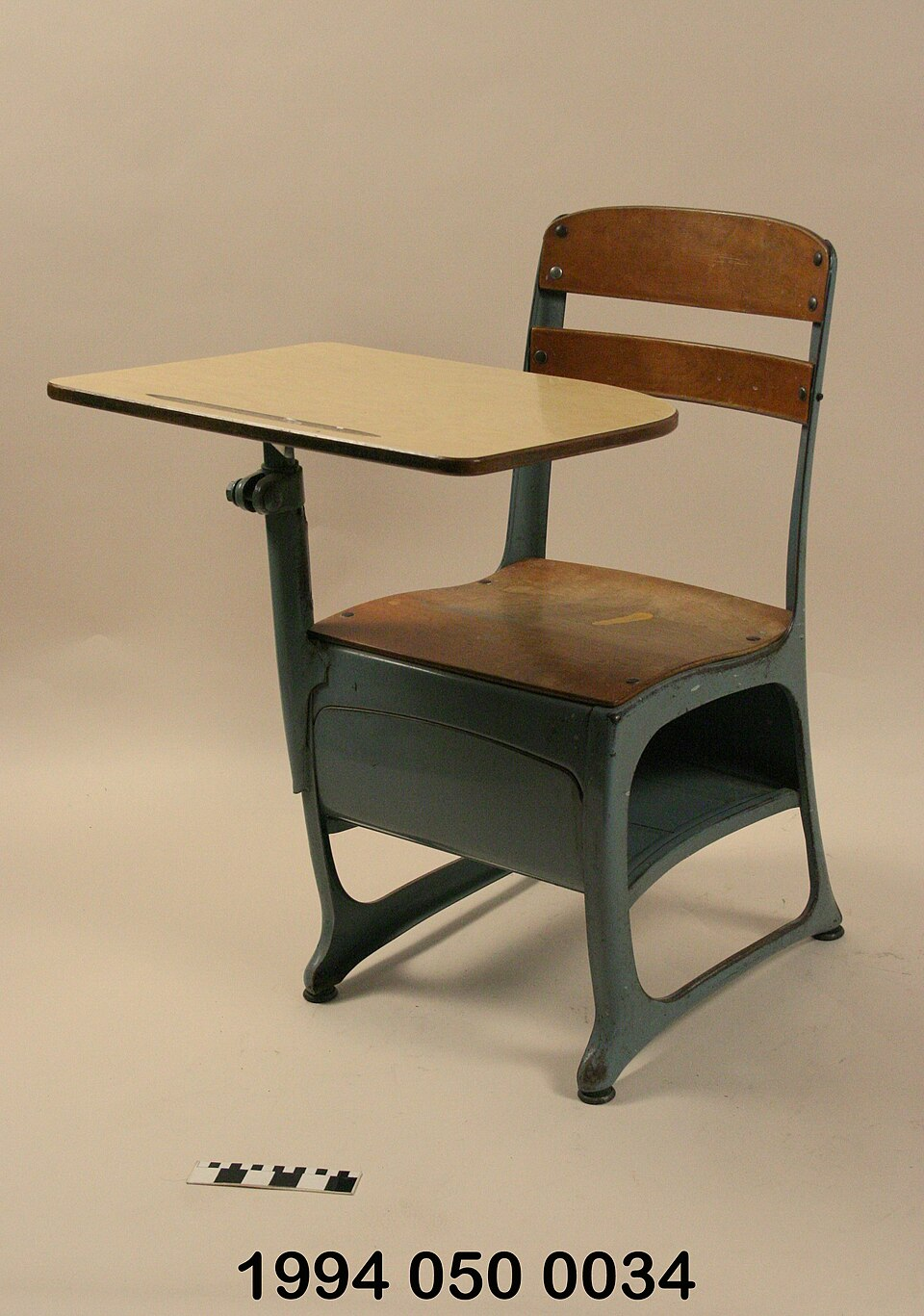
A year of accumulation came out in one session, and most of it had been forgotten about entirely.
The archaeology was the best part of the morning. A desk that has not been properly emptied since September contains work, notes, objects, things that were hidden, things that were lost and at least one item nobody can account for.
The volume was always a shock. A child who had been using a space daily for ten months had no sense of how much had gone into it, and the pile on the floor was reliably larger than the space it had come out of.
Like our content? Follow us for more.
2. Almost All of It Went in the Bin
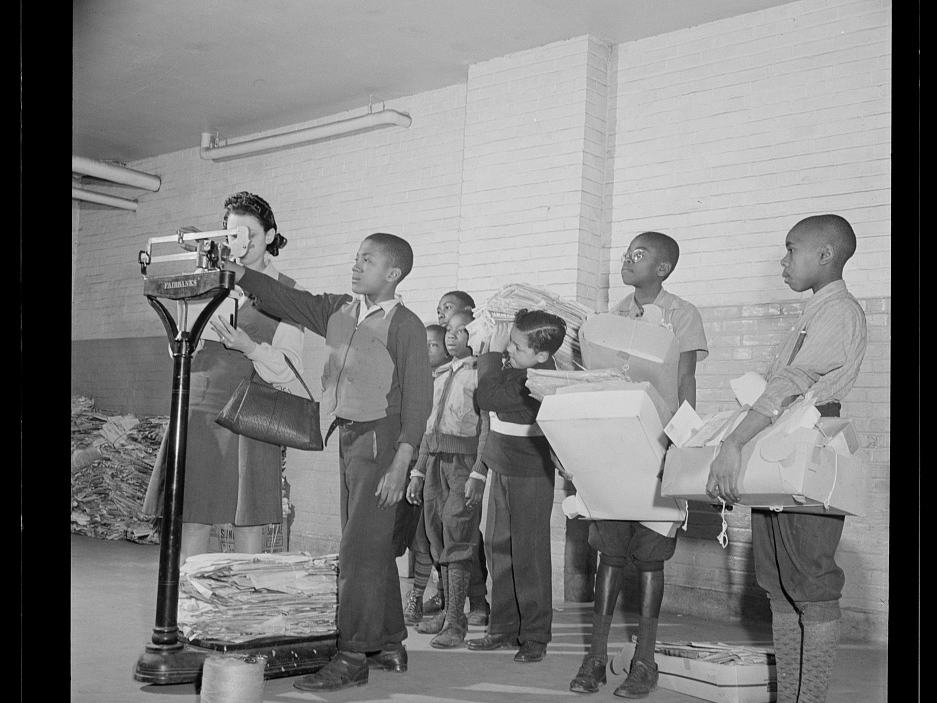
Work produced across an entire year was sorted into a very small pile to keep and a very large pile to throw away.
The ruthlessness was practical rather than callous. Nothing could be stored, the next class needed the desk and a child cannot carry ten months of paper home, so the disposal was simply what the day required.
The selection was revealing. What a child chose to keep out of a year’s work was almost never what a teacher would have chosen, and almost always something with a drawing on it or a mark they were proud of.
3. The Walls Came Down and the Room Stopped Being Yours
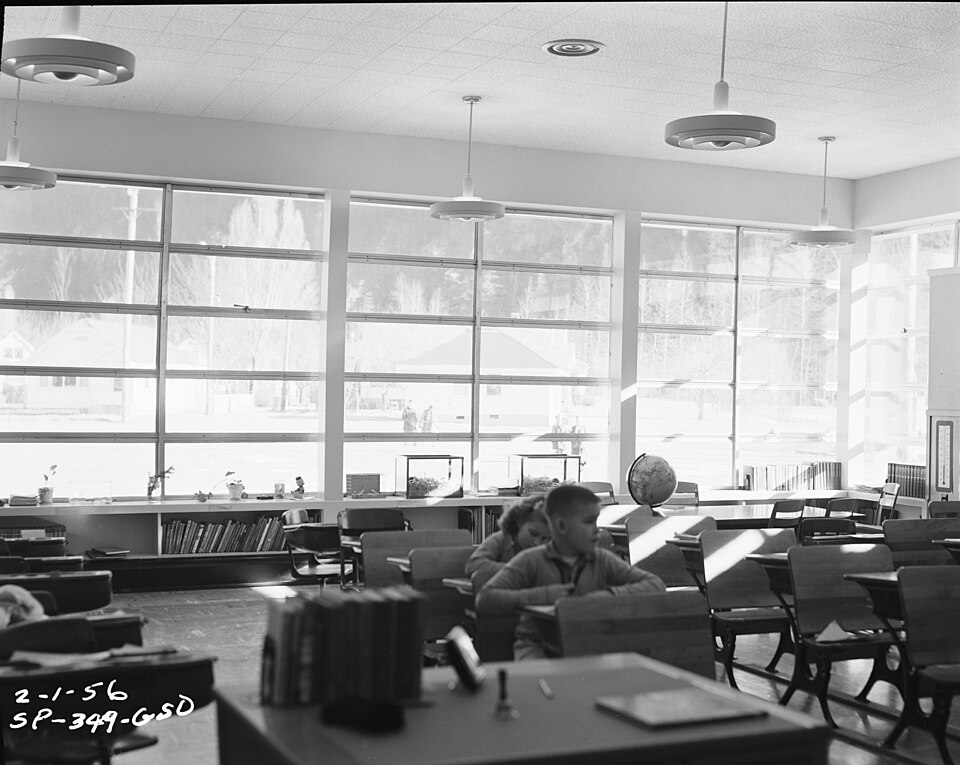
Displays, charts, artwork and everything that had made the room specific to that class were taken down and stacked.
The effect was immediate and slightly unsettling. A classroom stripped back to its bare surfaces looks institutional in a way it never did with work on the walls, and the class watched it happen to a room they had assumed was theirs.
It was also the first visible evidence of replacement. Nothing was being taken down to be kept; it was being taken down because a different group of children would be sitting there in September.
4. The Books Were Collected and Counted
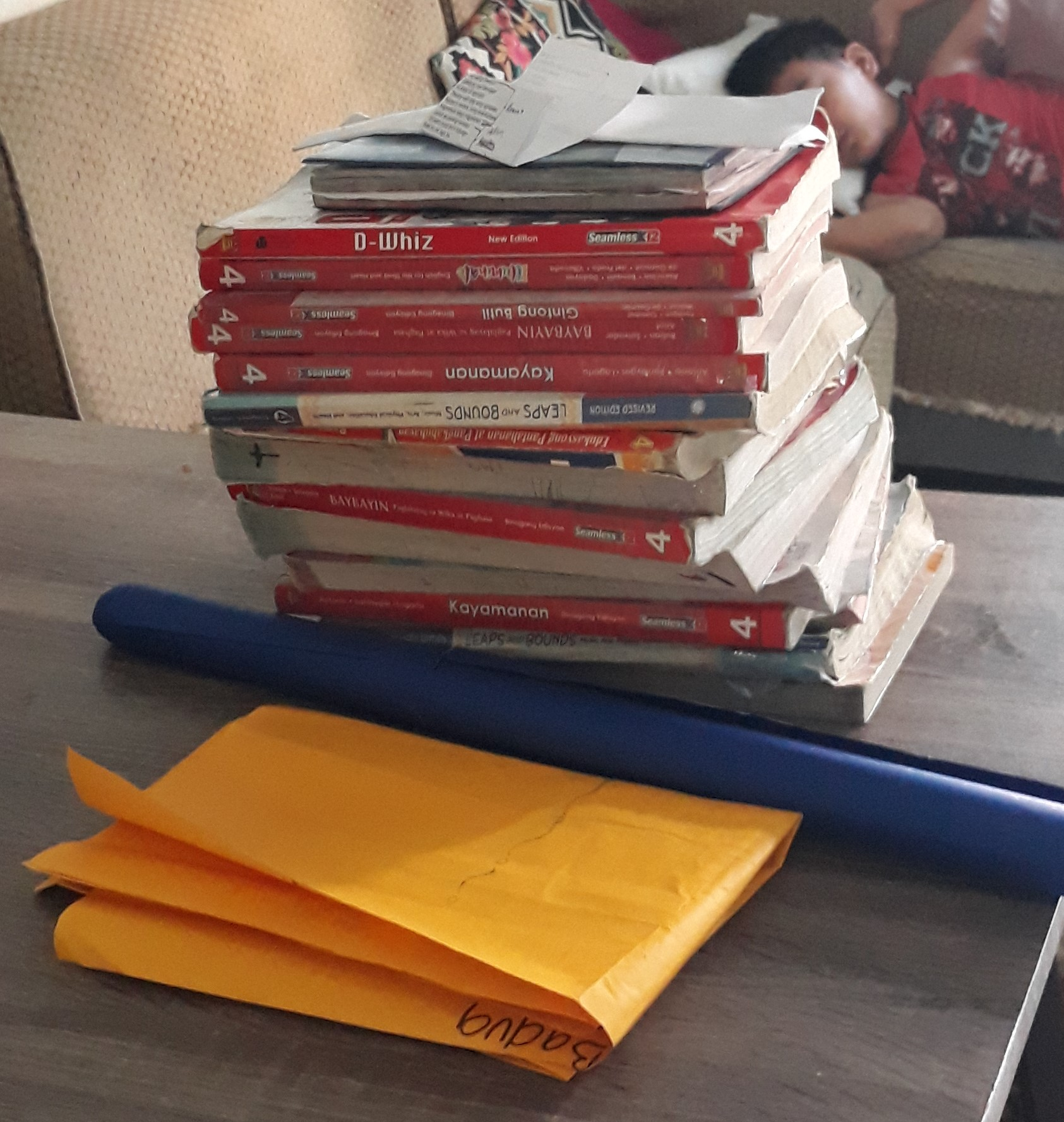
Everything issued at the start of the year had to come back, be checked and be accounted for.
The accounting was taken seriously because the books were district property with several years of service still expected. A missing one was a real cost, and the collection was conducted with a list.
It also produced the last-minute panic. A child who could not find a book searched their house the night before, and a household turning out a bedroom for a textbook on the second-to-last evening of term is a scene a great many people remember.
5. Everything Lost All Year Reappeared
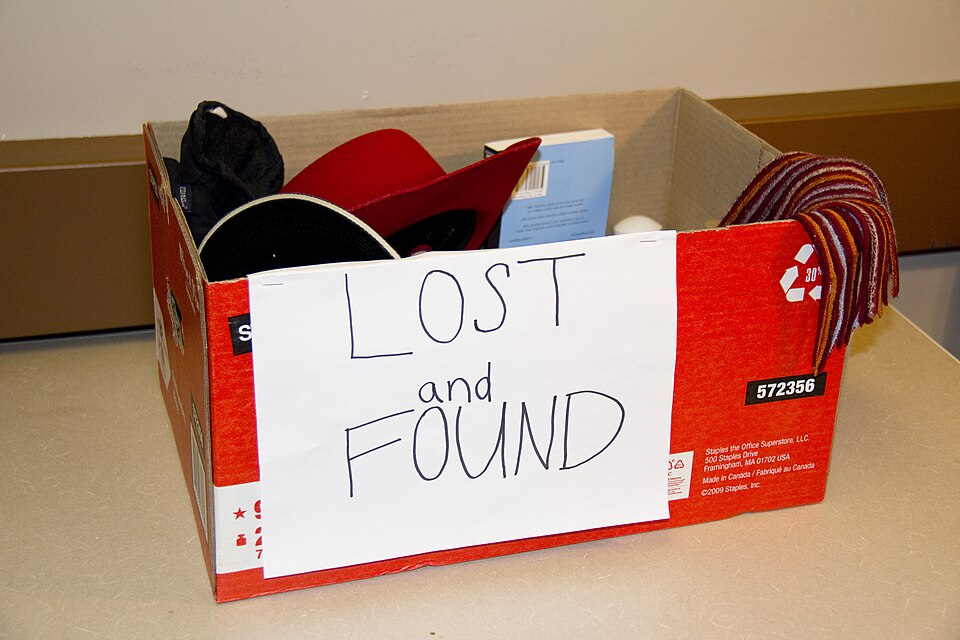
The accumulated contents of a lost property collection were laid out, and children walked past looking for things they had stopped expecting to see.
The timing was deliberate and sensible. Nothing left in the building over the summer was going to be claimed, so the last opportunity was made as visible as possible.
Most of it was never claimed anyway. A garment lost in October has usually been replaced by June, and the pile that went out at the end of the year was a fairly complete record of what children do not actually need.
6. Reports Went Home in Sealed Envelopes
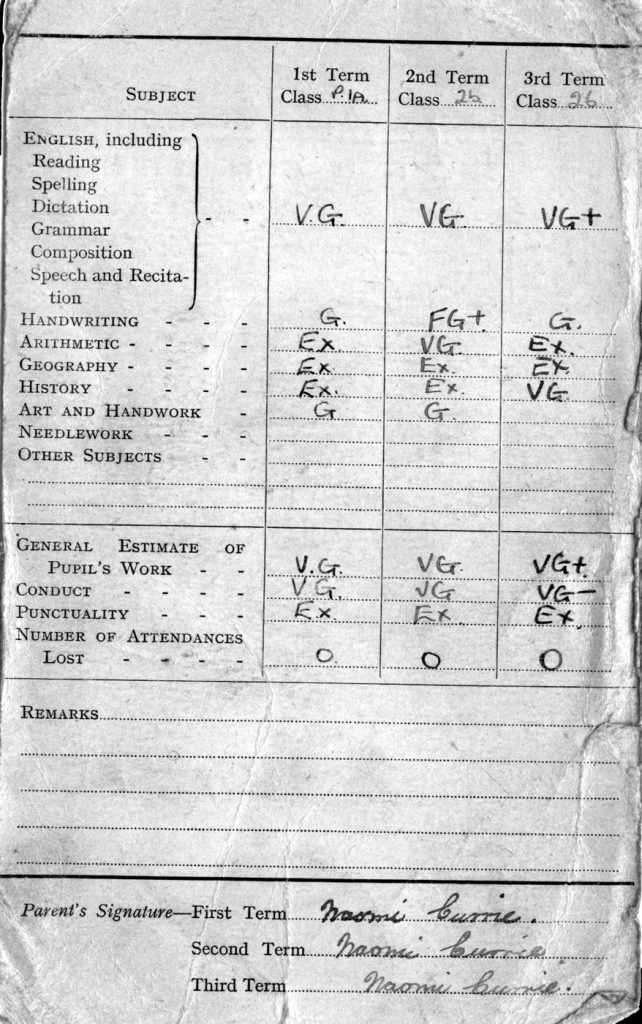
The written assessment of the year travelled in a child’s own bag, sealed, with an instruction not to open it.
The arrangement placed an extraordinary burden on the carrier. A document about you, which you are forbidden to read, carried home by you, is a specific kind of torment that lasted exactly as long as the journey.
Plenty were opened and resealed. The technique was widely known, worked inconsistently, and the risk was taken anyway by a substantial minority of children every single year.
7. You Found Out Who You Had Next Year
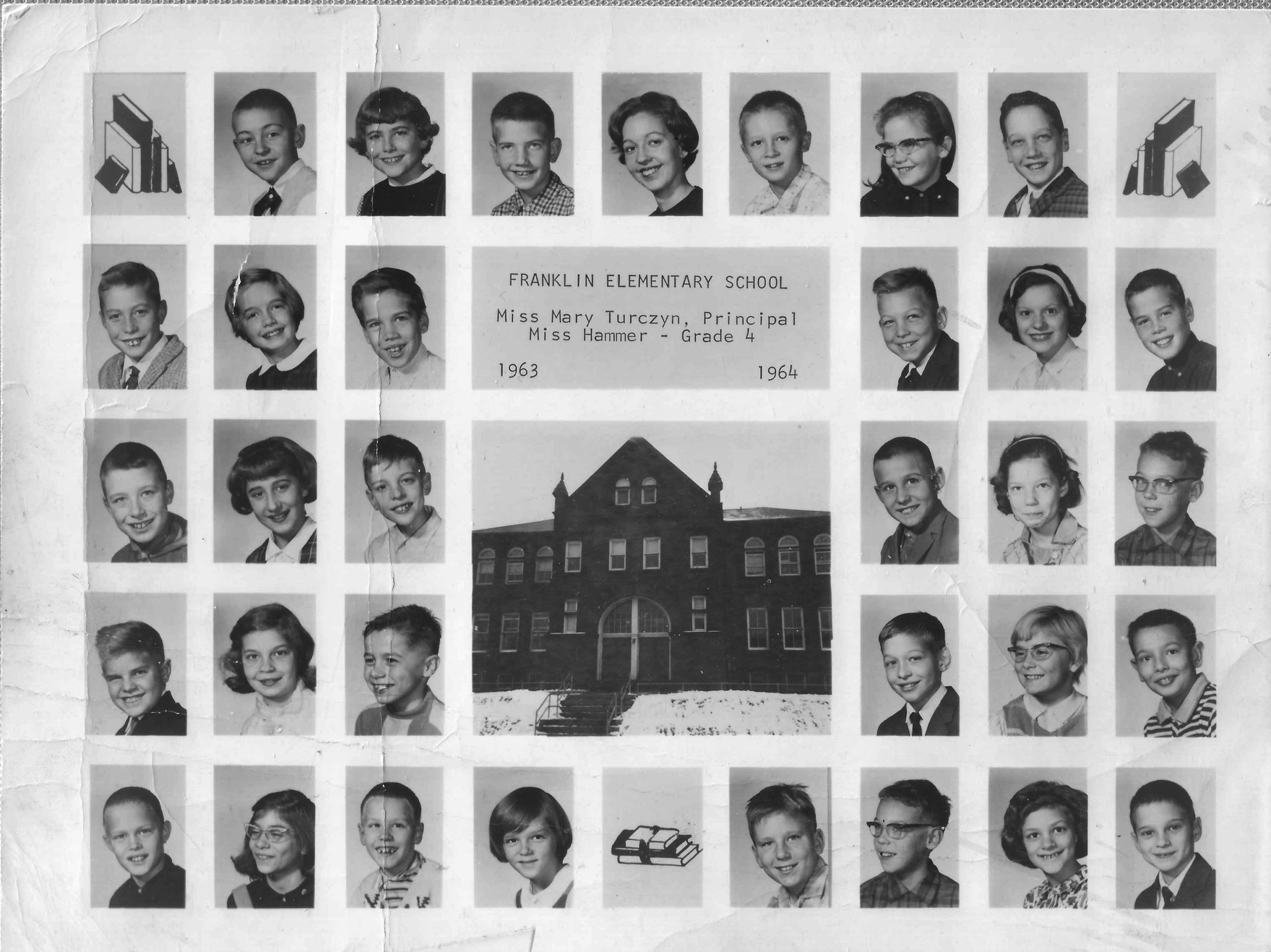
Class lists for September were frequently posted or announced before the end, which meant the summer was spent knowing.
The information changed the shape of the holiday. A child who knows which teacher and which classmates are waiting has something to think about for six weeks, and the quality of that thinking depended entirely on the answer.
Some schools deliberately withheld it. The reasoning was that a summer spent dreading a particular outcome is worse than a surprise in September, which is a defensible position that the children concerned did not share.
8. The Signing of Everything Started
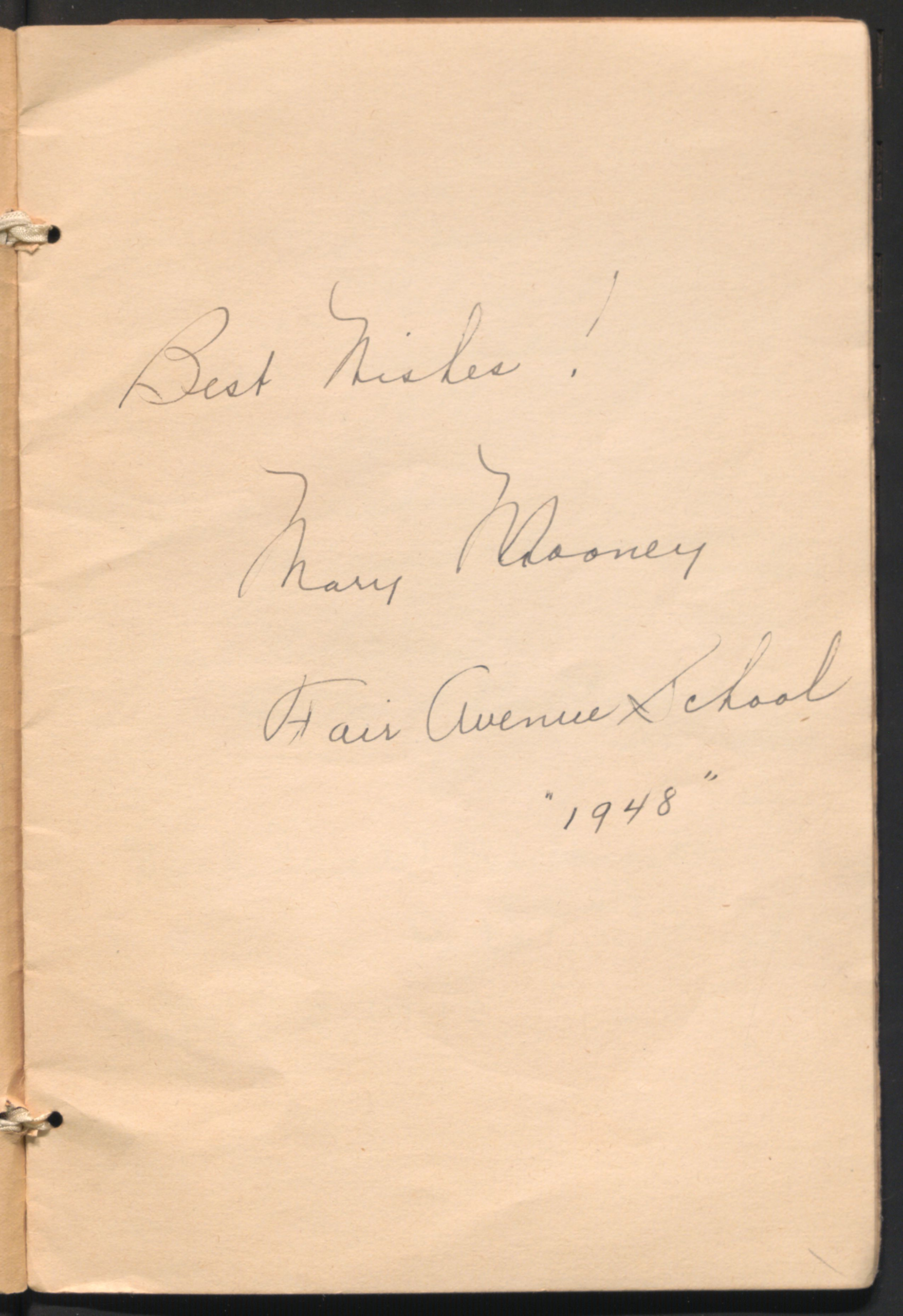
Shirts, bags, folders, plaster casts and anything else that would take ink were signed by as many people as possible.
The impulse is worth understanding rather than dismissing. A group that is about to disperse for six weeks, or permanently, produces a sudden urge to leave a physical trace on each other, and the object signed mattered less than the quantity of signatures.
The quality of what was written was uniformly low. Names, initials, a stock phrase repeated by everybody – almost nothing of substance was ever written, which did not reduce the value of the object in the slightest.
9. The Last Lessons Were Not Lessons
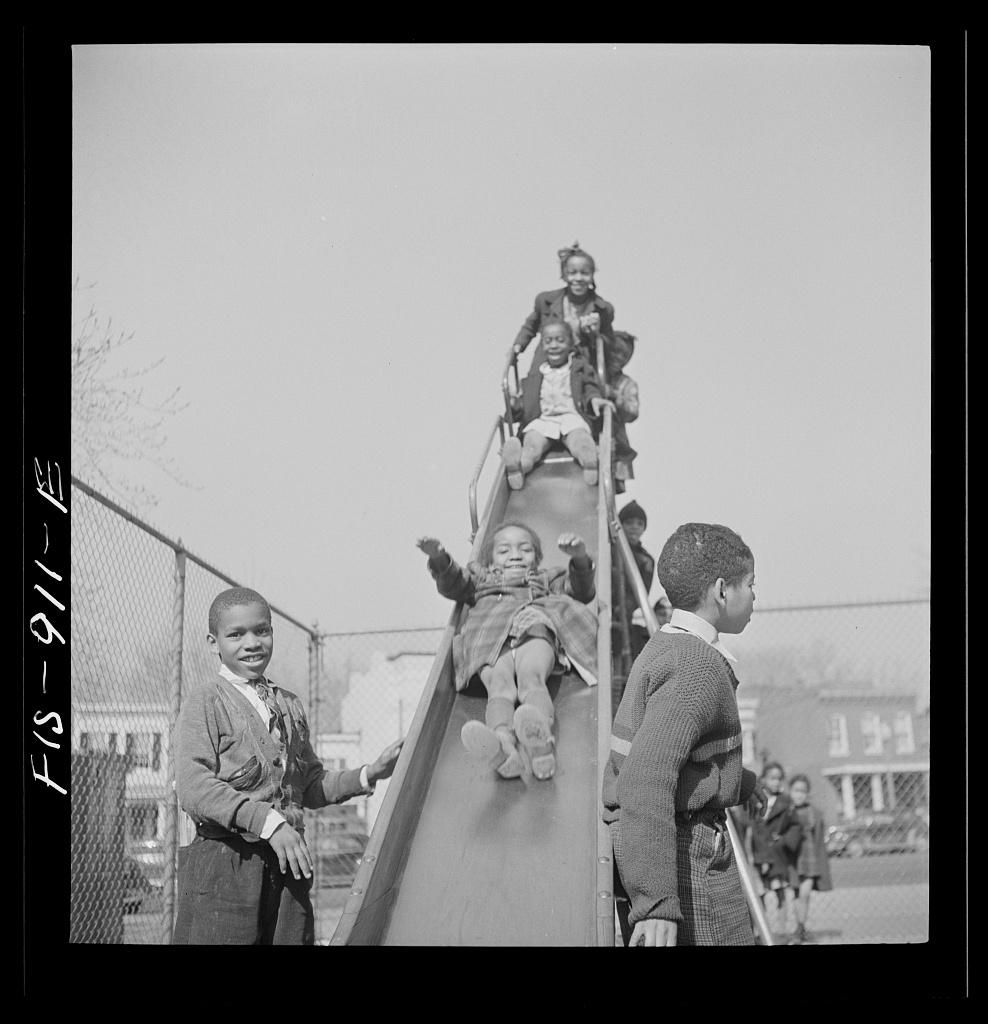
Films, games, quizzes, free reading and tidying filled the final days, and everybody understood the teaching had finished.
The suspension was universal and slightly odd when examined. An institution that insists on structure for thirty-nine weeks abandons it entirely for the fortieth, which suggests the structure was always more negotiable than it appeared.
Children found this unsettling as well as welcome. A teacher behaving differently, a room with no work in it and a timetable that had stopped being enforced made the last days feel unreal rather than relaxed.
10. Teachers Became Human in the Final Week
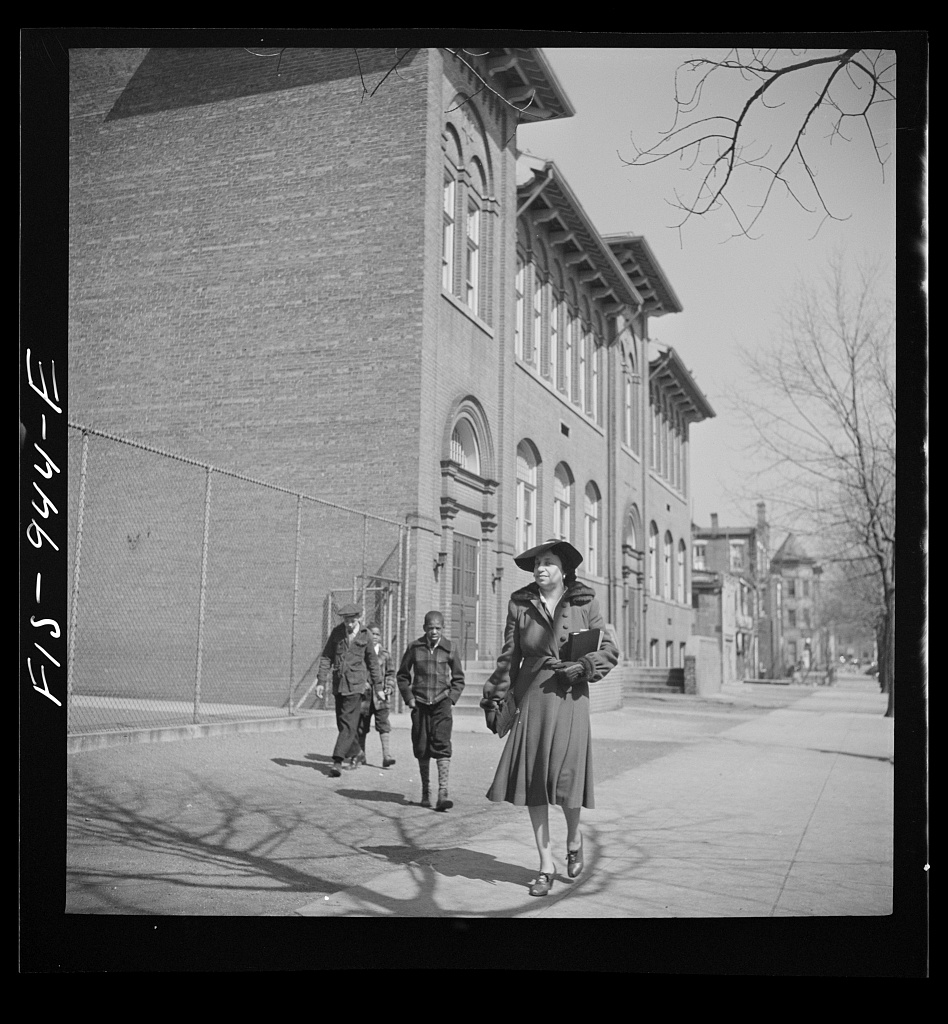
Adults who had maintained a professional distance all year relaxed it, and children saw a different person.
The transformation was the most memorable thing about the week for a great many pupils. Somebody who had been a role for ten months became briefly a person, which is a considerable adjustment to make in five days.
It was also calculated, at least in part. A teacher with nothing left to enforce has no reason to maintain the distance, and an experienced one understood that the last impression is the one that gets carried out of the door.
11. Somebody Cried and It Was Rarely Who You Expected
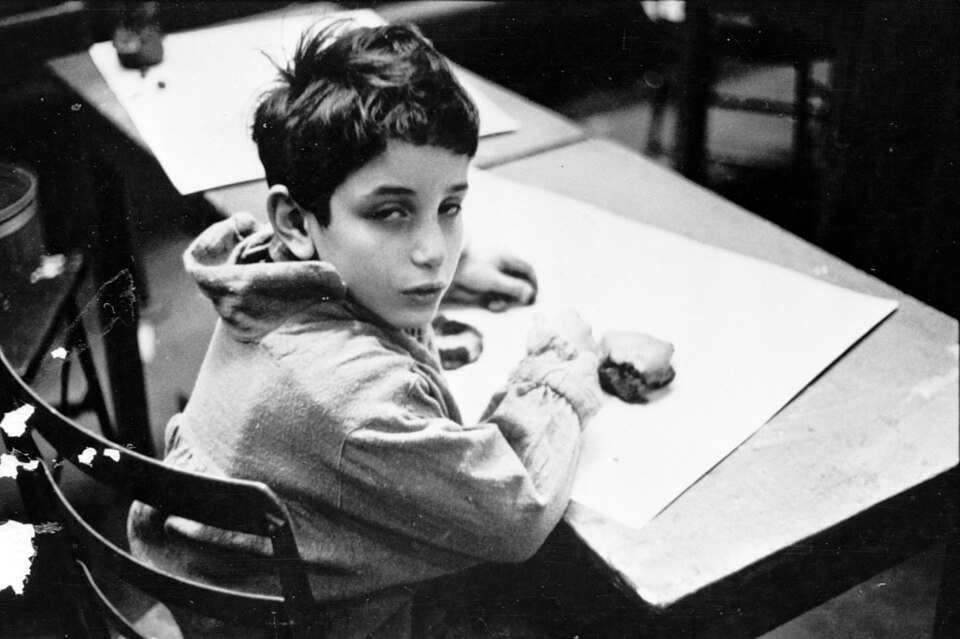
The end of a year produced an emotional reaction in people who had given no indication all year that they felt anything about it.
The surprise is the point. Attachment to a room, a teacher or a group is invisible until the thing is ending, and plenty of children discovered how they felt about their year at the exact moment it stopped being available.
It was handled badly by almost everybody. Nobody had any framework for a group of children feeling something collectively, so the standard response was to keep moving and get everybody out of the door.
12. The Leaving Class Had a Different Day Entirely
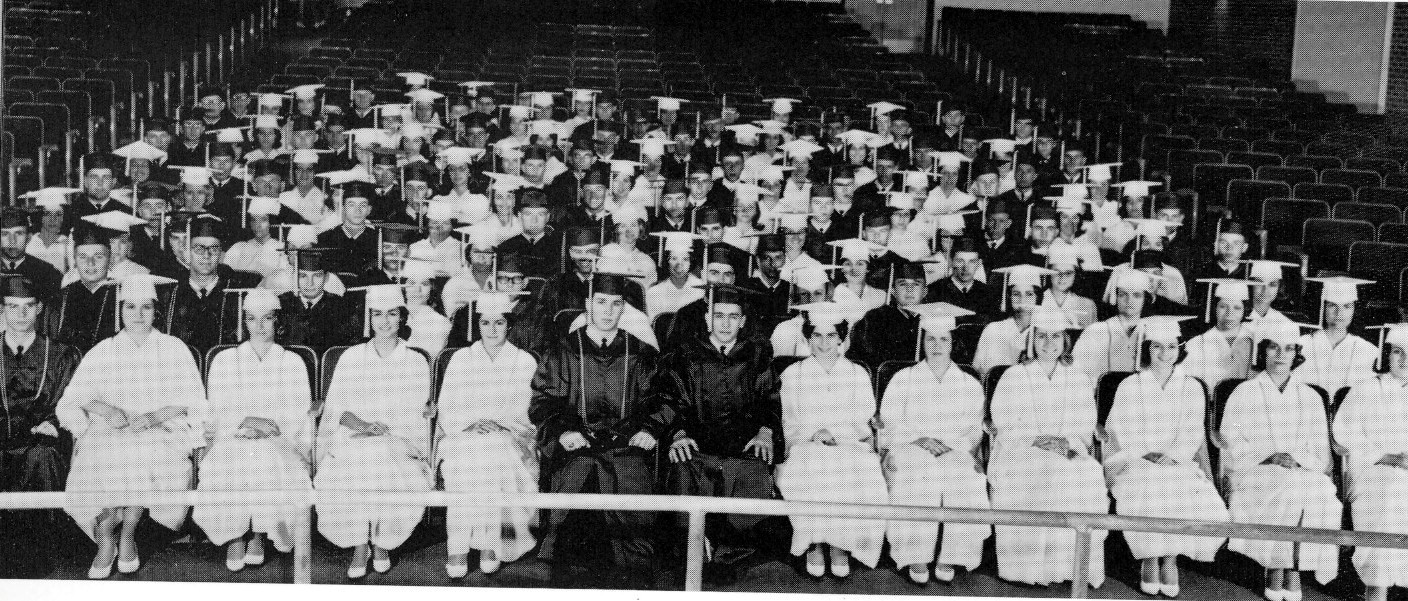
Children moving on to a different school were ending something rather than pausing it, and everybody knew the difference.
The asymmetry was stark and not much acknowledged. For most of the school it was a holiday beginning; for one year group it was the last time that particular collection of people would ever be in a room together, and a fair number of them understood that.
The rituals were correspondingly larger. More signing, more photographs, a longer goodbye and in some schools a formal send-off, all of it recognising that for these children the day was final rather than seasonal.
13. The Walk Out Was Deliberately Slow
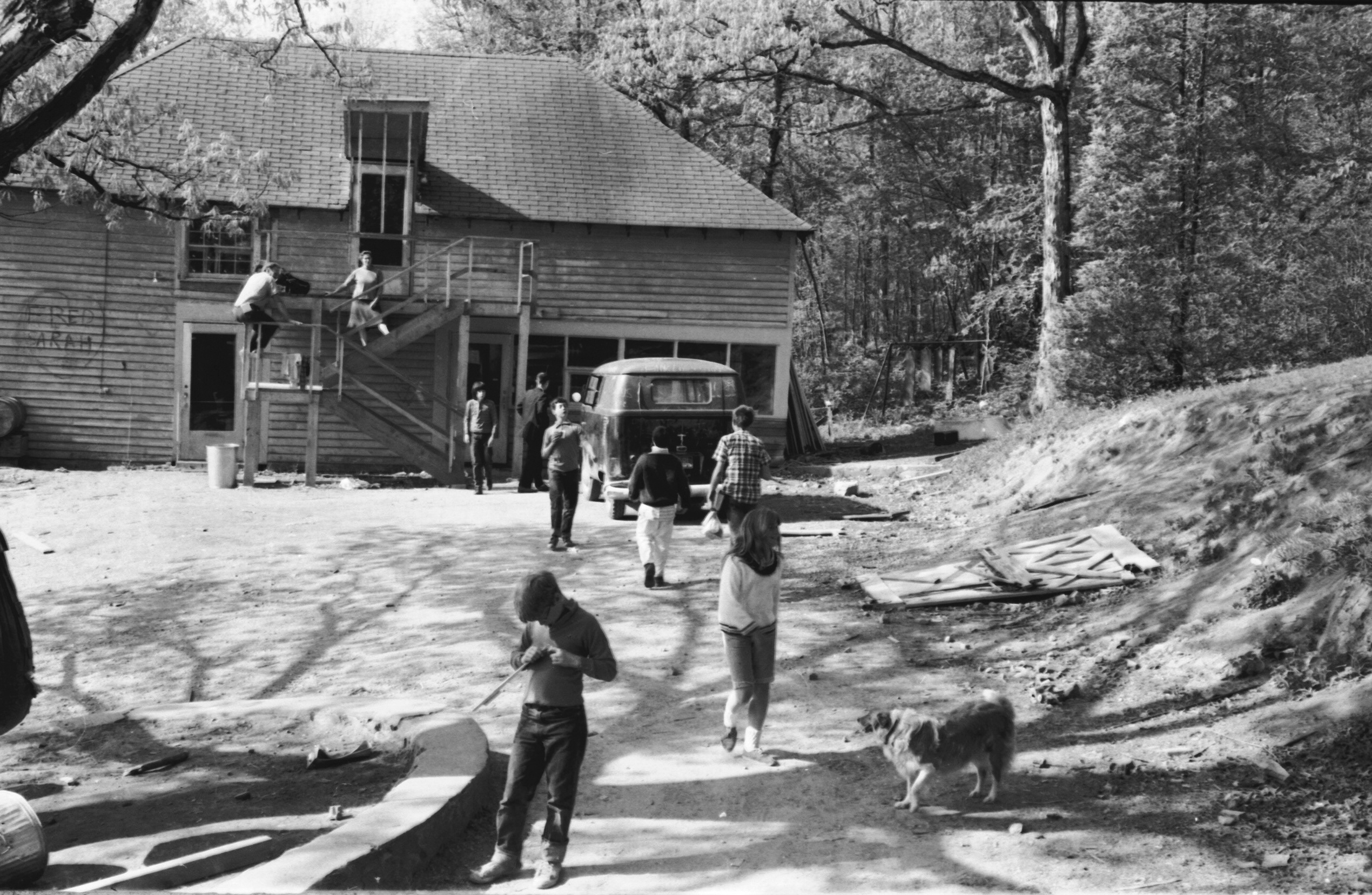
The final exit took much longer than any other day, with stops, conversations and a general reluctance to actually leave.
The reluctance is strange given how much the day had been anticipated. Six weeks of freedom were waiting on the other side of the gate, and a significant number of children found reasons to stay inside the building for an extra twenty minutes.
The explanation is probably that the leaving was the event. Once you are outside the gate the thing has happened, and a child standing in a corridor saying goodbye for the fourth time is postponing a transition rather than enjoying a building.
14. The First Afternoon of Summer Was Oddly Flat
An outcome anticipated for months arrived at two in the afternoon on a Friday and then simply continued.
The anticlimax is almost universally reported. A thing wanted intensely for weeks cannot possibly deliver at the moment of arrival, and the first few hours of a six-week holiday are frequently spent not knowing what to do with them.
It resolved by the following morning. The flatness was a transition rather than a disappointment, and nobody who experienced it on the Friday remembered it by Monday.
15. The Building Emptied Completely and Stayed That Way
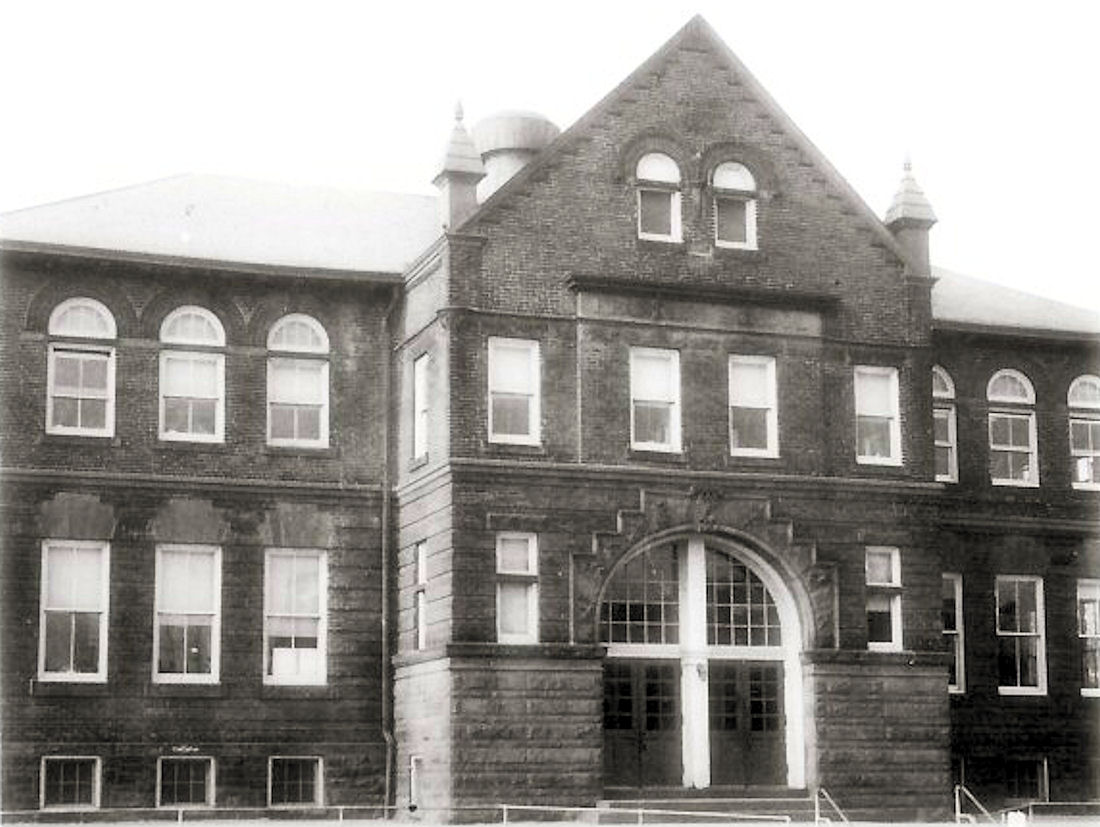
A place occupied by hundreds of people every weekday became entirely empty for six weeks.
The vacancy was genuinely strange to contemplate and children did contemplate it. Walking past a school in July, with the windows bare and the gates shut, is an experience of a familiar place that has stopped doing the thing that made it that place.
Some of them went and looked. A quiet playground in the middle of the summer holiday, visited deliberately by a child who had spent the year desperate to get out of it, is one of the more revealing pieces of behaviour in this whole subject.
16. Then the Year Stopped Ending So Clearly

Shorter breaks, continuous assessment, summer provision and work carrying over all softened the line between one year and the next.
The softening removed the threshold rather than the holiday. A year that ends absolutely, with everything stripped from the walls and every book handed back, creates a clean break that a year tapering into the next one does not.
What went with it was the emptying. The desk turned out onto the floor, the year’s work reduced to three pieces worth keeping, the sealed envelope carried home unopened, the shirt covered in names, and the deliberately slow walk out of a building that was about to be empty for six weeks.
What an Ending Actually Did
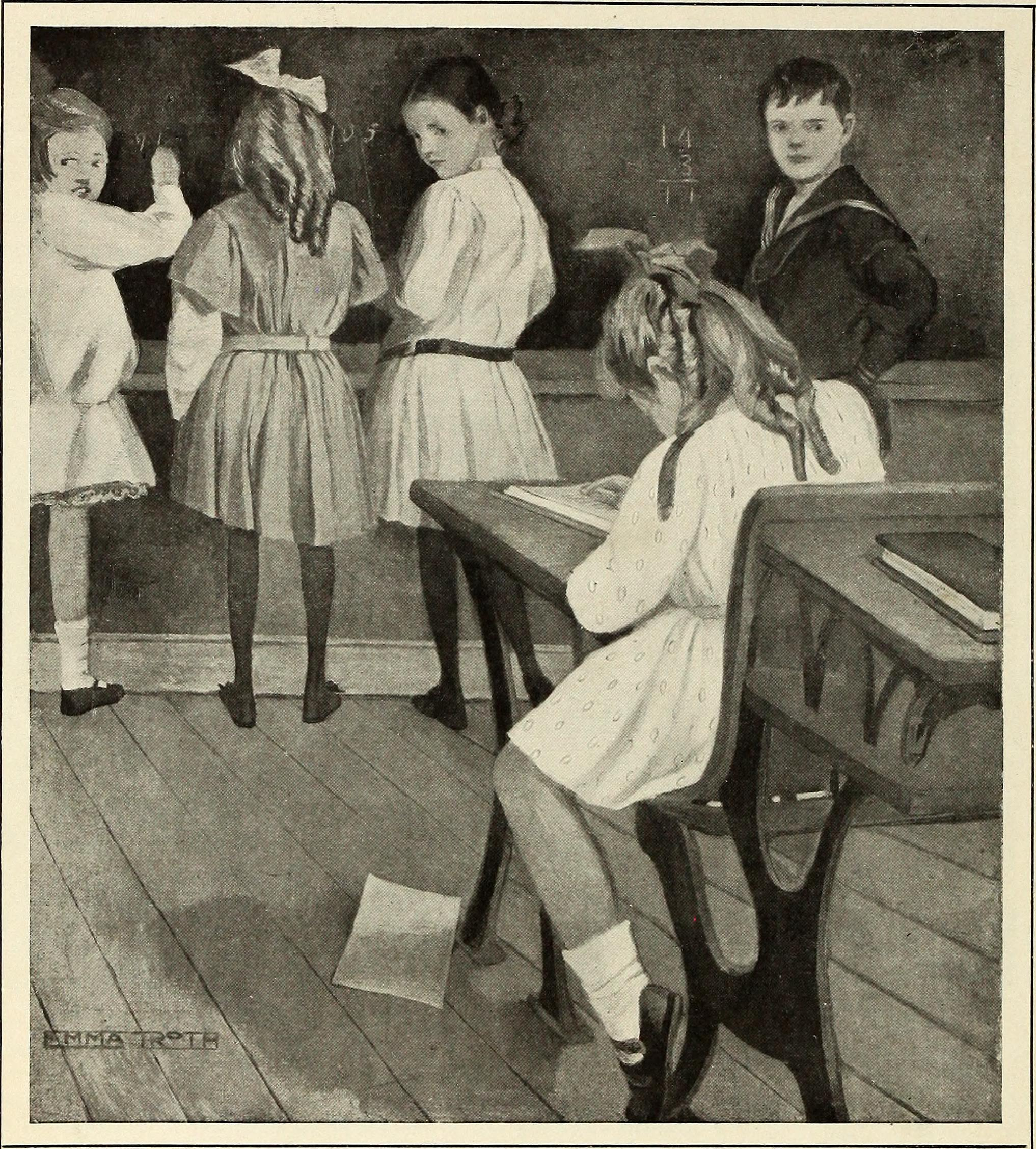
Taken in order, the sixteen are describing a threshold rather than a holiday. Everything about the last day was designed, mostly without anybody intending it, to mark a line: the walls came down, the books went back, the year’s work was reduced to the two or three pieces a child chose to keep, and the room was handed over in a condition that made clear it had never really belonged to anybody. The emotional content of the day – the signing, the crying nobody predicted, the slow walk out – was a direct consequence of that completeness. A group only produces goodbye rituals when it genuinely believes something is ending, and in 1964 everything in the building was telling them it was. The other thing the completeness produced was an unusually honest inventory. A desk emptied onto a floor in June is a full record of what a child actually did for ten months, and almost all of it went into a bin within the hour. That disposal is not callousness and was never experienced as such; it is simply what happens when nothing can be stored, the furniture is needed by somebody else and the only person with any interest in keeping a piece of work is a nine-year-old with a satchel that holds about four sheets of paper. What a child chose at that moment, out of everything, is the one part of the day that reveals anything about them.
The holiday survived and the ending did not. Shorter breaks, work that carries over, continuous assessment and provision running through the summer all soften the line, and a year that tapers into the next one does not need a last day in the old sense. What went with the threshold was the ritual attached to it: the desk turned out onto the floor, a year’s work reduced to three pieces worth keeping, the sealed envelope carried home by the person it was about, a shirt covered in names, and a child standing in a corridor saying goodbye for the fourth time to postpone walking through a gate they had wanted to walk through since March.
Like our content? Follow us for more.
