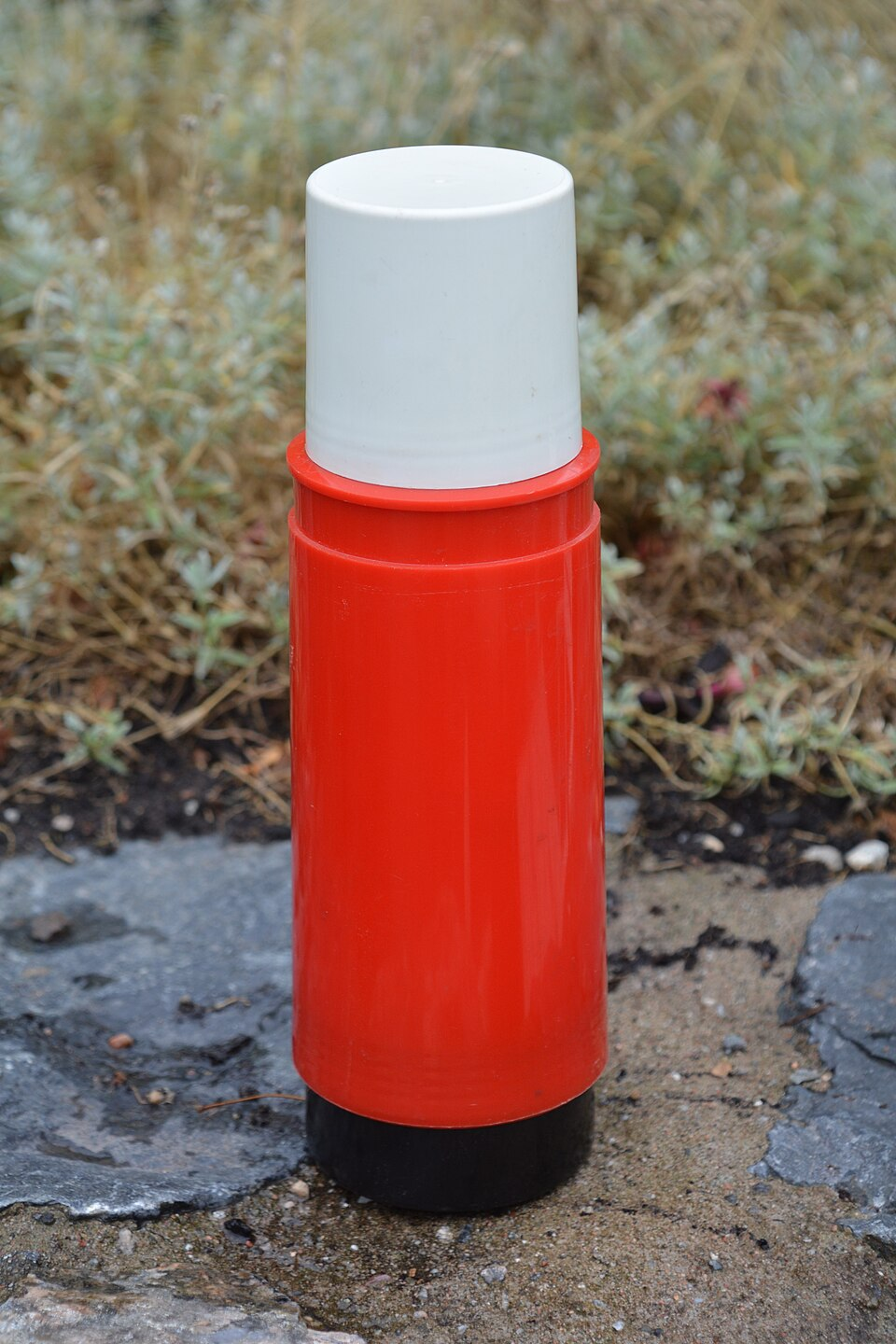
In 1964 the object worked by containing nothing: two vessels, one inside the other, with the air removed from the space between. It needed no power, no maintenance and no moving parts, and it kept things cold as readily as hot, which surprised people who had never thought about why. The inner vessel was thin glass, because almost nothing else of the period would hold a vacuum, and the entire history of these objects is the history of that one component failing. Here are sixteen things every family knew about the vacuum flask in 1964, and why steel liners made all of it obsolete.
1. The Thing Worked by Having Nothing Inside It
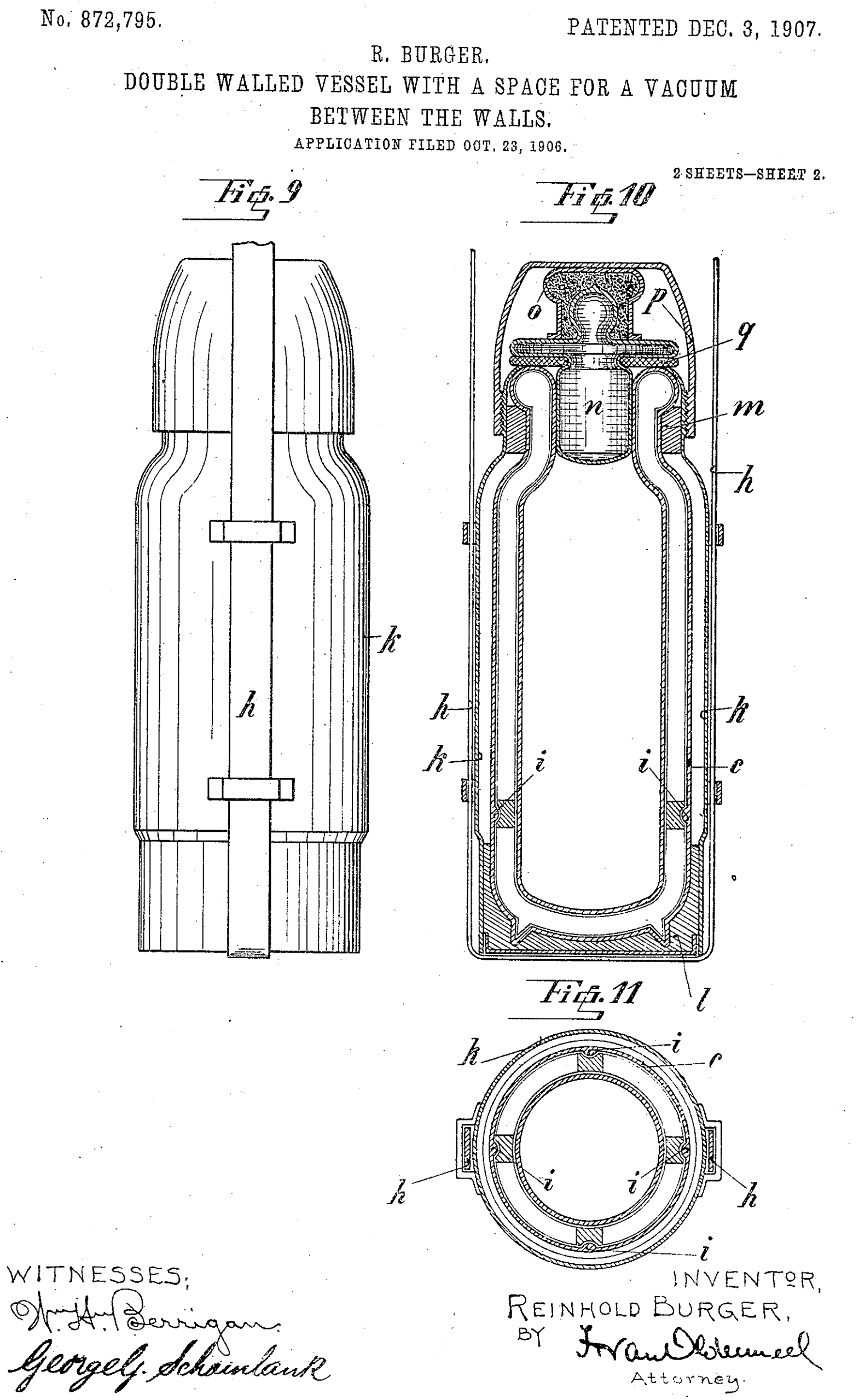
Two containers, one inside the other, with the air removed from the gap between them, which is the entire mechanism.
The principle is genuinely elegant and almost nobody who owned one could state it. Heat moves through material and through air, and a gap with neither in it is a barrier that requires no power, no maintenance and no moving parts.
That is why it kept things cold as well as hot, which surprised people. A barrier to heat moving outwards is equally a barrier to heat moving inwards, and the same object performed both functions without anybody adjusting anything.
Like our content? Follow us for more.
2. The Inner Container Was Glass and That Was the Whole Problem
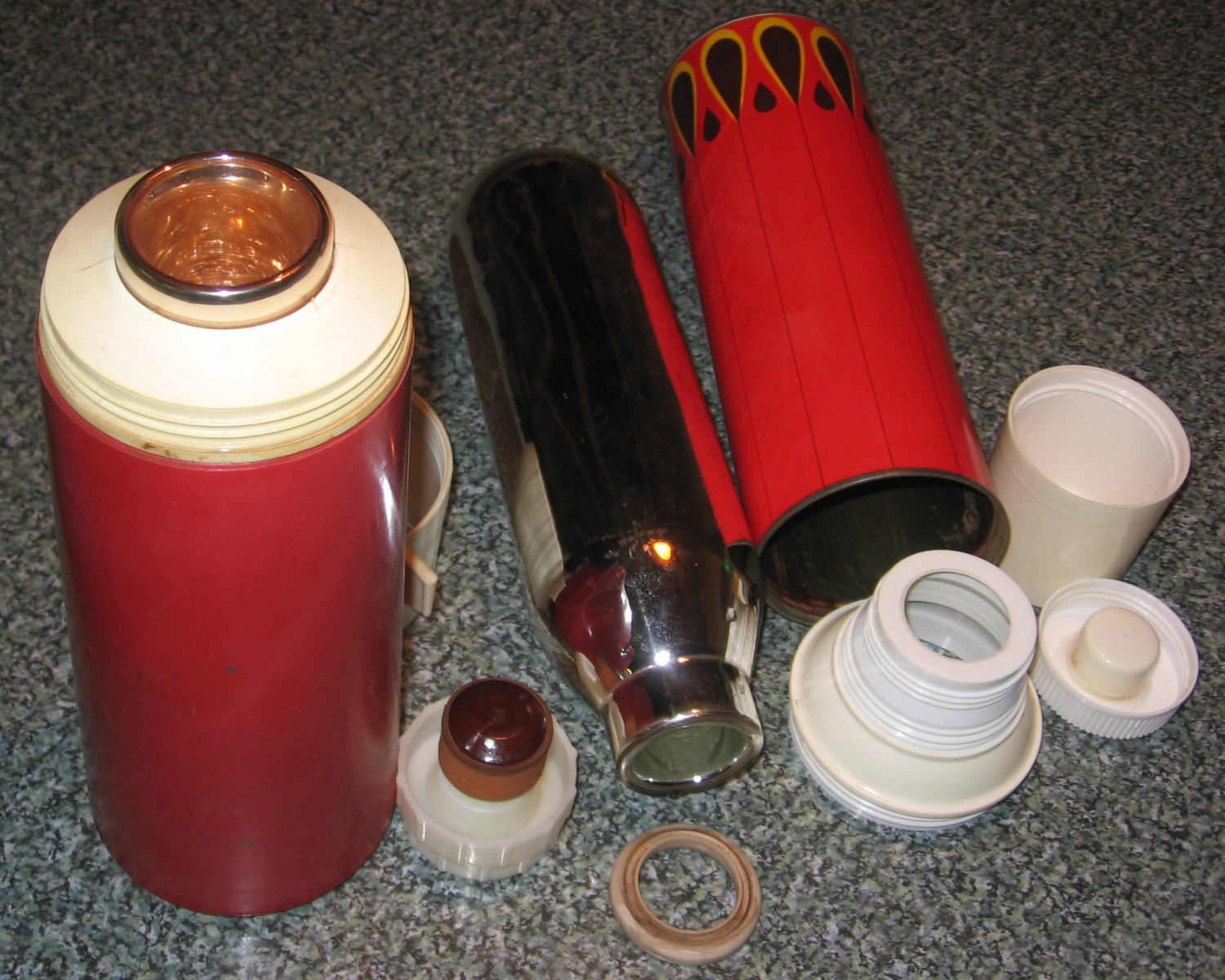
The vessel that held the contents was thin glass, chosen because glass holds a vacuum and because almost nothing else of the period could.
The material was the correct engineering choice and a disastrous practical one. A thin glass vessel inside a container carried daily by a child is a component with a predictable and short life, and the entire history of these objects is a history of that part failing.
Everything else about the design was armour around it. The outer casing, the padding and the cap all existed to protect one fragile piece, which is an unusual way to build something and the only way available.
3. The Rattle Was the Death Sentence
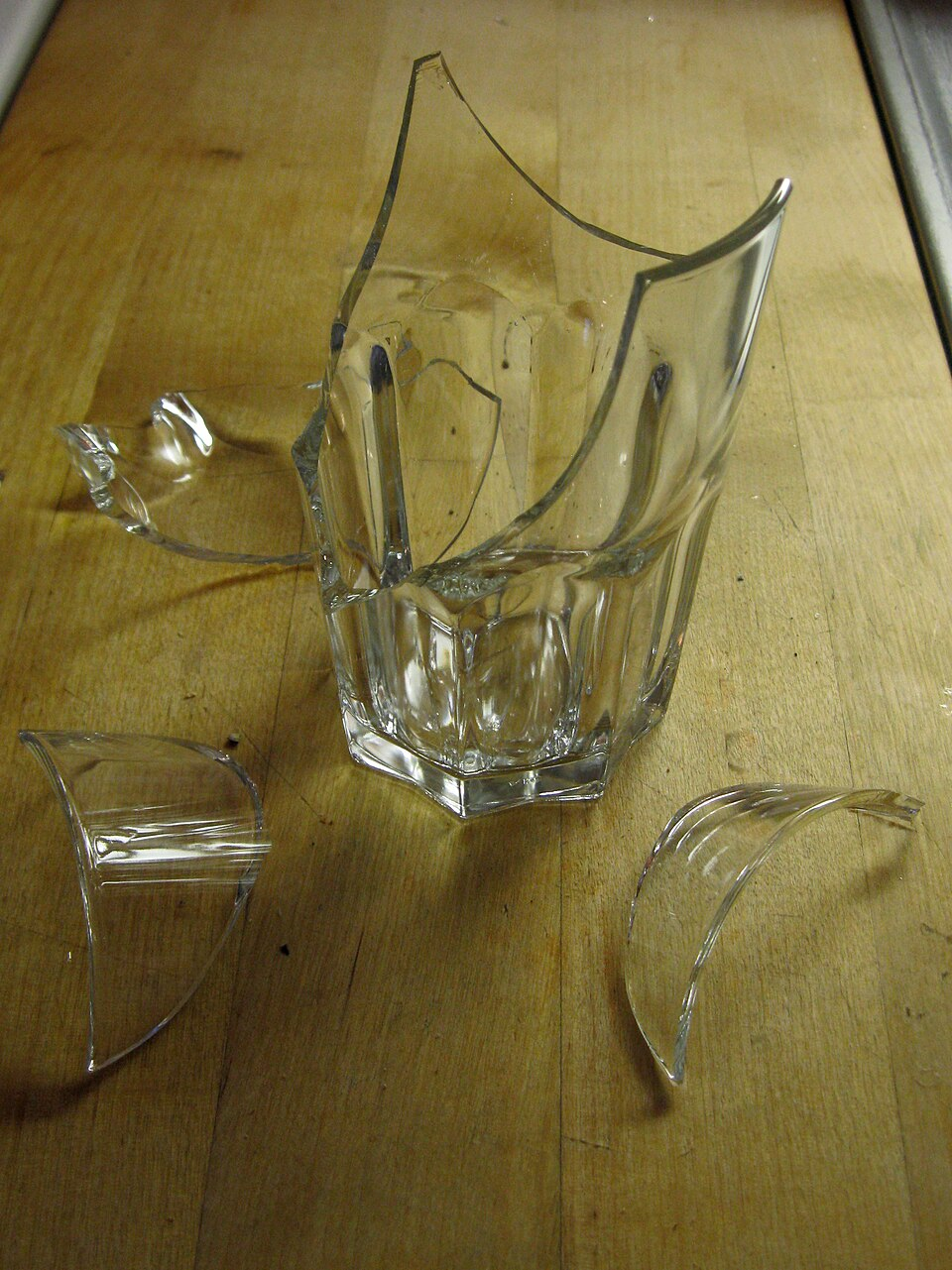
A flask that rattled when shaken had a broken liner, was finished, and could not be repaired by anybody.
The diagnosis was instant and universally understood. Nobody needed to open it, look inside or test anything – a sound meant the glass had gone, and a child who shook theirs and heard it knew the answer immediately.
The sound is remembered with real feeling. A small granular rattle from inside something that had been working yesterday is one of the most specific disappointments available to a nine-year-old, and almost everybody who carried one heard it eventually.
4. It Broke From Being Put Down Too Hard
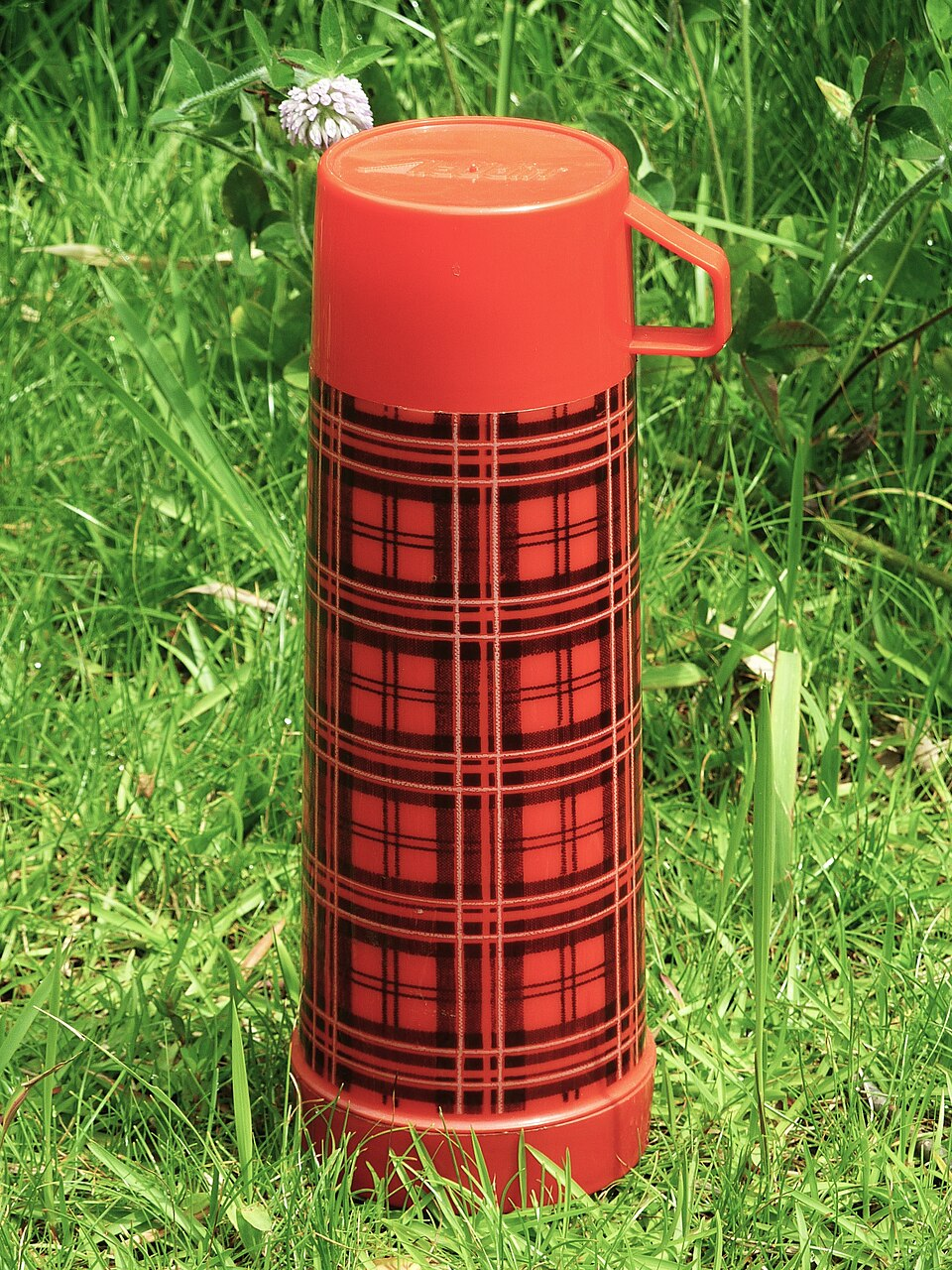
The failure almost never came from a dramatic accident. It came from an ordinary impact, repeated, until the glass gave.
The cause is the reason the losses were so universal. A flask set down firmly on a table two hundred times will fail, which means the object was being destroyed by exactly the handling it was designed to receive.
Children were blamed and were mostly not at fault. A household that told a child to be careful was addressing the right behaviour and the wrong explanation, because the accumulation rather than any single event was doing the damage.
5. Replacement Liners Existed and Nobody Bought Them
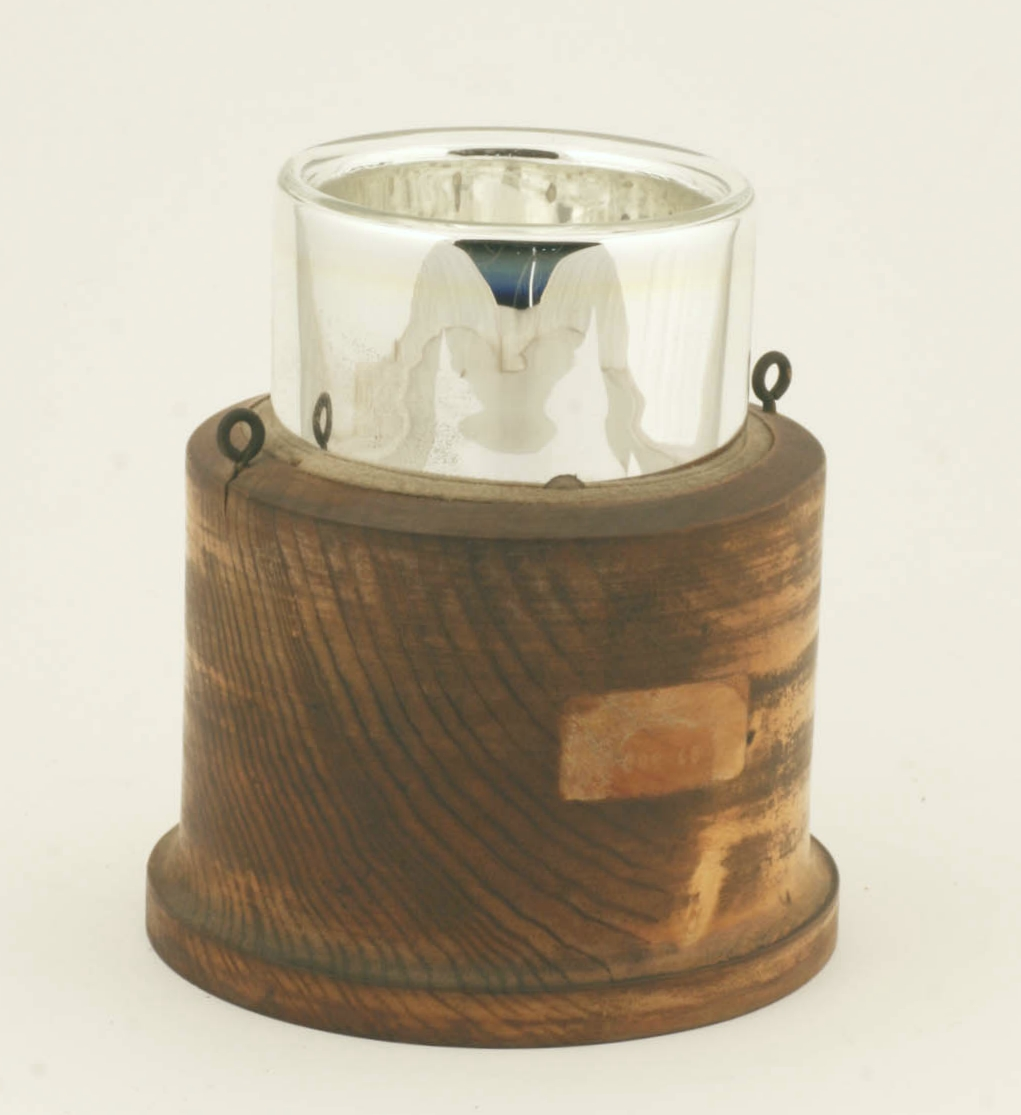
The glass component was sold separately, was fitted at home and cost a fraction of a new flask.
The repair route was available and was almost entirely unused. Households that replaced everything else in a kitchen bought a new flask instead, which is slightly puzzling and is probably about the inconvenience of finding the right part.
The ones who did it kept their flask for years. A household that had worked out that the expensive part was the casing and the cheap part was the glass could run the same object for a decade, and a surprising number of people remember a parent doing exactly that.
6. The Cap Was Also the Cup
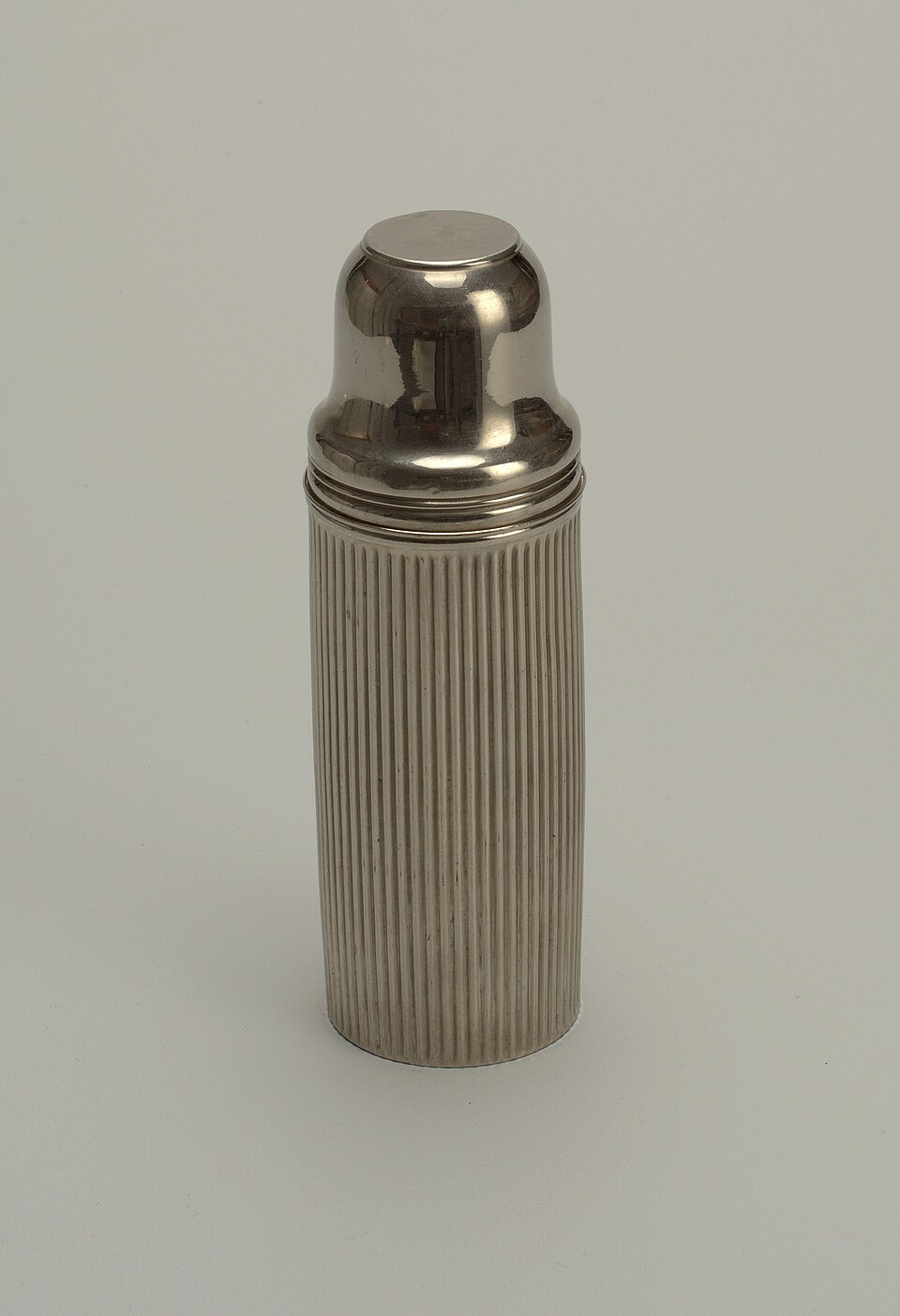
The closure unscrewed and became the vessel you drank from, which is a piece of design economy that nobody remarked on.
The dual function solved a real problem. A container of hot liquid with no cup is useless, and a cup carried separately is a cup that gets lost, so the cap did both jobs and the whole object stayed as one piece.
It also meant the cup was always the wrong size. A closure big enough to seal the vessel is not a comfortable drinking vessel, and the thing held an amount nobody actually wanted in a shape nobody would have chosen.
7. The Stopper Was the Part That Went Missing
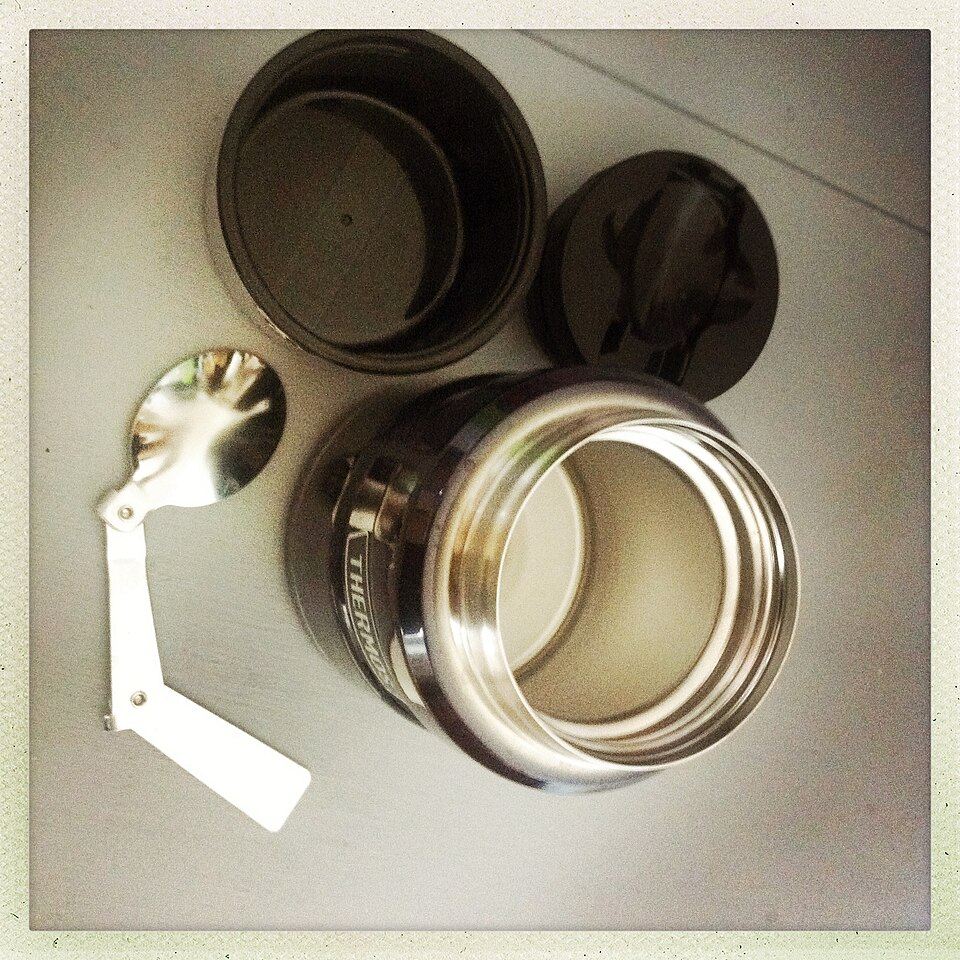
An inner stopper sealed the vessel, lived separately from the cap, and was lost at a rate that made the object useless.
The loss was the second commonest failure after the glass. A small component that must be removed to use the thing, has nowhere to live while it is removed and is not attached to anything will be put down somewhere, which is exactly what happened.
A flask without a stopper was finished as surely as one with a broken liner. The vacuum was intact and the contents went everywhere, which is a fault that cannot be worked around at all.
8. It Leaked Into Everything Eventually
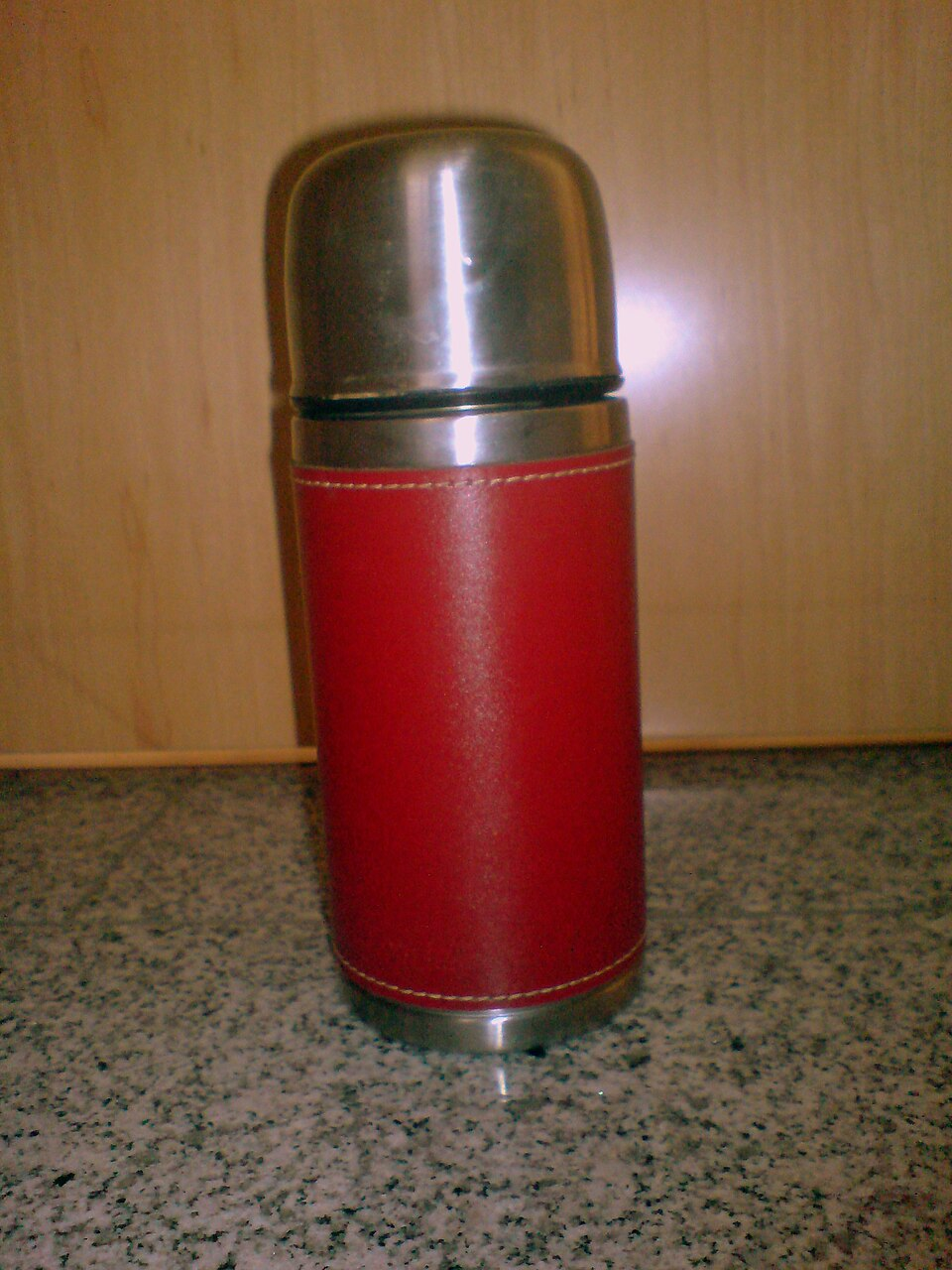
The seal degraded, the stopper no longer fitted properly, and the contents got out into whatever the flask was being carried in.
The consequence fell on everything else. A flask that had started to leak ruined whatever was in the bag with it, which meant the object’s decline was discovered by somebody opening a bag and finding the rest of its contents soaked.
The decline was gradual and ignored. A flask that leaked slightly was used for another term, with the leak managed by wrapping it in something, because the alternative was telling a household that a reasonably expensive object needed replacing.
9. What Went In It Was Decided by the Weather

Hot in winter, cold in summer, and the switch happened on a particular week without anybody announcing it.
The seasonal reversal was the clearest indication of what the object was for. A household with one flask used it to move the thing the weather made desirable, in whichever direction, which is the entire point of a container that does not care which way the heat is going.
The changeover was noticed by children immediately. A flask that had held something hot since October arriving with something cold in it was a complete and unmistakable announcement that the season had changed.
10. It Was Carried by Adults Far More Than by Children
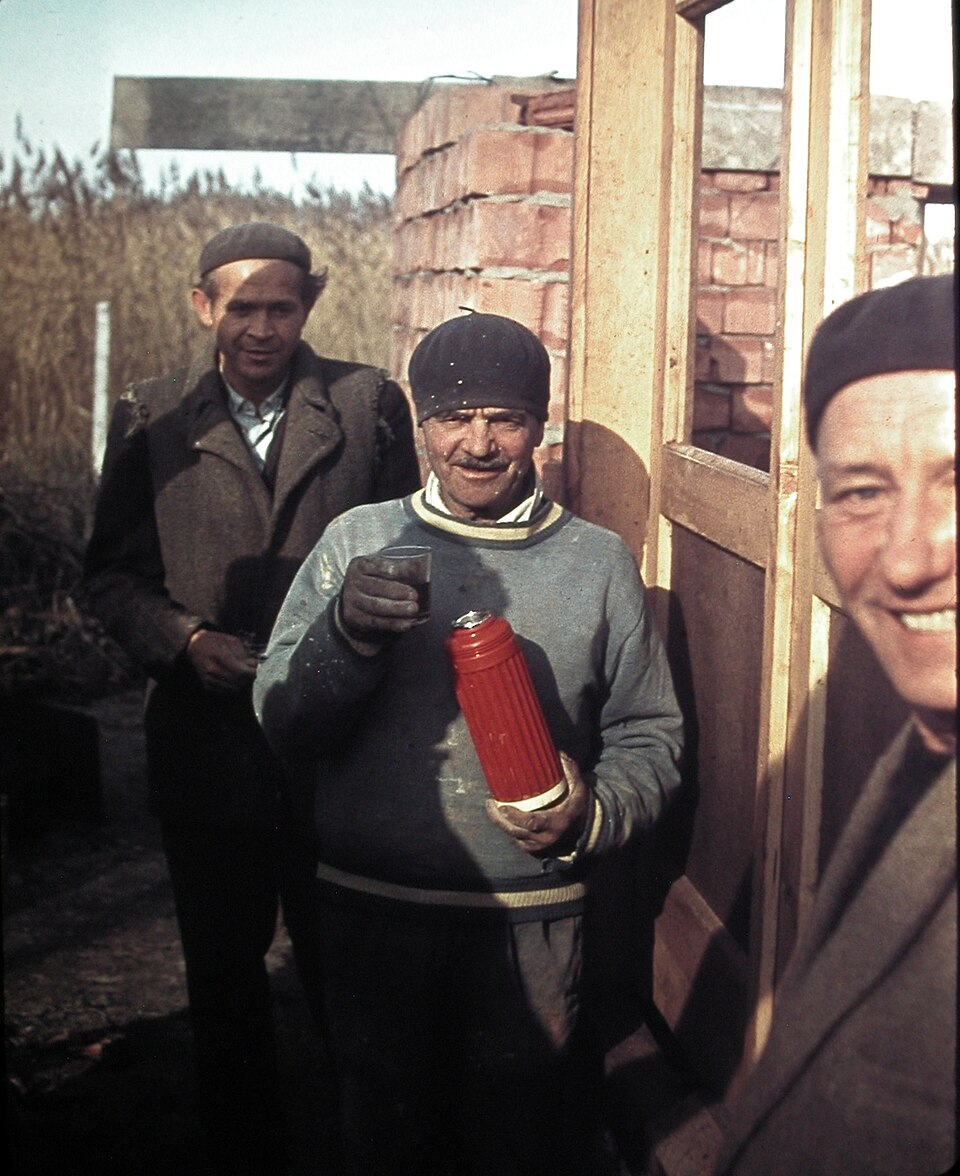
These objects were working equipment before they were anything to do with a lunch box, and most of them belonged to somebody with a job.
The primary use is frequently forgotten. A person working outdoors, on a site, in a vehicle or in a field, with no access to anything hot, is exactly who this object was designed for, and children acquired it second-hand as a category.
Which is why the good ones were adult-sized. A flask built for somebody who needed it all day was considerably larger and considerably more heavily built than anything intended for a child, and a child who had been given one was carrying something slightly ridiculous.
11. A Child With One Was Carrying a Household’s Decision
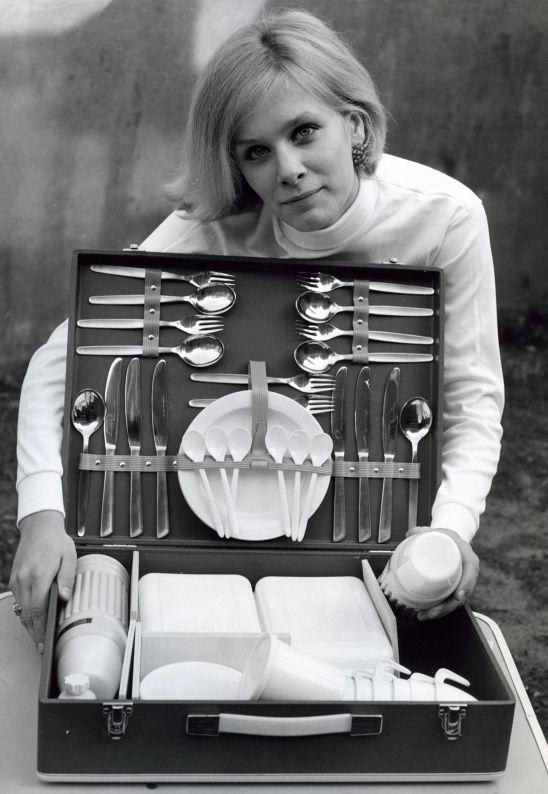
Sending a child out with a flask meant a household had decided they needed something hot, which was a judgement about the weather or the child.
The signal was legible to everybody. A flask on a cold morning meant a parent who had thought about it, and the children who had one on a day when nobody else did were aware of having been looked after conspicuously.
It cut the other way in summer. A child with something cold on a hot day had the same advantage in reverse, which means the object’s whole social meaning depended on the temperature outside.
12. Hot Liquid Was Genuinely Dangerous and Was Handled Casually
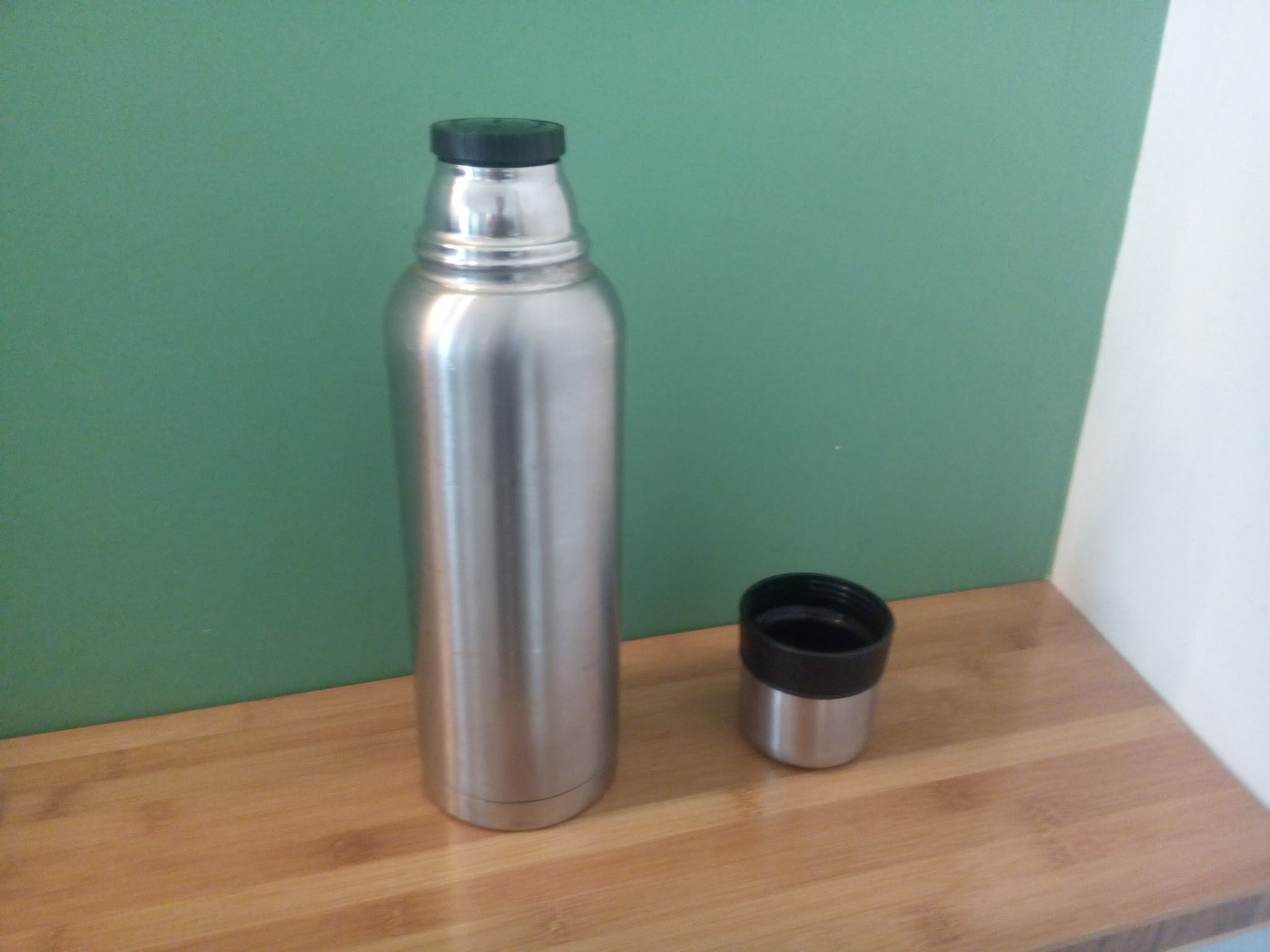
A sealed container of something hot, carried by a child, in a bag, is a hazard, and the standards of the period did not treat it as one.
That is stated plainly rather than fondly. A vessel that holds heat for eight hours is holding it at a temperature that matters when it gets out, and a leaking flask in a bag against somebody’s back is a genuine problem that nobody of that era had thought through.
Everything that has changed since is an improvement. Modern containers, modern materials and considerably more thought about what children carry exist for reasons that are not in dispute, and nothing in this piece should be read as describing how anybody ought to equip a child today.
13. The Outer Casing Outlasted Everything Else
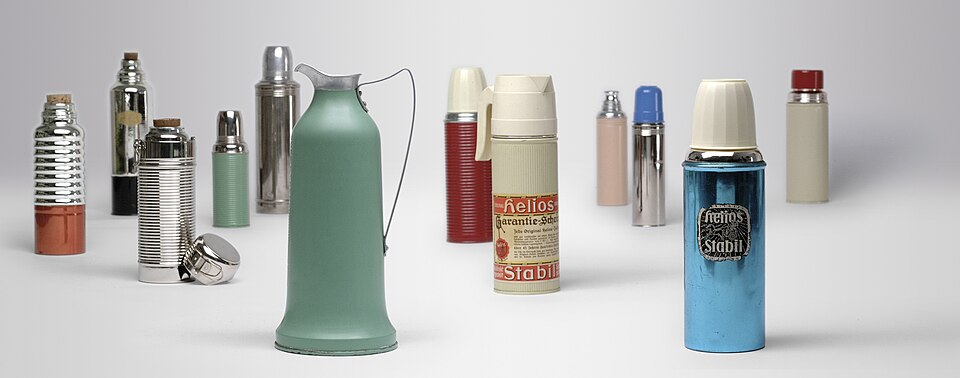
A metal or plastic exterior survived decades, which means these objects persisted long after they had stopped working.
The durability of the wrong part is the whole story of the object. The expensive casing was indestructible and the cheap glass inside it was not, which produced a large population of intact, useless flasks sitting in cupboards.
They are still being found. A flask in the back of a cupboard that rattles when it is picked up is an extremely common discovery, and it has been useless since some particular afternoon in about 1968.
14. Everybody’s Smelled of the Last Thing in It
The interior retained the character of whatever had been carried, and no amount of washing entirely removed it.
The retention was a consequence of the construction. A narrow vessel that cannot be properly reached into, washed vigorously or dried easily will keep something of its history, and a flask that had carried one thing for a term carried a trace of it afterwards.
Children objected and were ignored. A household that owned one flask was not going to acquire a second one for a different purpose, and the child drank whatever was in it out of a container that tasted faintly of October.
15. Losing It Was Worse Than Breaking It
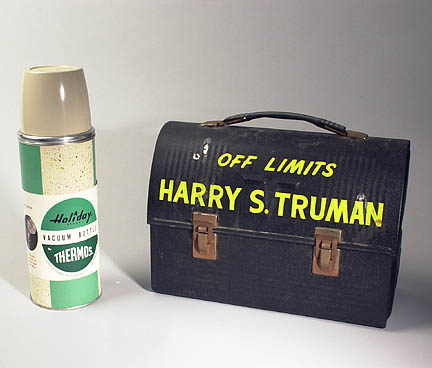
A flask left somewhere was a loss a household noticed and commented on, because it was an object with a cost attached.
The reaction was proportionate to the price rather than the usefulness. A reasonably expensive item left on a bus or in a cloakroom was a household expense a child had caused, which is a different category of trouble from an item that had simply failed.
Which is why so many had names on them. A flask marked with a surname is an object somebody expected to get back, and the marking tells you exactly how these things were regarded.
16. Then the Problem Was Solved Properly
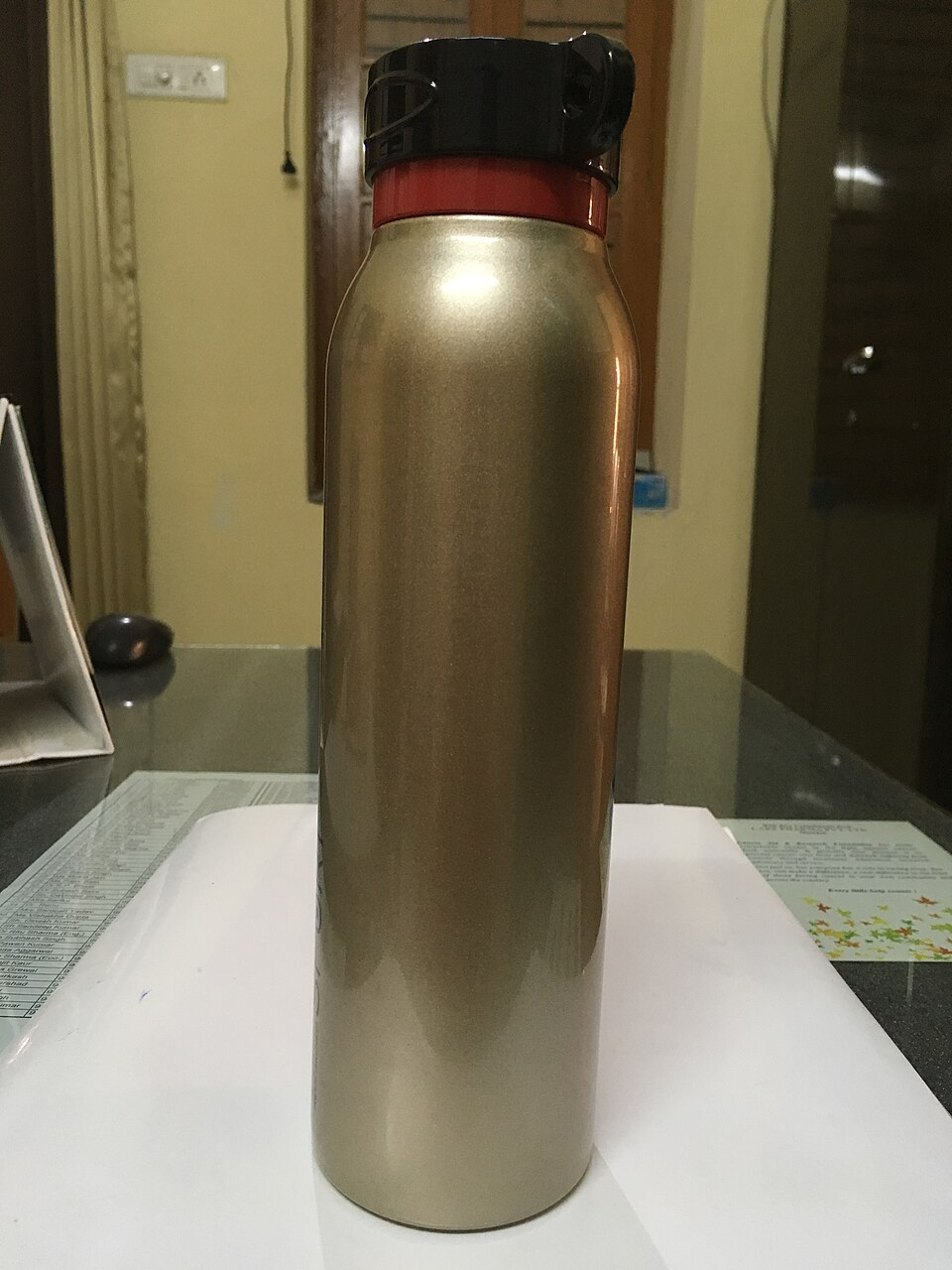
Stainless steel liners, better seals, unbreakable construction and a complete rethinking of the materials removed every failure mode the original had.
The improvement is total and nobody would reverse it. A container that does not break when it is put down, does not lose its stopper, does not leak and does not taste of last winter is better in every single respect.
What went with the old version is the rattle. A specific granular sound from inside something that had worked perfectly the day before, understood instantly by everybody who heard it, meaning a cheap piece of glass inside an expensive casing had finally given way after two hundred ordinary impacts that nobody had thought twice about.
Why the Whole Object Was Armour Around One Fragile Part
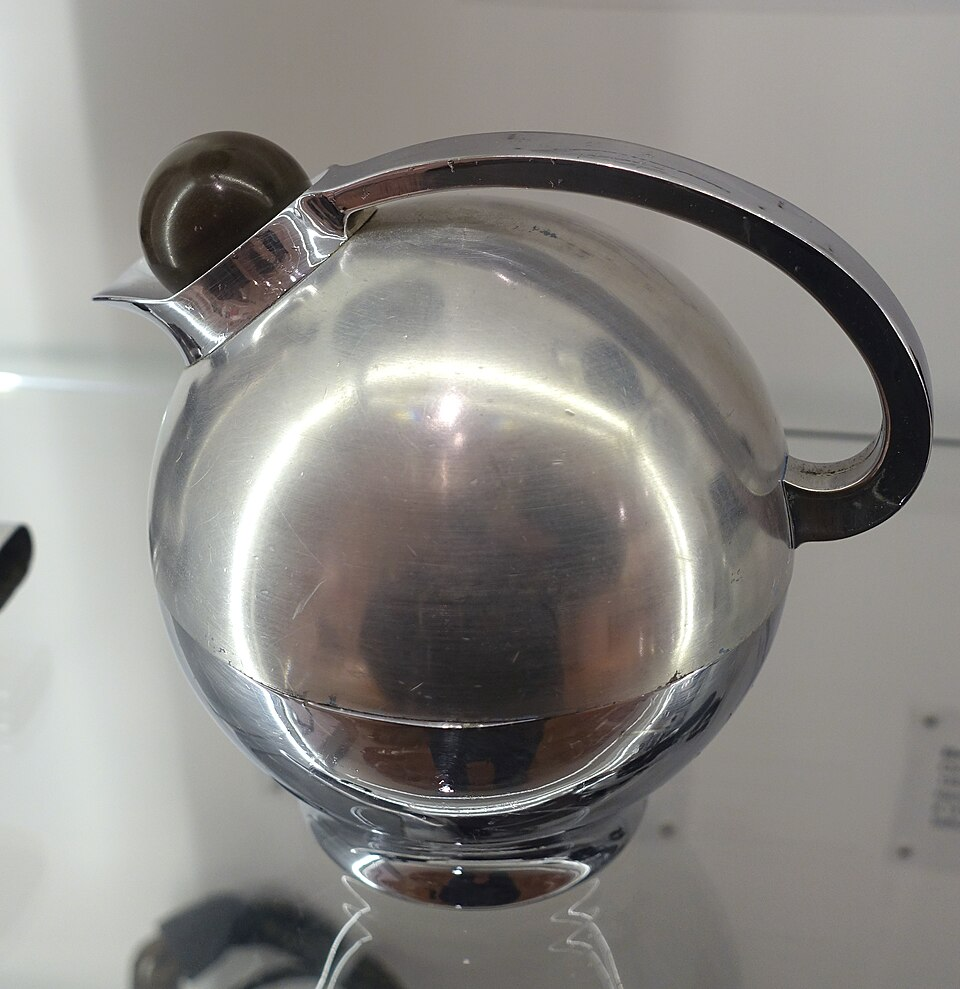
Read in order, the sixteen describe a design in which the correct engineering choice and the correct practical choice were in direct conflict. Glass holds a vacuum, which is why it was used. Glass also breaks, which is why these objects had such short lives. Everything else about the construction – the metal casing, the padding, the deep cap – existed to protect one thin vessel, which is an unusual way to build anything and was the only option available.
The failure mode is the detail that explains the universality of the memory. These things almost never broke in a dramatic accident; they broke from being put down firmly, two hundred times, until the glass gave. Which means the object was being destroyed by precisely the handling it was designed to receive, and the children who were told to be more careful were being blamed for the right behaviour and the wrong reason. The rattle that announced it is the sound everybody who carried one can still produce on request.
The other thing worth noting is who these actually belonged to. They were working equipment first – for somebody outdoors, on a site, in a vehicle, with no access to anything hot all day – and children inherited the whole category second-hand, frequently in an adult size that was faintly ridiculous to carry.
The problem was eventually solved properly rather than worked around. Stainless steel liners, better seals and unbreakable construction removed every single failure mode the original had: it does not break when it is set down, does not lose its stopper, does not leak into a bag and does not taste of last October. Nobody would reverse any of that.
What went with the old version is one sound. A small granular rattle from inside something that had worked perfectly the day before, understood instantly and completely by everybody who heard it, meaning that a cheap piece of glass inside an expensive casing had finally given way after a couple of hundred entirely ordinary impacts that nobody had thought twice about.
Like our content? Follow us for more.