

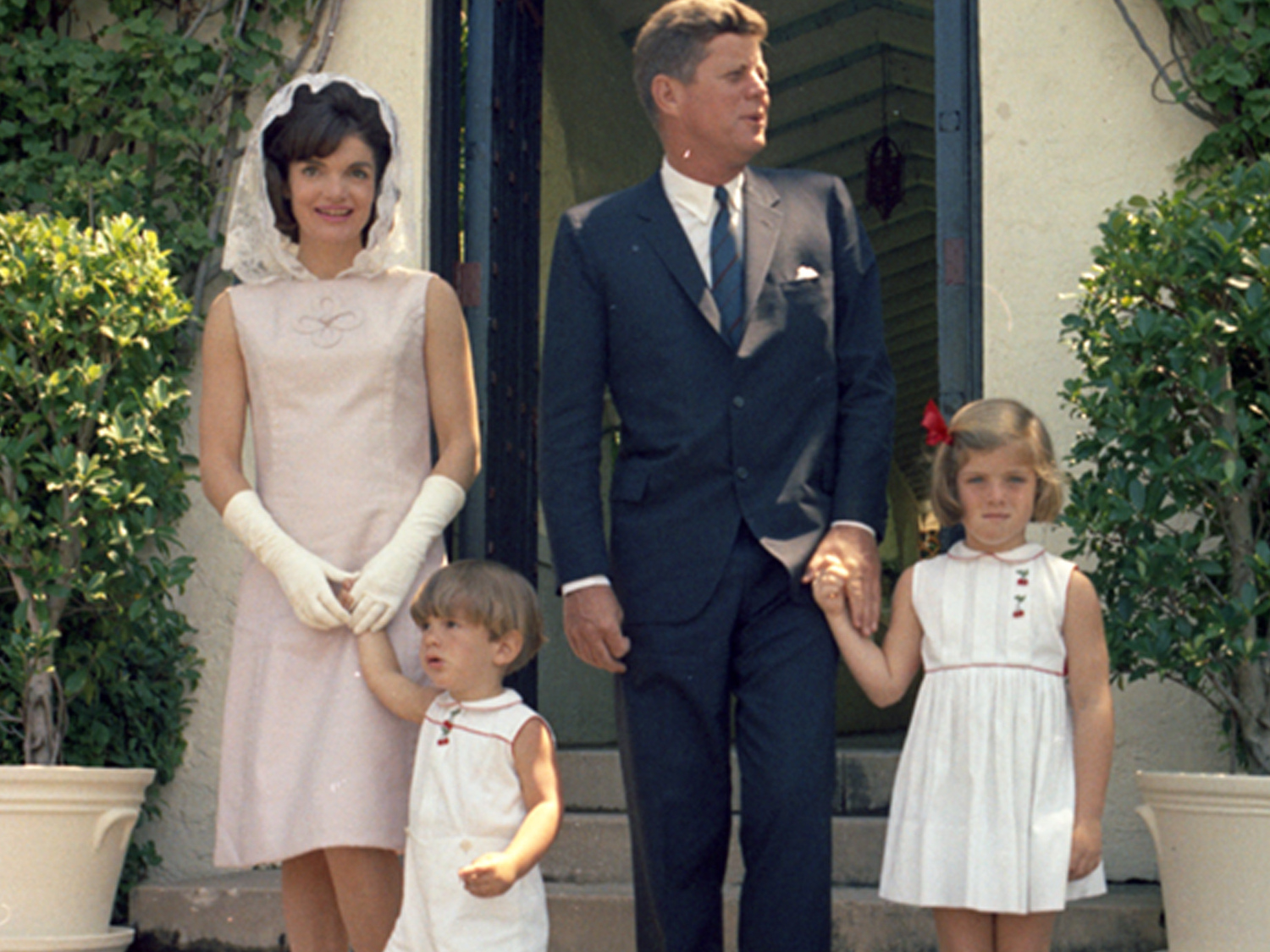
In 1962 this was the one complete outfit a child received each year, bought all at once, on a fixed date, a size too large, with shoes that had been fitted in a shop by somebody pressing a thumb to the end of them. The hat was compulsory and loathed, the gloves were lost before lunch, and nothing in the entire set permitted a child to run, kneel or climb anything. Here are sixteen things every American family did with new spring clothes in 1962, and why the whole arrangement stopped making sense.
1. It Was the One Complete Outfit a Child Got Each Year
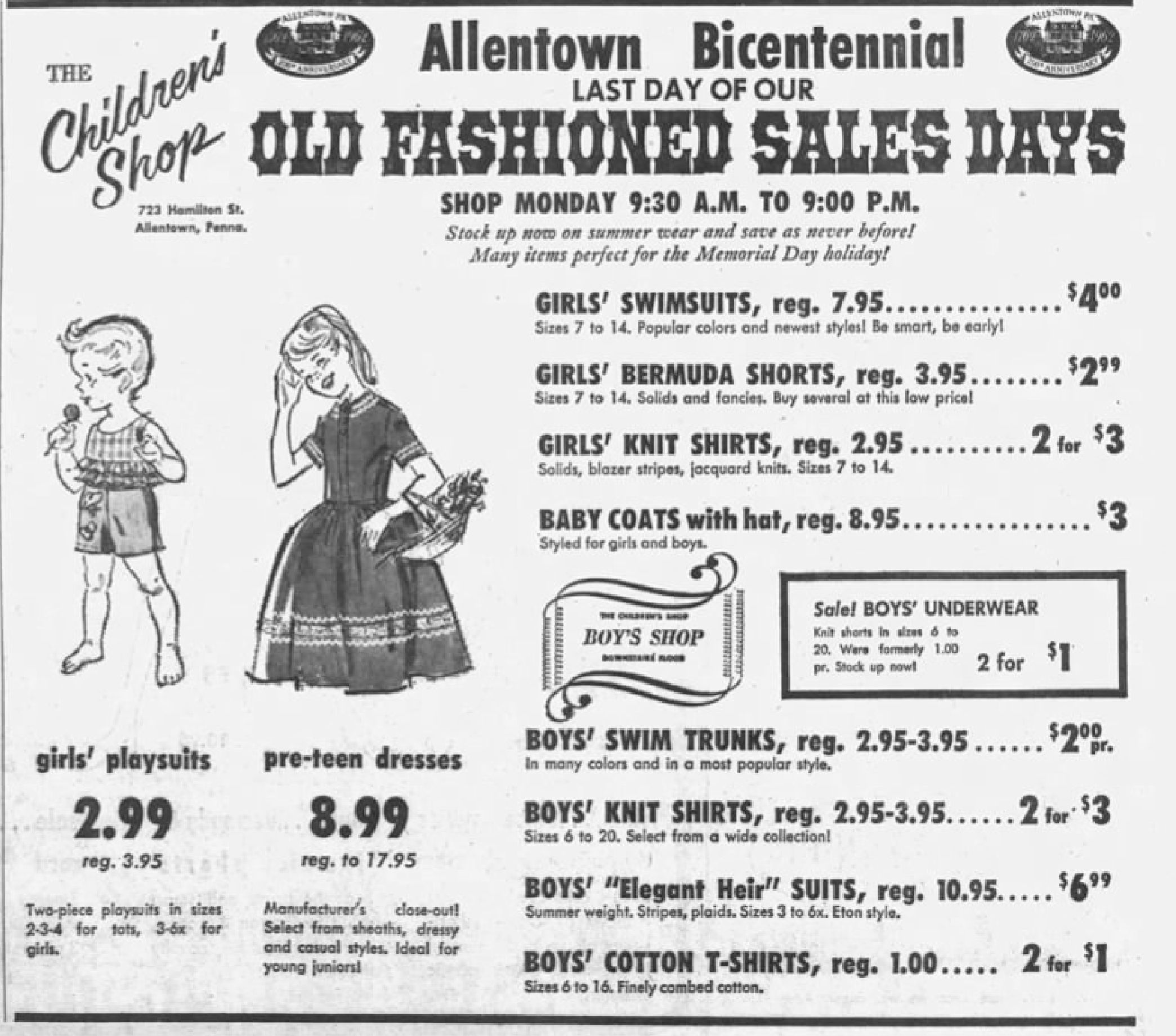
A household that bought almost nothing new for a child across the rest of the calendar bought a full set at this point, deliberately and all at once.
The annual concentration is the fact that explains everything else. Clothing acquired piece by piece as things wear out is unremarkable; clothing acquired as a complete set on a fixed date is an event, and it was treated as one by everybody involved.
It also meant one date dominated the whole year’s clothing budget. A household allocating for a single occasion had to get the decisions right, because there was not going to be another opportunity for twelve months.
Like our content? Follow us for more.
2. Everything Was Bought a Size Too Large
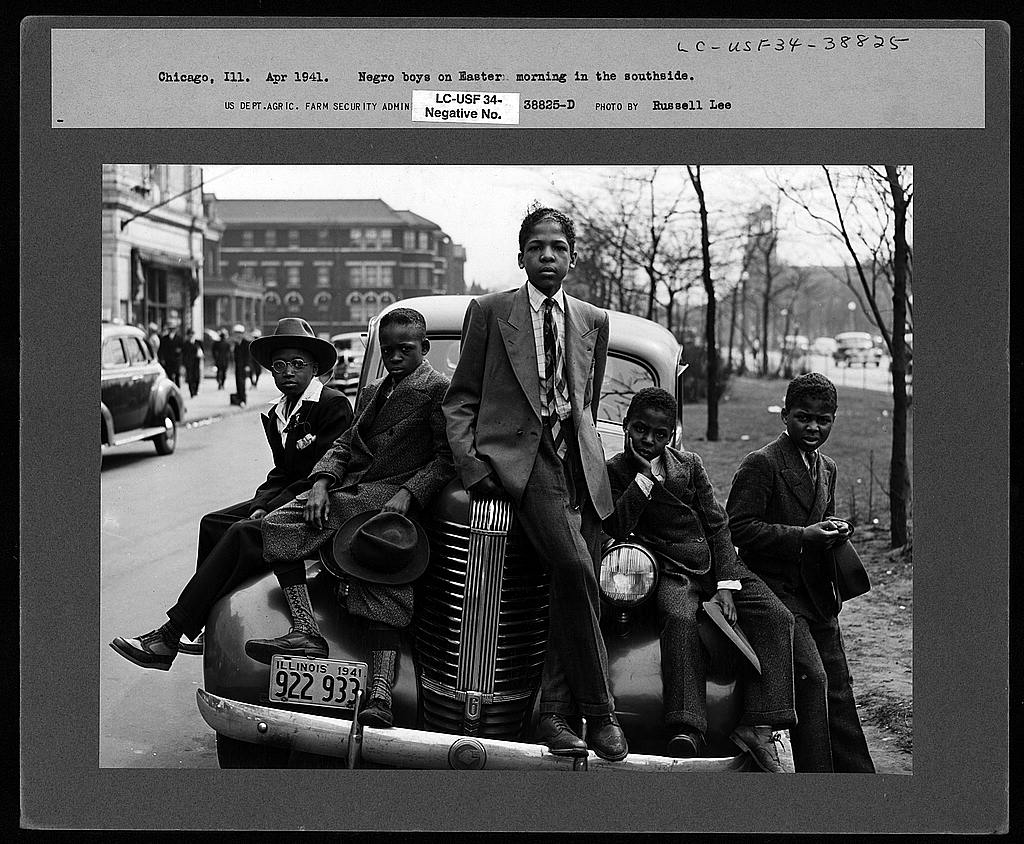
The garments were chosen to accommodate a year of growth, which meant they fitted properly for about two months somewhere in the middle.
The strategy was unavoidable and everybody understood it. A household buying once a year cannot buy for the child in front of them, so it buys for the child they expect in September, and the result is a spring in which nothing quite fits.
The photographs record it permanently. Almost every picture from this occasion shows a child in sleeves slightly too long and shoes slightly too big, which is not carelessness but arithmetic.
3. The Shoes Were the Expensive Part and They Hurt
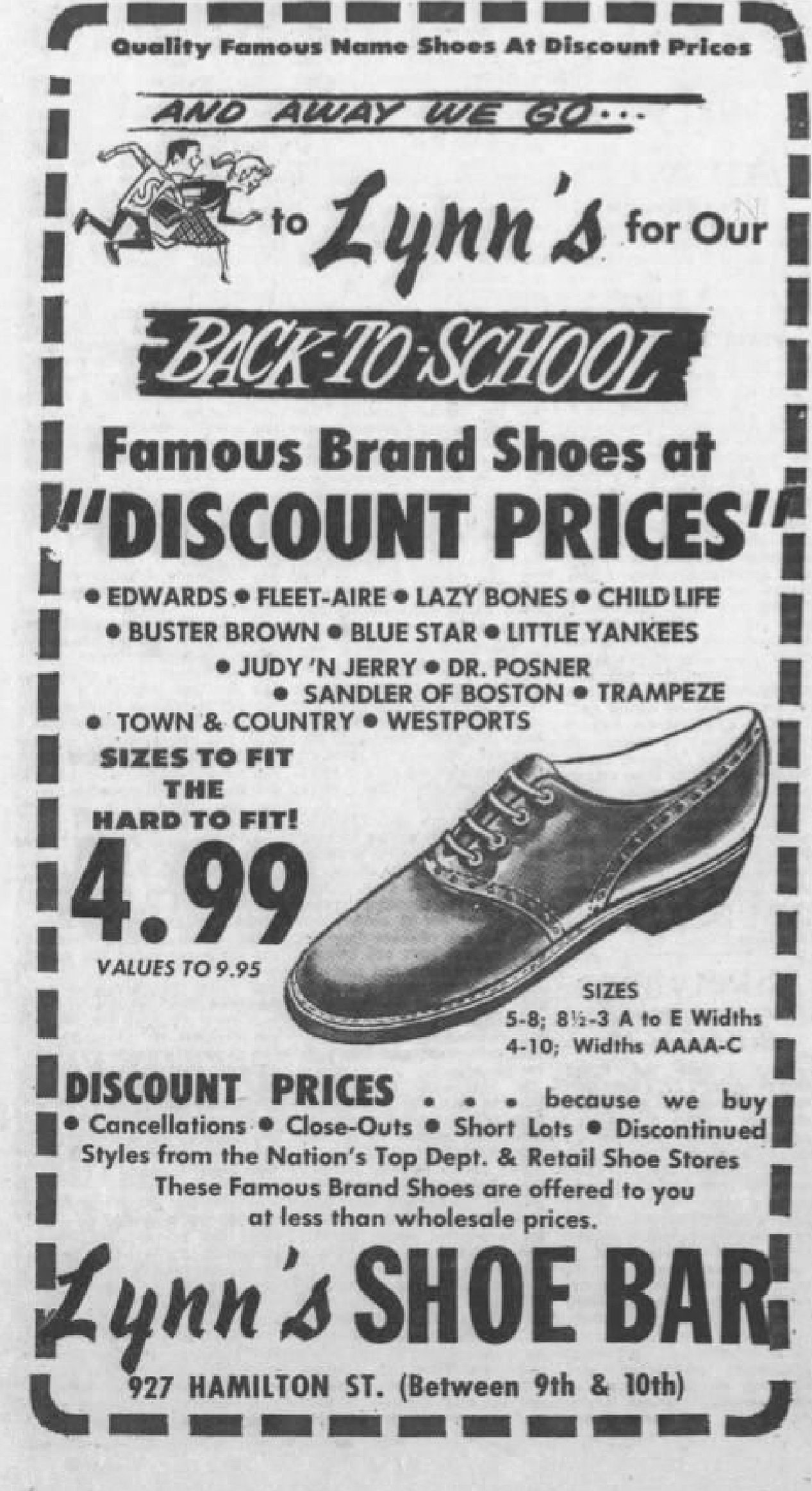
New shoes bought stiff, with room to grow, worn for a full day for the first time, produced exactly the outcome anybody would predict.
The discomfort is the single most consistently reported detail. Leather that has not been broken in rubs within an hour, and the entire occasion was conducted by children who were in some degree of pain from the ankles down.
The fitting had happened days earlier in a shop. Somebody had pressed a thumb to the end of the shoe, pronounced it right and sold it, and the child’s opinion had not been solicited at any stage.
4. The Hat Was Non-Negotiable and Was Loathed
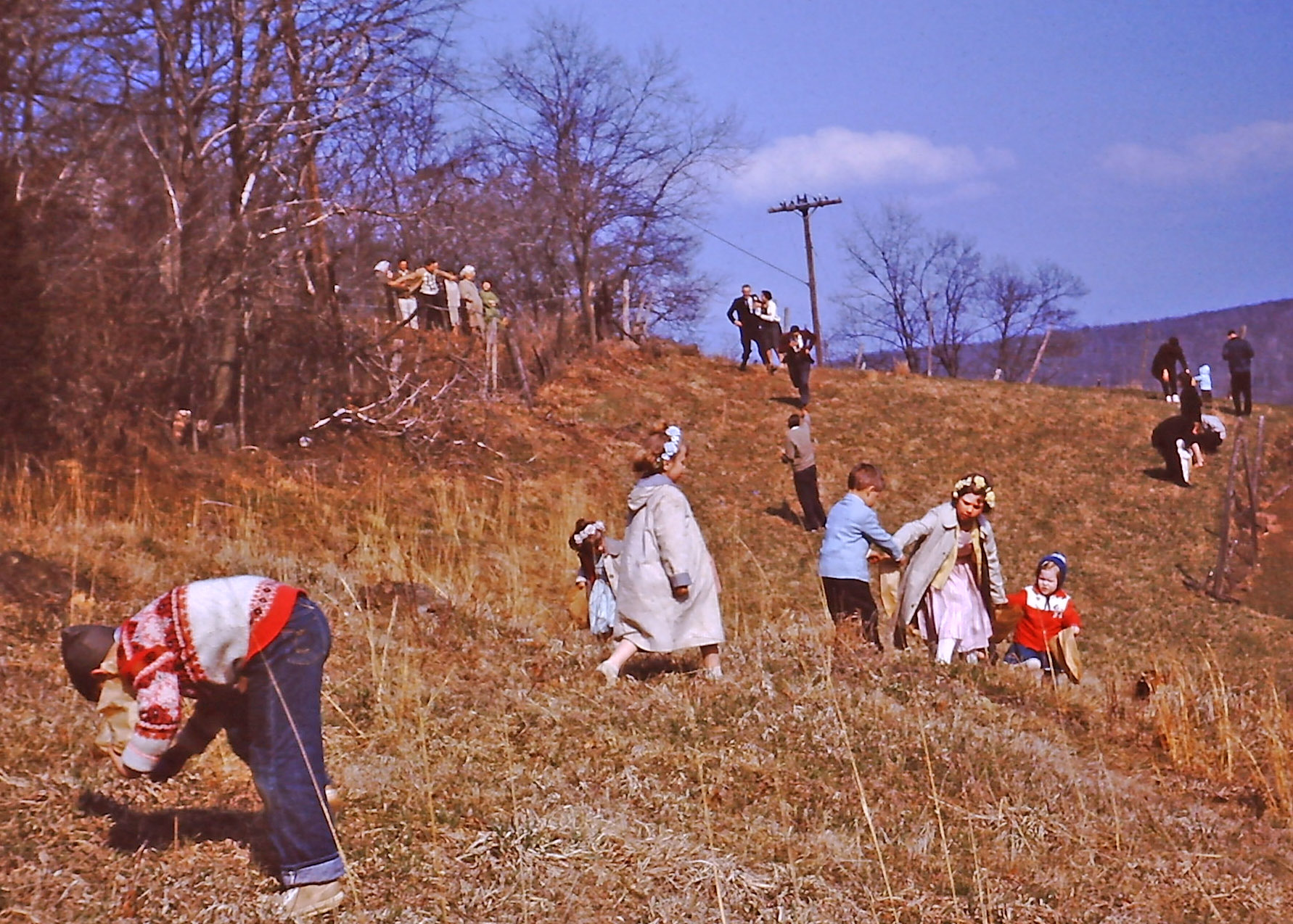
Headwear was part of the set, was not optional, and was the single item children most wanted to be rid of.
The objection was universal and the requirement held anyway. A hat is uncomfortable, is easily lost, serves no function in April and is the one part of an outfit a child can remove without anybody noticing immediately, which is why it was watched.
It came off the moment it could. The interval between the end of the formal part of the day and the hat being somewhere other than on a head is measured in seconds in almost every account.
5. Gloves Were Issued and Were Lost Immediately
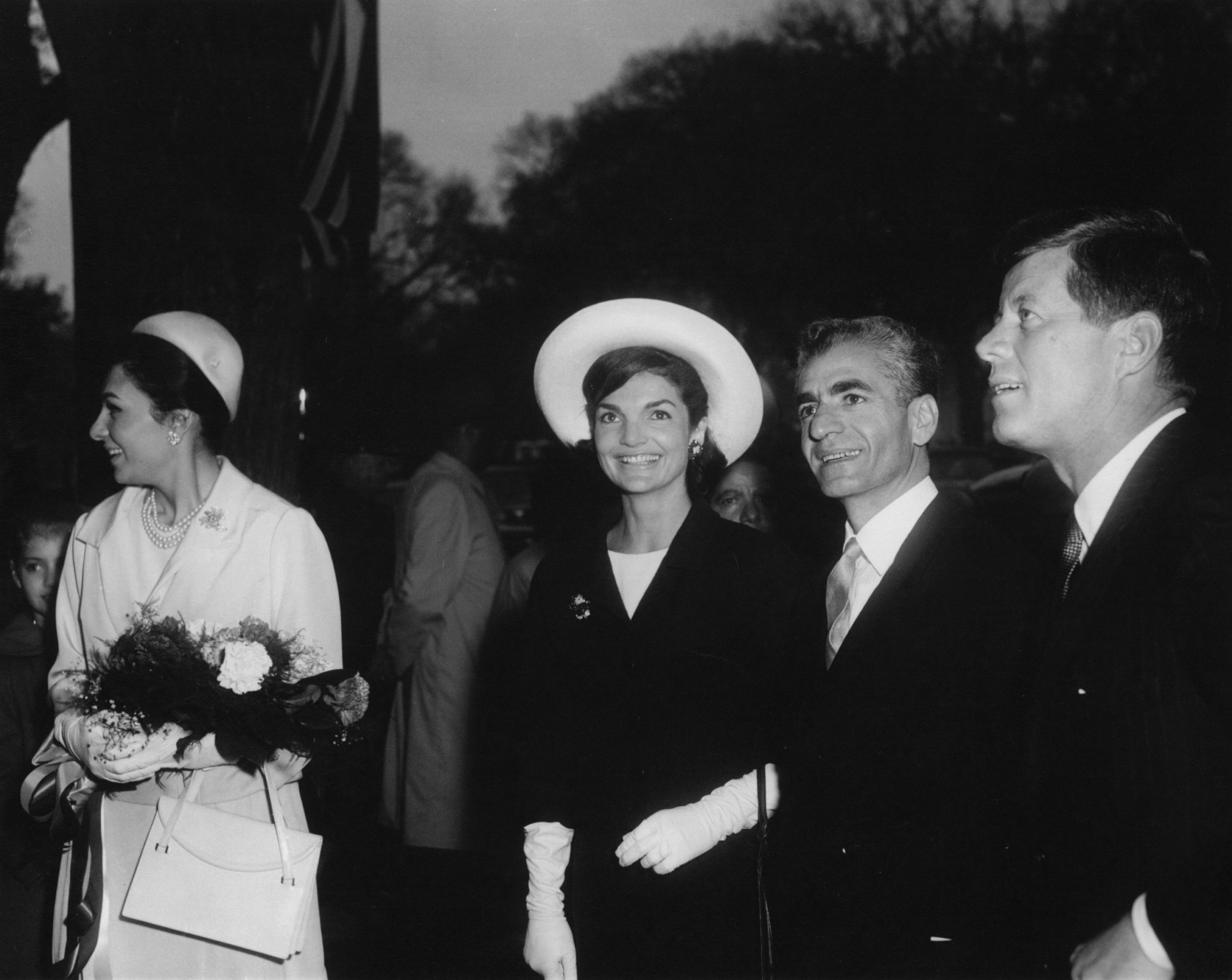
Small white gloves formed part of the set for a great many children and almost none of them survived the day.
The loss rate was close to total and entirely predictable. An item that must be removed to do anything, has no pocket, and is held rather than worn for most of the occasion is an item that will be put down somewhere and left.
Households bought them anyway. The convention required gloves, the convention was older than anybody involved, and nobody was prepared to be the household whose children appeared without them.
6. The Whole Street Was Dressed at the Same Time
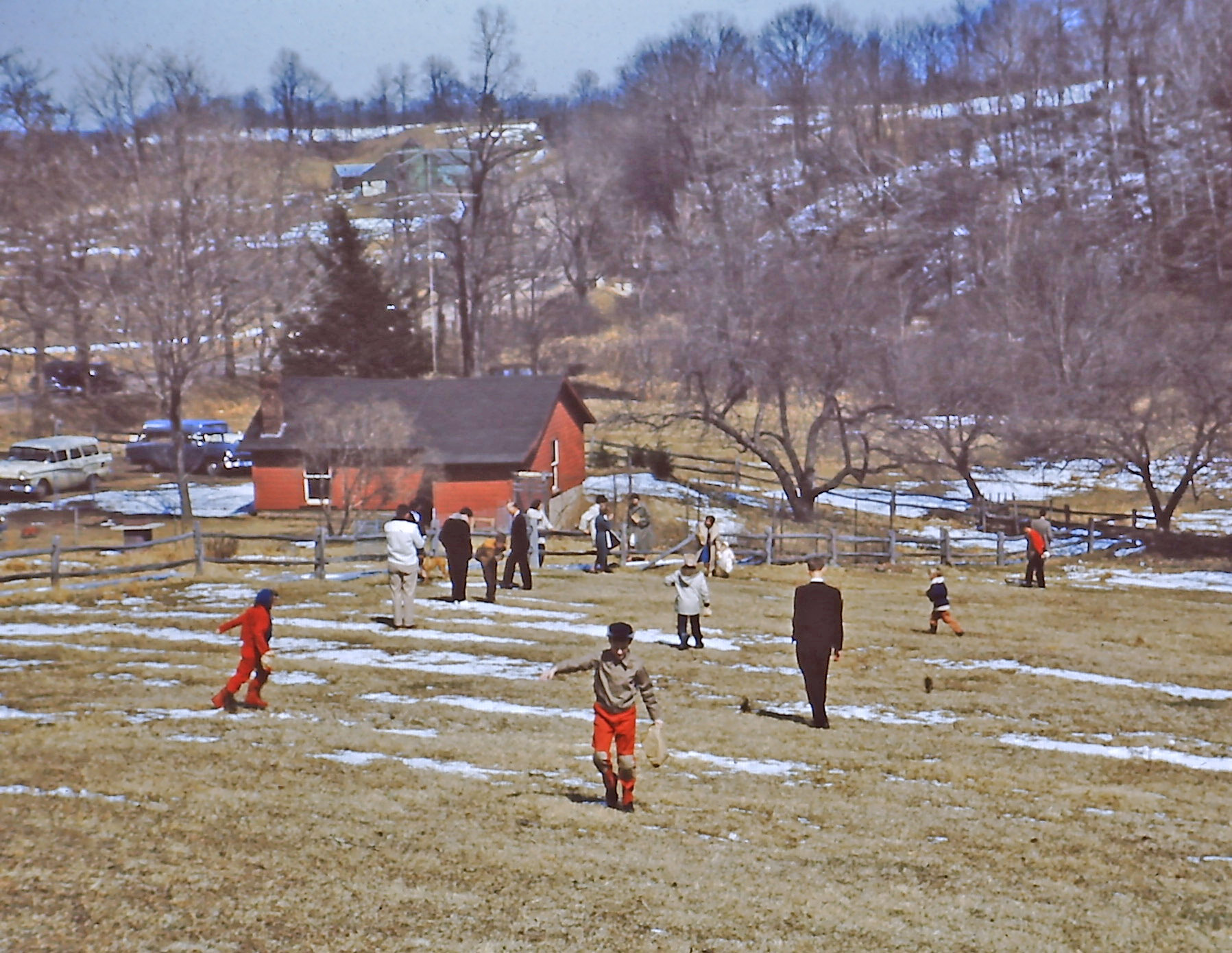
Because the date was fixed and universal, every household produced its children in new clothes on the same morning.
The synchronisation turned private expenditure into a public display. A street on which forty children are simultaneously wearing something new is a street in which every household’s decisions are visible to every other household, all at once.
Nobody could opt out quietly. A child in last year’s clothes on that particular morning was conspicuous in a way they would not have been on any other day of the year, which is the uncomfortable side of a universal custom.
7. Comparison Was Immediate and Was Not Kind
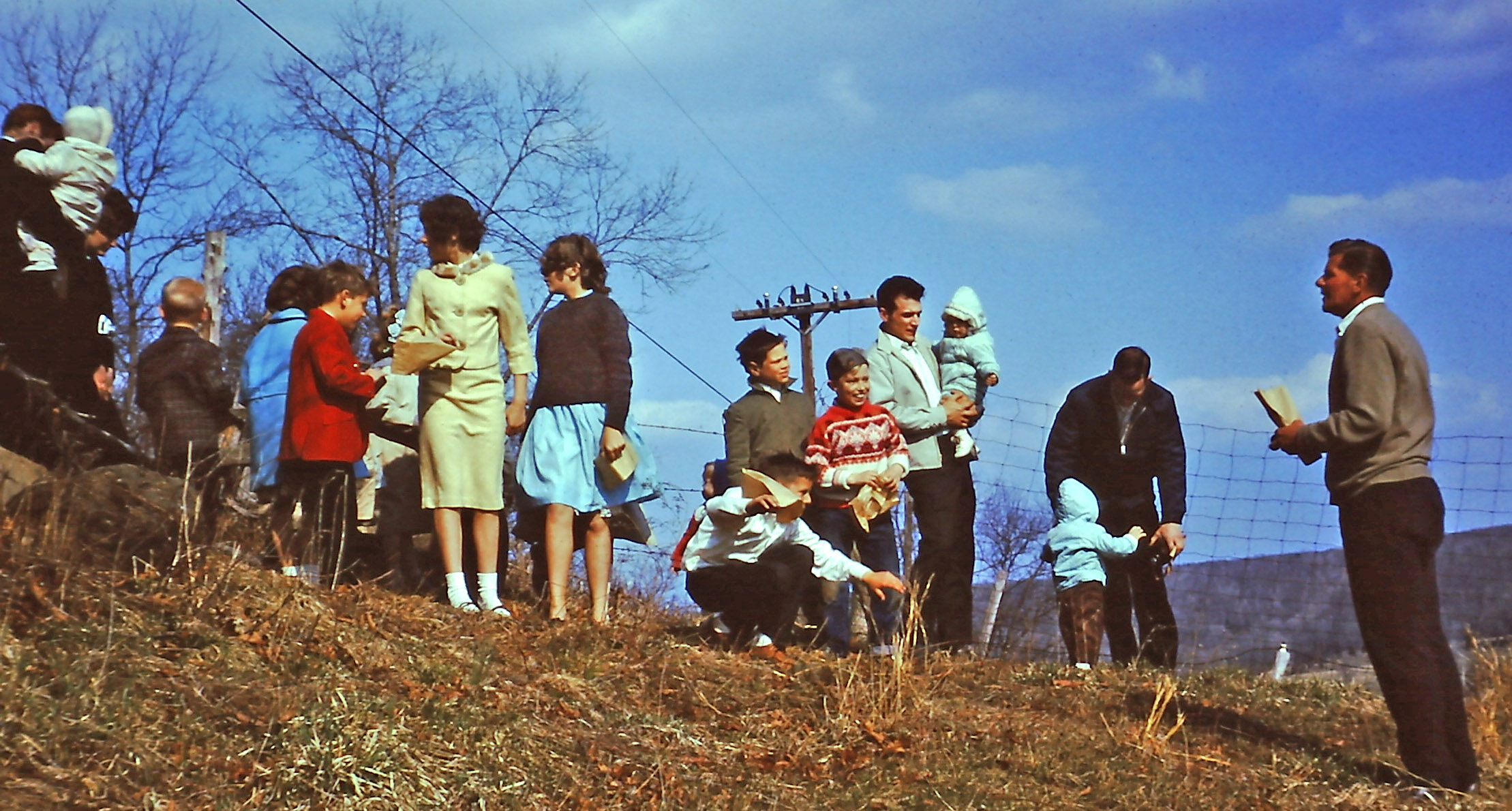
Children assessed each other’s clothes within about a minute of arriving anywhere, and the assessment was detailed.
The scrutiny is the part that is remembered with the least pleasure. A child in something obviously homemade, obviously inherited or obviously last year’s had been identified instantly by thirty people who were all wearing something new.
Adults were doing it too and were less obvious about it. The comparison ran in both directions and across both generations, and a great many households felt the pressure of that morning far more acutely than their children did.
8. Homemade Was Common and Was Frequently Better
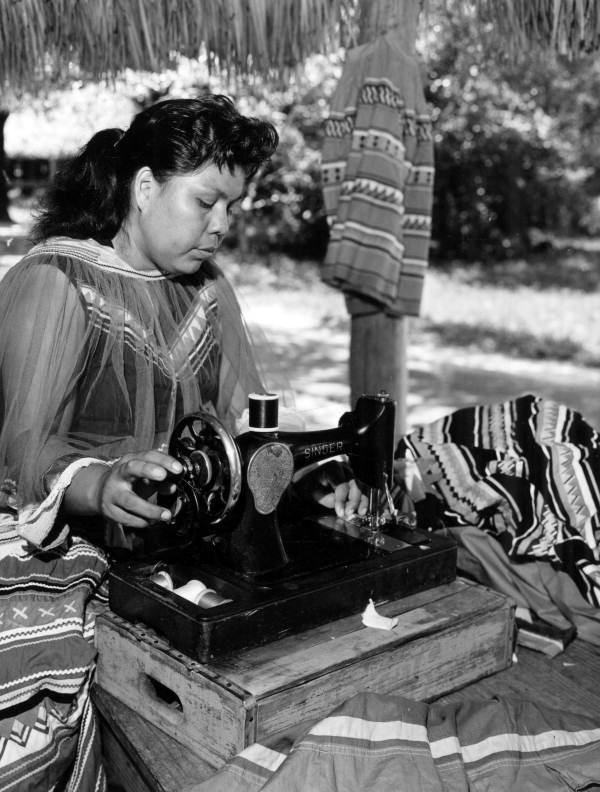
A substantial proportion of these outfits were made at home, and the quality varied from poor to considerably better than anything available in a shop.
The variability is the honest picture. A household with real skill produced something better fitted, better made and more durable than a bought equivalent, and a household without it produced something that was visibly homemade and nothing else.
Children could not always tell the difference and other adults always could. A well-made garment was recognised by every woman on the street and by none of the children, which means the two audiences for the same object were judging it on completely different criteria.
9. The Photograph Was the Actual Point
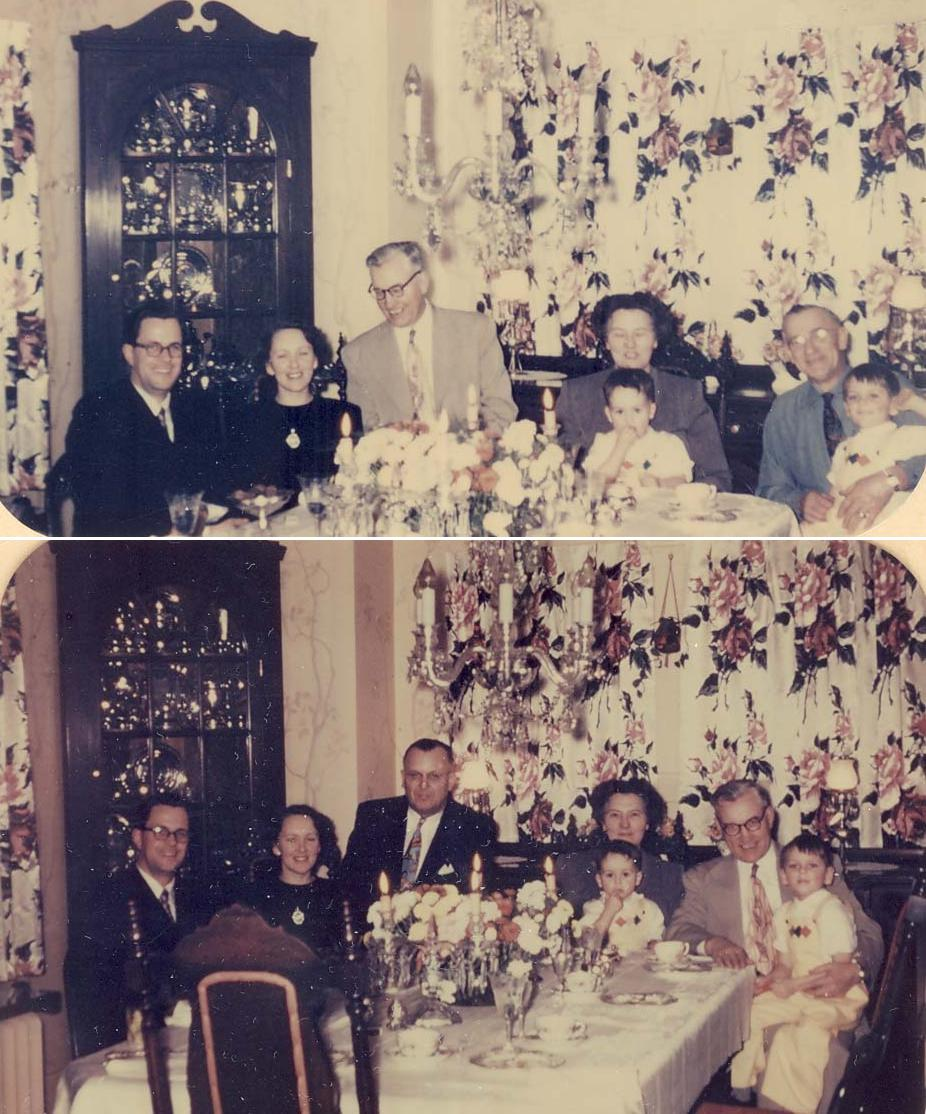
Everybody was assembled, arranged and photographed before anything else happened, and the picture was the reason the clothes existed.
The sequencing gives the whole custom away. A household that photographs children before the occasion rather than during it has produced the outfit for the record rather than for the event, and the record is what survived.
These pictures exist in enormous numbers. Almost every family of the period has a sequence of them, taken in the same spot, in the same arrangement, year after year, and they are the single best record of children’s growth that most households ever produced.
10. The Clothes Became Good Clothes for the Rest of the Year
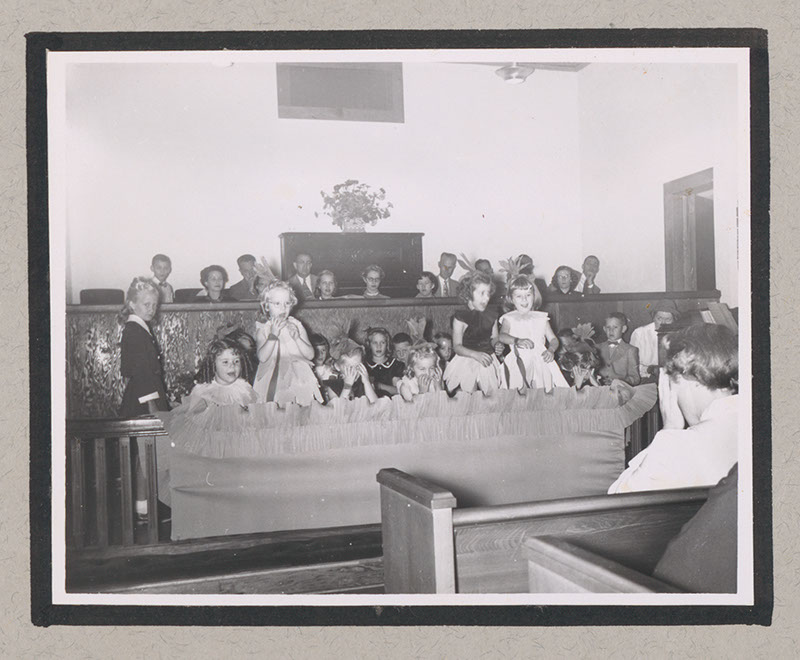
After the day itself, the set was reclassified as what a child wore for anything that required it, and was worn perhaps a dozen more times.
The second life is where the value actually was. A household spending a year’s clothing allocation on one set was buying twelve months of formal wear, not one morning, and the calculation only works on that basis.
Which is why the condition mattered so much. A set that had to last a year of occasions could not be ruined in April, and the instructions about care were delivered with considerable force before anybody left the house.
11. Nothing Could Be Done in Them
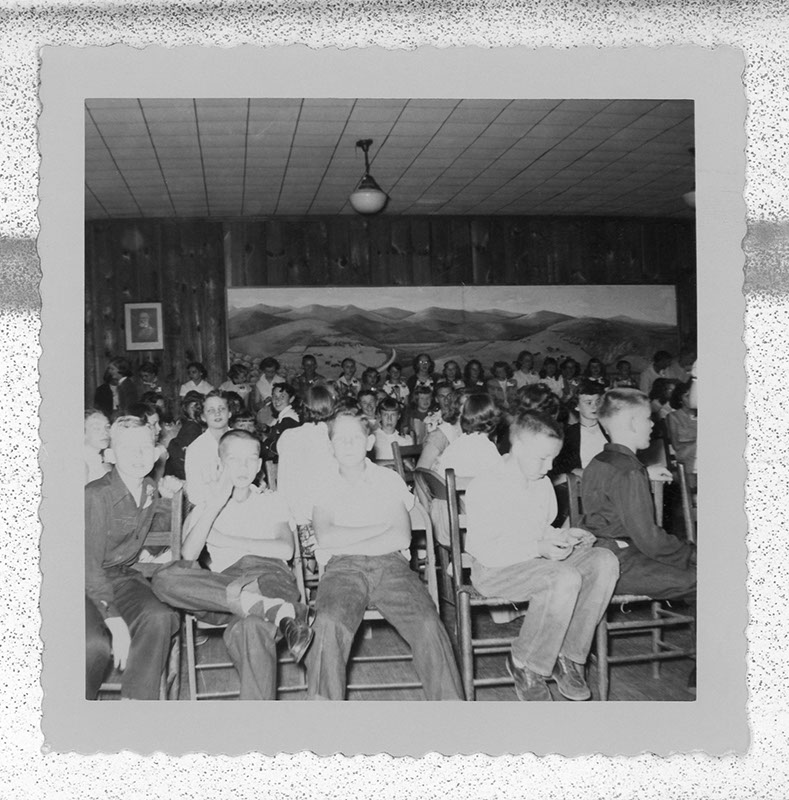
A child in the full set was prohibited from running, kneeling, climbing, sitting on anything questionable or going anywhere interesting.
The constraint is the thing children remember most vividly. An entire day of being dressed in something that cannot be risked is an entire day of not doing anything, which is a peculiar way to spend a holiday.
The prohibition was enforced by everybody. Any adult present could and did stop a child from doing something that threatened the clothes, which made the restriction effectively total.
12. Changing Out of Them Was the Best Part of the Day
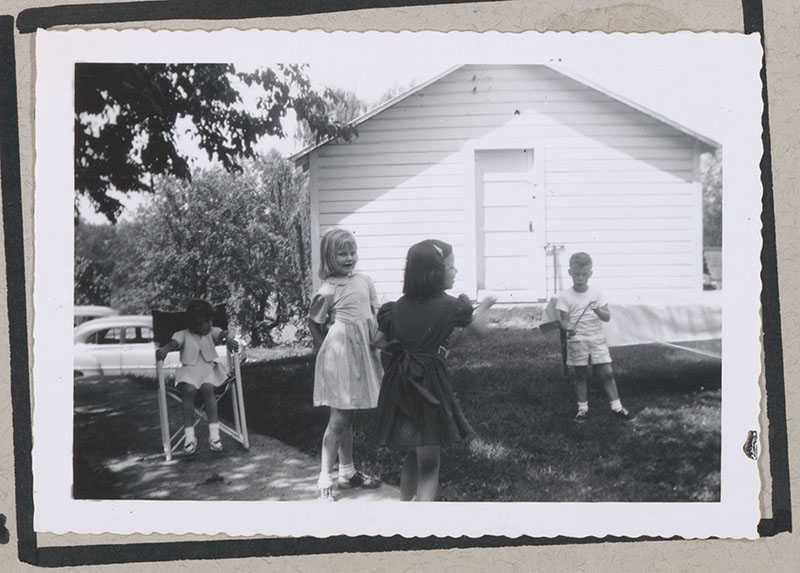
The moment the formal portion ended and a child was permitted into ordinary clothes is reported as a genuine relief.
The transition was abrupt and complete. Shoes off, hat gone, everything hung up with instructions, and a child restored to a condition in which they could do something, all inside about four minutes.
The clothes went away immediately. A set that had to survive a year of occasions was not left lying about, and it was back in a wardrobe within the hour with somebody checking it for damage.
13. Younger Siblings Got Them Eventually

The set was kept, outgrown and passed down, which meant a younger child wore their sibling’s clothes to the same occasion two years later.
The inheritance was planned from the point of purchase. A household buying something durable in a slightly larger size was buying for two children rather than one, and the longevity was part of the specification.
The younger child’s photograph is the giveaway. A sequence of family pictures in which the same garment appears on two different children two years apart is extremely common and tells you exactly what the household’s strategy was.
14. The Weather Never Cooperated
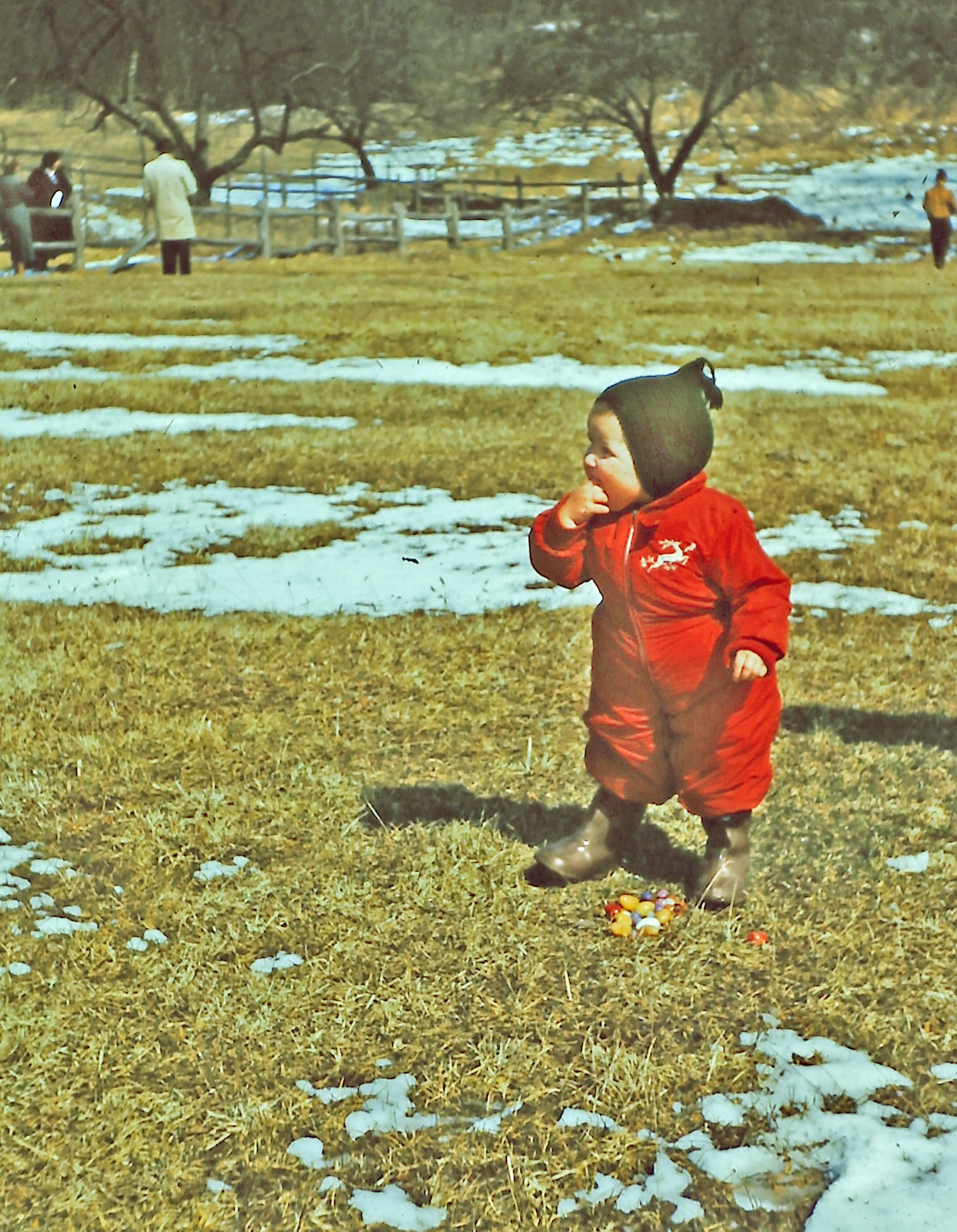
The date fell early enough that the clothes were frequently wrong for the conditions, and nobody adjusted anything.
The mismatch was accepted rather than solved. A set bought for spring and worn on a cold, wet morning is a set worn under a coat, which defeats most of the point, and households went ahead regardless.
A coat over the whole thing was the standard compromise. Which means a considerable proportion of these outfits were invisible for most of the day they existed for, and the photograph was taken in the ninety seconds the coat was off.
15. Boys Resented the Whole Business More Loudly
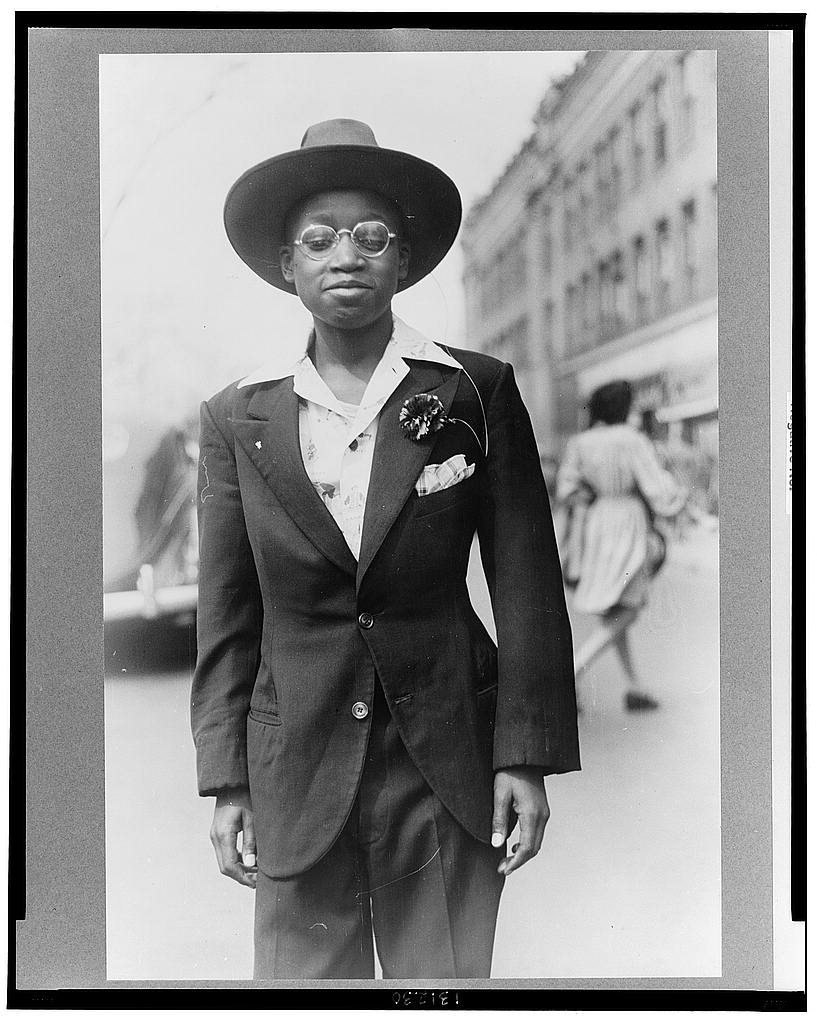
The objections were general but were voiced considerably more vigorously by one half of the children involved.
The difference in complaint volume was noted at the time and is worth recording without drawing any conclusion from it. The clothing itself was uncomfortable, unfamiliar and restrictive for everybody, and the conventions about who was expected to put up with that quietly have since changed considerably.
Everybody complied in the end. However loudly anybody objected, no child of this period successfully declined to wear what their household had bought for that morning.
16. Then the Annual Set Stopped Making Sense
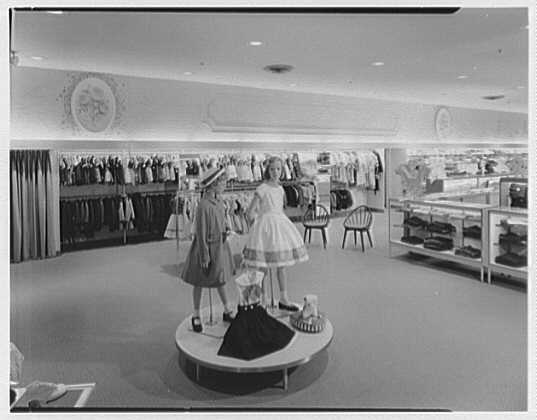
Cheaper clothing, more frequent buying, relaxed expectations about what anybody wore and a general decline in formal dress removed both the occasion and the economics.
The economics went first. A household that can buy a garment in any week of the year has no reason to concentrate a year’s clothing into one purchase, and the annual set dissolved into ordinary continuous buying without anybody deciding to abandon it.
What went with it was the photograph and everything around it. A whole street’s children dressed identically well on the same morning, in something a size too large, in shoes that hurt, having been arranged in the same spot as last year for the only reliable record of growth the household was ever going to take.
What the Annual Set Was Actually Buying
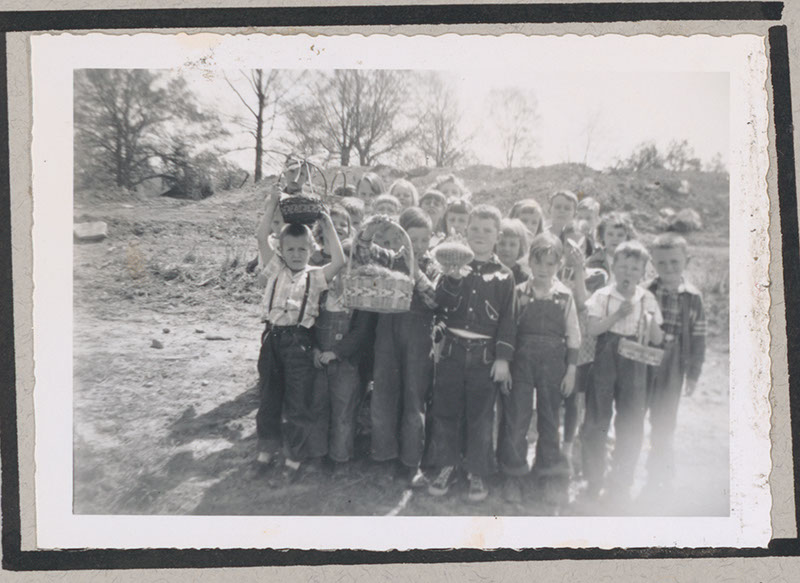
Read in order, the sixteen describe a piece of household arithmetic rather than a custom about clothes. A family that bought once a year could not buy for the child standing in front of them, so it bought for the child it expected in September, which is why every photograph from this occasion shows sleeves slightly too long. The set was not for one morning either: it was reclassified immediately afterwards as what a child wore for anything requiring it, and had to survive a year of occasions, which is why the instructions about care were delivered with such force and why nothing in it permitted running.
The second thing it was buying was a record. The photograph was taken before the occasion rather than during it, in the same spot every year, in the same arrangement, which gives the whole thing away: the outfit existed for the picture. Those sequences are now the best account of children’s growth that most households of the period ever produced, and the giveaway detail is the one that shows the same garment on a younger sibling two years later.
The economics ended it rather than anybody’s taste. A household that can buy a garment in any week of the year has no reason to concentrate a year’s clothing into a single purchase on a fixed date, and the annual set dissolved into ordinary continuous buying without anybody deciding to abandon it. Relaxed expectations about formal dress finished whatever was left. What went with it is the morning: a whole street’s children dressed identically well at the same hour, in something a size too large, in shoes that hurt from the first hour, arranged in the same spot as the year before for the only reliable record of growth the household was ever going to take.
Like our content? Follow us for more.
