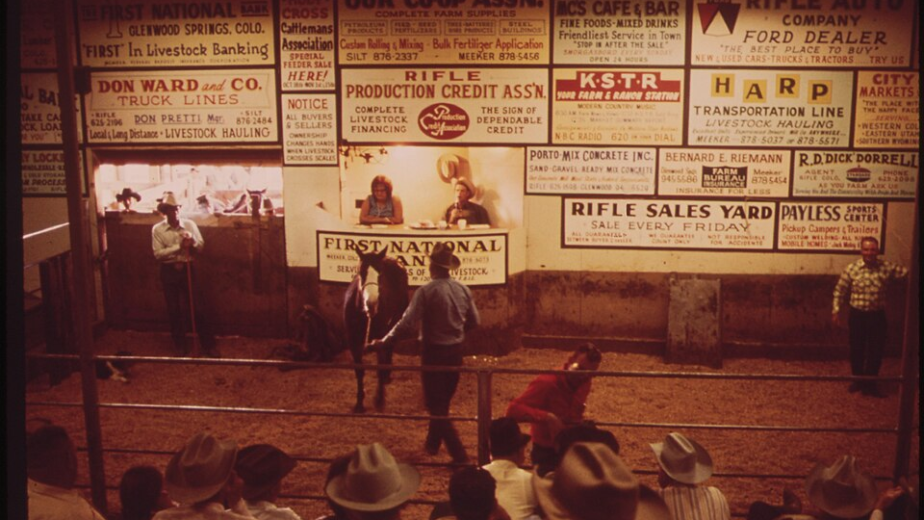
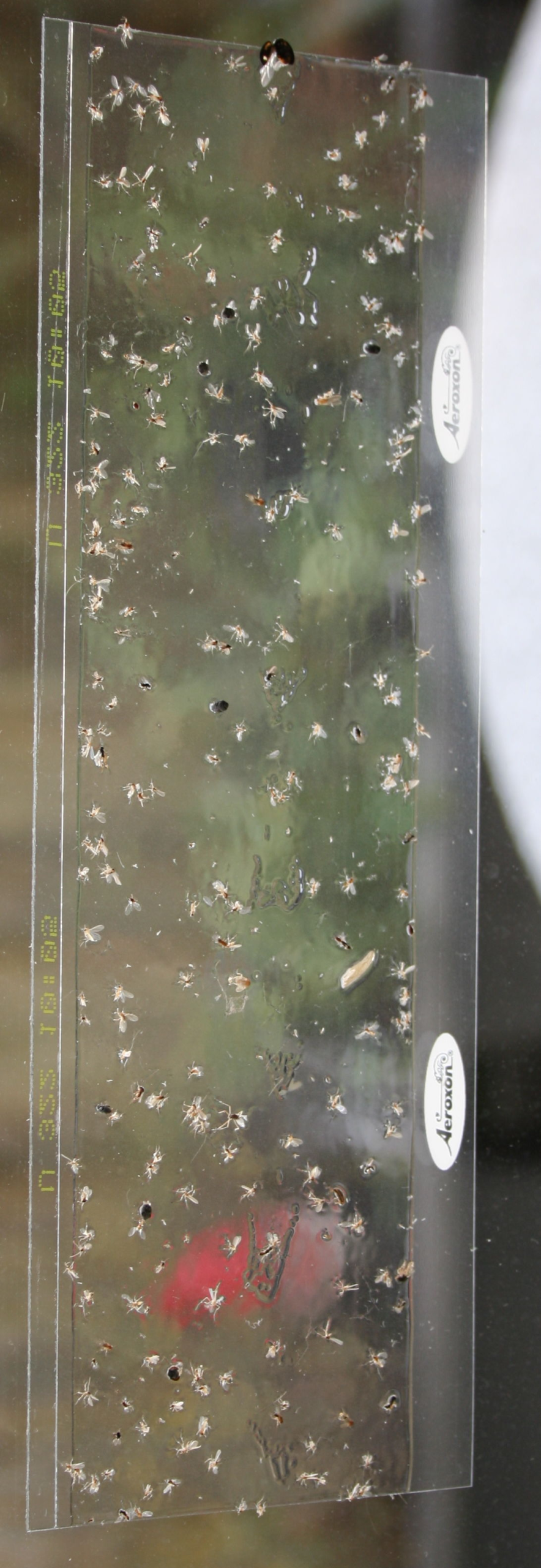
Older people describe it and younger people do not believe it: a curl of amber paper hanging from the kitchen ceiling, turning slowly, black with flies. Several of them in a room. Changed when they filled up.
It is the single most effective way to convey what an American house was like before the middle of the twentieth century, and it is worth taking seriously rather than treating as a gross-out detail – because the flypaper is not the story.
The fly population is the story, and the reason there were that many flies is a chain of facts about how towns and farms worked that have all since changed.
Flies Breed in Manure, and the Streets Were Full of It
Here is the central fact, and everything else follows from it.
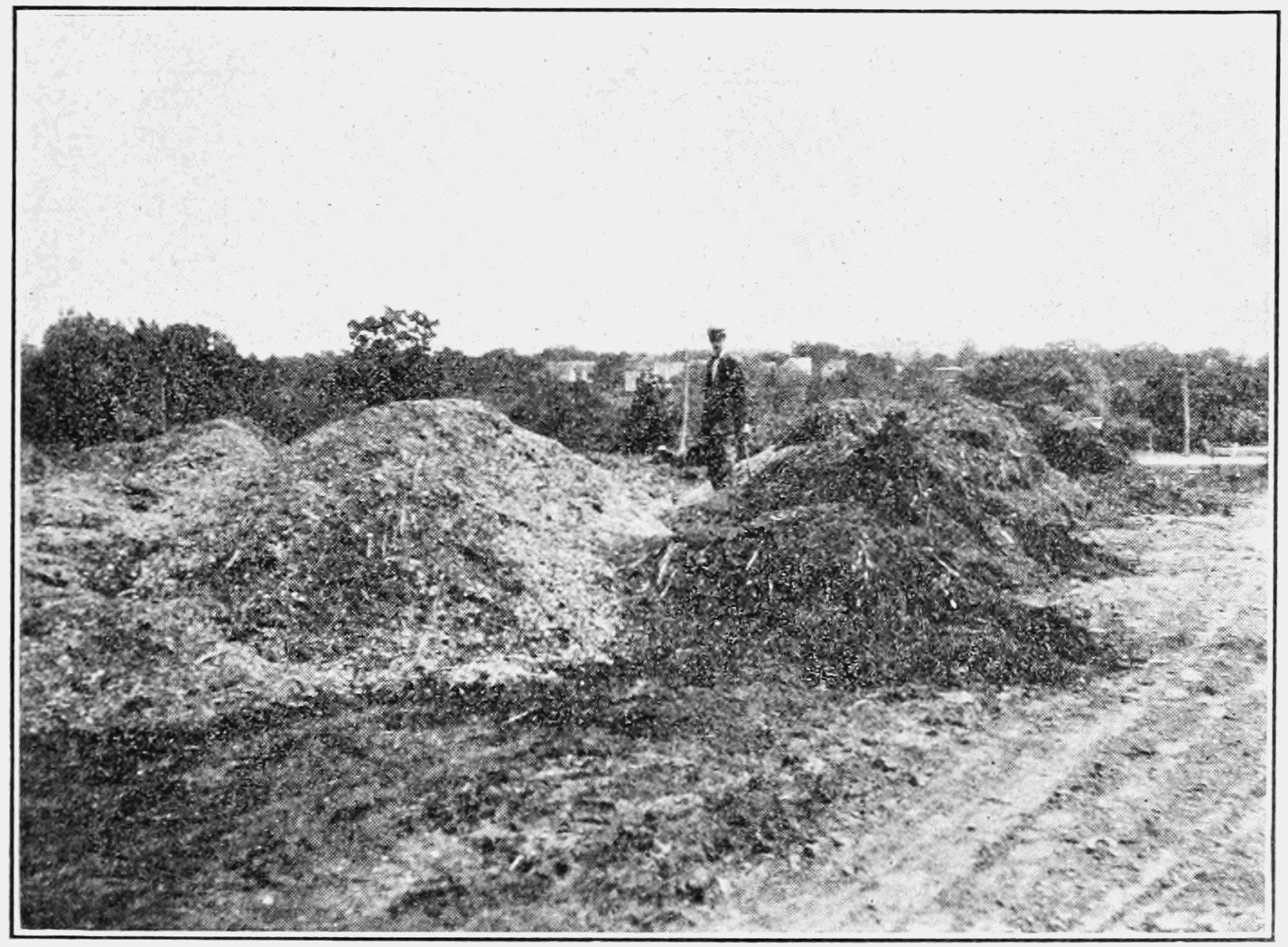
The common house fly breeds in decaying organic material, and horse manure is close to ideal for the purpose. A single accumulation produces an enormous number of flies, and the generation time is short enough that a population can multiply through a summer.
Now consider what a town looked like. Every vehicle was pulled by an animal. Streets carried a continuous deposit that was swept and hauled but never kept up with. Every business had a stable. The livery stables held dozens of animals in concentration near the centre of town. Farms had manure piles by definition.
So the breeding material was present in quantity, continuously, everywhere people lived – and the flies went where the food and the people were, which is to say into the kitchen.
That is the whole mechanism. It is not that people were dirty. It is that the transport system was biological and its by-product was a fly nursery distributed along every street in the country.
Like our content? Follow us for more.
Two More Sources Made It Worse
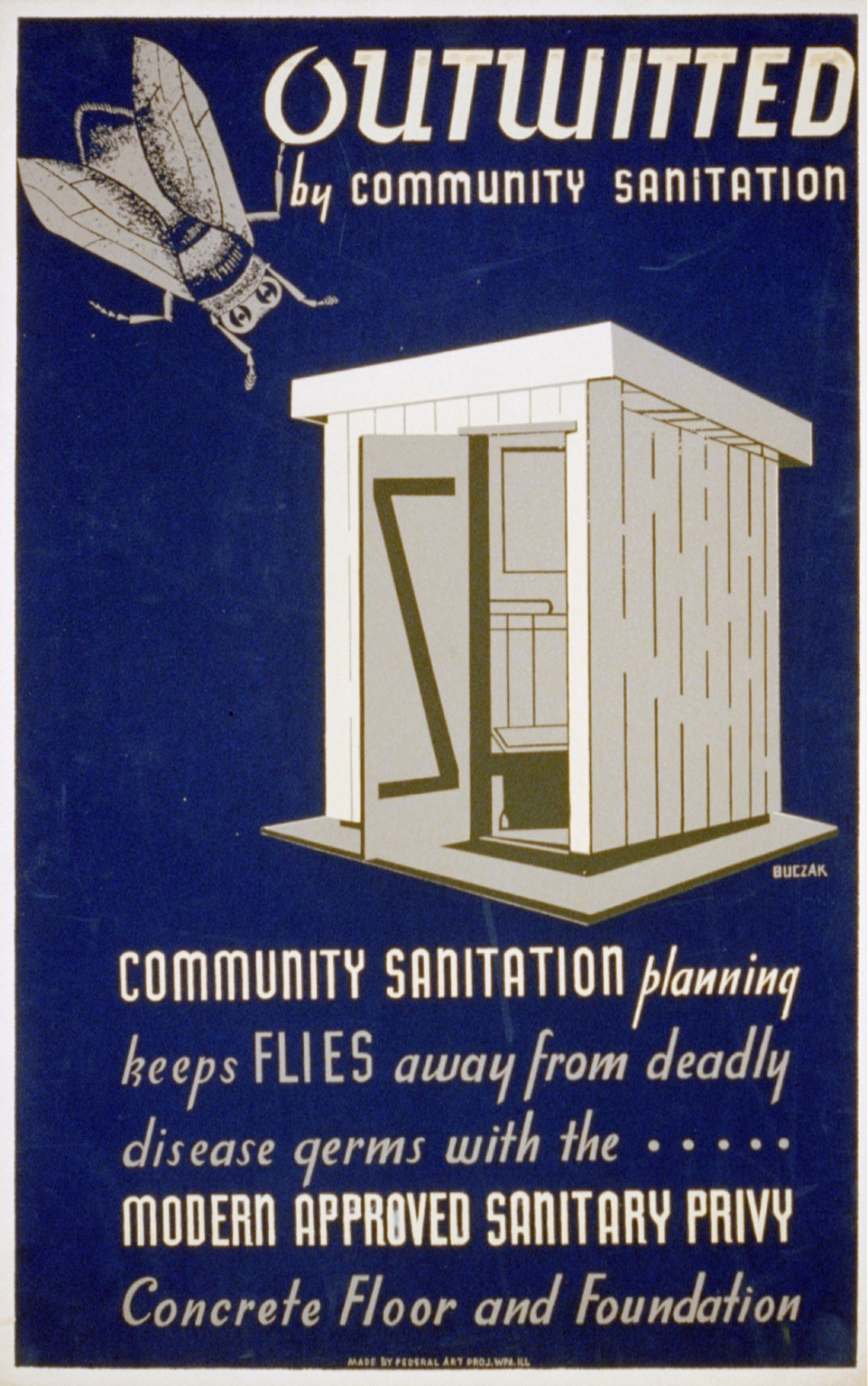
The privy. Before plumbing, household waste sat in a pit or a vault in the yard, which is another ideal breeding site and one located a short flight across the grass from the kitchen door.
And the absence of refrigeration. Food sat out. Milk sat out. Scraps sat in a pail. Meat hung in a safe with a screen if the household was careful and on a shelf if it was not. Every one of those is a fly attractant, and a kitchen in July with no cold storage is a continuously advertised food source.
Put the three together – breeding material in the street, breeding material in the yard, and exposed food in the house – and the only surprising thing is that anybody managed to eat a meal.
People Knew Flies Carried Disease, and They Were Right
This matters, because it explains why the response was so determined.
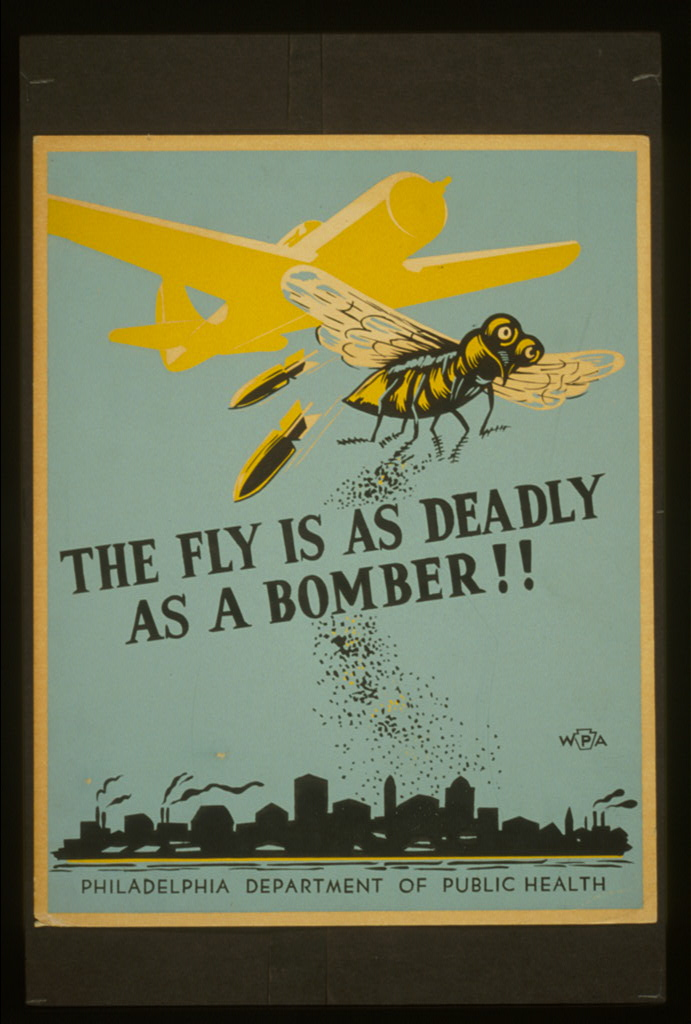
By the late nineteenth and early twentieth centuries it was established that flies move between filth and food and carry contamination on their bodies, and that this is a route by which intestinal disease spreads. Public health campaigns across the United States pushed the point hard – there were slogans, posters, school programmes and organised campaigns aimed specifically at flies.
The science was sound in its essentials. Flies do mechanically transfer pathogens, and reducing fly contact with food does reduce transmission of several serious diseases.
So the sticky paper was not squeamishness. It was a household-level public health measure, undertaken by people who had been told, correctly, that the insects in their kitchen were a danger to their children.
The Paper Itself Was a Simple Piece of Chemistry

The mechanism is trivial and that is why it worked anywhere.
A strip of paper is coated with a thick, extremely tacky, non-drying substance – historically a mixture based on resins and oils – which stays sticky for weeks in open air and does not run off in heat. An insect that lands on it cannot get off.
It needs no power, no poison, no mechanism and no attention. It is hung up, it works continuously, and when it is covered it is thrown away and another one goes up.
The spiral form in a cardboard tube is the version everybody remembers, and its shape is purely practical: a long strip coiled in a small container that pulls out to full length, hangs vertically, and presents sticky surface on both sides.
Flat sheets laid on surfaces were also sold, and so were bait papers soaked in a poison and wetted with water in a saucer – which are a different and considerably more hazardous product that is worth distinguishing from the sticky kind.
The Screen Was the Real Answer
Worth saying plainly, because the paper treated the symptom.
A fly in the house is a fly that came in, and the decisive intervention was to stop it entering – which means wire mesh over the windows and a self-closing screen on the door. That is a barrier rather than a trap, and a barrier removes the problem instead of collecting it.
Screening spread through American housing from the late nineteenth century onward and it had a measurable effect. Once a house is screened, the flypaper stops filling up – and the household is dealing with the few that get in rather than with a continuous influx.
So the flypaper and the screen door are two stages of the same campaign, and the paper is the older and weaker one. A household that had flypaper and no screens had a serious problem. A household with both had an inconvenience.
The Household Had a Whole Routine Against Them
The paper was one item in a defence that ran all day, and setting the rest of it out shows how much ordinary effort went into this.
Food was covered. Mesh domes, muslin cloths, inverted plates, screened safes and wire covers for anything standing on a table, because an uncovered dish was an invitation. Milk was covered. The butter was covered.
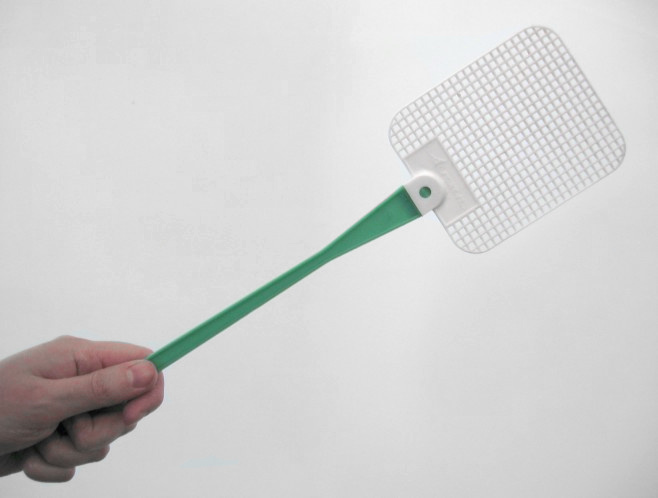
Somebody shooed. A branch, a cloth, a paper fan or a purpose-made swatter was kept at hand, and children were given the job of standing over the table during a meal and keeping the air moving – which is one of those tasks that sounds comic and was entirely practical.
Doors were a discipline. In a house with no screen door, the door was simply kept shut, and anybody who left it open was told about it. That is the origin of a complaint still heard in houses where it no longer matters at all.
And the kitchen was managed by timing. Work that attracted flies was done early or late, scraps went straight out rather than sitting in a pail, and anything standing was dealt with promptly.
None of which solved the problem. All of it reduced it, and together it represents a continuous low-level household effort that disappeared so completely that the habits outlived the reason by two generations.
Then the Horses Left
And this is the change that mattered most, which is not usually how the story gets told.
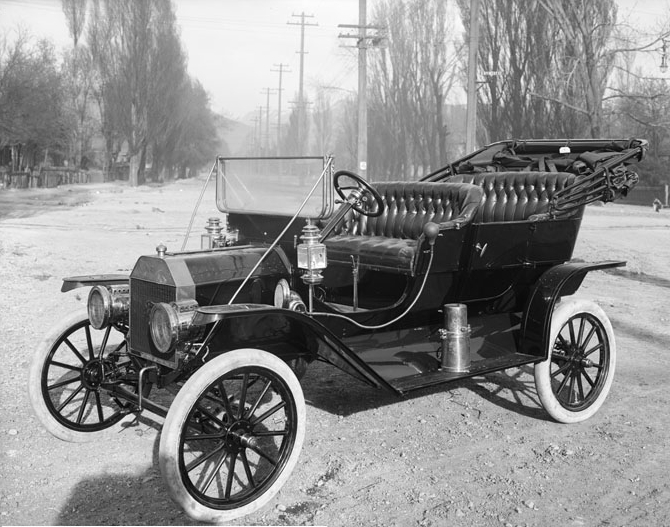
The automobile removed the breeding material. Not partly – almost entirely, within about two decades in most American towns. The streets stopped carrying manure, the stables closed or became garages, and the single largest fly nursery in every settlement simply ceased to exist.
That is an enormous reduction in a population, achieved without anybody intending it, as a side effect of changing how people got about.
Then plumbing removed the privy, which took out the second source. Then refrigeration removed the exposed food, which took out the attractant. Then municipal rubbish collection in sealed containers removed much of what was left.
Four separate changes, none of them aimed at insects, each one removing a link in the chain.
Then Chemistry Finished It and Overreached
The last stage is the one that needs honest handling.
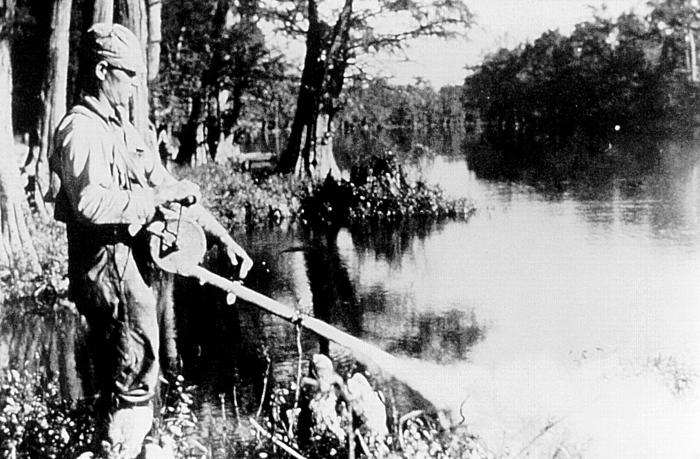
Synthetic insecticides arriving in the middle of the century were extraordinarily effective against household insects, and for a while they were used in American homes with enormous confidence and very little caution – sprayed indoors, impregnated into strips and papers, applied in quantities and in ways that nobody would now consider.
They worked. They also turned out to have consequences that were not understood at the time, affecting wildlife and persisting in the environment, and the most heavily used ones were eventually restricted or withdrawn.
The honest summary is that the chemistry solved the immediate problem decisively and that the confidence with which it was used was not warranted by what was then known. Modern household insect control is a much more careful business for good reasons, and the file leaves the specifics to the people qualified to give them.
Why It Is Worth Remembering
Because the flypaper is evidence of a scale of problem that has genuinely gone, and because the thing that fixed it was not the obvious candidate.
A modern American kitchen has a few flies in summer. An 1890s kitchen in the same town had a fly population sustained by a continuous supply of breeding material lying in the street outside, and the household’s defence was a strip of resin hanging from the ceiling.
What ended that was not better traps or stronger chemicals. It was the removal, one at a time, of the manure, the privy, the exposed food and the open rubbish – with the single biggest contribution coming from a change in transport that nobody made for sanitary reasons at all.
If somebody in your family remembers the paper hanging in the kitchen, they are remembering the tail end of it. The problem it was fighting was already a fraction of what it had been.
Like our content? Follow us for more.