In 1974 a school ran substantially on jobs done by its own pupils, and the list is startling when it is written down.
A child stopped traffic at the crossing. A child carried the attendance register – the school’s legal record for the day – to the office. A child operated the projector, rang the bell that moved the whole school between lessons, served hot food to other children, and counted the dinner money into a notebook.
Here are sixteen jobs American schools handed to children in 1974, and what became of each one.
1. You Were Put in Charge of Traffic
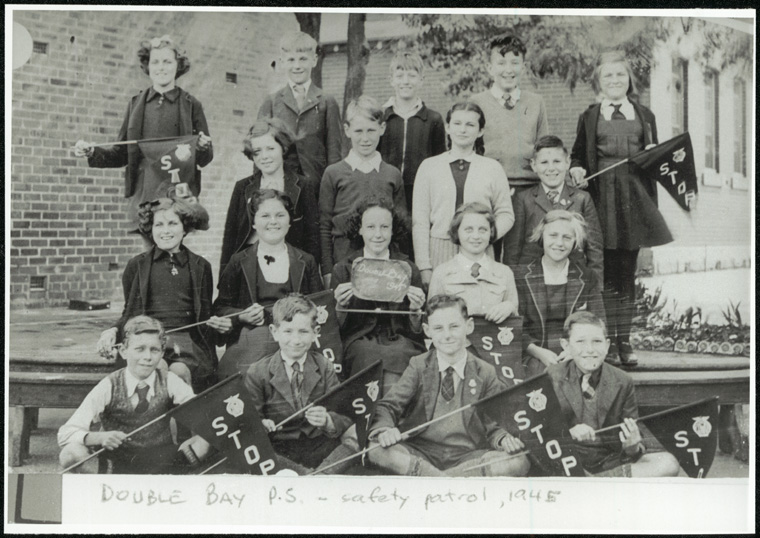
The safety patrol stood at the crossing before and after school in a white belt and sash, holding a flag or a hand-held stop sign, and physically stepped into the road to halt vehicles so other children could cross.
Adult crossing guards, employed and trained, with high-visibility equipment and in many places electronic signals. A child was being asked to judge the speed and intention of oncoming traffic and then place their own body in front of it.
The appointment was treated as an honour and competed for, which is the part that is hardest to explain now. Patrol members were selected on reliability, given a badge and a rank structure, and in some districts taken on an annual trip as a reward. The job carried real status among other children precisely because it carried real responsibility – and the responsibility was for the physical safety of other people’s children.
Like our content? Follow us for more.
2. You Were Given Authority Over Other Children
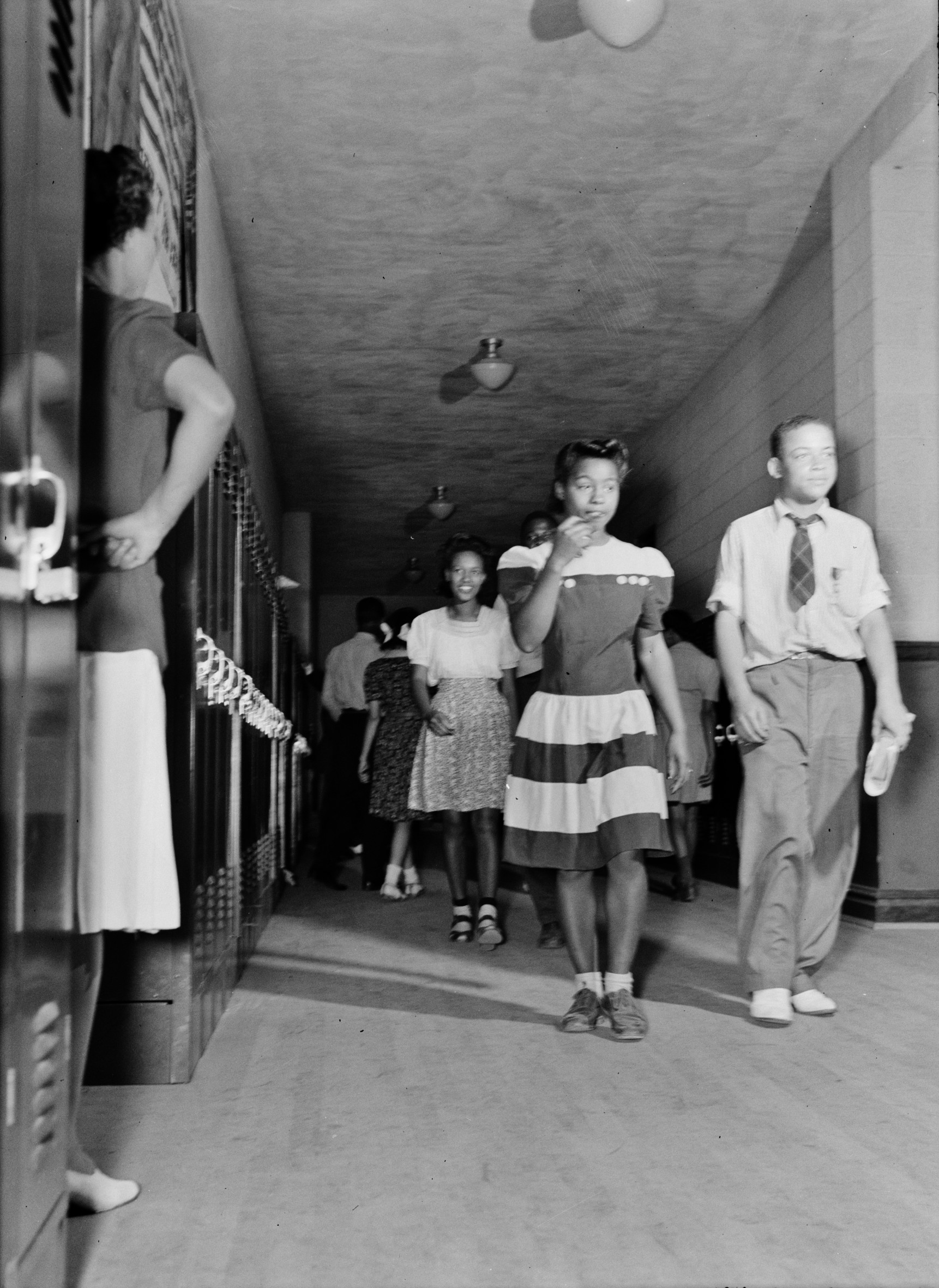
Hall monitors were stationed in corridors during class time with the power to stop other pupils, ask where they were going, demand a pass and report them if the answer was unsatisfactory.
Adult supervision, electronic passes and signing-in systems. The monitor was not merely observing: they were enforcing, and their report was acted on by staff.
This produced exactly the problems you would expect, and everybody involved knew it. A child with the power to report other children will sometimes use it to settle scores, and the position tended to go to the pupils staff already trusted, which hardened existing hierarchies. It also put the monitor in an impossible spot with their own friends, which is a genuinely difficult thing to hand a twelve-year-old.
3. You Carried the Milk
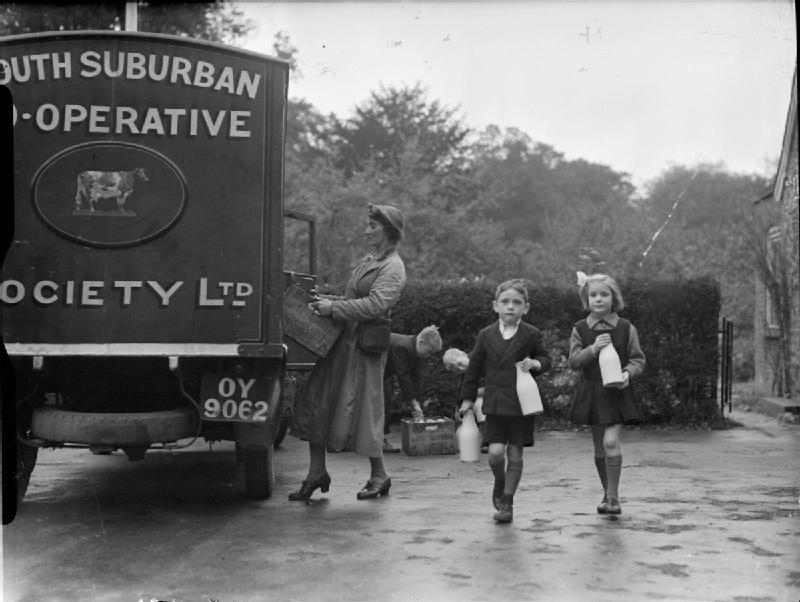
The milk monitor collected the crates from wherever they had been delivered, carried them to the classroom, distributed the bottles, collected the empties and returned the crate – twice a day in some schools.
Where milk is still provided it is handled by staff or by catering contractors. A full crate of glass bottles is heavy, awkward and carried by a child down a corridor and occasionally a staircase.
The bottles are the detail. Glass, a third of a pint, with a foil cap, warm in summer because the crate had been standing in the sun and frozen in winter because it had not been brought in – and a dropped crate meant broken glass and spilled milk across a floor full of children. The job was given to whoever was trusted that term, and it was both a privilege and a chore.
4. You Cleaned the Chalkboard Erasers by Clapping Them Together Outside
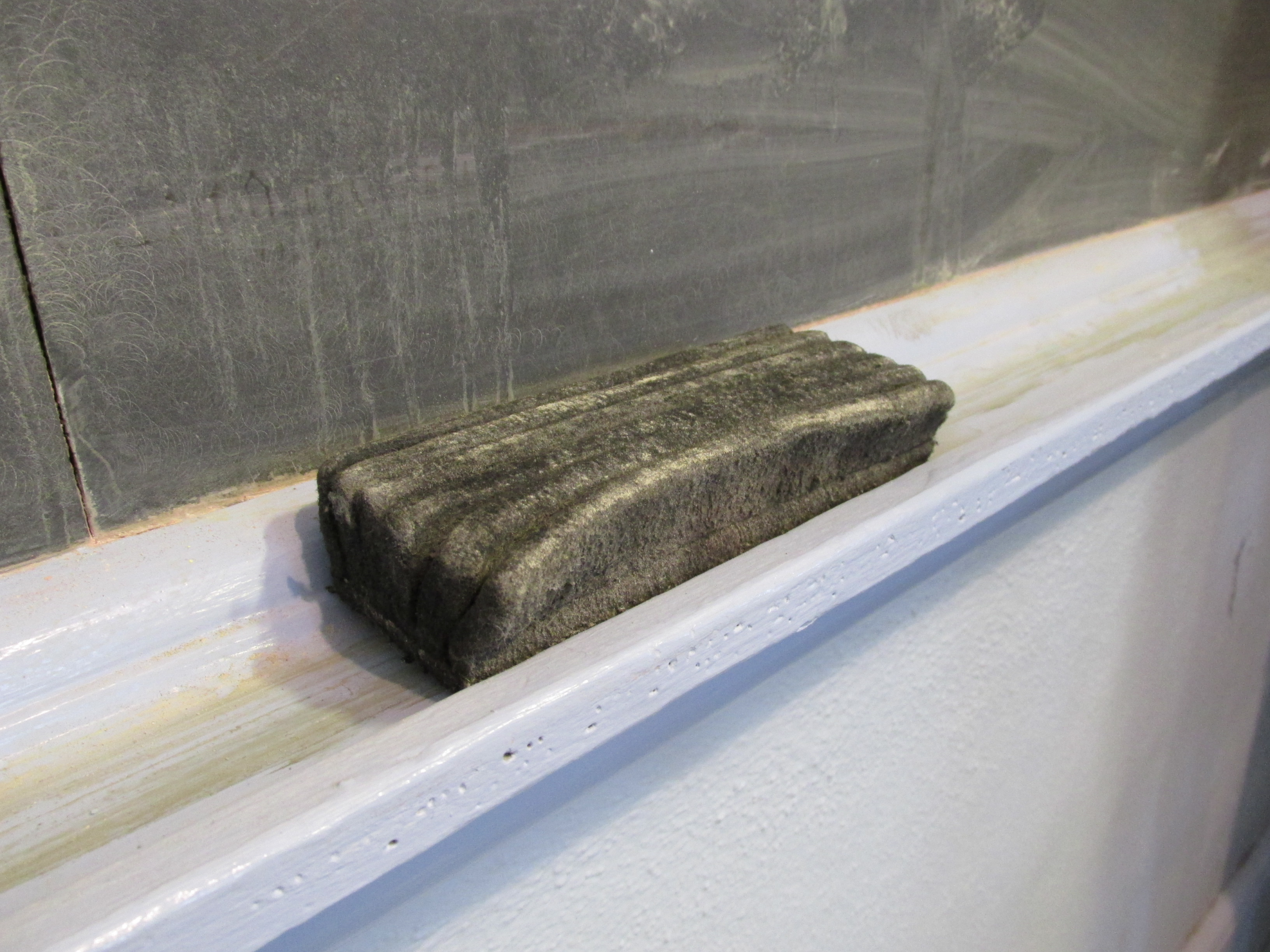
At the end of the day somebody was sent out with the felt erasers to beat them against a wall or against each other until the accumulated chalk dust came out of them.
Whiteboards, interactive boards and no erasers to clean. The task existed because chalk dust clogs felt and a loaded eraser smears the board rather than clearing it.
It was also, in retrospect, an instruction to stand in a cloud of airborne dust for several minutes, which is why it is remembered as one of the jobs children volunteered for rather than avoided – you got out of the classroom, you got to make a mess, and nobody then thought about what you were breathing. Modern dust control in classrooms is one of the quieter reasons chalk went.
5. You Raised and Folded the Flag

Flag duty meant raising the flag on the pole in the morning, lowering it at the end of the day, and folding it to a prescribed pattern – a specific sequence of folds that had to be done correctly.
Still done in a great many schools, though frequently by staff or by a designated group rather than by rotating pupils. The folding was taught properly and getting it wrong was corrected.
What is striking is that it was genuinely instructional rather than decorative. A child learning a fixed ceremonial procedure, performing it in front of others daily, and being held to a standard is being taught something about ritual and care that very little else in the day was teaching – which is why people who did it tend to remember the sequence of folds decades later.
6. You Took the Attendance Register to the Office
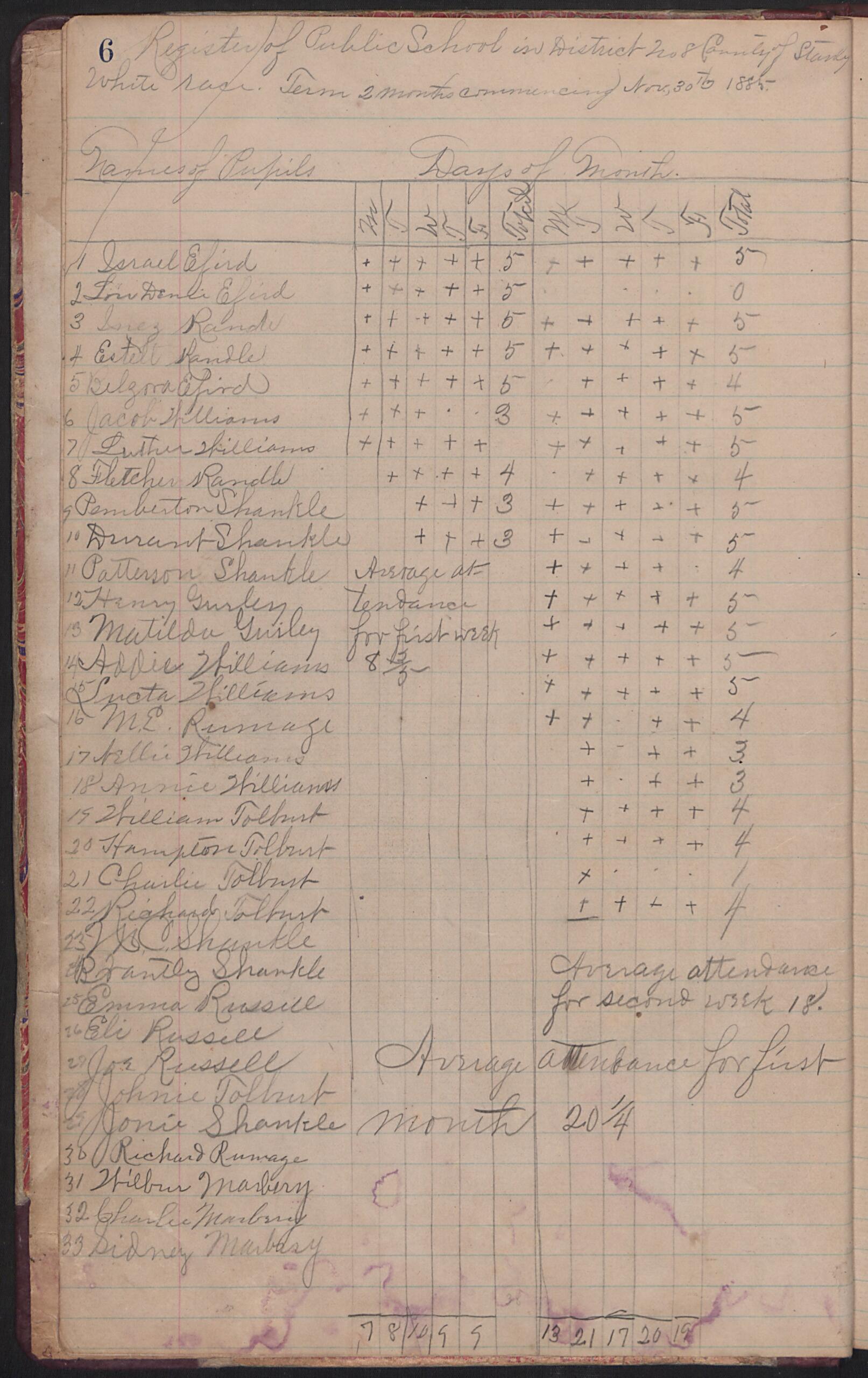
Once the teacher had marked the register, a pupil carried it along the corridor to the school office, handed it over, and brought back whatever was going the other way.
Electronic registration transmitted instantly from the classroom. The register was the school’s legal record of attendance for that day, and it was walked through the building by a nine-year-old.
The appointment was a marker of standing and everybody read it as one. Being chosen to take the register meant the teacher trusted you with the one document that mattered, you got to walk the corridors alone during lesson time, and you returned with information nobody else had yet. It was the smallest possible amount of power and it was keenly felt.
7. You Ran Messages Between Rooms
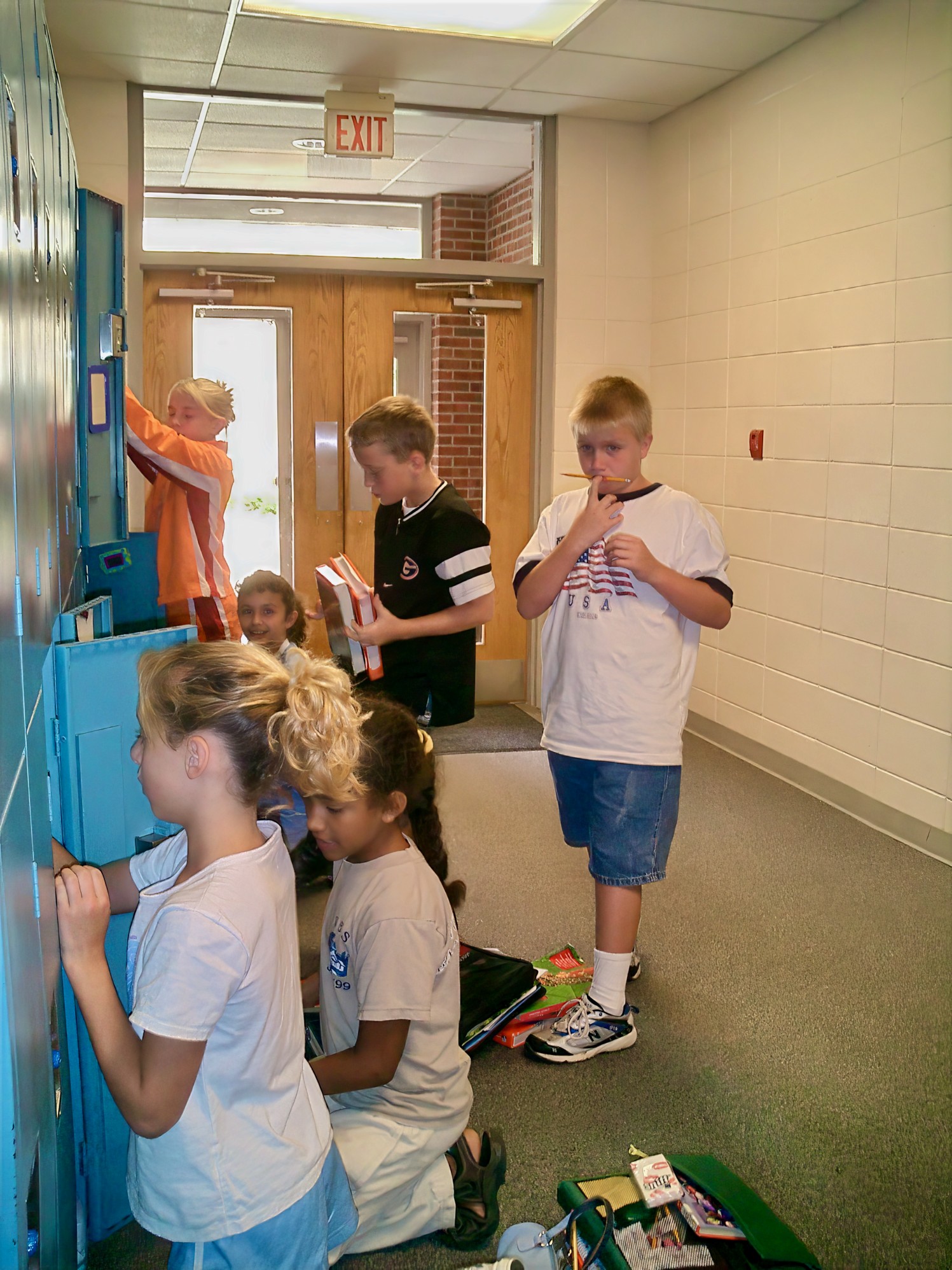
Before internal telephones were common in classrooms, communication between teachers and between a teacher and the office was done by sending a child with a note or a verbal message.
Intercoms, internal phones, email and messaging systems. A pupil was the school’s communications network, and a message that needed to reach the other end of the building left on foot.
The verbal messages are the part worth noting, because they were trusted. A child was expected to listen, retain and accurately relay something to an adult in another room, which is a real skill and was treated as unremarkable. It also meant children routinely knew things before anybody else did, which is why the message runner was a valuable friend to have.
8. You Operated the Projector
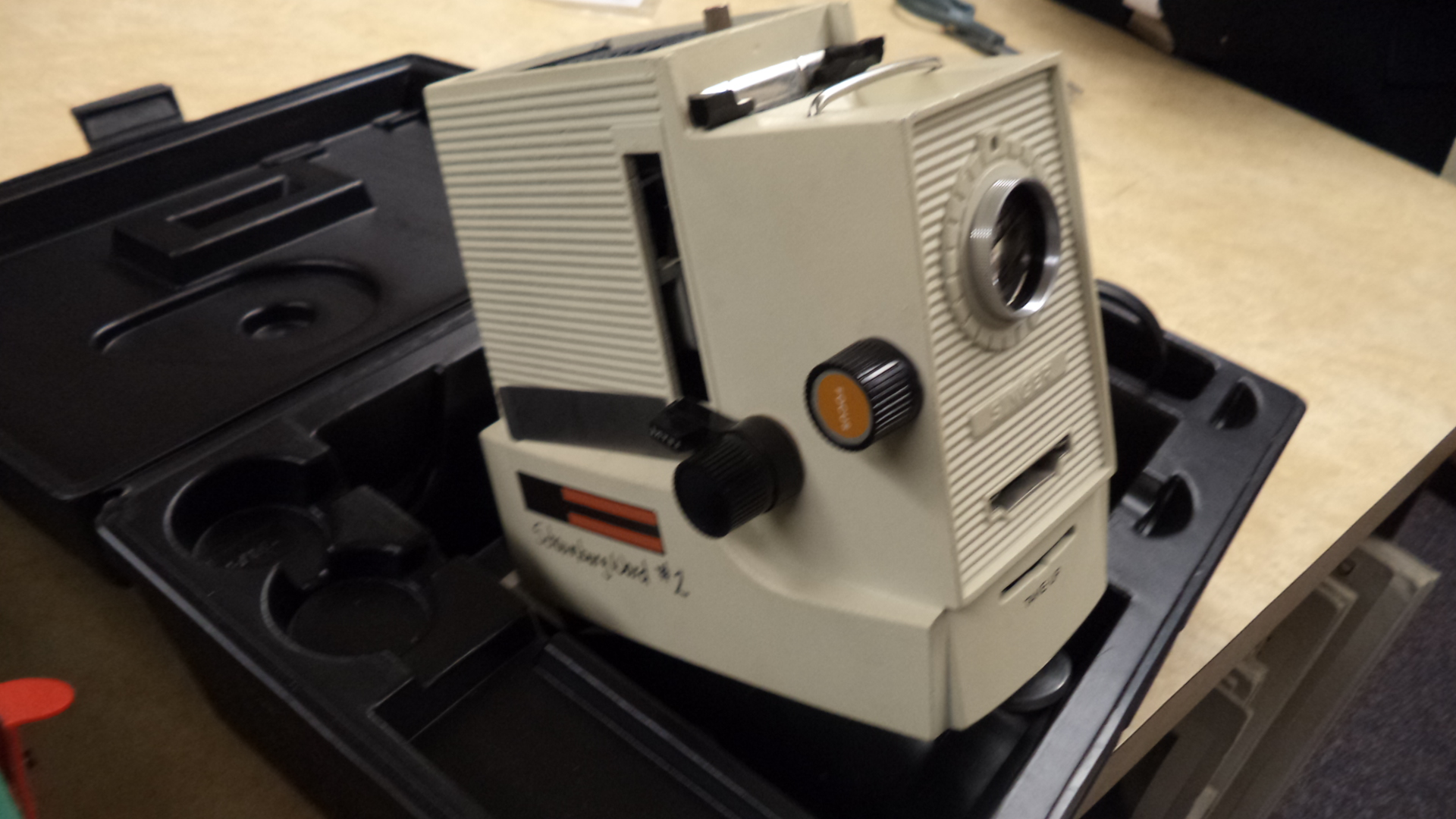
The filmstrip projector, the reel-to-reel and the overhead were operated by a pupil – threading, focusing, advancing the frames on the audio cue, rewinding and putting the equipment away on its trolley.
Projection is automatic or replaced entirely by a screen and a file. The equipment involved hot bulbs, mains cables run across floors and mechanisms that jammed, and a pupil was trained to run it.
Audio-visual duty was the technical apprenticeship of the period, and a meaningful number of people who ended up in engineering or media trace their first interest to it. The job required somebody who could be relied on to do a sequence correctly in the dark while everybody else watched the screen, and that is a specific kind of child who was finally being given something to do.
9. You Shelved the Books and Worked the Desk
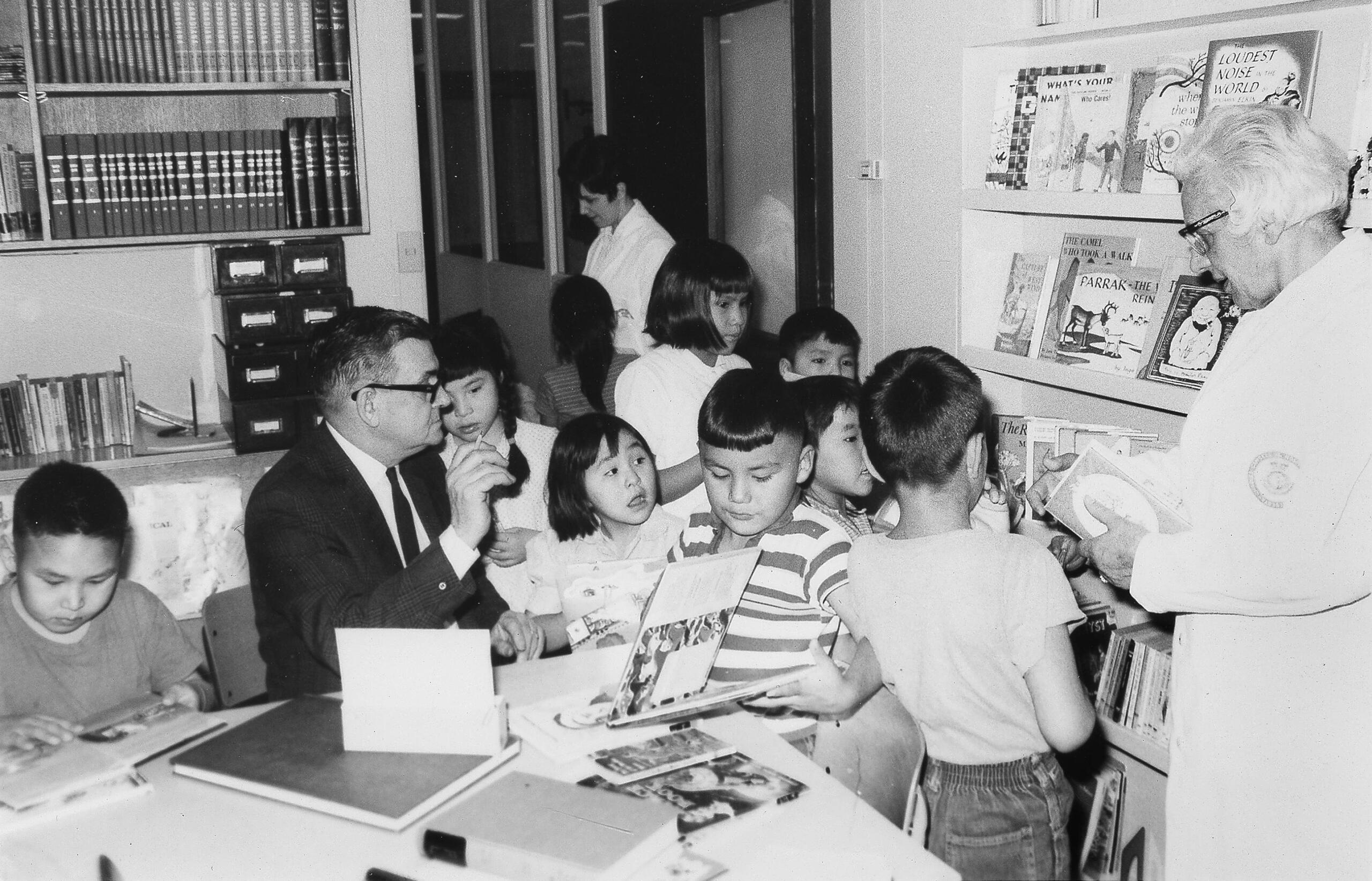
Library helpers shelved returns in order, stamped date cards, filed tickets, tidied the shelves and in some schools staffed the issue desk at break.
Barcode systems, self-issue and paid or volunteer adult staffing. Shelving to a classification order is a genuine skill and the helpers were taught it, because a misshelved book in a browsing collection is effectively lost.
The appeal was access rather than the work. A library helper was in the library when it was quiet, saw what came back before anybody else, and had a legitimate reason to be among the shelves rather than outside – which is exactly why the job tended to be filled by the children who most wanted to be there, and why so many of them remember it fondly.
10. You Served Other Children Their Lunch
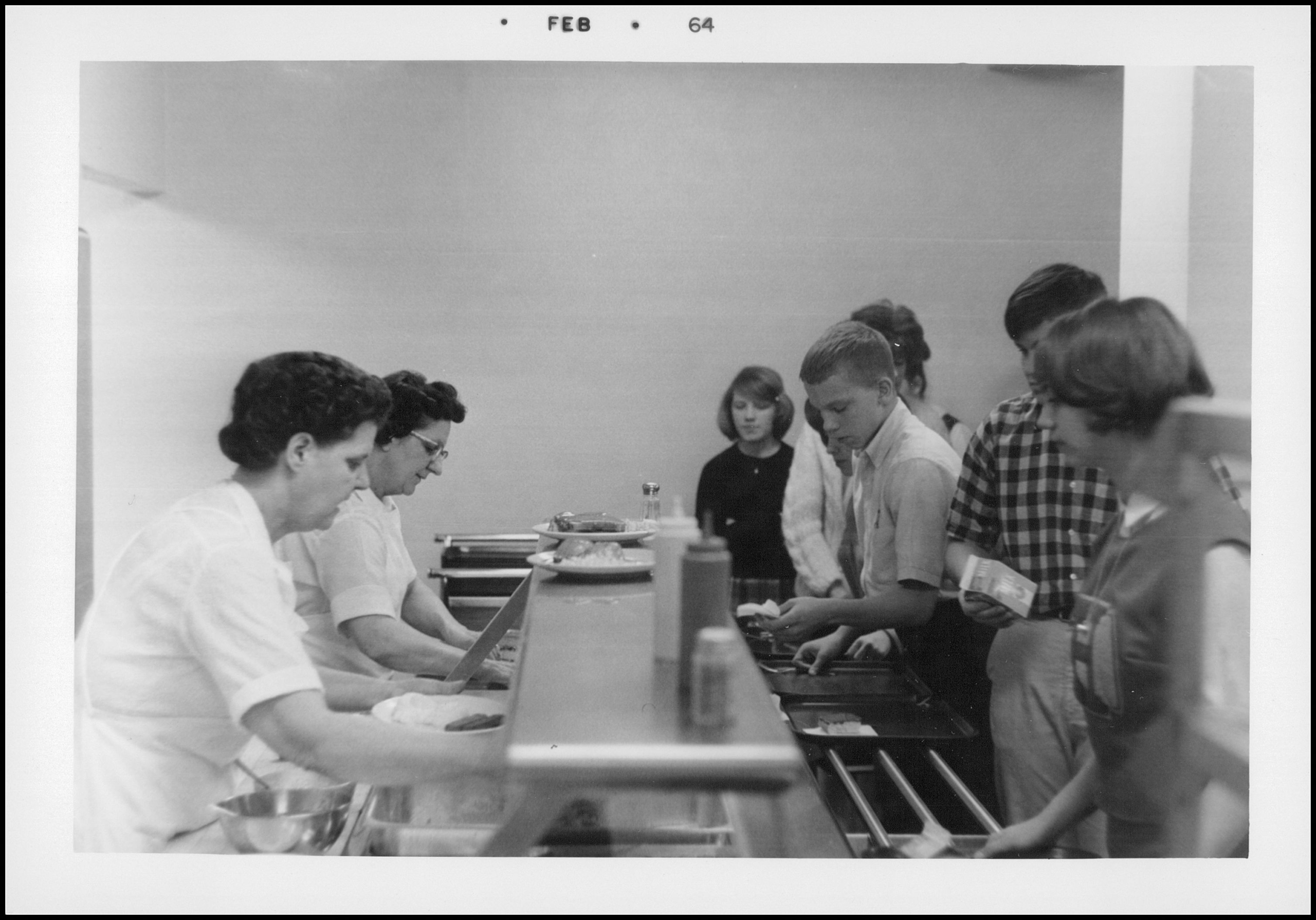
Pupils helped on the serving line, carried trays and jugs to tables, served from dishes at the table in family-service schools, wiped down afterwards and stacked crockery.
Catering staff, food hygiene certification, allergen procedures and in most places no pupil involvement in food handling at all. Children were serving hot food from heavy containers to other children.
Allergen management is the change that makes it impossible to go back. A serving system in which a child ladles from a communal dish and cannot identify what is in it is not compatible with any modern allergen regime, and that single requirement – entirely justified – has removed pupil food service everywhere it existed.
11. You Looked After the Classroom Animals
Classrooms kept animals – fish, gerbils, hamsters, rabbits, guinea pigs, stick insects, tadpoles in spring – and a rota of pupils fed them, cleaned them out and took them home over holidays.
Far less common, with welfare requirements, hygiene rules, allergy considerations and holiday care all weighing against it. The animal’s welfare depended on a rota of children and whichever one had it at half term.
It produced the single most universally shared sad memory of primary school, and it is worth being honest that the arrangement frequently did not serve the animals well. It also taught a genuine lesson about daily responsibility for something that cannot ask – which is why the practice has not disappeared entirely and why schools that keep animals now do it with a proper welfare plan rather than a rota on the wall.
12. You Watered the Plants and Kept the Nature Shelf
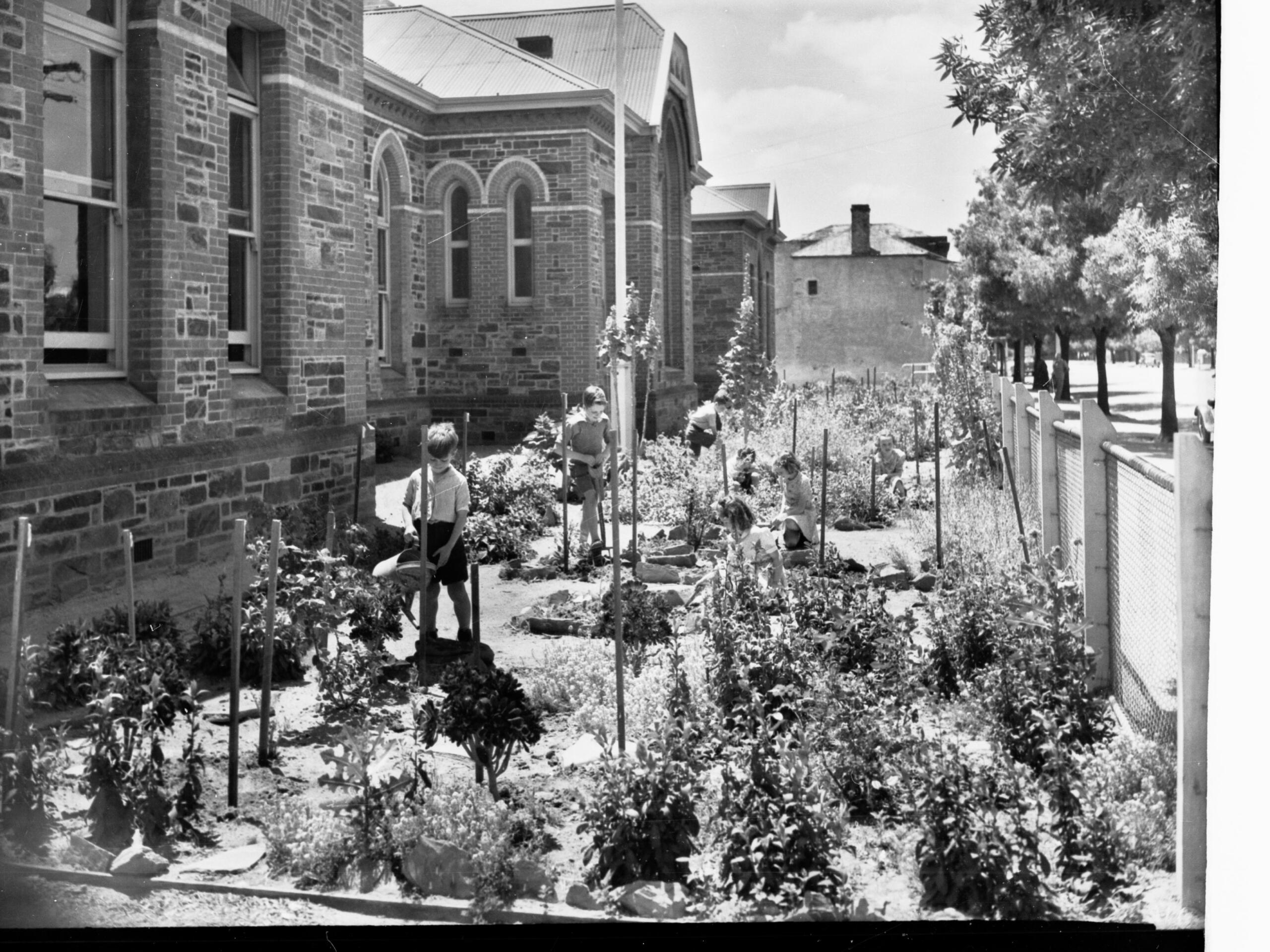
A shelf or table of growing things – bean sprouts in jars, bulbs in bowls, cuttings in water, seed trays, a tray of soil with something planted in it – was maintained by pupils who watered, measured and recorded.
Mostly gone with the timetable space it occupied. The measuring and recording was the point: a child charting a bean’s growth over three weeks is doing observation and record-keeping with a result they cannot fake.
It is one of the few jobs on this list whose disappearance is hard to attribute to liability or hygiene. It went because the curriculum tightened, the time went to examined subjects, and a shelf of jars needs somebody to care about it – which is a smaller and more ordinary way for something to end than being banned.
13. You Swept the Room at the End of the Day
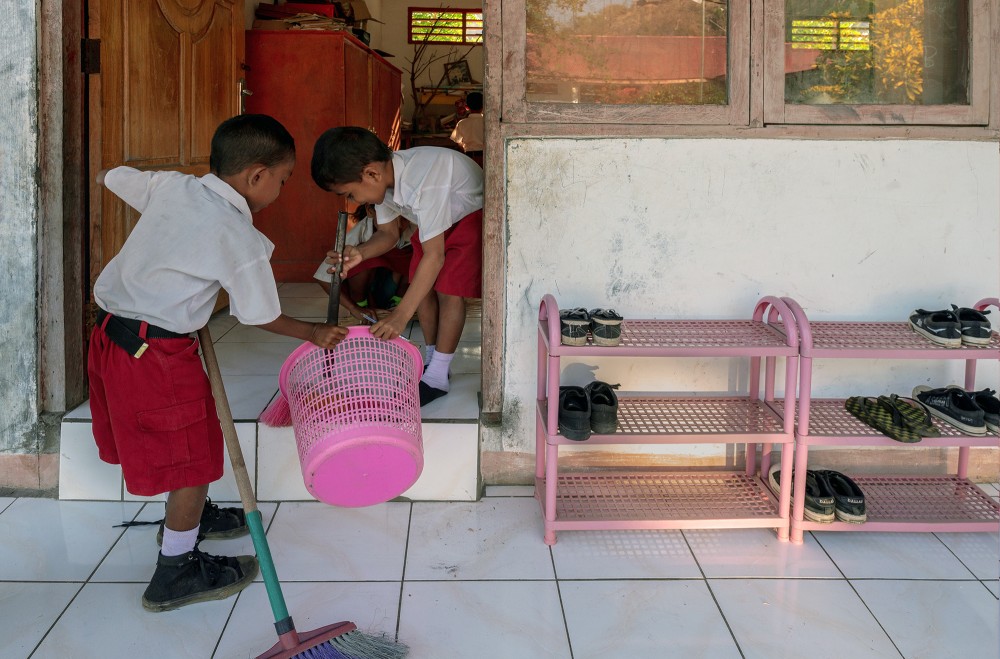
Chairs were stacked or put on desks, the floor was swept or litter-picked, boards were cleaned, windows were closed and the room was left ready – by the children who used it.
Contract cleaning staff working after hours. The work was unskilled and brief, and it meant the last act of the school day was the pupils restoring the room.
Whether this taught anything is argued about and the argument is not silly. Supporters point out that children who clean a room treat it differently, which is the basis of the practice in school systems that still do it thoroughly. Critics note that it was free labour that displaced paid work, and that the burden fell unevenly on whoever was compliant. Both observations are accurate.
14. You Washed the Paint Pots and the Brushes
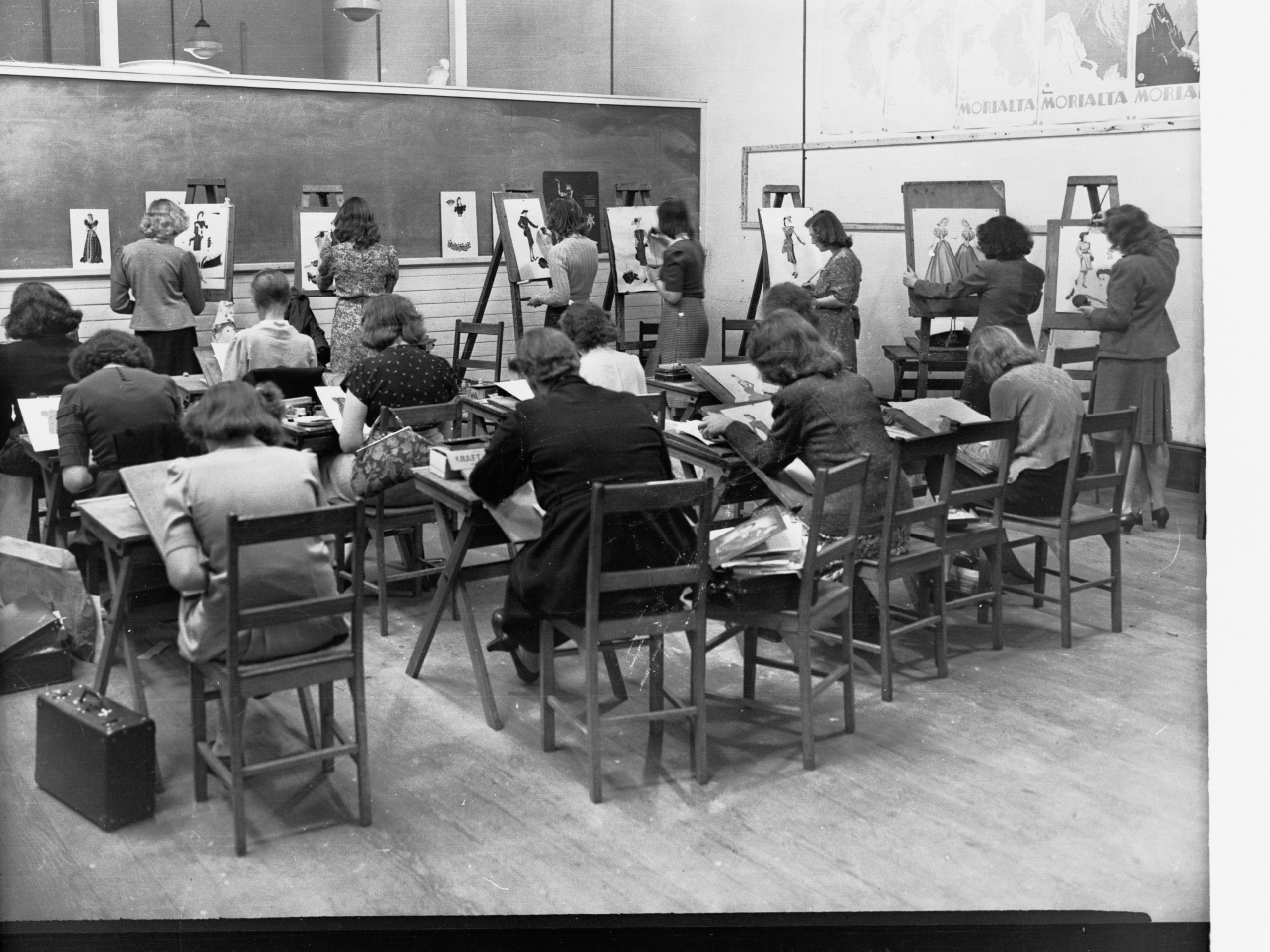
After art, pupils carried pots, palettes, brushes and water jars to a sink, washed them, stood the brushes to dry the right way up and put everything away.
Still common in primary classrooms, with more supervision and better facilities. Brushes left standing on their bristles are ruined, so the task carried a correct method that had to be taught and checked.
It is the one item on this list that has survived more or less intact, and the reason is instructive: it is low-risk, it takes place in the room with the teacher present, it involves nothing valuable and nobody can be hurt by it. Everything else here was removed by risk, money handling, child protection or hygiene – and what is left is the job that touches none of those.
15. You Rang the Bell and Kept the Time
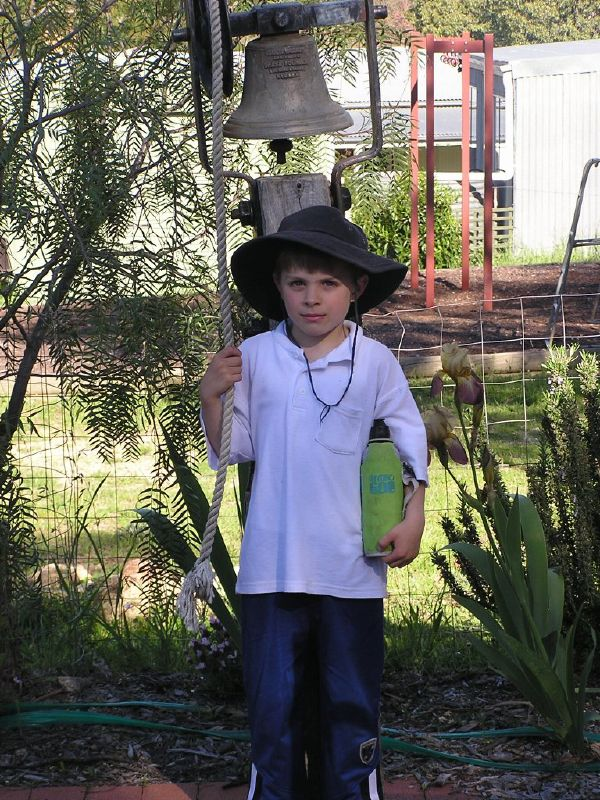
In schools without an automatic system a pupil was sent to ring the bell or sound the buzzer at the end of each period, working from the classroom clock.
Automated timetabled systems, synchronised across the site. The entire school’s movement between lessons depended on one child watching a clock and remembering.
The failure mode is the memorable part. A monitor who was distracted, or whose classroom clock was wrong, moved the whole school’s day by several minutes, and everybody knew whose fault it was. It is a remarkable amount of consequence to attach to one child’s attention, and it is a good illustration of how much of a school’s operation in 1974 ran on pupils simply being reliable.
16. You Collected and Counted the Money
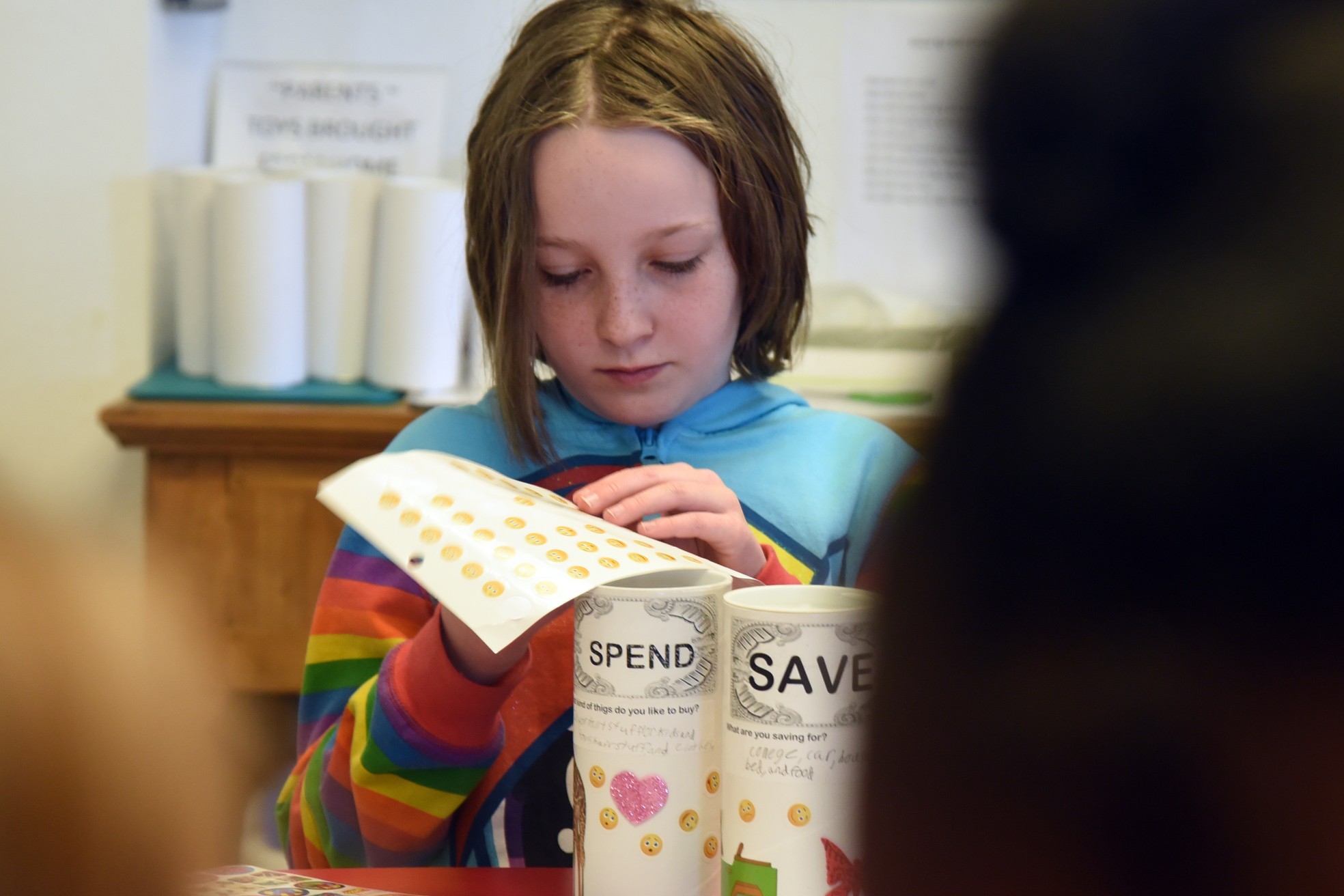
Dinner money, trip payments, book club orders and fundraising takings were collected in envelopes by a pupil monitor, counted, recorded in a book and carried to the office.
Cashless systems, online payment and strict financial controls with no pupil involvement whatever. A child was handling, counting, recording and transporting other families’ cash through a building.
This is the one that most clearly could not survive, for reasons that have nothing to do with trusting children. Money requires an audit trail, a reconciliation and somebody accountable for a shortfall, and a nine-year-old with an envelope and a notebook cannot provide any of those. When a sum went missing – and it did – there was no way to establish what had happened, which is precisely the problem that financial controls exist to solve.
These Were Not Chores. They Were Jobs With Consequences
It is tempting to file this under children being given chores, and that misses what was actually happening.
Look at what was being delegated. The physical safety of other children at a road crossing. The school’s legal attendance record. The timing of the entire institution’s day. The handling, counting and transport of other families’ cash. The welfare of living animals. The serving of hot food. Authority to stop and report other pupils.
Every one of those is a job with a consequence attached, and in every case the consequence fell on somebody other than the child doing it. That is the definition of responsibility rather than of chores.
And the appointments were competed for. Children wanted these jobs, badly, and remembered being chosen for decades. The reason is not mysterious: being trusted with something that matters is one of the most reliable ways to make a person feel they count, and a school with forty of these jobs had forty opportunities to do that.
What removed them was not a decision that children are less capable. It was the arrival, correctly, of accountability. Money needs an audit trail. Food needs allergen control. Traffic needs trained adults in high-visibility equipment. Animals need a welfare plan. Authority over other children needs a complaints route. In each case somebody asked who would be answerable if it went wrong, and the honest answer – a nine-year-old with a notebook – was not acceptable.
So the trade was real and it went the right way. A school now is safer, fairer and considerably better at protecting the children in it than a school in 1974, and almost none of that is debatable.
The thing worth noticing is what went with it. The jobs did not transfer to children in a safer form; they transferred to adults, systems and contractors. And the particular experience of being eleven and genuinely relied upon – not simulated, not a project, actually needed – is now quite hard for a school to supply at all.
That is not an argument for putting children back in the road. It is an argument for noticing that something was lost in the exchange, and for asking what a school could trust a child with now.
If you did one of these jobs, you can probably still remember being picked for it.
And you have almost certainly never been trusted with anything comparable since.
Like our content? Follow us for more.