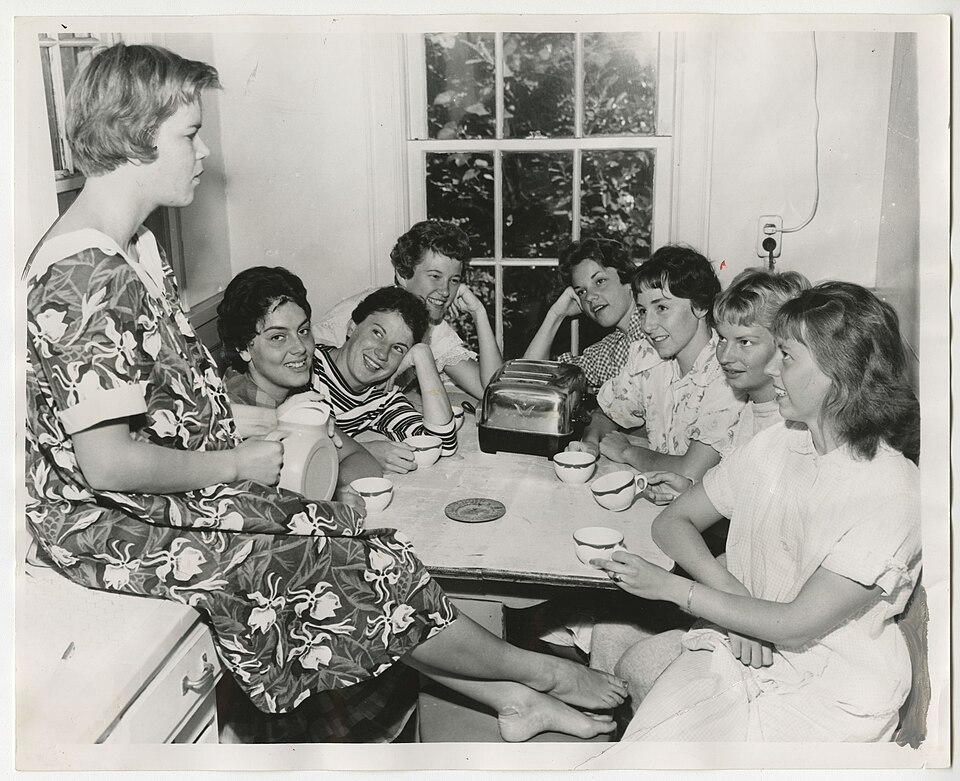
The American breakfast table of 1965 is a remarkably good place to watch food regulation work, because almost everything on it was subsequently banned, reformulated, relabelled or the subject of advice that later reversed.
Two artificial sweeteners went in opposite directions on the same type of evidence. The spread that households were told to switch to for their health turned out to carry a risk the one they abandoned did not. And the single most useful change has nothing to do with any ingredient. Here are fifteen things about that table.
1. The sweetener in the bowl on the table was cyclamate, and it was about to be banned

Artificial sweeteners were on American breakfast tables through the 1960s in tablet and powder form, and the dominant one, frequently blended with saccharin, was cyclamate. It was in diet soft drinks, in canned fruit and in the dispenser beside the sugar bowl.
The Food and Drug Administration banned it in the United States in 1969, after a study reported bladder tumours in rats given a cyclamate and saccharin mixture. Subsequent work did not support the finding as applied to humans, petitions to reinstate it have been filed, and it remains approved in a number of other countries — but the American ban has never been lifted.
It is the clearest example on the table of a withdrawal that is still disputed on the science and settled in law, which is why an American visitor to Canada will find it in products there.
Like our content? Follow us for more.
2. Saccharin was next, and it spent two decades carrying a warning label
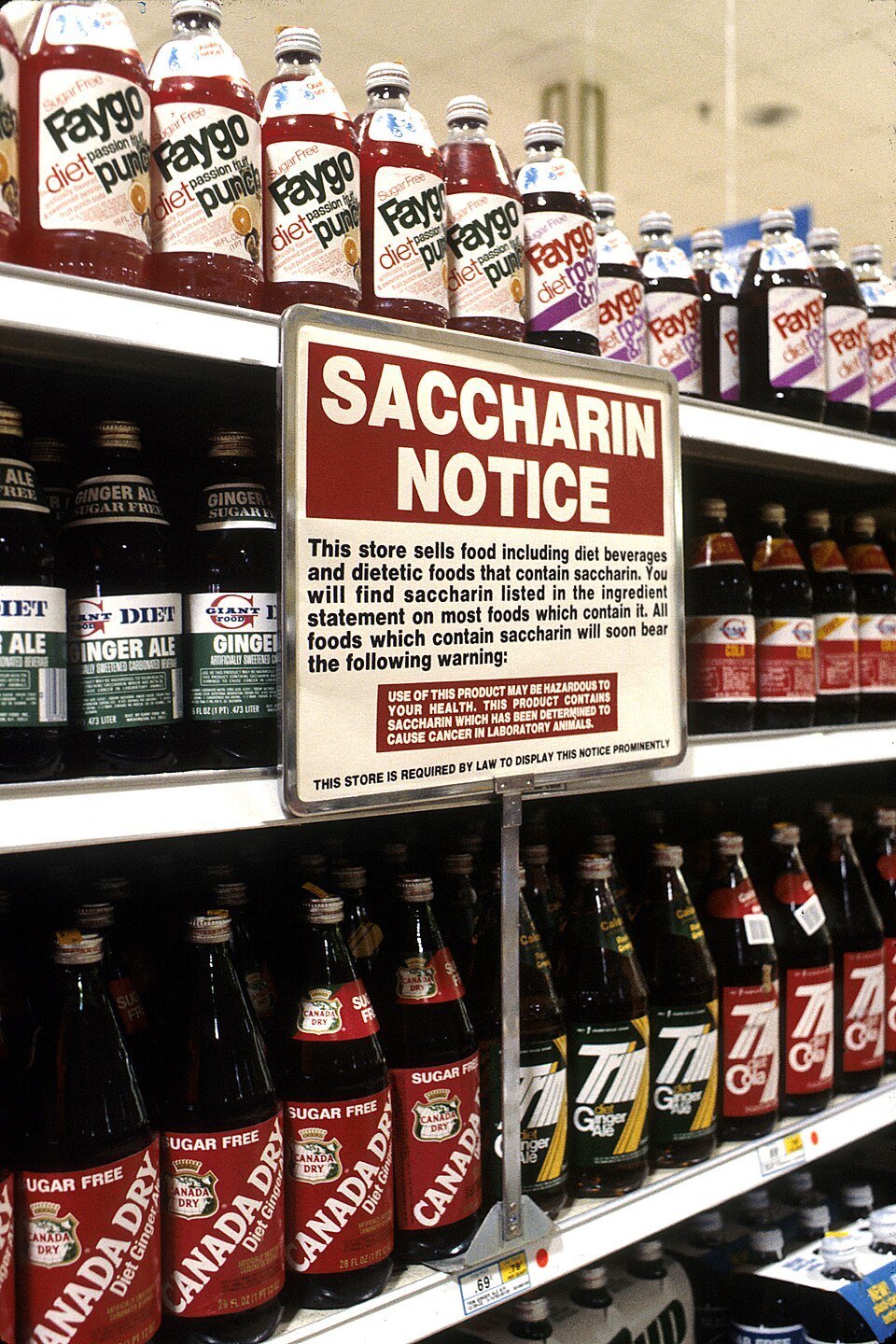
With cyclamate gone, saccharin carried the artificial sweetener market, and it was on the breakfast table in little pink paper and in tablets dropped into coffee.
In 1977 the FDA proposed banning it on the basis of the same kind of rodent bladder tumour evidence, Congress intervened to prevent the ban, and the compromise was a mandatory warning label that appeared on American products from 1981. The mechanism in rats was later shown not to apply to humans, saccharin was removed from the national list of suspected carcinogens in 2000, and the warning label requirement was repealed.
The pair of them — one banned on evidence later overturned, one saved by Congress and then vindicated — is the best illustration anywhere of how differently the same type of finding can resolve.
3. The spread was margarine, made with partially hydrogenated oil
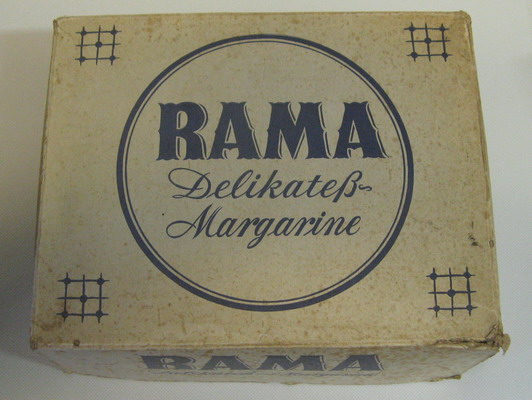
Margarine was on the great majority of American breakfast tables, it was cheaper than butter, and the dietary advice of the period was actively pushing families toward it and away from animal fat. It was made by partially hydrogenating vegetable oil, which hardens it.
Partial hydrogenation produces trans fatty acids, and the evidence that accumulated from the 1990s onward found them worse for cardiovascular risk than the saturated fat they replaced. The FDA determined in 2015 that partially hydrogenated oils were no longer generally recognised as safe, and they were removed from the American food supply, with the compliance deadlines running to 2018 and 2021.
This is the largest single reversal on the breakfast table. A generation was told to switch from butter to margarine for its health, and the product it switched to turned out to carry a risk the original did not.
4. The egg was being withdrawn from the table on advice that has since been dropped

Eggs were a fixture of the American breakfast and then became a problem, as dietary cholesterol limits entered official advice and households began restricting them to a stated number per week.
The 2015 edition of the American dietary guidelines removed the specific numerical limit on dietary cholesterol, on the basis that the relationship between cholesterol eaten and cholesterol in the blood is weaker than had been assumed for most people. The advice did not become the opposite — eggs are not advocated as a treatment for anything — it simply stopped carrying a number.
Anything about an individual’s own diet, and particularly anybody managing a cardiovascular condition, belongs with a doctor rather than with a history article. What is historical is the instruction, which was specific, was followed, and is gone.
5. The cereal was fortified, and the fortification was the point
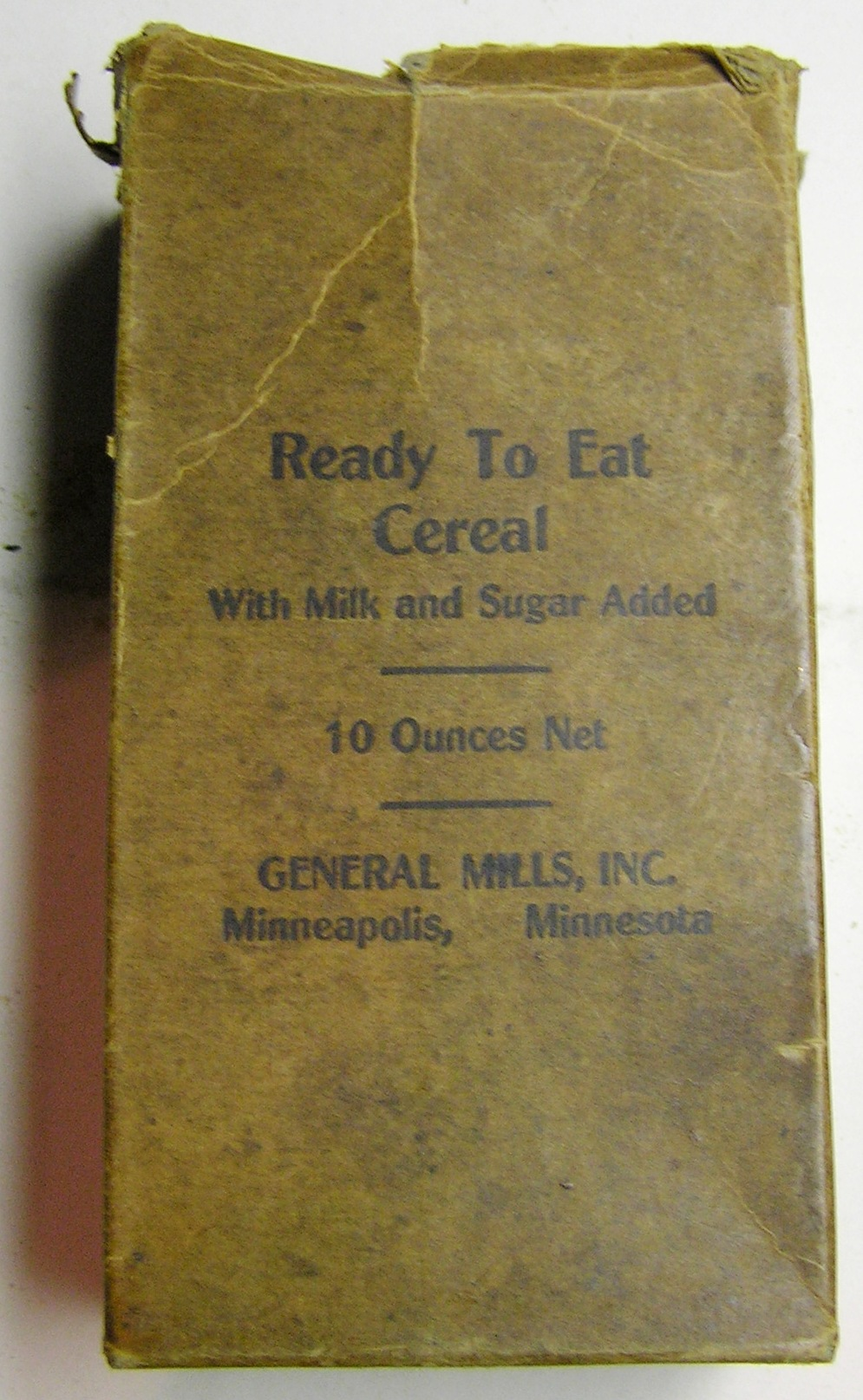
Breakfast cereals of the period carried added vitamins and minerals, advertised prominently, and the fortification programme was a genuine public health intervention rather than marketing dressed up as one.
Enrichment of American flour and cereal products with B vitamins and iron began in the 1940s and effectively eliminated several deficiency conditions that had been common, and folic acid fortification of enriched grain products was added in 1998, which produced a measurable fall in a category of birth defects. It is among the most successful food policies there has been.
The cereal box of 1965 was therefore doing two things at once, one of which was selling to children and the other of which was quietly closing a nutritional gap in the population.
6. The prize was inside the box, and nothing about it had been assessed

The premium in the cereal packet — a plastic figure, a badge, a ring, a submarine that worked in the sink — was the reason children chose a brand, and it sat loose in the food with no assessment of its size, its materials or its suitability for the age of the child digging for it.
American small-parts regulation for children under three, with a defined test cylinder, and the labelling requirements for choking, aspiration and ingestion hazards were developed from the 1970s onward, and packaging practice changed with them: premiums are now sealed separately, age-graded and tested rather than tipped in with the flakes.
This is different from the rule about objects enclosed within a sweet, which is a food adulteration matter. A prize loose in a cereal box is a toy safety question, and both were answered in the same decade for different reasons.
7. The breakfast drink was a powder with no juice in it

Powdered orange-flavoured breakfast drinks were marketed as a modern replacement for juice, with vitamin C added, and they sat on American breakfast tables as a convenience that was understood to be nutritionally equivalent.
What the products contained was sugar, flavouring, acid and added ascorbic acid, and the regulatory change that affected them most was labelling rather than prohibition: American rules on nutrition labelling, on the use of the word juice and on percentage juice declaration developed through the following decades, which made it considerably harder to present a flavoured powder as a fruit product.
The colours used in that generation of products are the other part of the story, and several American certified dyes of the period were subsequently withdrawn from food use entirely.
8. Coffee was given to children

Children were given coffee at the breakfast table, usually heavily diluted with milk, from a young age, in a great many American households and almost universally in some regional and immigrant traditions.
There is no American prohibition and there never was, but paediatric advice now discourages caffeine for young children, and modern guidance for older children and adolescents suggests limits. The reasons given concern sleep, appetite and in some children anxiety and reflux rather than any dramatic hazard.
No quantity or age threshold is stated here because the guidance varies and is a question for a paediatrician. The historical point is that nobody in 1965 regarded it as a question at all.
9. The coffee itself sat on the stove for hours
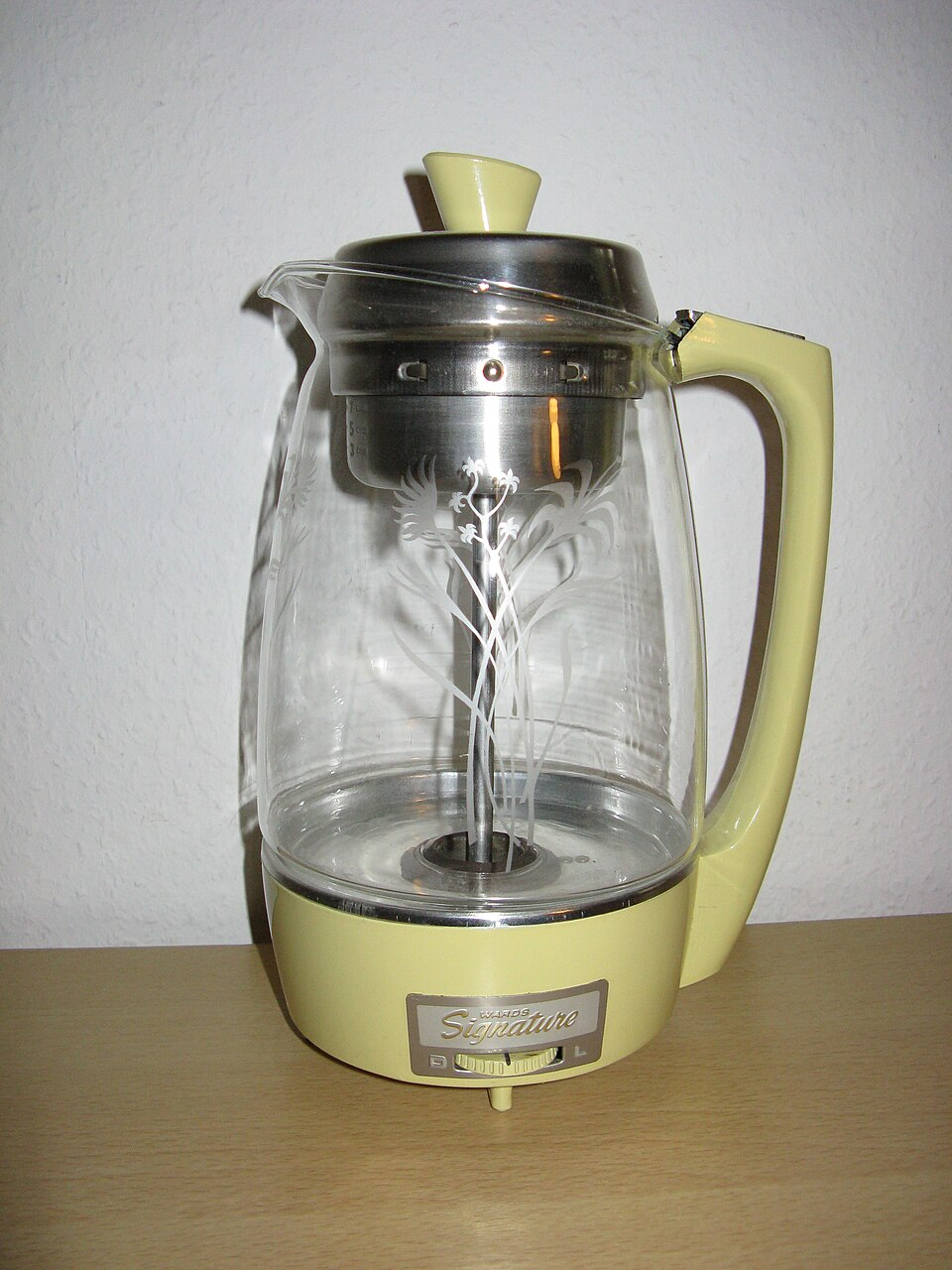
The percolator or the stovetop pot was made once and kept hot, sometimes all morning, sometimes topped up, and the grounds frequently stayed in it. The result was bitter and was drunk anyway.
This is a quality matter rather than a safety one and it has been comprehensively solved by equipment: a drip machine with a thermal carafe, a timer and a measured dose does what the percolator was trying to do, and the modern understanding of extraction explains why the old method produced what it did.
It is included because the smell of coffee that has been on the heat for two hours is one of the strongest sensory memories of a 1965 American kitchen, and because nobody misses the taste.
10. The toaster was a chrome box with a cloth cord and a stuck lever

Pop-up toasters of the period had cloth-covered or early rubber flex, no thermal cut-out beyond the mechanical timer, exposed elements once the crumb tray was out, and a well-known failure mode in which the toast stayed down and the bread burned while the lever refused to release.
Modern small appliance standards require thermal cut-outs, double insulation or earthing, moulded cords with strain relief, and in most jurisdictions testing and certification marks. The specific hazard of retrieving stuck toast from a live toaster with a metal implement is the one every household of that era can describe.
The flex is the part that actually failed. Cloth-covered cord perished at the point where it entered the appliance, was repaired with tape, and was the commonest electrical fault in a 1965 kitchen.
11. The milk was whole, and then it was not, and now it is argued about

The milk on the table was whole milk, delivered or bought, and it went on cereal and into coffee without anybody considering the alternative, because the alternatives barely existed in the American market.
The dietary advice that followed pushed strongly toward reduced-fat and skimmed milk, and that advice has since become genuinely contested, with a body of research suggesting the relationship between dairy fat and cardiovascular outcomes is more complicated than the original guidance assumed. American dietary guidelines continue to recommend low-fat dairy for most people, and the argument in the research literature is live.
This is included as an honest example of a reversal in progress rather than a completed one. Nobody should take a position on their own diet from a nostalgia article, and the useful observation is simply that the 1965 table was not obviously wrong.
12. Nothing on the table carried a nutrition label
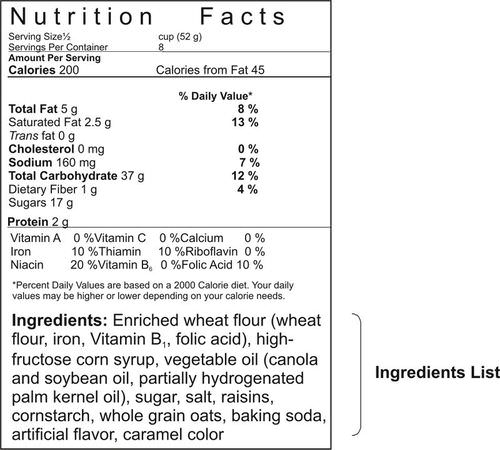
Packaging gave the brand, the weight, the claims and sometimes a vitamin list. There was no standardised panel, no ingredient list in descending order of quantity, no serving size and no allergen declaration.
The American nutrition labelling framework was built through the following decades, with the standardised panel and ingredient declaration requirements consolidated by legislation in 1990, allergen labelling for the major allergens from 2004, and added-sugar declaration appearing in the panel’s redesign in the 2010s.
For a family with an allergy, this is the single most consequential change in the entire list. In 1965 there was no reliable way to know what was in a packet.
13. Nobody at the table knew they were lactose intolerant

Lactase non-persistence is the normal adult condition across most of the world’s population, and a great many Americans at that breakfast table were experiencing symptoms from milk and cereal without any framework for connecting the two.
The physiology was described during the 1960s and the clinical understanding developed through the following decade, and the practical consequences — lactose-free milk, enzyme supplements, and the recognition that discomfort after dairy is a normal variation rather than a complaint — arrived considerably later.
No symptom, test or management is described here, and anybody who thinks this applies to them should be discussing it with a doctor. The historical point is that the condition was not absent in 1965; it was unrecognised.
14. The table had an ashtray on it
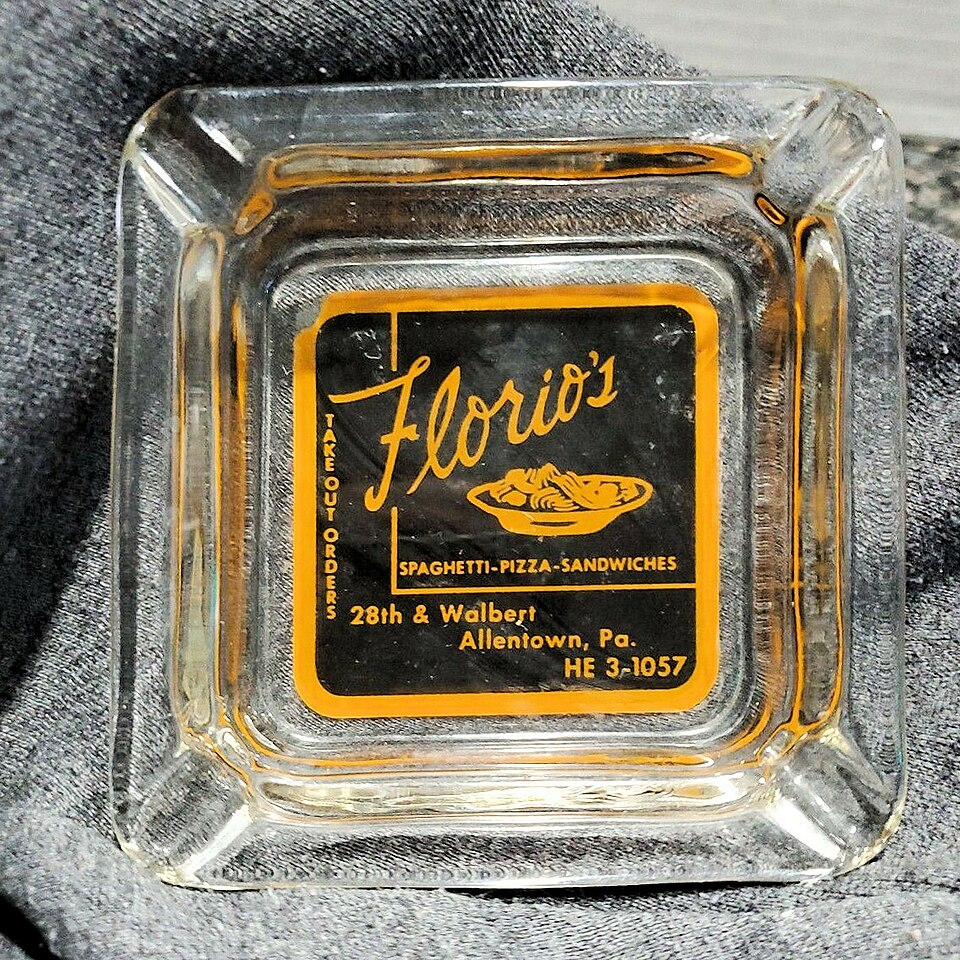
Adults smoked at the breakfast table, over the food, with children present, and an ashtray was ordinary tableware. Smoking in the home around children was not a subject on which anybody offered advice.
The Surgeon General’s report on smoking and health appeared in 1964, labelling followed in 1965, and the understanding of secondhand smoke exposure in children — respiratory illness, ear infections and asthma among the documented associations — developed substantially later, producing the public health position on smoke-free homes that now exists.
The ashtray on the breakfast table is the item on this list that would be most startling in a photograph and that nobody at the time would have noticed at all.
15. And the thing that was unambiguously better
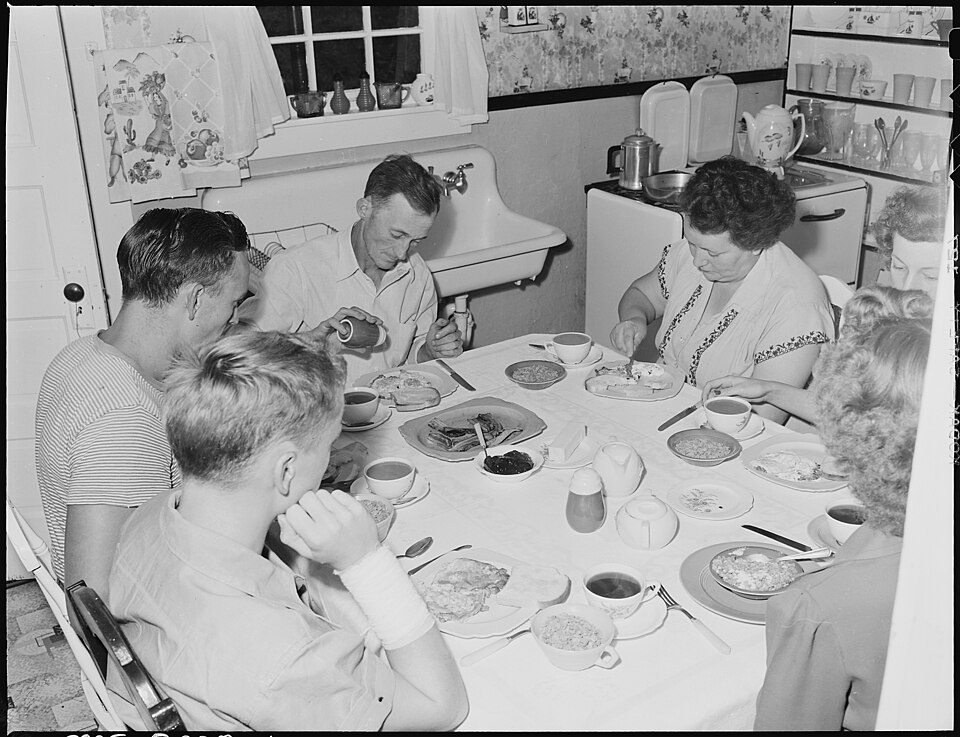
The family sat down together, at the same time, at a table, and ate the same thing. There was one sitting, there was no television in the room, the radio might be on, and the meal had a beginning and an end that everybody was present for.
That has substantially gone, and the reasons are structural rather than cultural failure: more households with two working adults, longer and less predictable commutes, school start times, and the availability of food that does not require anybody to cook or to sit. Nothing in modern nutrition opposes eating together, and a good deal of research supports it.
The honest summary of this list is that the chemistry on the table has improved enormously, that the labelling improvement is the one that matters most to anybody with an allergy, that two of the biggest dietary instructions of the period were later reversed, and that the thing worth recovering is the hour rather than the food.
The pattern, and the two reversals worth knowing
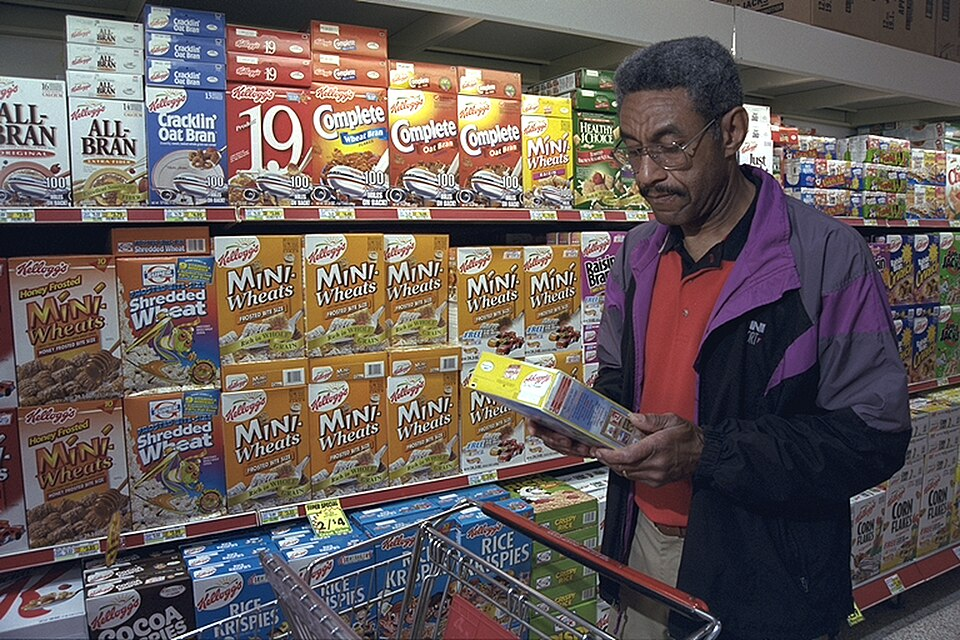
The withdrawals on this table divide into the ones driven by evidence about the substance and the ones driven by changes in what a label has to tell you, and the second group has done more good. The standardised nutrition panel, the ingredient list in descending order and above all the allergen declaration turned a packet from an advertisement into a document, and for a household with a food allergy that is the difference between guessing and knowing.
The two genuine reversals are worth separating from the bans, because they ran the other way. Partially hydrogenated oil was the product public health advice actively promoted, and it was removed from the American food supply in the late 2010s after the evidence on trans fats accumulated. The numerical limit on dietary cholesterol was specific, widely followed, and dropped from the American guidelines in 2015. In both cases the advice was given in good faith on the evidence available and turned out to be wrong, which is worth remembering the next time a dietary instruction is delivered with great confidence.
The two sweeteners are the best single story. The same category of rodent evidence got cyclamate banned in 1969 and nearly got saccharin banned in 1977, Congress intervened for the second one, the mechanism was later shown not to apply to people, saccharin was cleared and relabelled, and cyclamate is still prohibited in the United States while being sold in Canada.
Nothing here is dietary advice and anybody managing an actual condition should be working with a doctor rather than with an article about 1965. The one genuinely practical observation is about labels: the panel, the ingredient order and the allergen line are the most useful things on any packet, and they are the part of this story that was fought for rather than discovered.
The other thing to take from it is the last item. The food on that table has been improved in almost every measurable way, and the hour everybody spent sitting at it has not been replaced by anything.
Like our content? Follow us for more.