

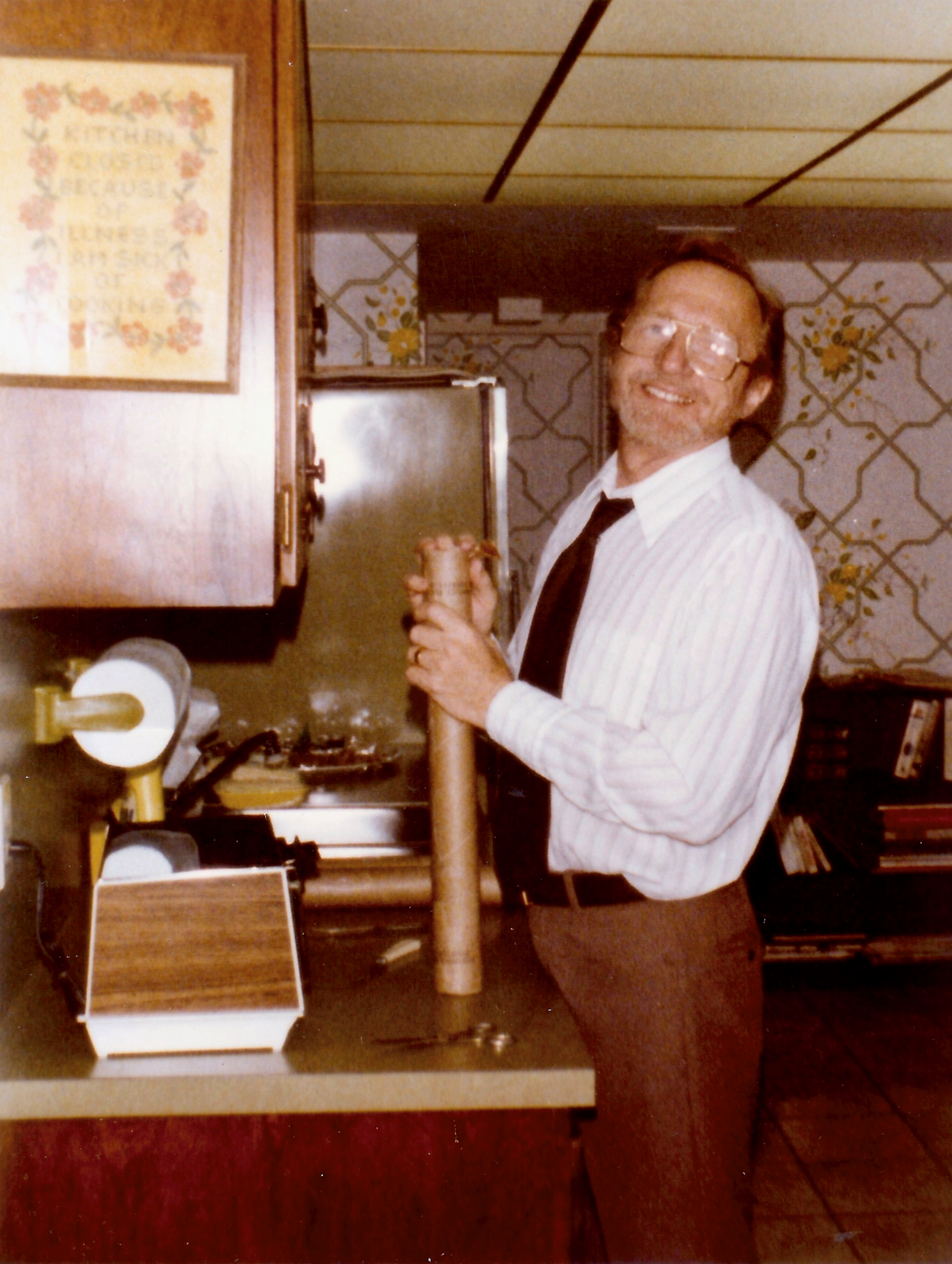
In 1974 a modern American kitchen came with a hydraulic ram in a cabinet at knee height, crushing household waste with about a ton of force, behind a drawer front colour-matched to the dishwasher.
It needed proprietary bags that cost several times what a bin liner did. It produced a thirty-pound brick you had to lift out of a low chamber. It smelled, because its whole purpose was to let waste sit longer. And it had a key, so children could not start it.
Here are twelve things the kitchen trash compactor promised in 1974, and what actually happened to each of them.
1. It Was a Hydraulic Ram in a Kitchen Cabinet
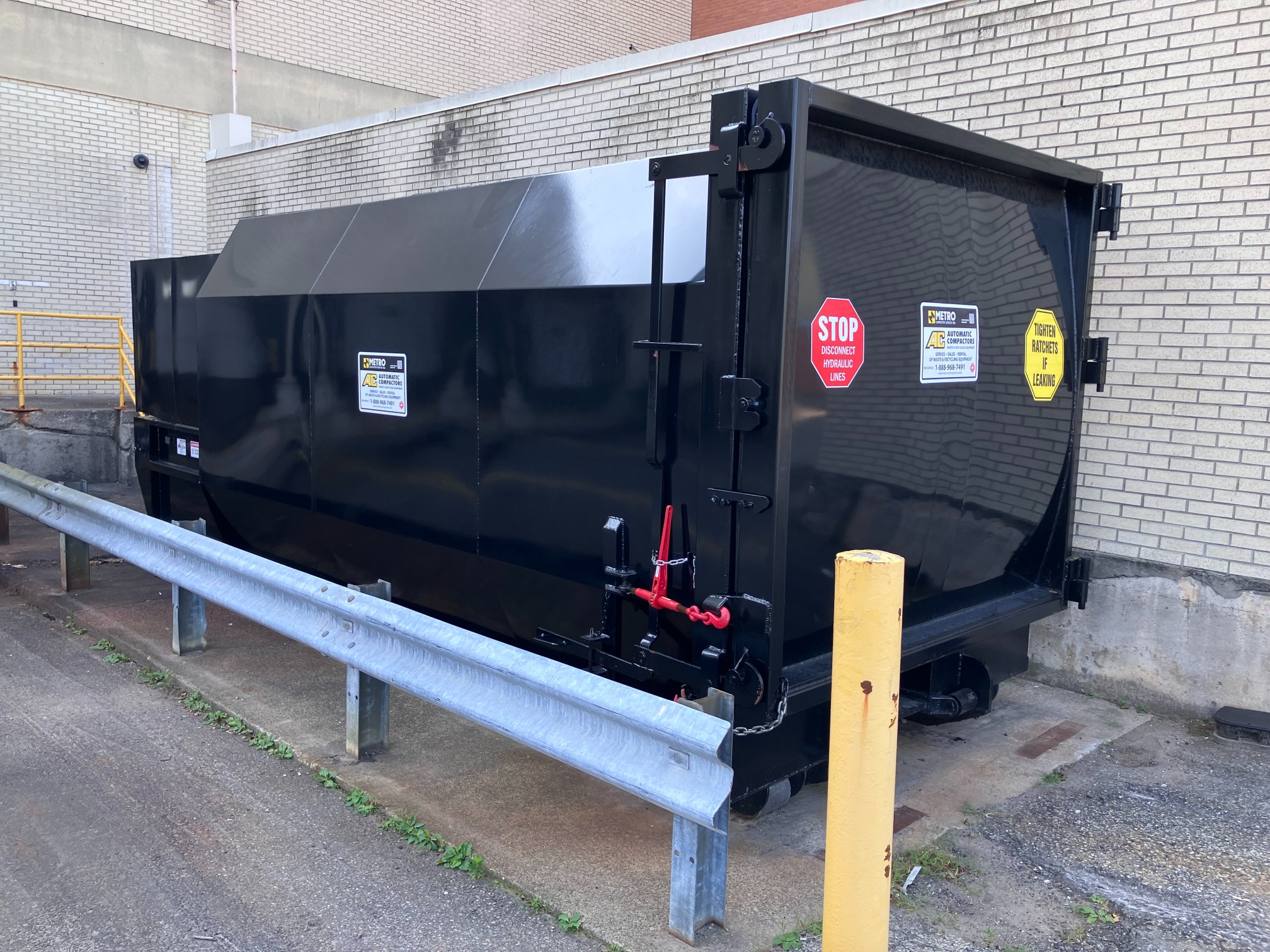
The compactor was a drawer-fronted unit the width of a dishwasher, containing a motor-driven ram that descended into a steel chamber and crushed whatever was in it with a force of a couple of thousand pounds.
Nothing – the appliance category has essentially disappeared from residential kitchens. It was sold as a standard fitted appliance alongside the dishwasher and the disposal, in matching colours.
The engineering was not trivial and that is part of the story. A machine applying that kind of force in a domestic cabinet needs a strong chassis, a geared motor, a safety interlock and a mechanism that retracts reliably – all of which made it an expensive appliance to do a job that a foot already did adequately.
Like our content? Follow us for more.
2. You Had to Buy Special Bags and They Were Not Cheap

The chamber took a purpose-made heavy-gauge bag, reinforced to survive being compressed and then to hold a dense block without splitting, sold by the manufacturer in boxes.
Ordinary bin liners, or no bag at all in a wheeled container. The proprietary bag was a recurring cost tied to the appliance and considerably dearer than a standard liner.
Which undercut the entire economic argument before it started. The pitch was that you would make fewer trips to the kerb and use fewer bags, and the bags you did use cost several times as much – so for most households the arithmetic came out roughly level, and nobody at the point of sale was doing that sum out loud.
3. The Block It Produced Was Dense, Heavy and Horrible to Carry

A full cycle produced a compressed brick of mixed household waste weighing anywhere from twenty-five to forty pounds, in a bag with no rigidity, that had to be lifted out of a low chamber and carried outside.
Wheeled containers that are rolled rather than lifted. The compactor converted several easy light trips into one heavy awkward one, which is not obviously an improvement.
And the lift was from a bad position. You bent over a low drawer and pulled a dense, shifting, unsupported weight upwards and towards you – which is the part of the appliance that owners complained about most, and the reason a great many compactors were quietly stopped being used by whoever was doing the lifting.
4. It Smelled, and Compressing It Made That Worse
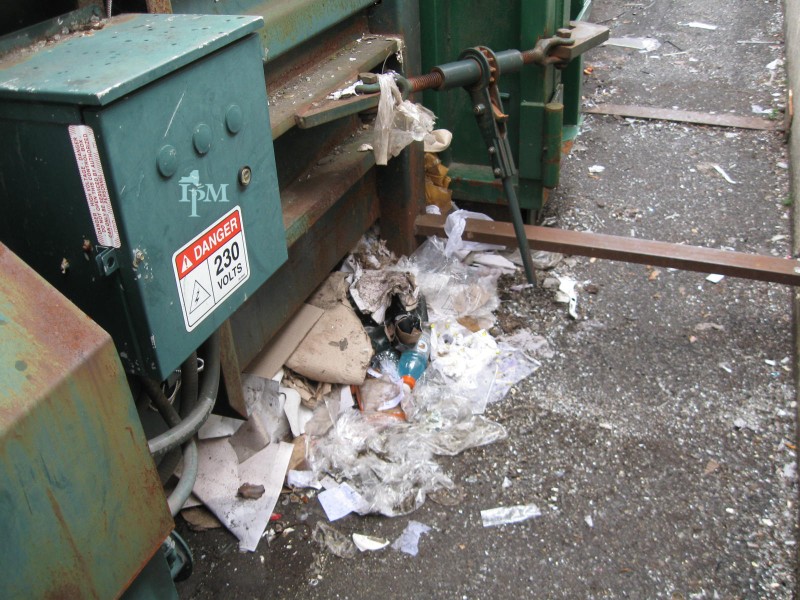
Food waste sat in a sealed warm cabinet for several days until the chamber was full, and compression ruptured everything in it and released the liquid.
Separate food waste collection in much of the country, and refuse collected more frequently. Manufacturers supplied deodorant sprays and charcoal filters as accessories, which tells you the problem was known.
The design was working against itself here. The whole point was to delay disposal by increasing capacity, and delay is exactly what makes household waste unpleasant – so the appliance’s central benefit produced its central defect, and no filter or spray was going to resolve that.
5. It Made a Noise You Could Hear Through the House
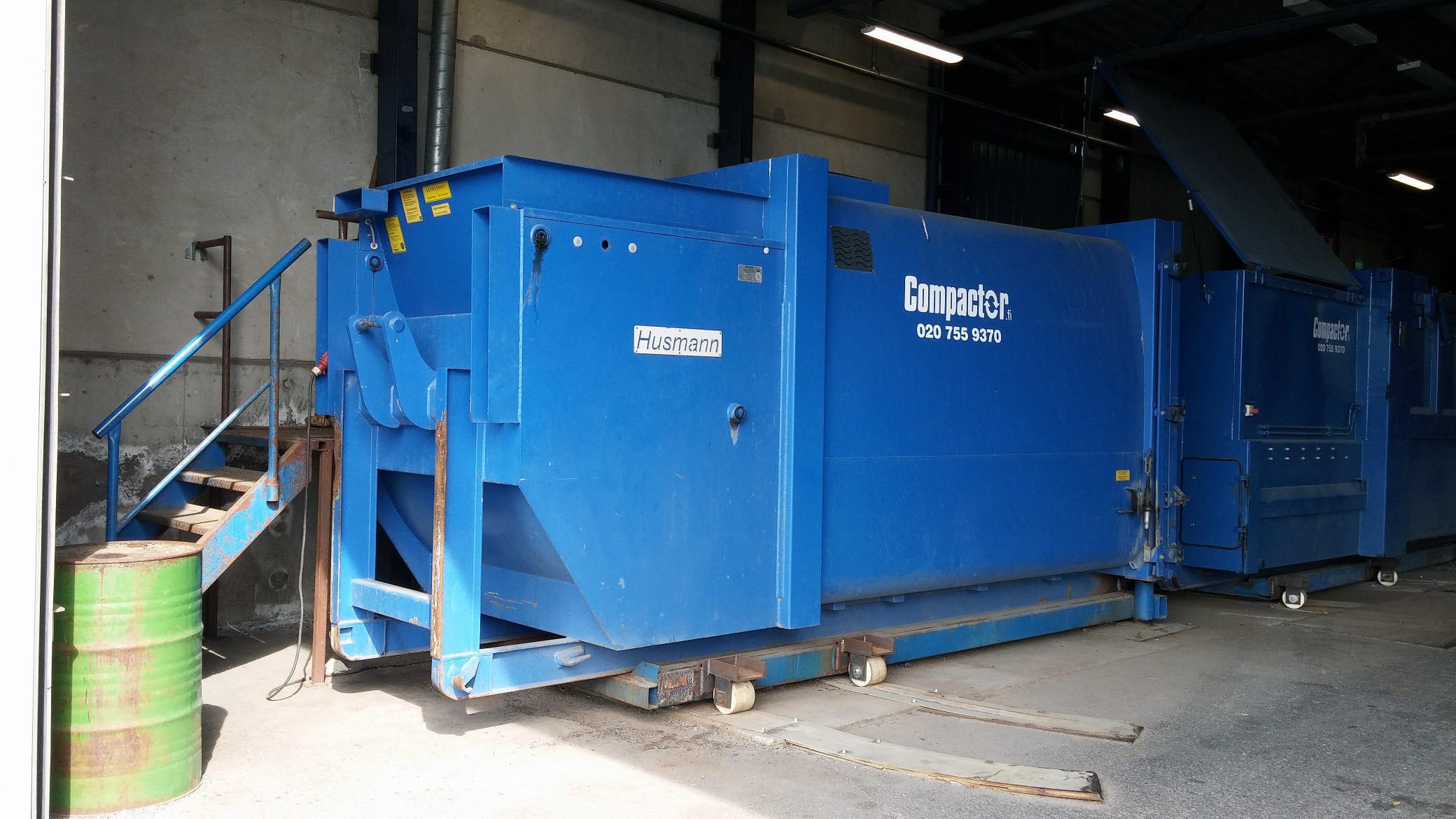
A cycle took around a minute and produced a loud grinding, cracking and crunching as glass broke, cans collapsed and bones and packaging gave way – audible from anywhere on the floor.
Nothing to hear. The noise was not a fault; it was the sound of the machine doing what it was built to do, and it was startling enough that households ran it deliberately at particular times.
Children remember it specifically. The sound of a jar breaking inside a kitchen cabinet is memorable, and the convention in a lot of houses was that the compactor was run after dinner, by an adult, with the children told to leave it alone.
6. It Had a Key, Because Obviously It Needed One

Units were fitted with a removable key or a lock-out switch that disabled the mechanism, so a child could not start a cycle with the drawer open or reach into the chamber.
No equivalent risk. The interlock and the key were standard, required and sensible on a machine applying a ton of force inside a kitchen cabinet at a child’s height.
It is the clearest indicator of what the appliance actually was. A dishwasher does not need a key. A machine that needs one, in a kitchen, at knee level, was a genuine hazard being managed – and the honest reading is that households were accepting a real risk in exchange for a modest convenience.
7. It Did Not Reduce What You Threw Away, Only Its Volume
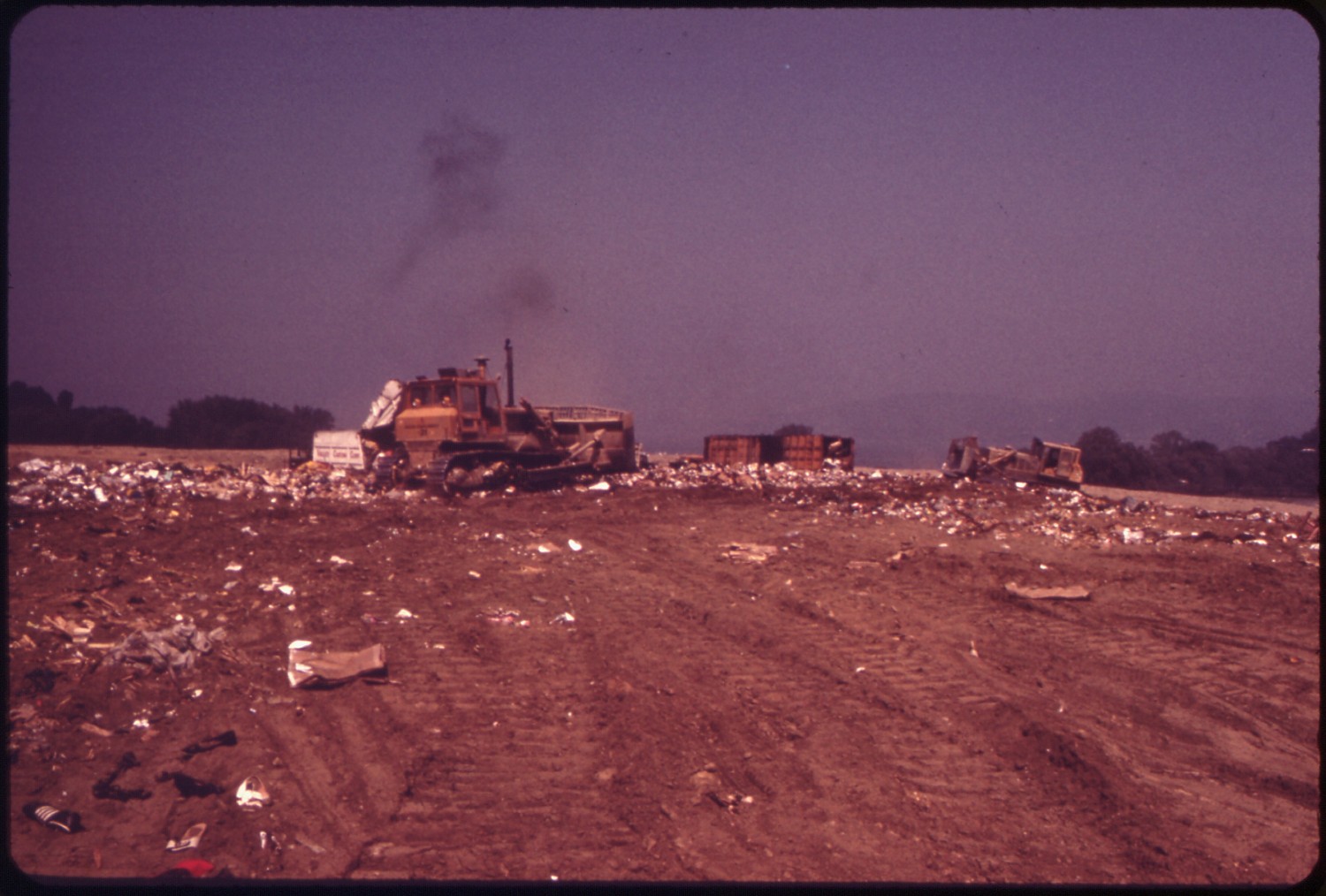
Compacting changes the shape of waste, not the quantity. Exactly the same material left the house, in a denser package, and exactly the same amount arrived at the landfill.
Recycling collection, which actually diverts material, and waste reduction at source. The compactor was marketed in language that sounded environmental and achieved nothing environmental whatsoever.
This is the part worth being clear about, because the marketing was slippery rather than false. Fewer bags, fewer trips and less space used are all genuine conveniences for the householder. None of them is a reduction in waste, and the advertising let the two ideas sit close enough together that buyers could draw the conclusion themselves.
8. Then Recycling Arrived and the Machine Was Actively in the Way

Kerbside recycling spread through American municipalities in the 1980s and 1990s, requiring households to separate glass, metal, paper and plastic rather than combine them.
Sorted collection as the default, with separate streams for different materials. The compactor’s entire function was to mix and crush everything together into a single inseparable mass.
Which turned the appliance from useless into counterproductive, and that is what finished it. A compacted brick of broken glass, crushed cans, wet paper and food residue cannot be sorted by anybody – the materials are contaminated and physically interlocked – so a household with a compactor had to stop using it in order to recycle, and a household that recycled had very little general waste left to compact.
9. It Was a Builder’s Upgrade and a Status Marker

Compactors appeared most often in new construction and in remodelled kitchens, specified as part of a package of fitted appliances, and advertised as a feature of the house rather than chosen by the person who would use it.
Kitchen specifications built around storage, islands and recycling provision. The compactor’s presence frequently reflected a builder’s spec sheet rather than any household’s requirement.
Which explains the pattern of use better than anything else. A substantial share of these were installed in houses whose occupants had not asked for one, did not want to buy the bags, and used the cabinet for storing something else – so the appliance’s real failure rate was much higher than its sales figures suggest.
10. Where You Paid by the Can, It Genuinely Made Sense
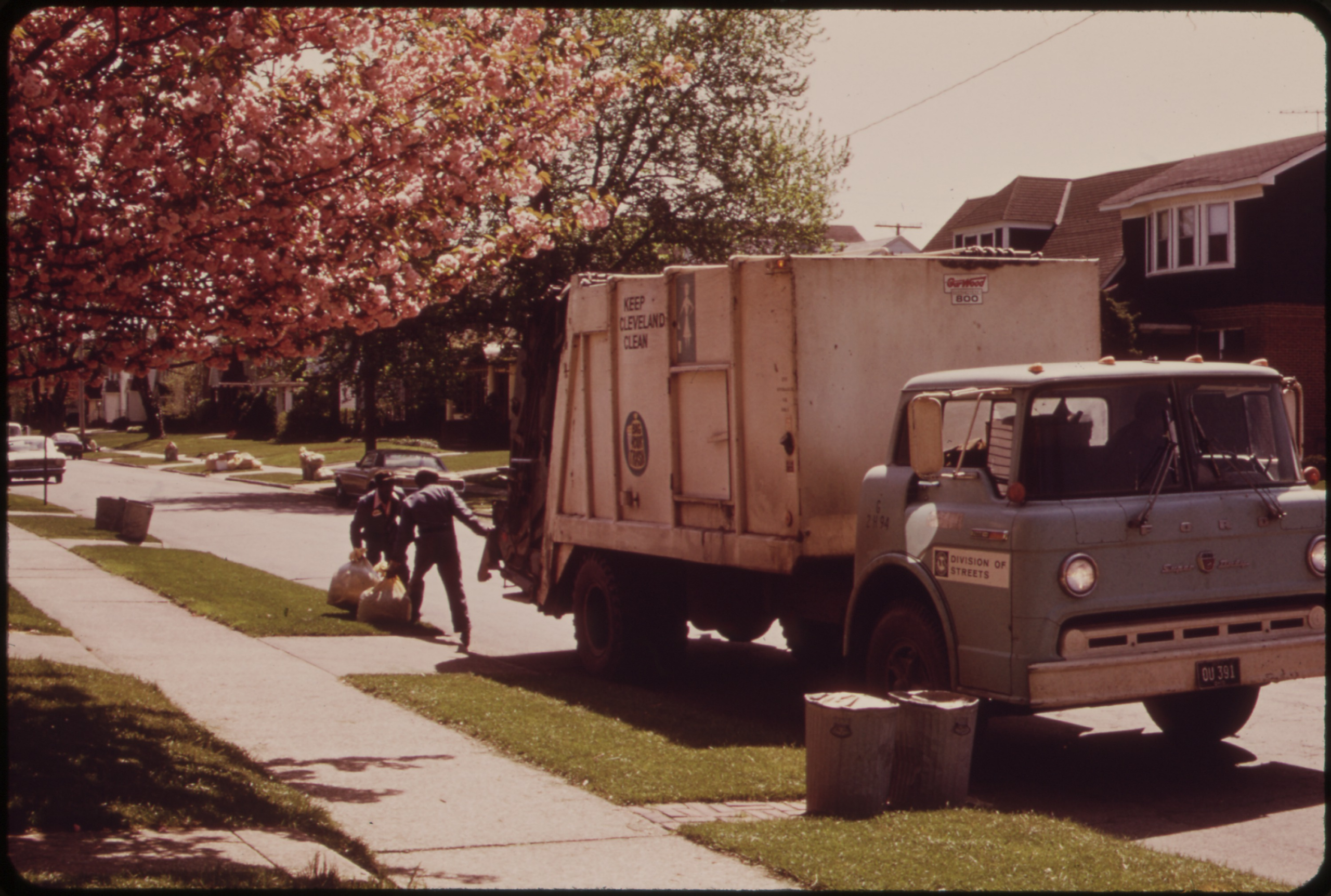
Some municipalities and private haulers charged by the container or by the bag rather than by weight, which meant a household that halved its volume genuinely halved that bill.
Charging increasingly by weight, by subscription or by container size, with recycling collected free to encourage diversion. Volume-based pricing was the one condition under which the appliance paid for itself.
And that is the honest case for it, narrowly. In a town charging per can, with a large family, no recycling programme and a long haul to the kerb, a compactor was a rational purchase. Outside those conditions it was an expensive machine that made your waste heavier to carry and your kitchen smell worse.
11. Most of Them Ended Up as a Cupboard
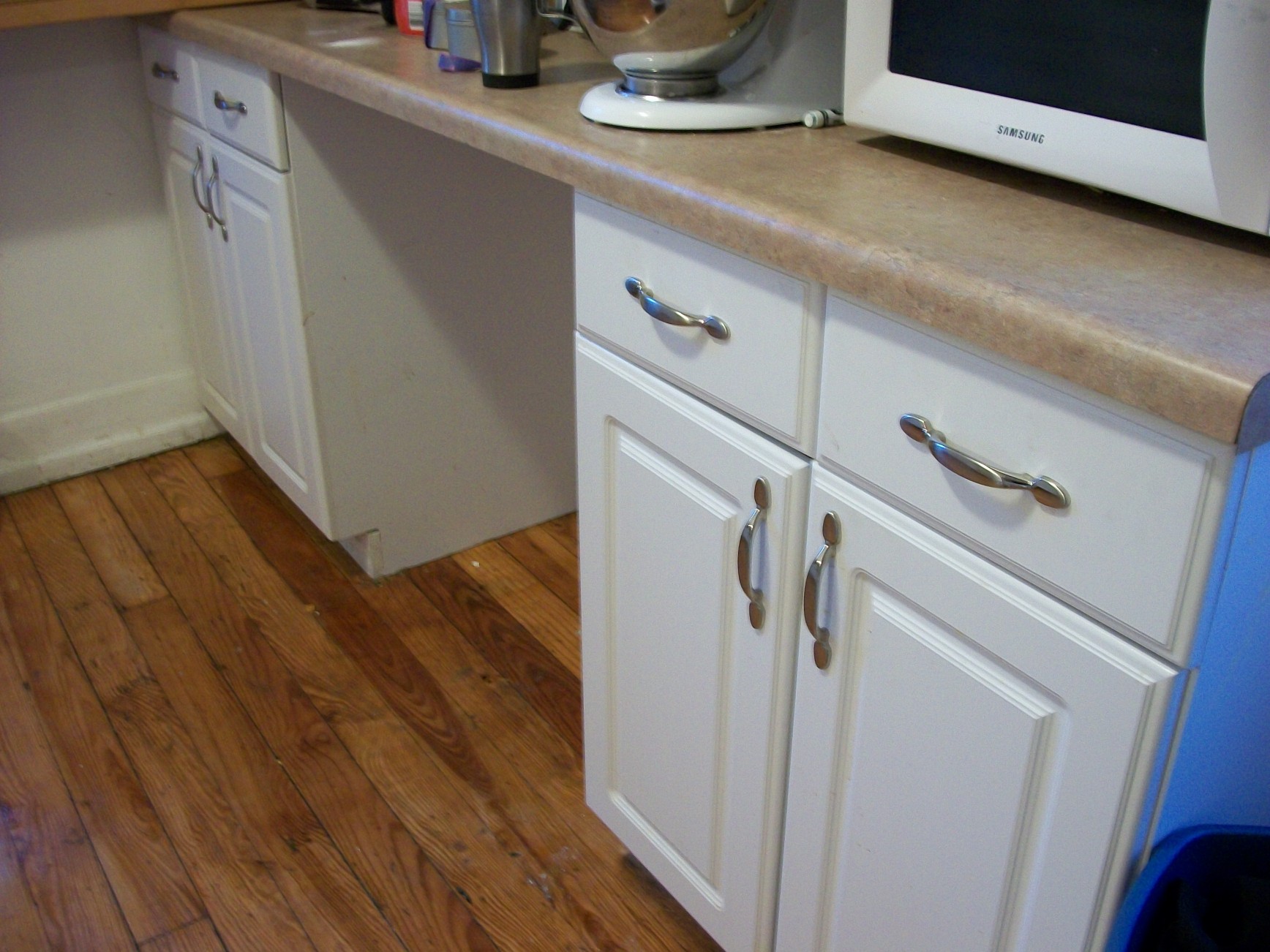
Unused compactors were commonly left in place with the mechanism switched off and the chamber used for storing trays, cleaning products, paper bags or bottles.
The space is specified as drawers, a pull-out bin or recycling sorters from the outset. The dead compactor occupied prime base-cabinet space for decades in a great many kitchens.
Removing one was more trouble than ignoring it. It was wired in, plumbed into nothing but bolted into the cabinetry, and taking it out left a gap of a non-standard width – so households left it there, used it as a cupboard, and it was finally removed when the kitchen was.
12. Then the Whole Argument Was Settled by a Wheeled Bin
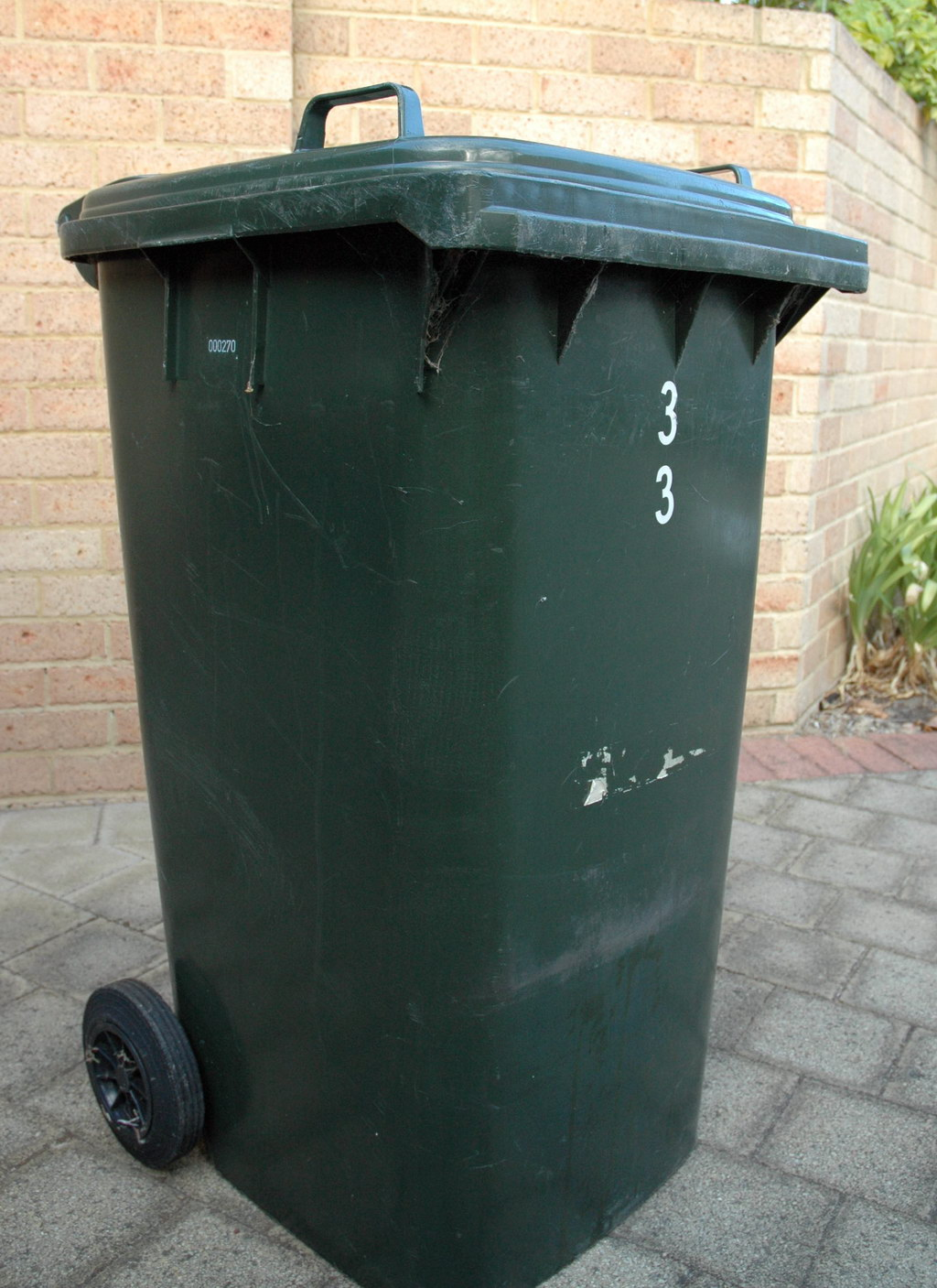
The appliance rested on a single premise: that the limiting factor in household waste was how much volume you could get to the kerb, and that crushing it was the way to deal with that.
Large wheeled containers collected on a fixed schedule, which solved the volume problem completely by making the container bigger and putting it on wheels – no motor, no bags, no key, no smell, no lifting and no cost.
That comparison is the whole lesson and it is a useful one. A thousand dollars of hydraulic machinery, proprietary consumables, a safety interlock and a weekly forty-pound lift were all deployed against a problem that was eventually solved by a bigger plastic box with four wheels on it. The compactor answered the question as asked – how do we fit more waste in less space – and the better answer was to stop requiring the space to be small. It is worth remembering whenever an appliance is proposed for something a container would do.
A Wheeled Box Beat a Ton of Hydraulics

The trash compactor is the cleanest example in any American kitchen of an expensive machine deployed against a badly framed question.
The question it answered was: how do we fit more household waste into less space? And it answered that well. A couple of thousand pounds of force reduces a week of mixed refuse to a dense brick, and the volume reduction was real.
Everything that went wrong followed from the question rather than the engineering.
Crushing waste does not reduce waste. The same material left the house and the same amount reached the landfill, in a different shape – and the marketing was careful to sit the convenience benefits close enough to that idea for buyers to draw their own conclusion. Delay is what makes refuse unpleasant, so an appliance whose benefit was delay produced a smell its own manufacturers sold filters and sprays for. Volume reduction was paid for in weight concentration, so one easy light trip became one hard heavy lift from a bad position at knee height. And the proprietary bags cost enough to cancel most of the savings the sales pitch was built on.
Then recycling arrived and turned it from pointless into obstructive. Sorted collection requires materials kept apart; the compactor’s function was to mix and interlock them permanently. A household could compact or it could recycle, and after the 1990s that was not a close call.
But the real answer had been available the whole time, and it was not a machine.
A large wheeled container, collected on a schedule, solves the volume problem completely – by making the container bigger and putting it on wheels so nobody has to lift anything. No motor, no interlock, no key, no consumable bags, no noise, no smell in the kitchen and no cost after the first one.
The compactor was built to fit more waste into a small space. The better solution was to stop insisting the space be small.
There is a general version of this worth carrying around. When a product requires its own consumables, its own safety key and a strong chassis to do a household job, it is worth asking whether the job has been defined correctly – because a motor is frequently the second-best answer to a question that a bigger box answers for nothing.
If your kitchen had one, you heard a jar break inside a cabinet and you were told not to touch it.
And by about 1990 it was switched off at the wall and full of paper bags, and it stayed there until somebody finally tore the whole kitchen out around it.
Like our content? Follow us for more.
