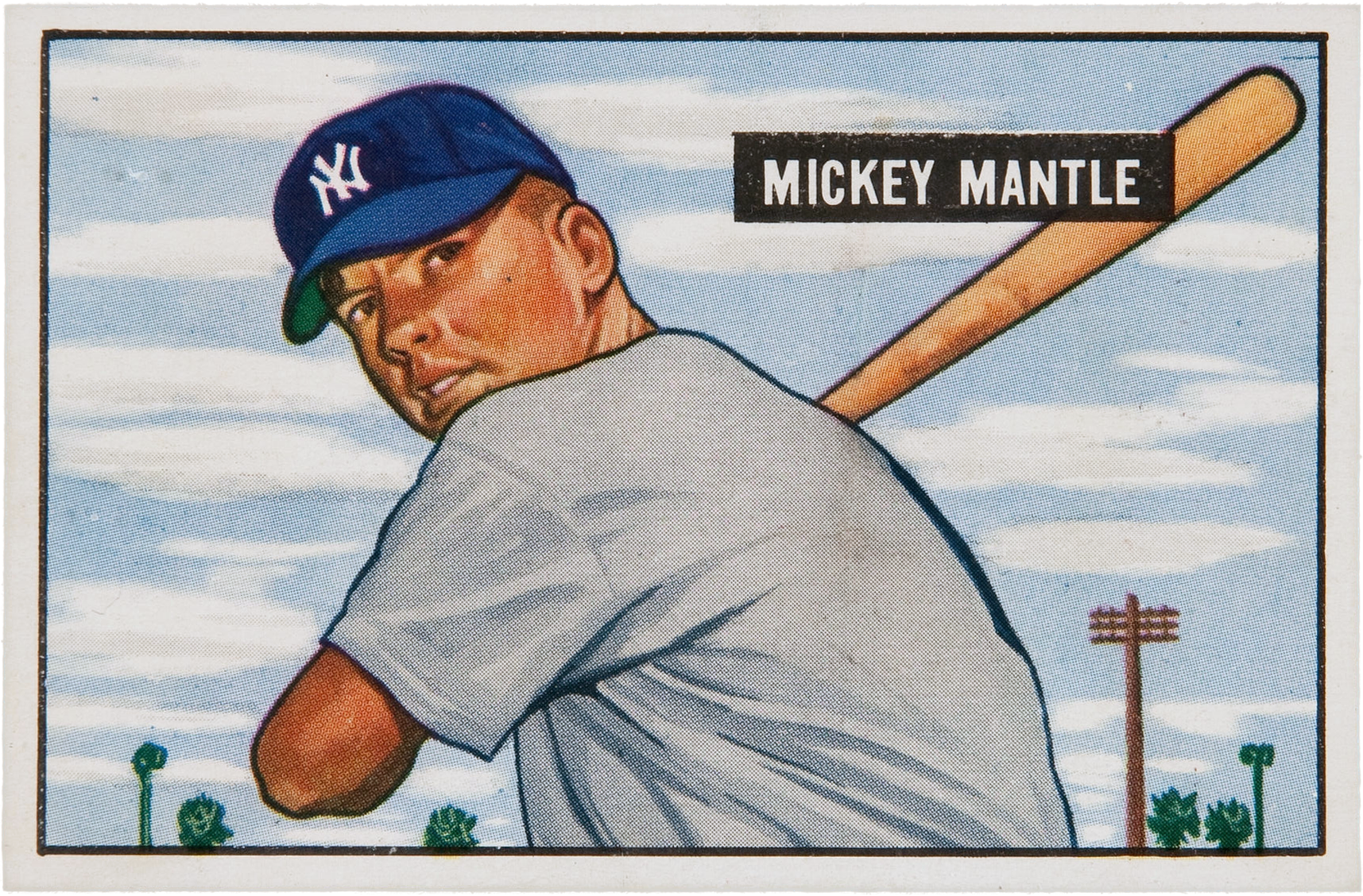
For millions of American kids in the 1970s, collecting baseball cards was a genuine year-round pursuit, a hobby that combined sports fandom, trading strategy, and real emotional investment in cardboard rectangles that felt, at the time, like genuine treasure. Here are eleven things every American kid’s baseball card collection had in the 1970s, counted down one by one.
1. A Stiff, Chalky Stick of Bubble Gum in Every Pack
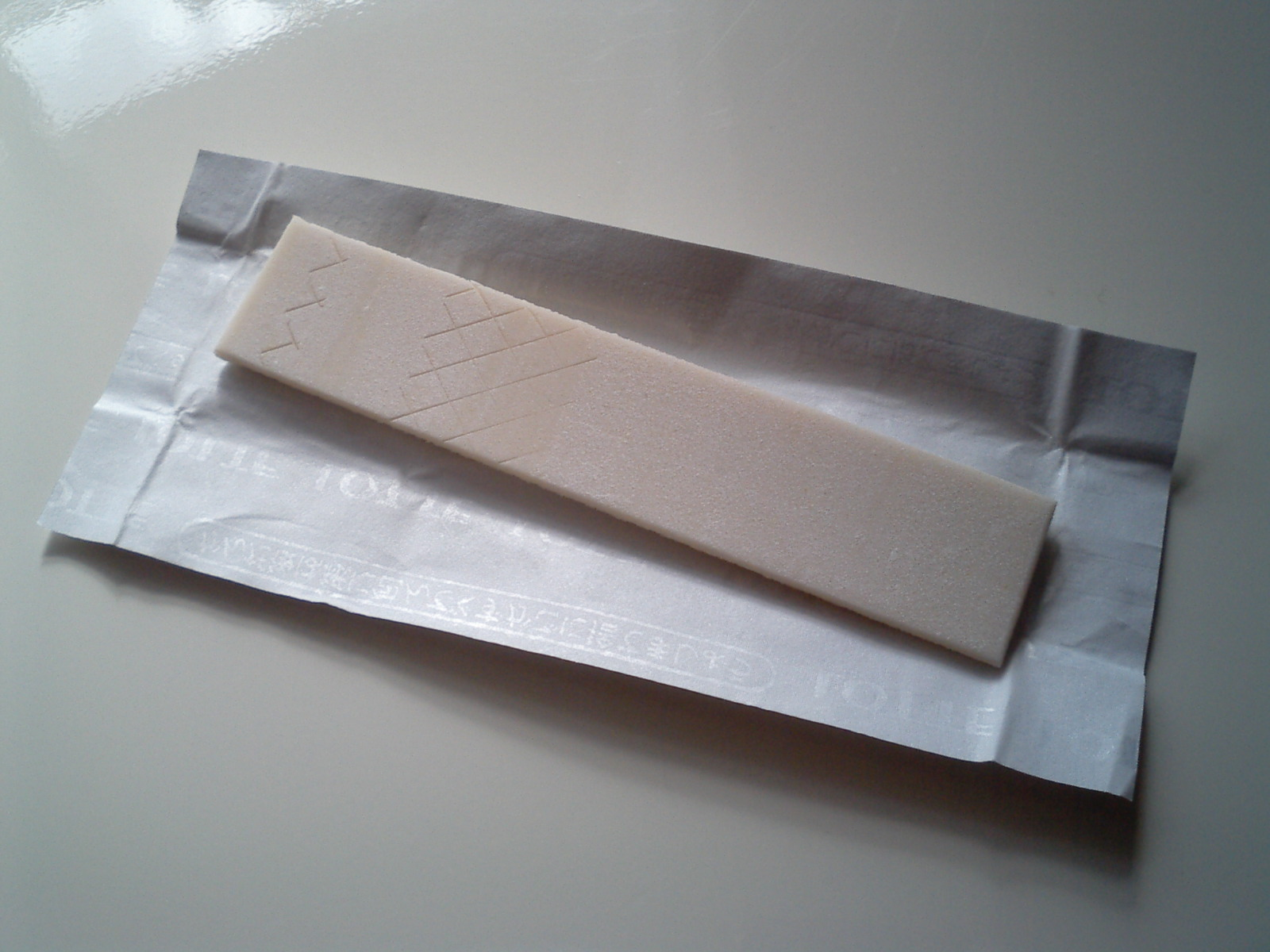
Fresh packs included a thin slab of gum alongside the cards. Its powdery coating and stiff texture were genuinely distinctive.
Every fresh pack of baseball cards included a thin, stiff stick of bubble gum, coated in a genuinely distinctive powdery sugar dusting and possessing a texture that many former kids remember as considerably harder and chalkier than any other gum they’d ever encountered. A stiff, chalky stick of bubble gum in every pack is one of the most vividly remembered sensory details of the entire hobby, an inseparable companion to the cards themselves that gave opening a fresh pack its own distinctive ritual.
Like our content? Follow us for more.
2. A Shoebox Stuffed With Cards Sorted by Team
A simple cardboard box served as the primary storage system. Organization by team was the most common sorting method.
A simple repurposed shoebox served as the primary storage system for most kids’ growing collections, cards typically sorted by team, though some collectors organized by position, year, or simply personal favorites, a system that could hold hundreds of cards in a genuinely compact space. A shoebox stuffed with cards sorted by team reflects the genuinely low-tech, practical nature of card collecting during this era, humble storage that nonetheless held real, cherished value to the kid who’d assembled it.
3. A Genuine Strategy for Negotiating Trades With Other Kids
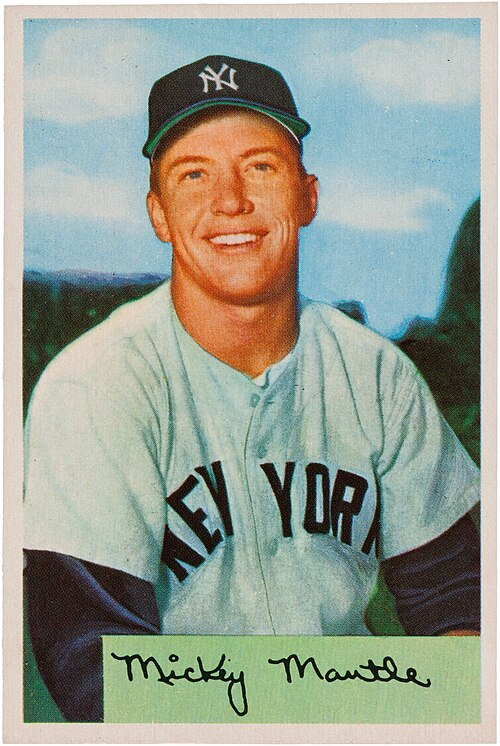
Trading cards required real back-and-forth negotiation skill. Kids developed genuine instincts for fair value and smart deals.
Trading duplicate cards with friends required genuine negotiation skill, kids developing real instincts for a player’s relative value, a star’s rookie card worth considerably more than a common backup player, and learning to advocate for a fair trade rather than simply accepting whatever was offered. A genuine strategy for negotiating trades with other kids reflects an underappreciated life skill many kids picked up entirely through this hobby, practical experience in evaluation and negotiation gained years before any formal understanding of economics.
4. A Rubber Band Wrapped Tightly Around a Prized Stack
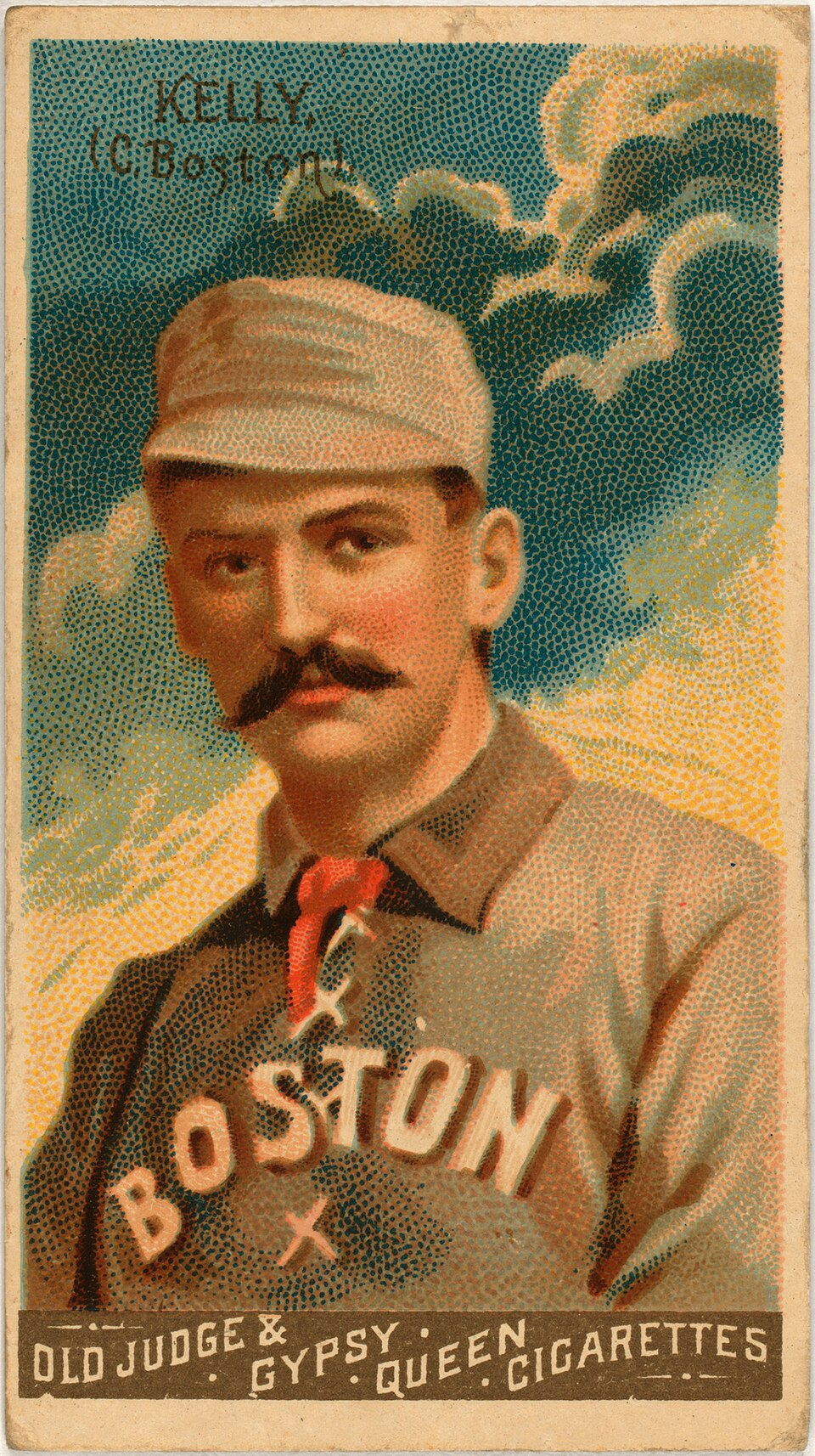
Favorite cards were bundled together for safekeeping. This common storage method often damaged the cards it was meant to protect.
A tight rubber band wrapped around a stack of especially prized cards was a genuinely common, if ultimately damaging, storage method, one that many collectors later regretted upon realizing the bands had left permanent indentations and creases across the cards they’d meant to protect. A rubber band wrapped tightly around a prized stack reflects an innocent but genuinely costly collecting mistake many kids made, a lesson in card preservation learned only after real, irreversible damage had already occurred.
5. A Genuine Heartbreak Over Cards Ruined by Bicycle Spokes
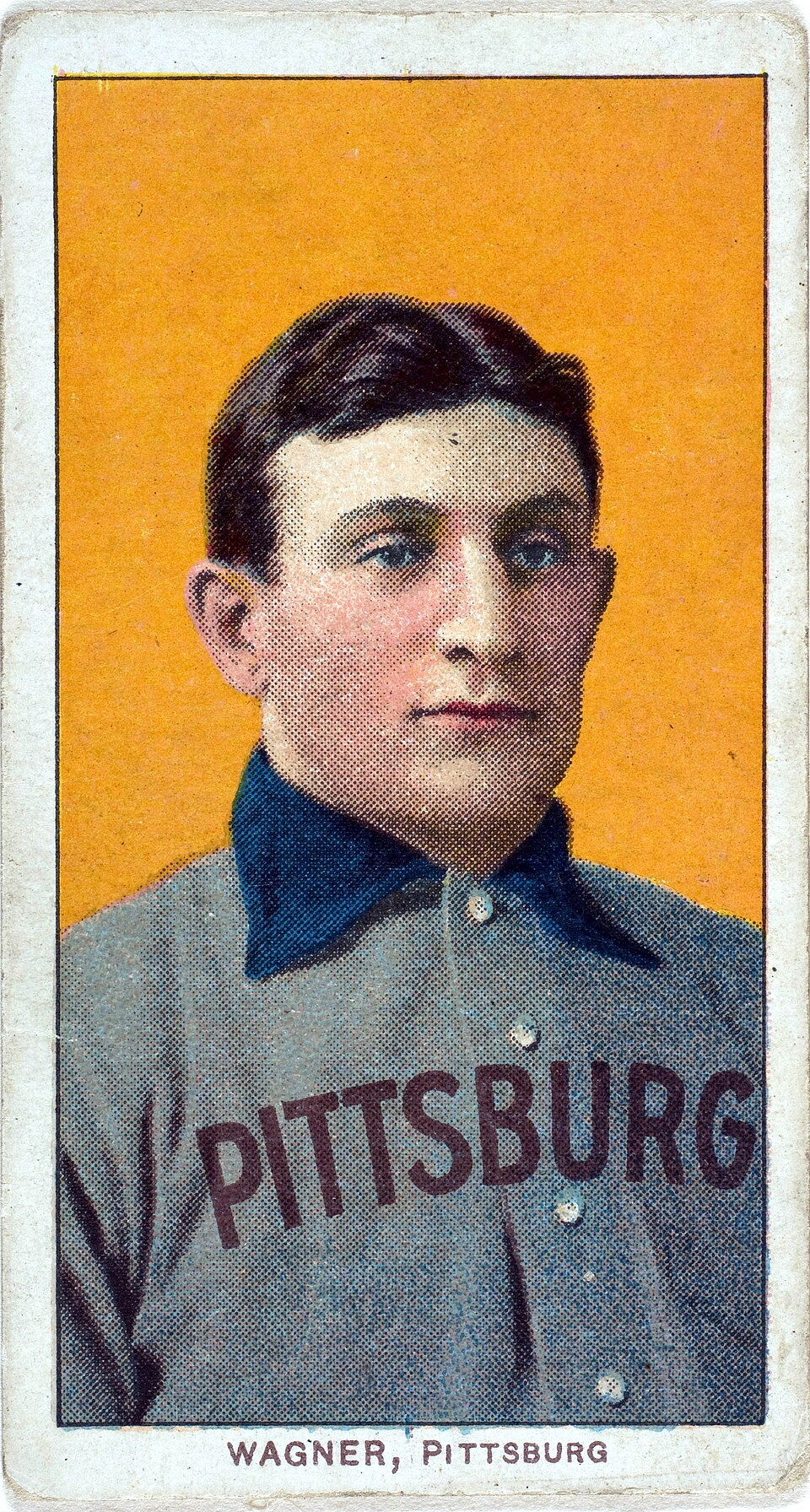
Clothespinning cards to bike spokes was a popular, if destructive, trend. The resulting playing-card sound came at a real cost.
Clipping baseball cards to bicycle spokes with a clothespin, creating a satisfying motorcycle-like sound as the wheels spun, was a genuinely popular trend among kids, though it inevitably destroyed whatever cards were sacrificed to the activity, a real cost many collectors only fully appreciated in hindsight. A genuine heartbreak over cards ruined by bicycle spokes reflects one of the hobby’s most bittersweet, commonly shared memories, fun in the moment that decades later became a genuine source of collector’s remorse for cards that might otherwise hold real value today.
6. A Genuine Excitement Around a Freshly Released Rookie Card
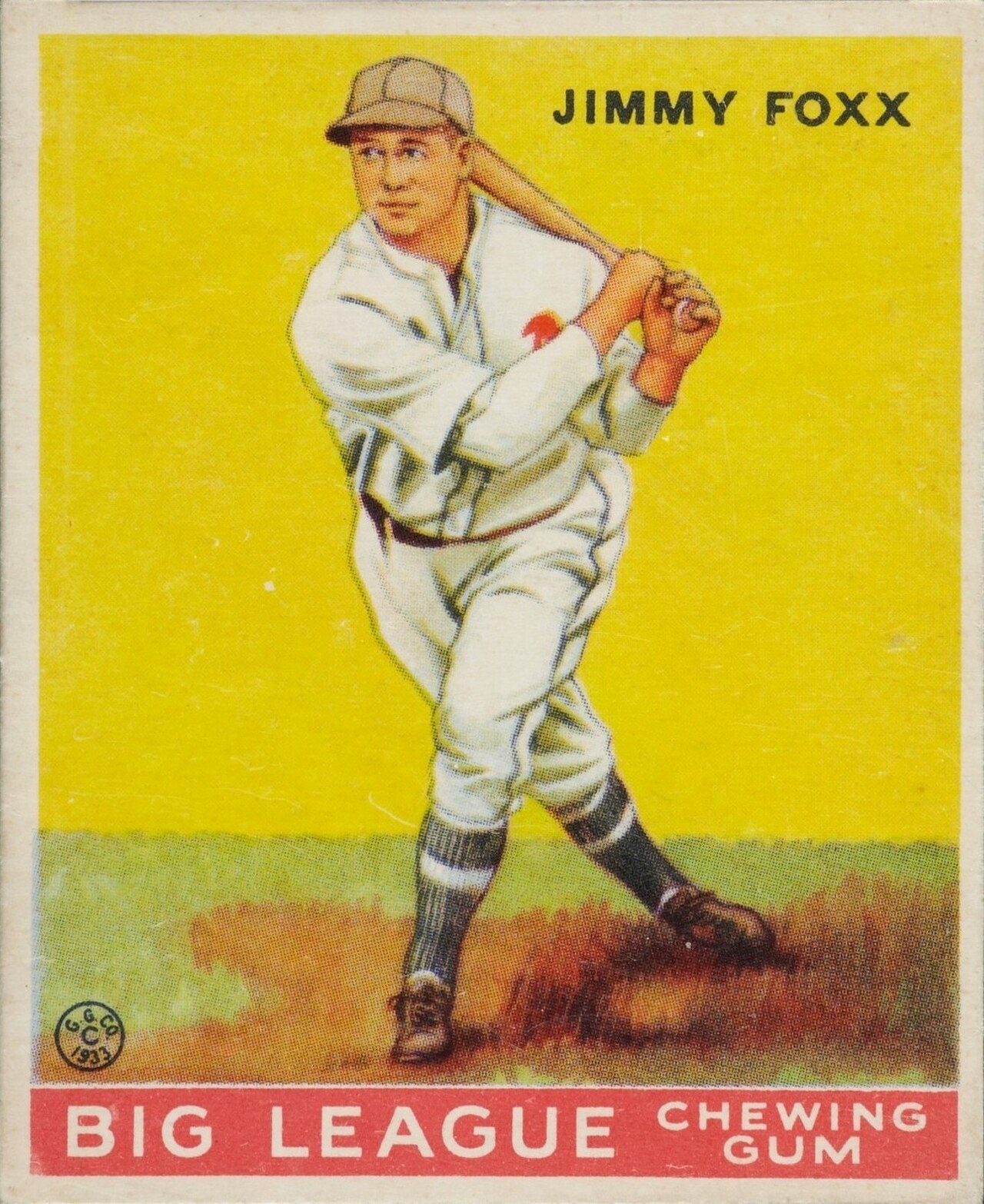
New players entering the league generated real anticipation. Kids competed to be the first to land a promising rookie’s card.
The release of a promising new player’s rookie card generated genuine excitement and real competition among collectors, kids racing to open enough packs to be among the first in their group to land a card that instinct suggested might prove genuinely valuable down the line. A genuine excitement around a freshly released rookie card reflects the hobby’s speculative, forward-looking dimension, anticipation that turned card collecting into something closer to a genuine investment strategy, even for kids too young to fully understand the concept.
7. A Genuine Familiarity With Player Statistics Printed on the Back
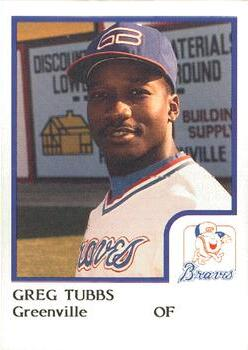
The card’s reverse side listed a player’s career numbers. Kids absorbed real baseball knowledge simply by studying their collection.
The back of every baseball card listed a player’s career statistics in detailed, genuine tables, and kids absorbed real, substantial baseball knowledge simply by studying their own collection repeatedly, learning batting averages, home run totals, and career trajectories almost by accident through the hobby itself. A genuine familiarity with player statistics printed on the back reflects an underappreciated educational dimension of the whole pastime, real sports knowledge gained entirely through casual, repeated engagement with a beloved collection.
8. A Card Shop or Hobby Store Visited on a Regular Basis
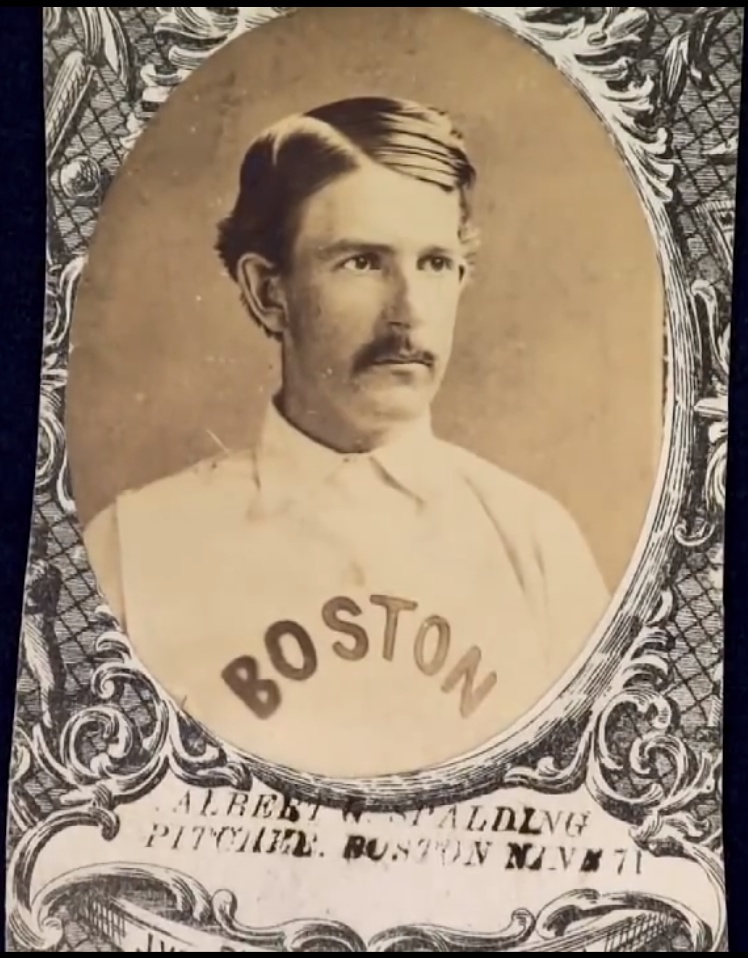
Dedicated local shops sold packs, singles, and supplies. Regular visits became a genuine weekly or monthly ritual for serious collectors.
Dedicated local card shops or the card aisle of a neighborhood hobby store became a genuine regular destination for serious collectors, selling fresh packs, individual singles for specific cards a kid was still missing, and basic supplies for properly storing a growing collection. A card shop or hobby store visited on a regular basis reflects the hobby’s genuine commercial infrastructure, a dedicated retail destination that turned card collecting into a real, sustained pursuit rather than a passing childhood phase.
9. A Genuine Debate Over Which Player Deserved the Most Respect
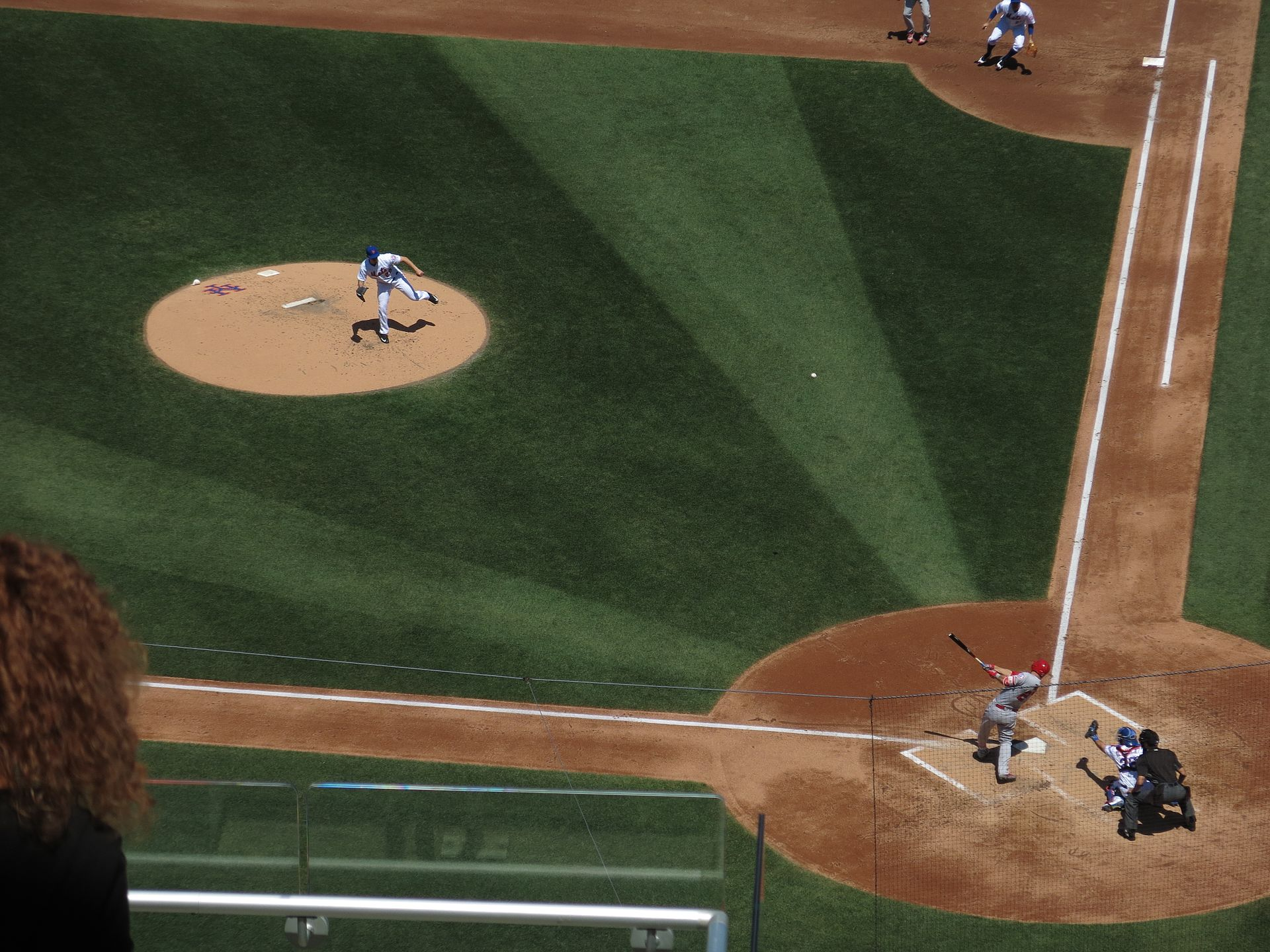
Kids argued passionately about star players’ relative merits. These debates were a genuinely significant part of the social hobby.
Comparing and debating which star player genuinely deserved the most respect, and by extension whose card held the most real trading value, was a genuinely significant social dimension of the hobby, passionate arguments that extended well beyond the cards themselves into real, ongoing baseball fandom. A genuine debate over which player deserved the most respect reflects how deeply intertwined card collecting was with broader sports culture, a hobby that fed directly into, and was fed by, genuine childhood passion for the game itself.
10. A Complete Team Set Considered a Genuine Collecting Achievement
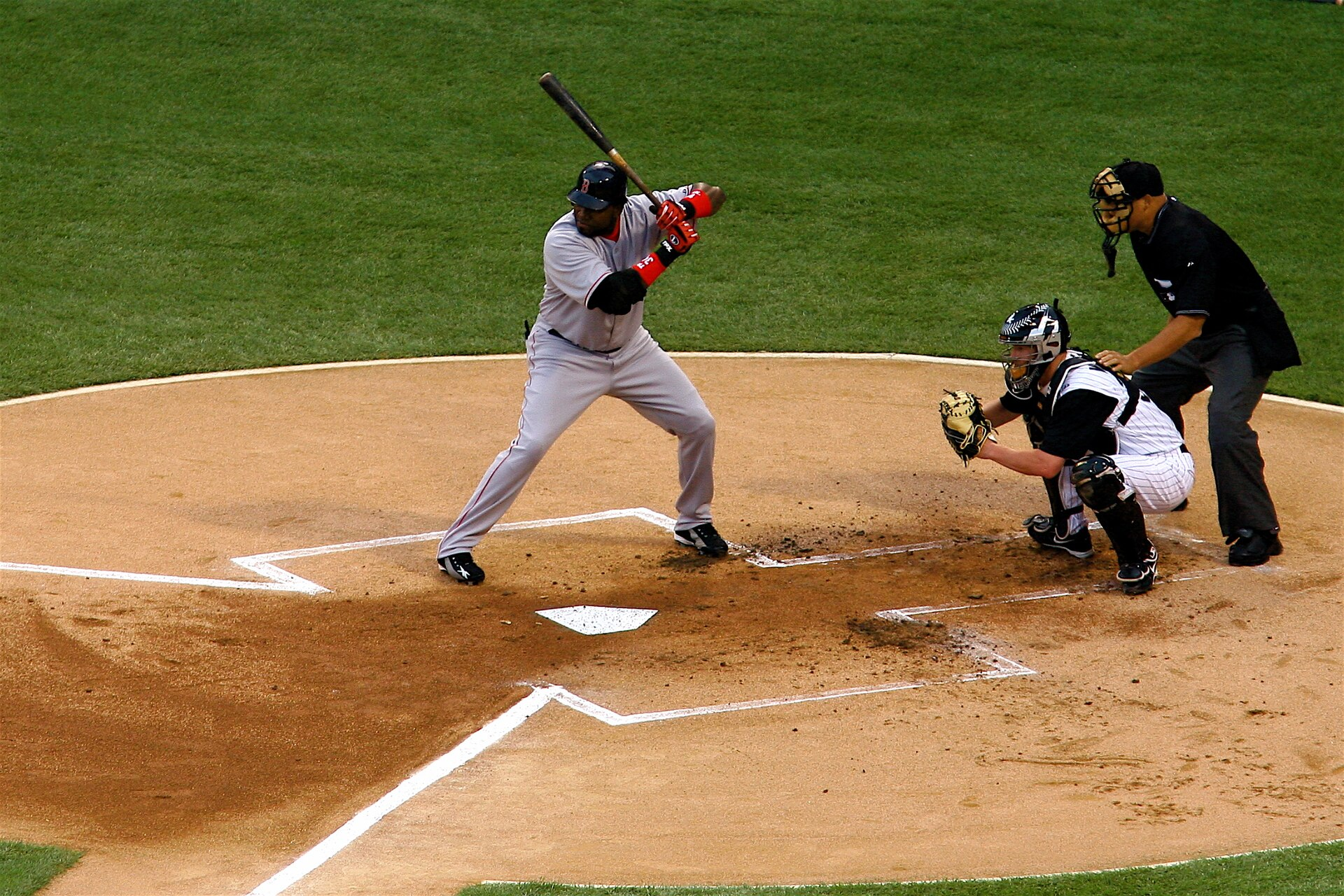
Assembling every card from a favorite team felt like real accomplishment. This specific collecting goal motivated serious, sustained effort.
Assembling a genuinely complete set of every player on a favorite team felt like a real, significant collecting achievement, a specific goal that motivated serious kids to trade strategically and buy packs consistently over an entire season in pursuit of that final missing card. A complete team set considered a genuine collecting achievement reflects the hobby’s real capacity for sustained goal-setting and patience, a milestone that turned casual collecting into something closer to a genuine, structured project.
11. A Genuine Regret Among Adults for Cards Thrown Away Years Later
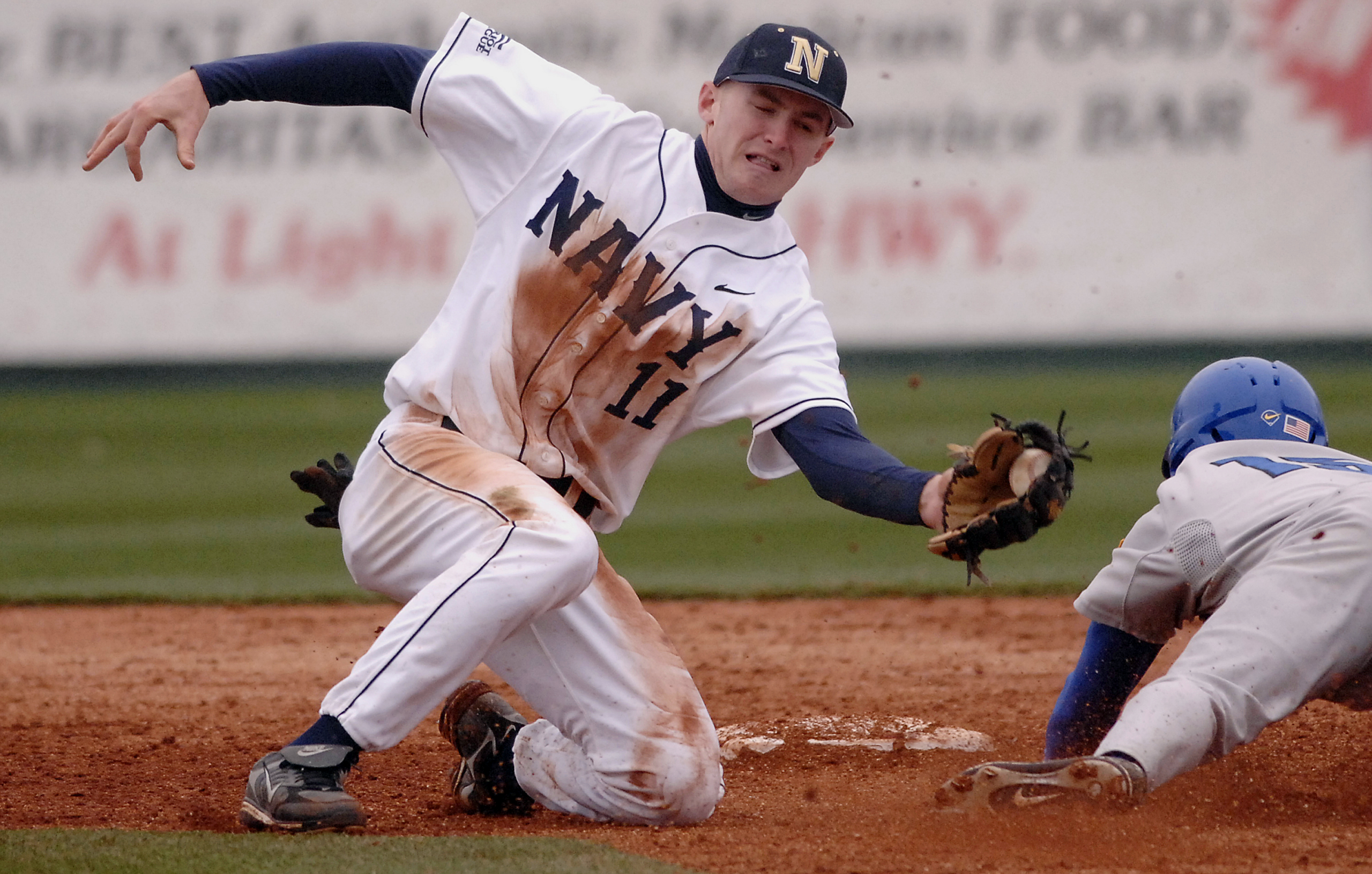
Many collections were discarded by parents during a later move or cleaning. This loss became a widely shared adult regret.
Years later, many former collectors discovered, often with real dismay, that their childhood card collection had been thrown away by a well-meaning parent during a move or a basement cleanout, a loss that became a widely shared, genuinely relatable regret among adults who once owned cards that might have held real value decades later. A genuine regret among adults for cards thrown away years later is one of the most universally shared baseball card memories of all, a bittersweet coda that many former kid collectors still bring up with real, lingering disappointment.
A Beloved Childhood Pursuit
Taken together, these eleven things capture what made collecting baseball cards such a beloved pastime for American kids in the 1970s, from the chalky gum and the shoebox storage to the genuine trading strategy and the sustained pursuit of a complete team set. It was a hobby that combined real sports passion with practical, if occasionally destructive, collecting instincts.
The rise of the sports memorabilia investment market in the 1980s and 90s changed how cards were treated considerably, shifting many collectors’ mindset from casual childhood hobby toward serious, value-conscious preservation, a shift that came too late for countless cards already ruined by rubber bands or sacrificed to bicycle spokes. The change reflects broader shifts in how the hobby itself evolved over time. Yet for those who remember the chalky taste of that included gum, or the thrill of finally landing a coveted rookie card in a trade, these details bring it all back: the shoebox storage, the passionate playground debates, the genuine, lasting regret over a collection thrown away too soon. Looking back at baseball card collecting in the 1970s is a warm tribute to a genuinely beloved American childhood pastime.
Like our content? Follow us for more.