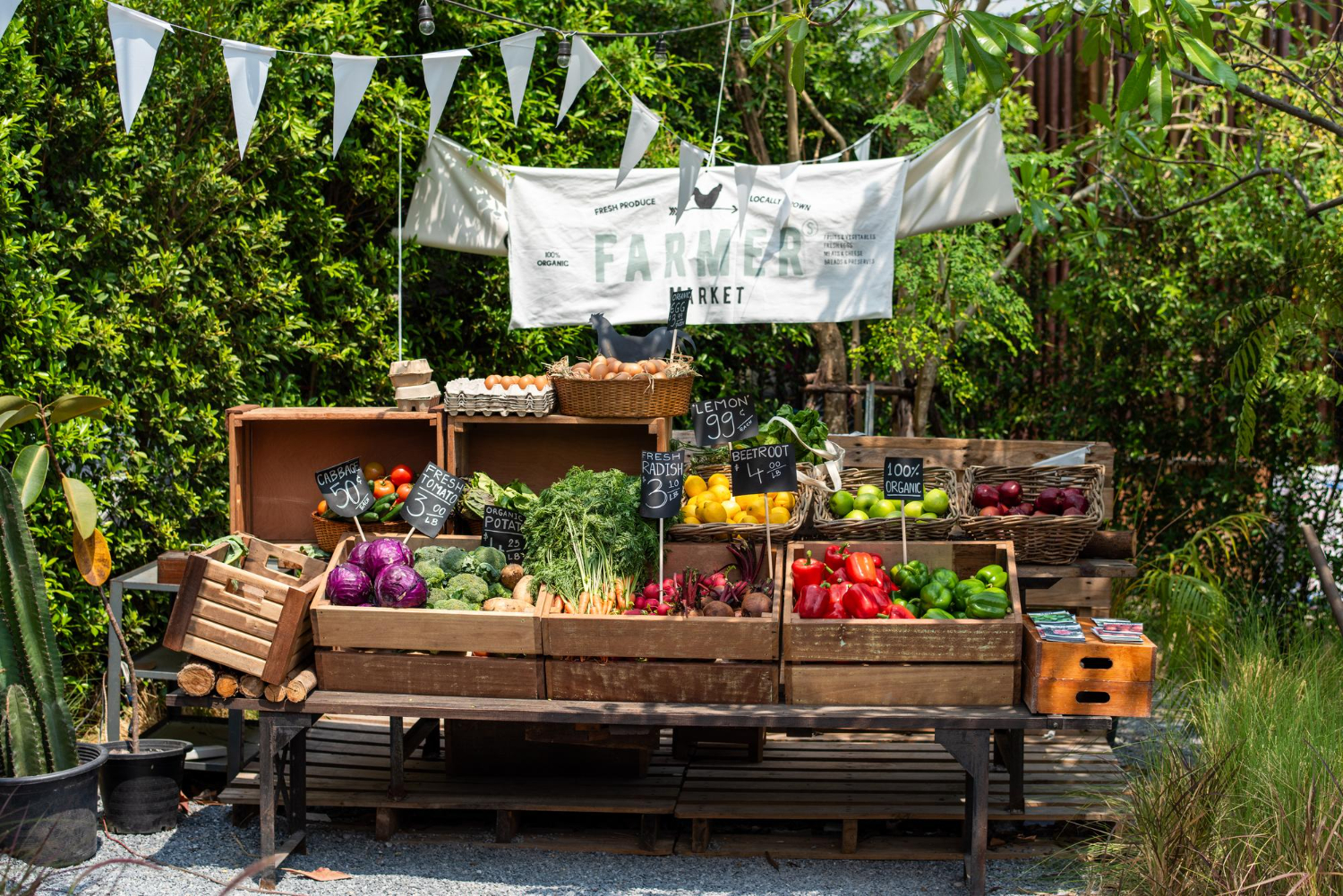
Food fears are not a modern invention. Long before anyone was arguing online about ingredients, entire societies decided that perfectly ordinary foods were poisonous, corrupting, or medically dangerous — and stuck to that belief for decades or centuries. Some of the fears had a sliver of real logic behind them. Others were pure suspicion of the unfamiliar. All of them look absurd now, which is precisely why they’re worth knowing. Here are twelve foods that were once considered truly dangerous.
1. Tomatoes
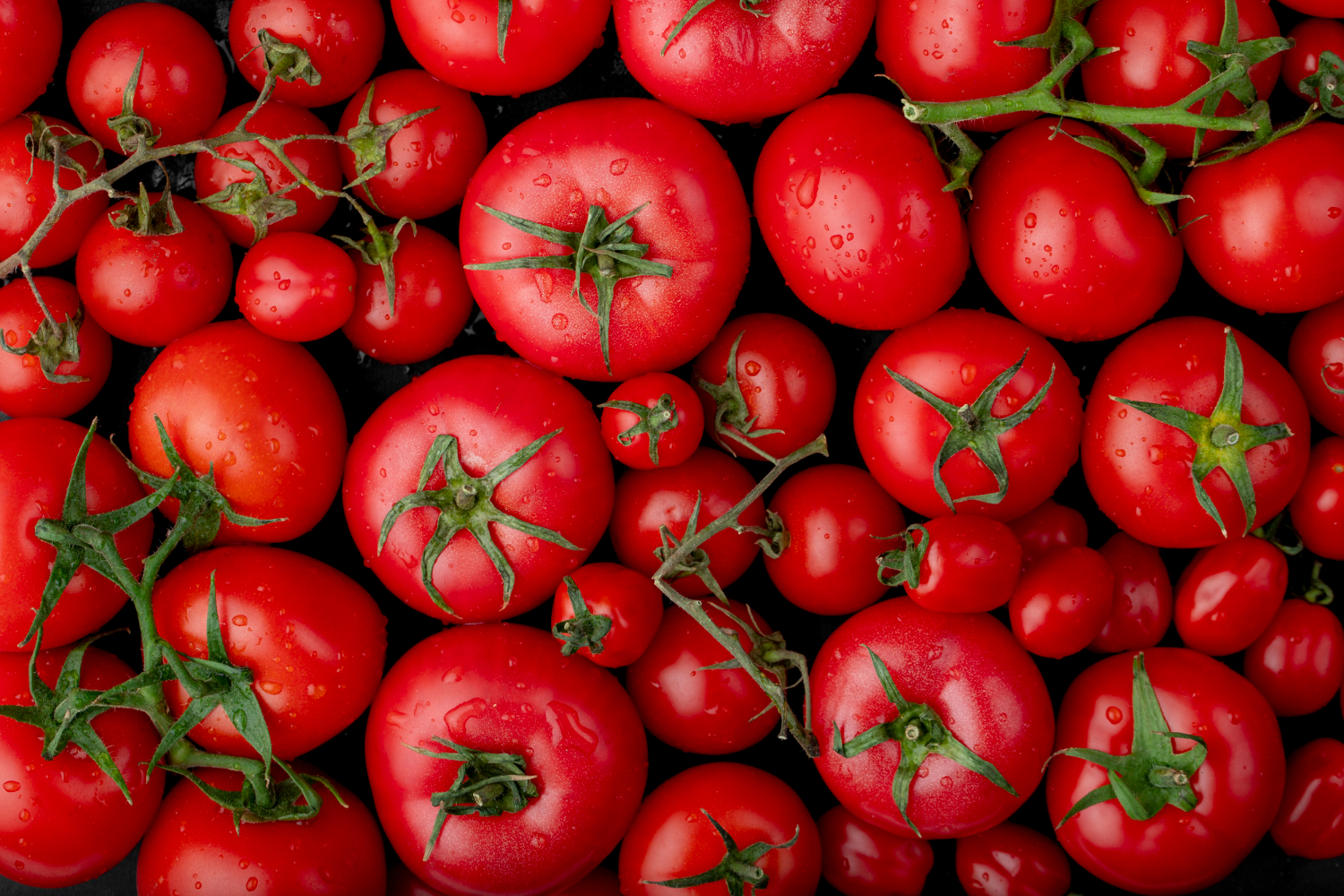
Europeans called them poison apples and avoided them for roughly two centuries.
The tomato arrived in Europe from the Americas in the 1500s and was treated with deep suspicion for a very long time, grown as an ornamental curiosity rather than eaten. Part of the reason was botanical guilt by association: the tomato belongs to the nightshade family, which includes truly toxic plants, and European botanists noticed the resemblance immediately. There’s also a persuasive explanation involving tableware — wealthy diners ate from pewter plates with a high lead content, and the acidity of tomatoes could draw lead out of the metal, meaning people who ate tomatoes off fine plates sometimes did get sick. The poor, eating from wood, ate tomatoes without incident. It took until the 1800s for the tomato to become fully respectable in Anglo-American cooking.
Like our content? Follow us for more.
2. Potatoes
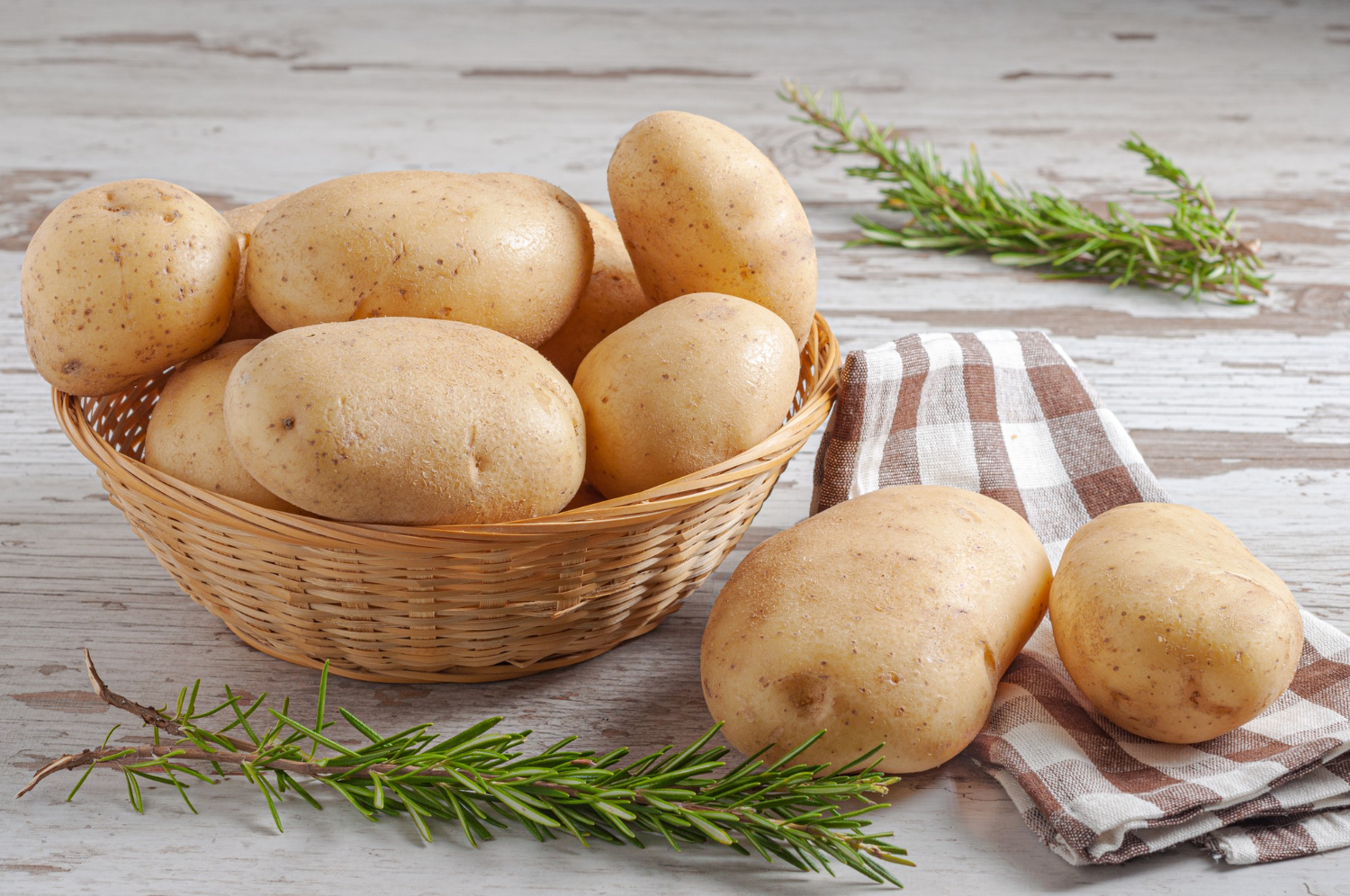
Blamed for disease and immorality, and refused by farmers across Europe.
The potato faced enormous resistance in Europe after its arrival from South America. It was regarded with suspicion as a nightshade, blamed for causing illness, criticized as fit only for animals, and viewed with distrust because it grew underground and was propagated from tubers rather than seed. Various authorities tried to promote it against public reluctance, and the most famous campaign involved a French advocate who is said to have used reverse psychology — planting guarded fields of potatoes so locals would assume they were valuable and steal them. Whether the details are exactly as told, the resistance was real, and the potato took generations to become the staple it is now.
3. Coffee
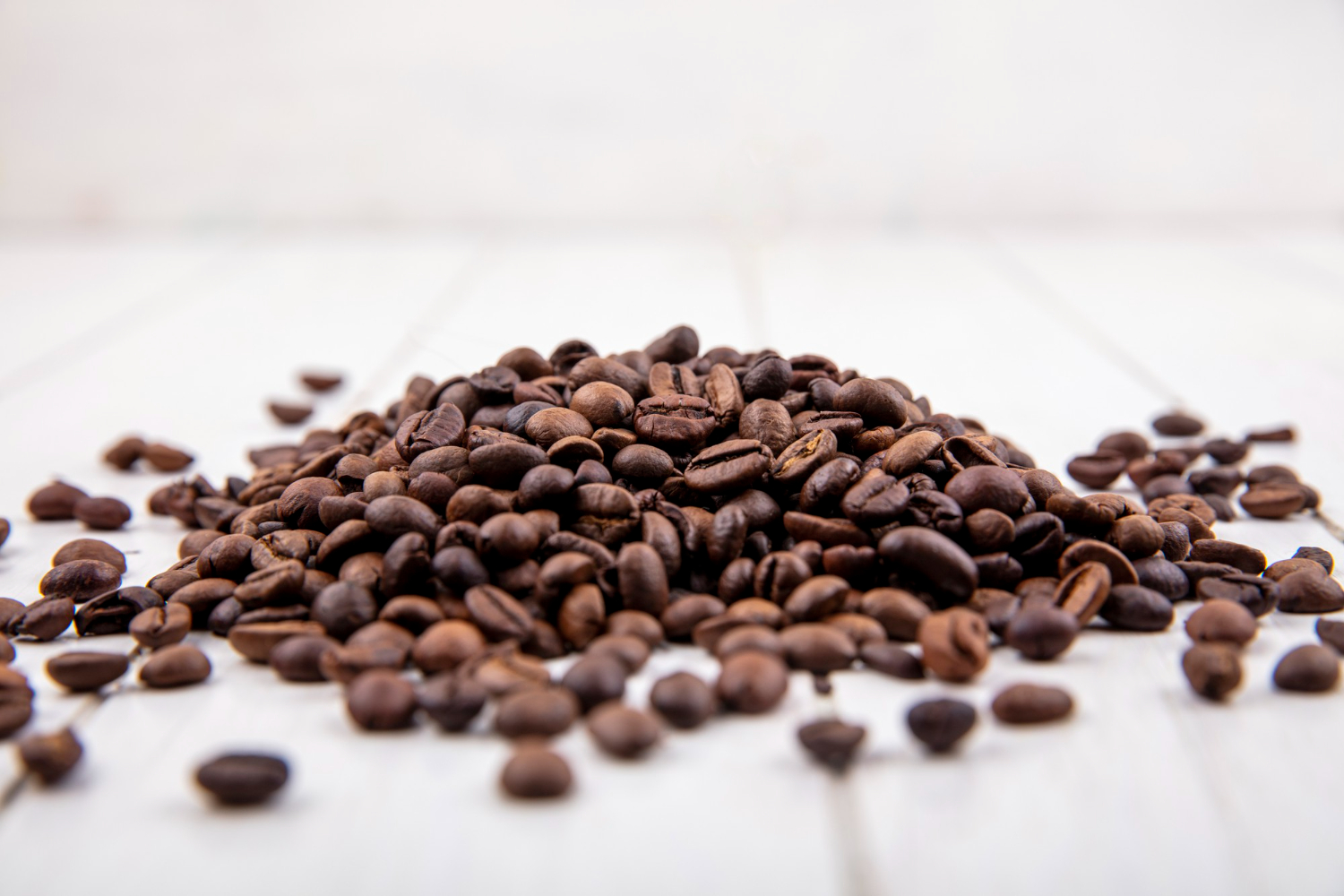
Banned in multiple places and denounced as dangerous and subversive.
Coffee’s spread was accompanied by repeated attempts to stop it. Authorities in various places banned or restricted it at different points, and the objections mixed the medical with the political — it was accused of damaging health, and, more seriously from a ruler’s perspective, coffeehouses were where people gathered to talk, read, and organize. In seventeenth-century England, a proclamation moved against coffeehouses on those grounds and was rapidly abandoned under public pressure. There was also an organized objection in London holding coffee responsible for a range of domestic ills. The drink survived all of it comfortably.
4. Lobster
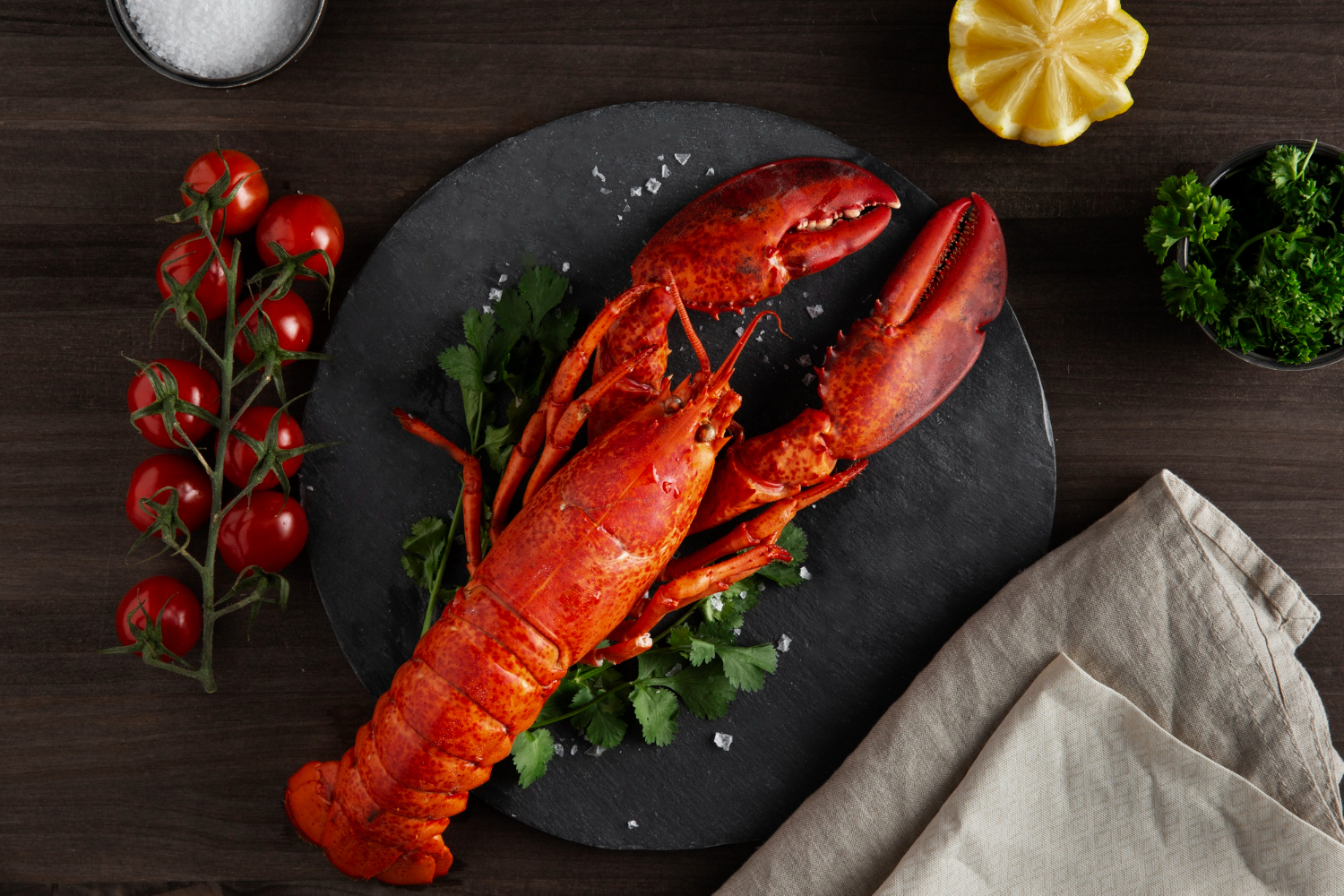
Considered a food of last resort, fed to prisoners and servants.
Lobster wasn’t thought poisonous exactly, but it carried a stigma that’s hard to imagine now. In colonial and early America, lobsters were so abundant along the northeastern coast that they were treated as trash food — fed to prisoners, servants, and the poor, used as fertilizer and bait, and regarded as a mark of poverty. Accounts of indentured servants objecting to being served it too often are part of the region’s folklore. Its transformation into a luxury came later, with rail transport, canning, and clever marketing to inland diners who had no inherited prejudice about it.
5. Forks
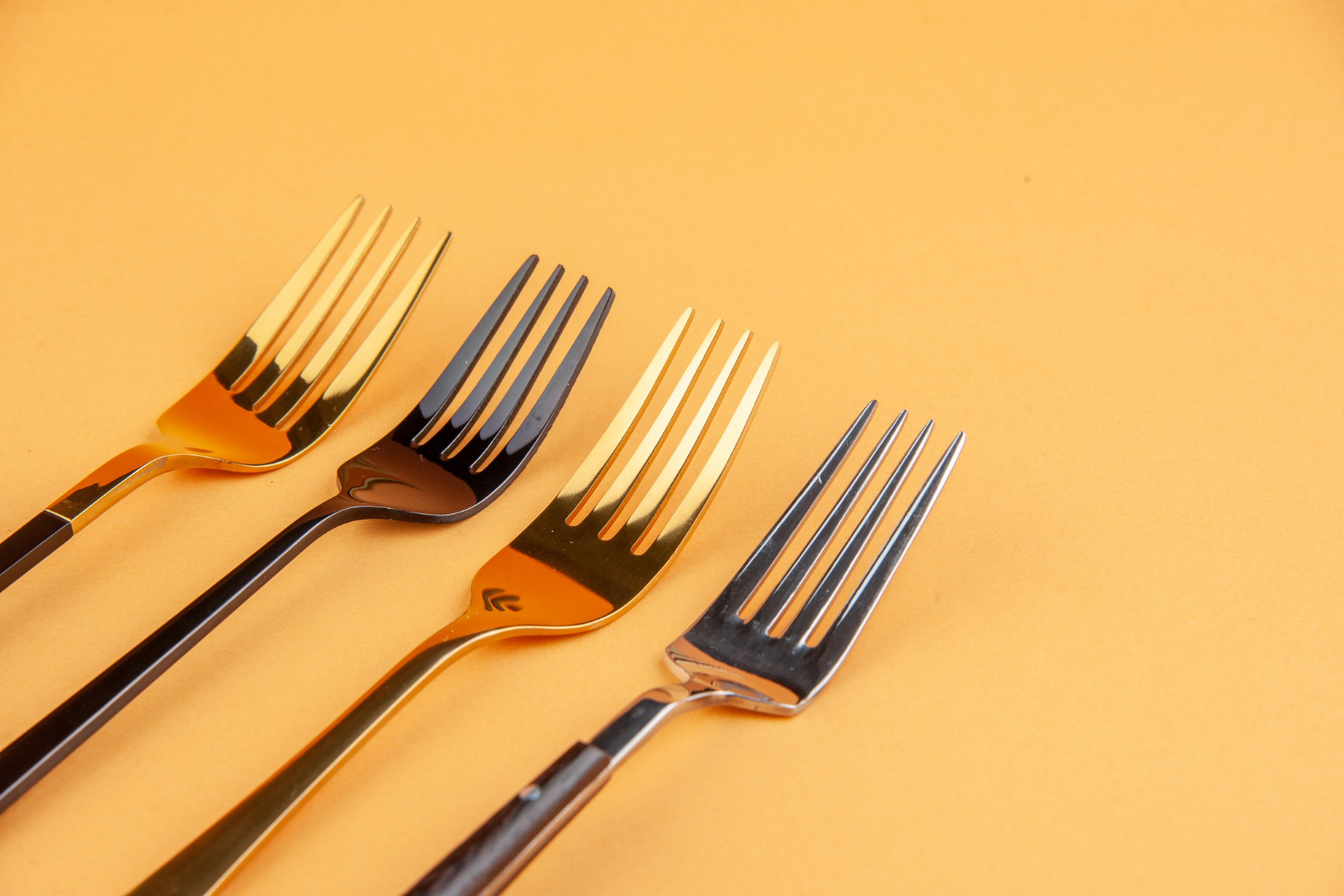
Not a food, but the utensil was condemned as decadent and offensive.
Worth including because the resistance was so intense: when the table fork spread into Europe, it met real hostility. Critics considered it an affectation, an unnecessary foreign luxury for people too delicate to use the hands God gave them, and some religious commentators treated it as offensive on those grounds. An early adopter in Venice was reportedly mocked severely for using one. It took a long time for the fork to become standard across Europe — a reminder that food fears attach not only to ingredients but to the entire apparatus of eating.
6. Sliced Bread
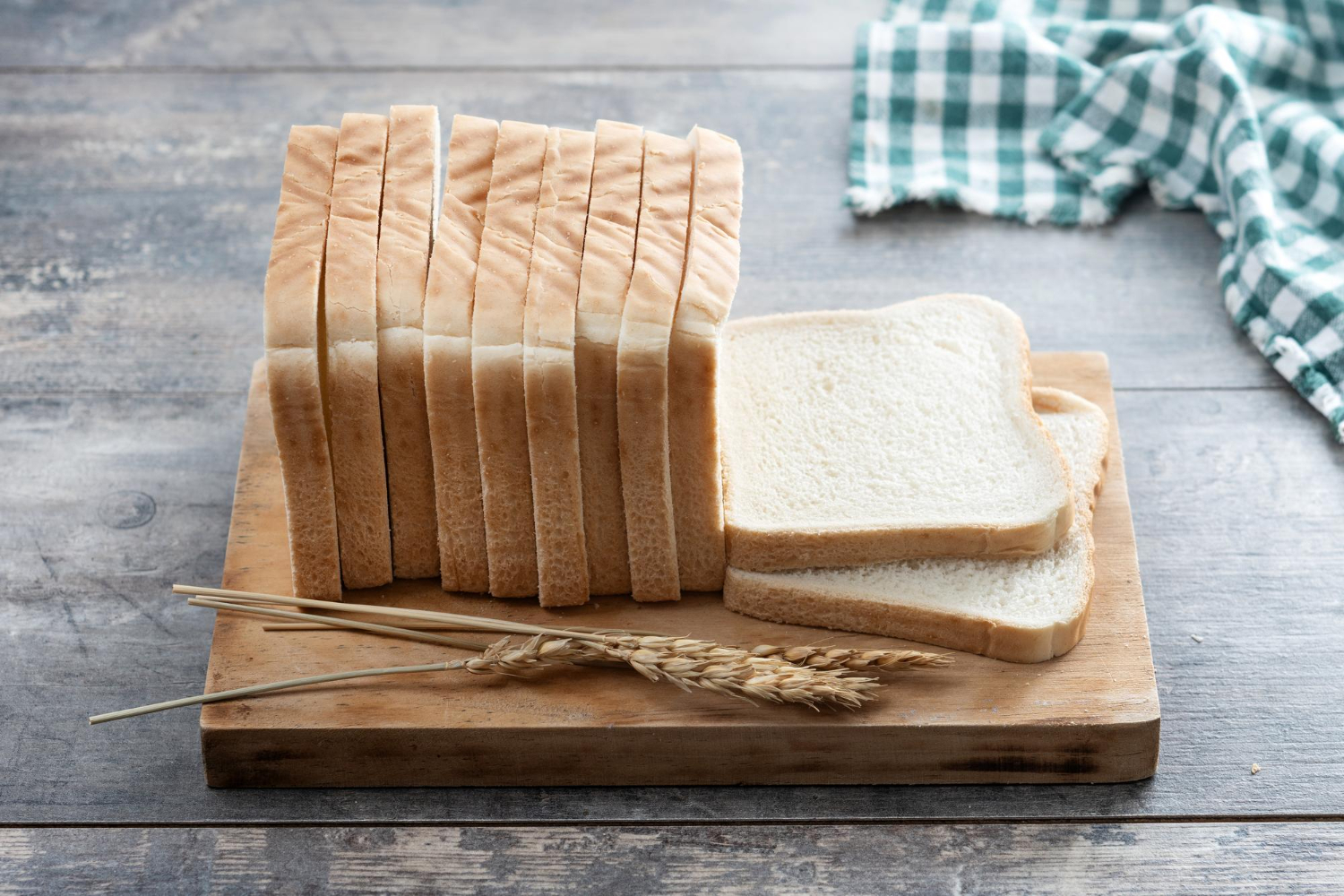
Briefly banned in the United States during the Second World War.
Not a poisoning fear, but a real prohibition that surprises people: in early 1943, U.S. authorities banned the sale of pre-sliced bread as a wartime conservation measure, with reasoning connected to the wax paper needed to keep sliced loaves fresh and to bakery equipment and materials. The public reaction was strongly negative — sliced bread had become normal, and being told to slice it themselves annoyed people substantially. The ban was lifted after a couple of months. It remains a favorite example of how quickly a convenience becomes an expectation.
7. Water

For much of history, drinking plain water was considered a health risk — often correctly.
The historical suspicion of drinking water was, unlike most items on this list, thoroughly justified. Before sanitation and treatment, urban water supplies were frequently contaminated and drinking them was a real danger, which is a major reason weak beer, cider, wine, and later tea and coffee were consumed so heavily — the brewing and boiling processes made them safer. Medical writers of various eras advised against plain water on health grounds. The fear only receded with the arrival of modern sanitation, filtration, and treatment, and it is the one entry here where the old caution deserves respect rather than amusement.
8. Ice Cream Sodas

Banned on Sundays in some American towns, which produced a new dessert.
In the late nineteenth century, some American communities objected to the sale of ice cream sodas on Sundays, on the grounds that the fizzy indulgence was inappropriate for the Sabbath. According to the widely told origin story, enterprising soda fountain operators responded by serving the ice cream with syrup but without the soda water, creating a Sunday-legal dessert that took its name — with the spelling altered — from the day itself. The “sundae” origin has multiple competing claims and towns still argue about which invented it, but the underlying Sunday restrictions were real.
9. Margarine
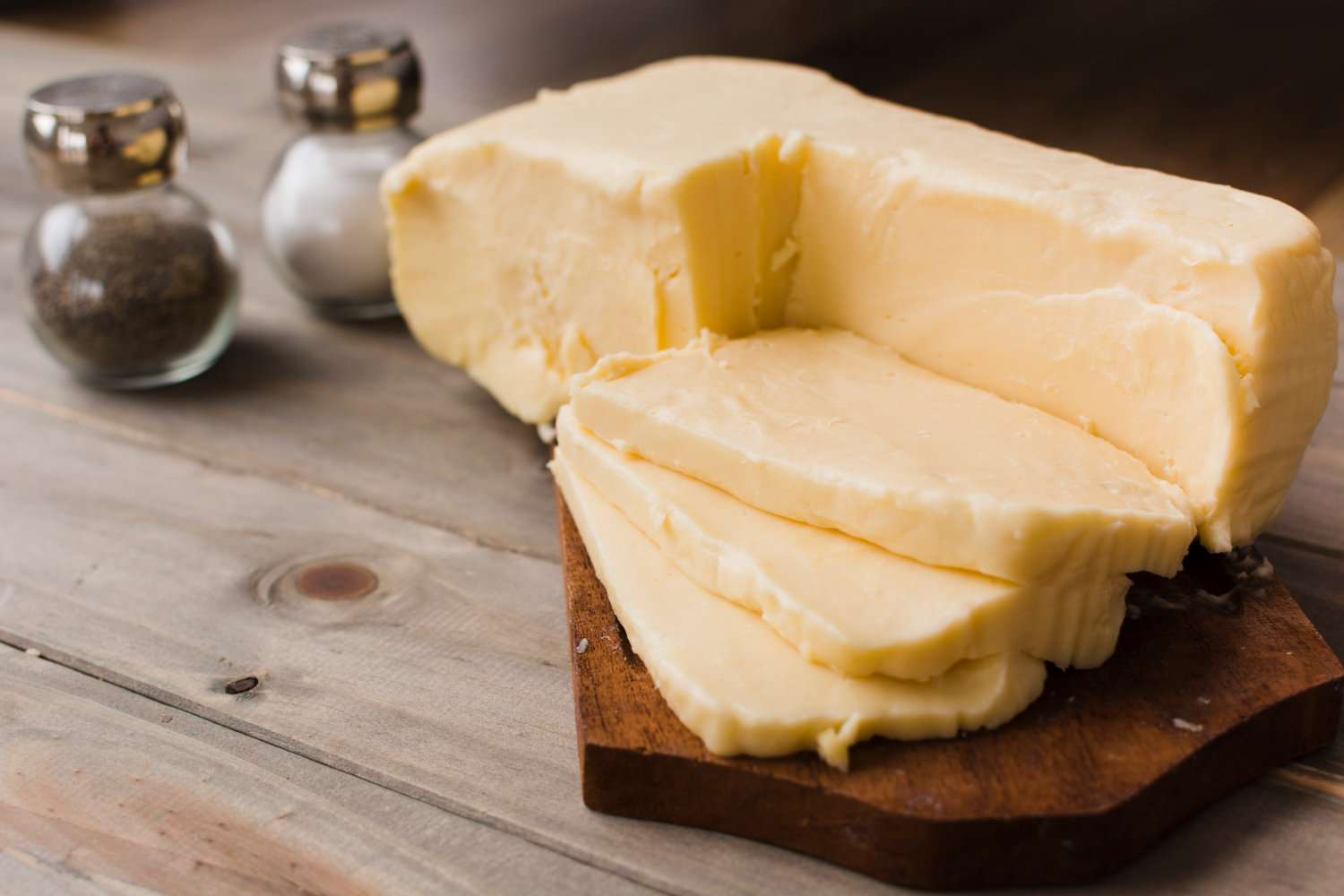
Restricted, taxed, and forbidden from being colored yellow.
Margarine arrived in the nineteenth century and ran straight into the dairy industry, which lobbied hard against it. The result was a long era of restriction in the United States and elsewhere: special taxes, licensing requirements, and — most memorably — laws prohibiting margarine from being sold colored yellow, so that it could not resemble butter. Manufacturers responded by supplying a capsule of coloring for consumers to knead into the white block at home, a chore many people who grew up in that era distinctly remember. Some restrictions persisted well into the twentieth century.
10. Chocolate
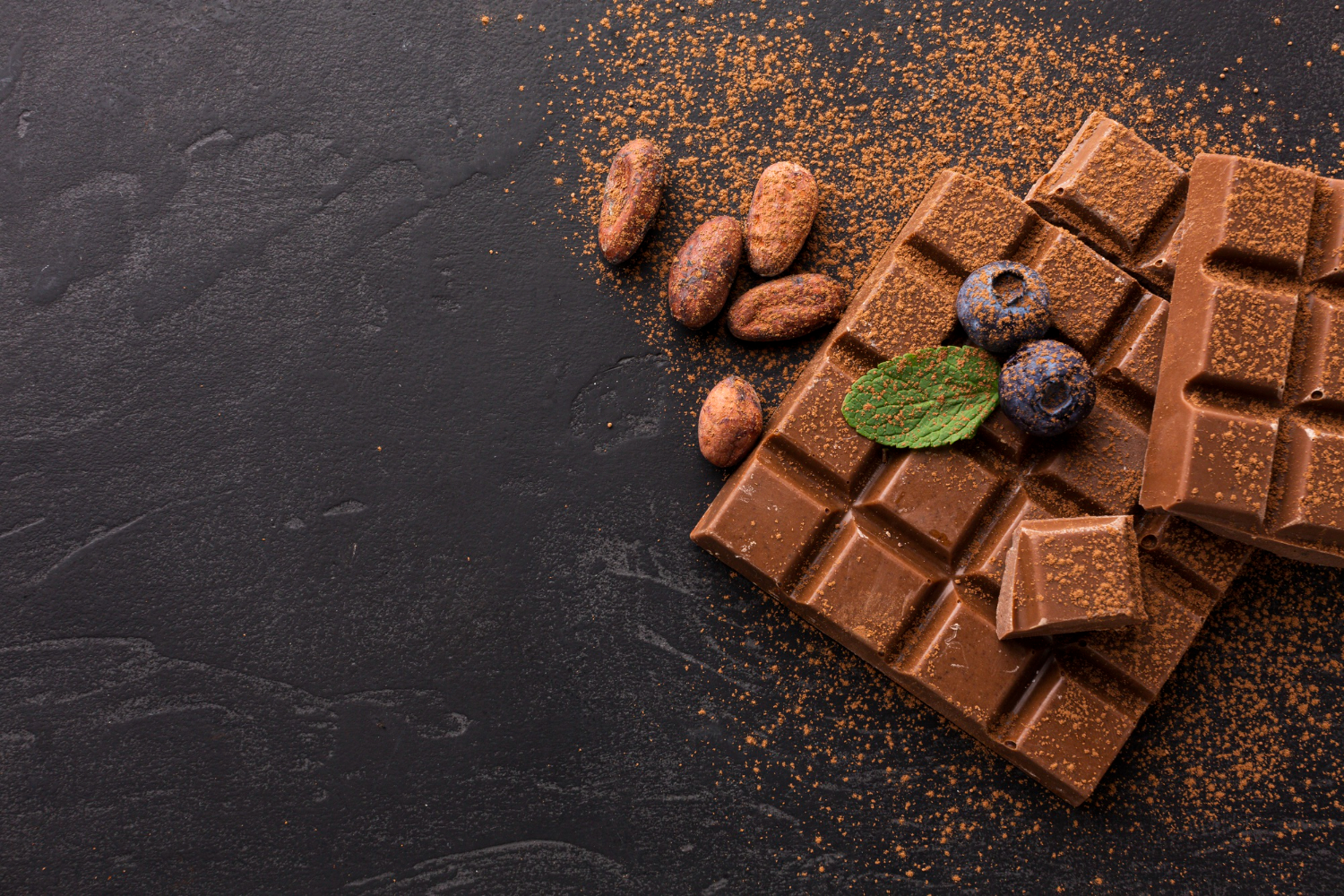
Treated with suspicion in Europe, including debate about whether it broke religious fasts.
When chocolate reached Europe from the Americas, it prompted real argument. It was regarded by some as a suspicious foreign stimulant with unclear effects on the body and temperament, and it generated a lengthy theological debate about whether drinking it broke a religious fast — since it was consumed as a beverage but was clearly nourishing. Medical opinion of the era was divided about whether it was healthful or harmful. The debates went on for a long time before chocolate settled into being simply a pleasure.
11. Corn, for Anyone Who Skipped a Crucial Step
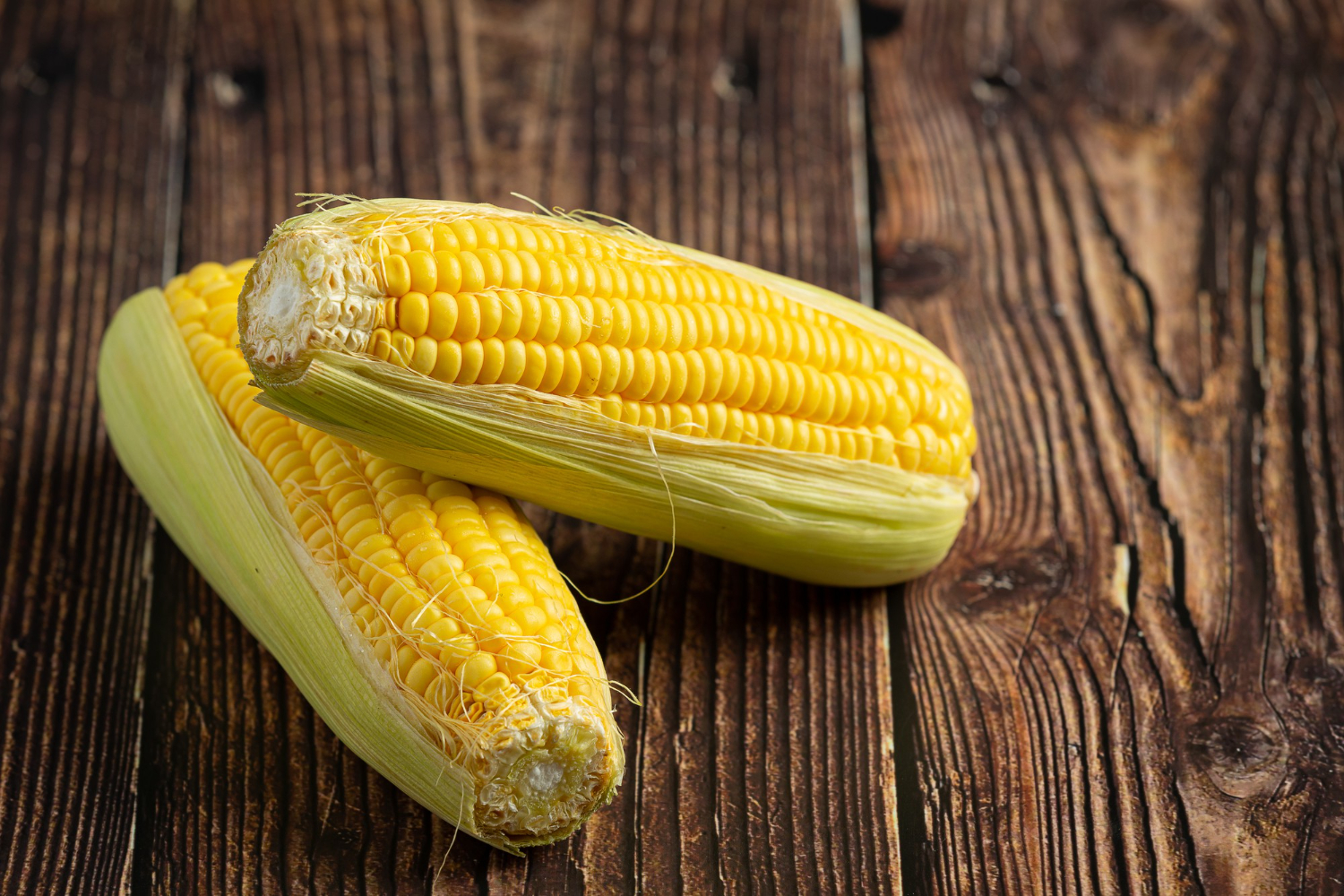
Adopted without traditional processing, maize caused serious nutritional illness.
This one contains real science. Indigenous peoples of the Americas traditionally processed maize with an alkaline solution — a technique known as nixtamalization — which among other things makes its niacin nutritionally available. When maize was adopted elsewhere as a staple without that processing step, populations relying heavily on it developed pellagra, a serious deficiency disease. For a period this caused significant suffering and was misunderstood as an infectious condition before the nutritional cause was established. The lesson historians draw is that the food wasn’t the problem — the missing traditional knowledge was.
12. Refrigerated and Pasteurized Milk
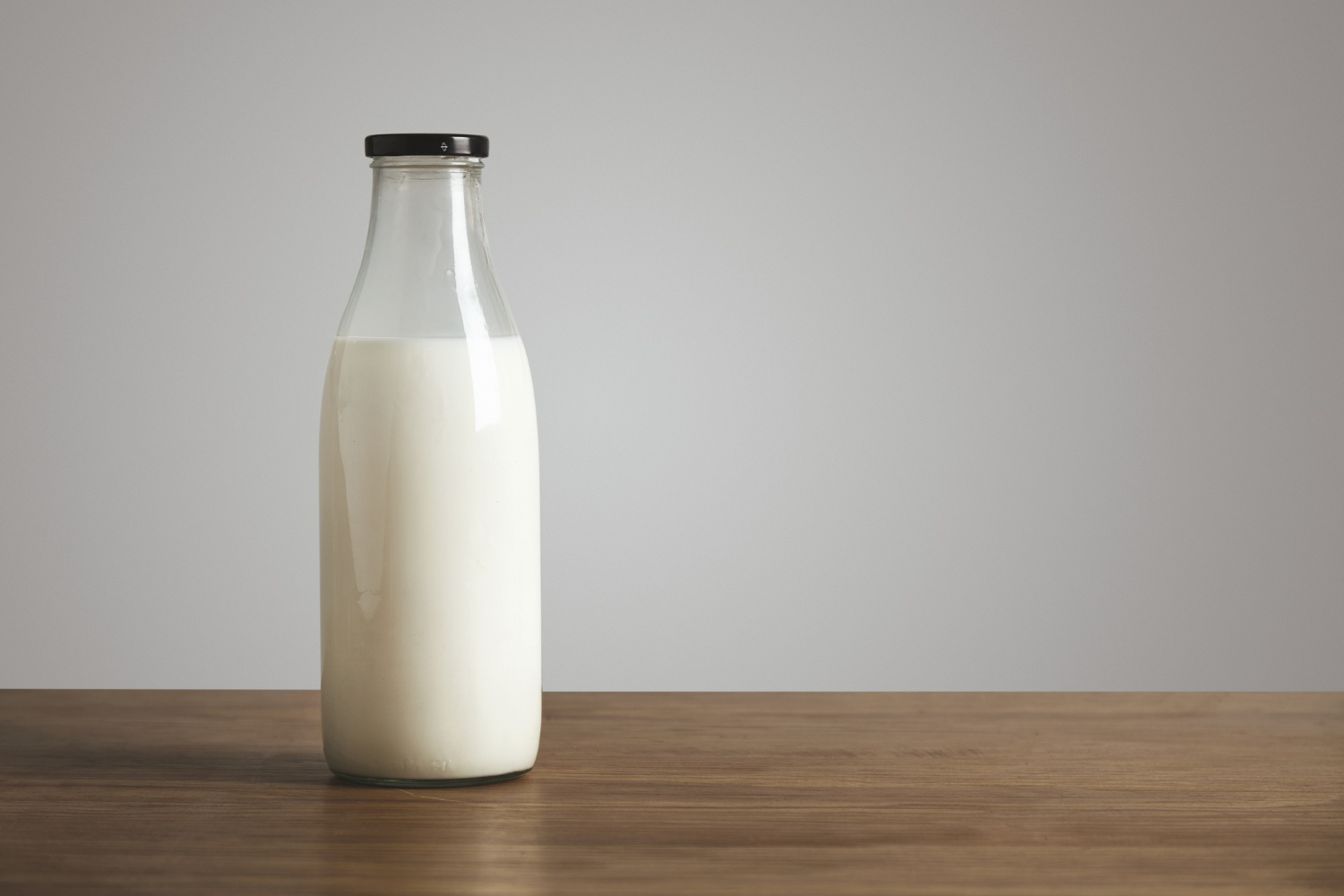
Both innovations were resisted as unnatural interference with a natural food.
When pasteurization was introduced, it met meaningful resistance from people who regarded heating milk as an adulteration that damaged a natural product, and there were commercial interests opposed as well. The public health case eventually won decisively, and pasteurization is now credited with preventing an enormous amount of illness. Mechanical refrigeration met comparable suspicion in its early days, with consumers doubting that artificially chilled food was as wholesome as food kept cold with natural ice. Both are now so normal that the resistance is almost impossible to imagine.
The Long History of Food Panic
Poison apples, immoral potatoes, subversive coffee, prison-food lobster, and offensive forks — the record of what humans have been convinced would harm them is long, confident, and almost entirely wrong. Every one of these fears was held sincerely by intelligent people who had reasons.
There’s a pattern worth noticing. The fears that turned out to be justified — untreated water, unprocessed maize as a sole staple — were the ones with an actual mechanism behind them, and they were resolved by understanding the mechanism rather than by avoiding the food. The fears that turned out to be nonsense were mostly about unfamiliarity: new things from far away, adopted by the wrong sort of people, threatening an existing industry or an established custom. It’s a useful piece of history to carry into any argument about food, which is a subject that has never once been discussed calmly.
Like our content? Follow us for more.