A young man’s horse and buggy did exactly what a car did for every generation after him, and the parallel is almost uncanny.
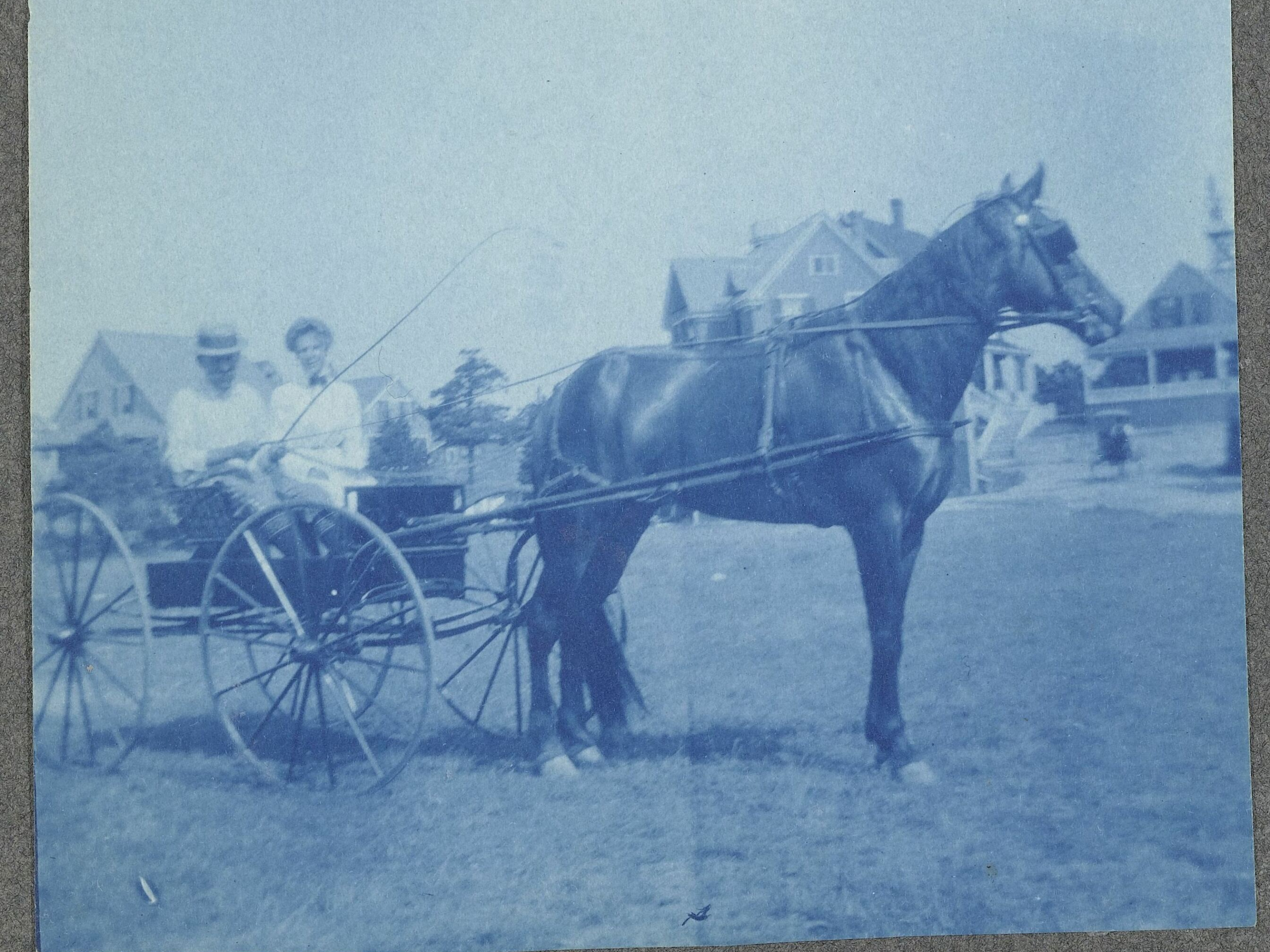
The rig was expensive, visible, chosen and maintained, and everybody read it as a statement about him – his means, his taste, his competence and how seriously he took himself. A courting buggy was a light two-seat vehicle on high wheels with one horse, built for speed and appearance rather than load, which is a sports car’s specification. A young man without one borrowed his father’s, with hours attached and an inspection on return.
And the trip was the occasion rather than the means, because a buggy on a country road was the only place a couple could be genuinely unsupervised. Here are fifteen things every American family knew.
1. A Young Man’s Rig Was His Standing
The horse and buggy a young man drove – its quality, its condition, how well the animal was turned out – was read by everybody as a statement about him.
The car, which performs exactly the same function.
The parallel with the automobile is so exact that it is worth stating immediately. A rig was a visible, expensive, maintained possession that a young man chose, displayed and was judged on – and the judgement covered his means, his taste, his competence and how seriously he took himself.
Like our content? Follow us for more.
2. The Buggy Was Light, Fast and Built for Two
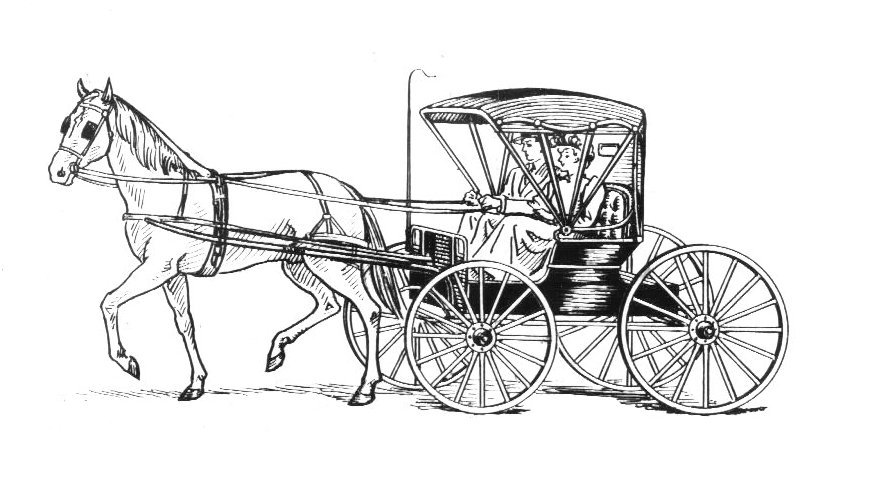
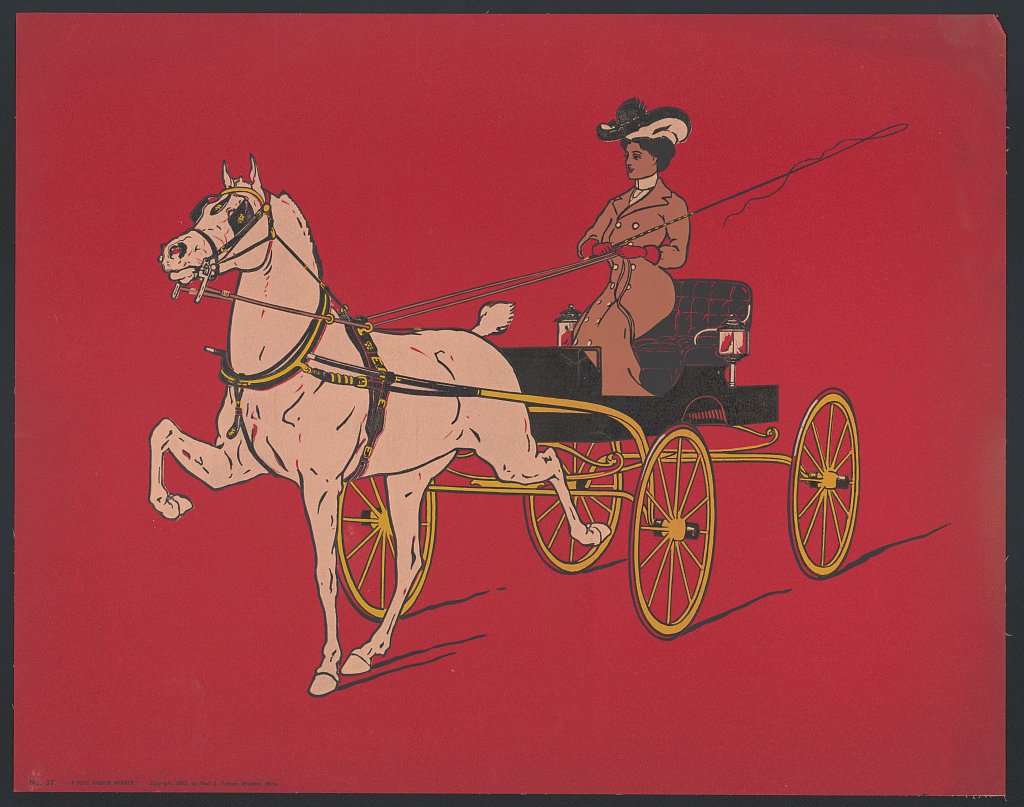
A courting buggy was a two-seat vehicle on high wheels with a single horse, built for speed and appearance rather than for load.
Not applicable.
The design is a sports car’s design and it was understood as such. Nothing about a light high-wheeled two-seater is practical – it carries almost nothing, it is uncomfortable on a bad road, and the whole specification is about going quickly and being seen doing it.
3. Having One at All Was the Threshold
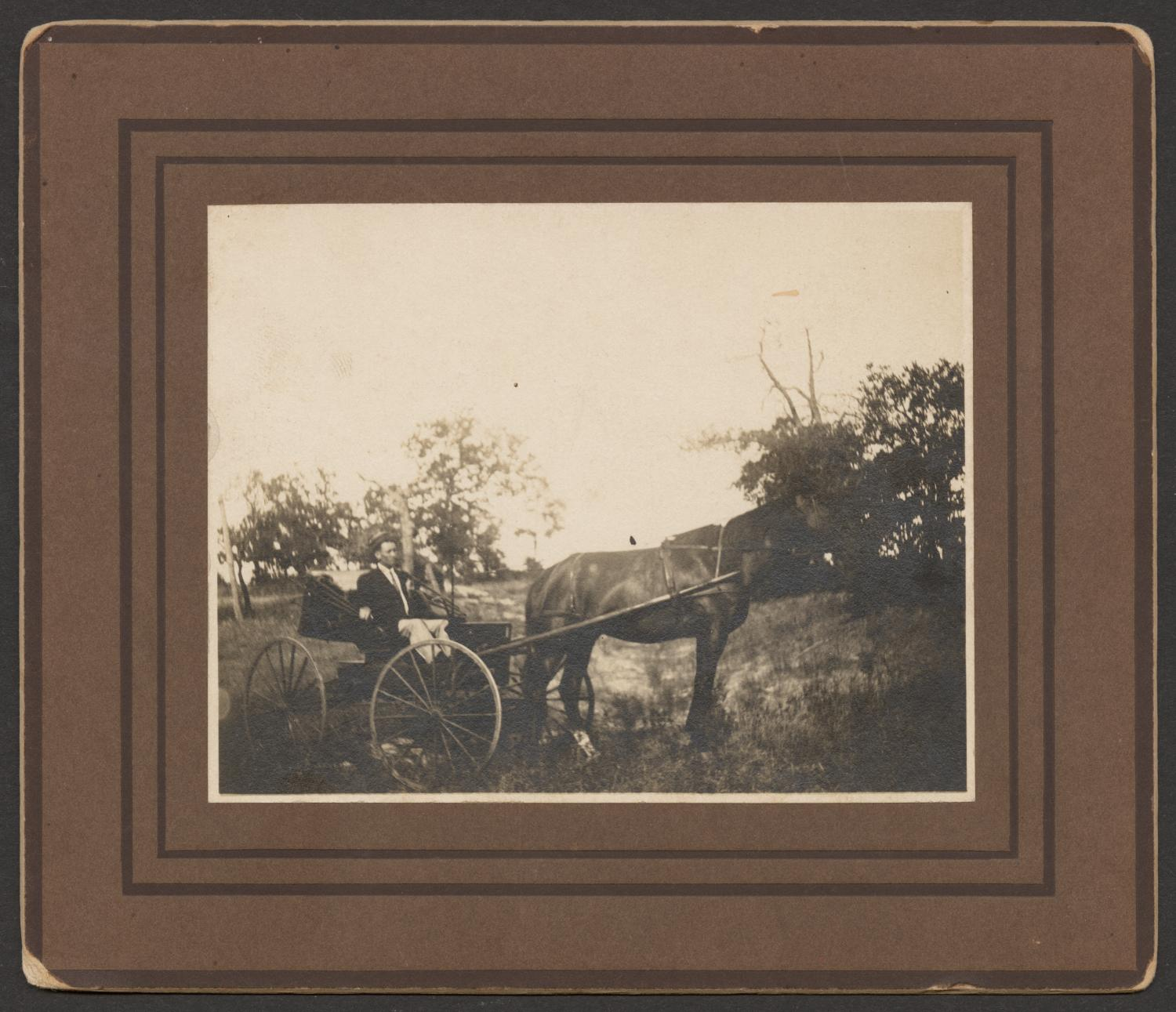
A young man without a horse and buggy of his own had to borrow his father’s, which placed limits on when, where and how far he could go.
Not applicable in the same form.
Borrowing the family vehicle is the detail that has survived unchanged into every subsequent generation. The negotiation, the conditions attached, the requirement to be back by a certain hour and the inspection on return are identical whether the thing being borrowed has an engine or a horse in front of it.
4. The Trip Itself Was the Occasion
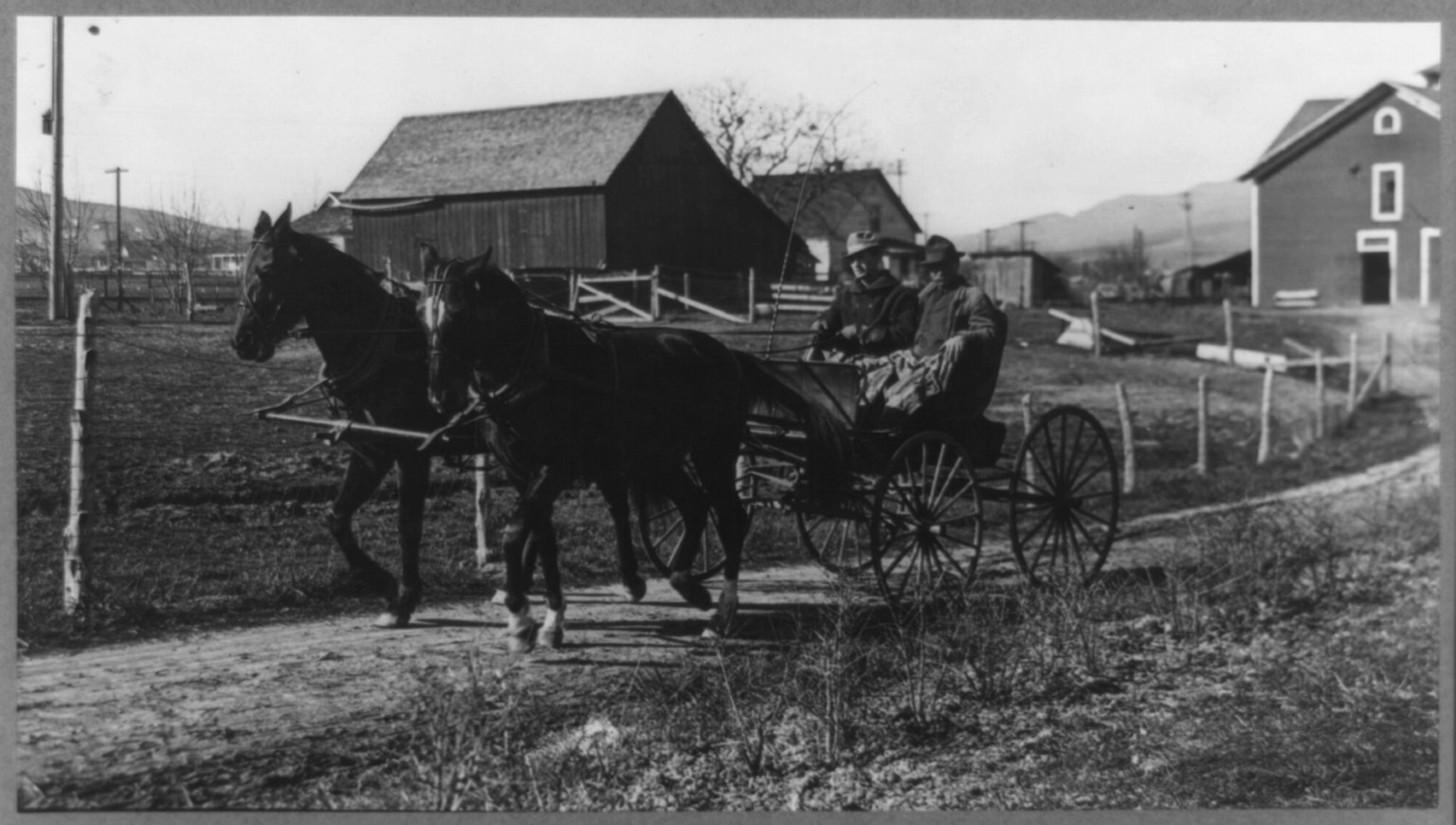
Driving somewhere together – to church, a social, a neighbouring town, or simply out along the roads – was the activity, not merely the means of reaching one.
Not applicable, though the equivalent persists.
Transport as the date is the key insight. A couple in an open buggy on a country road is in public and alone at the same time, moving, with something to look at and a reason to be side by side for an hour – which is a social arrangement that nothing in a parlour can match.
5. It Was the Only Place to Be Unsupervised
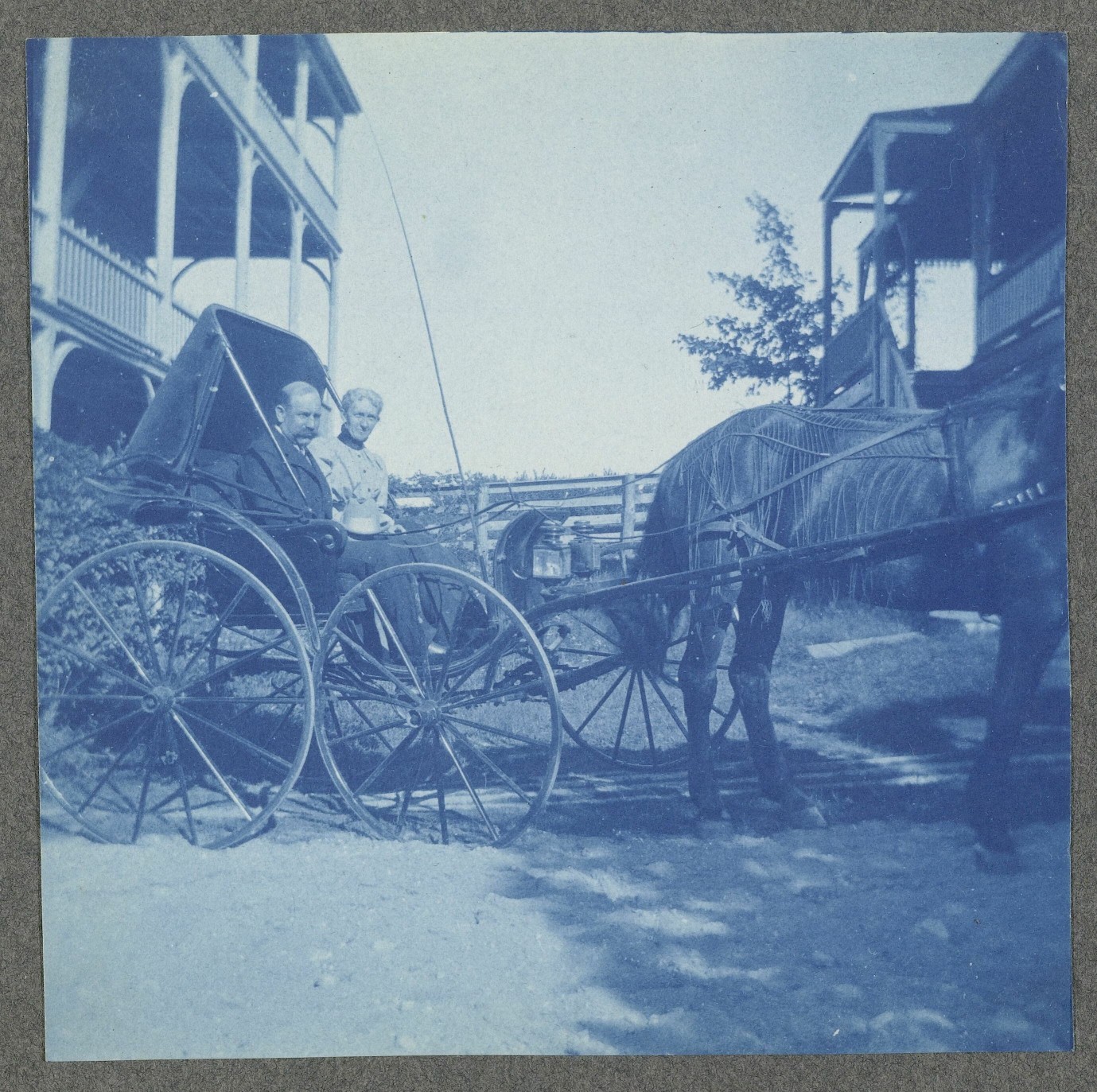
A house contains parents, siblings and visitors, and a young couple in a parlour was within earshot of everybody – while a buggy on a road was not.
Not applicable in that form.
This is the function that mattered most and everybody involved understood it. The vehicle created the only space available to a courting couple that was genuinely their own, which is why the rig mattered so much and why parents had opinions about it.
6. The Horse Knew the Way Home
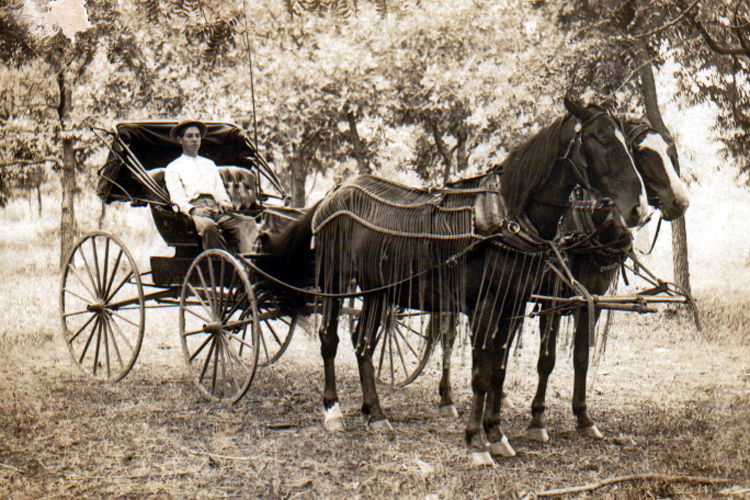
A horse that has made a journey repeatedly will take it unprompted, which meant a driver’s attention was not strictly required for the return trip.
Not applicable. A car requires continuous attention.
Everybody who grew up with horses mentions this and it is genuinely true. An animal with a route in its memory will walk home without instruction, and the practical consequences of that for a young couple on a dark road are the subject of a very large number of family anecdotes.
7. The Lap Robe Was Standard Equipment
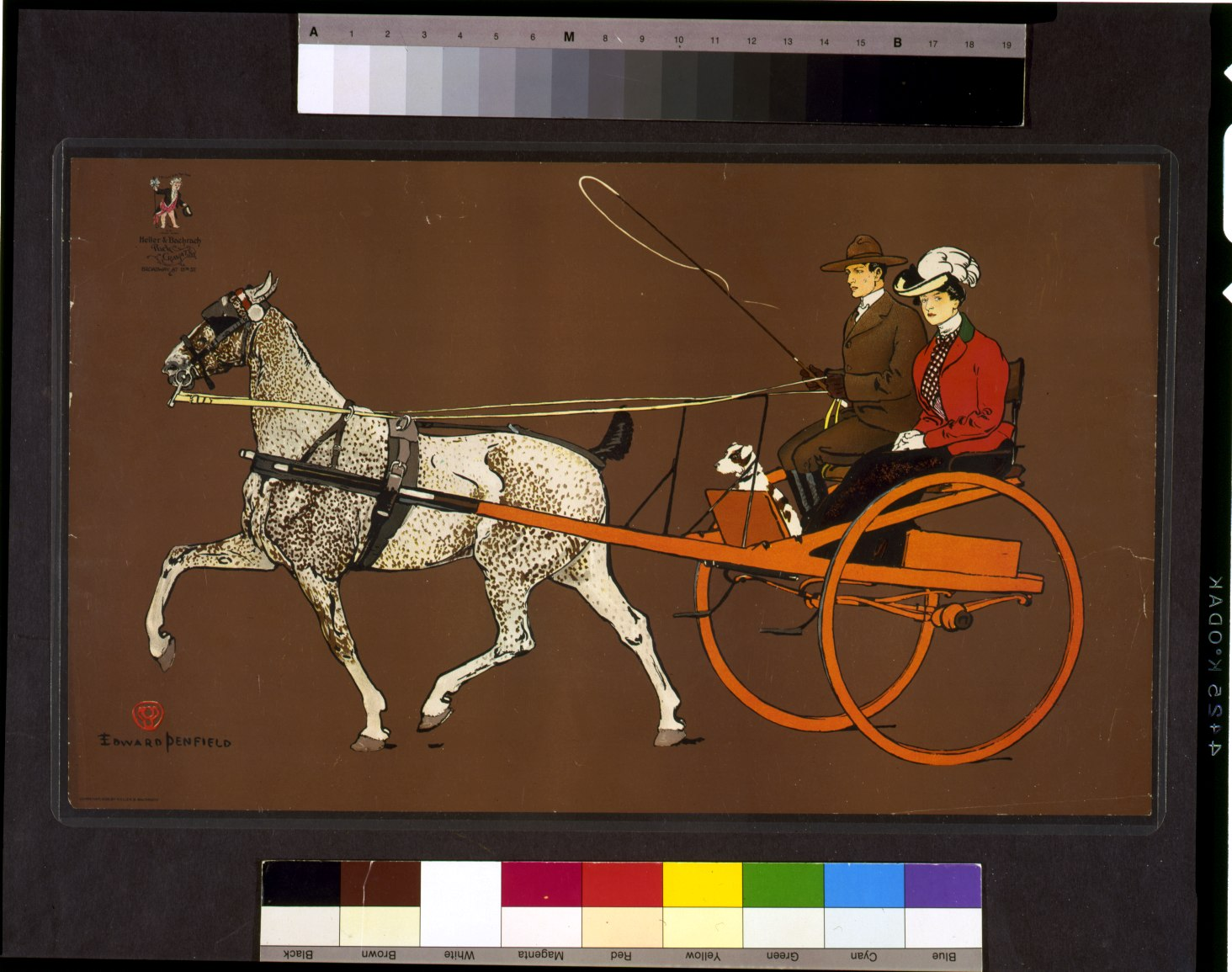
An open buggy in cold weather required a heavy robe across the knees, and it was part of the vehicle’s usual fittings.
Not applicable.
The robe is the detail that makes the setting physical rather than romantic. An open vehicle at night in autumn is extremely cold, which means courting in a buggy involved sitting under a shared blanket because there was no alternative – and that was a practical arrangement that happened to be convenient.
8. Sunday Was the Day
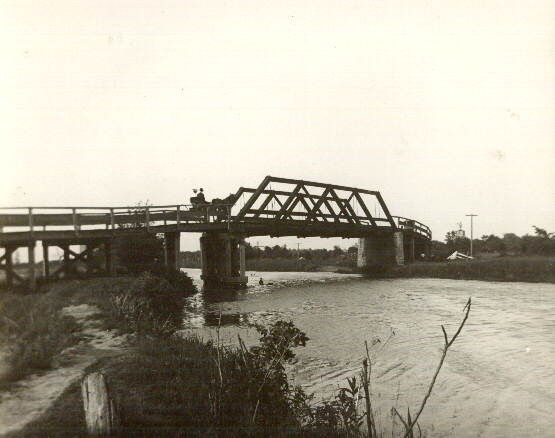
Courting ran on the one afternoon and evening when a working week permitted it, which made Sunday driving an institution and a visible weekly event.
Not applicable in that form.
The schedule was set by labour, as everything else was. Six days of work leaves one afternoon, and that afternoon was when every young couple in a district was on the roads at the same time – which made the whole business public, mutually observed and thoroughly discussed.
9. Everybody Saw Who Was With Whom
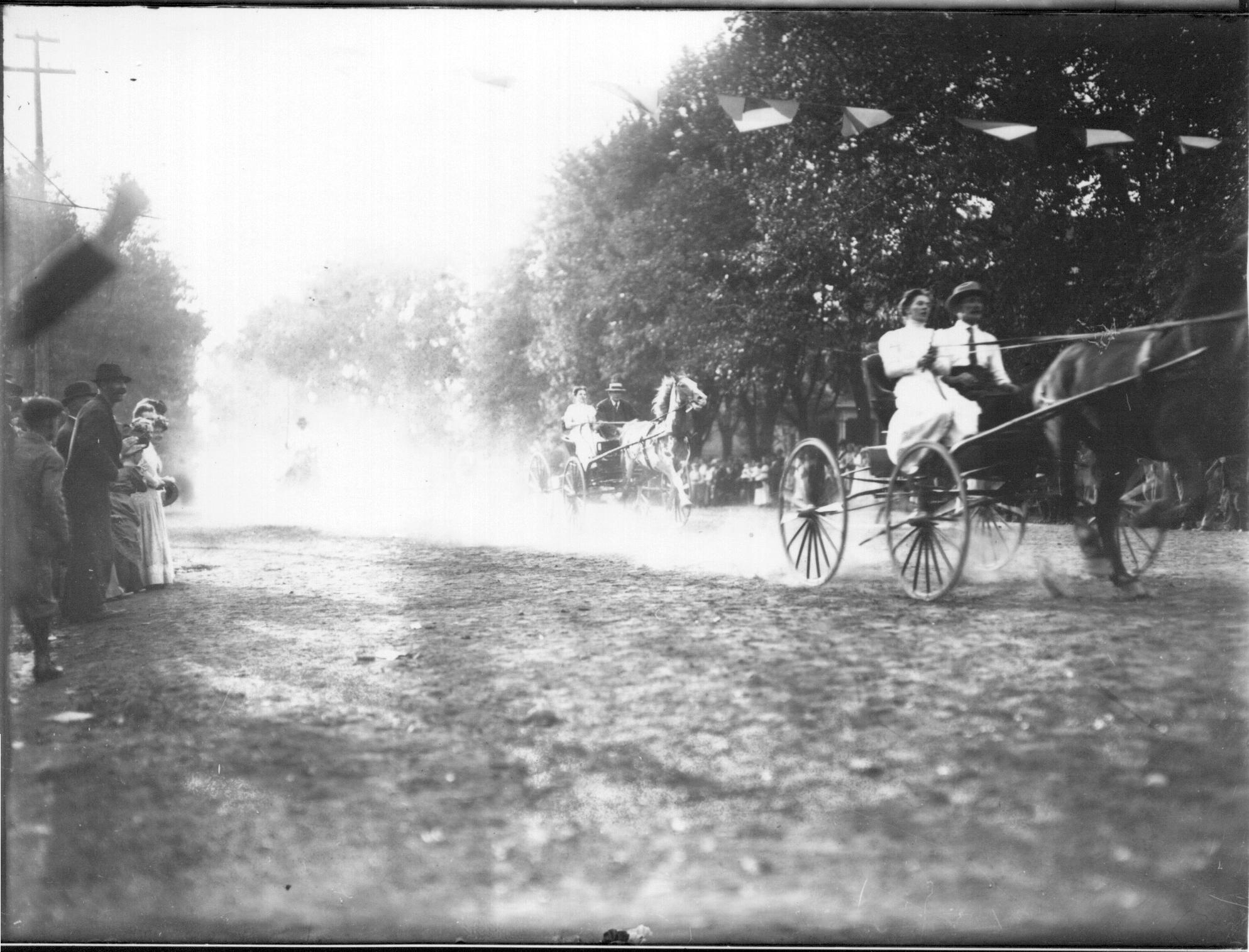
An open two-seat vehicle on a public road in daylight is completely visible, and a district knew within hours who had driven out with whom.
Not applicable at that density.
Visibility is the structural feature of courtship in a small community and it cut both ways. A couple seen together repeatedly was understood to be courting and treated accordingly, which provided a kind of social recognition – and it also meant nothing could be tried quietly.
10. The Girl’s Family Inspected the Arrangement
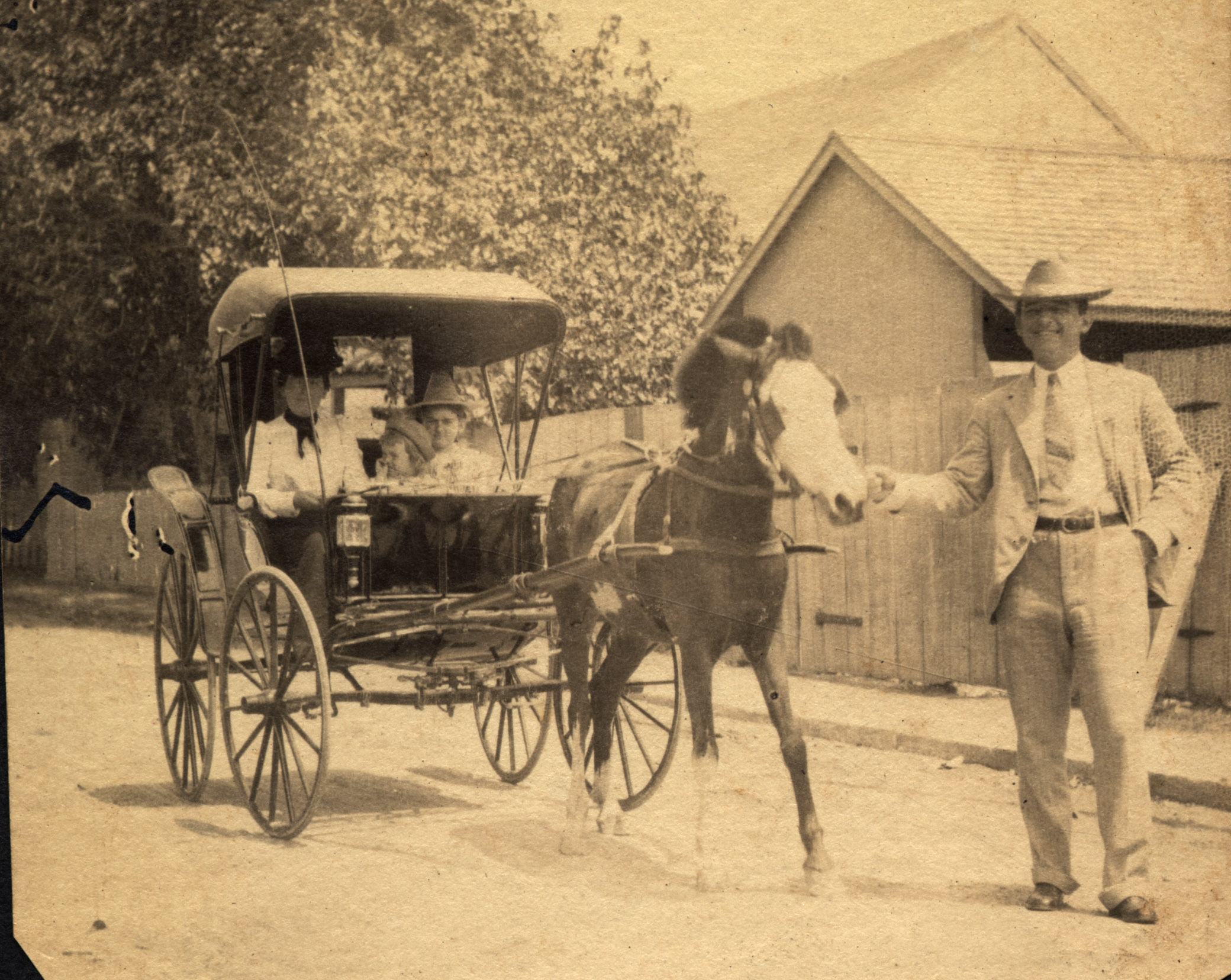
Parents formed a view on the young man, his rig, his driving and his hours, and expressed it – and permission to drive out was something that could be withheld.
Not applicable in that form.
The gatekeeping was real and it operated through the vehicle. A father who disapproved could simply refuse to let his daughter go out driving, which means the rig was being assessed as part of assessing the young man – and a poor horse badly kept counted against him.
11. Bad Weather Cancelled Everything
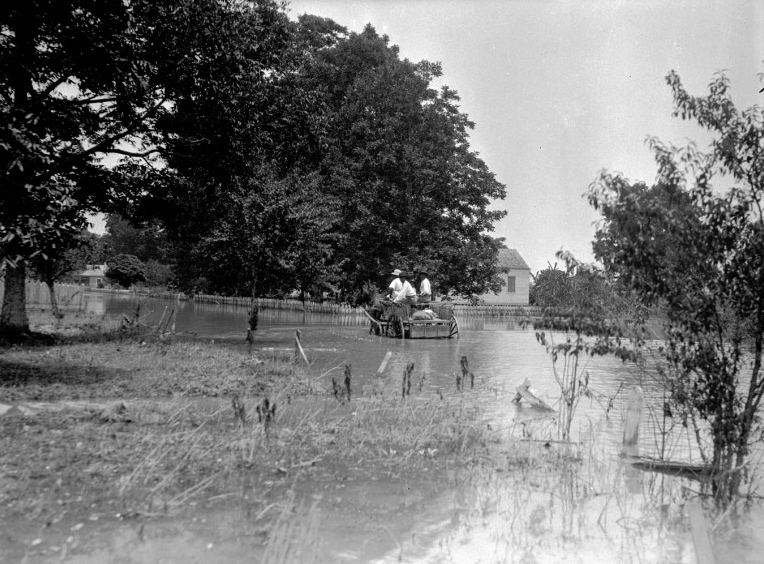
Rain, mud, snow and cold made an open buggy on an unpaved road impractical or impossible, which meant courting was weather-dependent.
Not applicable.
Weather dependency is a constraint nobody now experiences on a social life. A week of rain meant a week of no courting, because the roads were impassable and the vehicle had no roof – and a relationship conducted entirely by Sunday driving simply paused.
12. Then the Automobile Arrived and Changed the Scale
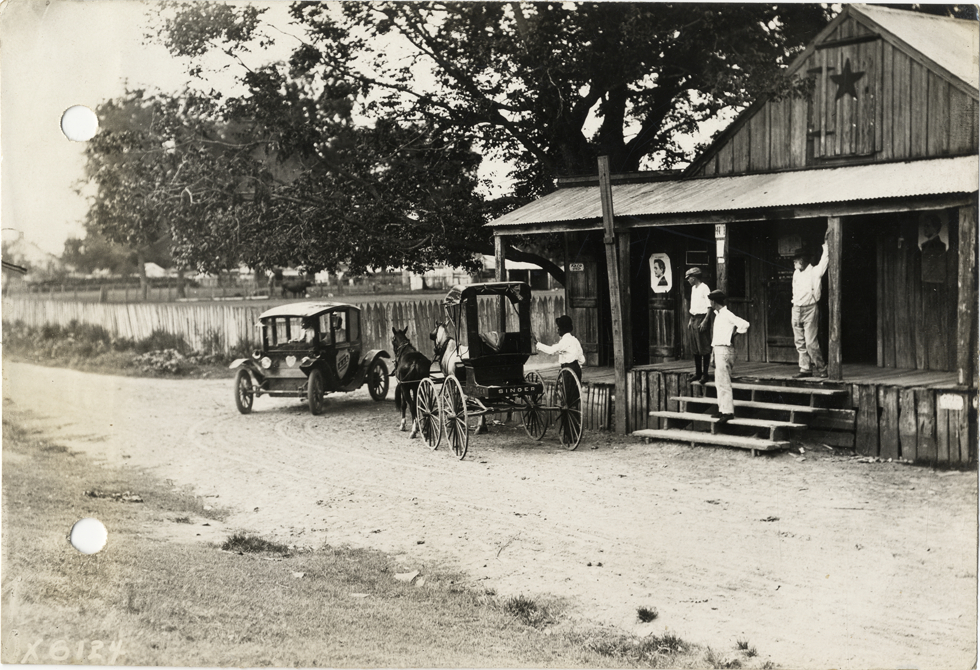
A car went further, faster, in more weather, with a roof, and reached places a buggy could not – which enlarged the geography of courtship enormously.
Universal.
The expansion of range is the first consequence and it is the biggest. A buggy’s radius is a few miles at walking-to-trotting pace; a car’s is tens of miles – which means a young person’s field of acquaintance stopped being their own township and became a whole region.
13. Then the Enclosed Car Changed the Supervision Too
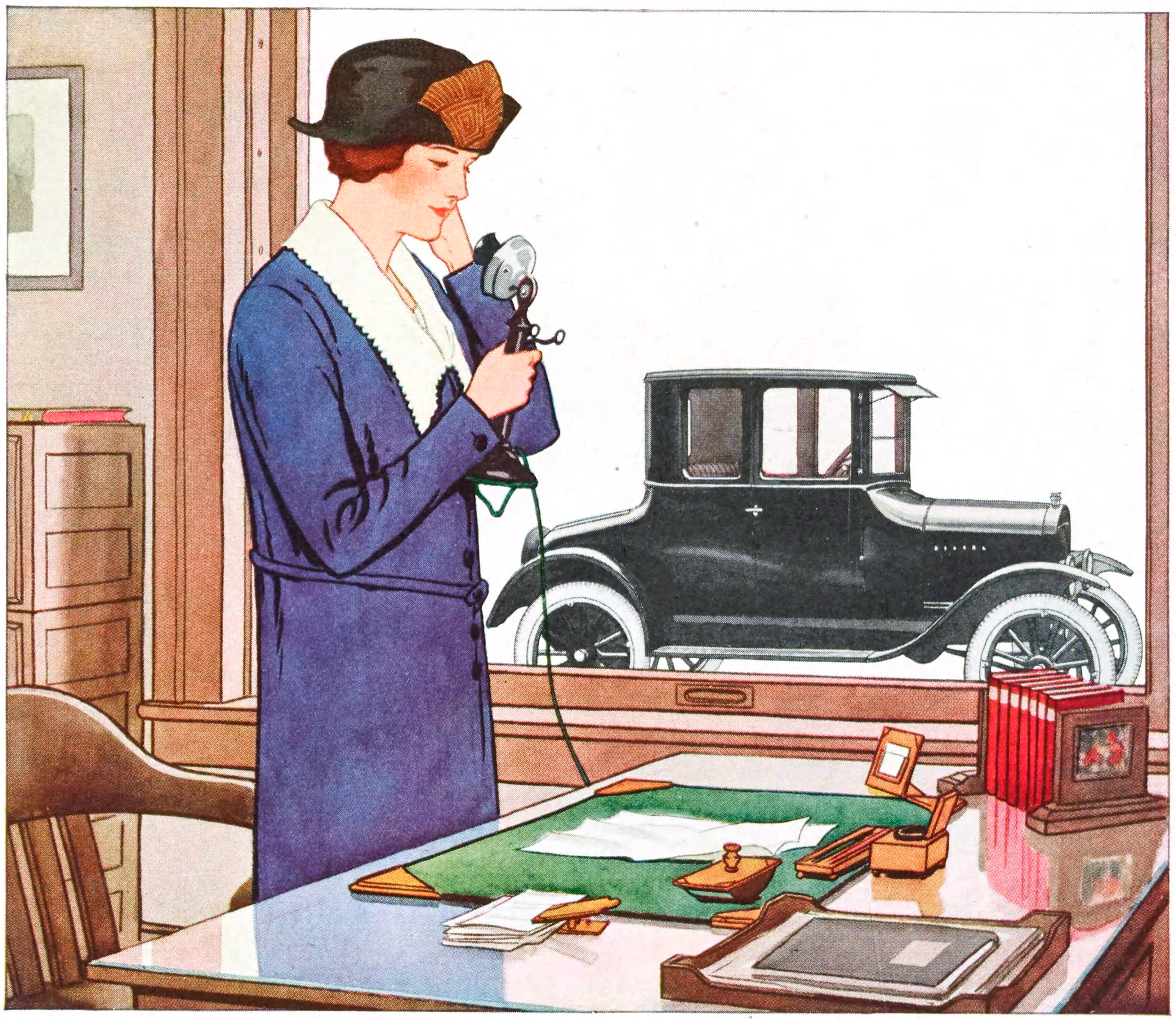
A closed car with a roof, windows and a door is private in a way an open buggy on a public road never was, and it could be parked.
Standard.
This is the change that produced genuine alarm at the time, and it was a reasonable thing to notice. An open two-seater is visible to everybody; an enclosed vehicle that can stop anywhere is not – which removed the community visibility that had been doing a great deal of the supervising.
14. Then Dating Replaced Courting Altogether
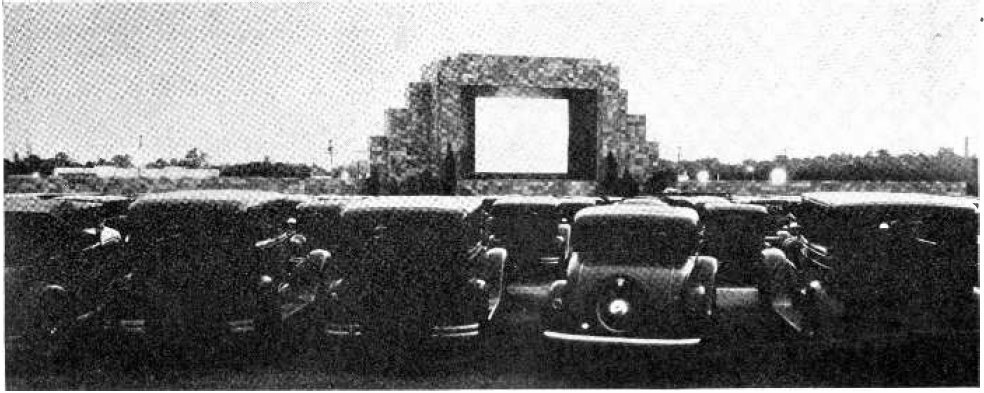
Going out to a commercial venue – a film, a restaurant, a dance hall reached by car – replaced the pattern of driving out from a house under a family’s eye.
Standard.
The shift from the home to the commercial venue is the real change and the vehicle enabled it. Once a couple could reach an entertainment that had nothing to do with either family, the parlour, the Sunday drive and the parental inspection all stopped being the structure that courtship ran through.
15. Then the Rig Became Nostalgia
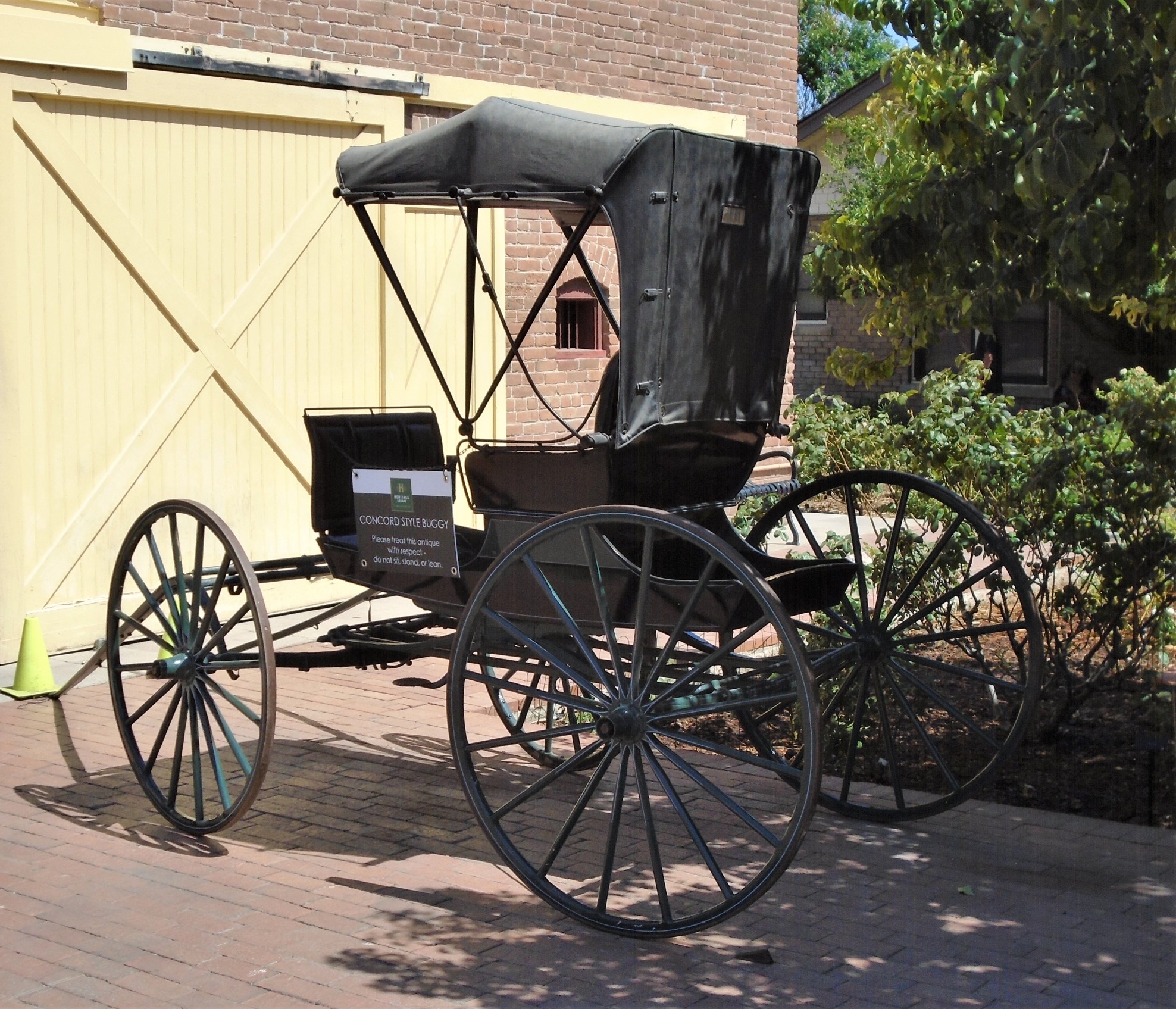
By 1964 the courting buggy was two generations gone, surviving in family stories and in the carriage houses of people who had kept one.
Not applicable. The car does all of it and has for a century.
And the thing worth noticing is how precisely the car inherited the role rather than replacing it. Everything a young man’s rig did, an automobile did: it was expensive, visible, chosen, maintained and judged; it had to be borrowed from a father if you did not own one, with hours attached and an inspection on return; it was the only unsupervised space available; the trip was the occasion rather than the means; and it was the thing a girl’s family formed an opinion about. Two things changed, and both followed from the machine rather than from anybody’s intentions. The range expanded from a township to a region, which changed who a young person could meet. And the vehicle acquired a roof and doors, which removed the public visibility that an open buggy on a Sunday road had provided automatically – and that visibility had been doing a great deal of the supervising without anybody being assigned to it. The alarm that greeted the enclosed automobile was therefore not foolish. The buggy had been chaperoned by the entire district, and the car was not.
The Car Did Not Replace It. The Car Inherited It.
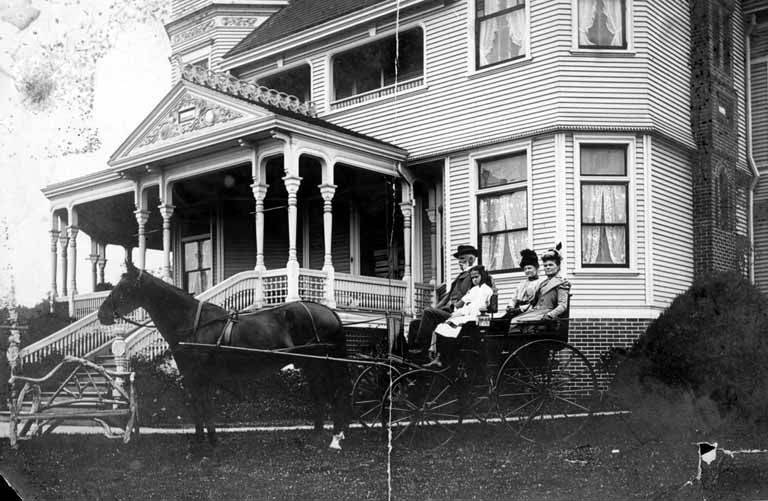
Line up what a young man’s rig did and what an automobile does, and the match is almost item for item.
It was expensive, visible, chosen and maintained, and it was read by everybody as a statement about him – his means, his taste, his competence, how seriously he took himself. A horse badly kept counted against him in exactly the way a filthy car with a dented wing does.
If he did not own one, he borrowed his father’s. With conditions attached, an hour to be back by, and an inspection on return. That negotiation has been conducted in identical terms by every generation since, with the only difference being whether the thing has an engine or a horse in front of it.
The trip was the occasion rather than the means. Driving out along the roads, to church, to a social, to the next town – the activity was the going, because a couple in an open buggy is in public and alone simultaneously, moving, side by side for an hour with something to look at. No parlour can offer that.
And it was the only unsupervised space available. A house contains parents, siblings and visitors, and a young couple in a front room is within earshot of all of them. A buggy on a road is not, which is the function that mattered most and which everybody involved understood perfectly well.
It was also judged by the girl’s family, who formed a view on the young man, his rig, his driving and his hours – and permission could simply be withheld.
Three things shaped the practice from outside. Sunday was the day, because six days of work leaves one afternoon, which put every young couple in a district on the roads at the same time. The weather cancelled everything, since an open vehicle on an unpaved road is impossible in rain, mud or snow, so a relationship conducted by Sunday driving simply paused for a wet week. And the horse knew the way home – an animal with a route in its memory walks it unprompted, which is true, is mentioned by everybody who grew up with horses, and is the basis of a very large number of family anecdotes.
Then the automobile arrived and did two things, neither of them anybody’s intention.
It expanded the range. A buggy’s radius is a few miles at a trot; a car’s is tens of miles – which means a young person’s field of acquaintance stopped being their own township and became a region.
And it acquired a roof and doors. This is the change that produced genuine alarm at the time, and the alarm was not foolish.
An open two-seat buggy on a public road in daylight is completely visible. A district knew within hours who had driven out with whom, which gave a courting couple real social recognition and also meant nothing could be attempted quietly. That visibility was doing a great deal of the supervising, continuously, without anybody being appointed to the job.
An enclosed car that can be parked anywhere is not visible to anybody.
So the buggy had been chaperoned by the entire district, and the car was not – and the people who worried about that had correctly identified what had changed.
The last shift was the venue. Once a couple could reach a film, a restaurant or a dance hall that had nothing to do with either family, the parlour, the Sunday drive and the parental inspection stopped being the structure courtship ran through at all.
If your grandparents courted this way, somebody in the family knows which horse it was.
And whose father had to be asked.
Like our content? Follow us for more.