In 1966 children were left responsible for a house, and often for a younger sibling, at ages nobody would arrange now. Present-day standards about this exist for well-established reasons, those reasons are not in dispute, and nothing in this piece is a recommendation about anything. What it describes is what households did when far less thought had been given to the question: a briefing of about forty words at a door, no way of reaching anybody in either direction, and a stated time that was always longer than stated. Here are sixteen things every American kid remembers about being left in charge in 1966, and why no parent would allow it.
1. It Started Earlier Than Anybody Would Arrange Now

Children were left responsible for a house, and for younger siblings, at ages that would not be considered today.
That needs stating first and plainly. Present-day standards about the age at which a child can be left in charge of anything exist for well-established reasons, those reasons are not in dispute, and everything about how this is handled now is better.
Nothing in this piece is a recommendation. It is a description of what households did when far less thought had been given to the question, and nothing in it should be read as describing how anybody ought to arrange anything today.
Like our content? Follow us for more.
2. The Instructions Were Short and the Responsibility Was Not

A departing adult issued three or four sentences and left, and the gap between the briefing and the job was enormous.
The brevity was a function of time. Somebody leaving the house is already late, which means the handover happened at a door, in under a minute, covering whatever occurred to them in that moment.
Children were therefore operating on almost nothing. The actual scope of the responsibility – a building, its contents and frequently another person – had been conveyed in about forty words.
3. You Were Told What Not to Do and Not What to Do

Every briefing was a list of prohibitions, and none of them covered what a child should actually do if something happened.
The asymmetry is revealing. Adults could anticipate the things a child might do wrong and could not anticipate the situations a child might face, so the instructions addressed the first category exclusively.
That left the hard part uncovered. A child who encountered something not on the list had no guidance at all and had to decide for themselves, which is the whole experience of the arrangement.
4. There Was No Way to Reach Anybody
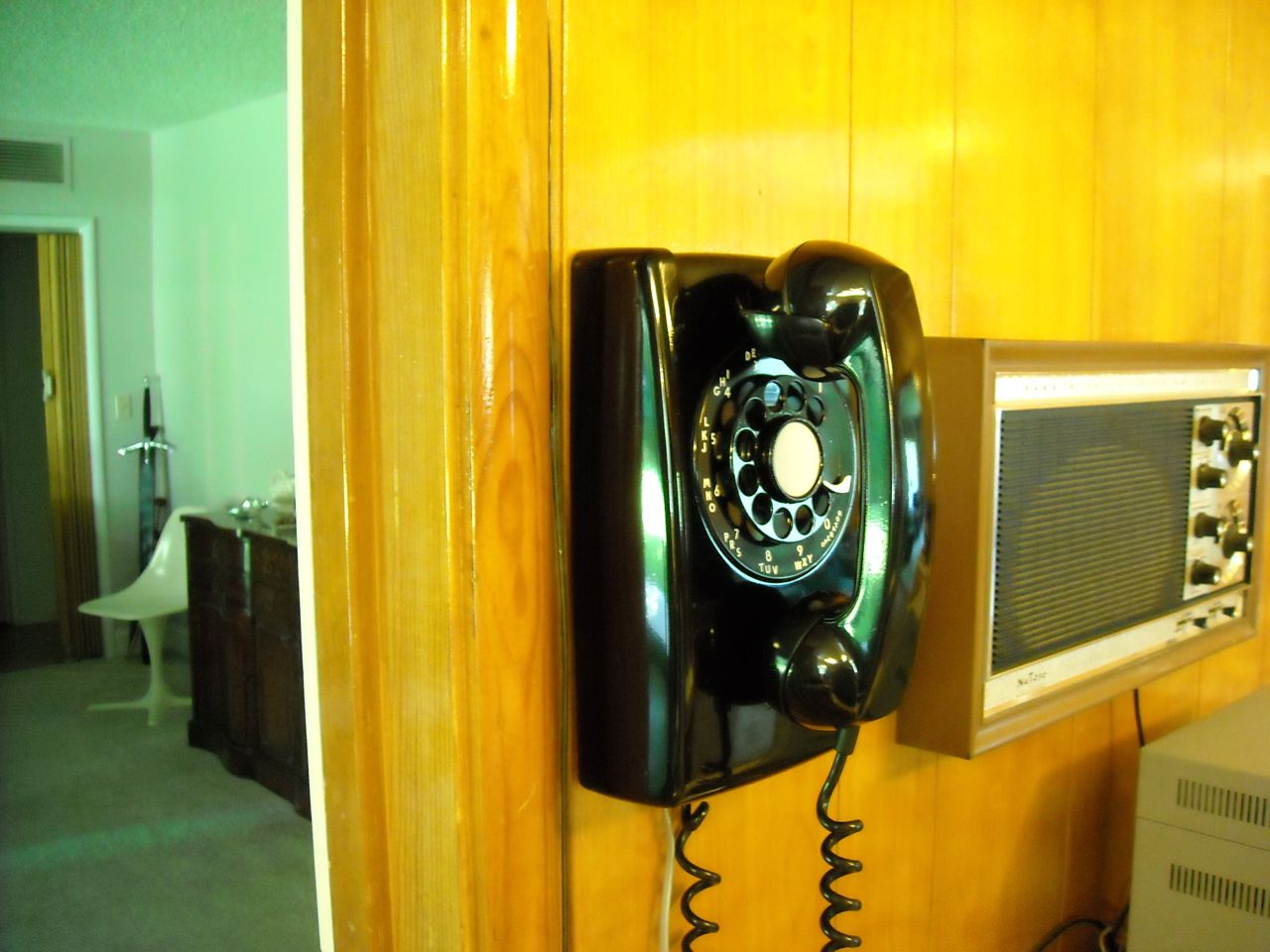
A child alone in a house had no means of contacting the adult who had left, and frequently did not know where they had gone.
The isolation was total and nobody described it as a problem. A household telephone can receive a call and cannot find somebody who is out, which meant the child was genuinely unreachable in both directions for the duration.
Modern arrangements are better in every respect. The ability to contact an adult immediately is the single largest improvement in this entire subject and it needs no defending.
5. The Time Was Always Longer Than Stated
An adult who said an hour was gone for two, and the child had no way of knowing which it would be.
The overrun was routine rather than careless. Errands take longer than people estimate, there was no means of sending word, and a household of that period had no expectation that any such message would be sent.
That is the part children remember most clearly. Not the responsibility but the waiting, and the specific experience of a stated time passing with nothing to do but keep waiting.
Households varied enormously in how much was said. Some children got a detailed account of where everything was and what the afternoon contained, and some got a single sentence on the way out, and no child had any way of knowing their own briefing was unusually thin until they compared it with somebody else’s years later.
6. Watching the Clock Became the Whole Activity
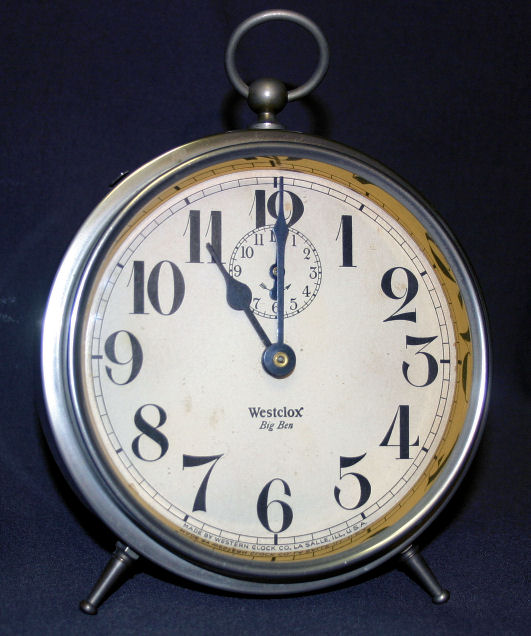
A child counting down to an adult’s return did very little else, however long the period lasted.
The behaviour was predictable. A restriction with an uncertain end produces continuous checking, which makes the time pass more slowly, which produces more checking, and nobody of eight has any defence against that loop.
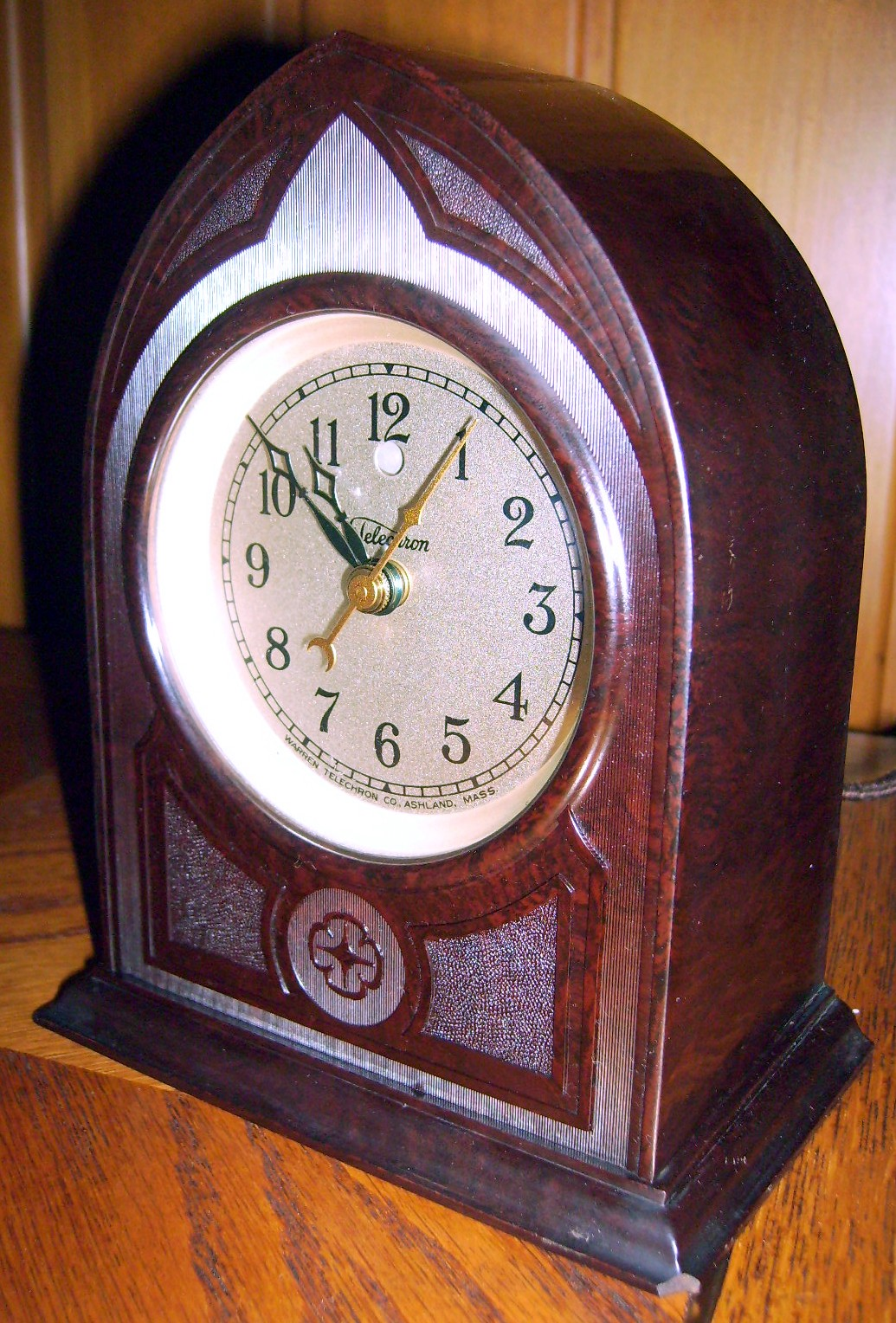
The clock was frequently wrong. A household mechanical clock running several minutes out meant a child’s entire estimate was built on a figure nobody had checked that week.
7. Every Sound in the House Was Investigated

A building makes noises continuously, and a child alone in it hears every one of them for the first time.
The explanation is ordinary and the experience was not. Plumbing, timber and whatever is outside all produce sounds that are inaudible when a house is occupied and unmistakable when it is not, and a child had no catalogue to compare them against.
Most of the period was spent on alert. The actual content of being left in charge, for a great many children, was two hours of unnecessary vigilance about a building behaving exactly as it always did.
8. Looking After a Younger Sibling Was the Real Job
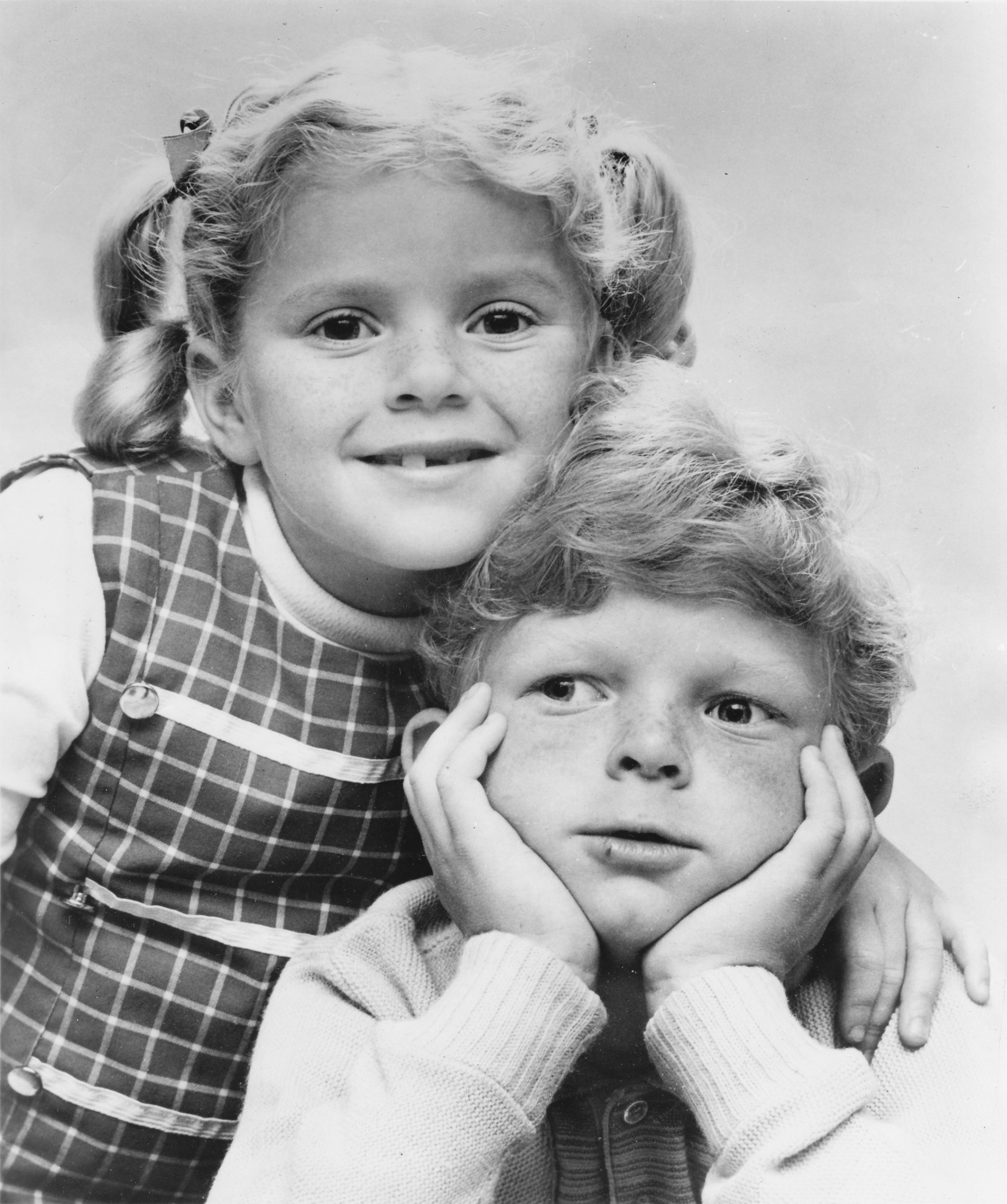
The house was incidental; the person was the responsibility, and that is the part nobody acknowledged in the briefing.
The difficulty was authority rather than care. A child of ten has no means of compelling a child of six to do anything, which means the arrangement depended entirely on the younger one’s cooperation.
The younger sibling knew that perfectly well. Every child who was ever left in charge discovered within about ten minutes that their authority was theoretical, and a considerable number of them never got it back.
9. Nothing Was Allowed to Be Touched and Everything Was

The list of prohibited items was understood, acknowledged and then tested systematically.
The opportunity was the point. A child alone in a house has unsupervised access to every object in it for the first time, and the prohibitions functioned as an index of what was worth examining.
Almost nothing was damaged. The overwhelming majority of this investigation consisted of looking at things and putting them back, which children did carefully and never mentioned afterwards.
The house also looked different with nobody in it. Rooms a child passed through fifty times a day became worth examining once there was nobody to explain or interrupt, and a considerable number of people describe noticing the furniture, the pictures and the view from a particular window properly for the first time on an afternoon like this.
10. You Found Things You Were Not Meant to Find

A child with two hours and no supervision goes through drawers, and a household’s private business was in those drawers.
The discoveries were various and mostly dull. Papers, photographs, items put away deliberately and things that were simply old, none of which a child could interpret and all of which they remembered.
Nothing was ever said about it. A child who had found something had no way of raising it and no intention of doing so, which means a considerable amount of what children learned about their families was acquired this way and never discussed.
11. The Door Stayed Shut and That Was the One Rule Everybody Kept
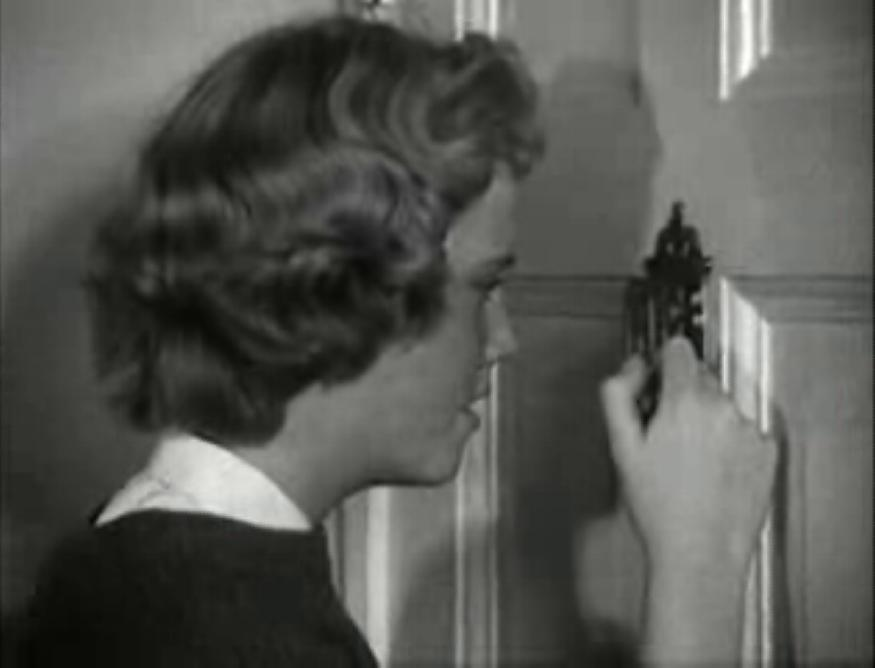
Whatever else was tested, the instruction about not opening the front door to anybody was observed.
The compliance stands out. Children who had been through every drawer in the house still would not open the door, which suggests they understood that one instruction differently from all the others.
How they handled a caller was a separate matter and belongs elsewhere. What mattered here was simply that the rule about the door was the one that held.
12. Using the Kitchen Was Forbidden and Negotiated
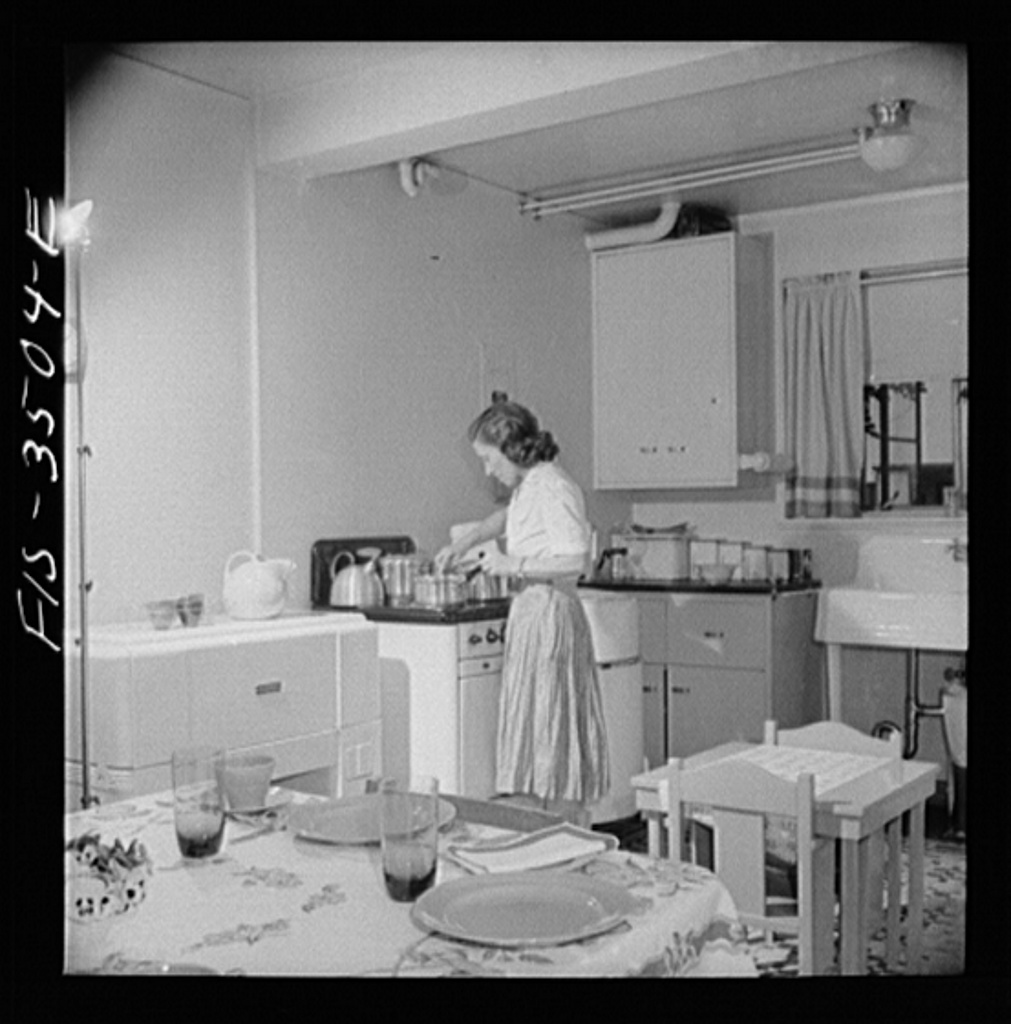
Children were told not to use anything that heated, and the restriction was partially observed.
The prohibition was correct and remains so. An unsupervised child and any heat source is a combination present-day standards address directly and properly, and the reasons are not in dispute.
Nothing in this piece describes what anybody should do. The file notes that the instruction existed and that it was not always followed, and makes no recommendation about anything.
13. The Arrival Home Was Heard Before It Was Seen

A child listening for two hours identified the specific sound of the household returning from a considerable distance.
The recognition was finely tuned. A particular vehicle, a particular gate, a particular tread on a particular step – all of it was learned by a child who had nothing else to attend to, and the identification was reliable.
What followed was a rapid restoration. Everything was returned to approximately where it had been, in about ninety seconds, by a child who had been preparing for that moment for an hour.
The restoration was also never as complete as the child believed. Something was always left slightly out of position, which an adult noticed and did not mention, and the silence on that point was itself a form of permission that neither party ever acknowledged.
14. Nothing Was Ever Asked About Afterwards

The returning adult did not inquire what had happened, and the child did not report.
The absence of a debrief was universal. A household that had left a child responsible for a building and another person for two hours asked nothing at all on returning, which children found unremarkable at the time.
That is why so little of it was ever known. Whole afternoons in which a child managed something genuinely difficult went entirely unrecorded, including the parts that had gone wrong.
15. Being Trusted Mattered More Than the Trust Was Worth
The significance of having been left in charge was out of all proportion to what the job actually involved.
The scarcity of the experience explains it. A child of that period had almost no occasions on which anything was entrusted to them, which made this one carry a weight the task itself did not justify.
It was also entirely uncelebrated. Nobody said anything before, during or afterwards, and the child’s sense of having been given something significant was held privately and never confirmed.
16. Then Nobody Was Left in Charge of Anything
Later ages, far better awareness, arranged childcare, mobile contact and a complete rethinking of what a child can reasonably be responsible for ended the practice.
Every part of that is an improvement and none of it needs defending. Children are not left responsible for buildings and younger siblings at the ages they once were, they can reach an adult instantly, and both of those changes are plainly good.
What went with it is two hours nobody ever asked about. Forty words of instruction at a door, a stated time that was always wrong, a building whose every ordinary noise was investigated, an authority over a younger sibling that turned out to be theoretical, a set of drawers that explained something about the family, and a ninety-second restoration performed to a sound heard from the end of the street.
What the Briefing Left Out
Read in order, the sixteen turn on one asymmetry. Every briefing was a list of prohibitions, because an adult leaving the house can anticipate the things a child might do wrong and cannot anticipate the situations a child might face. So the instructions covered the first category exclusively and left the hard part entirely uncovered, which meant a child who encountered anything not on the list had no guidance at all.
Two things made the period harder than the job. The isolation, which was total: a household telephone can receive a call and cannot find somebody who is out, so the child was genuinely unreachable in both directions. And the uncertainty about when it would end, which produced continuous clock-watching, which makes time pass more slowly, which produces more checking – on a clock that was itself running several minutes out and had not been checked that week.
The real responsibility was never the building. A child of ten has no means of compelling a child of six to do anything, which means the whole arrangement depended on the younger one’s cooperation, and every child who was ever left in charge discovered within about ten minutes that their authority was theoretical. A considerable number of them never got it back.
Two things in this piece are stated plainly as endorsements of present practice. The ability to contact an adult immediately is the single largest improvement in the whole subject and needs no defending. And the prohibition on an unsupervised child using anything that heated was correct then and is addressed directly and properly now; the file notes that the instruction existed and was not always followed, and recommends nothing.
What went with the arrangement is two hours nobody ever asked about afterwards – a building whose every ordinary noise was investigated, a set of drawers that explained something about the family and was never mentioned, and a ninety-second restoration performed to a sound heard from the end of the street.
Like our content? Follow us for more.