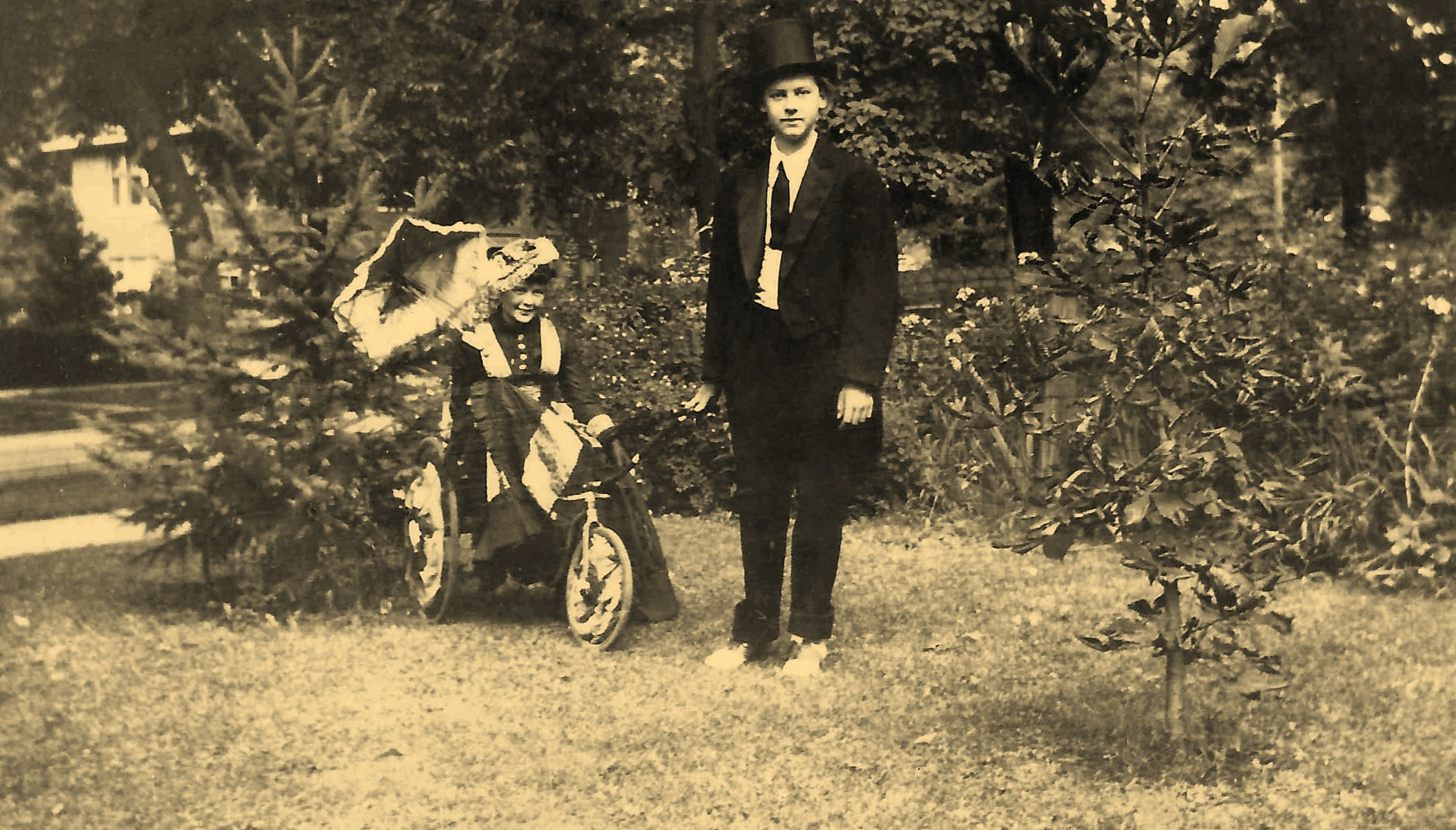
The costume box was made of things nobody wanted any more, and that supply determined everything the play could be.
A coat past saving, a hat out of fashion, shoes nobody could wear – collected in a box or a trunk and handed over. A box of random adult cast-offs offers no character and no instructions, which means every costume had to be invented out of whatever was in there, and what was in there changed as things wore out upstairs.
The scale was the whole appeal. A coat that reaches the floor and shoes that fall off are not a failure of fit – they are the entire effect, because the gap between the garment and the wearer is what makes the transformation visible. Here are sixteen things every child knew.
1. The Costume Box Was Made of Things Nobody Wanted Any More
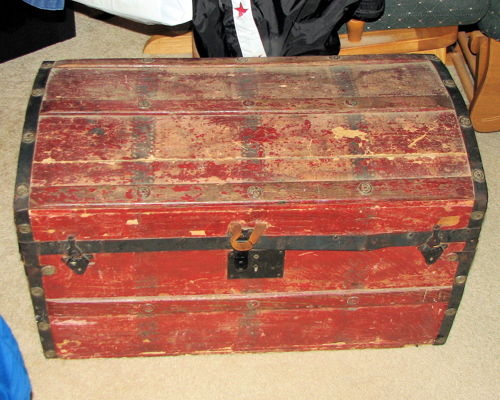
Dressing up ran on cast-off adult clothing – a coat past saving, a hat out of fashion, shoes nobody could wear – collected in a box or a trunk.
Bought costumes of specific characters.
Start with the supply, because it determined what the play could be. A box of random adult cast-offs offers no character and no instructions, which means every costume had to be invented out of whatever was in there – and what was in there changed as things wore out upstairs.
Like our content? Follow us for more.
2. Adult Clothes Were the Whole Appeal
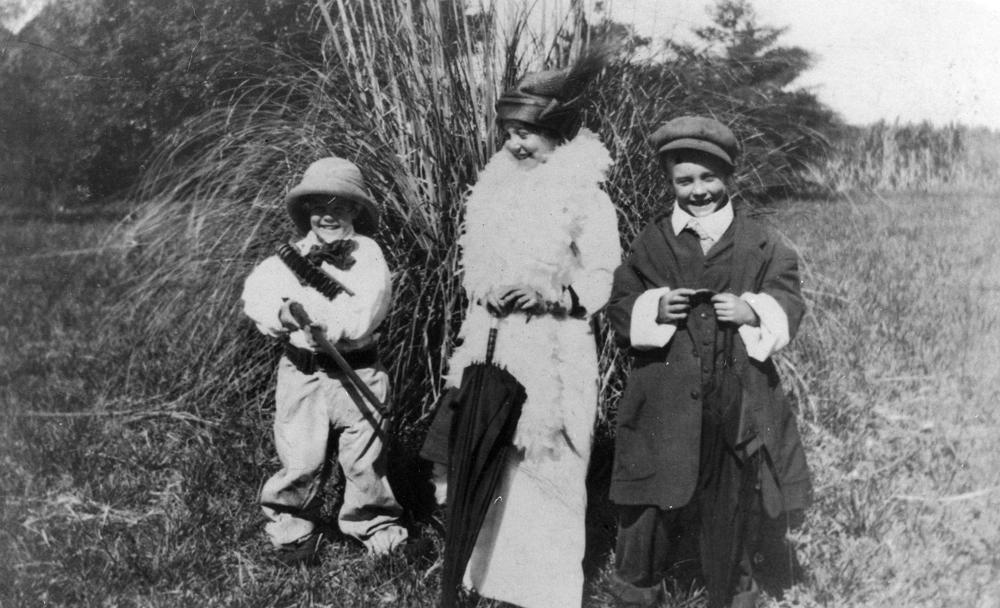
The point was wearing something belonging to the grown-up world, several sizes too big, rather than something made for a child.
Child-sized and character-specific.
The scale is the thing children were actually after. A coat that reaches the floor and shoes that fall off are not a failure of fit – they are the entire effect, because the gap between the garment and the wearer is what makes the transformation visible.
3. Shoes With Heels Were the Most Valuable Item in the Box
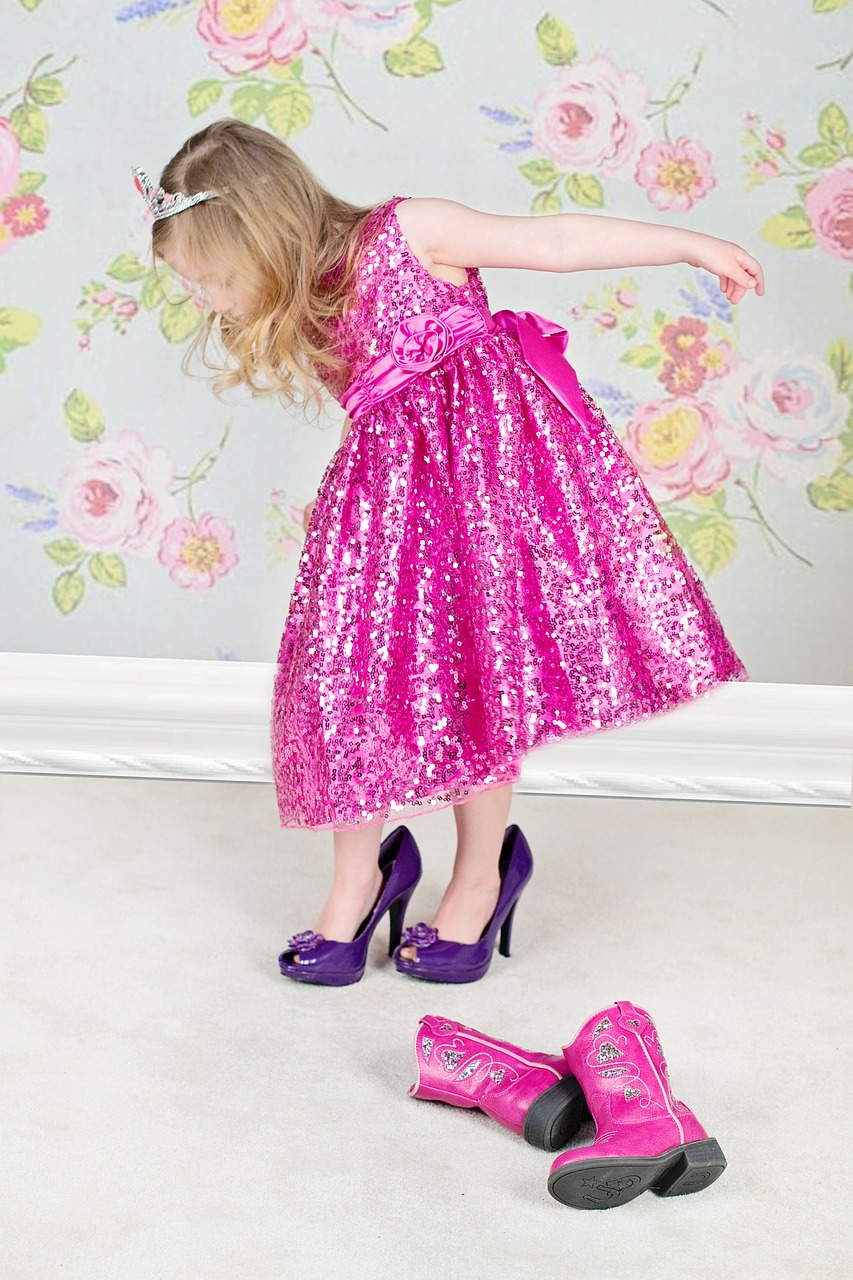
A pair of adult shoes a child could shuffle about in was fought over more than anything else, because of the sound and the height.
Not applicable.
The appeal of heels was partly auditory and that is often forgotten. They make a noise on a hard floor that announces an adult is walking, which is a far more powerful signal of grown-upness than anything visual in the box.
4. A Hat Changed Who You Were More Than a Dress Did
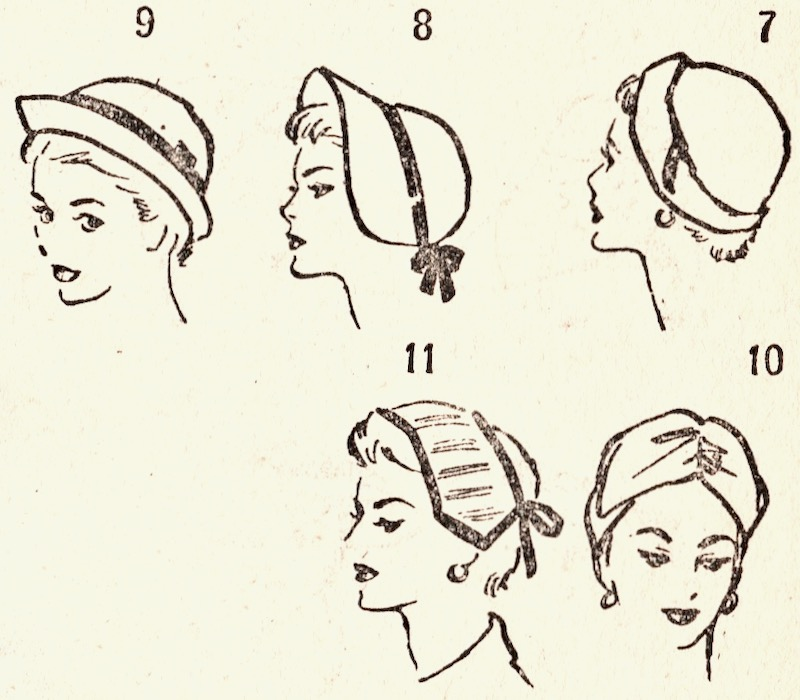
Headwear was the most efficient costume element, because it is visible from every angle and sits where everybody looks first.
Not applicable.
The efficiency of a hat is a genuine piece of design logic arrived at by trial. A child with a hat and ordinary clothes reads as a character, and a child in a long dress with no hat often does not – so the hats went first and were the most contested.
5. Jewellery Came From a Specific Drawer and Was Loaned Deliberately
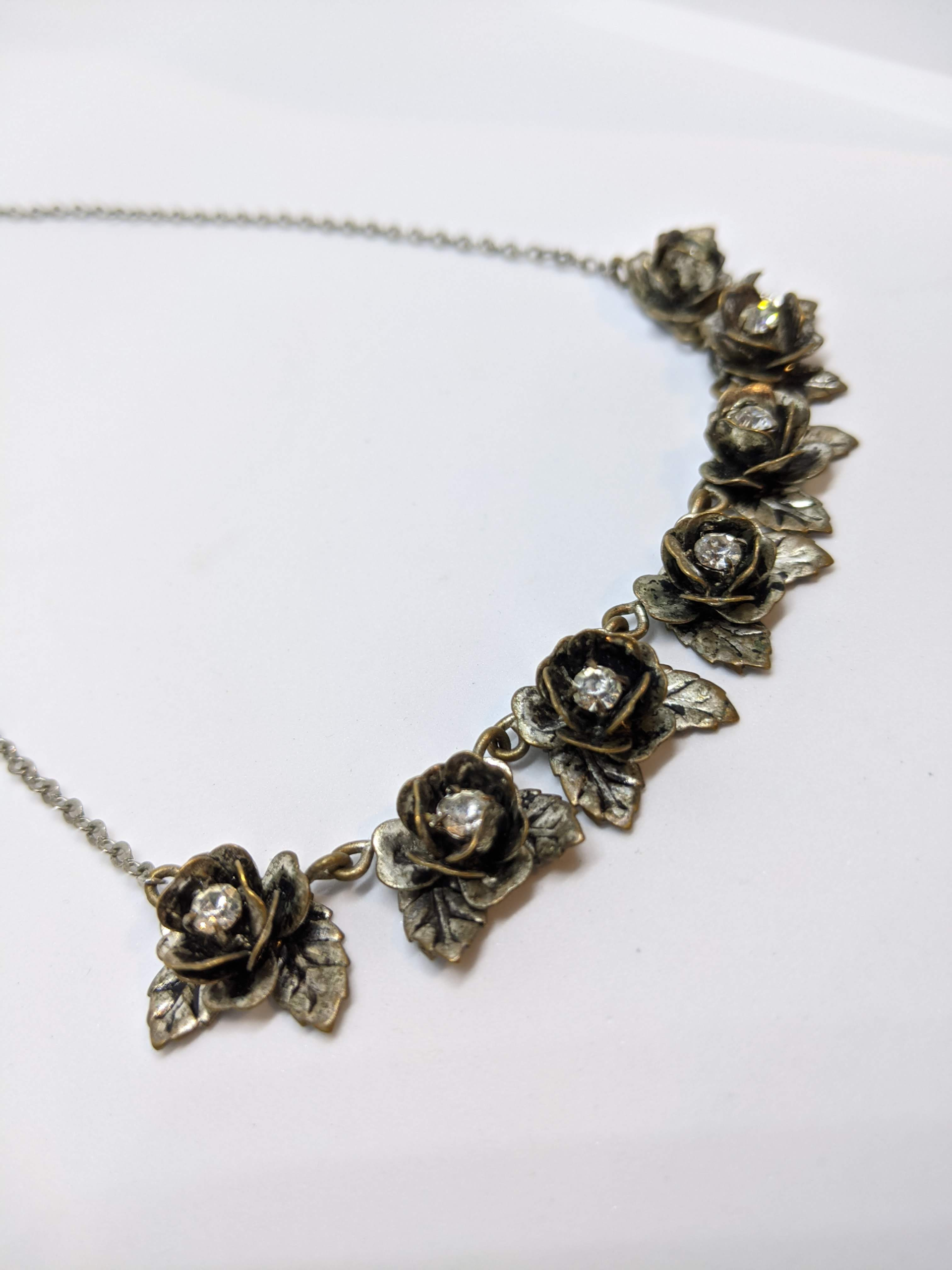
Costume beads, clip earrings and brooches were kept separately, and permission to use them was given item by item.
Not applicable.
The controlled access tells you these were a different class of object. Clothing in the box was abandoned, while the jewellery was still somebody’s, so it was lent under supervision – which made getting the good necklace an event in itself.
6. The Tea Party Was a Rehearsal of Adult Behaviour
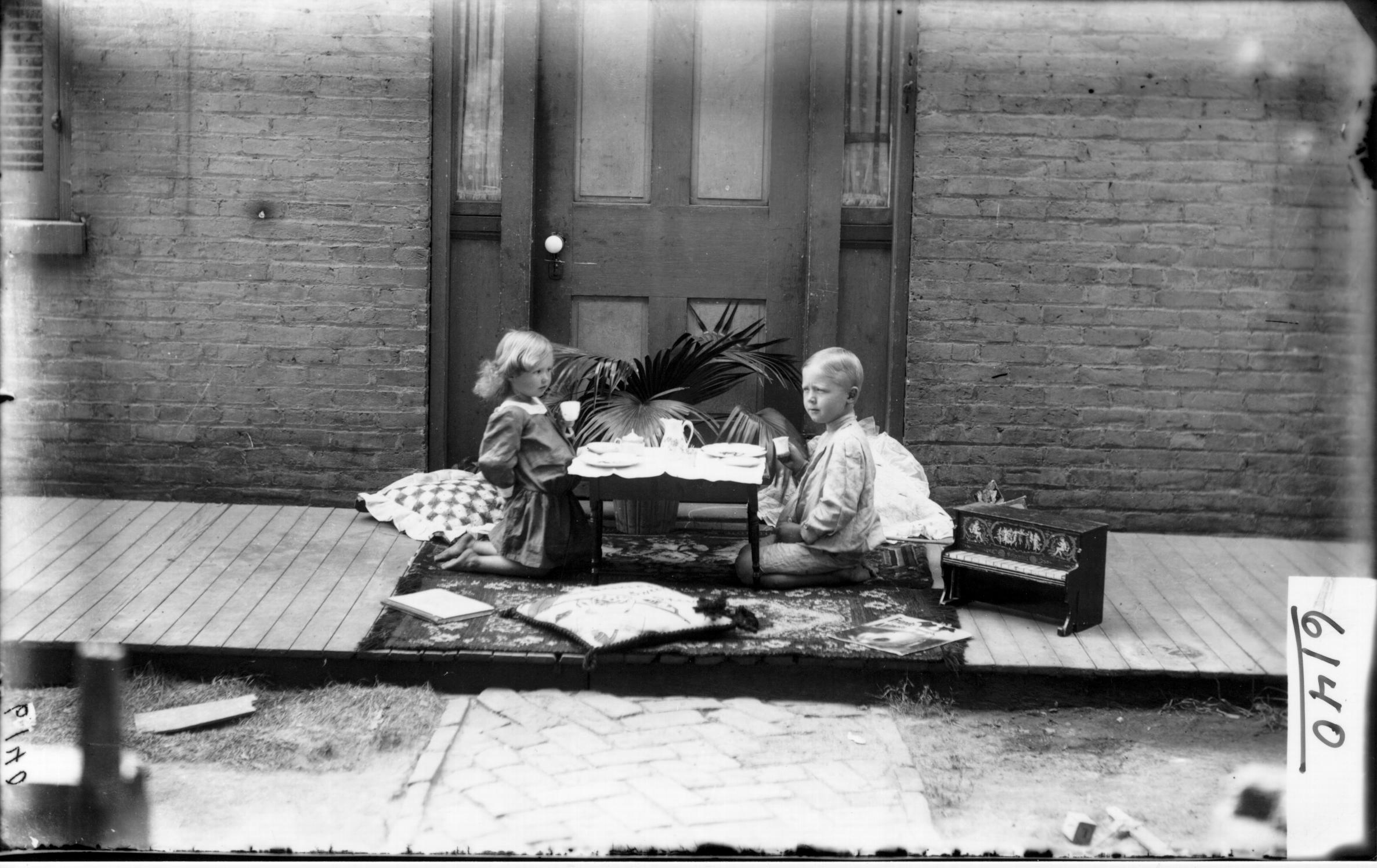
Children laid a table, poured, offered, accepted, thanked and made conversation, in a precise imitation of what they had watched adults do.
Less observed.
This is the part that was doing real work, and nobody was teaching it. A child hosting a tea party is running a procedure they have assembled entirely from observation – the order of offering, the phrases, who gets served first – and performing it until it becomes automatic.
7. The Script Came From Watching Visitors Arrive
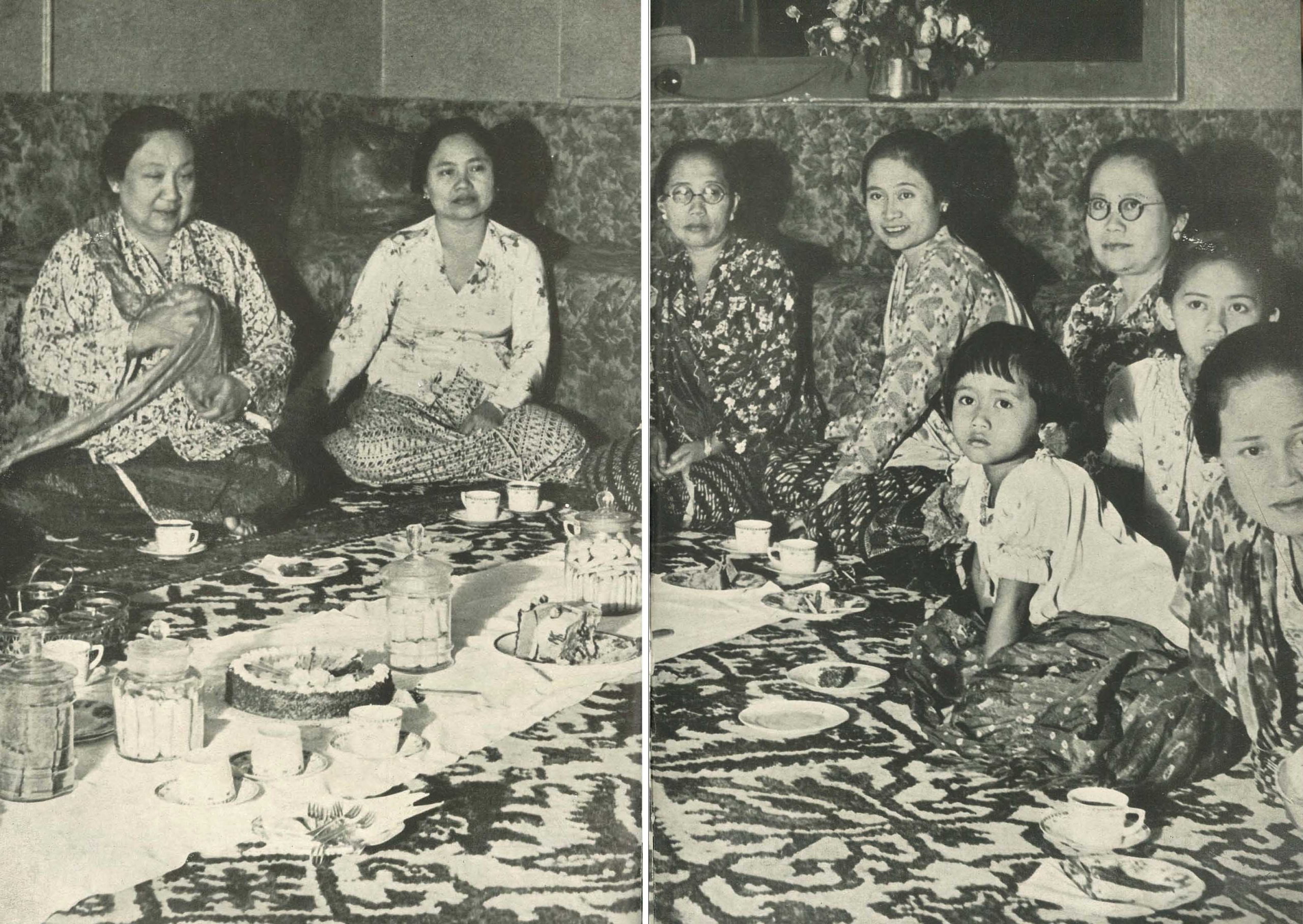
Everything in the performance was copied from real hospitality – the greeting, the seating, the refusal and the pressing, the enquiry after somebody’s family.
Not applicable in the same form.
The source material matters because it explains the detail. Children who watched a steady traffic of callers through a front room absorbed an entire protocol, and they reproduced it with a fidelity that adults found funny and slightly unsettling.
8. Real Food Was Rarely Involved and Nobody Minded
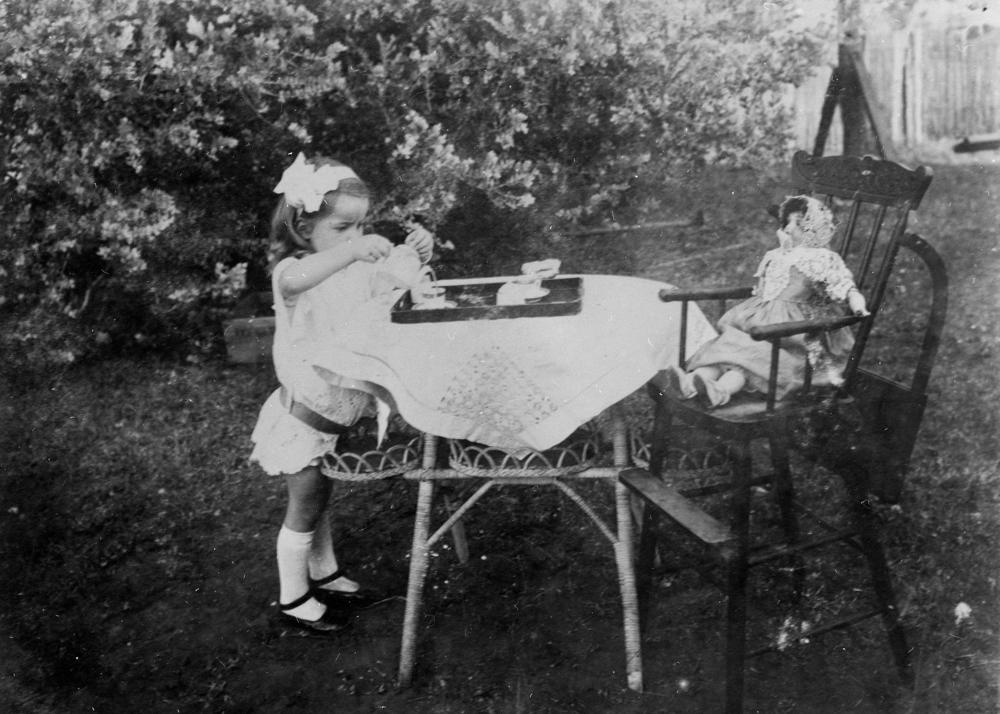
A tea party usually ran on water, an empty pot, air, or something small negotiated out of a kitchen – the food was not the point.
Often catered.
The absence of actual refreshment demonstrates what the activity was for. If the attraction were the eating, water in a cup would end it immediately – the attraction was the procedure, and the contents of the cup were irrelevant to it.
9. Dolls and Younger Siblings Filled the Empty Chairs
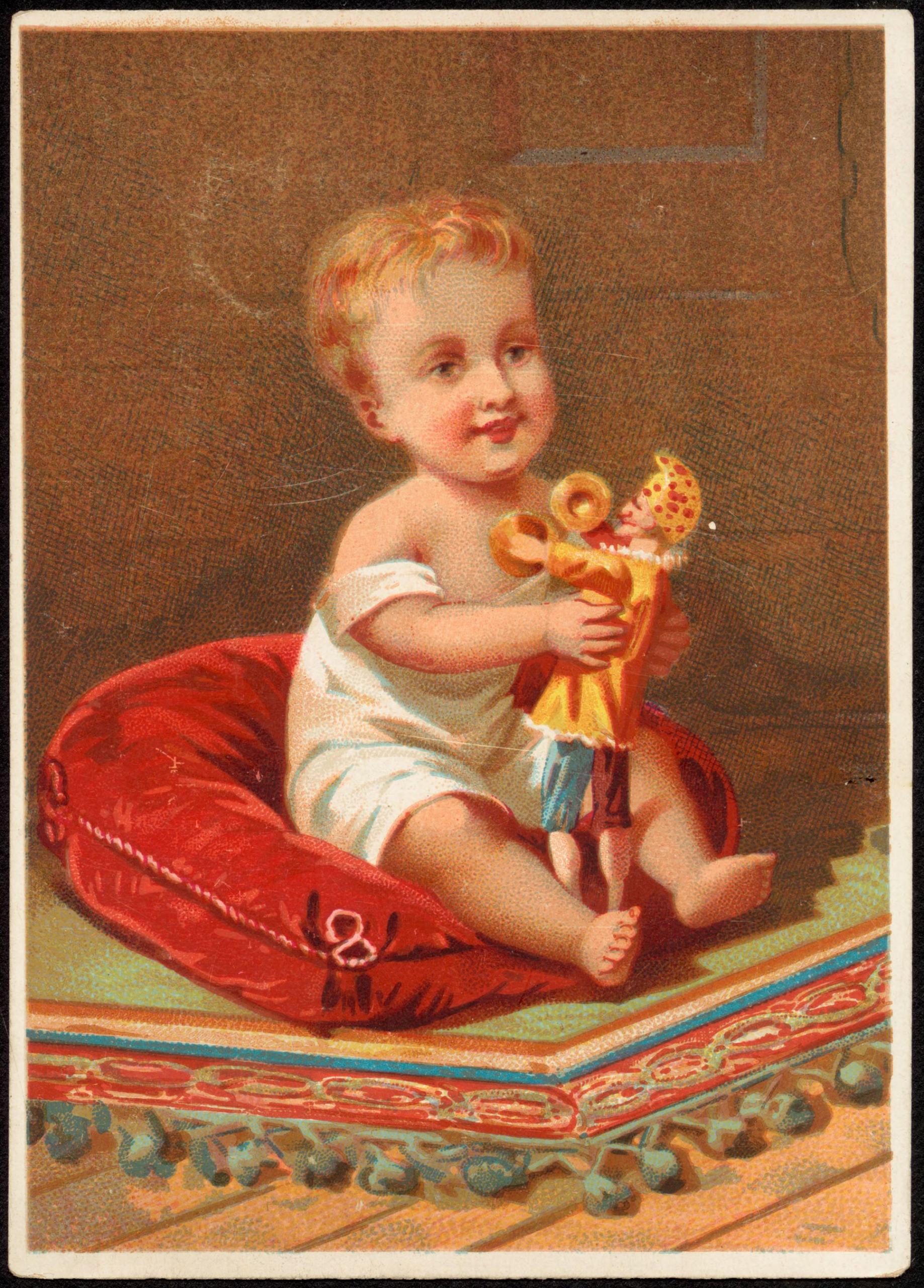
A party needs guests, so dolls, animals and whoever could be recruited were seated, addressed and served in turn.
Not applicable.
Casting non-participants as guests is a neat solution to a staffing problem. A procedure that requires several people can be run by one child provided the other chairs are occupied by something that can be talked to – and a doll never refuses to play along.
10. The Mother Was the Role Everybody Wanted
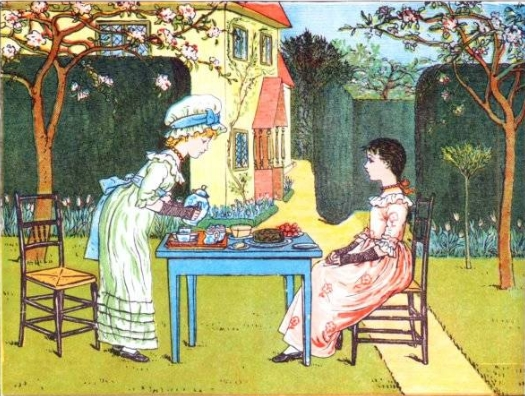
The person pouring and offering held the authority, and who got to be her was the first thing negotiated.
Varies.
The role allocation is where the social learning happened. Being the host is being in charge of a procedure, which is the only form of authority available to a child – and the negotiation over who held it was conducted among equals with no adult to rule on it.
11. Boys Were Mostly Absent, by Arrangement Rather Than by Rule
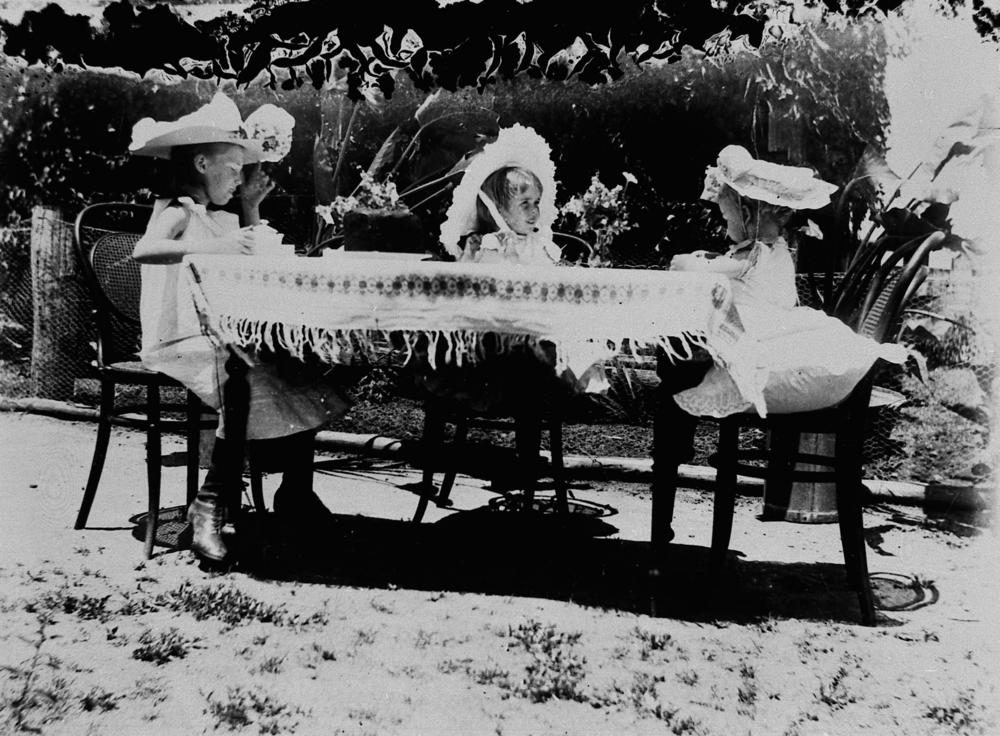
Dressing up and tea parties were understood as girls’ play, and boys who joined in did so quietly or not at all.
Less rigid.
The division was enforced socially rather than stated, which is the same pattern as the schoolyard rope. It meant the rehearsal of hospitality and domestic authority was practised almost exclusively by one half of the children, which is worth noticing given what it was rehearsing.
12. Everything Took Place in a Defined Territory
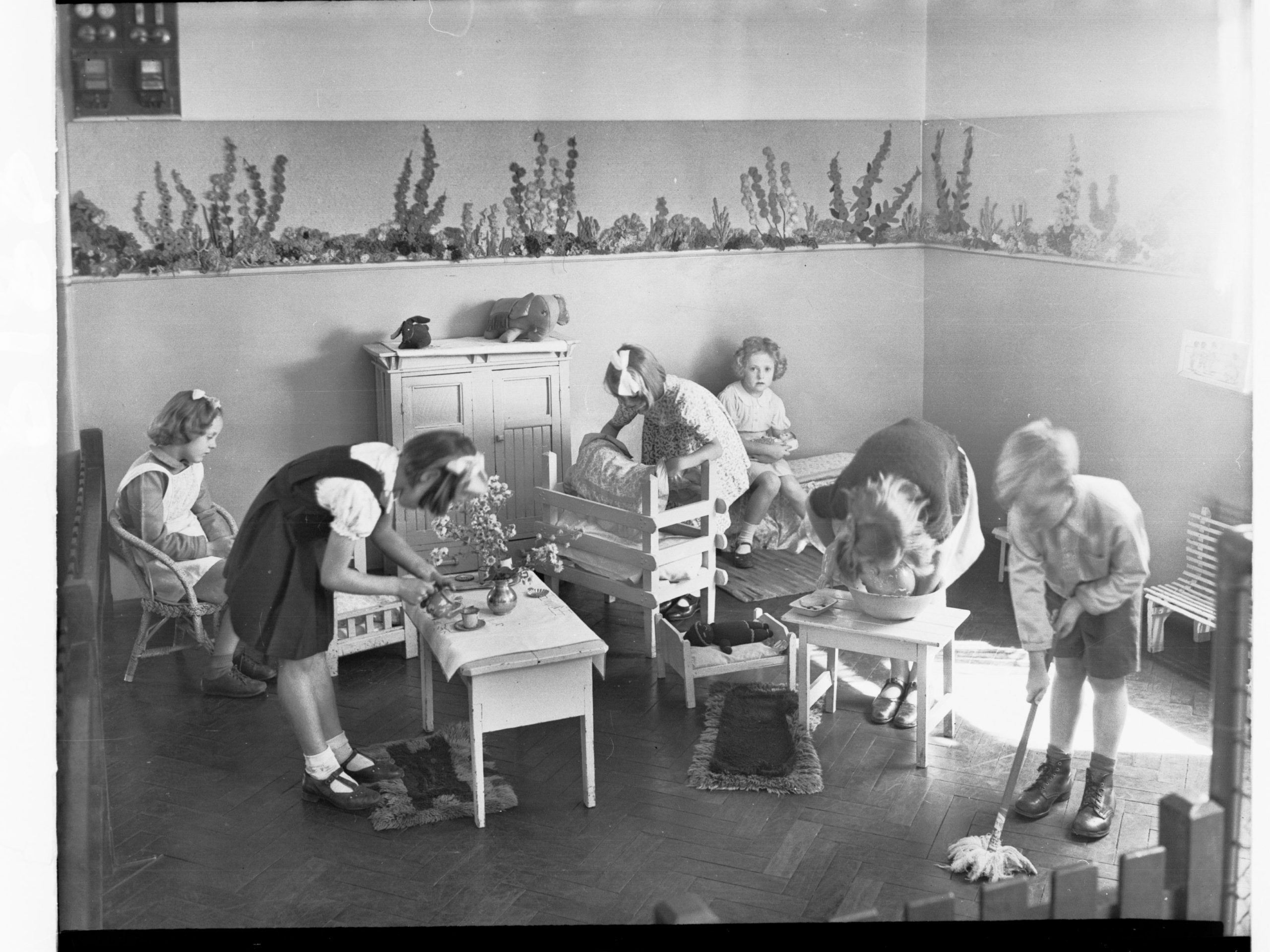
A corner of a bedroom, a space under a table, a porch or a shed was established as the location, and that spot was defended.
Not applicable.
Claiming a space is the quiet precondition for this kind of play. The procedure requires somewhere it can be left set up and returned to, so the territory mattered as much as the costumes – and interrupting it was treated as a real intrusion.
13. The Whole Thing Ran on Having Watched Adults Closely
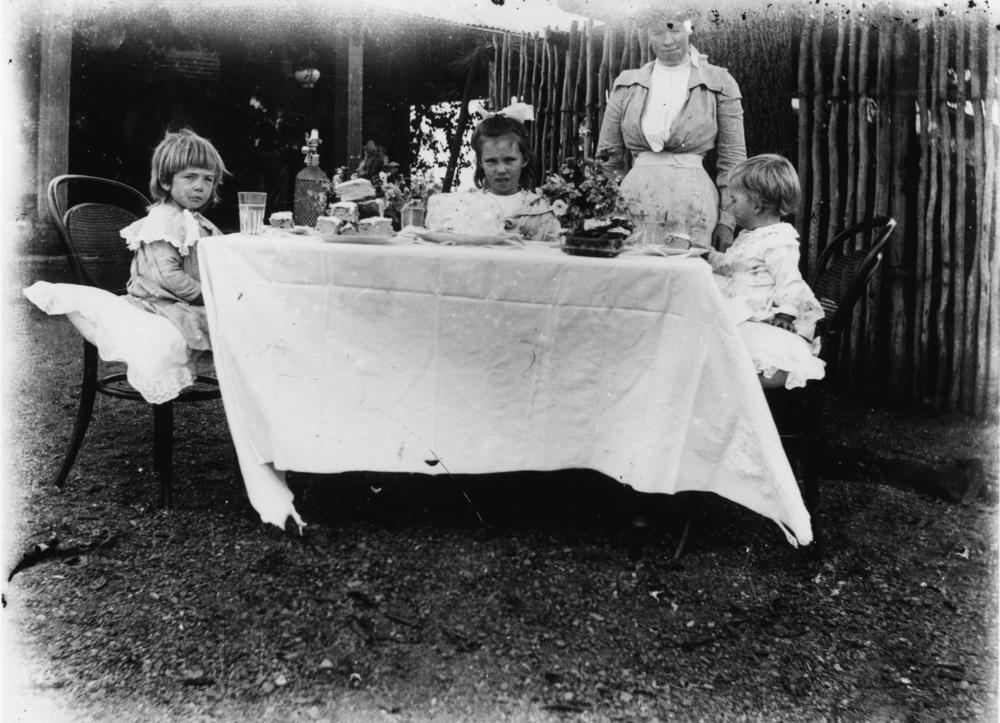
The accuracy of the imitation depended on how much adult social behaviour a child had been present for, which varied enormously between households.
Less exposure.
Observation was the raw material and children had a great deal of it. In a period when visitors arrived in a front room and children were expected to be present and silent, a child accumulated hundreds of hours of watching adults be polite to each other – which is exactly the curriculum this play was built on.
14. Then Bought Costumes Replaced Invention
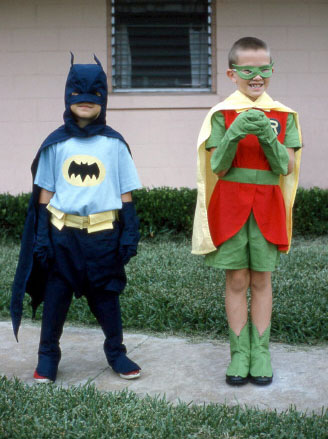
Manufactured outfits of named characters arrived, which supplied the identity and removed the need to construct one from a box of cast-offs.
Universal.
The substitution removed a specific kind of work. A character costume answers the question of who you are before the play begins, whereas a box of old coats requires that question to be solved first – and solving it was the most creative part of the activity.
15. And the Adults Stopped Being Watched
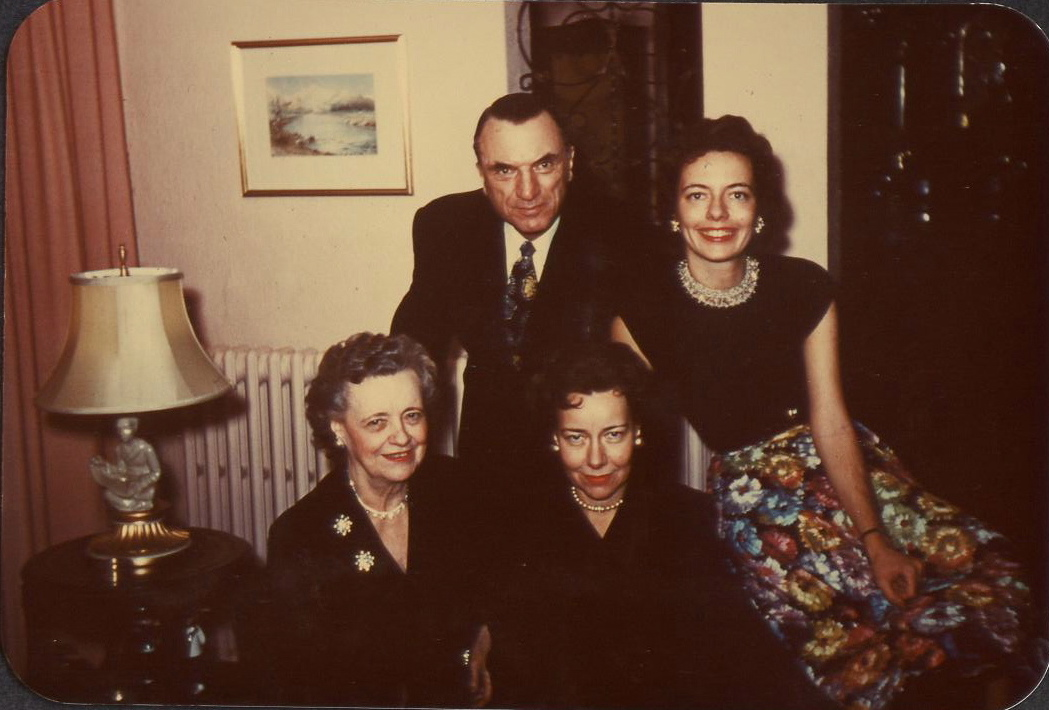
Fewer callers in front rooms, more children’s activity in separate spaces and less time spent present among adult conversation reduced the source material.
Universal.
The loss of observation is the deeper change and it is rarely connected to this. A child who has not sat through two hundred adult visits has not absorbed the protocol, so there is nothing precise to imitate – which means the play loses its content even where the dressing-up box survives.
16. And by 1960 the Trunk Was Already Being Replaced by a Packet
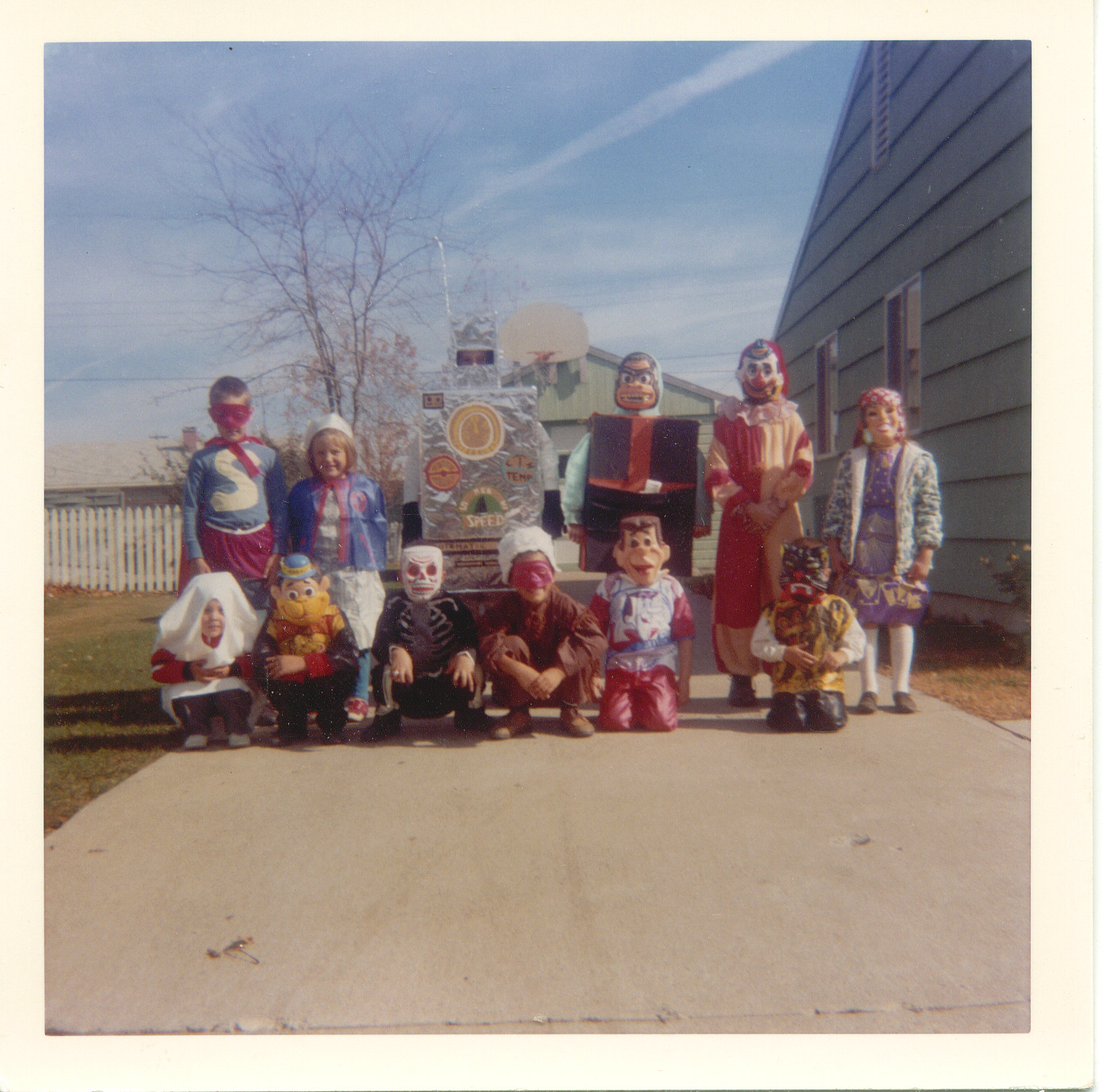
The box of cast-offs was still in attics, and the thing children were increasingly given was a costume in a bag with a picture on the front.
Universal.
And what deserves the last word is that this was rehearsal built from observation, and both halves have gone. The costumes came from a box of adult cast-offs that supplied no character and no instructions, so every identity had to be invented from whatever happened to be in there – and the oversized fit was the point rather than a failure, because the gap between garment and wearer is what made the transformation visible. The hats went first because headwear reads from every angle, and the heels were fought over for the noise they made on a hard floor, which announced an adult walking. And the tea party was a precise reproduction of a protocol nobody had taught – the greeting, the order of offering, the pressing and the refusal – assembled entirely from having sat silently through hundreds of adult visits. Bought costumes then supplied the identity, which removed the invention. And the callers stopped coming, which removed the thing being imitated.
It Was Rehearsal Built From Observation
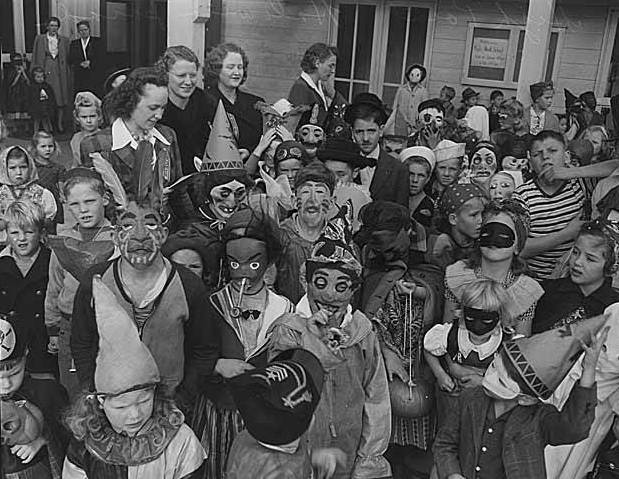
Dressing up and tea parties look like the most ordinary children’s play there is, and both halves of what made them work have quietly disappeared.
The costumes came from a box of adult cast-offs – a ruined coat, a hat out of fashion, unwearable shoes – which supplied no character and no instructions. So every identity had to be invented from whatever happened to be in there, and that invention was the most creative part of the whole activity.
The oversized fit was the point rather than a problem. A coat to the floor and shoes that fall off produce the effect, because the visible gap between the garment and the wearer is what makes the transformation legible to everybody watching.
And the box had a hierarchy that children worked out by trial. Hats went first, because headwear reads from every angle and sits where people look – a child in a hat and ordinary clothes becomes a character, while a child in a long dress with no hat often does not. Heels were fought over for the sound they make on a hard floor, which announces that an adult is walking and is a far more powerful signal than anything visual. And the jewellery was a different class of object entirely: still somebody’s, kept in a separate drawer, lent item by item under supervision – which made getting the good necklace an event in itself.
The tea party is where the real work was happening, and nobody was teaching any of it.
A child hosting one is running a procedure assembled entirely from observation: the greeting, the seating, the order of offering, the pressing and the refusal, the enquiry after somebody’s family, who gets served first. That is a complete social protocol, reproduced with a fidelity adults found funny and slightly unsettling, and practised until it became automatic.
Which is why the food was irrelevant. Most tea parties ran on water, an empty pot or air, and nobody minded – if the attraction were the eating, water in a cup would end it immediately. The attraction was the procedure.
Two practical problems got solved neatly. A party needs guests, so dolls, animals and any recruitable sibling were seated, addressed and served in turn – a procedure requiring several people can be run by one child provided the other chairs are occupied by something that can be talked to. And it needed a territory: a corner of a bedroom, a space under a table, a porch or a shed, established as the location and defended, because the thing has to be left set up and returned to.
The role allocation is where the social learning sat. Being the one who pours and offers is being in charge of a procedure, which is the only form of authority available to a child – and who got it was negotiated among equals with no adult to rule on it.
Two things should be said plainly.
It was almost entirely girls, enforced socially rather than stated – the same pattern as the schoolyard rope. Which means the rehearsal of hospitality and domestic authority was practised by one half of the children, and it is worth noticing what was being rehearsed.
And the whole thing depended on exposure. In a period when callers arrived in a front room and children were expected to be present and quiet, a child accumulated hundreds of hours of watching adults be polite to one another. That was the curriculum.
Then both inputs went. Bought costumes of named characters arrived and answered the question of who you are before the play begins, which removed the invention. And the callers stopped coming – fewer visits, more children’s activity in separate rooms, less time spent silent among adult conversation – which removed the thing being imitated.
Which is the part rarely connected to this. A child who has not sat through two hundred adult visits has nothing precise to copy, so the play loses its content even where the dressing-up box survives.
If you did this, the procedure you were copying came from somewhere specific.
You had sat quietly through hundreds of adult visits, and you had been paying attention.
Like our content? Follow us for more.