

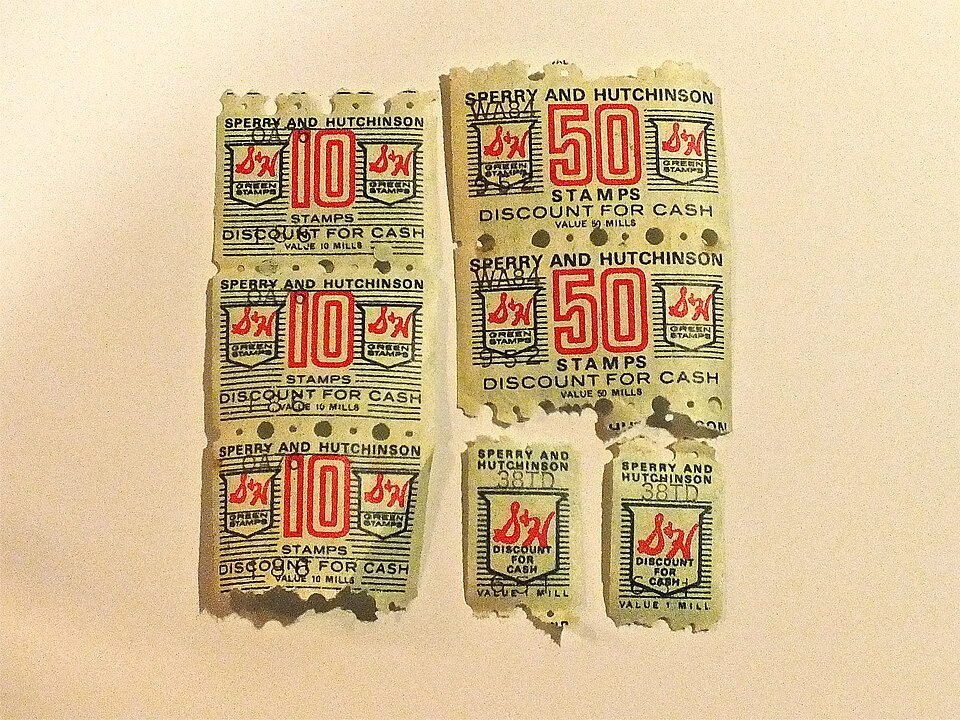
My mother kept the stamps in a kitchen drawer in a rubber-banded bundle, and licking them into the books was a job for whichever child was sitting still. In 1968 that drawer was a kind of savings account, and the peculiar thing about it is that nobody in the house would have described it that way. It was just what you did with the stamps you got at the grocery store, and the catalogue on the shelf was what they turned into eventually.
The Stamps Were a Discount You Could Not Spend
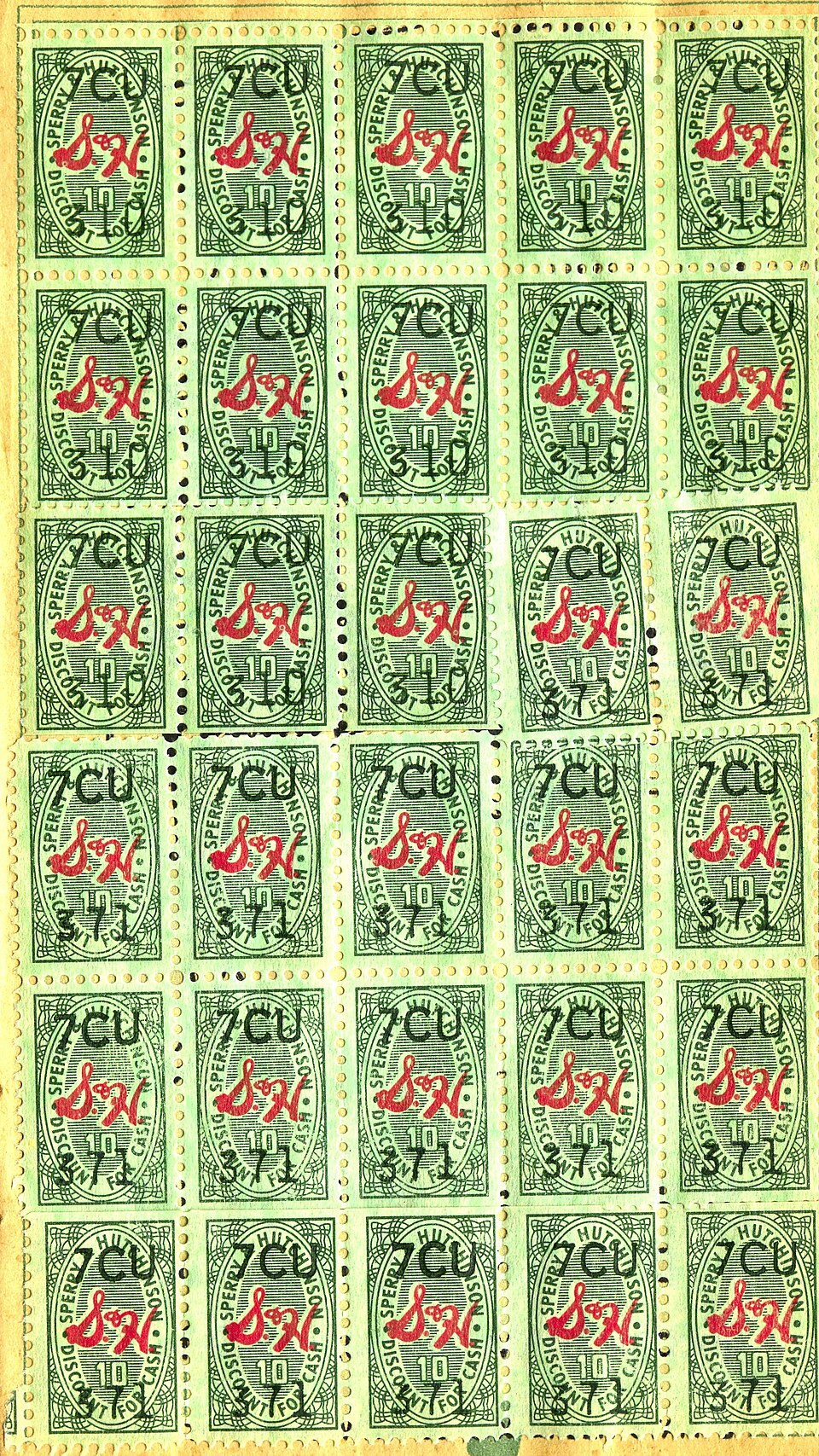
Start with what the thing actually was, because it was not a gift. A retailer gave out stamps in proportion to what you spent, which makes them a rebate – a fraction of the purchase handed back.
But a rebate in cash can be spent anywhere, while a rebate in stamps can only be redeemed through one scheme, for goods that scheme has chosen, after you have accumulated enough. That restriction is the entire design, and every interesting consequence comes out of it.
Like our content? Follow us for more.
The Retailer Bought Them, Which Means They Were Not Free
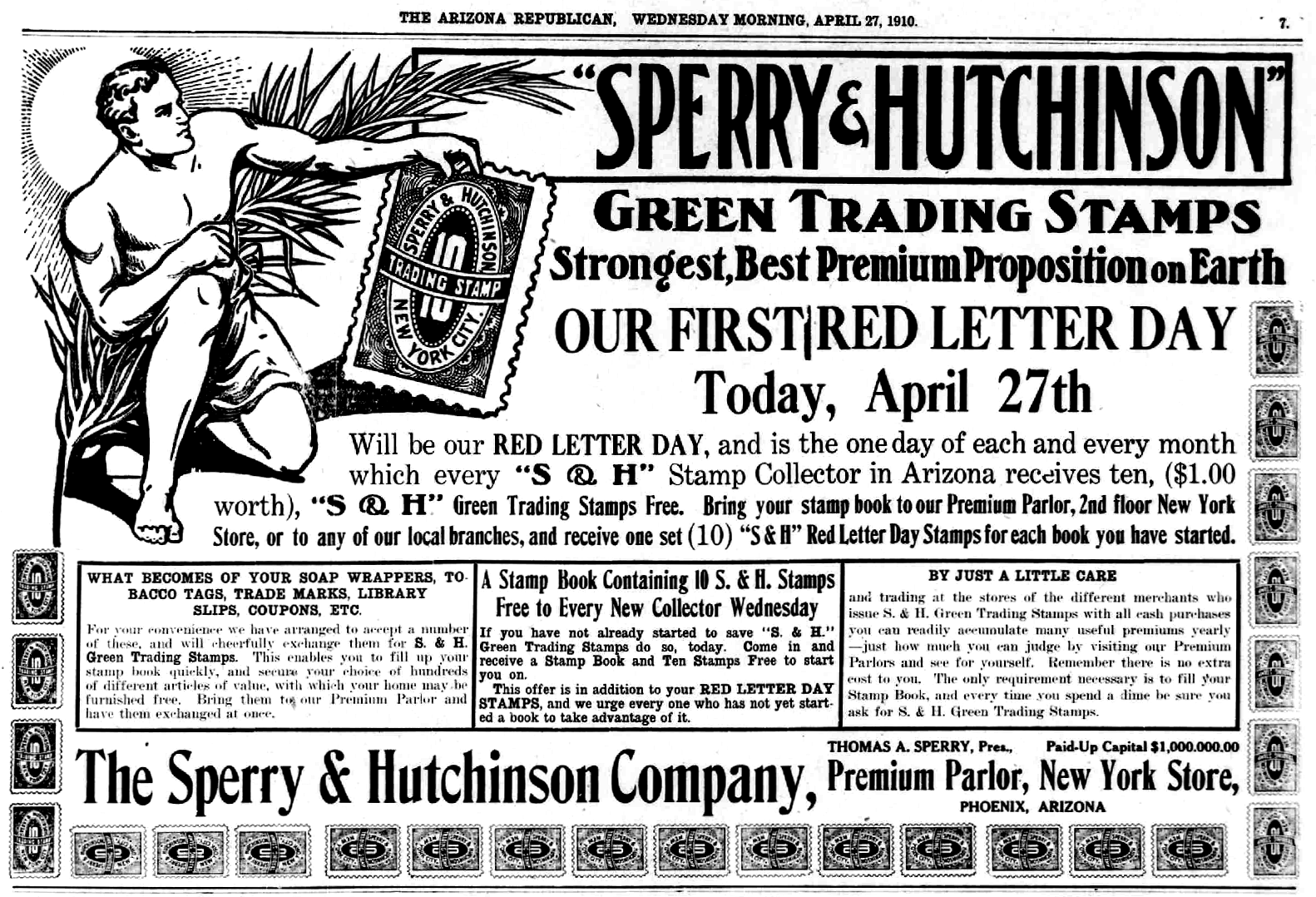
The shop did not print the stamps. It purchased them from a trading-stamp company and gave them away, which means the cost sat in the price of the groceries.
So a household collecting stamps was paying for them, slightly, on every shop. The scheme was not a bonus layered on top of normal prices – it was a marketing expense built into them, and a shopper who did not collect was subsidising the ones who did.
Switching Cost Was the Whole Point
A partly filled book is worth nothing. Only a complete book redeems, which means a household halfway to a toaster has a strong reason to keep shopping at the same store.
That is the mechanism, stated plainly. The scheme bought loyalty by making the reward lumpy – the value accumulates invisibly and pays out only at a threshold, so leaving means forfeiting whatever has been collected but not yet completed.
Licking Them In Was a Household Job for Children
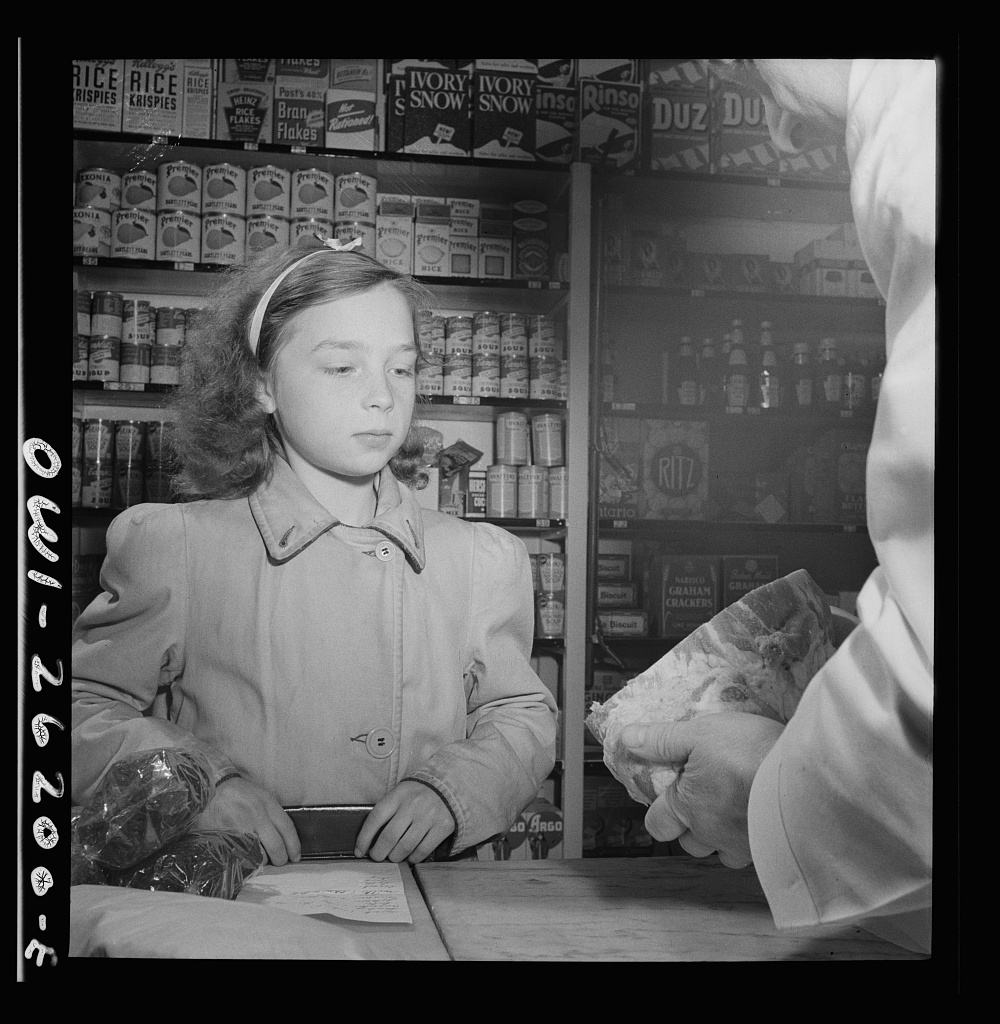
Stamps came loose in sheets and had to be pasted into books, one page at a time, in the right quantity per page.
It needed no judgement and endless patience, which is exactly the profile of work that got handed to whoever was youngest. It was also, unlike most handed-down chores, broadly pleasant – sitting at a table with a wet sponge, filling pages, with a visible and satisfying measure of progress.
The Catalogue Did the Real Work
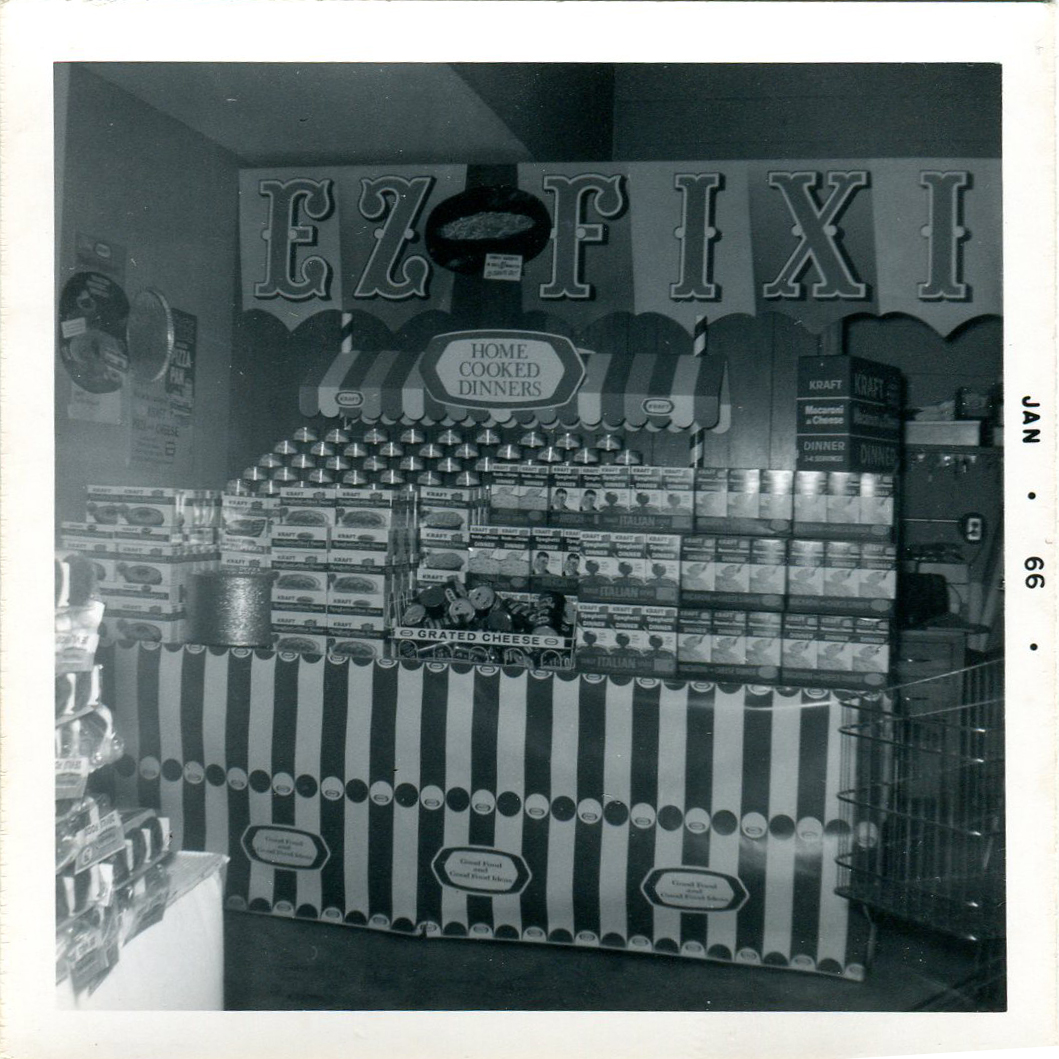
The scheme’s genius was not the stamps. It was the book of things you could get for them, which sat in the house and was read for pleasure.
A catalogue turns an abstract accumulation into a specific want. Nobody saves toward nothing, so the household picked an object – a lamp, a set of pans, a bicycle – and from that moment the stamps had a destination and the shopping had a purpose.
Everything in It Was Priced in Books, Not Dollars
Redemption values were quoted as a number of filled books, which quietly detached the reward from money altogether.
That is a clever bit of design. A shopper comparing a toaster at eight books against one at eleven books is not comparing prices at all, and has no easy way to work out what either represents in cash – which makes the arithmetic of whether the scheme was worth it very hard to do at the kitchen table.
The Redemption Store Was a Real Place
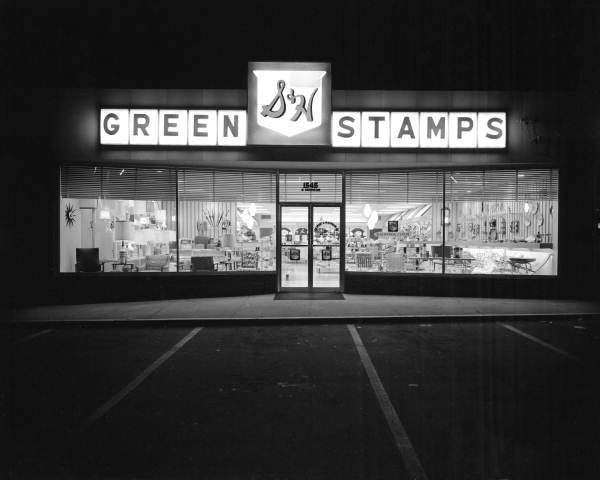
Stamps were exchanged at a dedicated centre – a shop full of goods with no prices on them, where the only currency was books.
Going there was an event, because it was the one moment the long accumulation turned into an object. And the goods were ordinary household things rather than luxuries, which is the point: the reward had to be something a family genuinely wanted and would not otherwise quite get round to buying.
A Big Item Meant Years of Shopping
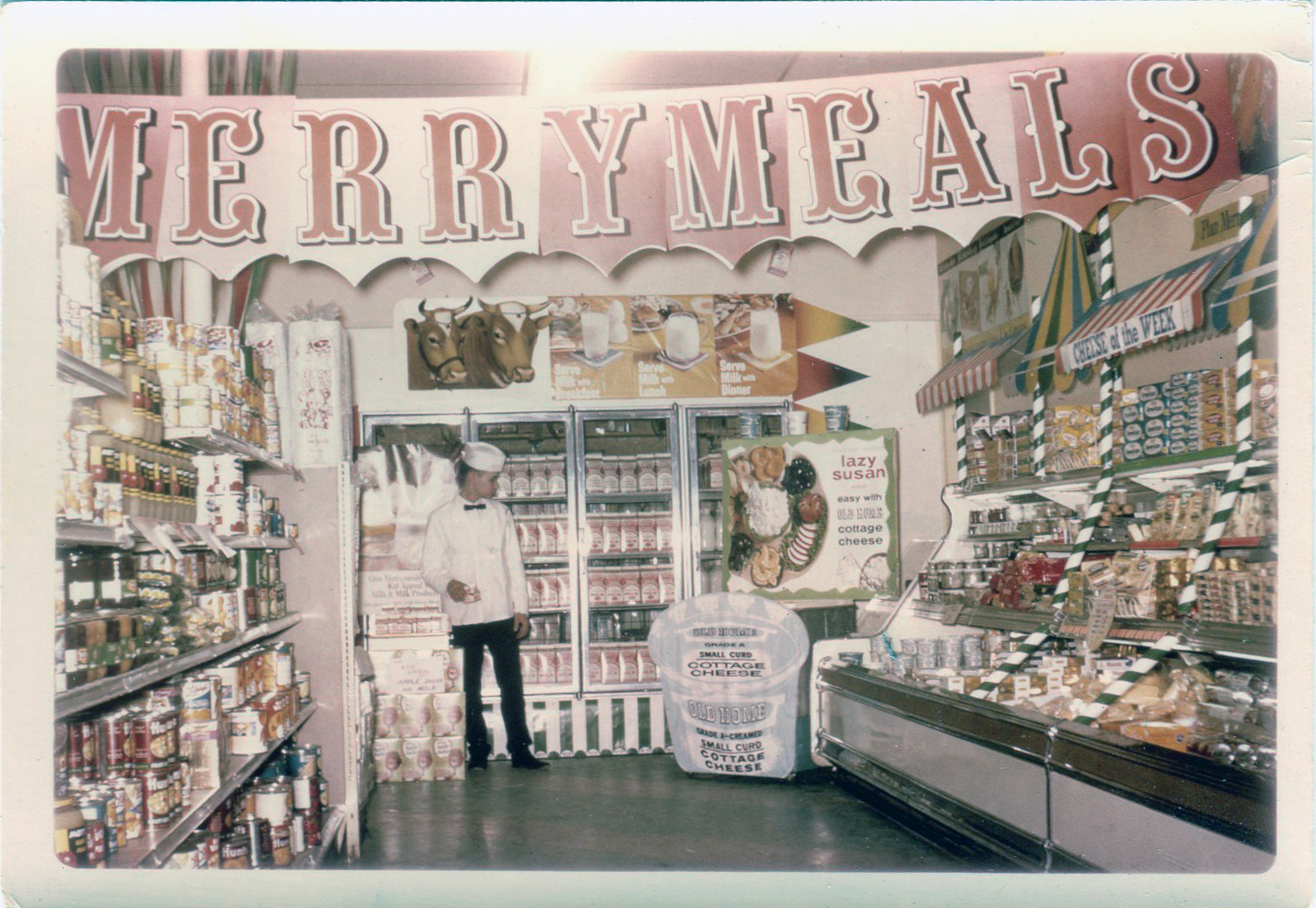
The larger goods needed an enormous number of books, which meant a household might collect toward one thing across several years.
That timescale is what made the scheme part of family life rather than a transaction. A child could grow up knowing the family was saving toward a particular object, watch the drawer fill, and remember the day it was redeemed – which is far more memory than a discount at the till ever produces.
Neighbours Traded and Pooled Them
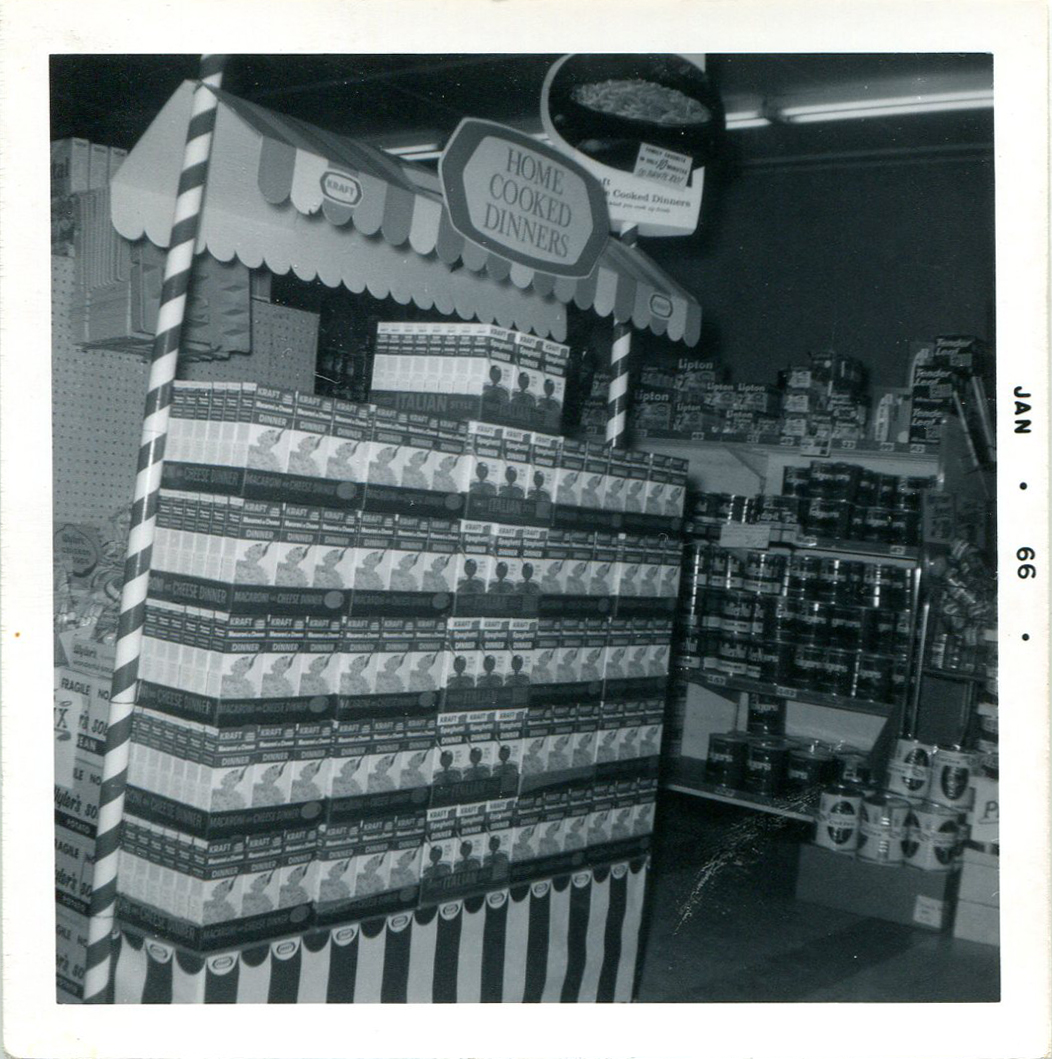
Stamps were transferable, so they moved between households as gifts, as favours and as small settlements of debt.
An aunt who shopped at the right store passed hers along. A family close to a threshold was given the few sheets it needed. That made the stamps function as a minor local currency, and it is the clearest sign of how real their value felt to the people holding them.
Multiple Schemes Meant Multiple Drawers
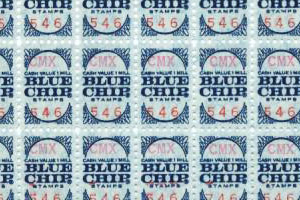
More than one company ran stamps, and different retailers issued different ones, so a household could end up collecting two or three incompatible sets.
Which immediately dilutes the whole thing. Loyalty to one scheme is valuable; stamps from three schemes accumulate three times as slowly toward three different catalogues, and the lumpy threshold that was supposed to lock a shopper in becomes much harder to reach.
The Stamps Were Lost, Faded and Ruined Constantly
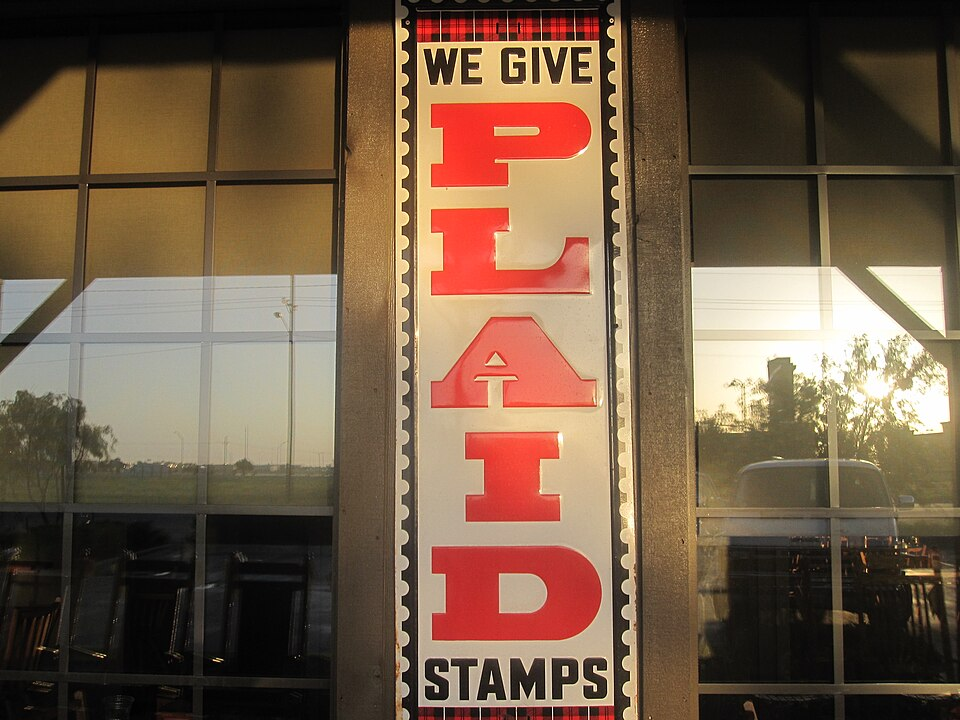
Loose stamps in a drawer are small pieces of gummed paper, and they behaved like it.
They stuck to each other in humid weather, tore when separated, got swept into the bin with the receipts and went through the wash in a coat pocket. Loss was ordinary and uncompensated, and an accumulation that represented months of shopping could be seriously damaged by one spilled glass of water.
Gas Stations and Small Shops Used Them Too
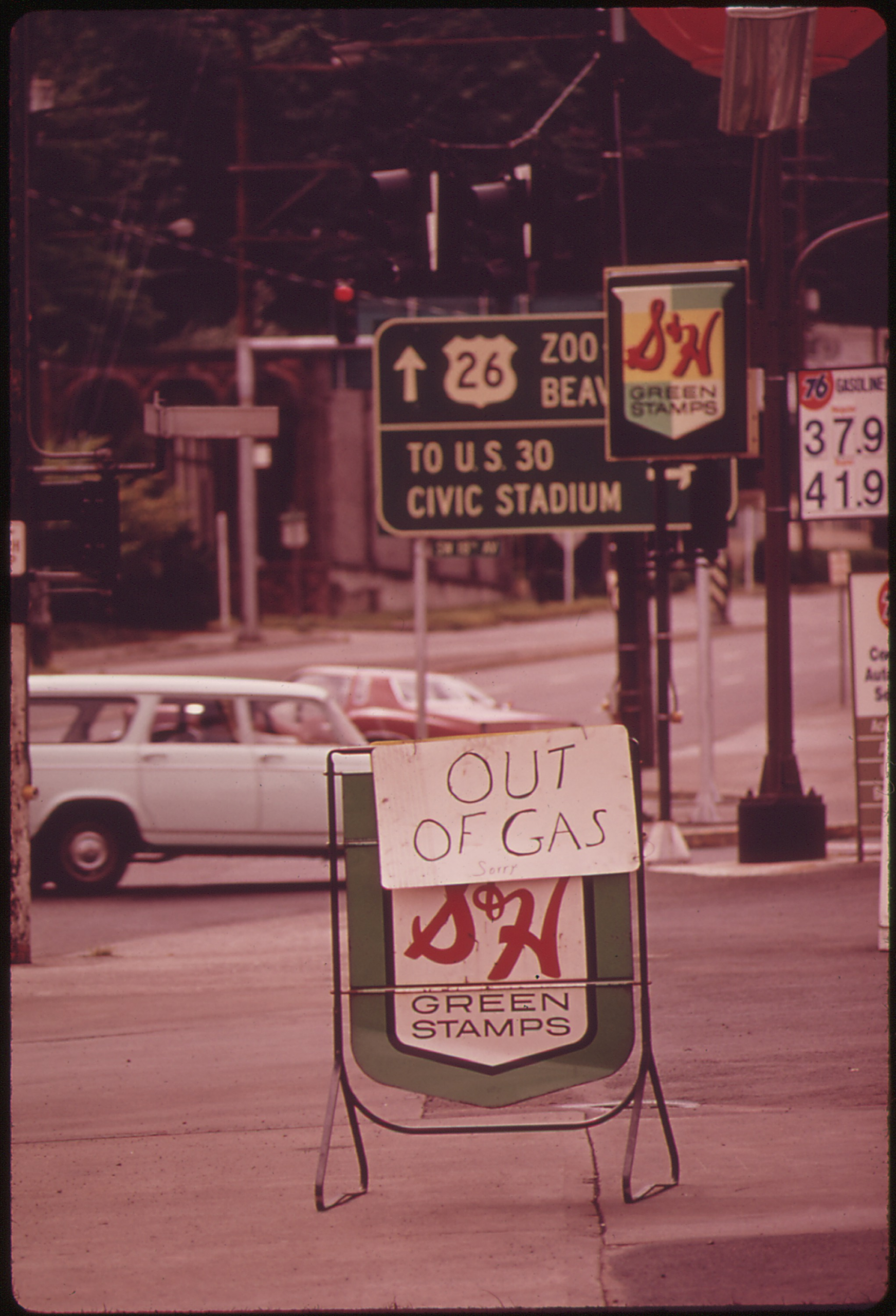
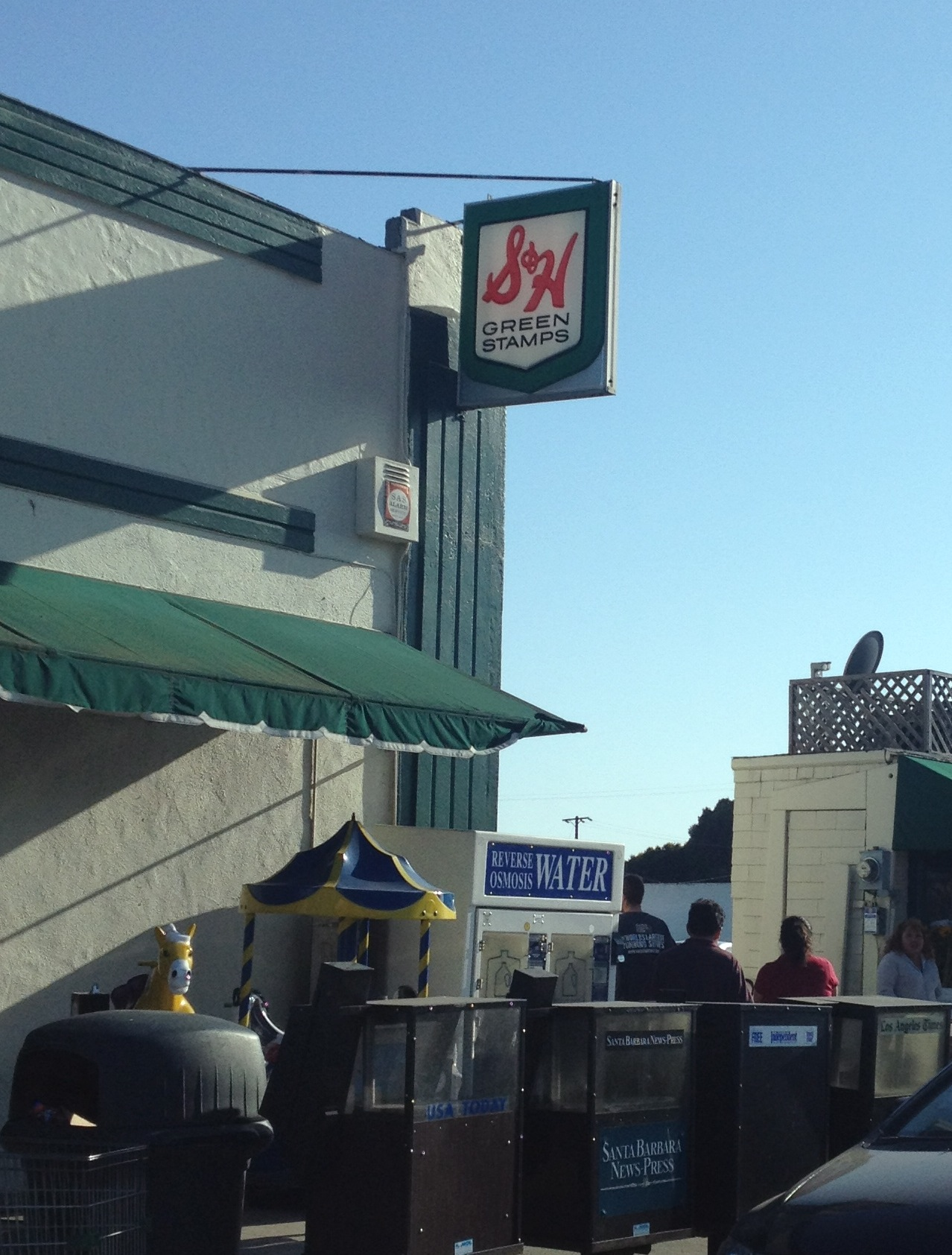
The scheme was not confined to groceries. Filling stations, hardware shops and chemists issued stamps as well, which widened the net considerably.
That matters because it changed the arithmetic for the household. A family that could earn stamps on petrol, groceries and sundries could accumulate at a worthwhile rate, while a family earning them in only one place could not – so the scheme rewarded concentrating all of a household’s spending, not just its shopping.
Nobody Could Easily Tell If It Was Worth It
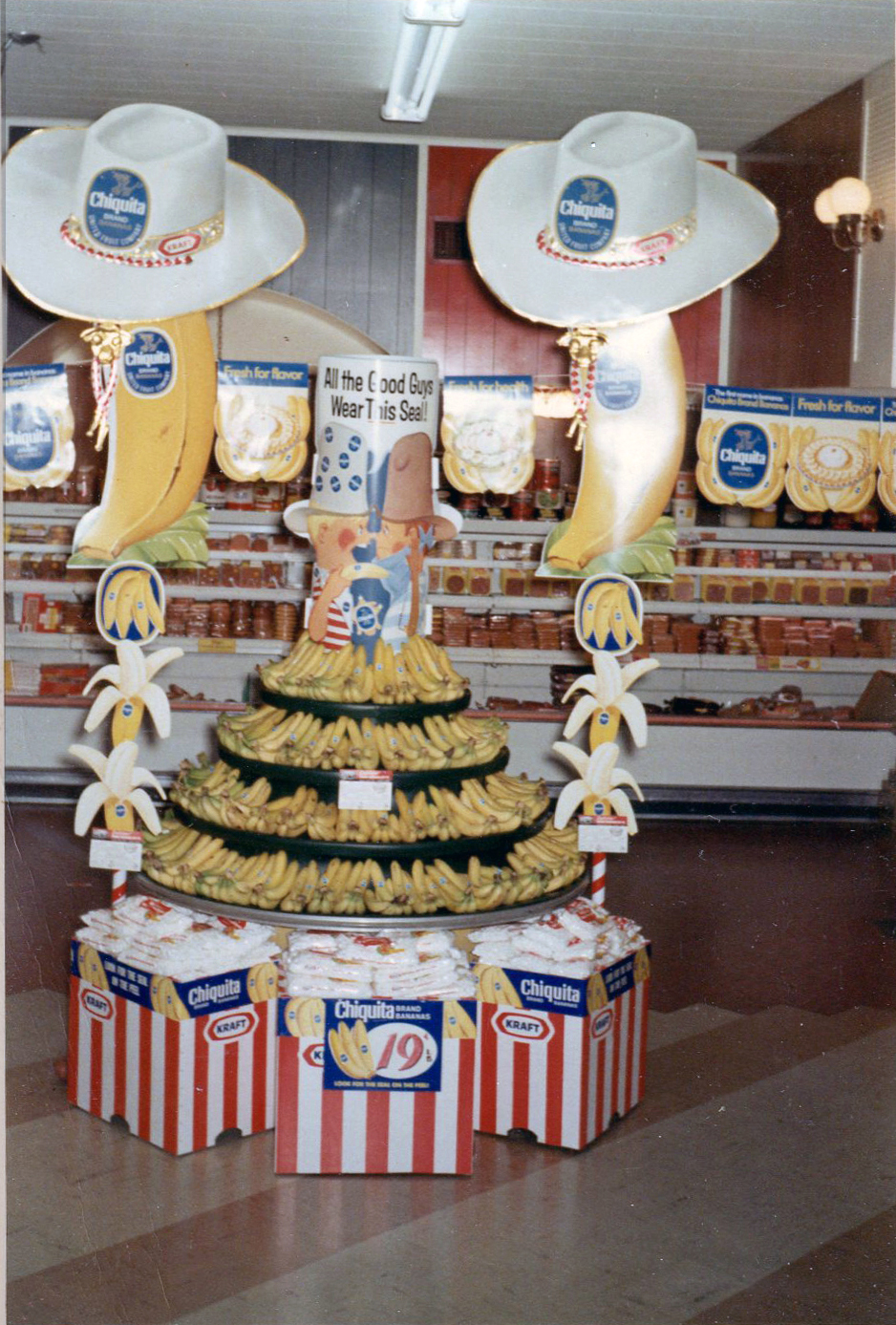
Work out the value of a stamp and you get a small percentage of the purchase, which sounds unimpressive and was roughly the point.
The reward is deliberately difficult to evaluate: denominated in books, redeemed against goods with no cash price, earned at a rate nobody tracked, against groceries whose price included the cost of the scheme. A household could not easily answer whether it was ahead, and the pleasure of the drawer filling up was doing most of the persuading.
Giving Them Up Felt Like Losing Money
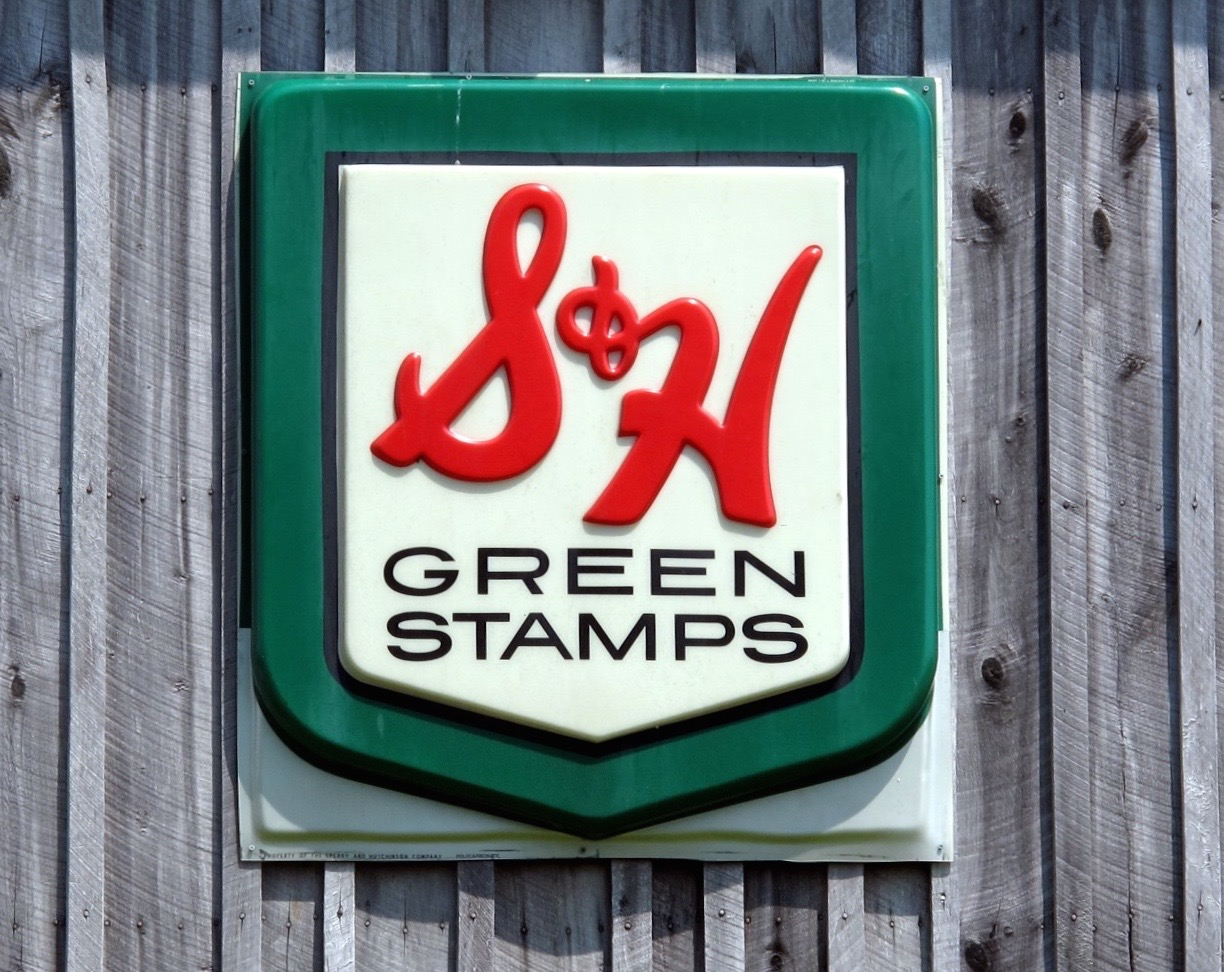
A household that stopped collecting forfeited everything partly accumulated, which is a real cost and an entirely artificial one.
This is where the mechanism shows its teeth. The forfeiture is not a loss of value the shop ever gave you – it is a loss of value you were promised conditionally, and the fact that abandoning it felt painful is precisely the behaviour the scheme was designed to produce.
The Books Were Kept Somewhere Specific and Everybody Knew Where

Filled books were not left lying about, because a filled book was worth something and could be lost or ruined like anything else.
So they lived in a defined place – a particular drawer, a tin, the back of a cupboard – and that location was known to the whole household in the way the location of important papers is known. Which is a small but telling detail: the family was treating gummed paper with the care normally reserved for documents, because in practical terms that is what it had become.
Discount Stores Beat the Whole Idea on Price

Then the competition changed. A retailer that cut prices outright and issued no stamps offered something simpler: less money at the till, now, with nothing to lick, store or complete.
Against that, a scheme whose value is delayed, conditional and hard to calculate is a weak proposition – and shoppers worked that out faster than the schemes expected. The stamp’s entire advantage depended on there being no obvious alternative.
Inflation Made the Books Shrink in Real Terms
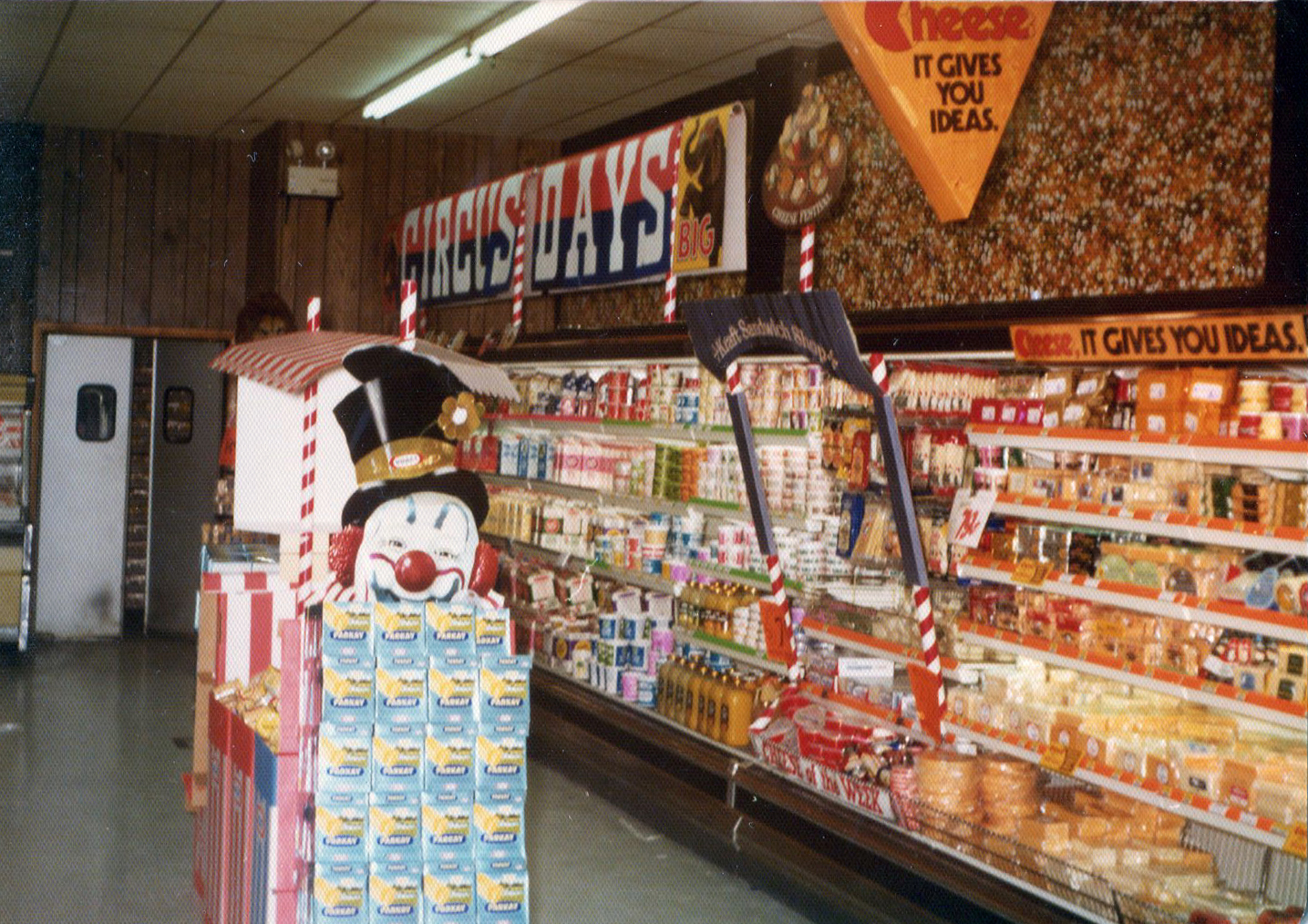
A scheme denominated in books is slow to adjust, and when prices rise quickly the relationship between a book and an object gets worse.
Households noticed that the same accumulation bought less than it used to, which is the ordinary experience of inflation – except that here it fell on something people had been saving patiently for years, and it felt less like rising prices than like the scheme quietly changing the deal.
And the Idea Did Not Die, It Went Digital
The honest ending is that nothing about this was abandoned. It was automated.
Every element is still running: a small percentage returned on spending, locked into one retailer, denominated in units that are not money, redeemable from a chosen list, forfeited if you leave, with the value hard to evaluate and the accumulation displayed to encourage more. What vanished was the part the household actually did – the sheets in the drawer, the sponge, the books on the shelf, the catalogue read like a wish list and the drive to the redemption centre. The mechanism survived perfectly. Only the licking is gone.
Like our content? Follow us for more.

