In 1962 the direction of reading aloud reversed at some point, and nobody announced it. A child who had been read to for years became the person doing the reading, for an entirely practical reason: close reading becomes harder with age for everybody, which means a household eventually contained somebody who read perfectly well and found small print difficult, and a child who managed it easily. Children registered that reversal precisely and almost none of them mentioned it to anybody. Here are fourteen things every kid remembers about reading things aloud to an adult in 1962, and how screens fixed it.
1. The Direction of Reading Aloud Reversed at Some Point
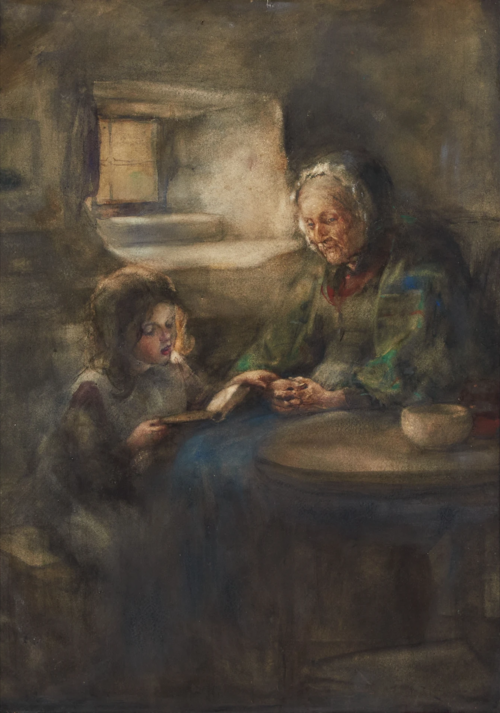
A child who had been read to for years became the person doing the reading, and nobody announced the change.
The reversal happened gradually and for a practical reason. Close reading becomes harder with age for everybody, which means a household eventually contained somebody who could read perfectly well and found small print difficult, and a child who could manage it easily.
Children noticed the change and did not comment on it. Being asked to read something to an adult who had read to you is a reversal most children registered precisely and almost none of them mentioned to anybody.
Like our content? Follow us for more.
2. What Was Read Was Never a Book

The material was almost always something practical – a letter, a label, a notice, something in a newspaper.
The subjects were determined by need rather than by pleasure. A household member who could not easily read small print needed specific things read at specific moments, and none of those things were novels.
That made the reading fragmentary. A child performed dozens of these tasks a week, each lasting under a minute, which adds up to a considerable amount of reading aloud and no continuous experience of anything.
There was also no warning that any of it was coming. A child could be called from anywhere in the house for something that had just arrived or just been noticed, which meant the task had no schedule and could not be prepared for in any way.
3. The Material Was Frequently Incomprehensible to the Reader
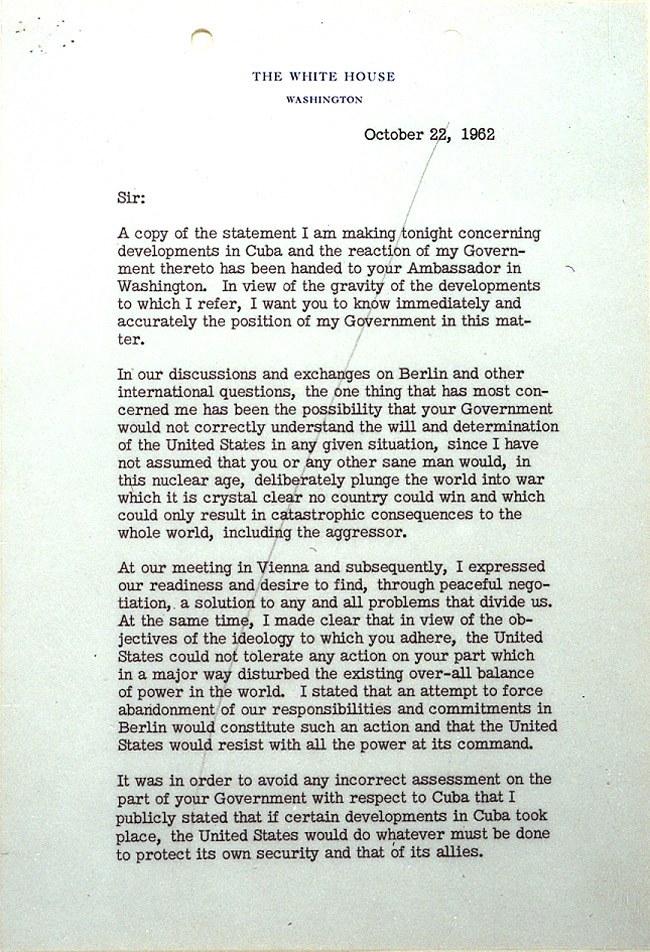
A child reading a document aloud understood very little of what they were saying.
The gap was unavoidable. Correspondence, official notices and anything written for adults uses vocabulary and assumes knowledge a child does not have, which means the words were produced accurately and processed not at all.
Children asked afterwards rather than during. Interrupting to ask what something meant slowed everything down, so the questions were saved, and a considerable number of them were never asked at all.
4. Reading Somebody Else’s Letter Aloud Was Strange
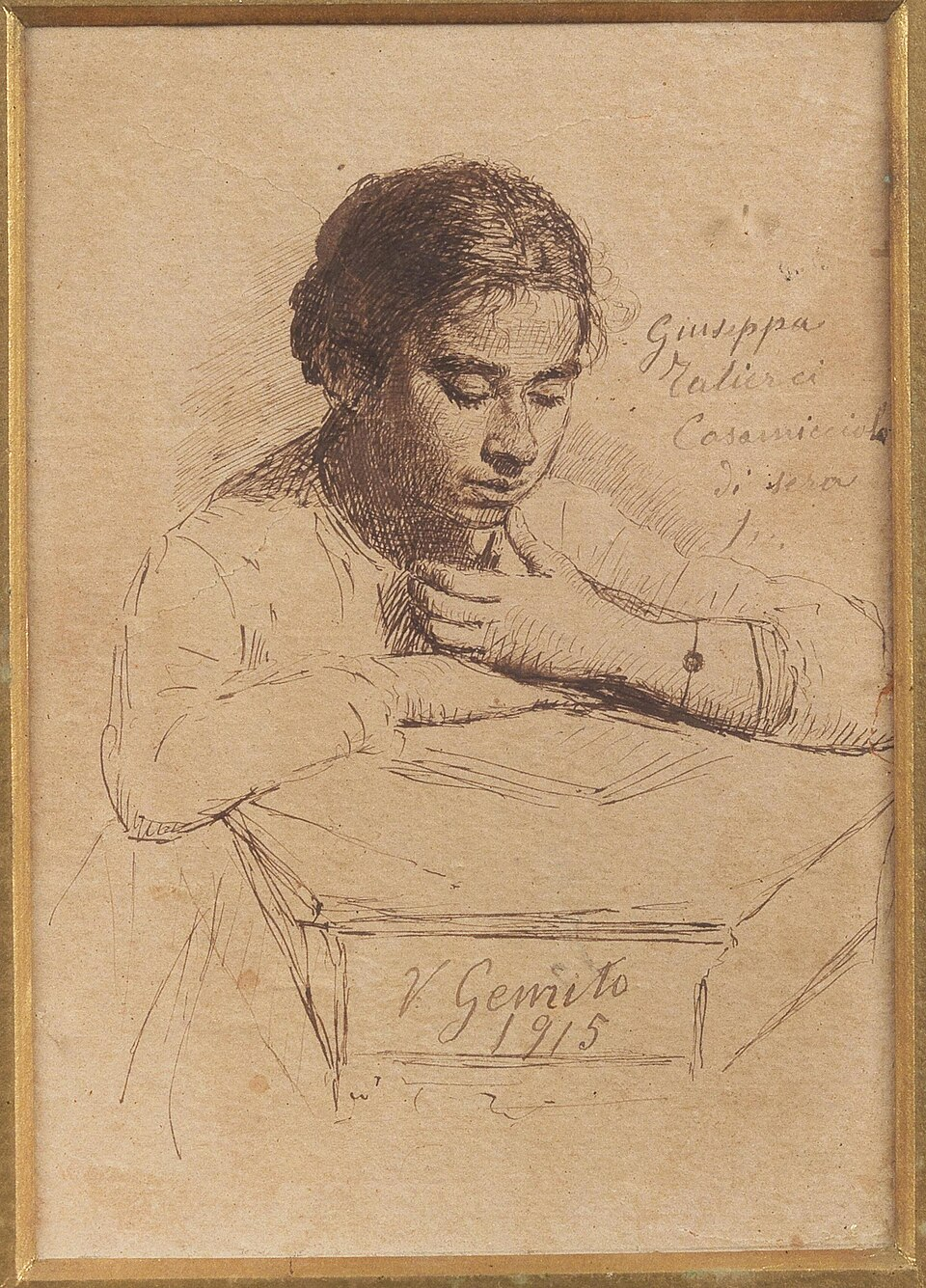
A child reading private correspondence to its recipient was handling something they had no business knowing.
The arrangement had no alternative. Somebody who cannot read a letter must have it read to them, and the only person available was frequently a child, which meant household and family business passed through them as a matter of routine.
Nobody appears to have thought about it. The question of whether a child should be reading such things was not raised in any household of the period, and the children concerned simply absorbed whatever was in them.
5. You Had to Read It Exactly and Were Corrected if You Did Not
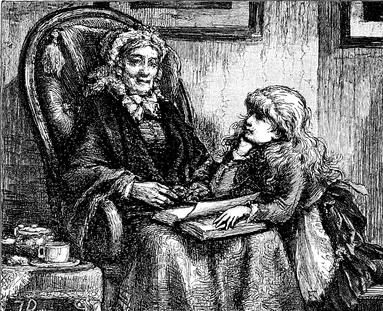
Paraphrasing, summarising or skipping was not acceptable, and the listener could tell.
The insistence was reasonable. Somebody relying on another person to convey a document needs the actual words rather than an interpretation, and a child who summarised had substituted their own judgement for the content.
Corrections were immediate and specific. A listener who knew roughly what a document was likely to say could detect a departure from it, which children found uncanny and which was simply experience.
Reading something twice was also routine and not resented. A listener who had missed a phrase asked for it again, and a child who had read a short document three times in a row had understood no more of it on the third pass than on the first.
6. The Pace Was Always Wrong

Children read too fast, were slowed down, read too slowly and were hurried, with no stable setting.
The mismatch was about processing. A child reads at the speed they can pronounce words and a listener needs the speed at which they can absorb meaning, and those two rates are different and nobody had established which one governed.
It was the main source of friction. Almost every one of these sessions involved at least one instruction about speed, delivered mildly and received as criticism.
7. Reading Standing Up Was the Standard Posture
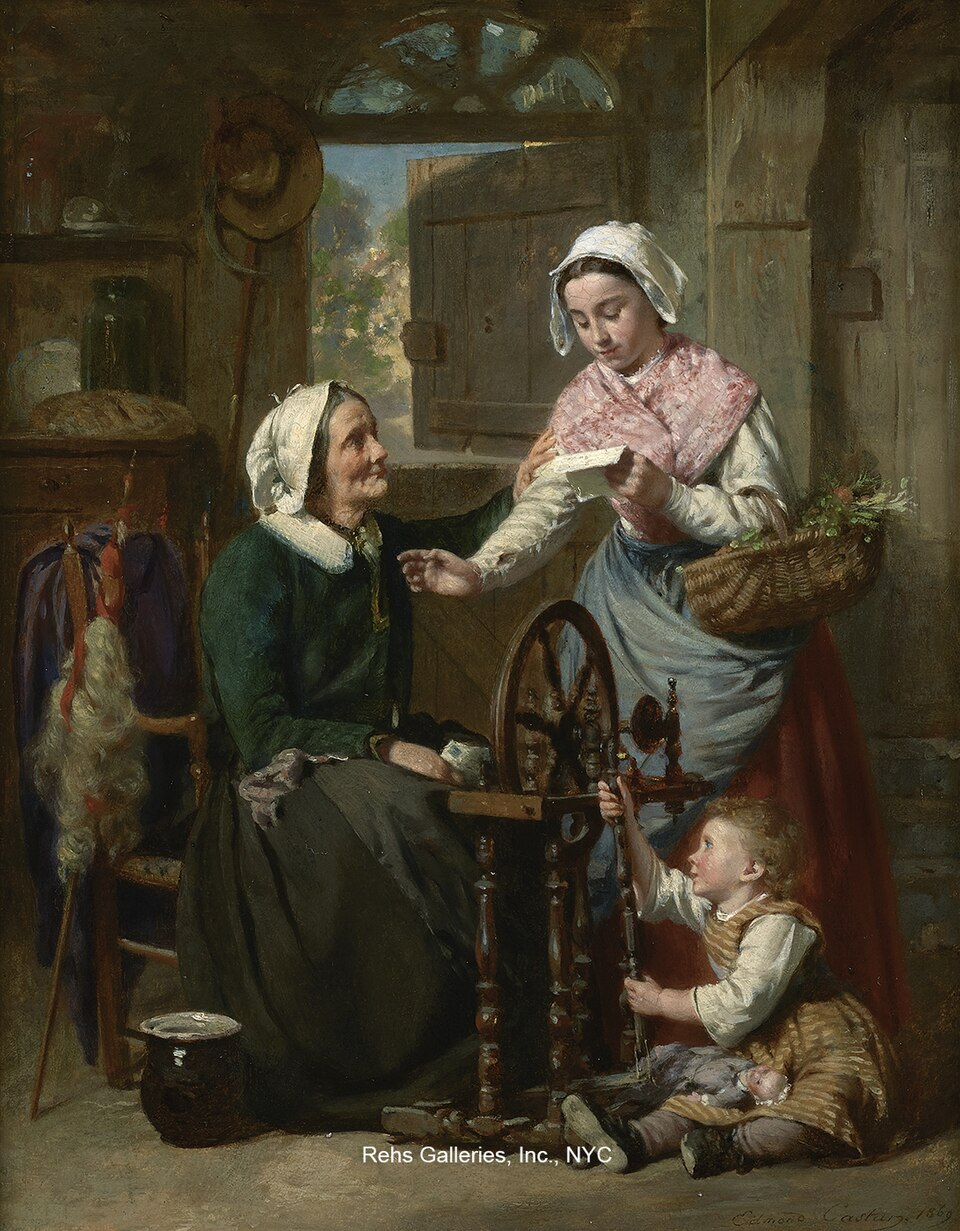
The child was positioned beside or behind the listener, on their feet, holding the material.
The arrangement was about the light and the angle. Whatever was being read had to be held where the child could see it, which meant standing somewhere specific rather than sitting comfortably anywhere.
It kept the sessions short. A child on their feet, holding something up, in a fixed position, does not settle in, and the brevity of these occasions was partly a consequence of the posture nobody had thought about.
The position also put the child’s voice in an awkward place. Reading over somebody’s shoulder means speaking downwards and slightly away from them, which is the worst available arrangement for being heard clearly, and a good proportion of the instructions about speed were probably about audibility instead.
8. Being Thanked Properly Was Unusual
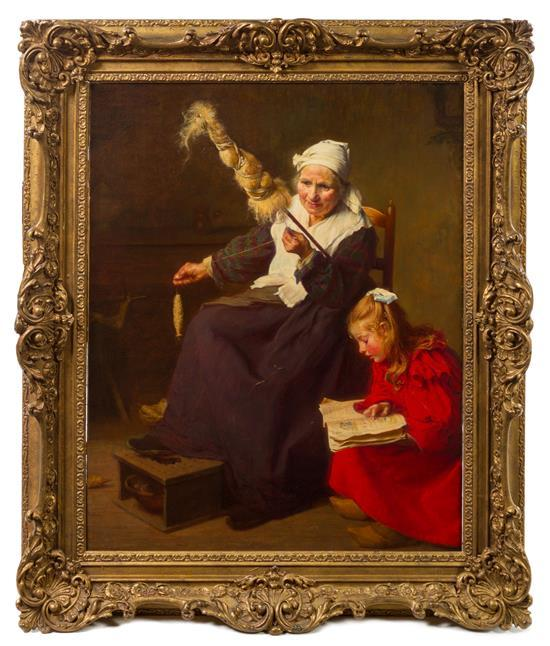
This was one of the few household tasks for which children received an actual acknowledgement.
The gratitude reflected the dependency. Somebody who genuinely could not do something themselves, and had needed another person to do it, thanks them differently from somebody who has simply delegated a chore.
Children registered the difference clearly. The quality of thanks for reading something aloud was noticeably unlike the quality of thanks for anything else, which is why the task is remembered more warmly than most.
The small print was where it always ended up. Whatever was easy had already been managed without anybody’s help, which means a child was only ever asked for the parts that were genuinely difficult, and the whole task consisted of the hardest few lines of any document.
9. You Were the Only One Who Could Be Asked
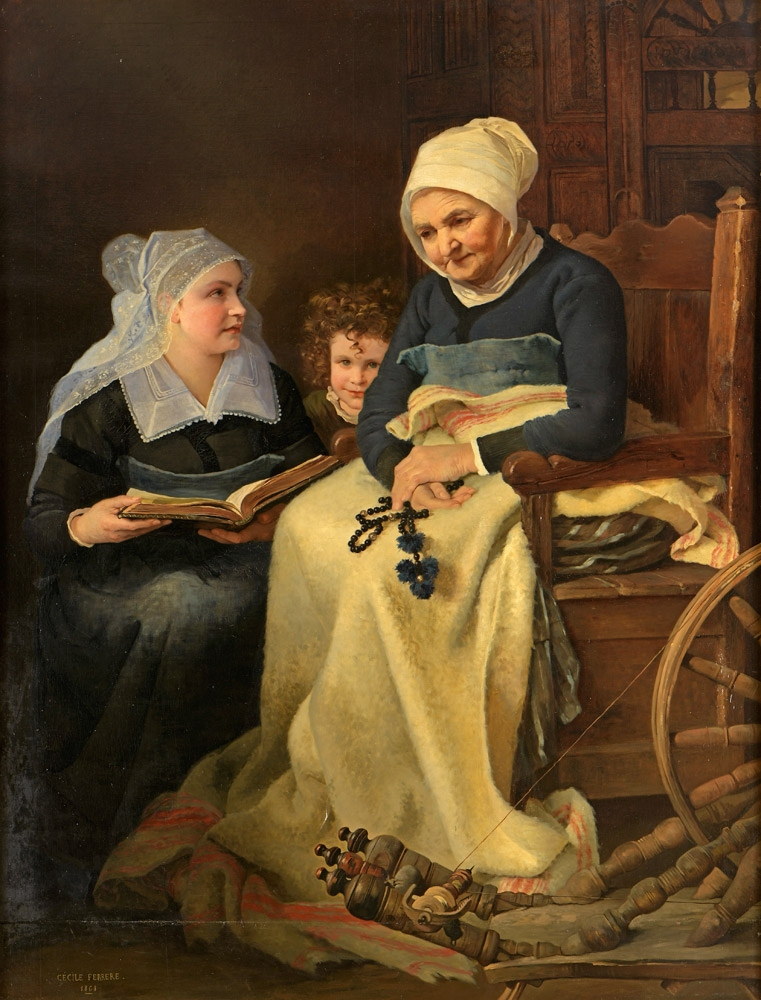
The arrangement depended on a specific child, and that child could not reasonably refuse.
The dependency created an obligation nobody had negotiated. A household with one person who could easily read small print had one person who did it, and that person was available whenever they were in the building.
That occasionally grated. A child called away from something for the fourth time in an afternoon to read a label experienced the obligation rather than the distinction, and said nothing about it.
10. The Handwriting Was the Hard Part
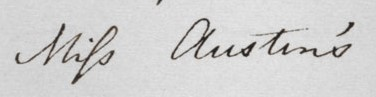
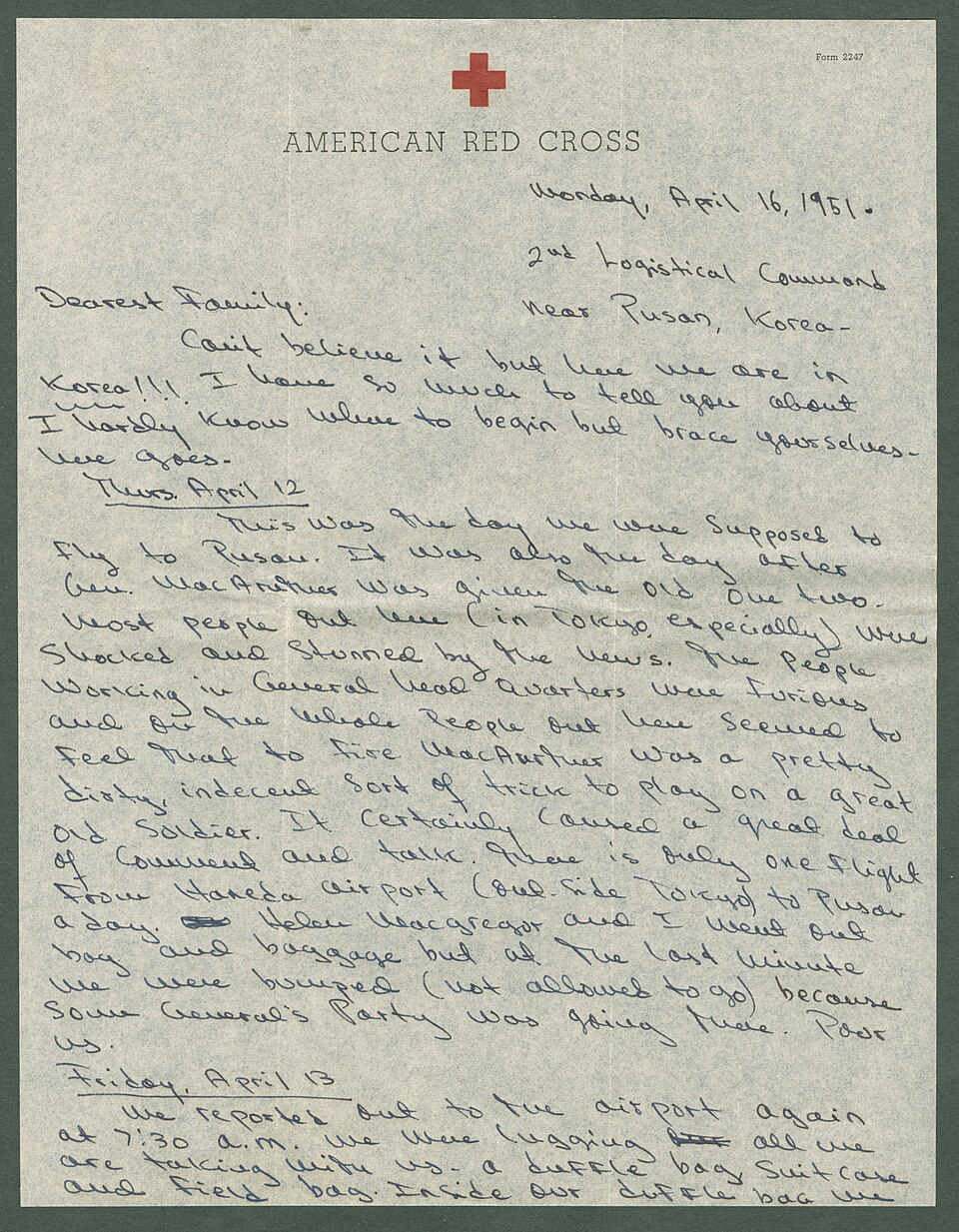
Correspondence of the period was handwritten, in styles a child had never been taught to read.
The difficulty was real and underestimated. A child taught one script, reading a letter written in another by somebody who had learned to write forty years earlier, is decoding rather than reading, and the error rate was high.
Guessing was the standard technique. Children worked out words from context, were frequently wrong and were corrected, which is how most of them learned to read unfamiliar hands at all.
Nobody kept any of it either. The documents were dealt with and put away by somebody else, which meant a child who had read a hundred letters aloud had no access to any of them afterwards and nothing to check their own recollection against.
11. It Was How a Great Deal of Family History Was Acquired
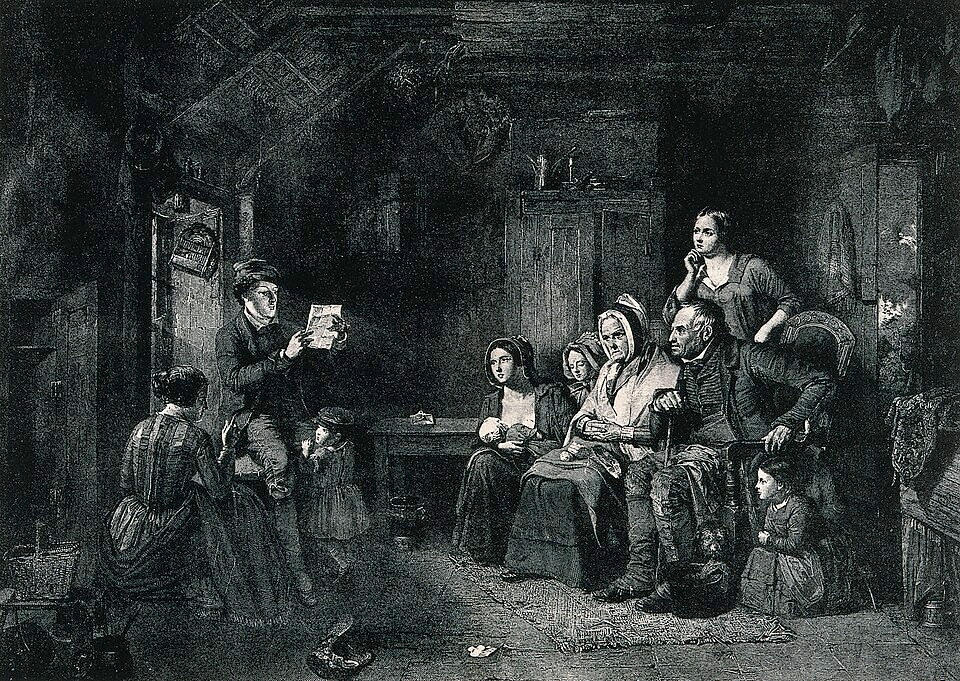
A child reading correspondence aloud encountered names, places and events nobody had ever explained to them.
The exposure was incidental and cumulative. Dozens of letters over several years mention people and circumstances repeatedly, which meant a child assembled an account of their own family entirely out of material they were reading on somebody else’s behalf.
Much of it was understood wrongly. A child’s reconstruction from fragments was inevitably partial, and a number of people describe discovering decades later that they had misunderstood something they had read aloud a hundred times.
The names were the worst of it. A hand a child could mostly manage became impossible at exactly the point where it mattered, because an unfamiliar surname offers no context to guess from, and the standard outcome was an attempt, a correction and a pronunciation the child then used for years.
12. The Sessions Got Longer as the Years Went On
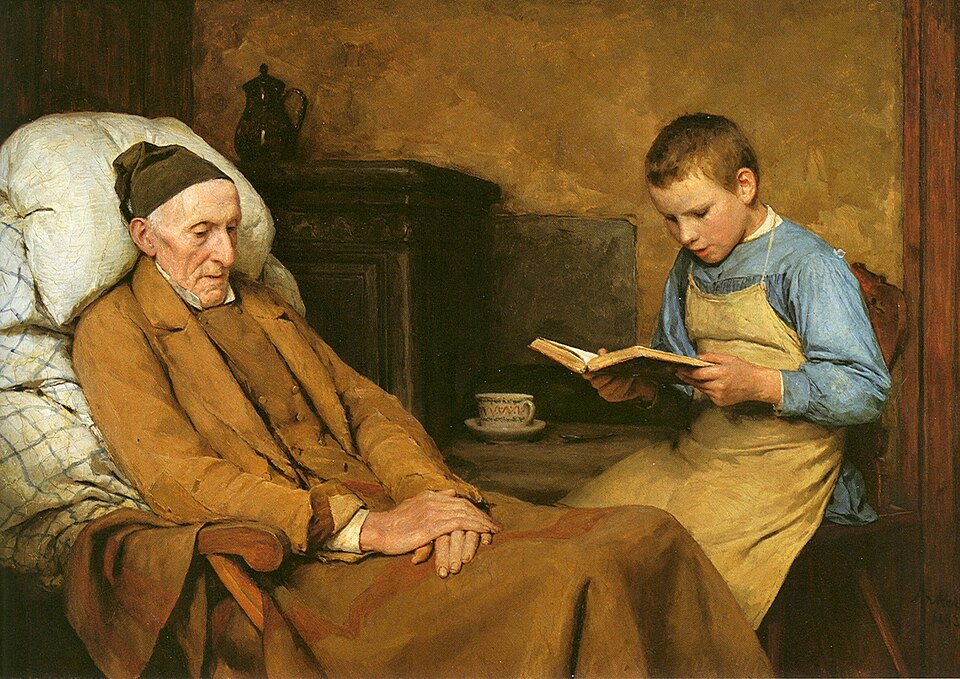
The task expanded over time, as the need increased and the child’s ability improved.
Both sides of it moved in the same direction. A listener’s requirement grew while the reader got faster and more confident, which means the arrangement became more substantial each year rather than less.
It ended abruptly rather than gradually. These arrangements generally stopped because circumstances changed rather than because they were no longer needed, which means there was no winding down and no last occasion anybody noticed.
13. Nobody Else in the Household Did It
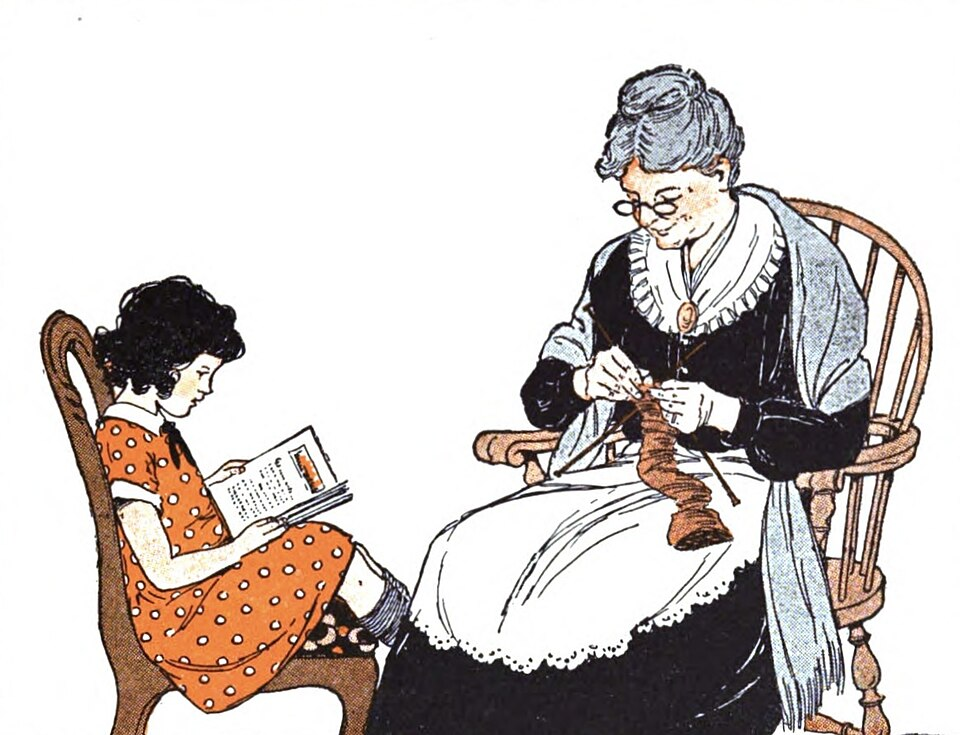
The task sat with one child and the other members of the household were not involved.
The concentration was practical and became fixed. Once it was established who did this, nobody else was asked, which is the same mechanism by which every other household role of the period was allocated.
The other children had no idea what it involved. Siblings who were never asked to do this knew it happened and knew nothing about the material, which means one child in a household held a quantity of information nobody else had.
The improvement in the reader was also never remarked on. A child who had been slow and uncertain at eight was fluent and quick at eleven, performing a task they had grown into entirely by doing it, and no household appears to have noticed that out loud.
14. Then Nobody Needed Anything Read to Them
Larger print, better correction, screens that enlarge anything, audio and a complete change in how documents reach people removed the arrangement entirely.
Every part of that is an improvement and none of it needs defending. A person who can read their own correspondence, at whatever size suits them, without depending on anybody, is plainly better off than one who needed a nine-year-old to be in the building.
What went with it is a reversed arrangement nobody described. Dozens of one-minute tasks a week, performed standing up, in an unfamiliar hand, with the words produced accurately and understood barely at all, through which one child in a household quietly assembled a partial and frequently wrong account of their own family.
What Was Actually Being Read

Read in order, the fourteen describe something quite unlike the story-time it sounds. The material was almost never a book – it was a letter, a label, a notice, something in a newspaper, read because somebody needed that specific thing at that specific moment. So the reading was fragmentary: dozens of tasks a week, each under a minute, adding up to a great deal of reading aloud and no continuous experience of anything.
Two difficulties ran through all of it. The words were produced accurately and understood barely at all, because anything written for adults assumes vocabulary and knowledge a child does not have – and since interrupting slowed everything down, the questions were saved and a considerable number were never asked. And the handwriting was genuinely hard: a child taught one script, reading a letter written in another by somebody who had learned to write forty years earlier, is decoding rather than reading. Guessing from context was the standard technique, which is how most of them learned to read unfamiliar hands at all.
The reading also had to be exact. Somebody relying on another person to convey a document needs the actual words rather than an interpretation, so paraphrasing was corrected immediately – and a listener who knew roughly what a letter was likely to say could detect a departure from it, which children found uncanny and which was simply experience.
Every part of the change is an improvement and none of it needs defending. A person who can read their own correspondence, at whatever size suits them, without depending on anybody, is plainly better off than one who needed a nine-year-old to be in the building.
What went with it is a reversed arrangement nobody described, and one unintended consequence: a child reading dozens of letters over several years encountered names, places and events nobody had explained, and assembled an account of their own family out of material they were reading on somebody else’s behalf. Much of it was wrong, and a number of people describe discovering that decades later.
Like our content? Follow us for more.