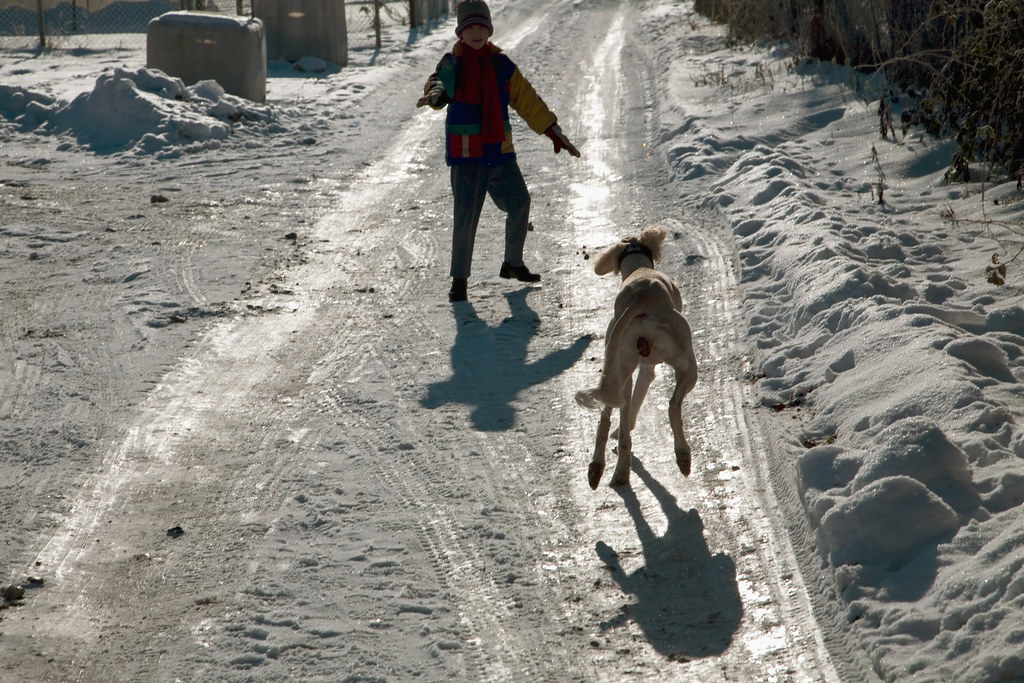
In 1964 walking the dog was handed to the youngest person capable of holding a lead, because it took twenty minutes, happened in all weather and produced nothing anybody could see. What adults never seemed to work out was that the job came with an unsupervised absence from the house, which made it considerably more attractive than most of the alternatives. The route was decided by the animal, the equipment was frequently not a lead at all, and most of the other dogs in the street were not on one. Here are fourteen things every kid remembers about walking the dog in 1964, and why no neighborhood allows any of it anymore.
1. It Was Given to the Child Because Nobody Else Wanted It
The job was allocated downwards, and the youngest person capable of holding a lead got it.
The allocation followed household logic exactly. A task that takes twenty minutes, happens in all weather and produces nothing anybody can see is precisely the kind of work that gets handed to whoever has least standing to refuse.
Children accepted it readily anyway. The job came with an unsupervised absence from the house, which made it considerably more attractive than most of the alternatives on offer, and adults never seemed to work that out.
Like our content? Follow us for more.
2. The Route Was Decided by the Animal and Not by Anybody Else
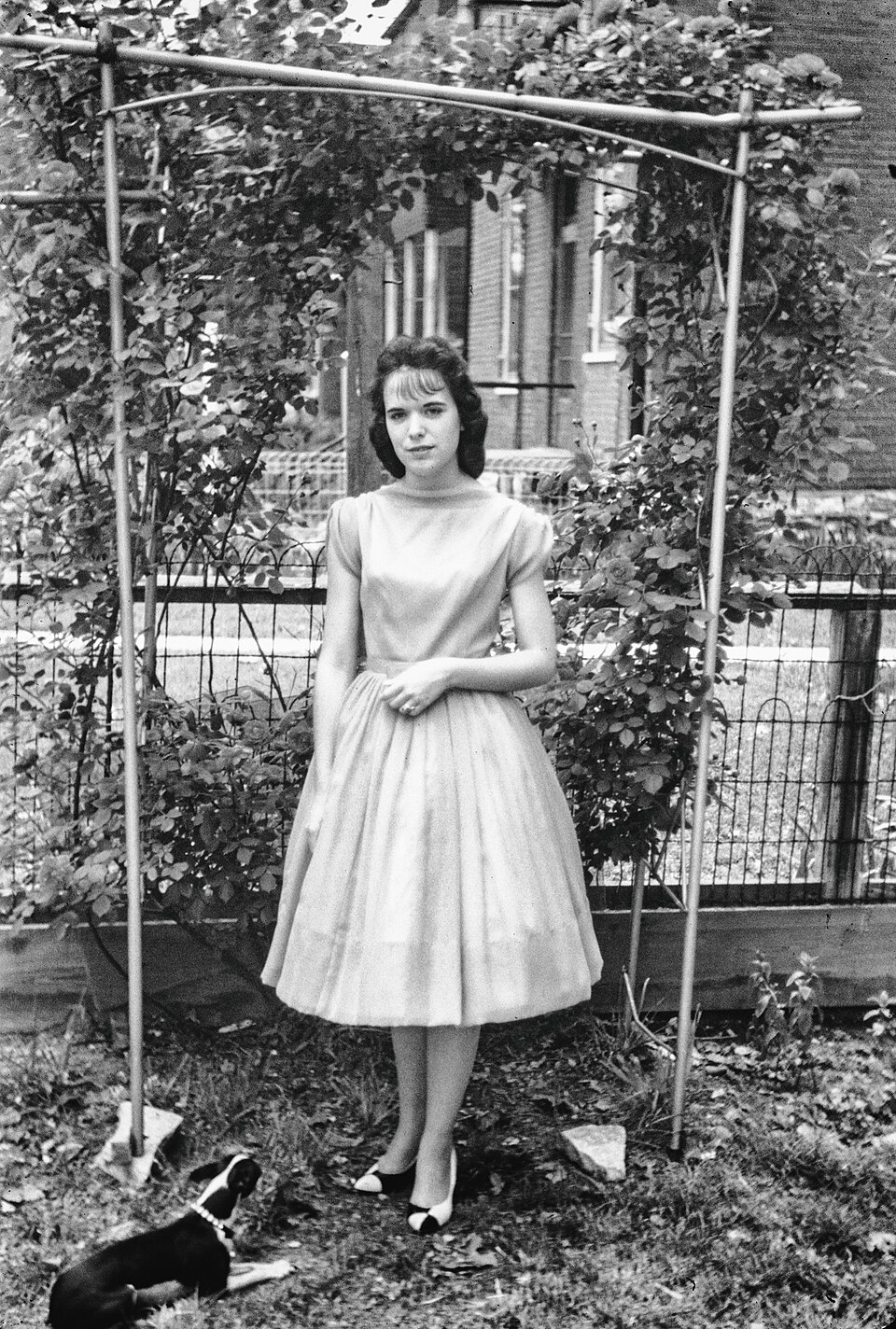
A dog walked the same way every day, and a child who tried to change it discovered who was actually in charge.
The habit was established long before the child was involved. An animal that has walked a particular circuit several hundred times will attempt that circuit regardless of what the person at the other end of the lead intends.
Children learned to go along with it. The sensible approach was to let the animal lead and claim afterwards to have chosen the route, which is roughly what every child in this position eventually settled on.
There was also a standard deviation every child attempted at least once. A route extended to include somewhere the child wanted to go, on the grounds that the animal needed the exercise, was the oldest justification available in the job, and it worked exactly as often as the adult concerned was paying attention.
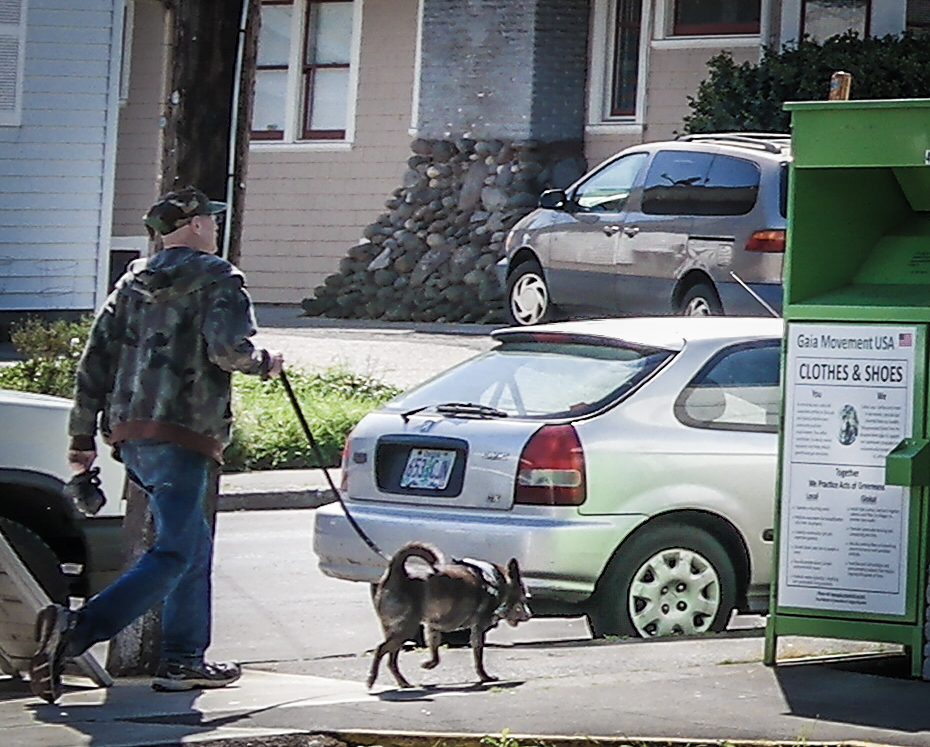
3. The Lead Was Usually the Wrong Length and Frequently Not a Lead at All
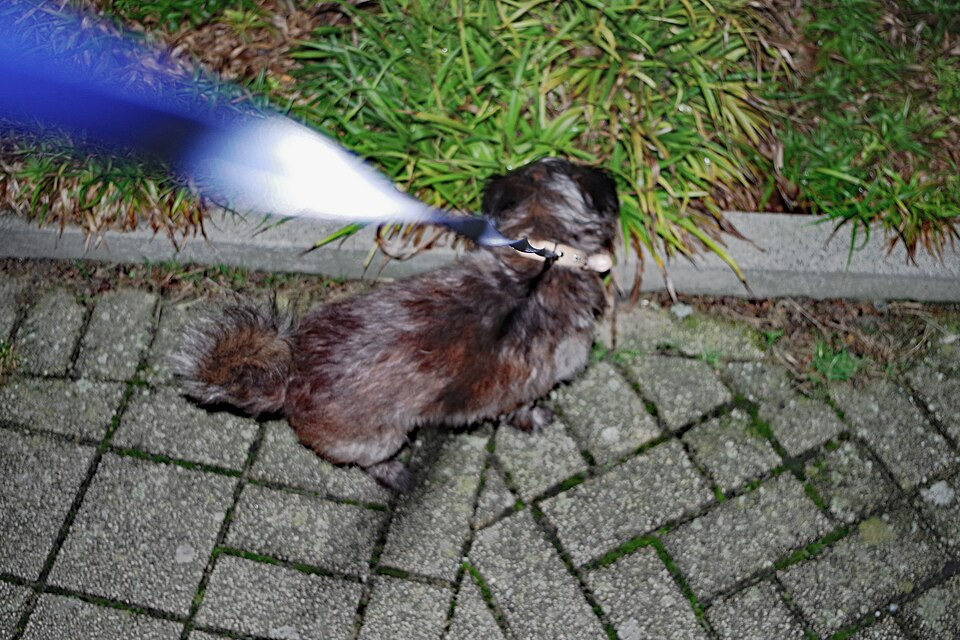
Households used whatever was available, and a surprising proportion of these walks were conducted with improvised equipment.
The improvisation reflected what households owned. Proper equipment existed and cost money, and a length of something that worked well enough was already in the house, which settled the matter in a great many families.
It worked until it did not. Equipment that is not designed for the job holds perfectly well on an ordinary day and fails at exactly the moment something unexpected happens, which is the whole problem with it.
4. Most Dogs in the Neighborhood Were Not on a Lead at All
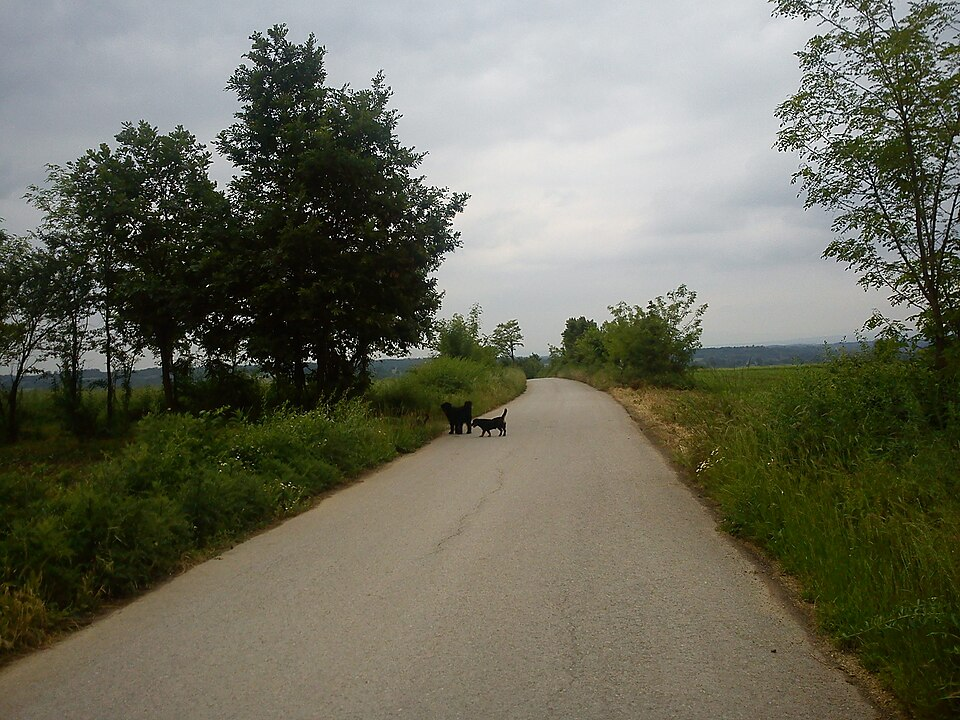
Loose dogs were an ordinary feature of a street, and everybody simply navigated around them.
The practice was universal and is the single thing that has changed most. Animals were let out in the morning, wandered a known territory and came back, and nobody regarded this as remarkable in any way.
Current rules are plainly better and should be followed. Nothing in this piece should be read as describing how any animal ought to be managed now, and the reasons behind present-day requirements are not in dispute.
5. Meeting Another Dog Was the Entire Drama of the Walk
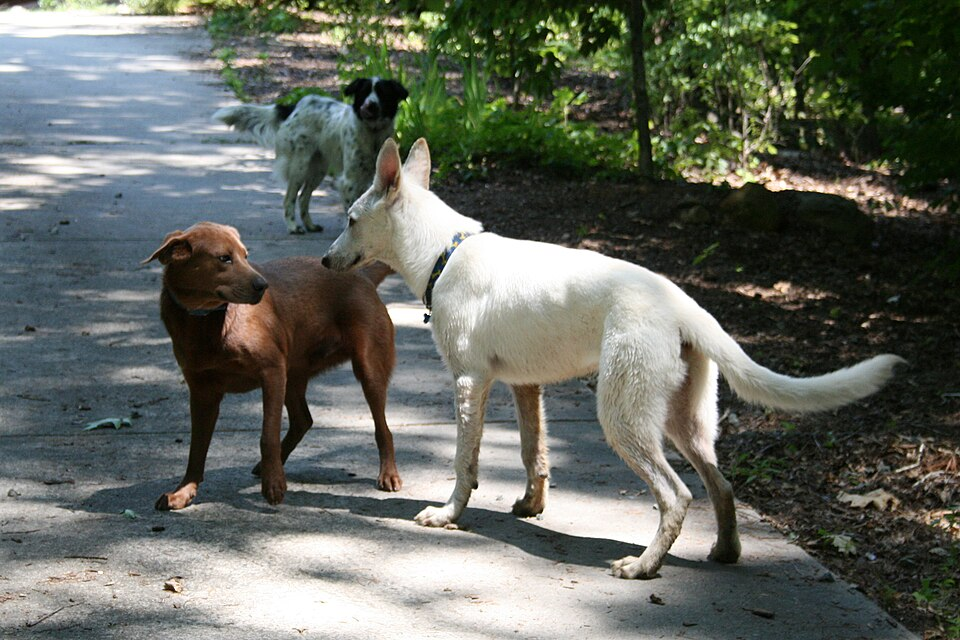
The encounter was unpredictable, the child had no control over it and everybody’s afternoon depended on how it went.
The powerlessness was the point. A child holding a lead while two animals assess each other has no useful influence over the outcome and is simply present for whatever happens next.
That is the risk worth naming honestly. A child of nine managing an encounter between an animal on improvised equipment and a loose animal they had never seen is not a situation anybody should arrange today, which is exactly why the rules changed.
6. Nobody Picked Anything Up and Nobody Thought About It
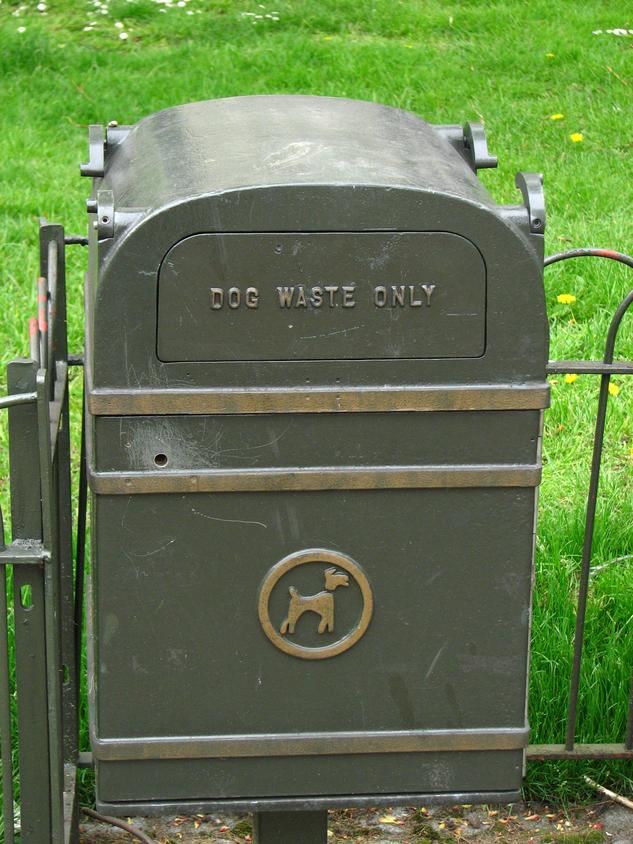
The modern obligation did not exist, and the consequences accumulated on every pavement in the country.
The absence of the norm is genuinely difficult to convey now. There was no expectation, no equipment, no provision and no social pressure of any kind, which meant the problem was simply distributed across the whole neighbourhood.
The change is one of the clearest improvements of the last sixty years. Present-day expectations are correct, the streets are immeasurably better for them, and nothing here is nostalgia for the alternative.
7. The Animal Knew Exactly How Long the Walk Was Meant to Be
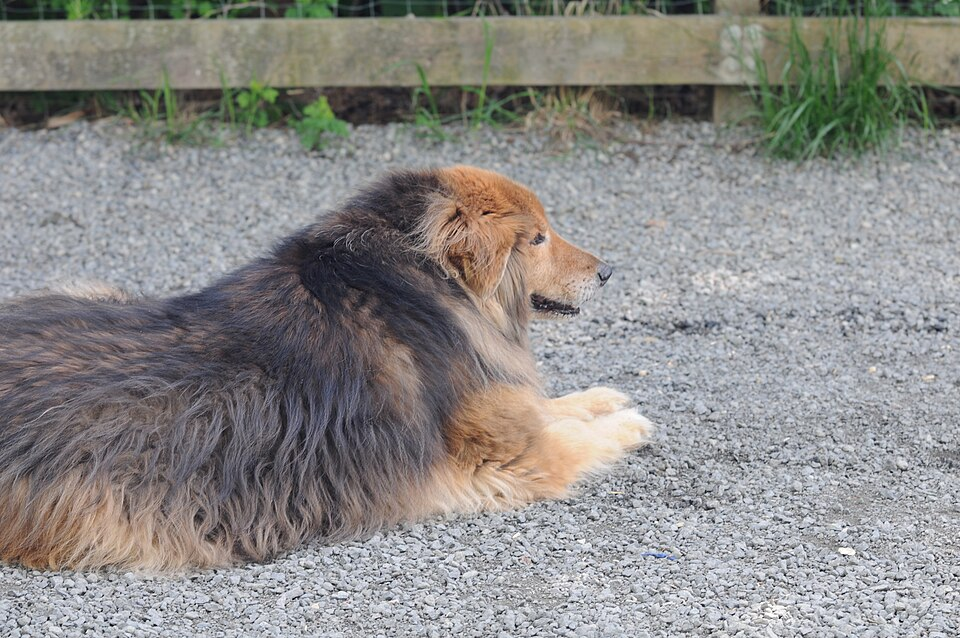
A dog taken on a shortened version registered the difference immediately and made its position known.
The timekeeping was better than the child’s. An animal with a fixed daily routine has a precise sense of how far it is normally taken, and a child attempting to cut the circuit short was negotiating with something that knew.
The negotiation was usually lost. A dog that stops and declines to continue towards home has a position that cannot easily be overruled by a nine-year-old, which is how a twenty-minute job became forty on a regular basis.
The stopping was also unanswerable because nobody had given the child any authority. A nine-year-old cannot threaten anything, cannot offer anything and cannot physically compel anything much larger than a small animal, which left waiting as the only strategy available and meant the walk ended when the animal decided it had.
8. Weather Made No Difference to the Obligation
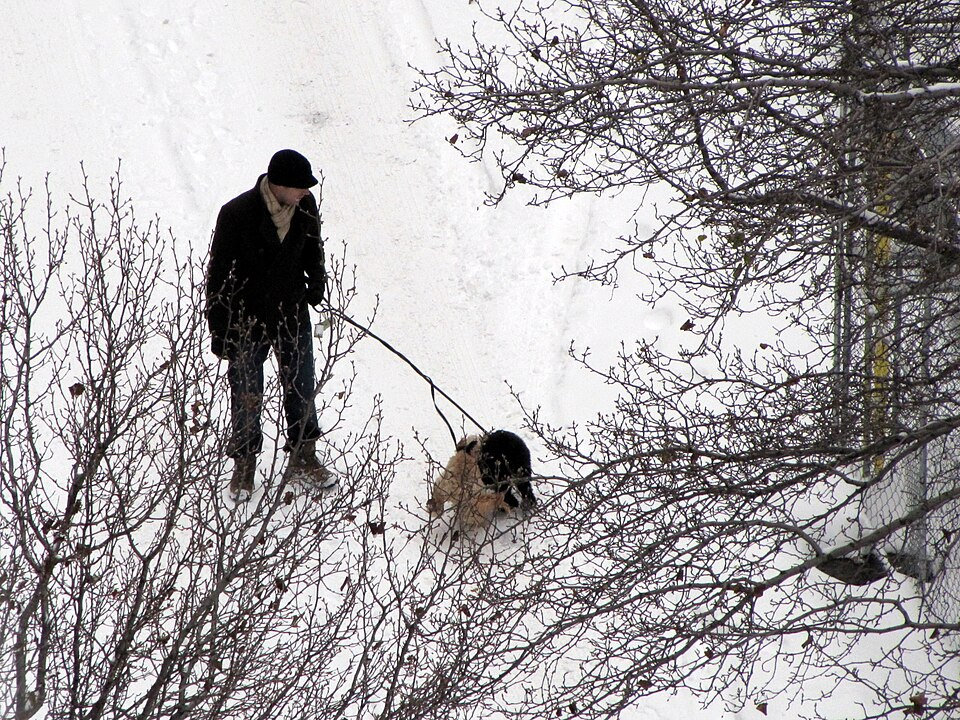
The walk happened in rain, in cold and in the dark, because the animal’s requirements did not consult the forecast.
The inflexibility was the hardest part of the job. Every other household task could be deferred to a better afternoon, and this one could not, which made it the only genuinely unavoidable chore a child had.
It was also where the resentment came from. A child sent out into weather nobody else was going out into, for an animal somebody else had wanted, is the specific grievance almost everybody who had this job still remembers.
9. You Met the Same People Every Single Day
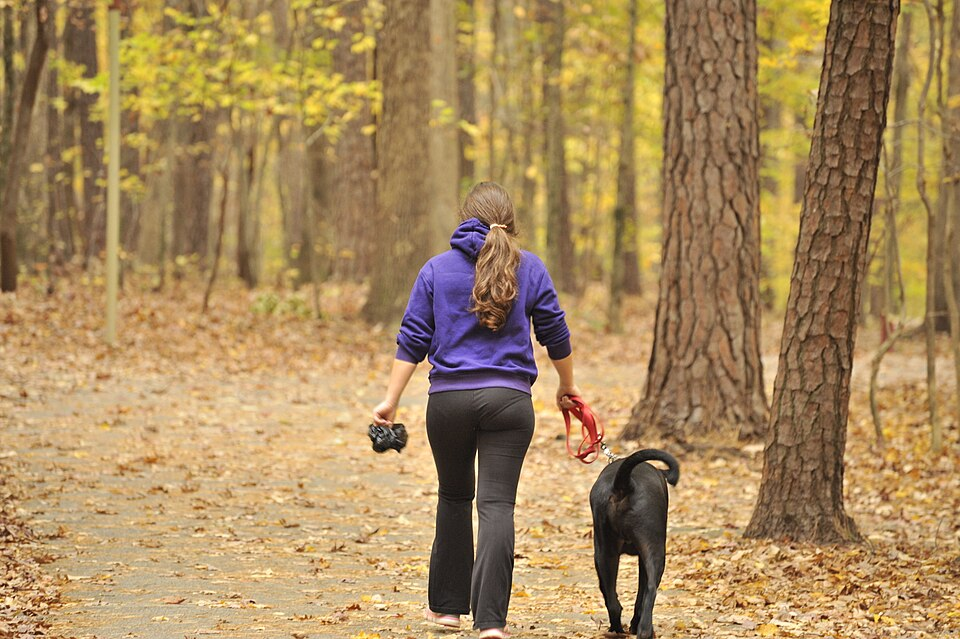
A fixed route at a fixed time produced a fixed cast of adults, and the child came to know all of them slightly.
The regularity created the acquaintance. Walking the same pavements at the same hour means encountering the same people doing the same things, and a nodding relationship forms whether anybody intends it or not.
It was most children’s first independent social world. Adults who knew the child by the animal rather than by their family, spoken to without any parent present, constituted a small circle nobody at home knew anything about.
10. Letting Go of the Lead Was the Nightmare Everybody Had
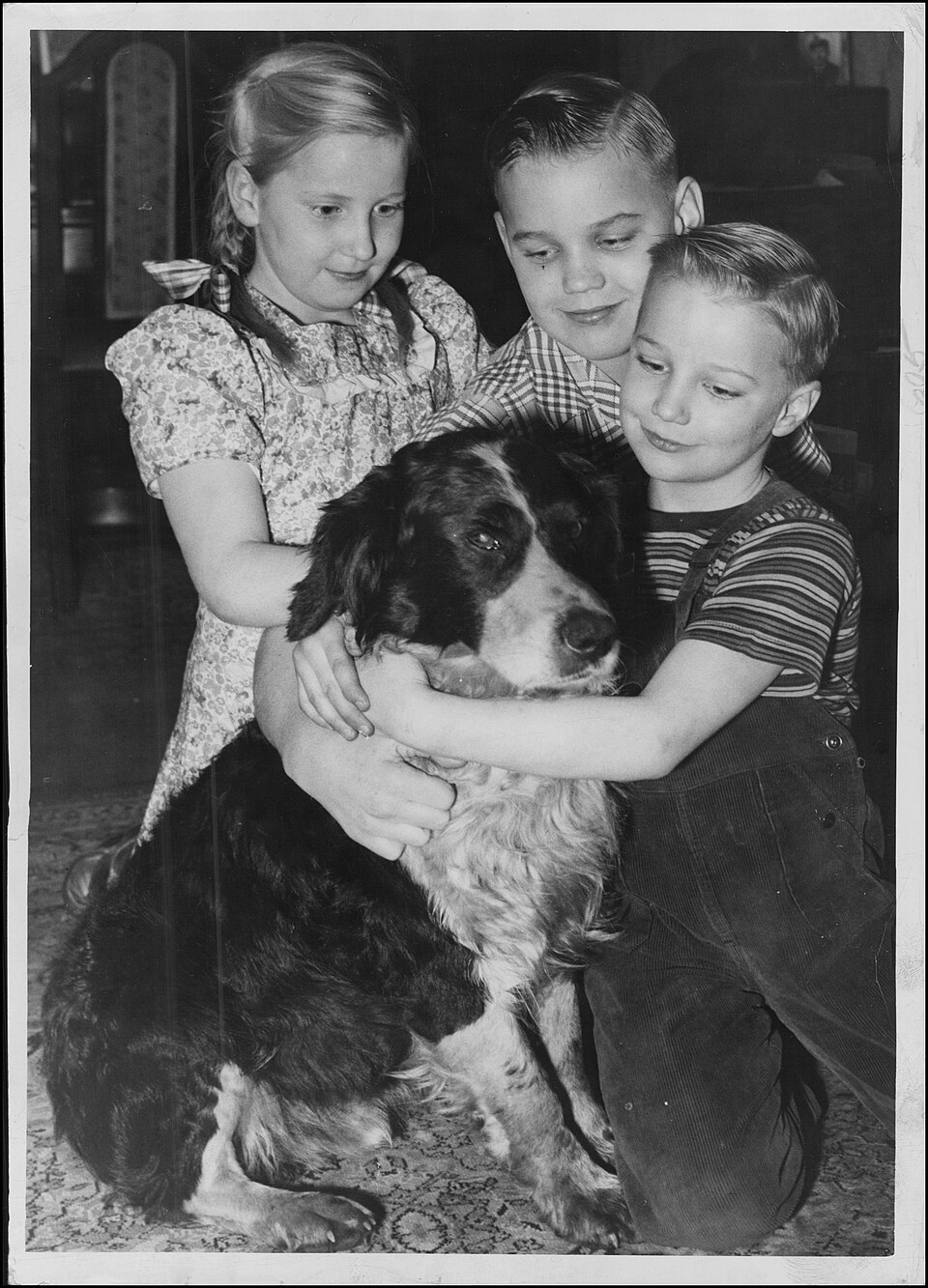
The possibility of losing the animal was the one real fear attached to the job, and it happened often enough to be credible.
The fear was proportionate. A child who had let go had a genuine problem, no means of summoning help and the certainty of having to go home and report it, which is an unusually heavy consequence for a small lapse.
Most instances resolved themselves. The animal generally came back or went home on its own, and the child’s panic lasted considerably longer than the actual absence, which is the detail everybody remembers.
The telling at home was also the worst part rather than the losing. A child who had got the animal back still had to decide whether to mention what had happened, and the universal answer was not to, which means a substantial number of these incidents were never reported to anybody at all.
11. The Job Was How a Child Learned the Neighborhood
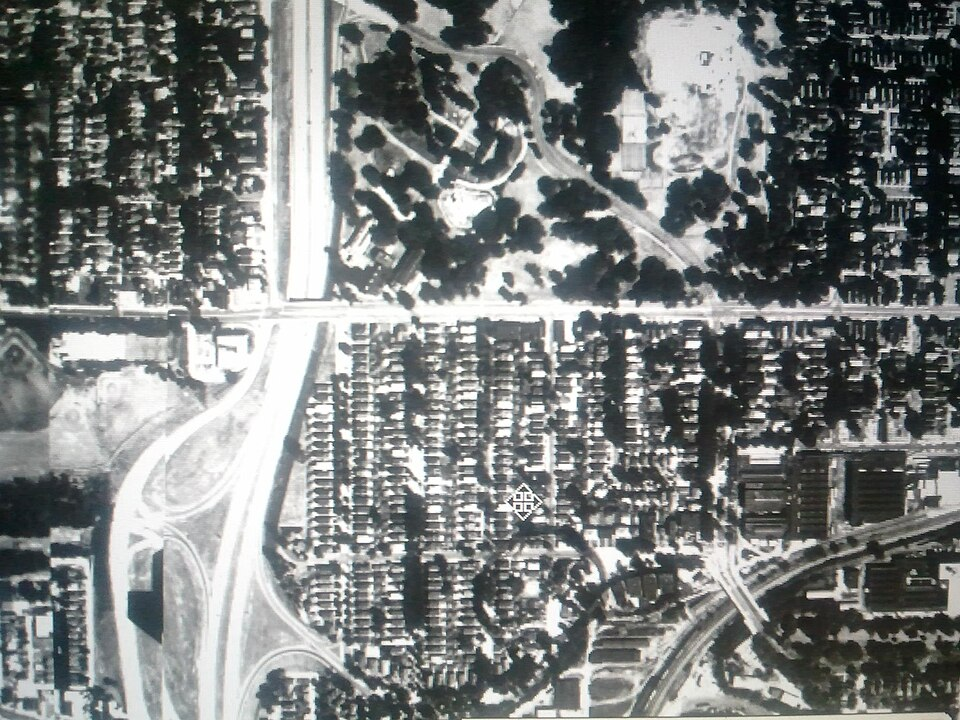
Twenty minutes a day on foot, for years, produces a knowledge of an area nothing else would have supplied.
The learning was incidental and thorough. Which houses had what, who was in, where the gaps in fences were and how the streets actually joined up were all acquired without anybody intending to teach any of it.
That knowledge lasted. People who did this as children can still describe those streets in detail decades later, which is not true of places they merely lived in, and the difference is the walking.
12. Somebody Else’s Dog Got Walked Too
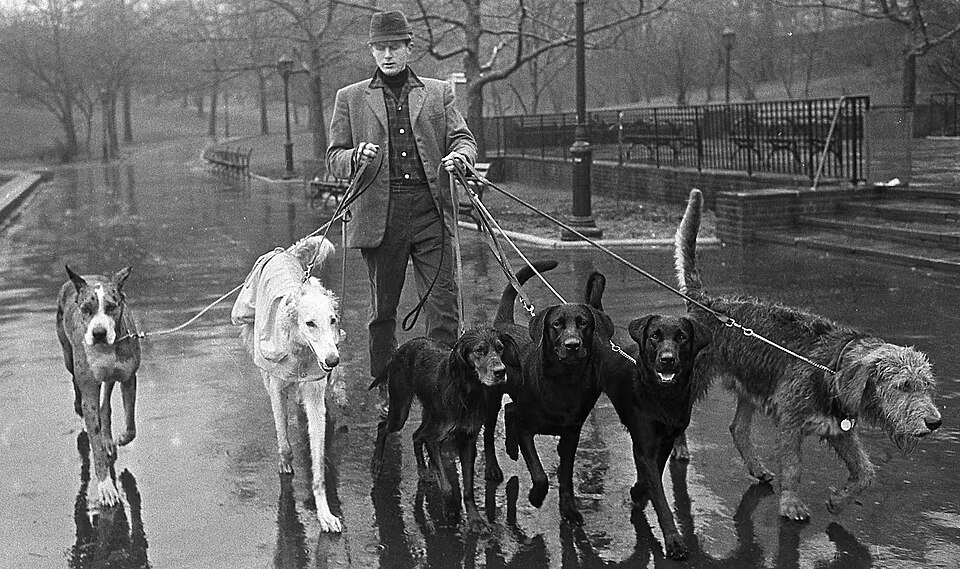
Children frequently ended up responsible for animals belonging to neighbours, by informal arrangements nobody wrote down.
The arrangements arose from convenience. A household with an animal and nobody available, next door to a child already going out, produces an obvious solution that required no discussion and no payment.
It was occasionally the first paid work. A small sum for walking a neighbour’s animal was many children’s introduction to being paid for anything, and the amounts involved were trivial and felt enormous.
Those arrangements also produced the first lesson in unreliable employers. A neighbour who had promised a small sum and then forgotten about it, or who paid in something other than money, was many children’s first experience of work not being quite what had been agreed, and nobody had any route to complain about it.
13. Coming Home Was the Only Part Anybody Checked
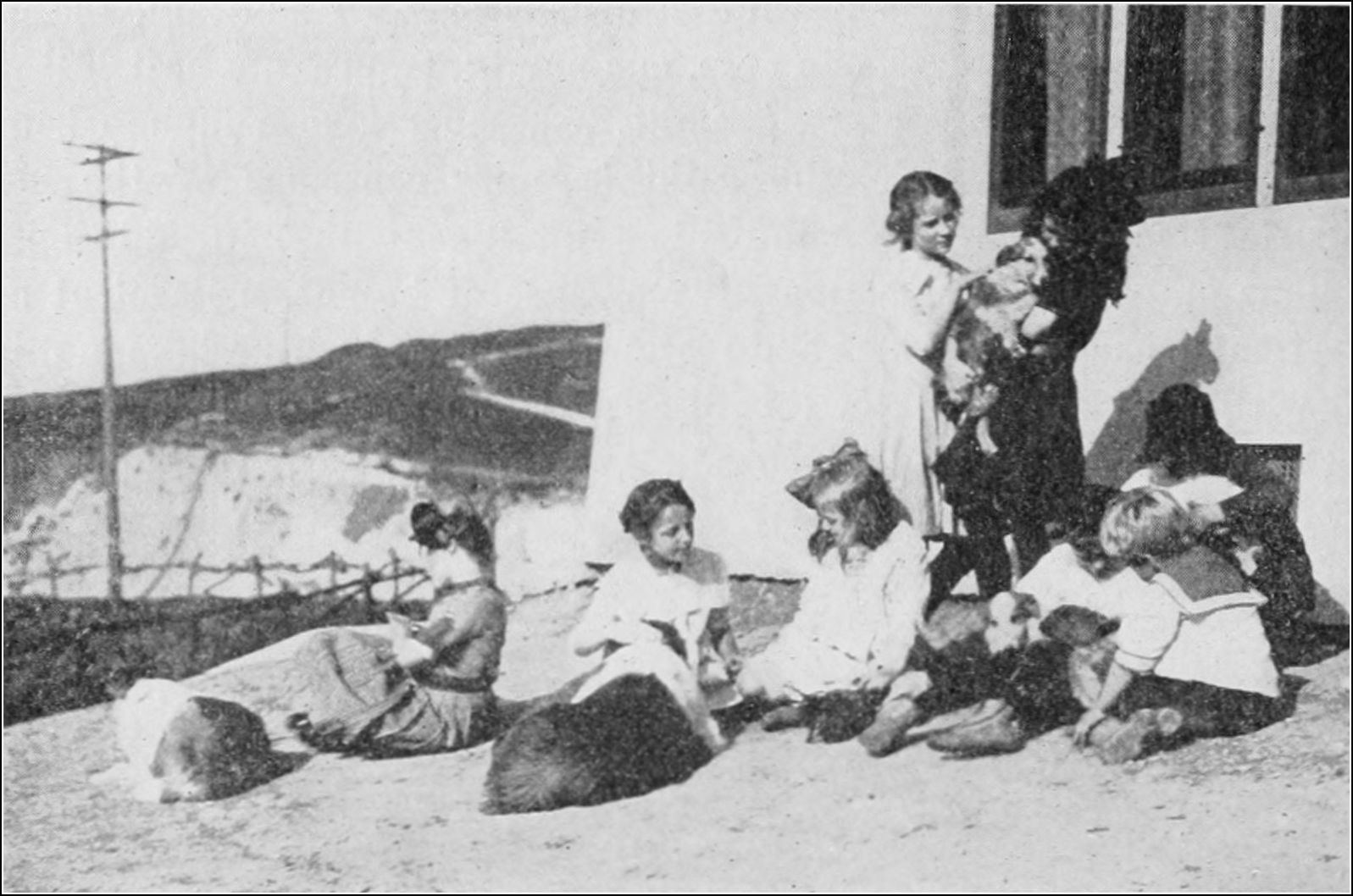
No adult knew where the walk had gone, how long it had taken or what had happened, and nobody asked.
The absence of oversight was total. A child left with an animal, on foot, with no means of contact and no requirement to report anything was accountable only for returning, which they always did.
That is what the job actually gave. Not exercise and not responsibility exactly, but twenty minutes a day entirely outside anybody’s knowledge, which was otherwise almost impossible for a child to obtain.
14. Then Everything About How Animals Are Walked Changed
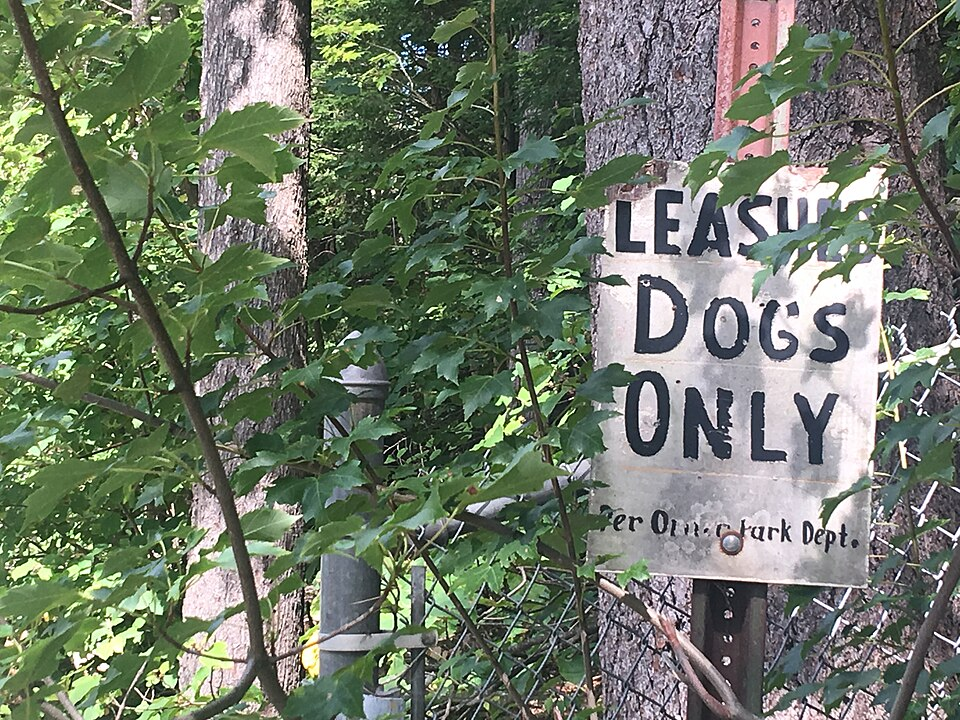
Proper equipment, leash requirements, the obligation to clean up, identification, and far more supervision of children outdoors reshaped the whole business.
Every part of that is an improvement and none of it needs defending. Animals are better managed, streets are immeasurably cleaner, encounters are far safer and no child is sent out alone with improvised equipment to negotiate with loose animals they have never met.
What went with it is twenty unaccounted minutes. A nine-year-old, a route the animal had chosen, a length of something that was not really a lead, a nodding acquaintance with adults nobody at home had heard of, and a walk whose entire content nobody ever asked about.
What the Job Actually Was
Read in order, the fourteen describe a chore that nobody in the household valued and that the child doing it quietly understood to be the best arrangement available. It was allocated downwards because it was unglamorous and unavoidable. It was conducted on a route the animal had established several hundred times before the child was involved, which meant the sensible approach was to let the dog lead and claim afterwards to have chosen. It could not be deferred to a better afternoon the way every other household task could, which is where the resentment came from and why the memory of being sent out into weather nobody else was going out into is so widespread.
What it gave back was knowledge and an absence. Twenty minutes a day on foot for several years produces a map of an area that nothing else would have supplied, which is why people who did this can still describe those streets in detail. And a fixed route at a fixed hour produced a small circle of adults who knew the child by the animal rather than by their family, spoken to with no parent present – most children’s first independent social world, and one nobody at home knew anything about.
Three things in this piece are stated plainly as endorsements of present practice rather than nostalgia. Loose animals were ordinary then and current rules are better. Nobody picked anything up, there was no norm, no equipment and no provision, and the change since is one of the clearest improvements of the last sixty years. And a nine-year-old with improvised equipment managing an encounter with a loose animal they had never seen is not a situation anybody should arrange today, which is exactly why the requirements changed.
What went with it is twenty unaccounted minutes: a route the animal had chosen, a length of something that was not really a lead, a nodding acquaintance with adults nobody at home had heard of, and a walk whose entire content nobody ever asked about.
Like our content? Follow us for more.